Artwork
Four Parts
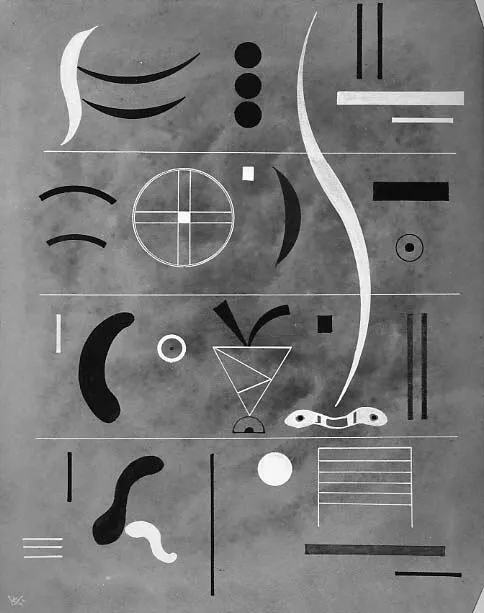
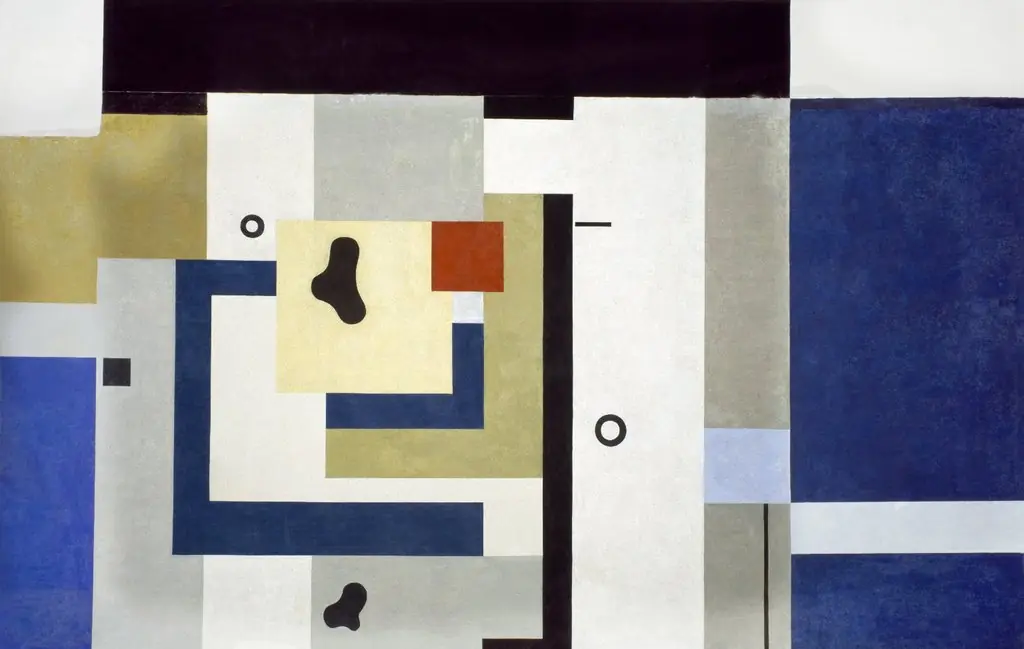
Four Parts is an unspecified painting by the Abstract Expressionist artist Wassily Kandinsky. It dates from 1932 and is held in the collection of the Metropolitan Museum of Art.
About this work
No one knows what it’s really about, just shapes and colors with no clear picture.
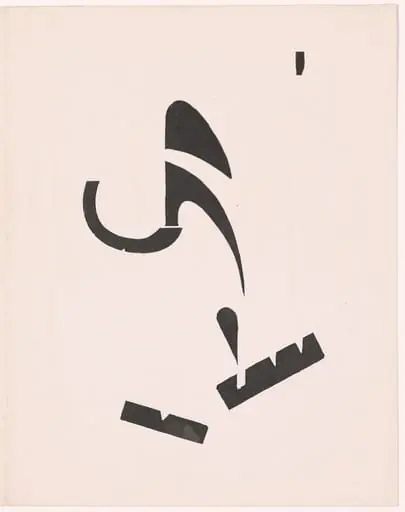
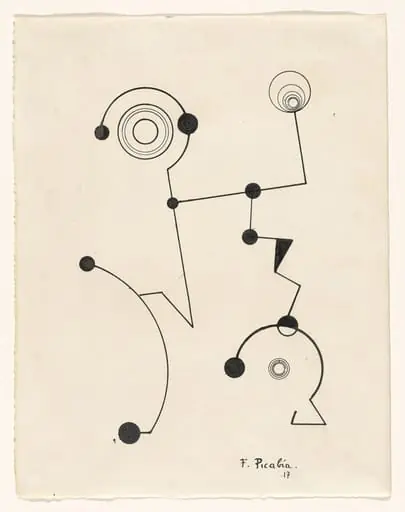
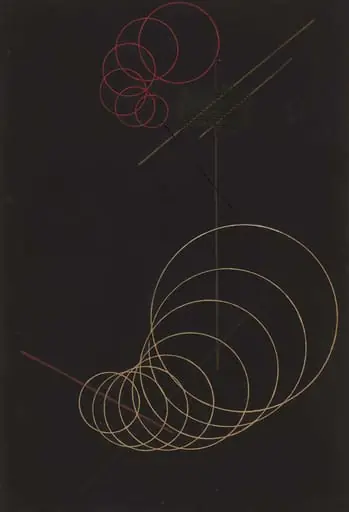
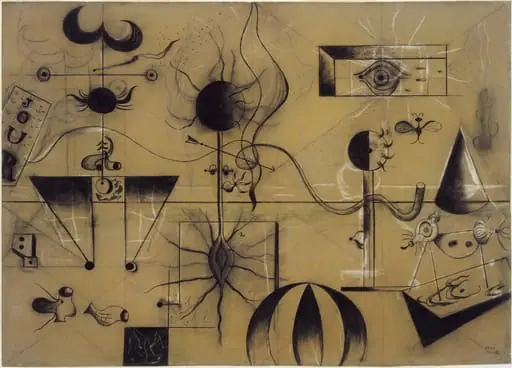
This painting has no real shapes. Just black and white marks on a gray background. Some look like curves, others like dots or lines. A few pieces almost look like a face or a house, but they’re not clear. The whole thing feels busy but also empty at the same time.
The artist made this in 1932. No one knows what it’s really about, just shapes and colors with no clear picture. It’s like a puzzle with no rules.
If you like this, look up Wassily Kandinsky.
History & Provenance
Wassily Kandinsky's 1932 painting Four Parts is held in the collection of the Metropolitan Museum of Art. The work is located within the museum's facilities and is classified as an abstract painting created at the beginning of 1932. No specific accession number or detailed exhibition history is provided in the available records.
Legacy
The 1932 painting Four Parts by Wassily Kandinsky, housed in the Metropolitan Museum of Art, is recognized as a significant work within his late oeuvre and has contributed to the understanding of his development toward full abstraction. Its presence in a major institutional collection and its inclusion in scholarly discourse underscore its lasting importance in the study of modern art.
Although specific exhibition histories or direct citations of its influence on later artists are not detailed in the available sources, the work remains part of the canonical record of Kandinsky's artistic trajectory.
Overview
Created in 1932, Four Parts is an oil painting by Russian artist Wassily Kandinsky now held by the Metropolitan Museum of Art. The work consists of a muted gray field populated by stark black and white marks, curves, dots, and short lines, that suggest fleeting forms without depicting recognizable objects.
Subject & Meaning
The composition offers no explicit narrative; its elements are purely abstract, leaving interpretation open. Critics note occasional hints of familiar silhouettes, such as a vague facial profile or a house‑like shape, but these impressions remain ambiguous, reflecting Kandinsky’s interest in evoking sensation rather than literal representation.
Technique & Style
Kandinsky employs a limited palette of monochrome tones, allowing the contrast between the dark marks and the gray ground to dominate. The marks vary in thickness and curvature, creating a rhythmic interplay of density and void that aligns with his later abstract expressionist approach, emphasizing gesture over figurative content.
Context
Four Parts belongs to the period when Kandinsky, already a pioneer of abstraction, was refining his visual language amid the cultural shifts of the Belle Époque’s end and the interwar years. The piece exemplifies his move away from color‑driven compositions toward a more austere, monochromatic exploration of form.
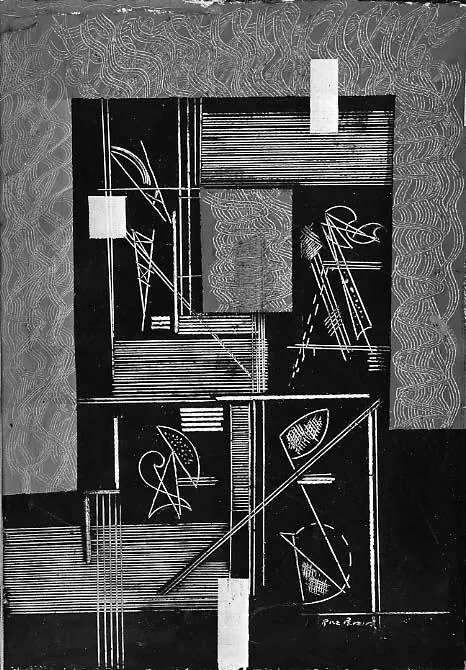
Artist & collection
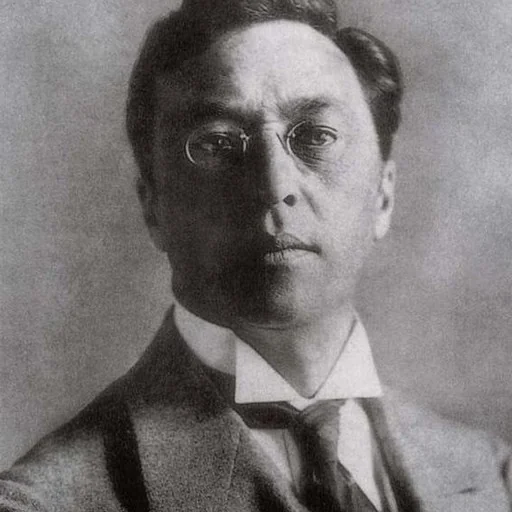
Artist
Wassily Wassilyevich Kandinsky (16 December 1866 – 13 December 1944) was a Russian painter and art theorist active in Germany during the late Belle Époque and Interwar eras.