Genre
Abstract
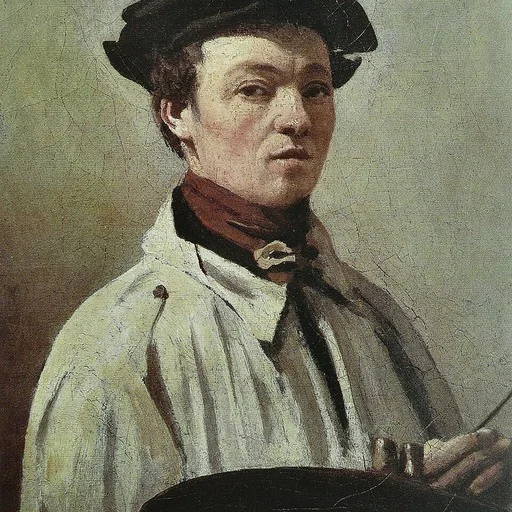
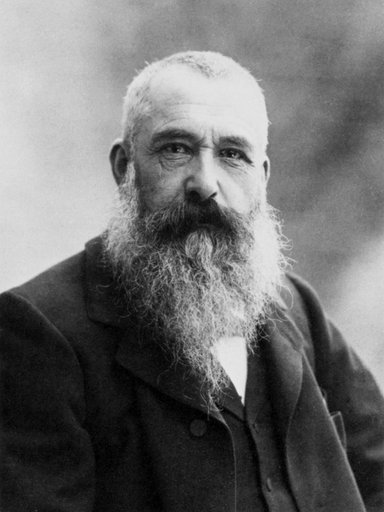
Abstract is an art genre. The gallery holds 3,068 works in this genre, including works by Jean Baptiste Camille Corot, Claude Monet and Paul Gauguin.
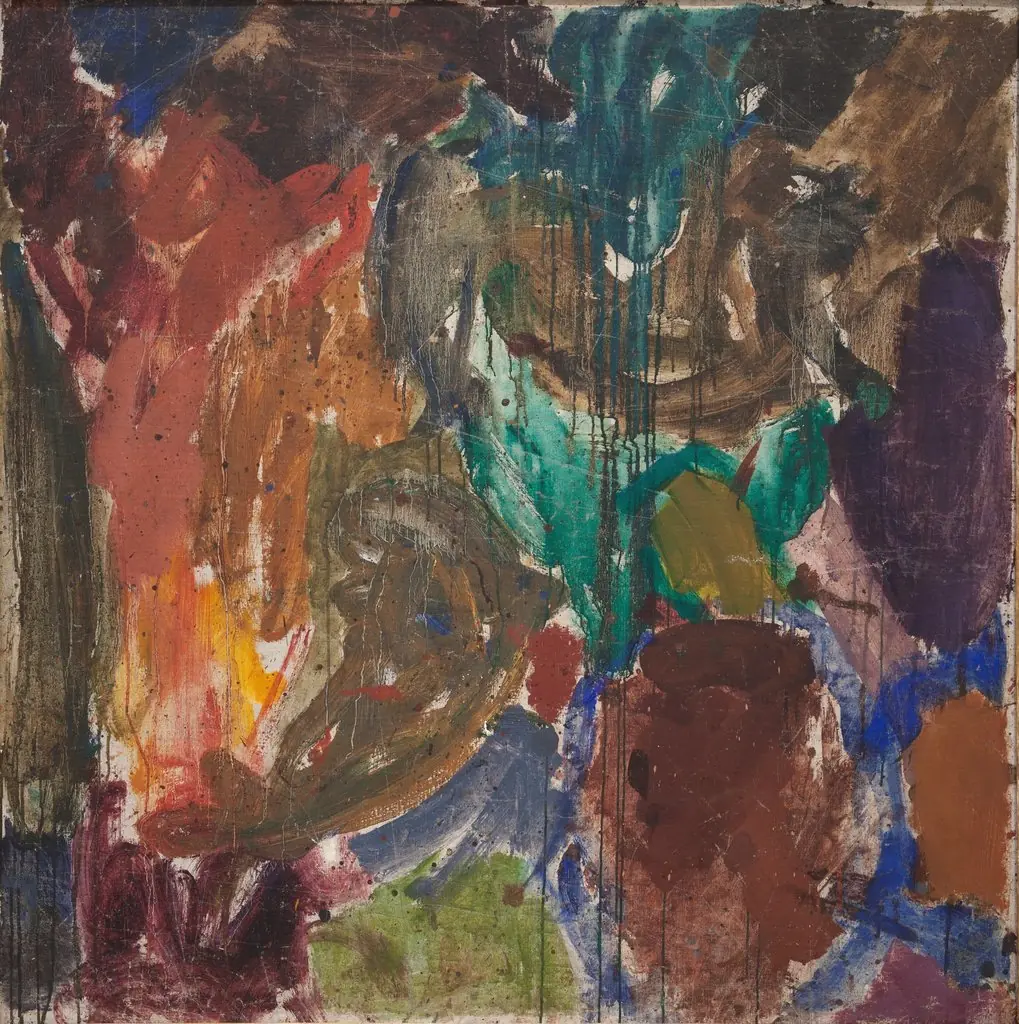
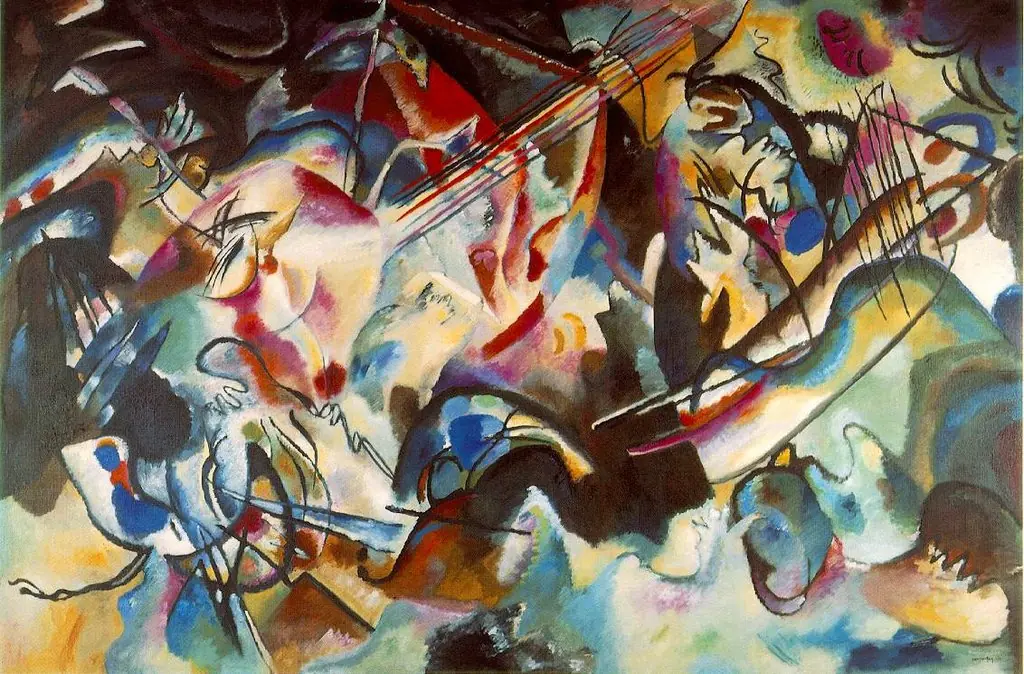
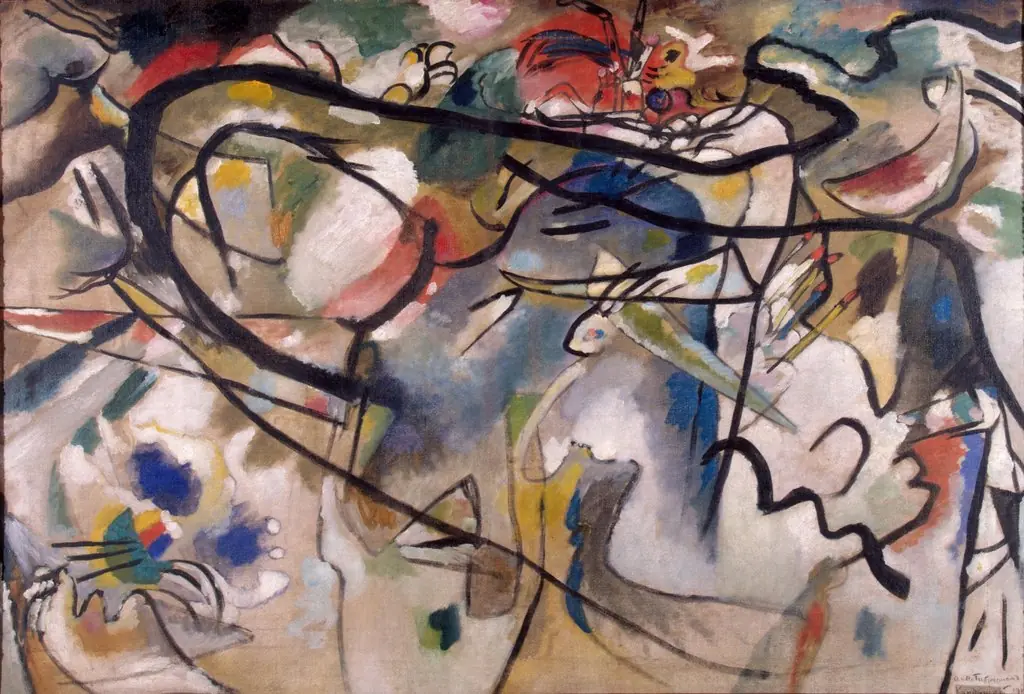
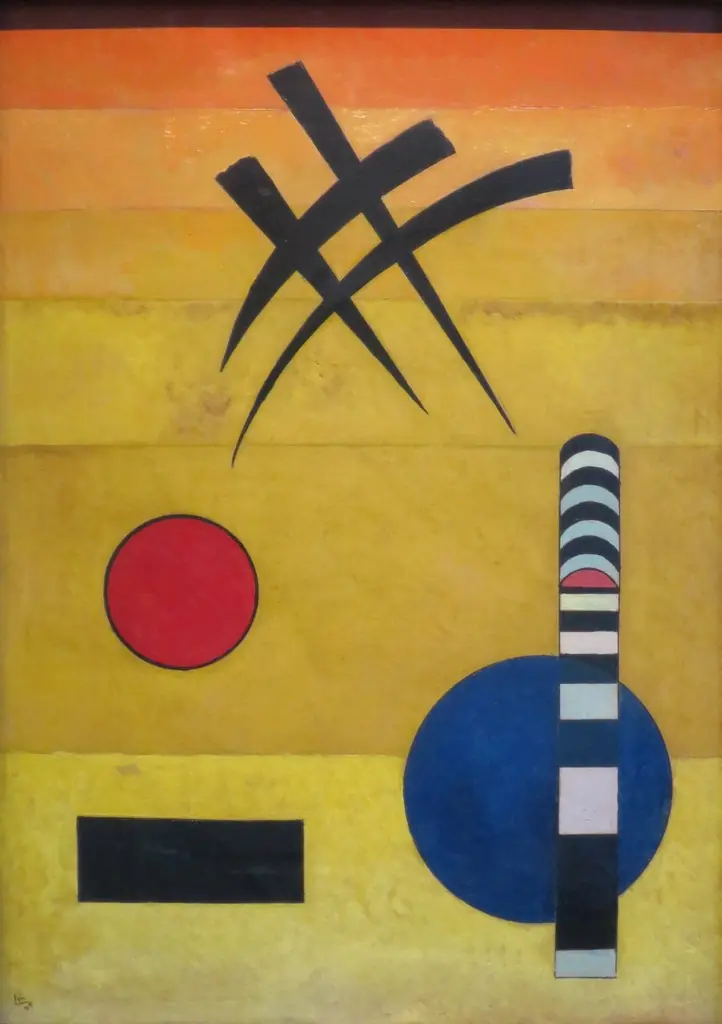
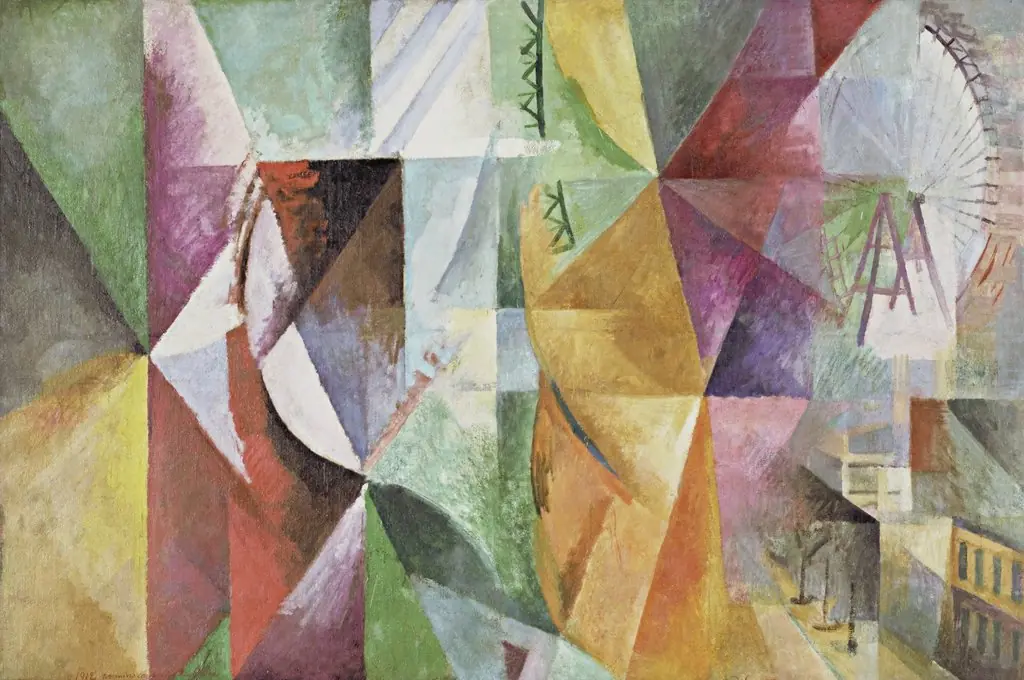
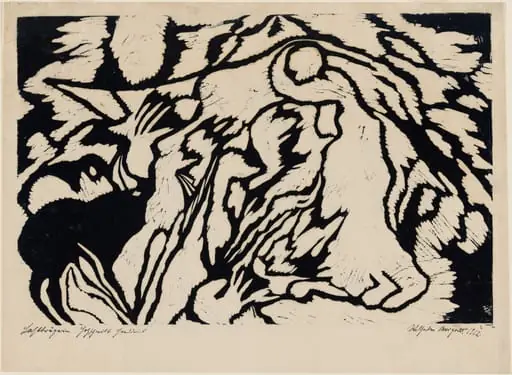
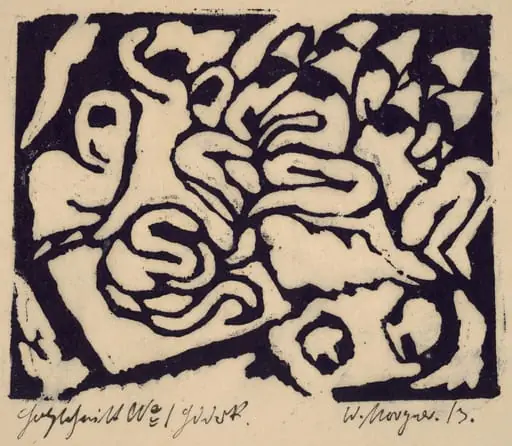
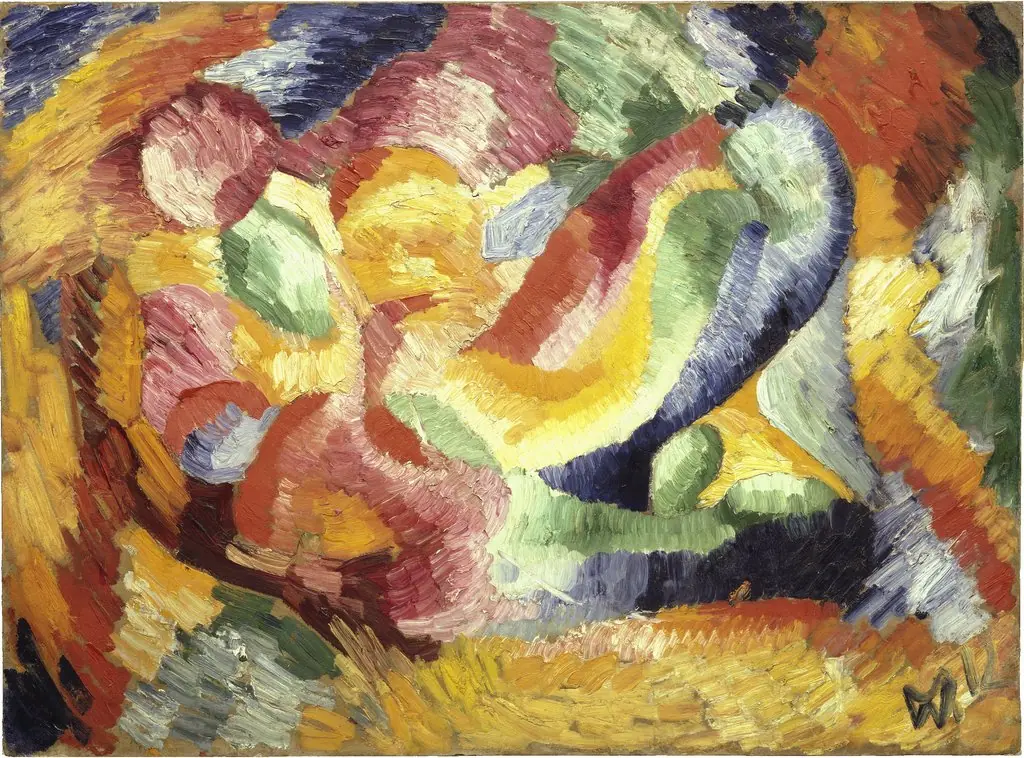
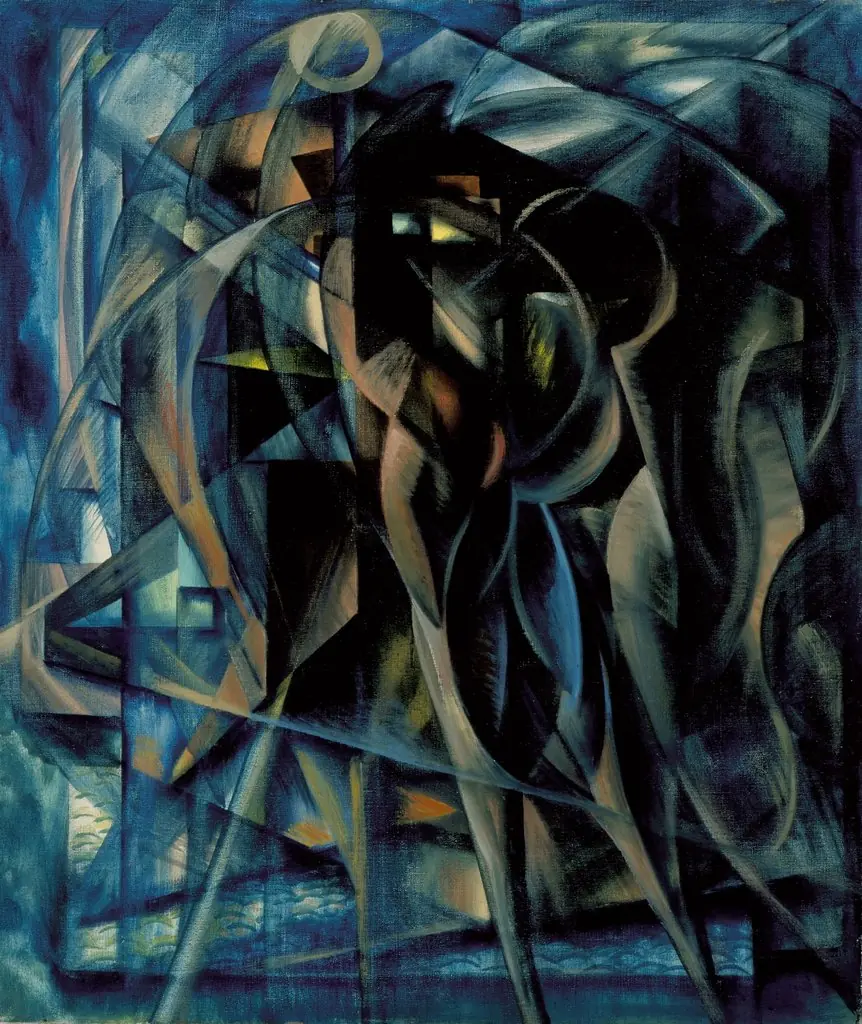
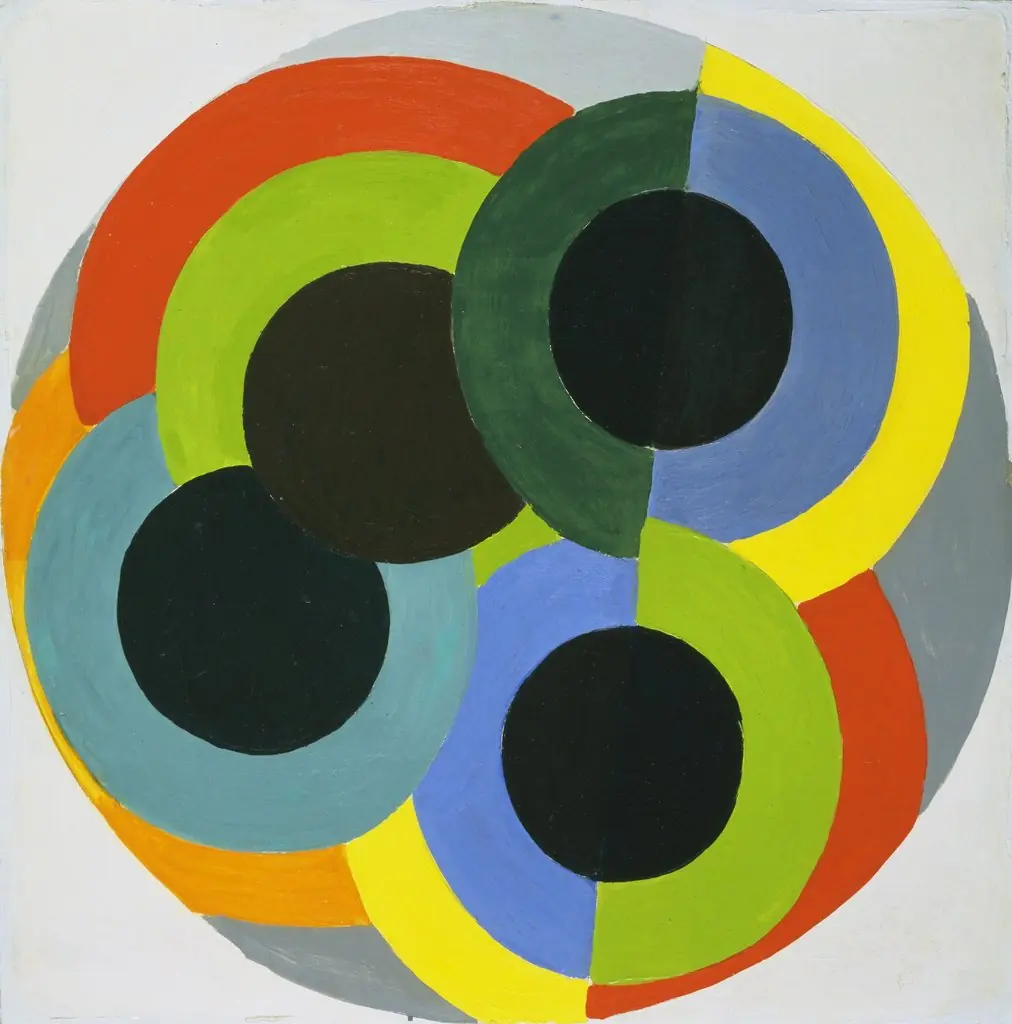
Abstract art is art with a degree of independence from the visual references of the world, abandoning the depiction of recognizable objects in favour of an autonomous language of colour, line, shape and gesture. It crystallized across Europe in the years around 1910–1913, as a generation steeped in the dismantling of appearances by Post-Impressionism, Cézanne, Fauvism and Cubism pushed toward a complete break with representation. The impulse was as much spiritual as formal: many pioneers, drawn to Theosophy and to the analogy of music — which moves listeners without imitating anything — sought a pictorial equivalent for inner states. Wassily Kandinsky gave the movement its founding theory in his 1911 treatise "Concerning the Spiritual in Art," and his works were among the first non-objective paintings exhibited publicly; the Swedish artist Hilma af Klint, working privately, had already begun her abstract "Paintings for the Temple" in 1906. Within a few years František Kupka, Robert Delaunay and Francis Picabia were exhibiting abstractions of their own.
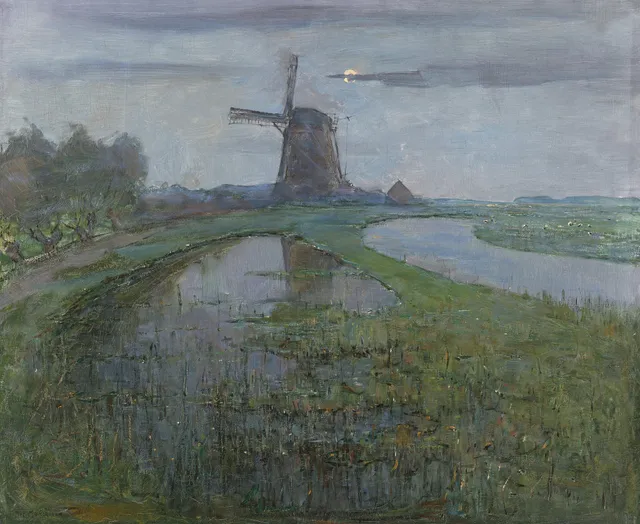
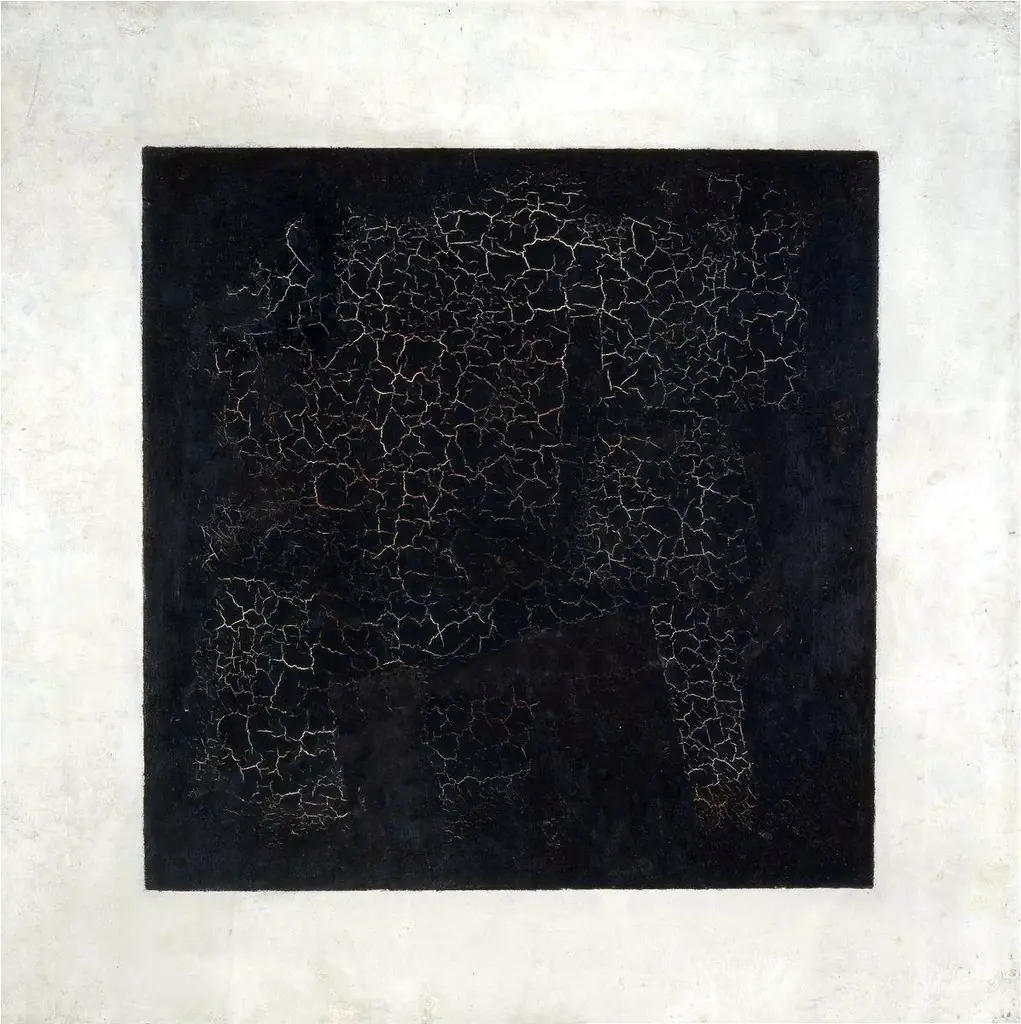
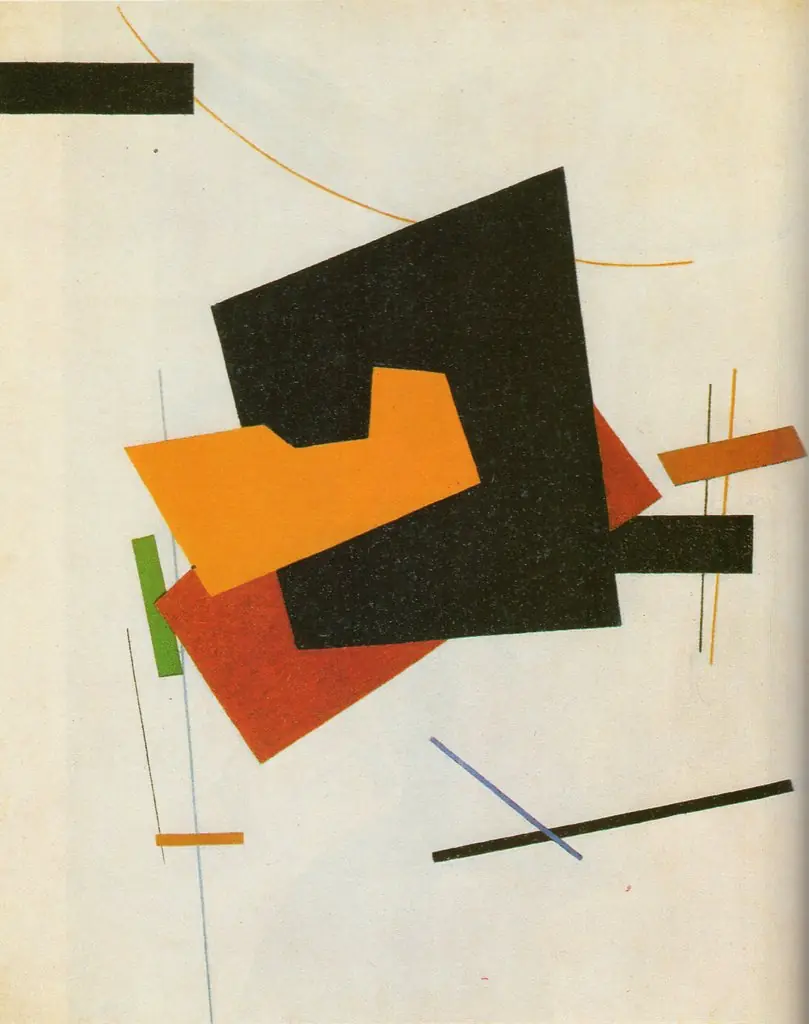
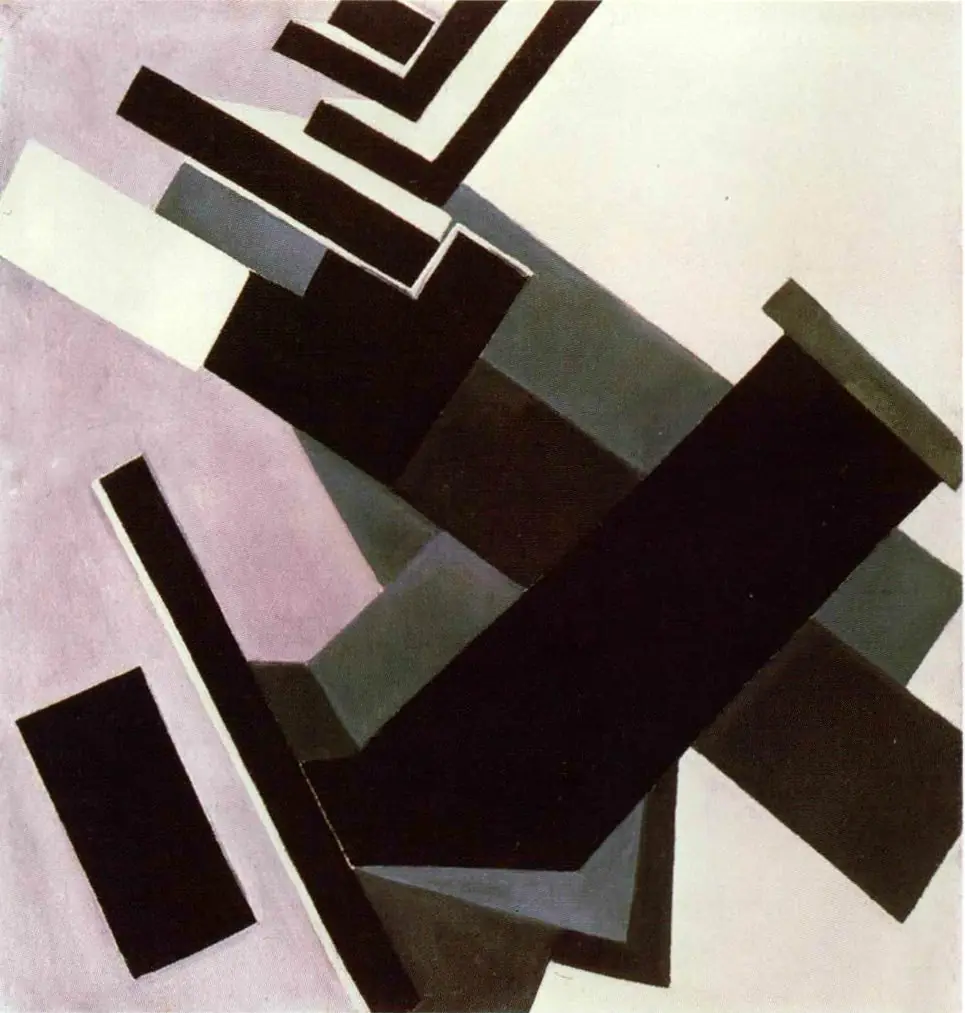
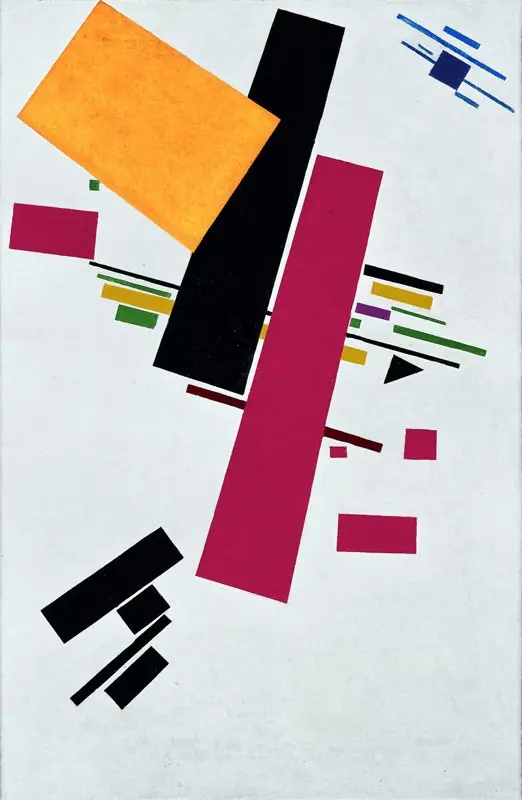
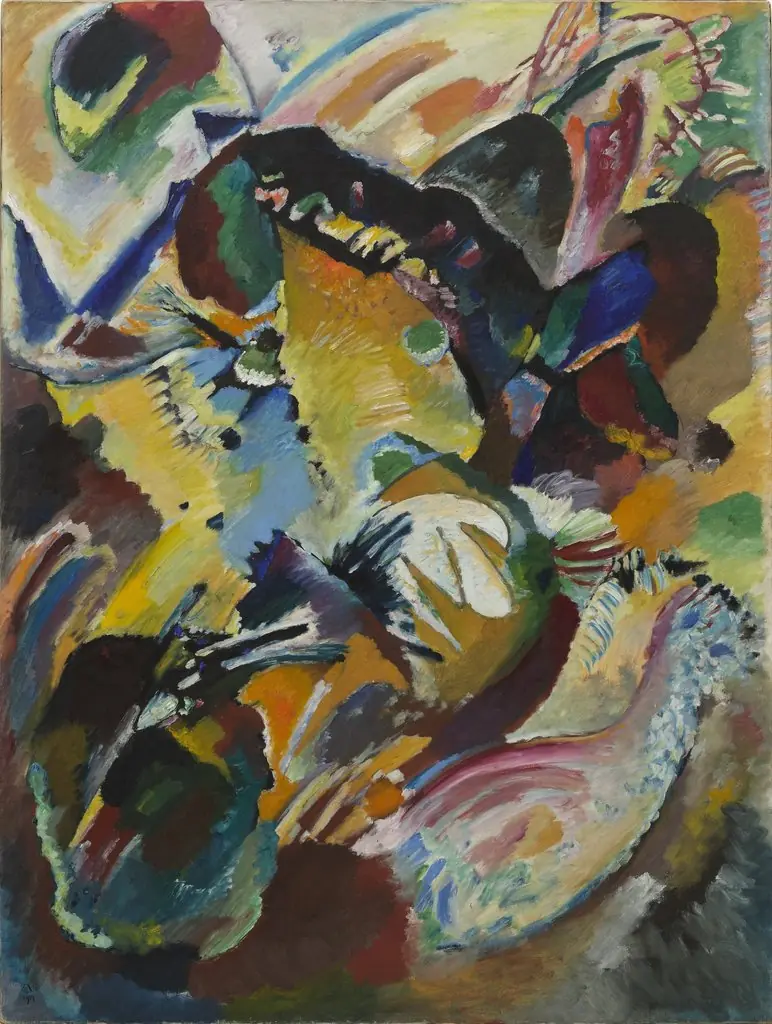
From the outset abstraction split into two broad currents. One is lyrical and expressive, treating colour and line as direct carriers of emotion, as in Kandinsky's "Improvisation 27 (Garden of Love II)" of 1912 — shown at the 1913 Armory Show and now in the Metropolitan Museum — where embracing couples dissolve into surging, serpentine masses. The other is geometric and reductive: Kazimir Malevich proclaimed Suprematism with his "Black Square" (1915), a "zero point of painting," while Piet Mondrian distilled his Neoplasticism to black grids and primary colours. Mondrian's path is instructive — his early naturalist canvas "Oostzijdse Mill along the River Gein by Moonlight" shows the landscape painter he was before he abstracted nature into pure relation.
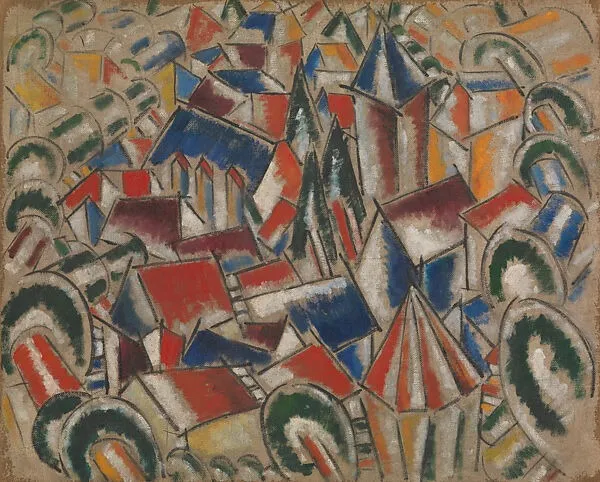
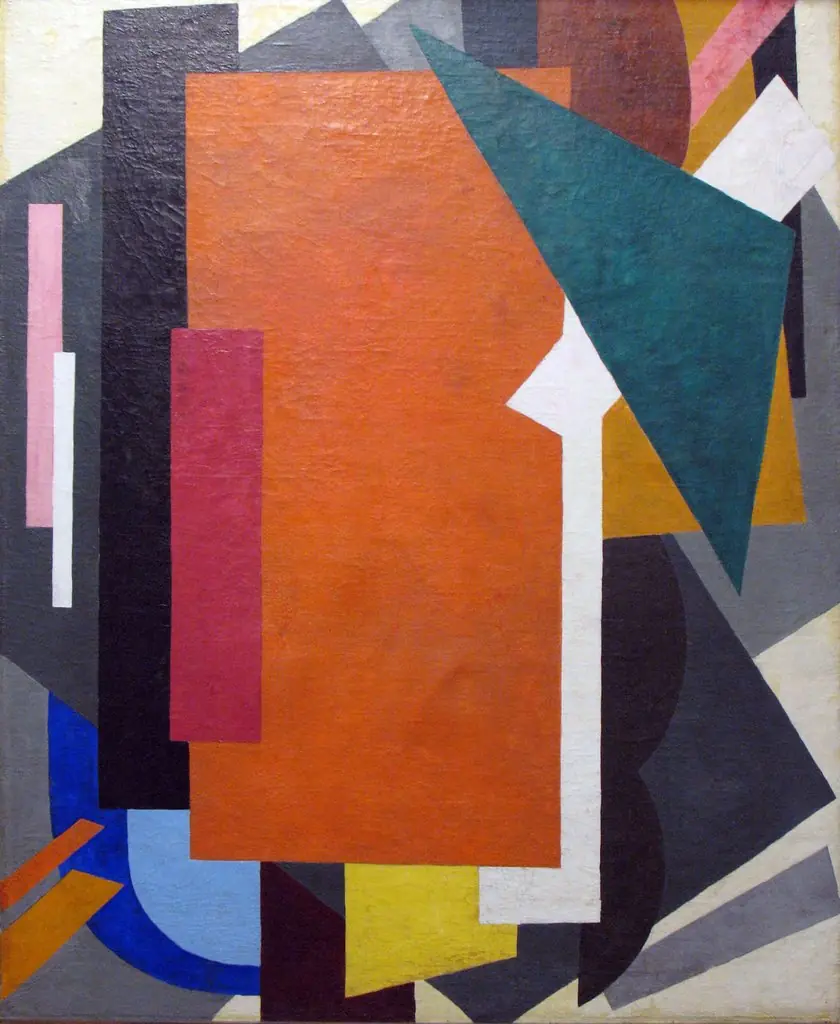
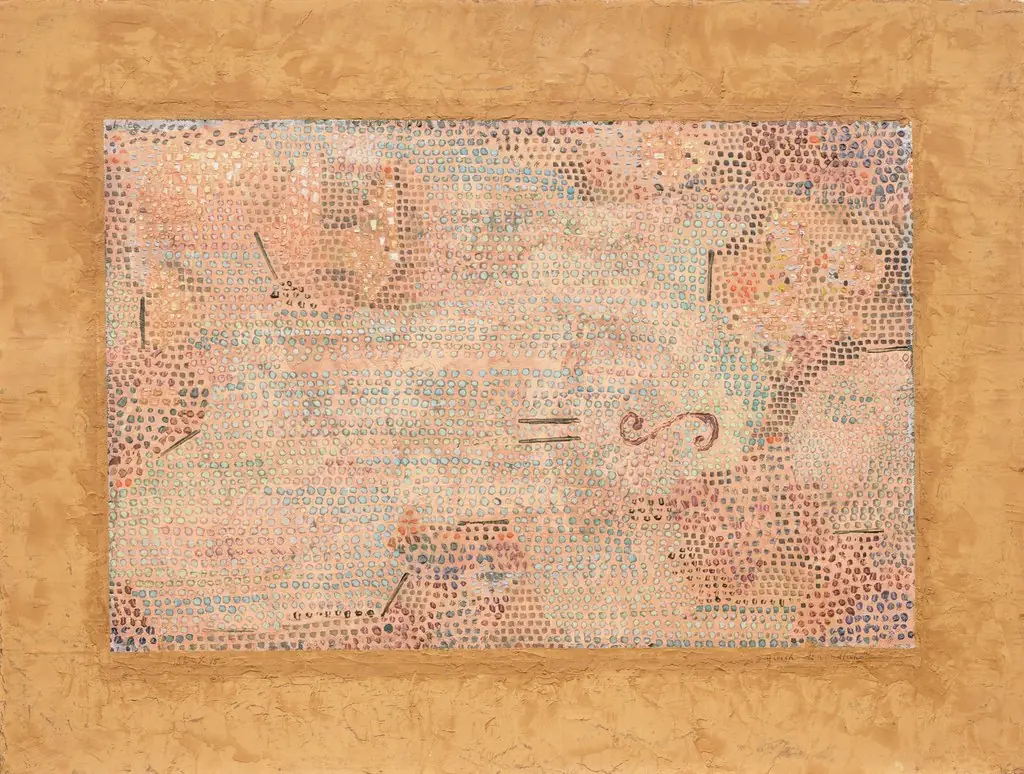
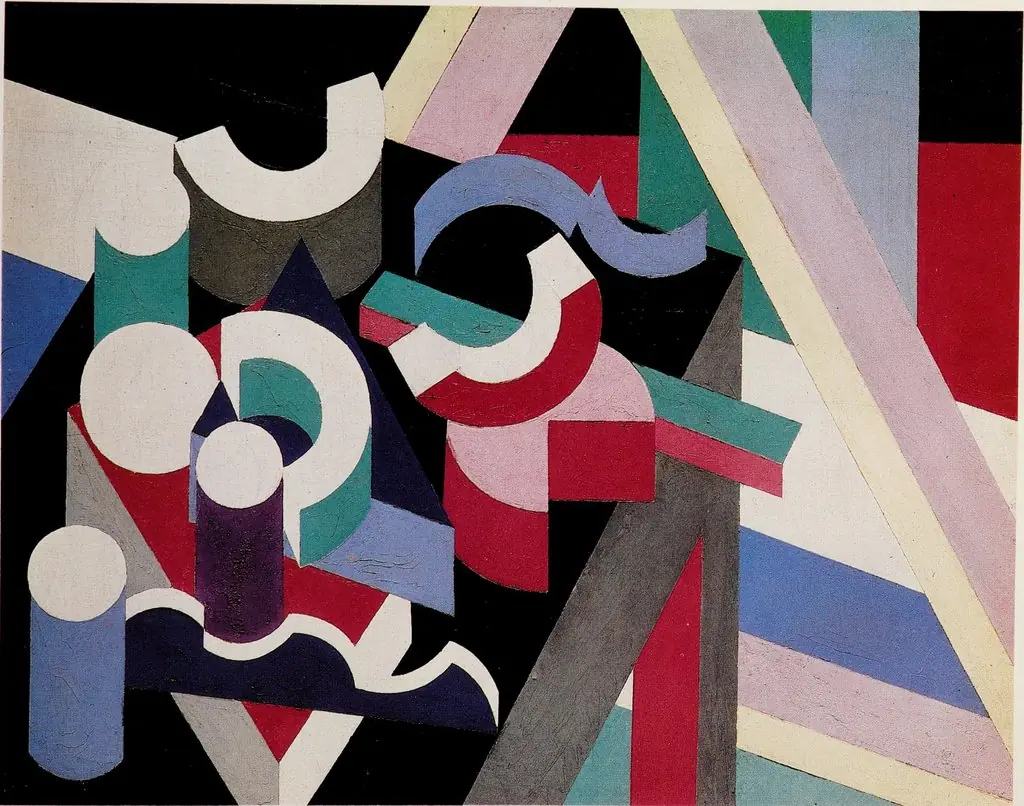
The principal figures — Kandinsky, Mondrian, Malevich, Kupka, Delaunay and af Klint — were soon joined by artists who hovered between abstraction and the legible world, among them Paul Klee, whose luminous, stained-glass "Temple Gardens" (1920) dates from his Bauhaus years, and Fernand Léger, whose tubular, machine-age forms in works like "The Village" grew out of Cubism. Their legacy is immense: channelled through De Stijl, the Bauhaus and Constructivism into modern design and architecture, and revived after 1945 by the Abstract Expressionists, Jackson Pollock foremost among them. Abstraction remains less a single style than the defining grammar of modern art.
Key artists

Works
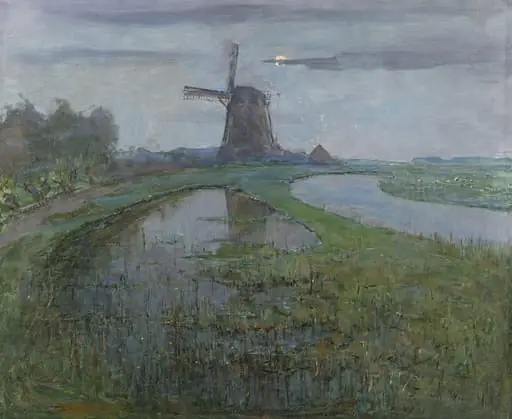 Oostzijdse Mill along the River Gein by Moonlight
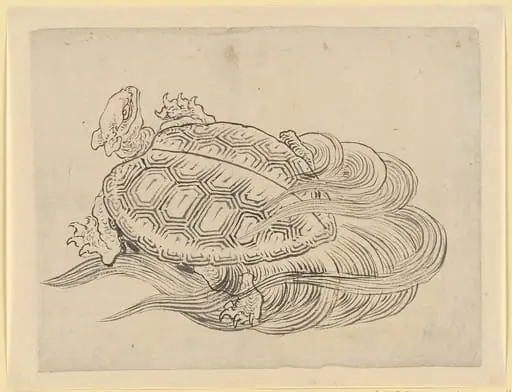 Untitled
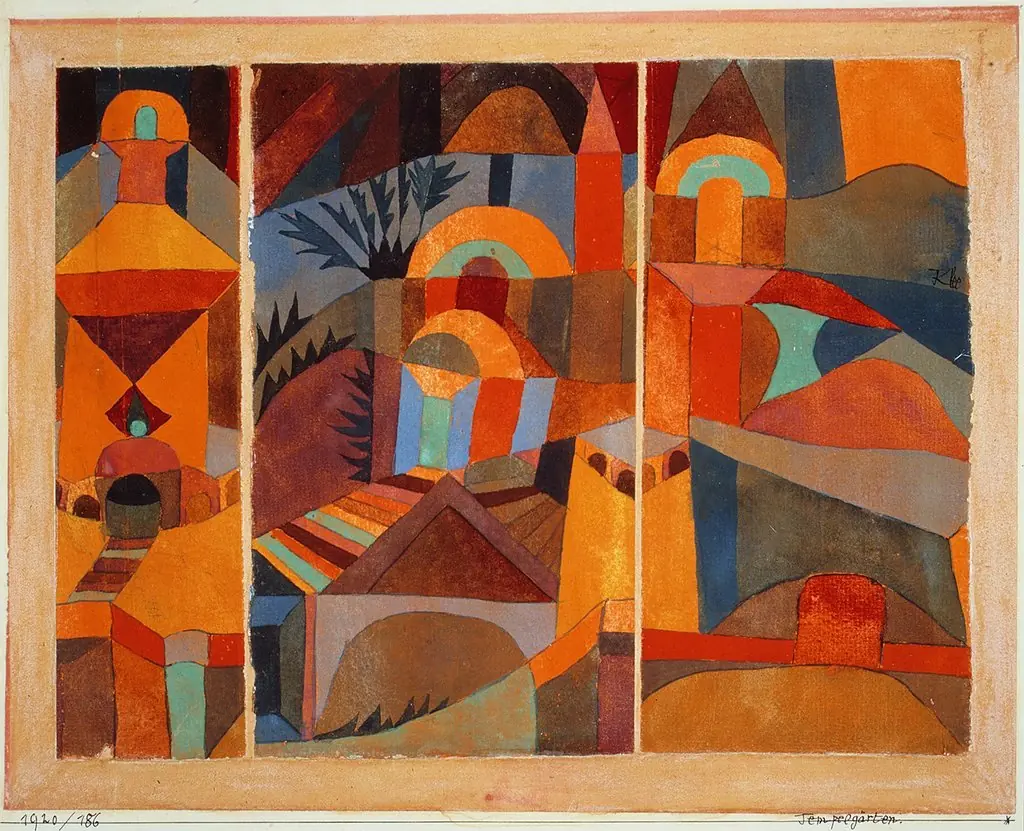 Temple Gardens
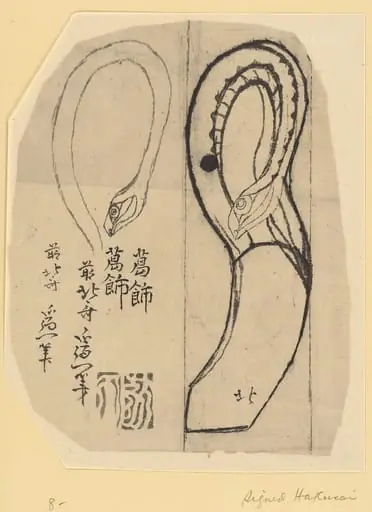 Untitled
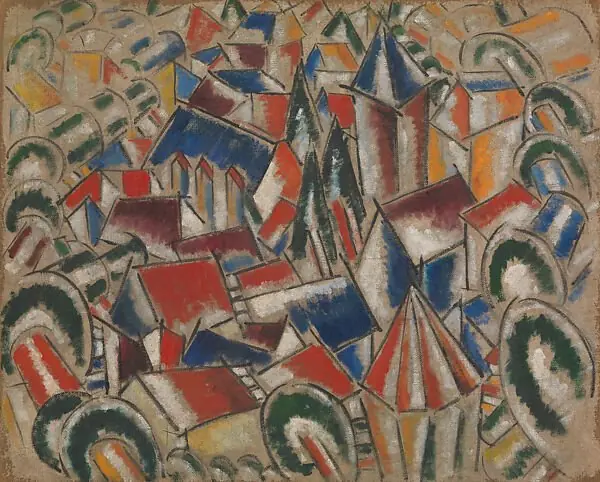 The Village
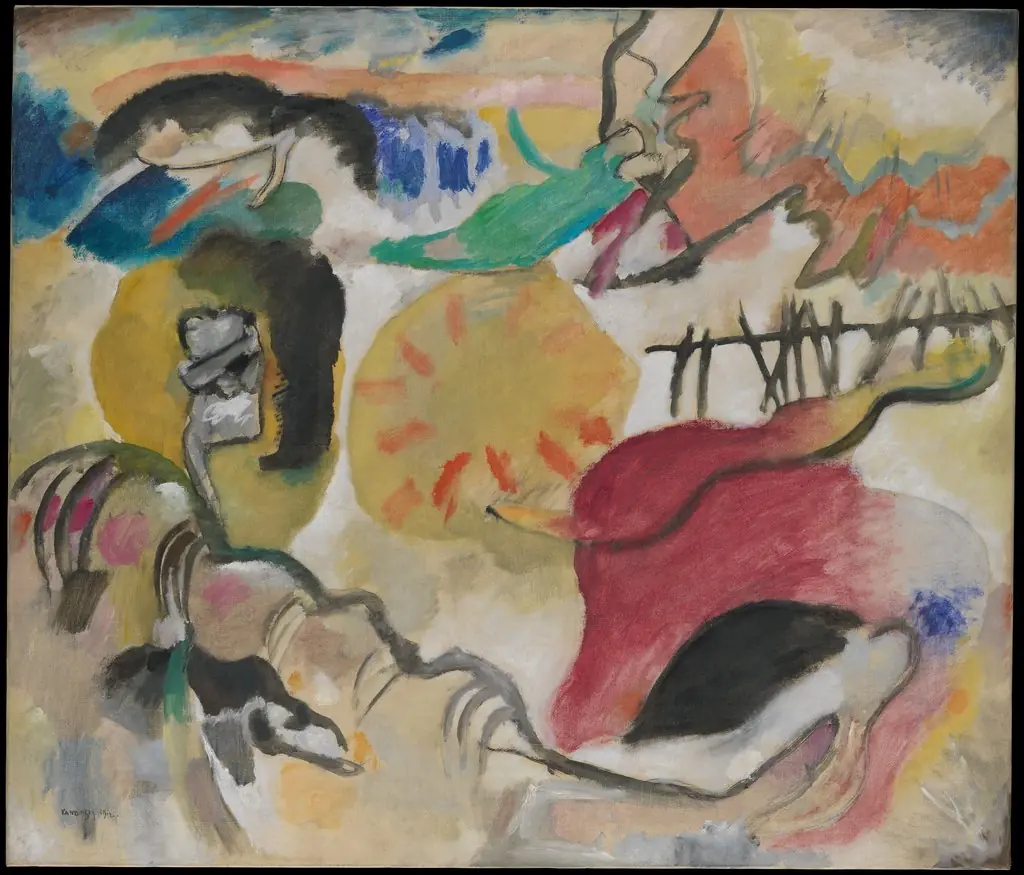 Improvisation 27 (Garden of Love II)
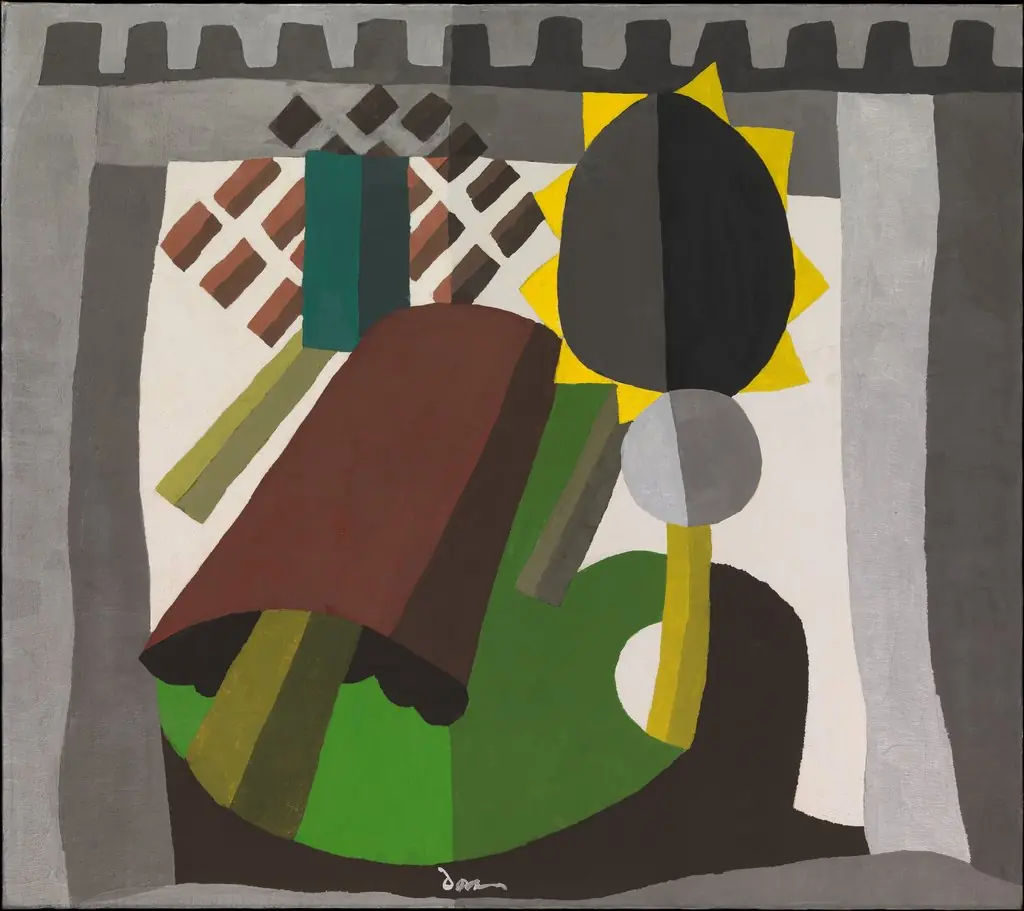 The Inn
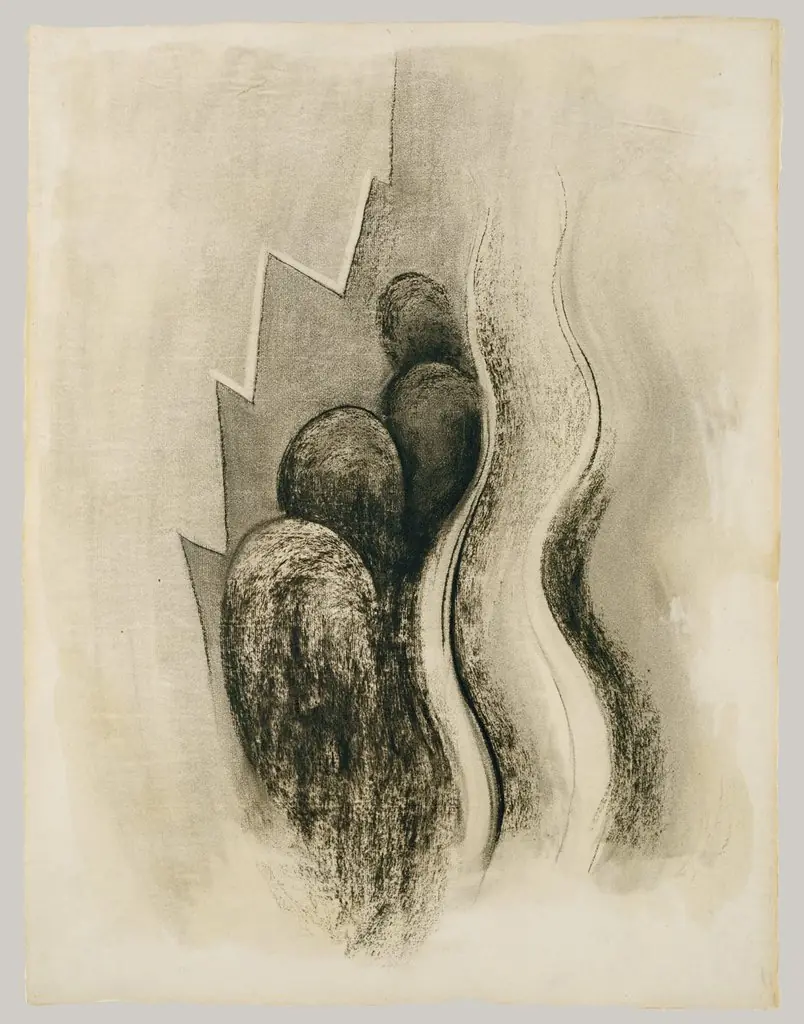 Drawing XIII
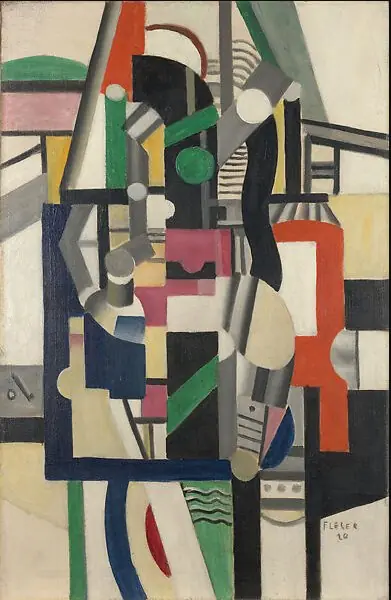 Mechanical Elements
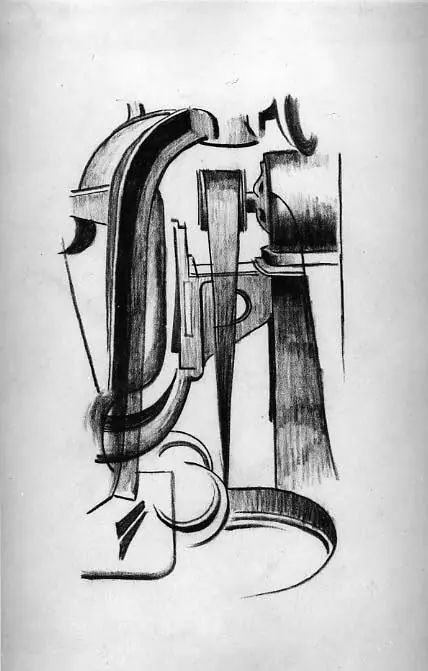 Untitled
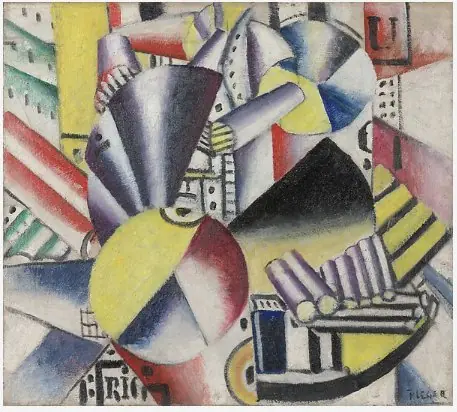 The Bargeman
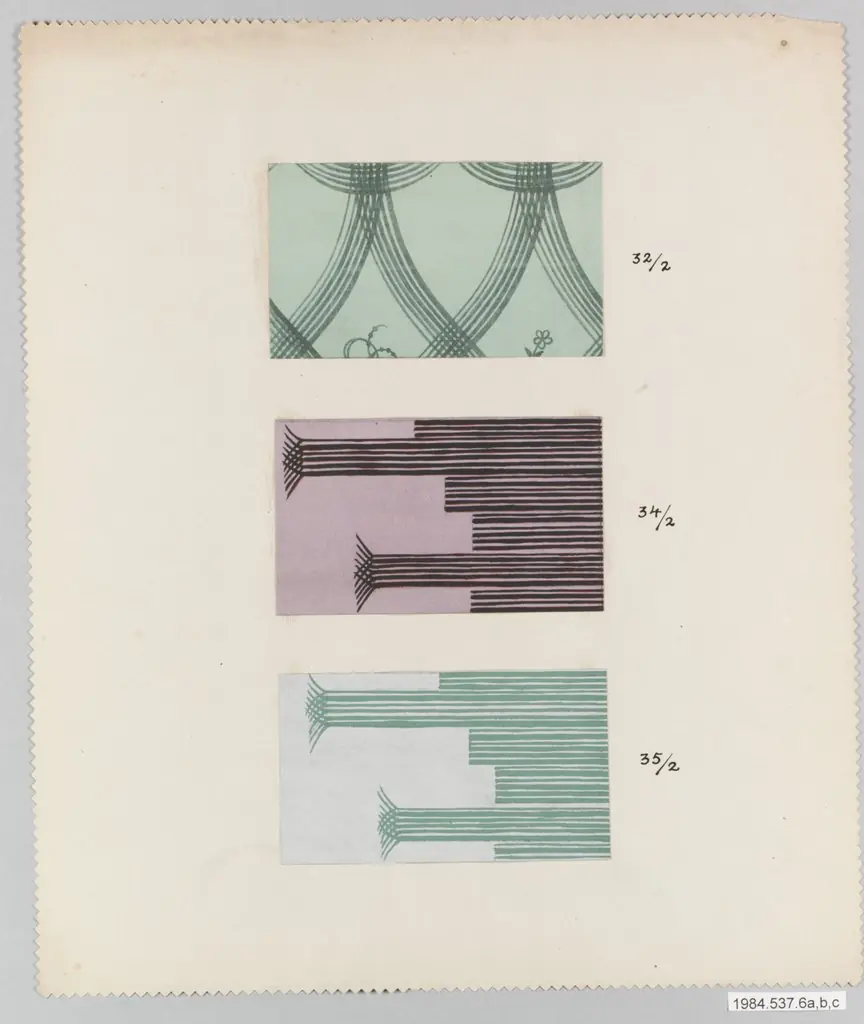 PRISM
PRISM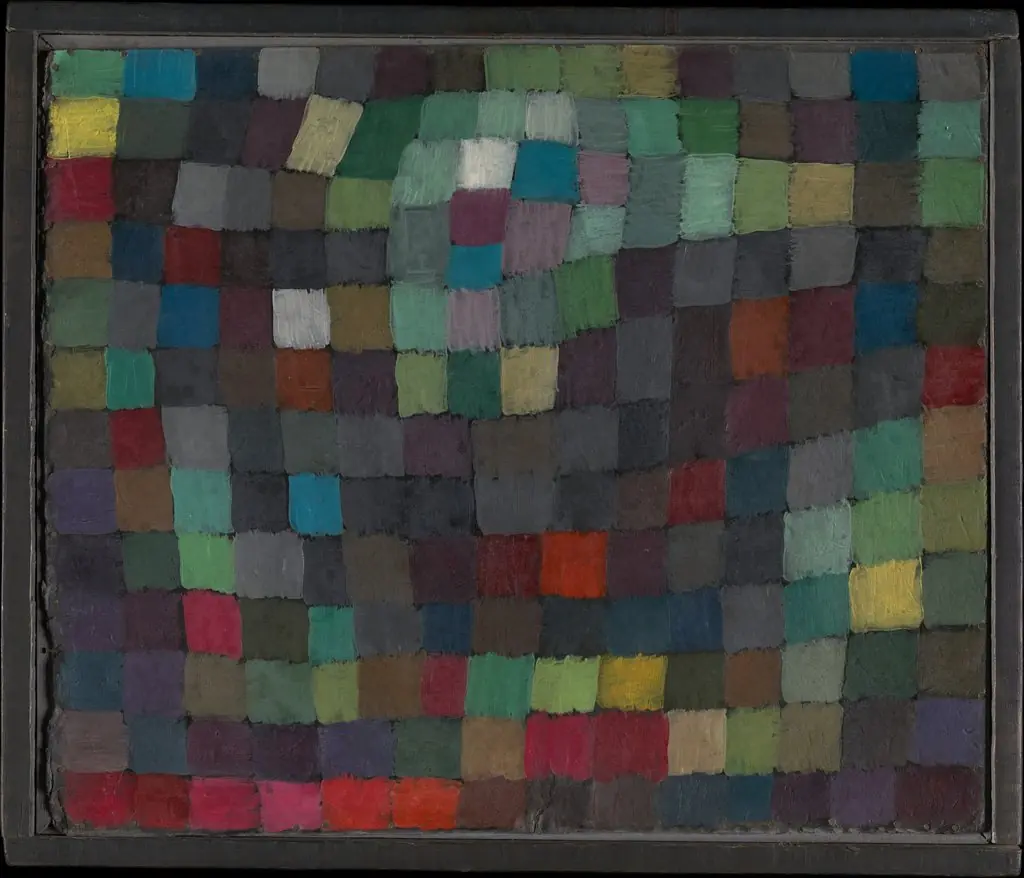 May Picture
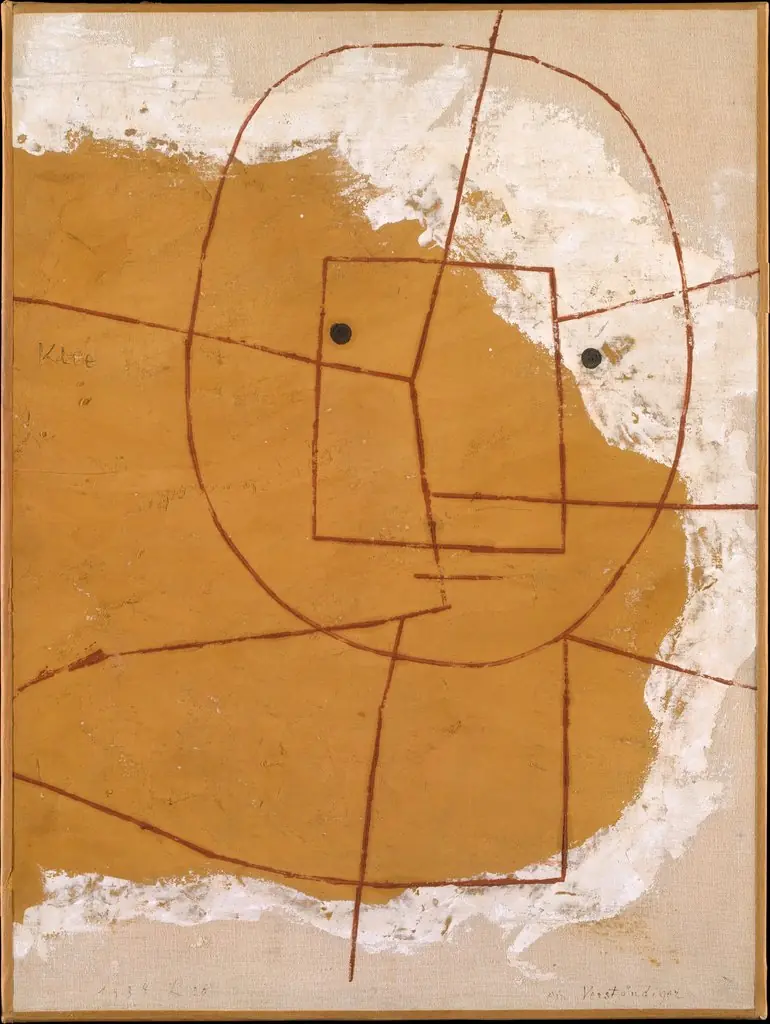 One Who Understands
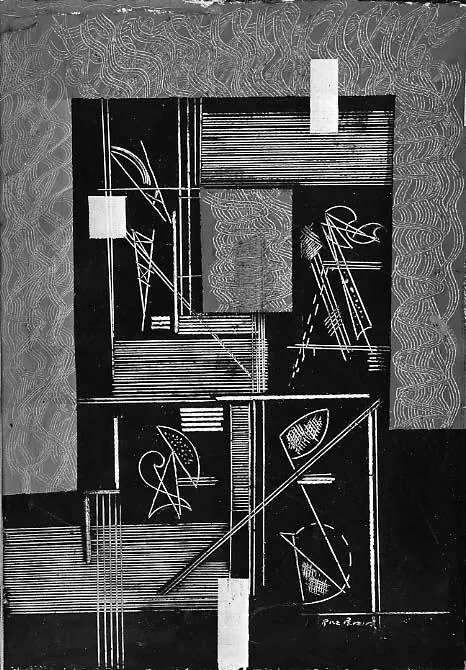 White Lines
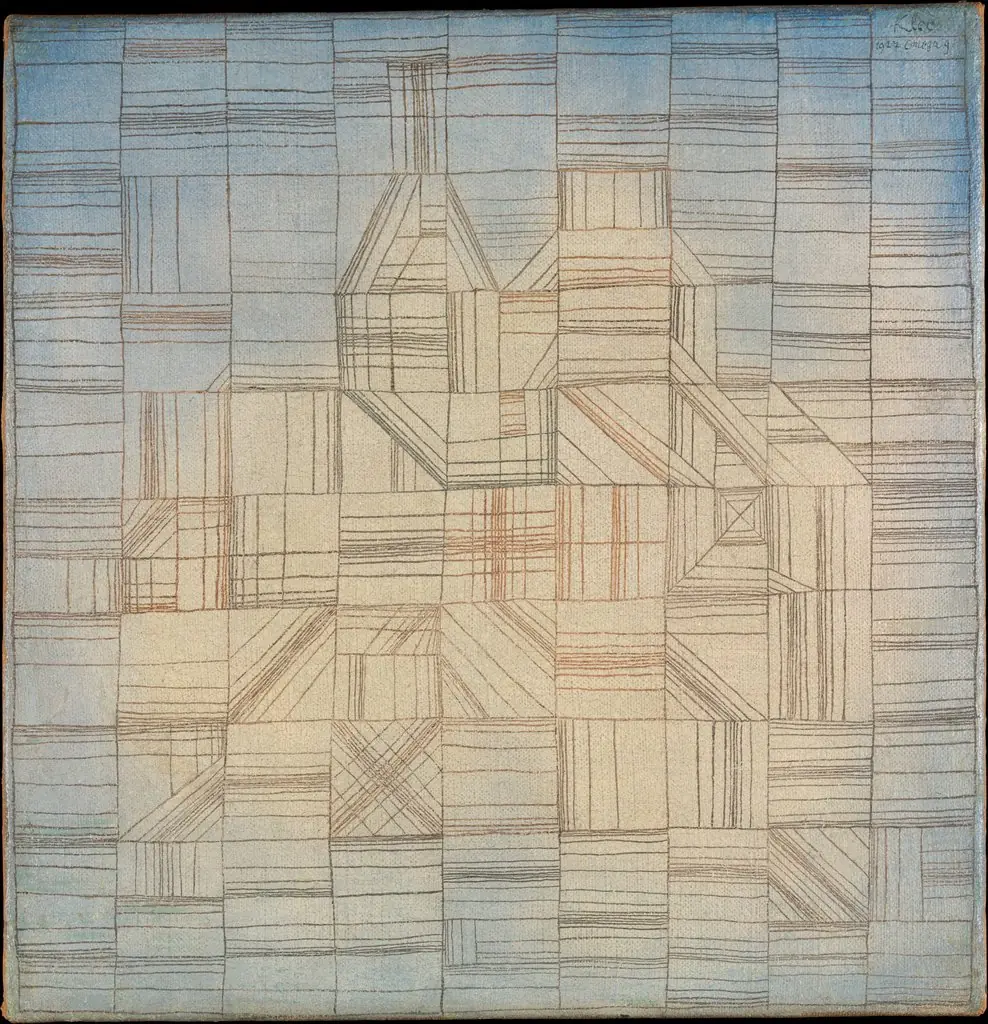 Variations (Progressive Motif)
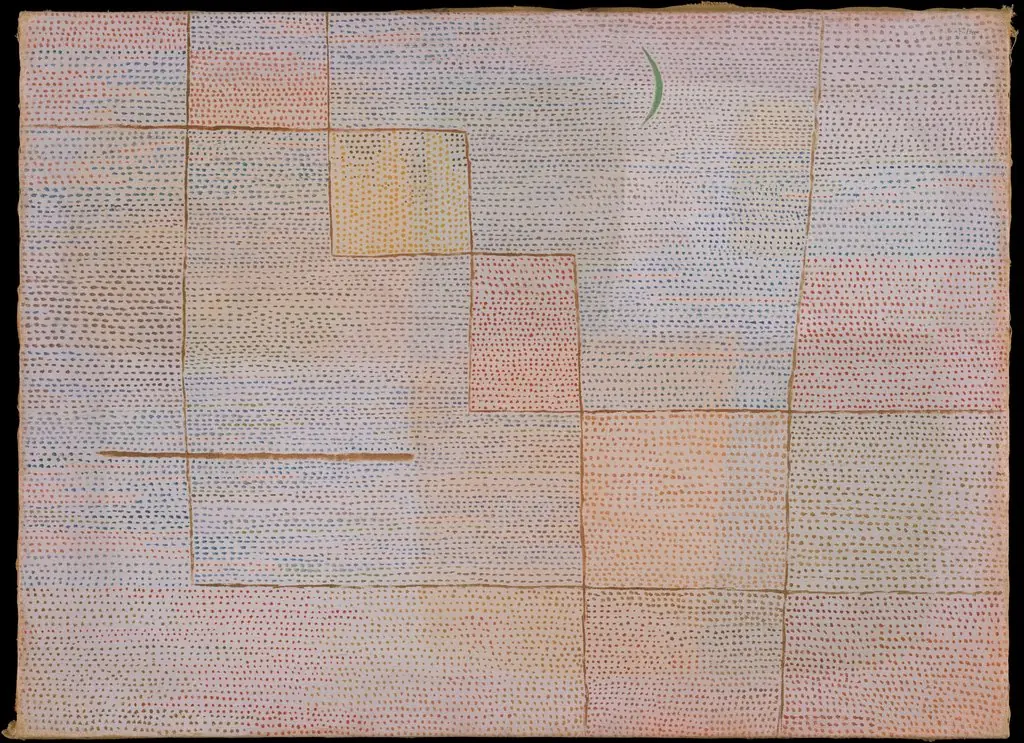 Clarification
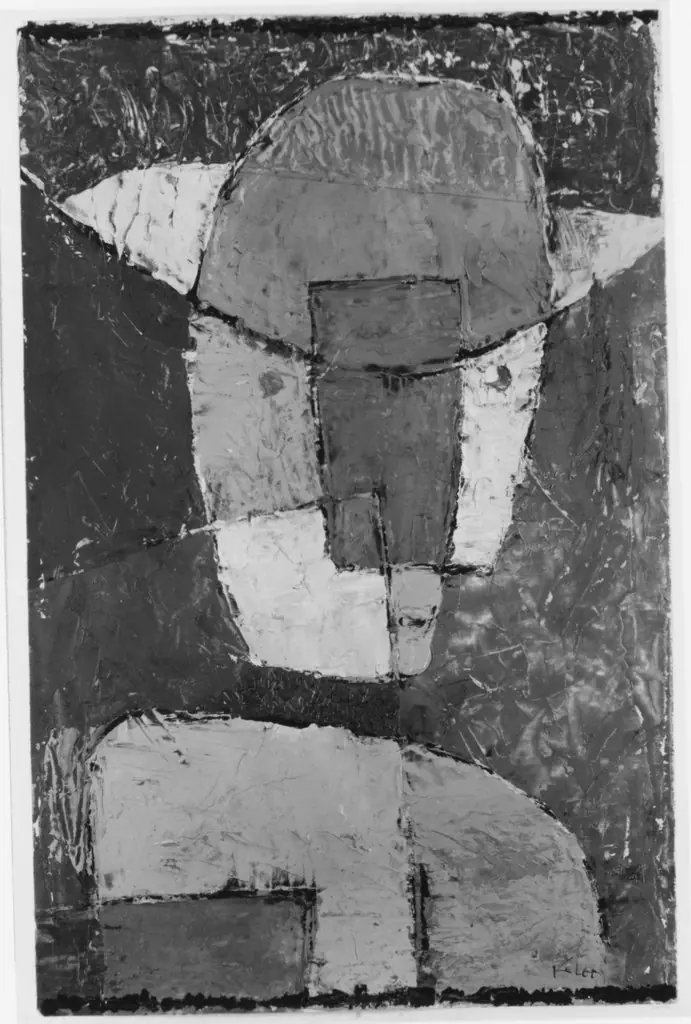 La Kash-Ne
 Untitled
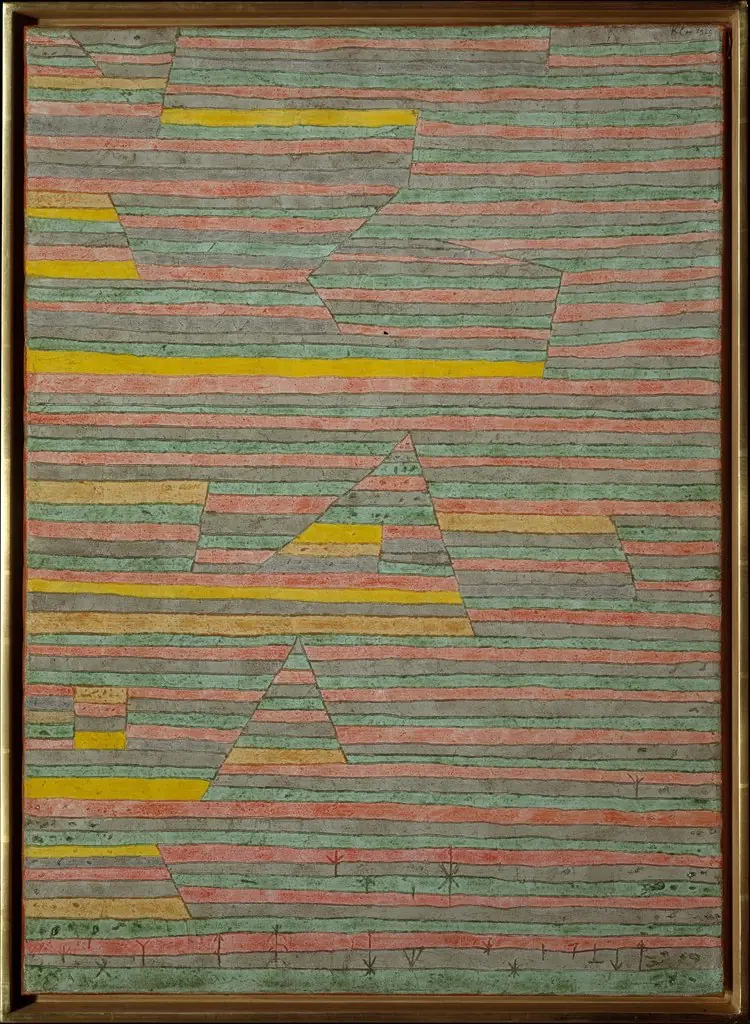 Monuments at G.
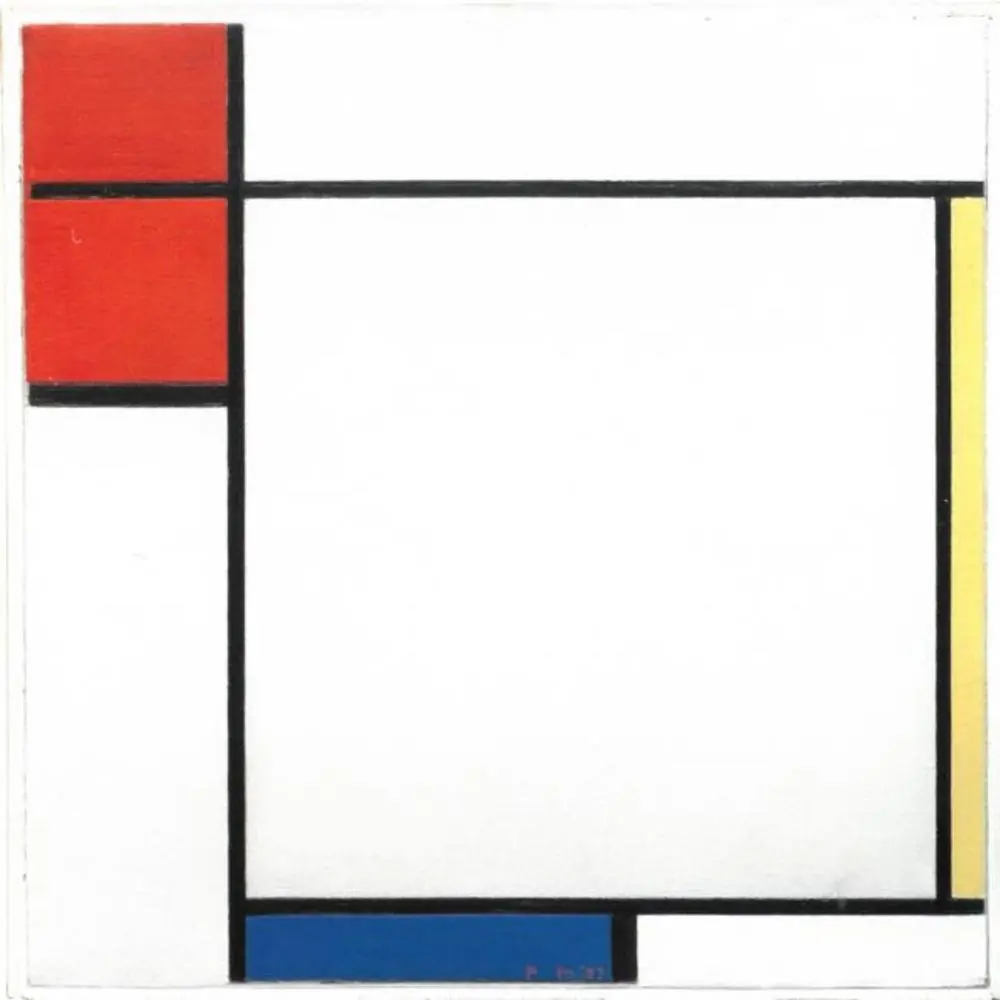 Composition with Red, Yellow, and Blue
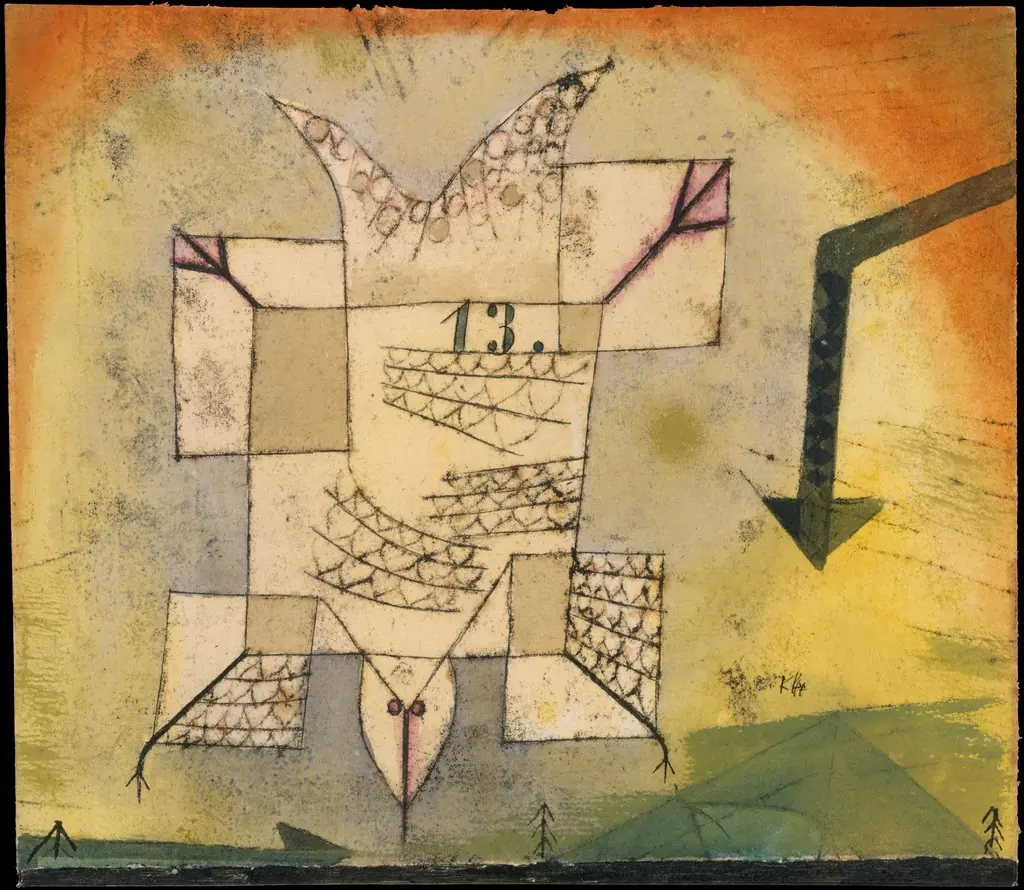 Falling Bird
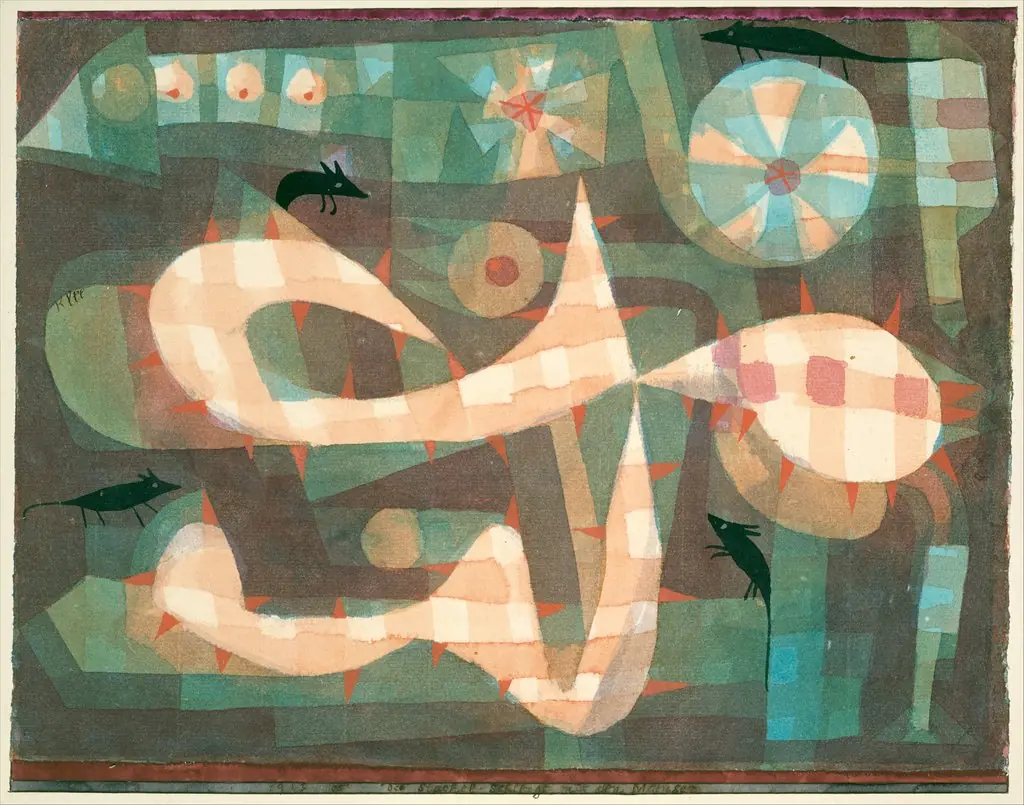 The Barbed Noose with the Mice
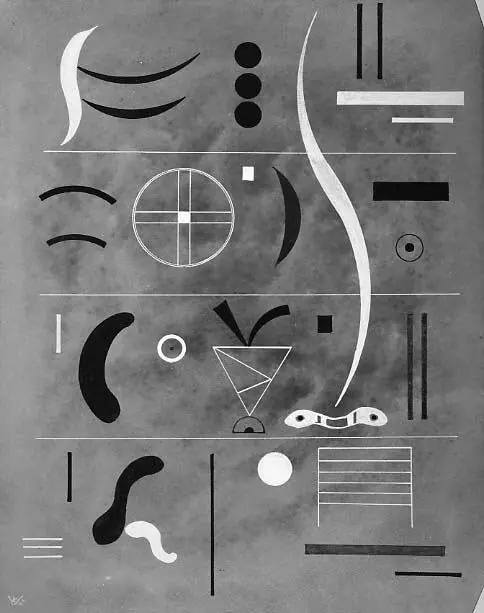 Four Parts
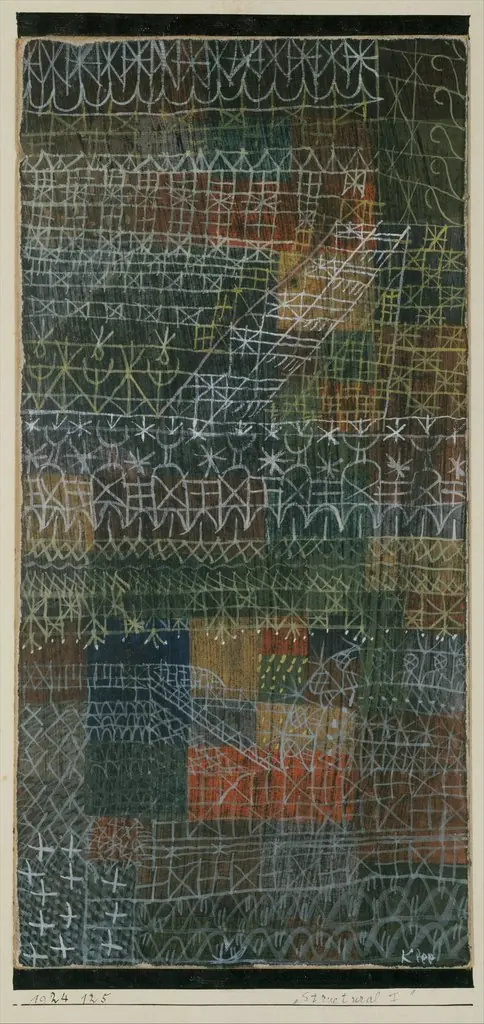 Structural I
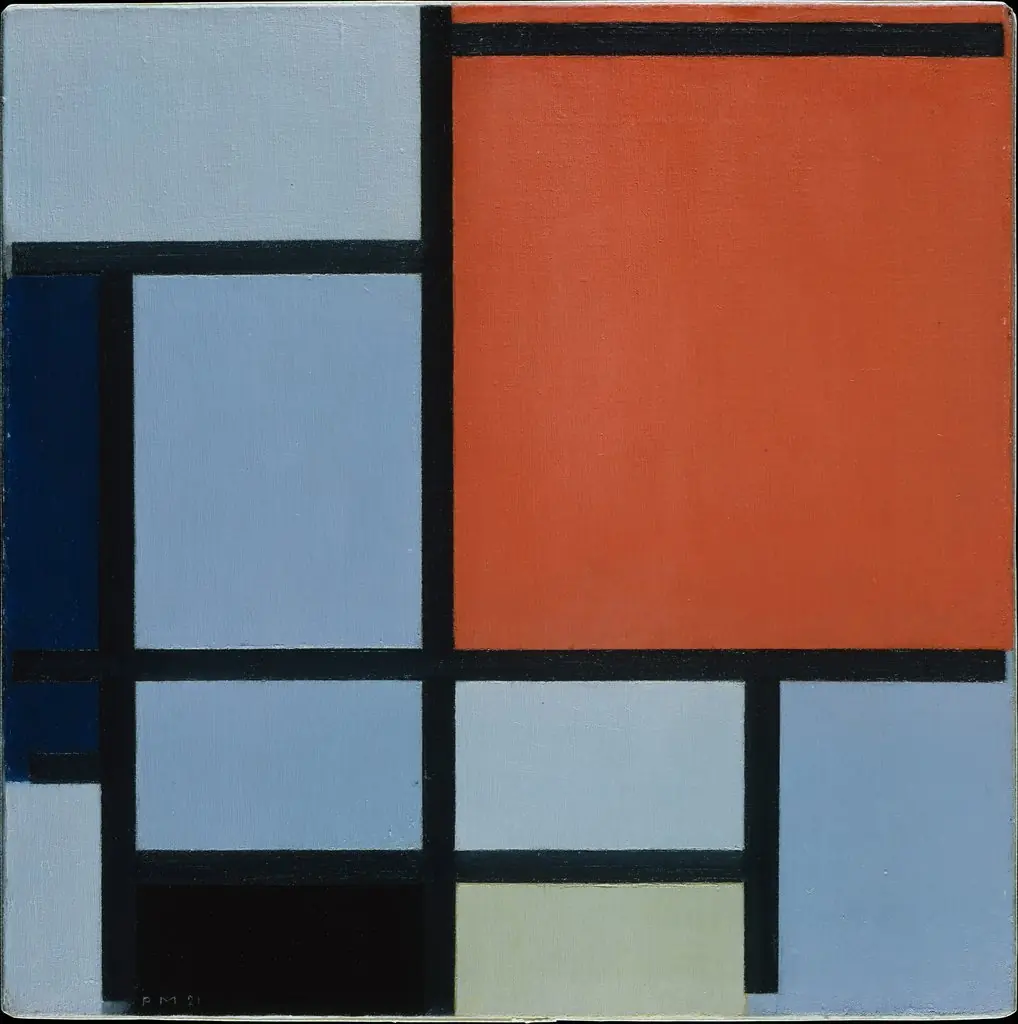 Composition
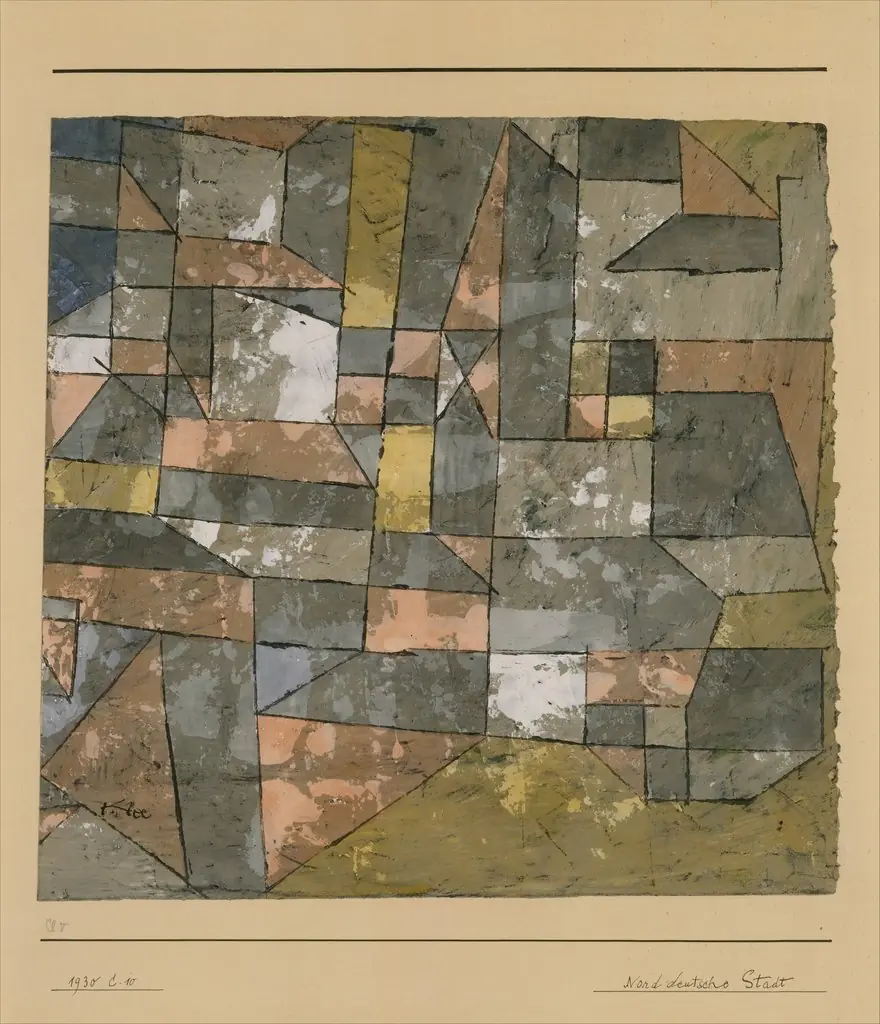 North German City
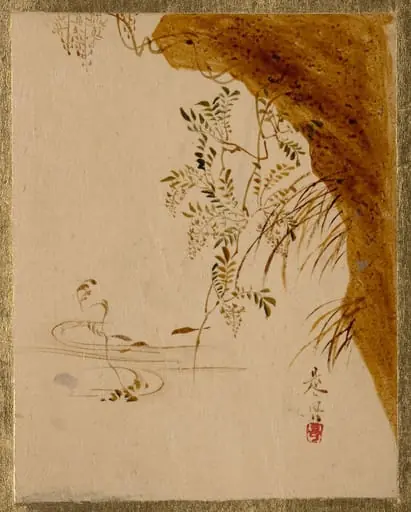 Untitled
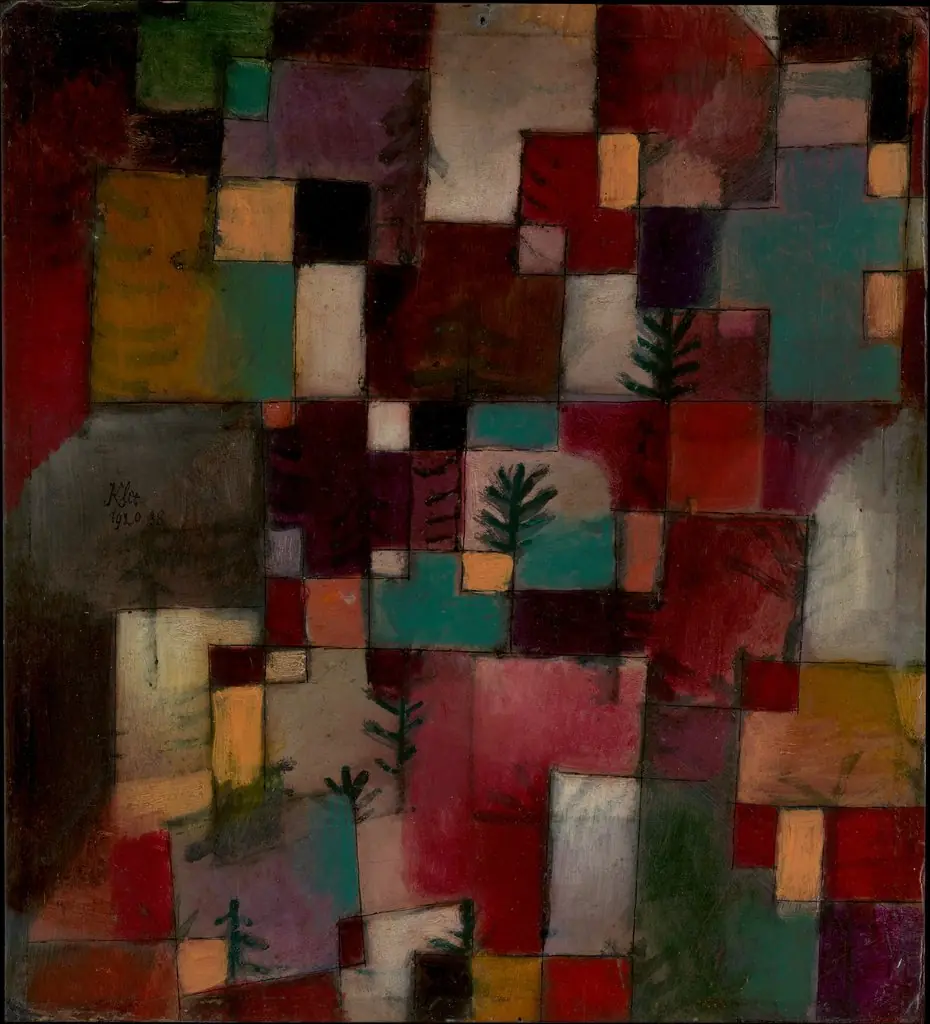 Redgreen and Violet-Yellow Rhythms
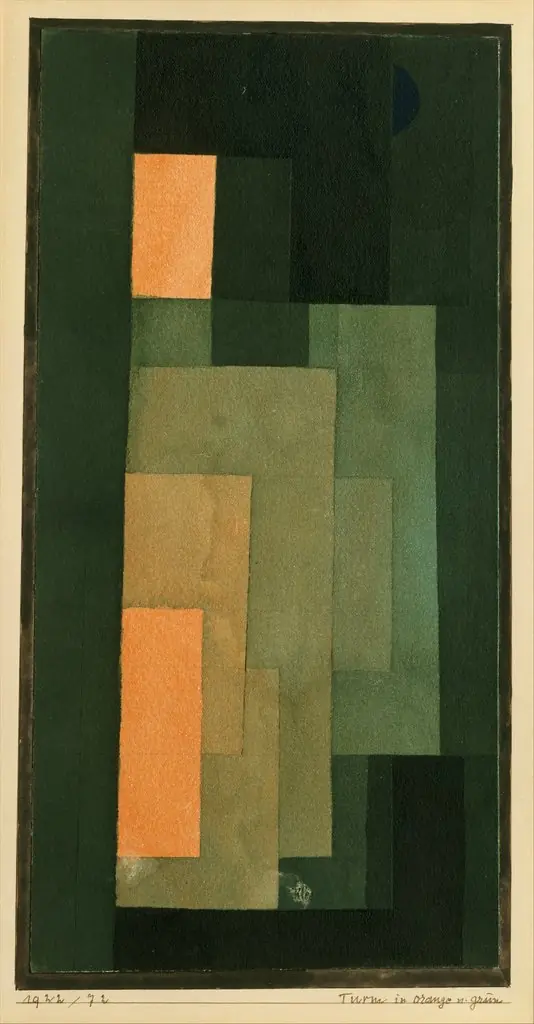 Tower in Orange and Green
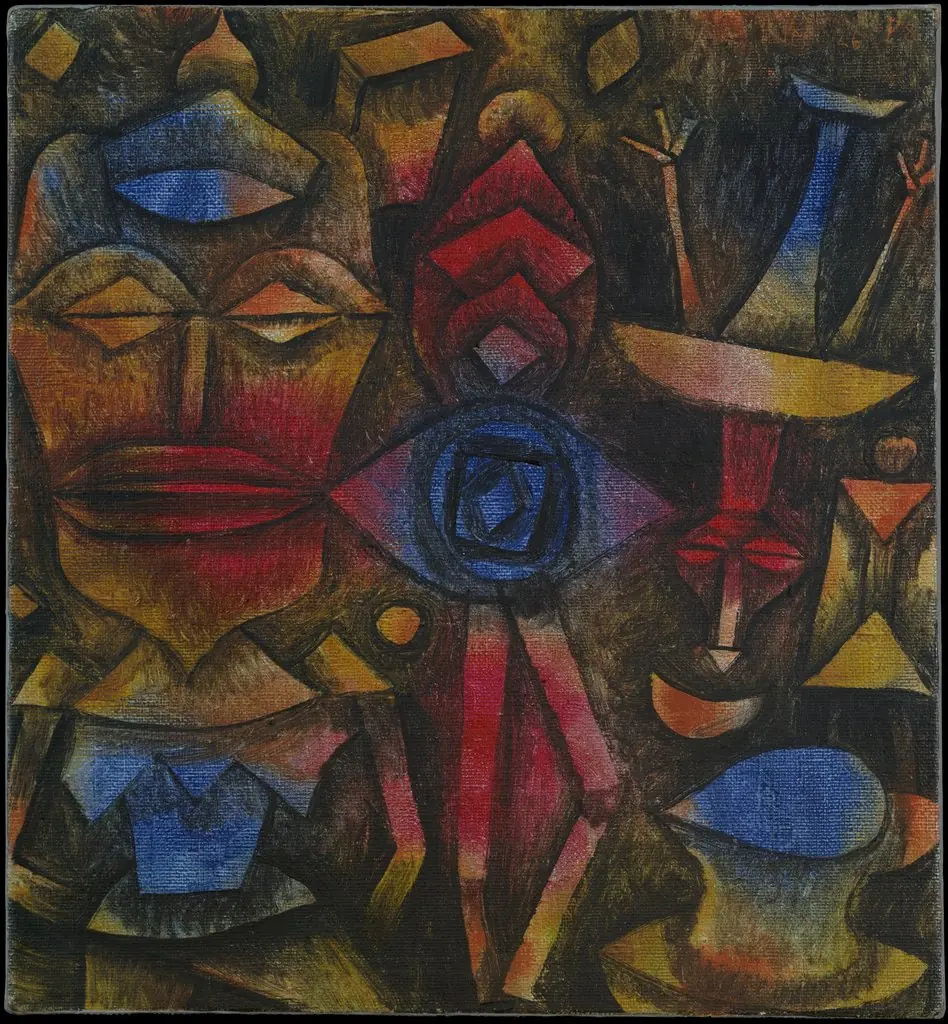 Collection of Figurines
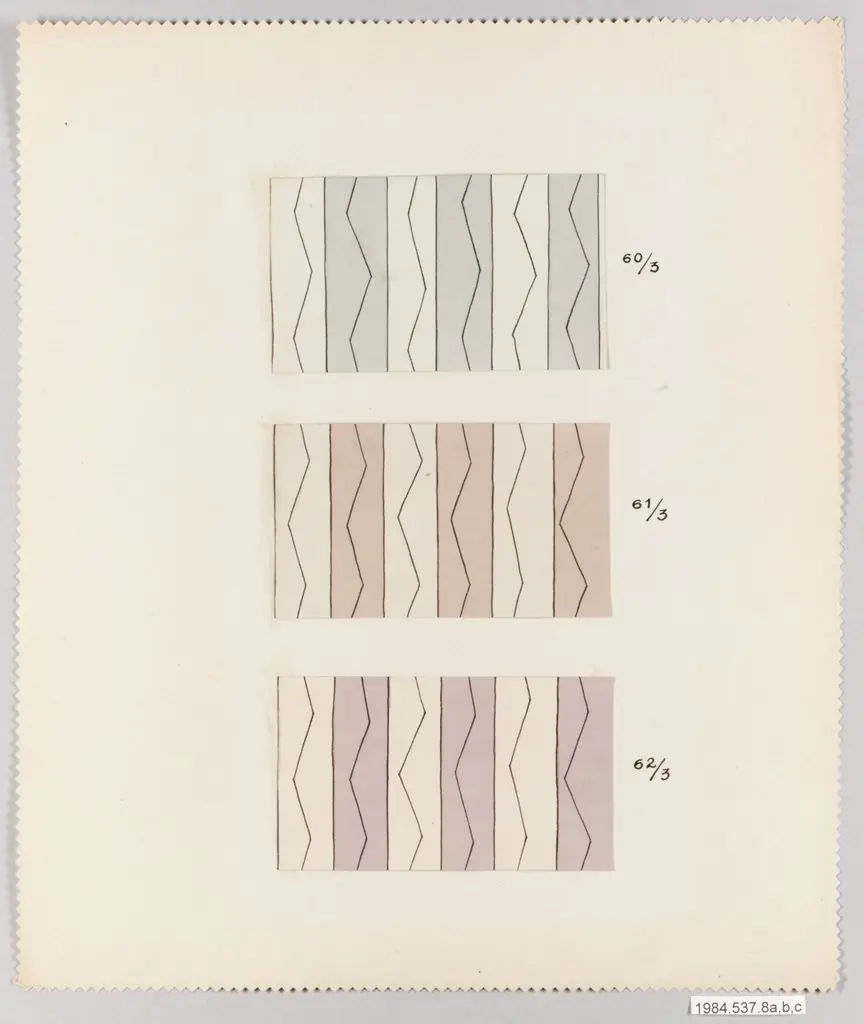 ZIGZAG BRAID
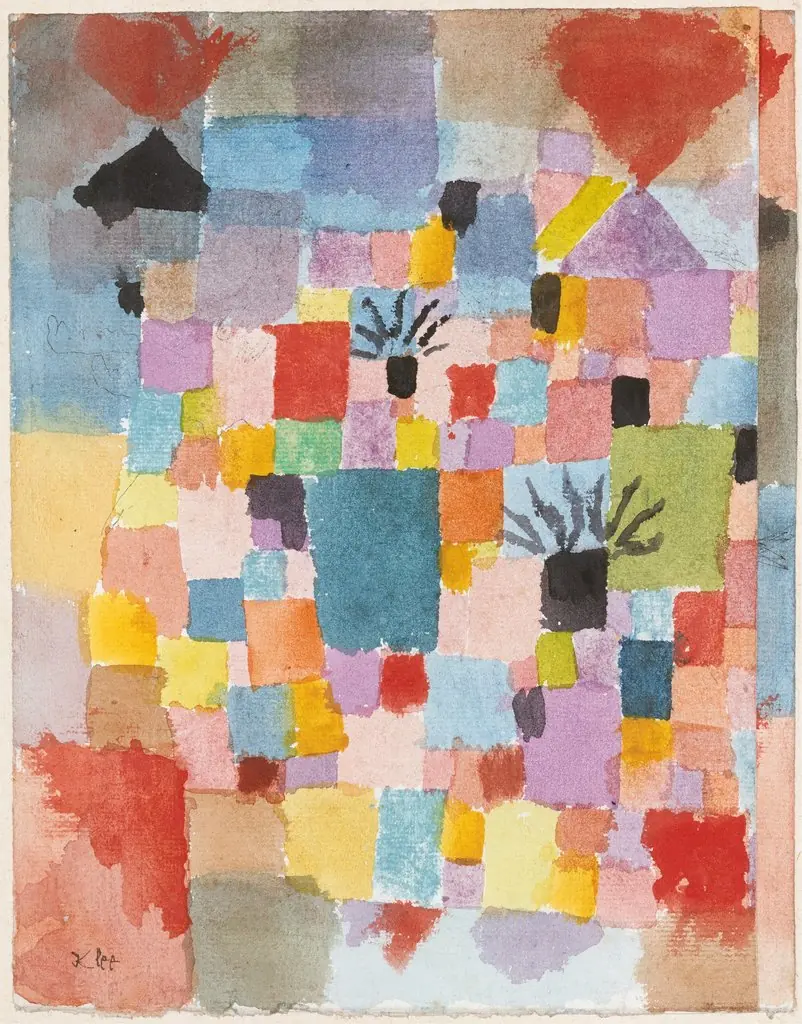 Southern Gardens
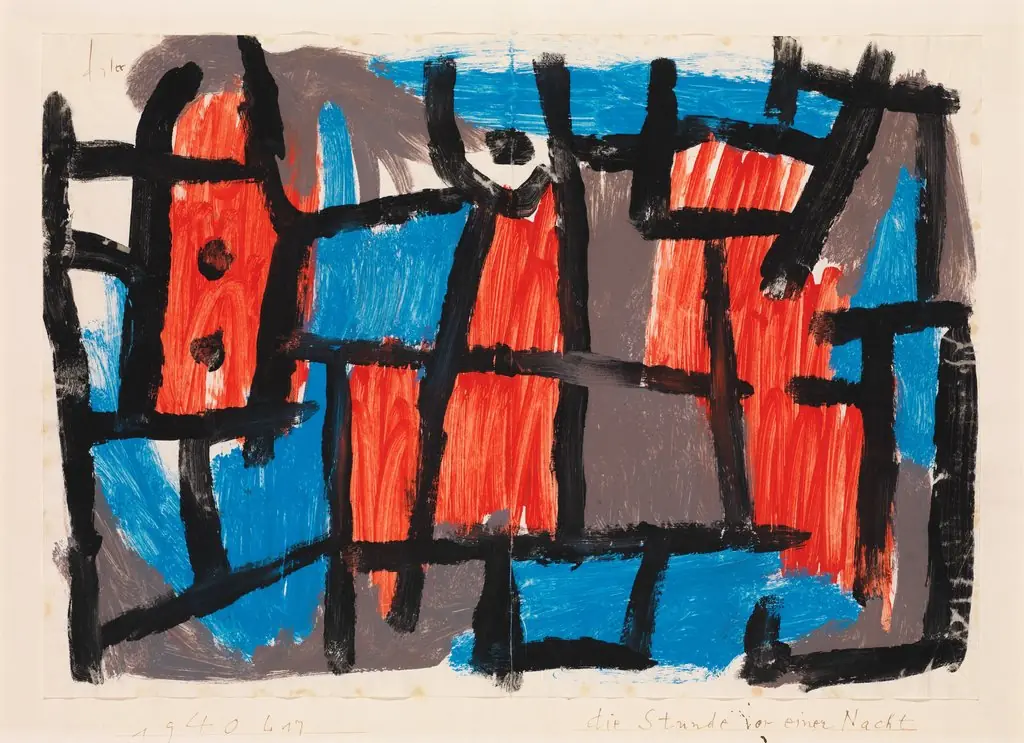 The Hour Before One Night
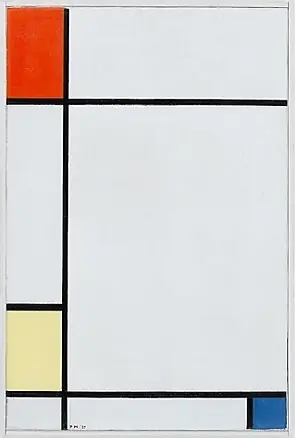 Composition no. III with red, yellow, and blue
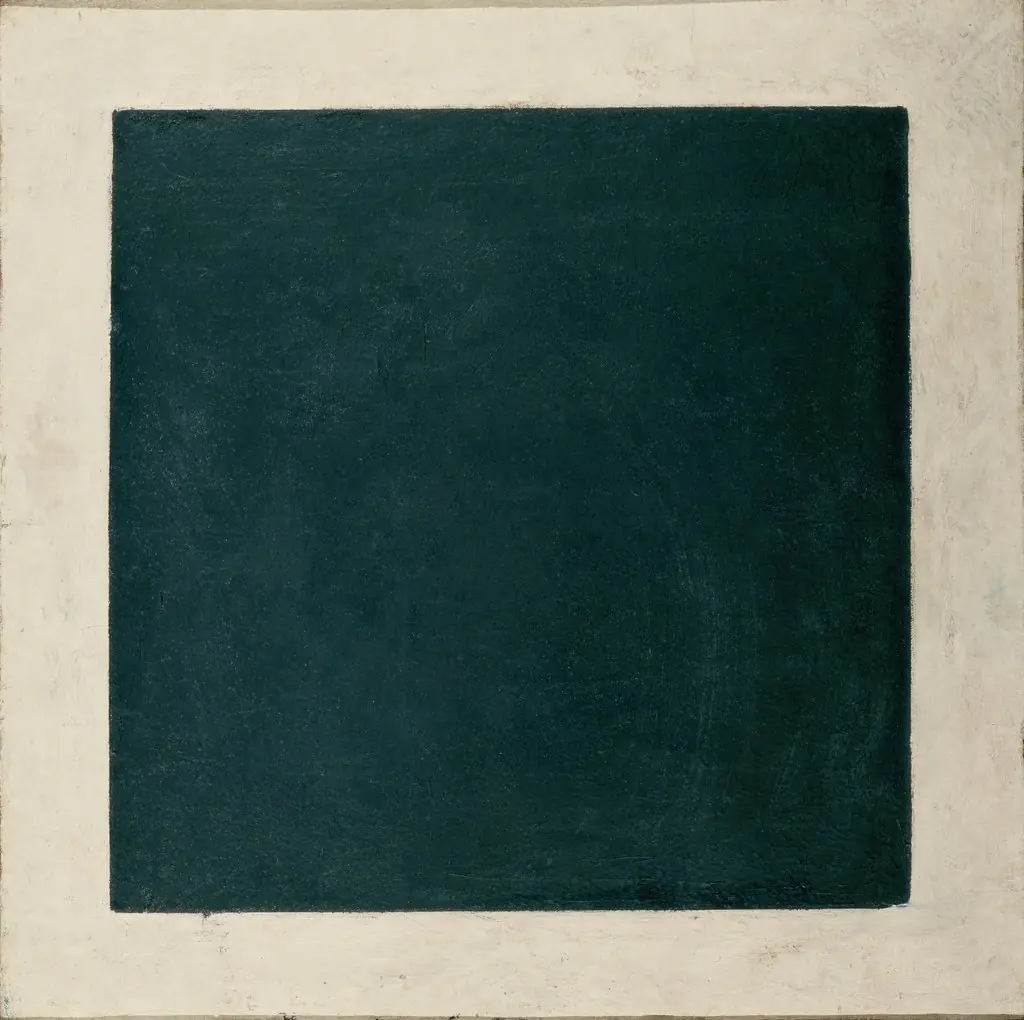 Black Square (1930)
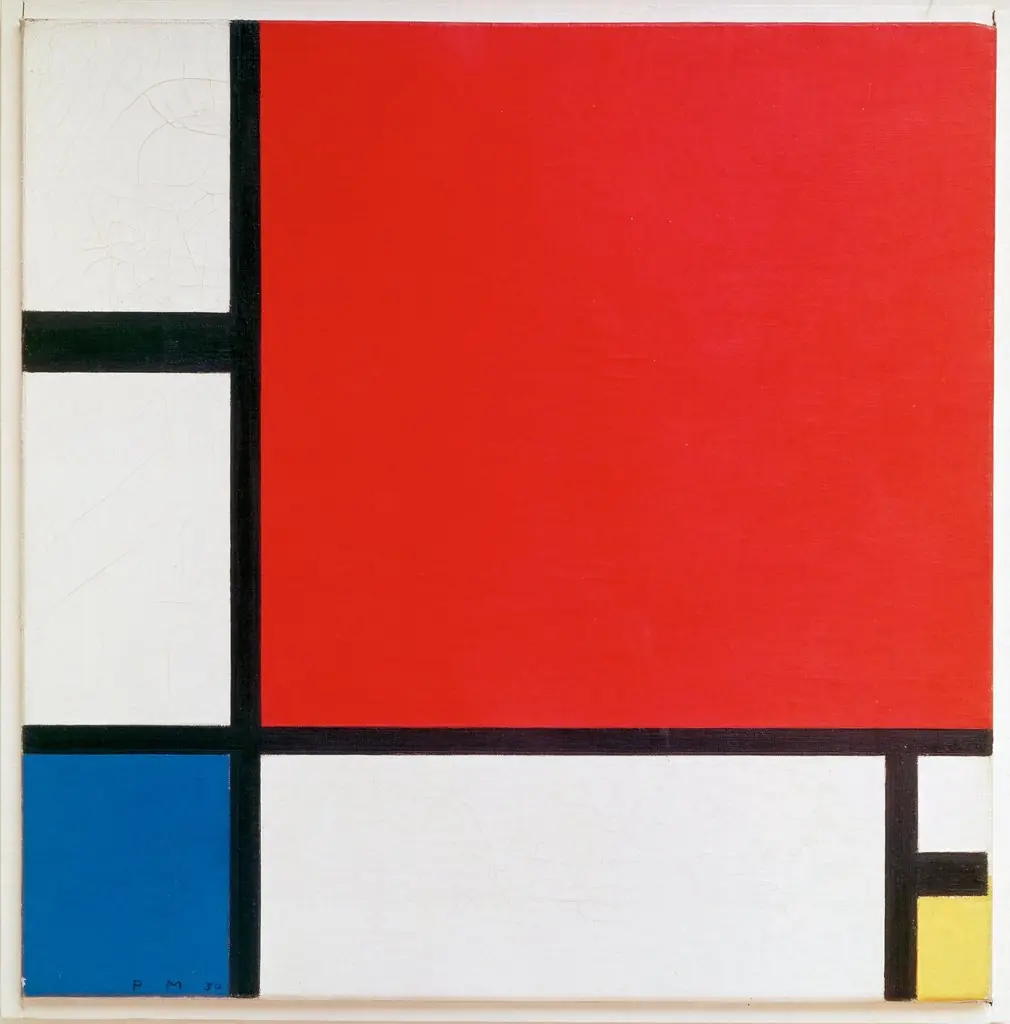 Composition II in Red, Blue, and Yellow
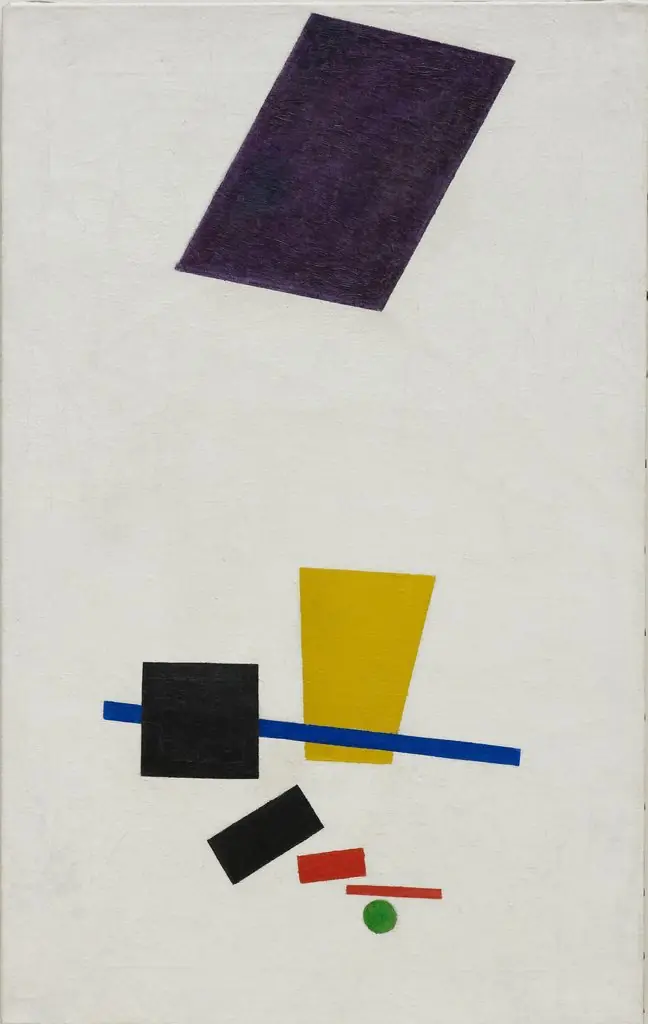 Painterly Realism of a Football Player - Color Masses in the 4th Dimension
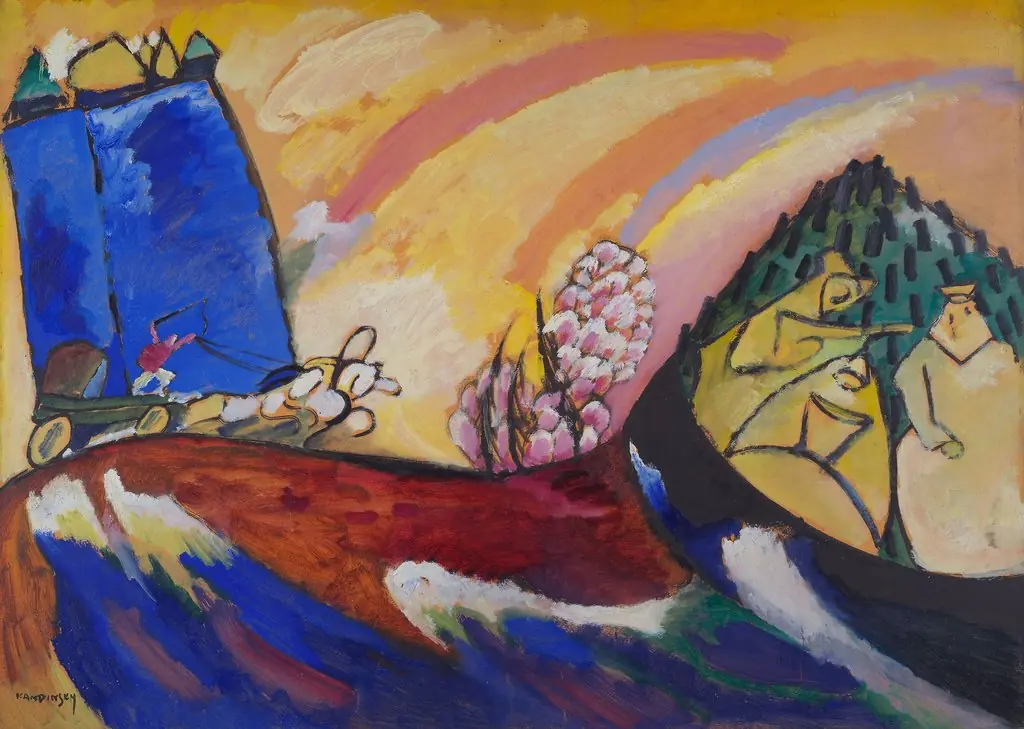 Painting with Troika
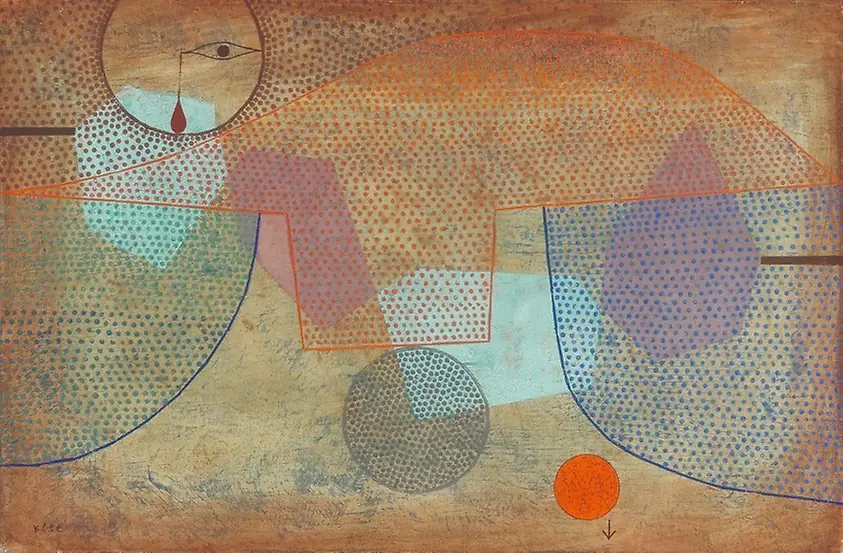 Sunset
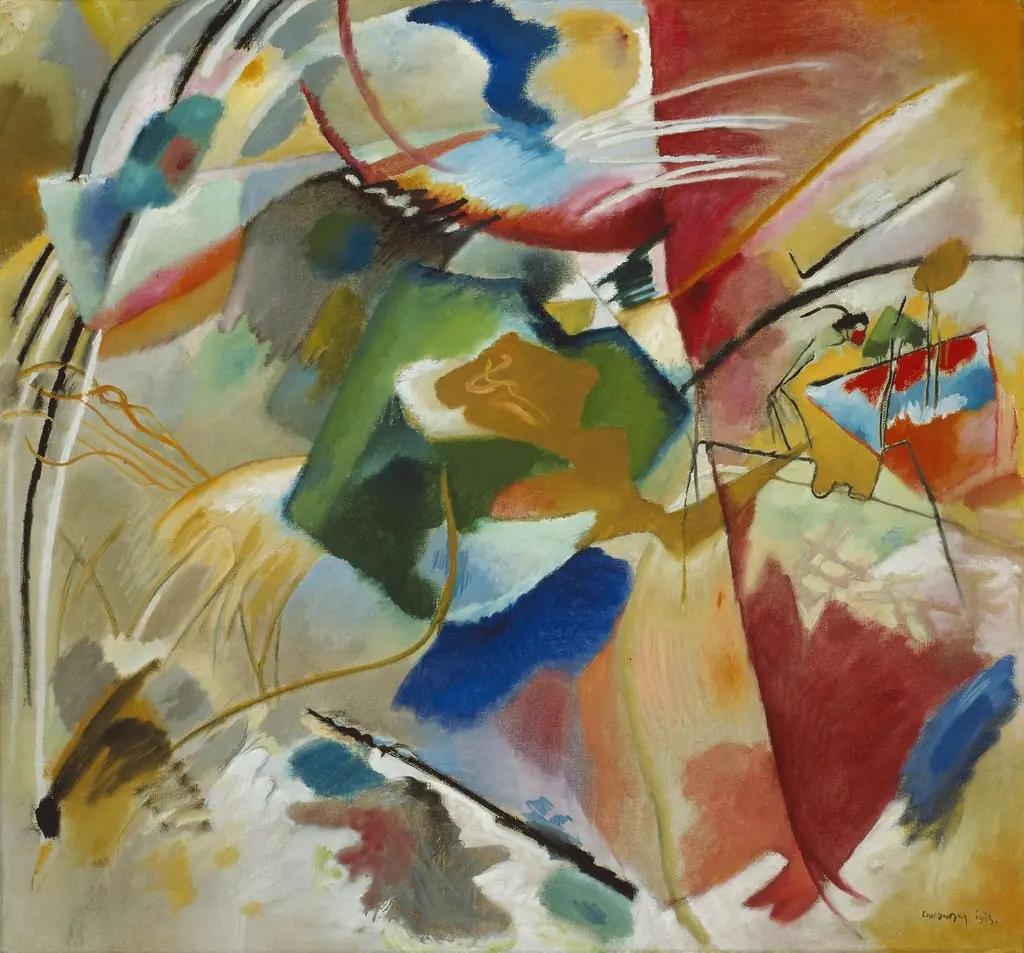 Painting with Green Center
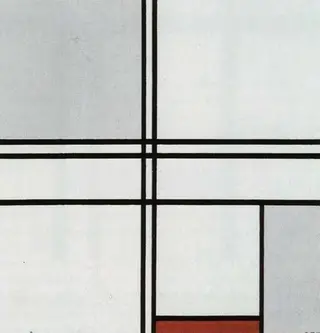 Composition (No. 1) Gray-Red
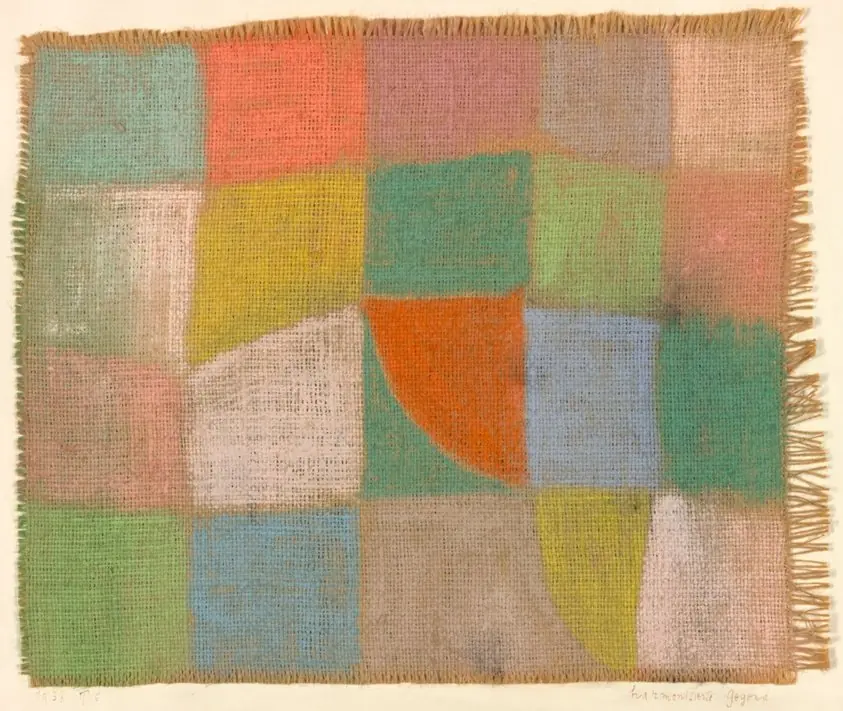 Harmonized Region
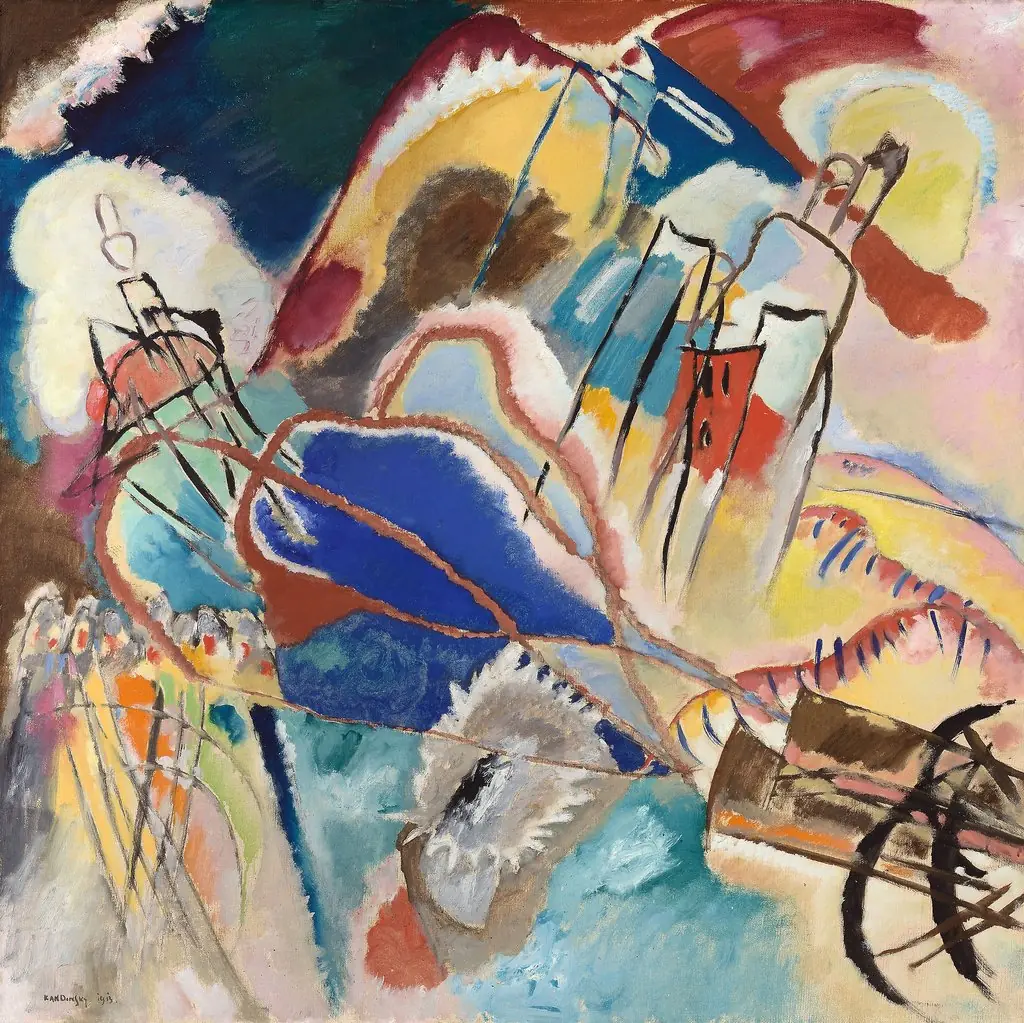 Improvisation No. 30 (Cannons)
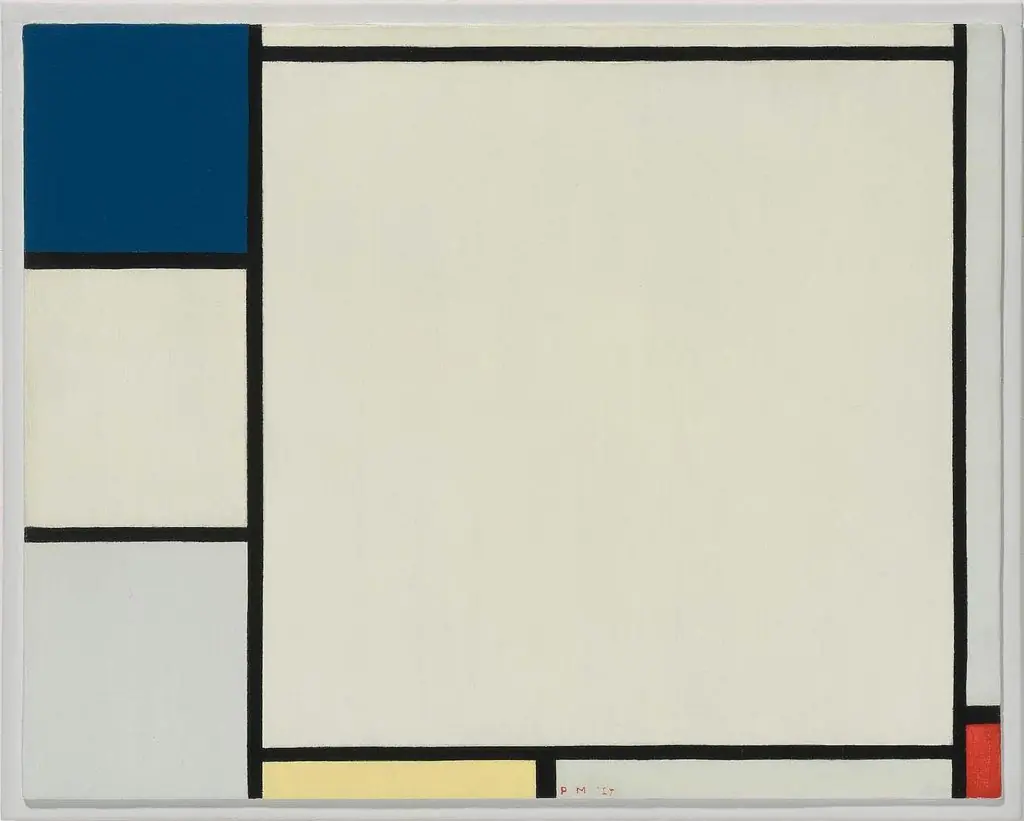 Composition with Blue, Yellow, and Red
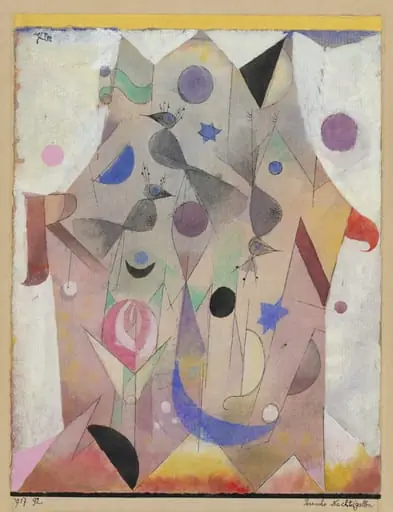 Persische Nachtigallen (Persian Nightingales)
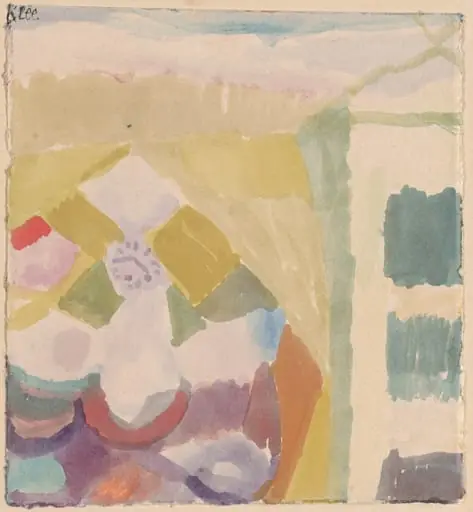 Interieur mit der Uhr (Interior with the Clock)
 Dante and Vergil in the Underworld
 Black Square (1915)
 Composition VI
 Sketch for Composition V
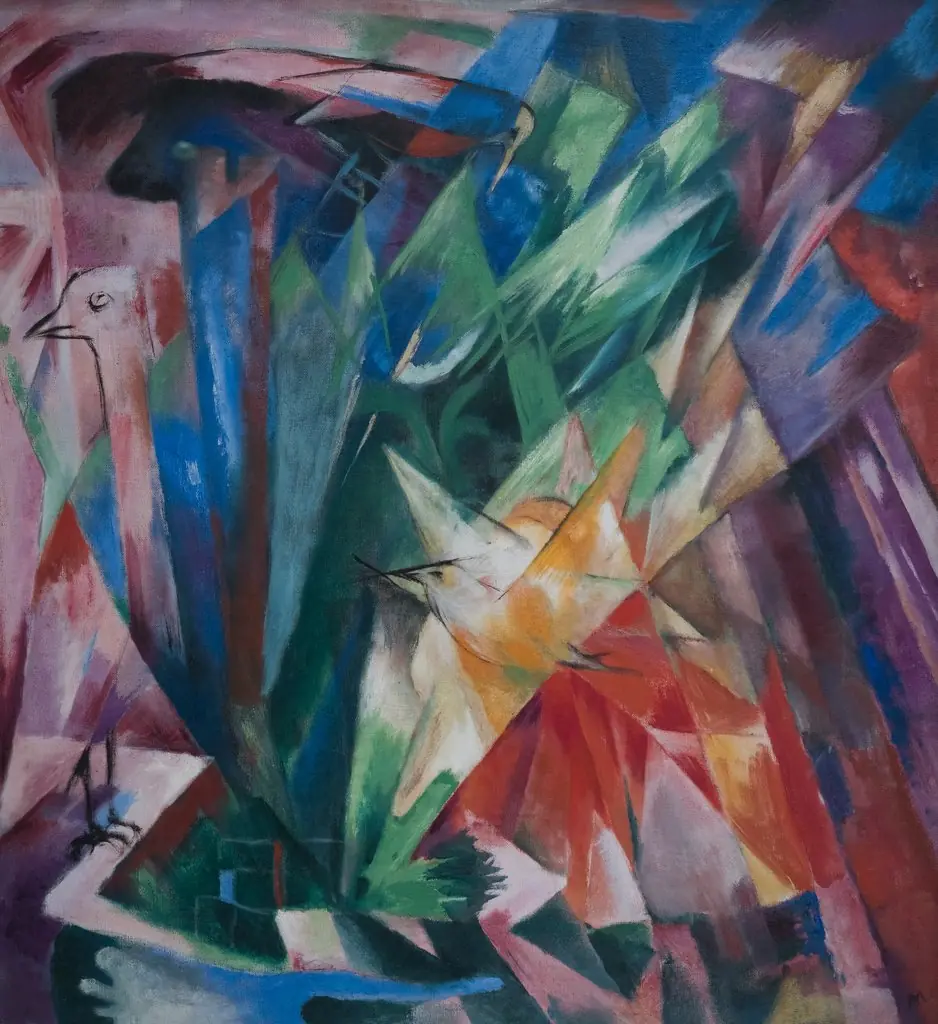 Birds
Birds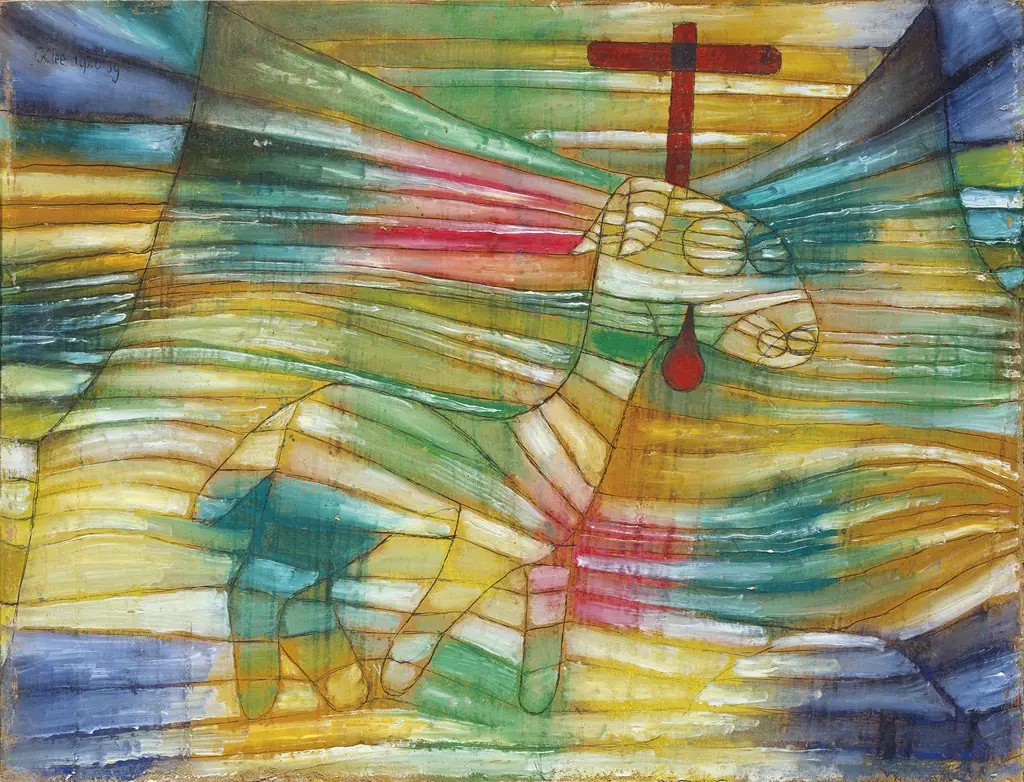 The Lamb
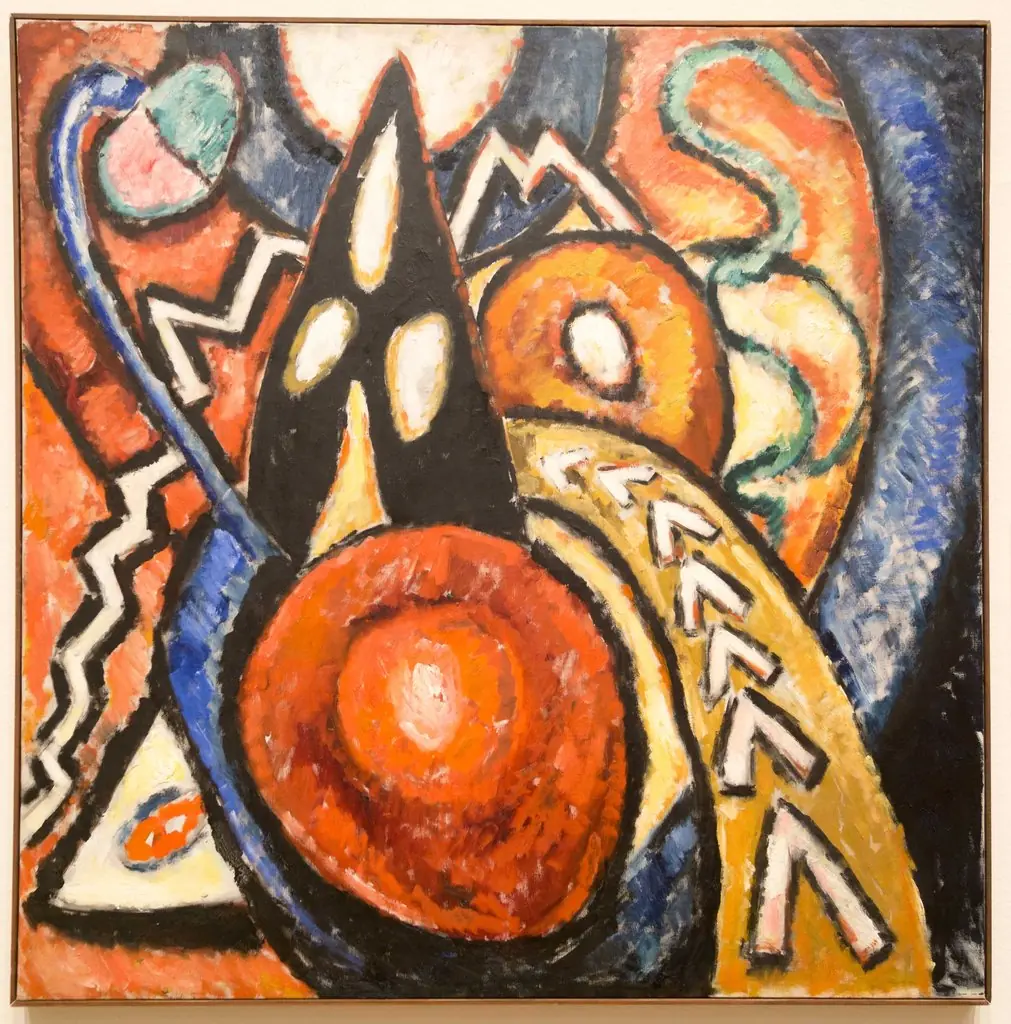 Movements
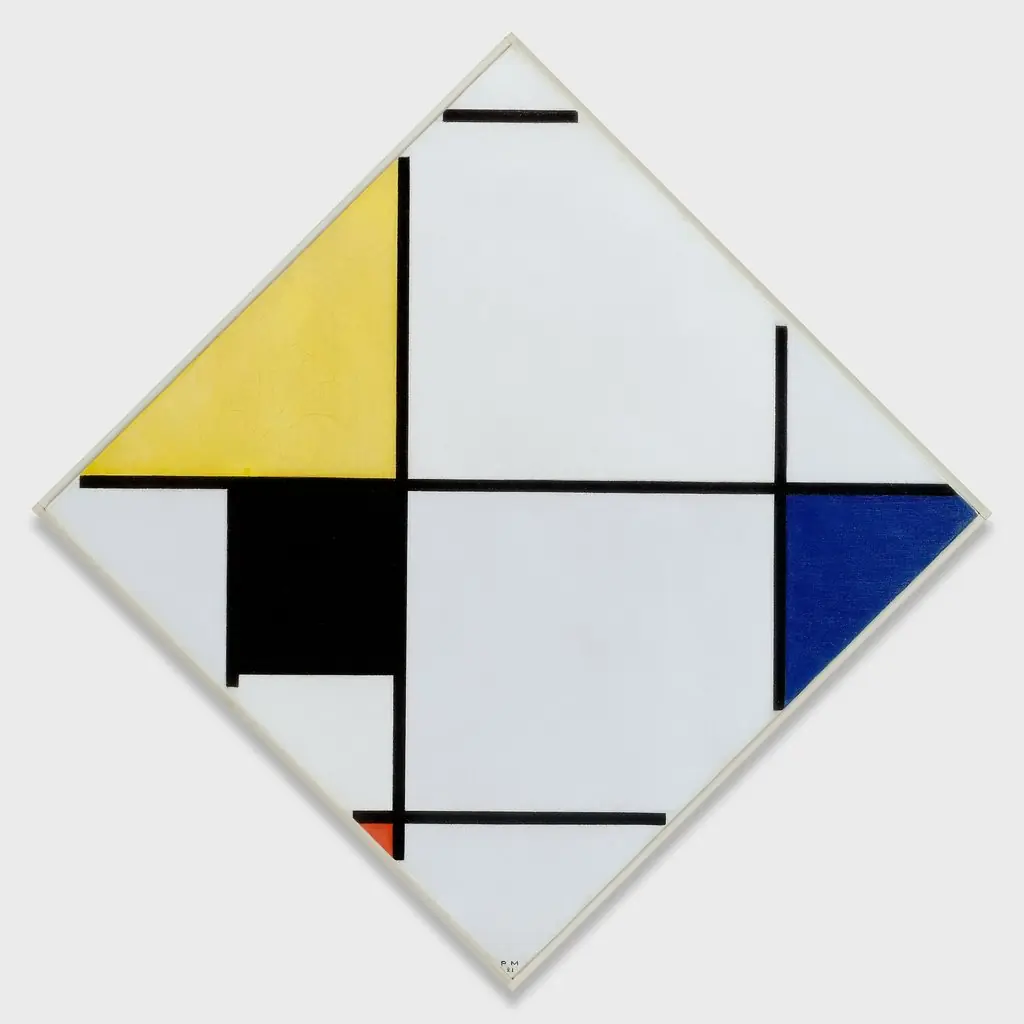 Lozenge Composition with Yellow, Black, Blue, Red, and Gray
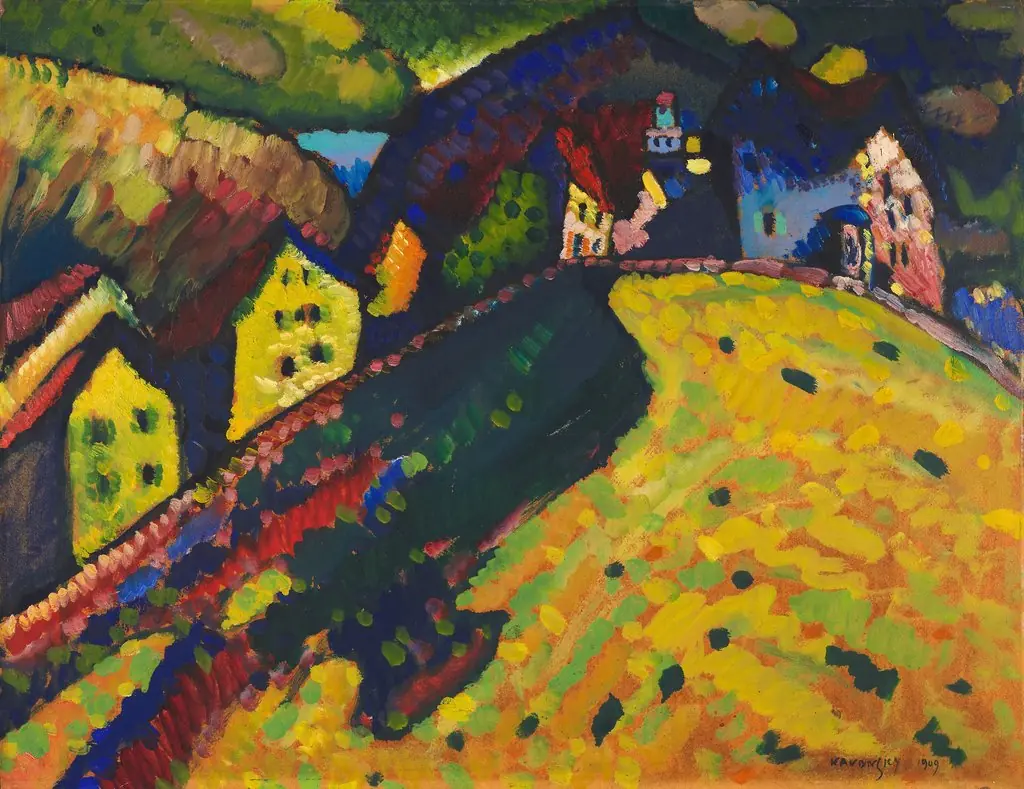 Houses at Murnau
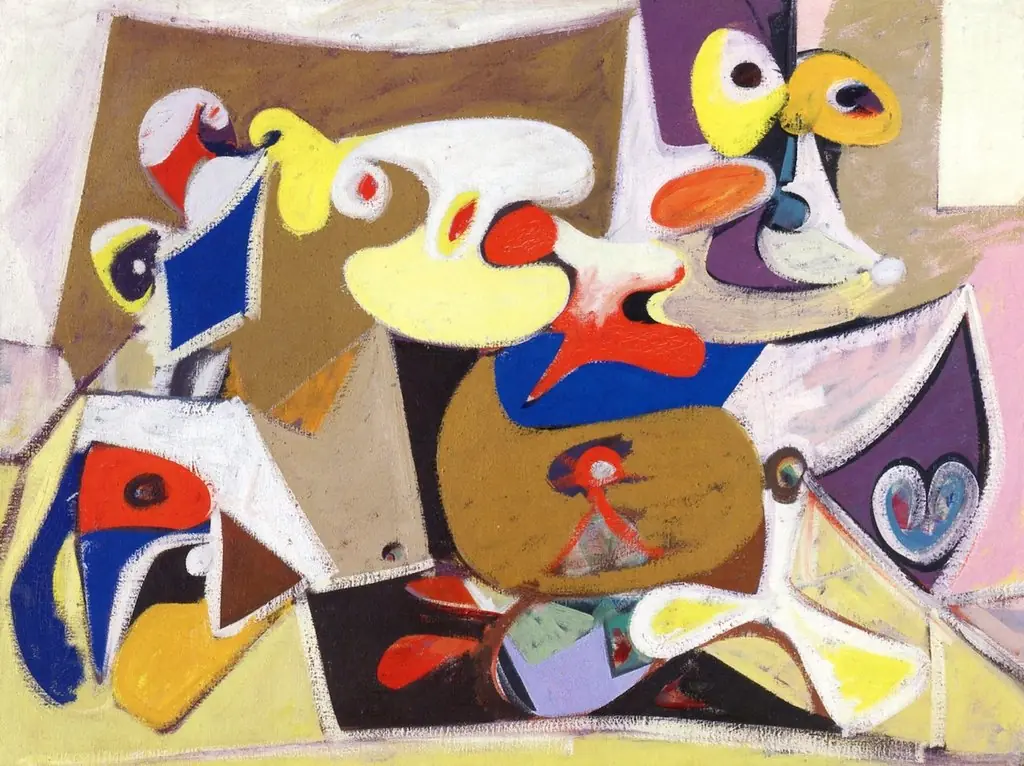 After Xhorkum
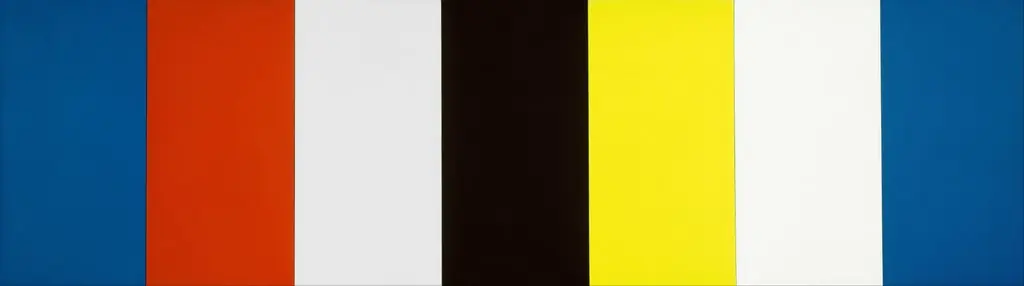 Red Yellow Blue White and Black
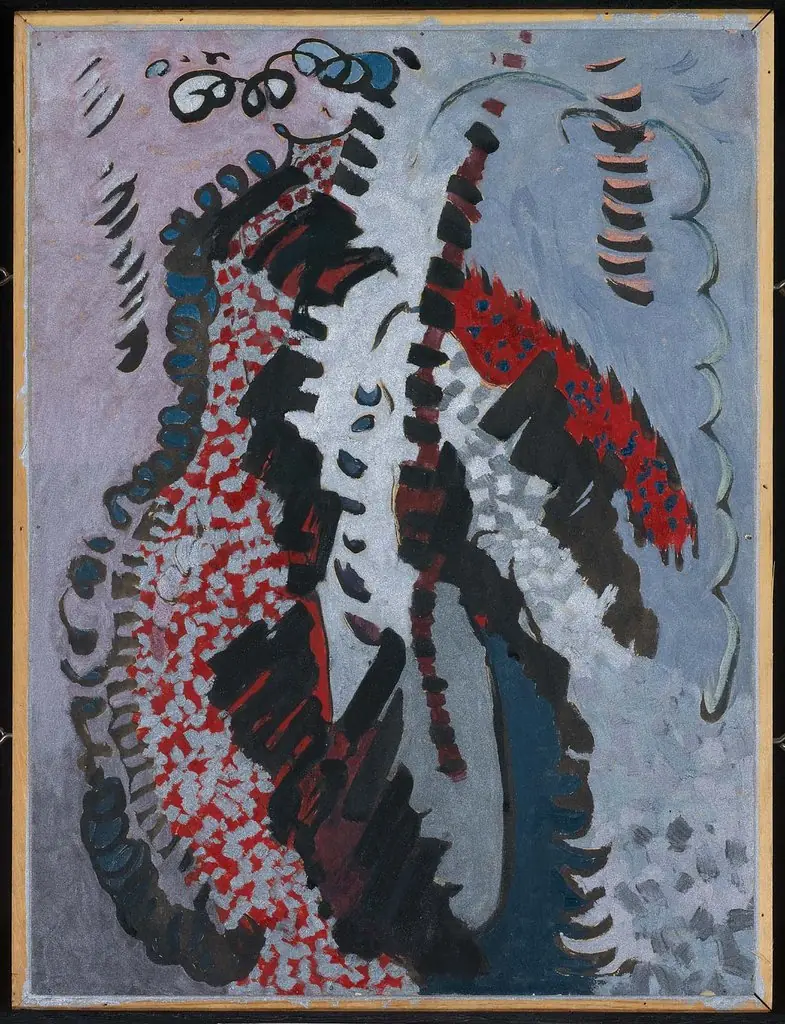 George Gershwin-I'll Build a Stairway to Paradise
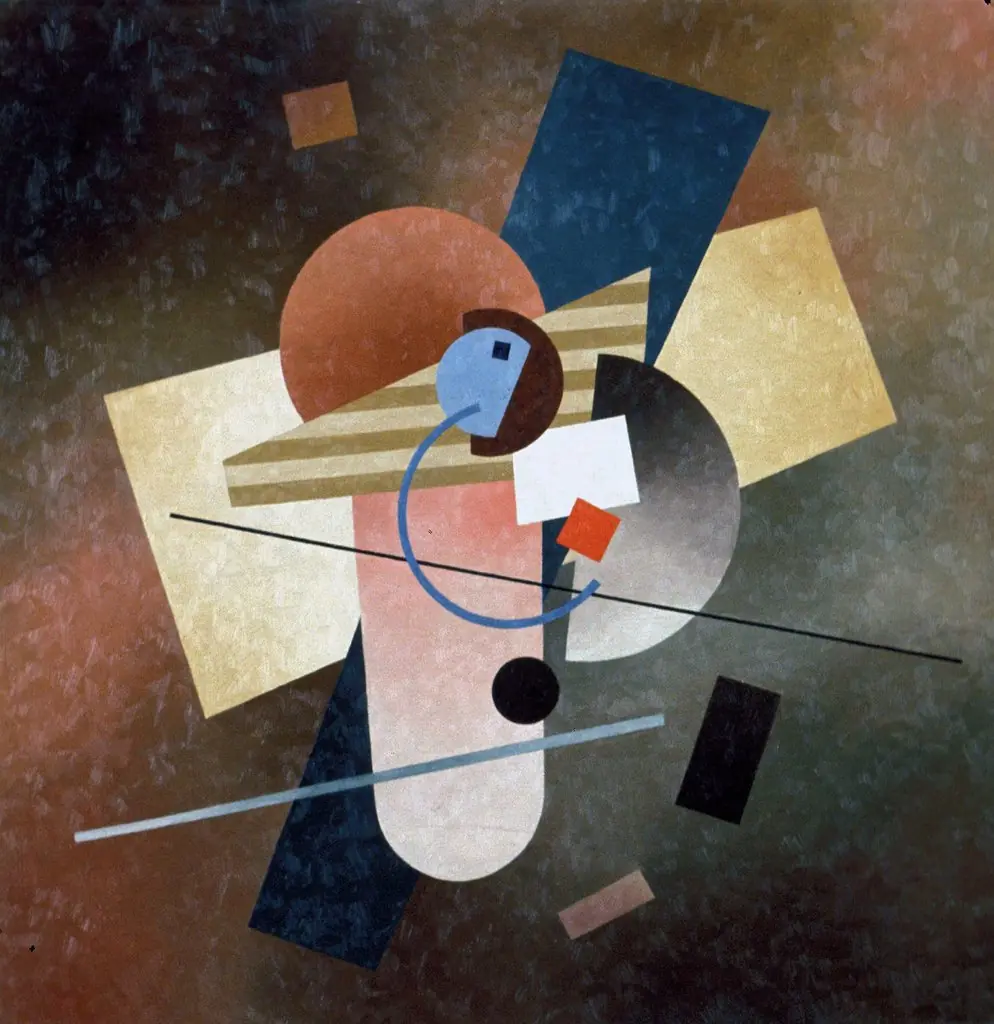 Composition
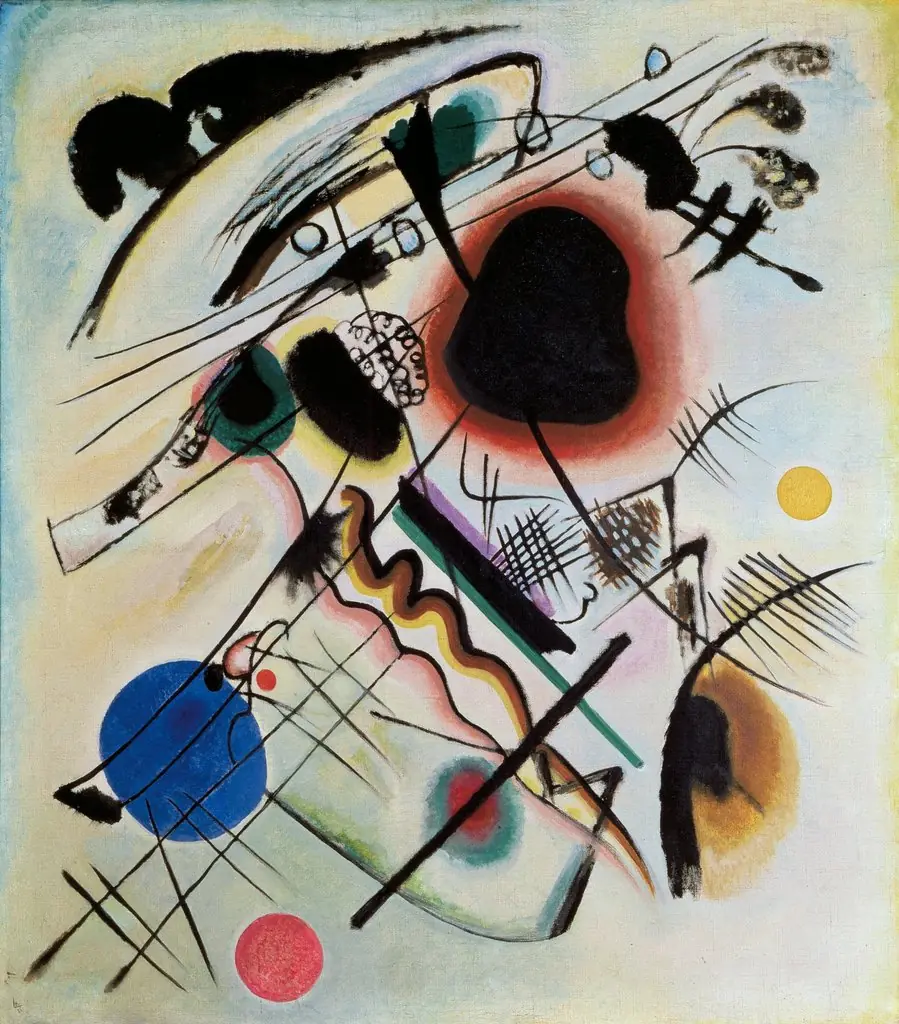 Black Spot
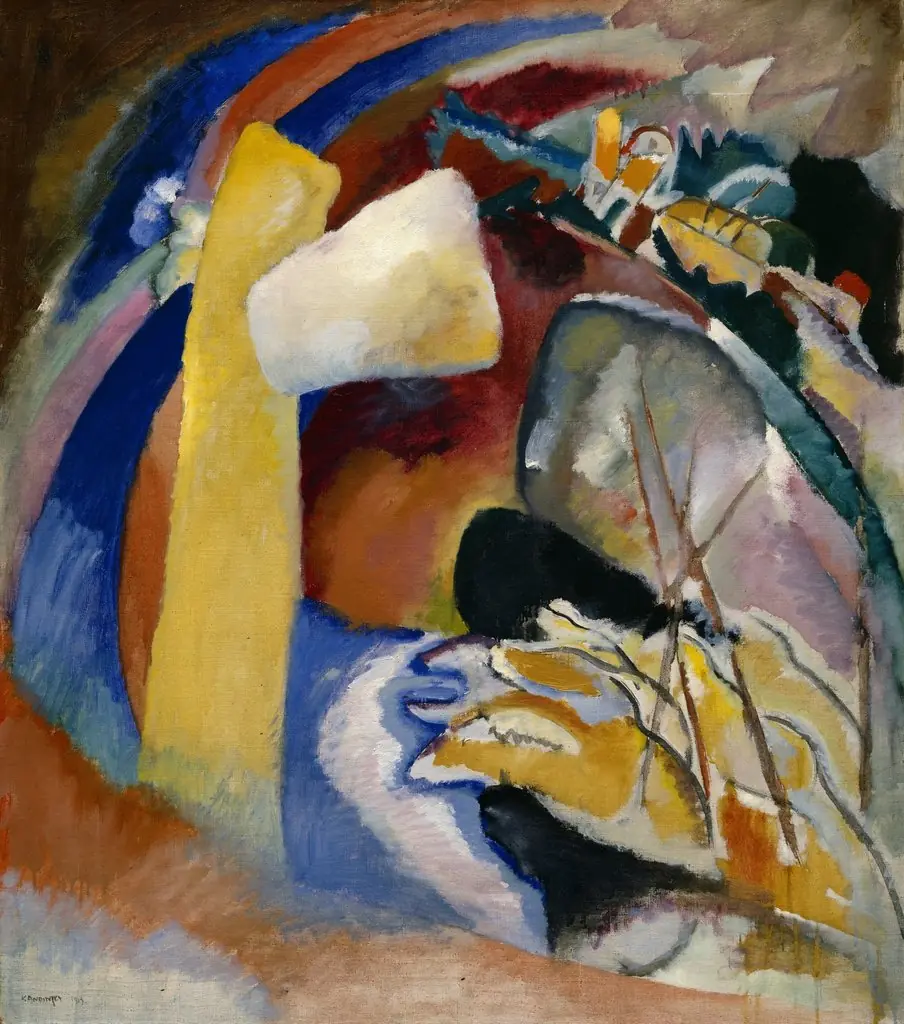 Painting with White Form (study)
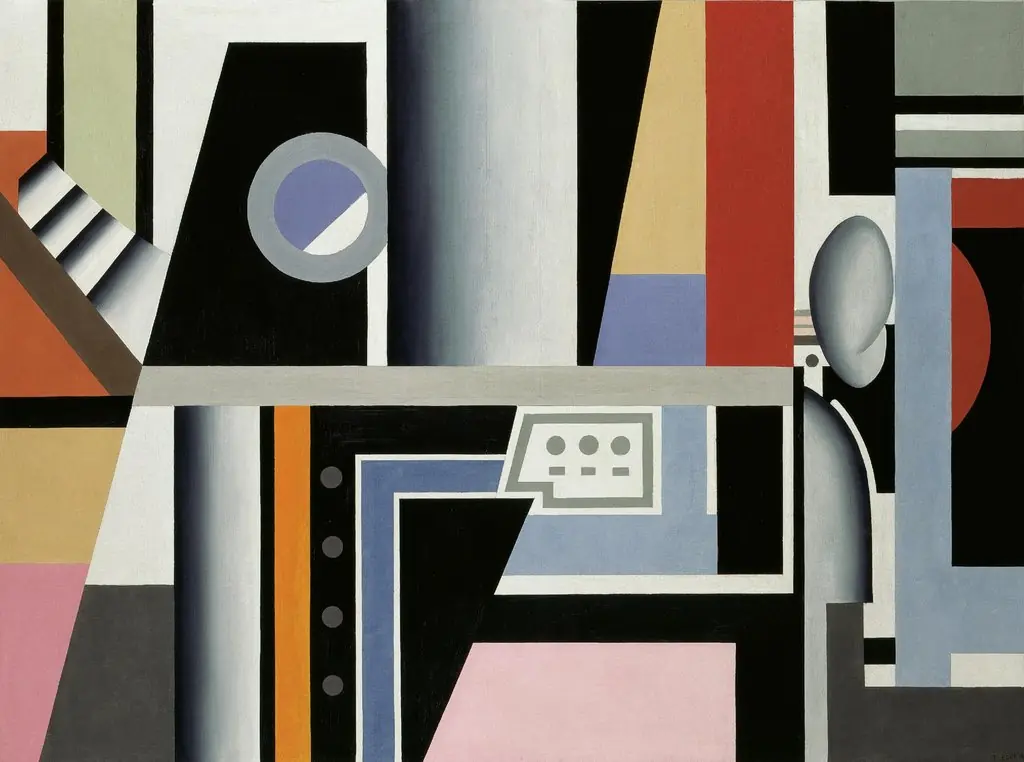 Mecanical Element
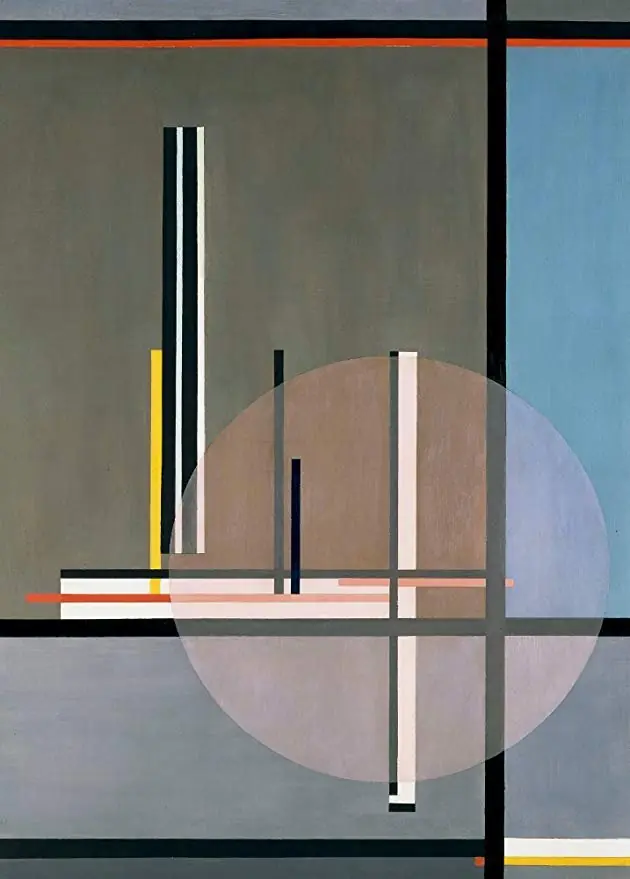 LIS
LIS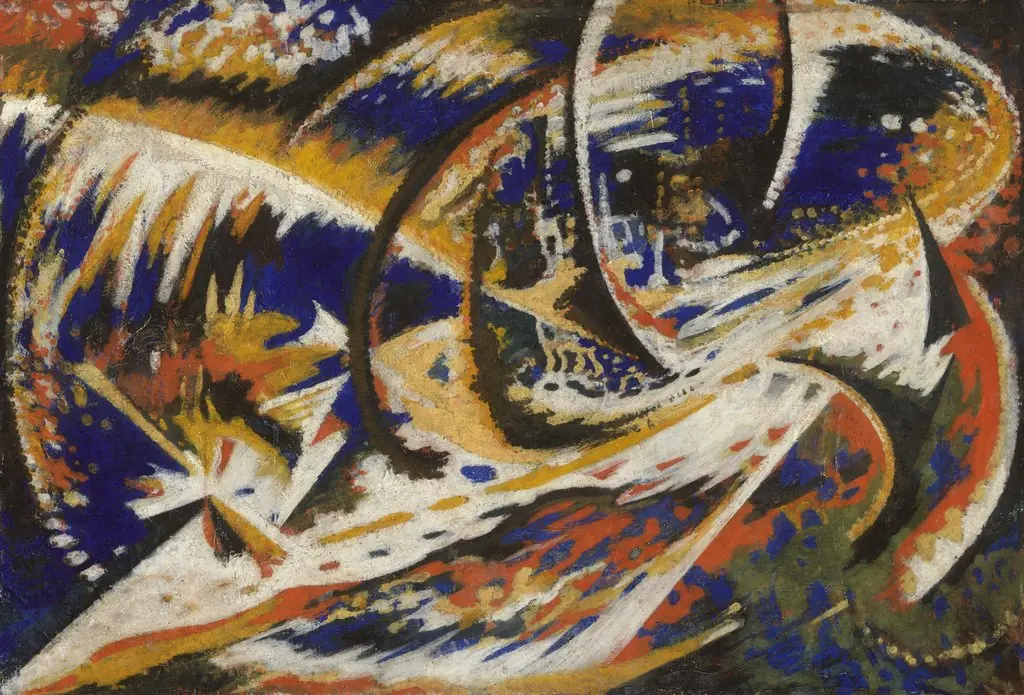 Speed
Speed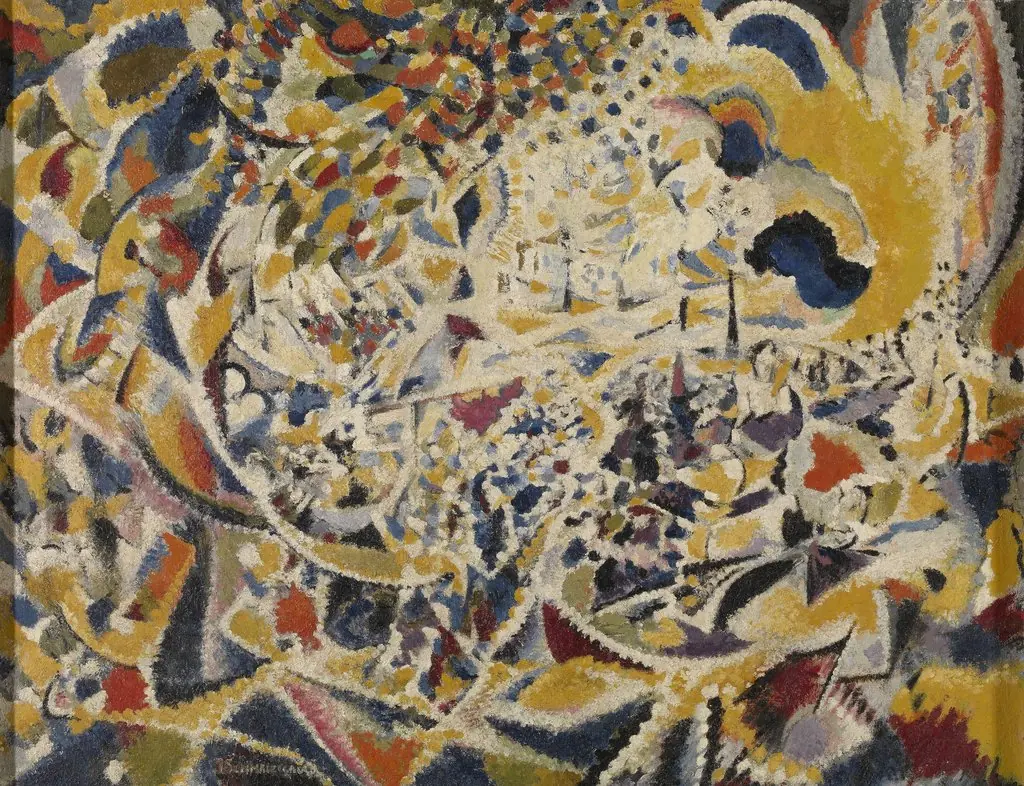 Light
Light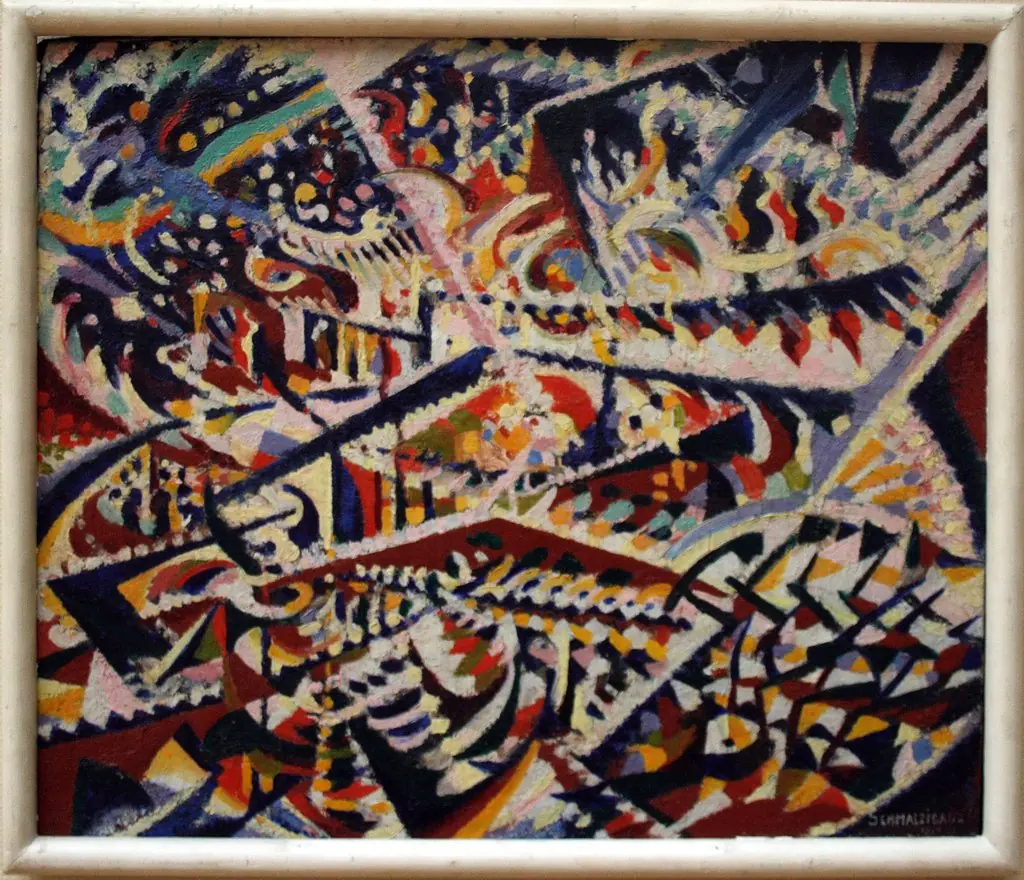 Impression in a Dance Hall
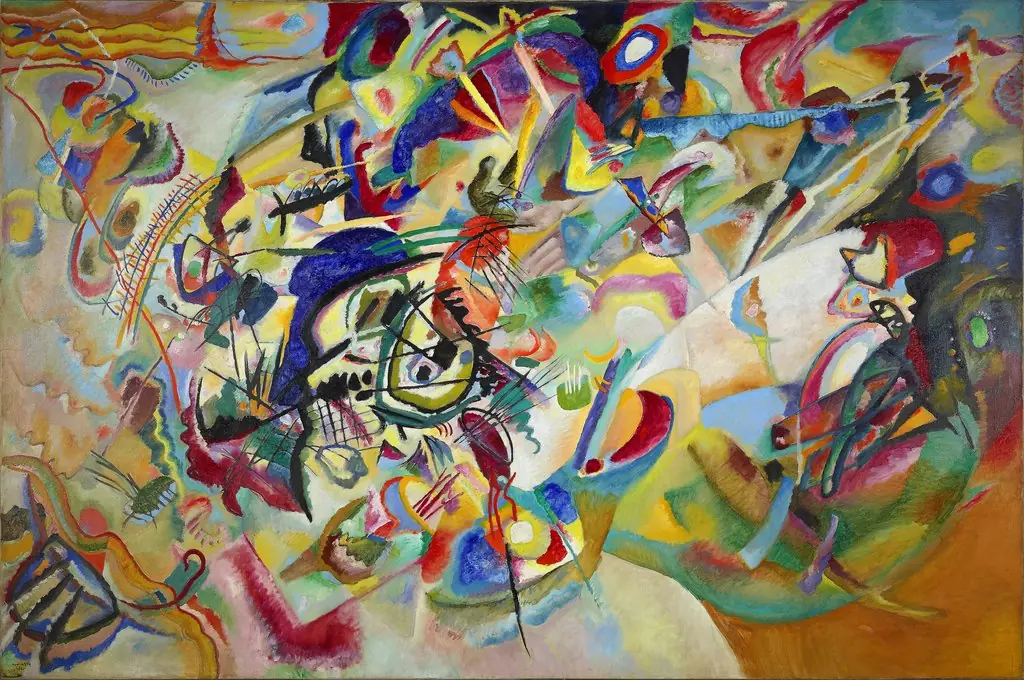 Composition VII
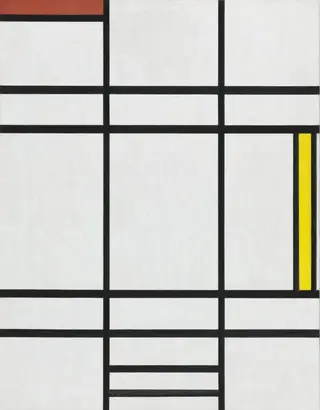 Composition in White, Red, and Yellow
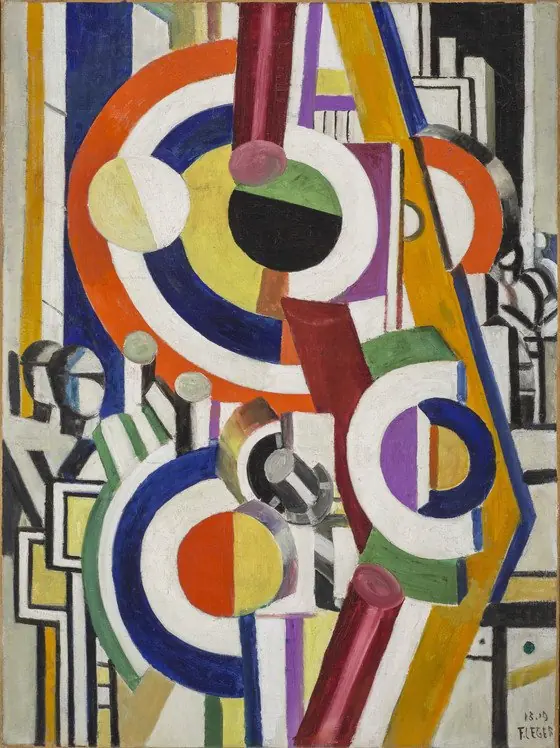 The Disks
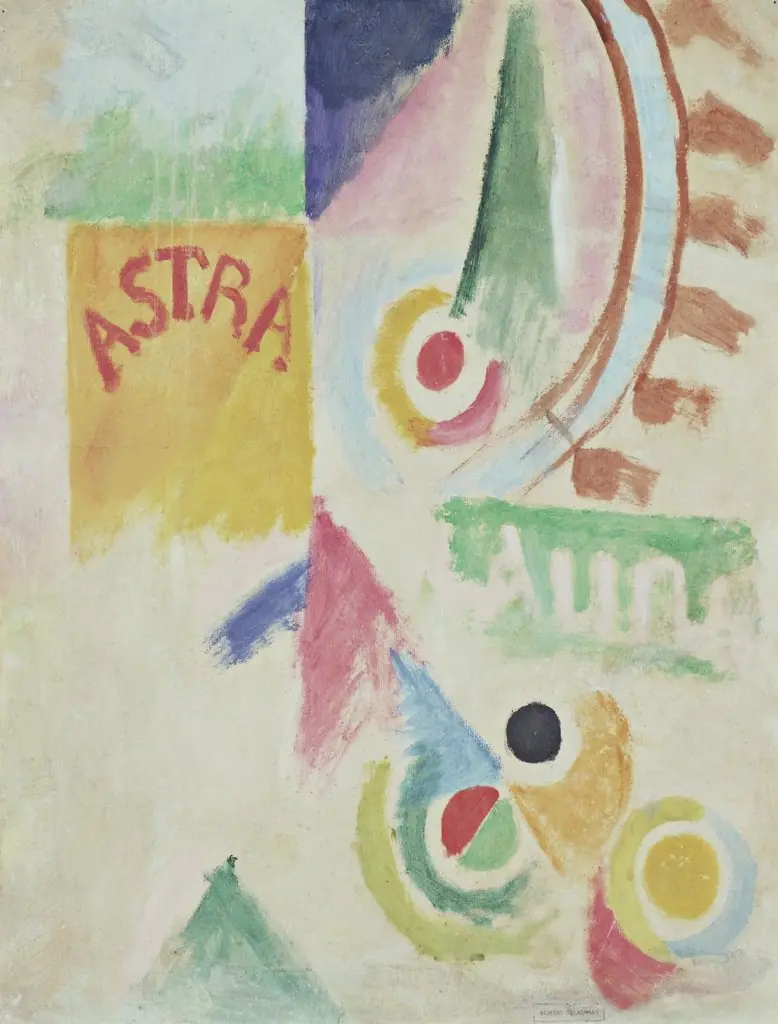 Football. L'Équipe de Cardiff
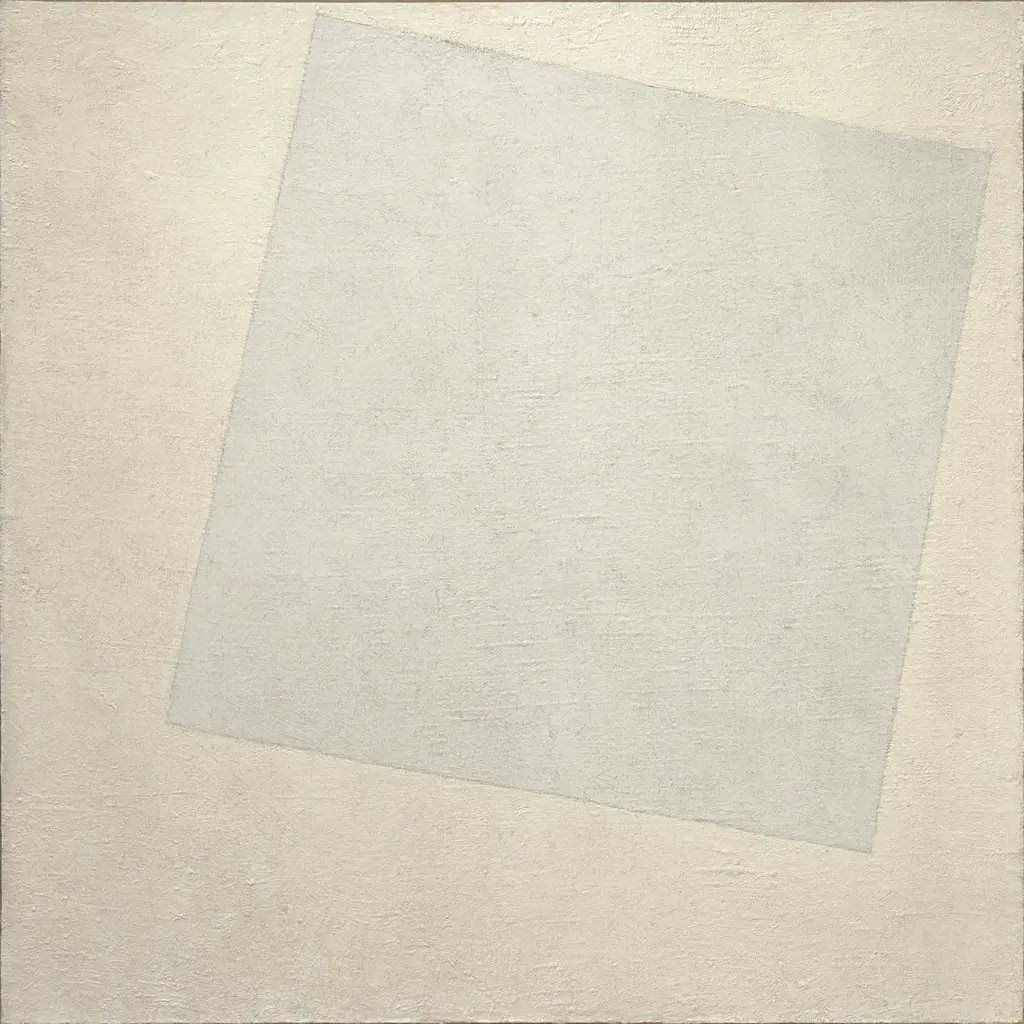 Suprematist Composition: White on White
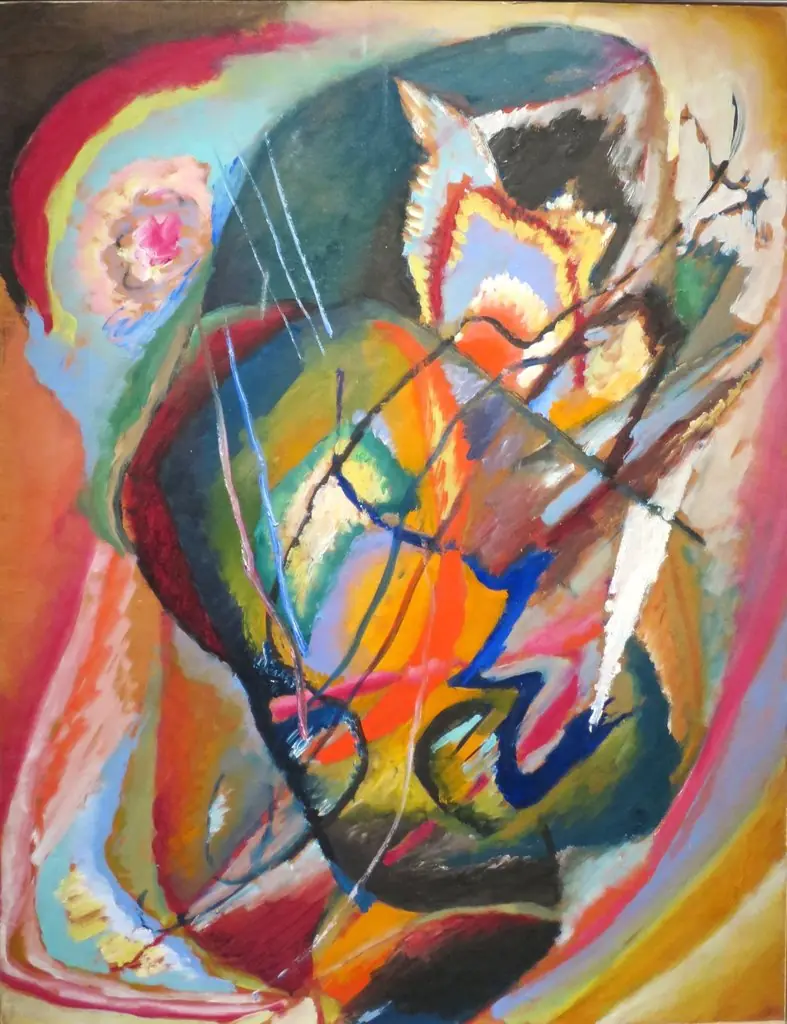 Untitled Improvisation III
 Single Element
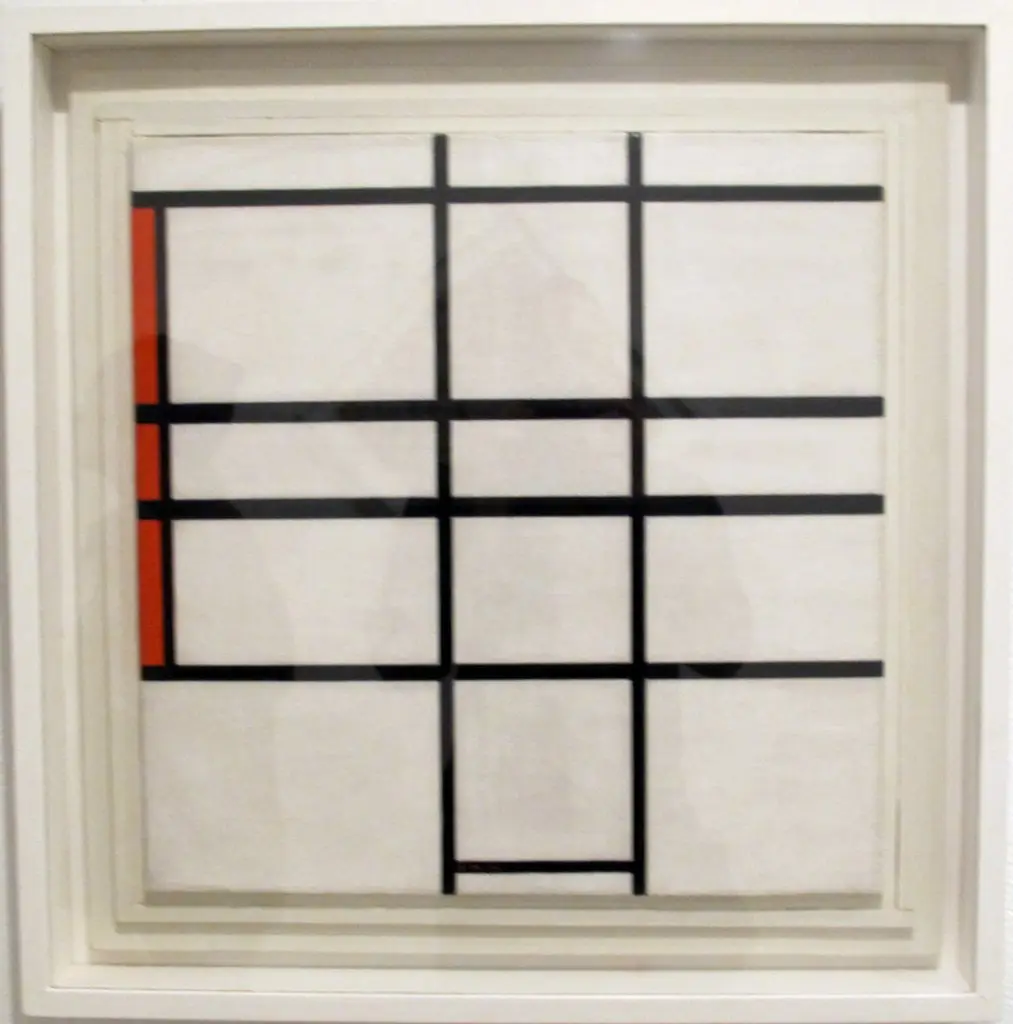 Composition with White and Red
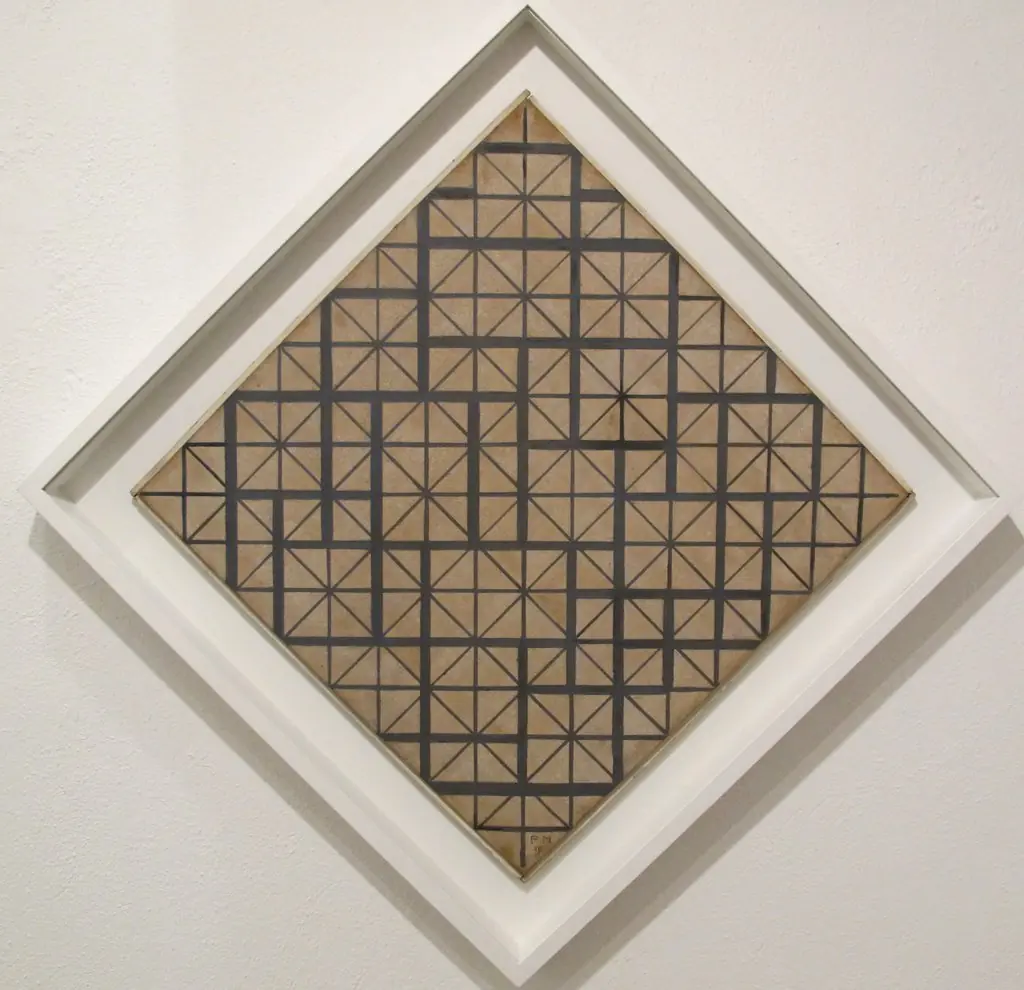 Composition with Grid 4 (Lozenge)
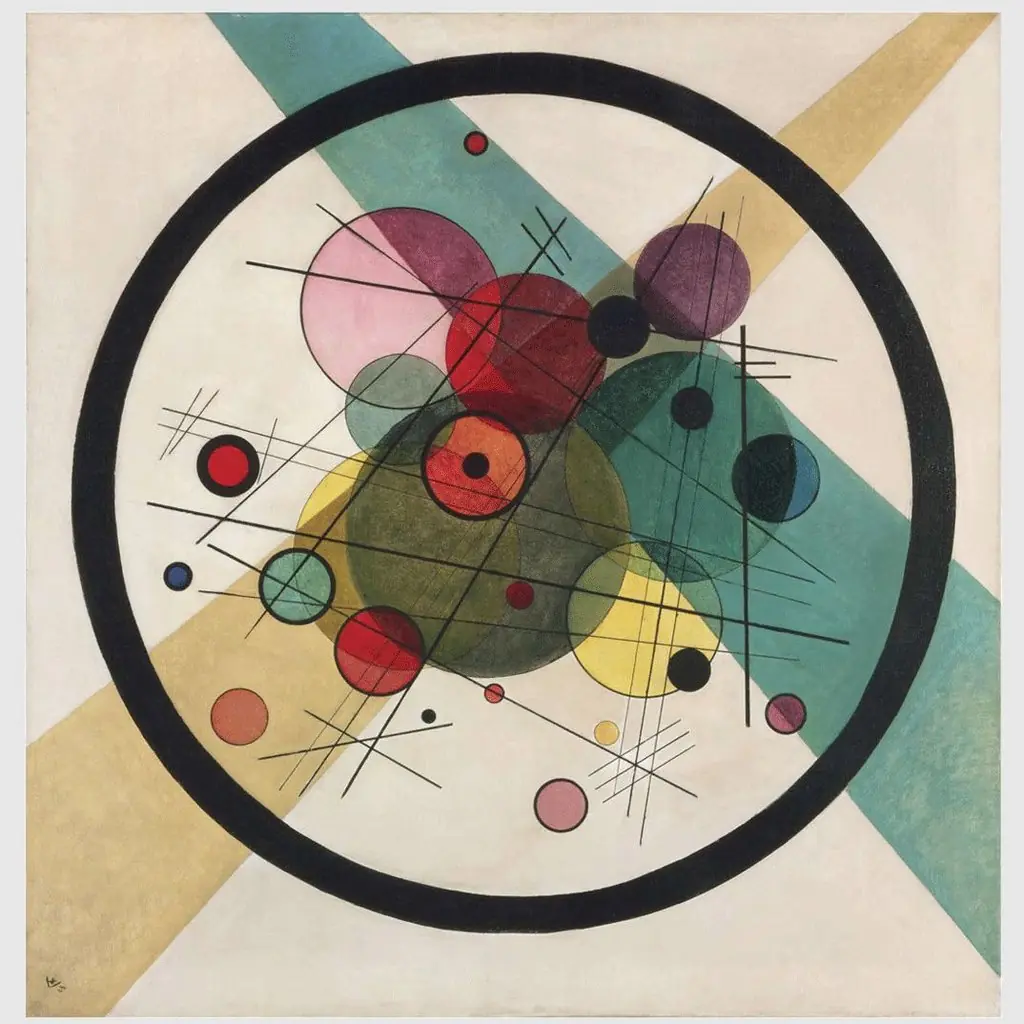 Circles in a Circle
 An Abstract Composition
 Ploughing (Sketch)
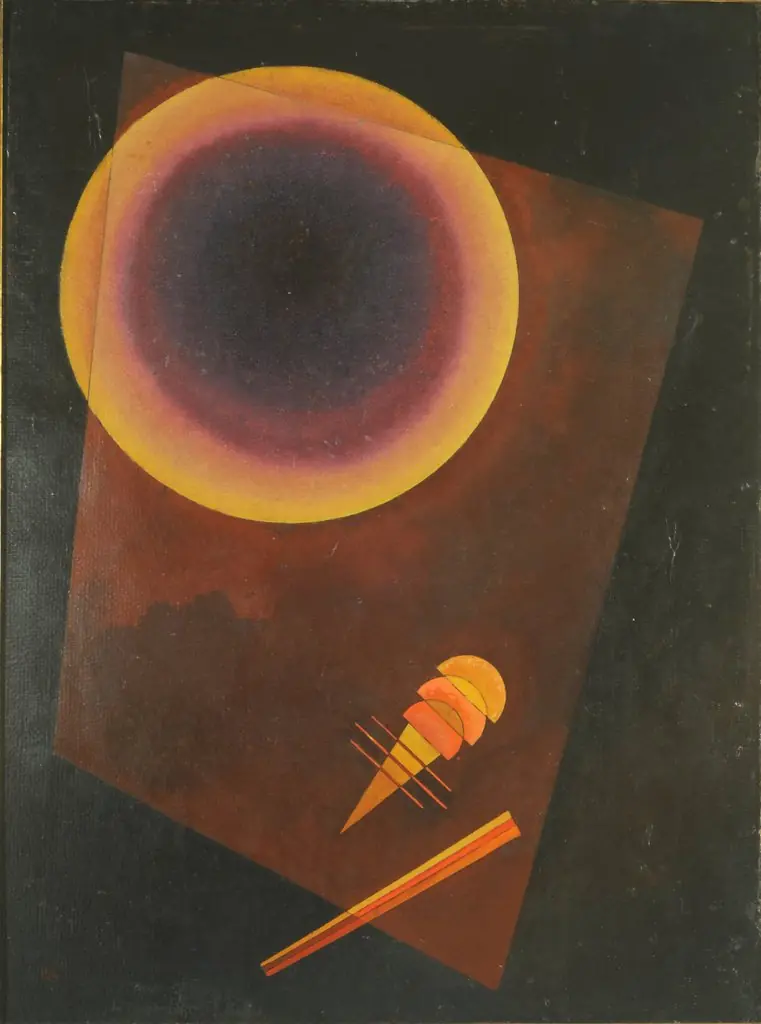 Circle (with brown)
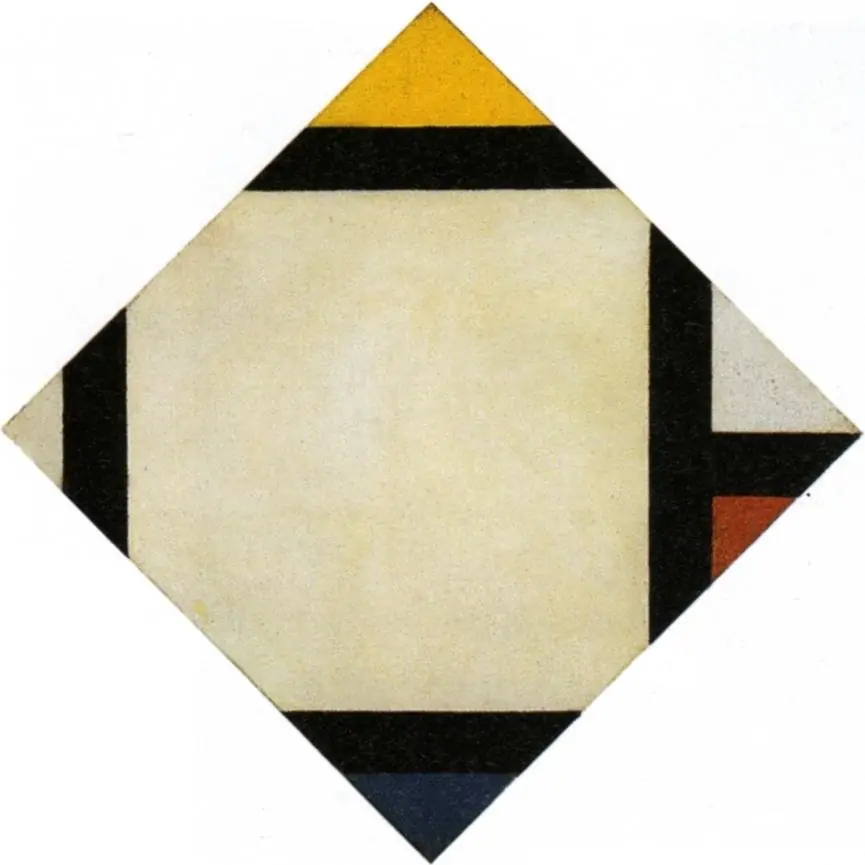 Contra-Composition VII
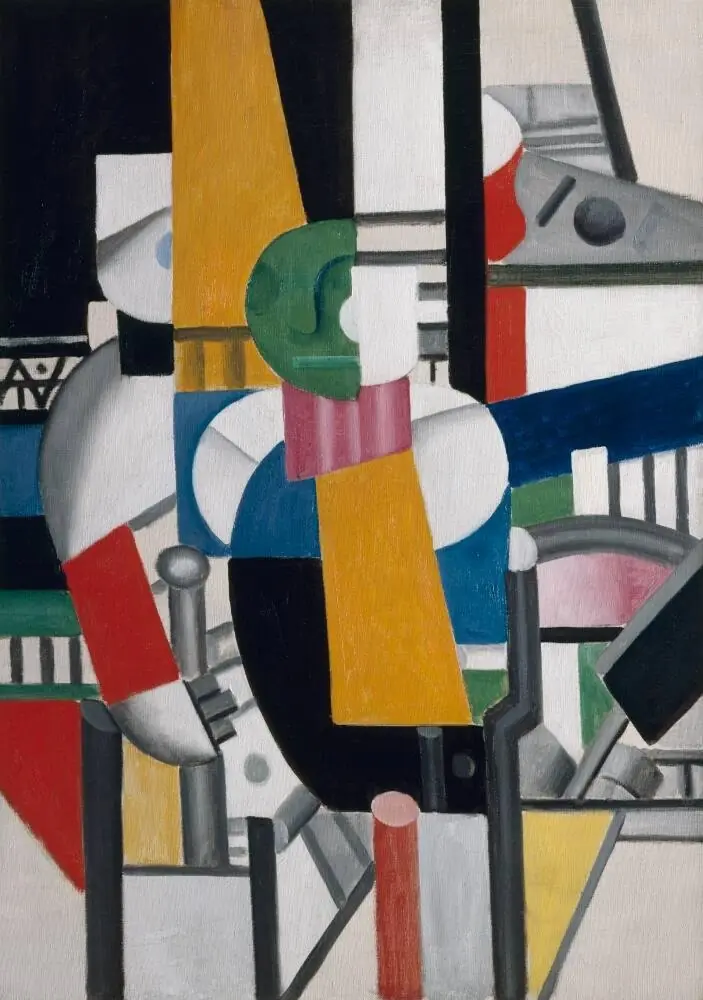 Man with a Cane
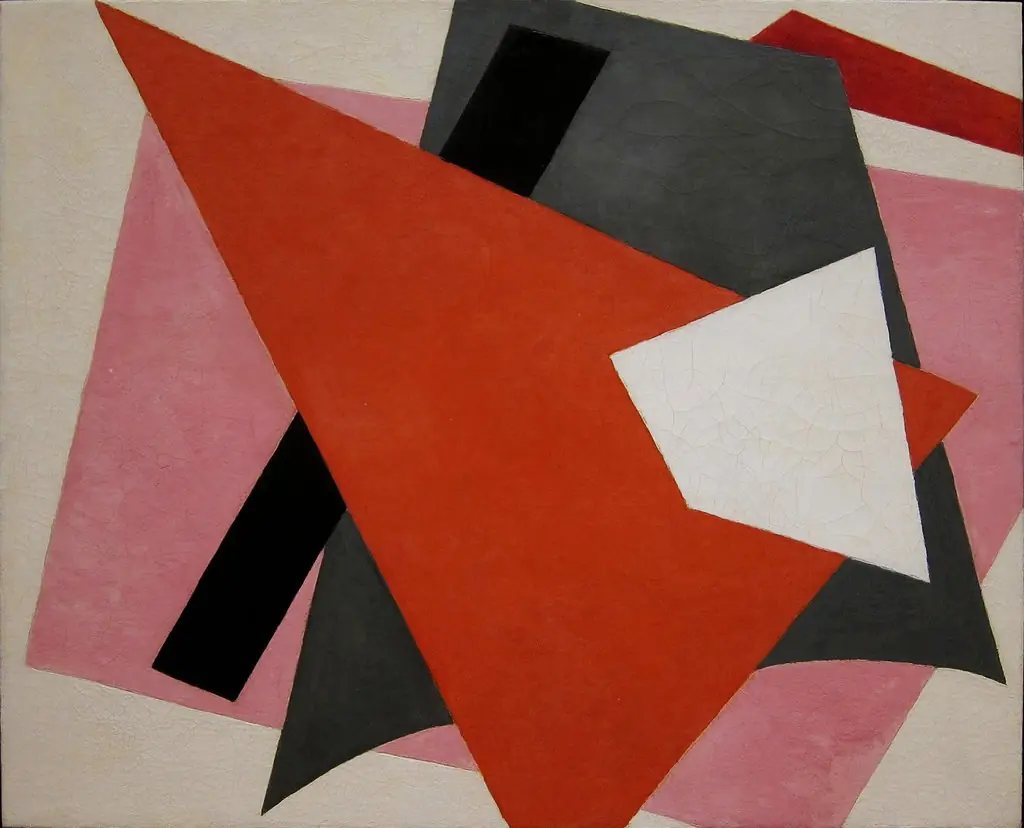 Painterly Architectonic
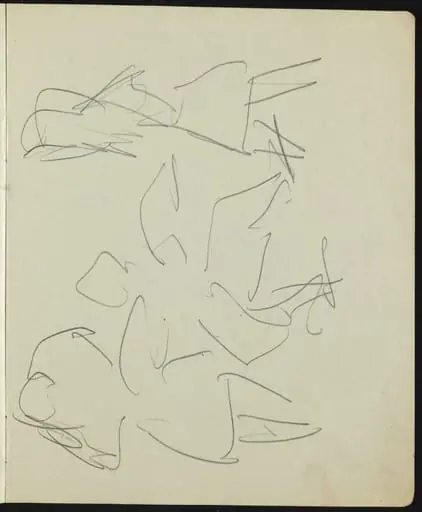 Dancers and Performers (Page from a Sketchbook)
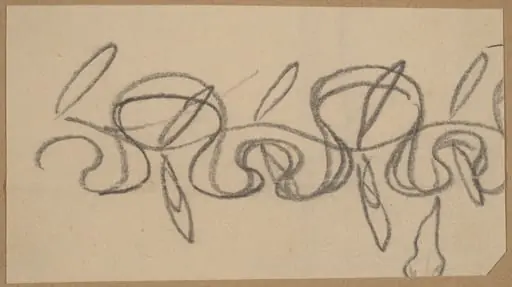 Study for a Border Design
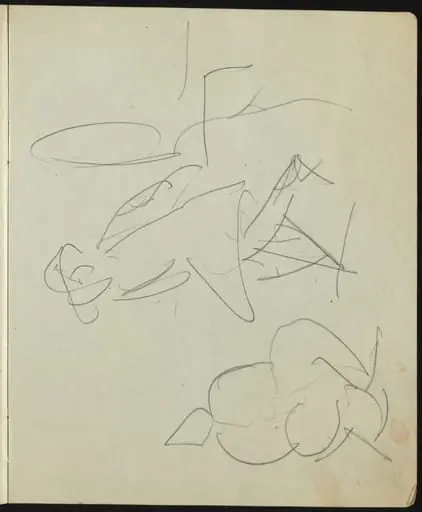 Dancers and Performers (Page from a Sketchbook)
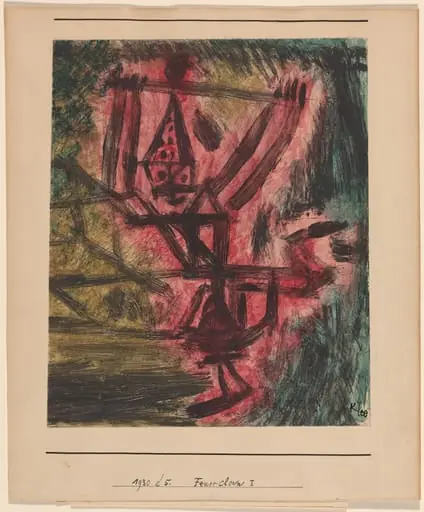 Feuer Clown I (Fire Clown)
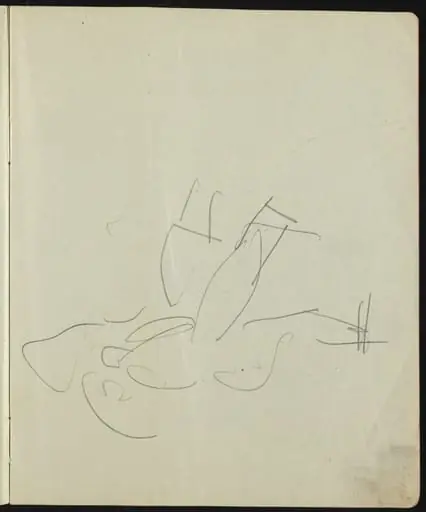 Dancers and Performers (Page from a Sketchbook)
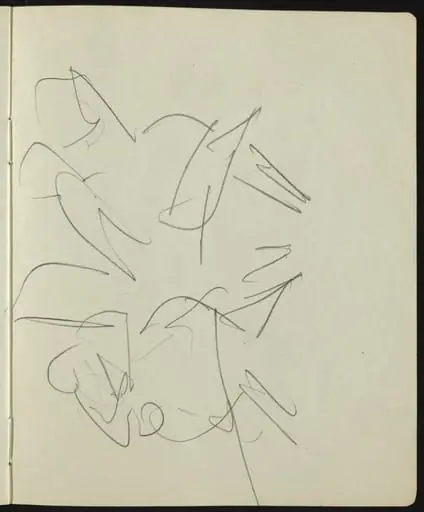 Dancers and Performers (Page from a Sketchbook)
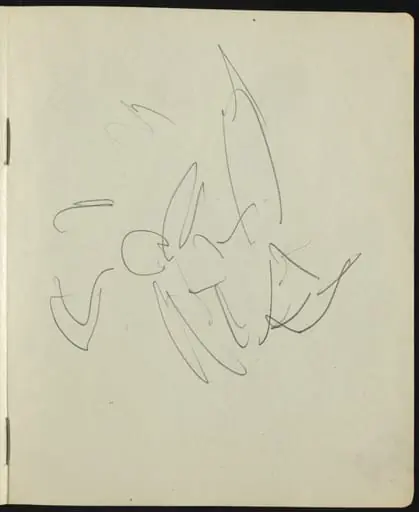 Dancers and Performers (Page from a Sketchbook)
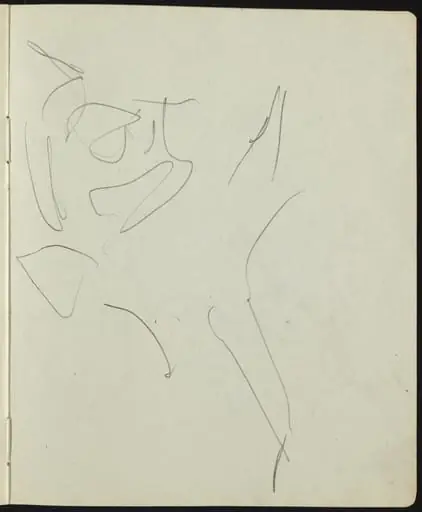 Dancers and Performers (Page from a Sketchbook)
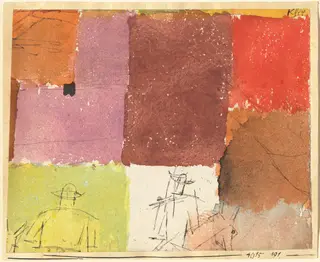 Composition with Figures
![Scribbles; Two Shapes [verso]](https://artifactworldgallery.com/img/paul-gauguin--scribbles-two-shapes-verso--e2a0386c2e41033b-w320.webp) Scribbles; Two Shapes [verso]
Scribbles; Two Shapes [verso]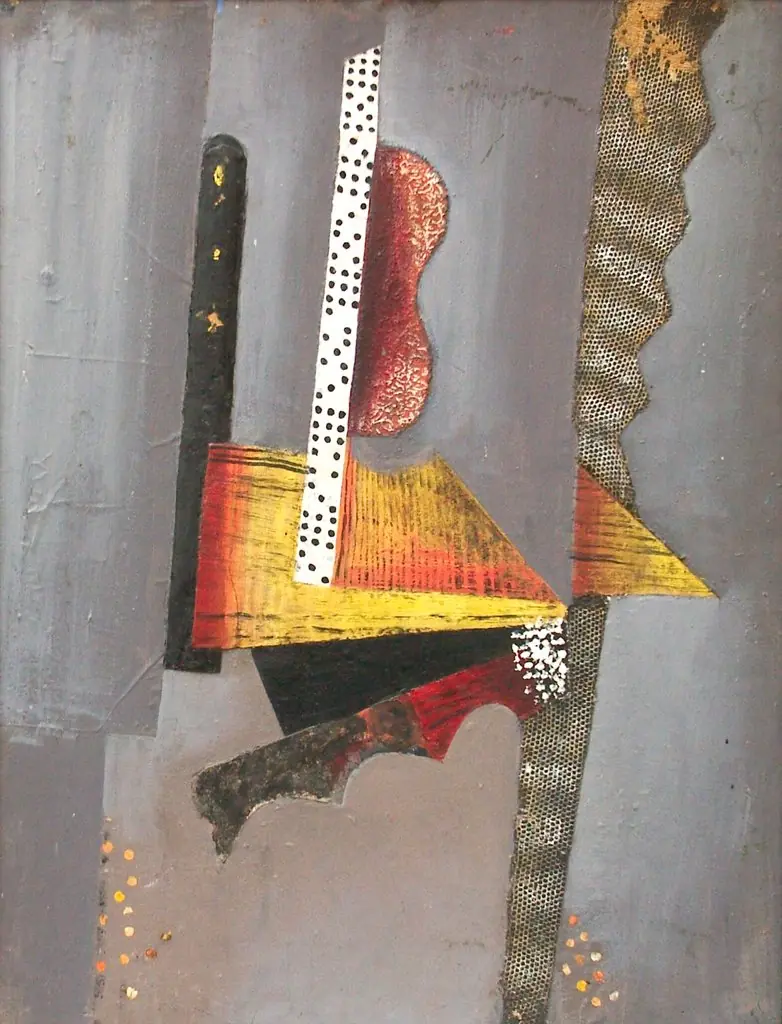 Kubistisk komposition
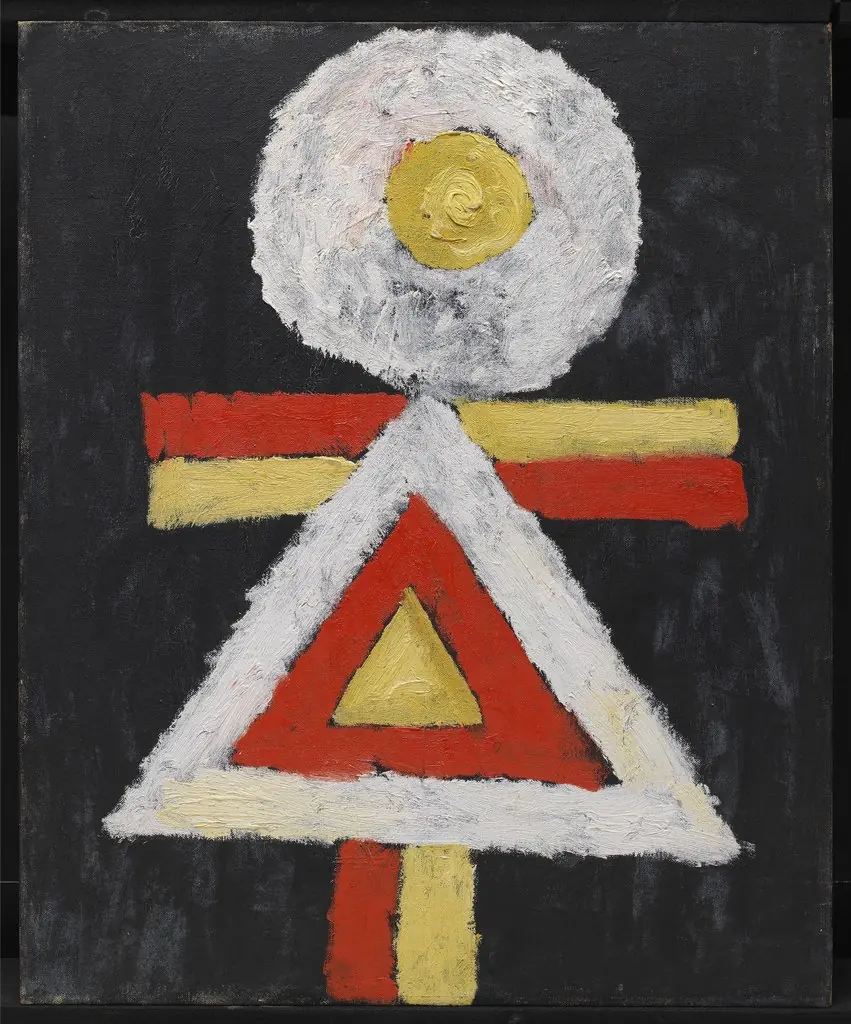 Geometric Figure
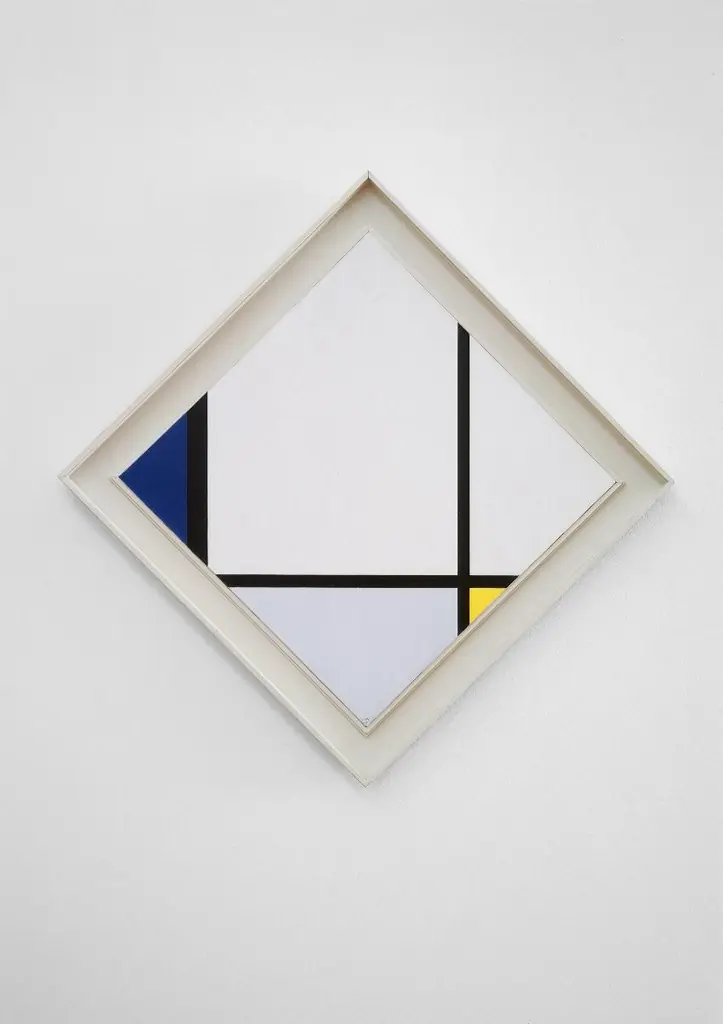 Tableau No. I
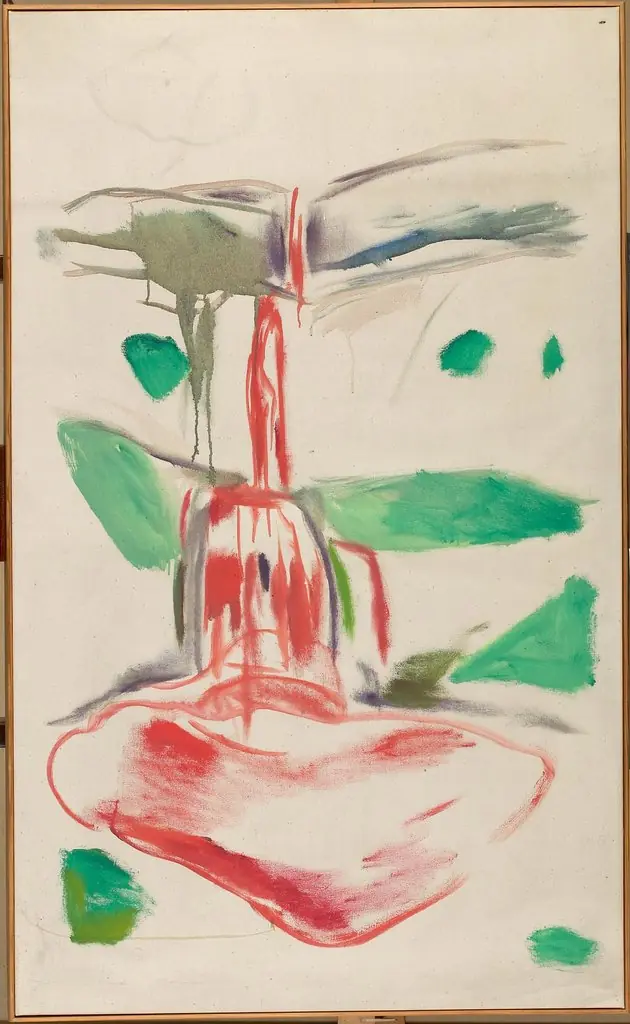 Blood Waterfall
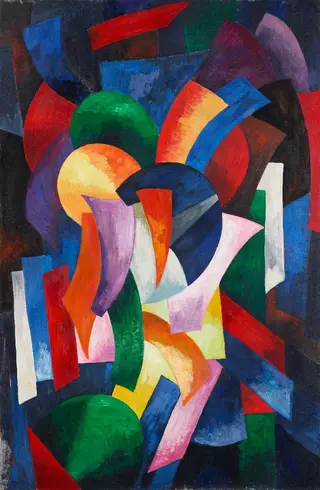 Farbdynamik
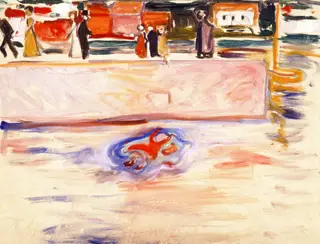 The Drowning Child
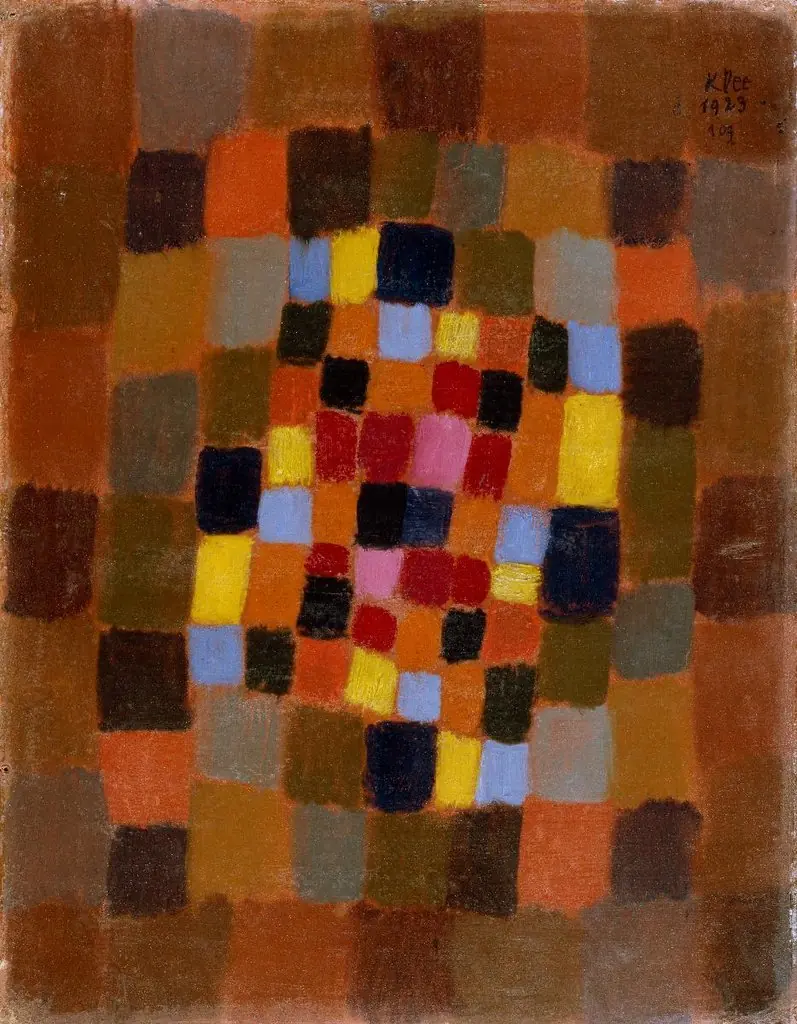 Buntes Beet
 Suprematism
 Suprematism
 Supremus No. 38
 Painterly construction
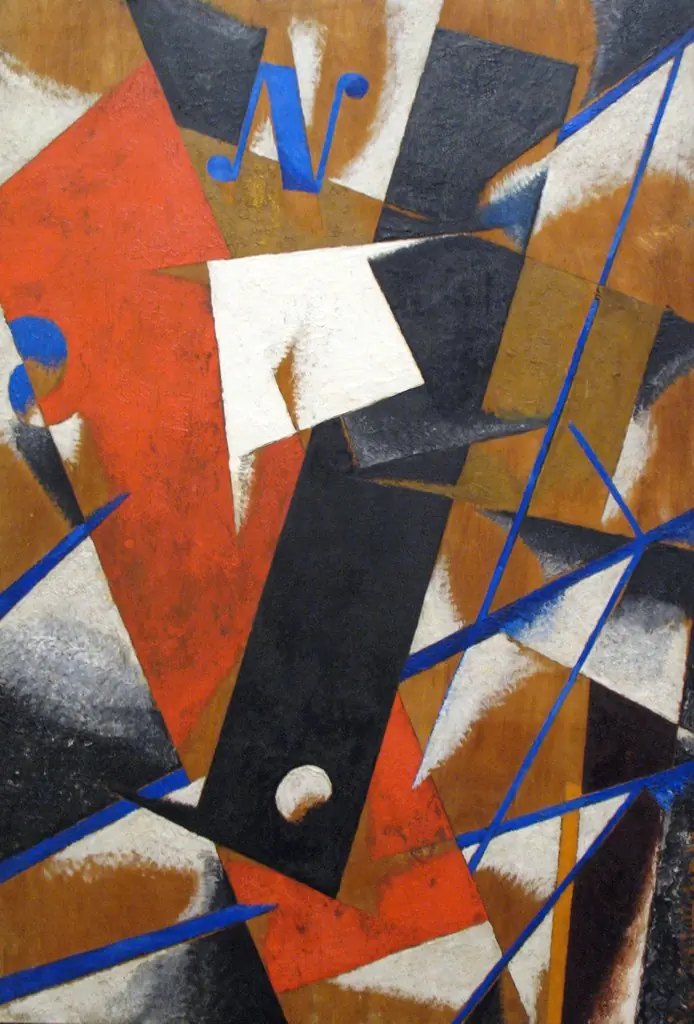 Space-power construction
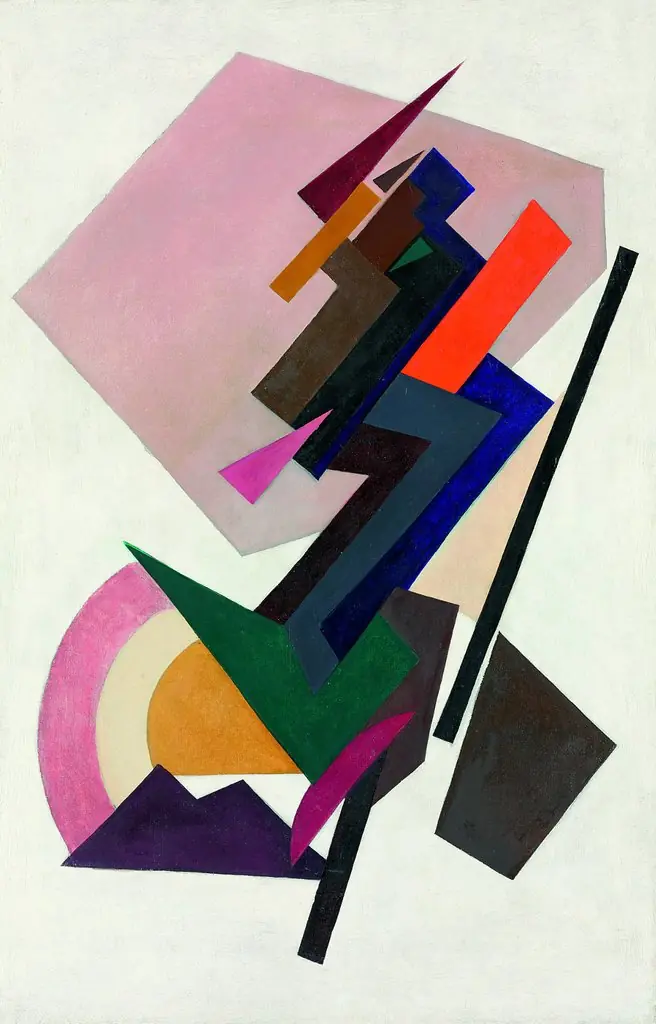 Suprematism
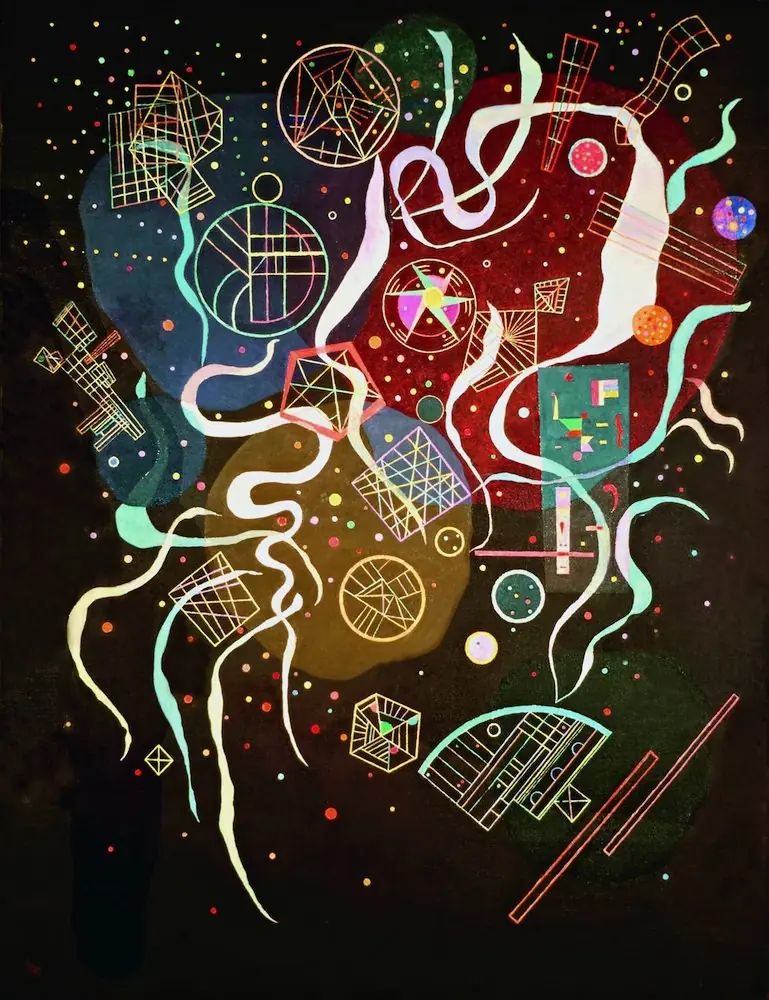 Movement I
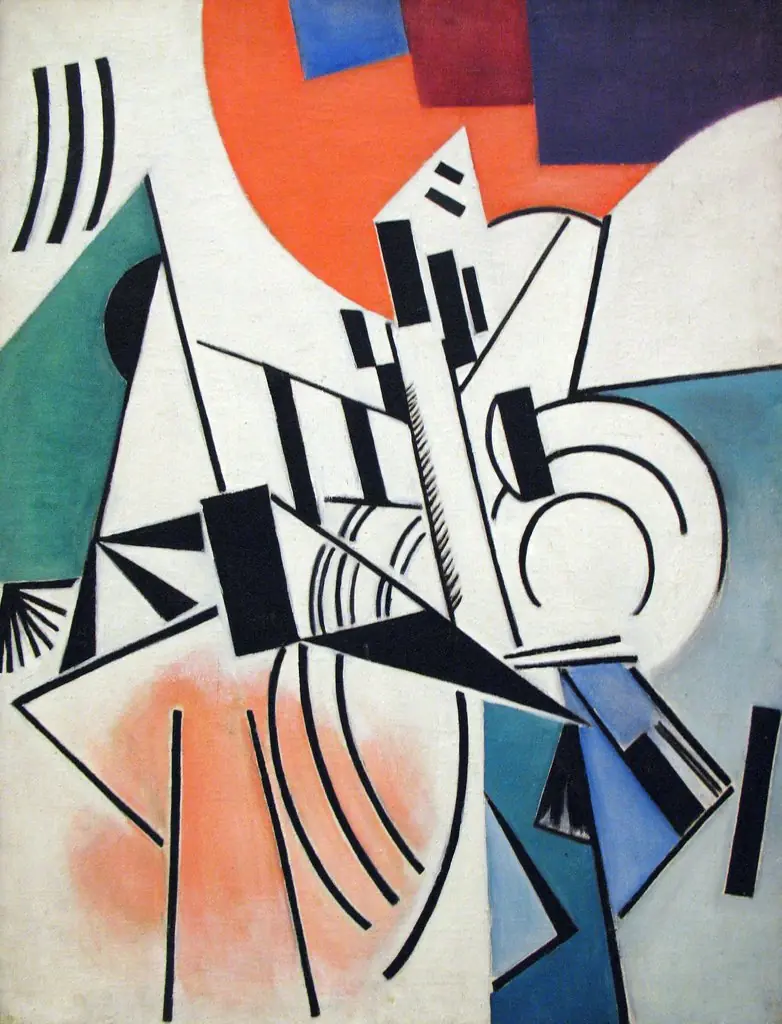 Non-Objective Composition
 Sign
Sign Fragmentary Playing Card
 Equals Infinity
 The Three Windows, the Tower and the Wheel
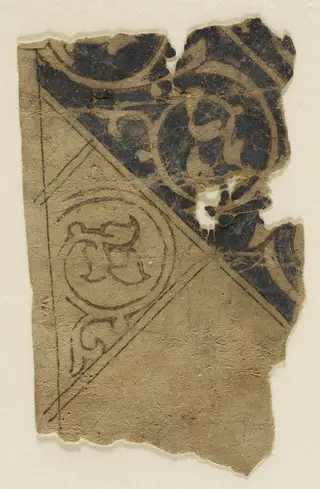 Fragmentary Playing Card
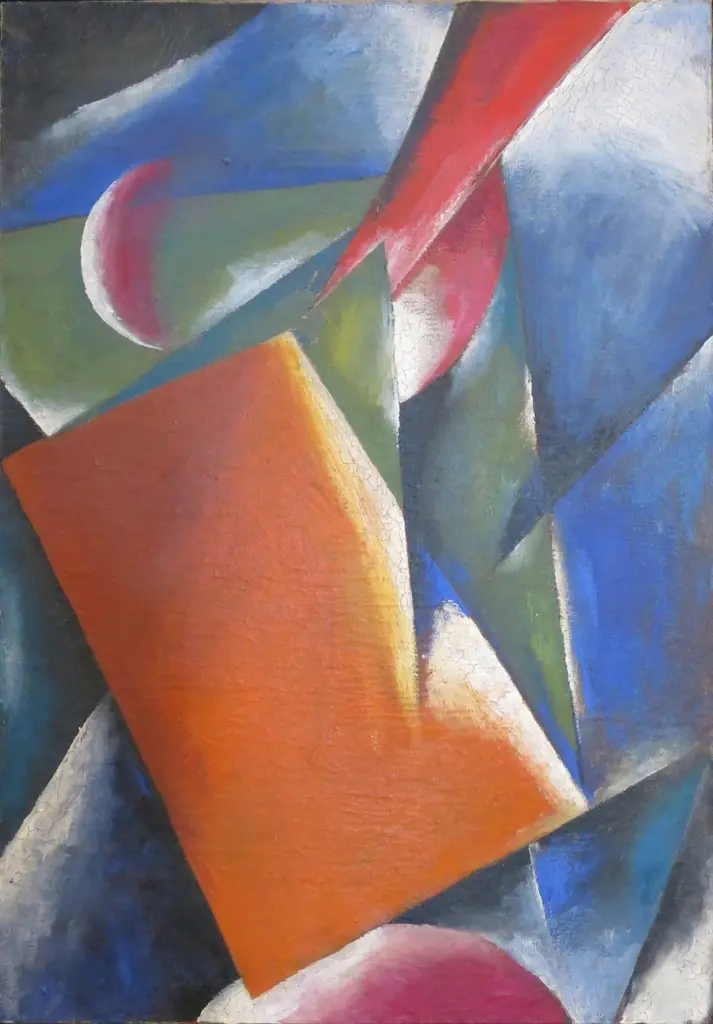 Architectonic Painting
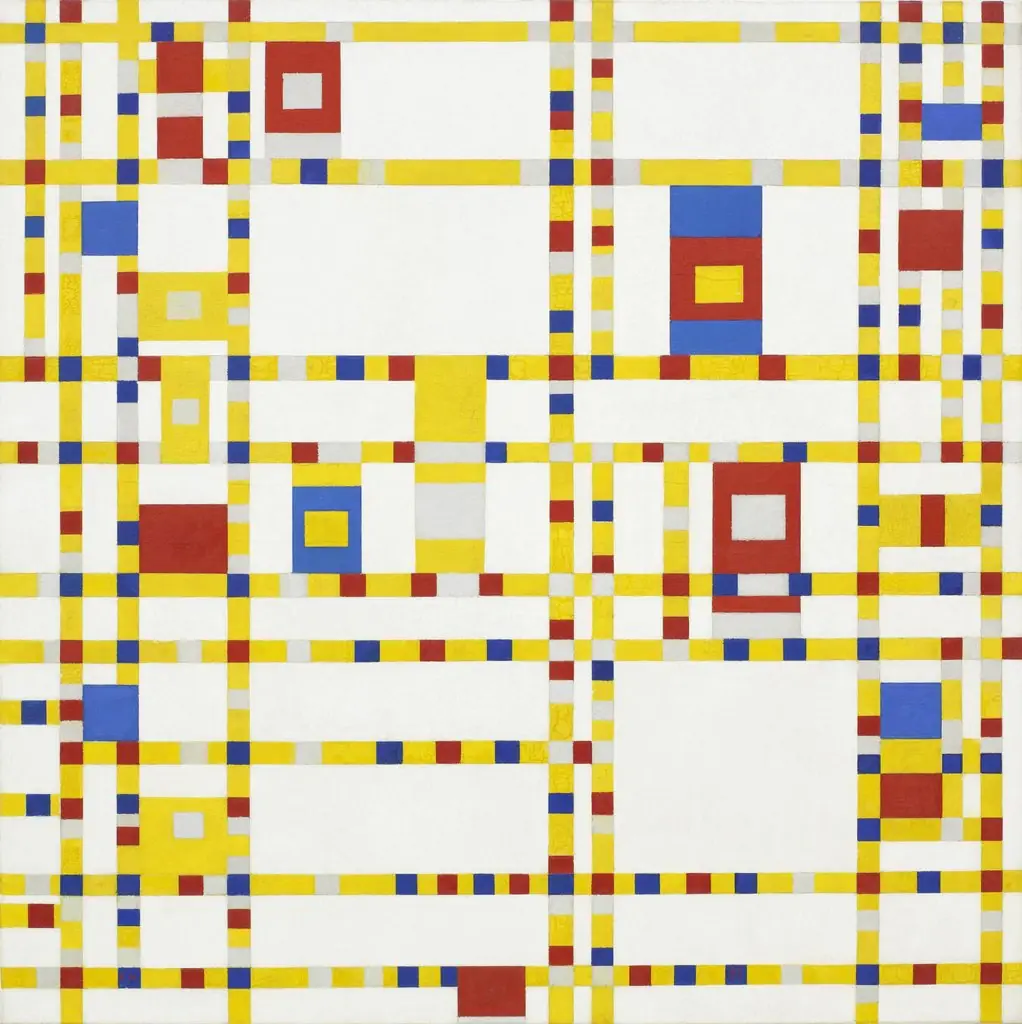 Broadway Boogie Woogie
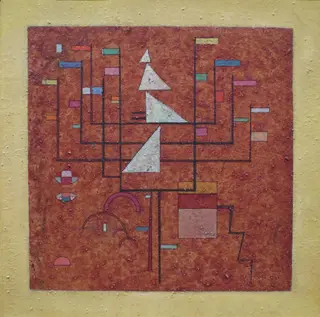 Yellow Border
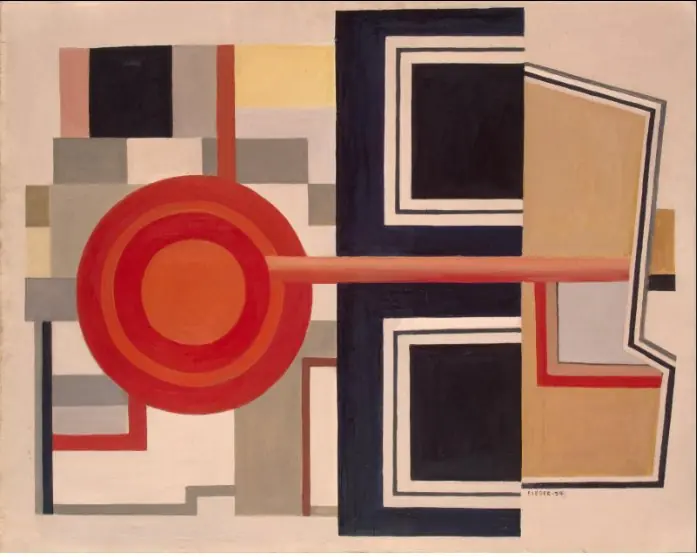 Composition
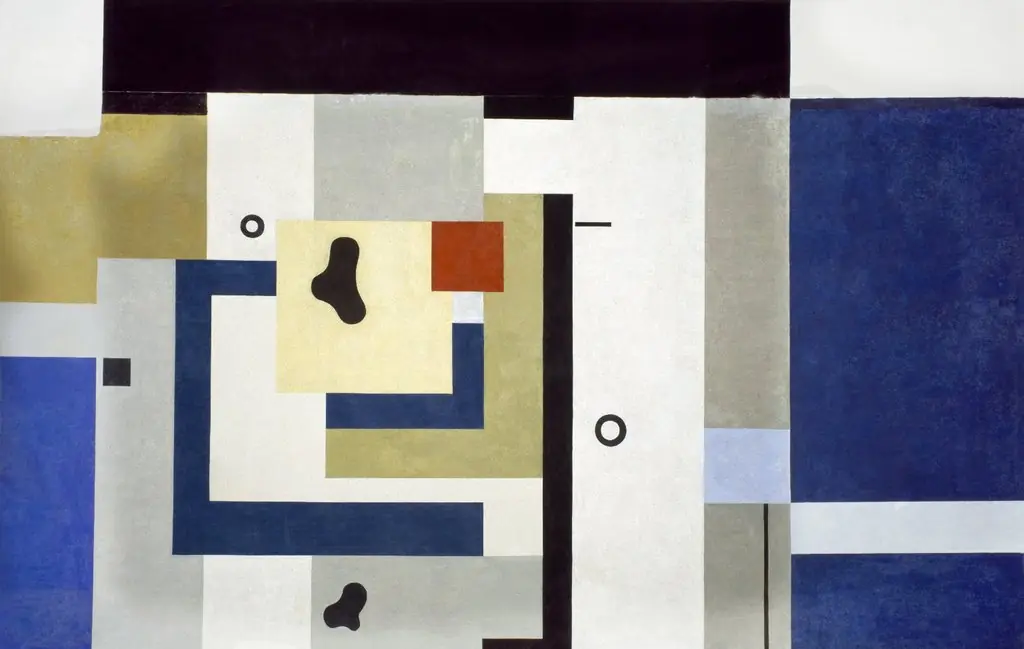 Untitled
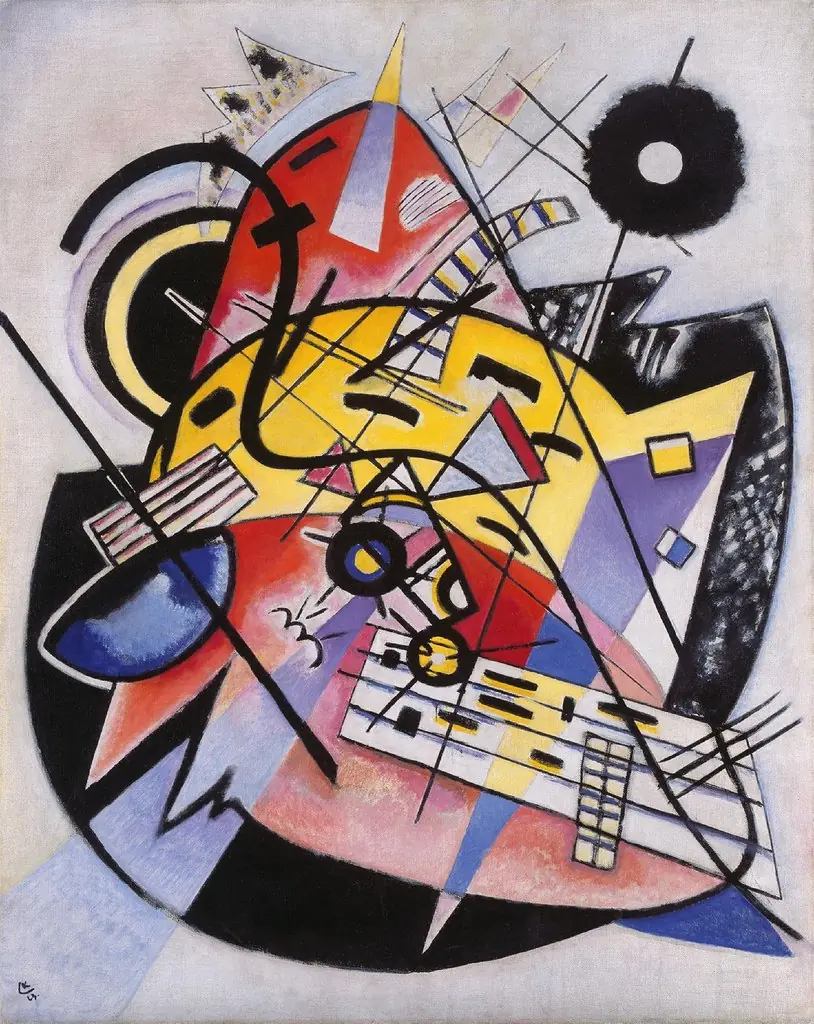 Composition 248 White point
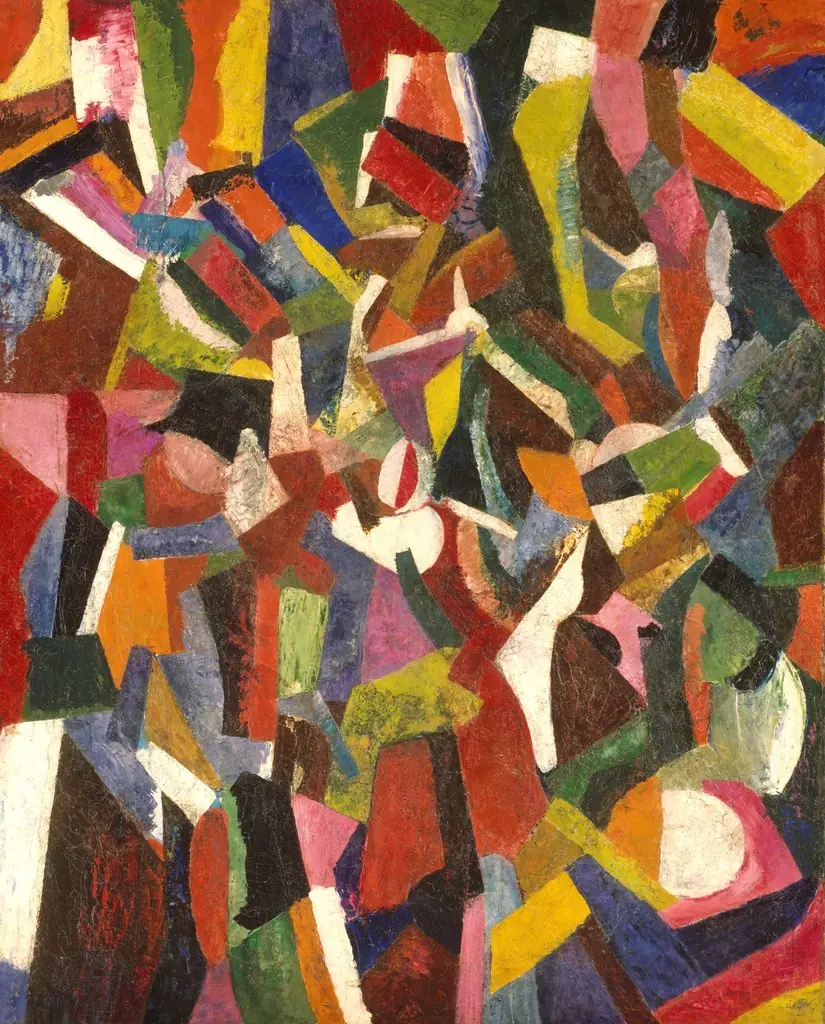 Composition VI
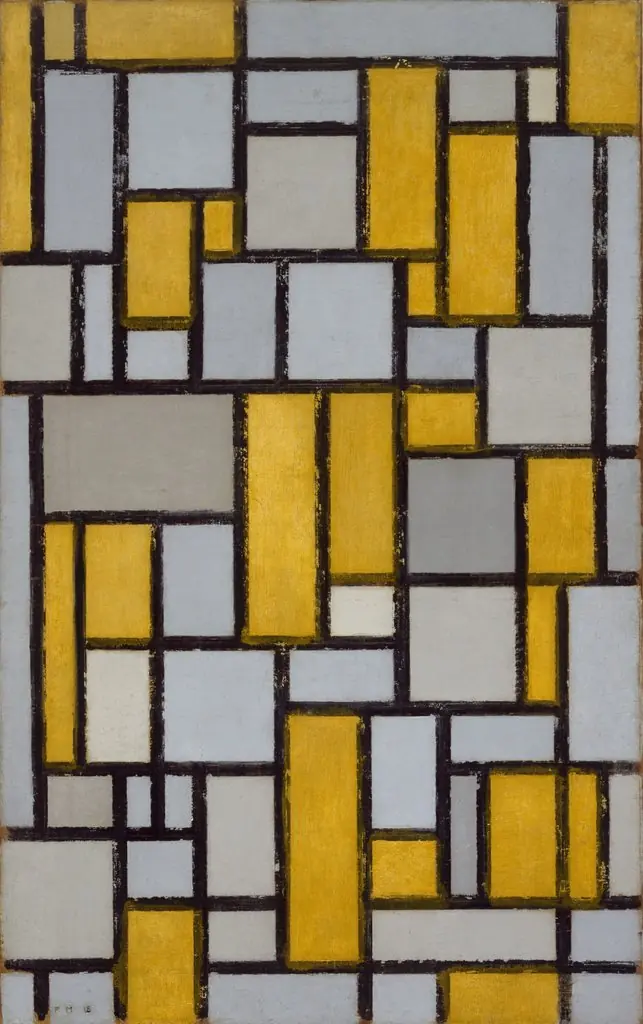 Composition with Grid 1
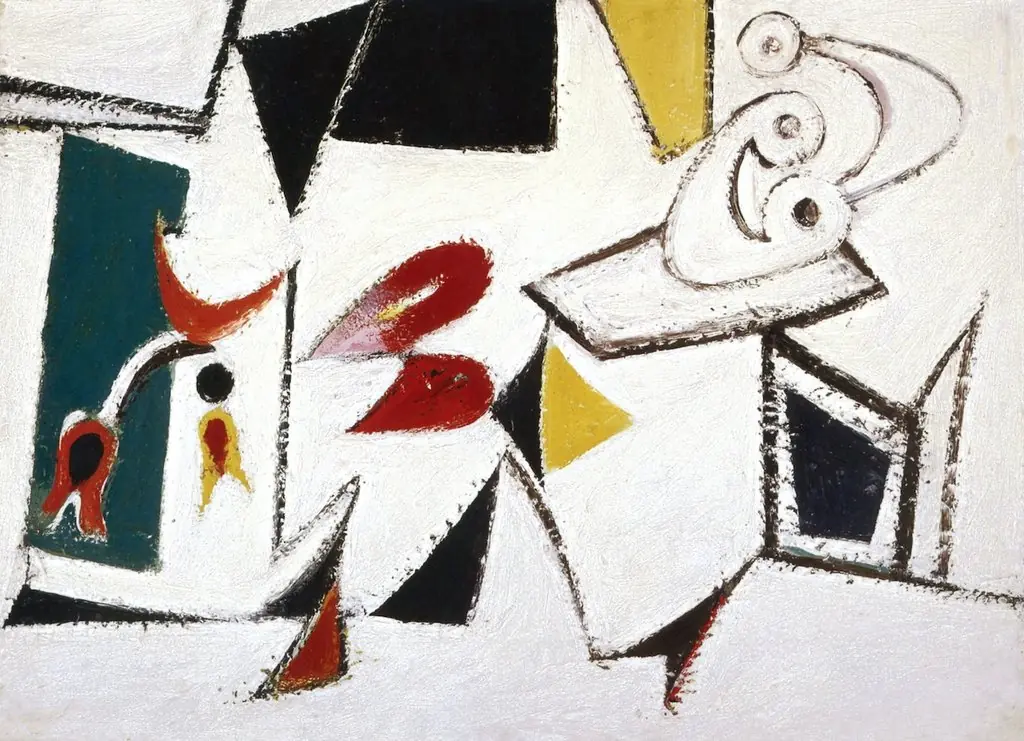 Composition
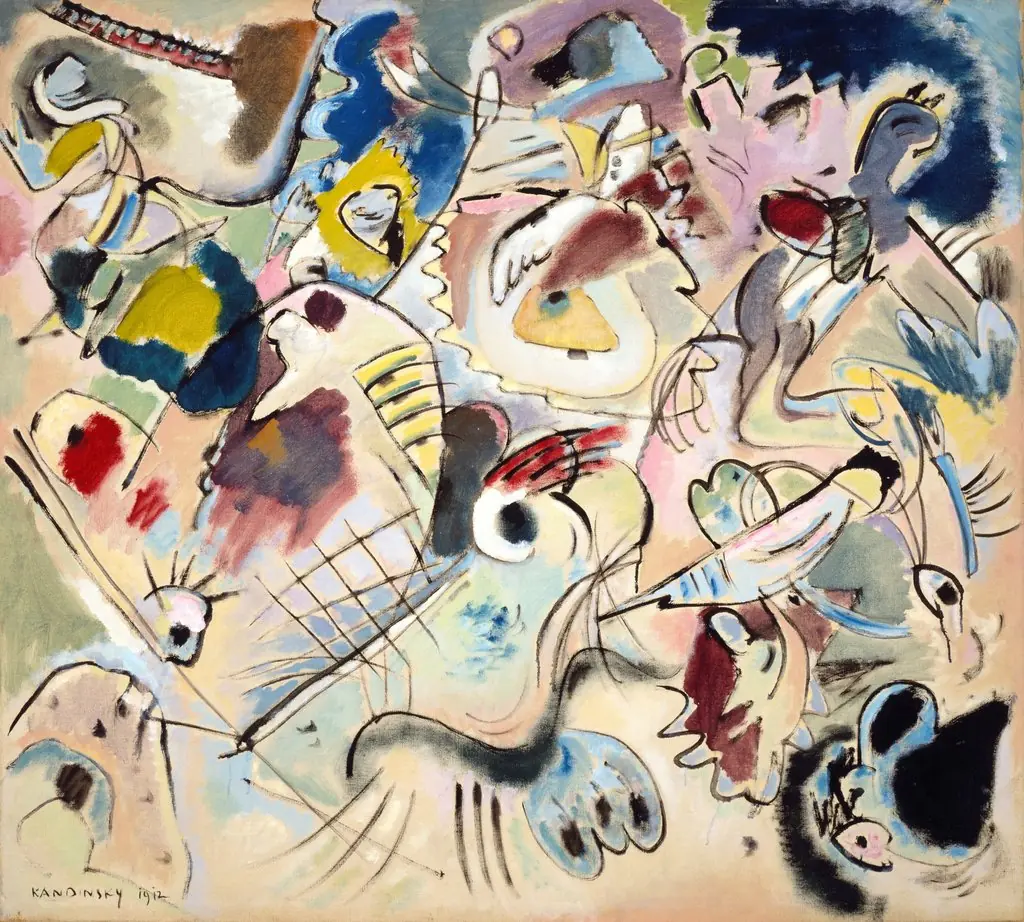 Sketch 160A
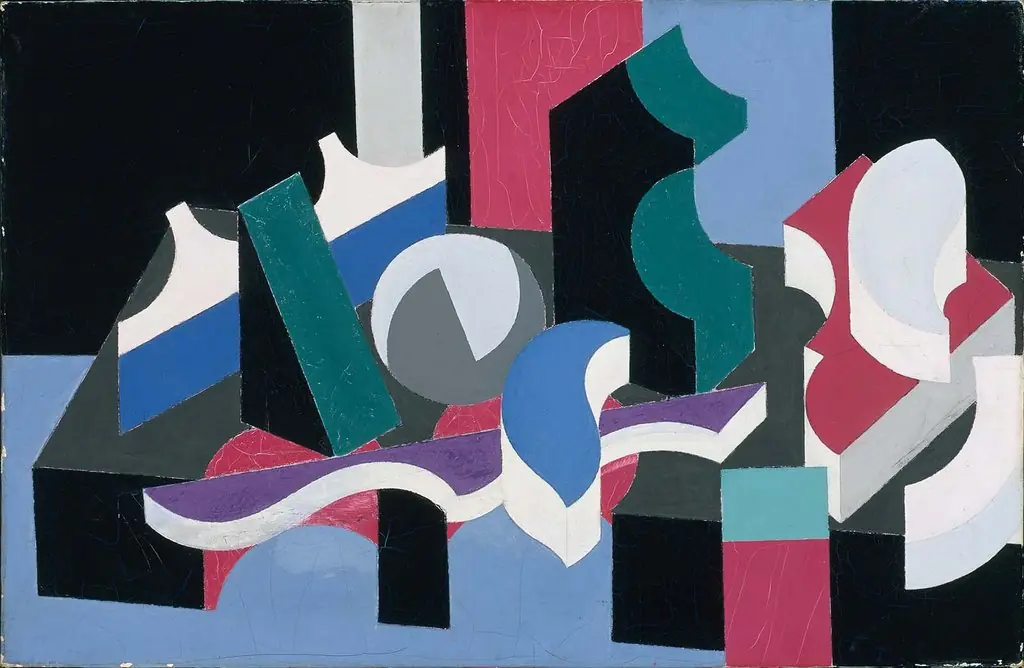 Forms (Peinture)
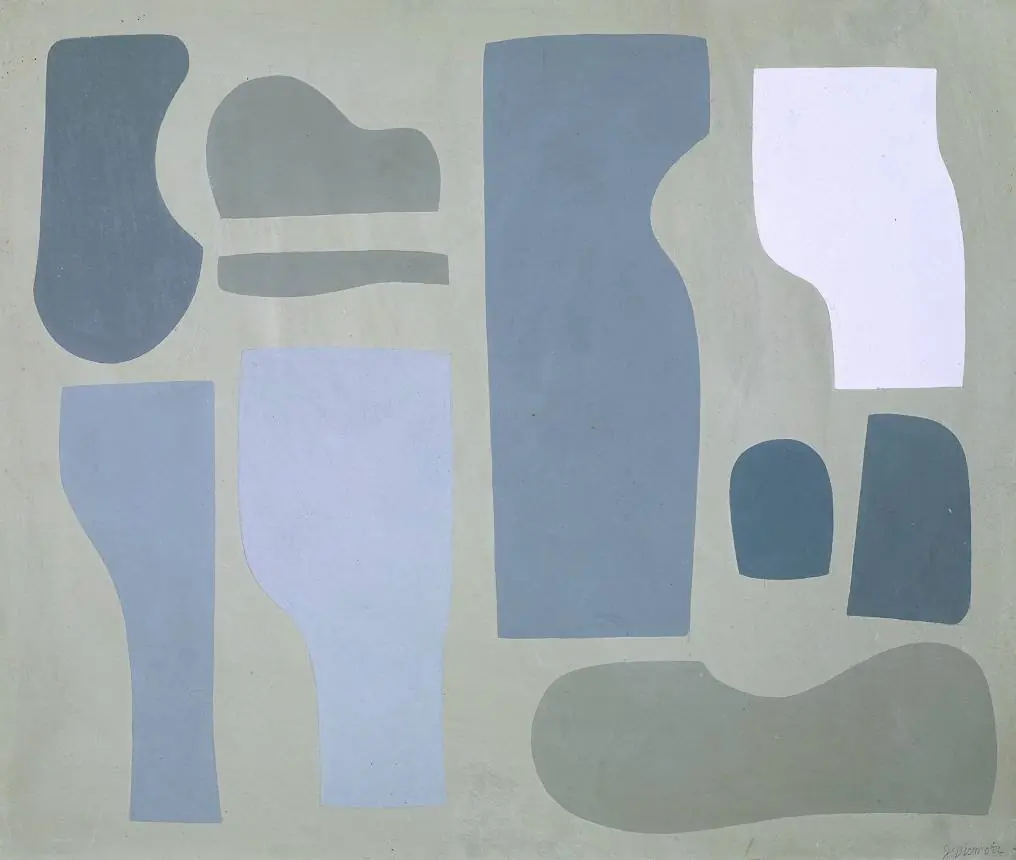 Related Forms
 Fruit bowl with pears
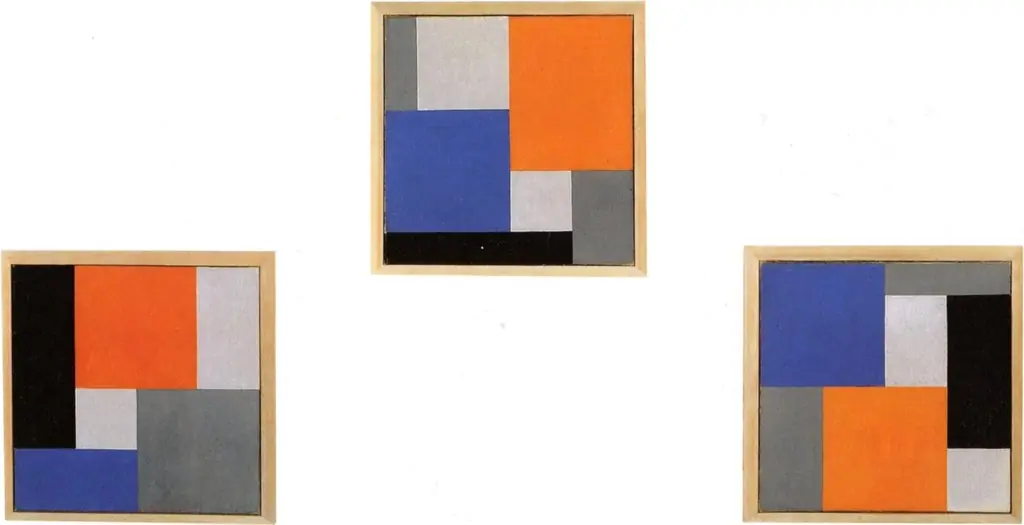 Composition XVIII in Three Parts
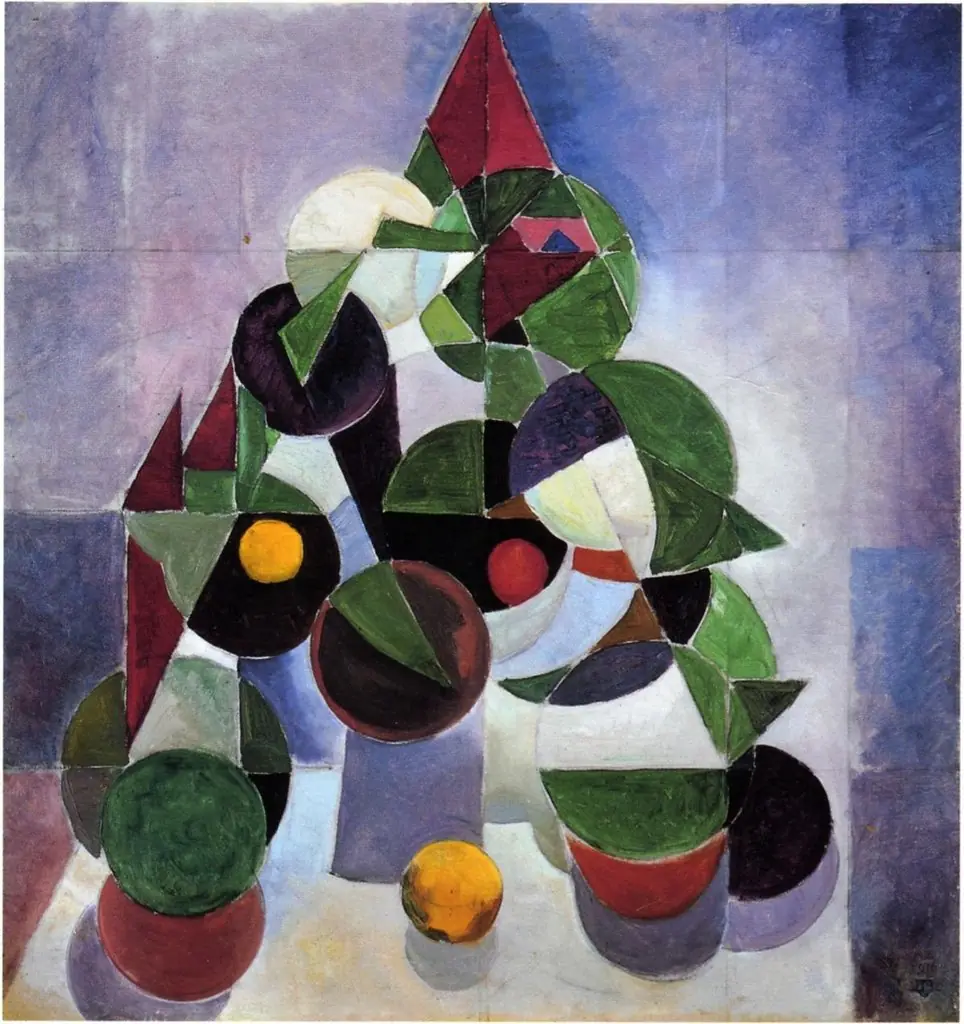 Compositie I
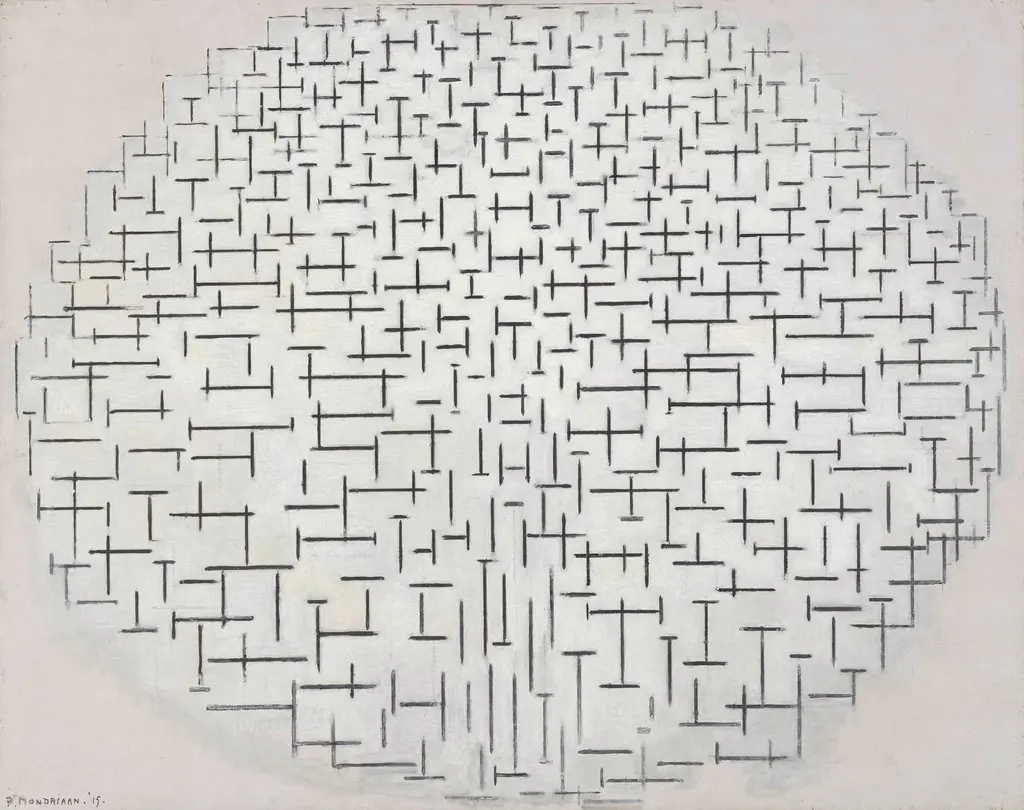 Composition No.10 (Pier and Ocean)
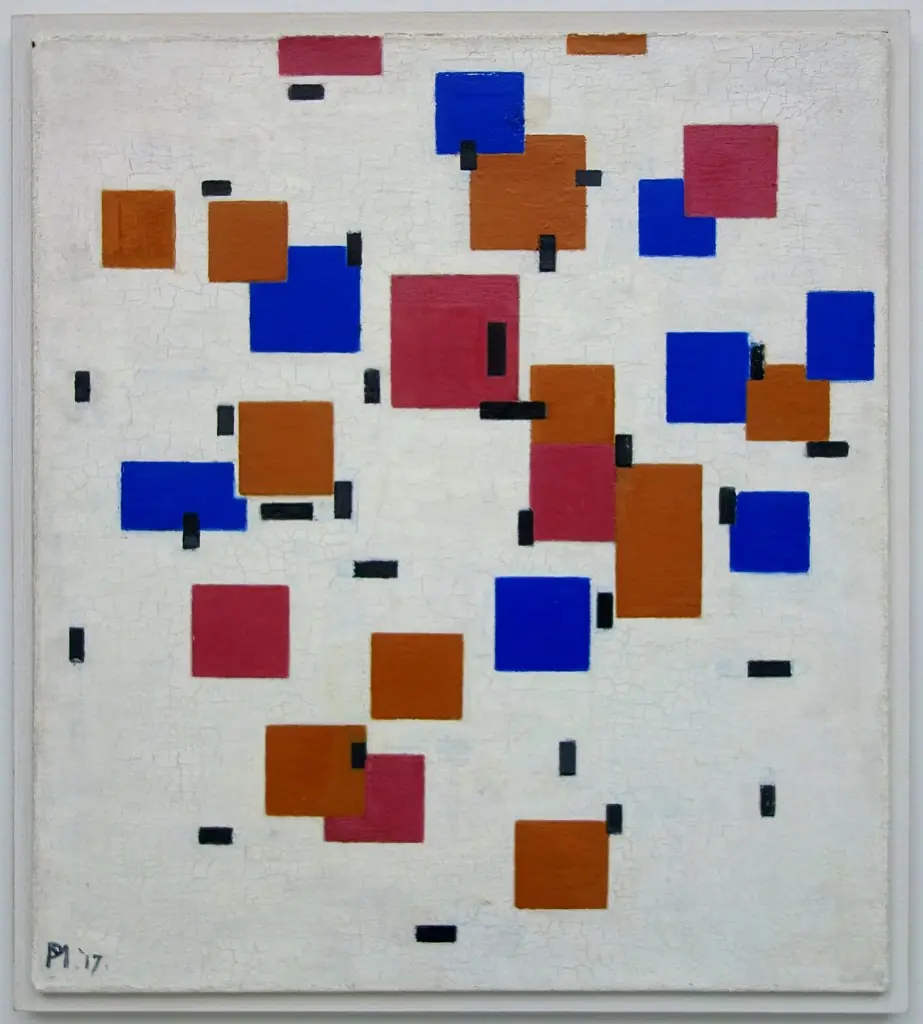 Composition in colour A
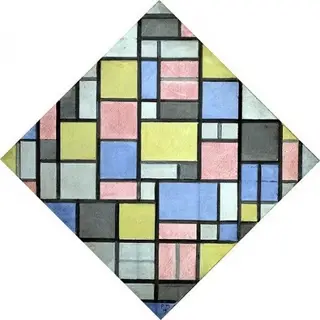 Compositie met raster 6: ruit, compositie met kleuren
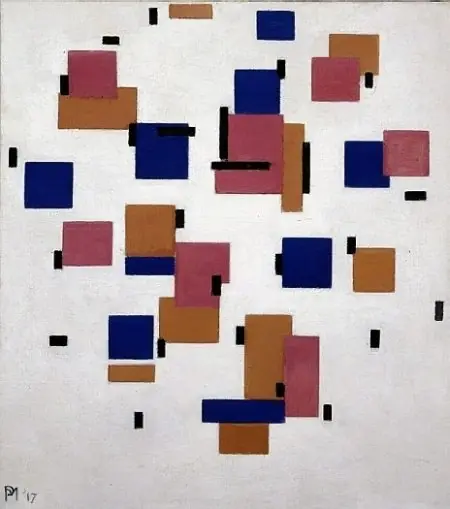 Composition in Color B
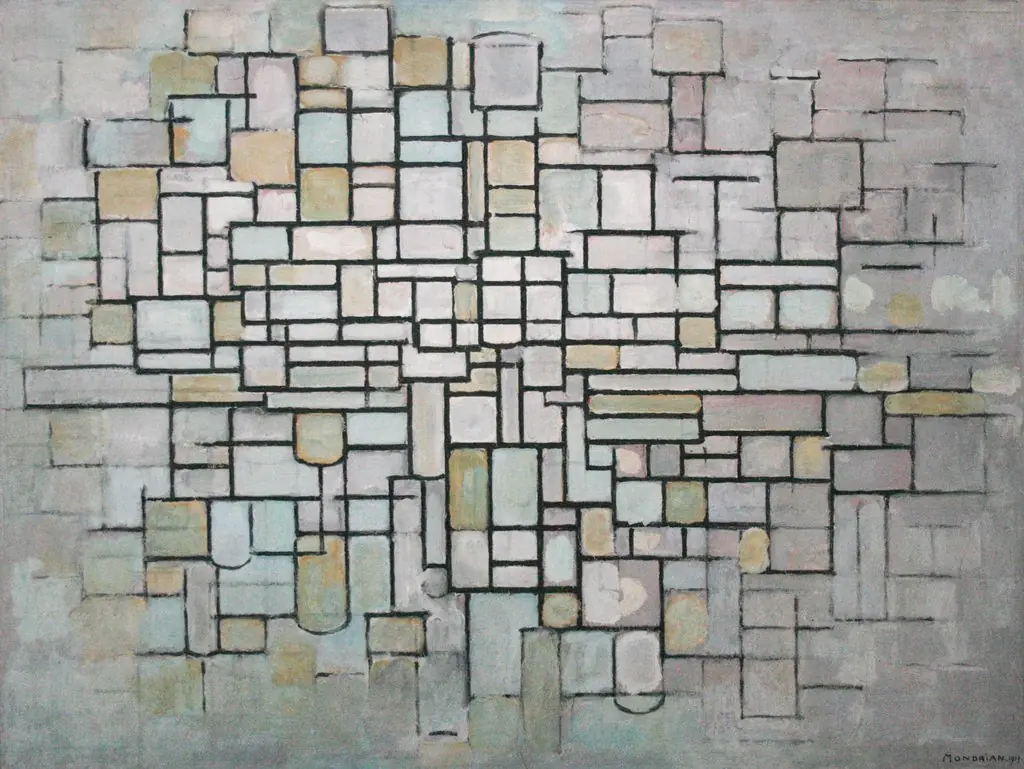 Composition No. 11
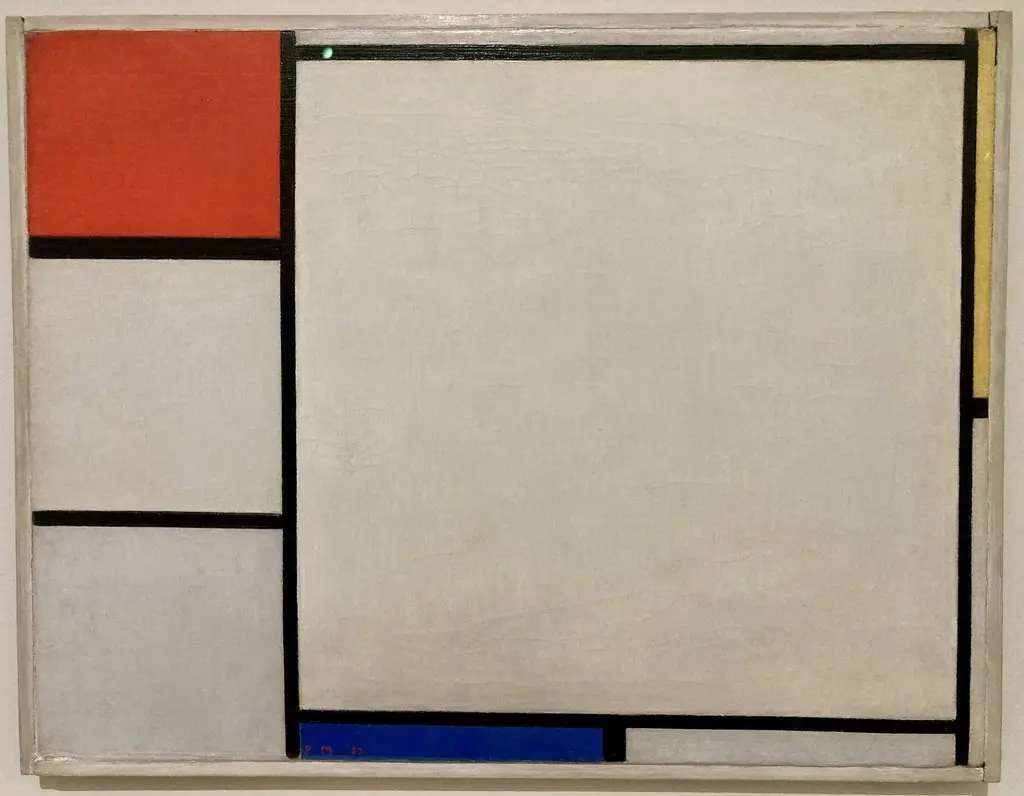 Composition with red, yellow, and blue
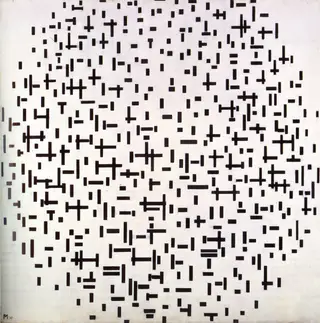 Composition in line, second state
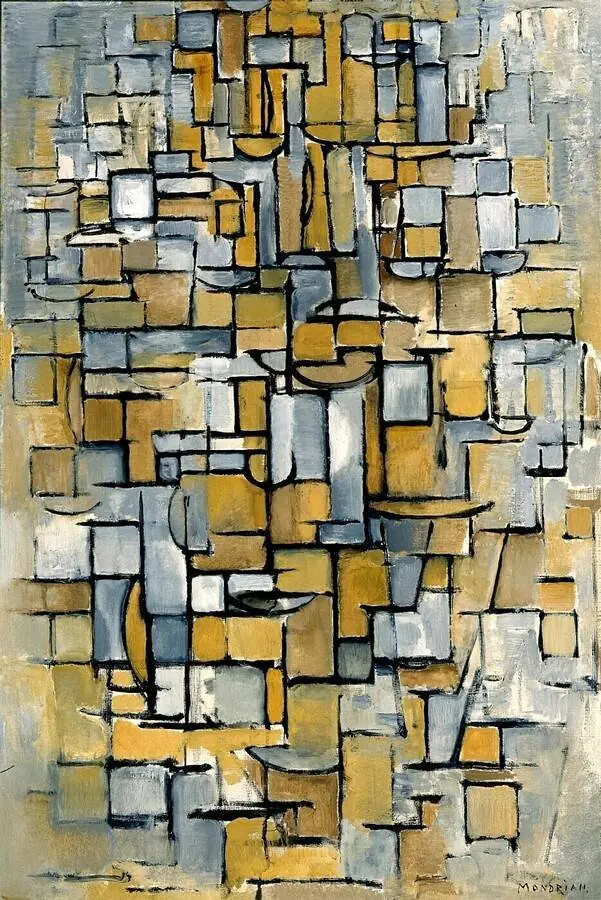 Tableau no 1
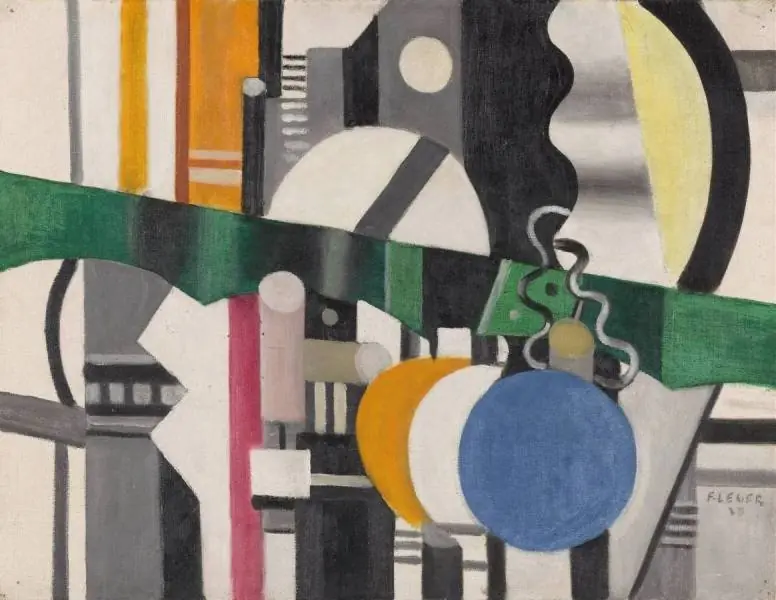 Élément mécanique
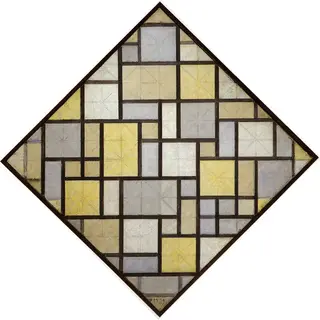 Composition: Light Color Planes with Grey Lines
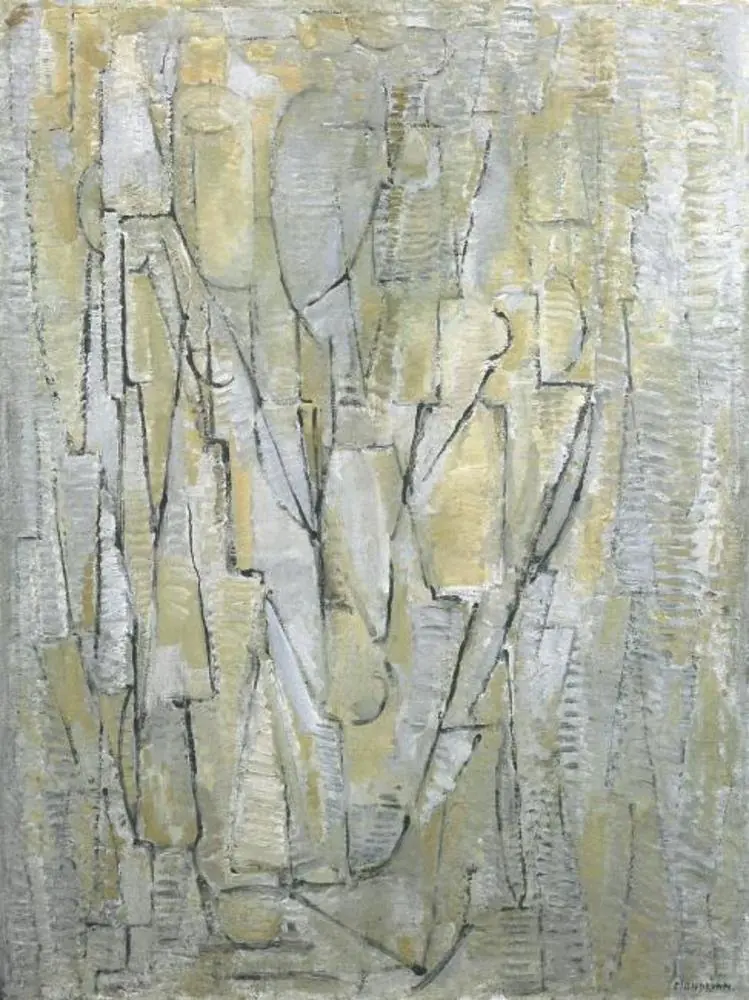 Composition no.XI (authentic)
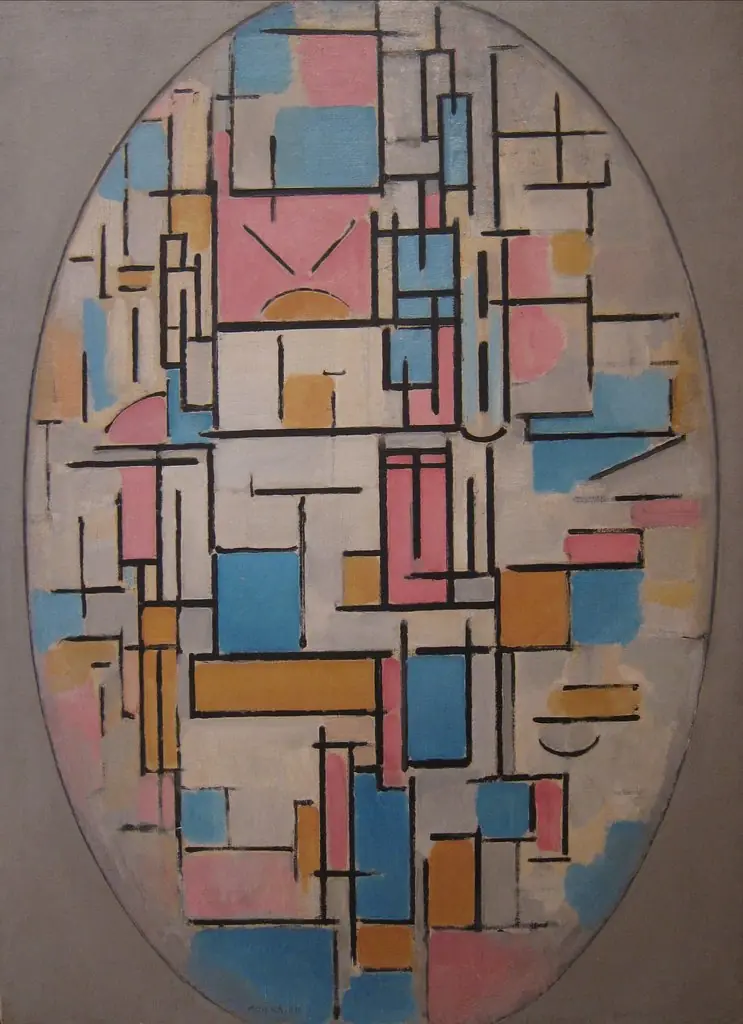 Composition in Oval with Color Planes 1
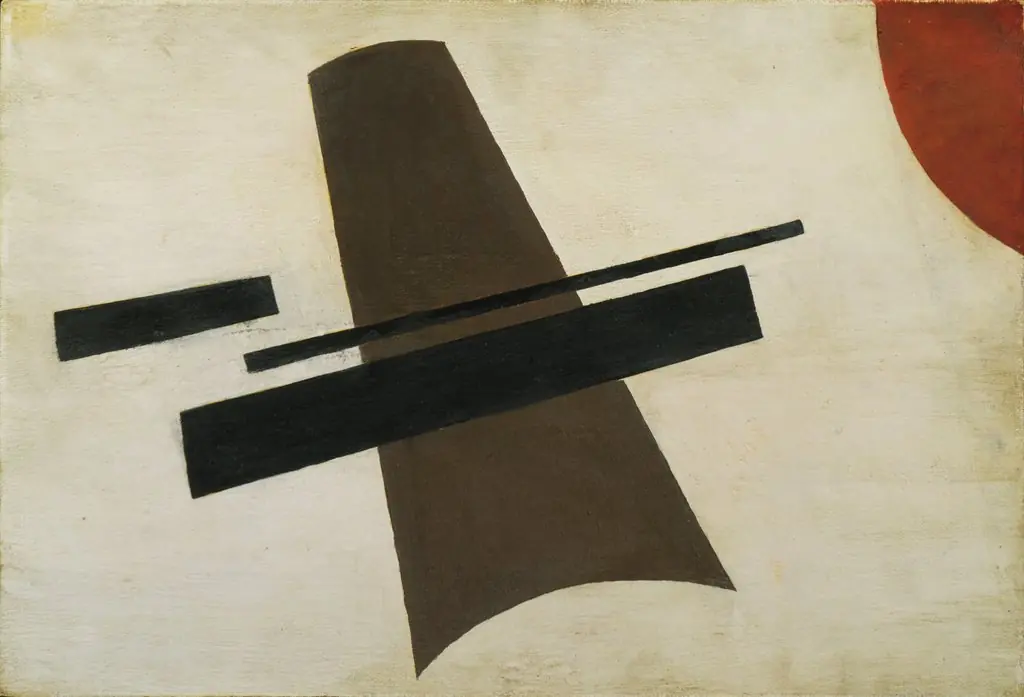 Suprematism
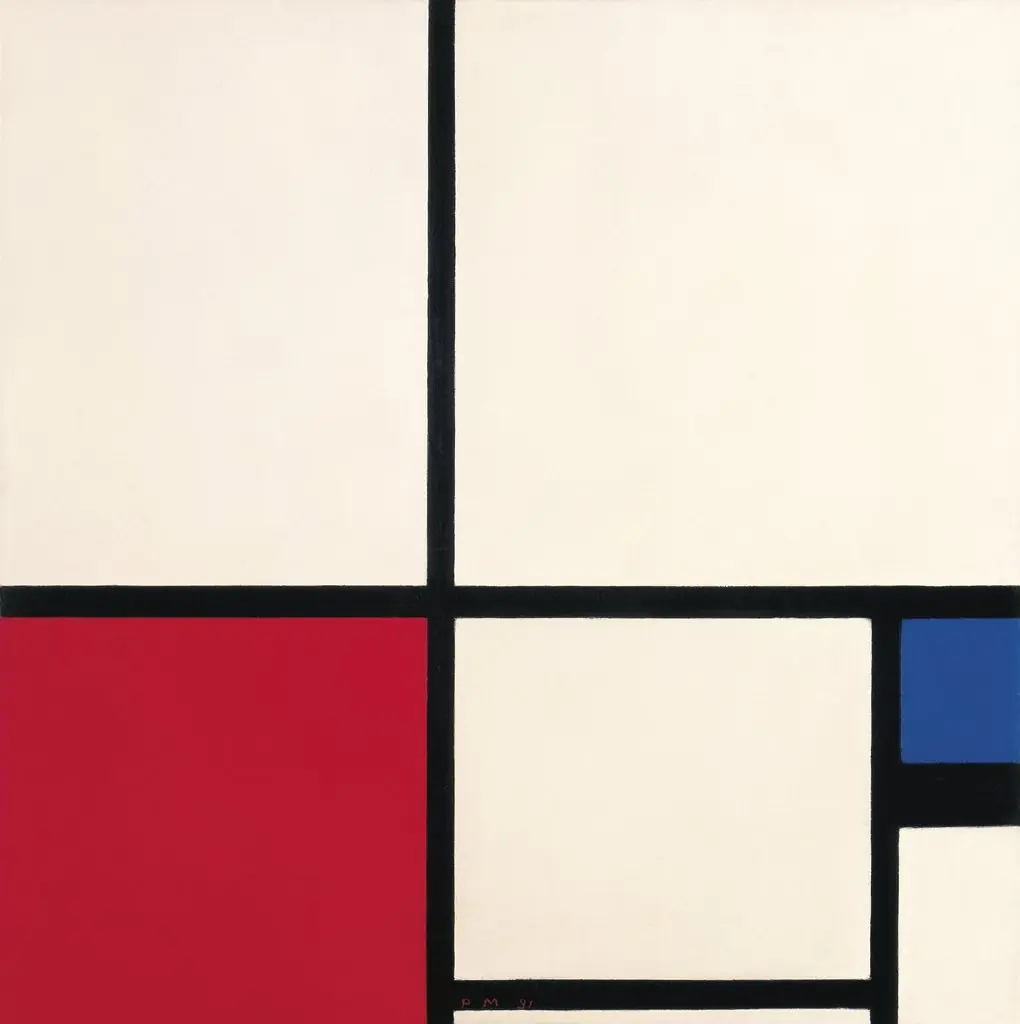 Composition in Colours
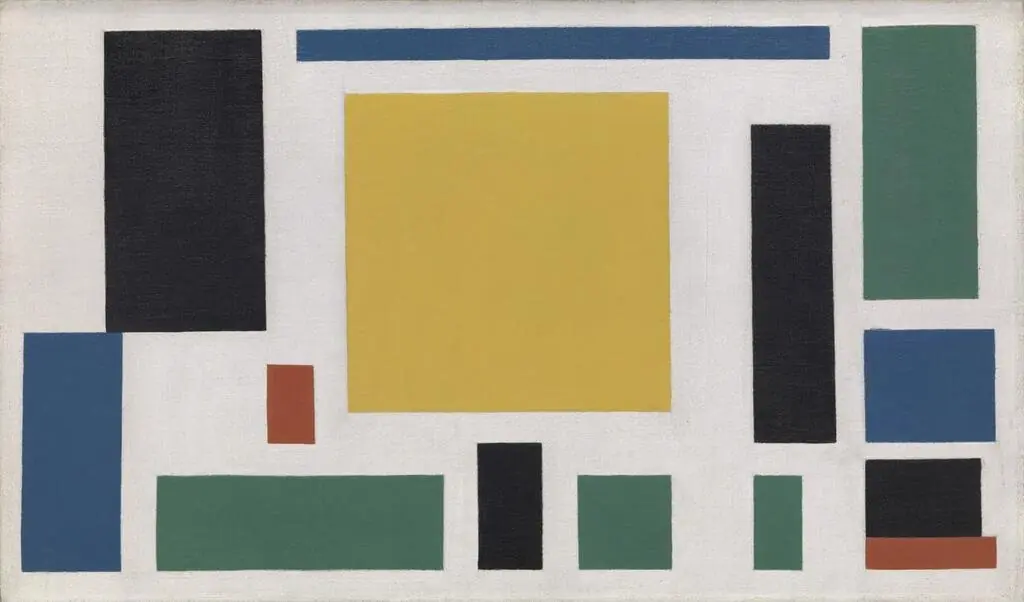 Composition VIII (The Cow)
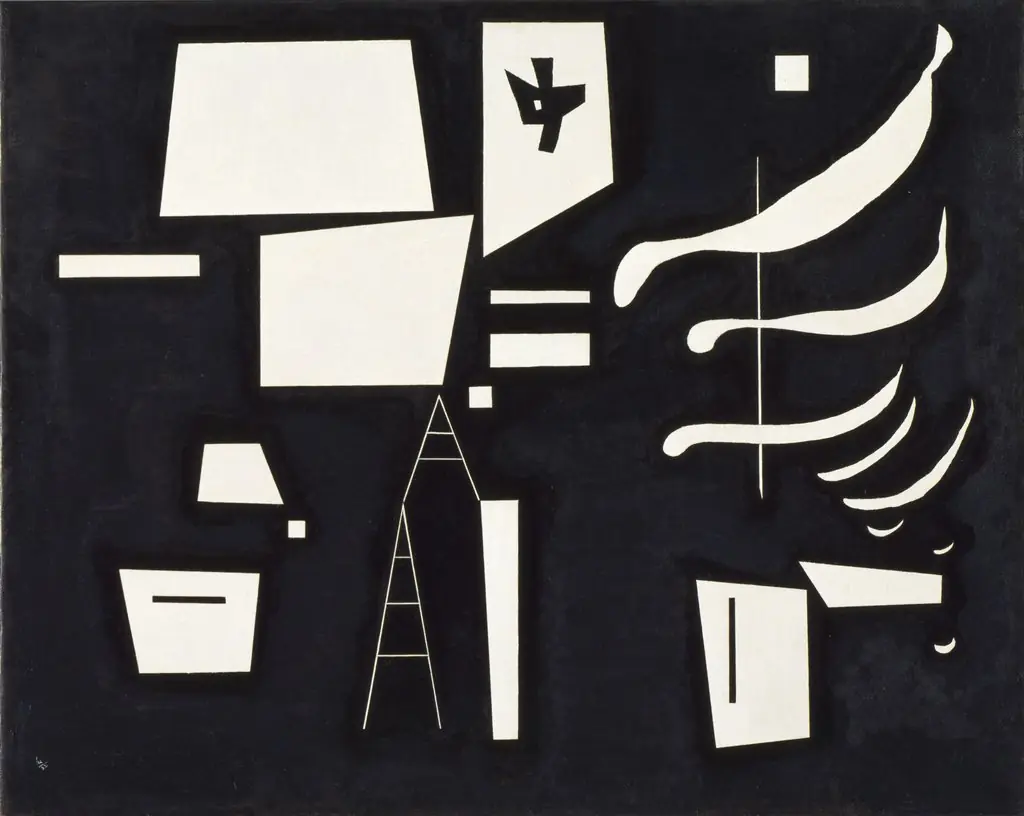 White - Soft and Hard
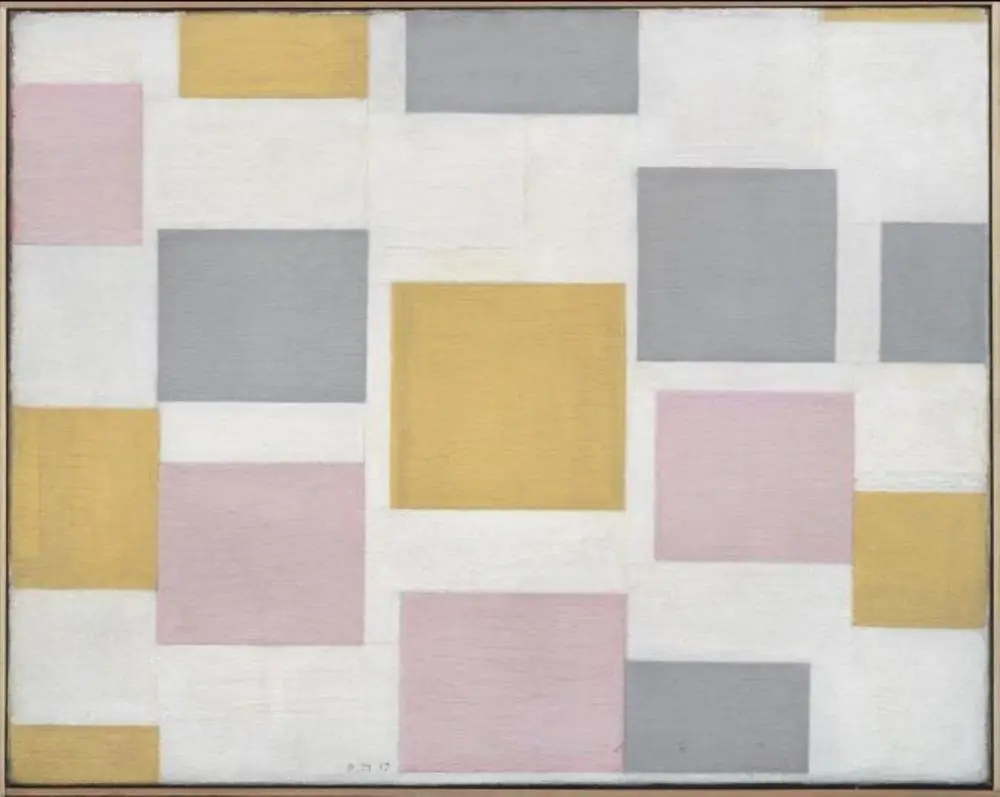 Composition with Color Planes 5
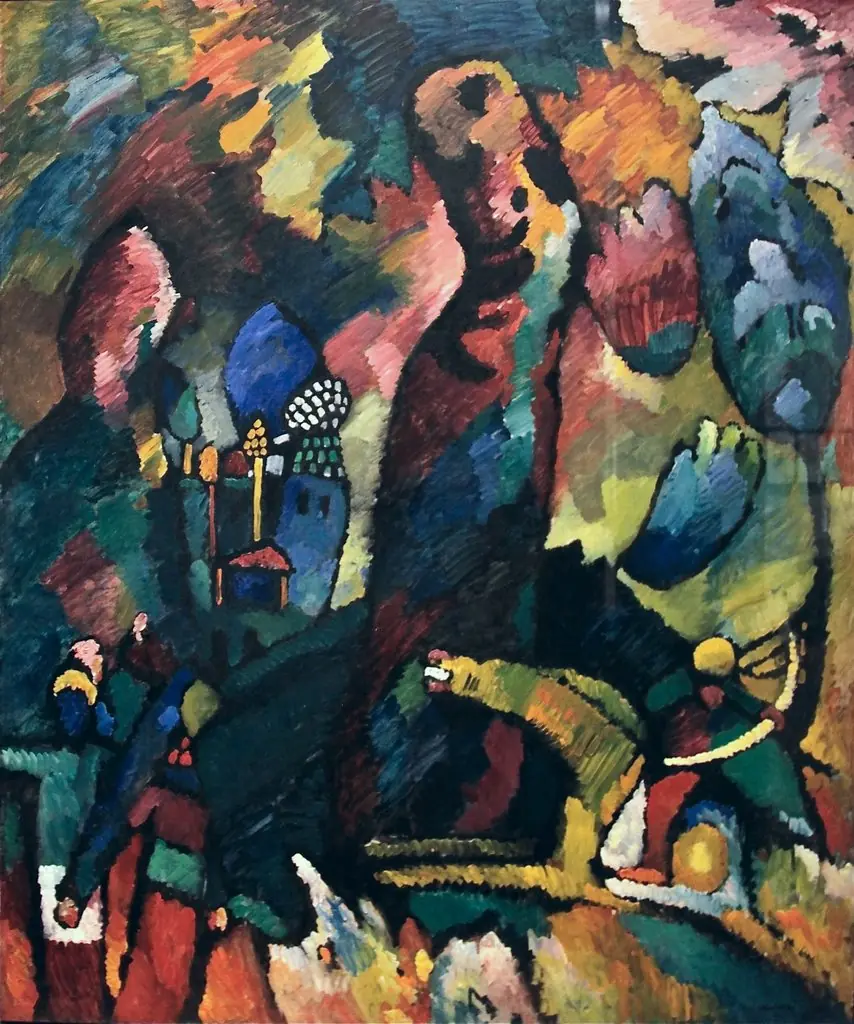 Picture with an Archer
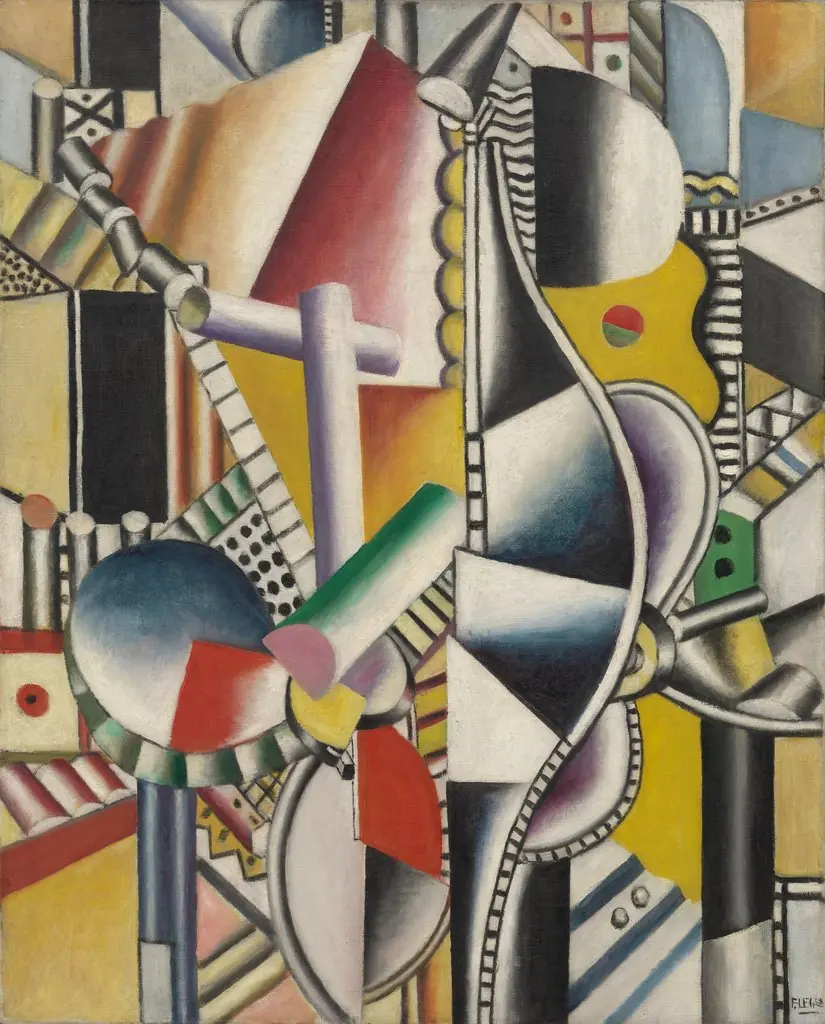 Propellers
 Contrast of Forms
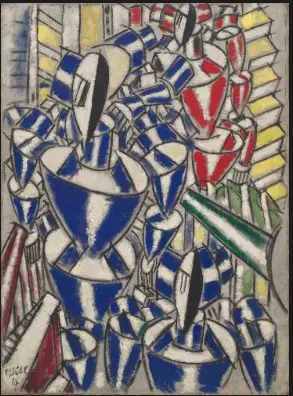 Exit the Ballets Russes
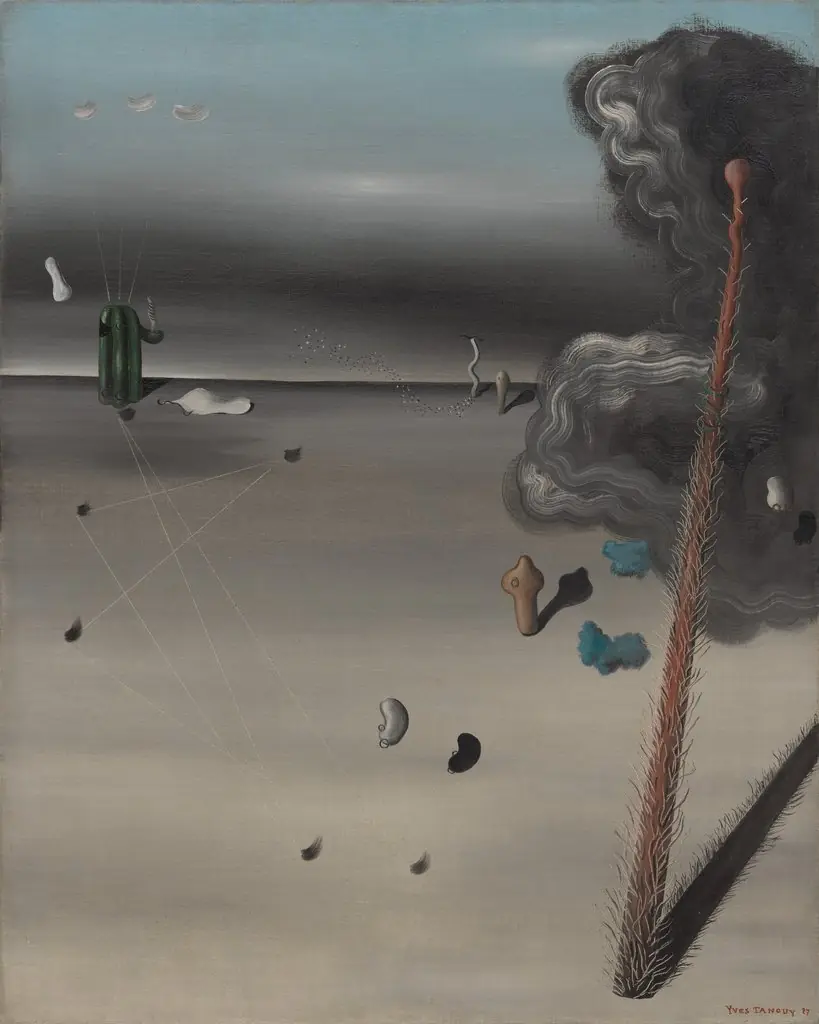 Mama, Papa Is Wounded!
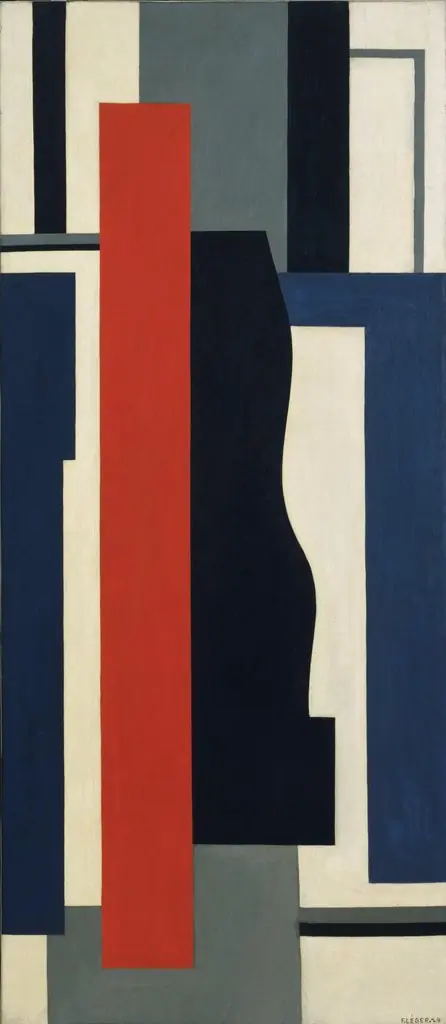 Mural Painting
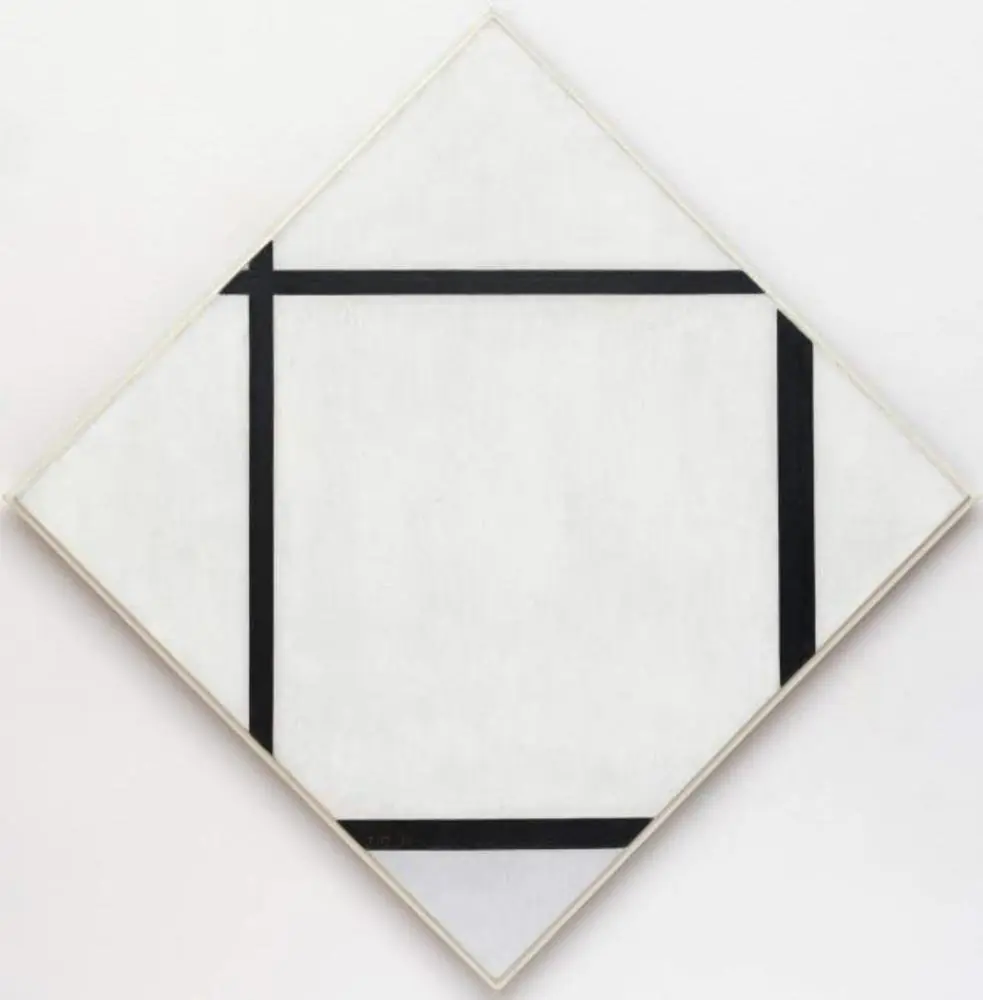 Tableau I: Lozenge with Four Lines and Gray
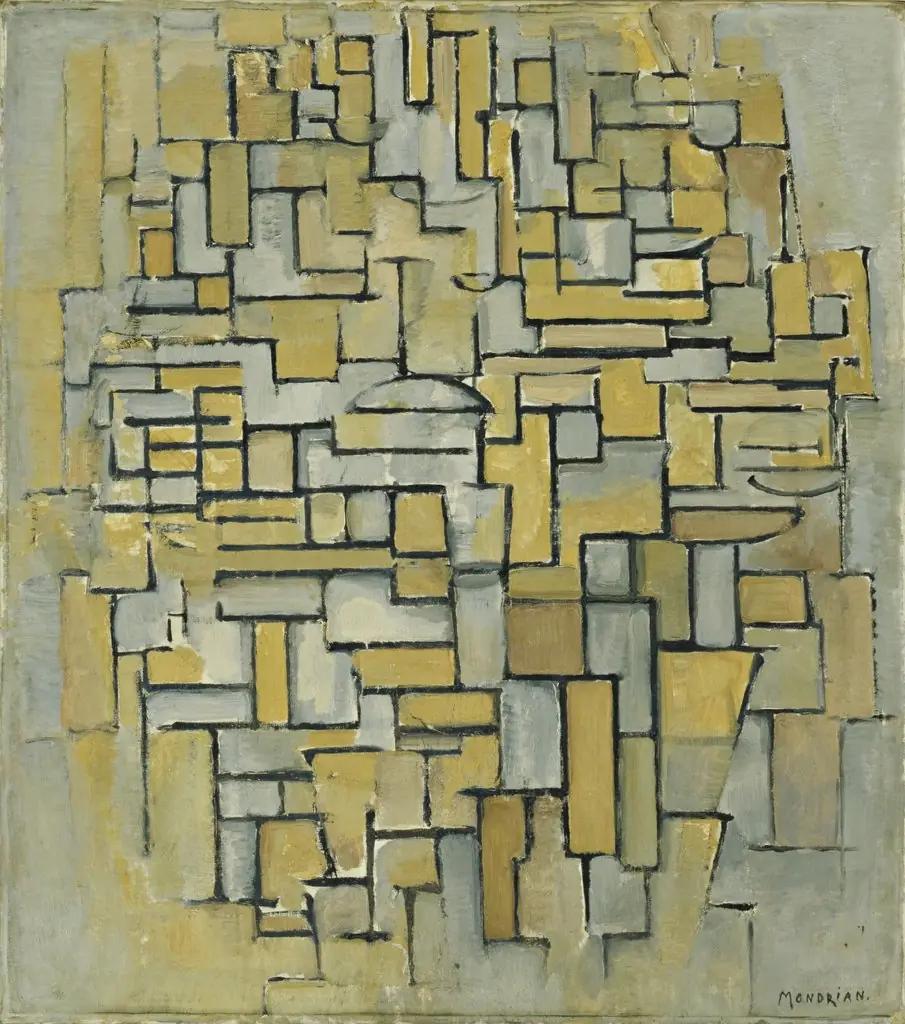 Composition in Brown and Gray
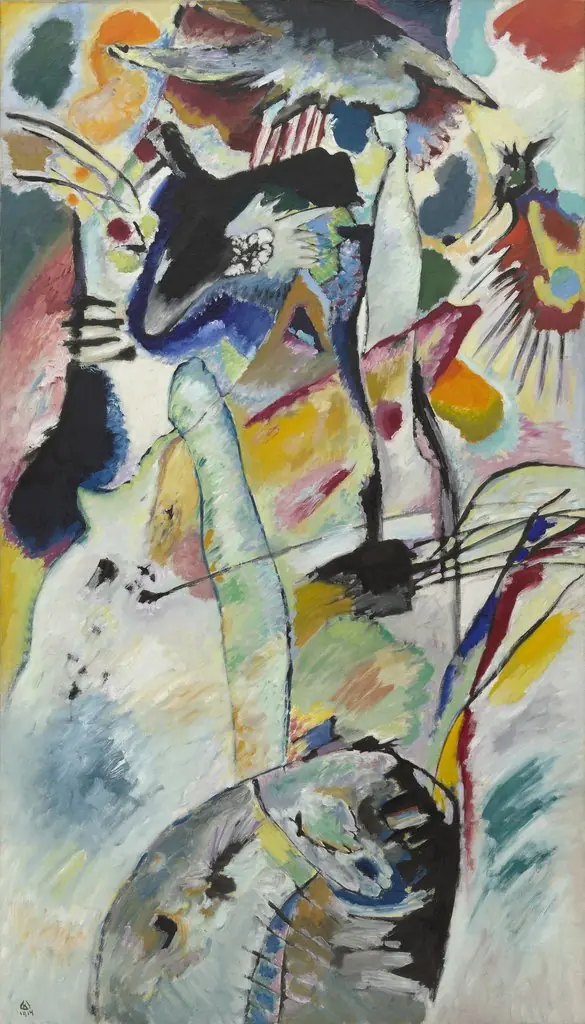 Panel for Edwin R. Campbell No. 3
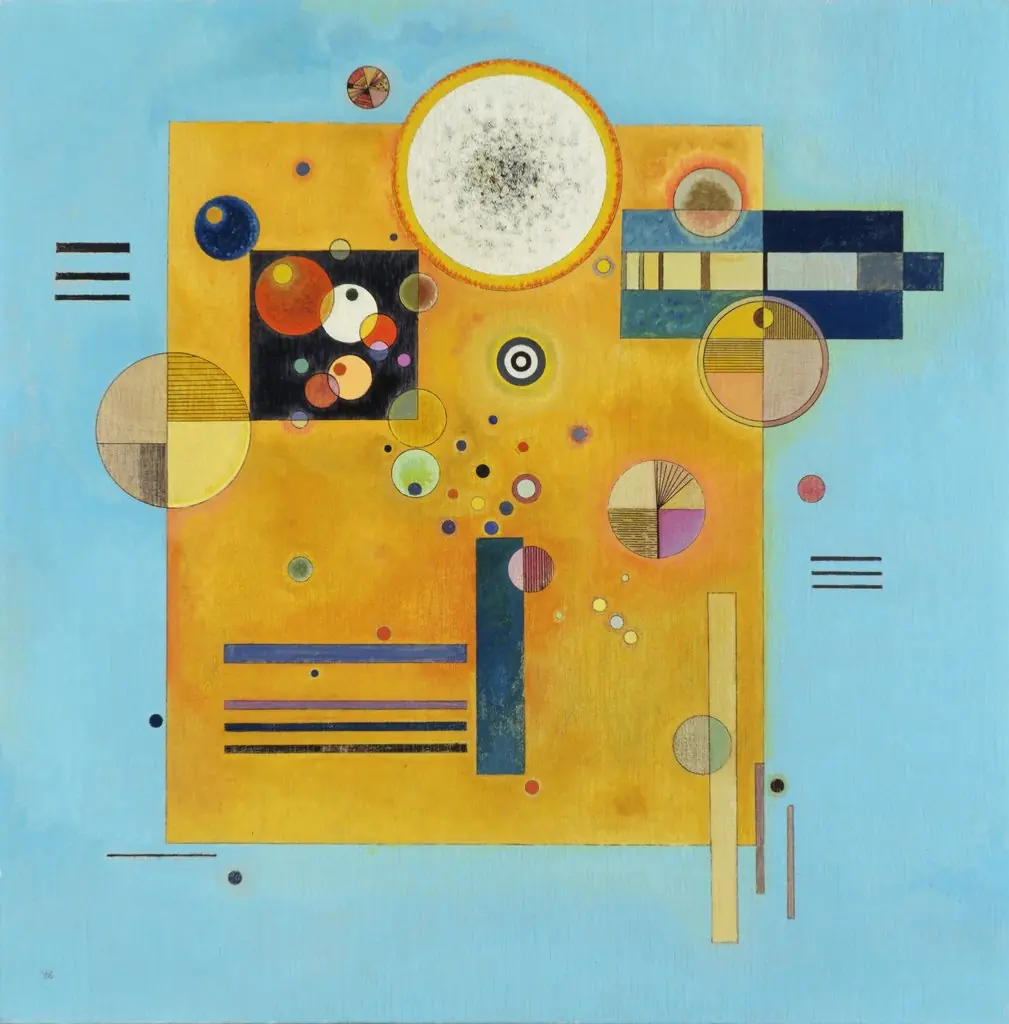 Soft Pressure
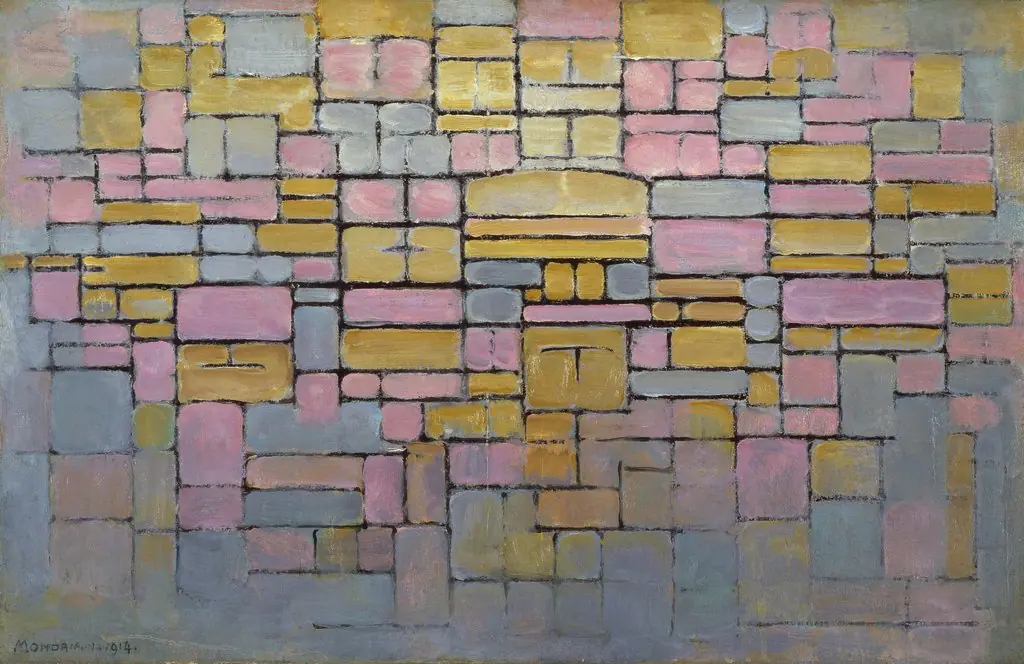 Tableau no. 2
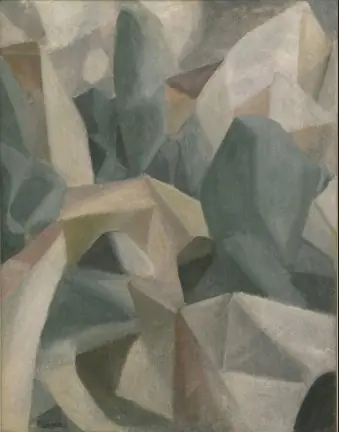 Bridge
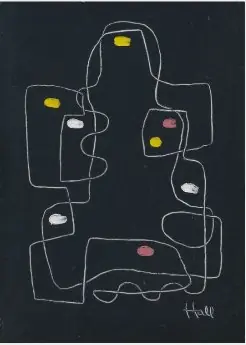 Abstract Composition in Black
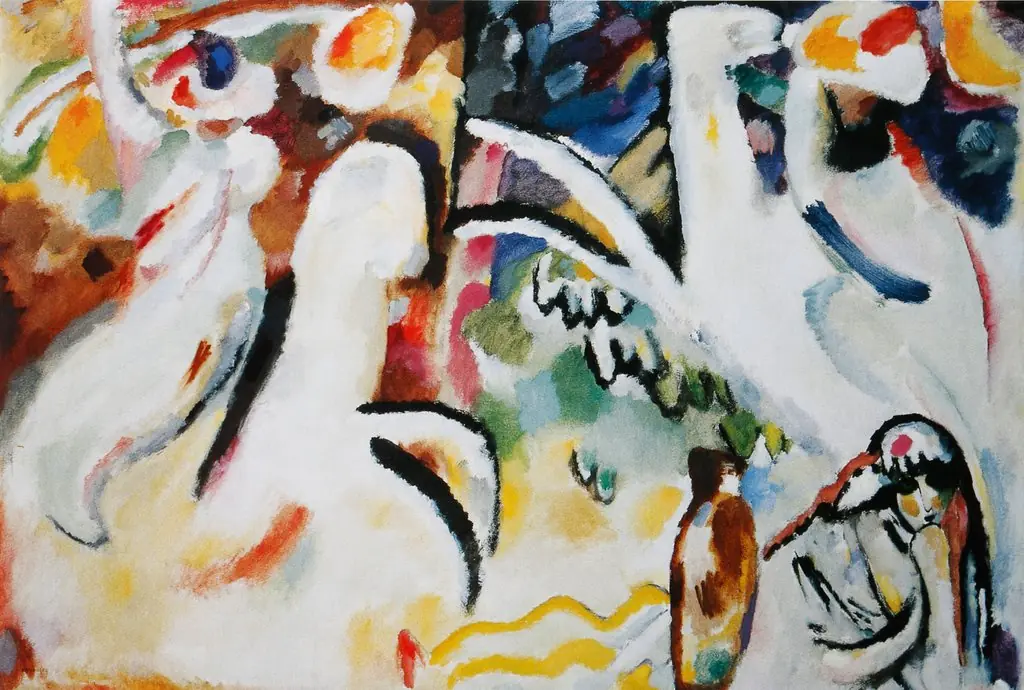 Eastern Suite (Arabs III)
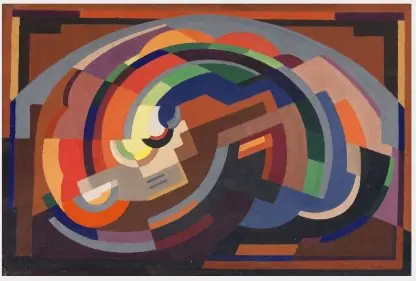 A Composition
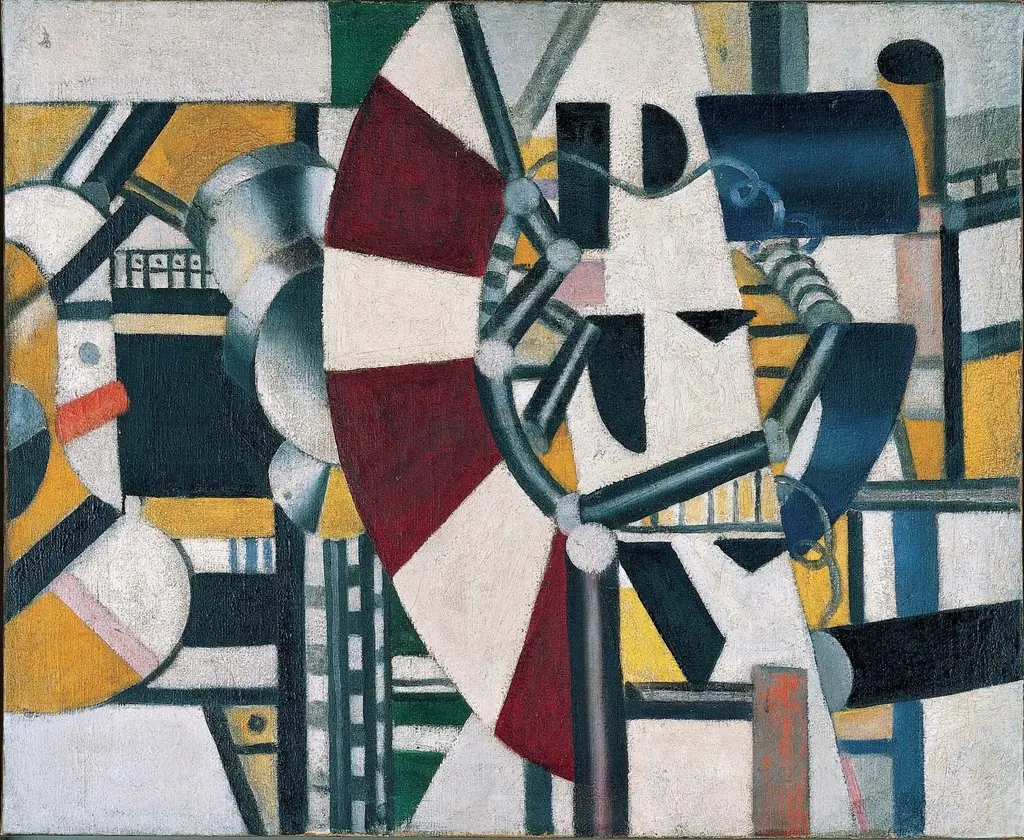 Composition
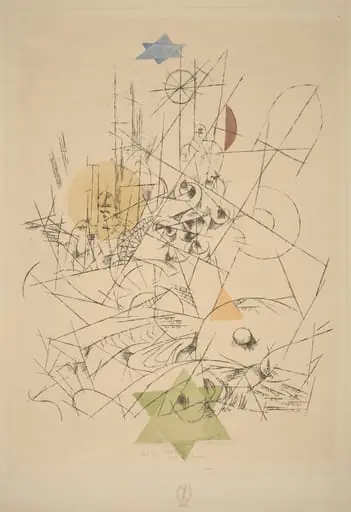 Hope and Destruction (Zerstörung und Hoffnung)
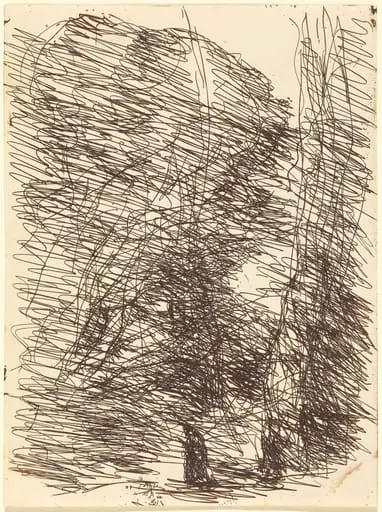 Dreamer under Tall Trees (Le Reveur sous les grands arbres)
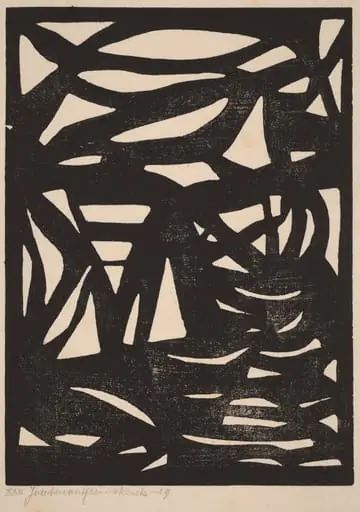 Composition XXII
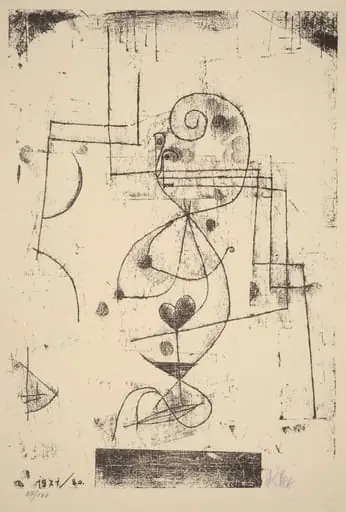 Queen of Hearts (Herzdame)
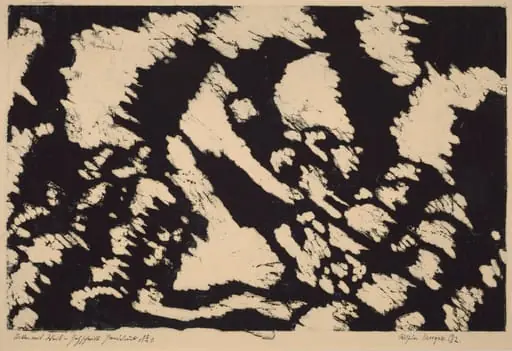 Acker mit Weib (Woman in a Field)
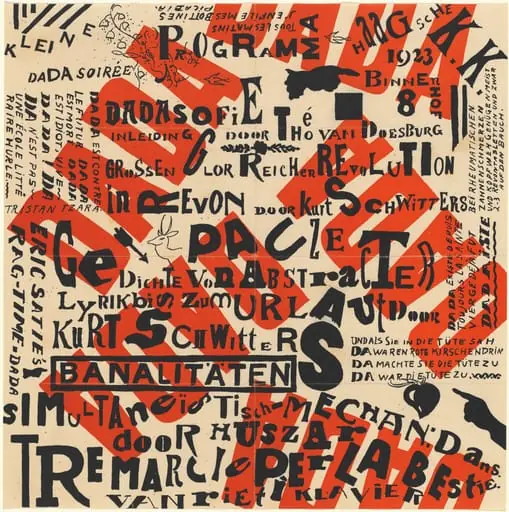 Kleine Dada Soirée (Small Dada Evening)
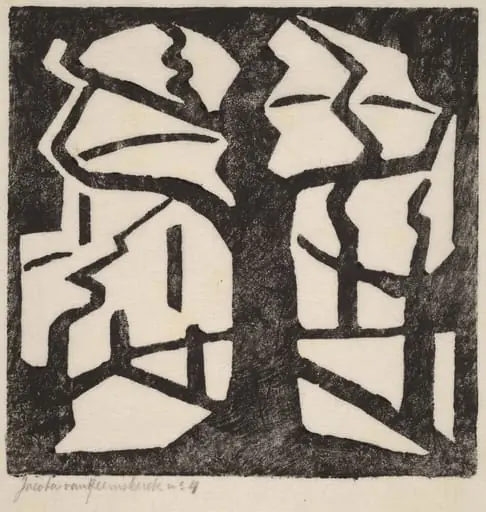 Tree
Tree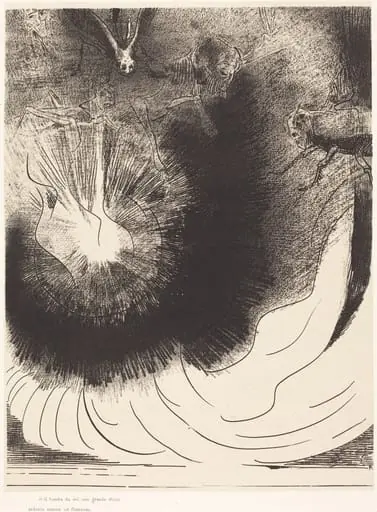 Et il tombe du ciel une grande etoile ardente (And there fell a great star from heaven burning as it were a lamp)
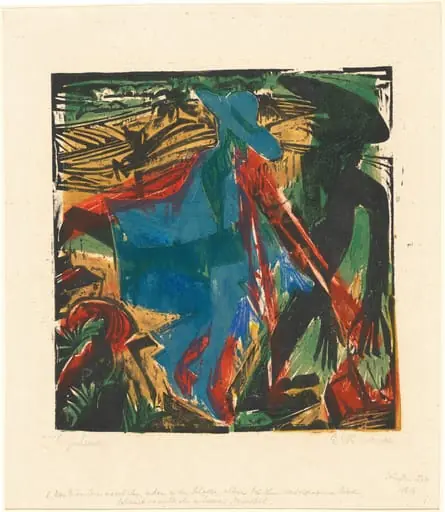 Peter Schlemihls wundersame Geschichte: Schlemihls Begegnung mit dem Schatten (Peter Schlemihl's Wondrous Story: Schlemihl's Encounter with His Shadow)
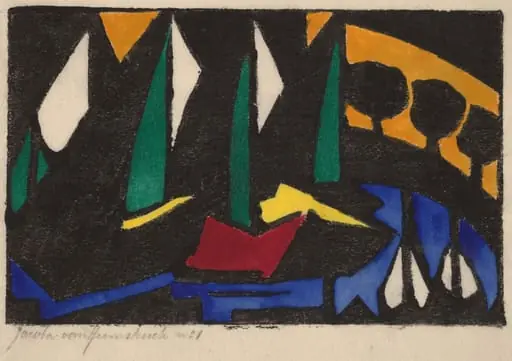 Boat and Trees
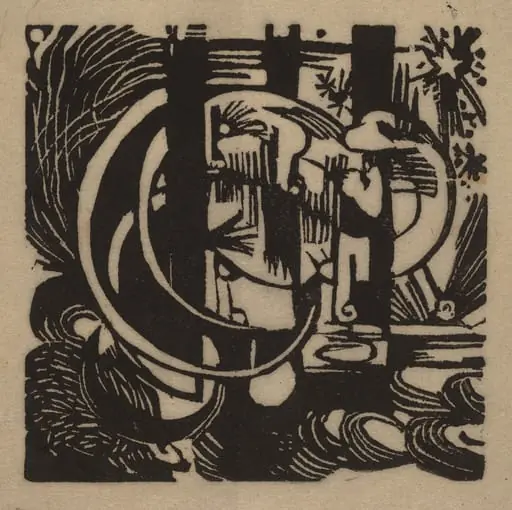 Lizards
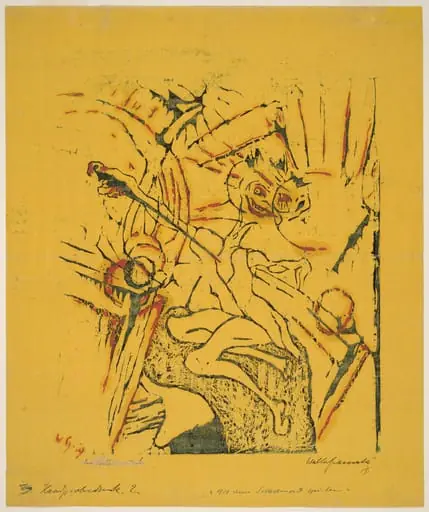 Mit dem Selbstmord Spielen (Playing with Suicide)
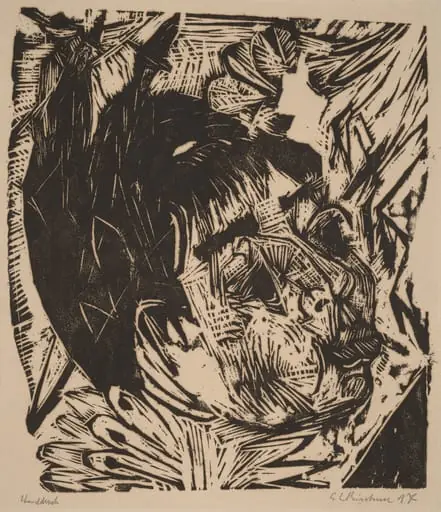 Wife of Professor Schaxel
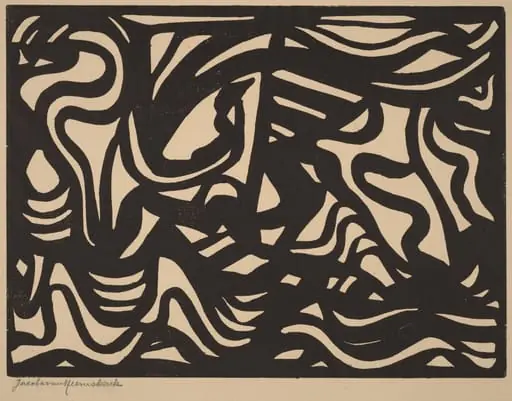 Composition
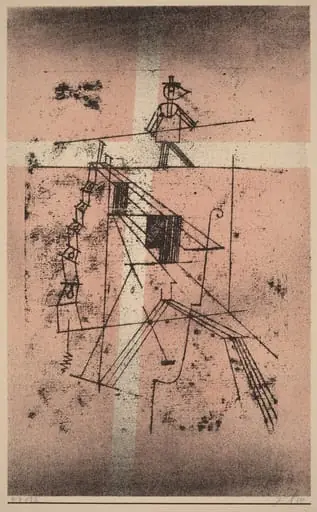 The Tight Rope Walker (Seiltänzer)
 Lastträgerin
 Flagellation
 Astrale Komposition VI
 Agee and Rose, D18
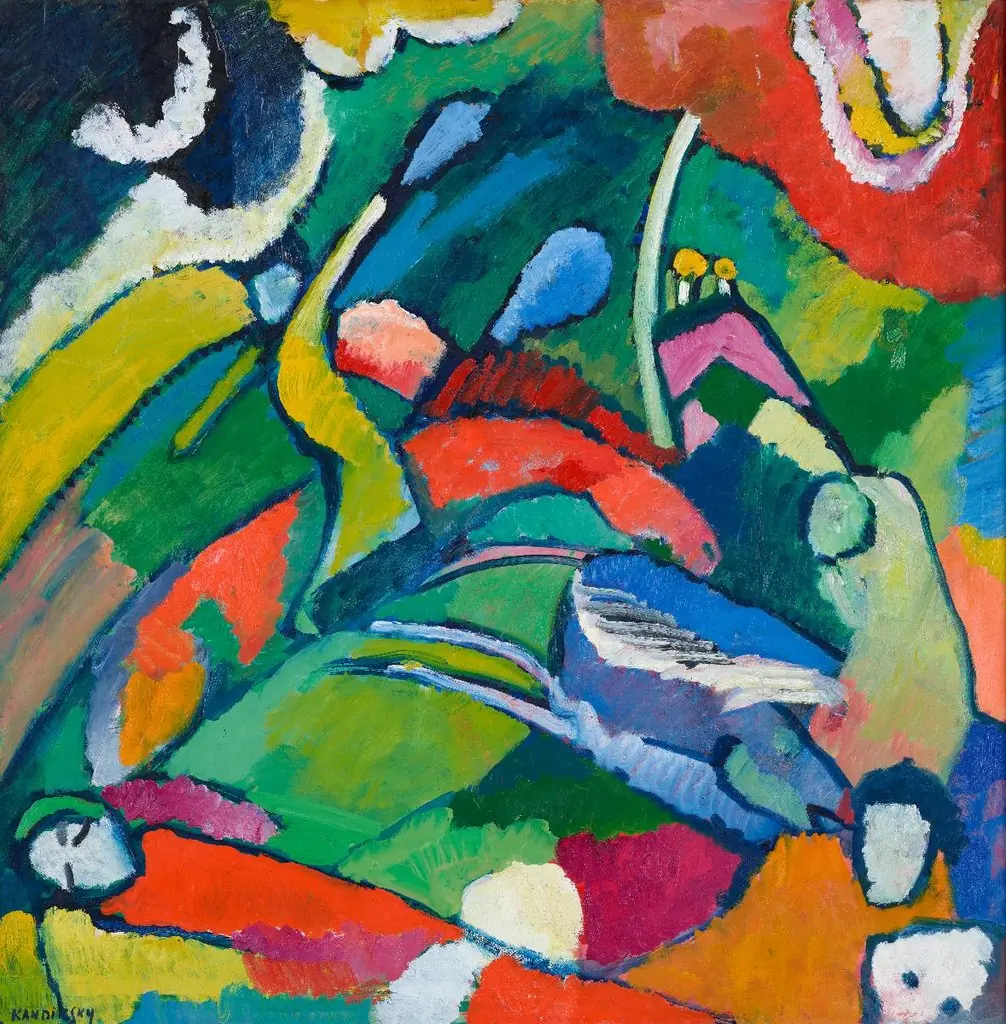 Two Riders and Reclining Figure
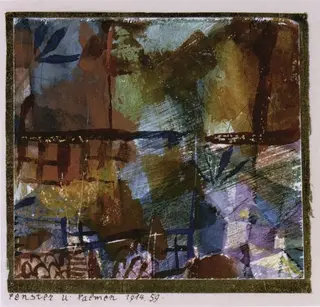 Windows and Palm Trees
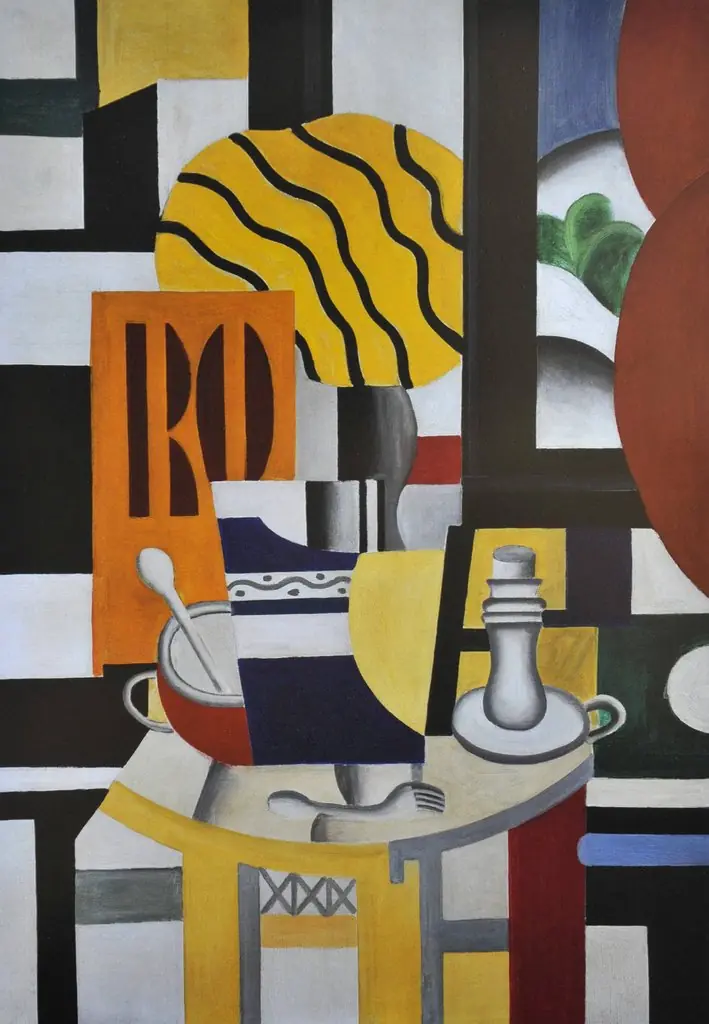 Still Life with Candlestick
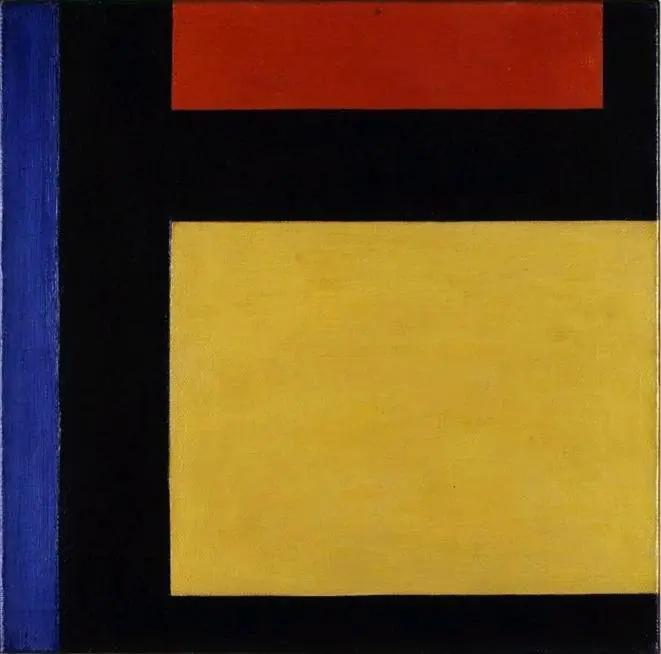 Contra-compositie X
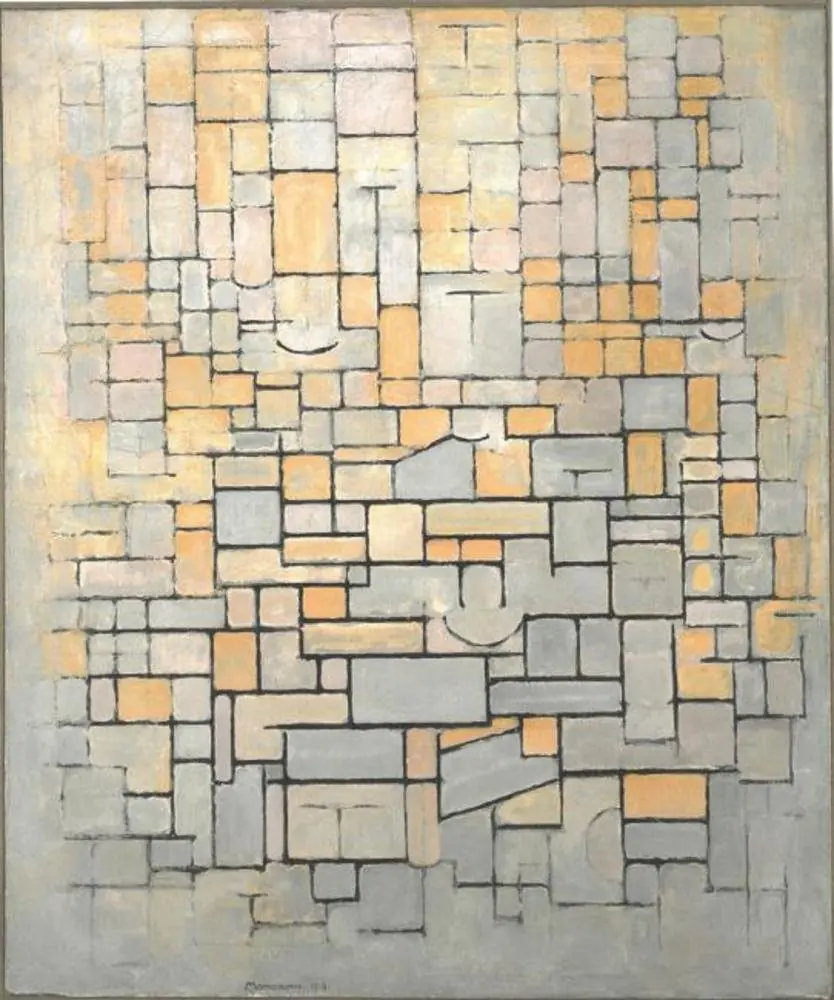 Tableau no.I
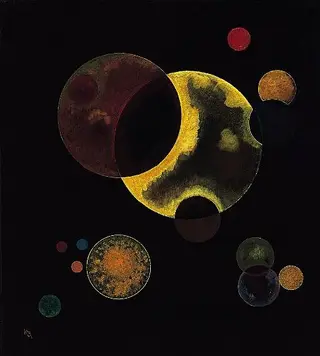 Heavy Circles
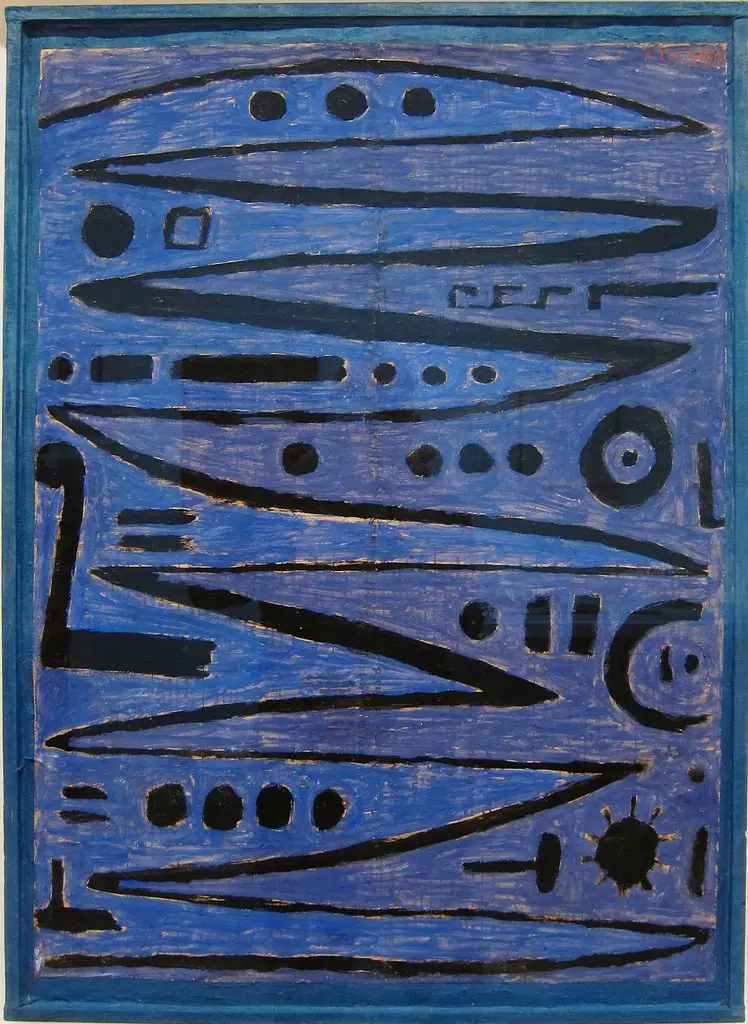 Heroic strokes of the bow
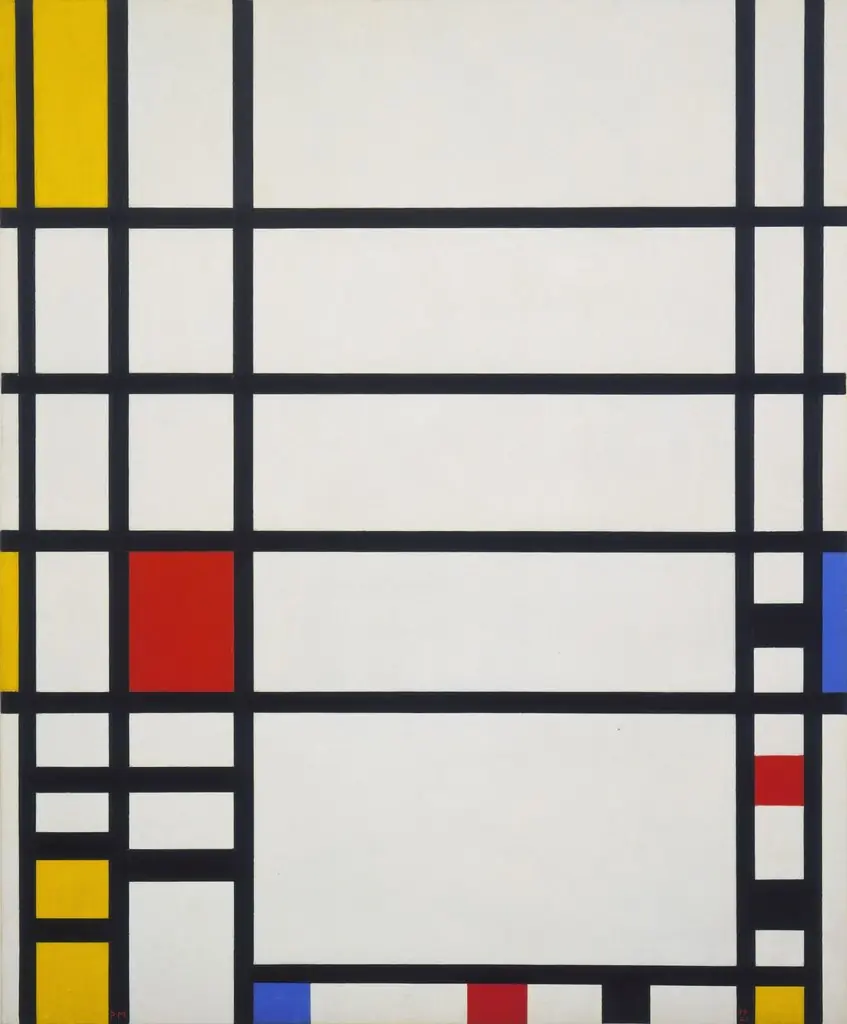 Trafalgar Square
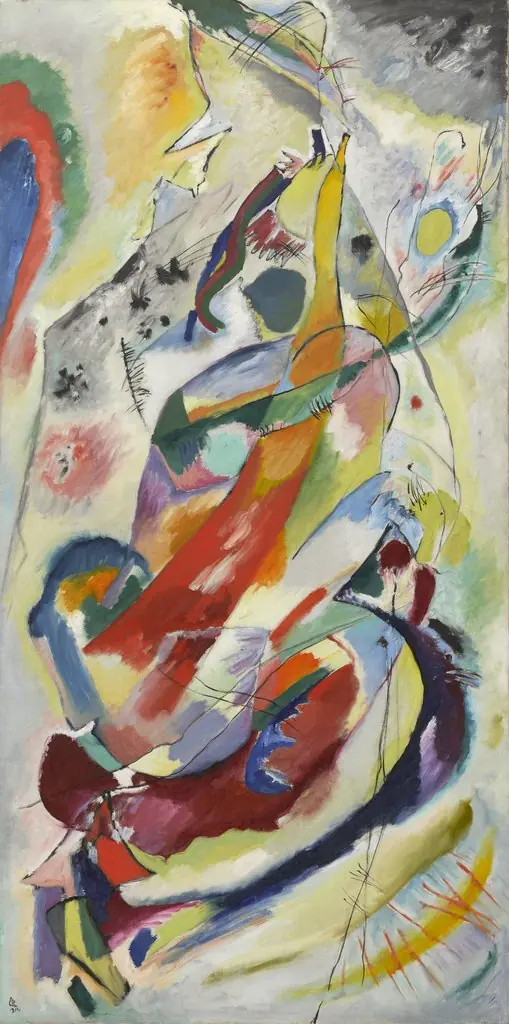 Panel for Edwin R. Campbell No. 1
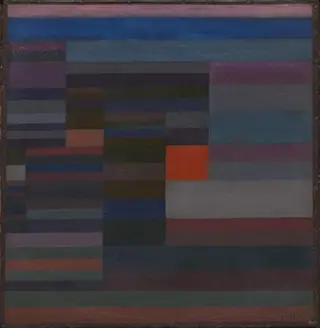 Fire in the Evening
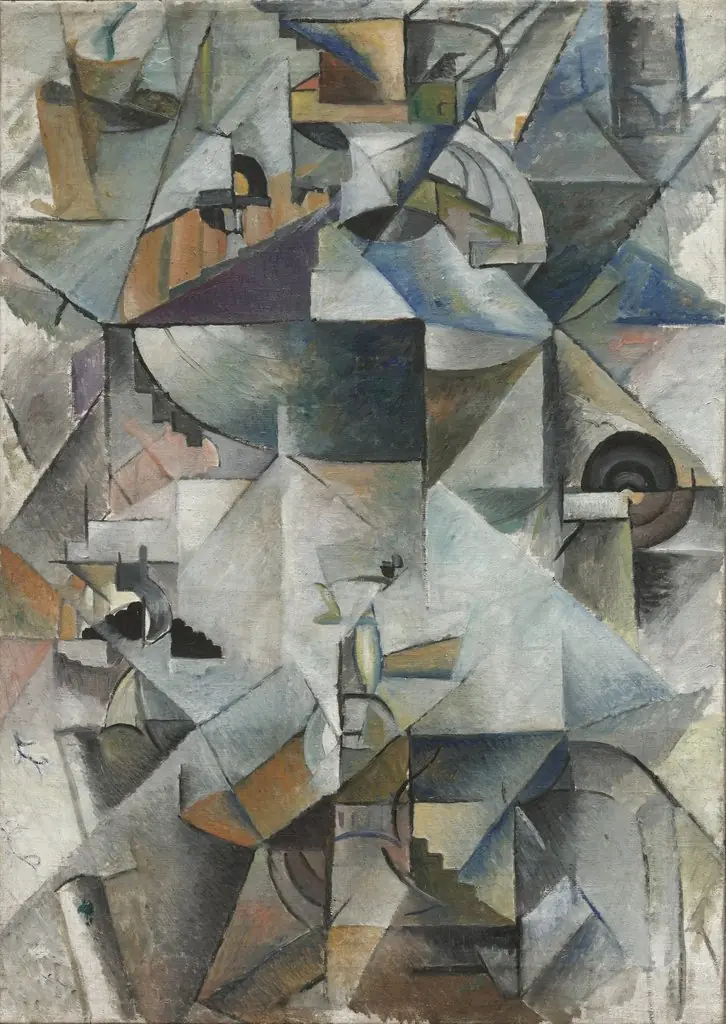 Samovar
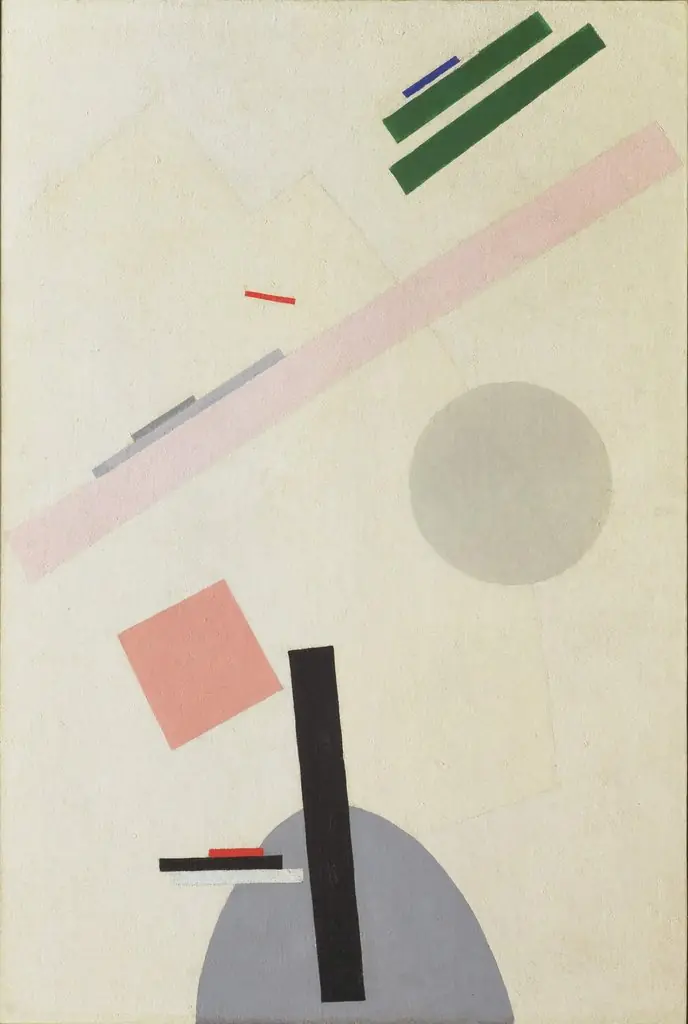 Suprematist Painting
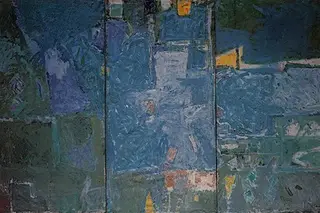 Painting
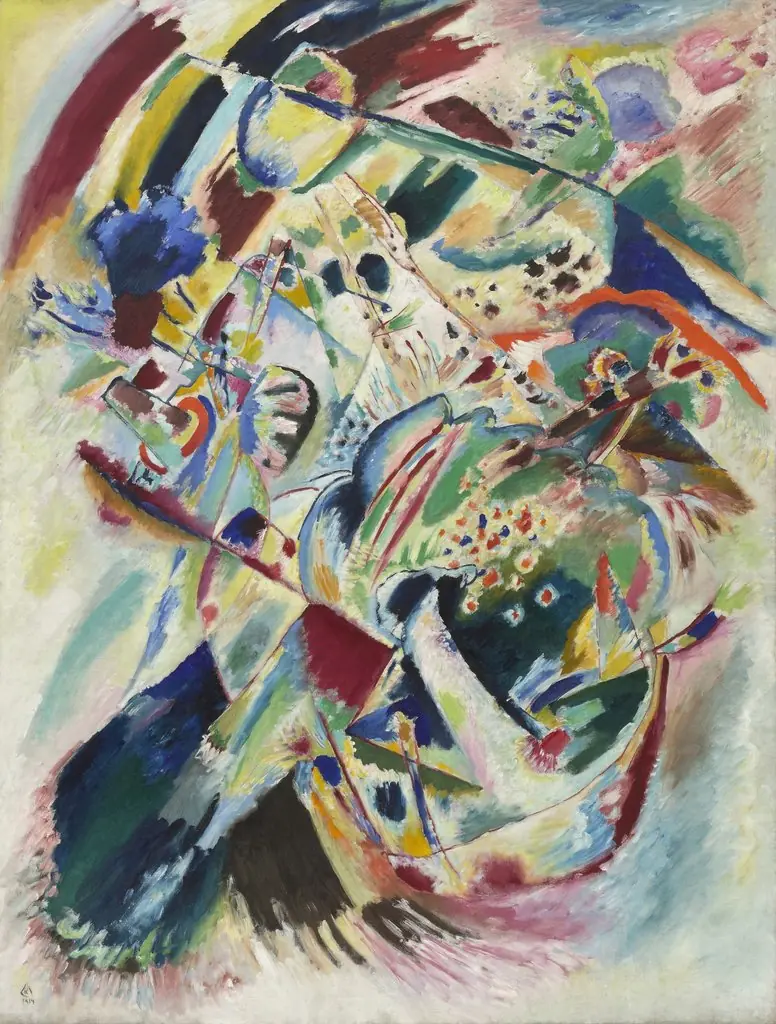 Panel for Edwin R. Campbell No. 4
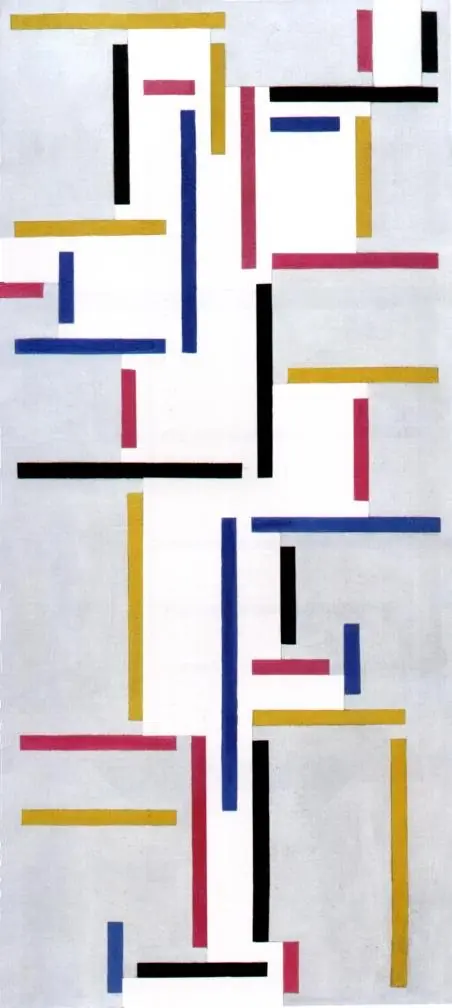 Rhythm of a Russian dance
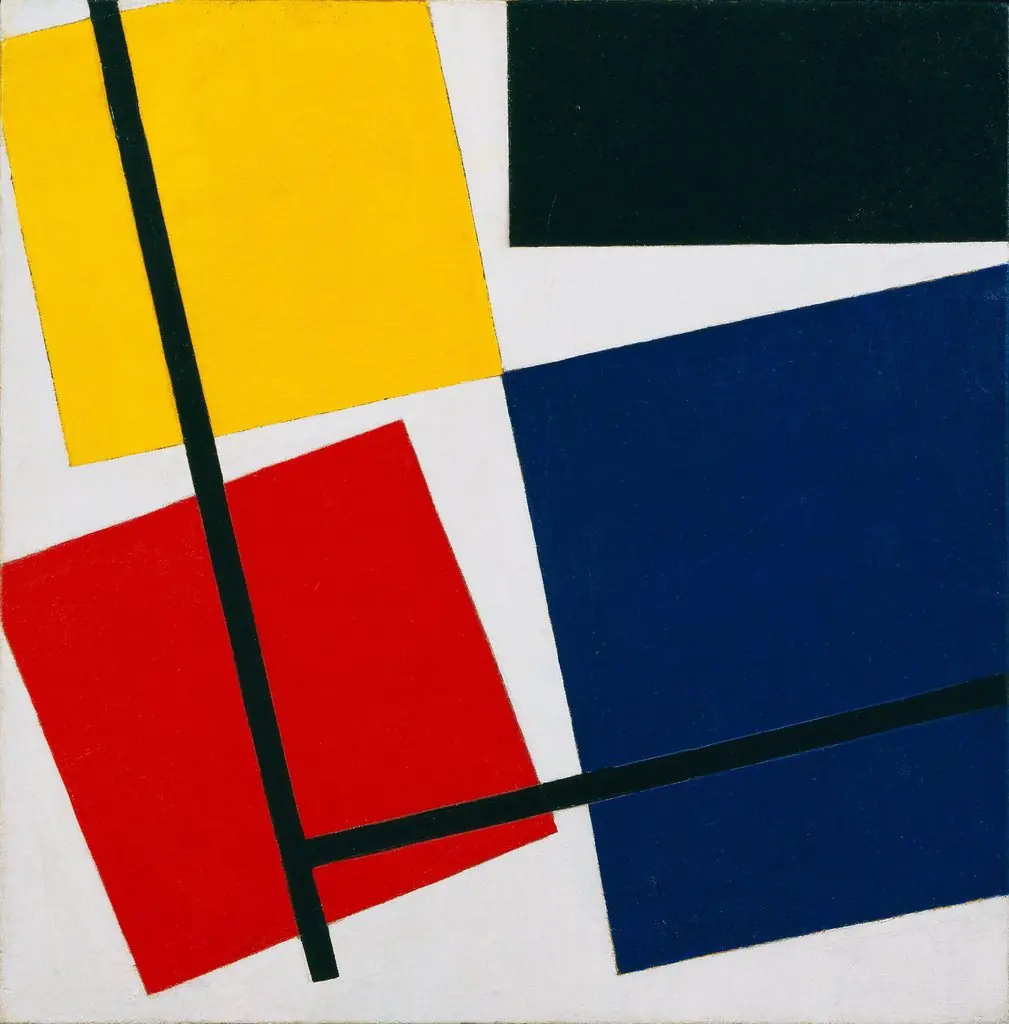 Simultaneous Counter-Composition
 Figures
 Disks
Disks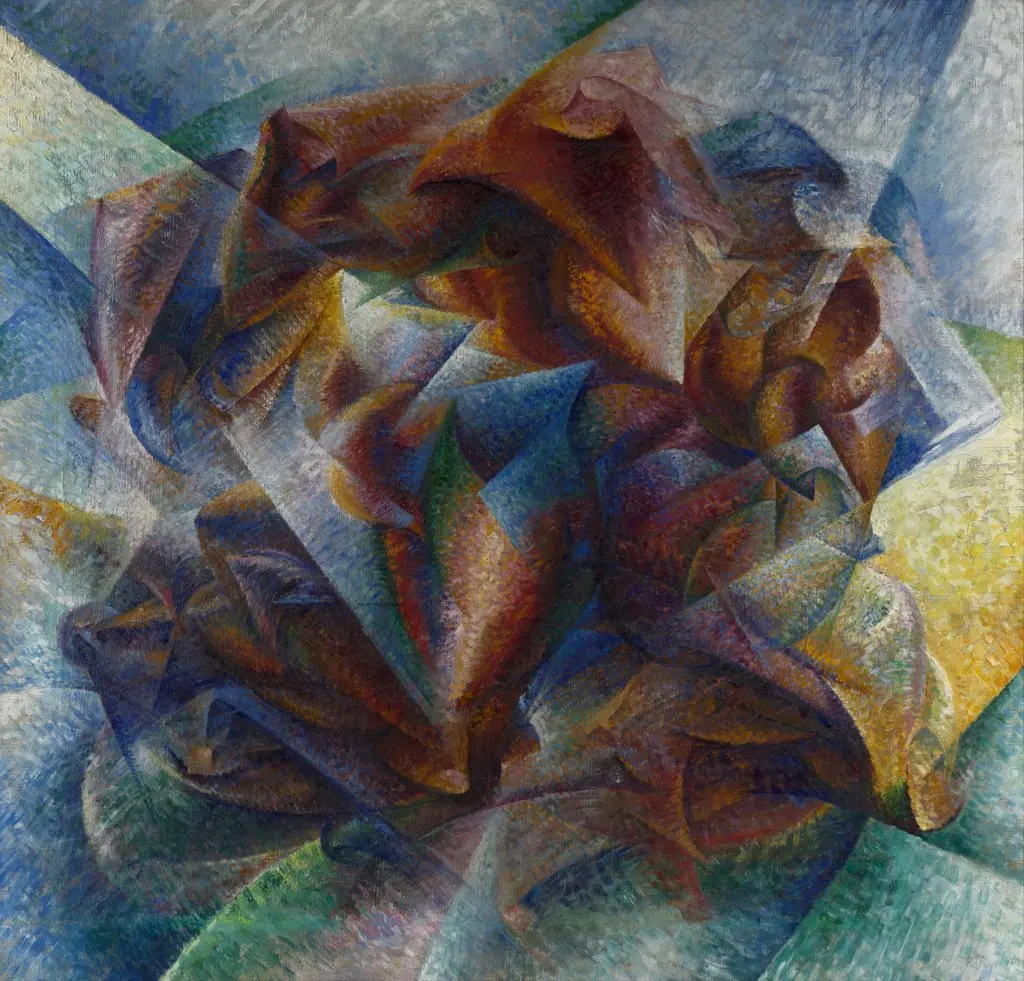 Dynamism of a Soccer Player
 Panel for Edwin R. Campbell No. 2
Frequently asked questions
What is Abstract?
Abstract is an art genre. Non-representational painting that uses color, line, form, and texture as ends in themselves rather than as descriptions of the visible world.
How many Abstract works does Artifact World Gallery have?
Artifact World Gallery holds 3,068 public-domain Abstract works, all free to view and download.
Who are the key Abstract artists?
Key Abstract artists in the collection include Jean Baptiste Camille Corot, Claude Monet and Paul Gauguin.
Where can I see Abstract works?
Abstract works in the collection are held by Museum of Modern Art, Victoria and Albert Museum and Metropolitan Organisation of Museums of Visual Arts of Thessaloniki – MOMus.