Artwork
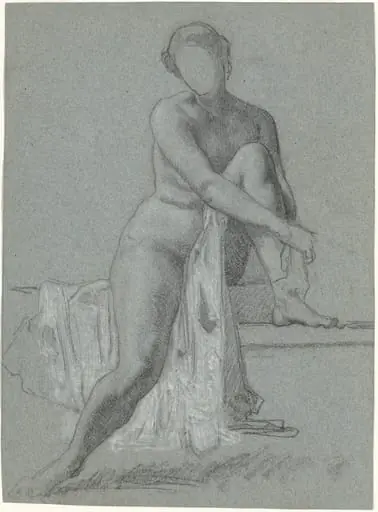
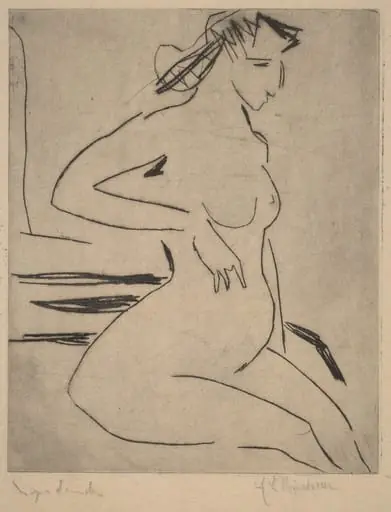
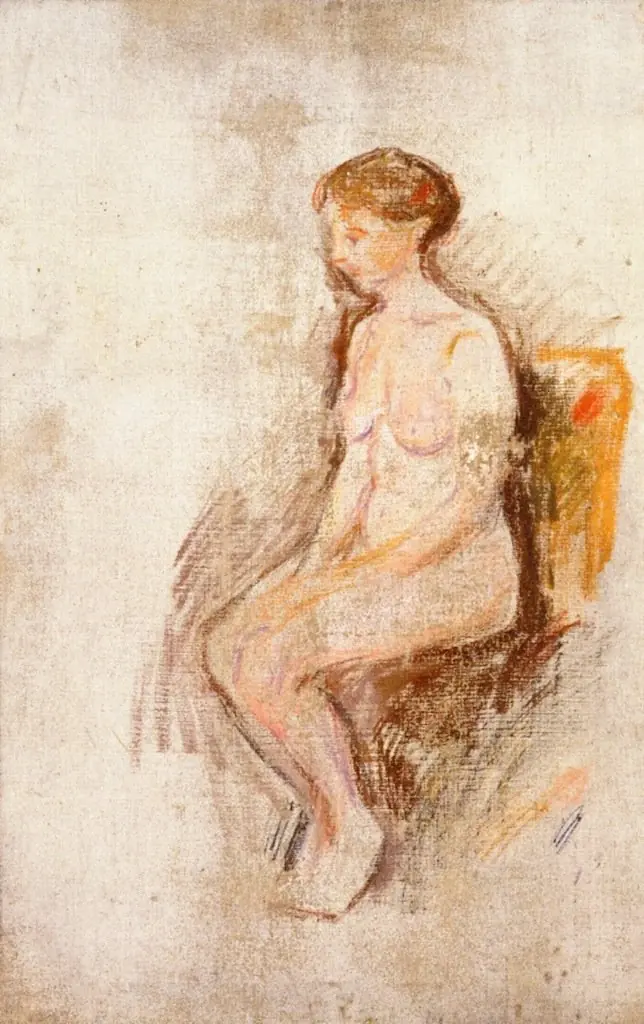
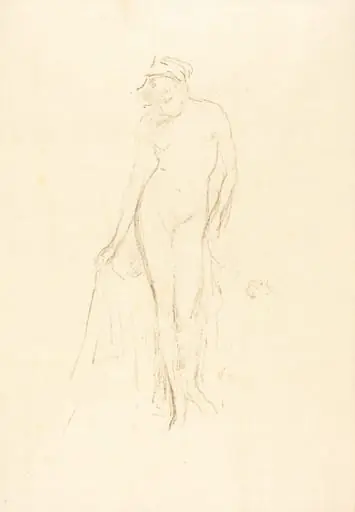
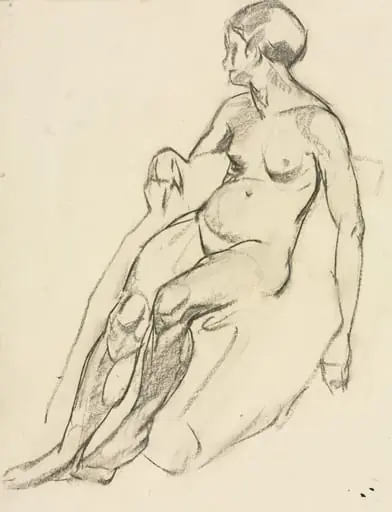
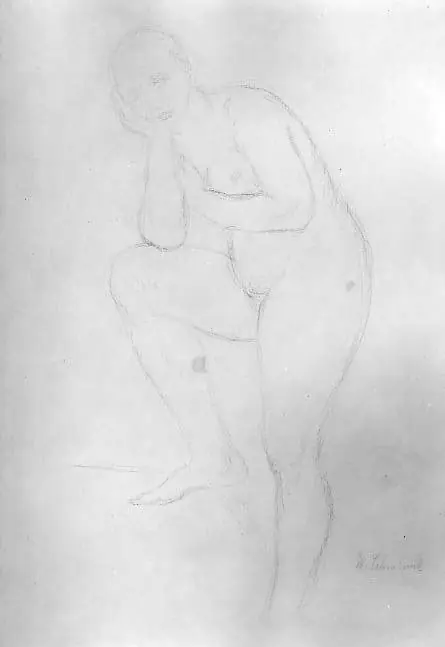
Seated Nude Model, Facing Left
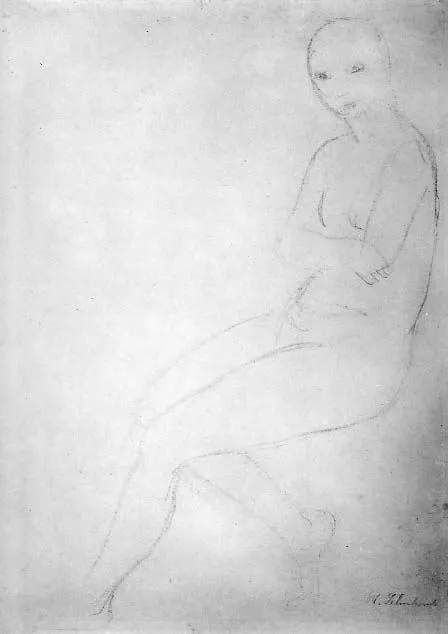
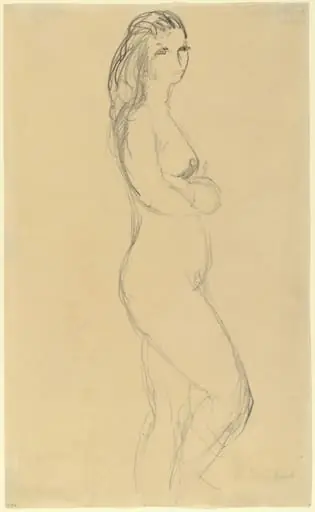
Seated Nude Model, Facing Left is an unspecified painting by the German Expressionist artist Wilhelm Lehmbruck. It dates from 1912 and is held in the collection of the Metropolitan Museum of Art.
About this work
Subject & Meaning
Lehmbruck's treatment of the nude form conveys both physical vulnerability and psychological depth, emphasizing the model's isolation rather than eroticism.
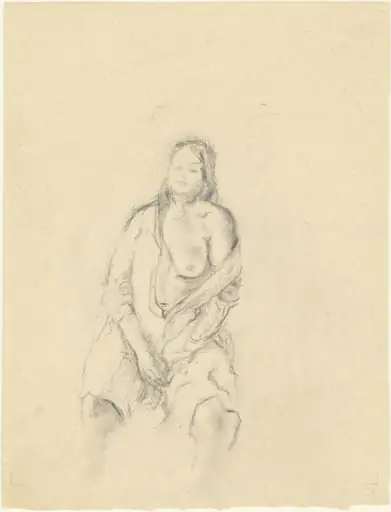
The painting depicts a solitary female figure in a seated position, viewed from the left side, embodying a quiet, introspective presence. Lehmbruck's treatment of the nude form conveys both physical vulnerability and psychological depth, emphasizing the model's isolation rather than eroticism. The composition underscores themes of contemplation and the human condition, aligning with early 20th-century modernist explorations of bodily tension and emotional resonance.
History & Provenance
The painting Seated Nude Model, Facing Left by Wilhelm Lehmbruck was created in 1912 and is held in the collection of the Metropolitan Museum of Art. Specific inventory or accession numbers are not provided in the available records, and no details regarding the exhibition history of this specific work are currently documented in the sources.
Context
Lehmbruck created Seated Nude Model, Facing Left in 1912, a painting now held by the Metropolitan Museum of Art that exemplifies his exploration of vulnerable, introspective figures within early 20th-century modernism. Scholarship situates the work alongside contemporaries who redefined the human form through psychological depth rather than academic tradition, recognizing it as part of Lehmbruck's brief but influential career.
Overview
Created in 1912, Seated Nude Model, Facing Left is a drawing by Wilhelm Lehmbruck, a German artist best known for his work in sculpture during the early twentieth century. The piece is part of the collection of the Metropolitan Museum of Art in New York. It reflects Lehmbruck’s ongoing investigation of the human figure and his alignment with the expressive currents of his time.
Technique & Style
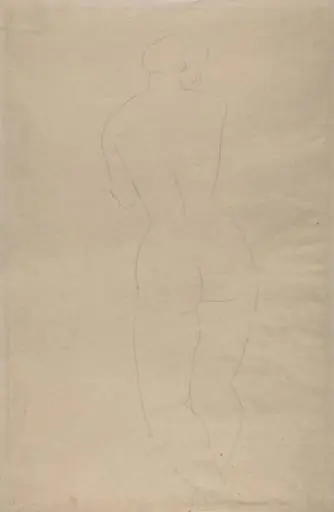
Executed with swift, wavering pencil strokes, the drawing relies on simple, gestural lines that convey the figure’s elongated proportions. The lack of detailed modeling and the flattened background focus attention on the silhouette and its dynamic tension. This economy of line aligns with the German Expressionist tendency to merge realistic observation with heightened emotional content.
Artist & collection
Artist
Wilhelm Lehmbruck (4 January 1881 – 25 March 1919) was a German sculptor. One of the most important of his generation, he was influenced by realism and expressionism.