Movement
German Expressionism
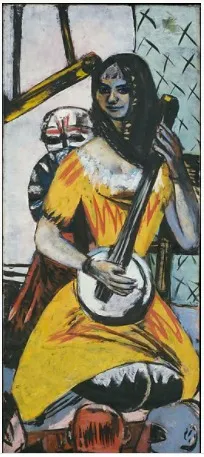
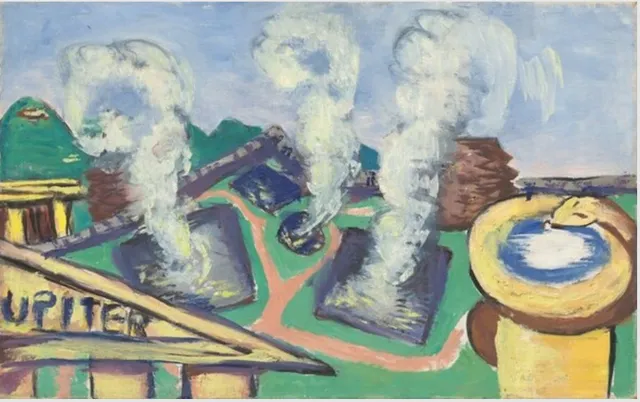
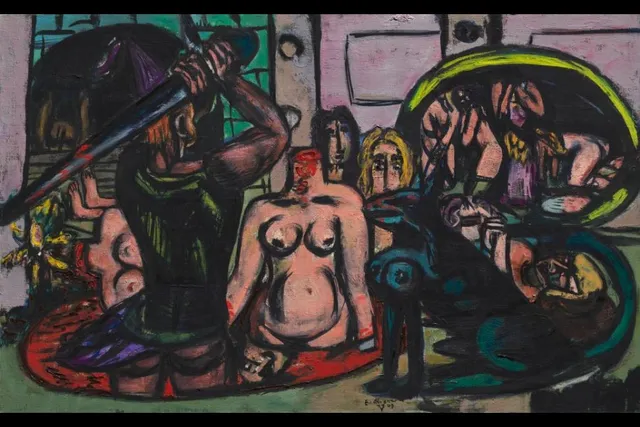
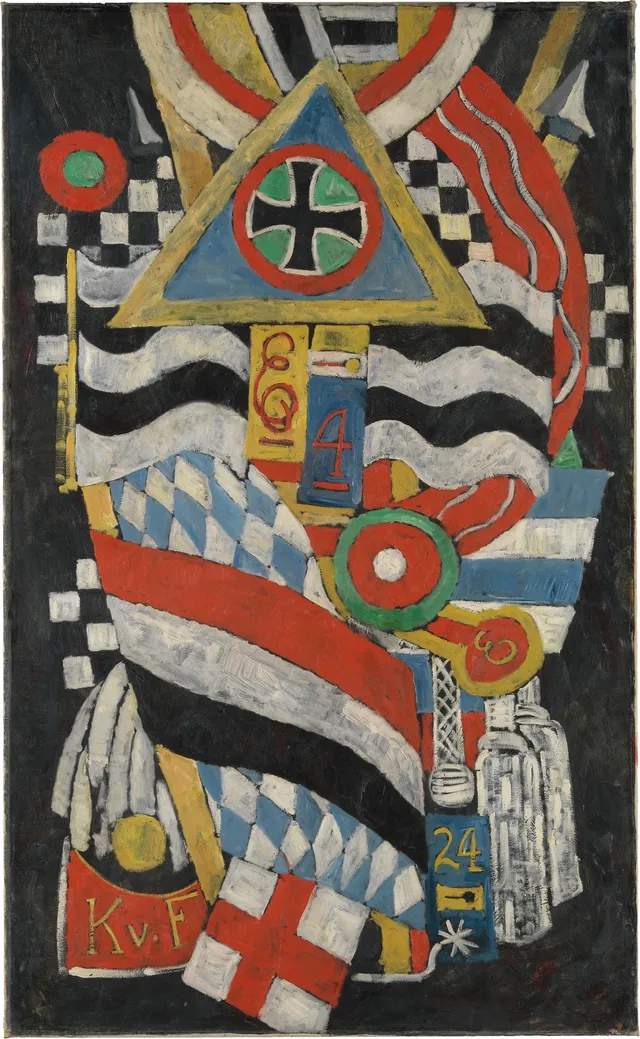
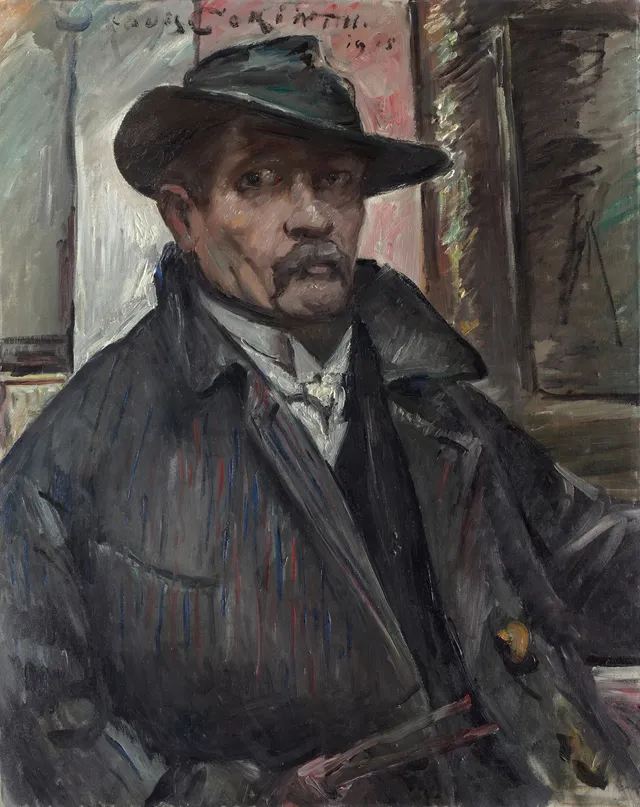
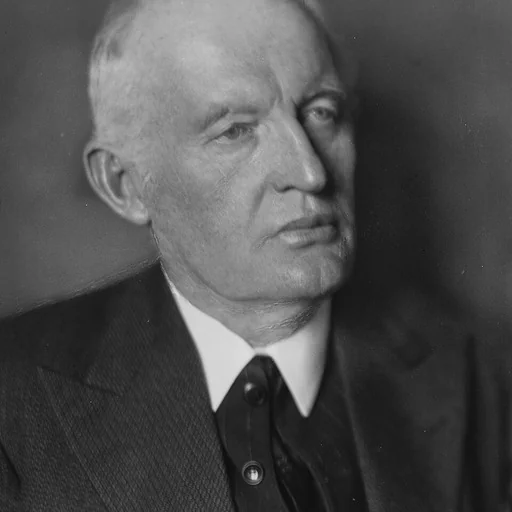
German Expressionism is an art movement of the 1910–1930 period. The gallery holds 93 works in this movement, including works by Edvard Munch, Max Beckmann and Ernst Ludwig Kirchner. Browse German Expressionism paintings, portraits, pictures and artworks from the world's public-domain museum collections.
German Expressionism was a cultural movement that emerged in the years before the First World War, as a generation of young artists rejected the polished naturalism of academic painting and the optical detachment of Impressionism in favour of raw emotional and spiritual expression. It crystallised around two groups. Die Brücke ("The Bridge") was founded in Dresden in 1905 by architecture students Ernst Ludwig Kirchner, Erich Heckel, Karl Schmidt-Rottluff and Fritz Bleyl, who sought to forge a "bridge" to a freer art and later moved to Berlin. Der Blaue Reiter ("The Blue Rider") formed in Munich in 1911 around Wassily Kandinsky and Franz Marc, publishing its celebrated almanac in 1912. Both fed on the anxieties of rapid urbanisation and a wider European mood of cultural crisis.
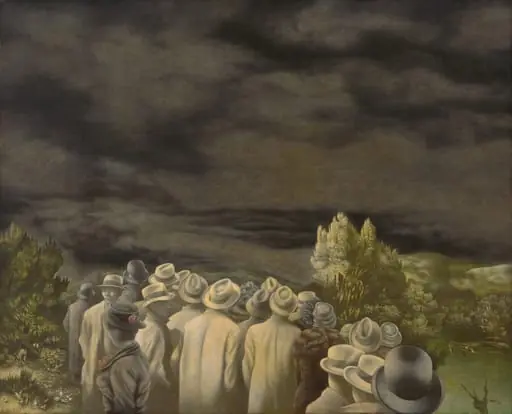
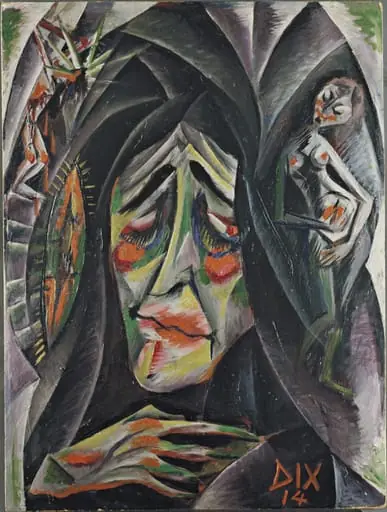
Visually the movement is defined by intensity rather than accuracy: non-naturalistic, often clashing colour; distorted, angular figures; flattened space; and bold, visible brushwork. The Brücke painters revived the woodcut, whose jagged contrasts of black and white became emblematic of the style, while drawing on Van Gogh, Edvard Munch, Fauvism and the so-called "primitive" art they admired in ethnographic museums. Where Brücke pursued a nervy depiction of the modern city, nudes and the self, Der Blaue Reiter moved toward lyrical abstraction and a search for spiritual content, as in Marc's symbolic animals and Kandinsky's pioneering near-abstractions.
The canon runs from Kirchner's electric Street, Berlin (1913) and Marc's apocalyptic Fate of the Animals (1913) to the work of Emil Nolde, Max Pechstein, August Macke, Otto Mueller and the sculptor Wilhelm Lehmbruck, whose elongated figures translate the aesthetic into bronze and stone. Edvard Munch stands as a crucial Norwegian precursor, and Max Beckmann, though later allied with Weimar-era New Objectivity, carried Expressionism's emotional charge into the interwar decades.
After 1918 the movement's mood of alienation and social criticism shaped Weimar culture, theatre and film, before the Nazi regime condemned it as "degenerate": some 15,550 modern works were purged from German museums, and the notorious Degenerate Art exhibition opened in Munich on 19 July 1937. Many artists were defamed, exiled or silenced. Yet German Expressionism endured, profoundly shaping later figuration and feeding directly into Abstract Expressionism and Neo-Expressionism.
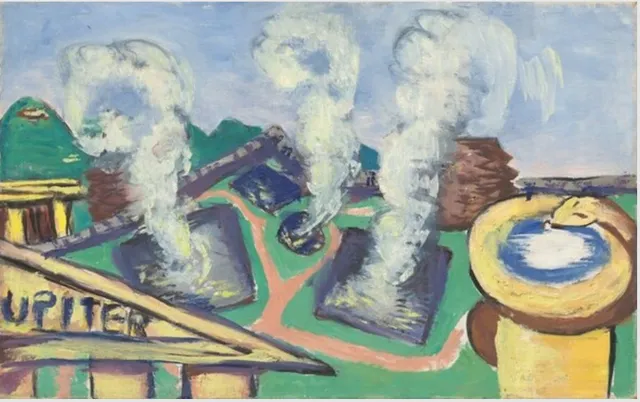
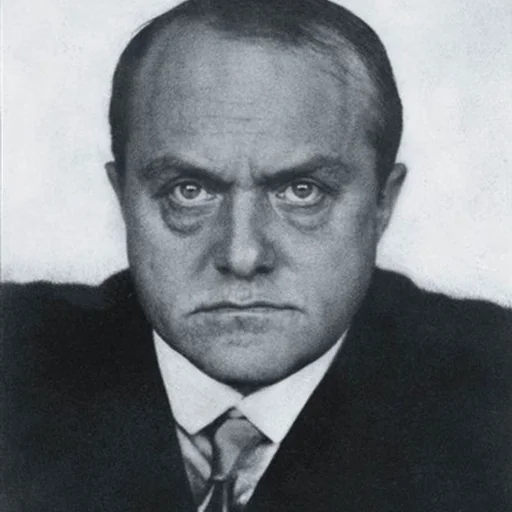
Key artists
Works
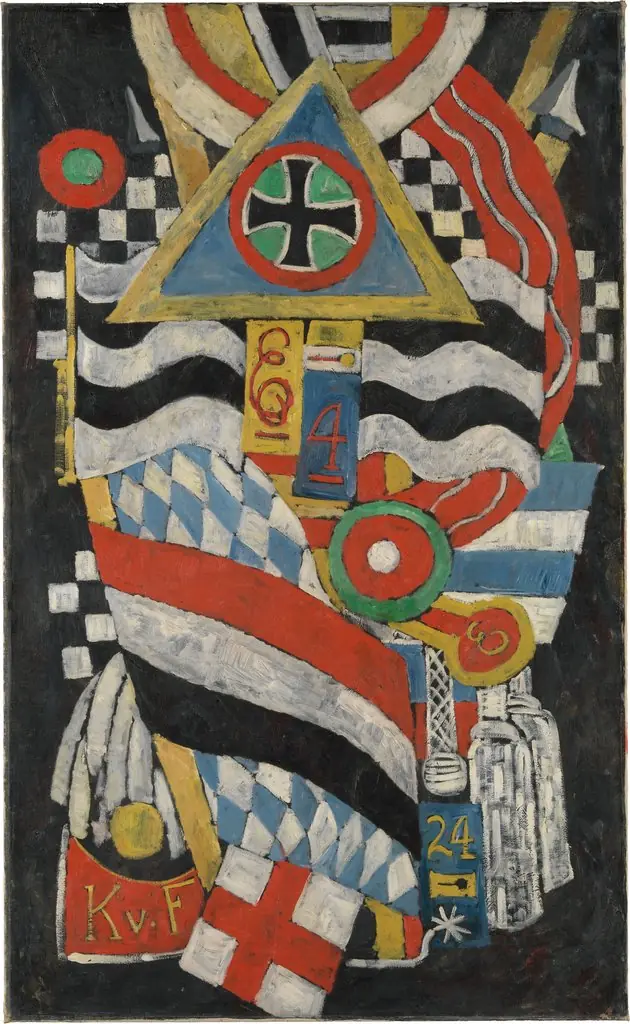 Portrait of a German Officer
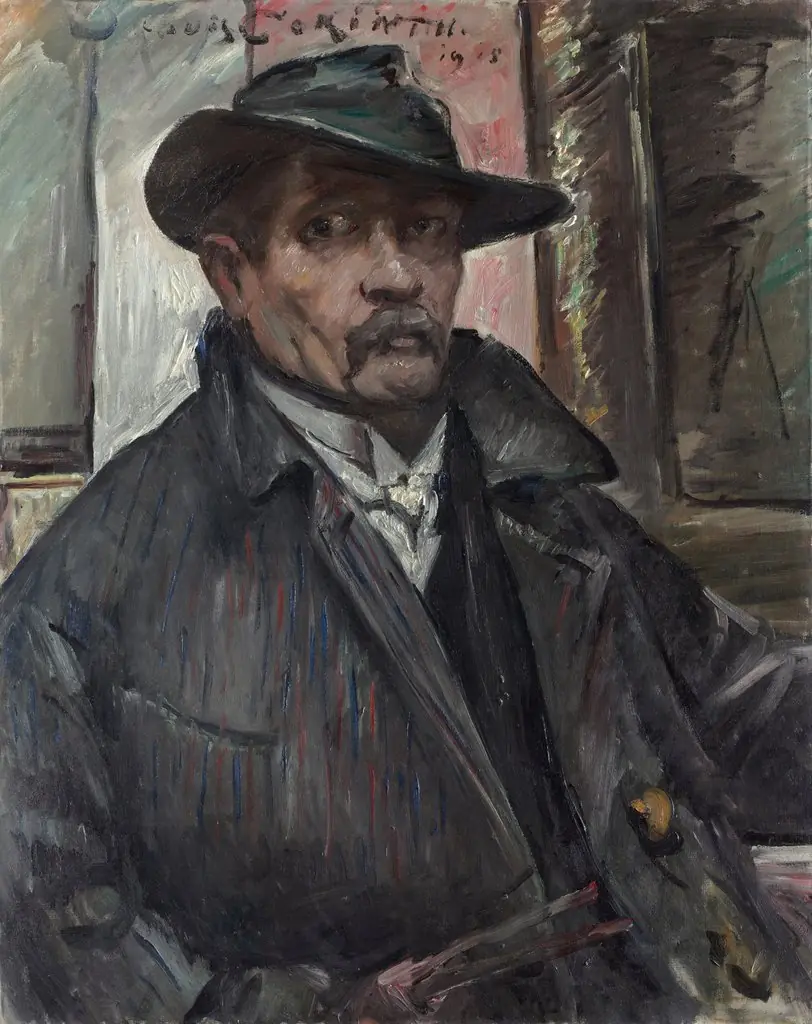 Self-Portrait with Hat and Coat
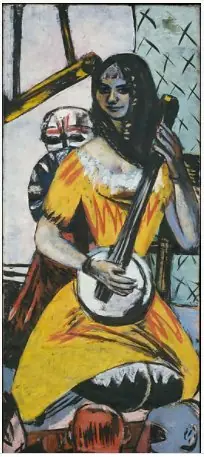 Vaudeville Act
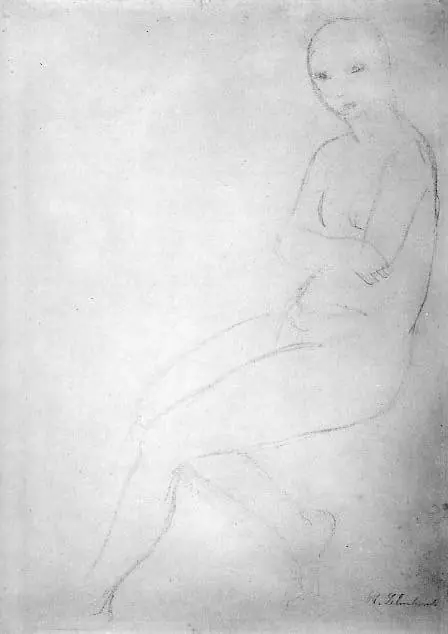 Seated Nude Model, Facing Left
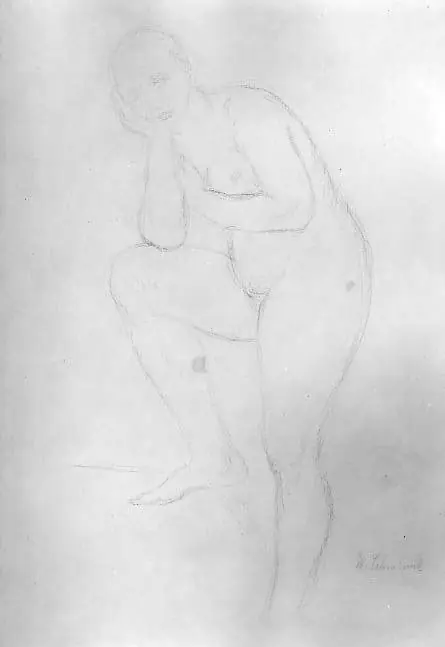 Standing Nude model, Facing Left
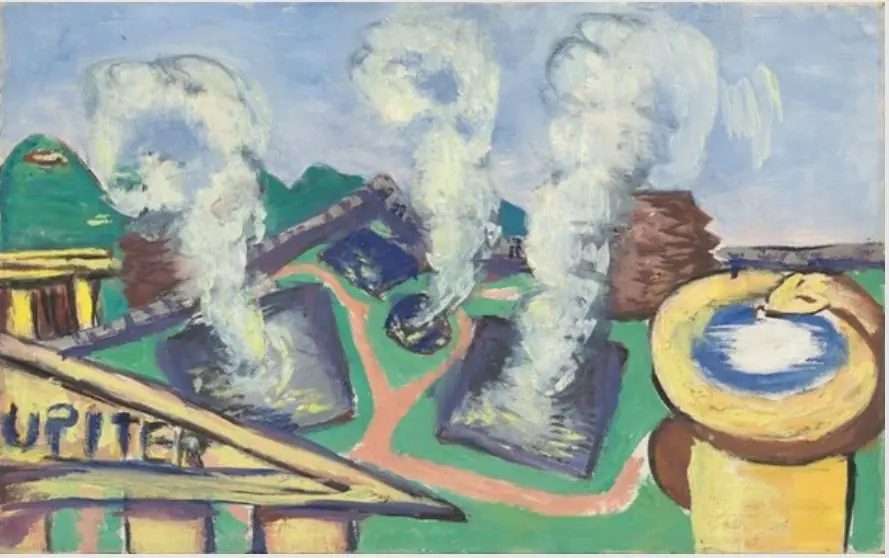 Hot Springs at Abano
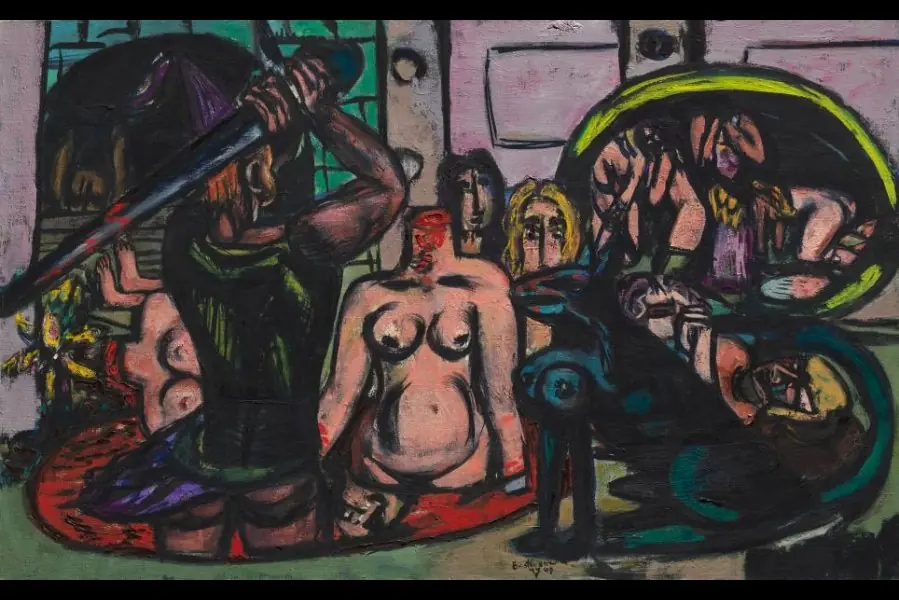 Perseus's Last Duty
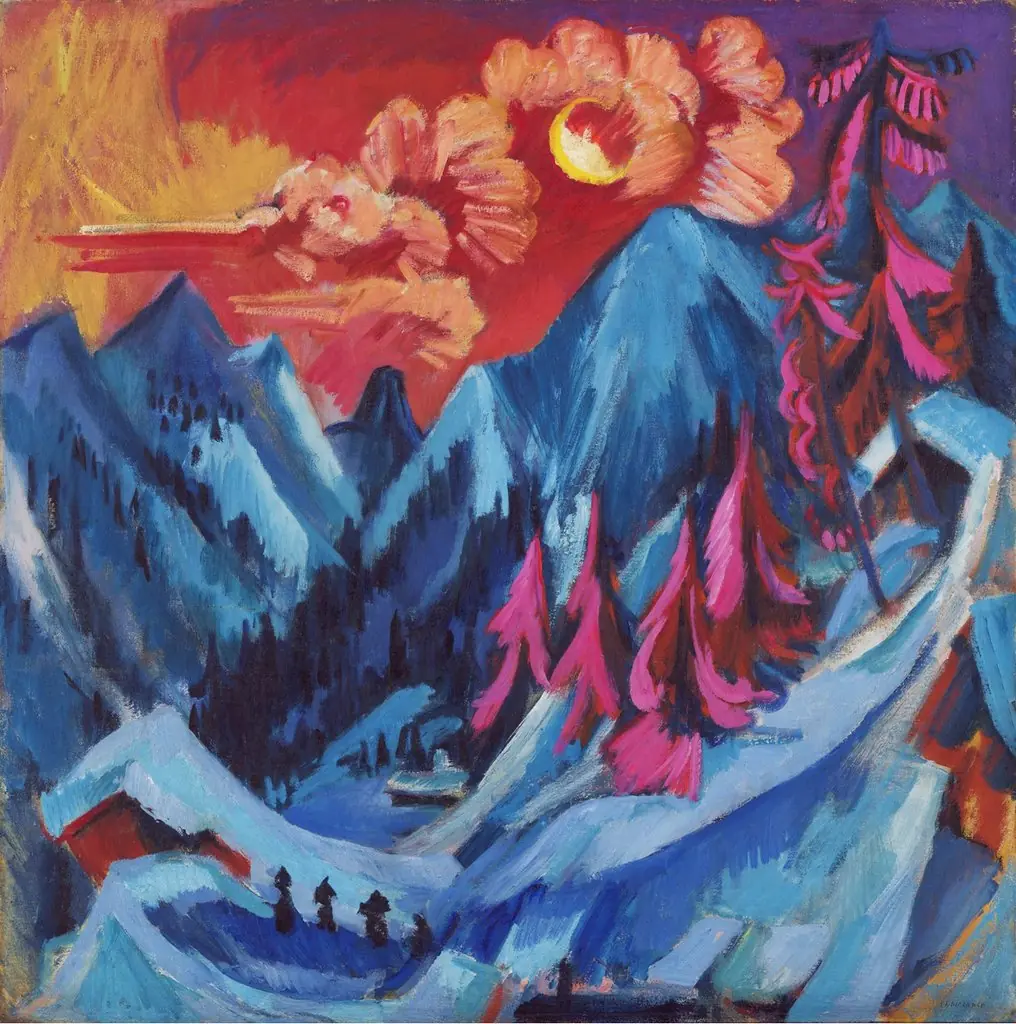 Winter Landscape in Moonlight
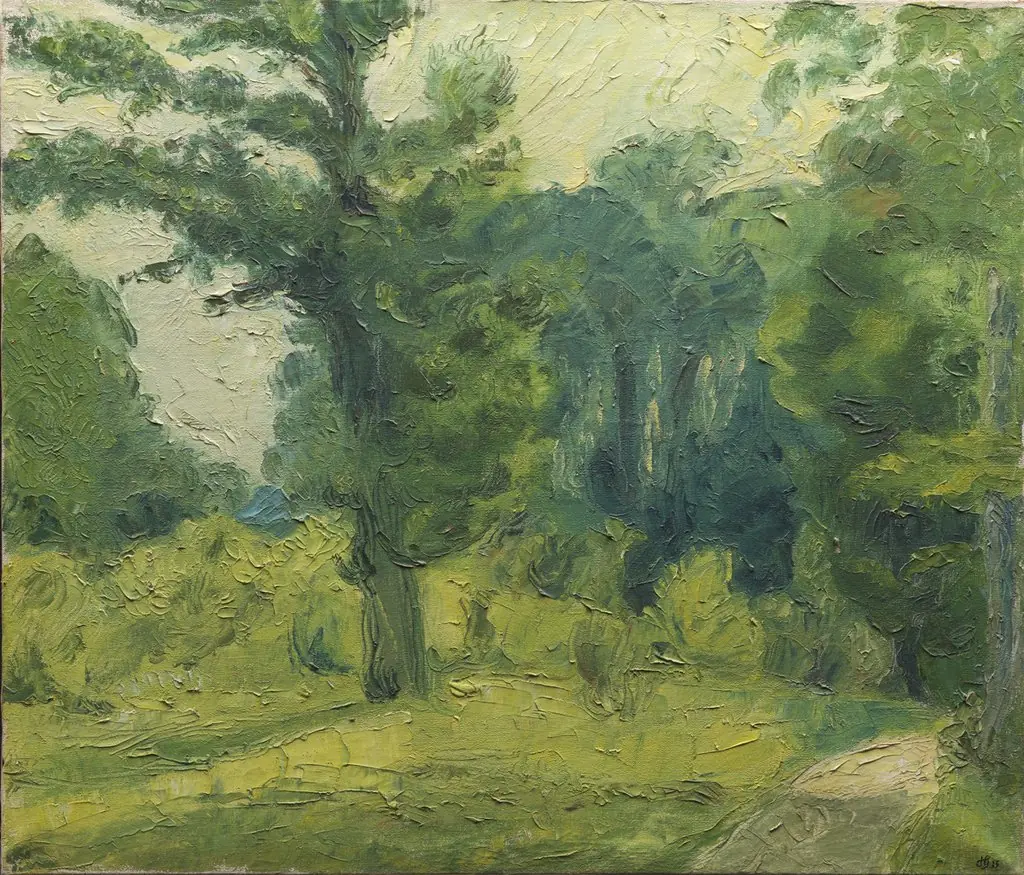 At the Edge of the Wood
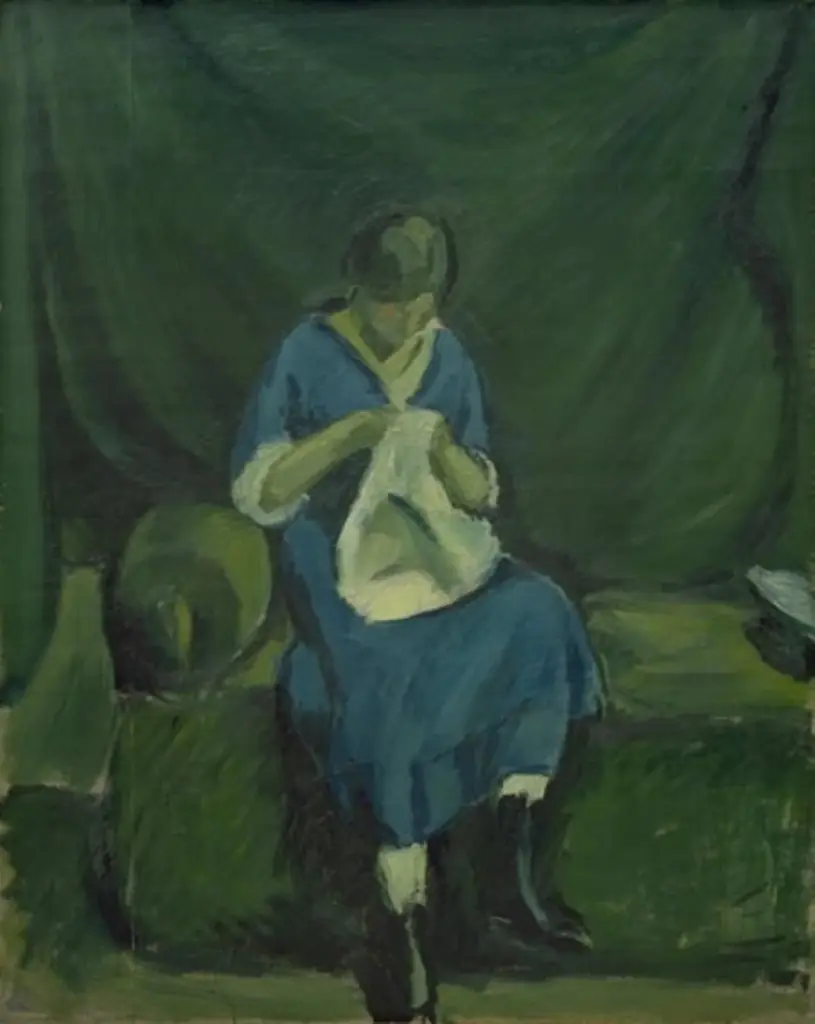 A Young Girl Sewing
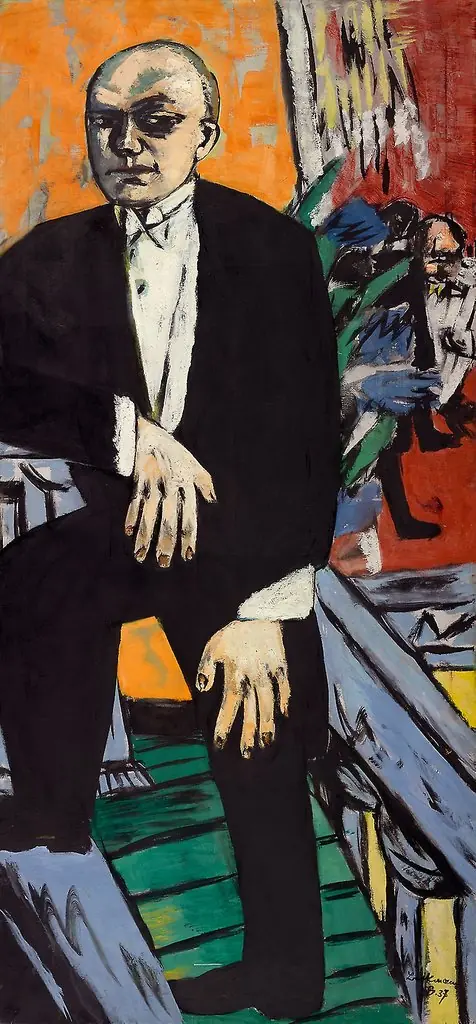 Self-Portrait
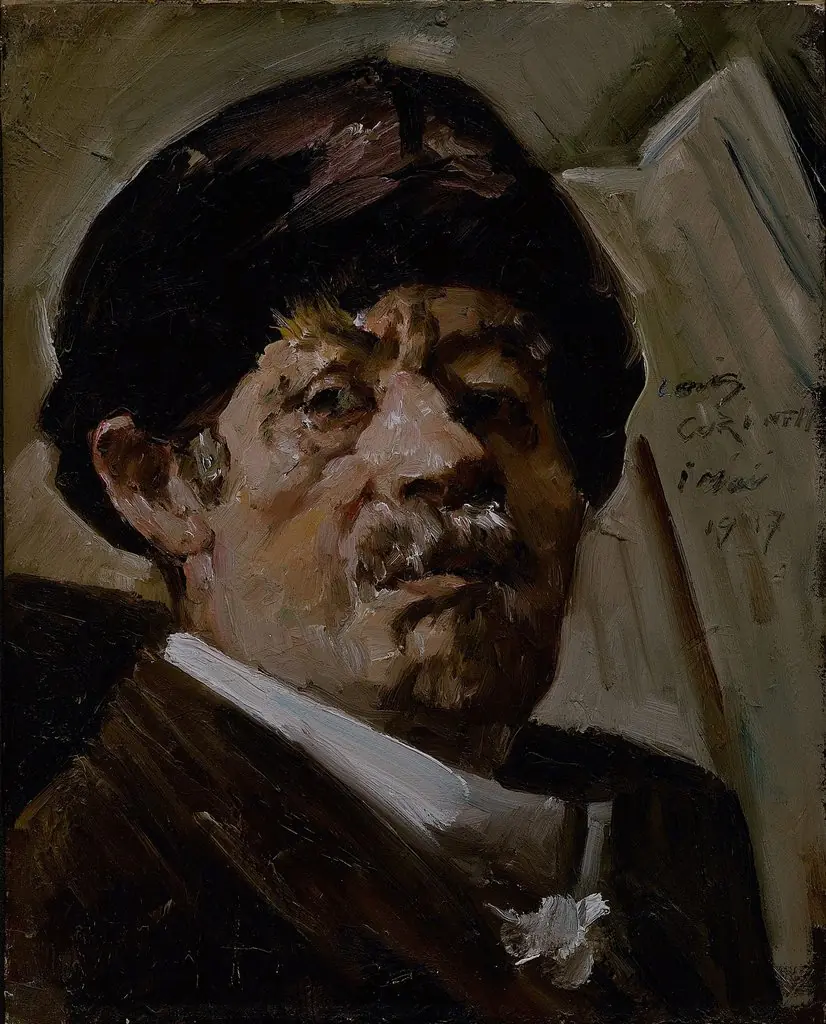 Self-Portrait
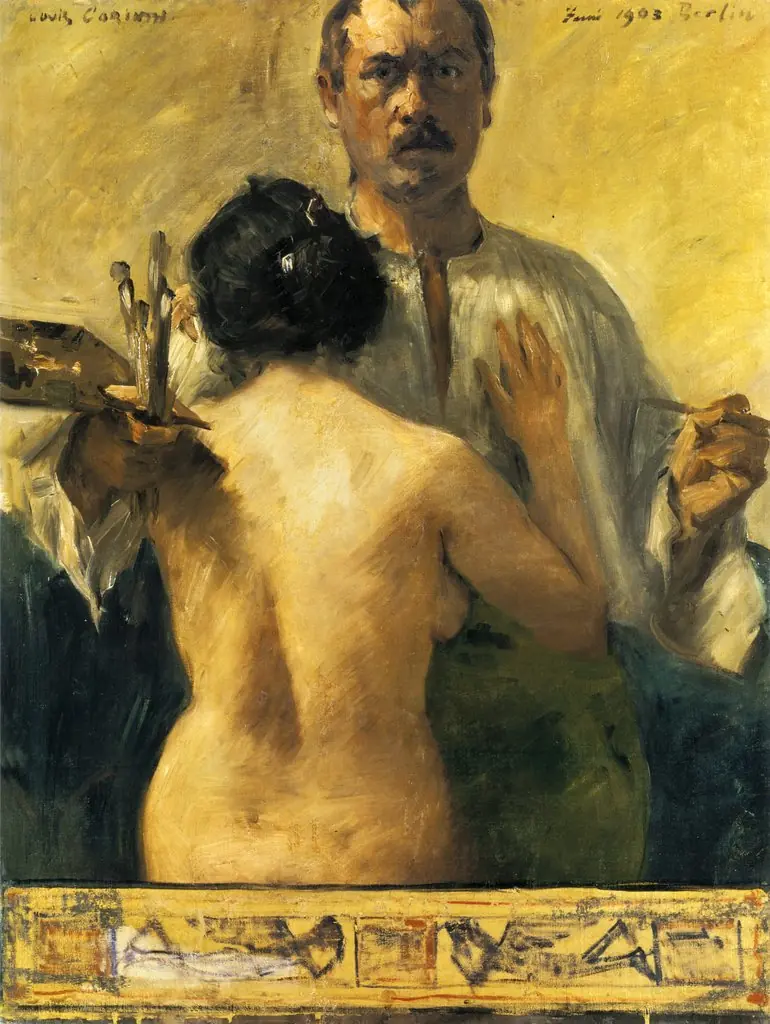 Self portrait with model
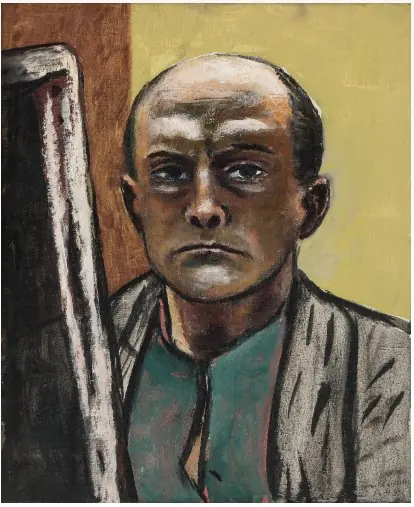 Self Portrait in Olive and Brown
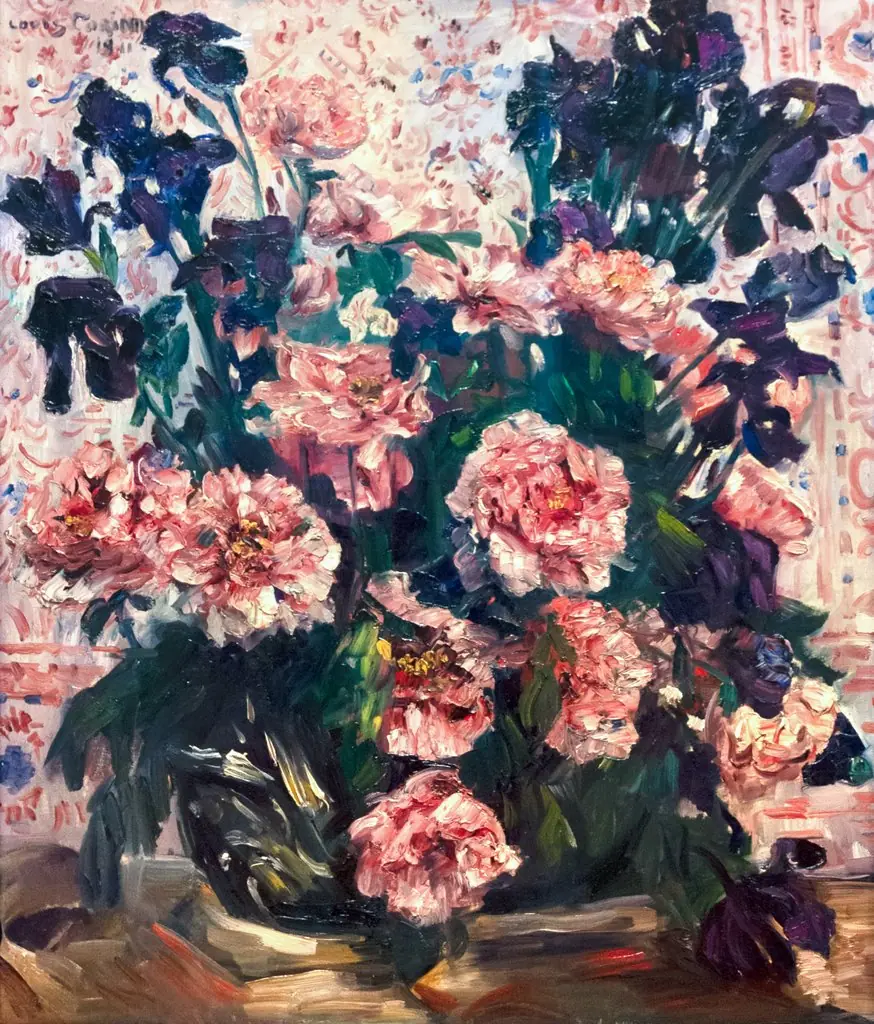 Iris und Päonien
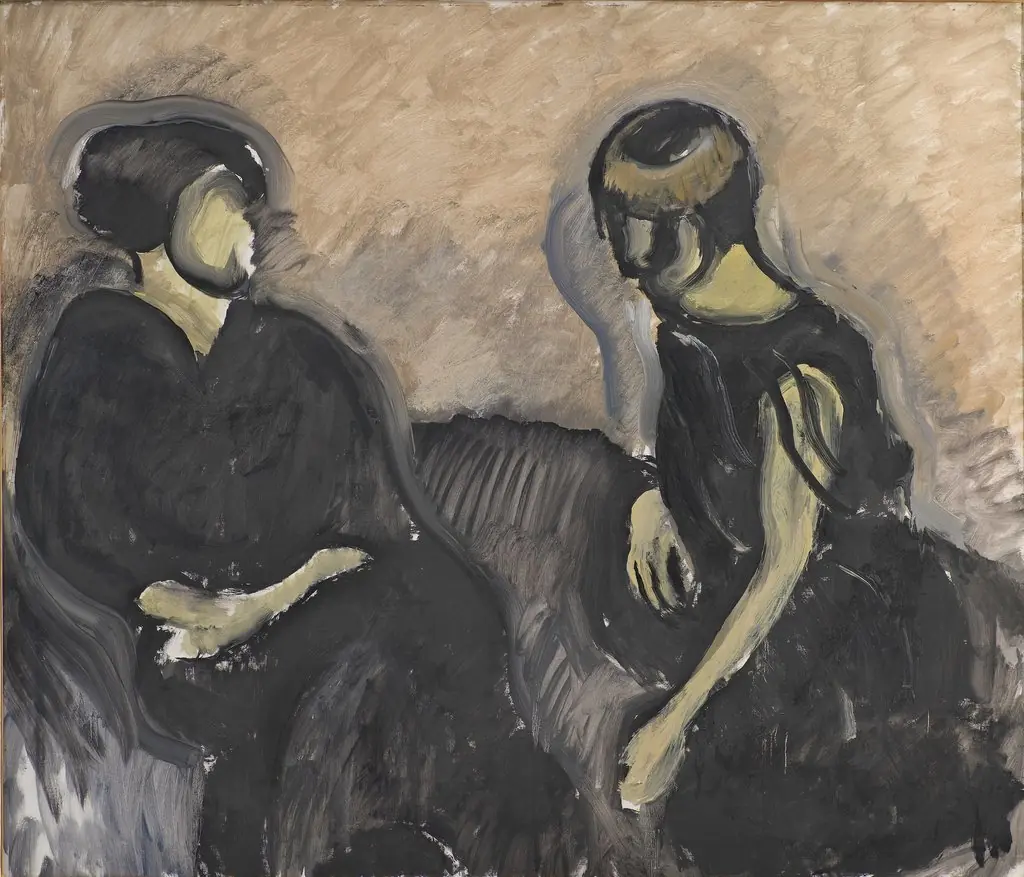 Two Ladies
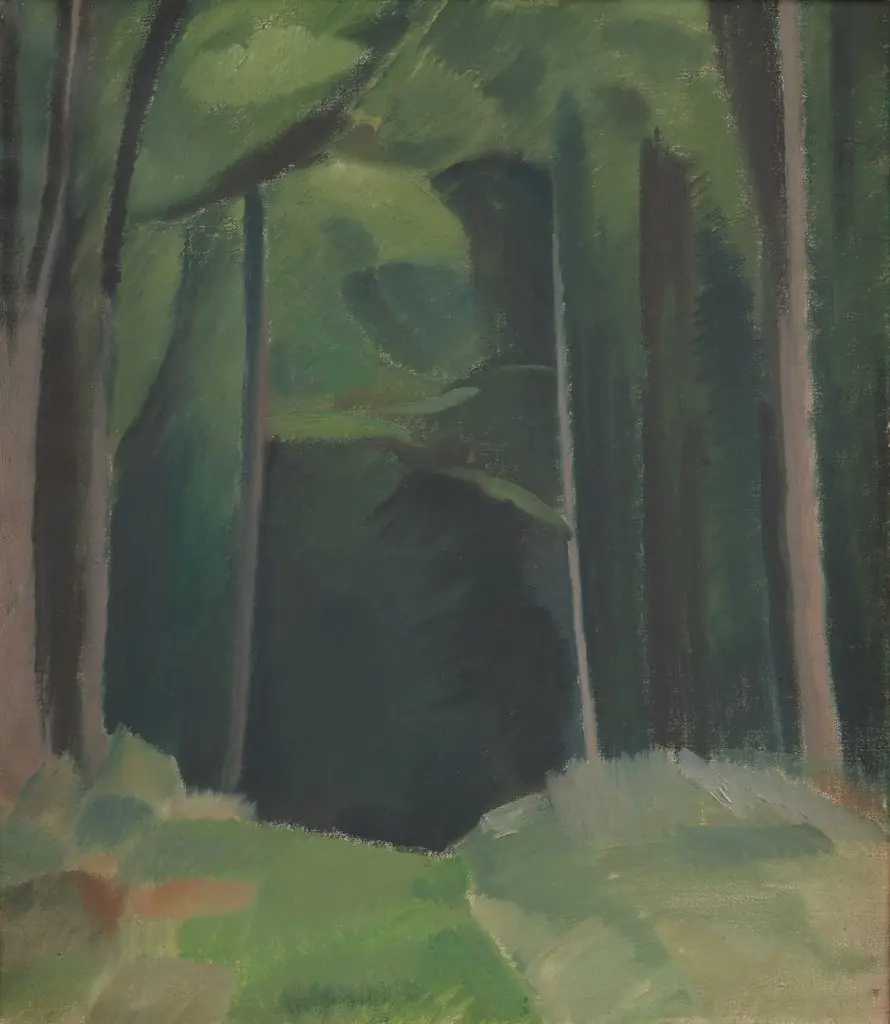 Inside the Wood
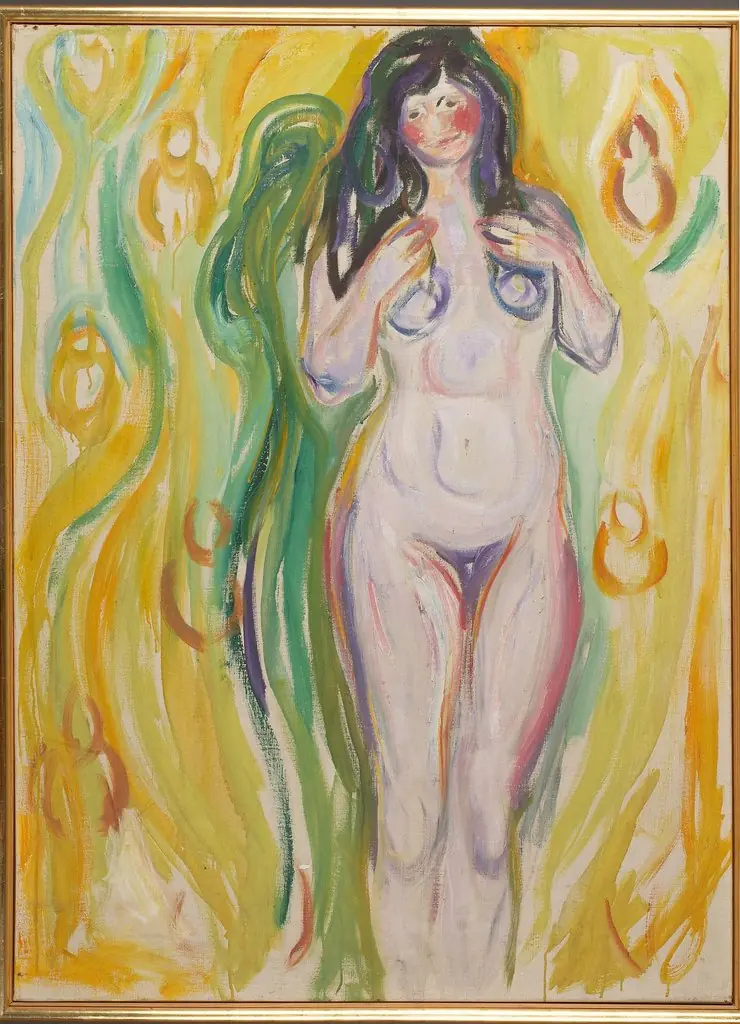 Standing Nude
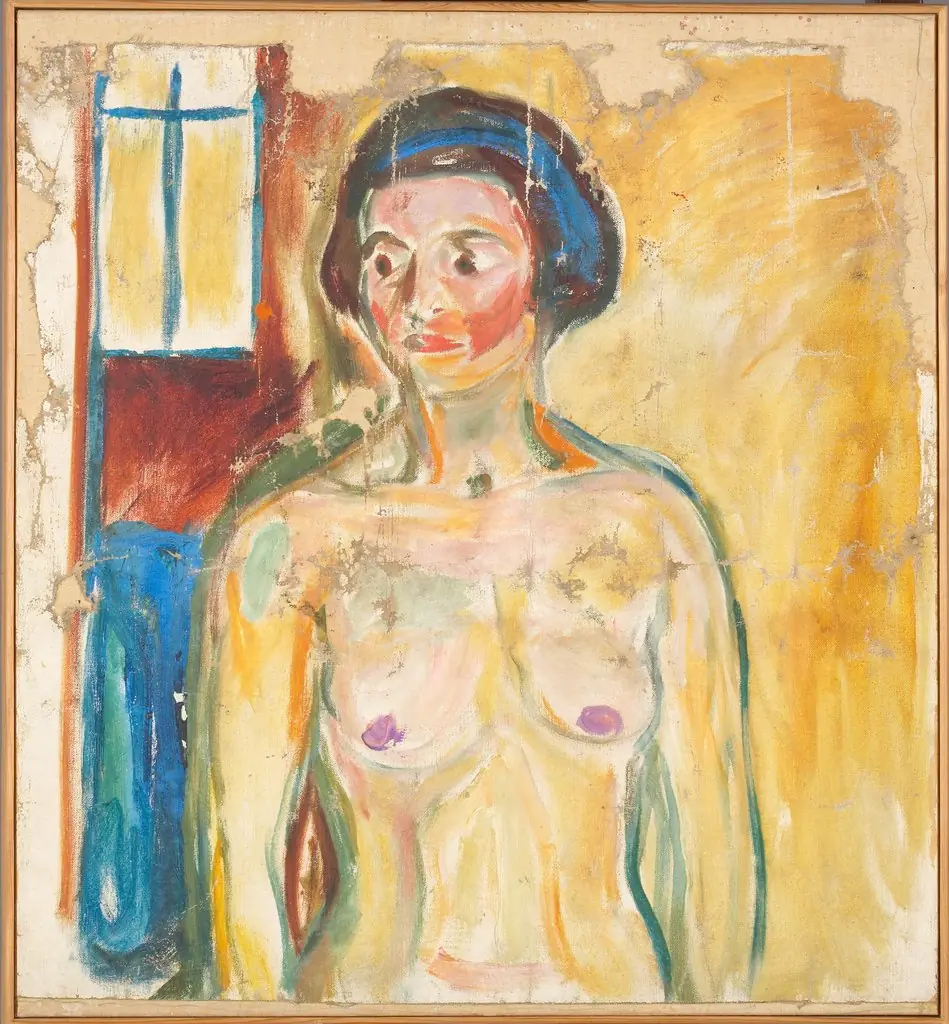 Standing Nude: Half-Figure
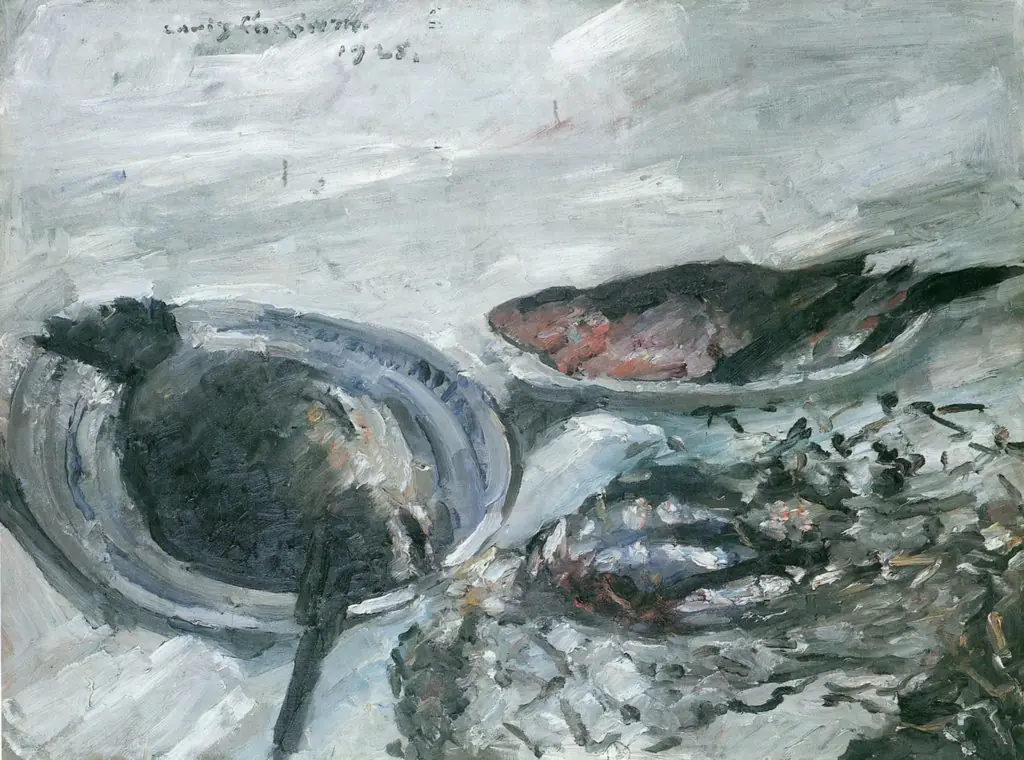 Fischstilleben
 The Piggery
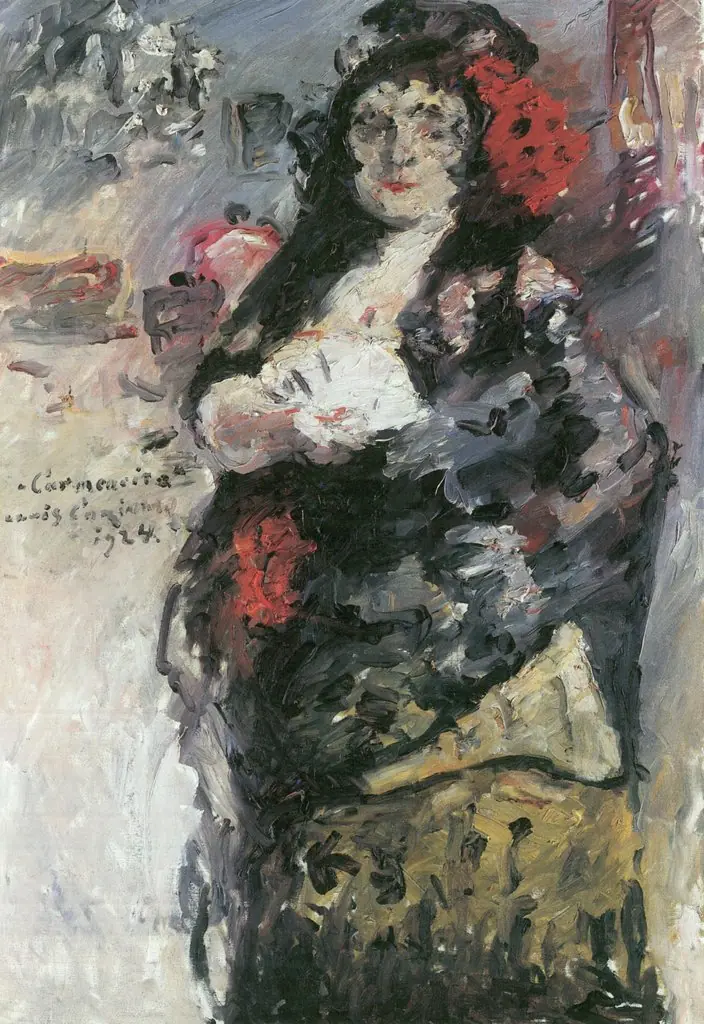 Carmencita
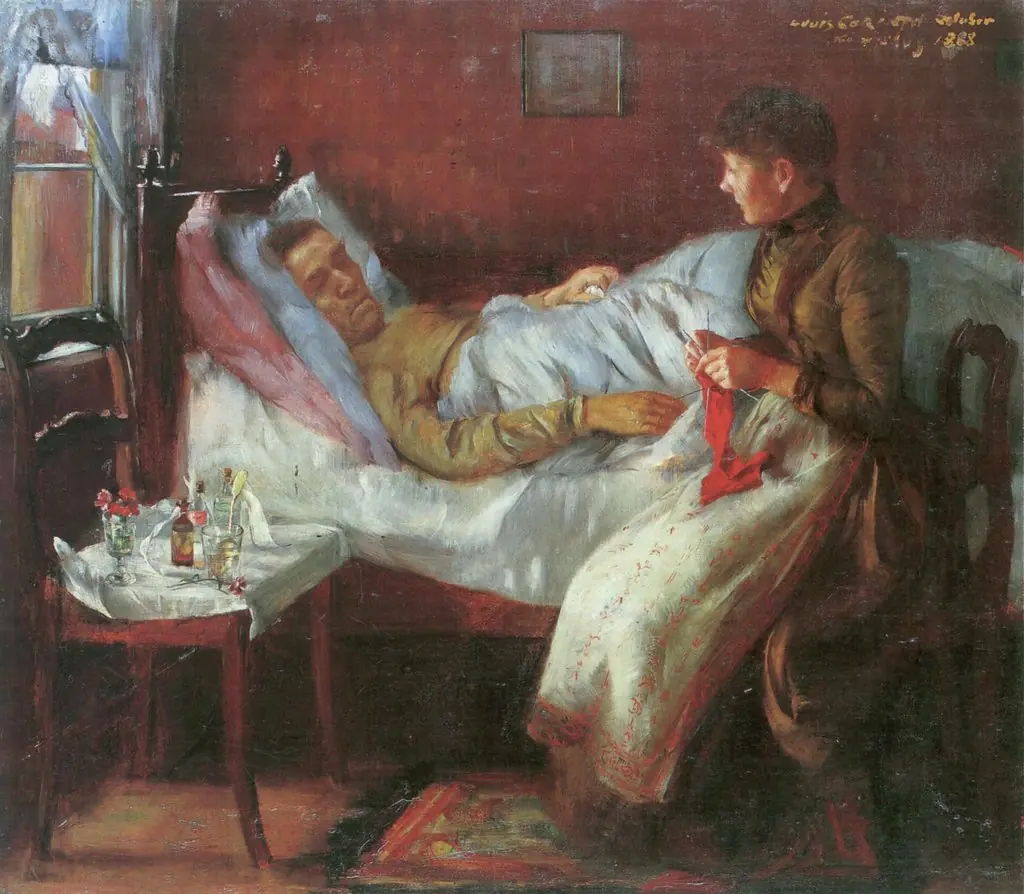 The Artist’s Father in his Sickbed
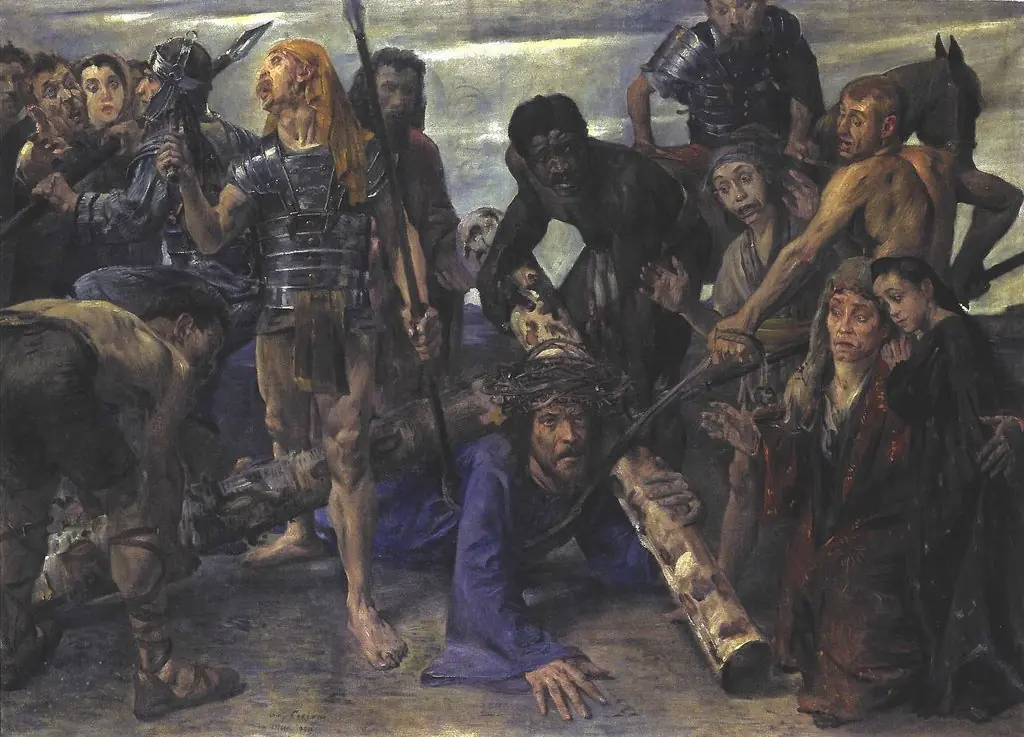 The Bearing of the Cross
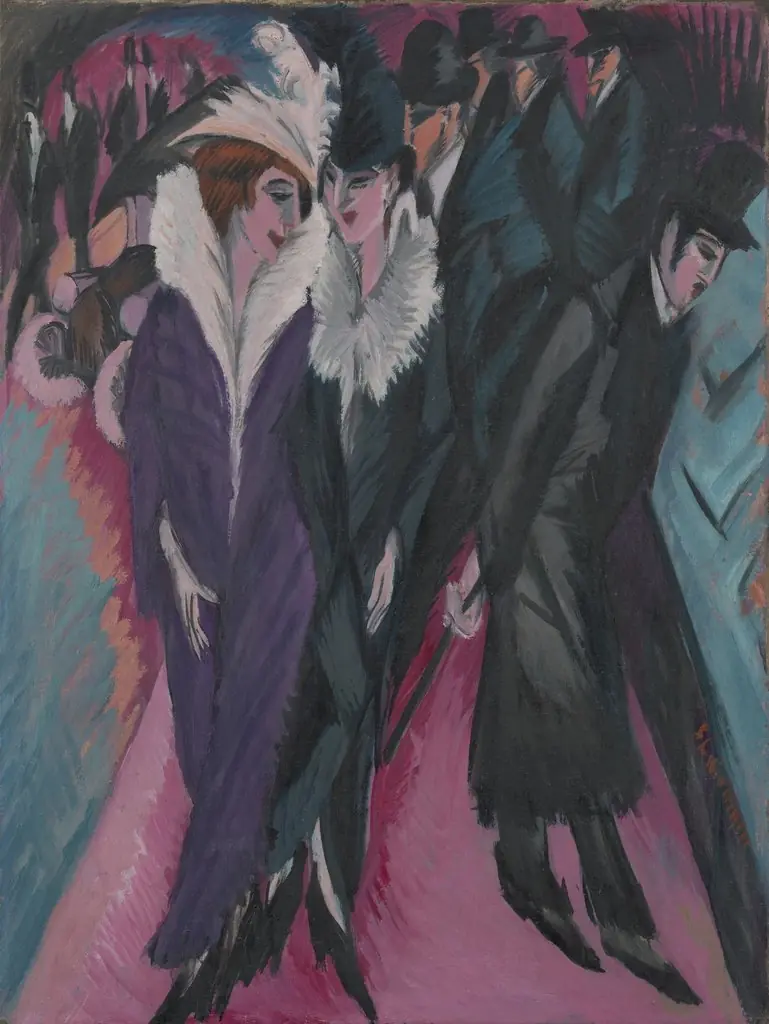 Street, Berlin
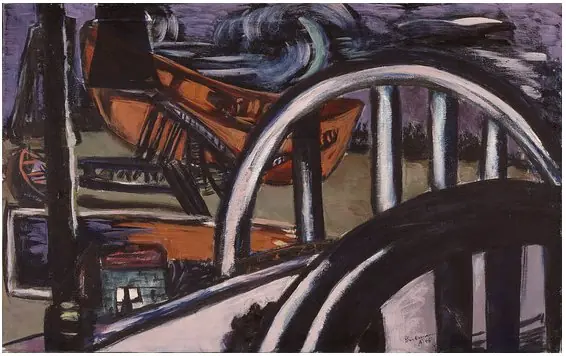 Bridge and Wharf
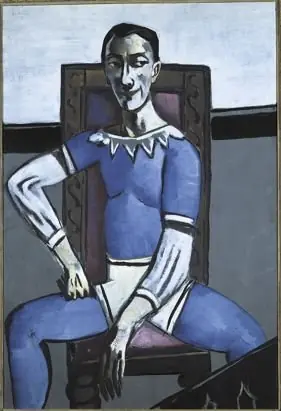 Portrait of Zeretelli
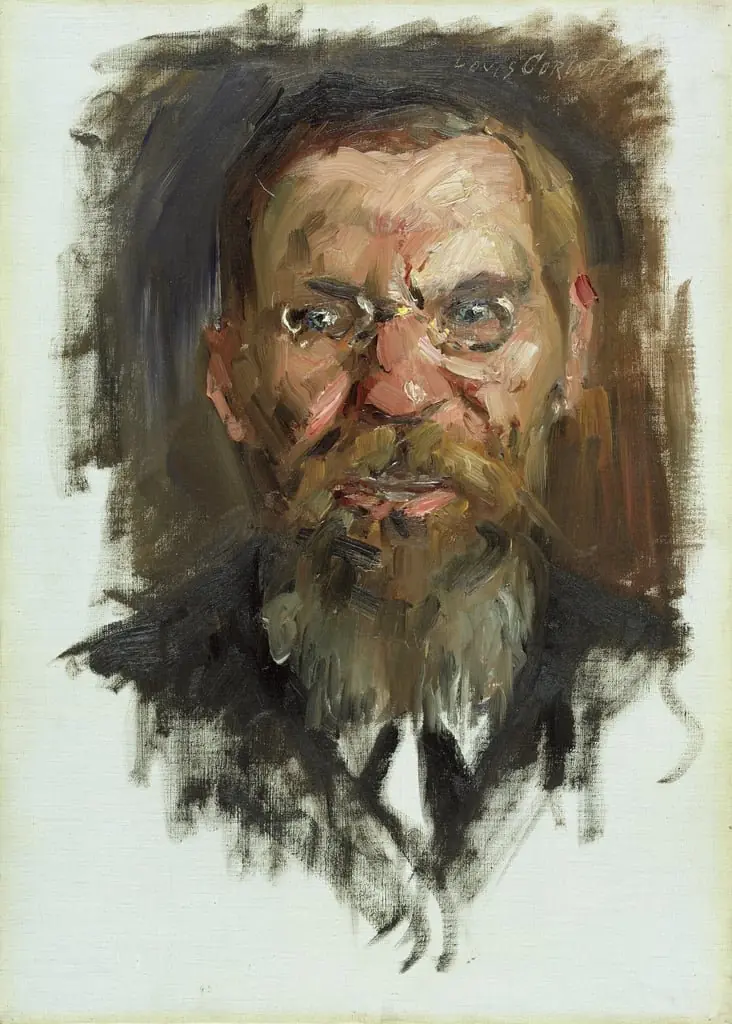 Studie zum Bildnis des Historikers Eduard Meyer
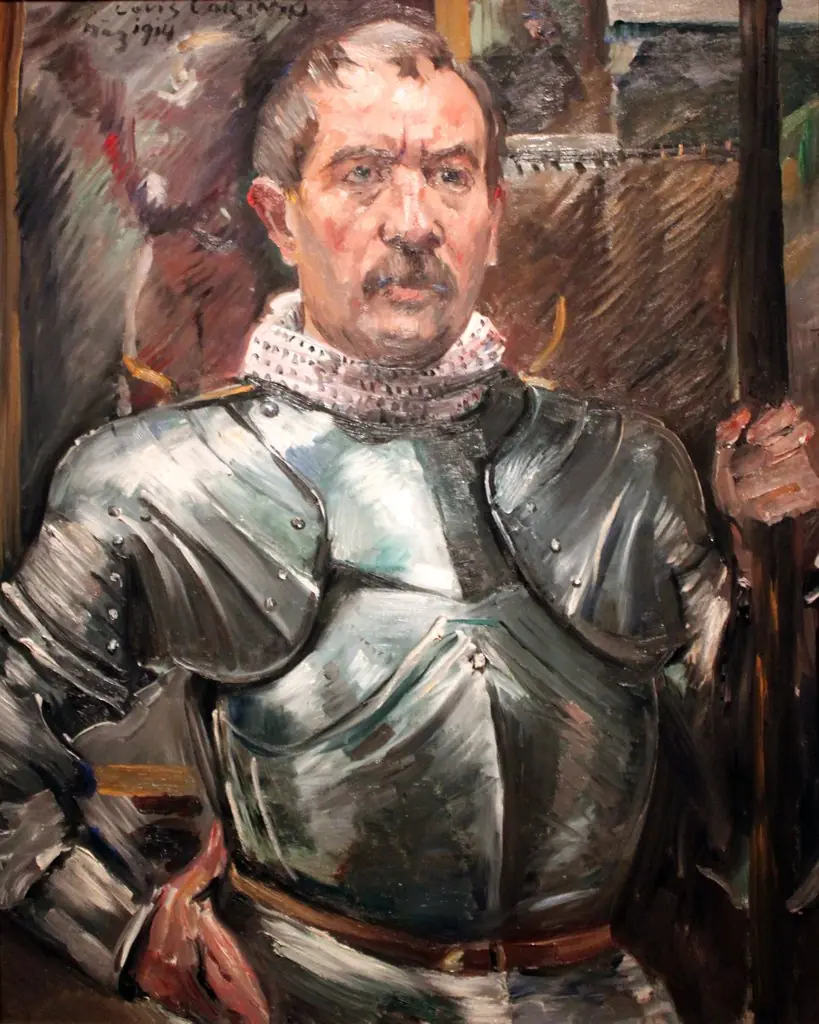 Self-portrait in armor
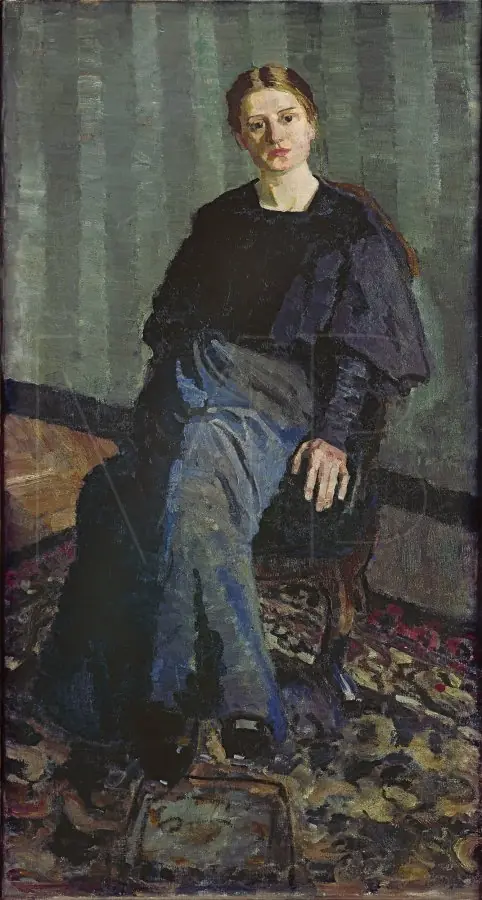 Portrait of Minna Tube
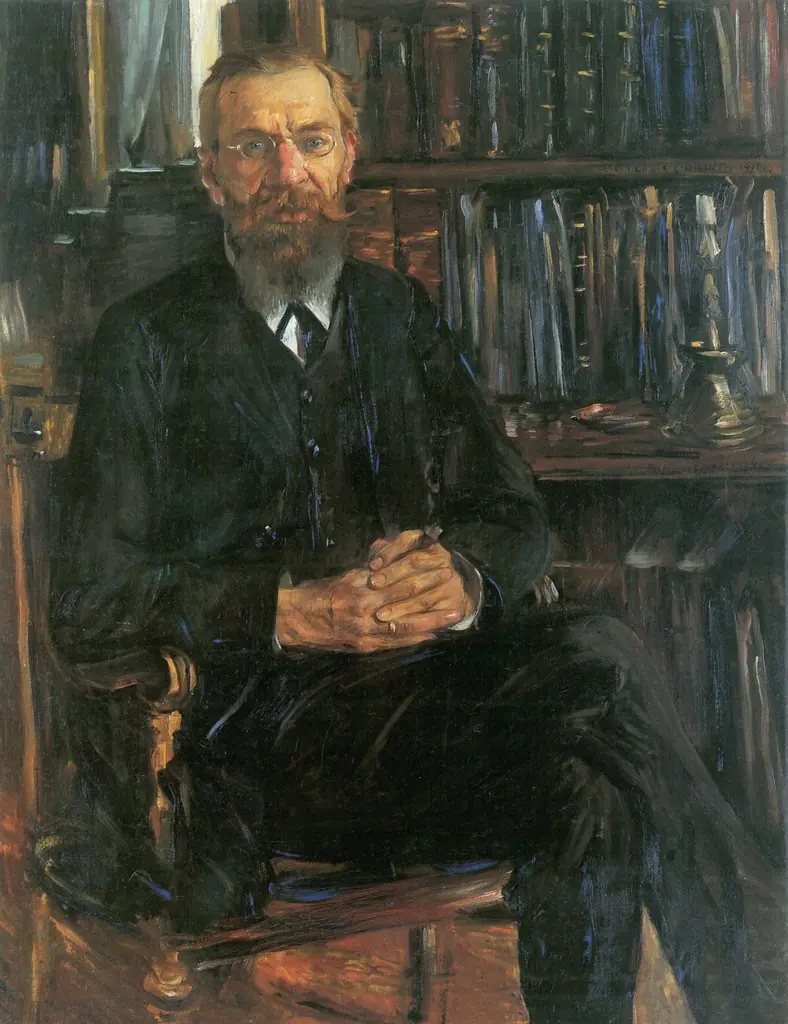 Portrait of Dr Edward Meyer (1855-1930), German historian
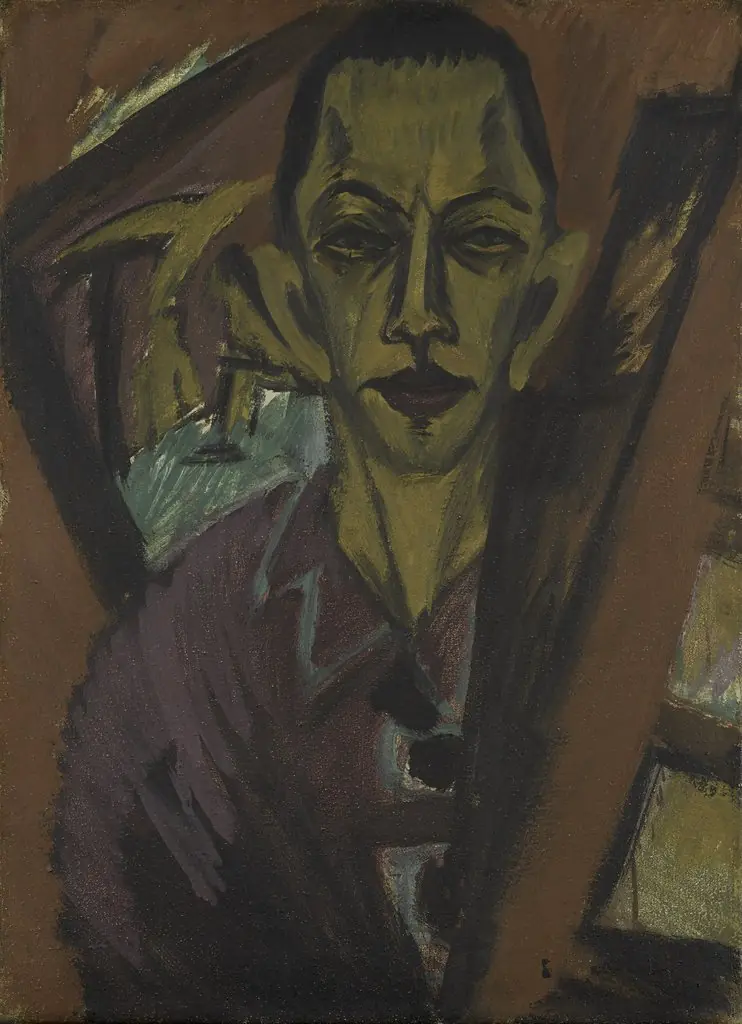 Self-Portrait
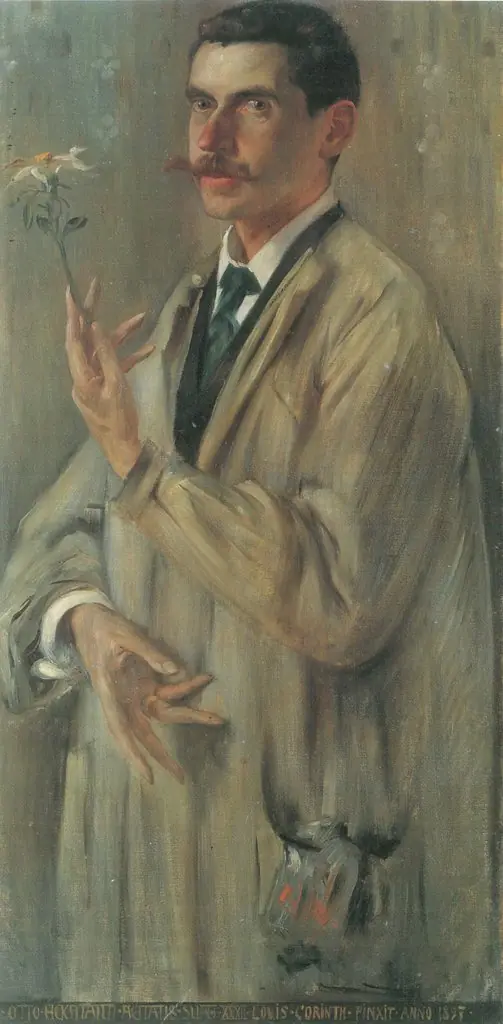 Portrait of Otto Eckmann
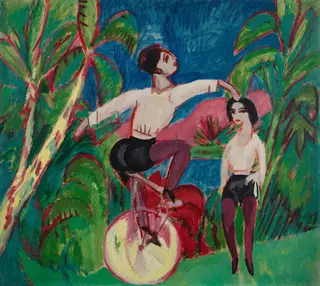 Der Einradfahrer
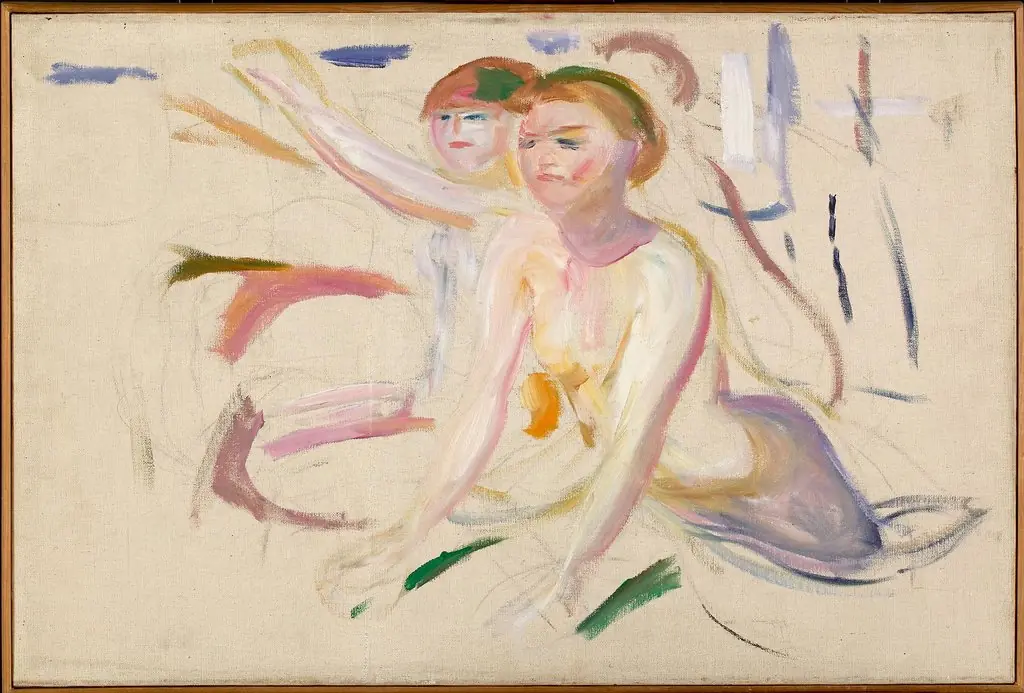 Bathing Women
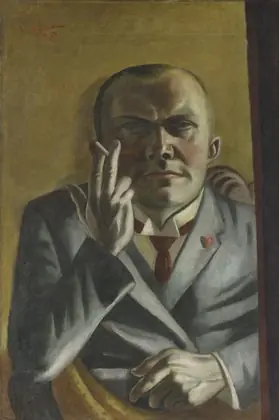 Self-Portrait on Yellow Ground with Cigarette
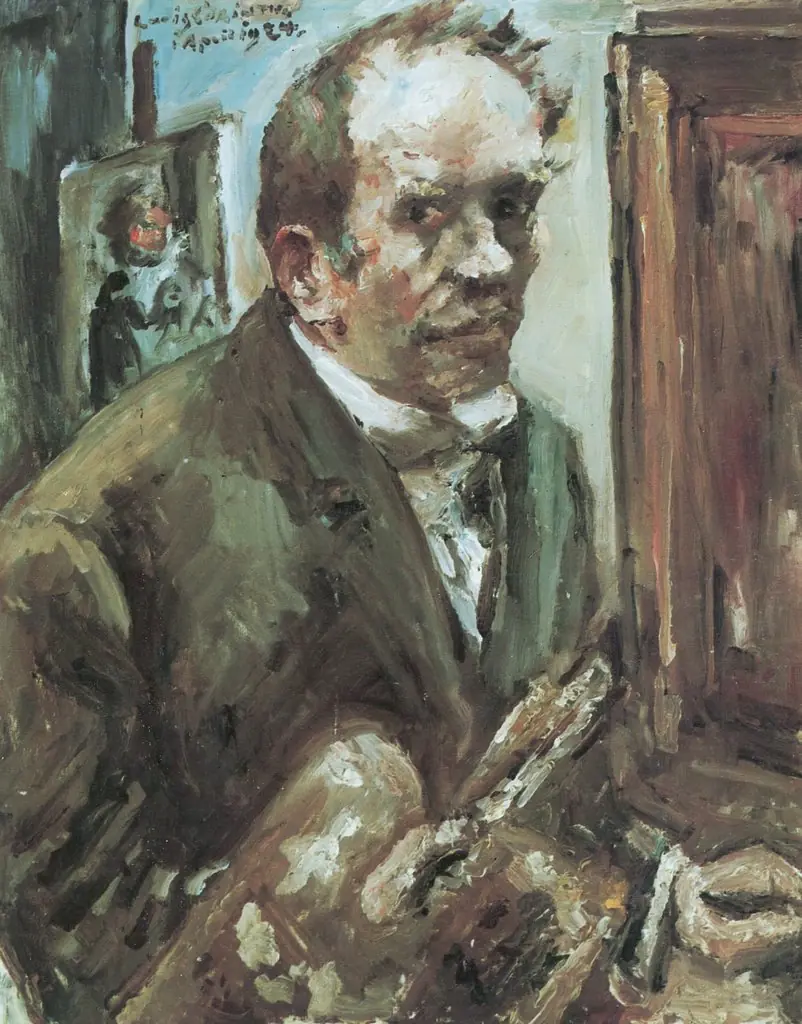 Self-Portrait with Palette
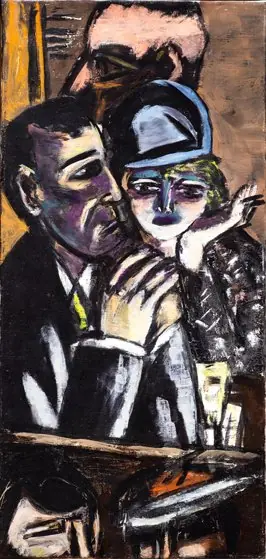 Bar, Brown
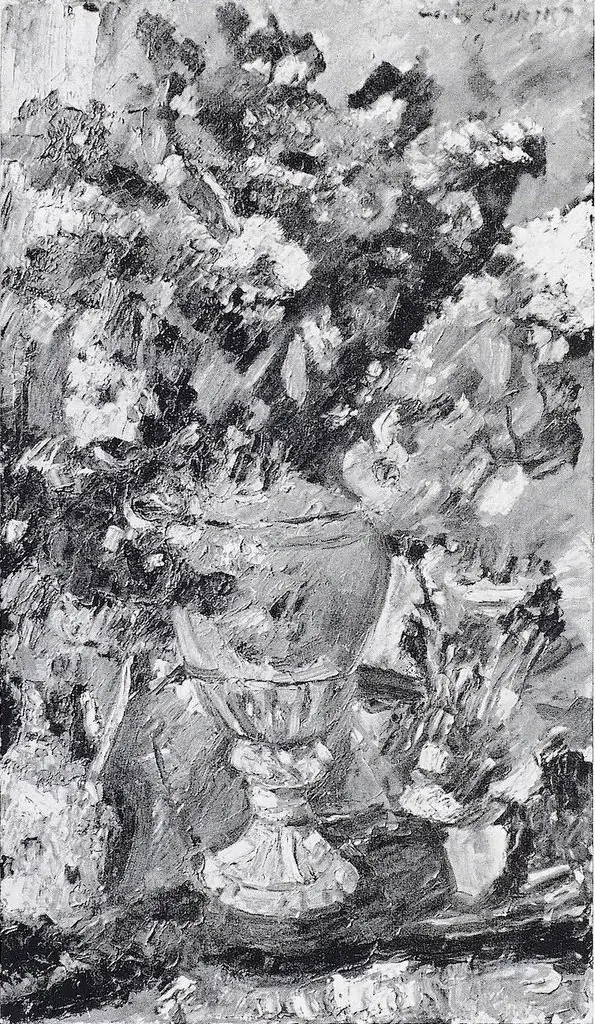 Flieder in Meißner Vase
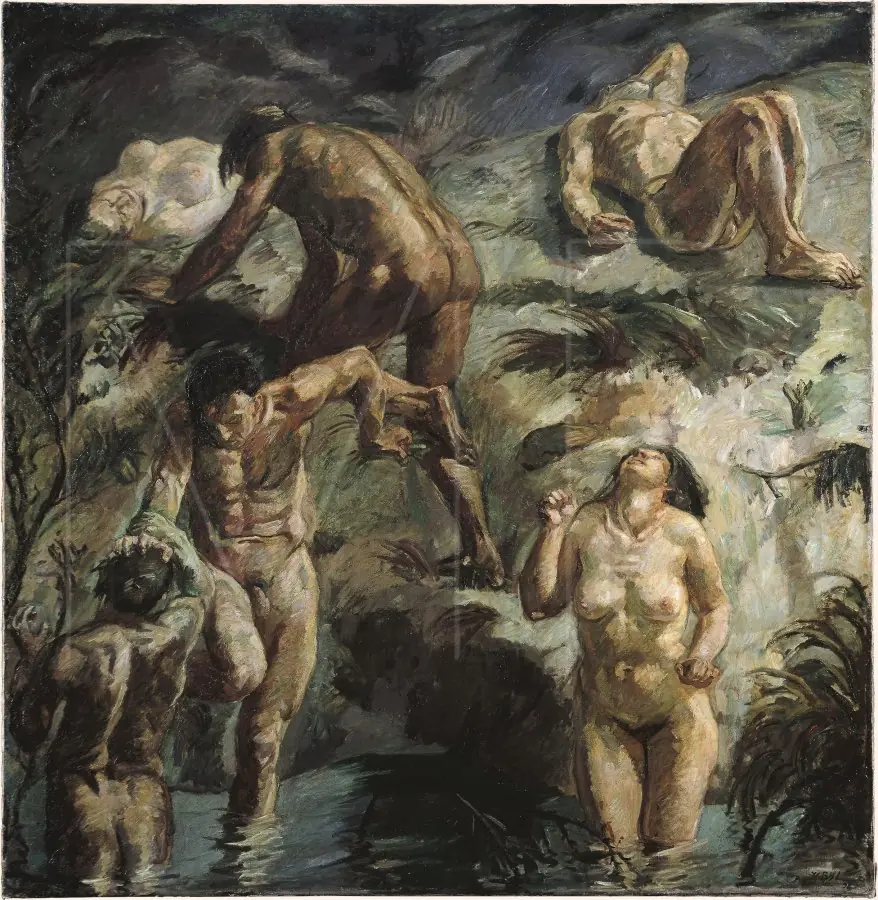 The Flood
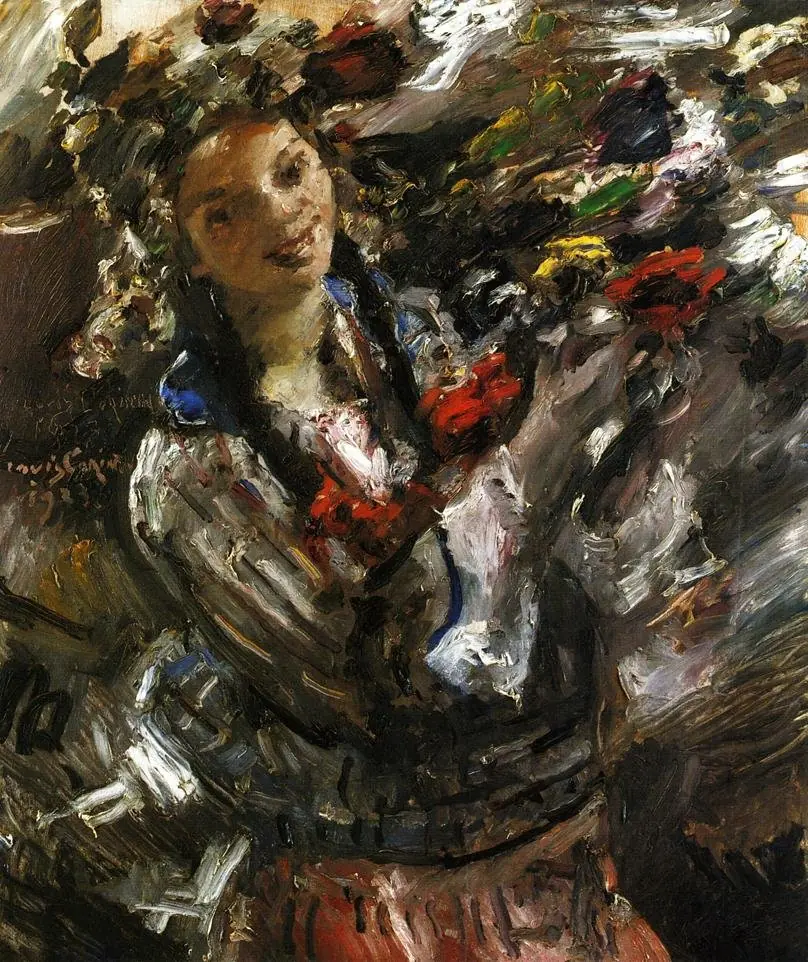 Flora
Flora View of Köhlbrand
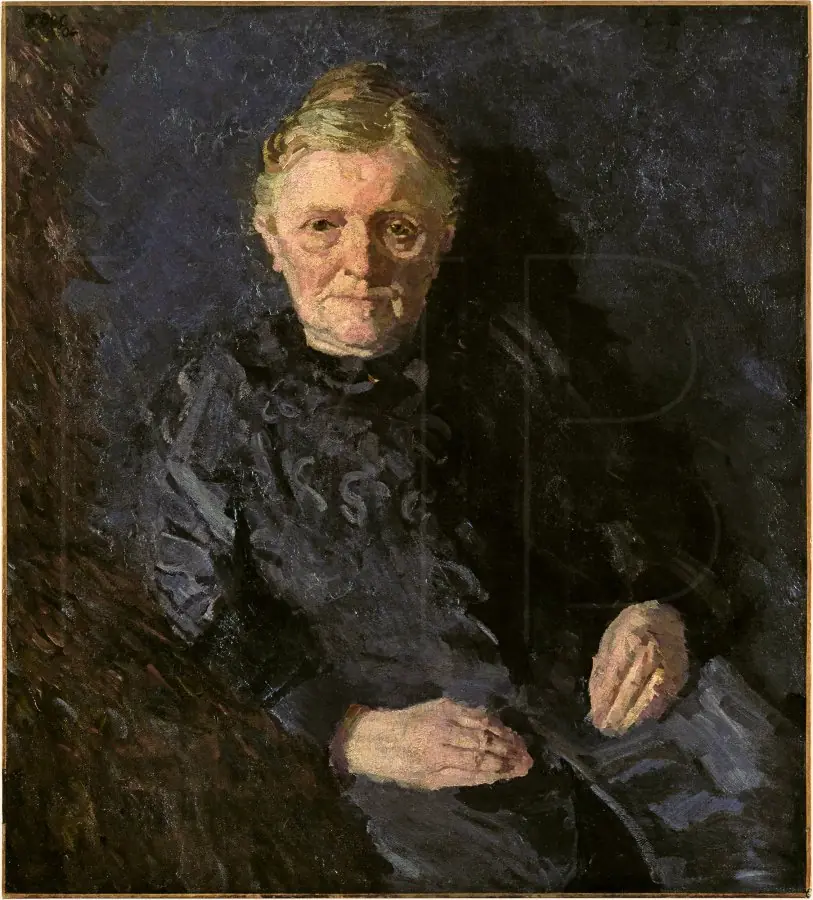 Portrait of His Mother
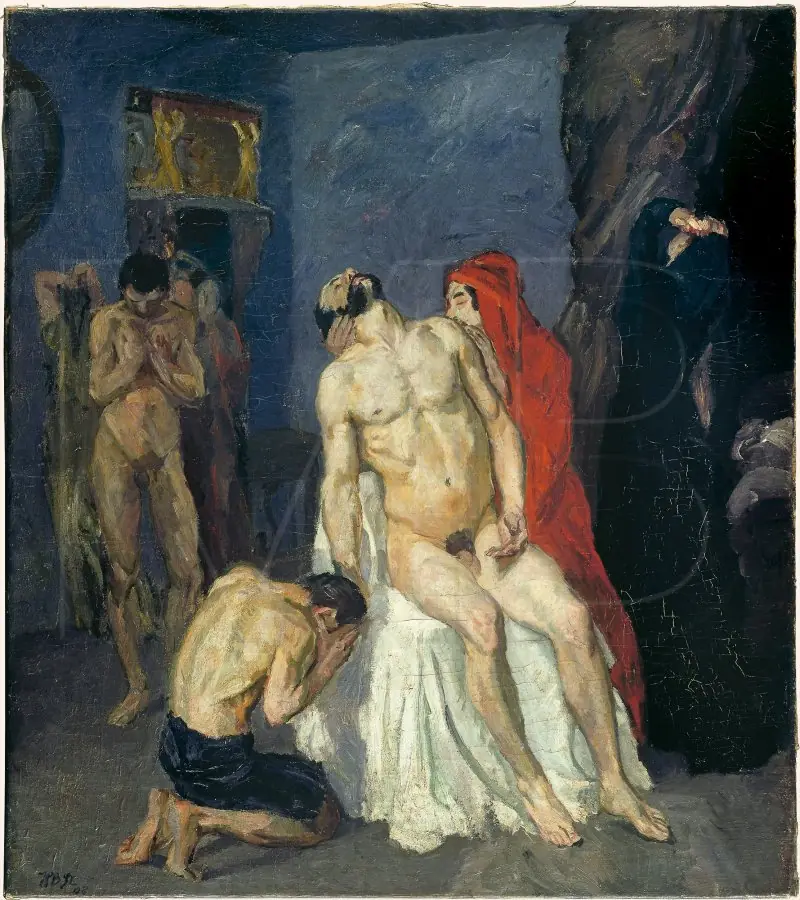 Lamentation
 Lake Lucerne in the afternoon
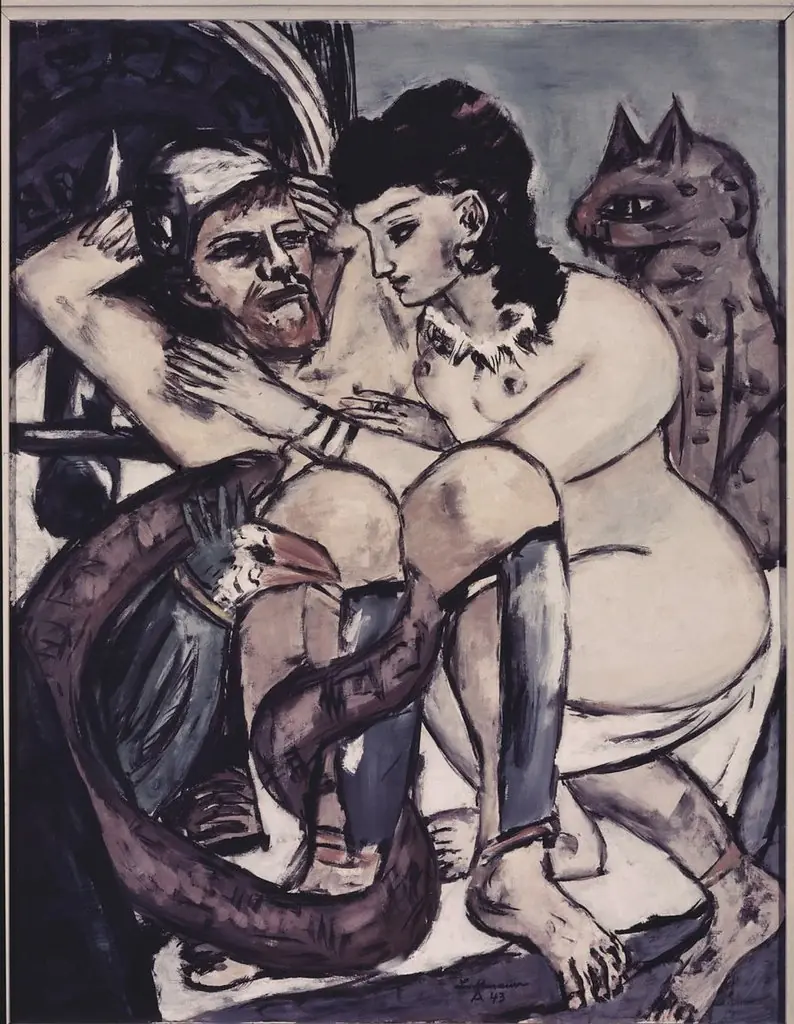 Odysseus and Kalypso
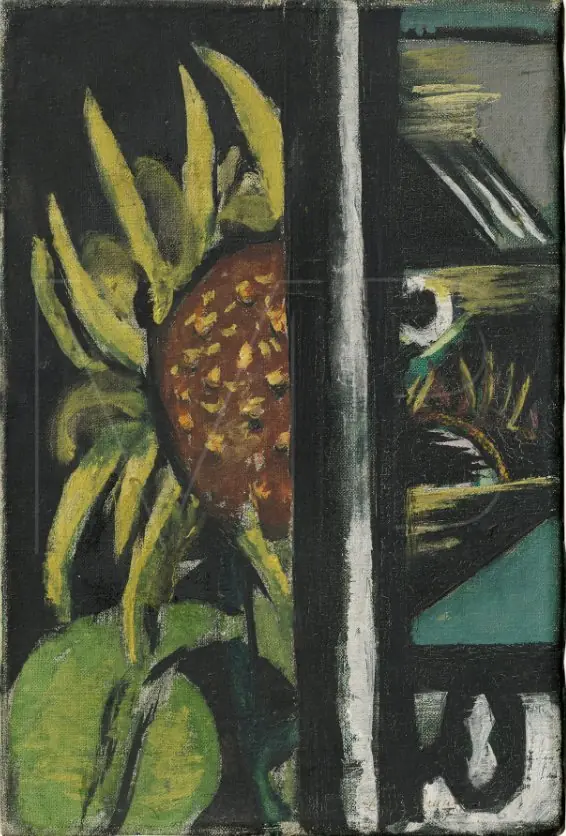 Sunflower
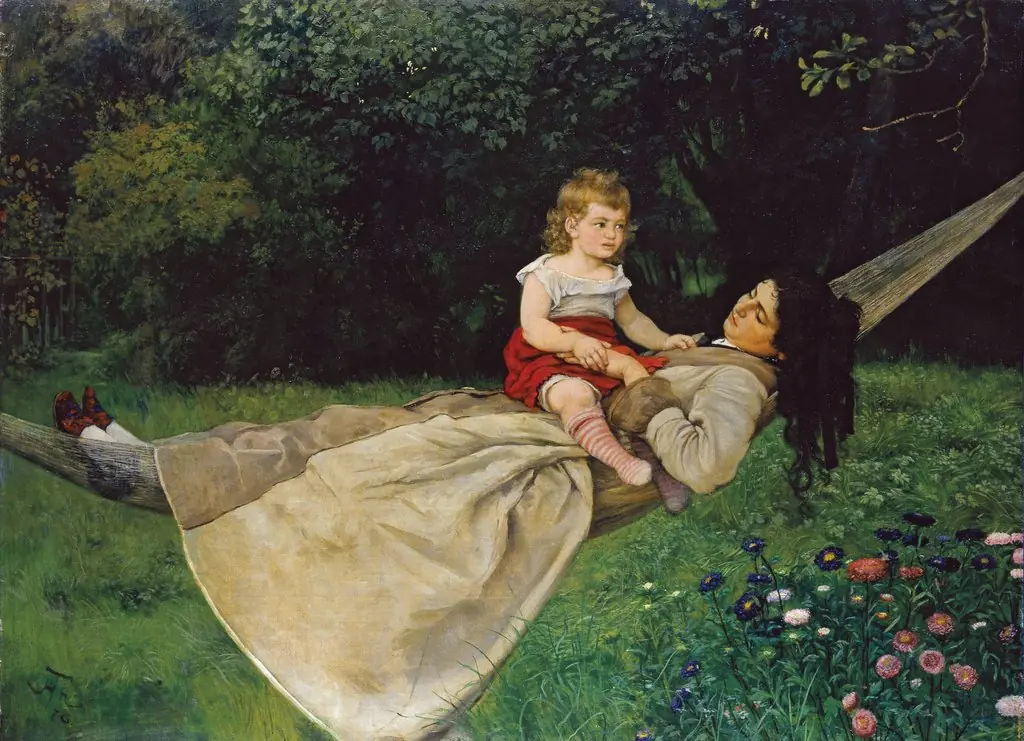 In the Hammock
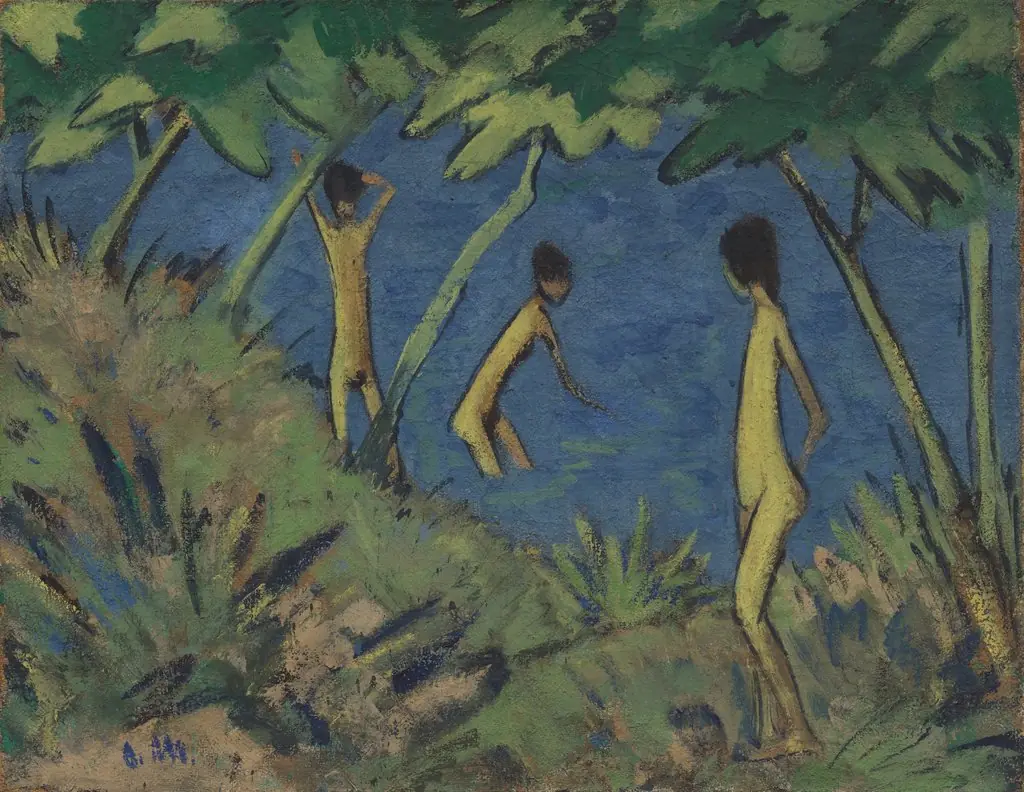 Landscape with Yellow Nudes
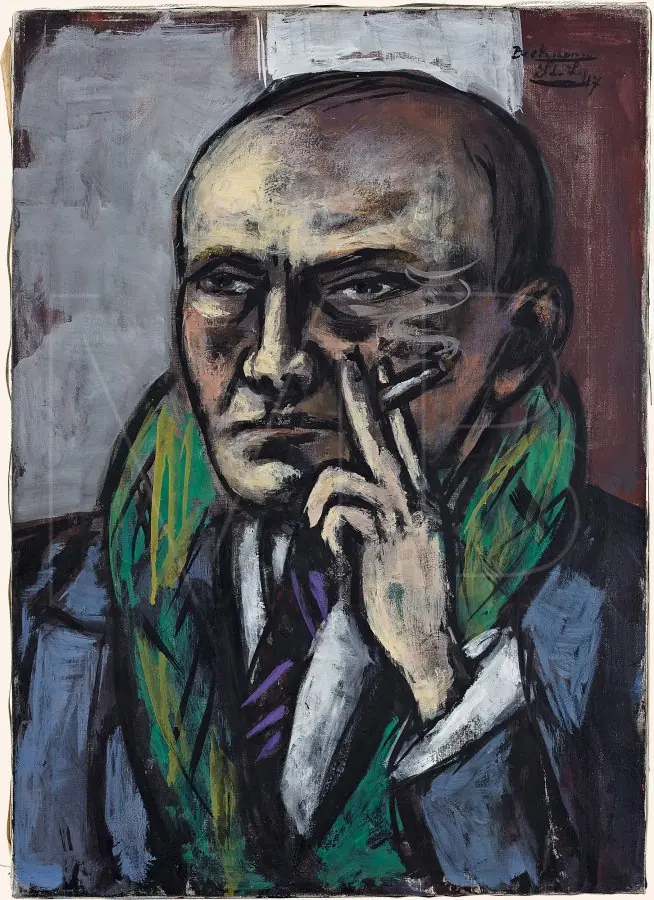 Self Portrait with Cigarette
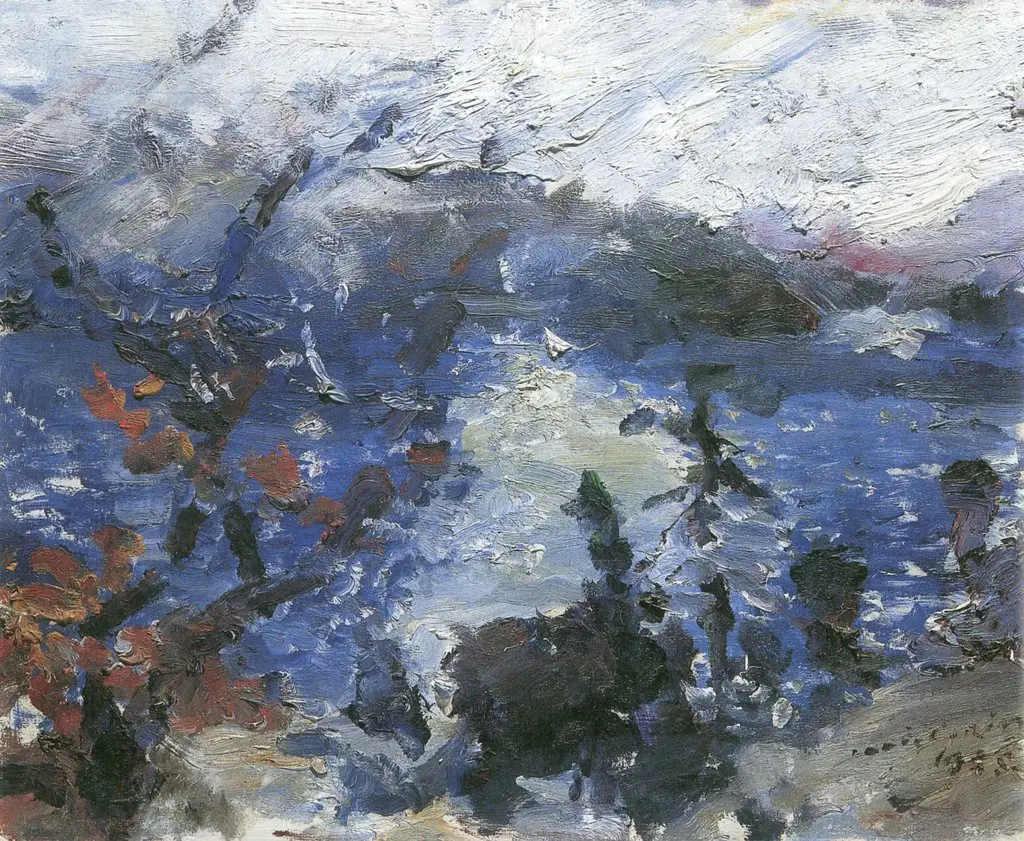 Walchensee, Berge in Wolken
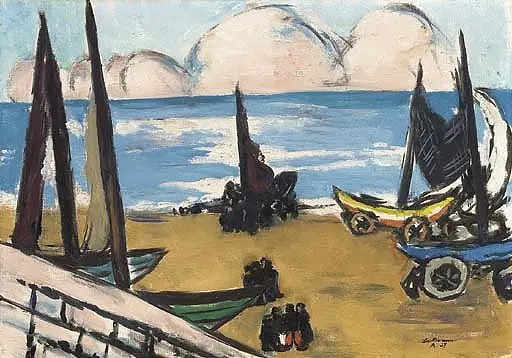 Boats on the beach
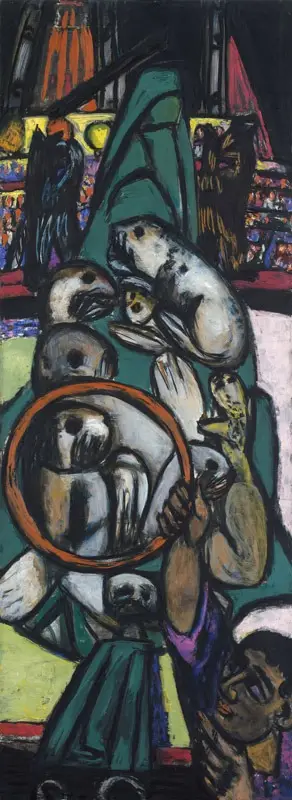 Sea lions in the circus
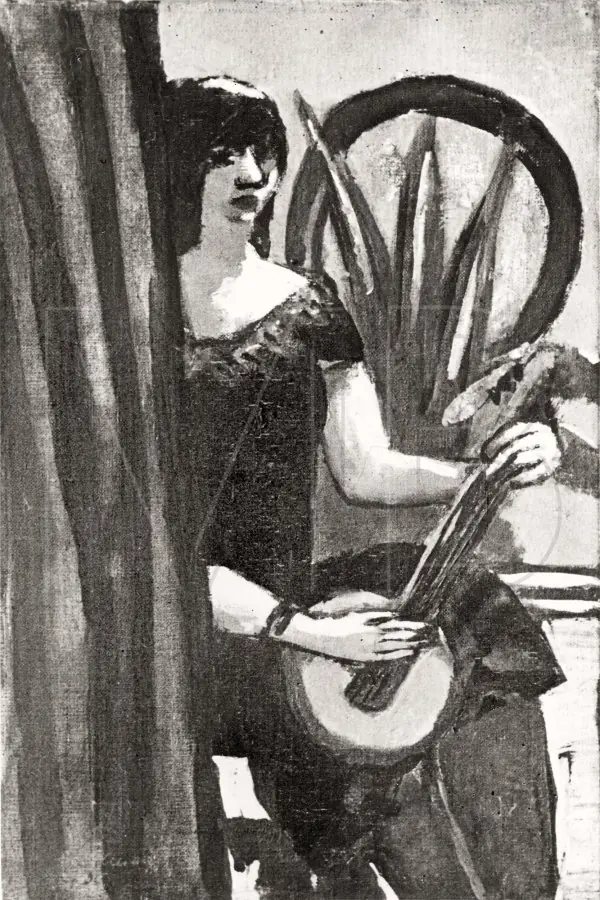 Lute Player
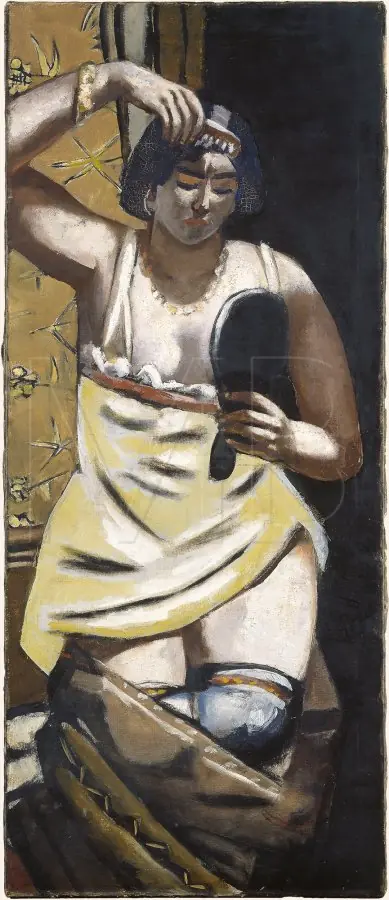 Gypsy
Gypsy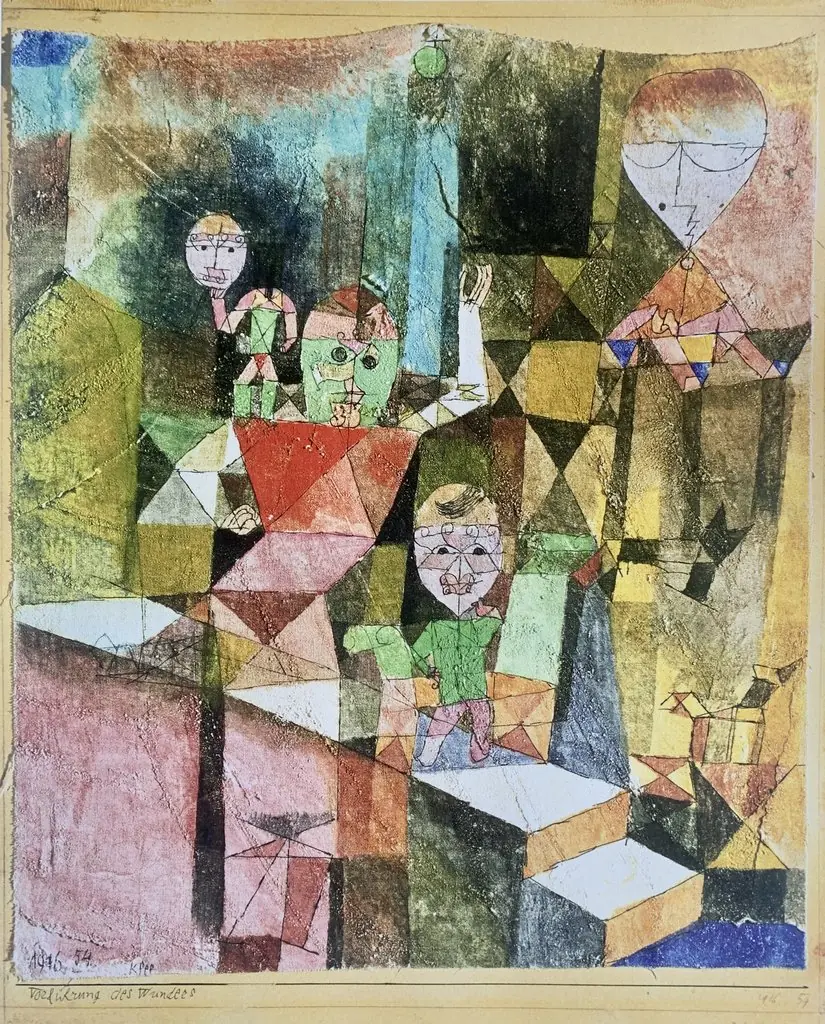 Introducing the Miracle
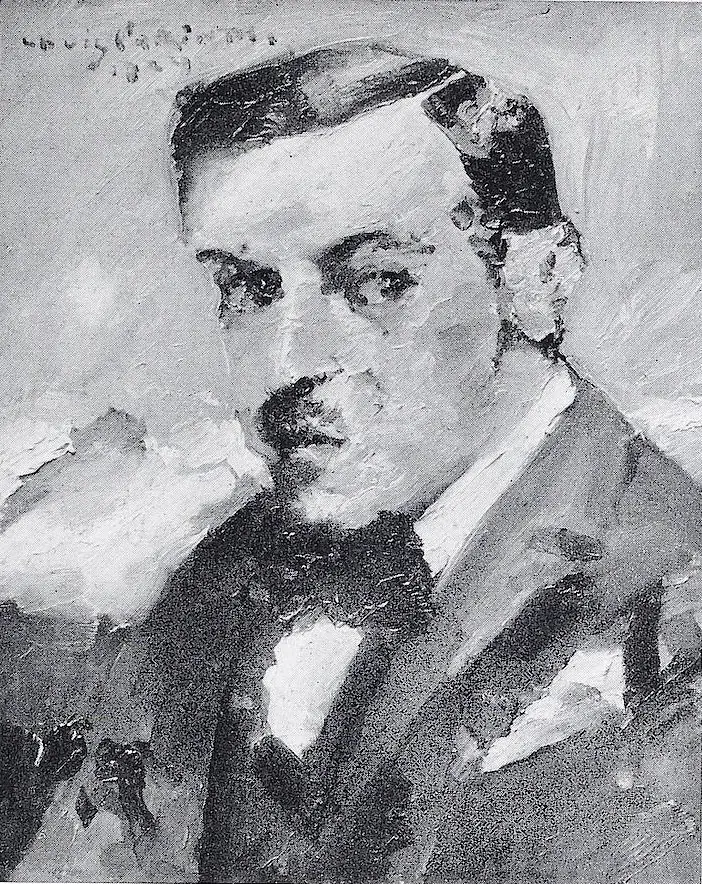 Portrait of Dr. Arthur Rosin
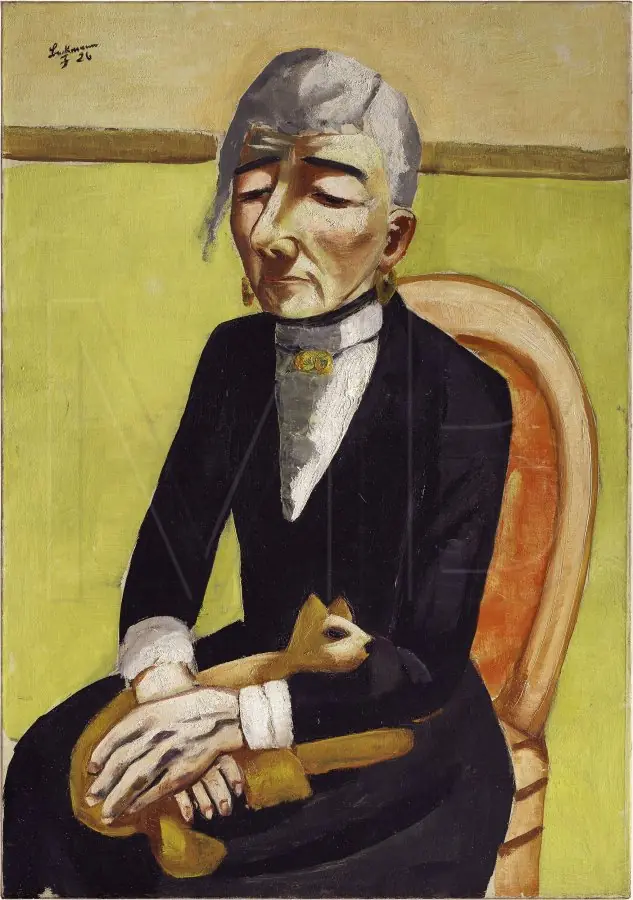 The Old Actress
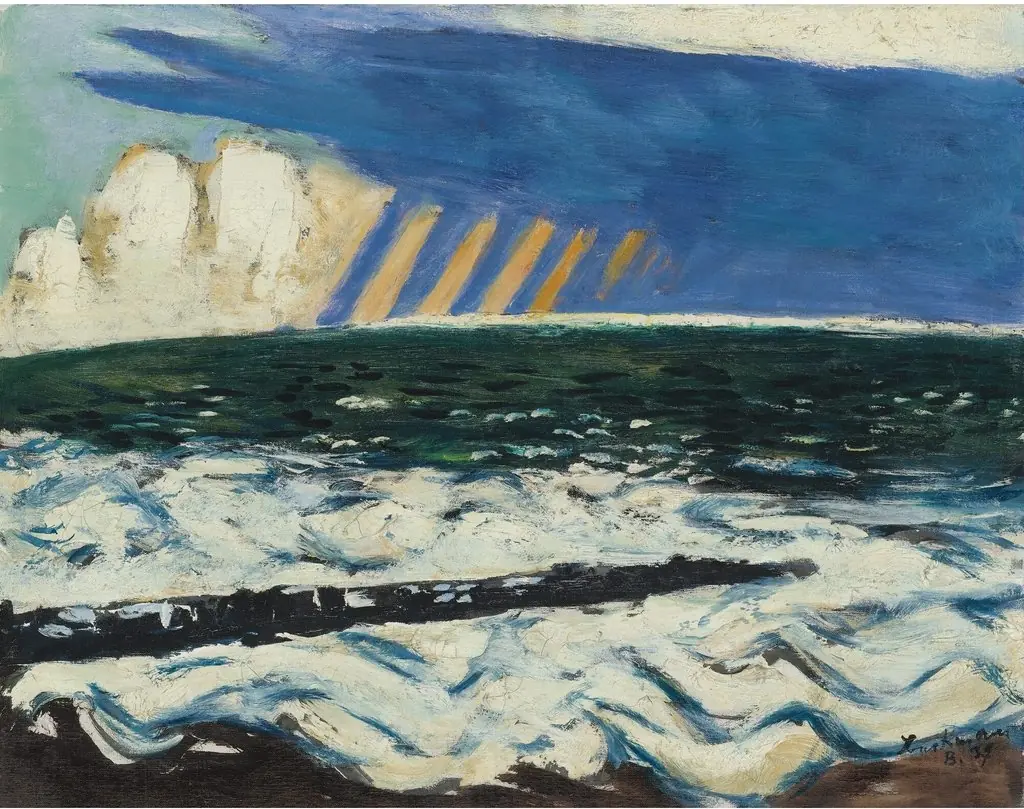 North Sea I (Thunderstorm)
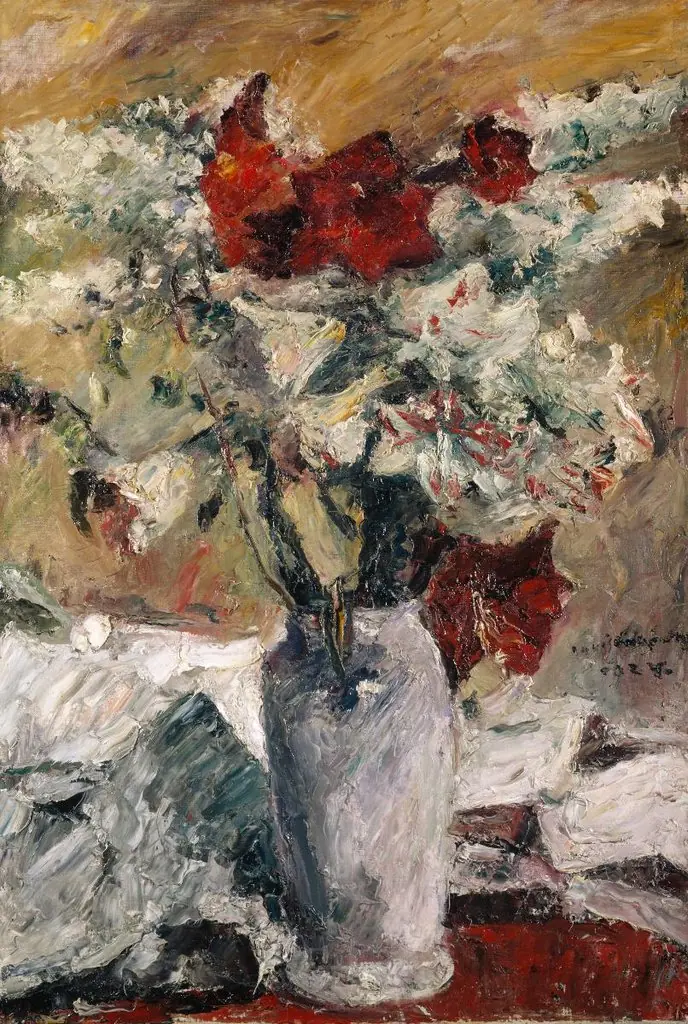 Flieder und Amaryllis
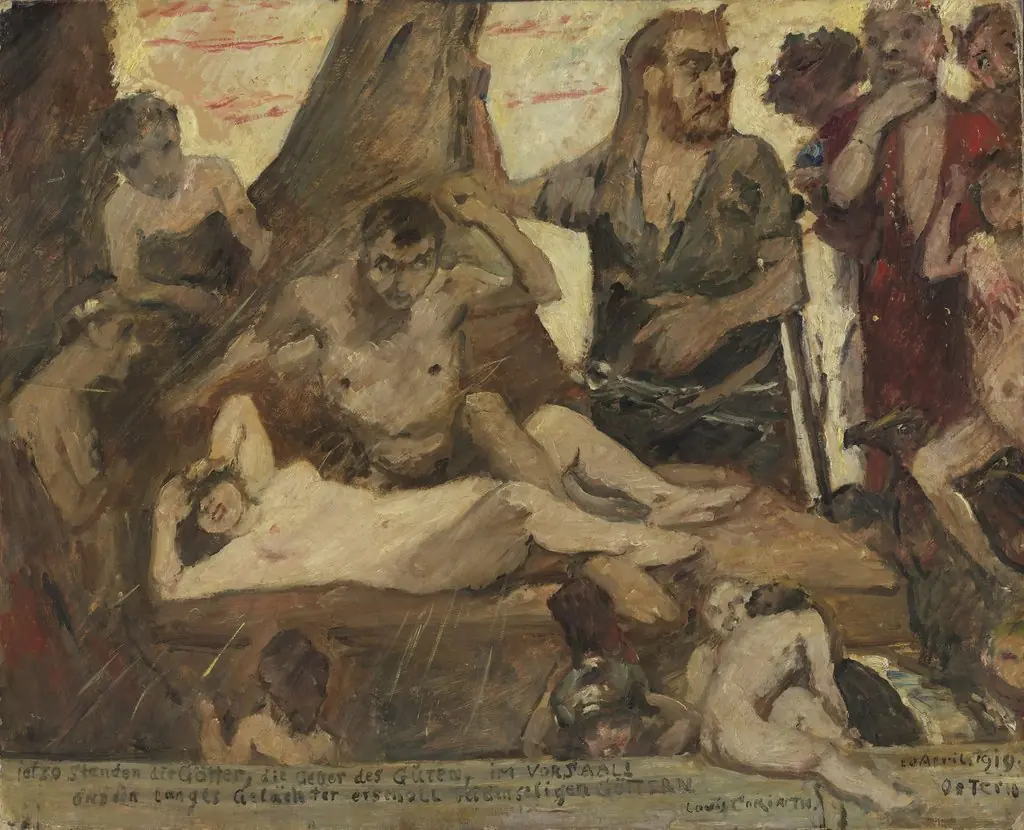 The Homeric Laughter
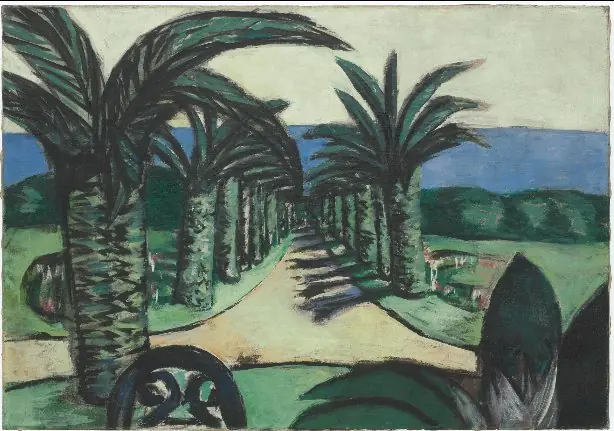 Landscape, Cannes
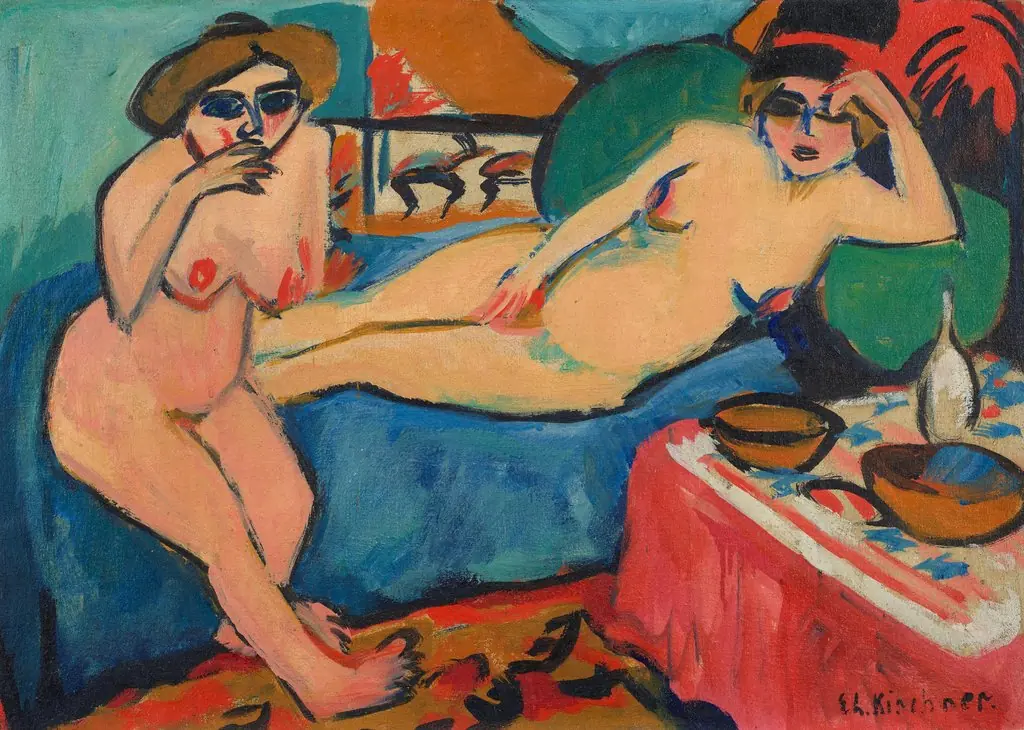 Two Nudes on a Blue Sofa
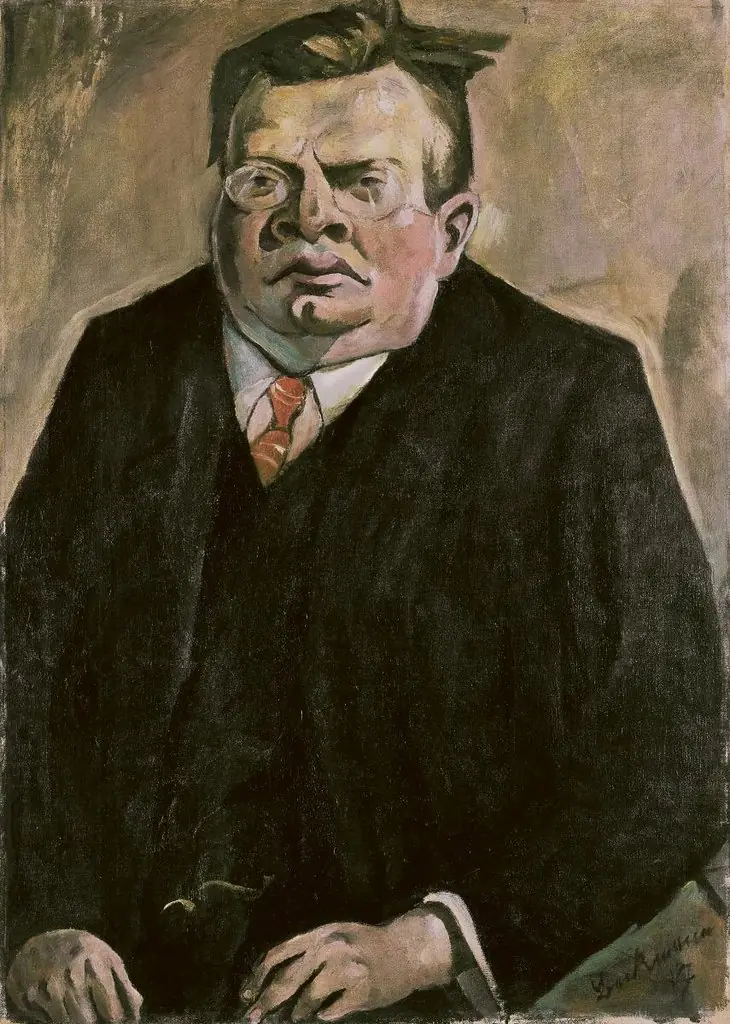 Portrait of Max Reger
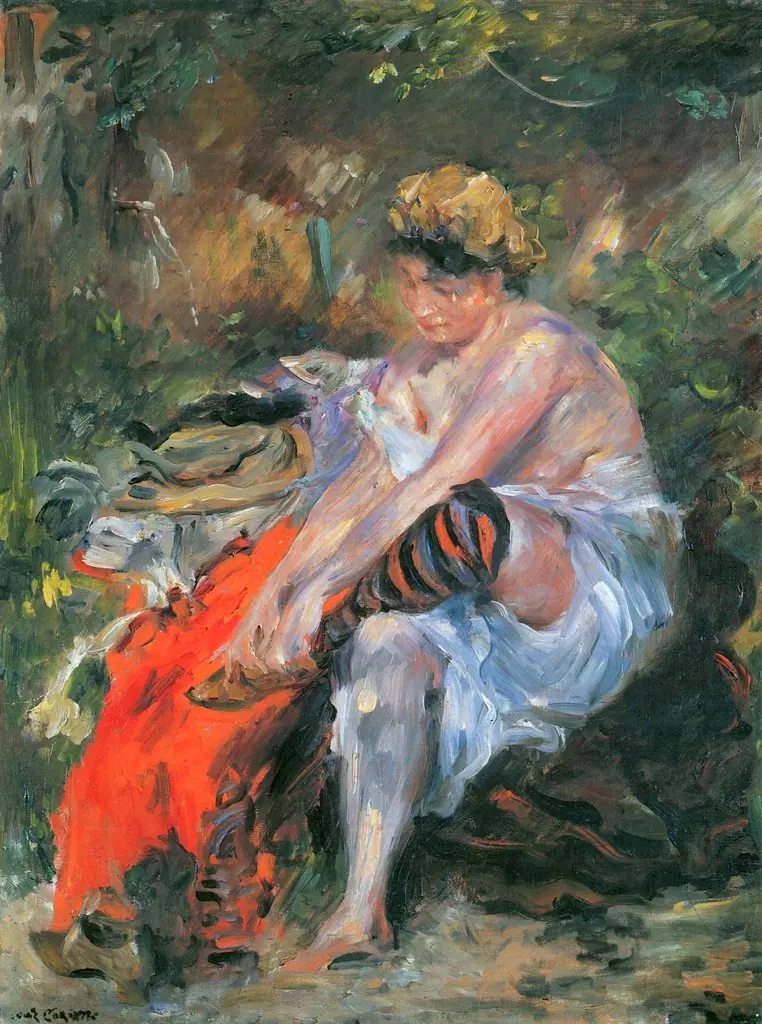 Nach dem Bade
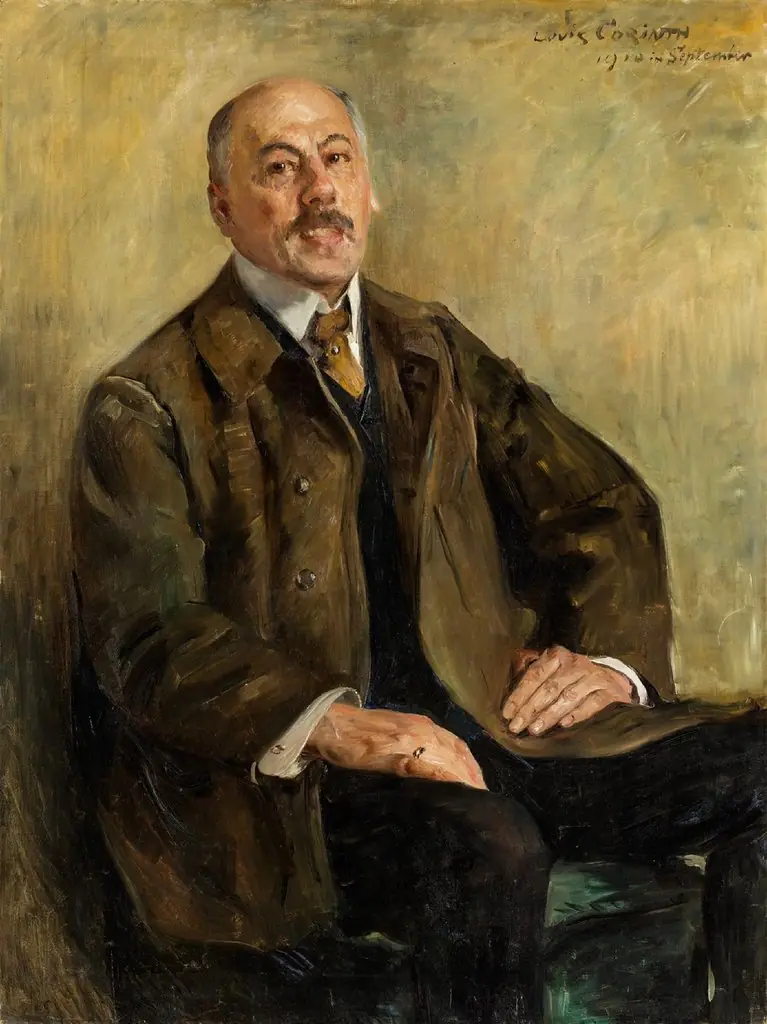 Porträt Albert Kaumann
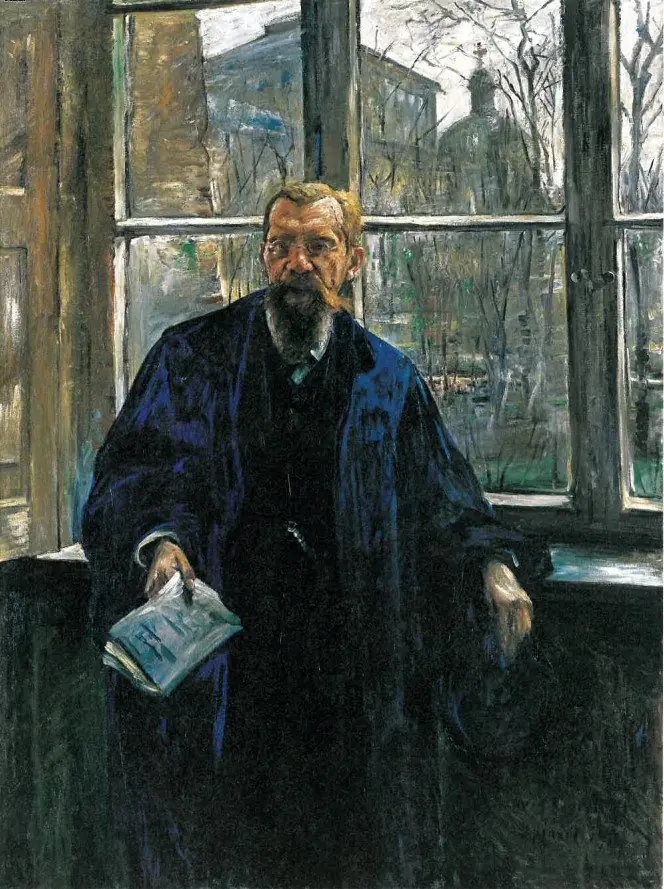 Porträt Prof. Dr. Eduard Meyer als Dekan
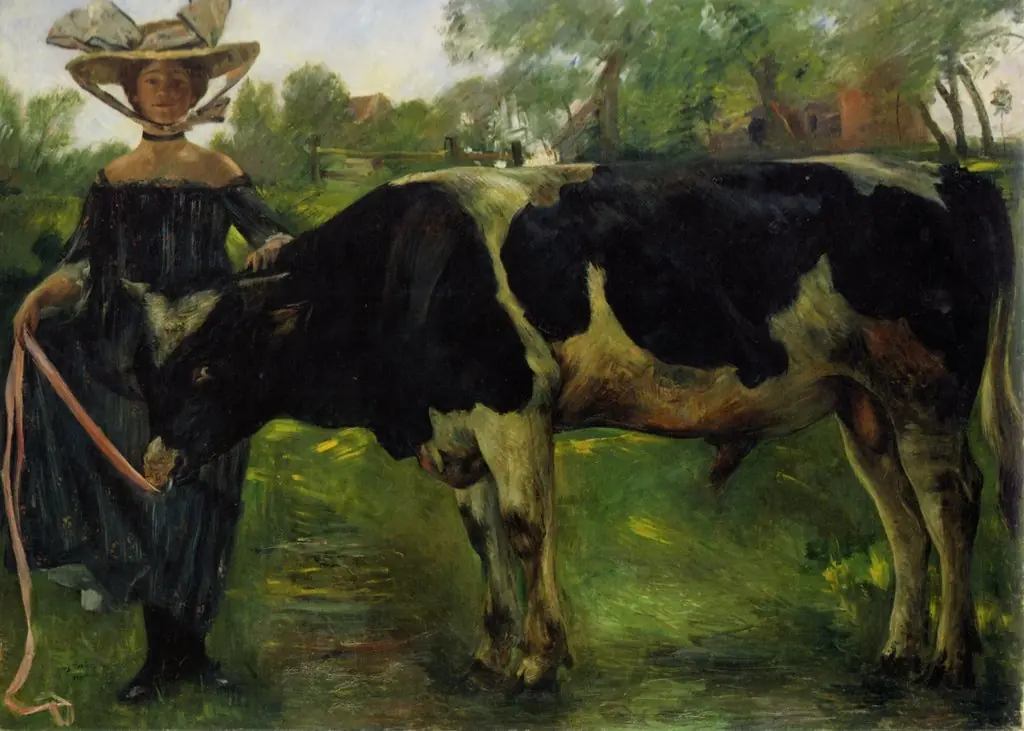 Mädchen mit Stier
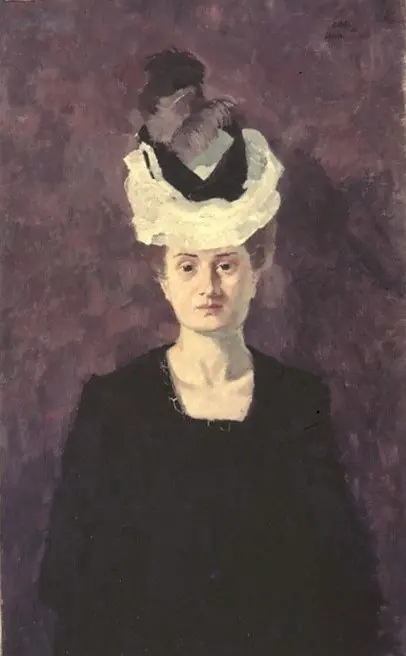 Porträt of Minna Beckmann-Tube
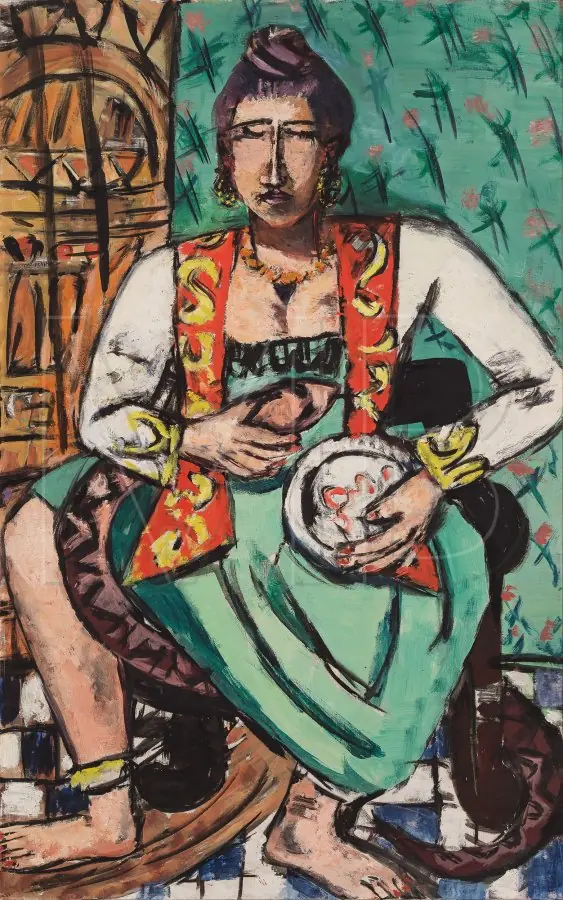 Woman with Snake
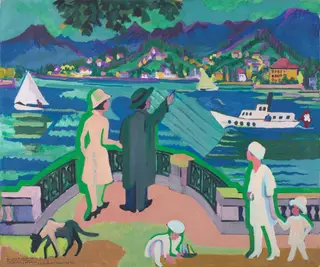 Sonntag am Zürichsee
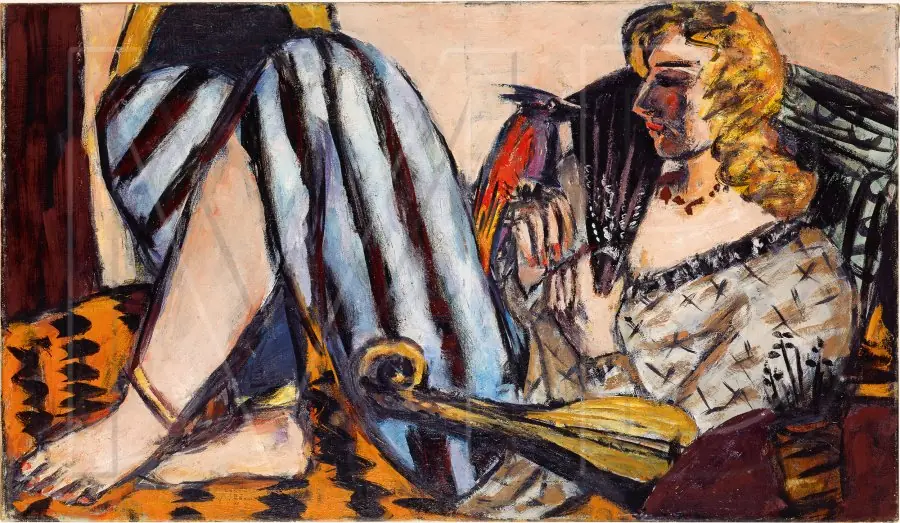 Woman with Red Rooster
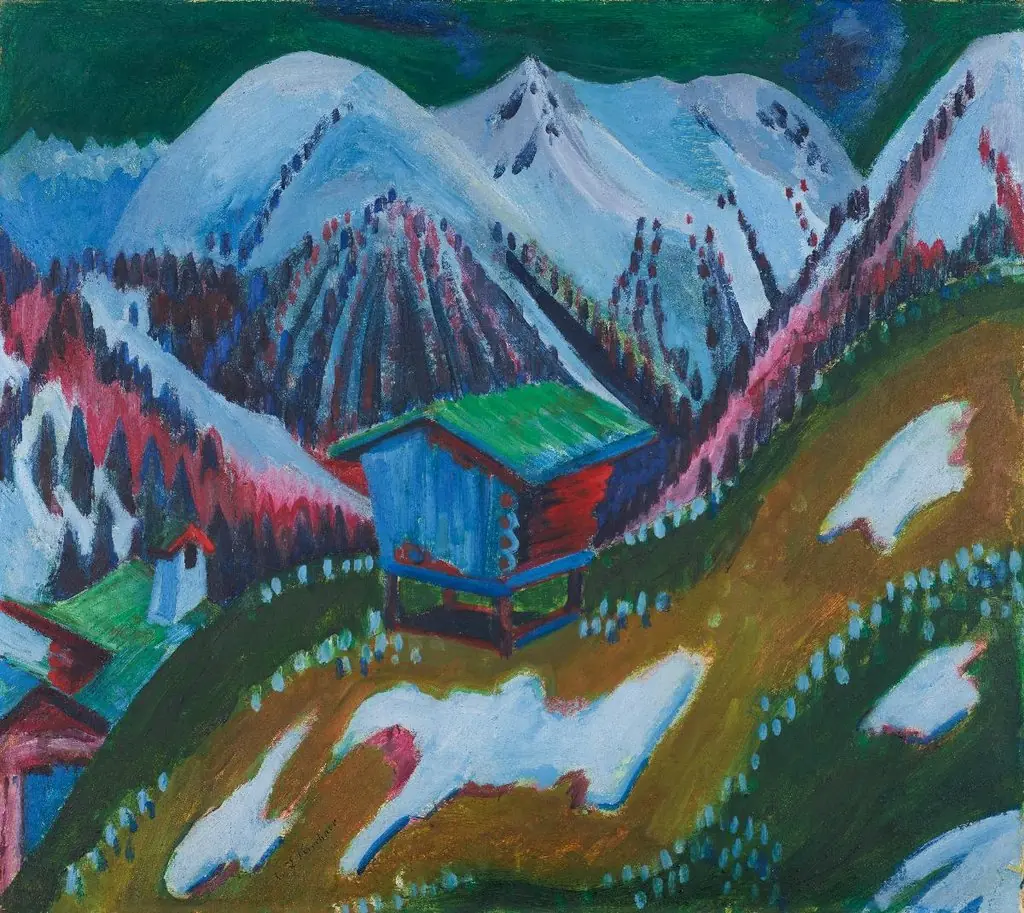 Schneeschmelze. Berglandschaft mit Alphütte
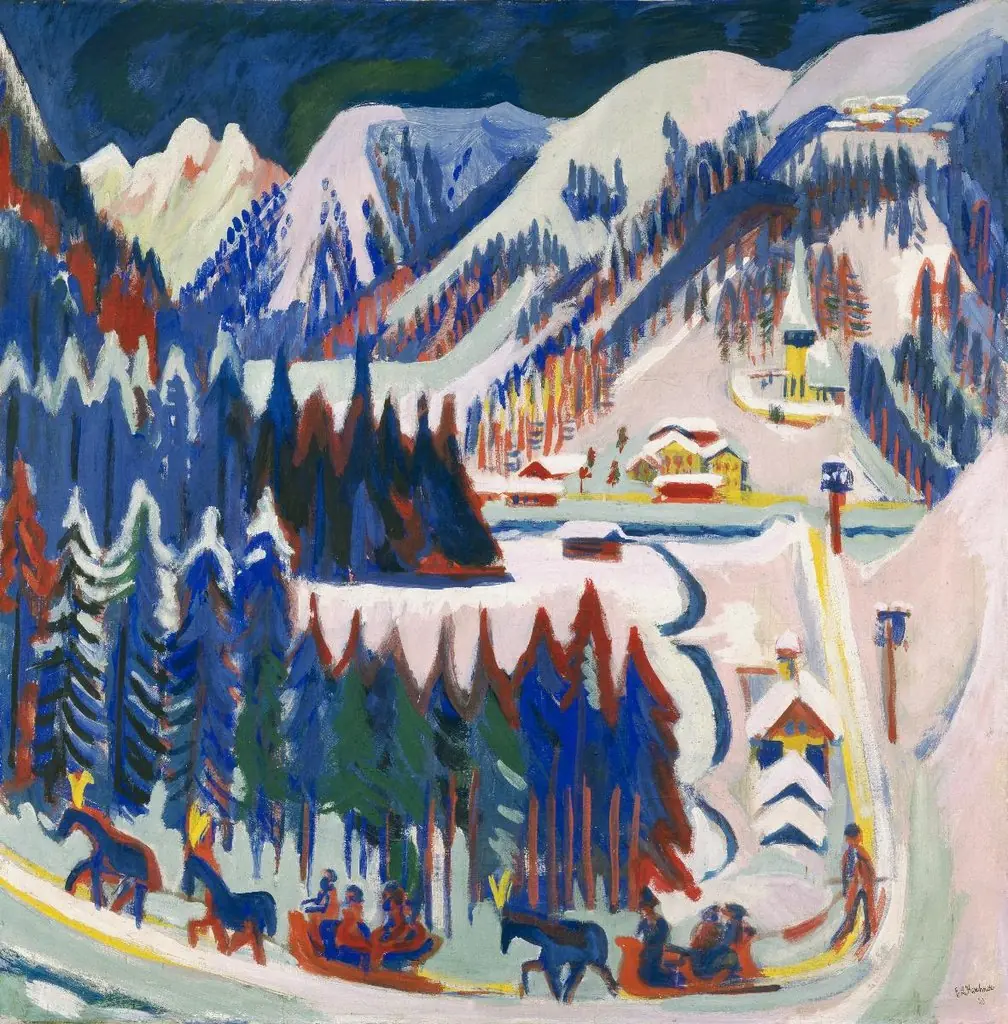 Sertigtal
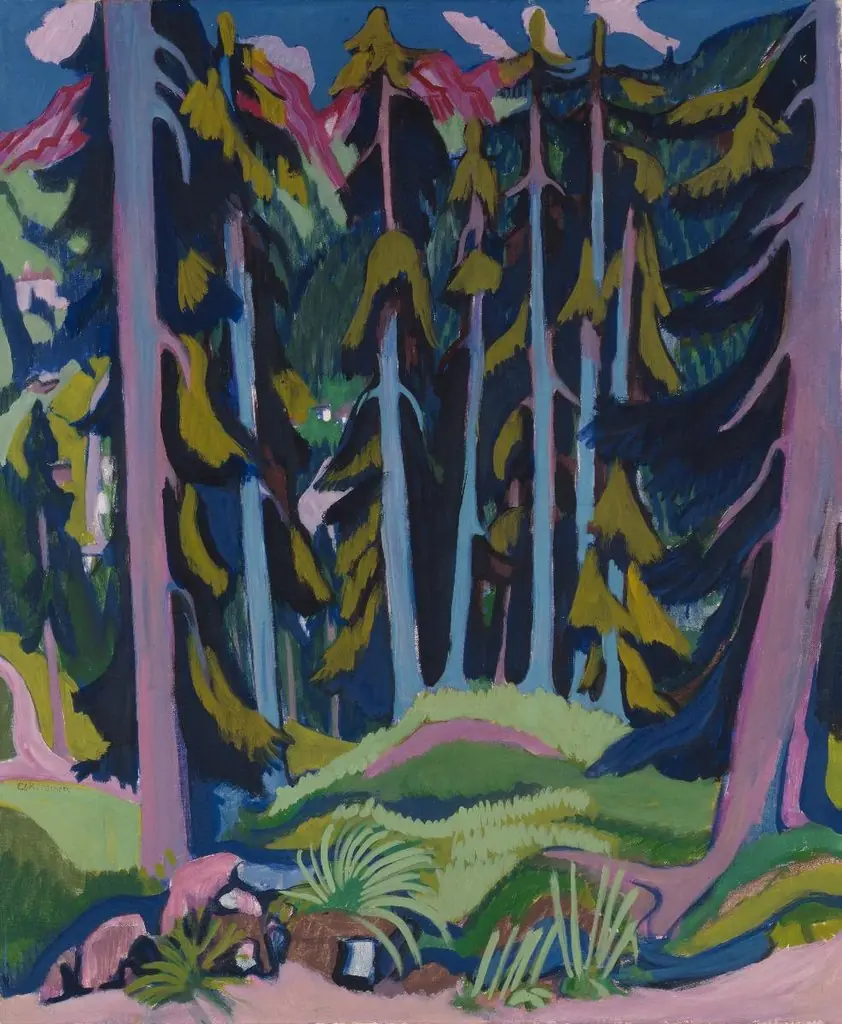 Waldlandschaft mit Bach
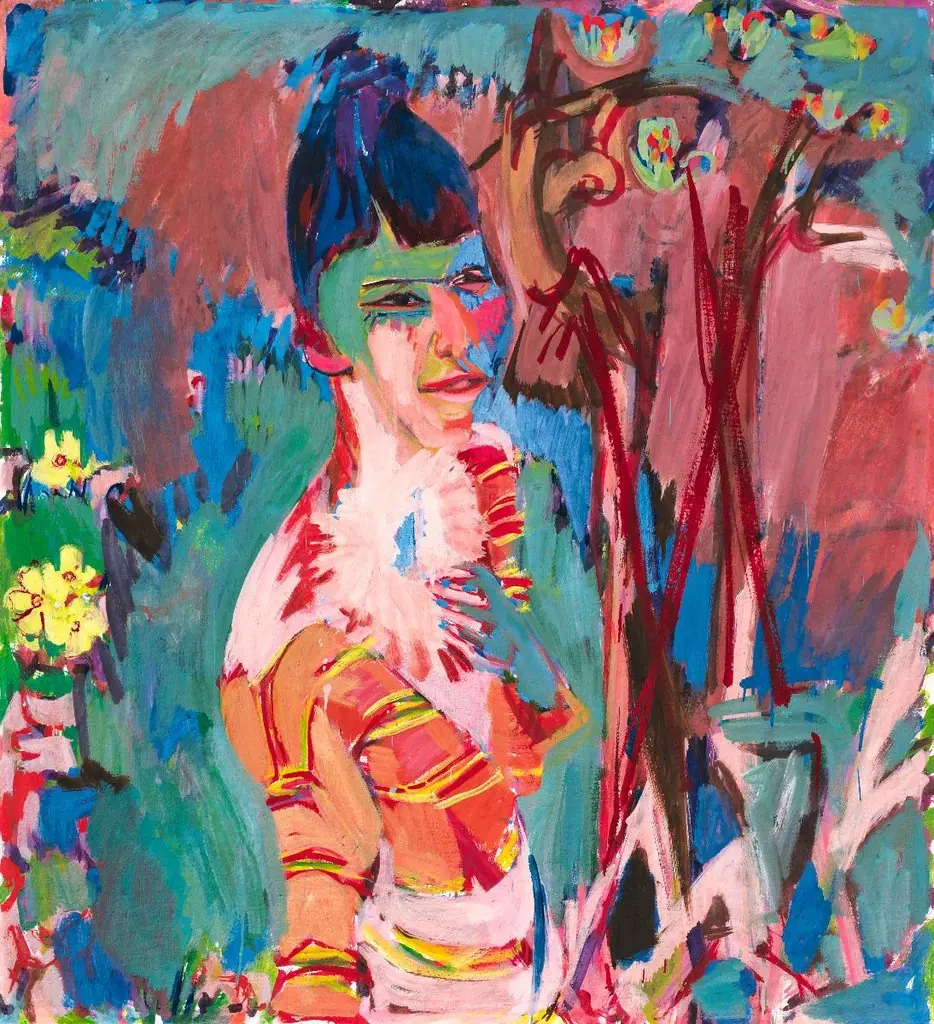 Bust of a coloured girl
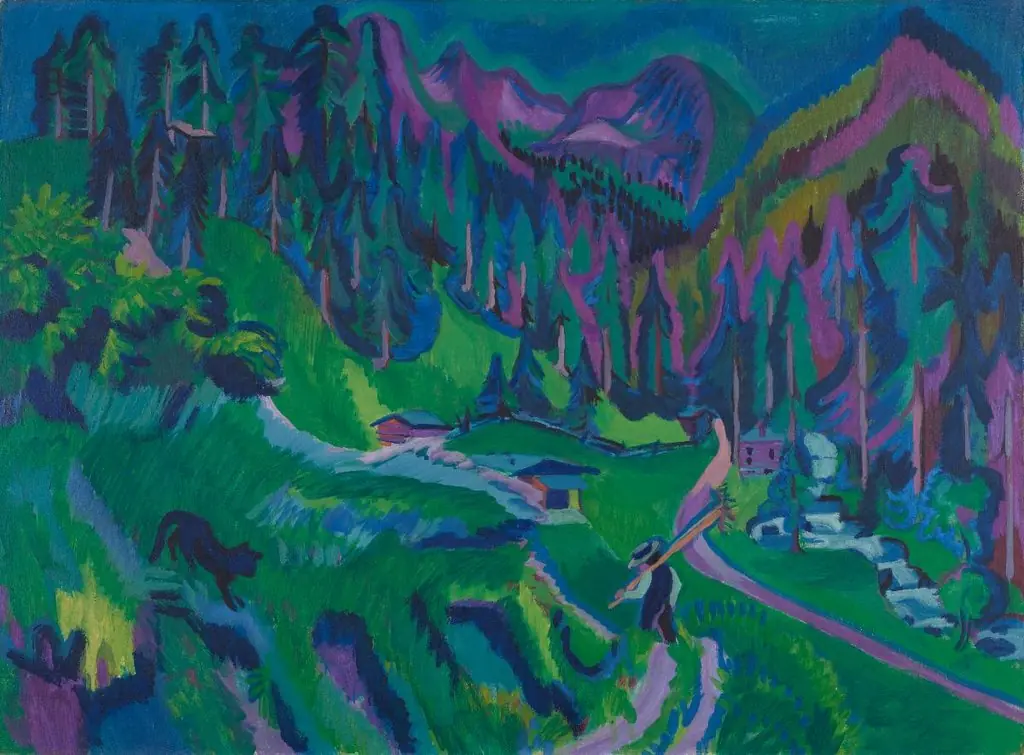 Landschaft Sertigtal
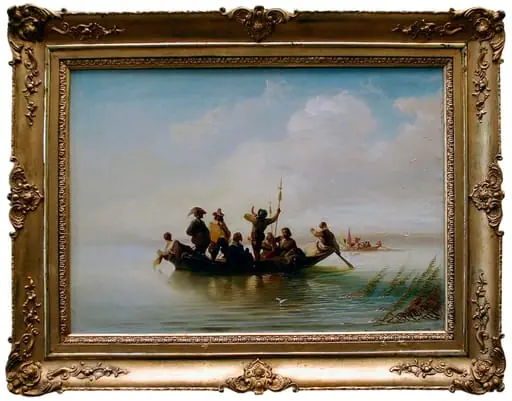 Geuzen-vapaustaistelijoiden aamuinen lähtö
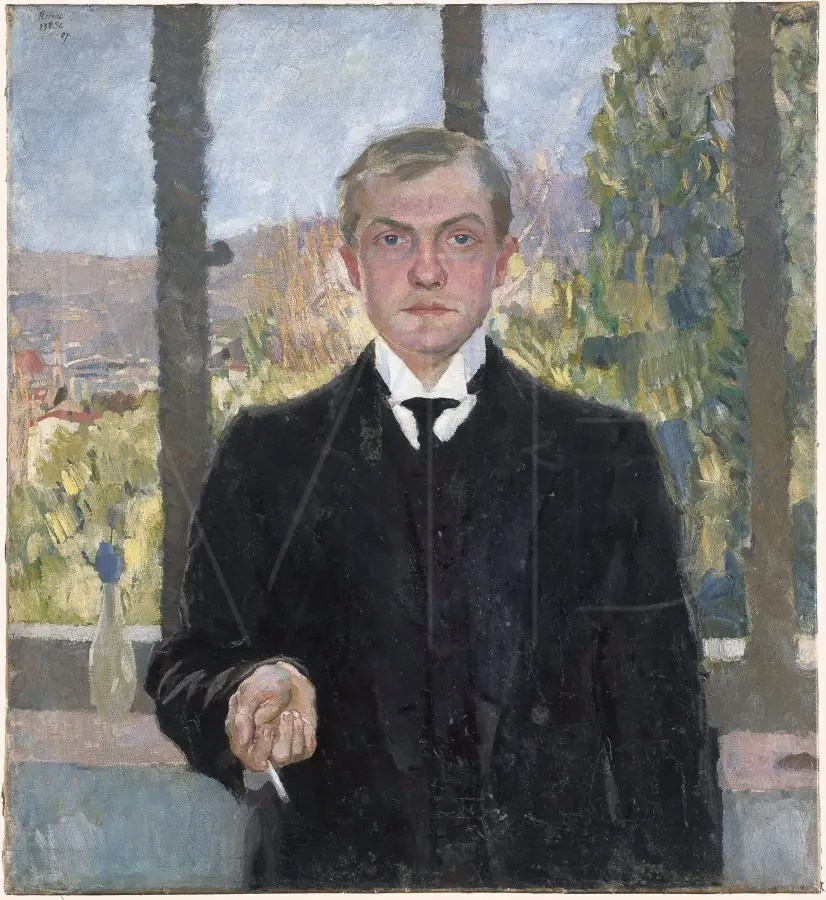 Self-Portrait, Florence
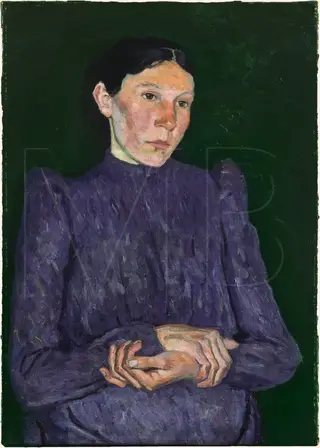 Portrait of Frau Pagel
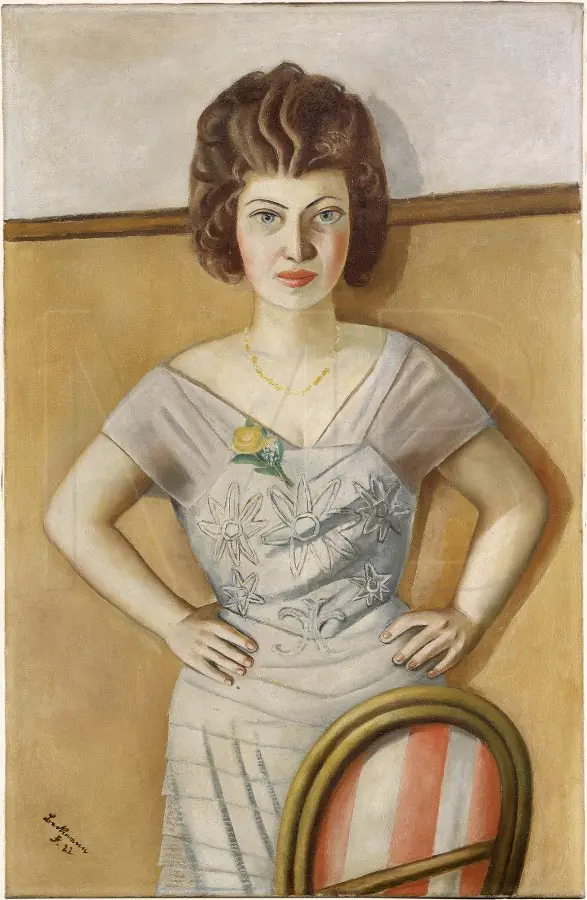 Portrait of Frau Dr. Heidel
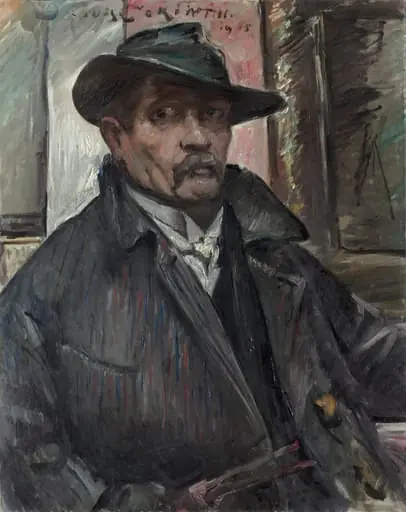 Self-Portrait with Hat and Coat
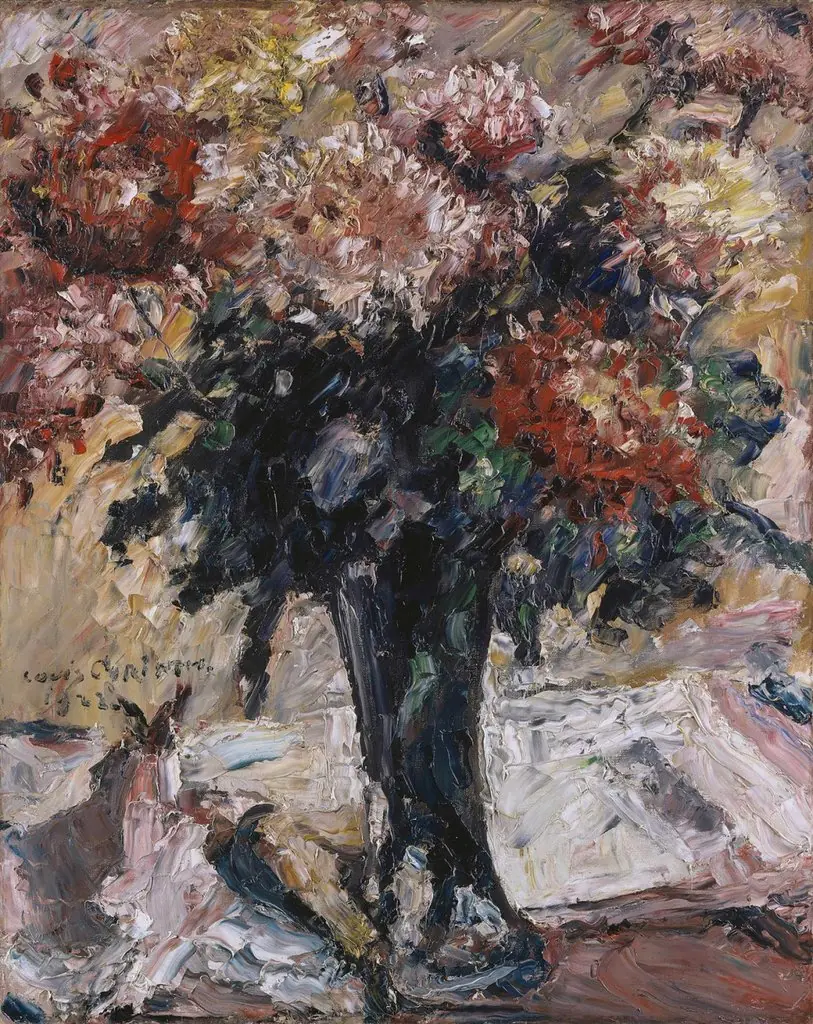 Chrysanthemen
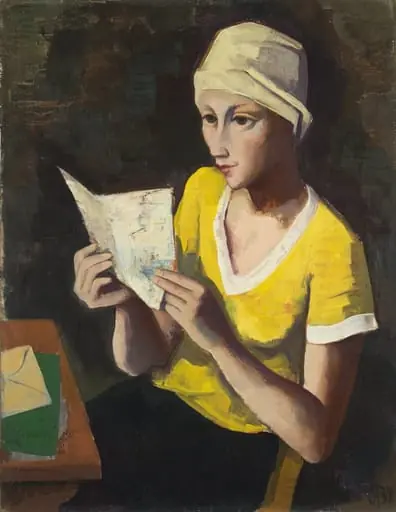 The Letter
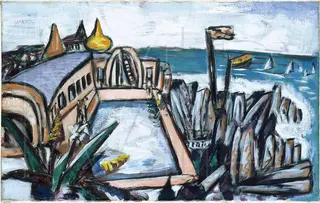 Swimming Pool Cap Martin
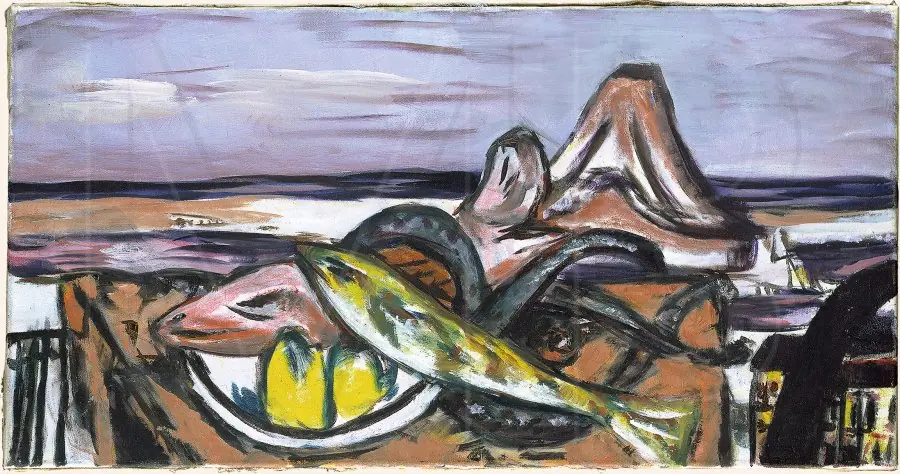 Landscape in the South with Frutti di Mare
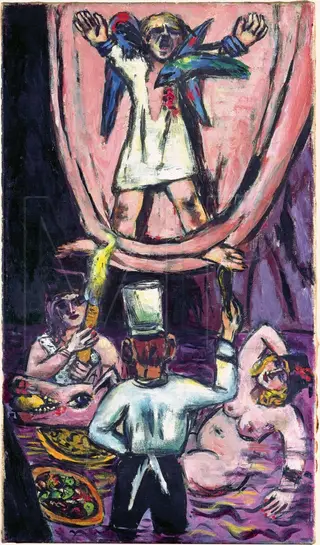 Prometheus
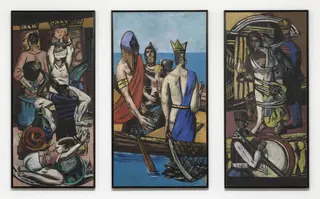 Untitled
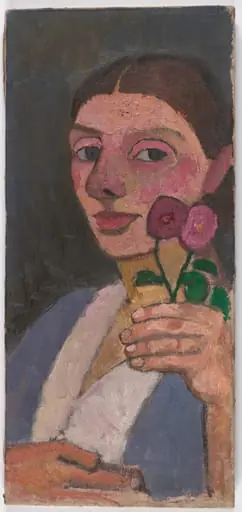 Untitled
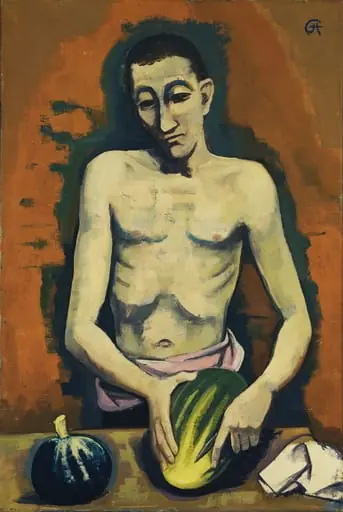 Untitled
 Untitled
 Untitled
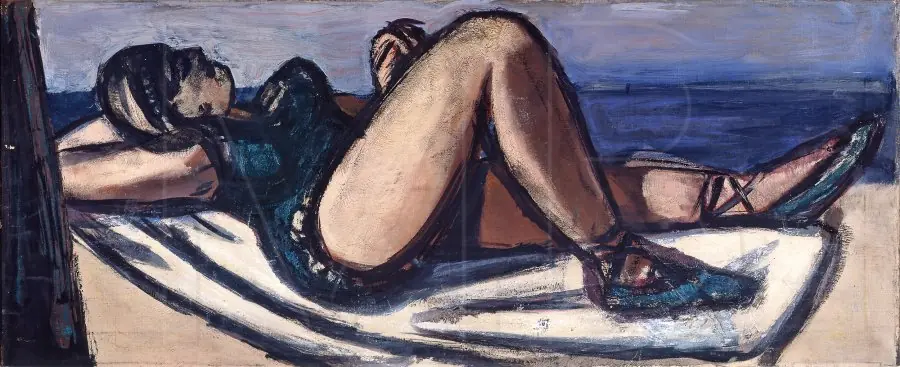 Sleeping Woman on the Beach
Frequently asked questions
What is German Expressionism?
German Expressionism is an art movement. The intense, emotionally raw current of painting and graphic art produced in Germany and Austria from about 1905 to 1930.
How many German Expressionism works does Artifact World Gallery have?
Artifact World Gallery holds 93 public-domain German Expressionism works, all free to view and download.
Who are the key German Expressionism artists?
Key German Expressionism artists in the collection include Edvard Munch, Max Beckmann and Ernst Ludwig Kirchner.
When did German Expressionism take place?
German Expressionism dates from 1910–1930.
Where can I see German Expressionism works?
German Expressionism works in the collection are held by Hamburger Kunsthalle, Kunsthaus Zürich and Museum of Modern Art.