Artwork
Chariclea is Recognized by her Parents
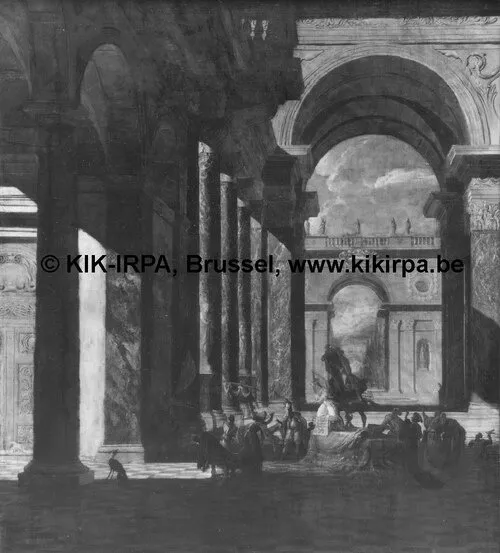
Chariclea is Recognized by her Parents is an oil painting by the Dutch Golden Age artist Wilhelm Schubert van Ehrenberg. It dates from 1666 and is held in the collection of the Royal Museum of Fine Arts Antwerp.
About this work
Overview
Executed in oil on canvas, the work belongs to a tradition of Dutch Golden Age painting that often blended historical narrative with architectural precision.
Wilhelm Schubert van Ehrenberg, a Flemish artist active in Antwerp during the mid-17th century, painted Chariclea is Recognized by her Parents in 1666. Executed in oil on canvas, the work belongs to a tradition of Dutch Golden Age painting that often blended historical narrative with architectural precision. Though categorized as a cityscape, its focus lies in a mythological moment rendered within an imagined classical setting.
Subject & Meaning
The painting illustrates a scene from the ancient Greek novel Aethiopica by Heliodorus, in which Chariclea, long lost and raised in a foreign land, is reunited with her biological parents. The emotional climax unfolds before a monumental archway, where figures gesture and turn toward the central woman. The presence of a chariot suggests her recent arrival, reinforcing the narrative of recognition and familial restoration.
Technique & Style
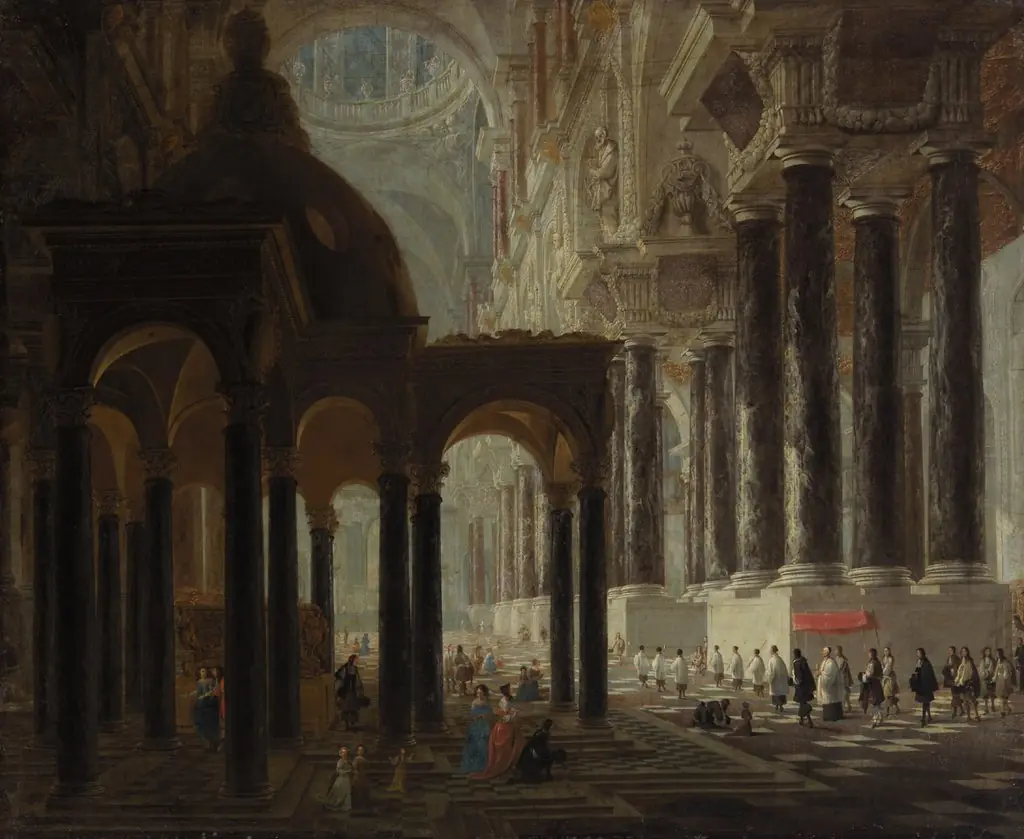
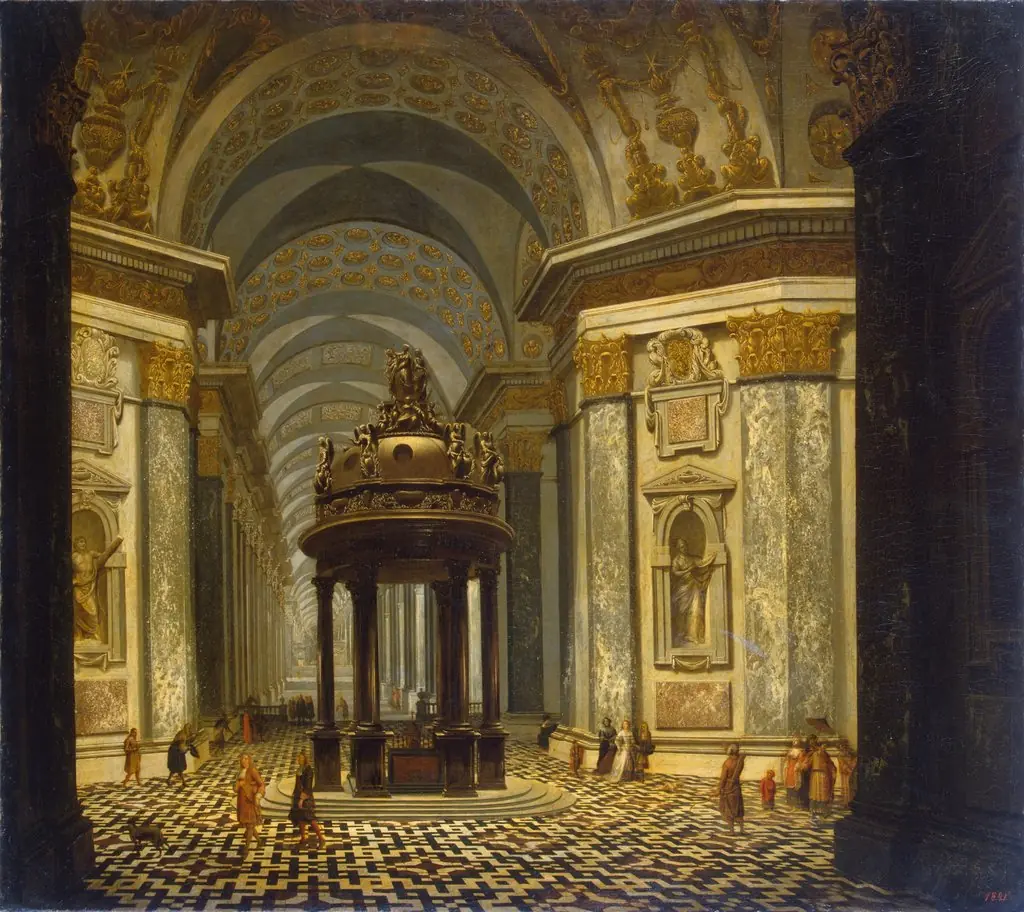
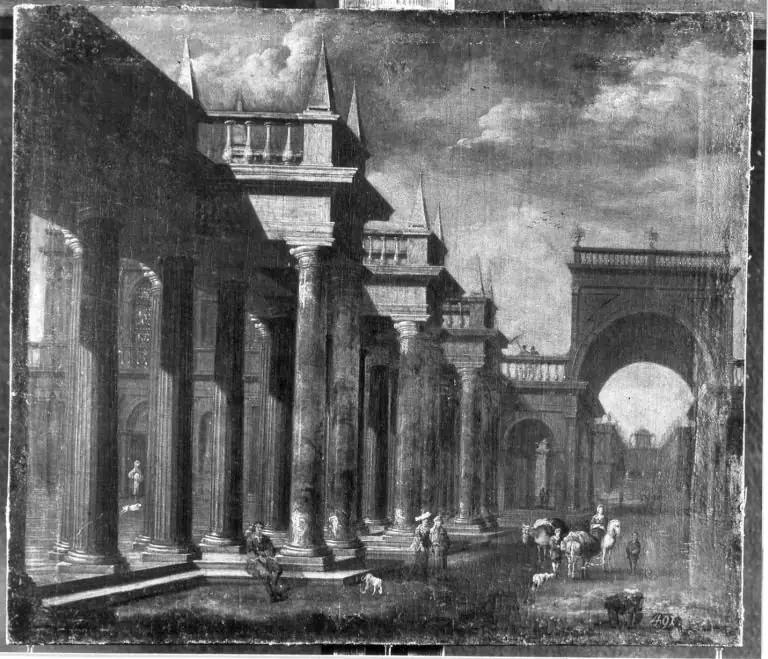
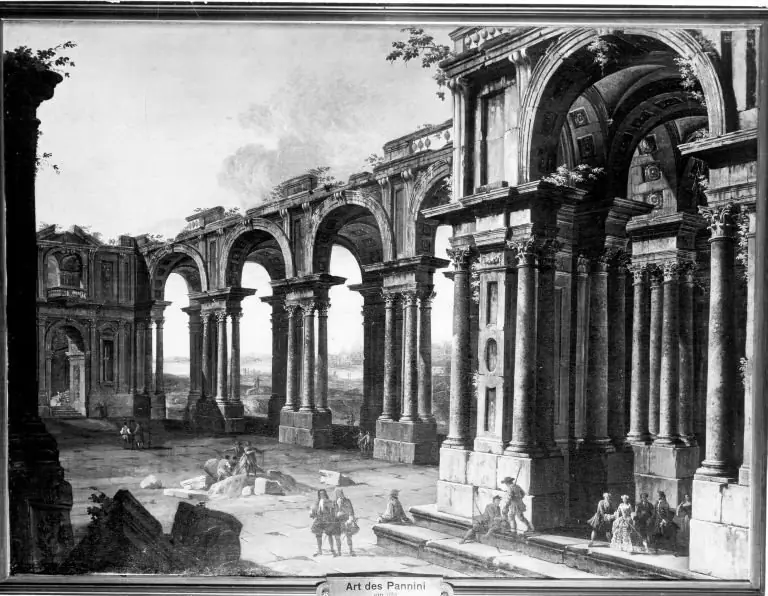
Van Ehrenberg employed chiaroscuro to model forms and define spatial depth, with light falling from the left to accentuate architectural details and facial expressions. His brushwork renders stone surfaces with a tactile realism, and the oil medium allows for subtle gradations in tone. The composition directs attention toward the central group, while the architectural backdrop, though stylized, reflects his known interest in structured interiors and classical forms.
History & Provenance
Created in 1666, the painting entered the collection of the Royal Museum of Fine Arts Antwerp, where it remains today. Its early ownership history is undocumented, but its survival in a major Flemish institution suggests it was valued within regional artistic circles. The work reflects the Antwerp tradition of combining literary themes with architectural settings, a practice common among local painters of the period.
Context
During the Dutch Golden Age, narrative painting often drew from classical literature, especially among artists in the Southern Netherlands. Van Ehrenberg’s focus on architectural interiors aligned with a broader trend of depicting imagined or idealized spaces as backdrops for human drama. His work, though less widely known than contemporaries, contributed to a niche genre that fused historical storytelling with precise spatial construction.
Legacy
Van Ehrenberg’s Chariclea is Recognized by her Parents exemplifies a quiet but persistent strand of 17th-century Flemish painting that prioritized narrative clarity and architectural integrity over dramatic flourish. While not widely influential in the broader art historical canon, the painting preserves a specific moment in Antwerp’s cultural life, where classical myth and local artistic conventions intersected in private and institutional collections.
Artist & collection
Artist
Wilhelm Schubert van Ehrenberg
Wilhelm Schubert van Ehrenberg or Willem Schubart van Ehrenberg (also: Wilhem Schubert von Ehrenberg or Wilhem Schubert van Ehrenberg (Antwerp, 1630 or 1637– Antwerp, c.

- Easter in Egypt
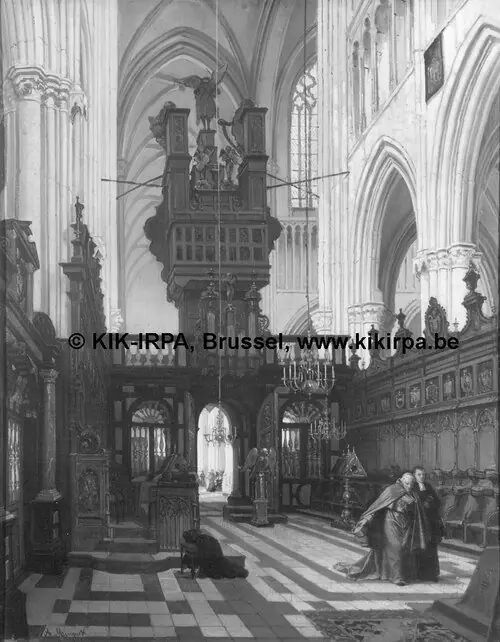 Interior of he Cathedral of Bruges
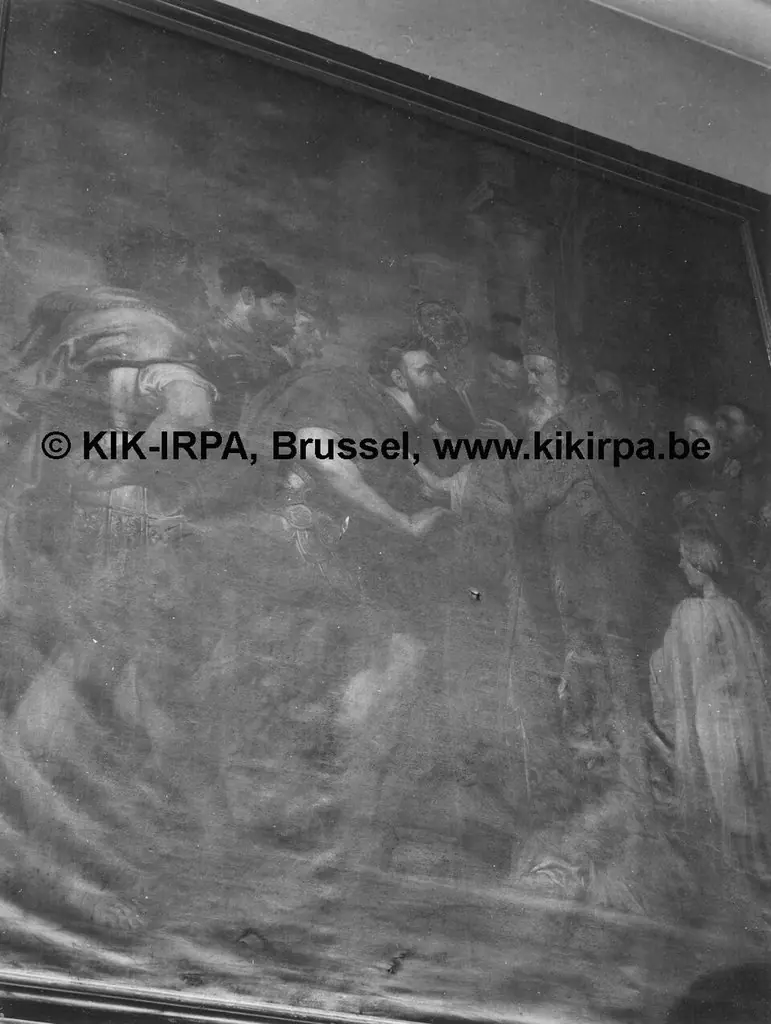 St Ambrose and Theodosius
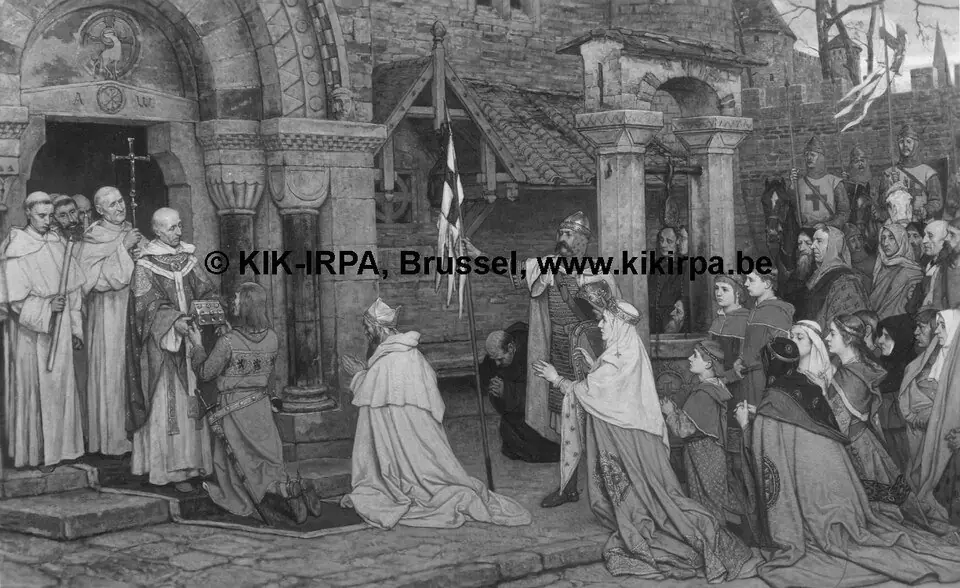 Thierry of Alsace Brings the Holy Blood to Bruges
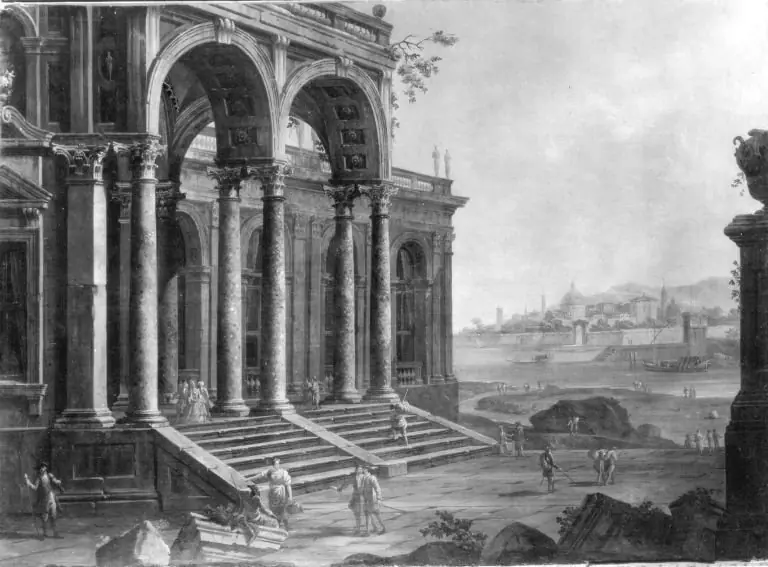 Architekturbild
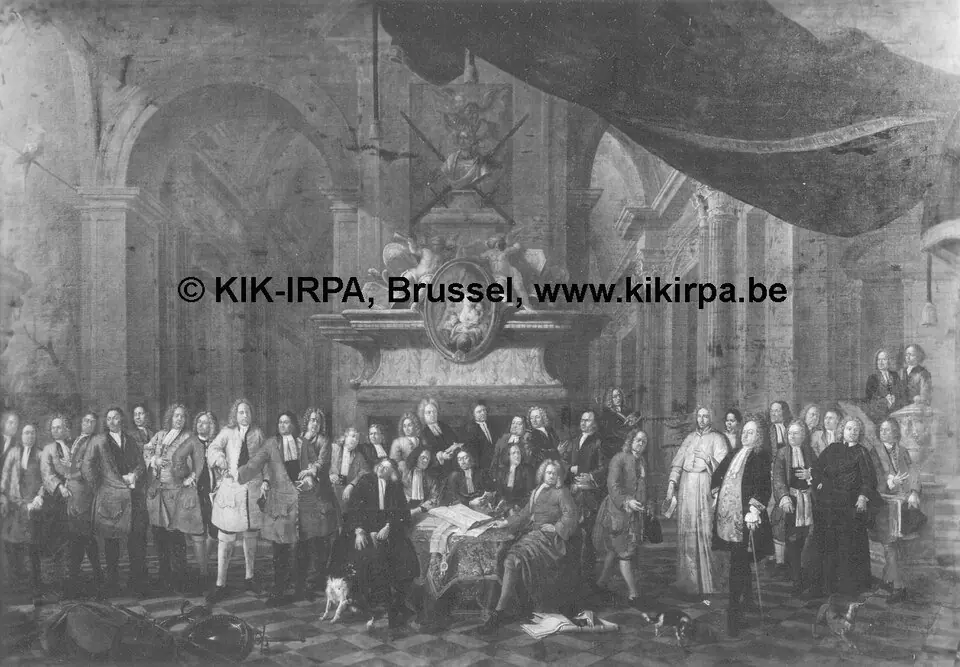 The Fencer's Guild Receives J. Vermoelen, Abbot of Sint-Michiels
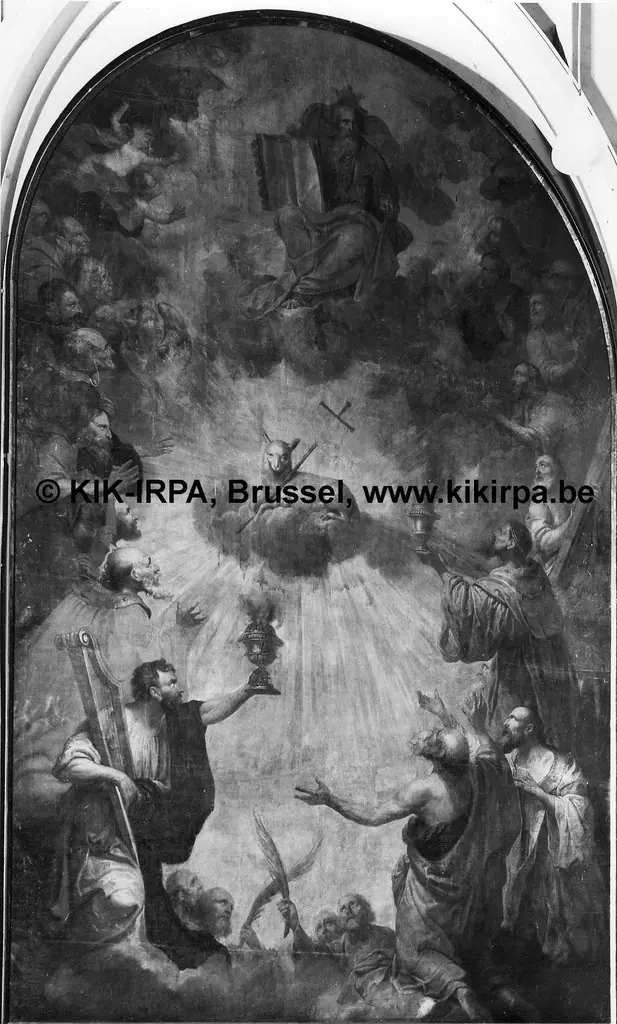 The Lamb of God worshipped by the elders of the Apocalypse
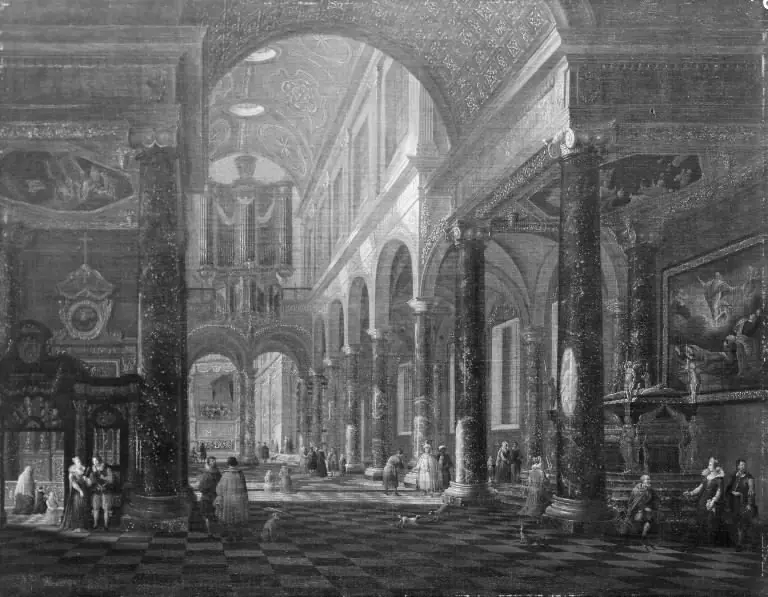 Interior of a Catholic Church
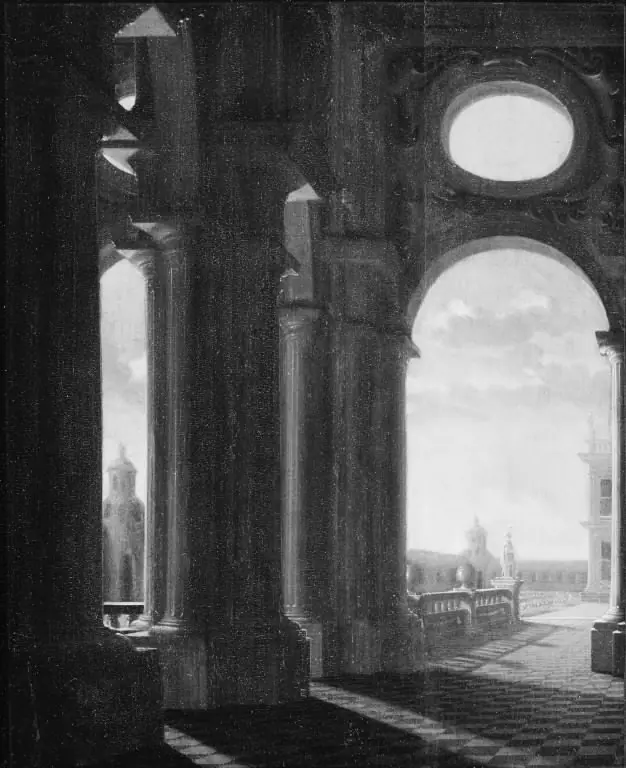 A Colonnade
 Fantasy palace with a colonade
 Architekturbild (Art des)
 The South-Arsenaalkaai in Antwerp in 1870