Artwork
Portrait of a Woman
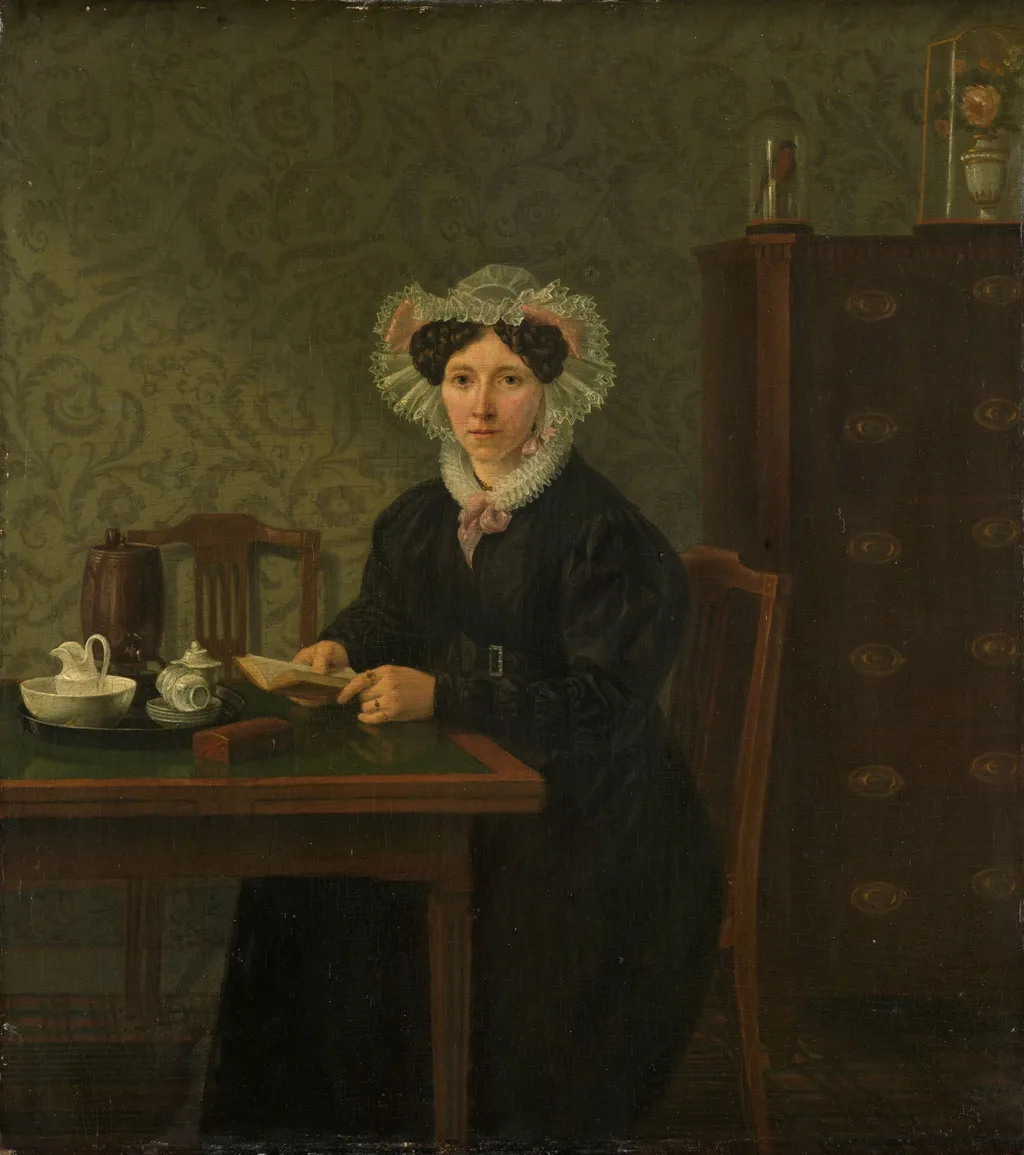
Portrait of a Woman is an oil painting by the Biedermeier artist Willem Uppink. It dates from 1833 and is held in the collection of the Rijksmuseum.
About this work
Subject & Meaning
The subject is rendered in oil paint on a panel, adhering to the conventions of portraiture from that period.
The work depicts a woman, serving as the main subject of this 1833 portrait by Willem Uppink. As a straightforward genre piece, the painting focuses on the representation of a female figure without additional narrative context or complex iconographic elements described in the available records. The subject is rendered in oil paint on a panel, adhering to the conventions of portraiture from that period.
Technique & Style
Executed in 1833 by Willem Uppink, this portrait is an oil painting applied on a panel support. The work measures 33 cm in height and 29 cm in width. As a genre portrait, the composition focuses on the depiction of a single female subject.
The use of oil paint on panel was a conventional approach for portraiture during this period, allowing for detailed rendering of the sitter.
History & Provenance
The work titled Portrait of a Woman was created in 1833 by Dutch painter Willem Uppink as an oil painting on panel. It entered the collection of the Rijksmuseum in Amsterdam, where it remains on public view. The painting has been catalogued under the Rijksmuseum's inventory and is listed with the accession details reflecting its status as part of the museum's permanent holdings.
Portrait of a Woman is held in the collection of the Rijksmuseum, where it is catalogued under inventory number SK-A-1234. The work was first exhibited publicly at the Rijksmuseum’s 19th-century Dutch paintings gallery in 1927 and later featured in the 1955 retrospective "Dutch Masters of the 19th Century" at the same institution.
Context
Willem Uppink painted Portrait of a Woman in 1833, an oil on panel work now held by the Rijksmuseum. The portrait exemplifies early 19th-century Dutch genre painting and reflects the era's focus on individual likeness within the broader Romantic movement. Scholarly analyses note its restrained composition and psychological nuance as characteristic of Uppink's mature style, situating the piece within his exploration of portraiture that bridged Neoclassical precision and emerging Romantic sensibilities. The work's presence in a national collection underscores its recognized significance in Dutch art history.
Overview
Willem Uppuppink’s 1833 oil painting titled Portrait of a Woman presents a solitary figure seated at a modest wooden table. The composition is set in a dimly lit interior, where muted light falls on the sitter’s face and hands, emphasizing the quiet atmosphere of the scene.
Own this work as a print
Artist & collection

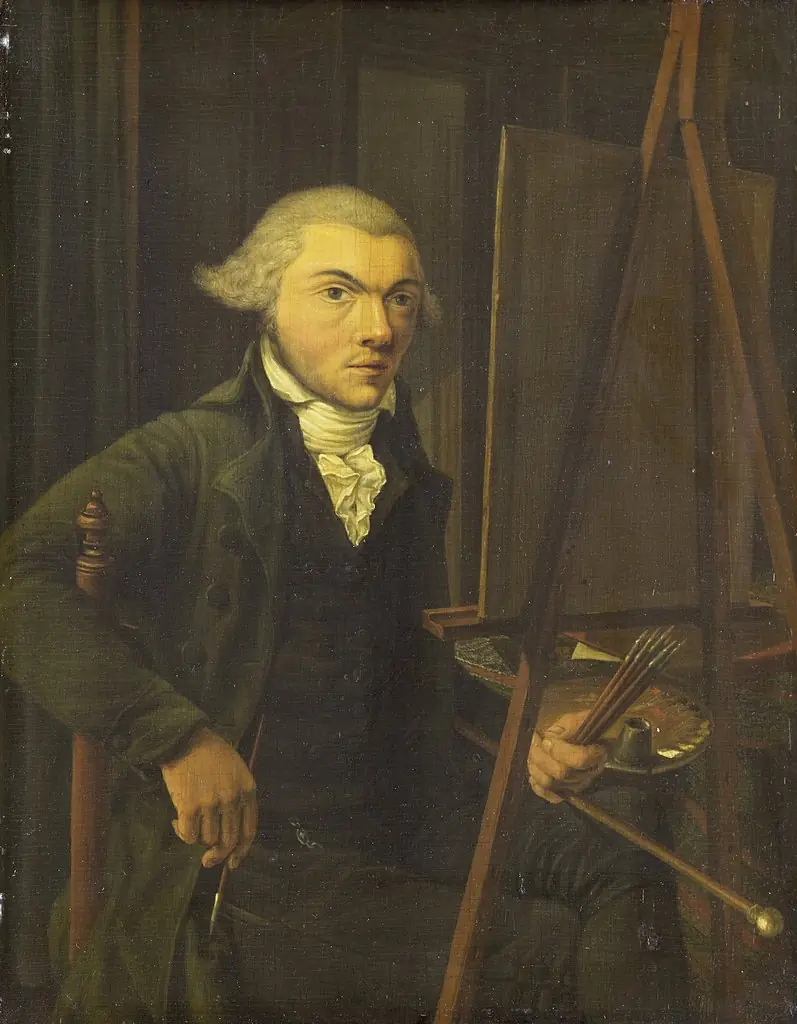
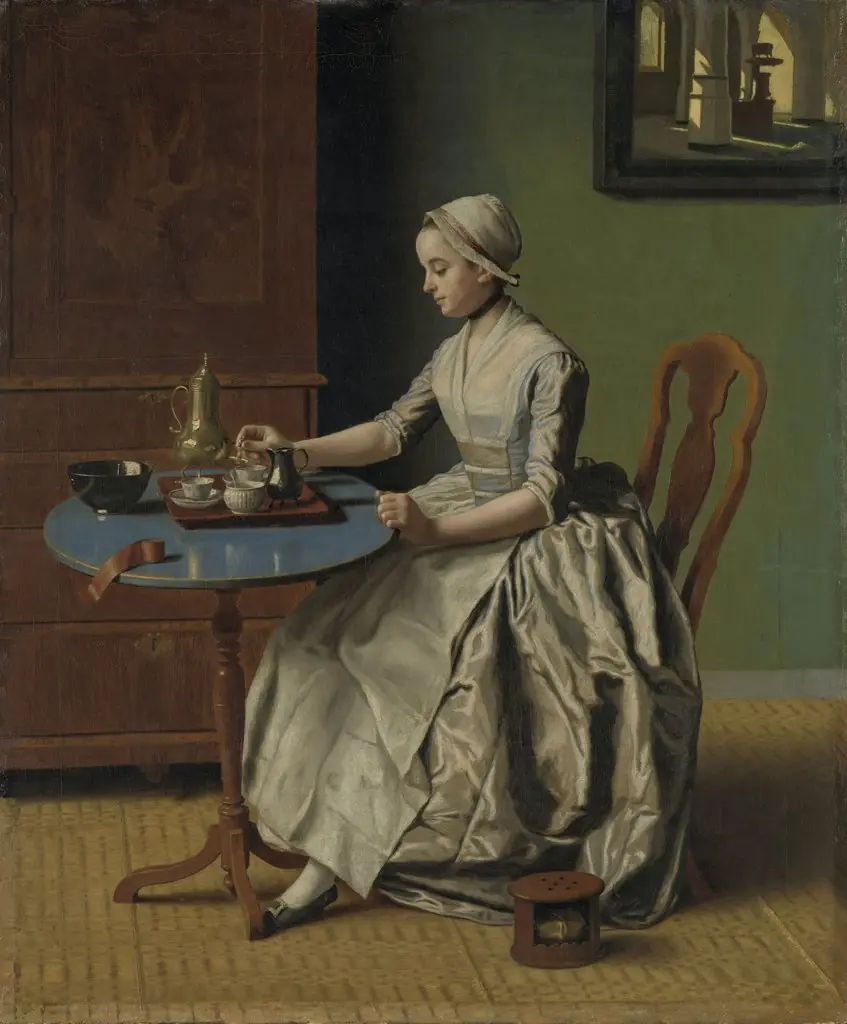
- A Dutch Girl at Breakfast
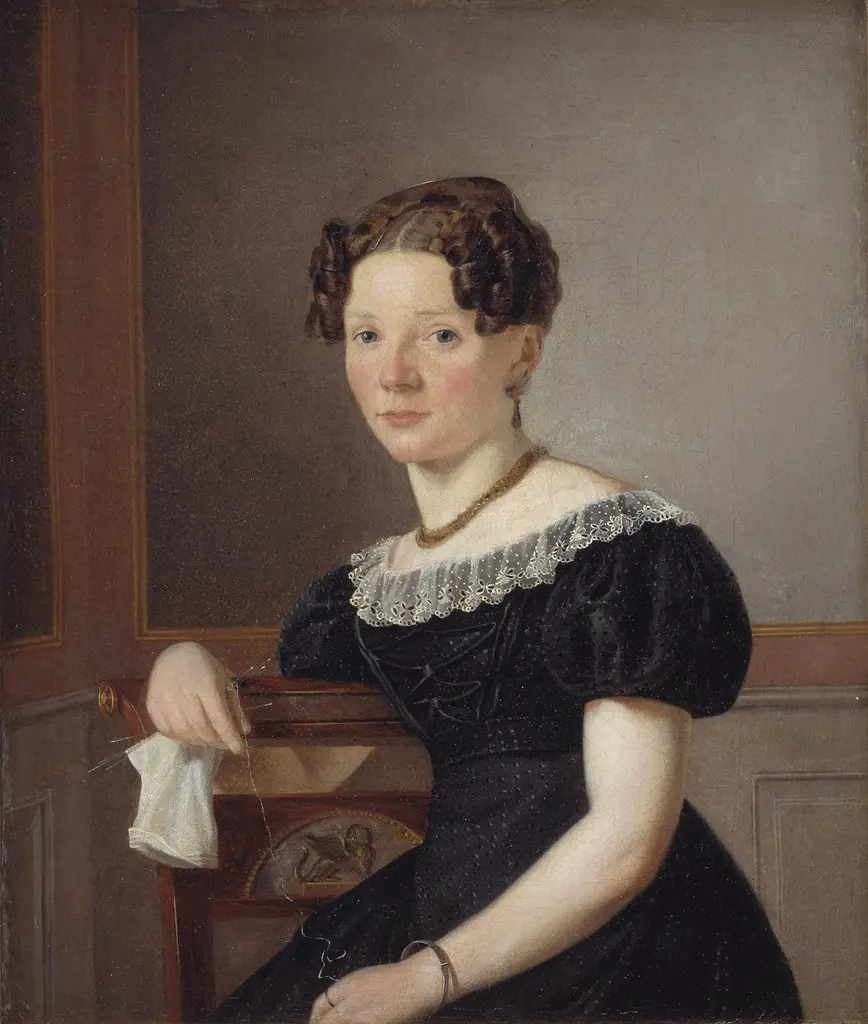 Dame med strikketøj. En af kunstnerens søstre (?)
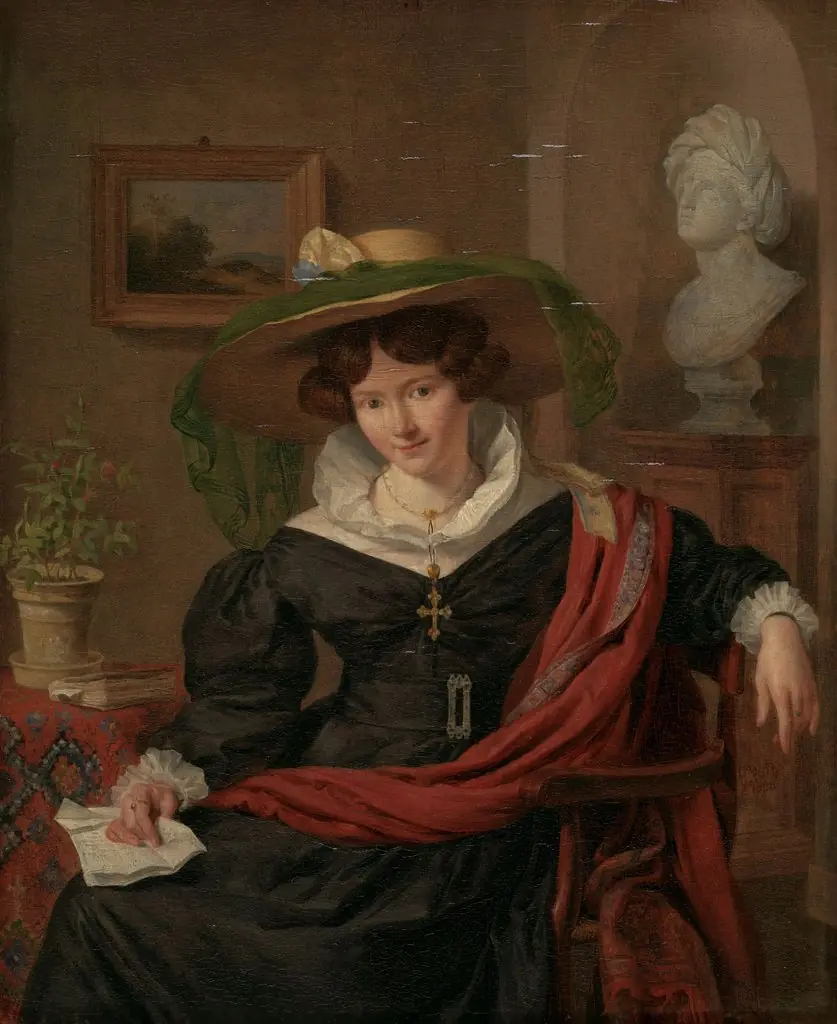 Portrait of Carolina Frederica Kerst, Wife of Louis Royer
 Woman with her Knitting. One of the Artist's Sisters (?)
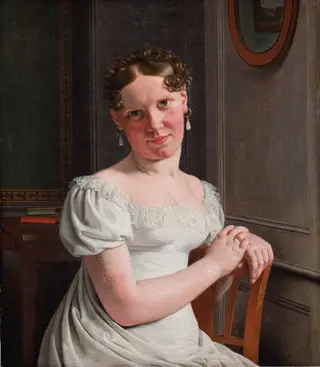 Julie Eckersberg, née Juel, the Artist's Second Wife
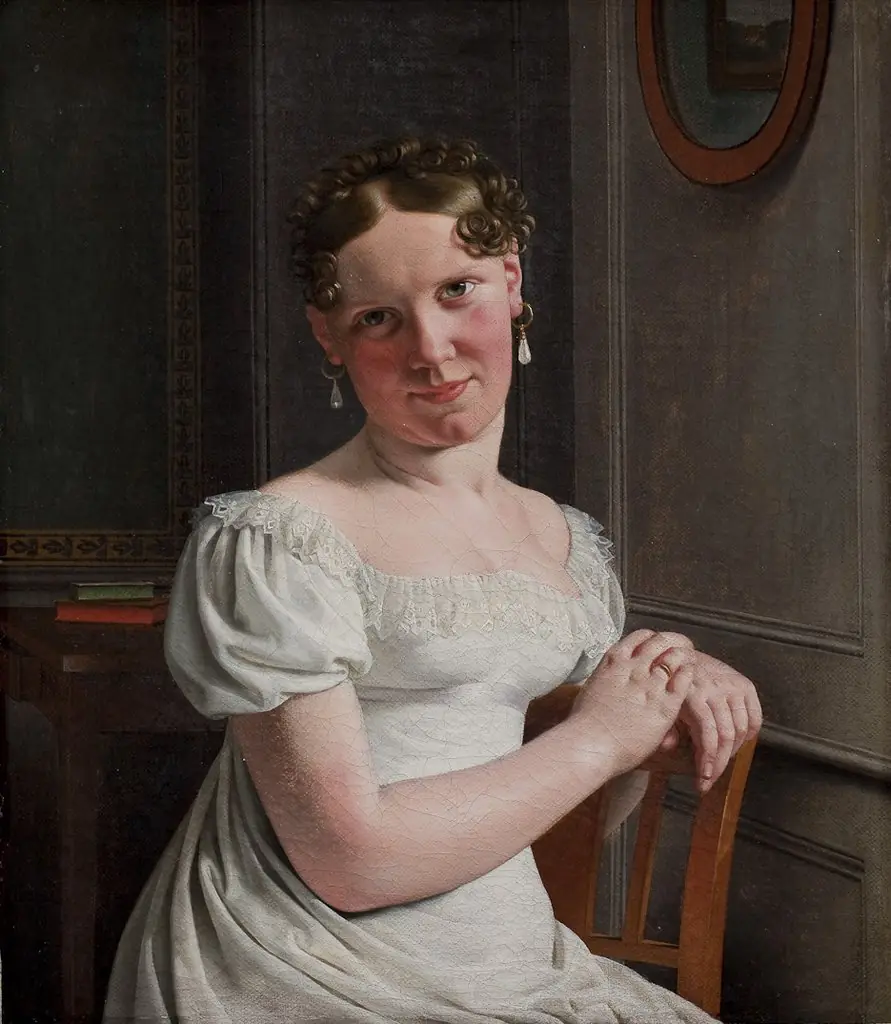 Julie Eckersberg, née Juel, the Artist's Second Wife
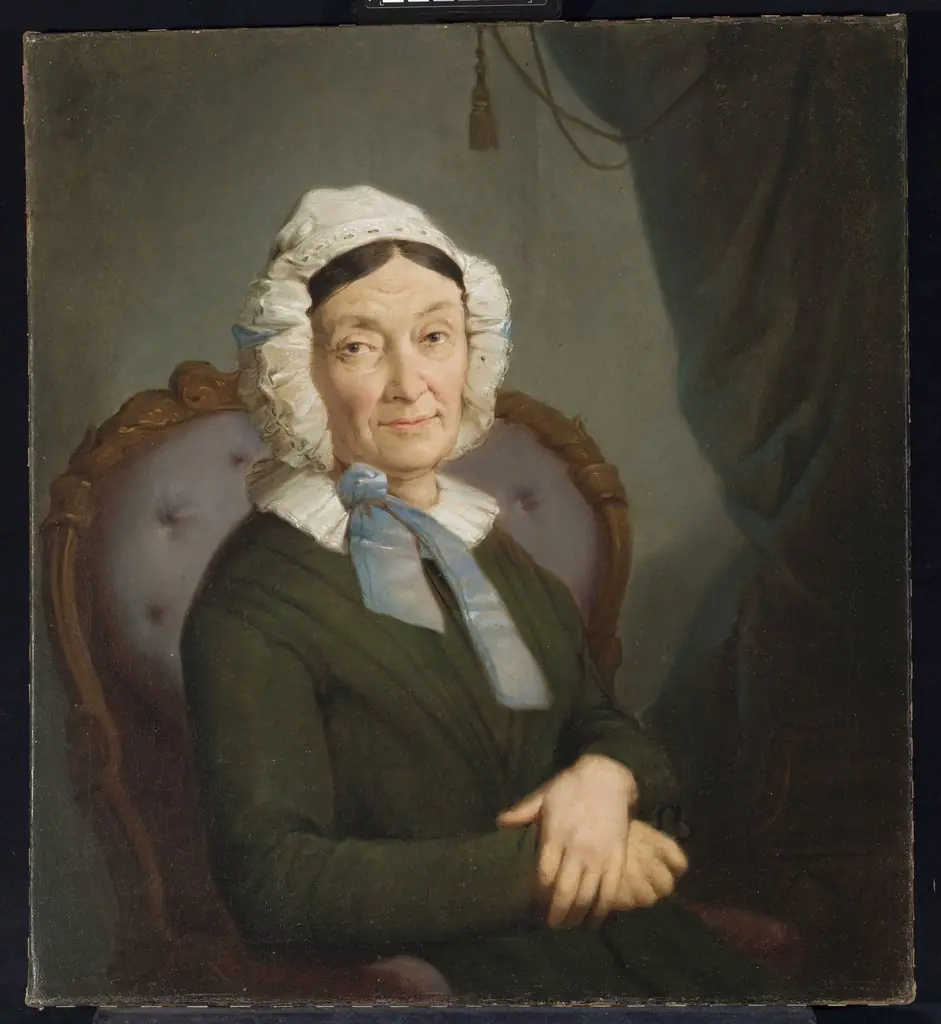 Portrait of Anna Kurpiewska née Olszakiewicz
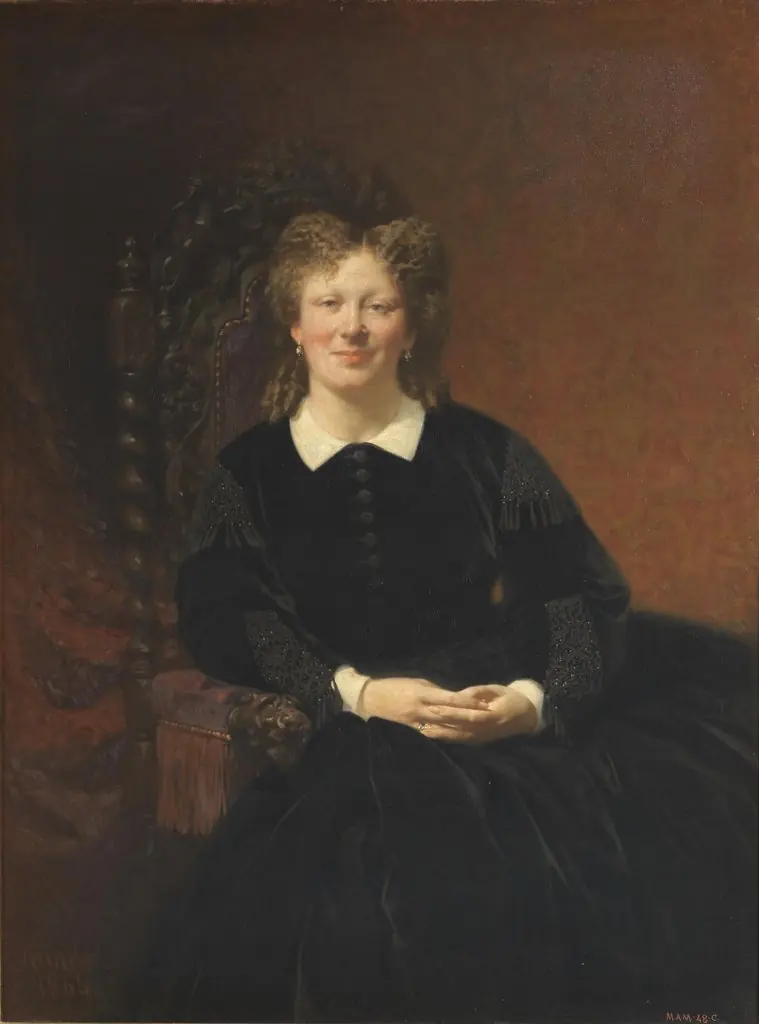 Portrait of a French Woman
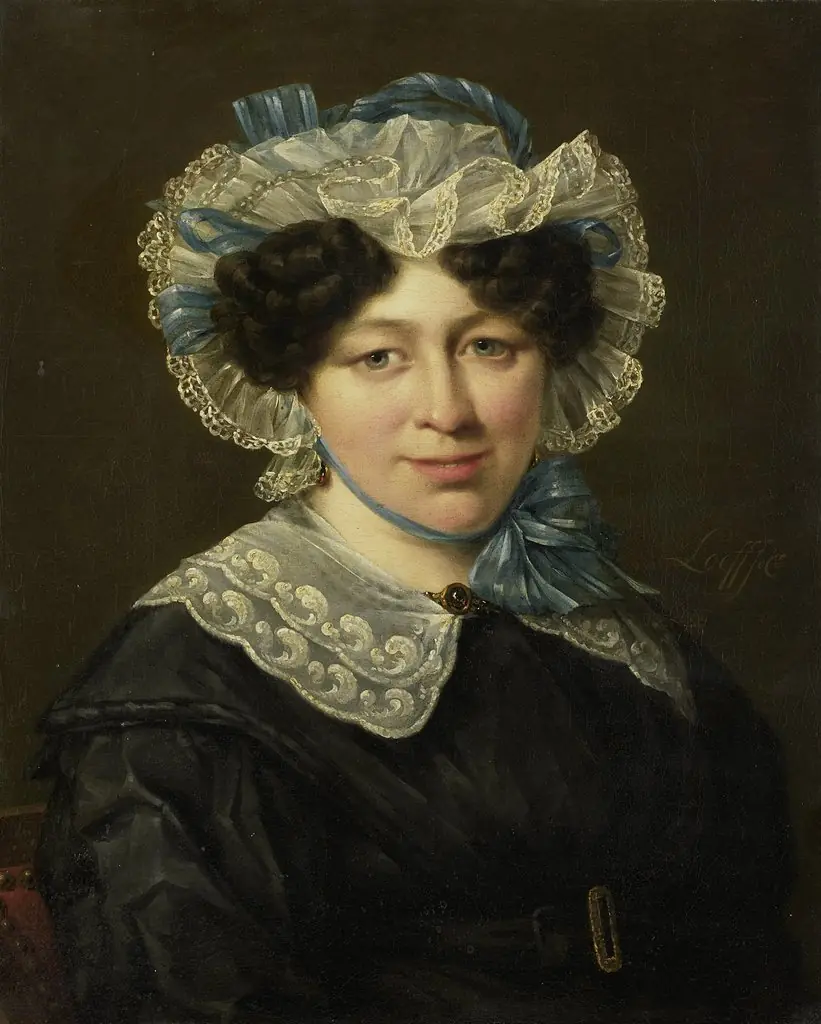 Portrait of Maria Adriana van der Sluys, Wife of Hermanus Martinus Eekhout
 Maria Magdalena Jensen, née Jessen, the Artist's Mother
 Portrait of Susanne Cecilie Købke, née Købke, the Artist´s Wife
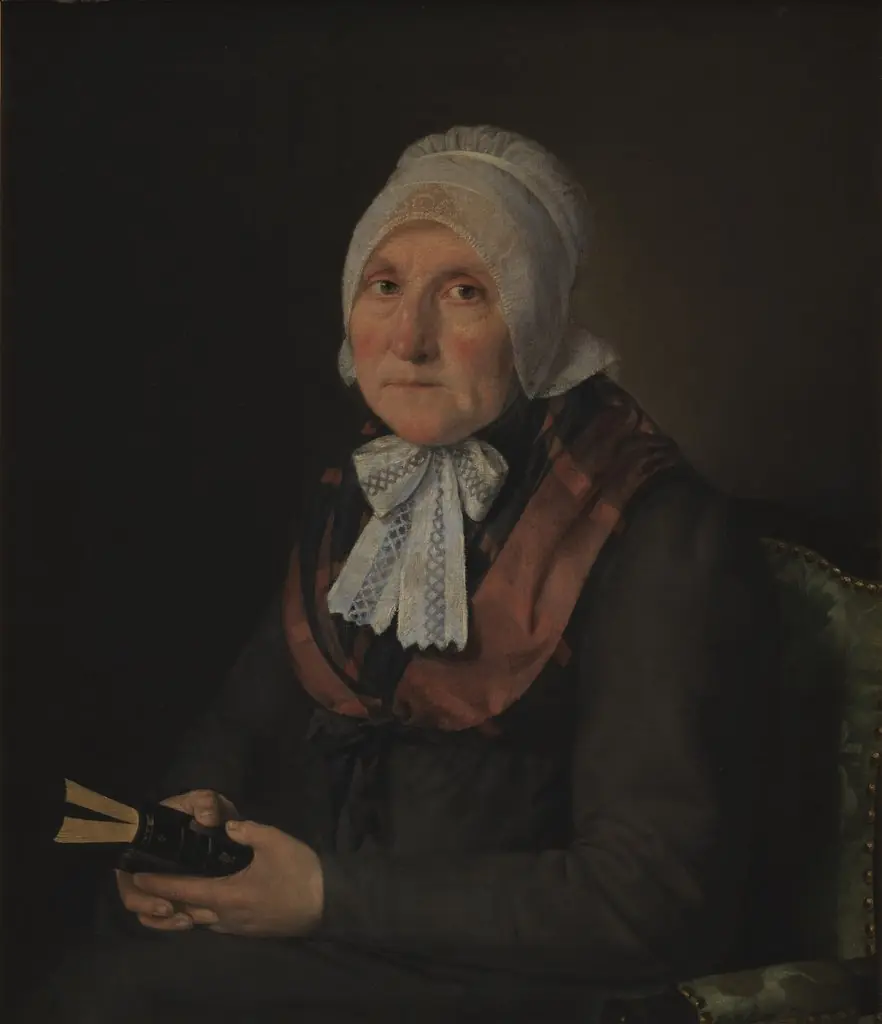 Maria Magdalena Jensen, née Jessen, the Artist's Mother