Artwork
Christabel
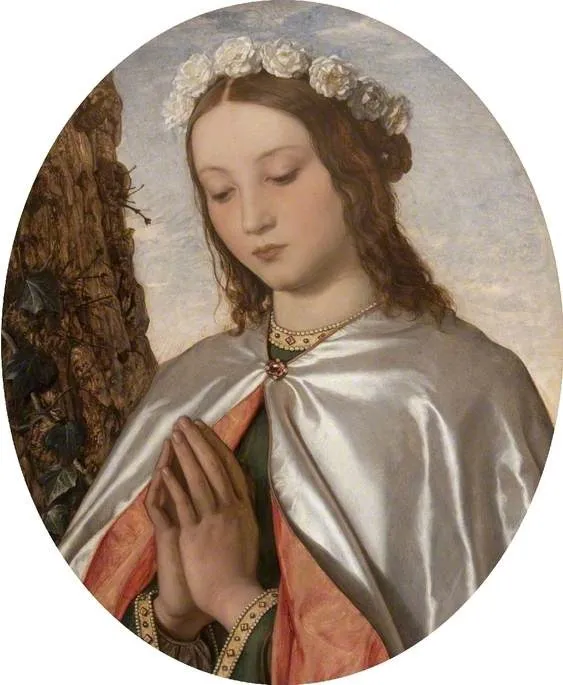
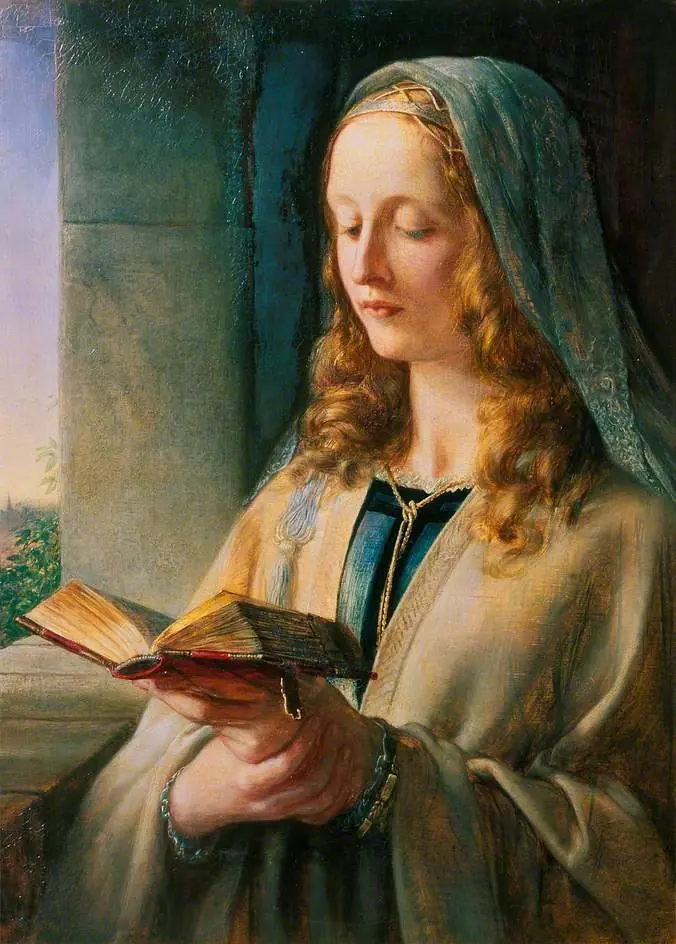
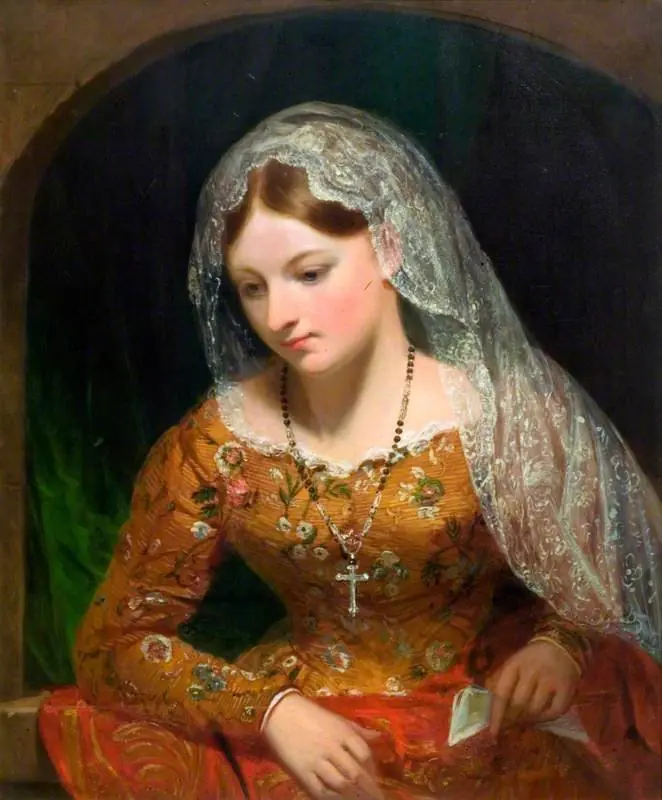
Christabel is an oil painting by the Pre-Raphaelite artist William Dyce. It dates from 1855 and is held in the collection of the Kelvingrove Art Gallery and Museum.
About this work
Overview
Though Dyce was not a core member of the Pre-Raphaelite Brotherhood, his interest in literary subjects and moral seriousness aligned him with their ideals.
Painted in 1855, William Dyce’s Christabel is an oil-on-canvas work inspired by Samuel Taylor Coleridge’s poetic fragment of the same name. Though Dyce was not a core member of the Pre-Raphaelite Brotherhood, his interest in literary subjects and moral seriousness aligned him with their ideals. The painting reflects his broader commitment to elevating public art through education, a cause he advanced through institutional reforms in British art pedagogy.
Subject & Meaning
The painting captures the moment Christabel encounters Geraldine, a mysterious and ambiguous figure from Coleridge’s poem. Geraldine is depicted in a state of quiet stillness, her clasped hands and serene expression suggesting vulnerability or hidden menace. The white floral crown and layered robes evoke both purity and ritual, inviting interpretations tied to innocence, enchantment, or spiritual corruption, key themes in Coleridge’s text.
Technique & Style
Dyce employs fine, controlled brushwork to render fabric textures and the soft gradations of light across Geraldine’s robe. The composition is deliberately restrained, with the figure centered against a muted, atmospheric background of cloud and trunk. Color is used symbolically: white for purity, green for nature or hidden vitality, and the dark tree suggesting an encroaching unknown. The style merges realism with symbolic restraint, avoiding theatricality in favor of introspection.
History & Provenance
Completed in 1855, the painting was exhibited in London and later acquired by the Tate Gallery, where it remains in the national collection. Dyce’s reputation as an educator and public artist helped secure institutional interest in his work. Unlike many Pre-Raphaelite paintings, Christabel was not commissioned by a private patron but emerged from Dyce’s personal engagement with literature and moral themes.
Context
In mid-19th century Britain, literary illustration gained traction as a legitimate artistic pursuit. Dyce’s choice to depict Coleridge’s enigmatic poem reflected a broader cultural interest in medievalism and psychological depth. His work stood apart from the more overtly sensual Pre-Raphaelite scenes, favoring quiet symbolism over narrative drama, aligning with his belief in art’s ethical and educational role.
Legacy
Though less widely known than works by Rossetti or Millais, Christabel exemplifies Dyce’s unique contribution to Victorian art: a synthesis of literary sensitivity, moral seriousness, and formal discipline. It influenced later artists interested in psychological nuance over spectacle and remains a key example of how poetry informed visual culture beyond the Pre-Raphaelite mainstream.
Artist & collection
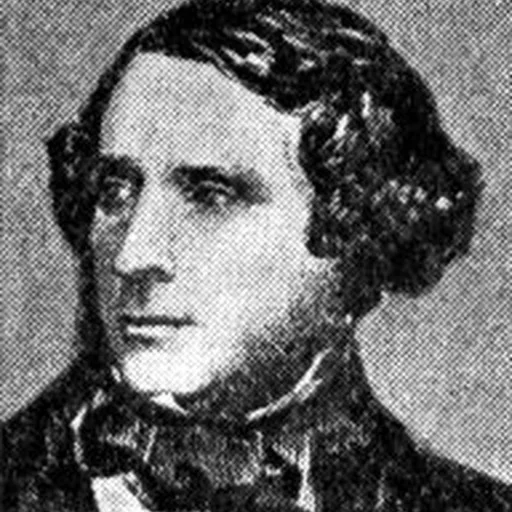
Artist
William Dyce (; 19 September 1806 in Aberdeen – 14 February 1864) was a Scottish painter, who played a part in the formation of public art education in the United Kingdom, and the South Kensington Schools system.