Artwork
Peonies
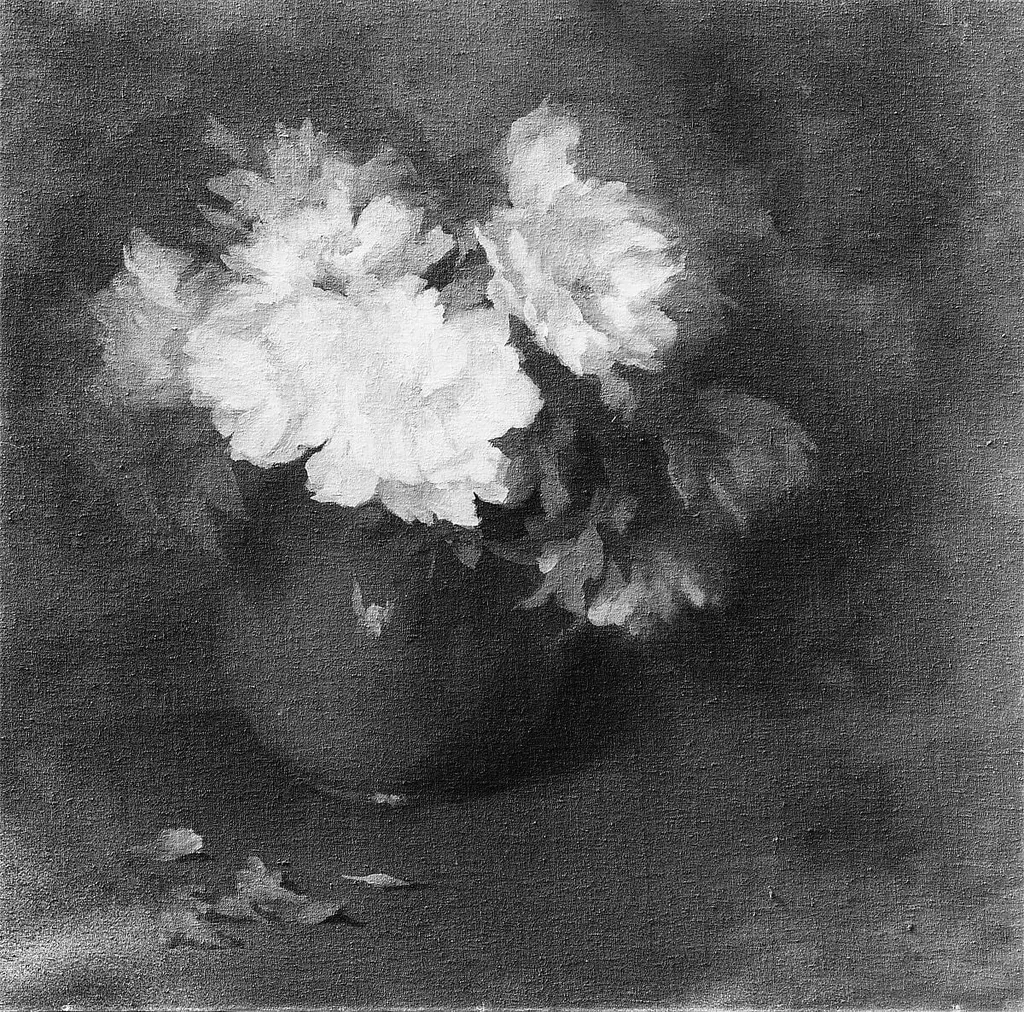
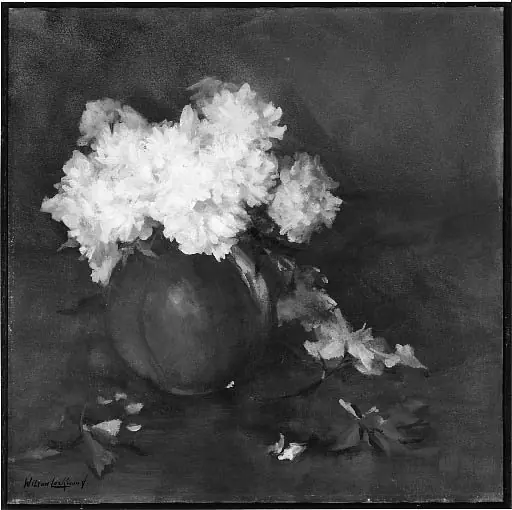
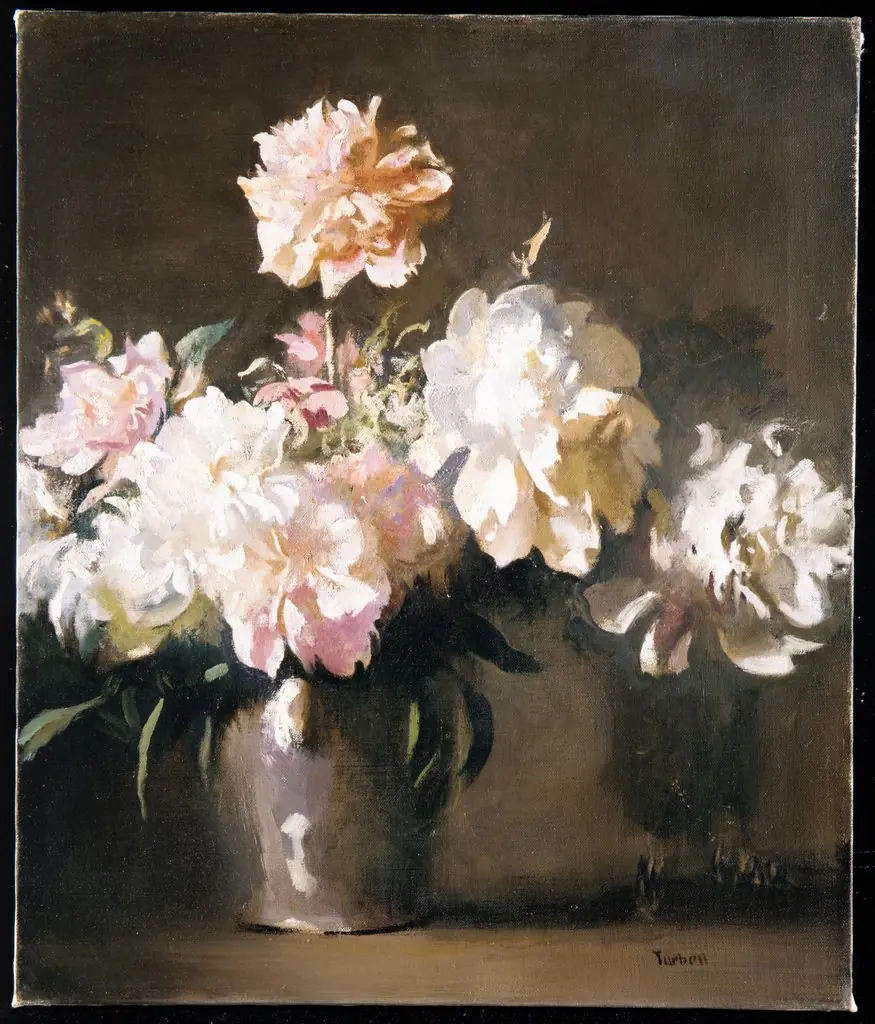
Peonies is an oil painting by the American Impressionist artist Wilton Lockwood. It dates from 1910 and is held in the collection of the Metropolitan Museum of Art.
- Accession no.
- 11.33
- Credit line
- George A. Hearn Fund, 1911
About this work
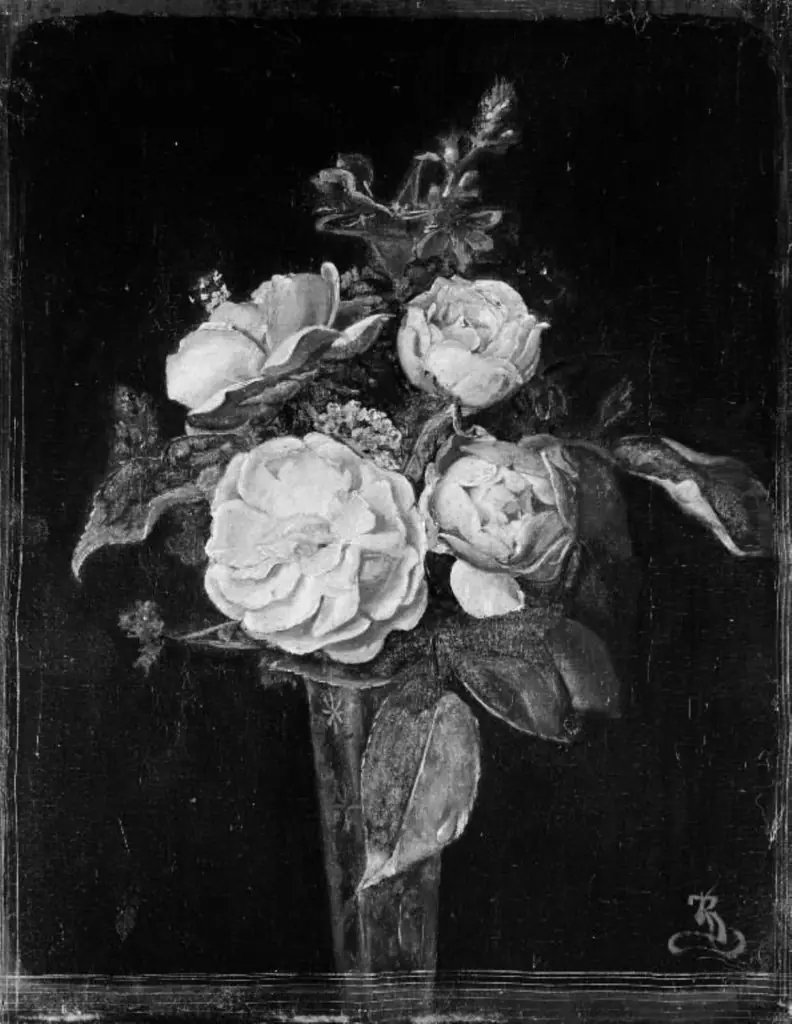
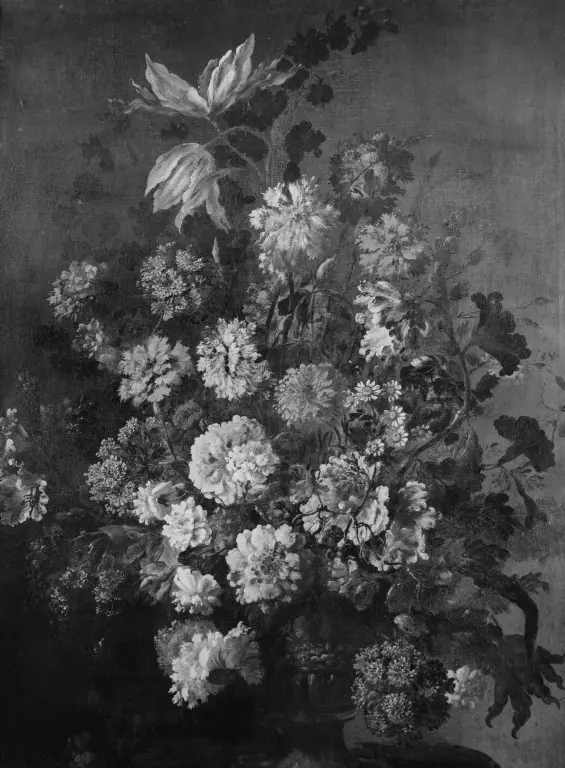
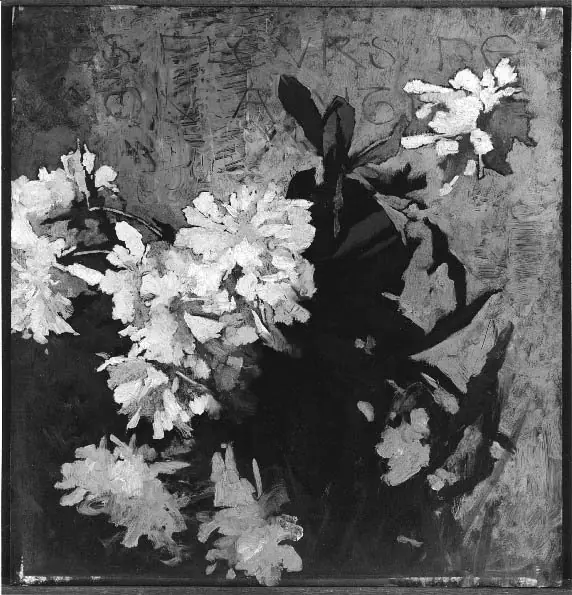
Big, blowsy peonies in pink and white, a few browning at the edges, fill a white porcelain vase. Lockwood painted them in 1910, when most artists chased modern styles, but he stuck with quiet, careful realism. The petals look soft enough to touch, while the flat, dark background keeps the focus on the blooms.
Technique & Style
Created in 1910, Wilton Lockwood's Peonies is executed in oil paint on a square canvas support measuring approximately 76.
Created in 1910, Wilton Lockwood's Peonies is executed in oil paint on a square canvas support measuring approximately 76.2 by 76.5 centimeters. As a still life, the piece depicts a vase containing peonies. The medium of oil on canvas allows for the traditional handling associated with early 20th-century American painting.
While specific brushwork details are not elaborated in the available records, the classification as a still life within the American Wing indicates a focus on the formal arrangement of floral subjects.
History & Provenance
Peonies was painted by Wilton Lockwood in 1910 as an oil on canvas still life. It portrays peonies (Paeonia) in a vase and is held by the Metropolitan Museum of Art, where it belongs to the American Wing collection. The painting measures 76.2 by 76.5 centimeters.
No earlier owners or commission details are documented; its provenance is defined by its acquisition by the museum. The available sources do not record a specific accession number or any documented exhibition history for the work.
Overview
This oil on canvas painting, titled Peonies, was created by Lockwood in 1910. It features a lush arrangement of peonies in a white porcelain vase, rendered with a meticulous realist approach. The artwork belongs to the American Wing, reflecting a period when some artists continued to explore traditional genres and styles amidst emerging modernist movements. Lockwood's work exemplifies a commitment to detailed observation.
Subject & Meaning
The painting presents a vibrant still life, centering on a generous bouquet of peonies. These blossoms display a range of colors, from delicate pinks to pure whites, with some petals subtly browning at their edges, suggesting the natural progression of life. They are arranged within a simple white porcelain vase. This careful depiction invites contemplation of the transient beauty inherent in nature.
Context
Created in 1910, Peonies stands as an example of an artist adhering to traditional realism during a period when many of his contemporaries were exploring avant-garde and modern artistic styles. Lockwood's choice to focus on a classic still life subject, rendered with precise observation, demonstrates a dedication to established artistic conventions rather than the experimental directions gaining prominence in the early 20th century.
Artist & collection

Artist
Wilton Lockwood (September 12, 1861 – March 21, 1914) was an American artist well known for his portrait and still-life paintings.