Movement
American Impressionism
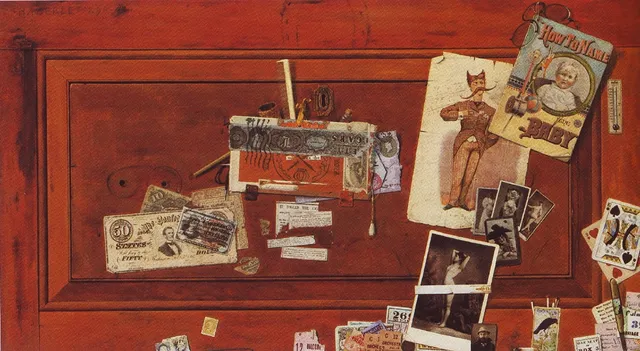
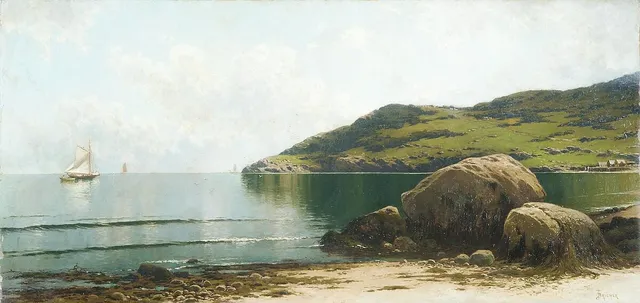
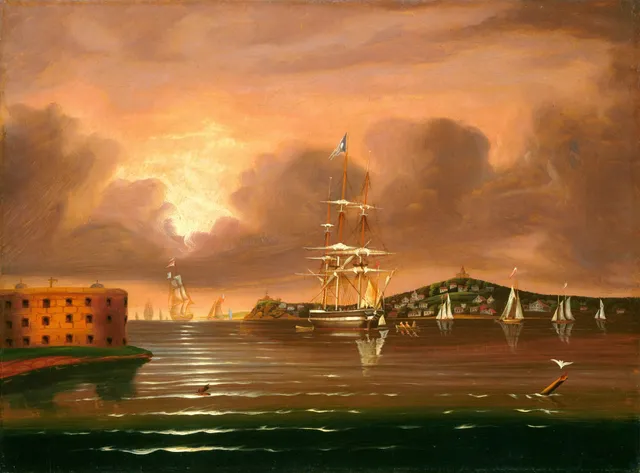
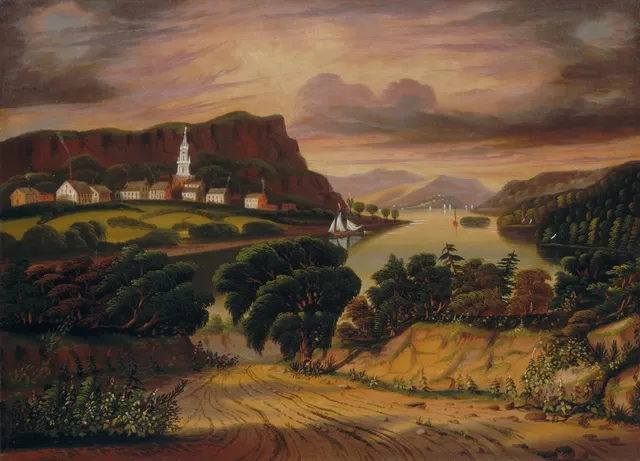
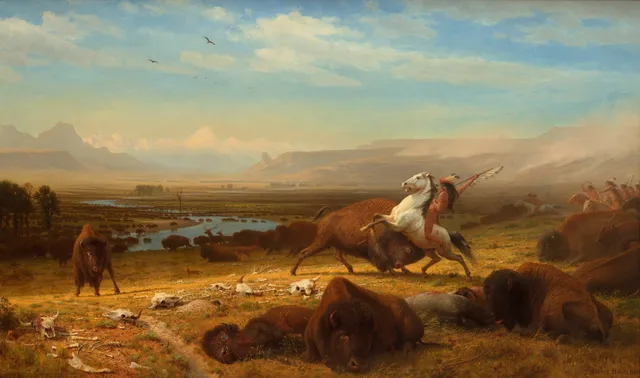
American Impressionism is an art movement dating from 1880. The gallery holds 2,287 works in this movement, including works by Thomas Eakins, Ralph Earl and Albert Bierstadt. Browse American Impressionism paintings, portraits, pictures and artworks from the world's public-domain museum collections.
American Impressionism emerged in the 1880s and 1890s as a generation of United States painters absorbed the radical lessons of French Impressionism and carried them home. Many trained in Paris and at the rural colony of Giverny, in the orbit of Claude Monet: Theodore Robinson worked there directly, Childe Hassam studied in the French capital from 1883, and Mary Cassatt exhibited with the French Impressionists themselves. Returning to a prosperous, rapidly urbanizing America, these artists adapted the new manner to native subjects. The movement crystallized institutionally in 1898, when ten painters—led by John Henry Twachtman, J. Alden Weir, and Hassam—resigned from the conservative Society of American Artists to exhibit independently as "The Ten," showing together for some twenty years in New York, Boston, and Philadelphia.
Stylistically, American Impressionists adopted the broken, rapid brushwork, high-keyed palette, and plein-air practice of their French models, prizing the fleeting effects of light, weather, and atmosphere over academic finish. Yet the American version was generally more restrained: it retained firmer drawing and structural form, and favored gardens, snowbound New England landscapes, coastal scenes, genteel interiors, and elegant figures over the urban grit later associated with French modernism. Work clustered in summer art colonies—Twachtman's classes at Cos Cob and his home in Greenwich, Connecticut; the colony at Old Lyme; Hassam's luminous series on the Isles of Shoals; and William Merritt Chase's school at Shinnecock on Long Island.
The canonical figures include Hassam, Twachtman, Weir, Robinson, Cassatt, and Chase, alongside the other members of The Ten—Frank W. Benson, Edmund C. Tarbell, Willard Metcalf, Thomas W. Dewing, Robert Reid, Joseph DeCamp, and Edward Simmons. Tarbell and Benson anchored the related Boston School of refined figure painting. Among the era's defining works are Hassam's patriotic "Flag" series, especially Allies Day, May 1917 (National Gallery of Art), which renders a flag-draped Fifth Avenue in shimmering sunlight, and Twachtman's quiet, tonal winter landscapes.
For roughly two decades American Impressionism was the nation's dominant progressive style, shaping how American collectors and museums came to embrace modern painting. Its dominance waned after about 1910, challenged first by the unvarnished urban realism of the Ashcan School and then decisively by the European avant-garde introduced at the 1913 Armory Show. Even so, its bright, light-filled idiom remains among the most beloved chapters of American art.
Key artists

Works
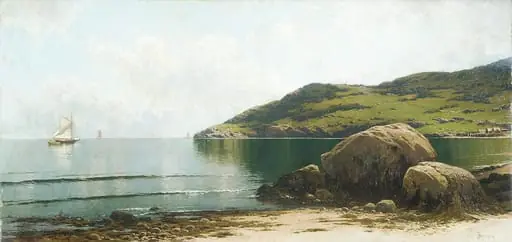 Marine Landscape
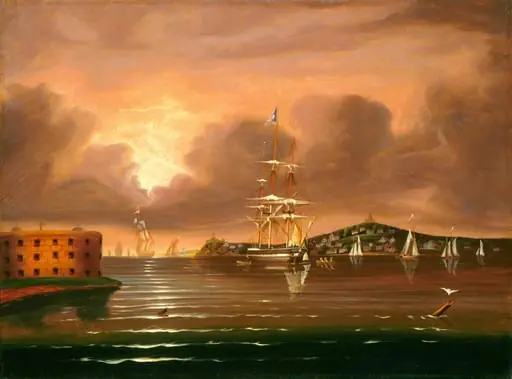 Threatening Sky, Bay of New York
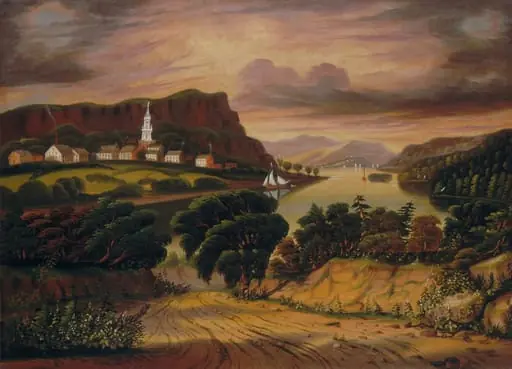 Lake George and the Village of Caldwell
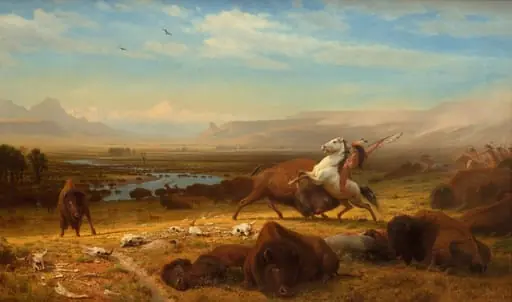 The Last of the Buffalo
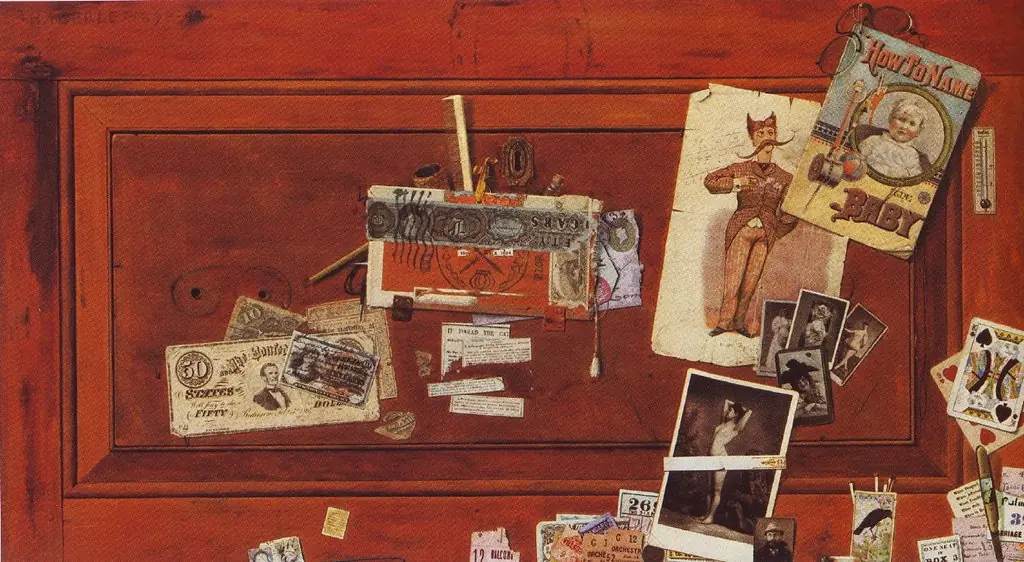 A Bachelor's Drawer
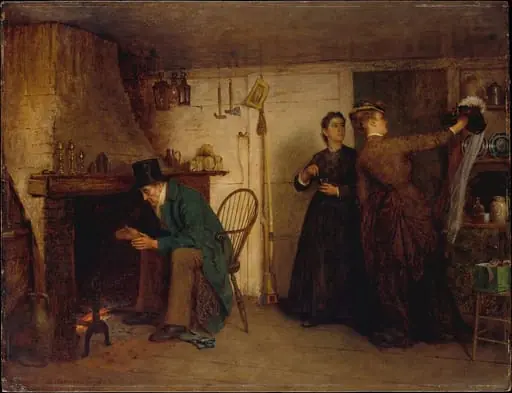 The New Bonnet
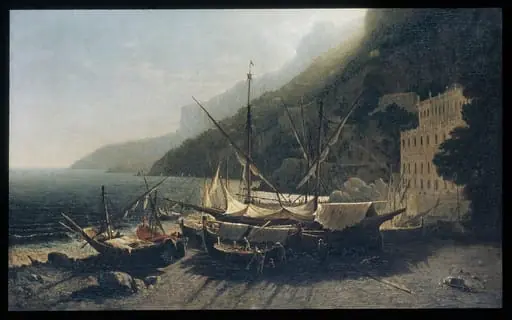 View at Amalfi, Bay of Salerno
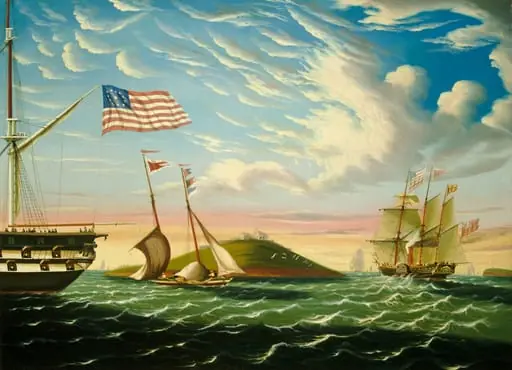 Boston Harbor
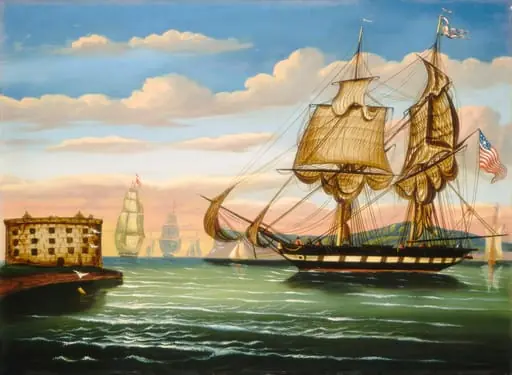 Bay of New York, Sunset
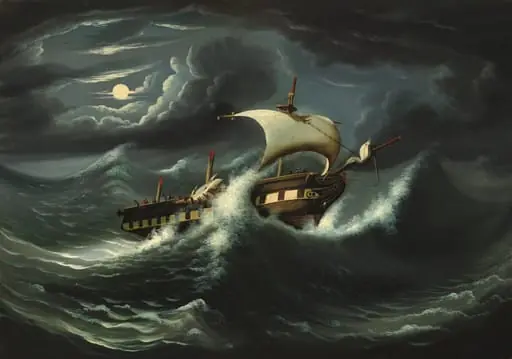 Storm-Tossed Frigate
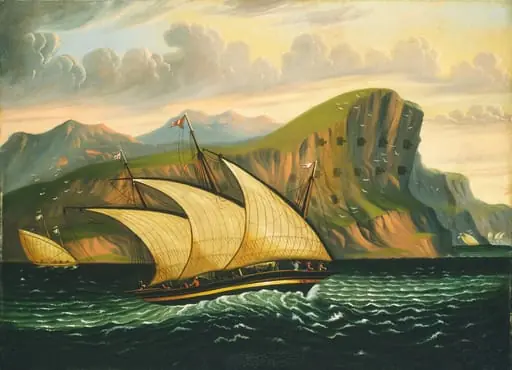 Felucca off Gibraltar
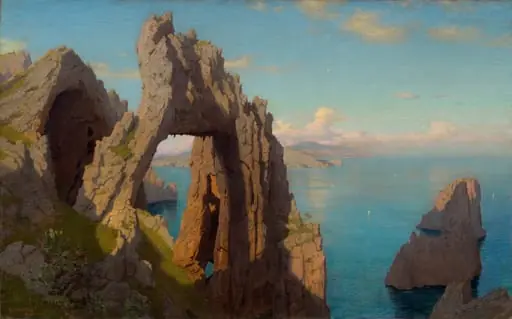 Natural Arch at Capri
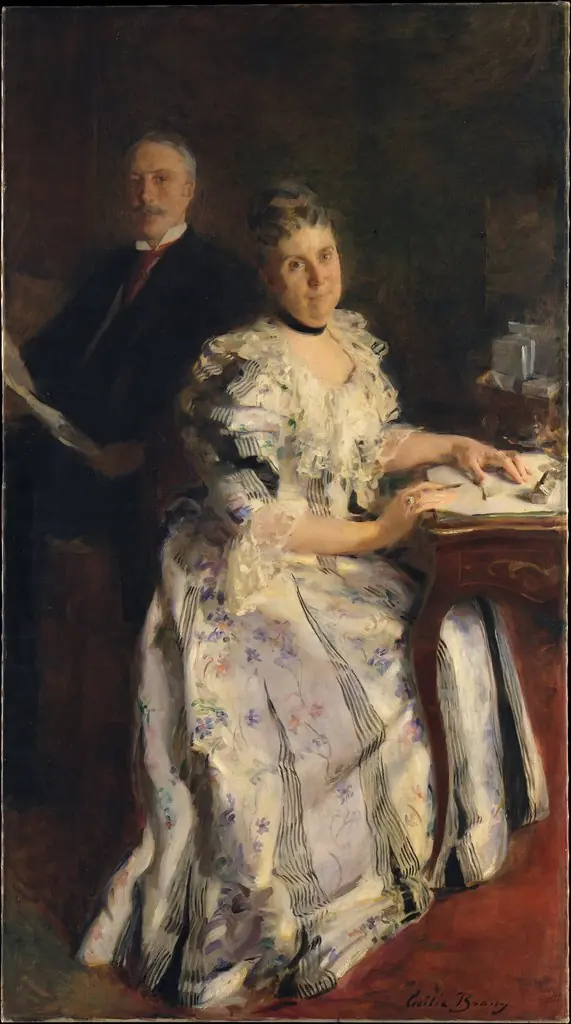 Mr. and Mrs. Anson Phelps Stokes
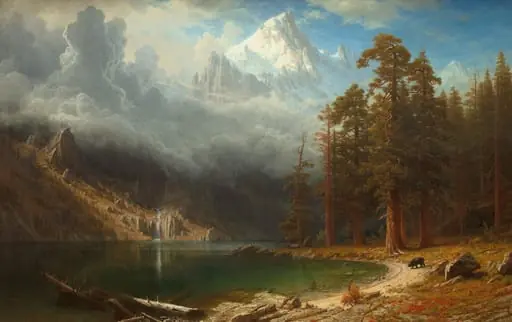 Mount Corcoran
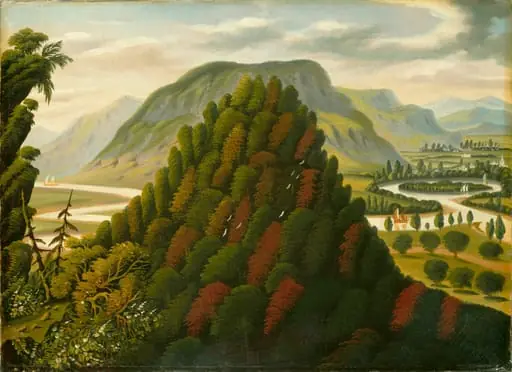 The Connecticut Valley
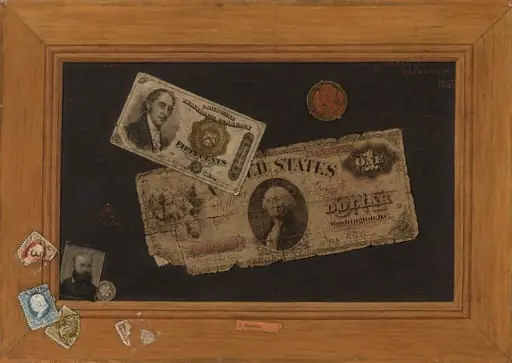 Imitation
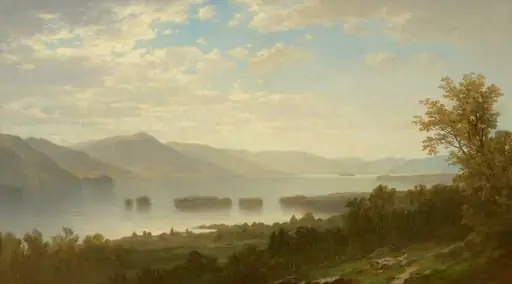 Lake George
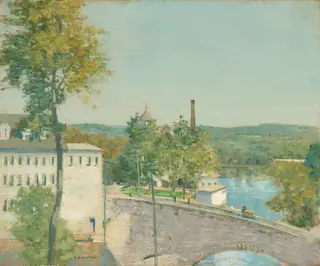
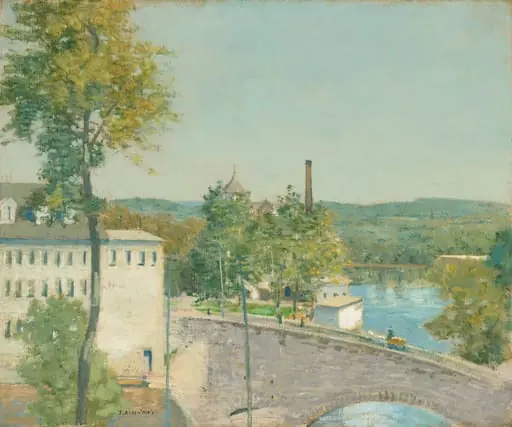 U.S. Thread Company Mills, Willimantic, Connecticut
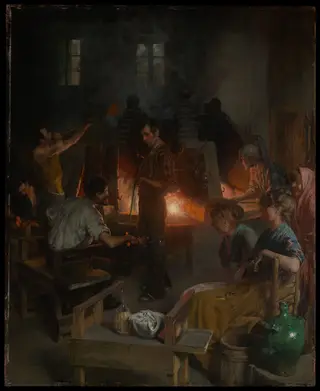 Glass Blowers of Murano
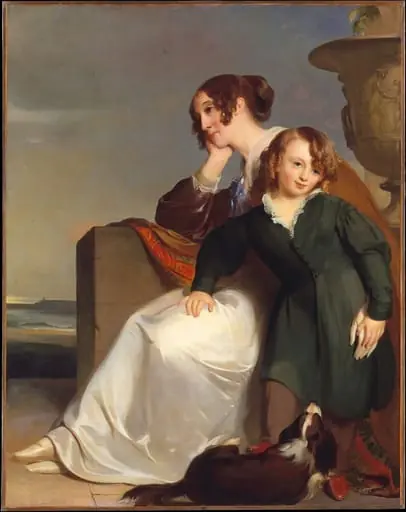 Mother and Son
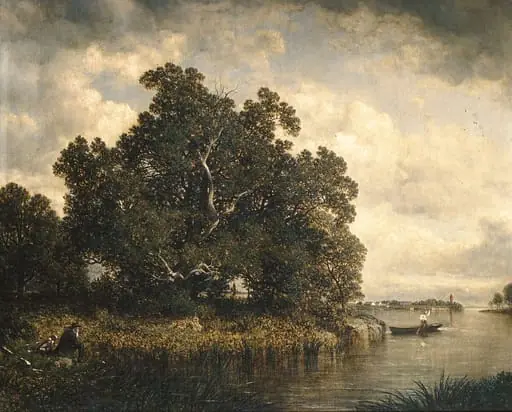 Bayside, New Rochelle, New York
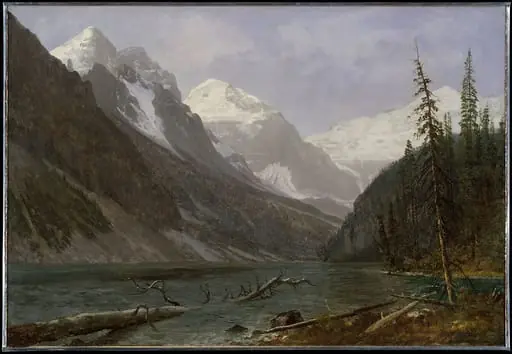 Canadian Rockies (Lake Louise)
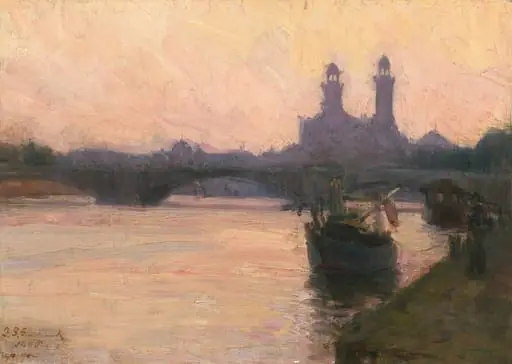 The Seine
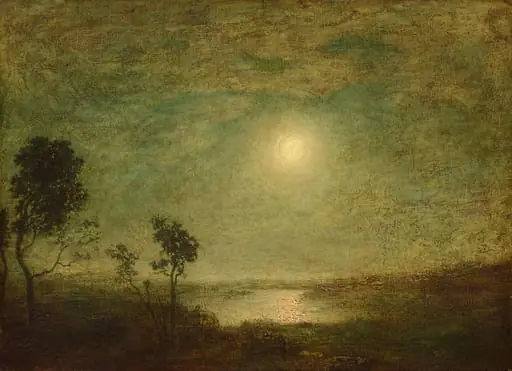 Moonlight
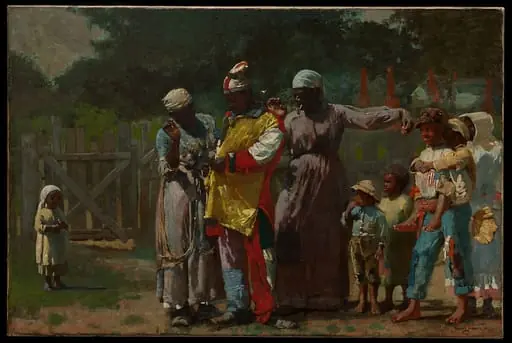 Dressing for the Carnival
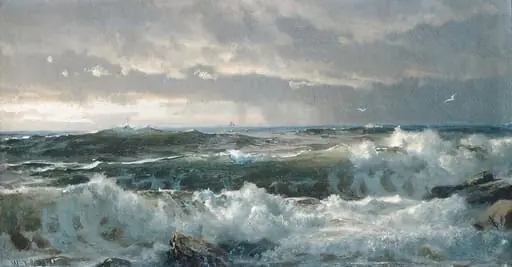 Surf on Rocks
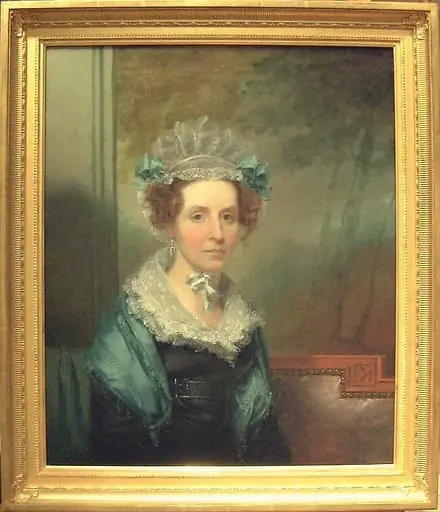 Mrs. Charles Cummings (Rebecca Pittard)
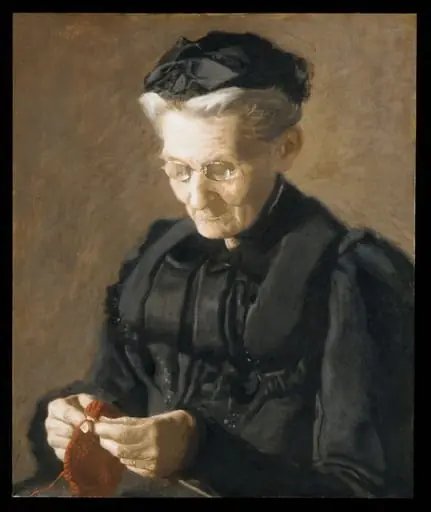 Mrs. Mary Arthur
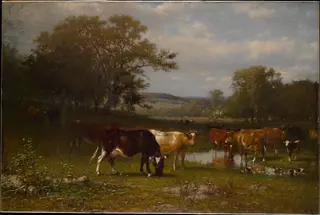 From Shifting Shade
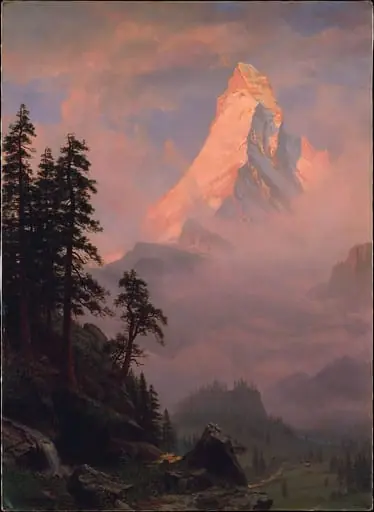 Sunrise on the Matterhorn
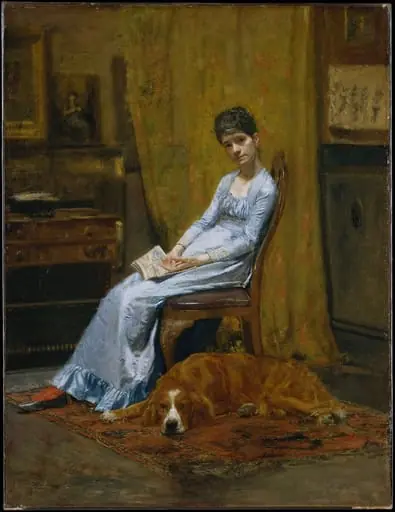 The Artist's Wife and His Setter Dog
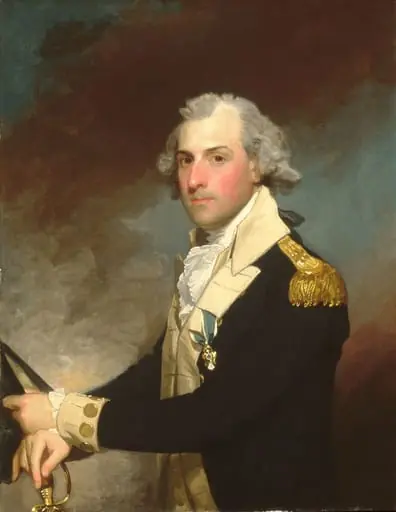 Matthew Clarkson
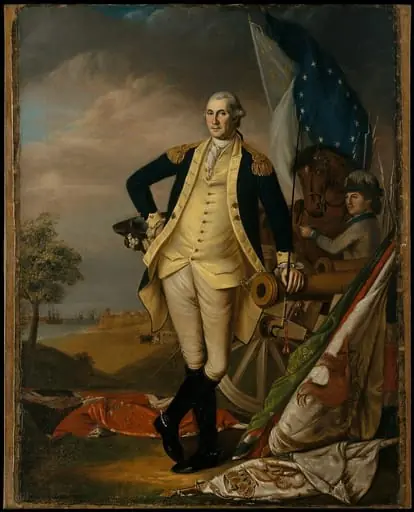 George Washington
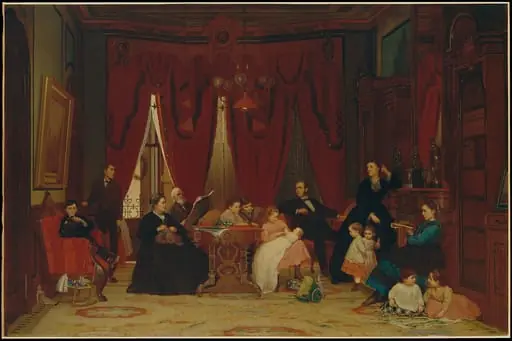 The Hatch Family
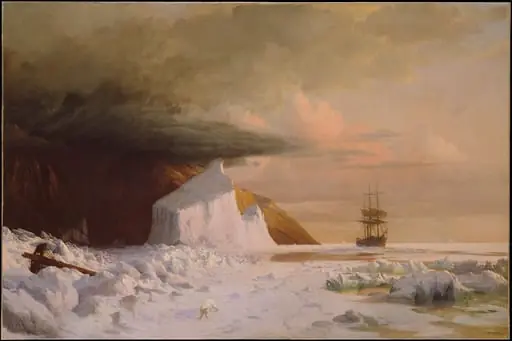 An Arctic Summer: Boring Through the Pack in Melville Bay
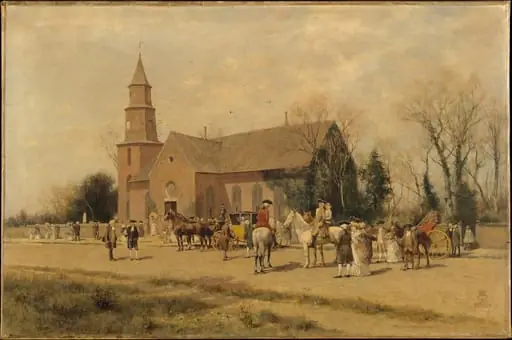 Old Bruton Church, Williamsburg, Virginia, in the Time of Lord Dunmore
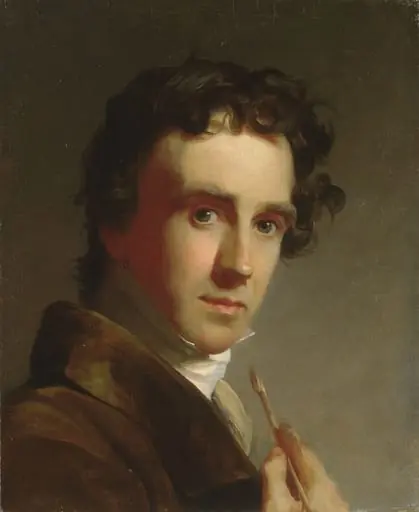 Portrait of the Artist
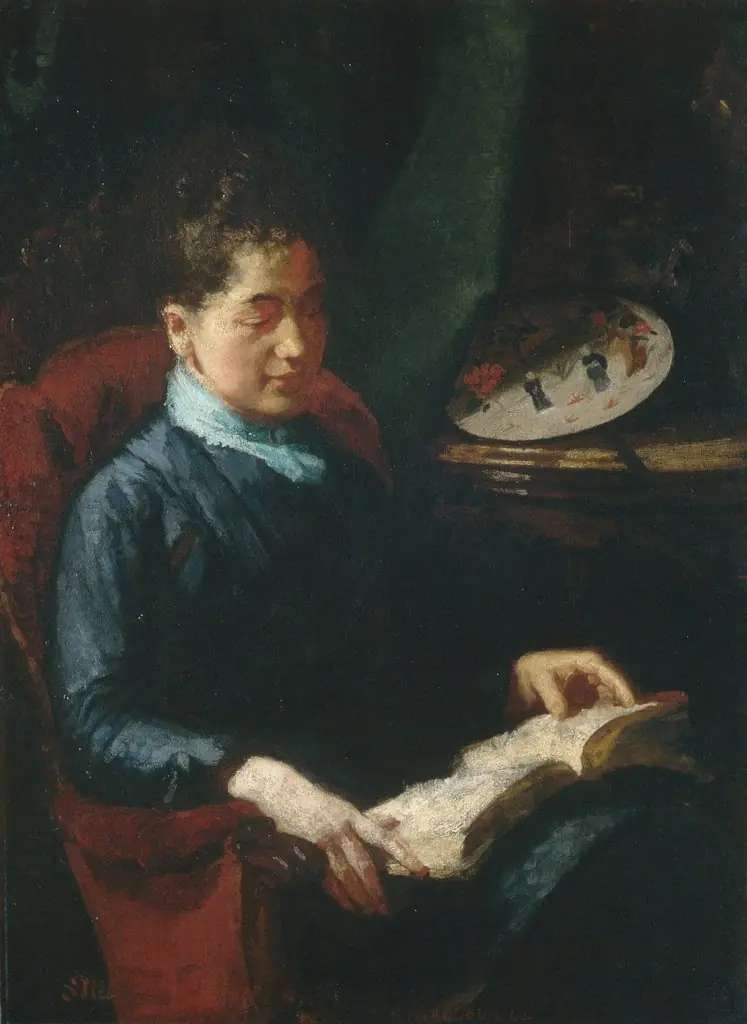 Woman Reading
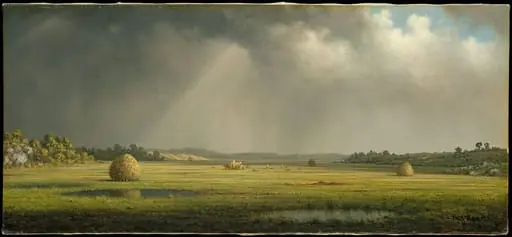 Newburyport Meadows
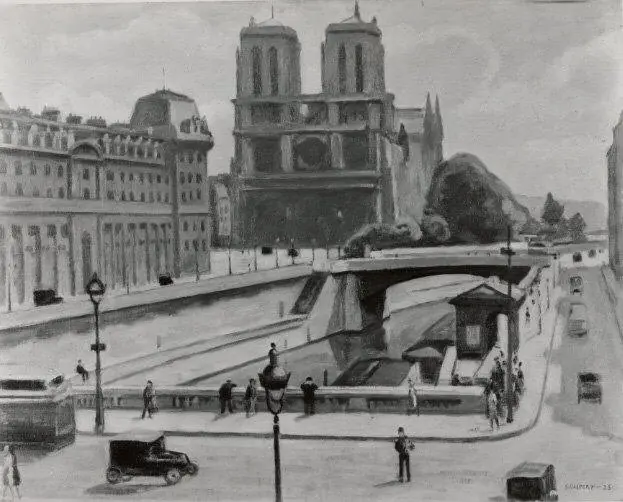 Notre Dame, Paris
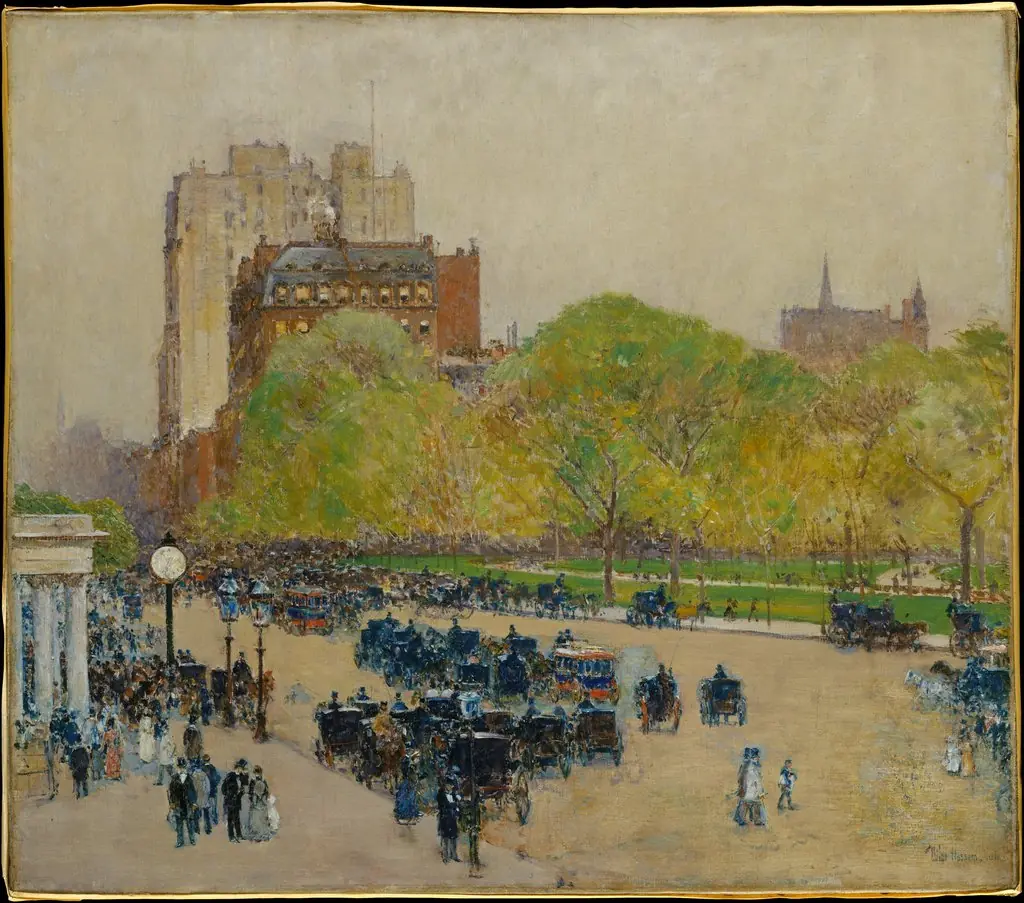 Spring Morning in the Heart of the City
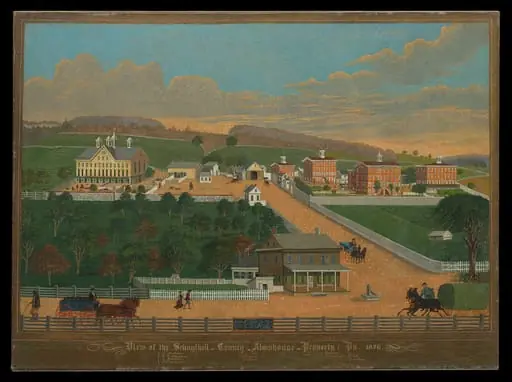 View of the Schuylkill County Almshouse Property
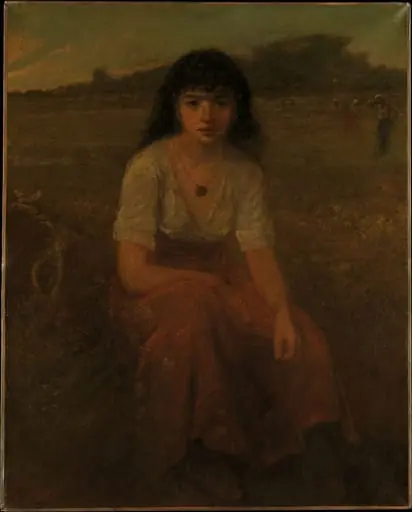 The Quadroon
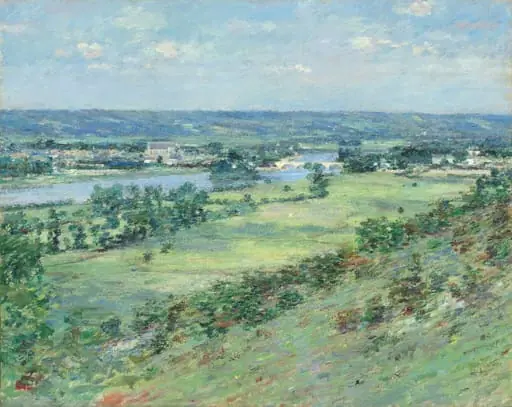 The Valley of the Seine, from the Hills of Giverny
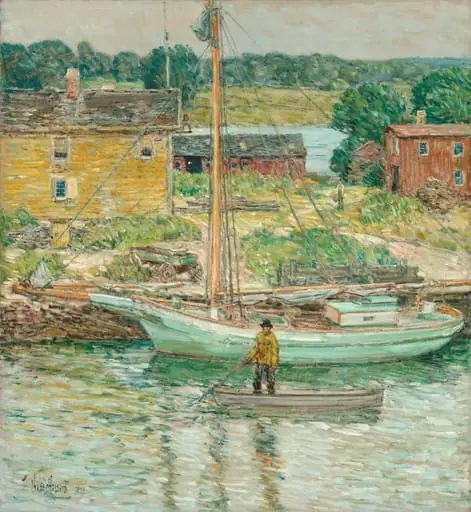 Oyster Sloop, Cos Cob
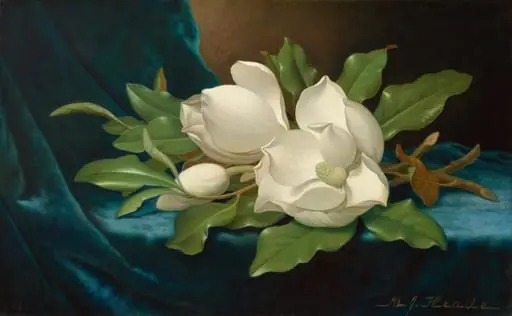 Giant Magnolias on a Blue Velvet Cloth
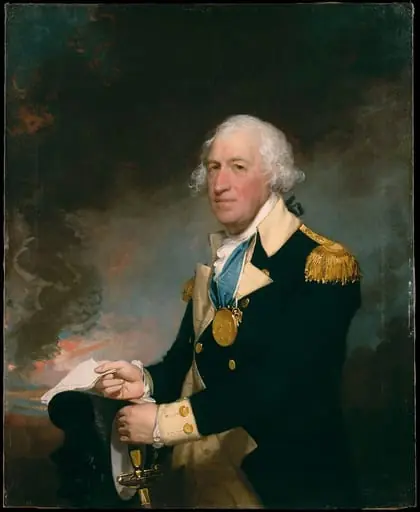 Horatio Gates
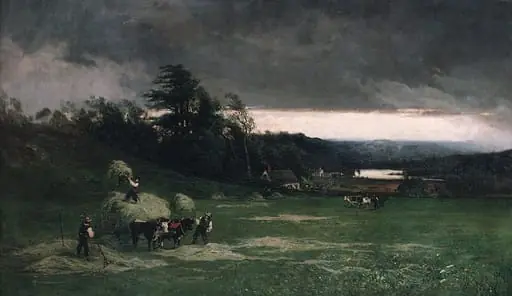 Approaching Storm
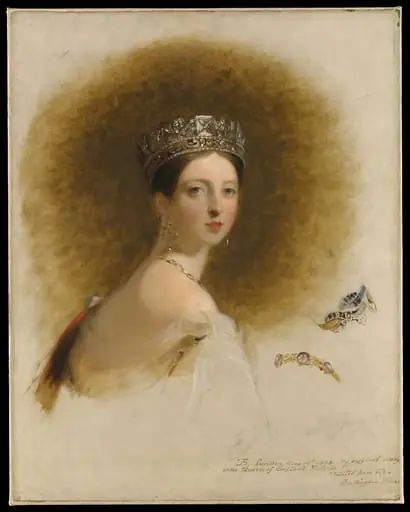 Queen Victoria
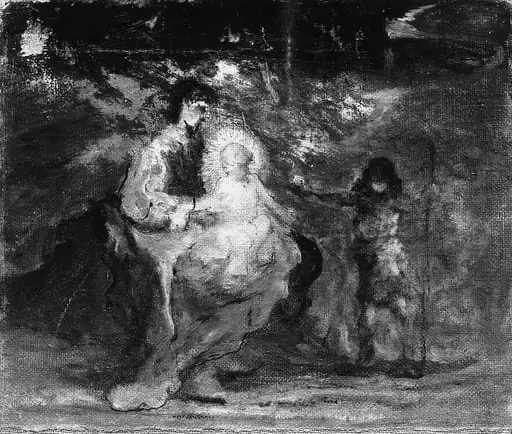 Madonna and Child and Little Saint John
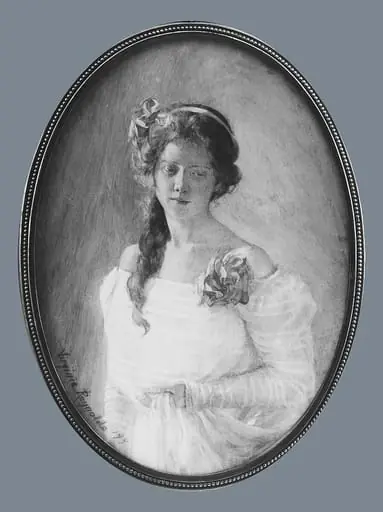 Bessie Moore
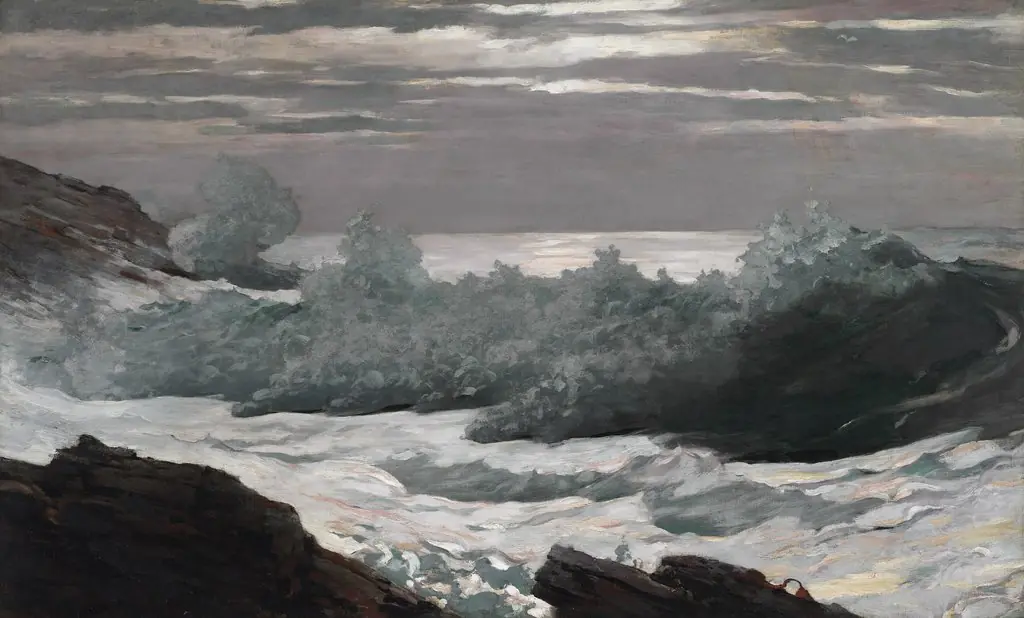 Early Morning After a Storm at Sea
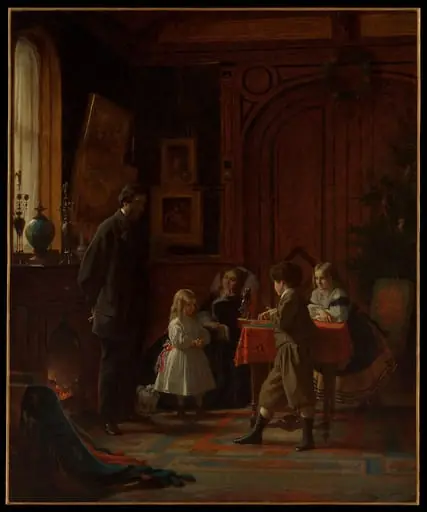 Christmas-Time, The Blodgett Family
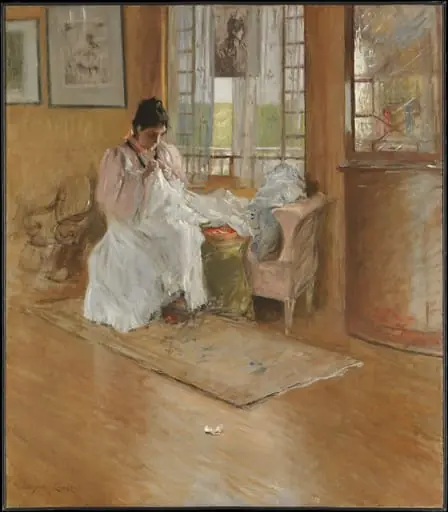 For the Little One
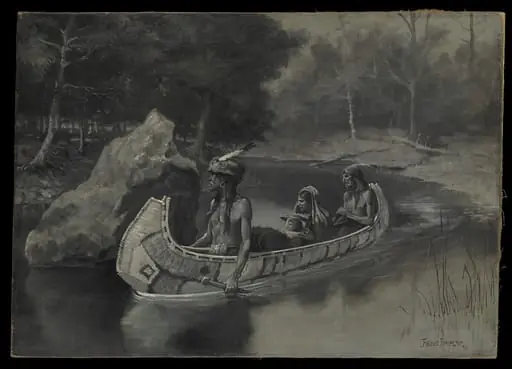 Pitched It Sheer into the River . . . Where It Still Is Seen in the Summer
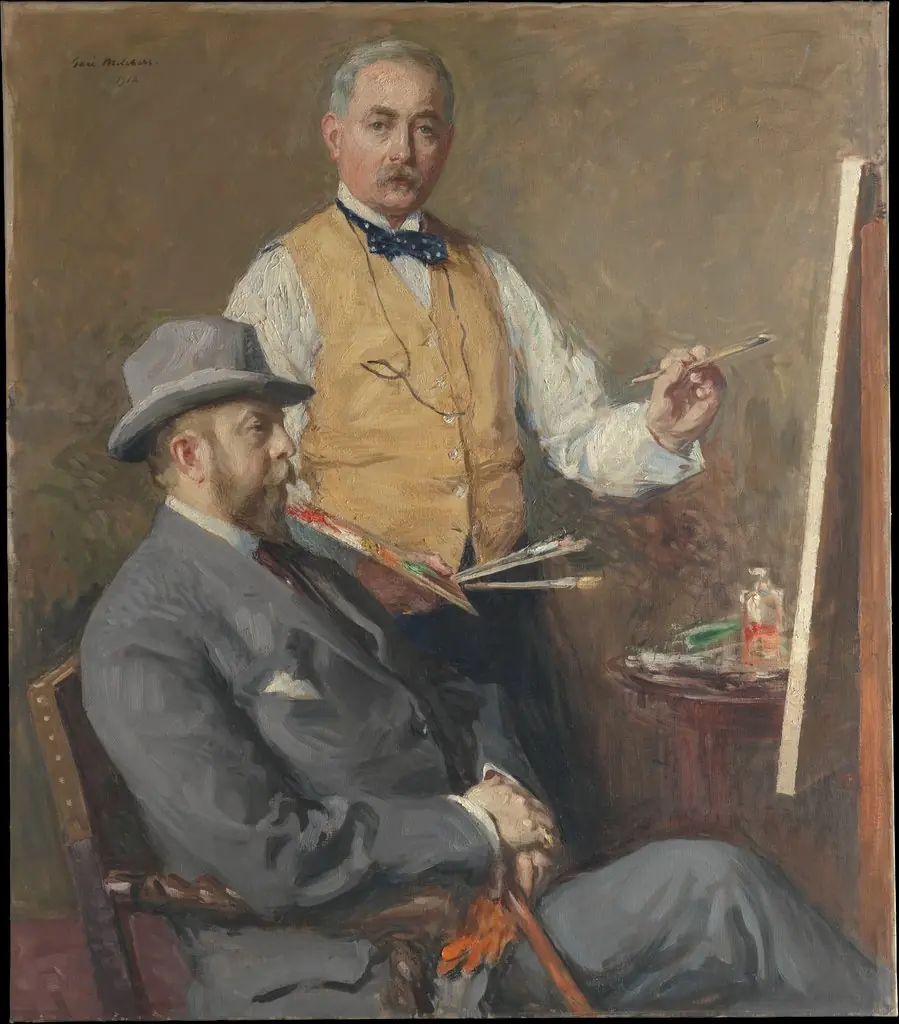 In the Studio (Gari Melchers and Hugo Reisinger)
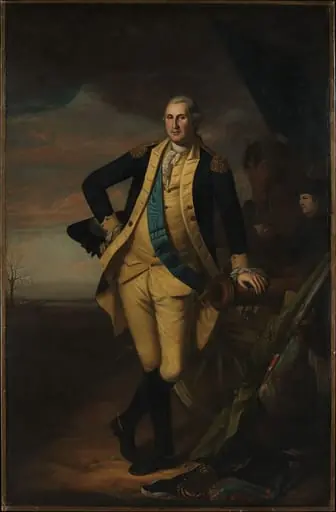 George Washington
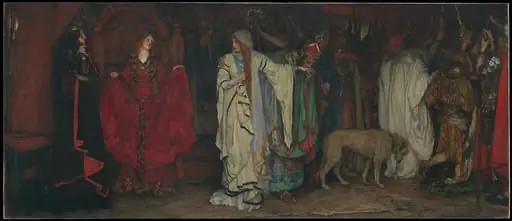 "King Lear," Act I, Scene I
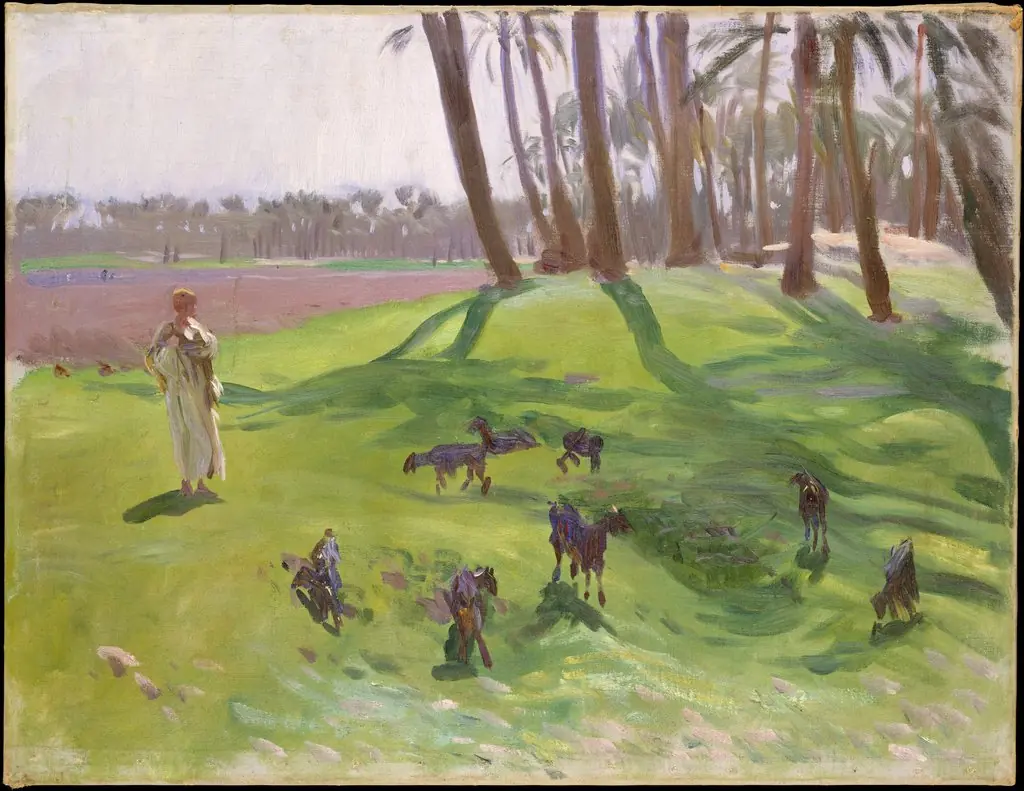 Landscape with Goatherd
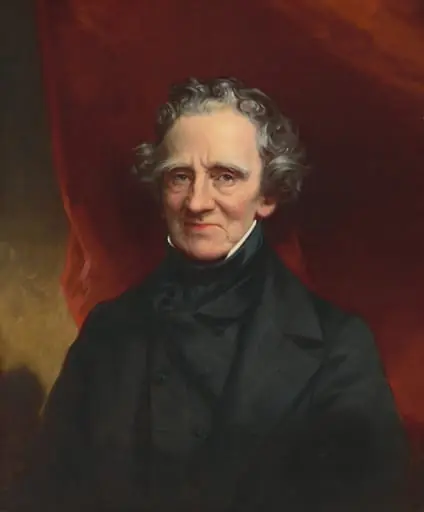 Self-Portrait
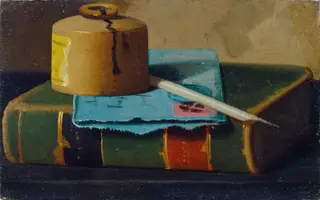 The Blue Envelope
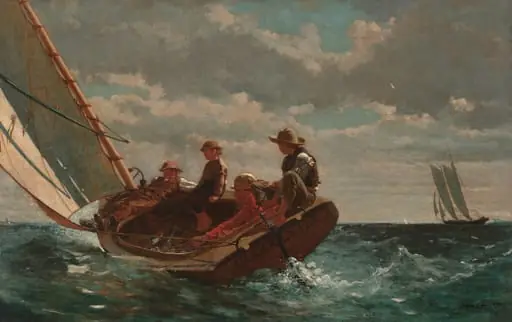 Breezing Up (A Fair Wind)
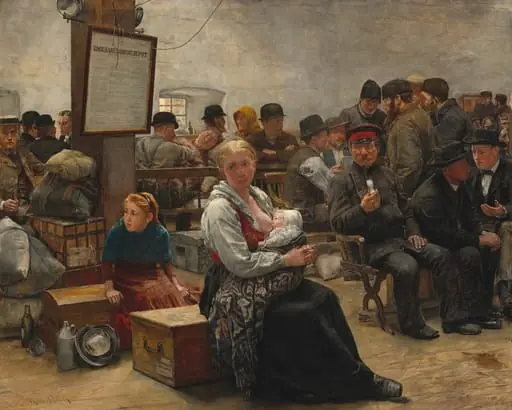 In the Land of Promise, Castle Garden
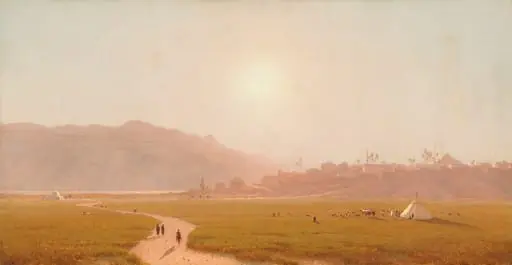 Siout, Egypt
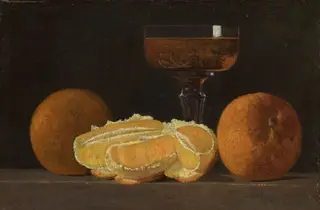 Still Life with Oranges and Goblet of Wine
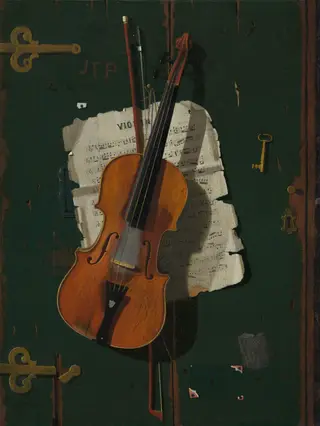 The Old Violin
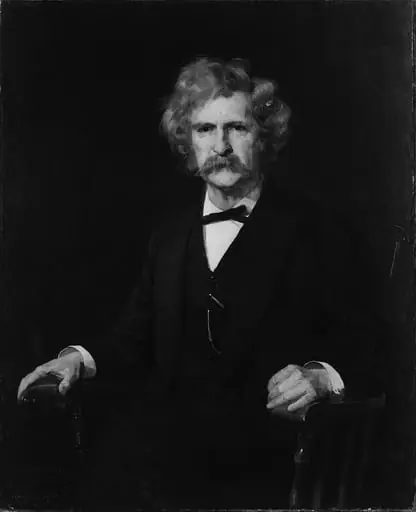 Mark Twain
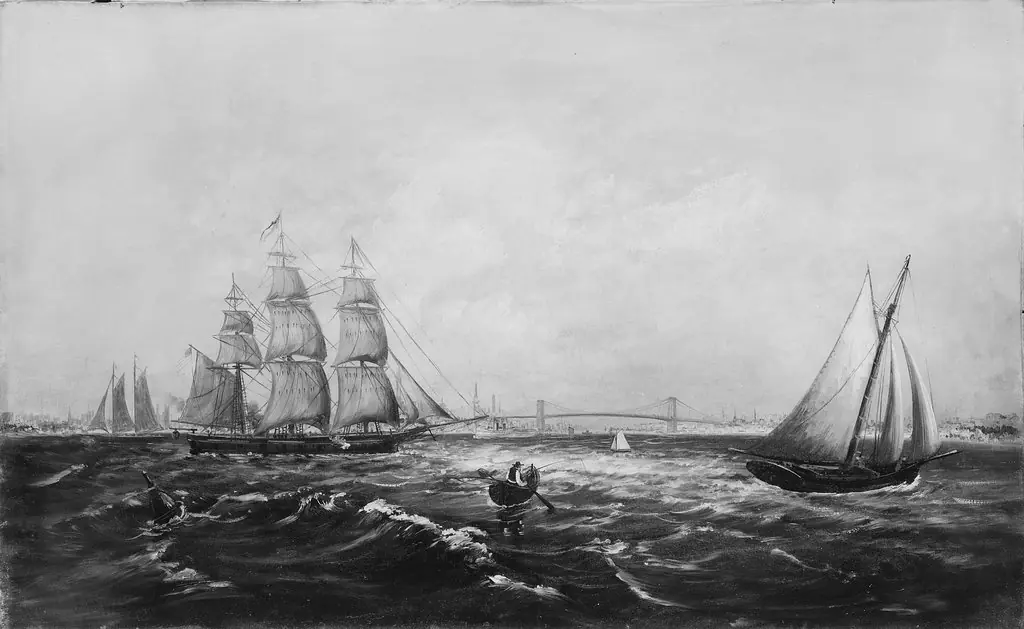 New York Bay and Harbor
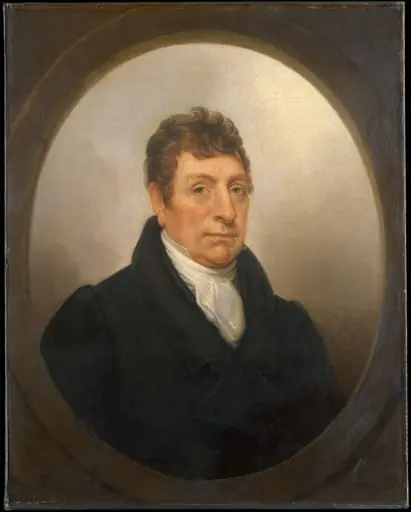 The Marquis de Lafayette
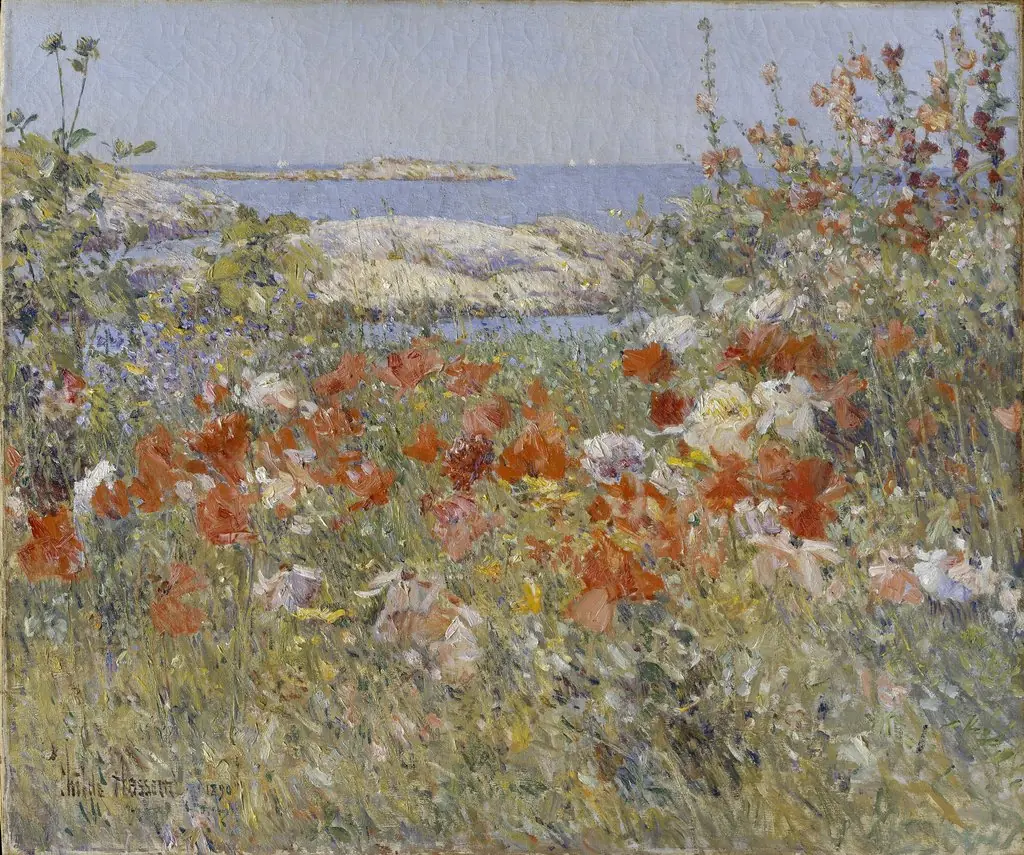 Celia Thaxter's Garden, Isles of Shoals, Maine
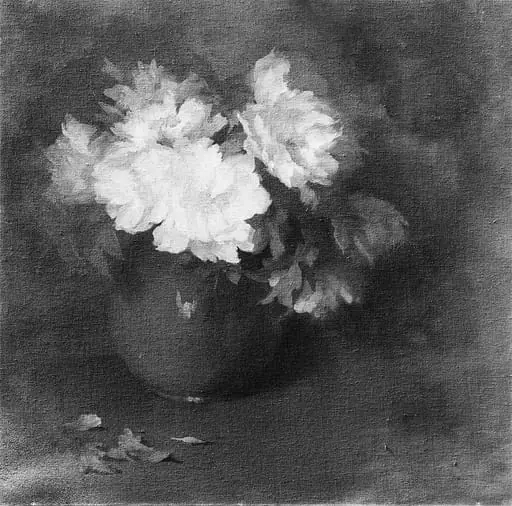 Peonies
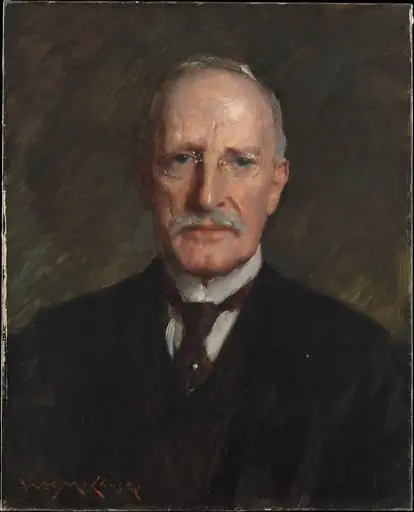 Edward Guthrie Kennedy
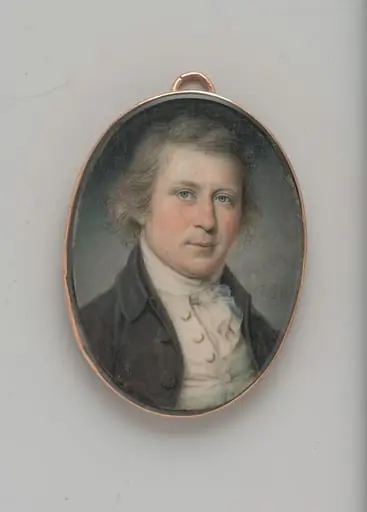 Self-portrait
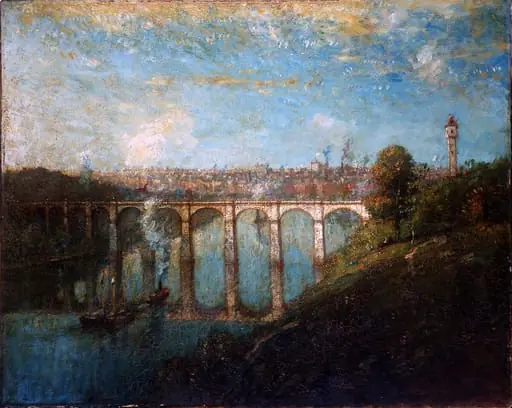 High Bridge, New York
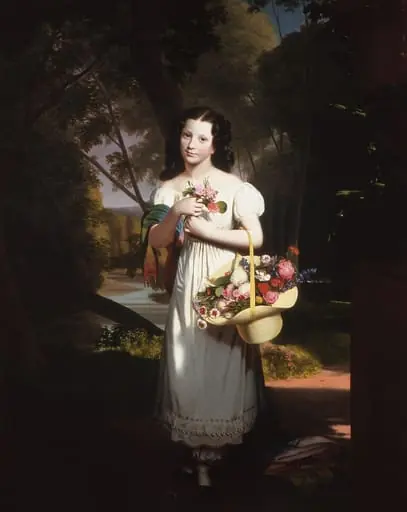 Little Girl with Flowers (Amelia Palmer)
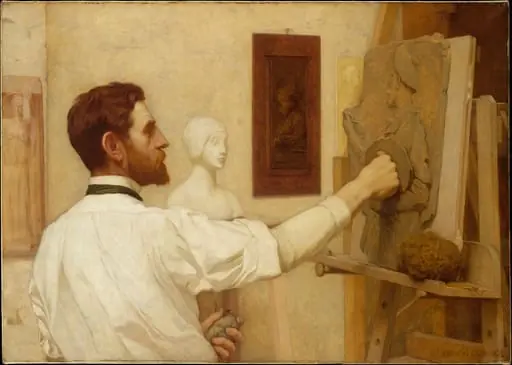 Augustus Saint-Gaudens
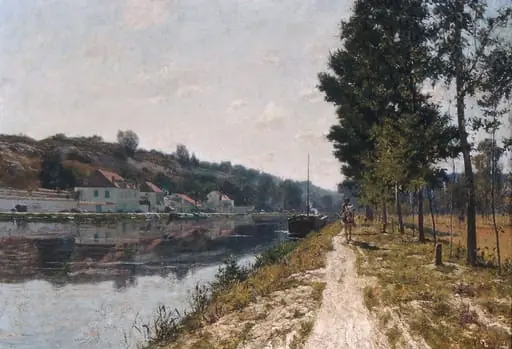 Banks of the Loing
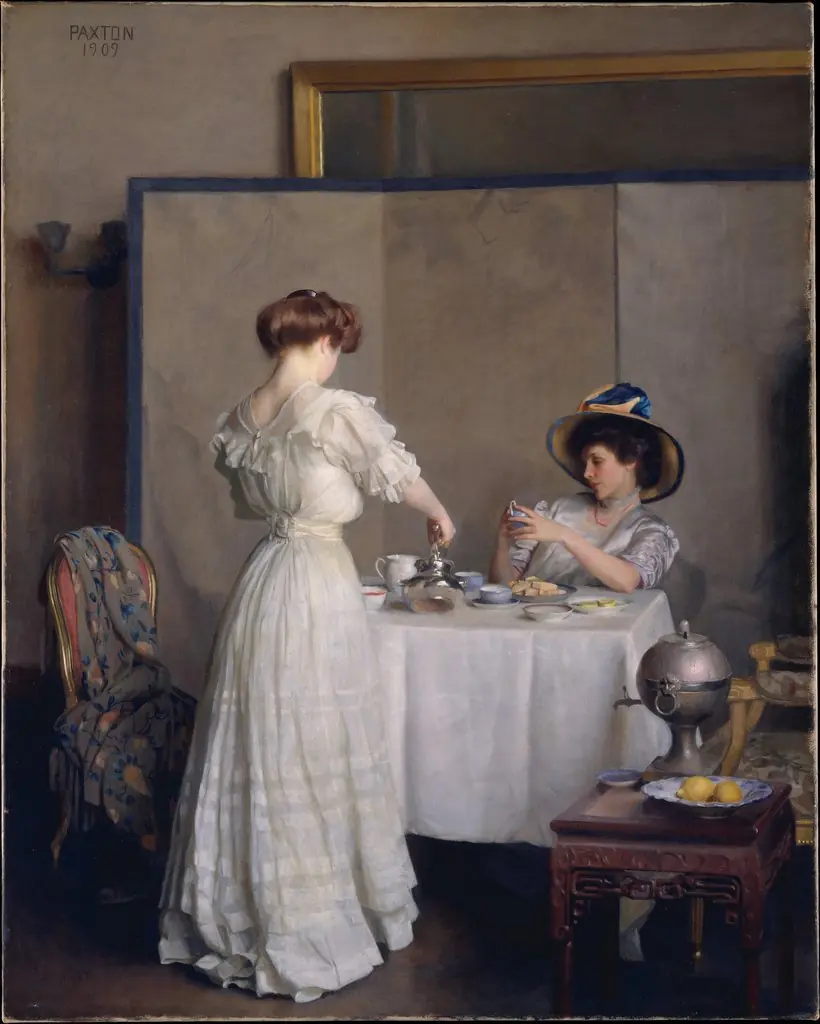 Tea Leaves
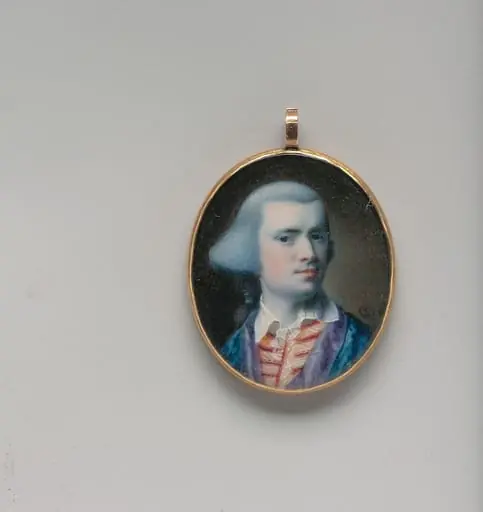 Self-portrait miniature
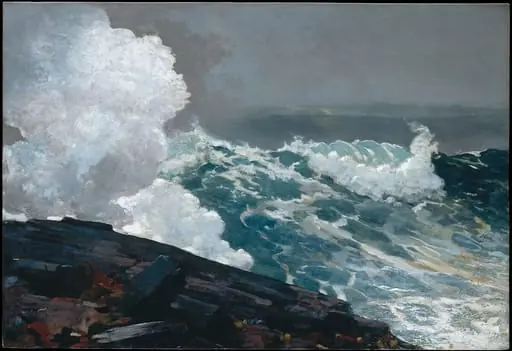 Northeaster
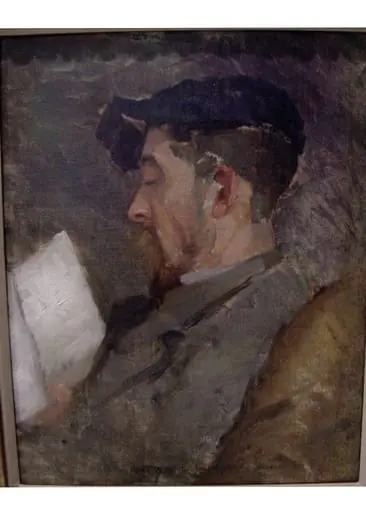 Self-Portrait
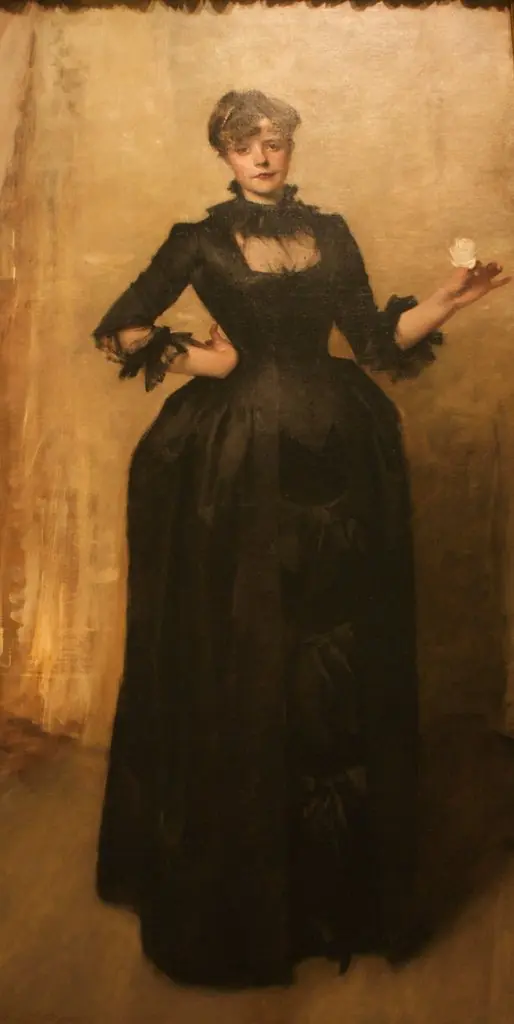 Lady with the Rose
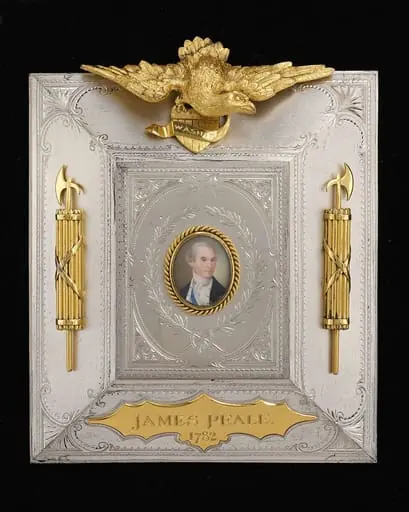 George Washington
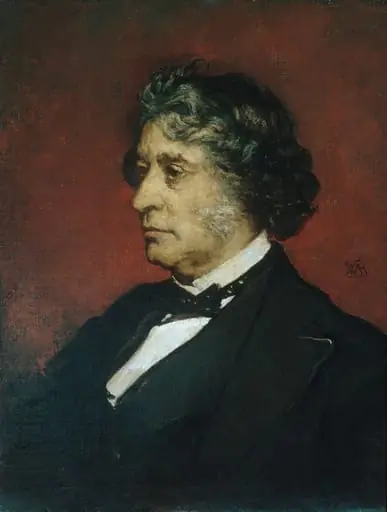 Charles Sumner
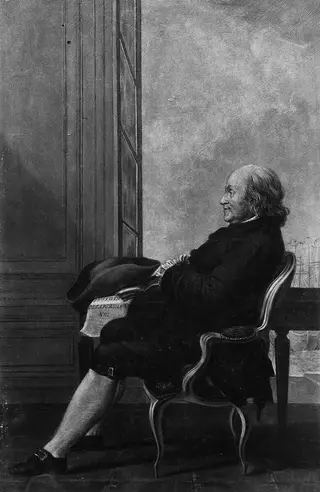 Benjamin Franklin
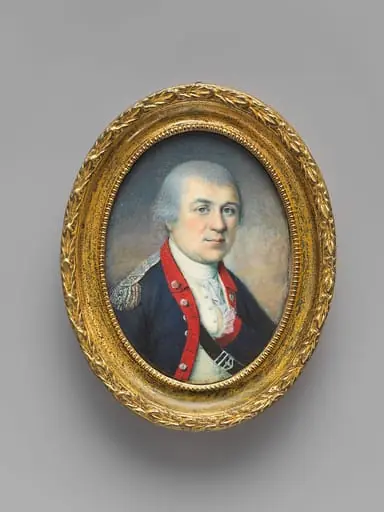 General Henry Knox
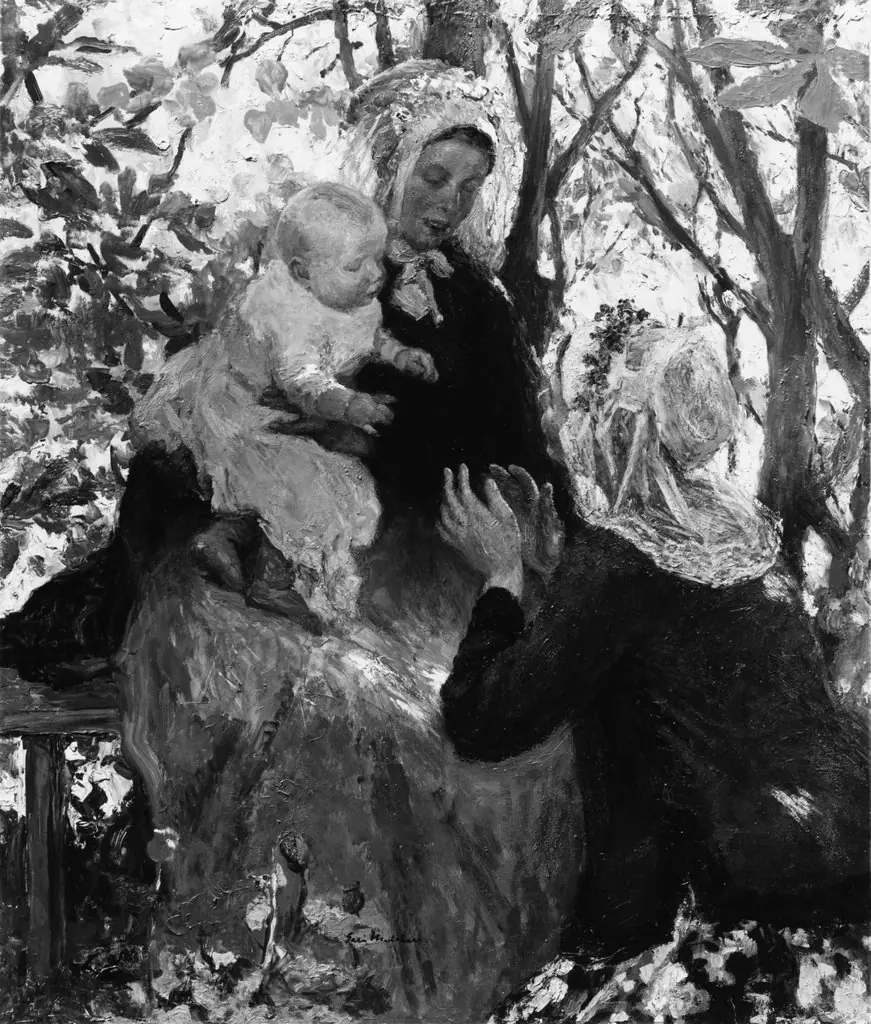 Madonna
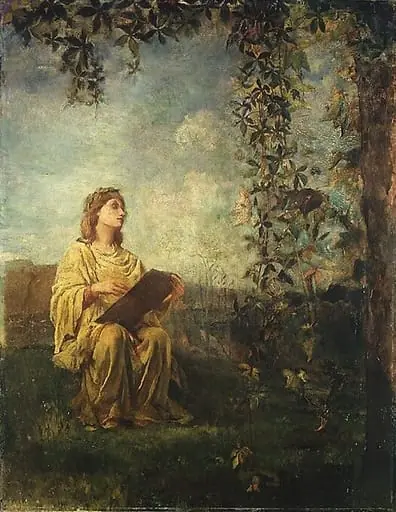 The Muse of Painting
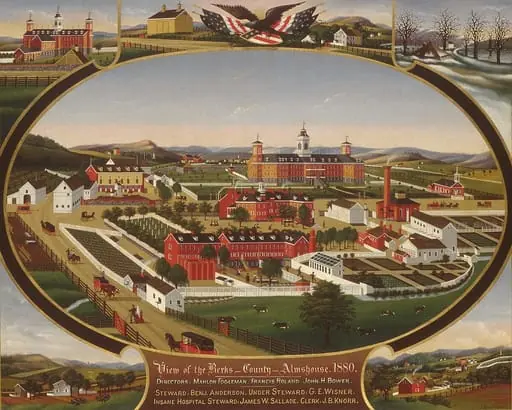 Berks County Almshouse, 1880
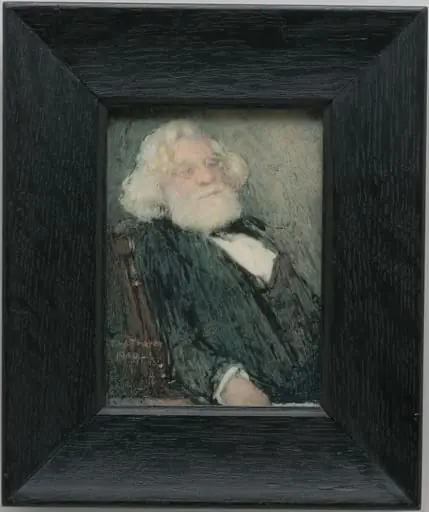 Parke Godwin
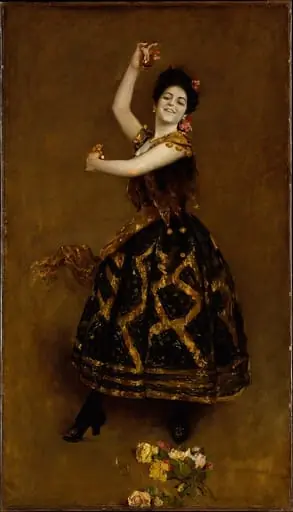 Carmencita
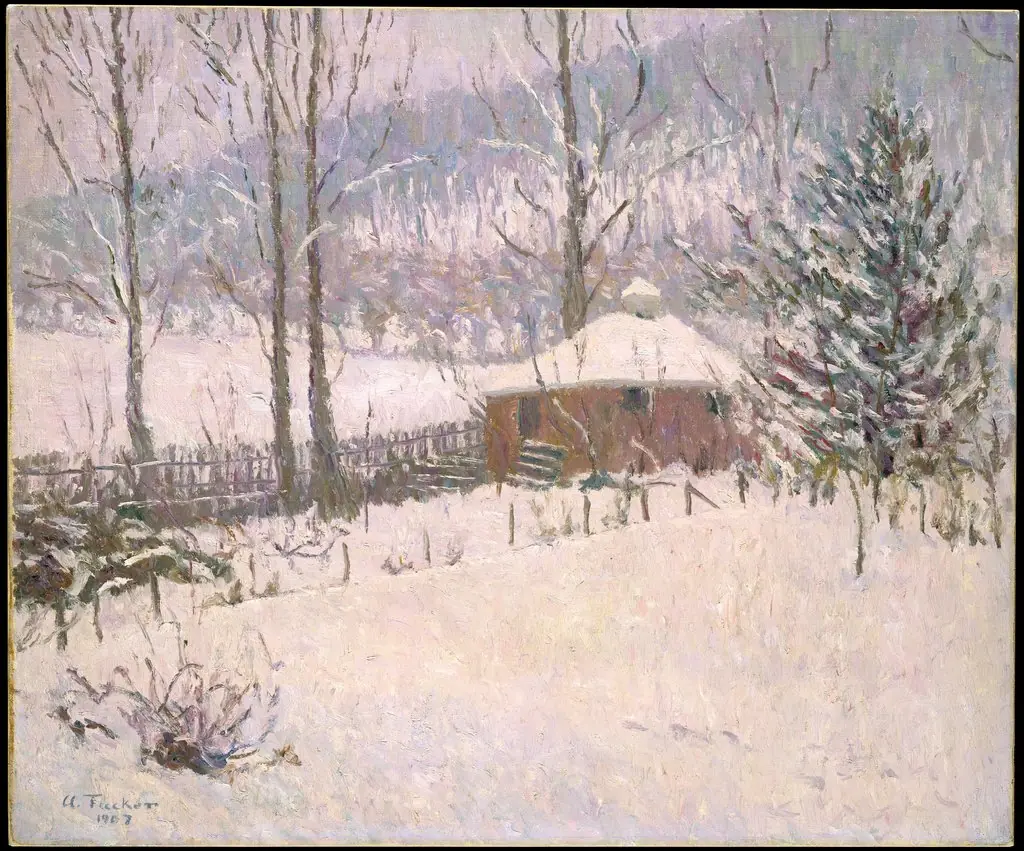 Winter at Portland
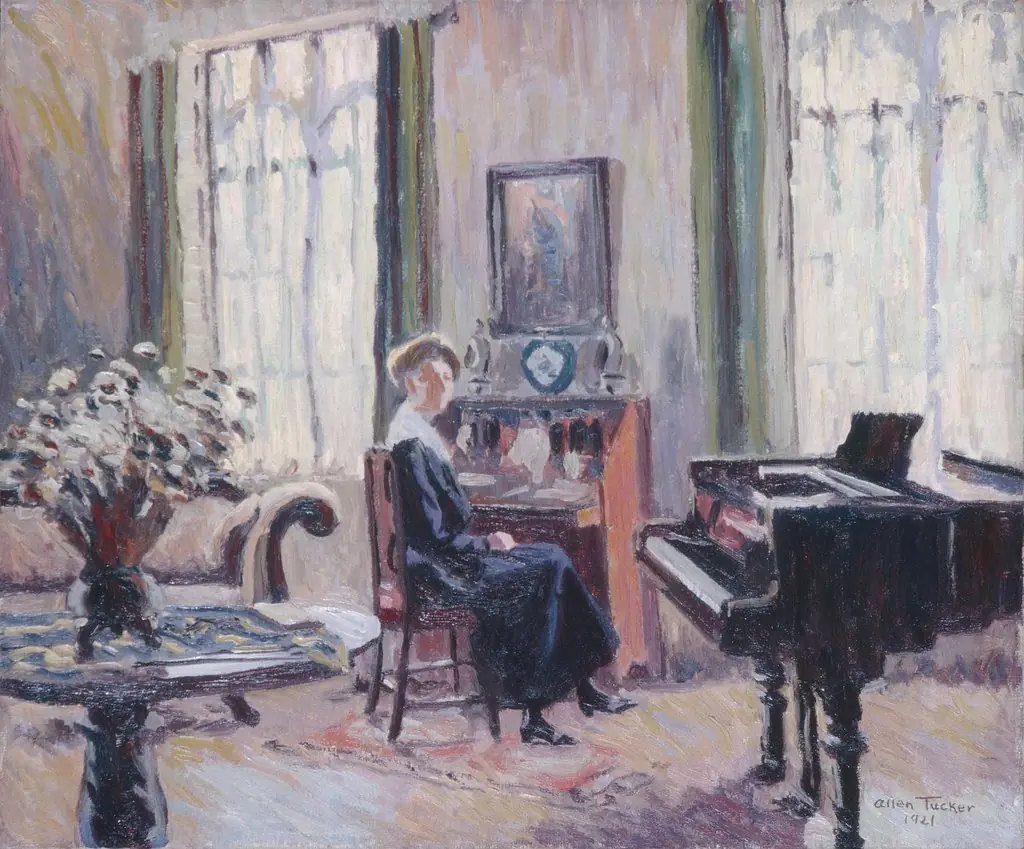 Interior
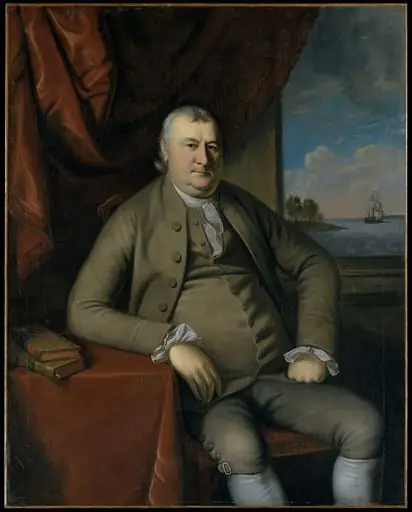 Samuel Mifflin
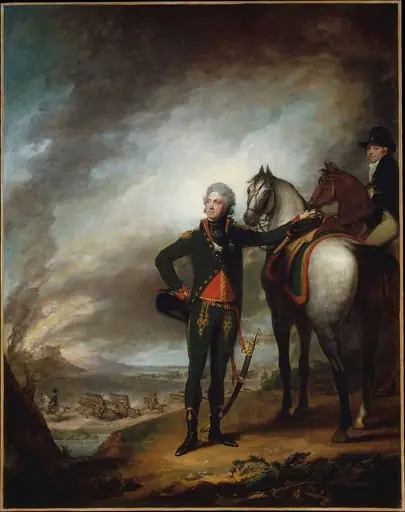 Louis-Marie, Vicomte de Noailles
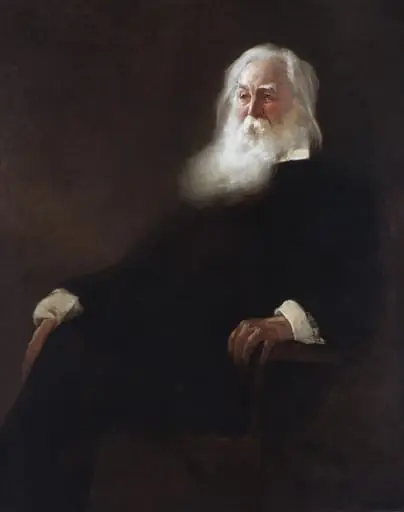 Walt Whitman
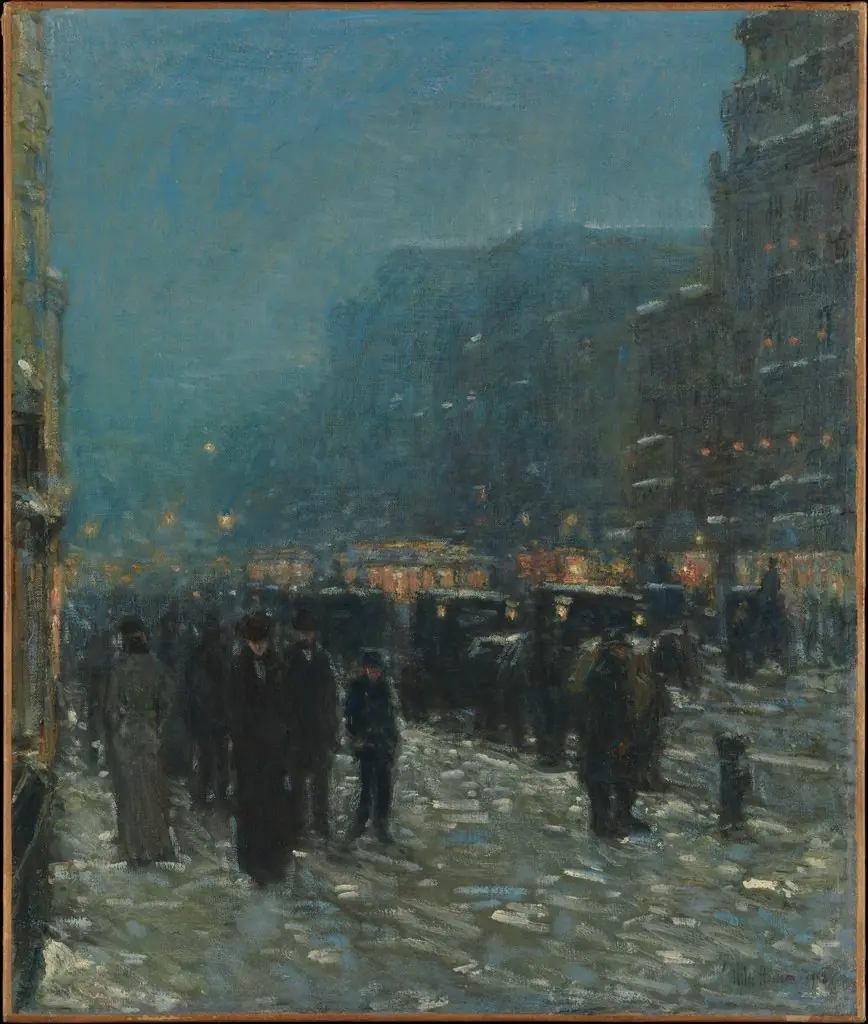 Broadway and 42nd Street
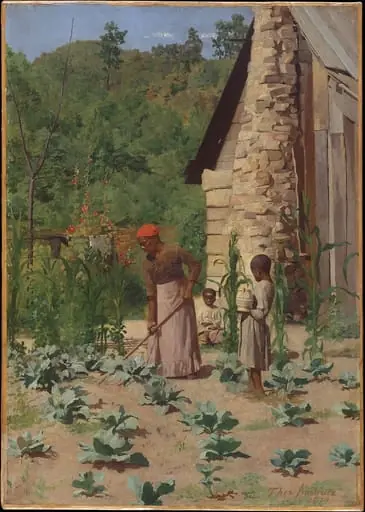 The Way They Live
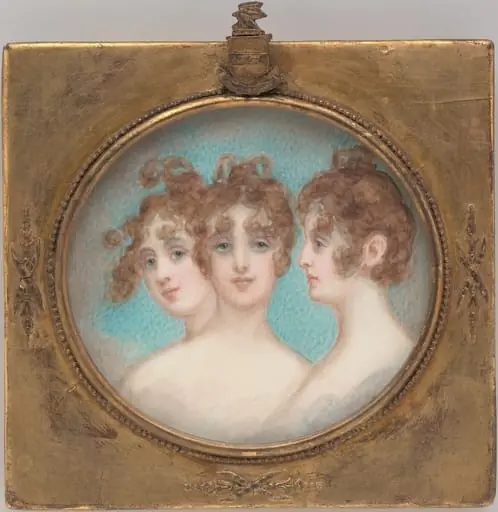 Madame Jerome Bonaparte (Elizabeth Patterson)
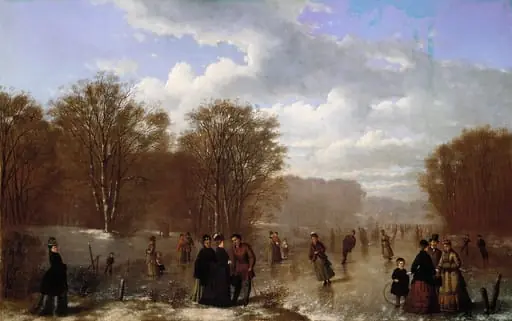 Skating on the Wissahickon
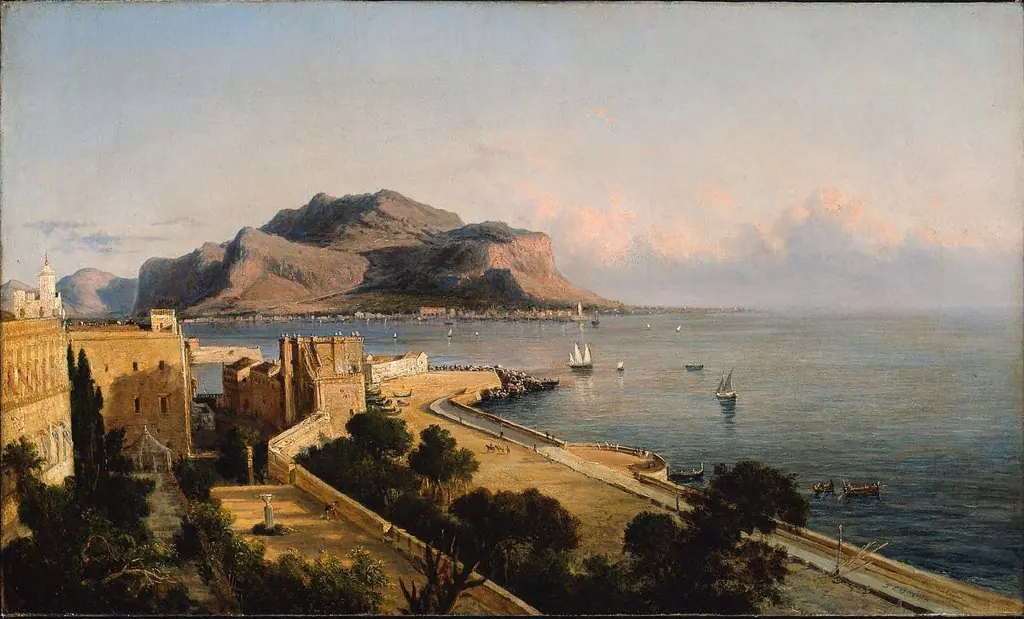 Monte Pellegrino at Palermo, Italy
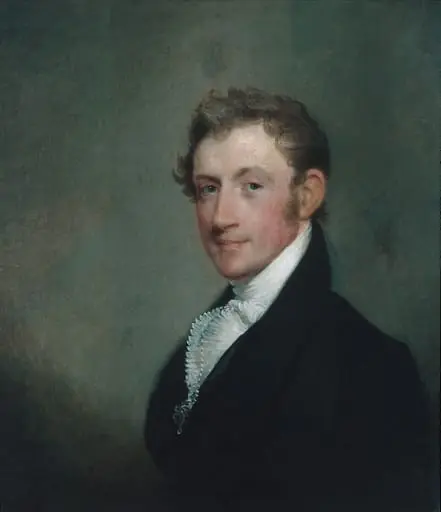 David Sears, Jr.
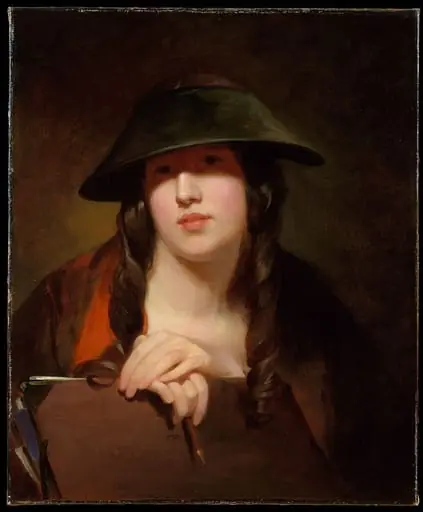 The Student
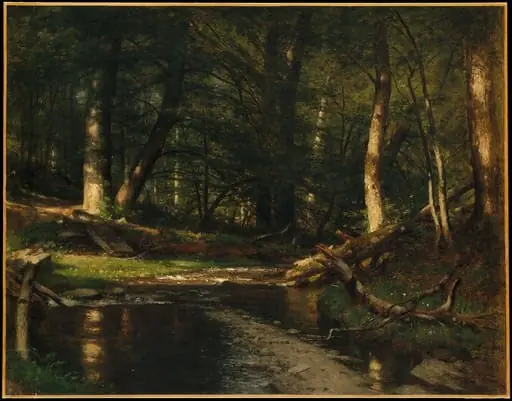 The Brook in the Woods
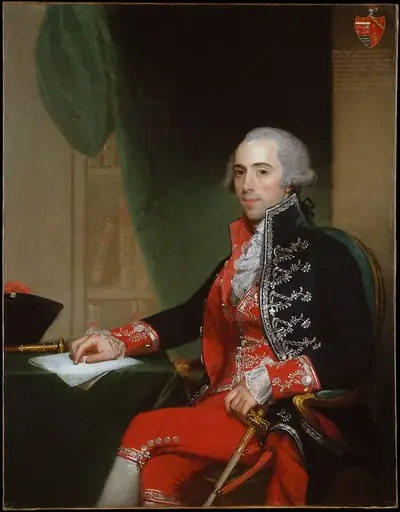 Josef de Jaudenes y Nebot
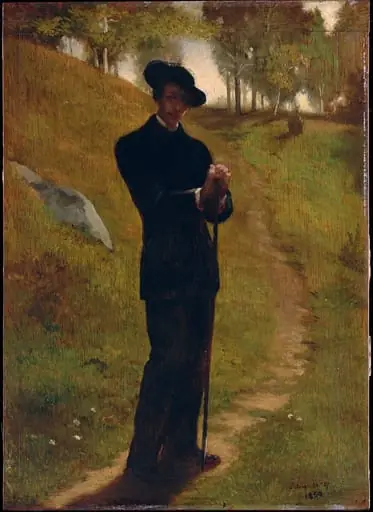 Portrait of the Painter
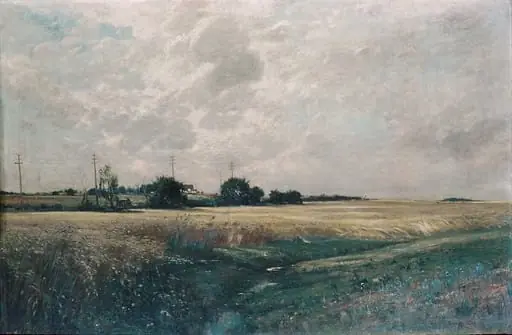 Broad Acres
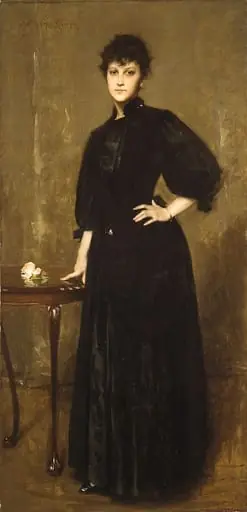 Lady in Black
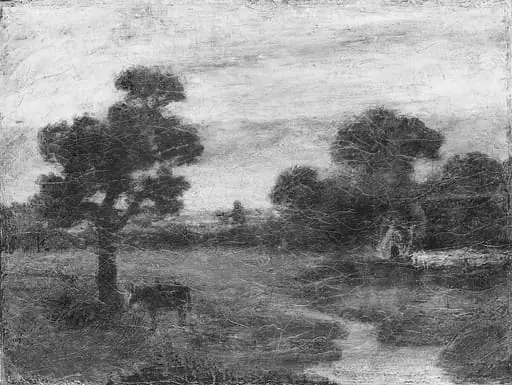 Pasture at Evening
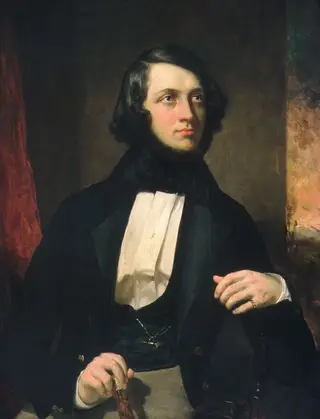 Alexander Van Rensselaer
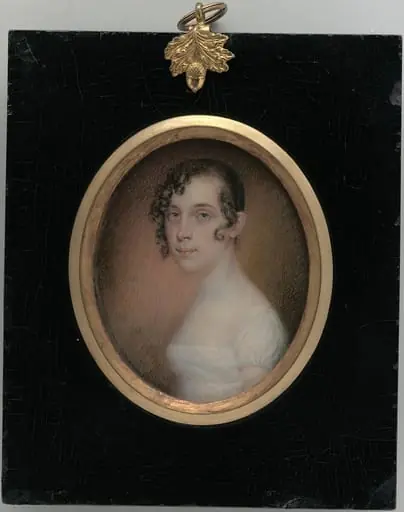 Anna Claypoole Peale
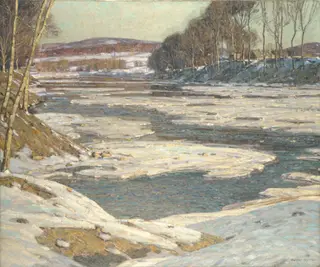 An Opalescent River
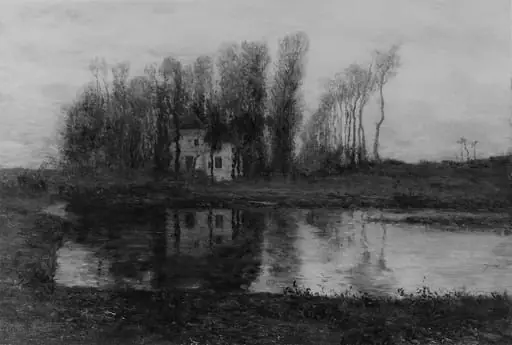 Old Manor of Criqueboeuf
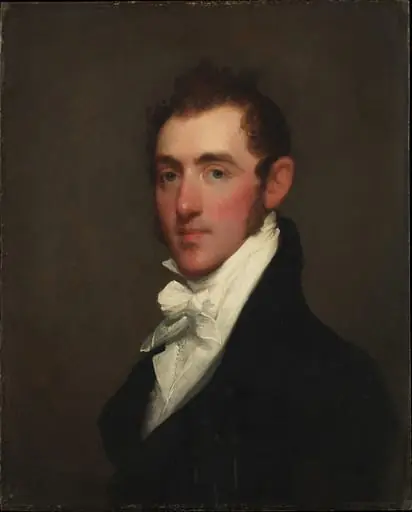 Henry Rice
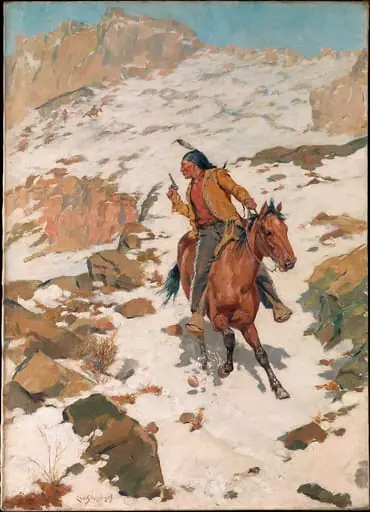 In Hot Pursuit
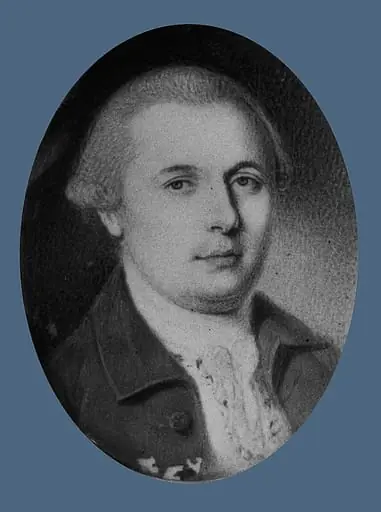 Nathanael Greene
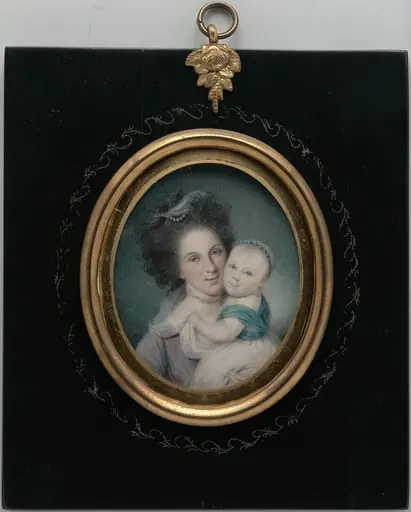 Mrs. Charles Willson Peale (Rachel Brewer) and Baby Eleanor
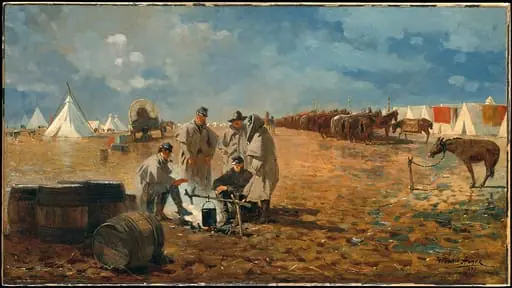 Rainy Day in Camp
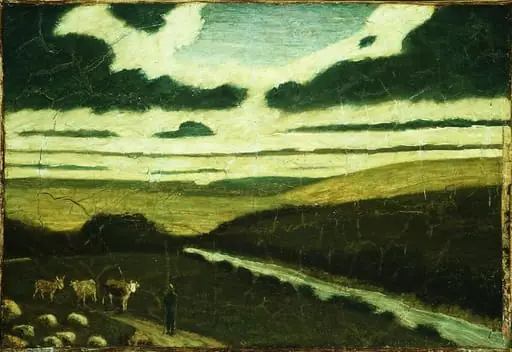 Landscape
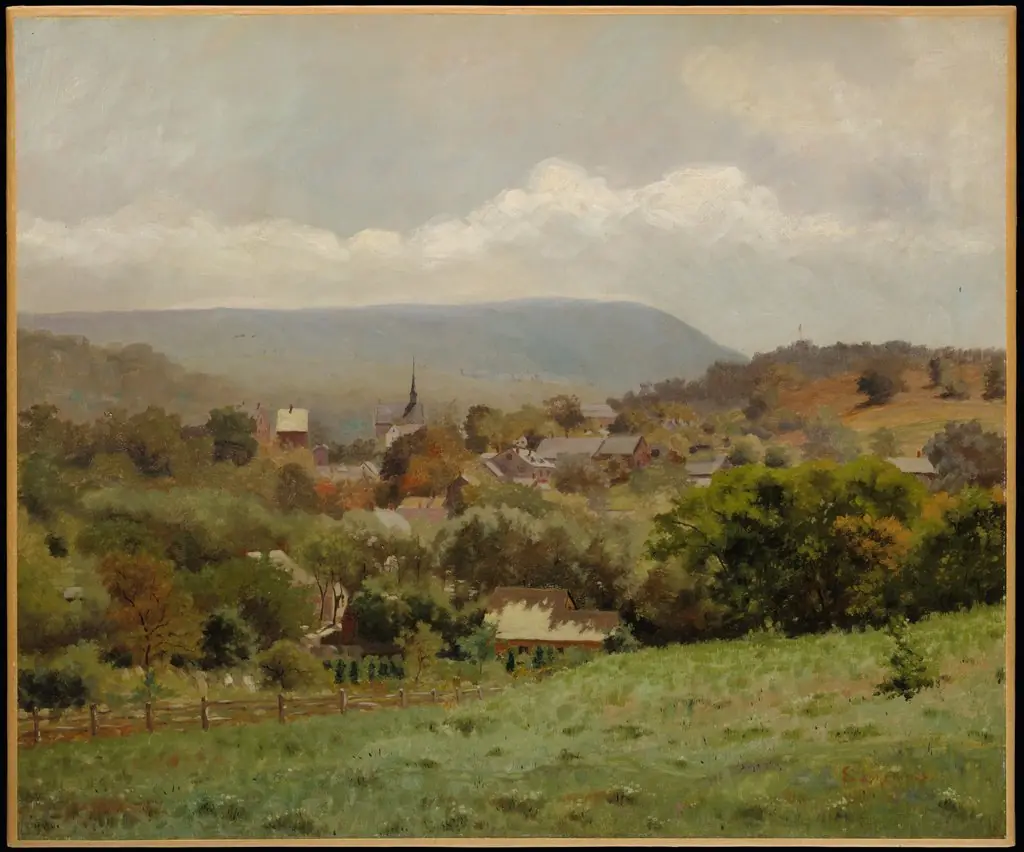 Delaware Water Gap Village
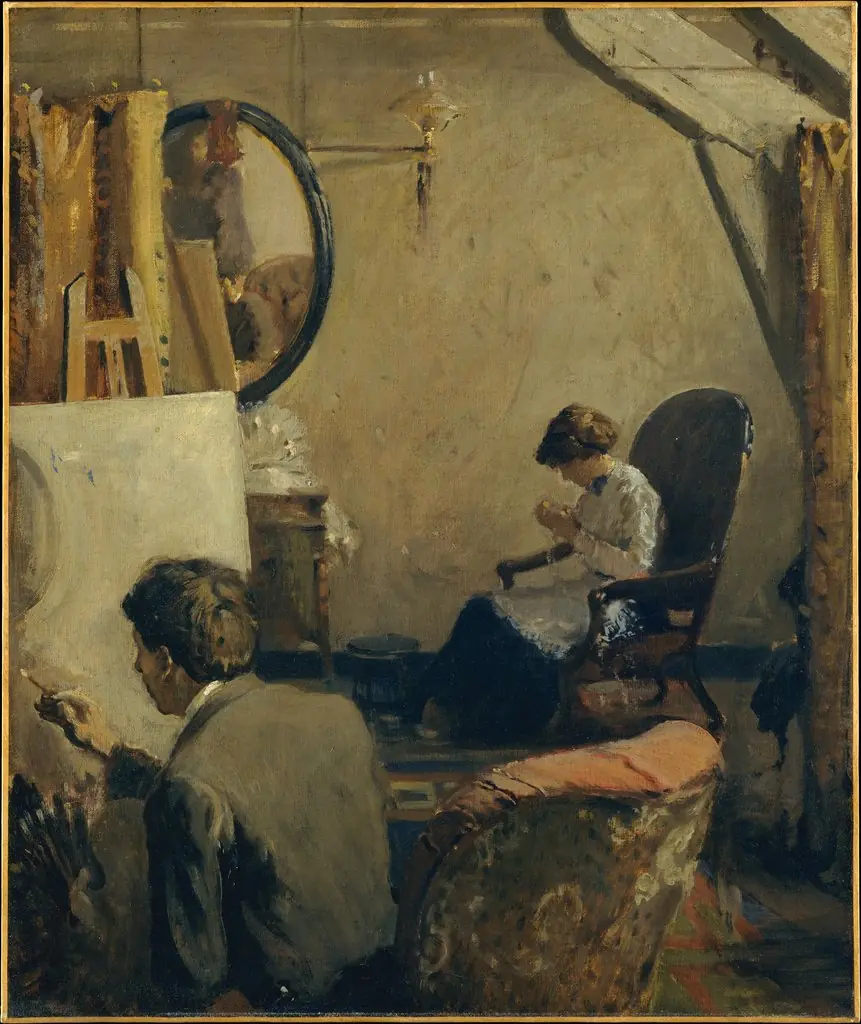 Louis Kronberg in His Studio in Copley Hall
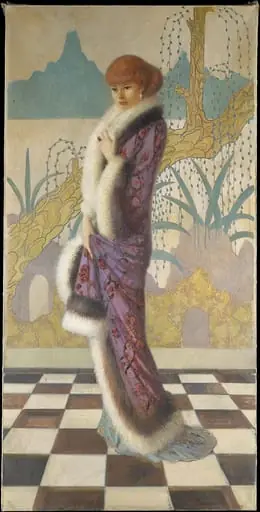 Mrs. Ethel Cushing
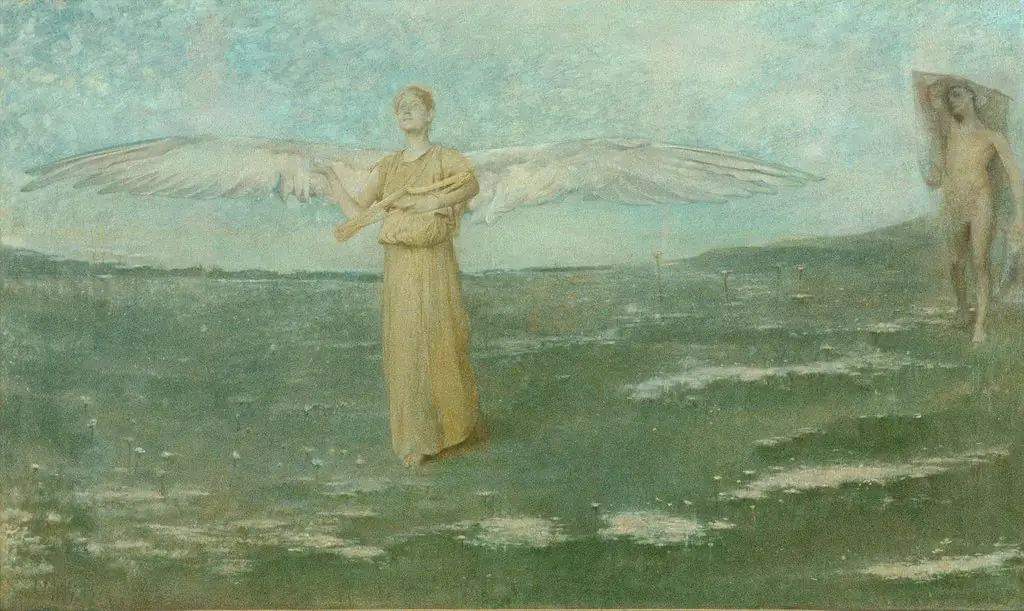 Tobias and the Angel
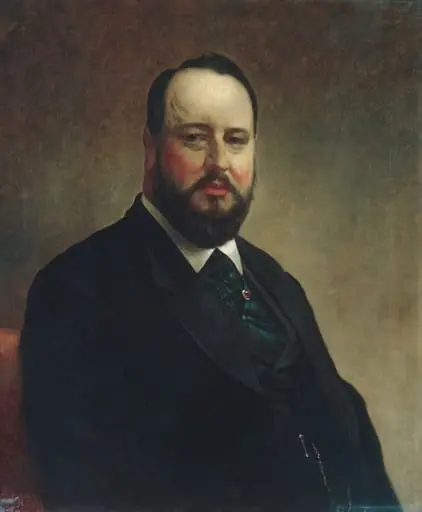 Joseph W. Drexel
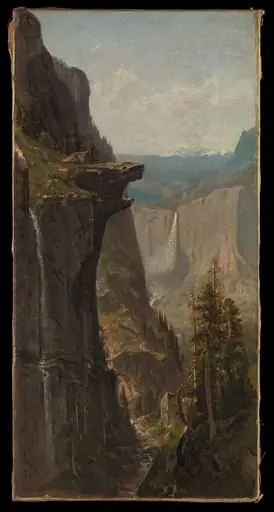 Yosemite Falls, from Glacier Point
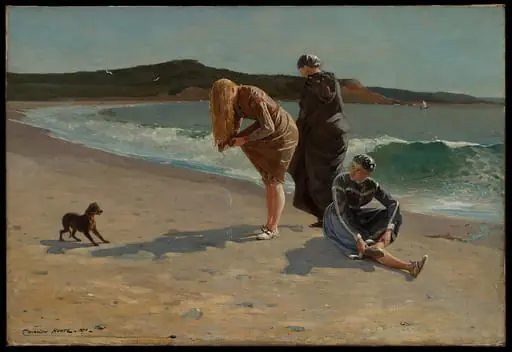 Eagle Head, Manchester, Massachusetts (High Tide)
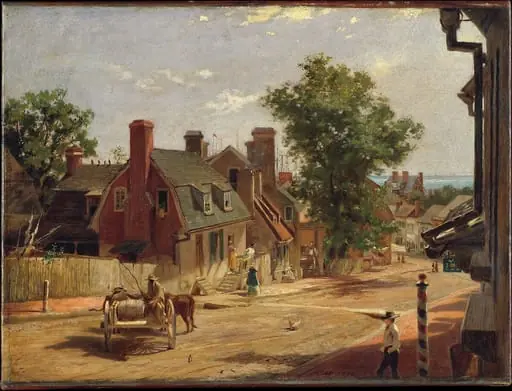 Old Annapolis, Francis Street
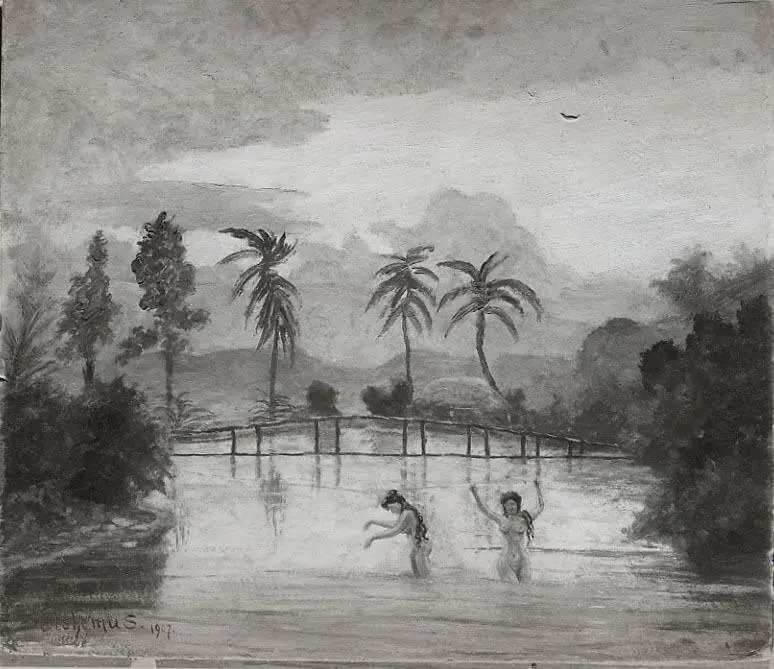 Samoa
Samoa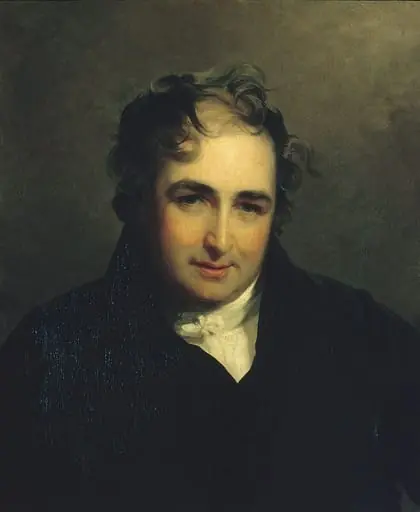 William Gwynn
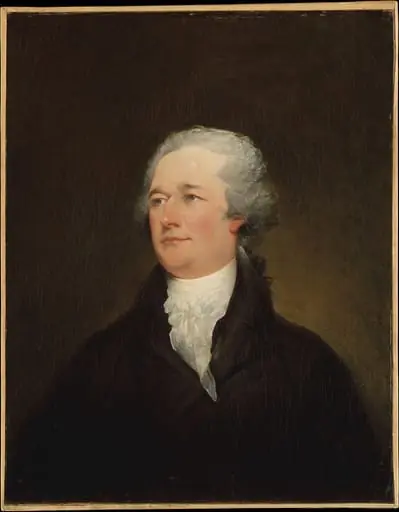 Alexander Hamilton
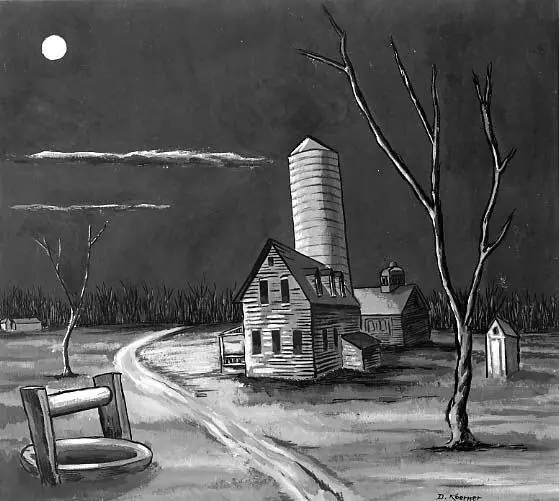 Farm in Moonlight
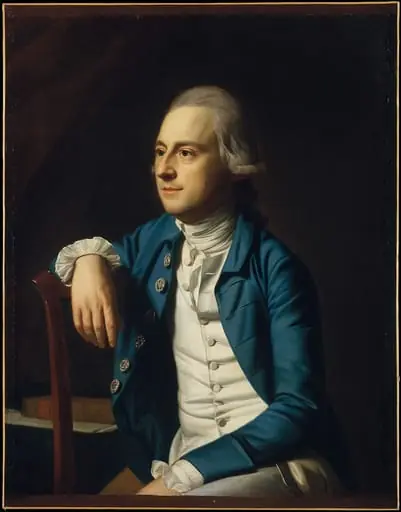 Gulian Verplanck
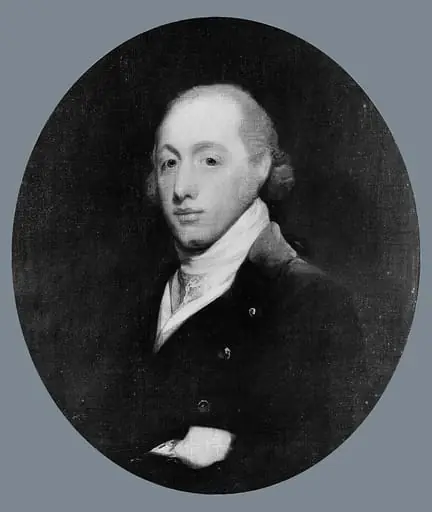 John R. Murray
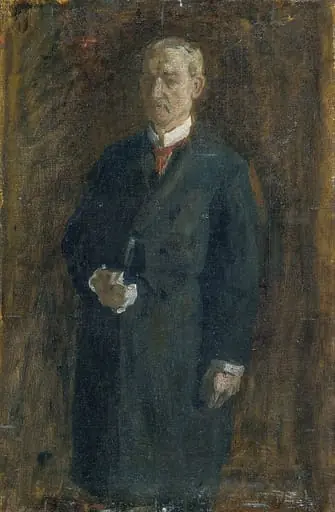 James MacAlister (Sketch)
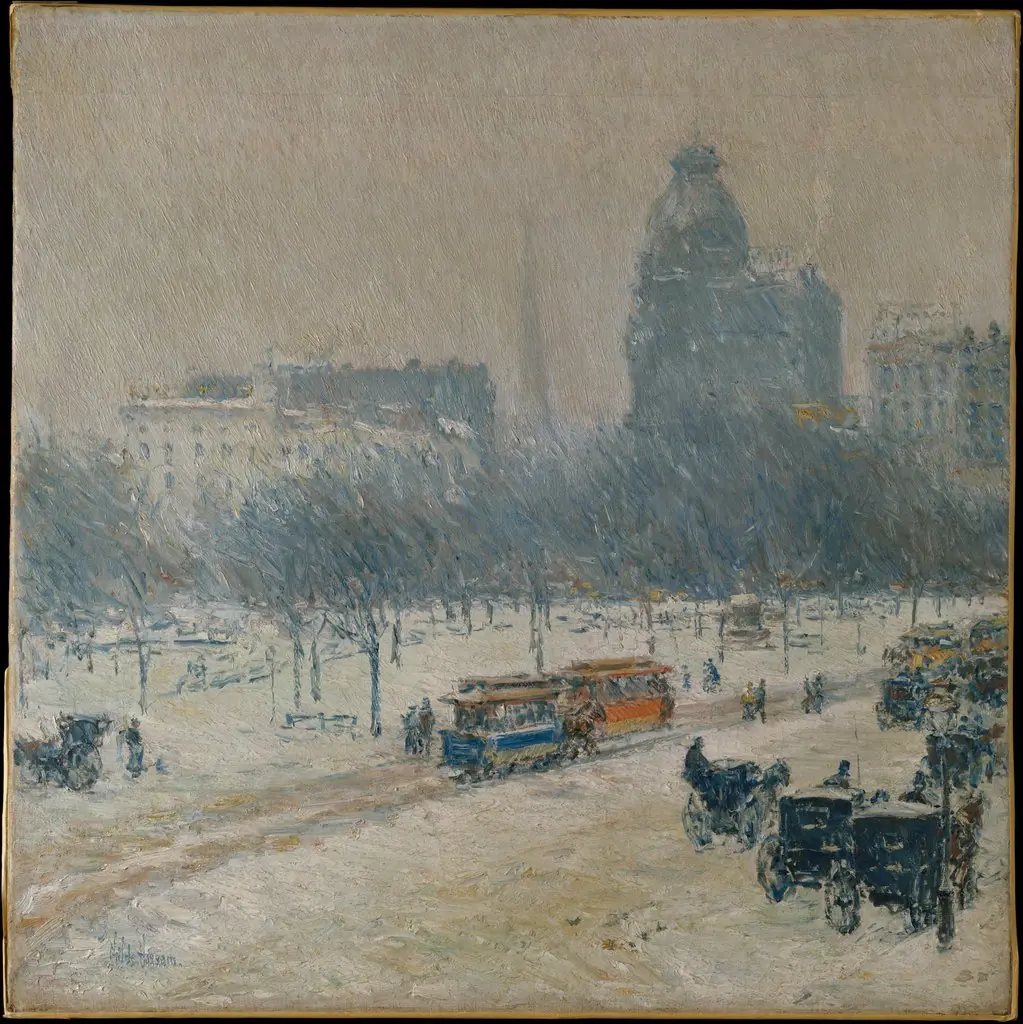 Winter in Union Square
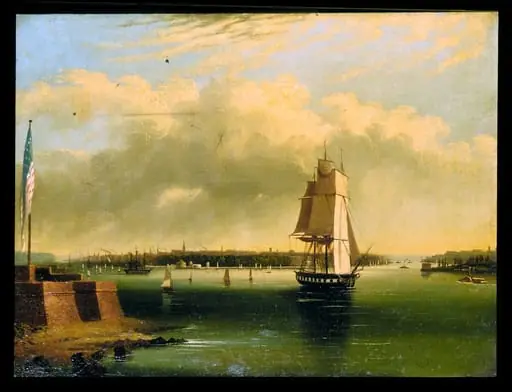 Bay and Harbor of New York from Bedlow's Island
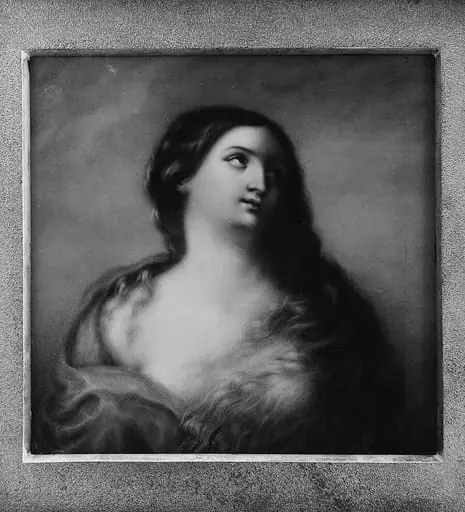 The Magdalen
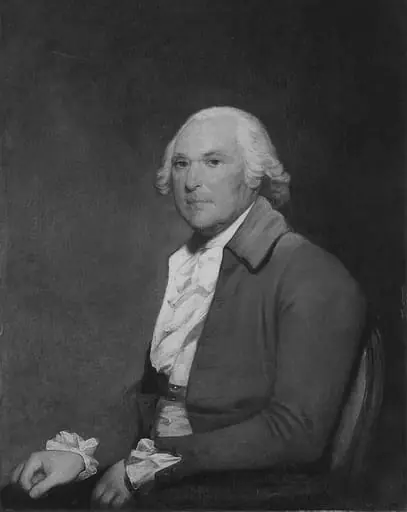 George Heathcote
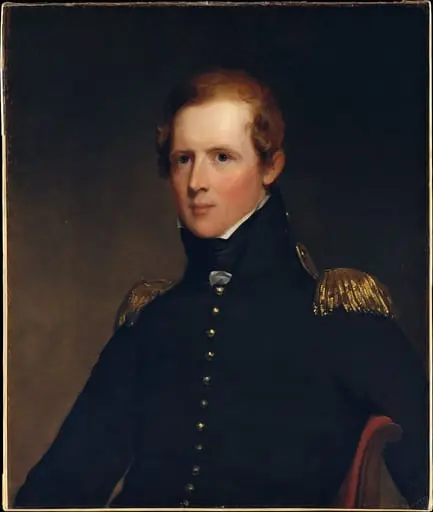 Major John Biddle
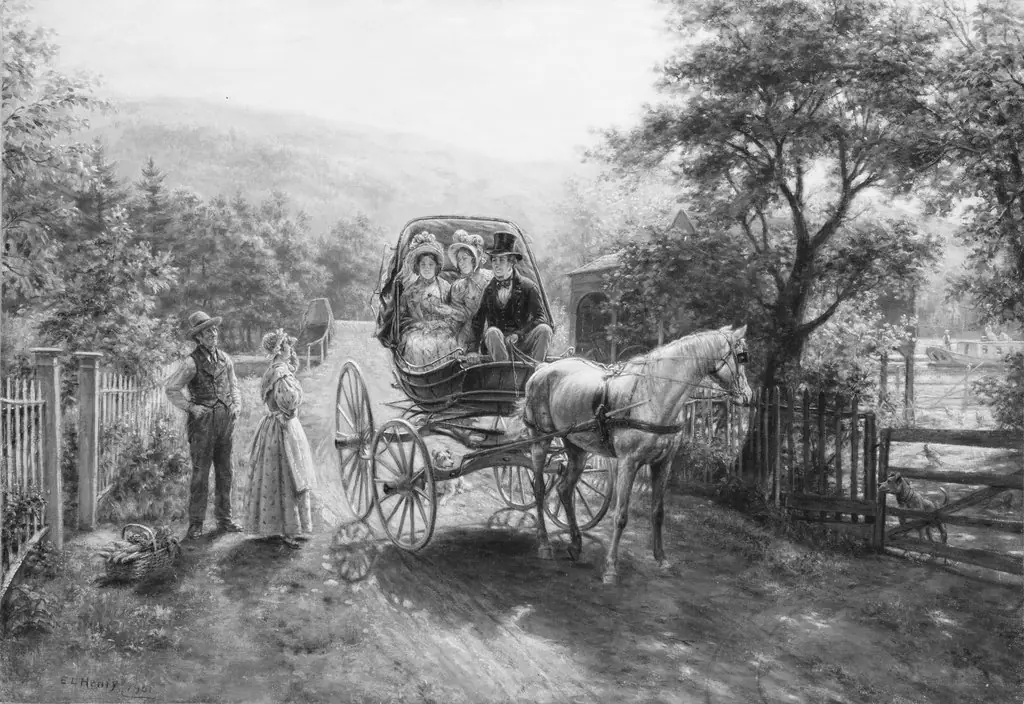 A Carriage Ride
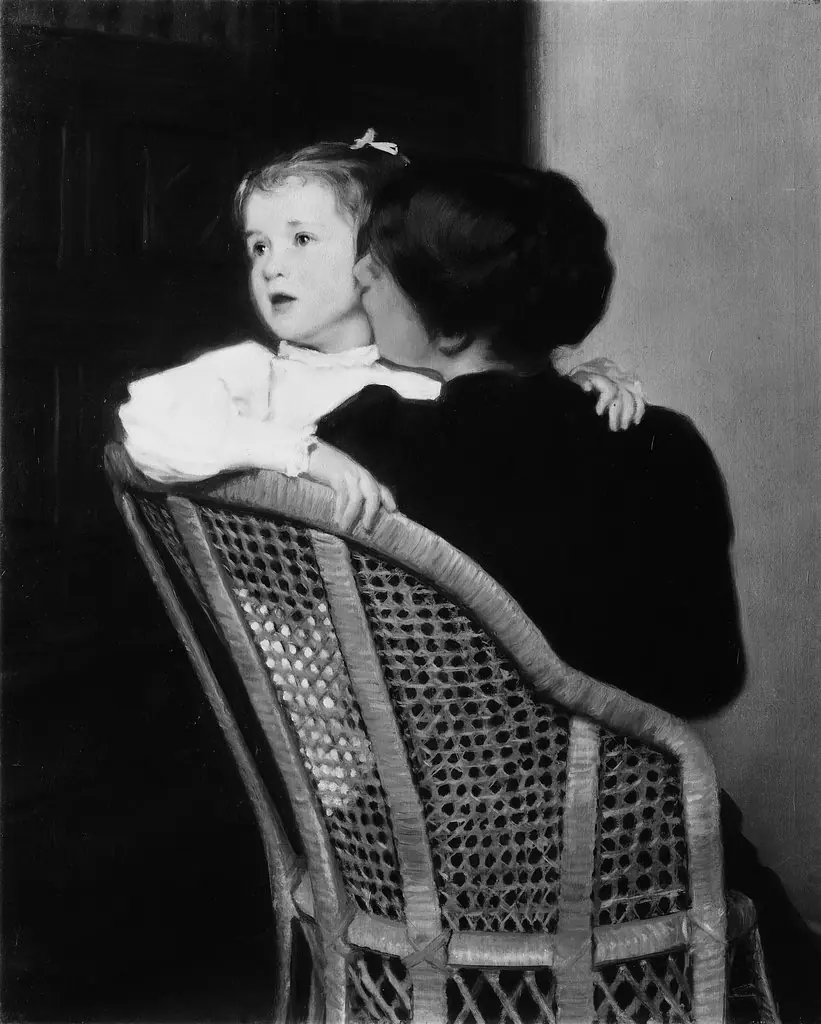 The Seer
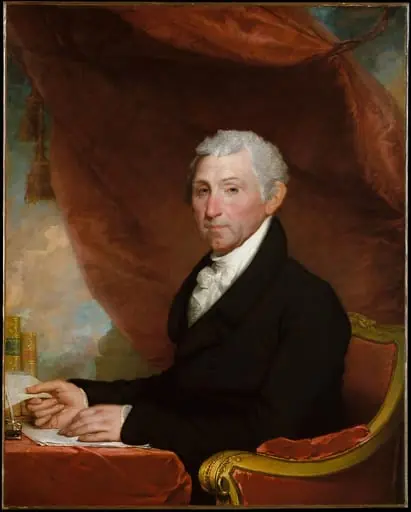 James Monroe
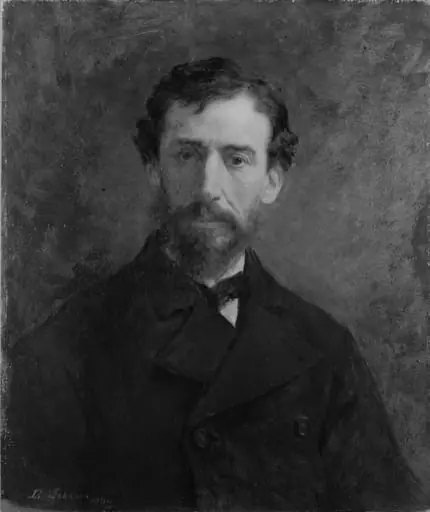 Sanford Robinson Gifford
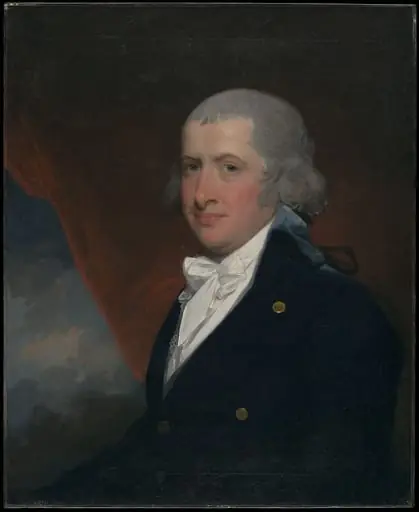 Joseph Anthony Jr.
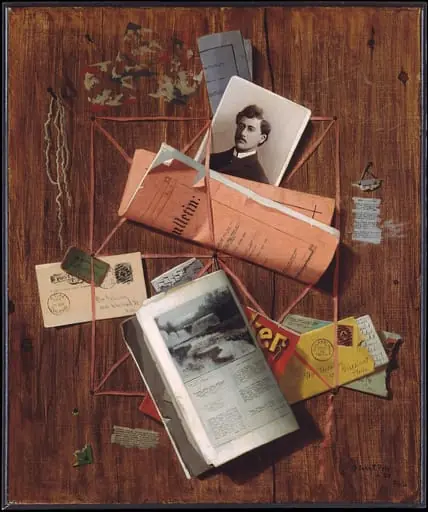 Office Board
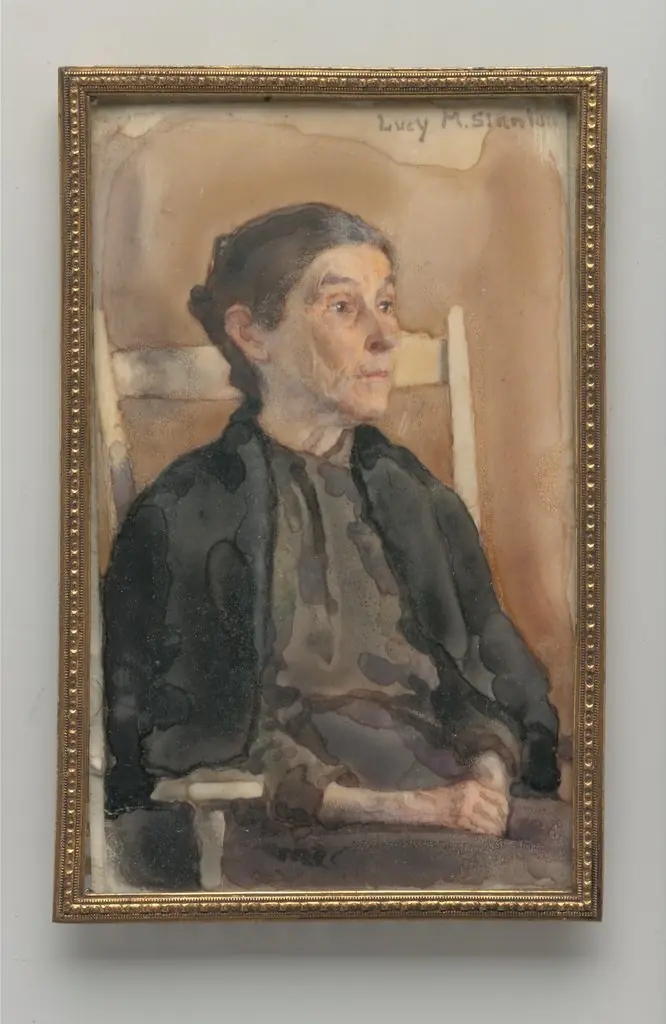 A North Carolina Mountain Woman
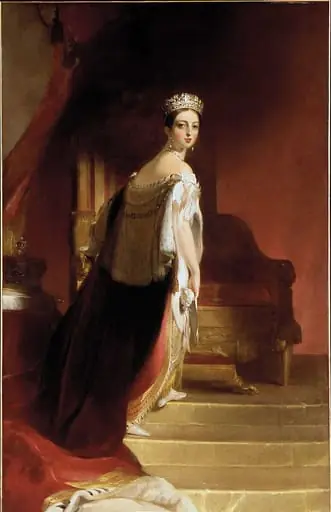 Queen Victoria
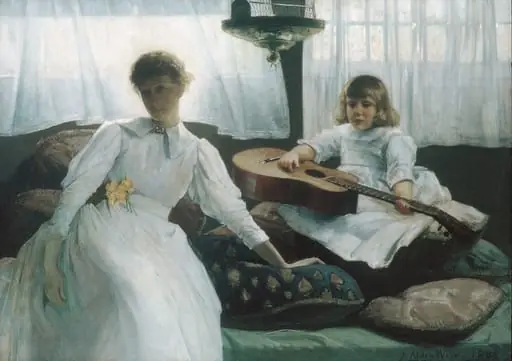 Idle Hours
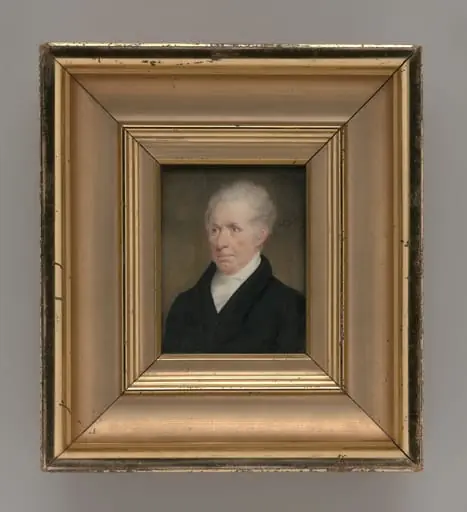 Gilbert Stuart
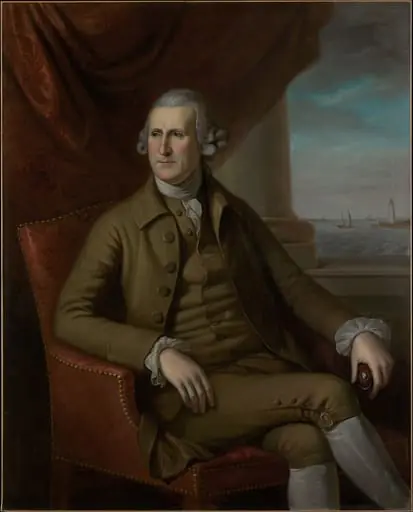 Thomas Willing
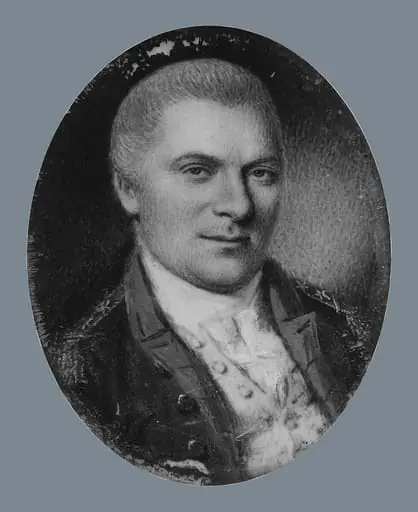 Arthur St. Clair
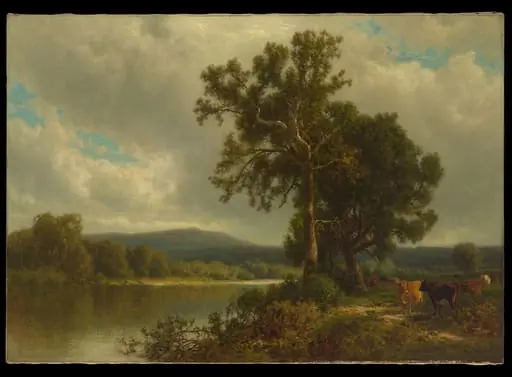 Scene at Napanoch
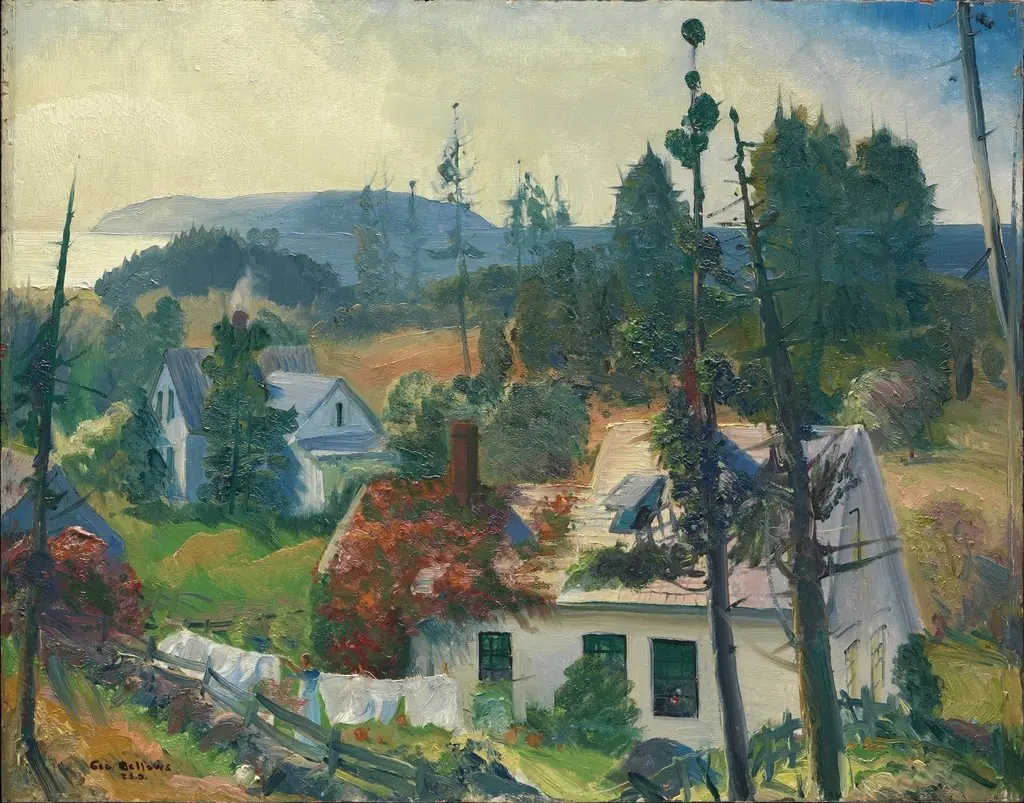 The Red Vine, Matinicus Island, Maine
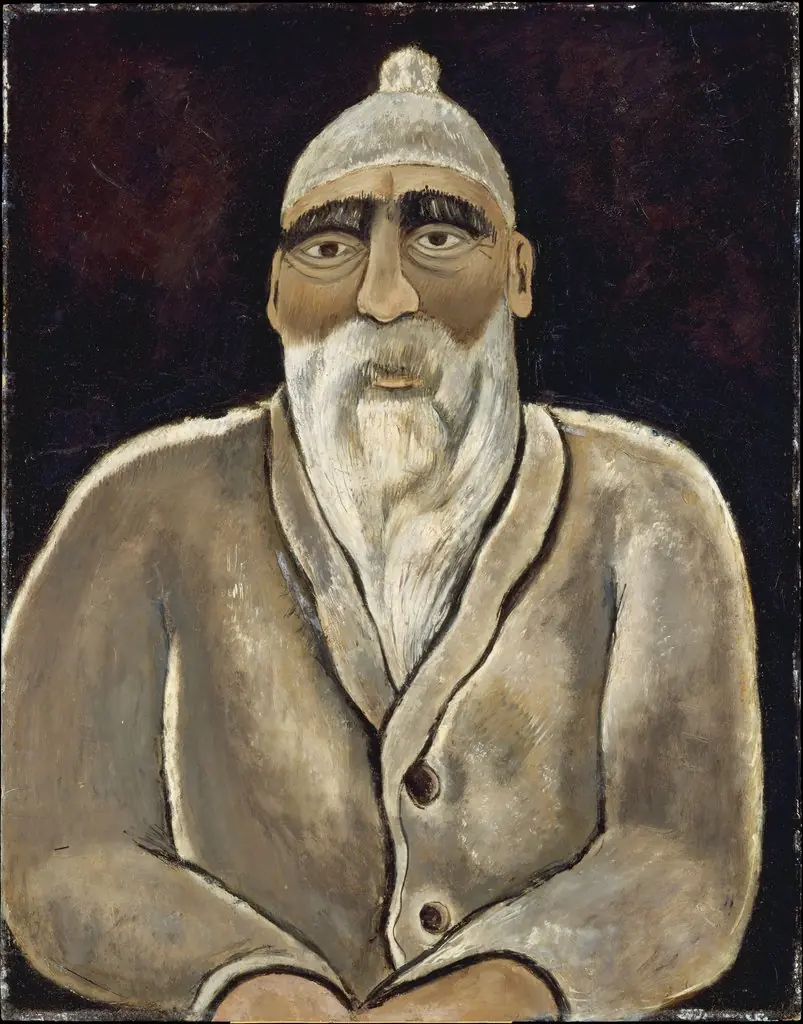 Albert Pinkham Ryder
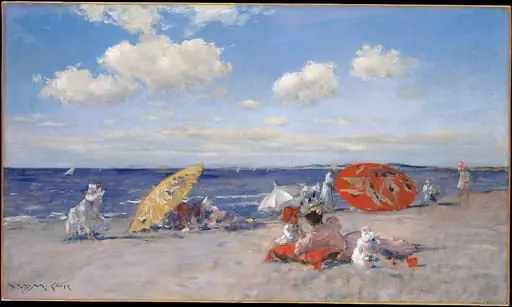 At the Seaside
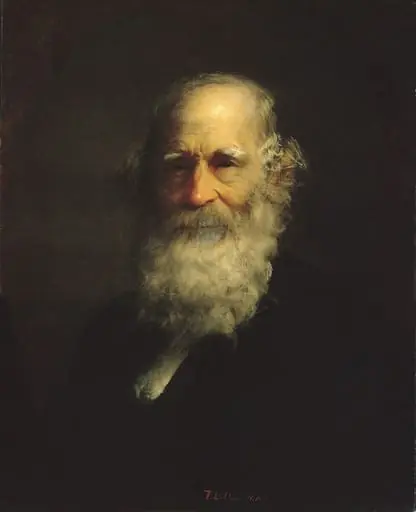 William Cullen Bryant
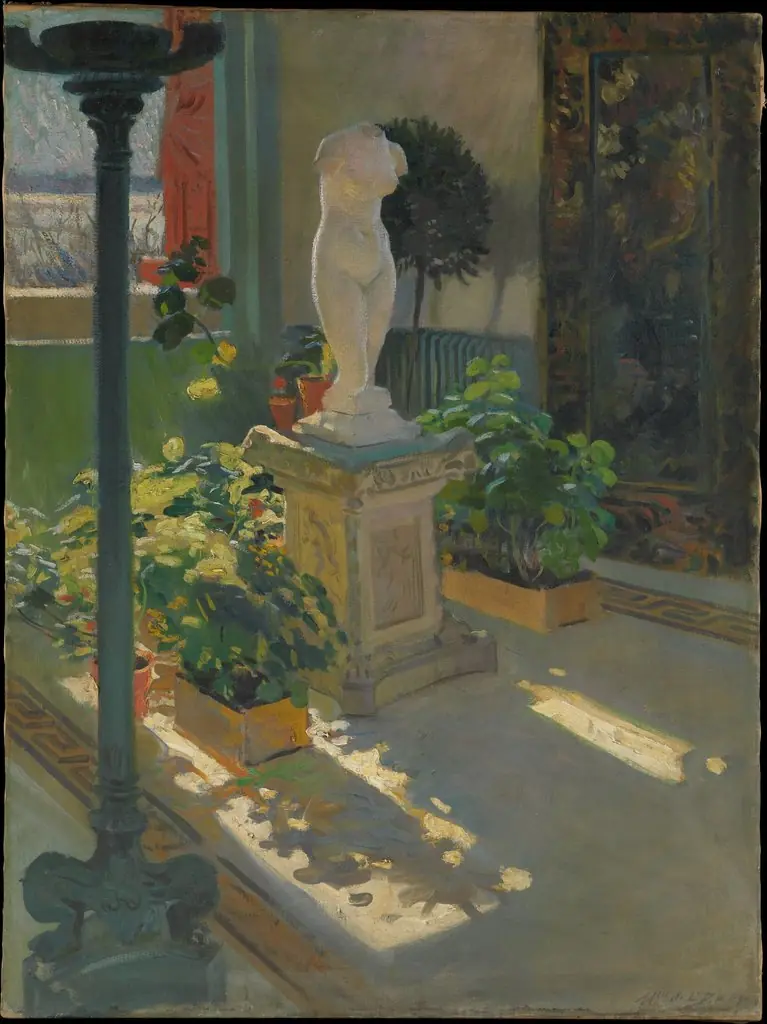 Venus in Atrium
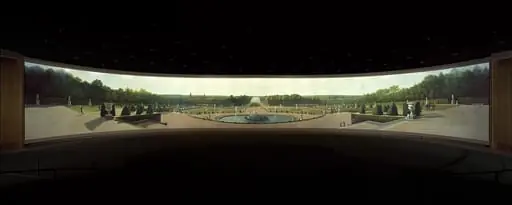 Panoramic View of the Palace and Gardens of Versailles
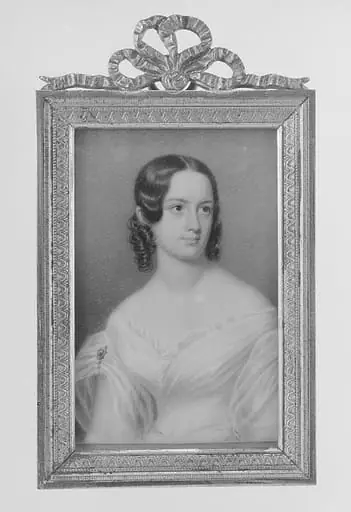 Mary Crosby
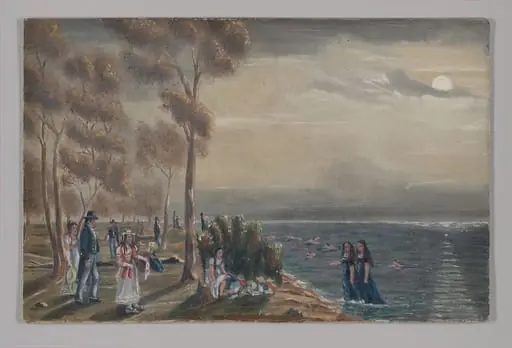 Bathing Party
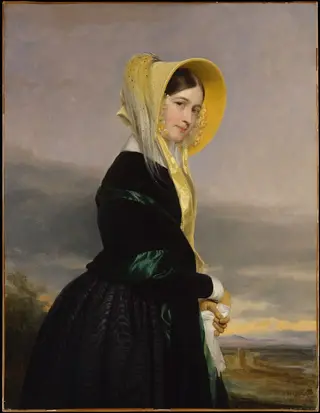 Euphemia White Van Rensselaer
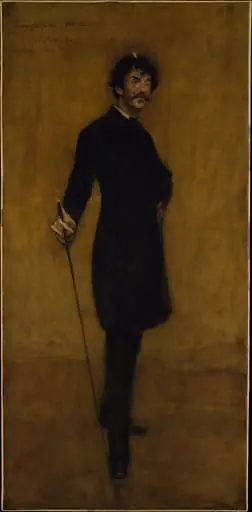 James Abbott McNeill Whistler
 Joel Roberts Poinsett
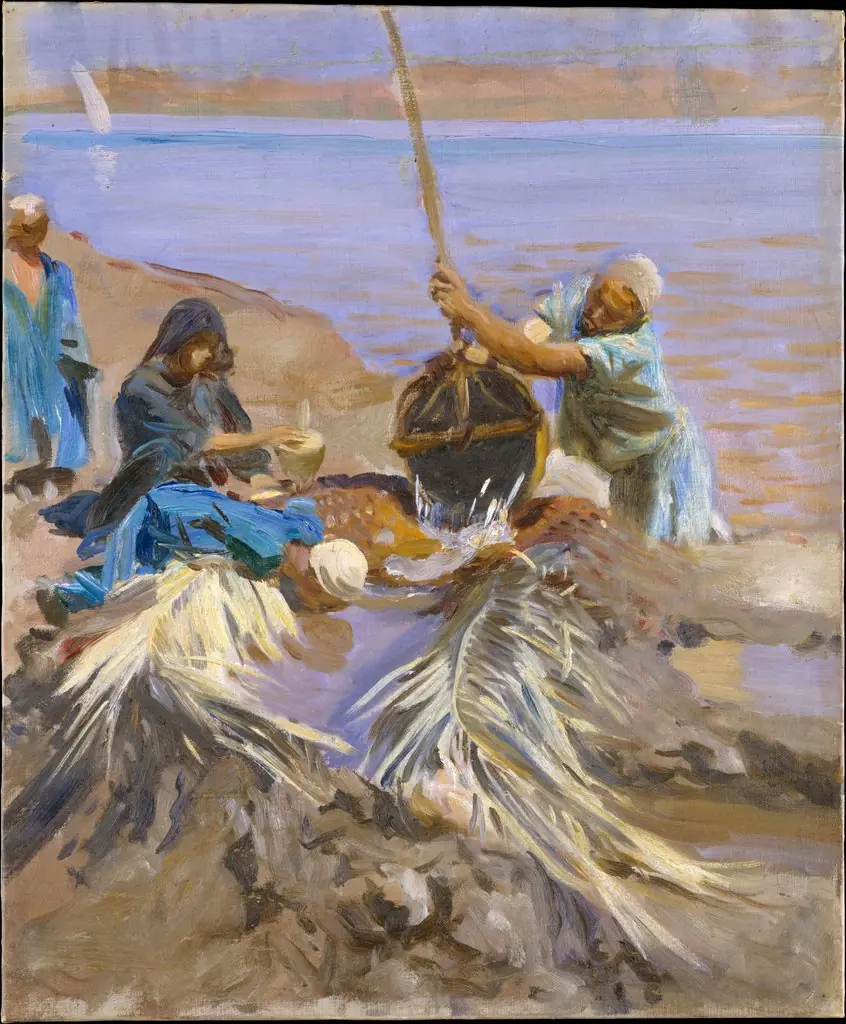 Egyptians Raising Water from the Nile
 Stephen Whitney Phoenix
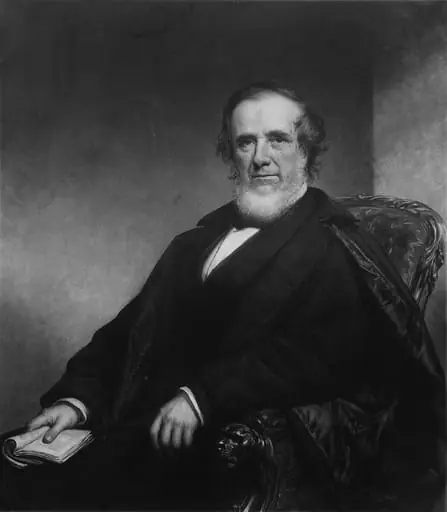 John David Wolfe
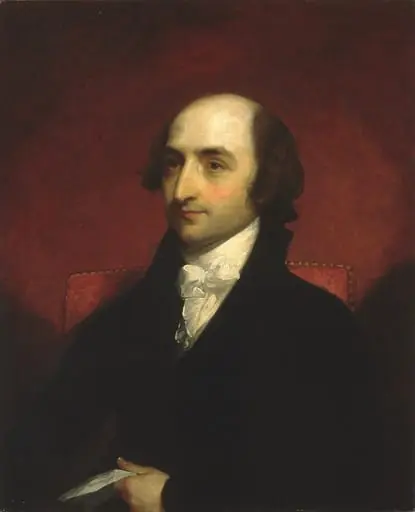 Albert Gallatin
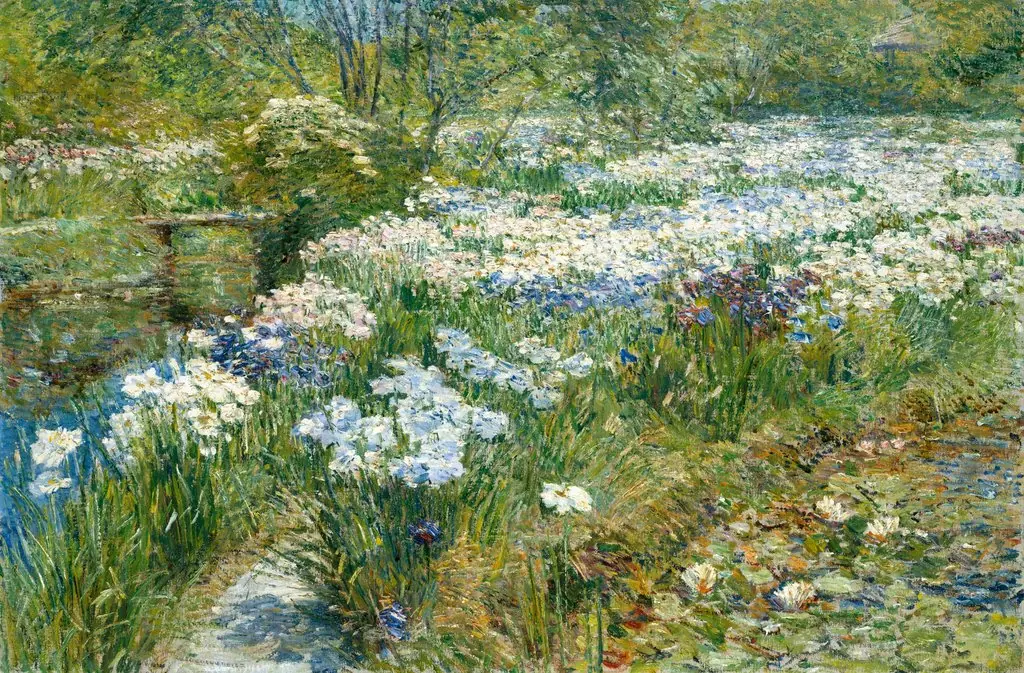 The Water Garden
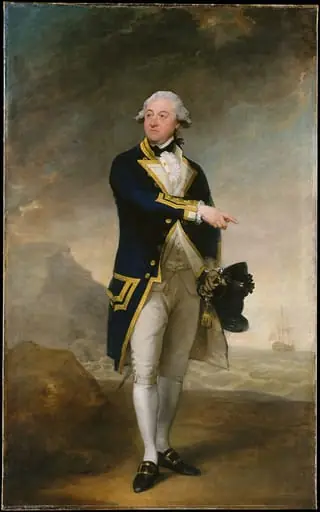 Captain John Gell
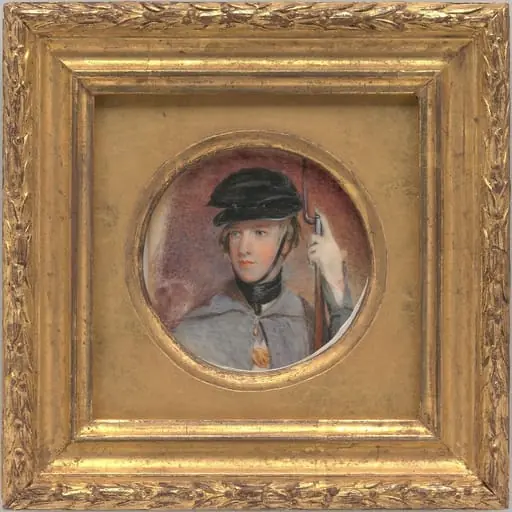 Alfred Sully
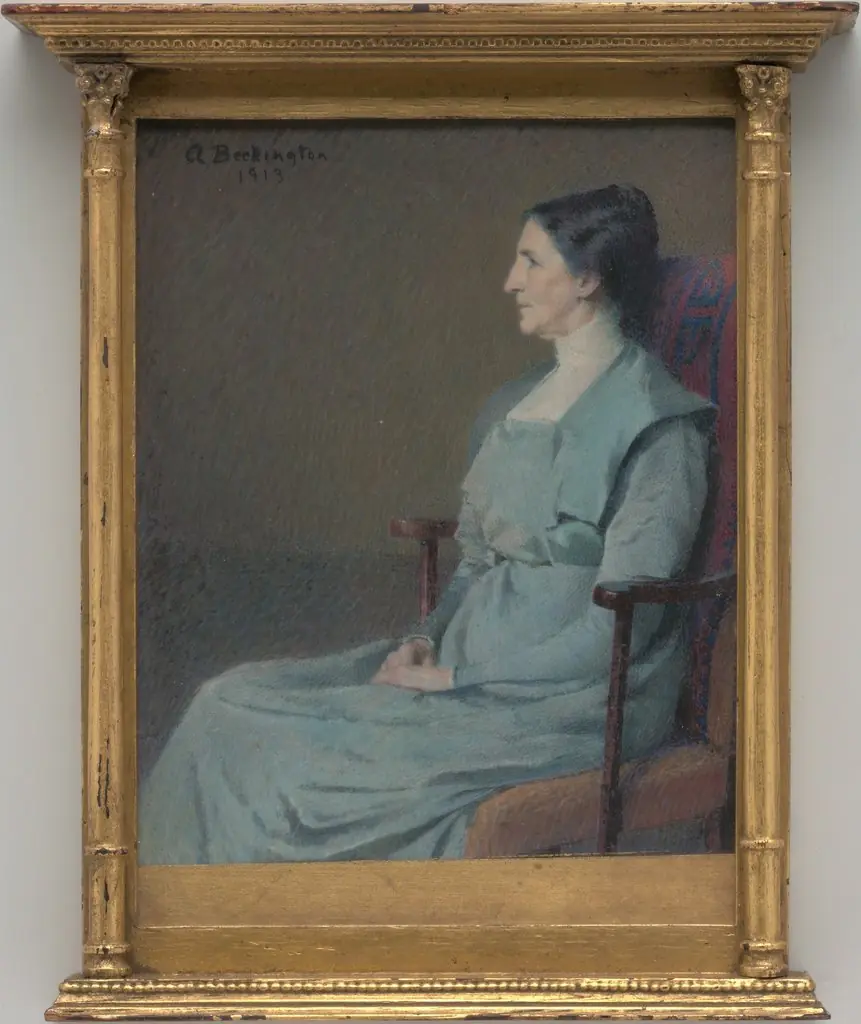 Mrs. Beckington
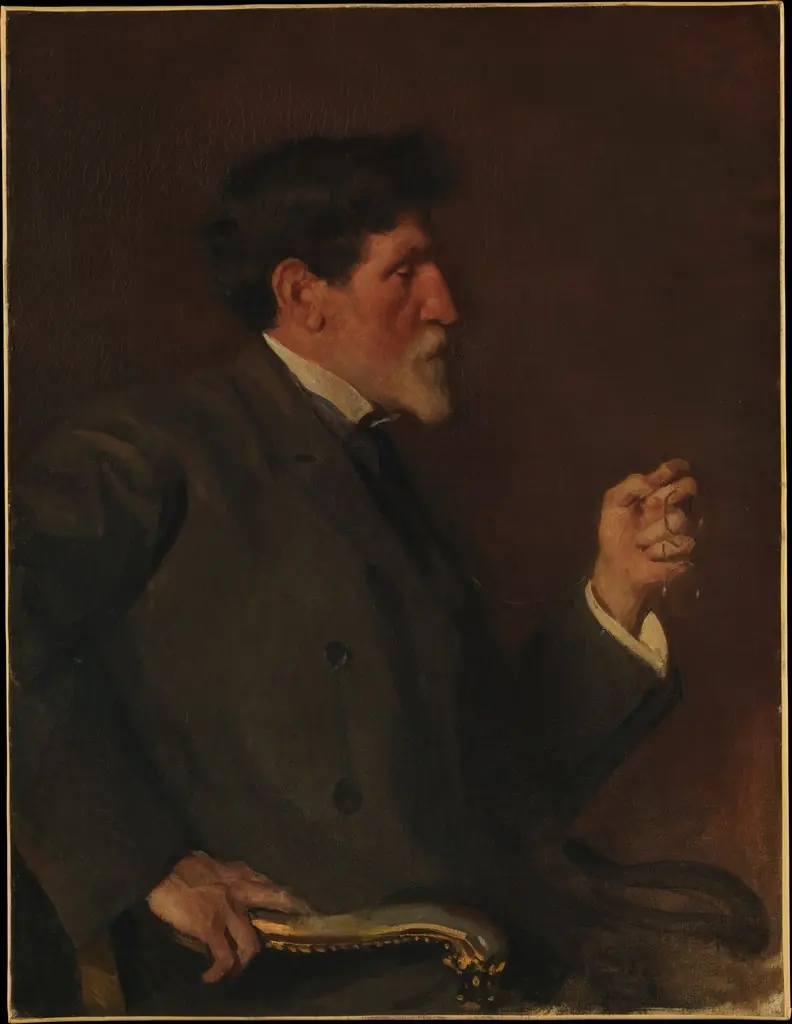 Portrait of Augustus Saint-Gaudens
 Pasture Scene
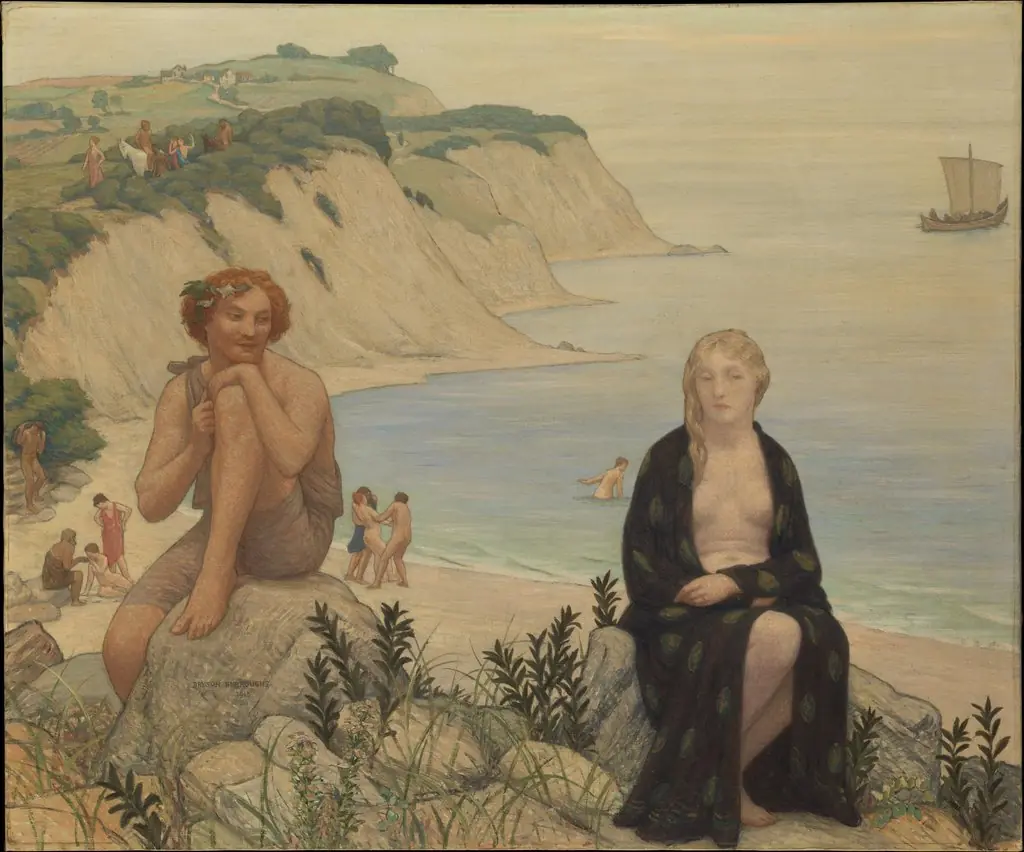 Consolation of Ariadne
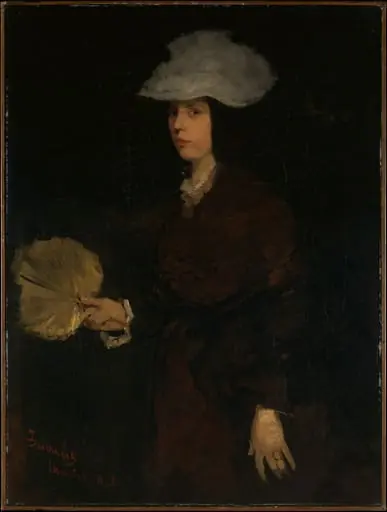 Lady with Fan
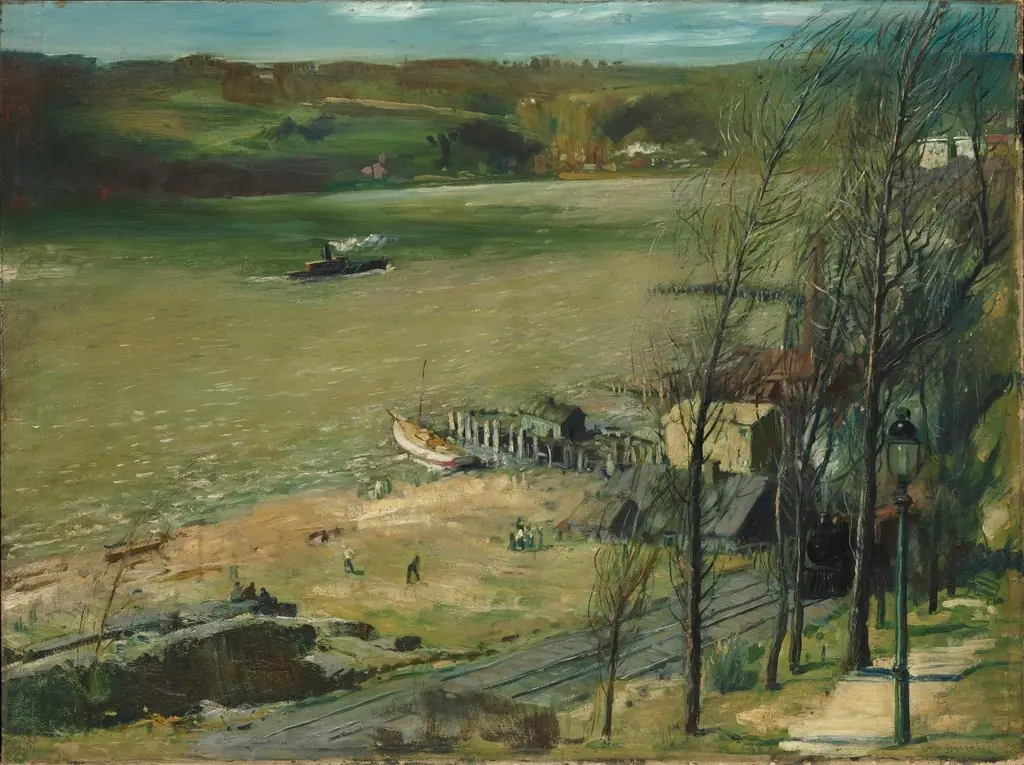 Up the Hudson
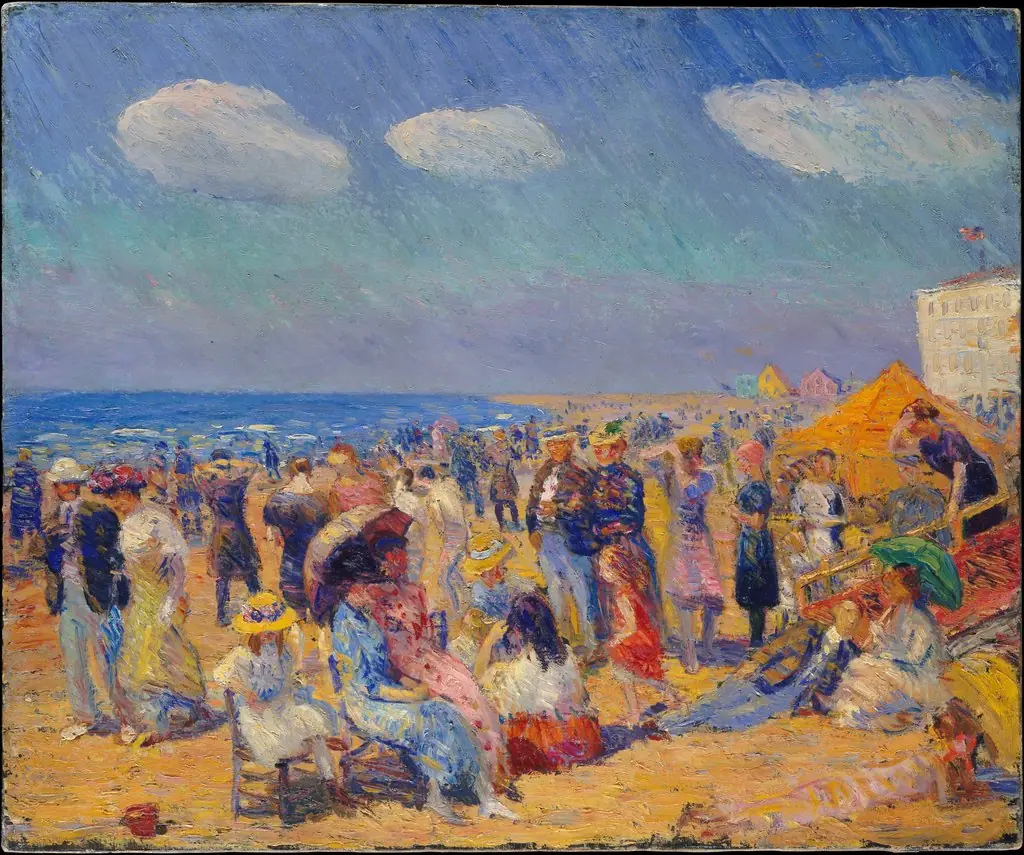 Crowd at the Seashore
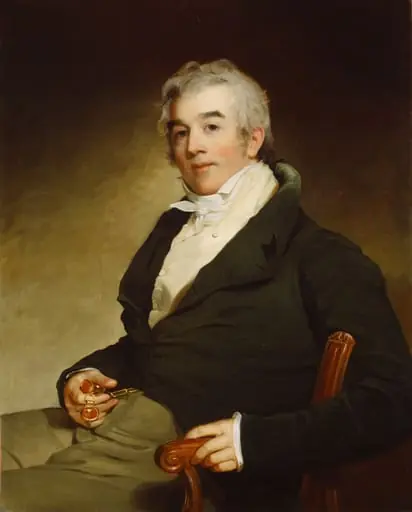 Joseph Dugan
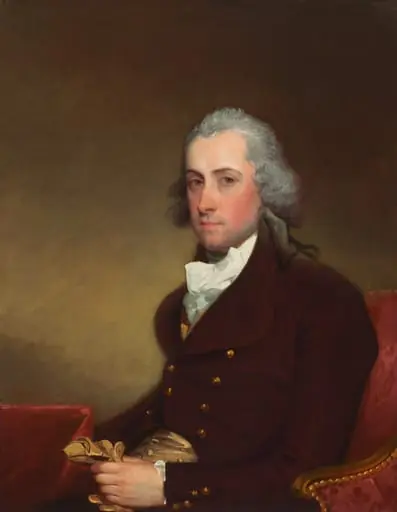 Stephen Van Rensselaer III
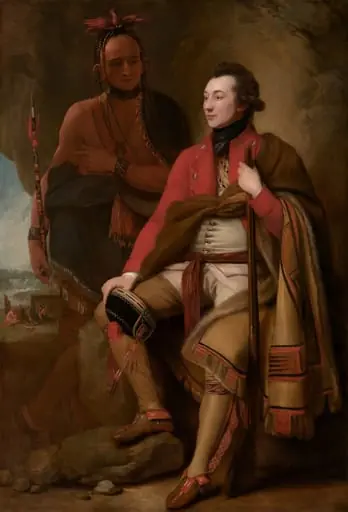 Colonel Guy Johnson and Karonghyontye (Captain David Hill)
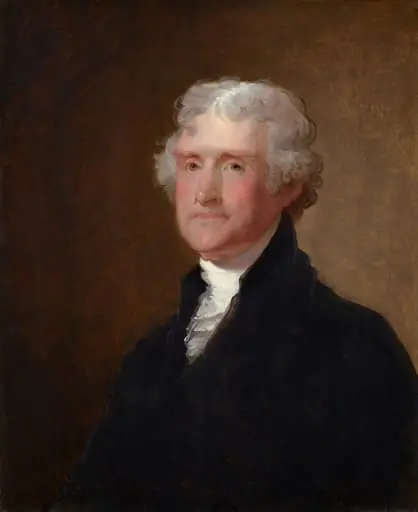 Thomas Jefferson
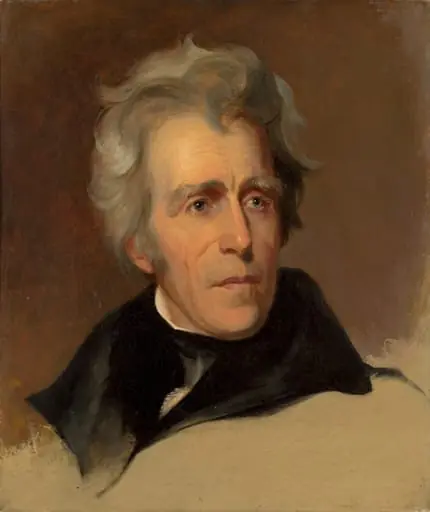 Andrew Jackson
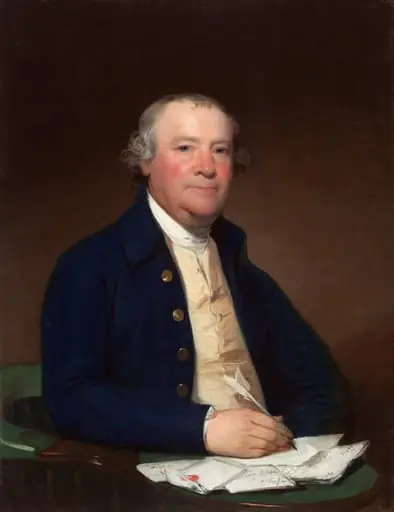 Captain Joseph Anthony
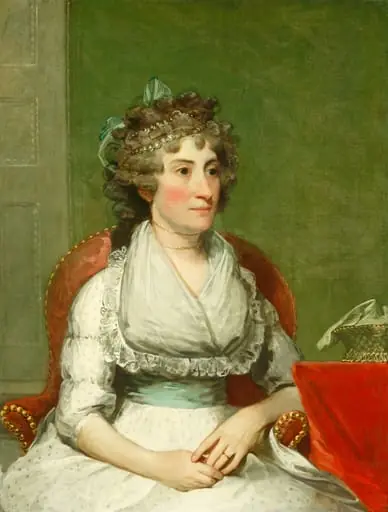 Catherine Yates Pollock (Mrs. George Pollock)
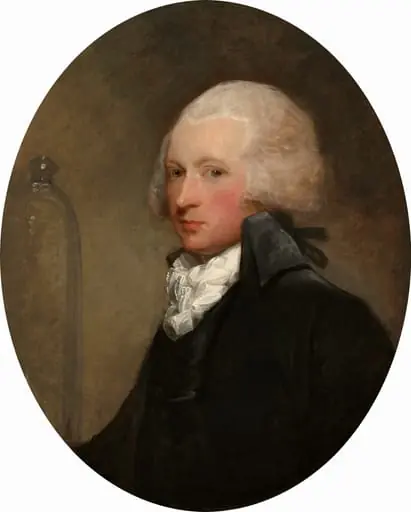 Dr. William Hartigan (?)
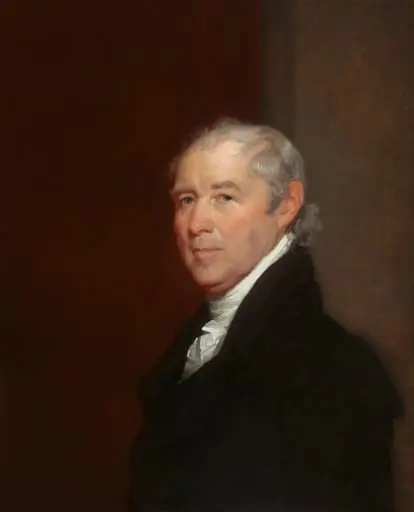 Benjamin Tappan
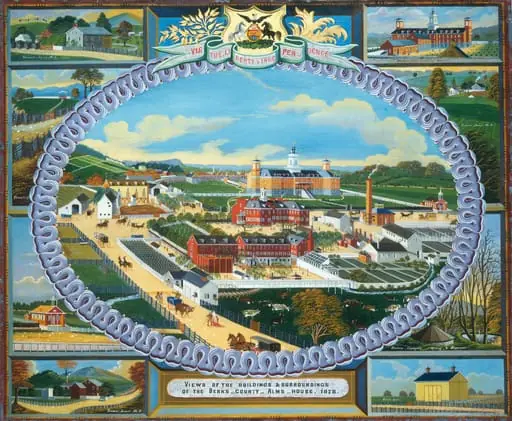 Berks County Almshouse, 1878
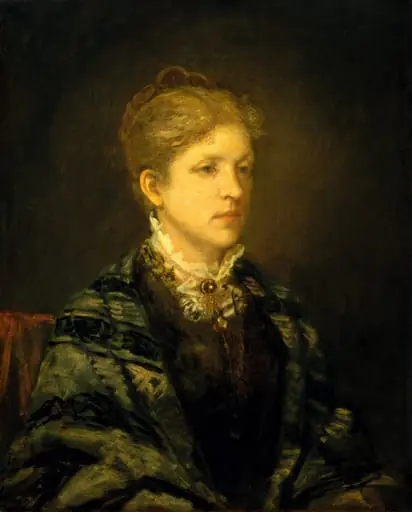 Agnes Gordon Higginson Fuller (Mrs. George Fuller)
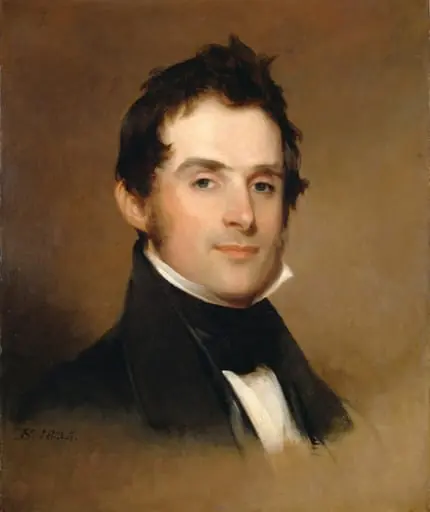 Francis Hopkinson
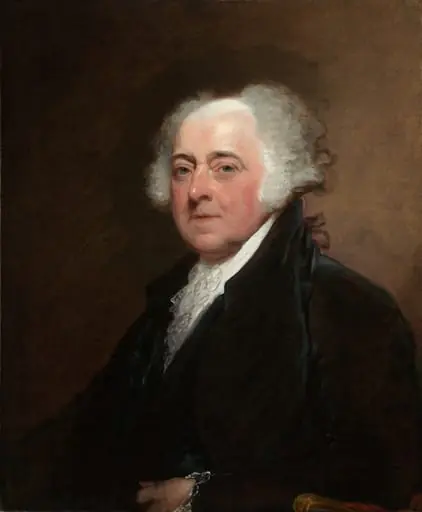 John Adams
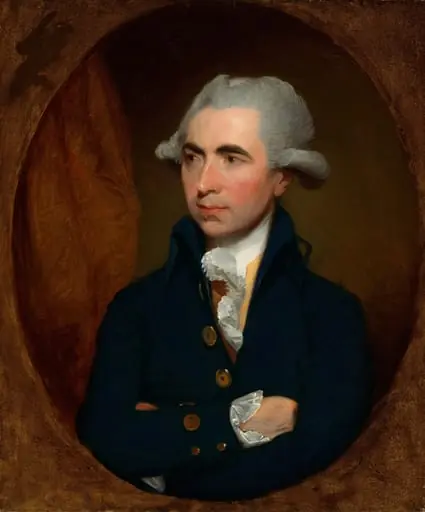 Luke White
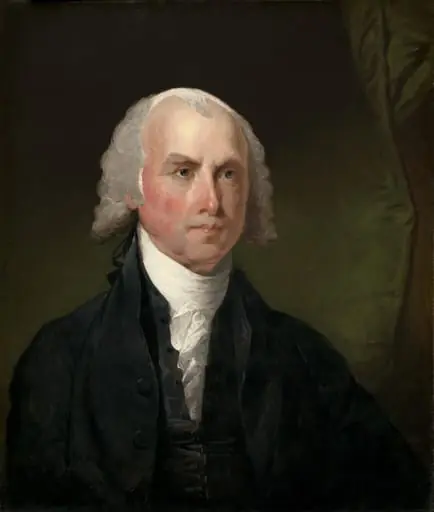 James Madison
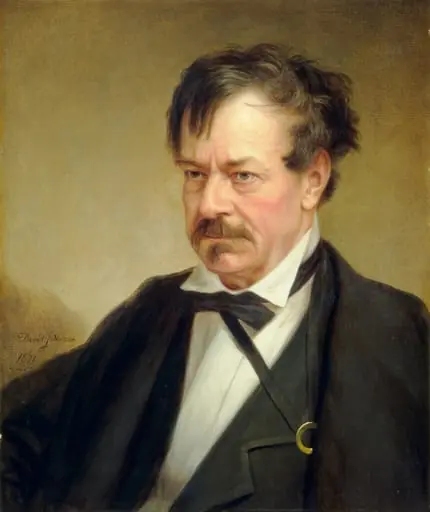 Edwin Forrest
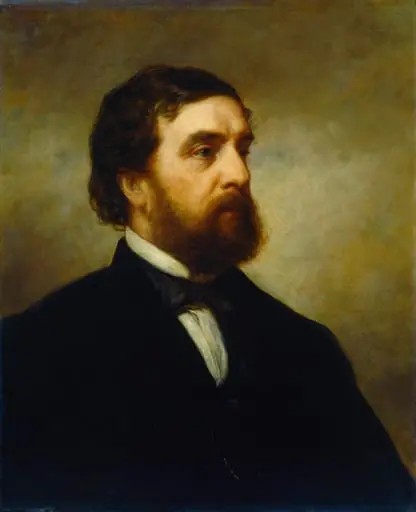 Henry Theodore Tuckerman
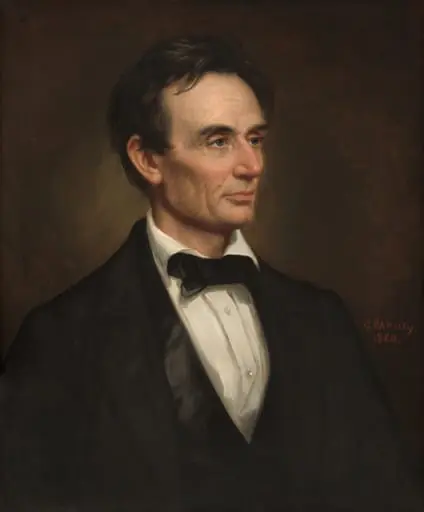 Abraham Lincoln
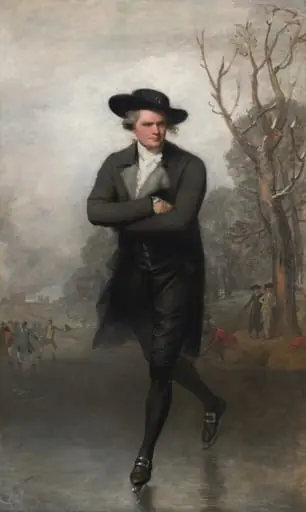 The Skater (Portrait of William Grant)
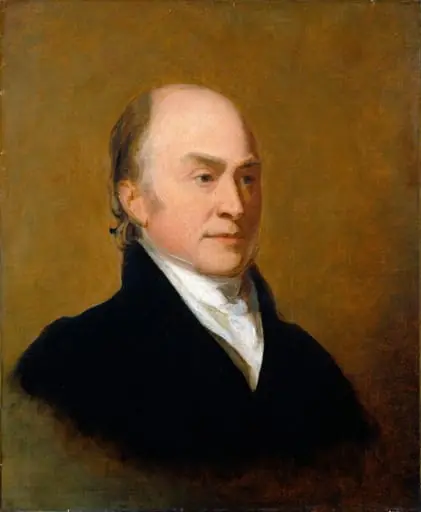 John Quincy Adams
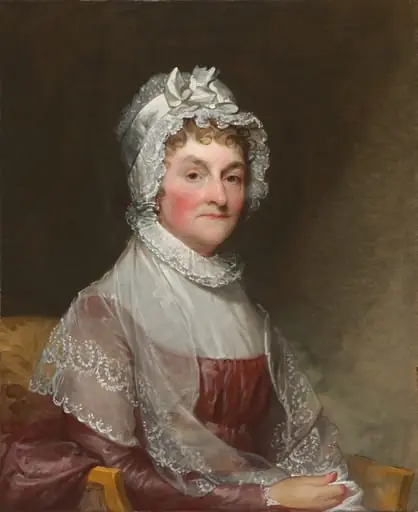 Abigail Smith Adams (Mrs. John Adams)
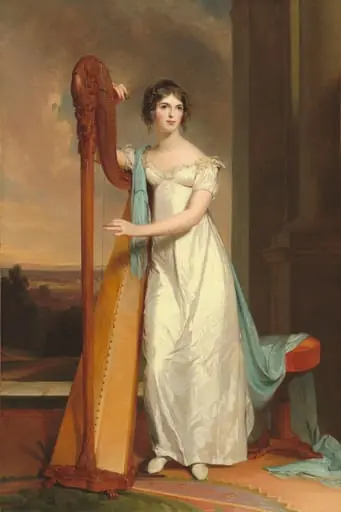 Lady with a Harp: Eliza Ridgely
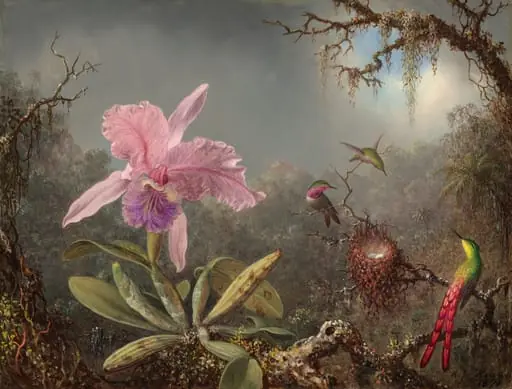 Cattleya Orchid and Three Hummingbirds
Groups & collectives
Frequently asked questions
What is American Impressionism?
American Impressionism is an art movement. The American adaptation of French Impressionism, flourishing from roughly 1880 to 1920.
How many American Impressionism works does Artifact World Gallery have?
Artifact World Gallery holds 2,287 public-domain American Impressionism works, all free to view and download.
Who are the key American Impressionism artists?
Key American Impressionism artists in the collection include Thomas Eakins, Ralph Earl and Albert Bierstadt.
When did American Impressionism take place?
American Impressionism dates from around 1880.
Where can I see American Impressionism works?
American Impressionism works in the collection are held by Metropolitan Museum of Art, Museum of Fine Arts Boston and National Gallery of Art.