December 18 in Art History
4 real events recorded on December 18, the earliest from 1633. 2 artists were born , 1 died on this date.
Born on this day 2
- 1633 Born
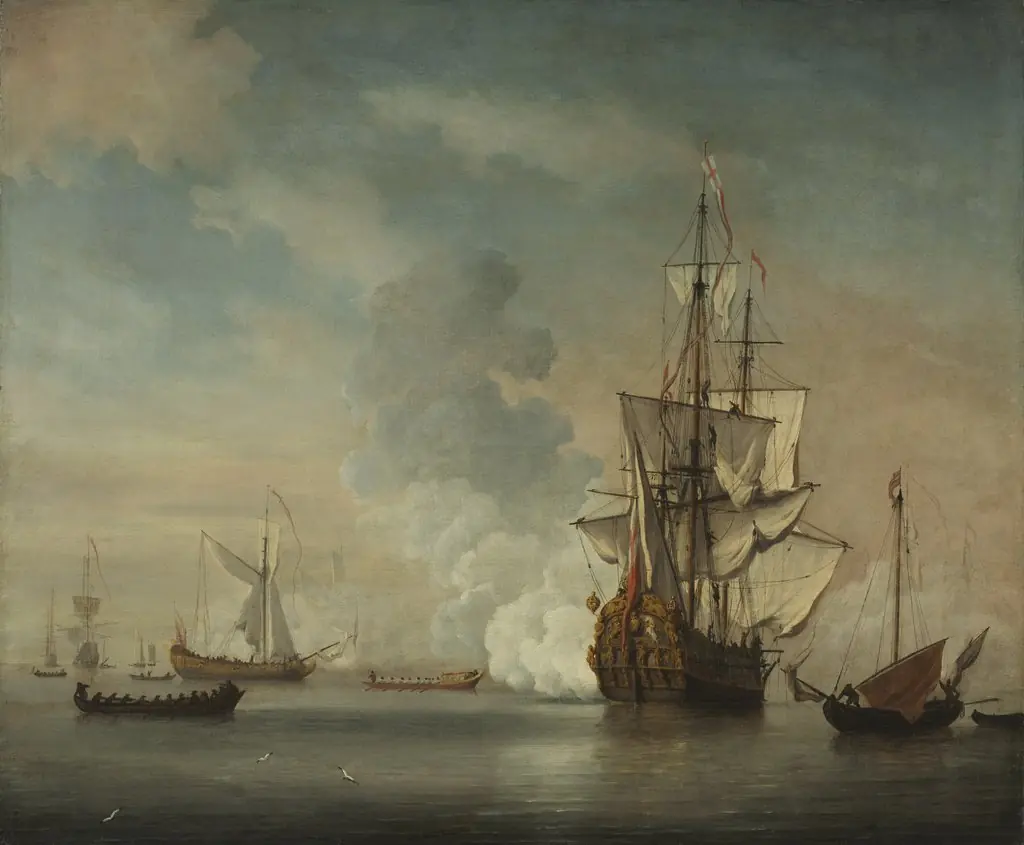
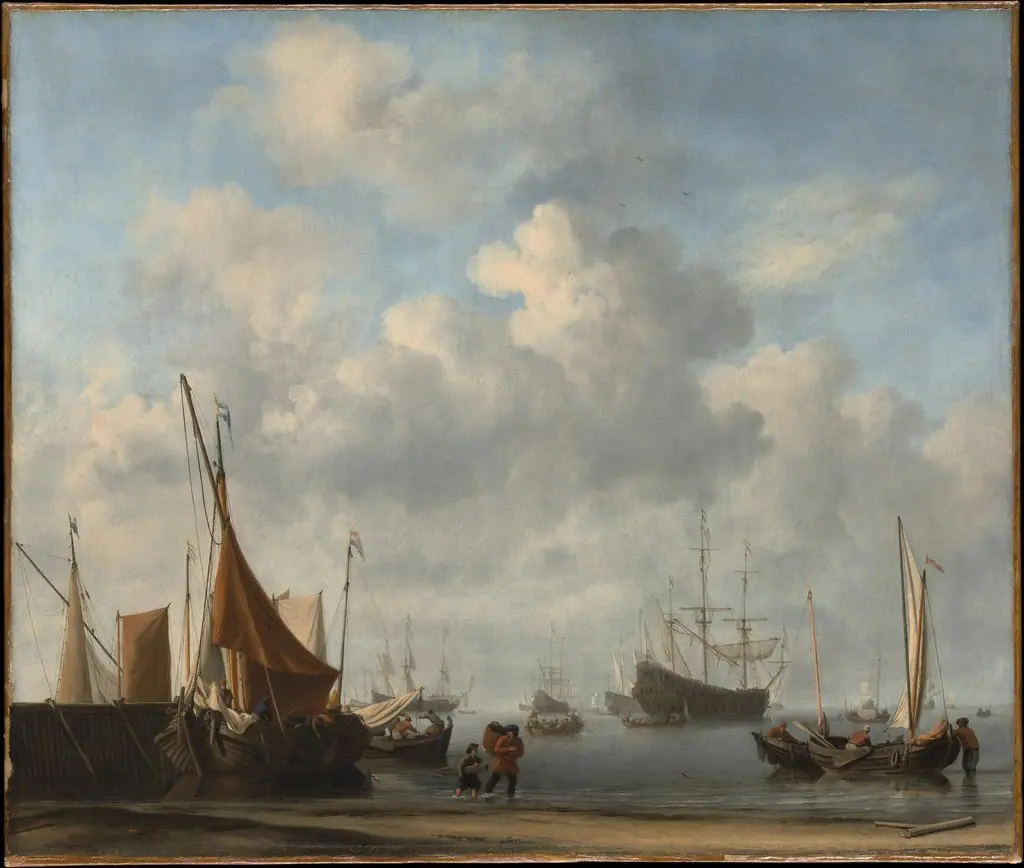
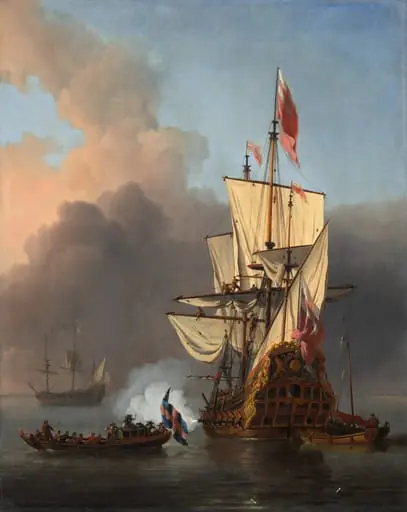
Born this day: Willem van de Velde the Younger
Willem van de Velde the Younger, a Dutch painter born on December 18, 1633, specialized in marine art, following in the footsteps of his father Willem van de Velde the Elder. His works, such as English Warship Firing a Salute and Ships in a calm, showcase his mastery of the genre. As a prominent figure in Dutch Golden Age painting, his contributions to marine art remain significant.
Willem van de Velde the Younger's meticulous and detailed depictions of maritime scenes continue to influence the genre of marine art.
- 1768 Born
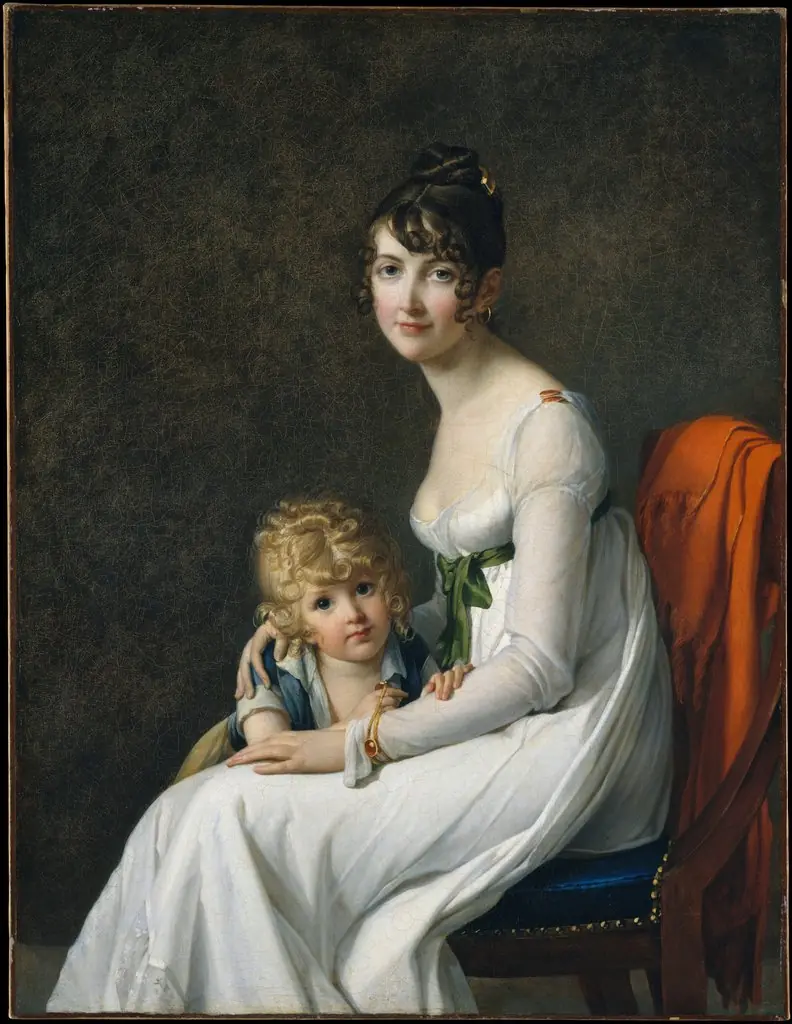
Born this day: Marie-Guillemine Benoist
Marie-Guillemine Benoist was a French neoclassical, historical, and genre painter born on December 18, 1768. Her work is characterized by its attention to detail and representation of everyday life. As a female artist in a male-dominated field, Benoist's contributions to the art world are notable.
She remains an important figure in the history of French neoclassical painting.
Died on this day 1
- 1894 Died
Died this day: Johan Mengels Culverhouse
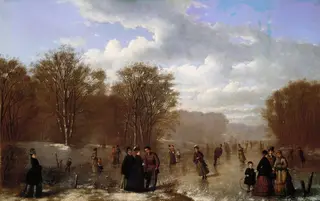
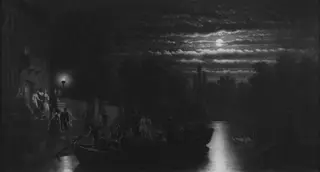
Johan Mengels Culverhouse, an artist born in Rotterdam in 1820, is known for his captivating scenes such as Skating on the Wissahickon and Moonlight Boating Party. His work showcases serene and idyllic moments, often set in natural environments. Culverhouse's artistry continues to evoke a sense of tranquility and wonder.
Culverhouse's serene and idyllic scenes remain a testament to his artistic vision.
Exhibitions & salons 1
- 1911 Exhibition
First Exhibition of Der Blaue Reiter
After the Neue Künstlervereinigung jury rejected Kandinsky's Composition V, he and Franz Marc resigned and mounted their own exhibition in two weeks at the Thannhauser gallery, under the name Der Blaue Reiter. Kandinsky, Marc, Gabriele Münter, August Macke and Henri Rousseau hung side by side.
The Munich wing of German Expressionism took form here — and Kandinsky's path into full abstraction ran directly through it.