February 23 in Art History
7 real events recorded on February 23, the earliest from 1739. 2 artists were born , 1 died on this date.
The day's biggest moments
Born on this day 2
- 1739 Born
Born this day: Peter Adolf Hall
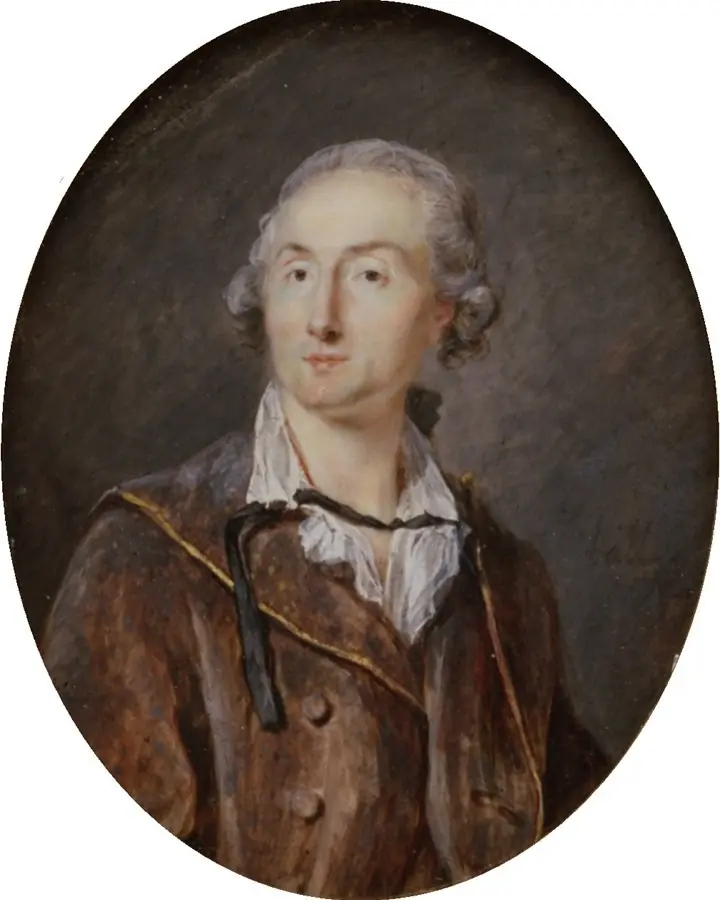
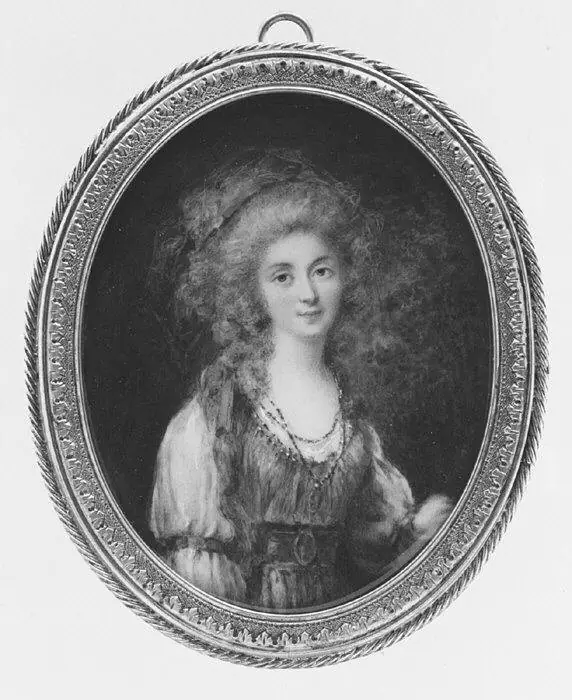
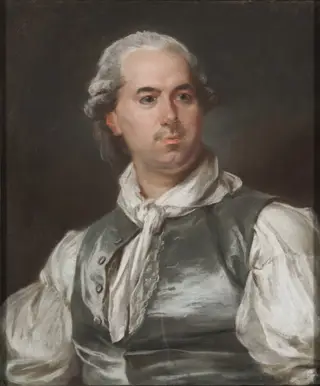
Peter Adolf Hall, a Swedish-French artist, was born on February 23, 1739. He primarily worked with miniature painting, capturing detailed portraits like The Painter Louis Joseph Maurice and Portrait of a Young Woman. His work showcases his skill in this delicate art form.
Hall's meticulous miniature paintings remain a testament to his artistic precision and attention to detail.
- 1856 Born
Born this day: Douglas Volk
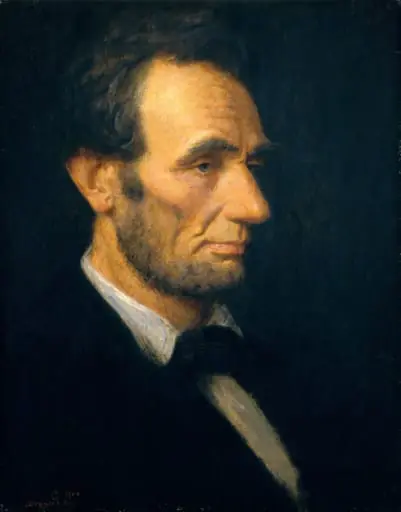
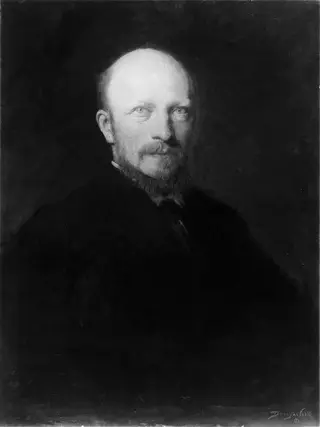
Douglas Volk, born on February 23, 1856, was a prominent American portrait and figure painter, muralist, and educator, known for his work, including a notable portrait of Abraham Lincoln. He played a significant role in art education, teaching at institutions like the Cooper Union and the Art Students League of New York.
Volk's legacy extends through his contributions to American art education and his enduring portraits that continue to captivate audiences.
Died on this day 1
- 1792 Died
Died this day: Joshua Reynolds
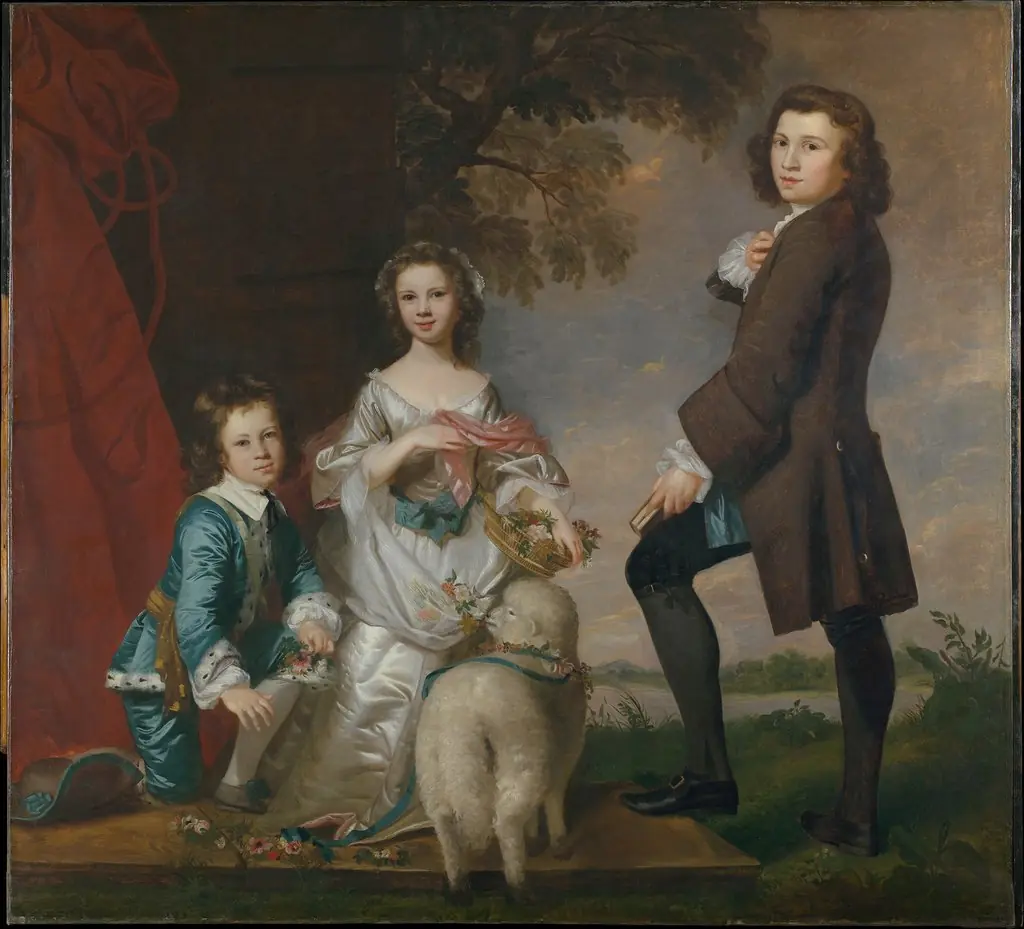
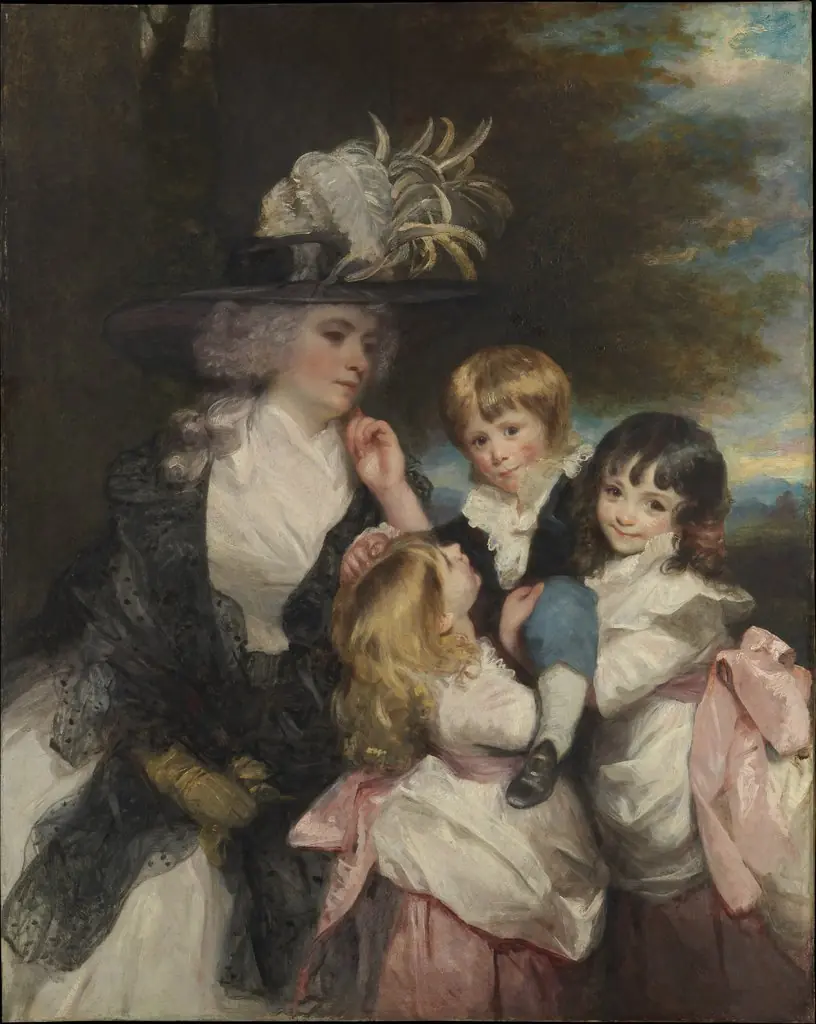
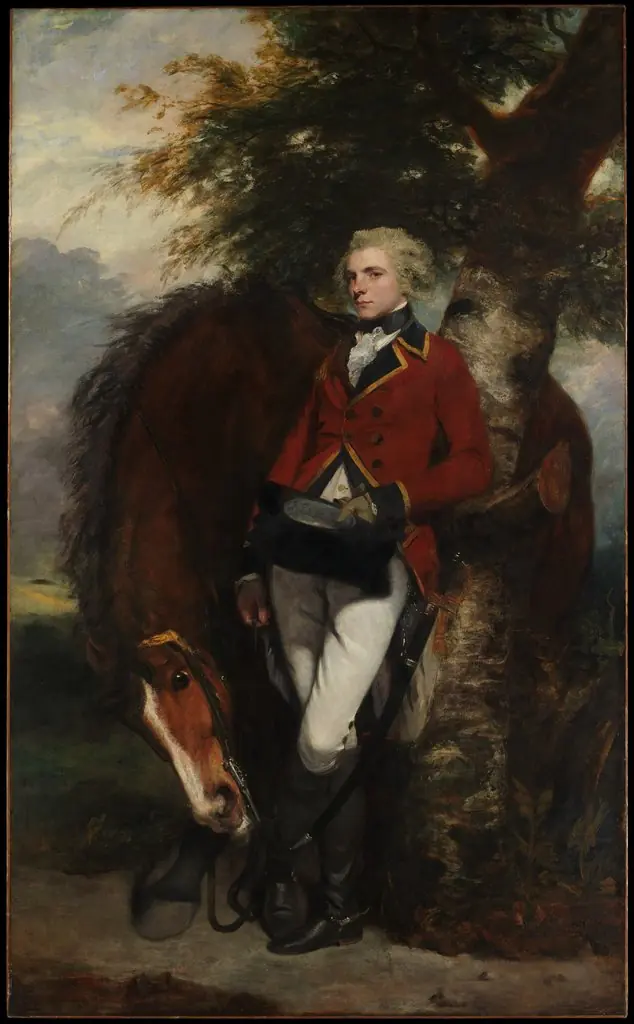
Sir Joshua Reynolds, a renowned English painter, died on this day in 1792. He was a leading portrait artist of the 18th century, known for promoting the 'Grand Style' in painting, which emphasized idealization of the imperfect. As a founder and first president of the Royal Academy of Arts, Reynolds played a pivotal role in shaping British art.
Reynolds is remembered as a master who revolutionized British art, leaving behind a prolific body of work that continues to influence artists to this day.
Exhibitions & salons 2
- 1910 Exhibition
Matisse Returns to Gallery 291
On February 23, 1910, Alfred Stieglitz's Gallery 291 opened Drawings and Photographs of Paintings by Henri Matisse, on view through March 8. The show followed Stieglitz's 1908 presentation of Matisse, which had been the first exhibition of Matisse's work in the United States and a turning point in 291's shift from Photo-Secession photography toward European modernism. By 1910 the gallery was becoming a compact but influential laboratory for avant-garde art in New York, introducing audiences to Matisse, Rodin, Cezanne, Picasso, Brancusi, Picabia, and others before the Armory Show. This second Matisse presentation helped sustain the artist's American visibility and reinforced 291's role as a prewar conduit between Paris modernism and American collectors, critics, and artists.
It strengthened Gallery 291's reputation as a decisive early American platform for European modern art.
- 1924 Exhibition
Sargent Retrospective Opens at Grand Central
On February 23, 1924, Grand Central Art Galleries opened Retrospective Exhibition of the Important Works of John Singer Sargent. The exhibition presented 60 oil paintings and 12 watercolors, including major portraits such as Portrait of Mrs. H. F. Hadden, The Lady with the Rose, and Portrait of Mrs. Fiske Warren and Daughter, as well as the landscape Lake O'Hara. The show was staged as a benefit for the endowment fund of the Painters and Sculptors Gallery Association, the cooperative behind Grand Central Art Galleries, with which Sargent had been actively involved from the beginning. Coming near the end of Sargent's life, it publicly framed him not merely as a fashionable portraitist but as a central institutional supporter of an artist-led New York gallery model.
The retrospective helped consolidate Sargent's late-career standing while supporting Grand Central's artist-run exhibition system.
Openings & foundings 1
- 1913 Founding
Cuba Creates Its National Museum
On February 23, 1913, Cuban president Jose Miguel Gomez and education-and-fine-arts secretary Mario Garcia Kohly founded the Museo Nacional de la Republica by presidential decree. The institution was initially conceived as an encyclopedic national museum rather than a narrowly art-historical one, with sections for archaeology, anthropology, natural history, archives, library materials, furniture, and fine arts. Its first director, architect Emilio Heredia, was charged with organizing donations and display criteria. Although the museum was formally inaugurated on April 28, the February decree created the institution that later evolved into Havana's Museo Nacional de Bellas Artes, the central public repository for Cuban art and an important Caribbean collection of European, Latin American, Asian, and ancient Mediterranean works.
The decree laid the institutional foundation for Cuba's leading fine-arts museum.
Auctions, prizes & heists 1
- 2009 Auction Landmark
Yves Saint Laurent Collection Sale Begins
On February 23, 2009, at 7 p.m., the first session of the Yves Saint Laurent and Pierre Berge collection auction opened in Paris with Impressionist and modern art lots. Organized by Christie's France and Pierre Berge & Associes, the three-day sale dispersed one of the most famous private art collections of the early twenty-first century after a public viewing at the Grand Palais. The collection included works by Goya, Brancusi, de Chirico, Duchamp, Ensor, Matisse, Mondrian, and Picasso. The sale total reached about 373.5 million euros and was widely characterized as a record private-collection auction, with records for Brancusi, Matisse, and Mondrian; Eileen Gray's Dragons armchair also set a benchmark for twentieth-century decorative art.
The auction reset expectations for single-owner collection sales and intensified debates over masterpiece markets and cultural restitution.