Artwork
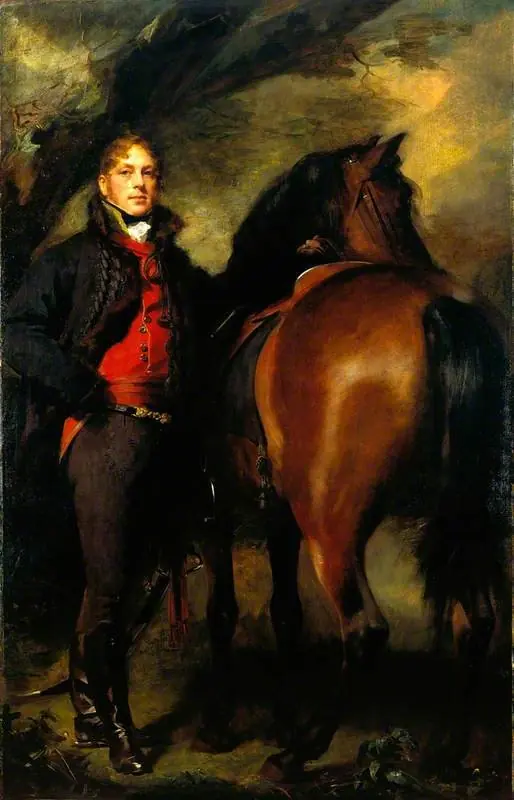
Captain George K. H. Coussmaker
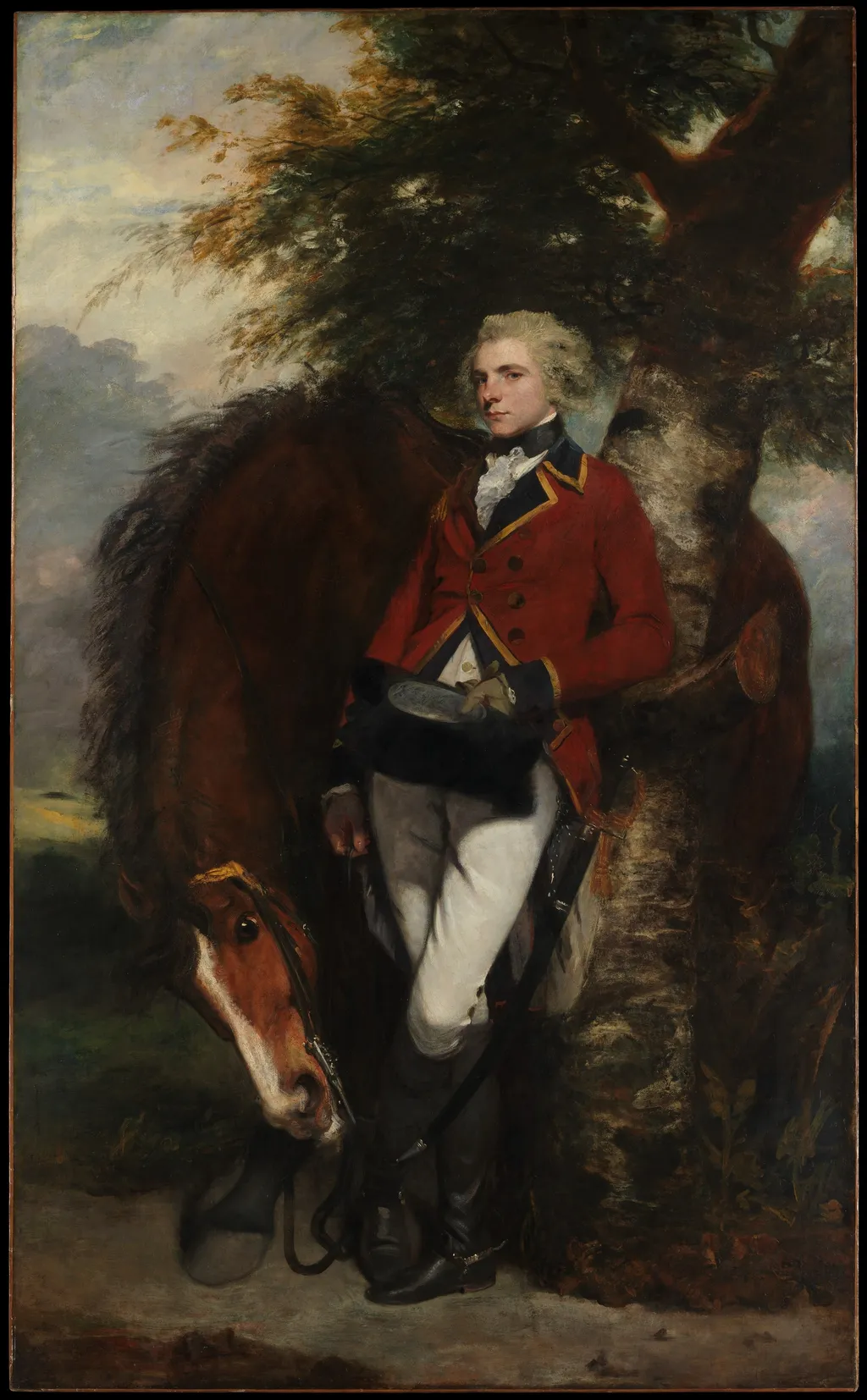
Captain George K. H. Coussmaker is an oil painting by the Academic Art artist Joshua Reynolds. It dates from 1792 and is held in the collection of the Metropolitan Museum of Art.
About this work
Subject & Meaning
The work depicts Captain George Keene Hayward Coussmaker alongside a horse, serving as a formal portrait of the British military officer.
The work depicts Captain George Keene Hayward Coussmaker alongside a horse, serving as a formal portrait of the British military officer. Although Coussmaker entered the 1st Regiment of Foot Guards in 1776 and achieved the rank of captain by 1788, historical records indicate he never saw active service before retiring in 1795. Consequently, the inclusion of the horse and military context functions as an idealized representation of his status and profession rather than a record of specific battlefield achievements.
The composition is noted for its complexity and vigorous execution, reflecting the academic art movement's approach to elevating the subject's stature through grand portraiture conventions.
Technique & Style
The portrait of Captain George K. H. Coussmaker is executed in oil on canvas, a support typical of late‑18th‑century British portraiture. Joshua Reynolds applied the paint with a vigorous brushwork that emphasizes a complex, dynamically arranged composition; contemporary museum notes describe the work as “exceptionally fine... the whole vigorously painted.” The painting’s formal qualities reflect the academic art style of the period, combining realistic rendering of the sitter and his horse with a loose, energetic handling of colour and light.
The work remained in the sitter’s family until 1884, was sold to William K. Vanderbilt, and was bequeathed to the Metropolitan Museum of Art in 1920, where it is preserved.
History & Provenance
Joshua Reynolds painted Captain George K. H. Coussmaker in 1792 as an oil on canvas portrait. The sitter posed twenty-one times and his horse eight times between February 9 and April 16, 1792, an unusually high number of sittings. Reynolds was paid 205 pounds for the work, plus an additional 10 guineas for the frame.
The portrait remained in the possession of Coussmaker and his descendants from its completion until 1884, when it was sold to William K. Vanderbilt. It was subsequently bequeathed to the Metropolitan Museum of Art in 1920, where it remains in the collection.
The portrait entered the museum's collection in 1920 as the bequest of William K. Vanderbilt, who purchased it from the sitter’s descendants in 1884; no accession number is recorded in the available sources. The work is listed in the museum’s European paintings holdings as part of the permanent collection.
Context
The portrait is regarded by museum curators as an exceptionally fine work, with a complex composition and vigorous execution. It exemplifies Joshua Reynolds’s portrait practice within the academic art movement and depicts a British military officer, reflecting the artist’s frequent portrayal of contemporary military figures. The work’s provenance, remaining with the Coussmaker family until its sale to William K. Vanderbilt and bequest to the Metropolitan Museum of Art in 1920, illustrates the transatlantic collecting of British art during the Gilded Age.
Scholarship emphasizes the unusually high number of sittings (21 for the sitter, 8 for the horse) as evidence of Reynolds’s meticulous working method.
Legacy
Although little studied, Captain George K. H. Coussmaker has acquired a modest reputation as an emblem of Joshua Reynolds’s late portraiture, noted for the unusually high number of sittings recorded between February and April 1792. The painting remained in the sitter’s family until 1884, when it entered the collection of William K. Vanderbilt and was bequeathed to the Metropolitan Museum of Art in 1920. Museum curators describe it as an exceptionally fine work with a complex composition and vigorous painting, an assessment echoed in English, French and Spanish Wikipedia entries.
Its status as an academic‑art portrait and its well‑preserved provenance contribute to a legacy that exemplifies 18th‑century British portrait conventions.
Overview
Joshua Reynolds's 1782 oil on canvas depicts Captain George K. H. Coussmaker. This work is noted for its intricate composition and energetic brushwork, reflecting the artist's prominent role in 18th-century English portraiture. It captures a military figure, a common subject for Reynolds, presenting him with a dignified and somewhat idealized appearance, recognized by curators as an exceptionally fine example of his output.
Own this work as a print
Artist & collection
Artist
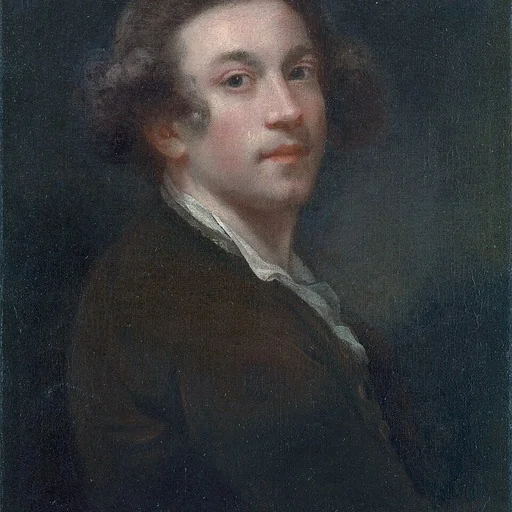
Sir Joshua Reynolds (16 July 1723 – 23 February 1792) was an English painter who specialised in portraits.

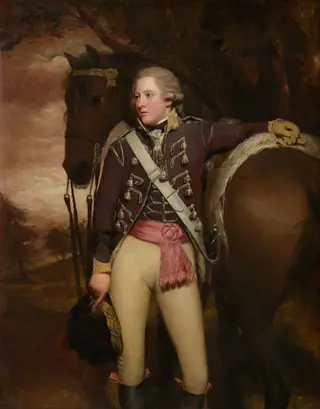 Captain Patrick Miller
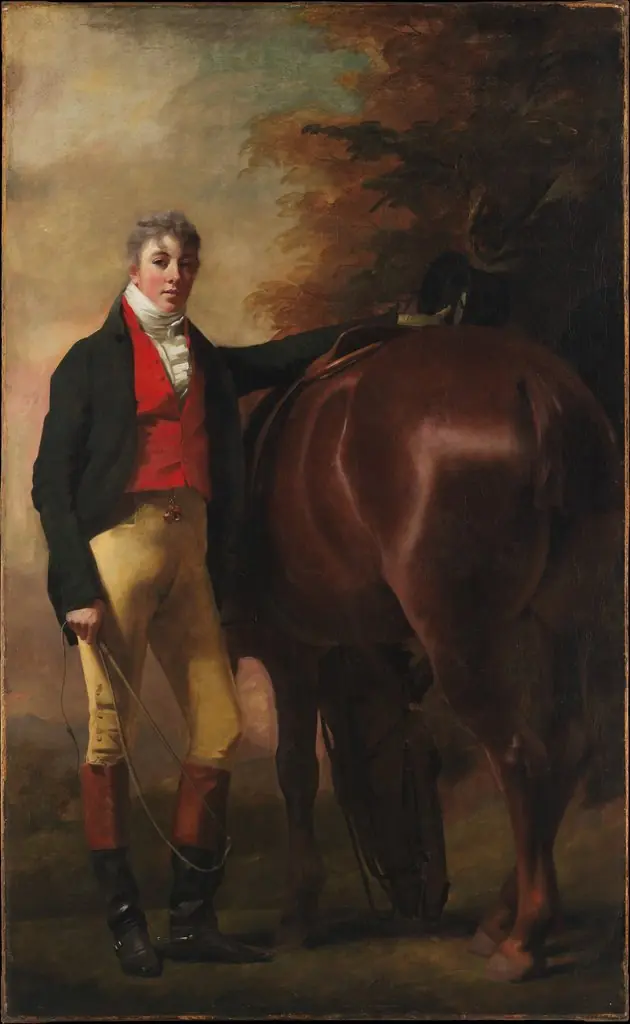 George Harley Drummond (1783–1855)
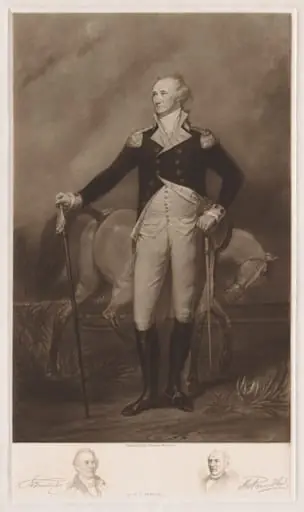 George Washington
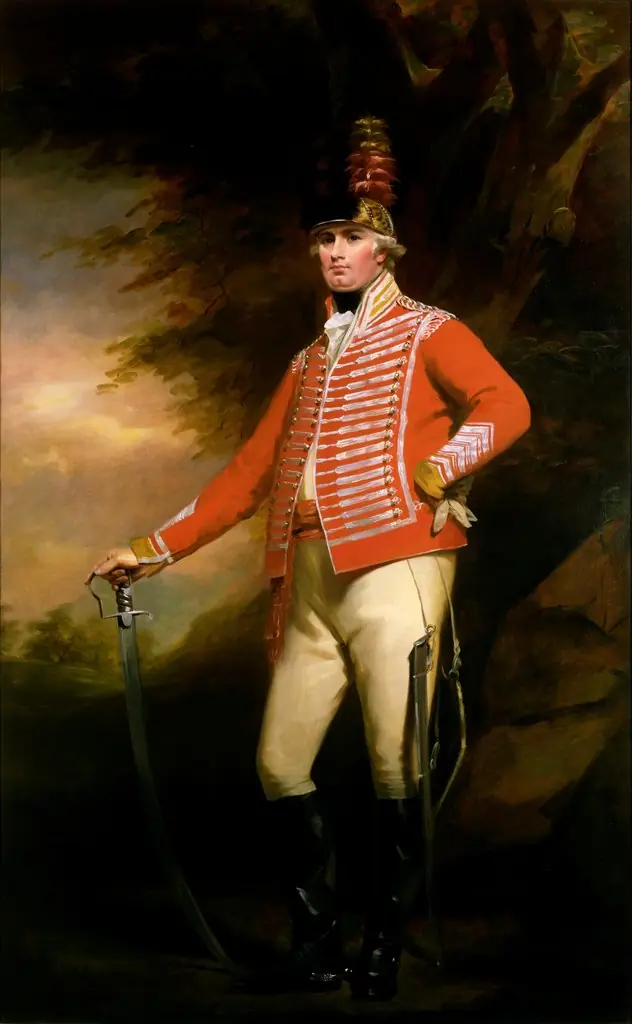 Portrait of Lieutenant Colonel William Shirriff, H.E.I.C.S. (1759/1760-1802)
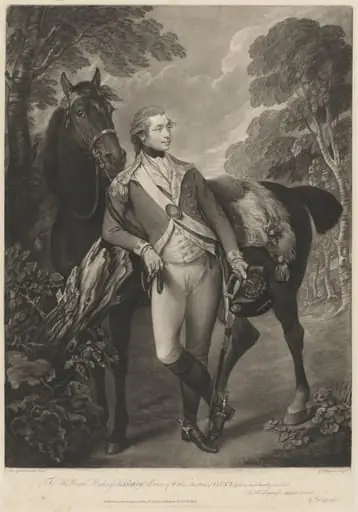 Colonel St. Leger
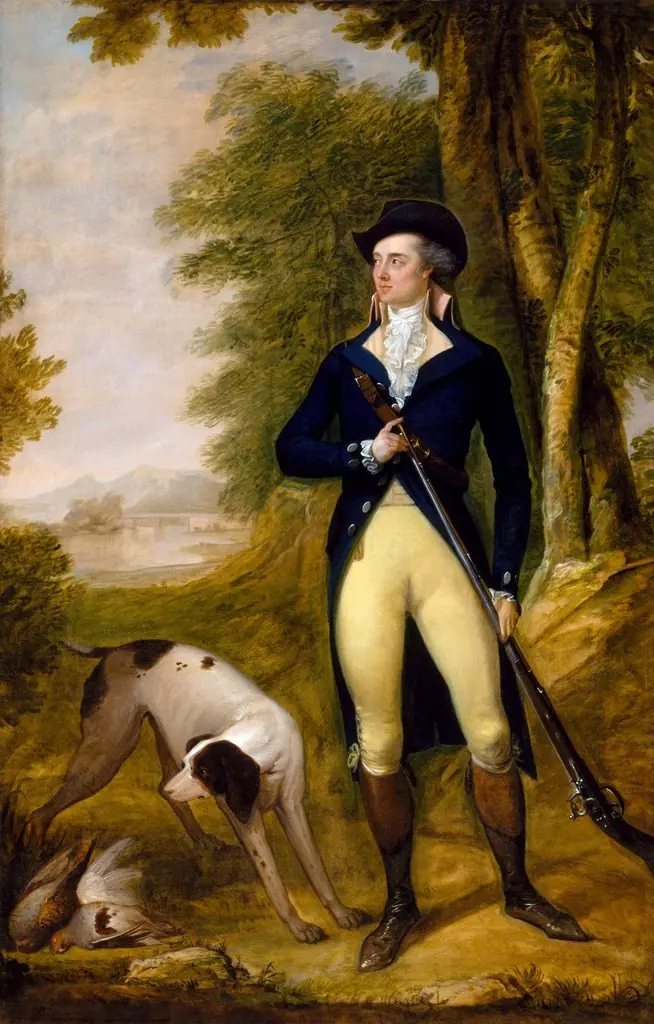 Portrait of a Gentleman
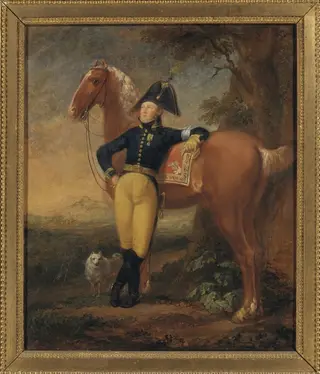 Johan Adam von Gertten (1767-1835), överste, ståthållare på Strömsholms slott, landskapsmålare
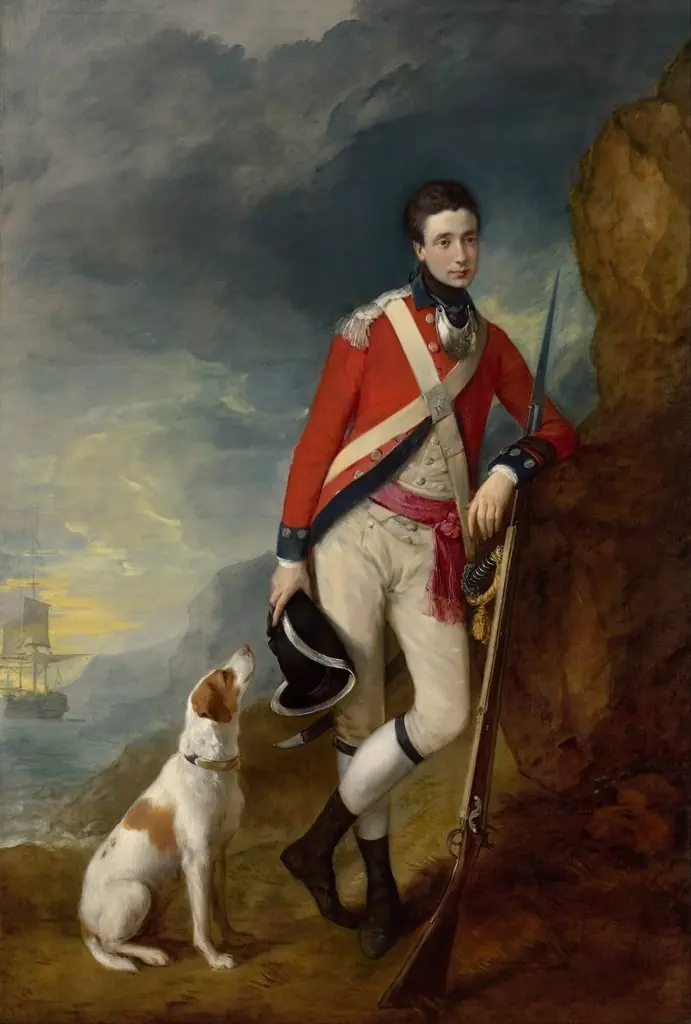 Richard St George Mansergh-St George
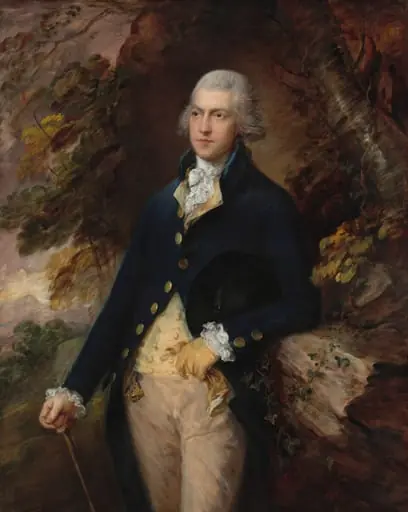 Francis Basset, Lord de Dunstanville
 Major William Clunes of Crakaig, died 1829
 Portrait of George Pitt, First Baron Rivers
- General Sir William Maxwell