Artist
John Singer Sargent
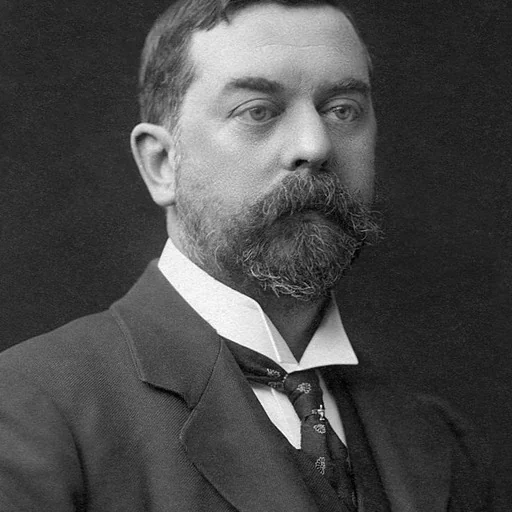
American, 1856–1925
John Singer Sargent was an American Impressionism painter. 384 works are cataloged here, principally at National Gallery of Art, most of them oil paintings. John Singer Sargent was born in Florence.
John Singer Sargent (; January 12, 1856 – April 15, 1925) was an American expatriate artist, considered the "leading portrait painter of his generation" for his evocations of Belle Époque and Edwardian-era luxury. He created roughly 900 oil paintings and more than 2,000 watercolors, as well as countless sketches and charcoal drawings. His oeuvre documents worldwide travel, from Venice to the Tyrol, Corfu, Capri, Spain, the Middle East, Montana, Maine, and Florida.
Born in Florence to American parents, he was trained there and in Paris before moving to London, living most of his life in Europe. He enjoyed international acclaim as a portrait painter. An early submission to the Paris Salon in the 1880s, his Portrait of Madame X, was intended to consolidate his position as a society painter in Paris but instead resulted in scandal.
During the year following the scandal, Sargent departed for England, where he continued a successful career as a portrait artist. From the beginning, Sargent's work is characterized by remarkable technical facility, particularly in his ability to draw with a brush, which in later years inspired admiration as well as criticism for its supposed superficiality. His commissioned works were consistent with the grand manner of portraiture, while his informal studies and landscape paintings displayed a familiarity with Impressionism.
In later life, Sargent expressed ambivalence about the restrictions of formal portrait work and devoted much of his energy to mural painting and working en plein air. Art historians generally ignored society artists such as Sargent until the late 20th century. The exhibition in the 1980s of Sargent's previously hidden male nudes served to spark a reevaluation of his life and work, and its psychological complexity.
In addition to the beauty, sensation and innovation of his oeuvre, his same-sex interests, unconventional friendships with women and engagement with race, gender nonconformity, and emerging globalism are now viewed as socially and aesthetically progressive and radical.
Works by John Singer Sargent
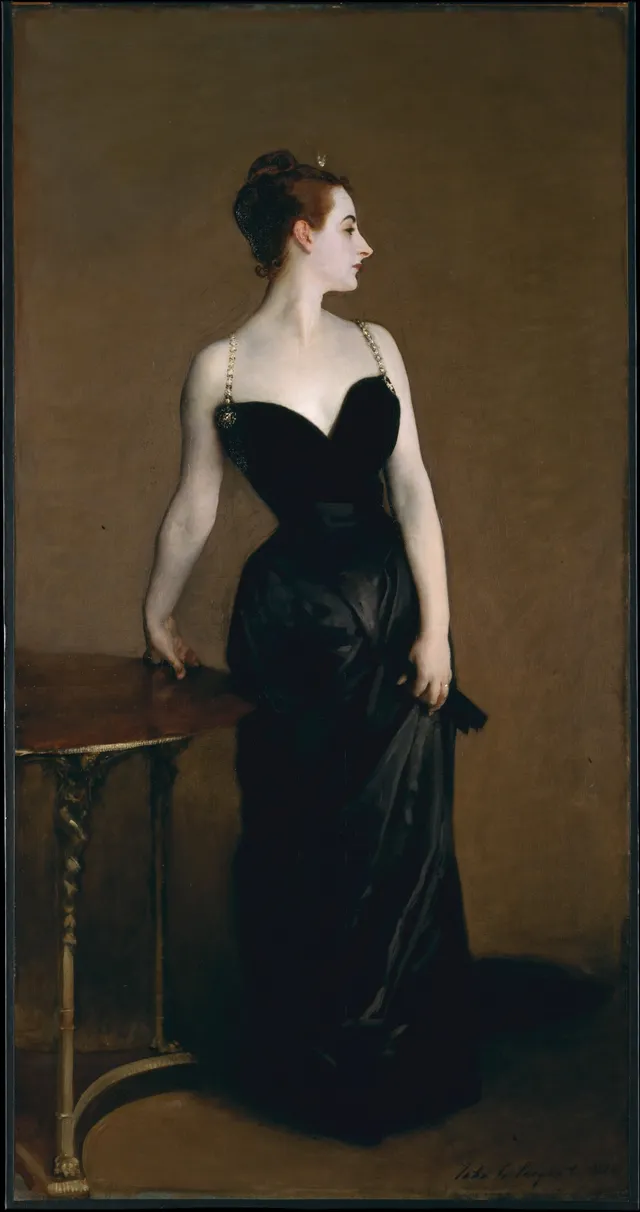 Madame X (Virginie Amélie Avegno Gautreau)
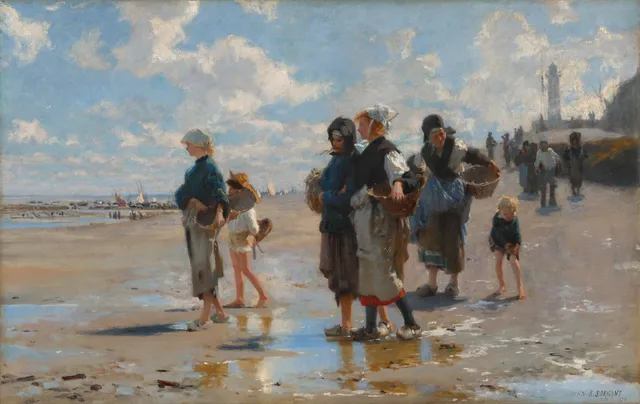 En route pour la pêche (Setting Out to Fish)
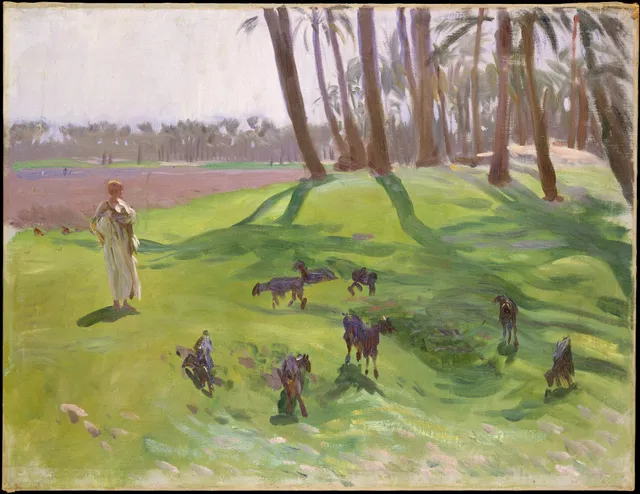 Landscape with Goatherd
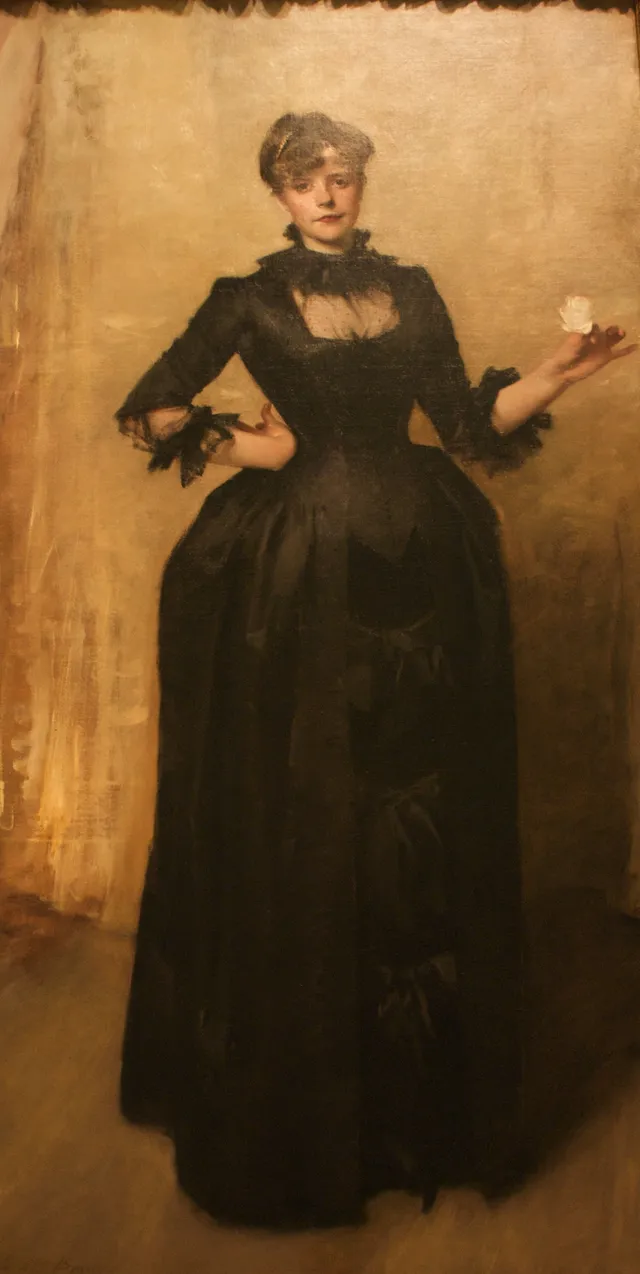 Lady with the Rose
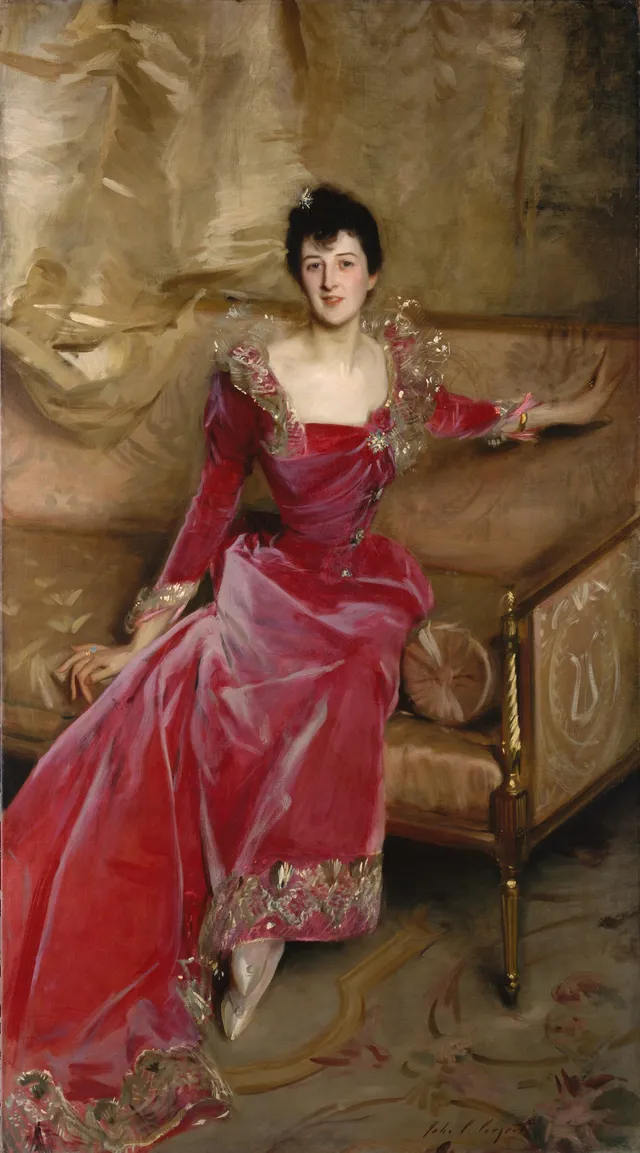 Mrs. Hugh Hammersley
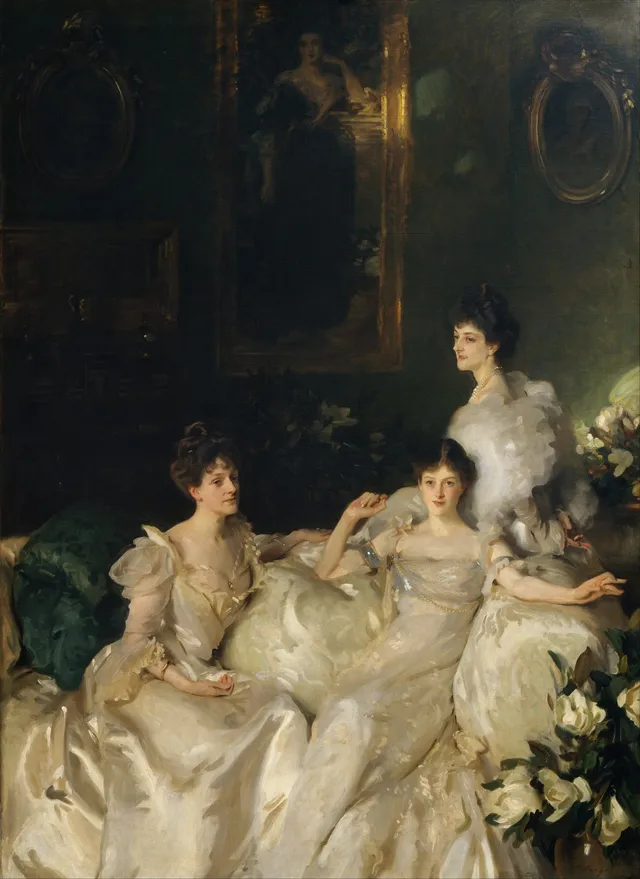 The Wyndham Sisters: Lady Elcho, Mrs. Adeane, and Mrs. Tennant
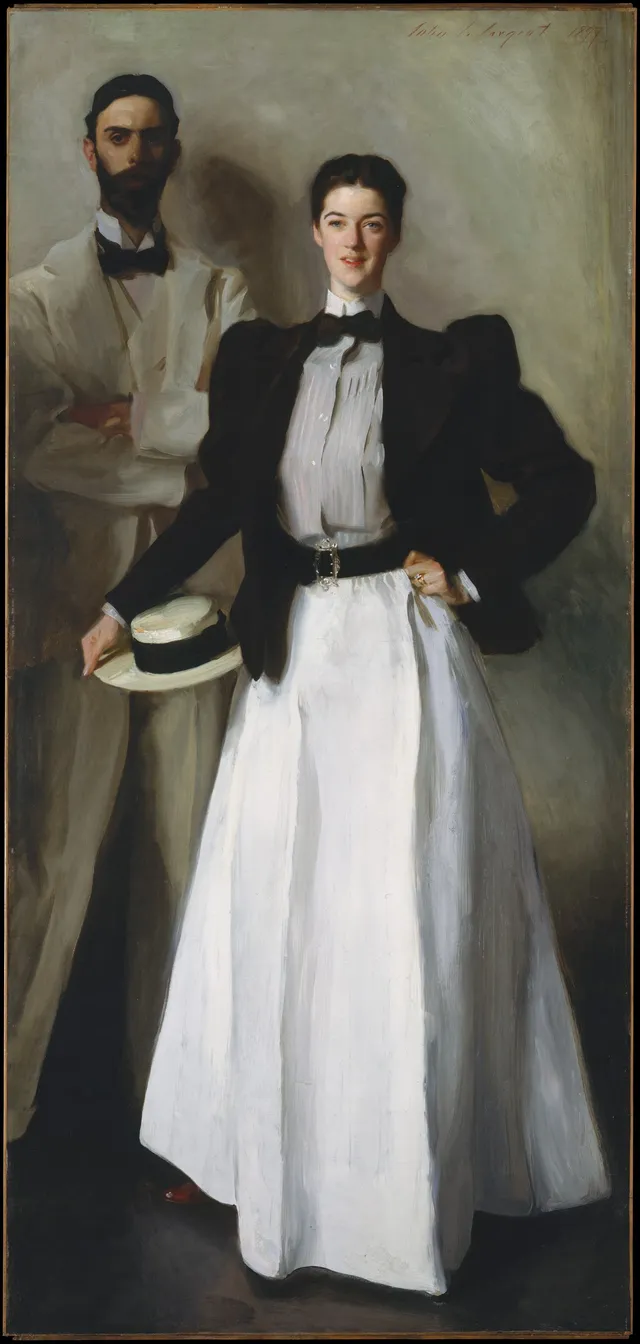 Mr. and Mrs. I. N. Phelps Stokes
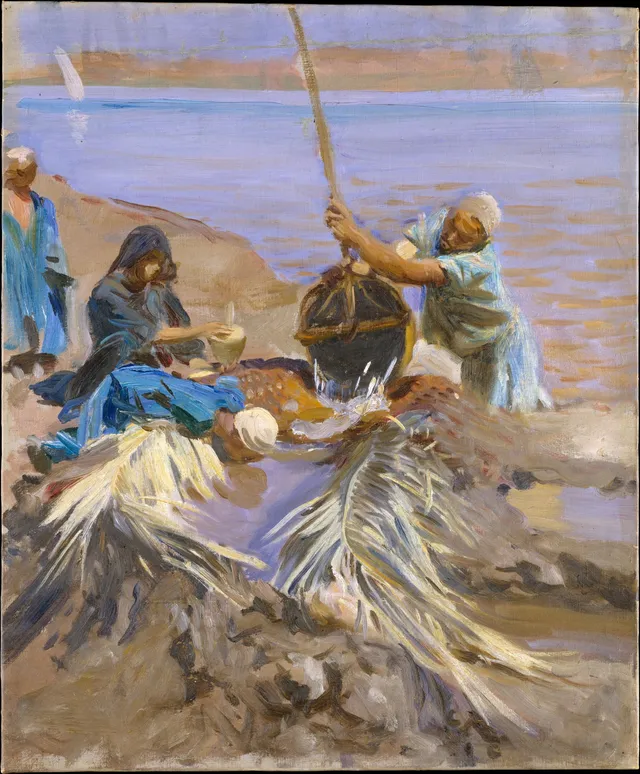 Egyptians Raising Water from the Nile
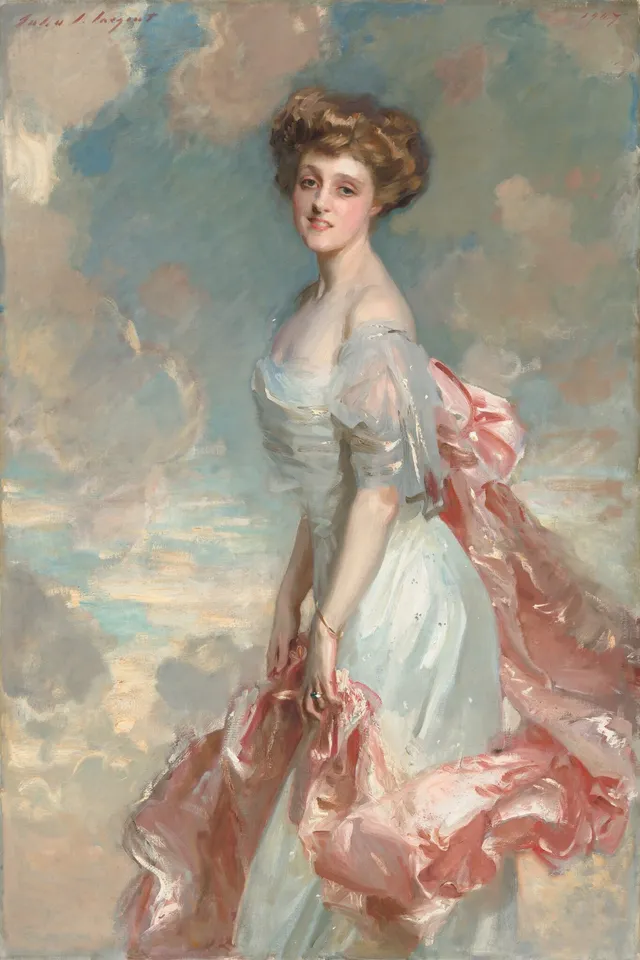 Miss Mathilde Townsend
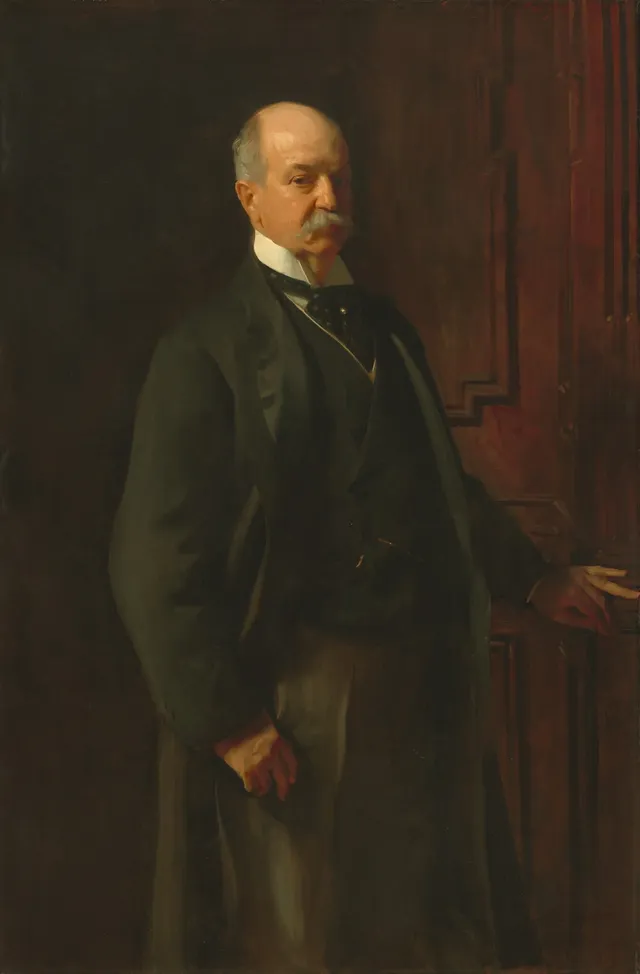 Peter A. B. Widener
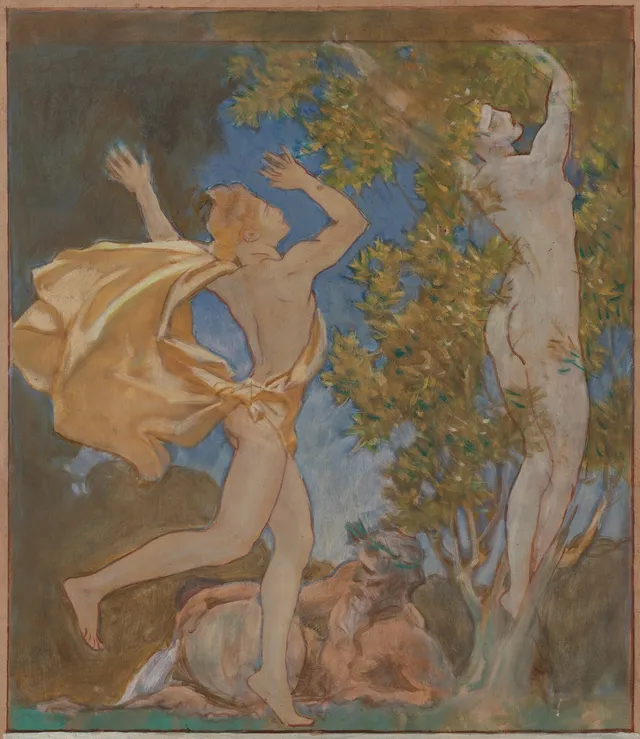 Apollo and Daphne
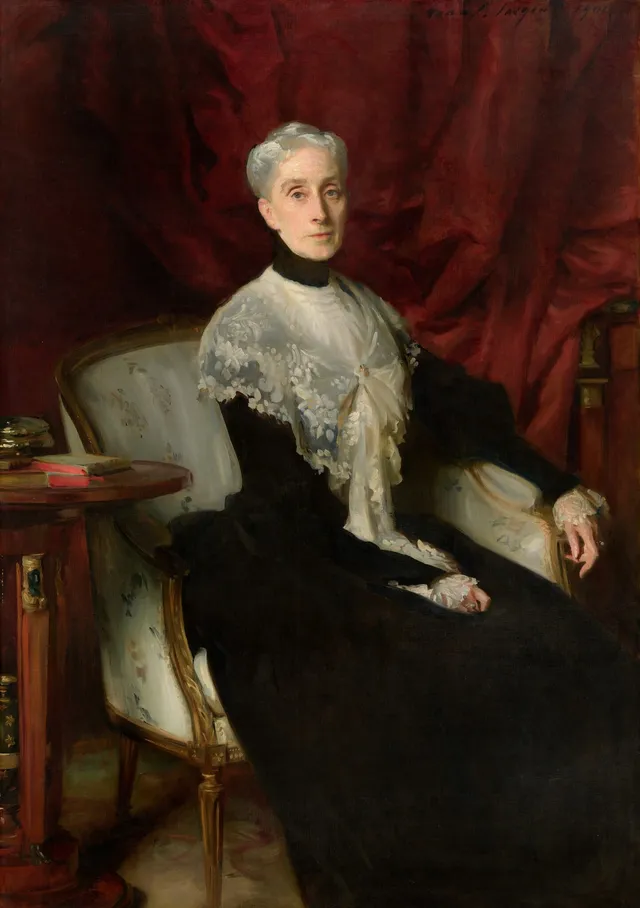 Ellen Peabody Endicott (Mrs. William Crowninshield Endicott)
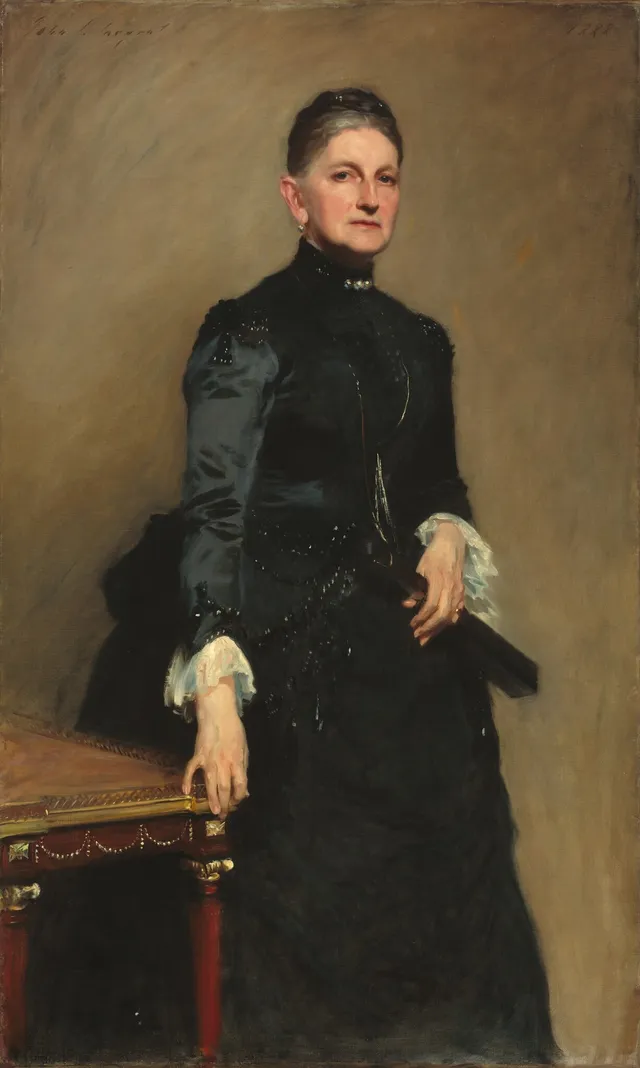 Eleanora O'Donnell Iselin (Mrs. Adrian Iselin)
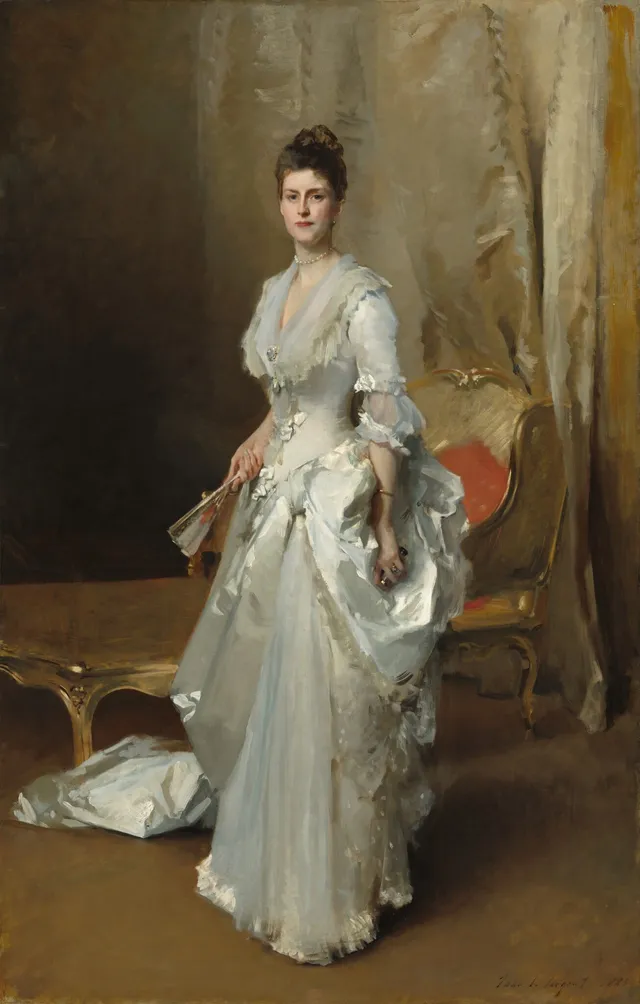 Margaret Stuyvesant Rutherfurd White (Mrs. Henry White)
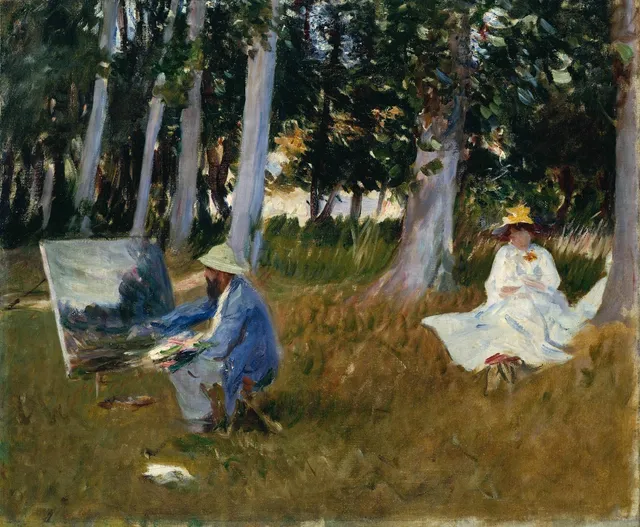 Claude Monet Painting by the Edge of a Wood
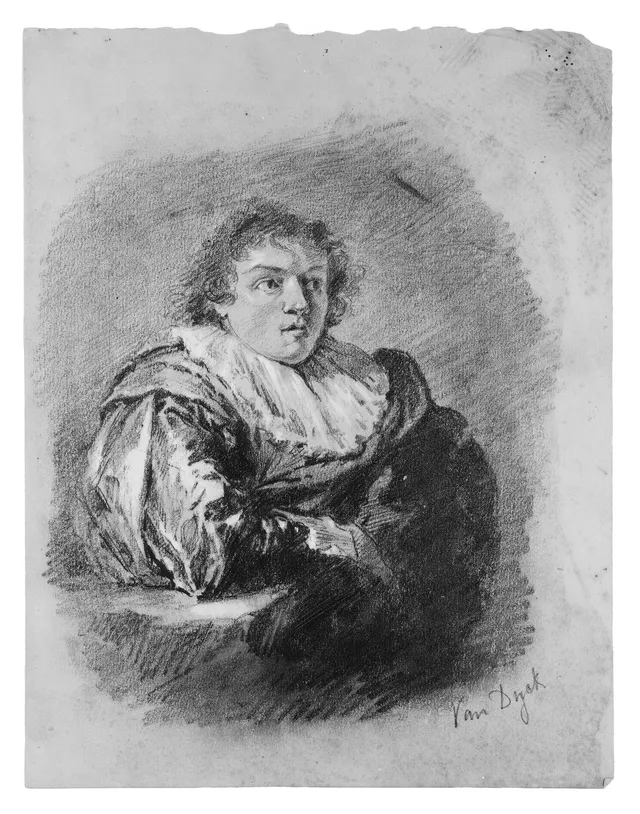 Palamedes Palamedesz
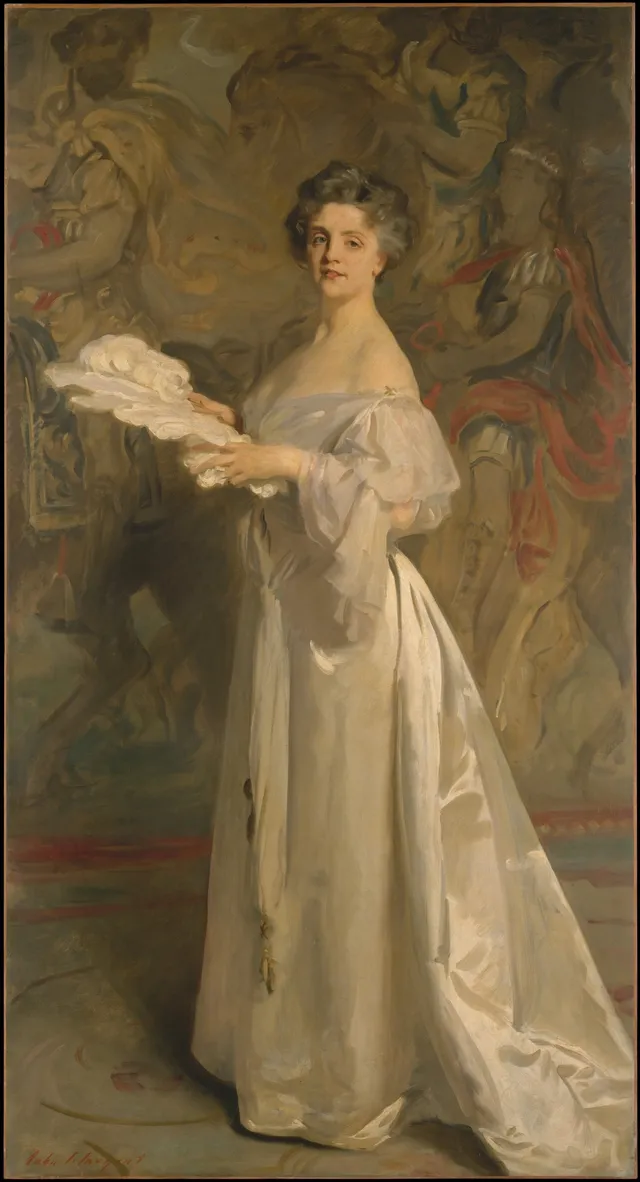 Ada Rehan
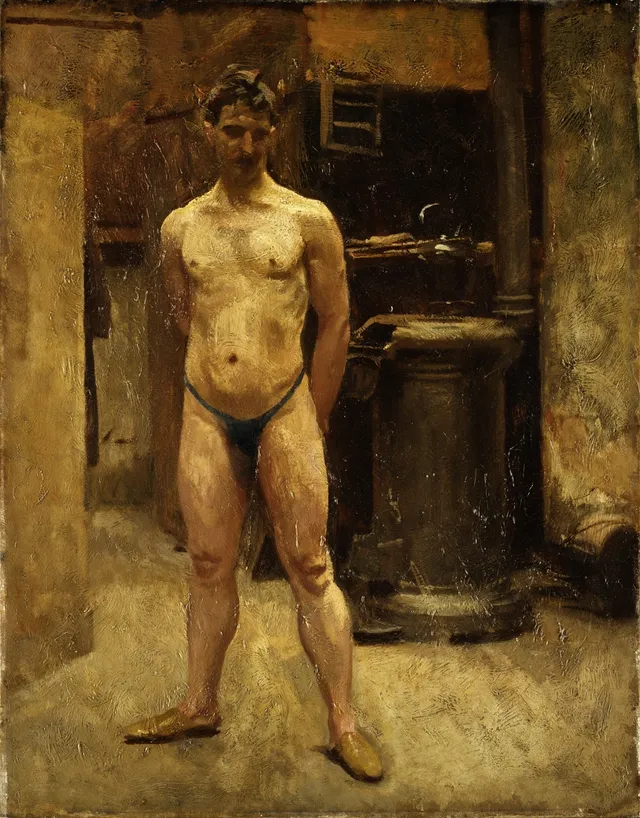 A Male Model Standing before a Stove
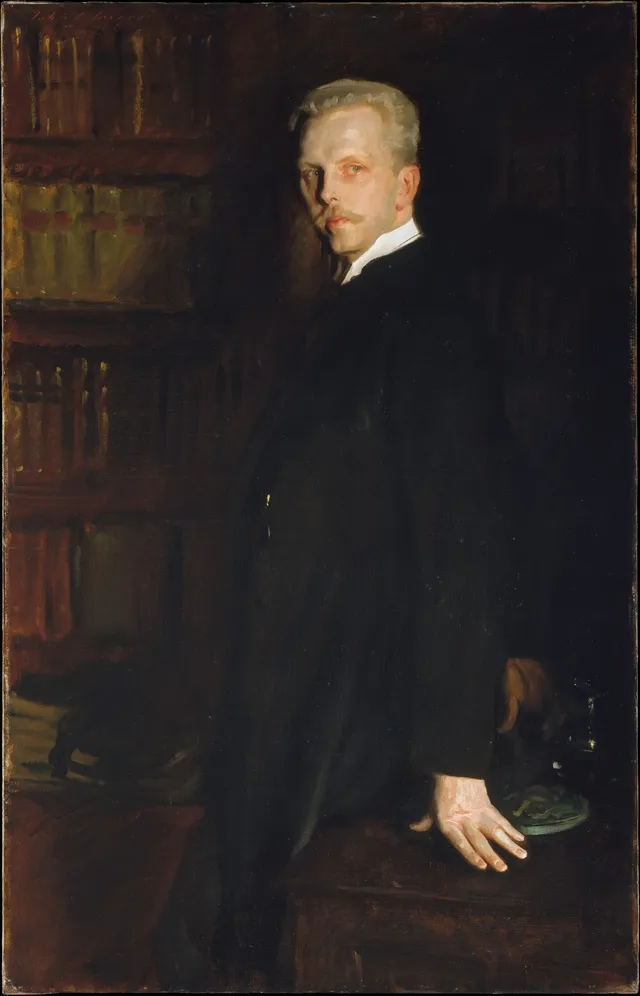 Edward Robinson
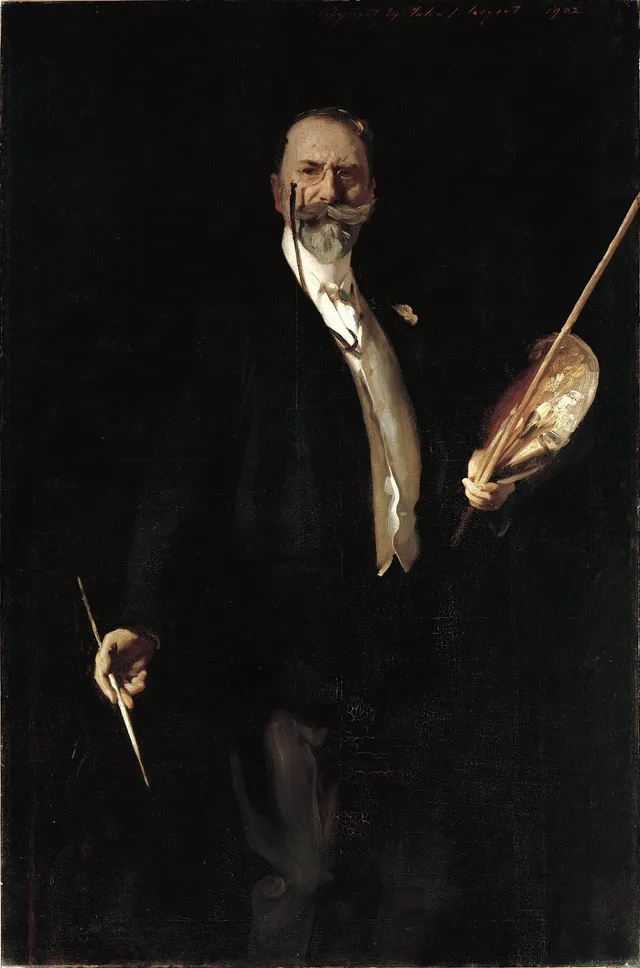 William M. Chase, N. A.
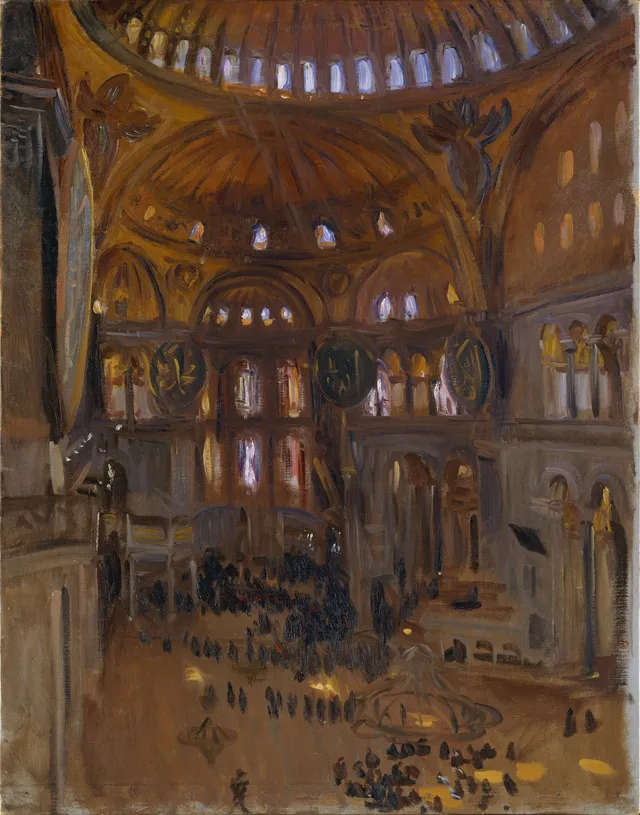 Santa Sofia
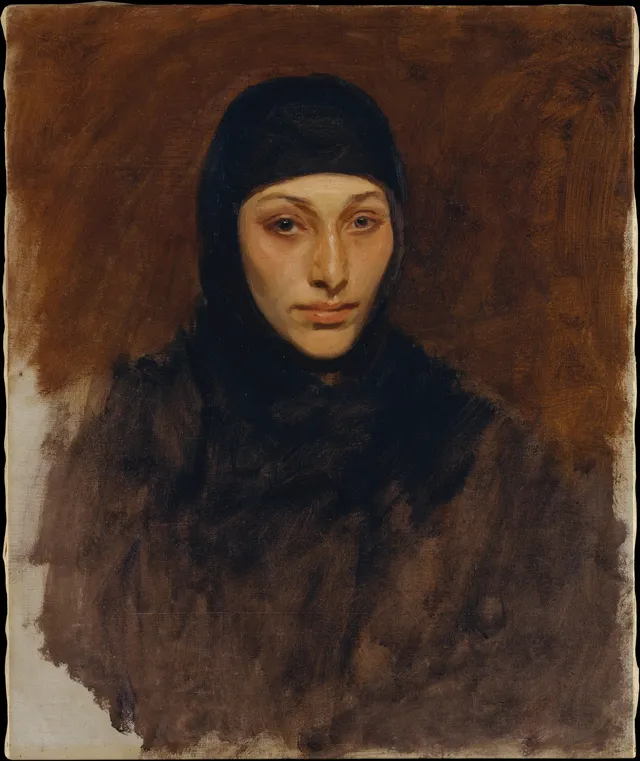 Egyptian Woman
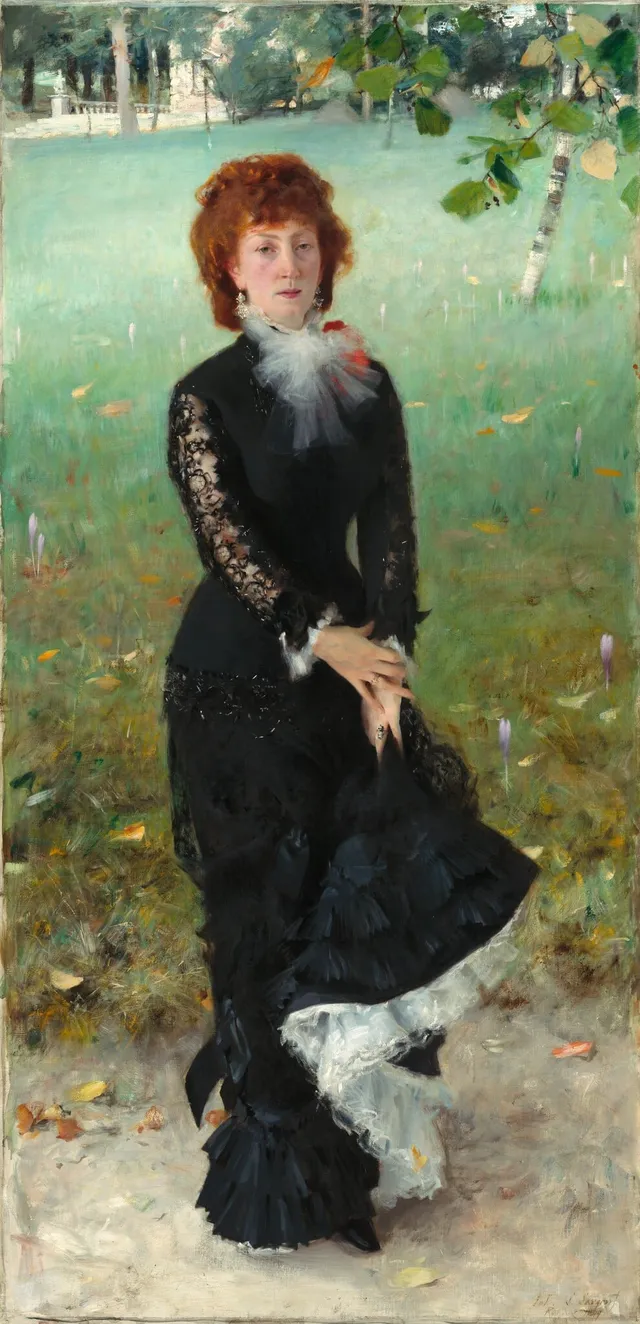 Marie Buloz Pailleron (Madame Édouard Pailleron)
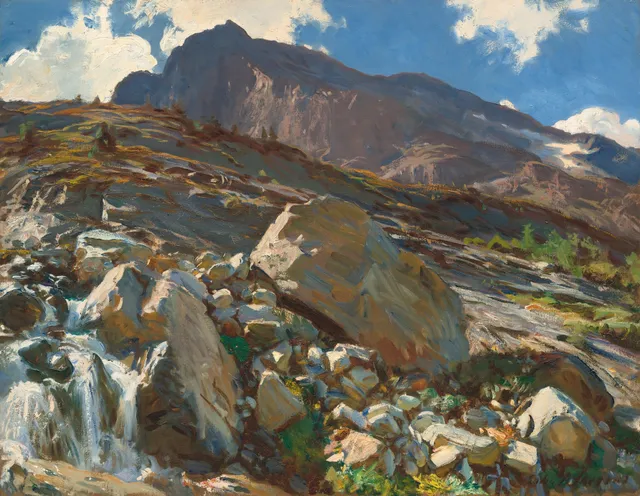 Simplon Pass
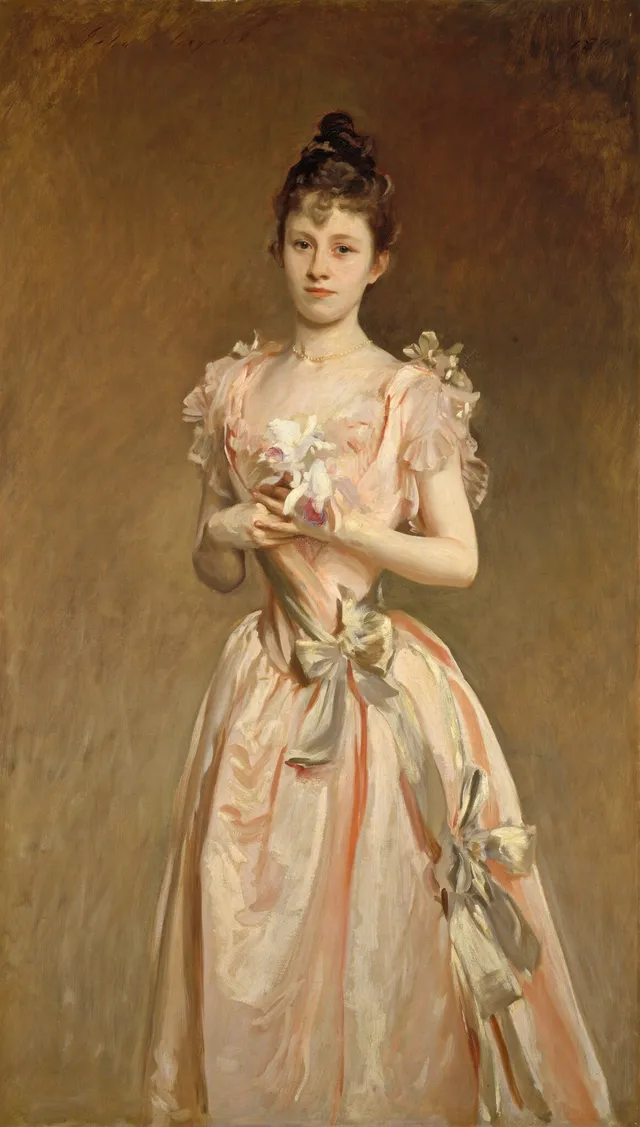 Miss Grace Woodhouse
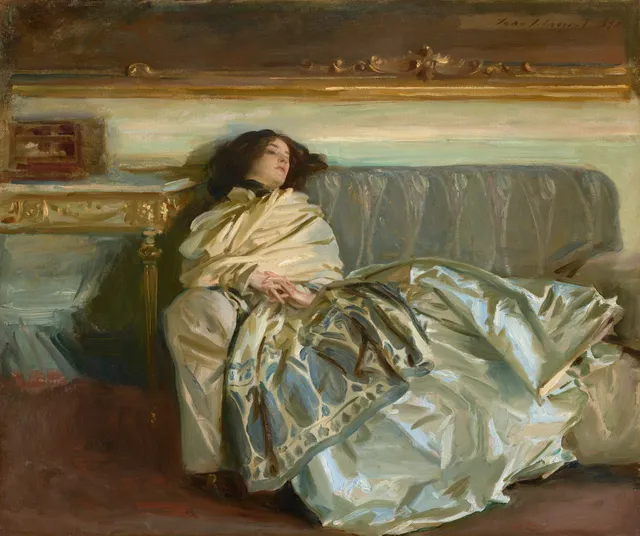 Nonchaloir (Repose)
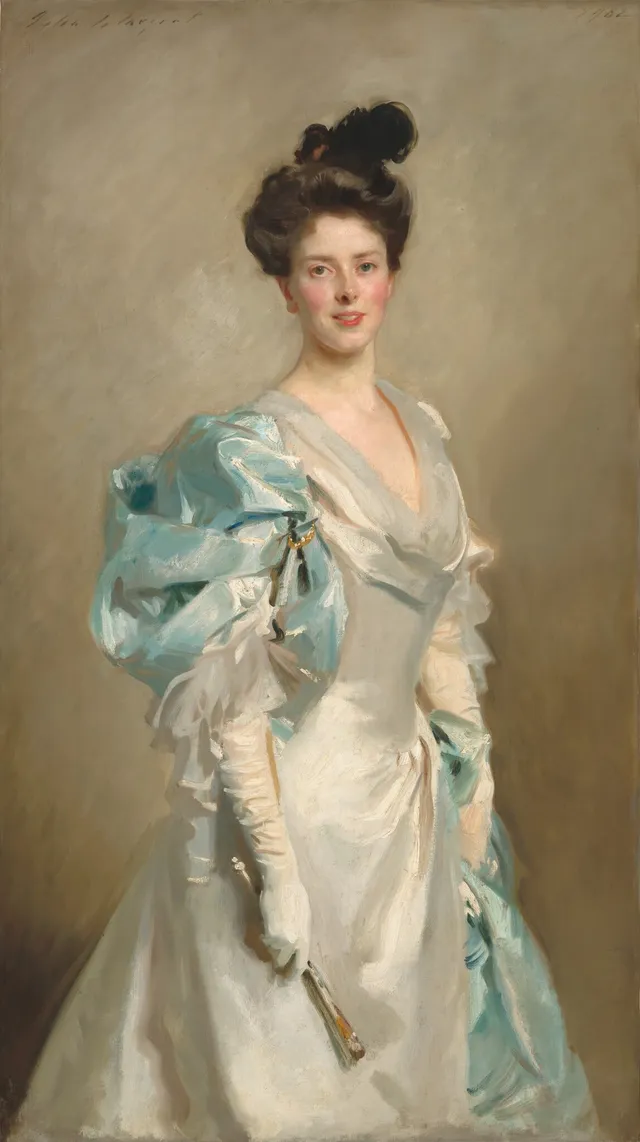 Mary Crowninshield Endicott Chamberlain (Mrs. Joseph Chamberlain)
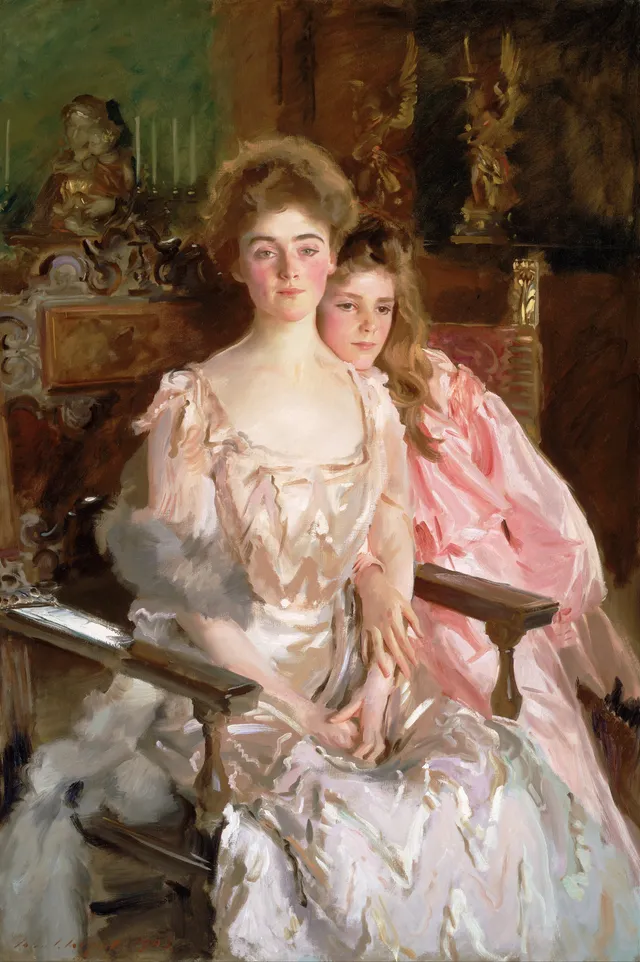 Mrs. Fiske Warren (Gretchen Osgood) and Her Daughter Rachel
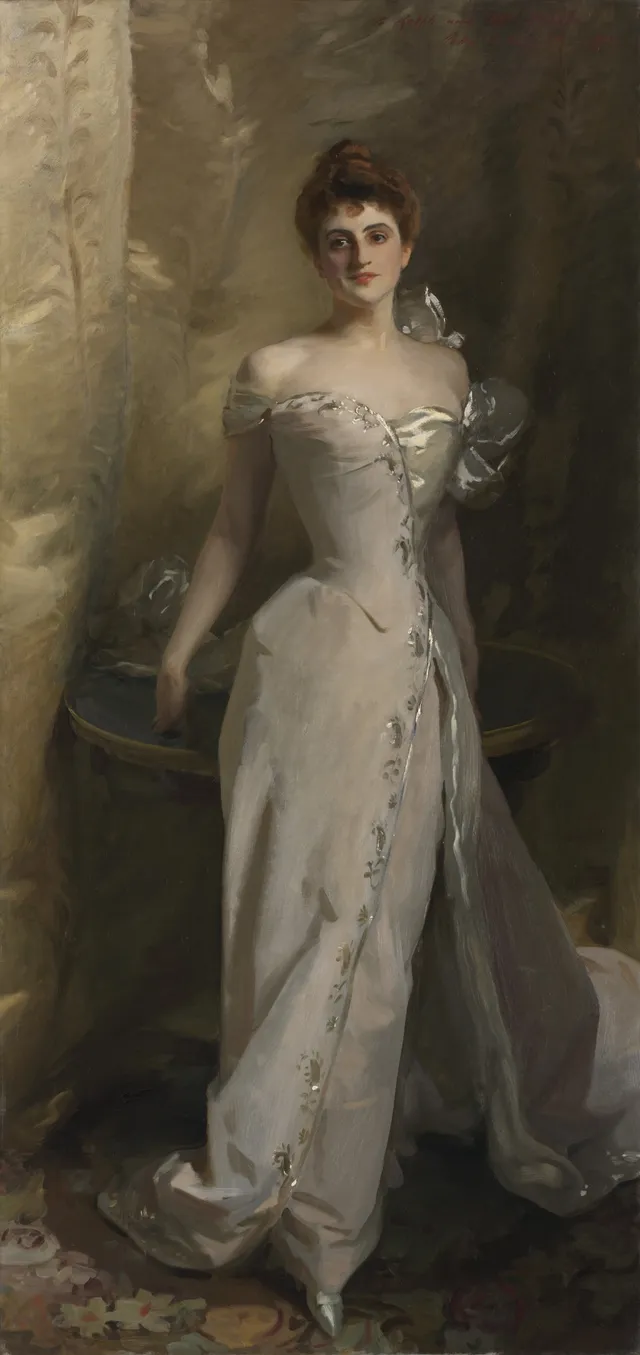 Portrait of Lisa Colt Curtis
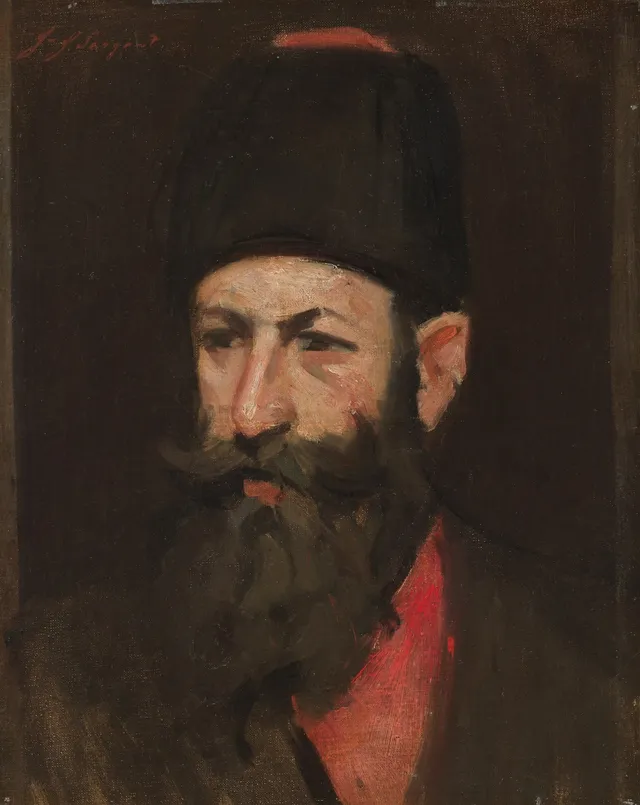 The Cossack
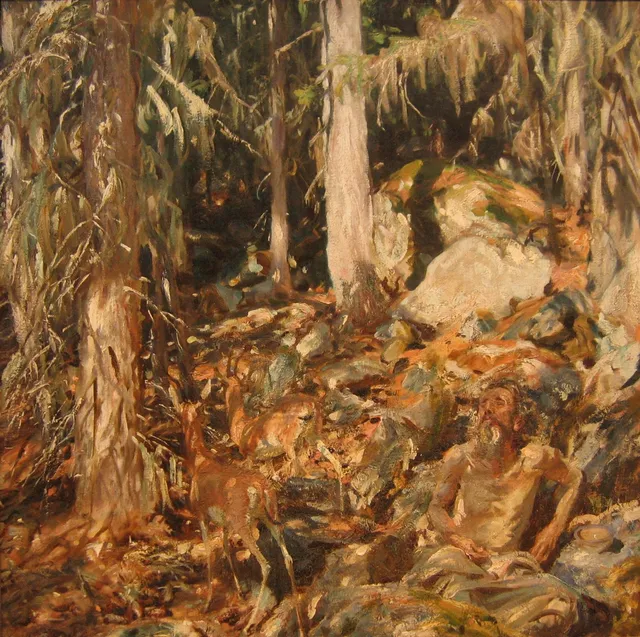 The Hermit
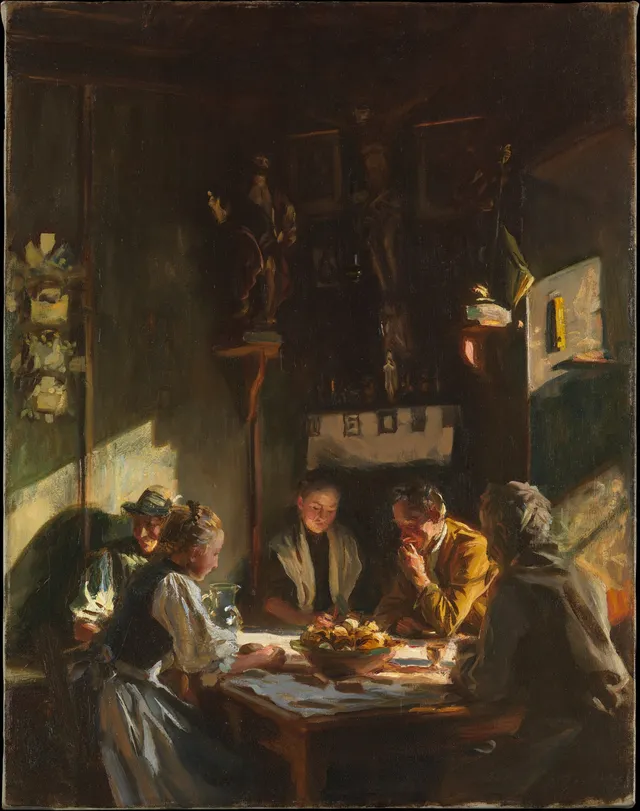 Tyrolese Interior
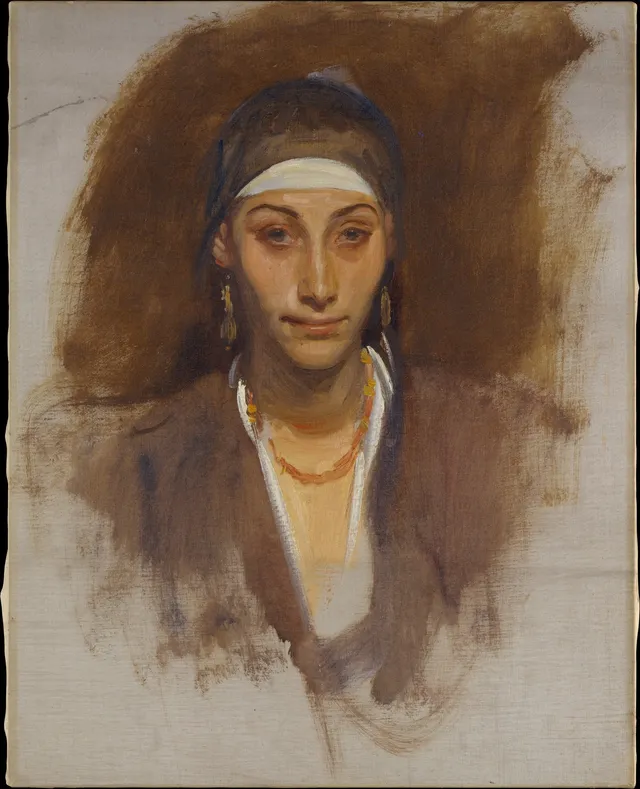 Egyptian Woman with Earrings
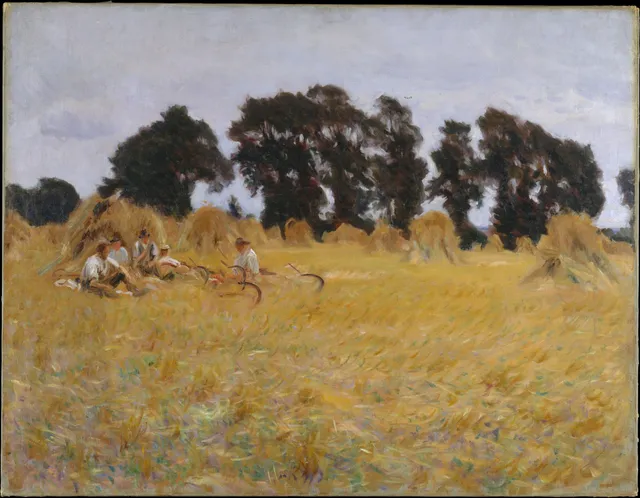 Reapers Resting in a Wheat Field
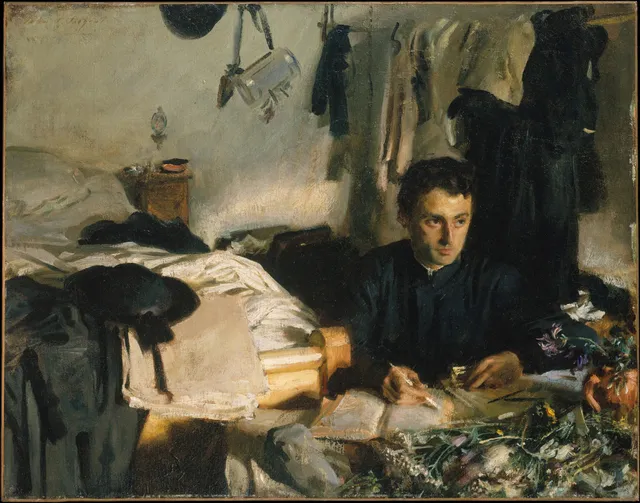 Padre Sebastiano
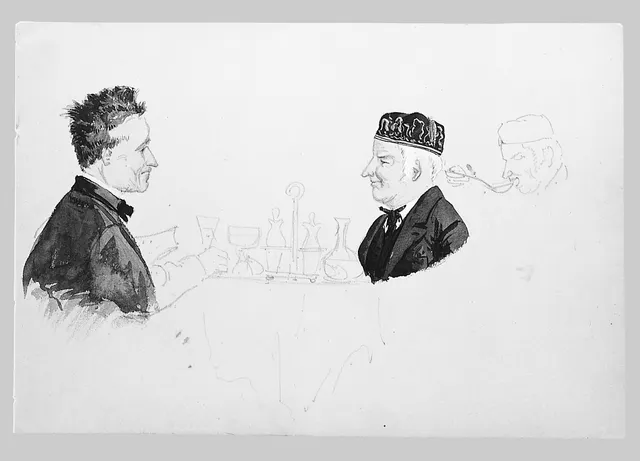 Two Men at a Table, Man Eating (from Switzerland 1869 Sketchbook)
Collections represented


Moments involving John Singer Sargent
- Grand Central Art Galleries opens · 1923 The galleries became a major American-art venue and later helped create the United States Pavilion at the Venice Biennale.
- Grand Central Art Galleries opens Sargent drawings exhibition · 1928 The exhibition helped preserve and publicize Sargent's studio archive as evidence of his broader artistic method.
- Sargent Retrospective Opens at Grand Central · 1924 The retrospective helped consolidate Sargent's late-career standing while supporting Grand Central's artist-run exhibition system.
Featured in a course

Artists in a similar vein