February 8 in Art History
6 real events recorded on February 8, the earliest from 1591. 2 artists were born , 1 died on this date.
Born on this day 2
- 1591 Born
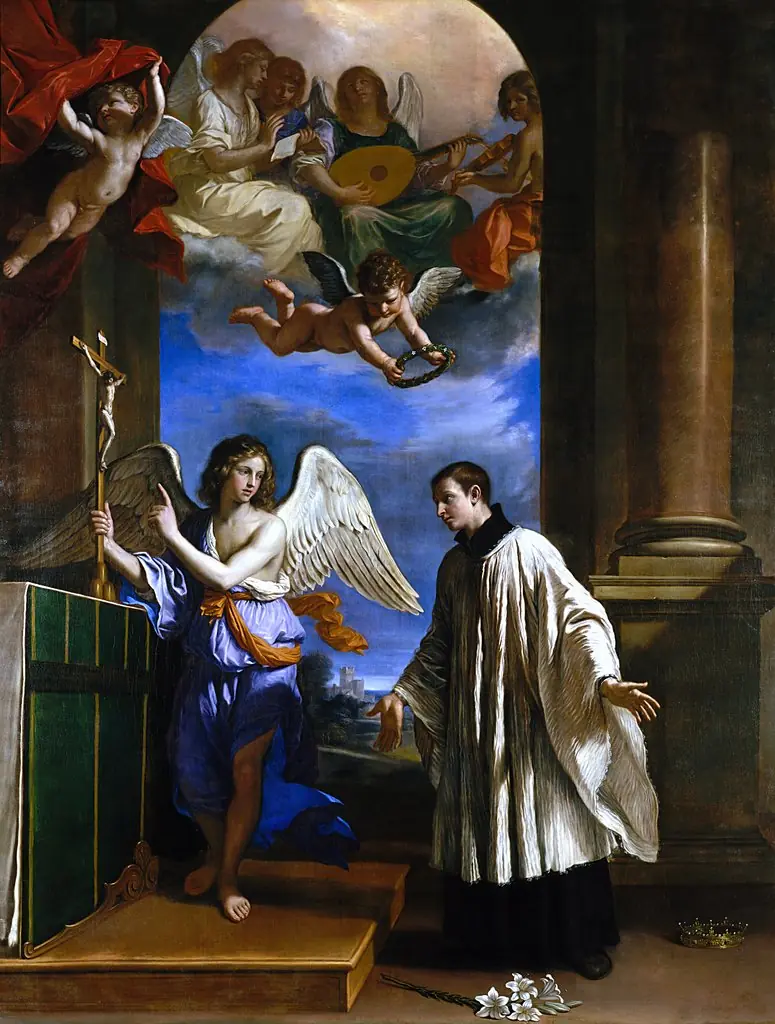
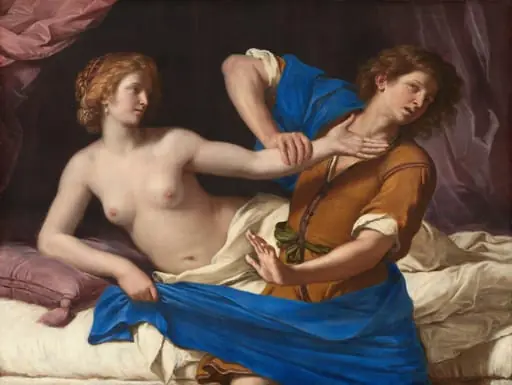
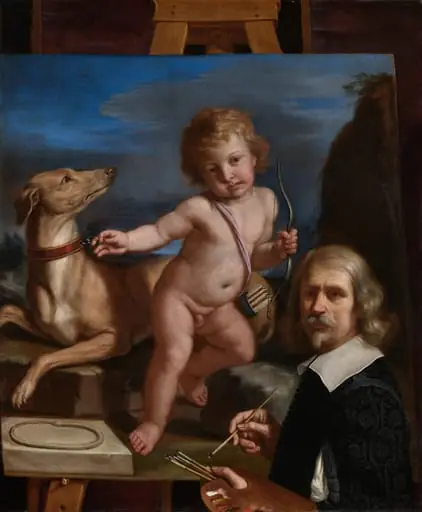
Born this day: Guercino
Guercino, born Giovanni Francesco Barbieri, was a prominent Italian Baroque painter and draftsman known for his contrasting styles, from vigorous naturalism to classical equilibrium. His works, such as The Vocation of Saint Aloysius and Joseph and Potiphar's Wife, showcase his skill and luminosity.
Guercino's contributions to the Baroque period remain significant, influencing the development of European art.
- 1772 Born
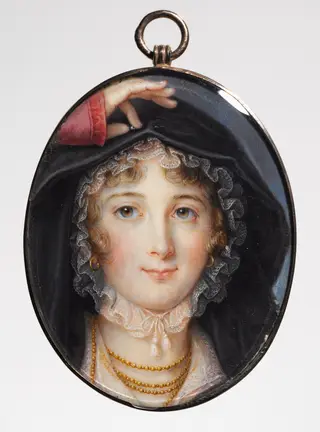
Born this day: Louis-Marie Autissier
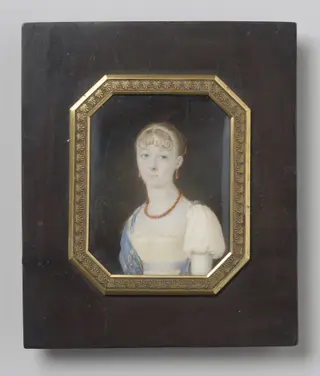
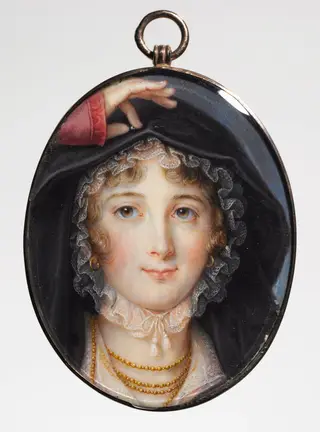
Louis-Marie Autissier, a French-born portrait miniature painter, was born on February 8, 1772. He is notable for his meticulous detailing of costumes and accessories, as well as his talent as a colourist. Autissier's work had a significant impact on the development of miniature painting in the Netherlands and Belgium.
He is considered the founder of the Belgian school of miniature painting in the nineteenth century.
Died on this day 1
- 1749 Died
Died this day: Jan van Huysum
Jan van Huysum, a Dutch painter, was known for his meticulously rendered still-life works, often featuring flowers and fruit in intricate compositions. He initially explored various subjects, including landscapes and portraits, before focusing on still life after his father's death in 1716.
Jan van Huysum's work remains significant in the history of Dutch still-life painting, showcasing his exceptional skill and attention to detail.
Exhibitions & salons 2
- 1925 Exhibition
VII AKhRR Exhibition Opens at the Pushkin Museum
The Association of Artists of Revolutionary Russia opened its seventh exhibition, titled "Revolution, Everyday Life and Labor," at Moscow's Pushkin Museum. Contemporary chronologies document the opening on February 8 and describe a large state-aligned survey: 375 paintings and sculptures by 122 artists. The participant list included Mikhail Avilov, Abram Arkhipov, Isaak Brodsky, Mitrofan Grekov, Boris Kustodiev, and others who helped define the visual culture of early Soviet public art. The exhibition matters because AKhRR promoted legible, socially useful realism before Socialist Realism became the official doctrine, connecting revolutionary subject matter, labor imagery, and institutional exhibition practice in a major Moscow museum.
It helped consolidate realist revolutionary exhibition culture as a central Soviet art model.
- 2019 Exhibition
Magritte: Life Line Opens at Amos Rex
Amos Rex opened "Magritte: Life Line," an exhibition devoted to Belgian Surrealist Rene Magritte, on February 8. The museum's exhibition page dates the show from 08 February to 19 May 2019 and states that Magritte's work was being shown in Finland for the first time. The exhibition was organized around Magritte's 1938 "Life Line" lecture in Antwerp, one of the rare moments when the artist discussed his methods and motivations. By building the installation around that lecture, Amos Rex framed Magritte's career not simply as a parade of iconic images but as a development of ideas about mystery, perception, and the instability of everyday reality.
The exhibition introduced a broad Finnish audience to Magritte through a rare artist-centered interpretive frame.
Openings & foundings 1
- 1952 Opening
Frye Art Museum Opens in Seattle
The Frye Art Museum opened at 704 Terry Avenue on Seattle's First Hill as a free public art museum. The institution was created under the wills of meatpacker Charles Frye and Emma Lamp Frye to house their collection, centered on nineteenth-century German Romantic and representational painting. HistoryLink documents the February 8 opening and identifies Paul Thiry as architect of the original building. Later summaries add that the bequest required permanent display, natural light, and free admission, conditions that shaped the museum's early conservative display culture. The opening added a distinctive private-collection museum to the Pacific Northwest, one whose later contemporary programming would contrast sharply with the founders' original taste.
Seattle gained a free collection-based museum that later became an important contemporary exhibition venue.