Artwork
Self-Portrait before a Painting of "Amor Fedele"
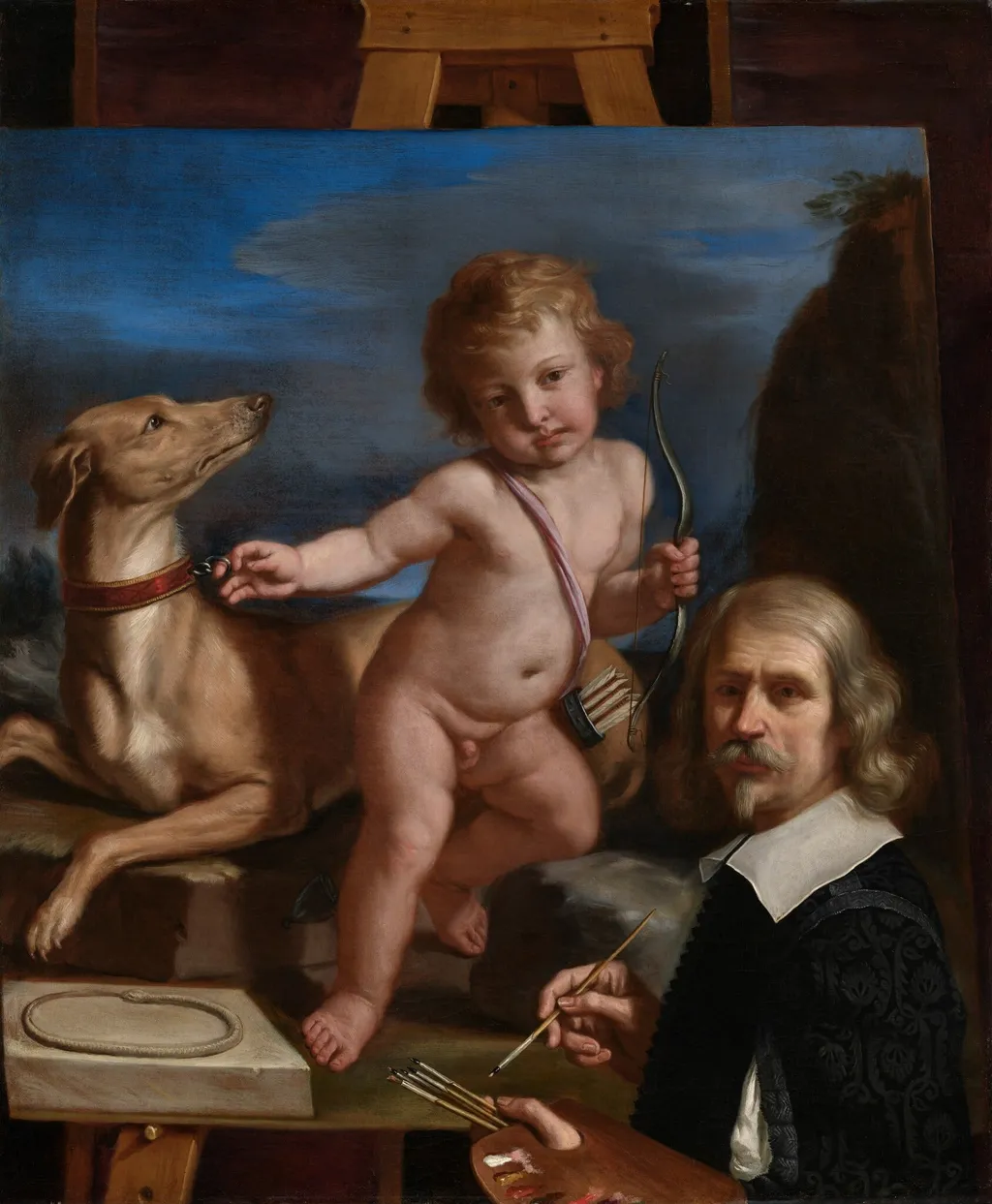
Self-Portrait before a Painting of "Amor Fedele" is an oil painting by the Baroque artist Guercino. It dates from 1655 and is held in the collection of the National Gallery of Art.
About this work
Guercino painted himself in 17th-century dress, standing before one of his own large canvases. The self-portrait opens onto his life and workspace. A Baroque work in oil on canvas from 1655.
Subject & Meaning
The dog appears beside a chained female figure in the background painting, reinforcing themes of loyalty within the composition.
The work depicts Guercino standing before a canvas showing a scene from the mythological tale of Amor Fedele (Faithful Love), where a dog symbolizes constancy and fidelity. The dog appears beside a chained female figure in the background painting, reinforcing themes of loyalty within the composition. Guercino's own presence, turned toward the viewer with direct gaze, underscores the portrait's dual function as both self-representation and meditation on artistic identity.
The inclusion of the dog and the allegorical scene elevates the work beyond mere likeness, aligning it with seventeenth-century traditions of moralized portraiture that equate virtue with steadfastness.
Technique & Style
The painting employs oil on canvas, a standard medium for mid-seventeenth-century Italian portraiture. Guercino's handling is fluid yet precise, with a restrained palette dominated by warm browns and earth tones that anchor the figure against the cooler background. The brushwork varies from smooth, blended modeling of the face and hands to looser, more visible strokes in the costume and curtain folds, indicating a deliberate contrast between the carefully rendered physiognomy and the more summarily described drapery.
The composition's formal structure is symmetrical, with the artist positioned centrally before the fictive canvas of Amor Fedele, creating a mise-en-abyme effect. The figure's direct gaze and slight contrapposto convey immediacy, while the inclusion of the dog introduces a secondary focal point that balances the composition without disrupting its classical poise.
History & Provenance
Guercino executed Self-Portrait before a Painting of "Amor Fedele" in 1655, as confirmed by an entry in his account book dated 26 April of that year. The work was commissioned by Giovanni Donato Correggio of Venice, who acquired it directly from the artist for 91 ducats and 12 soldi, as documented in a 1655 inventory of Correggio's collection. In the twentieth century, it entered the collection of The Trustees of Reservations at Castle Hill, Ipswich, Massachusetts, as an anonymous donation.
It was later sold at Northeast Auctions, Portsmouth, New Hampshire, in May 2004 under the misattributed title Painter Standing beside a Canvas Depicting Cupid. It then passed through Old Art Limited, London, before being purchased by the National Gallery of Art, Washington, D.C., on 10 February 2005 via the dealer Carol Selle, New York. No exhibition history is recorded in the sources consulted.
Context
Painted in 1655, the work shows Guercino portraying himself before a canvas of Amor Fedele, a device that underscores his interest in artistic identity and fidelity. As a self-portrait it belongs to the Baroque tradition of using meta-pictorial imagery to comment on the painter's role, a theme examined in studies of Guercino's late output and the Correggio collection inventory. The painting's provenance traces from the Correggio family in Venice to an anonymous donation, a 2004 auction, and its acquisition by the National Gallery of Art in 2005.
Its classification as a self-portrait within the National Gallery's collection highlights its significance for understanding seventeenth-century Italian portraiture and the artist's broader oeuvre.
Overview
Giovanni Francesco Barbieri, known as Guercino, created this oil on canvas in 1655. Titled "Self-Portrait before a Painting of "Amor Fedele"", the work belongs to the portrait genre. It presents the Italian Baroque artist within his studio, standing before one of his own canvases, and directly engaging the viewer. This piece offers a personal reflection on his artistic identity and practice during his later career.
Own this work as a print
Artist & collection
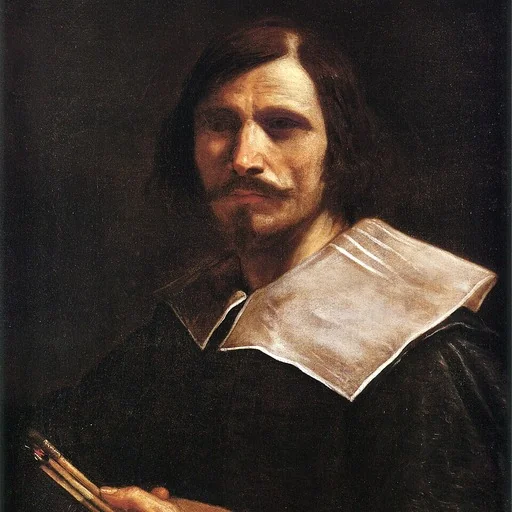
Artist
Giovanni Francesco Barbieri (8 February 1591 – 22 December 1666), better known as (il) Guercino (Italian pronunciation: ), was an Italian Baroque painter and draftsman from Cento in the Emilia region, who was active in Rome and Bologna.

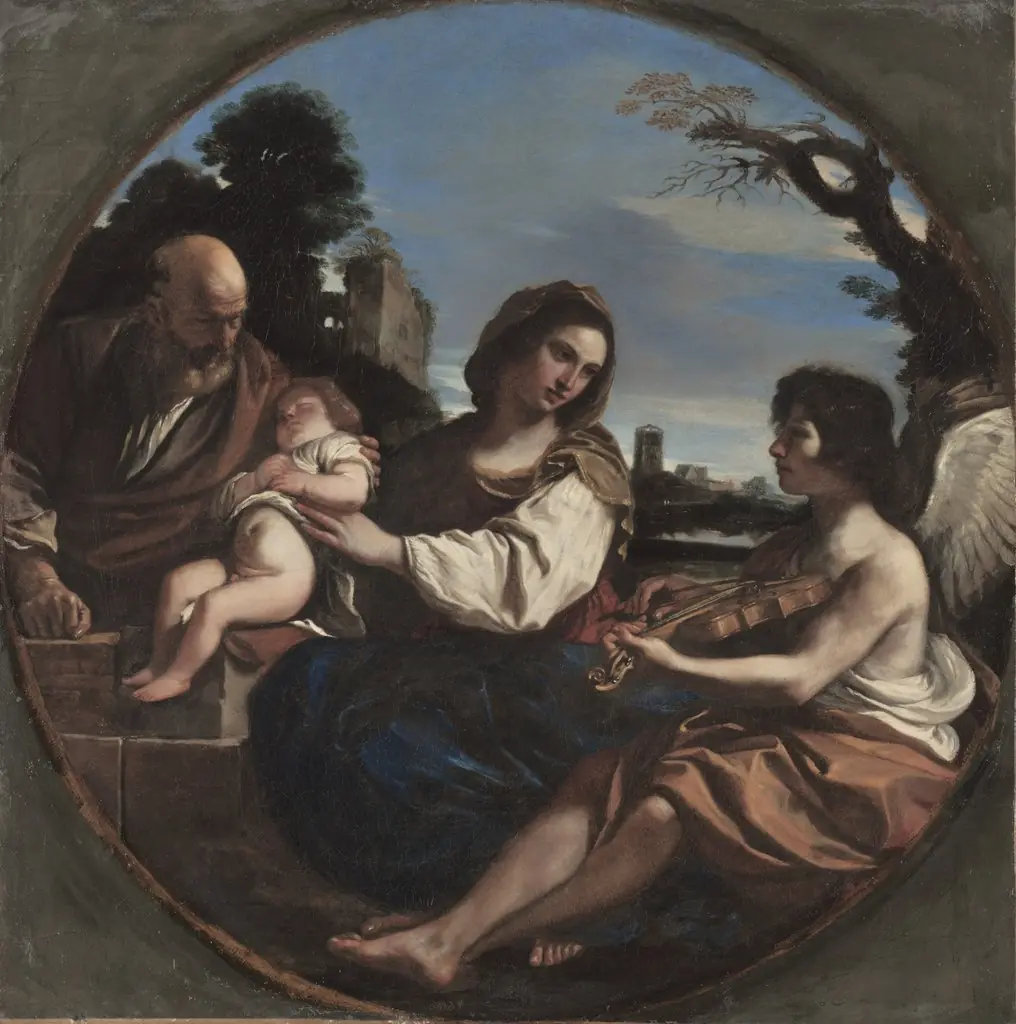
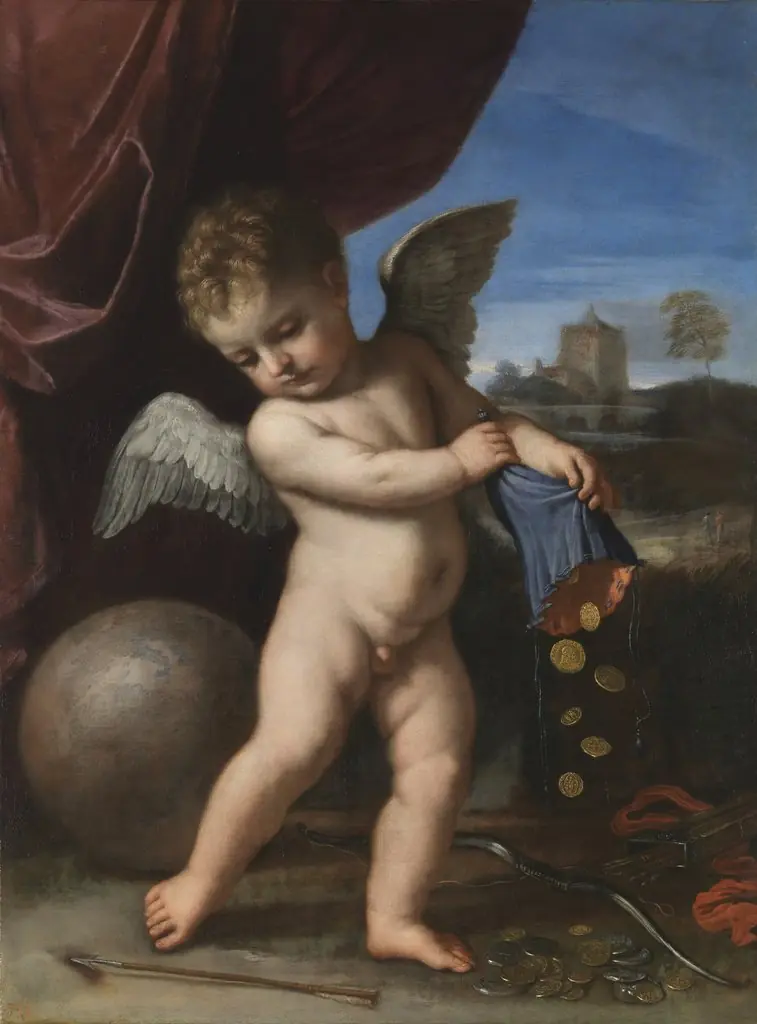
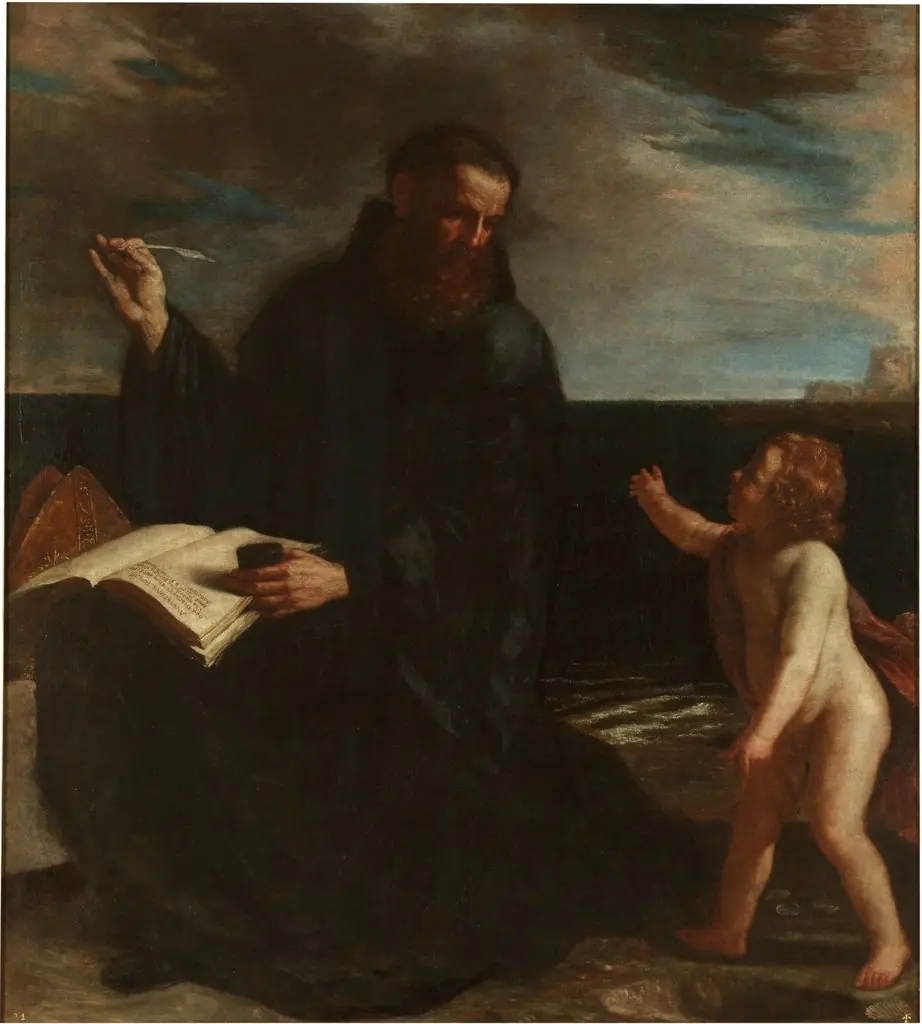
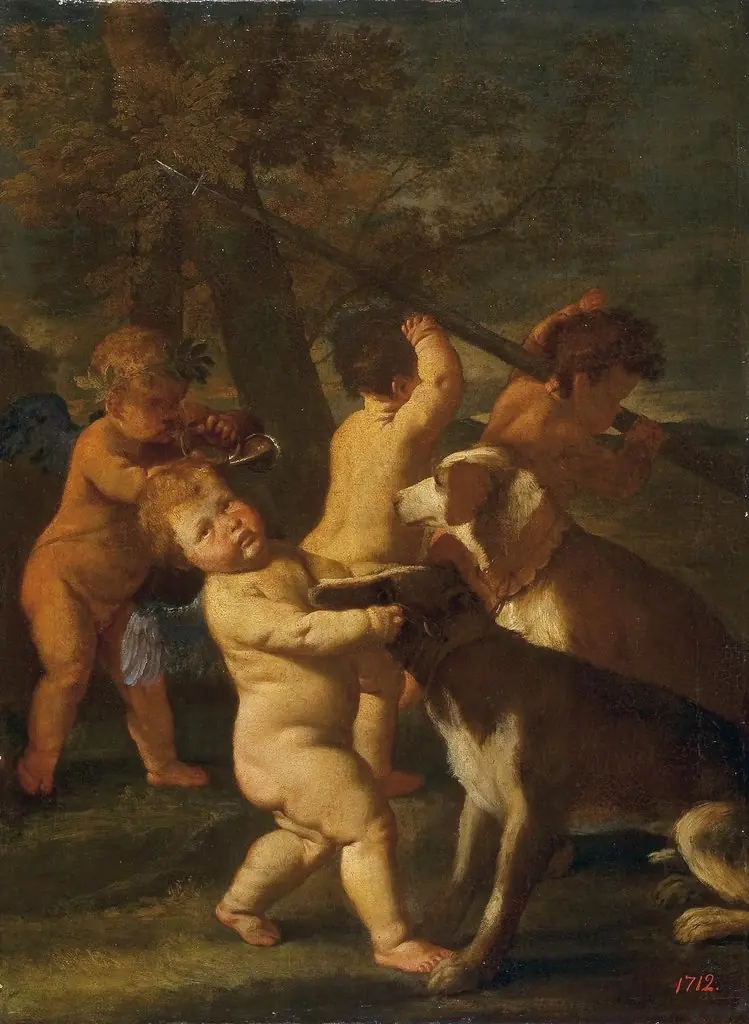
- Cupids Hunting
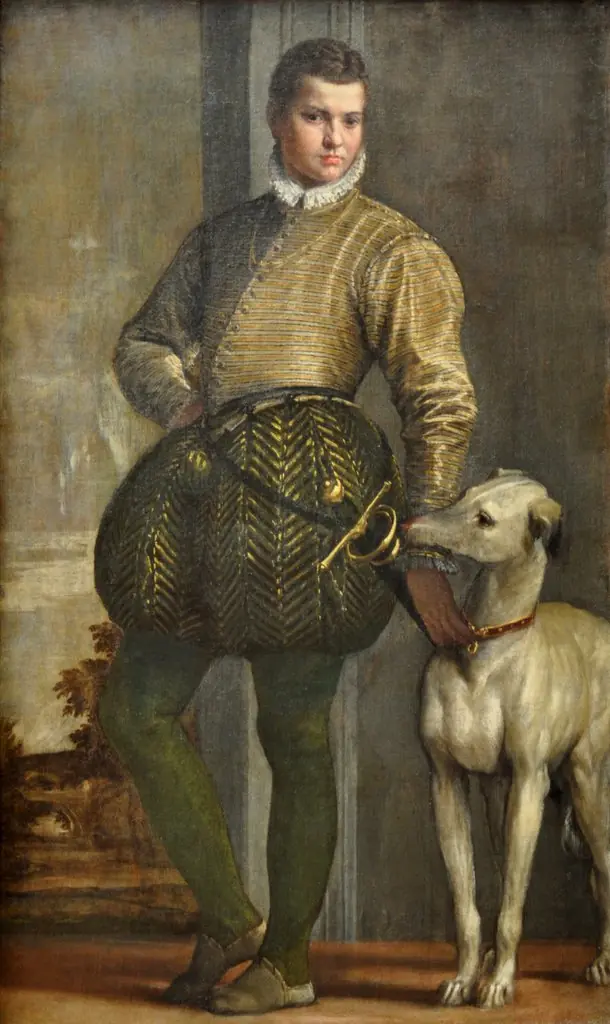 Boy with a Greyhound
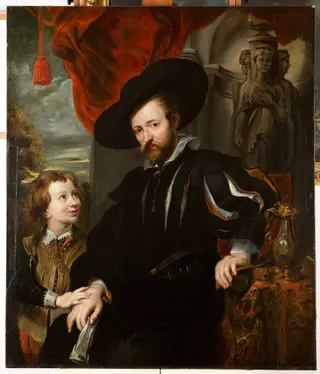 Peter Paul Rubens mit seinem Sohn Albert
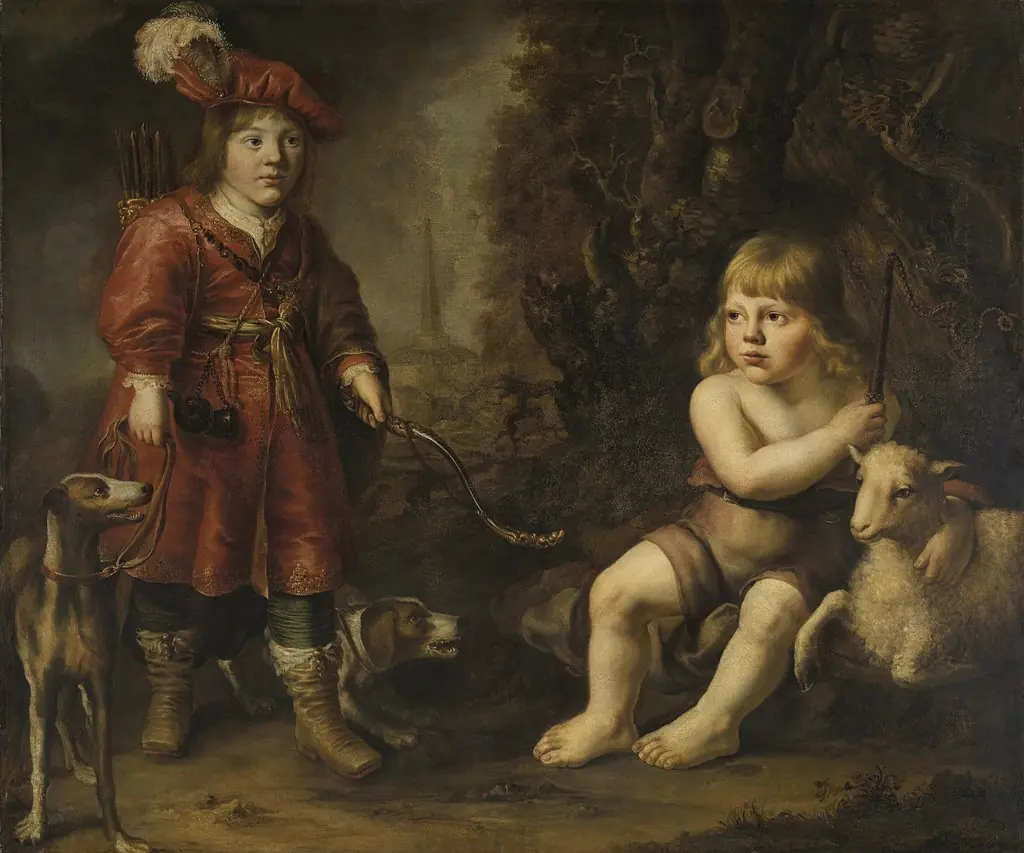 Portraits of two boys in a landscape, one dressed as a hunter, the other as St. John the Baptist
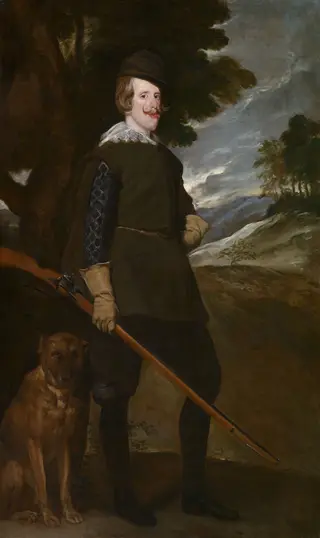 Portrait of Philip IV
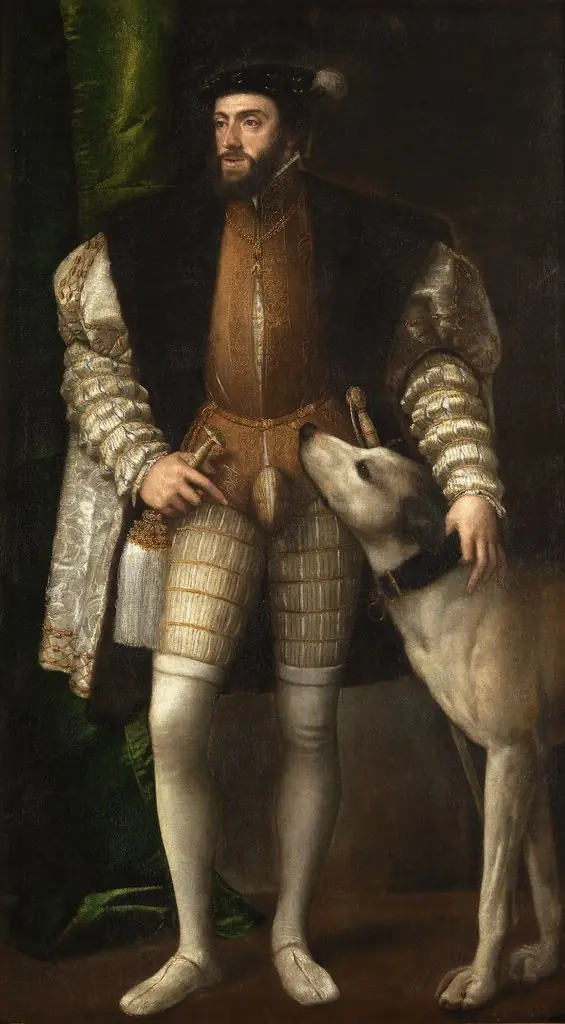 Portrait of Charles V with a Dog
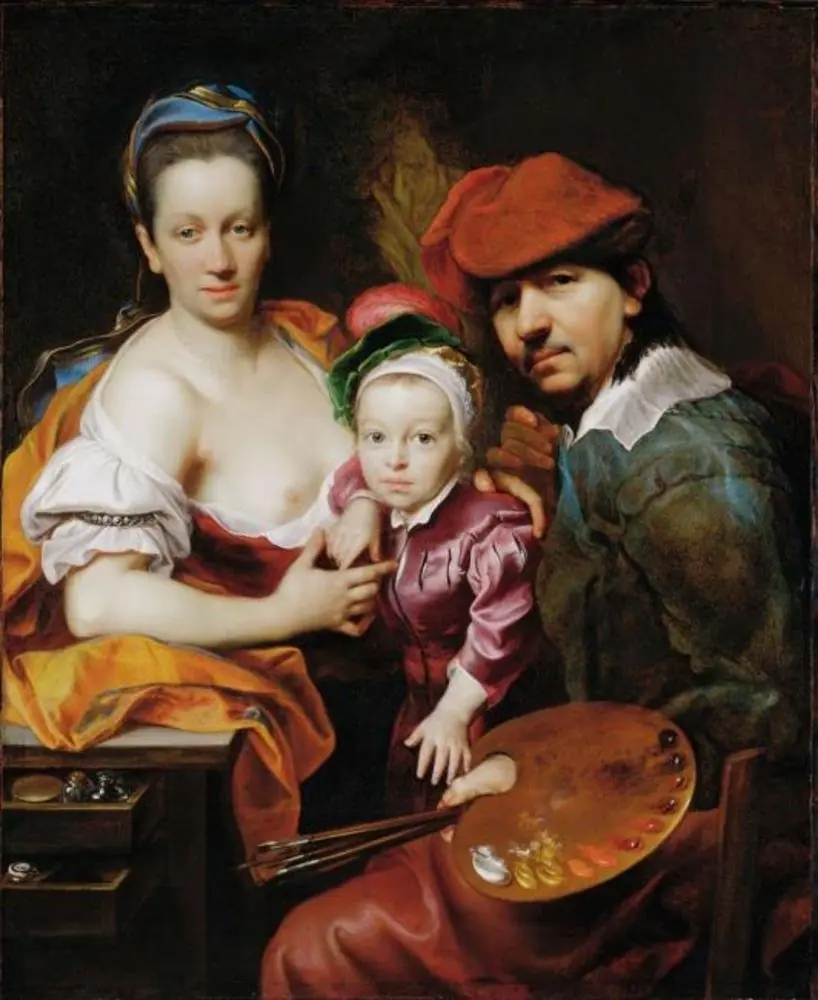 Self-Portrait of the Artist with His Wife and Son
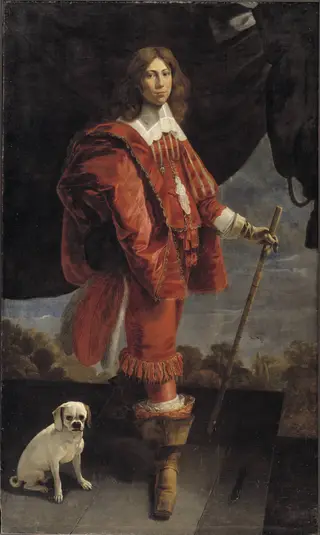 Ulrik Christian Gyldenløve (1630-1658), son of Christian IV and Vibeke Kruse
 Untitled
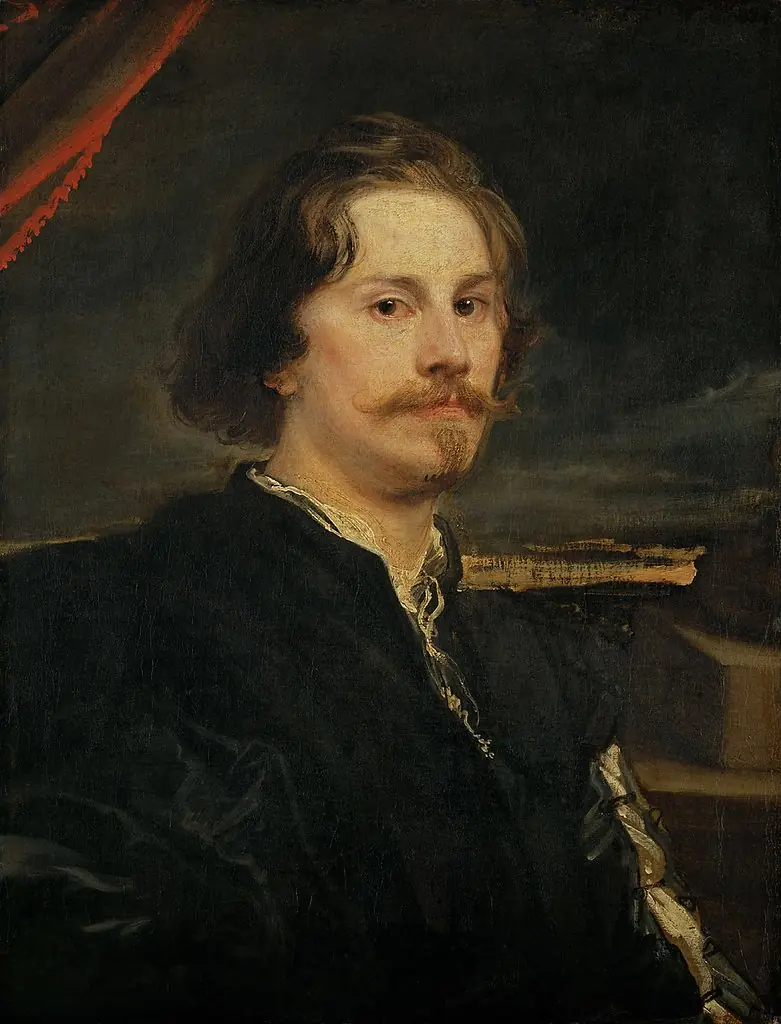 Portrait of Pieter Soutman
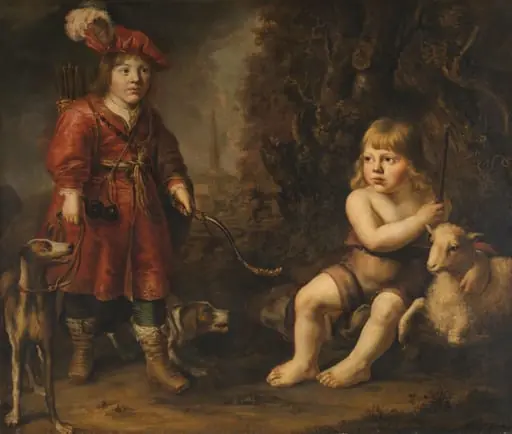 Portraits of two Boys in a Landscape, one dressed as a Hunter, the other St as John the Baptist
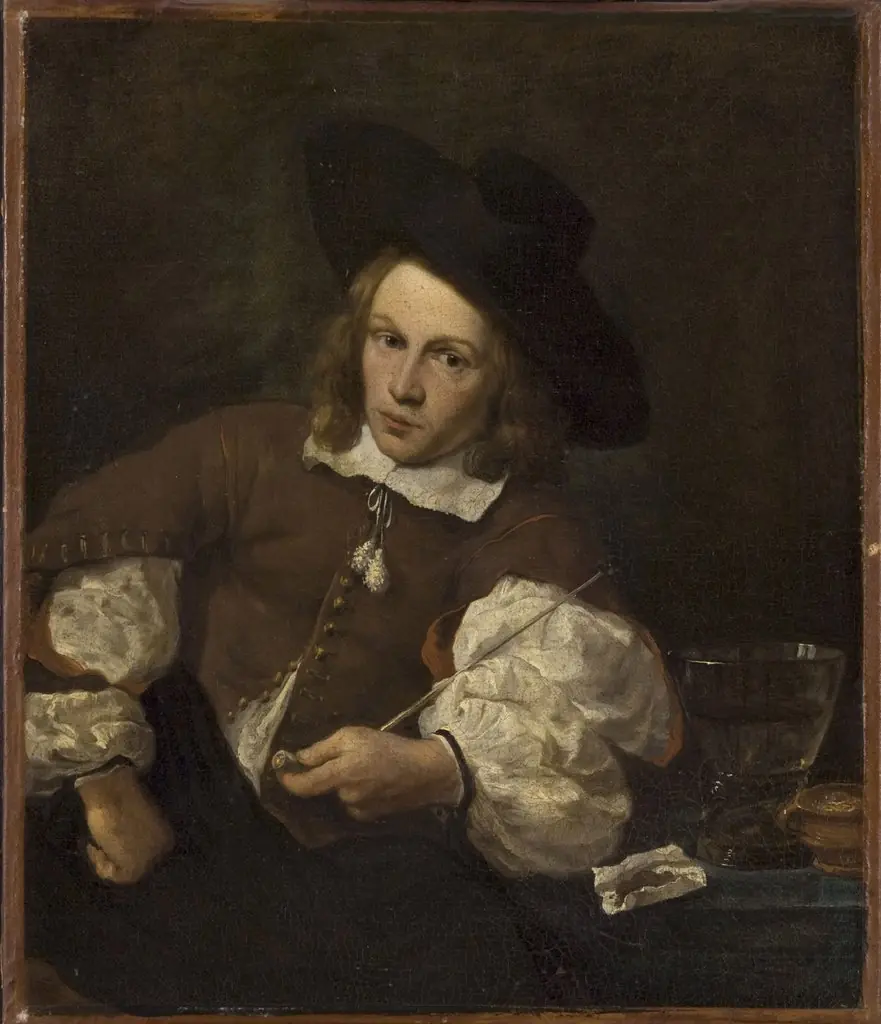 Portrait of a Young Man Seated Smoking