January 11 in Art History
7 real events recorded on January 11, the earliest from 1558. 2 artists were born , 1 died on this date.
Born on this day 2
- 1558 Born
Born this day: Hendrik Goltzius
Hendrik Goltzius, a German-born Dutch artist, was born on January 11, 1558. He was a renowned printmaker, draftsman, and painter of the early Baroque period, known for his sophisticated technique and exuberant compositions. His notable works include Vertumnus and Pomona and Lot and his Daughters.
Goltzius remains a significant figure in the history of Dutch art, celebrated for his technical mastery and innovative style.
- 1836 Born
Born this day: Alexander H. Wyant
Alexander H. Wyant, born on January 11, 1836, was an American landscape painter whose work transitioned from the Hudson River School to Tonalism, characterized by moody and shadowy landscapes. Notable for his perseverance, Wyant continued to paint after a stroke, adapting to work with his left arm.
Wyant's legacy lies in his contributions to the evolution of American landscape painting.
Died on this day 1
- 1837 Died
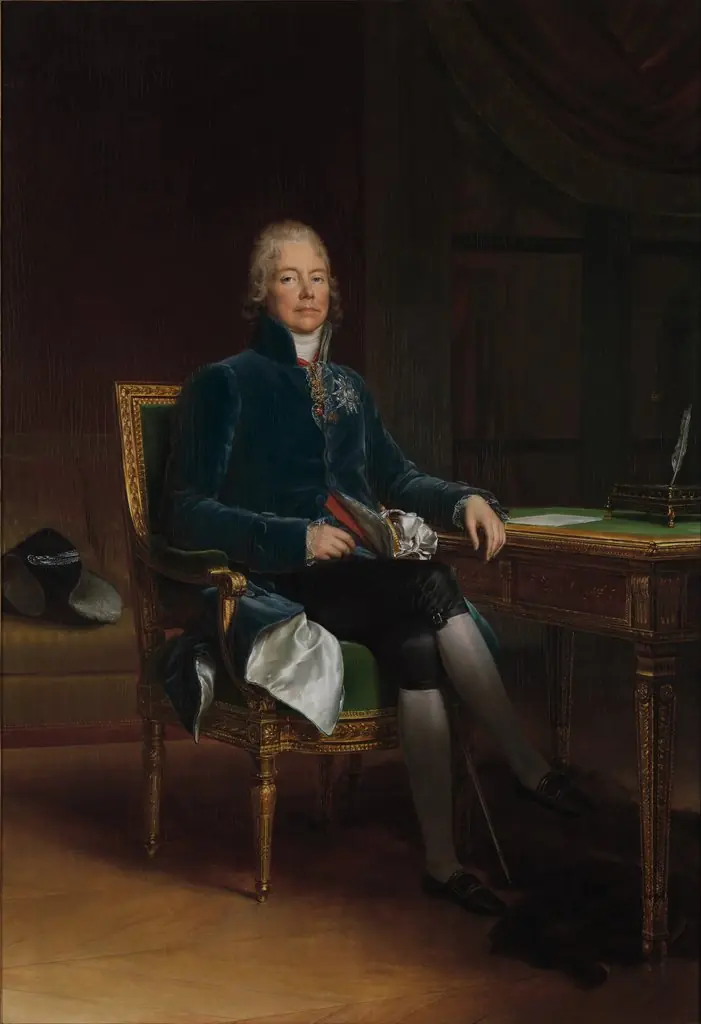
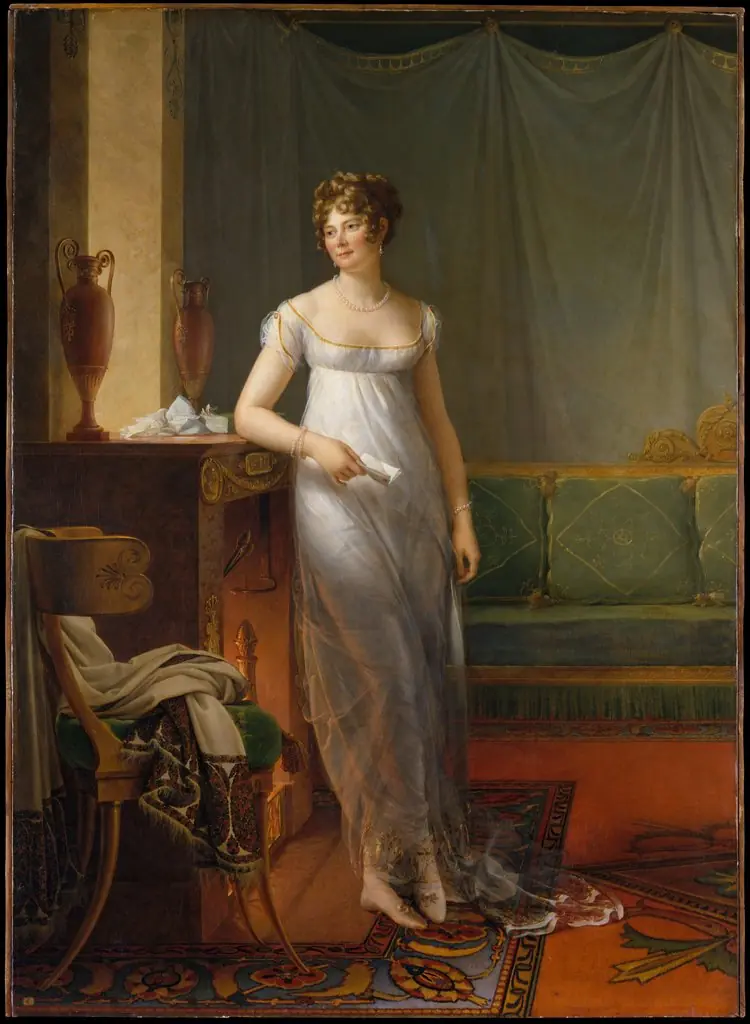
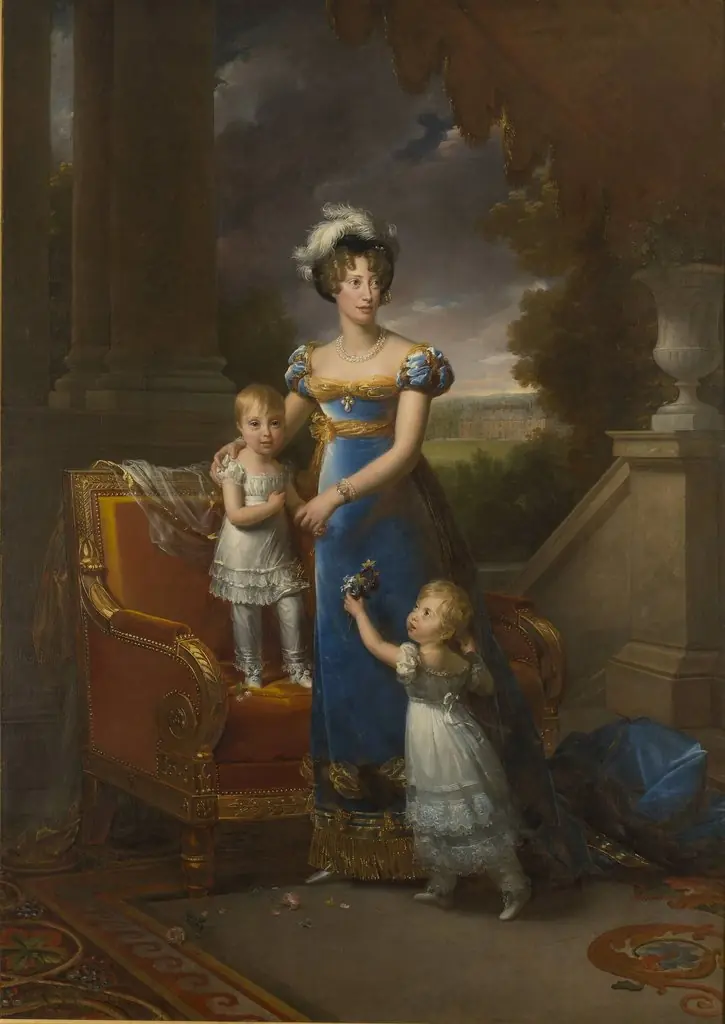
Died this day: François Gérard
François Gérard, a French painter, was a prominent figure in the First French Empire and Bourbon Restoration. As a student of Jacques-Louis David, he became the court painter to Emperor Napoleon and later to Kings Louis XVIII and Charles X, earning him the nickname 'the painter of kings, the king of painters'.
He remains one of the most renowned portraitists of European royal families.
Exhibitions & salons 2
- 1911 Exhibition
Max Weber exhibition opens at 291
Alfred Stieglitz's gallery 291 opened Drawings and paintings by Max Weber, scheduled from January 11 to January 31, 1911. The exhibition belongs to the short period when 291 shifted from Photo-Secession photography toward modern painting, sculpture, and works on paper, making the small Fifth Avenue gallery a pre-Armory Show testing ground for American encounters with European-inflected modernism. Weber, recently returned from Paris and deeply marked by Cezanne, Matisse, and Cubism, became one of the first American painters to absorb and publicly risk that vocabulary. Contemporary reaction to Weber's 1911 work was famously hostile, but the show helped define the press and public resistance that modernism would soon meet on a larger scale.
The show made Weber an early American target for anti-modernist criticism before the 1913 Armory Show.
- 1980 Exhibition
The Real Estate Show works seized
On January 11, 1980, city workers entered 123 Delancey Street on Manhattan's Lower East Side, cleared the artworks from The Real Estate Show, and moved them to an uptown warehouse. The short-lived Colab occupation exhibition had opened on New Year's Day in a vacant city-owned building as a protest against landlord speculation and city land-use policy. Police and housing officials had already padlocked the storefront after a single day, and artists, joined by supporters including Joseph Beuys and Ronald Feldman, protested outside before the final removal. The seizure became part of the exhibition's meaning: an artist-run critique of property power that was itself displaced by municipal authority. Within days, negotiations with the city led to the artists' use of 156 Rivington Street, the beginning of ABC No Rio.
The confrontation helped produce ABC No Rio and fed directly into the activist energy around The Times Square Show.
Openings & foundings 2
- 1932 Opening
Museum of the City of New York building dedicated
The Museum of the City of New York's purpose-built Fifth Avenue building was dedicated on January 11, 1932. Founded in 1923 by Henry Collins Brown, the museum had outgrown Gracie Mansion after early exhibitions such as Old New York demonstrated public demand for a permanent civic museum. The new Joseph H. Freedlander neo-Georgian building, with facade sculpture by Adolph Alexander Weinman, gave the institution a durable home on what later became Museum Mile. Although devoted broadly to New York's urban history, MCNY also developed major art holdings, including paintings, drawings, prints, photographs, theatrical material, decorative arts, and architectural interiors. Its 1932 dedication therefore marks an important museum-infrastructure moment for collecting and interpreting the visual culture of New York City.
The dedication anchored MCNY as a permanent collecting institution for New York's art, design, photography, and urban history.
- 2011 Opening
New Salvador Dali Museum building opens
The Salvador Dali Museum's new waterfront building in St. Petersburg, Florida, opened on January 11, 2011. The museum traces its collection to A. Reynolds and Eleanor Morse, who began collecting Dali in the 1940s and ultimately created the preeminent Dali collection in the United States. Designed by HOK with Yann Weymouth and built for a Gulf Coast climate, the new structure replaced the museum's earlier adapted warehouse and combined thick storm-resistant concrete walls with a dramatic glass atrium known as the Enigma. Institutionally, the opening was more than an architectural event: it allowed the museum to better protect, display, and interpret more than 2,400 works and archival materials spanning Dali's career, from paintings and drawings to prints, sculpture, photographs, manuscripts, and artists' books.
The building strengthened the museum's role as the principal American center for Dali's art and archives.