January 14 in Art History
6 real events recorded on January 14, the earliest from 1506. 2 artists were born , 1 died on this date.
The day's biggest moments
Born on this day 2
- 1836 Born
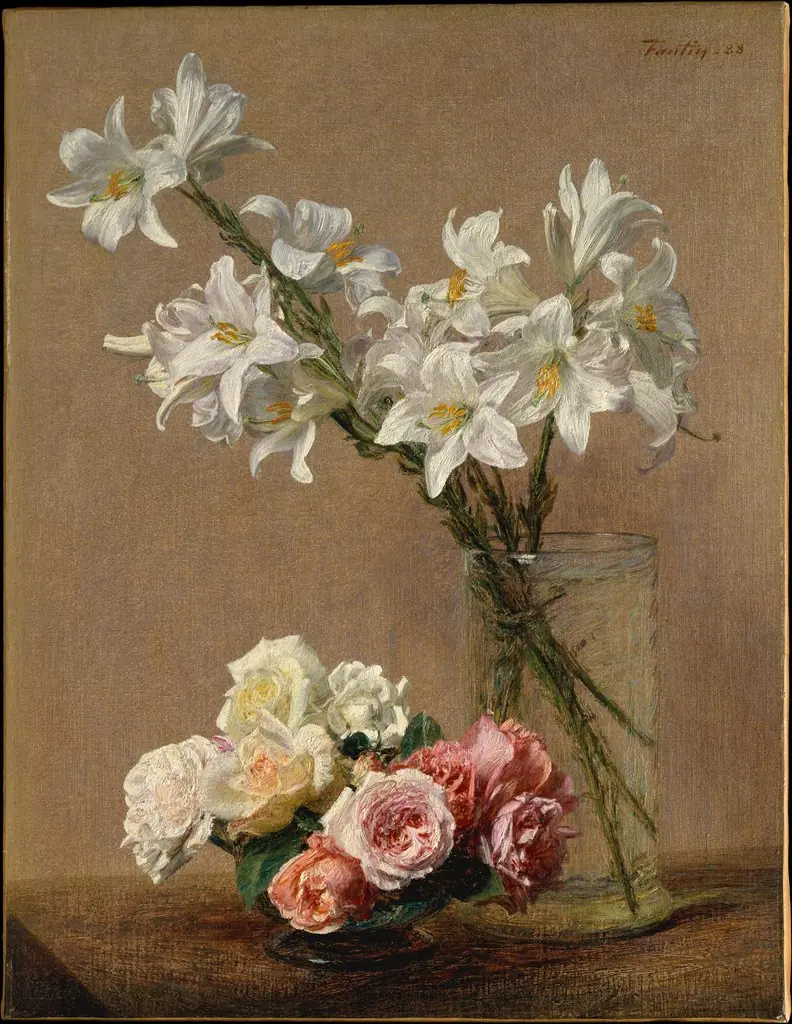
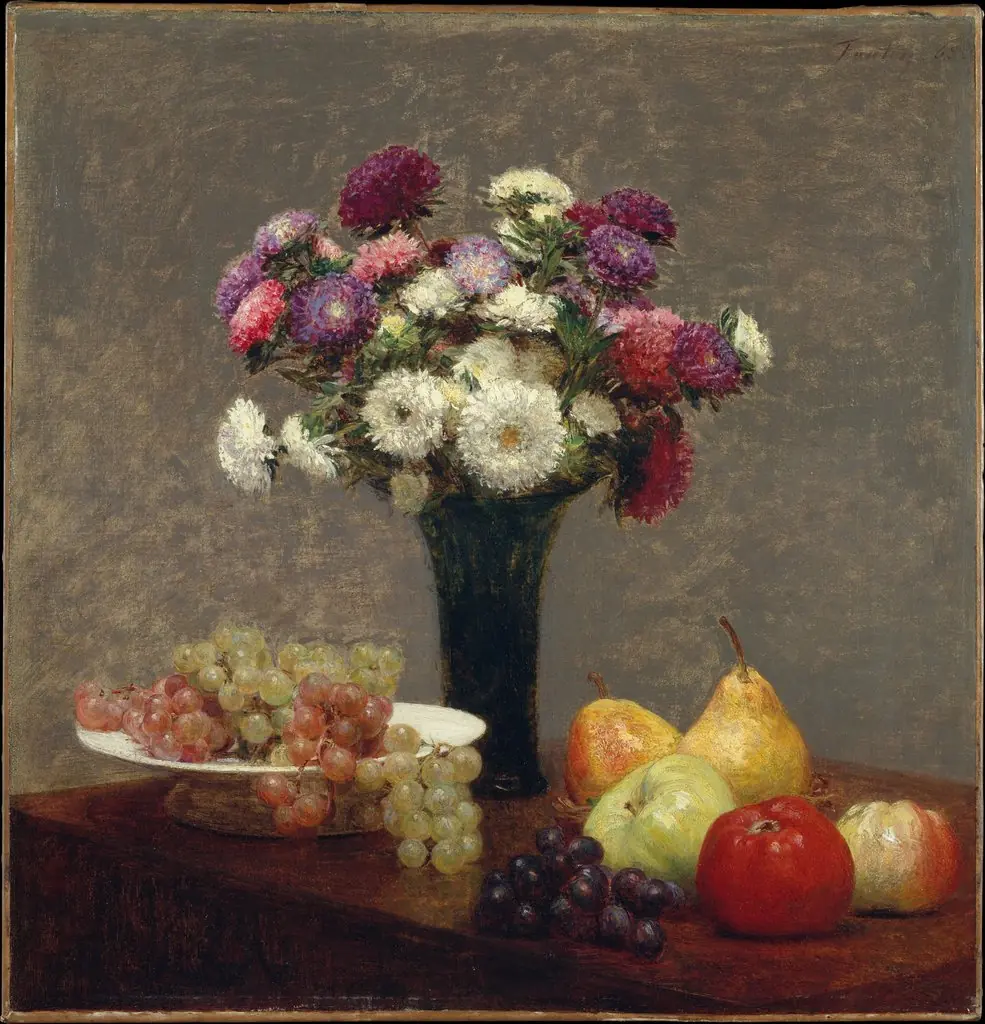
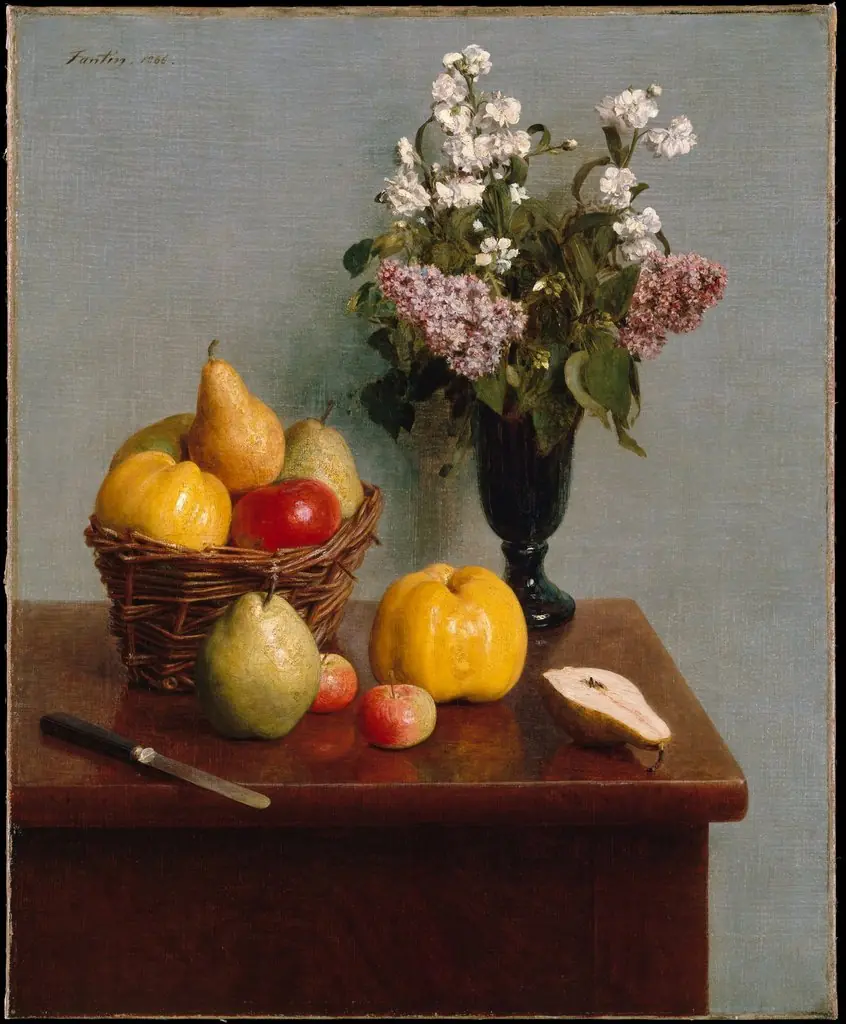
Born this day: Henri Fantin-Latour
Henri Fantin-Latour, born on January 14, 1836, was a French painter and lithographer renowned for his exquisite flower paintings and group portraits of prominent Parisian artists and writers, showcasing his unique blend of realism and symbolism. His works, such as 'Roses and Lilies' and 'Still Life with Flowers and Fruit', continue to captivate audiences with their beauty and attention to detail.
Fantin-Latour's contributions to French art have left a lasting impact on the development of still life and portrait painting.
- 1841 Born
Born this day: Berthe Morisot
Berthe Morisot, a French painter and printmaker, was a key figure in the Impressionist movement. Her work, often intimate and domestic, captured the quiet beauty of everyday life. As a member of the Parisian art circle, Morisot exhibited alongside notable artists like Monet and Degas, and participated in several Impressionist exhibitions.
Berthe Morisot's legacy lies in her pioneering contributions to the Impressionist movement as a female artist.
Died on this day 1
- 1867 Died
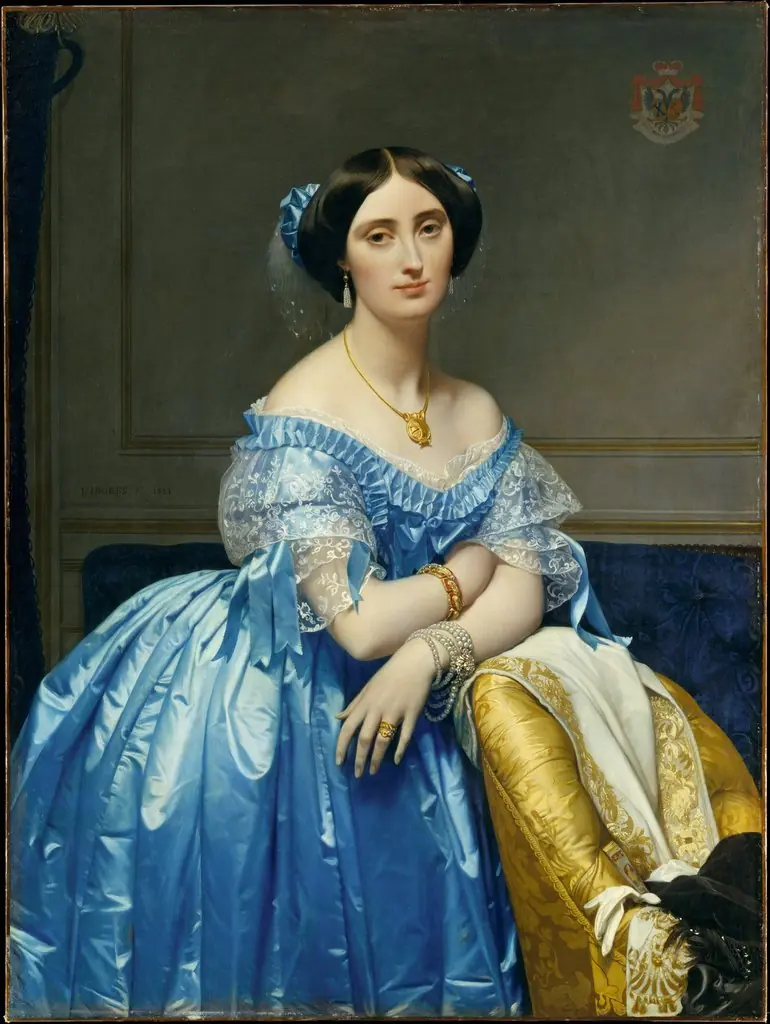
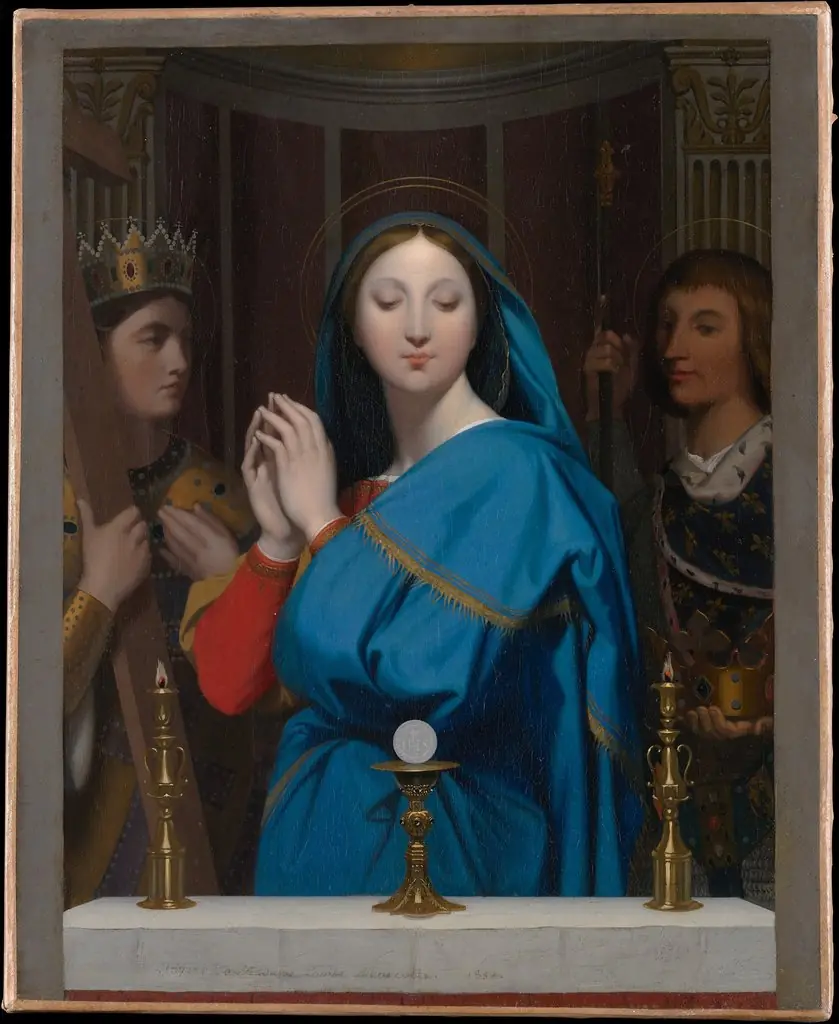
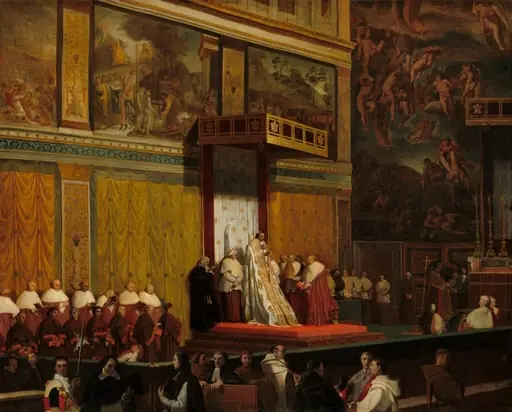
Died this day: Jean Auguste Dominique Ingres
Jean Auguste Dominique Ingres, a French Neoclassical painter, died on January 14, 1867. He was influenced by past traditions and aspired to uphold academic orthodoxy against the Romantic style. Ingres is best known for his portraits, which showcase expressive distortions of form and space.
Ingres' innovative style made him a precursor of modern art, influencing notable artists like Henri Matisse and Pablo Picasso.
Exhibitions & salons 1
- 1947 Exhibition
Jackson Pollock's fourth Art of This Century solo show opens
On January 14, 1947, Jackson Pollock's fourth solo exhibition opened in the Daylight Gallery of Peggy Guggenheim's Art of This Century in Manhattan. The date falls at a hinge point in Pollock's career: Guggenheim's gallery had already given him crucial solo exposure, but it closed later that year as she returned to Europe. The Art Story and gallery histories emphasize Art of This Century as a short-lived but unusually influential space where exiled European modernism and young American abstraction met. Pollock would soon make the first mature drip paintings in East Hampton, while Betty Parsons took over representation for several Guggenheim artists. The January show therefore belongs to the last phase of the gallery system that helped move the center of advanced painting toward New York.
The show marked Pollock's final Guggenheim-gallery phase just before the breakthrough drip paintings.
Openings & foundings 1
- 2020 Opening
National Photography Museum opens in Rabat
On January 14, 2020, Morocco's National Photography Museum was inaugurated in Rabat inside the repurposed Fort Rottembourg, a nineteenth-century coastal fortress in the Ocean district. The museum was created by the National Foundation of Museums and opened with Sourtna, an exhibition devoted to Moroccan photographic voices and installations that activated the historic site. Contemporary reports stressed both the architectural transformation and the public-cultural aim: placing a photography museum in a neighborhood beyond the usual elite museum circuit. As an institution dedicated specifically to photography, it expanded Morocco's museum network beyond archaeological, ethnographic, and fine-art collections, giving the medium a national platform for exhibitions, acquisitions, and later programs on Moroccan and international photographic practice.
The opening gave photography a dedicated national museum platform in Morocco.
Unveilings & commissions 1
- 1506 Unveiling Landmark
Laocoon and His Sons is unearthed
On 14 January 1506, the ancient marble group now known as Laocoon and His Sons was excavated in a vineyard near Santa Maria Maggiore in Rome. Pope Julius II sent Giuliano da Sangallo and Michelangelo to inspect it, and the sculpture was quickly identified with the celebrated work described by Pliny the Elder. Its purchase and display in the Vatican made the find a founding object of the papal antiquities collection and a touchstone for Renaissance debates about classical expression, anatomy, restoration, and artistic authority. The Vatican Museums still present the group as one of the roots of their public collection, while later writers have treated its agonized bodies as a key model for the emotional force of Western sculpture.
The discovery helped make ancient sculpture a central standard for Renaissance and later European art.