January 25 in Art History
5 real events recorded on January 25, the earliest from 1586. 2 artists were born , 1 died on this date.
The day's biggest moments
Born on this day 2
- 1615 Born
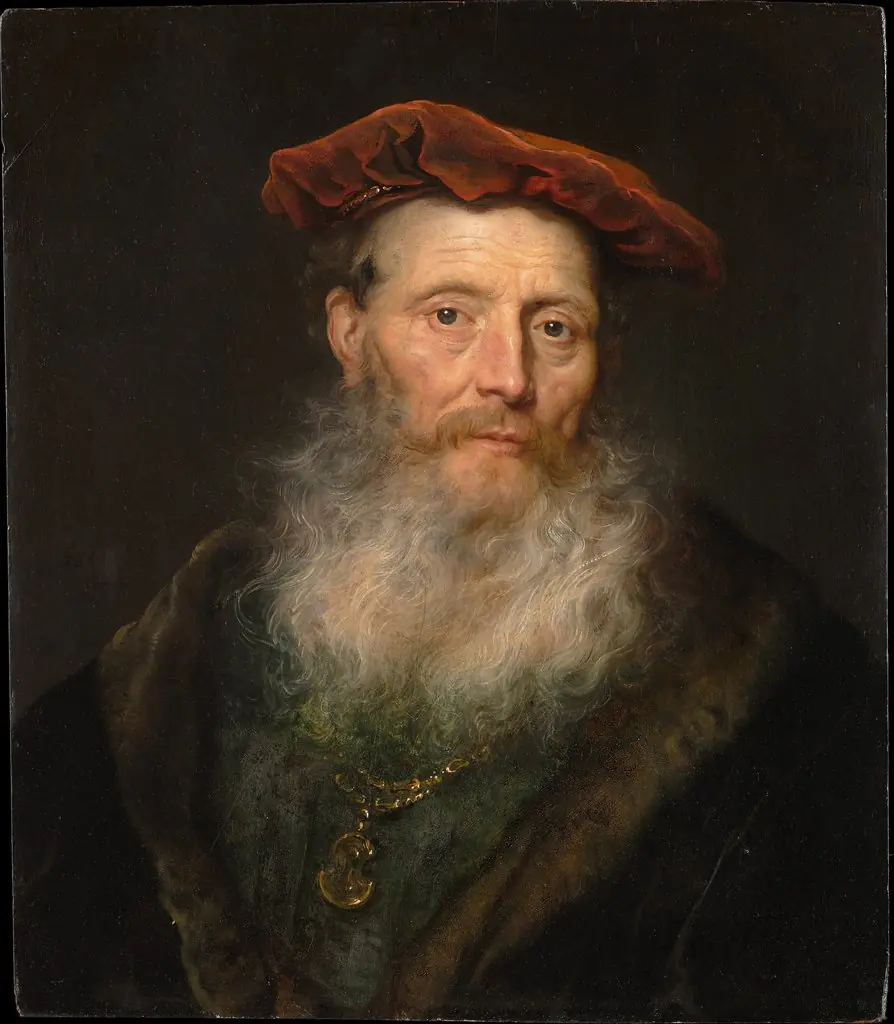
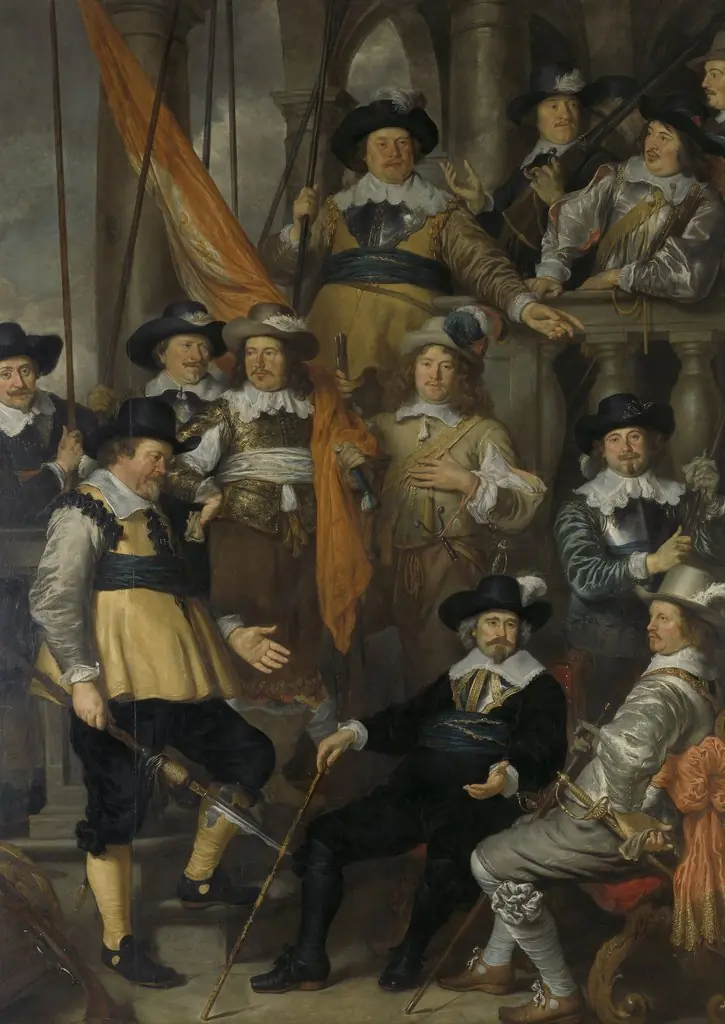
Born this day: Govert Flinck
Govert Flinck, a Dutch artist born on January 25, 1615, is known for his portraits and company paintings, as seen in works like 'Bearded Man with a Velvet Cap' and 'The Company of Captain Albert Bas and Lieutenant Lucas Conijn'. His art reflects the Dutch Golden Age's attention to detail and realism.
Govert Flinck's work continues to represent the Dutch Masters' tradition of precise and captivating portraiture.
- 1708 Born
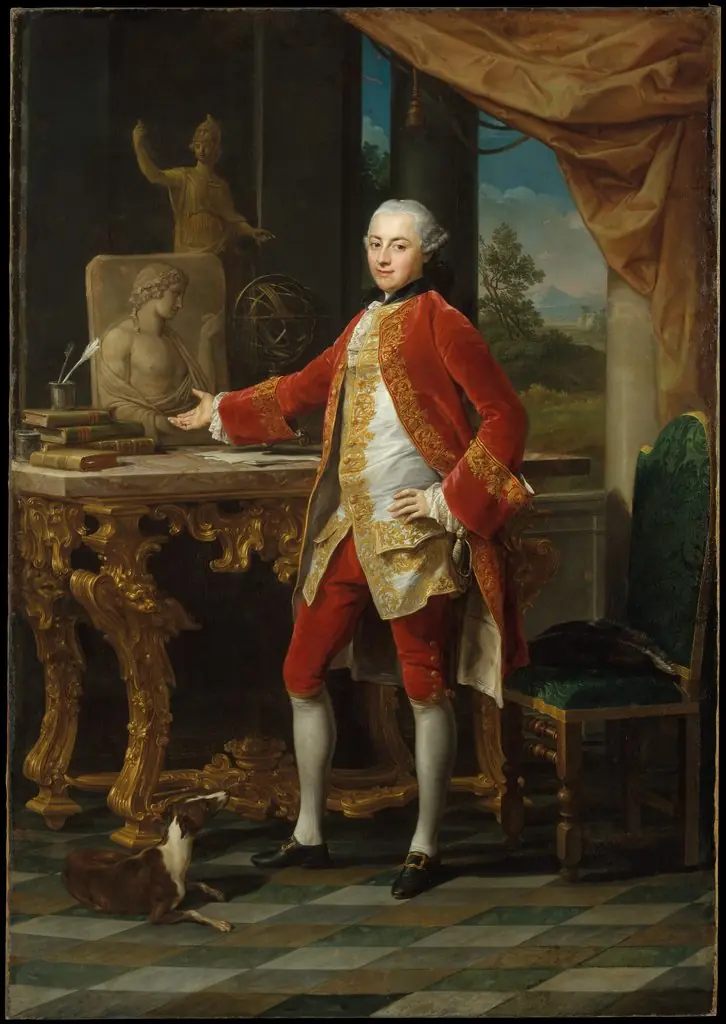
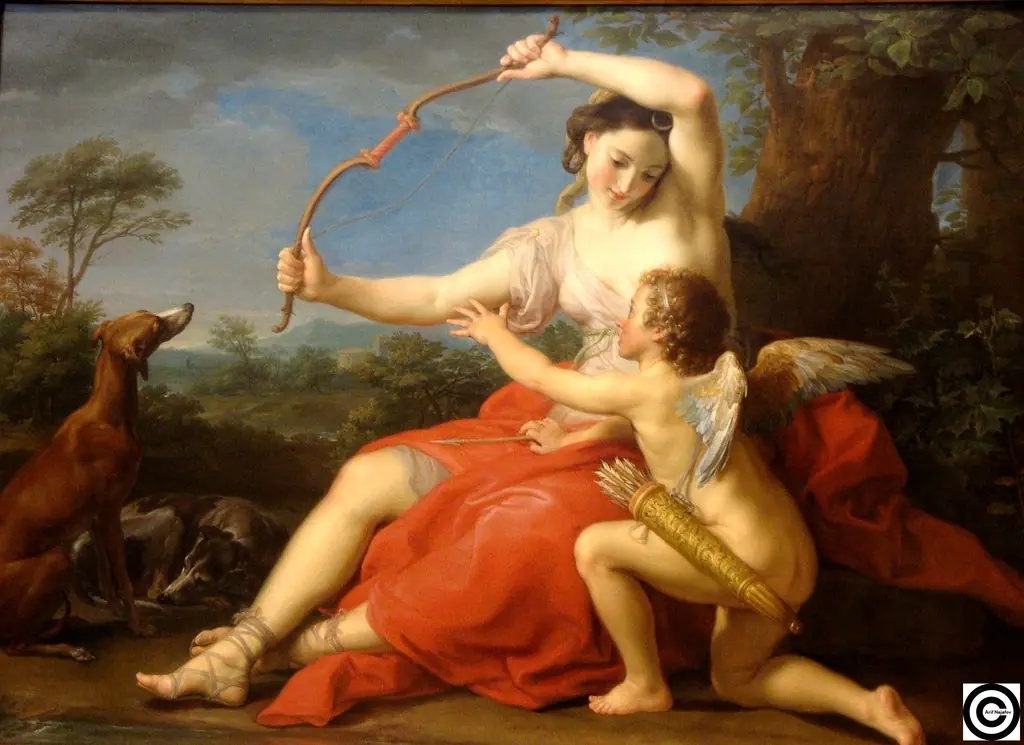
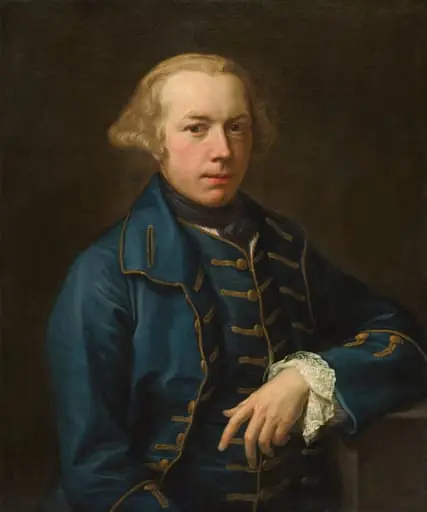
Born this day: Pompeo Batoni
Pompeo Batoni, born on January 25, 1708, was an Italian painter known for his technical skill in portraits and allegorical scenes, often featuring mythological themes and Italian landscapes. He gained international recognition through his portraits of British and Anglo-Irish gentlemen on the Grand Tour.
Batoni's work influenced a generation of portrait painters, including Sir Joshua Reynolds, and helped popularize the genre in Great Britain.
Died on this day 1
- 1586 Died
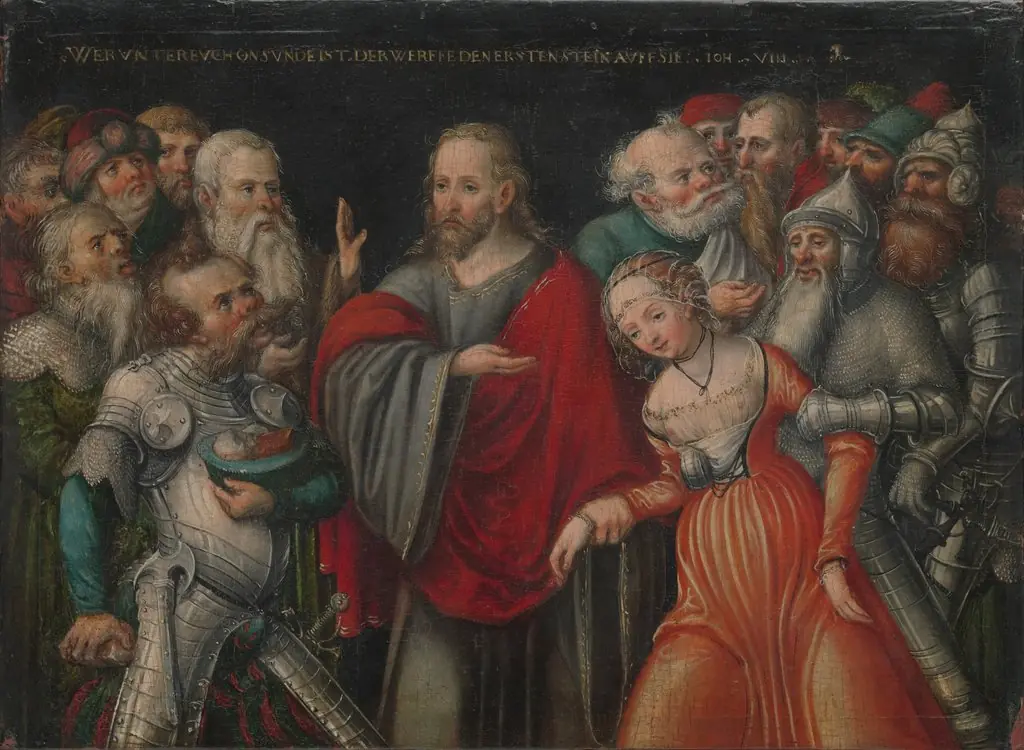
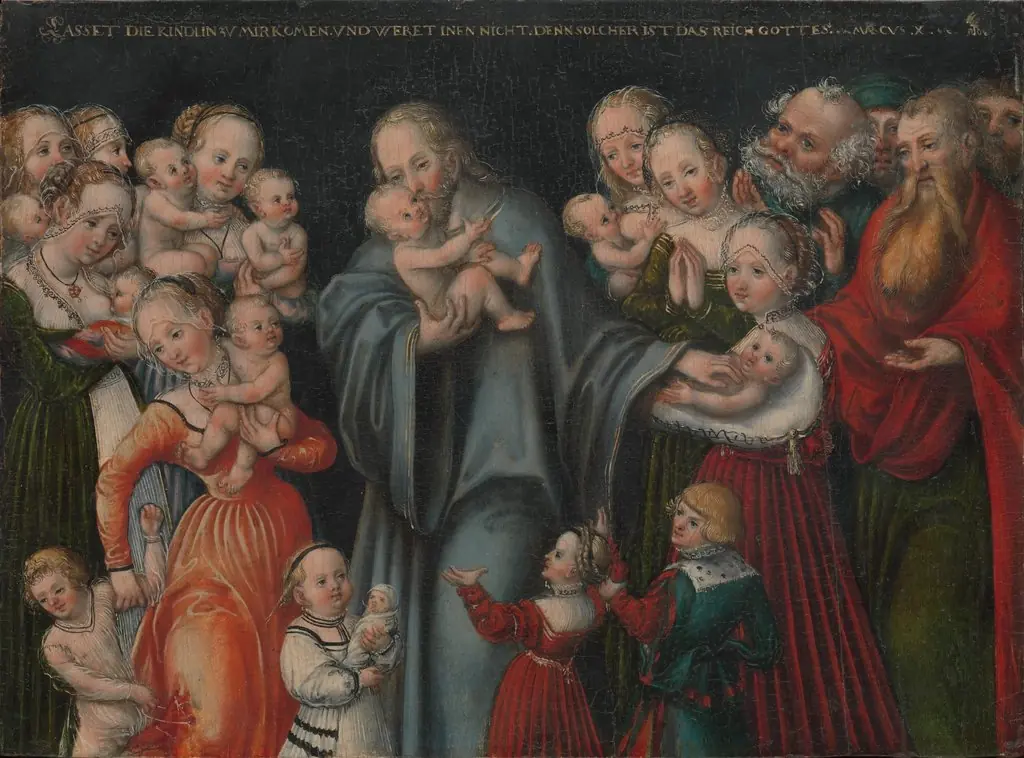
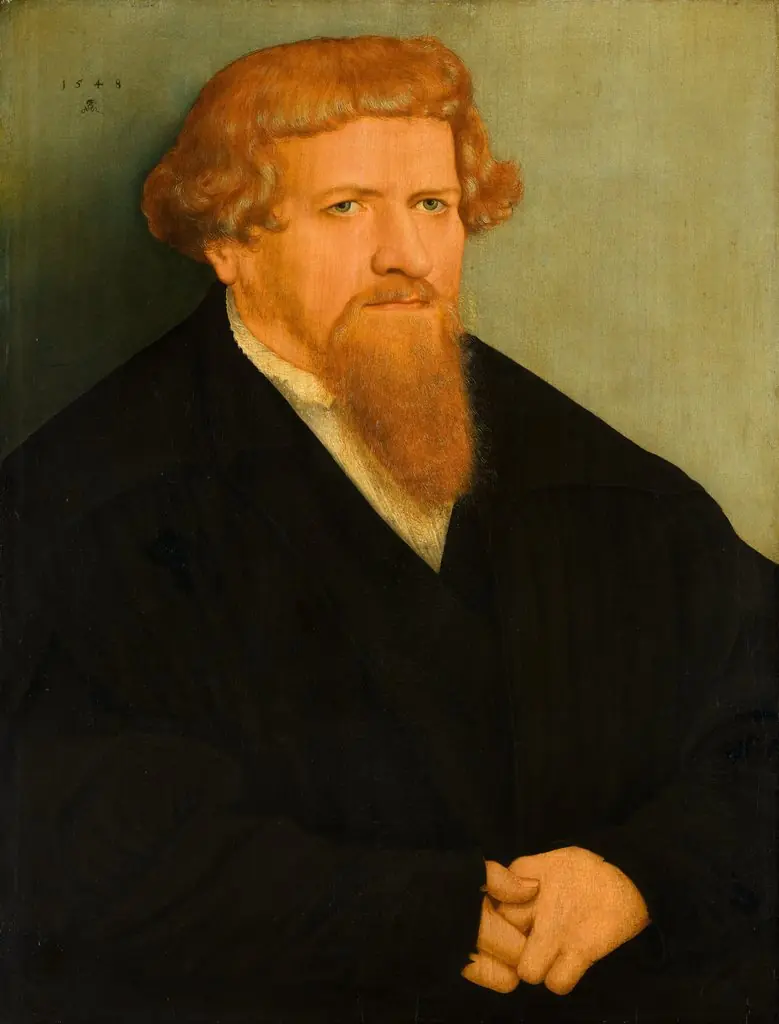
Died this day: Lucas Cranach the Younger
Lucas Cranach the Younger was a German Renaissance painter and portraitist, known for his works such as Christ and the Adulteress and Portrait of a Man with a Red Beard, continuing the legacy of his father Lucas Cranach the Elder.
He remains a significant figure in German Renaissance art, contributing to the development of the genre.
Exhibitions & salons 1
- 1907 Exhibition
De Meyer and Seeley at 291
Alfred Stieglitz's Little Galleries of the Photo-Secession, later famous simply as 291, opened an exhibition of photographs by Baron Adolf de Meyer and George H. Seeley on January 25, 1907. The show came immediately after Pamela Colman Smith's drawings, the gallery's first non-photographic exhibition, and shows Stieglitz recalibrating 291 between its Photo-Secession roots and its emerging role as a modern-art laboratory. De Meyer and Seeley belonged to the pictorialist circle that argued for photography as a fine-art medium through tonal subtlety, staged composition, and hand-crafted printing. At 291, their work was presented in the same experimental program that soon introduced American audiences to Rodin, Matisse, Cezanne, Picasso, Brancusi, and O'Keeffe.
The exhibition helped sustain 291's campaign to treat photography as art while the gallery moved toward a broader avant-garde program.
Auctions, prizes & heists 1
- 2025 Heist Landmark
Dacian Gold Stolen from the Drents Museum
In the early hours of January 25, 2025, thieves used explosives to break into the Drents Museum in Assen, the Netherlands, and stole major loans from the exhibition Dacia: Kingdom of Gold and Silver. The stolen objects included the Golden Helmet of Cotofenesti, a Geto-Dacian ceremonial helmet from the fifth century BCE, and three Dacian gold bracelets. The exhibition, assembled from Romanian museum collections, was in its final weekend and had presented hundreds of gold and silver objects from ancient Dacia. Contemporary reports emphasized the cultural rather than bullion value of the objects; Drents Museum director Harry Tupan called it a dark day for cultural heritage. The theft triggered police and Interpol involvement, diplomatic pressure between Romania and the Netherlands, and later recovery efforts.
The heist became a major test case for international loan security and the vulnerability of archaeological gold to destructive theft.