January 7 in Art History
7 real events recorded on January 7, the earliest from 1830. 2 artists were born , 1 died on this date.
Born on this day 2
- 1830 Born
Born this day: Albert Bierstadt
Albert Bierstadt was an American artist born on January 7, 1830, known for his landscapes that often featured the American West, exemplified in works like 'The Last of the Buffalo' and 'Mount Corcoran'. His paintings are characterized by their use of light and detail, capturing the beauty of nature. Bierstadt's work continues to be celebrated for its contribution to the American art scene.
He remains a prominent figure in American art history, particularly in the realm of landscape painting.
- 1852 Born
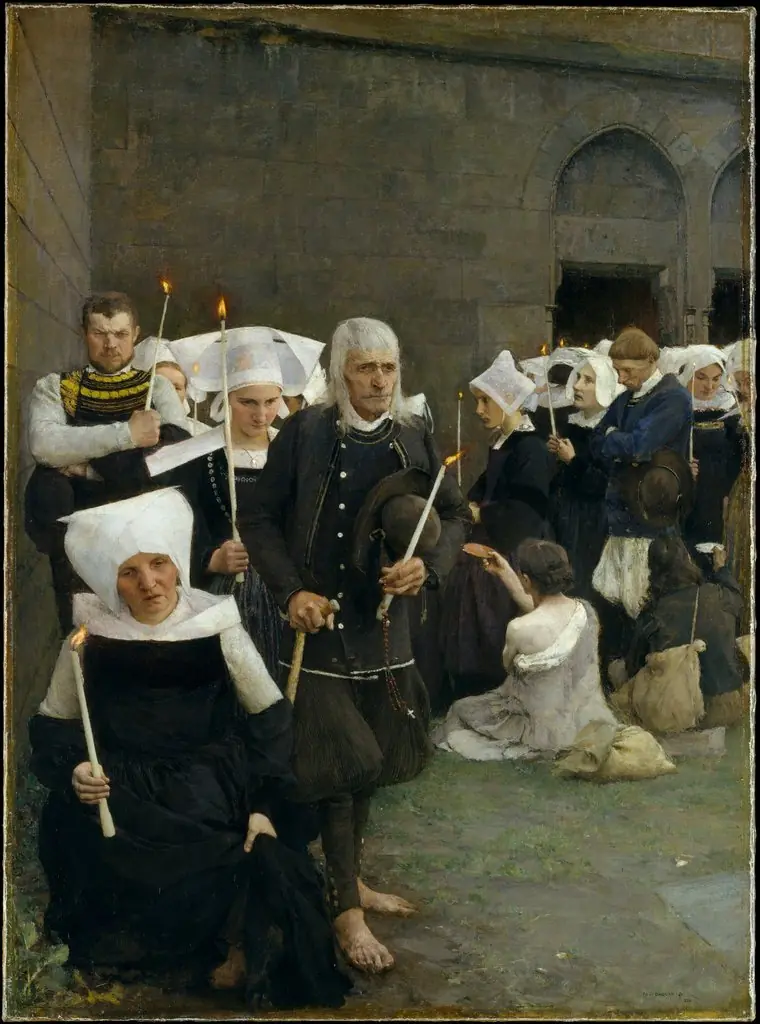
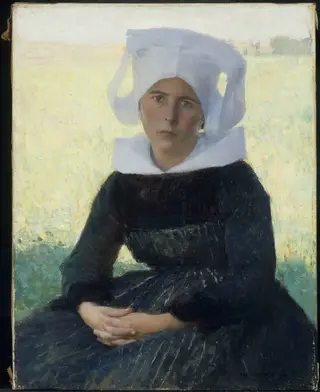
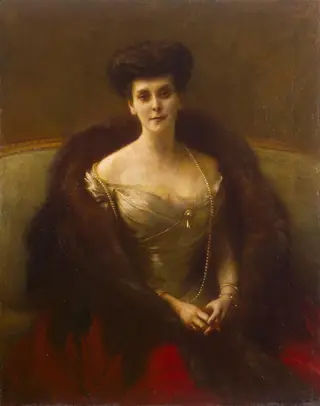
Born this day: Pascal Dagnan-Bouveret
Pascal Dagnan-Bouveret, a French painter, was born on January 7, 1852. He was a leading member of the naturalist school, known for works like 'The Pardon in Brittany' and 'Woman in Breton Costume Seated in a Meadow'. His paintings often captured scenes of everyday life and traditional costumes.
Dagnan-Bouveret's naturalist style continues to influence representational art.
Died on this day 1
- 1830 Died
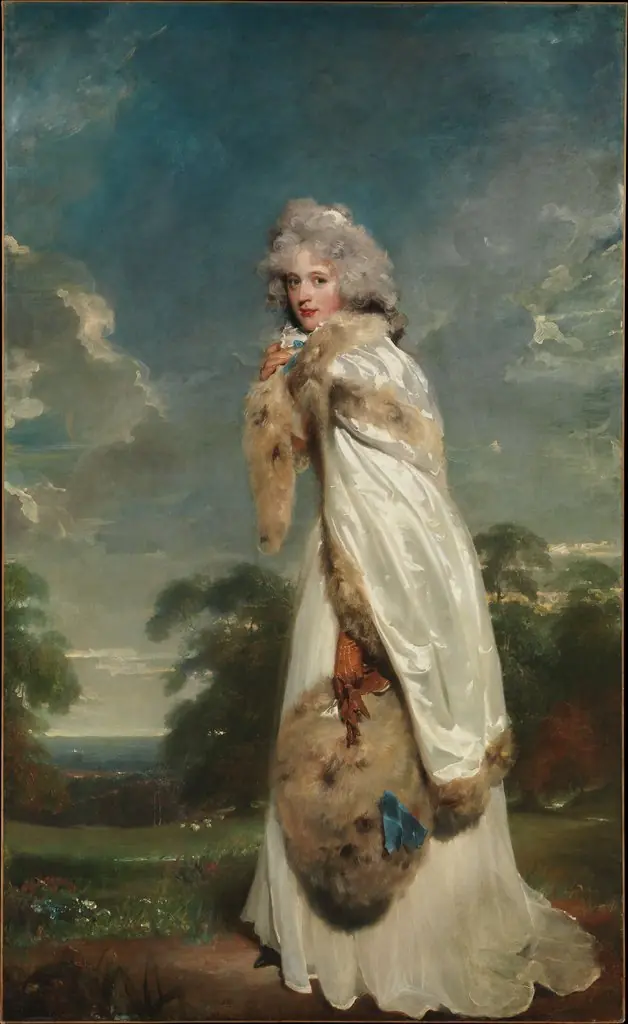
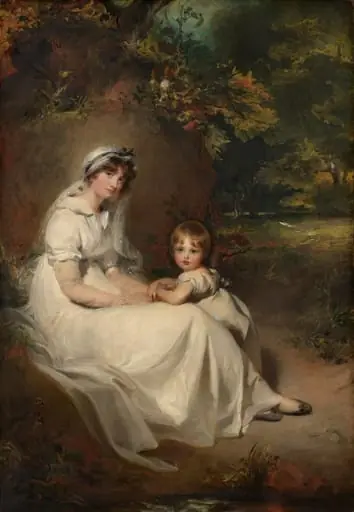
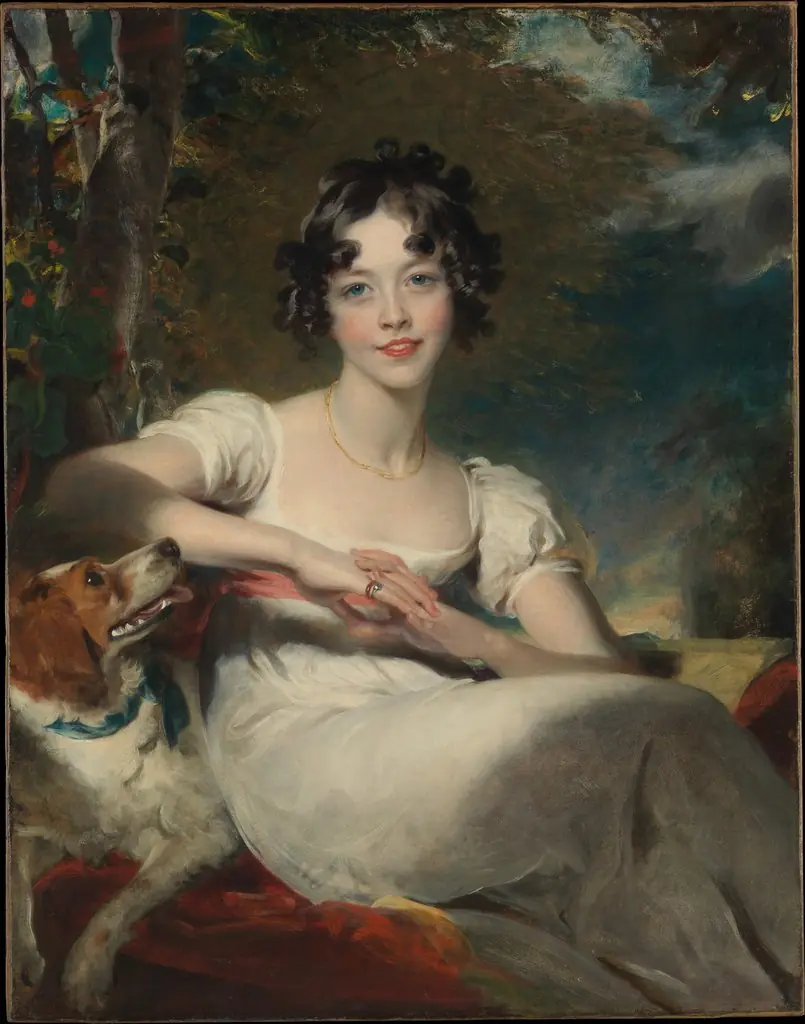
Died this day: Thomas Lawrence
Sir Thomas Lawrence, an English painter and fourth president of the Royal Academy, was known for his exceptional skill in capturing likenesses and handling paint. A child prodigy, he established his reputation as a portrait painter in oils, receiving his first royal commission in 1789. His work continues to be admired for its brilliance and virtuosity.
He remains one of the most celebrated portrait painters in English art history.
Exhibitions & salons 2
- 1936 Exhibition
The Ten Show at the Municipal Art Gallery
On January 7, 1936, The Ten opened their second exhibition at New York's Municipal Art Gallery, running through January 18. The show followed immediately after their debut at Montross Gallery and took advantage of the Municipal Art Gallery's policy of hosting self-organized groups. The Ten were Depression-era New York modernists who wanted exhibition space outside dominant institutional tastes, especially the Regionalist and social-realist preferences they associated with museums such as the Whitney. The Municipal Art Gallery presentation included work by The Ten on the third floor, which was devoted to modern painting, within a larger display of about one hundred works. Several members, including Mark Rothko, Adolph Gottlieb, and Ilya Bolotowsky, later became central to the history of American abstraction.
The exhibition helped establish The Ten as an early bridge between 1930s expressionist dissent and the later New York School.
- 1941 Exhibition
Best Works of Soviet Artists Exhibition
On January 7, 1941, the Tretyakov Gallery in Moscow opened the Exhibition of the Best Works of Soviet Artists. Russian and English documentation both give the exact date and describe the scale: 1,180 works of painting, graphic art, sculpture, and architecture by 359 authors. Mounted months before the German invasion of the Soviet Union, the show belonged to the official exhibition culture that presented Soviet art as a state project across media and disciplines. Its size made it a broad survey rather than a narrow salon, gathering artists under the institutional authority of the Tretyakov and the Soviet arts administration. The event is notable as a snapshot of Soviet visual culture on the eve of wartime mobilization.
The exhibition fixed a large official image of Soviet art just before the cultural priorities of World War II reshaped production and display.
Openings & foundings 1
- 1838 Opening
Louvre Spanish Gallery Opens
On January 7, 1838, the Louvre first presented Louis-Philippe's Galerie espagnole to the public. The collection had been assembled for the king by Baron Taylor during trips to Spain in the 1830s, amid political instability, monastic suppressions, and the Carlist War. It brought hundreds of Spanish-school paintings into one of Europe's most visible museums, including works associated with the Golden Age painters who were still comparatively unfamiliar to many French viewers. The gallery was short-lived: after the 1848 revolution, the Orleans family reclaimed the collection, and much of it was sold in London in 1853. Its impact outlasted the installation, helping make Spanish painting a modern point of reference for French artists and critics.
The gallery accelerated French interest in Spanish painting and helped shape later Realist and modernist looking.
Auctions, prizes & heists 1
- 1998 Heist
Greek Votive Stele Stolen from the Louvre
On January 7, 1998, a Greek votive stele dedicated to Zeus Meilichios, dated to the fourth century BCE, was stolen from the Louvre. The theft formed part of a troubling 1990s sequence of losses at the museum, alongside the 1994 theft of Robert Nanteuil's Portrait de Jean Dorieu, the 1995 theft of Lancelot-Theodore Turpin de Crisse's Daims dans un paysage, and the later May 1998 disappearance of Jean-Baptiste-Camille Corot's Le Chemin de Sevres. Documentation of the Corot case notes the January stele theft as the immediately preceding Louvre art theft, while the Louvre history page records the same date and object. The incident is significant less for market value than for what it exposed about public-gallery security around portable antiquities.
The theft became part of the security context that framed later scrutiny of Louvre losses in 1998.