Artwork
Lady Mary Templetown and Her Eldest Son
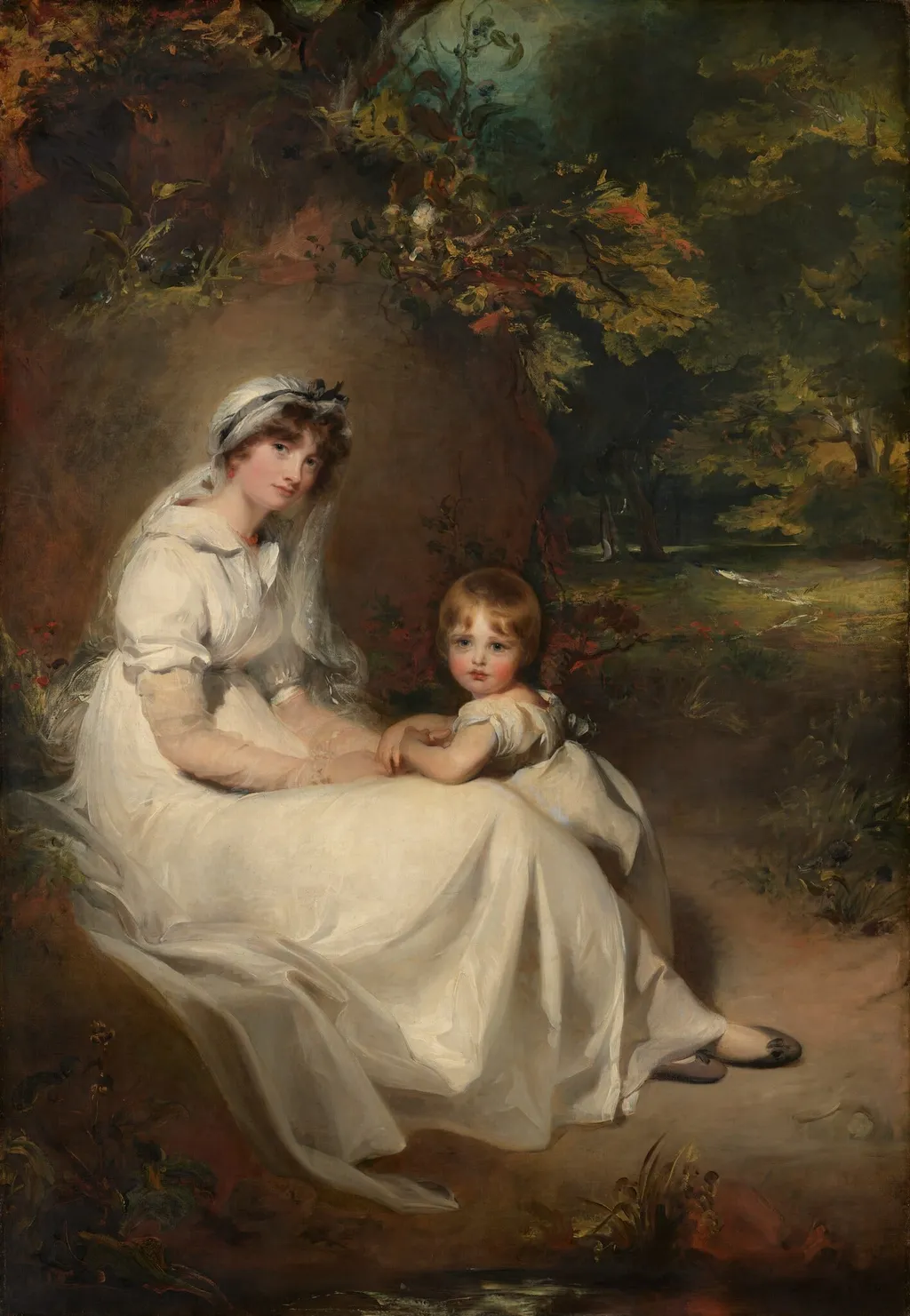
Lady Mary Templetown and Her Eldest Son is an oil painting by the Romanticist artist Thomas Lawrence. It dates from 1802 and is held in the collection of the National Gallery of Art. This oil on canvas painting depicts Lady Mary Templetown alongside her eldest son, Henry Upton.
About this work
Subject & Meaning
The painting is a double portrait of Lady Mary Templetown and her eldest son, Henry Upton, 2nd Viscount Templetown, executed by Sir Thomas Lawrence in 1802 in oil on canvas. By presenting the mother and child together, the composition underscores their familial bond and highlights themes of maternal devotion and aristocratic lineage. As a double portrait, the work functions both as a likeness of the individuals and as a visual affirmation of their social status and continuity within the Templetown family.
Technique & Style
Lady Mary Templetown and Her Eldest Son is executed in oil on canvas, a standard support for Thomas Lawrence's portrait practice of the period.
Lady Mary Templetown and Her Eldest Son is executed in oil on canvas, a standard support for Thomas Lawrence's portrait practice of the period. The work is a double portrait, classified within the genre of portraiture. Its physical dimensions are 215 cm in height by 149 cm in width, indicating a large-scale, full-length composition suited to formal display.
The painting is held in the Andrew W. Mellon collection at the National Gallery of Art in Washington, D.C. Beyond the medium, support, and measurements, the available documentation does not provide further detail on handling, condition, or specific stylistic qualities.
History & Provenance
Lady Mary Templetown and Her Eldest Son was painted by Sir Thomas Lawrence in 1802 in oil on canvas. The portrait was commissioned by the sitter's husband, John, 2nd Baron (later 1st Viscount) Templetown (1771–1846), and held at Castle Upton in County Antrim. It descended through the family to Henry, 4th Viscount Templetown (1853–1939), also at Castle Upton.
Around 1890 the work was acquired by Baron Alfred Charles de Rothschild (1842–1918) in London, a provenance documented through The Rothschild Archive. It then passed by inheritance to his illegitimate daughter, Almina Victoria, Countess of Carnarvon (c. 1877–1969), in London. Duveen Brothers, Inc., purchased it in 1923 and sold it the same June to Andrew W. Mellon in Pittsburgh and Washington, D.C. In December 1934 Mellon deeded it to The A.W. Mellon Educational and Charitable Trust, Pittsburgh, which gave it to the National Gallery of Art in 1937.
The painting is held in the collection of the National Gallery of Art in Washington, D.C., specifically within the Andrew W. Mellon collection. Its provenance traces from the Templetown family at Castle Upton to Baron Alfred Charles de Rothschild and subsequently to his daughter, Almina, Countess of Carnarvon. After passing through the Duveen Brothers in 1923, Andrew W. Mellon purchased the work that same year.
It was deeded to The A.W. Mellon Educational and Charitable Trust in December 1934 before being gifted to the National Gallery of Art in 1937. The artwork was created in 1802 by Sir Thomas Lawrence as an oil on canvas, measuring 215 by 149 units.
Overview
This oil on canvas painting depicts Lady Mary Templetown alongside her eldest son, Henry Upton. The composition captures a moment of domestic intimacy, presenting the figures seated together. Lady Templetown is shown in elaborate attire, while young Henry engages playfully with a dog.
The artwork offers a glimpse into the social world of its subjects through a formal yet tender portrayal.
Own this work as a print
Artist & collection
Artist
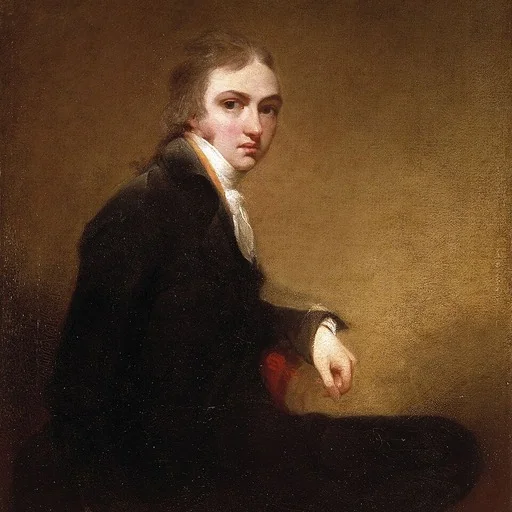
Sir Thomas Lawrence (13 April 1769 – 7 January 1830) was an English painter who served as the fourth president of the Royal Academy.

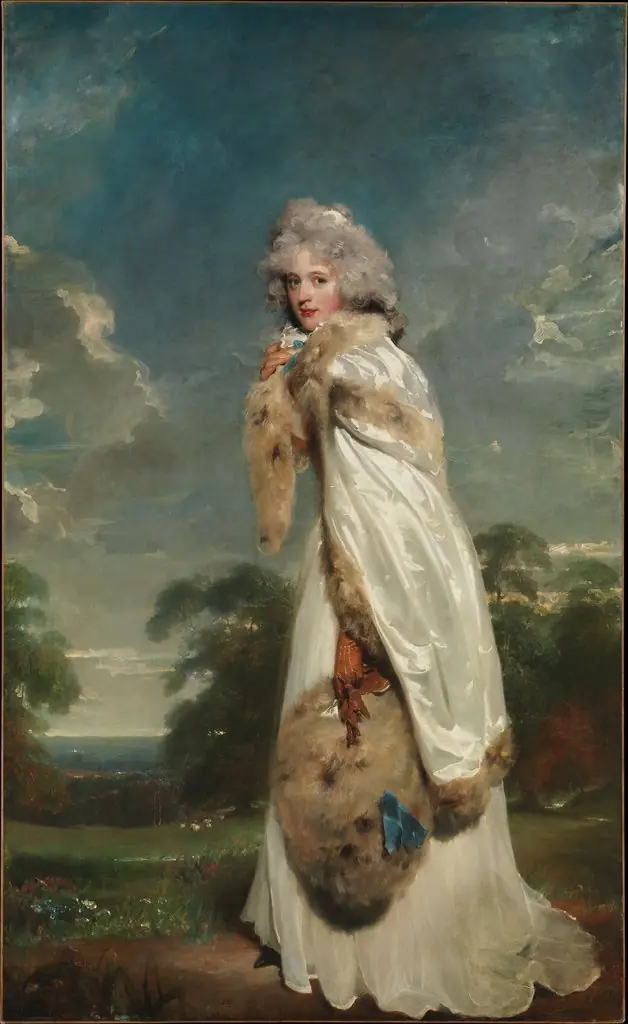 Elizabeth Farren (born about 1759, died 1829), Later Countess of Derby
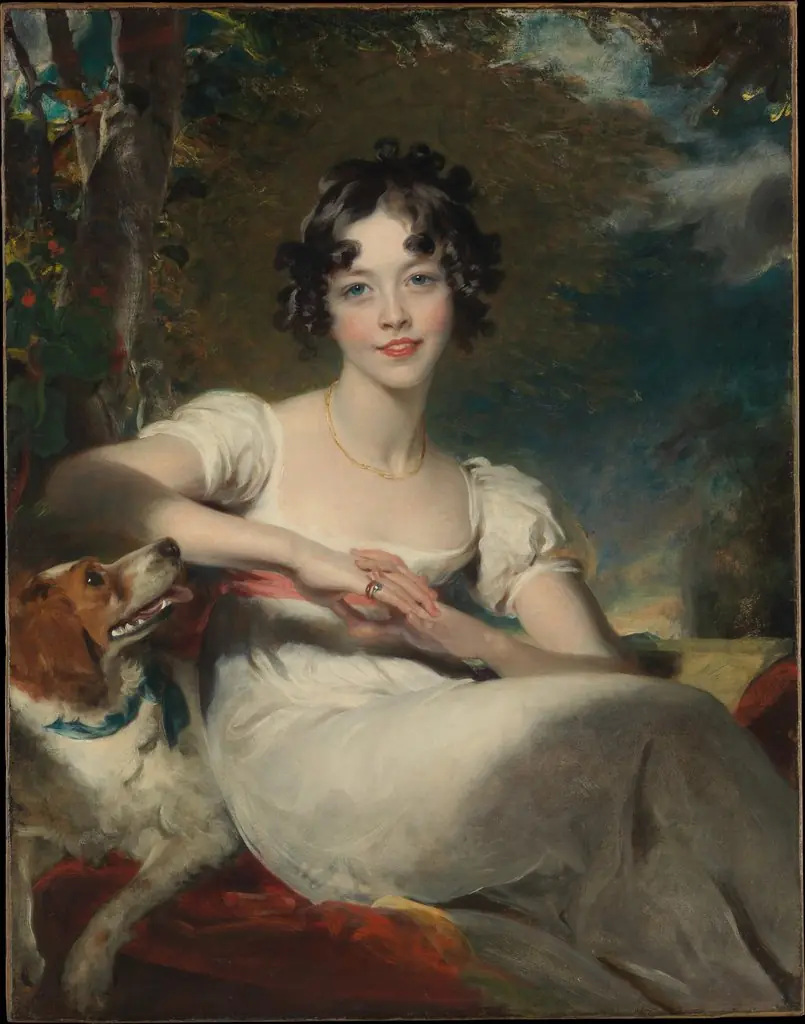 Lady Maria Conyngham (died 1843)
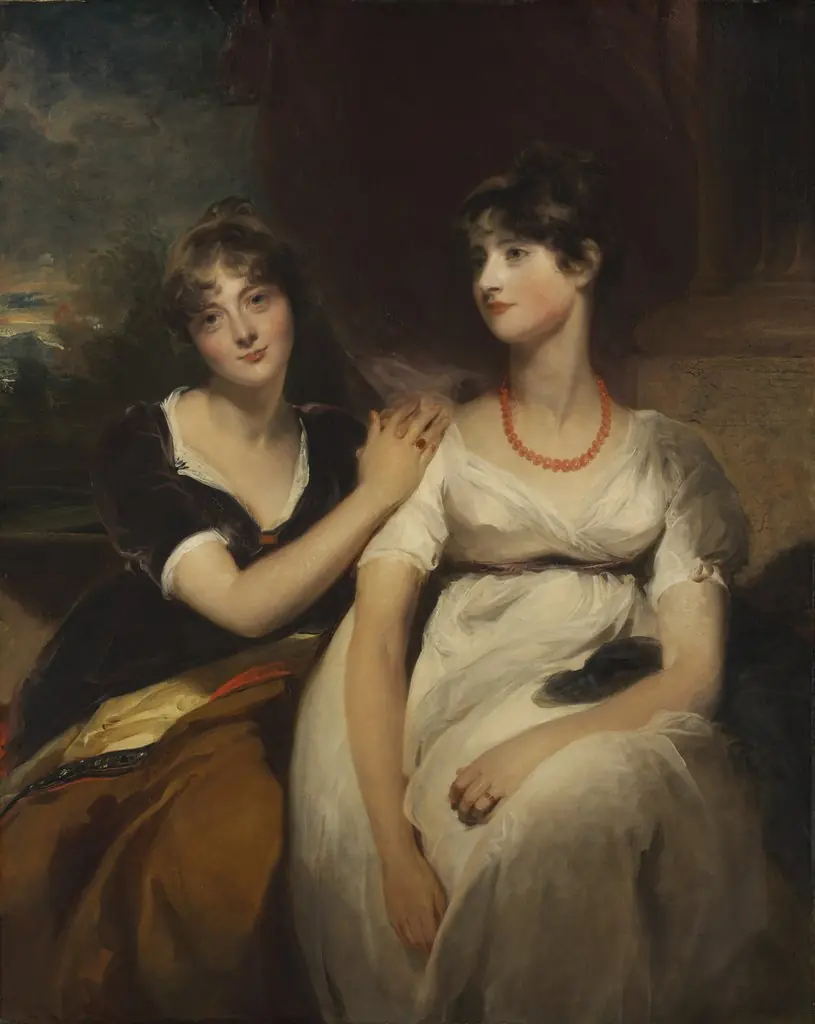 Portrait of Charlotte and Sarah Carteret-Hardy
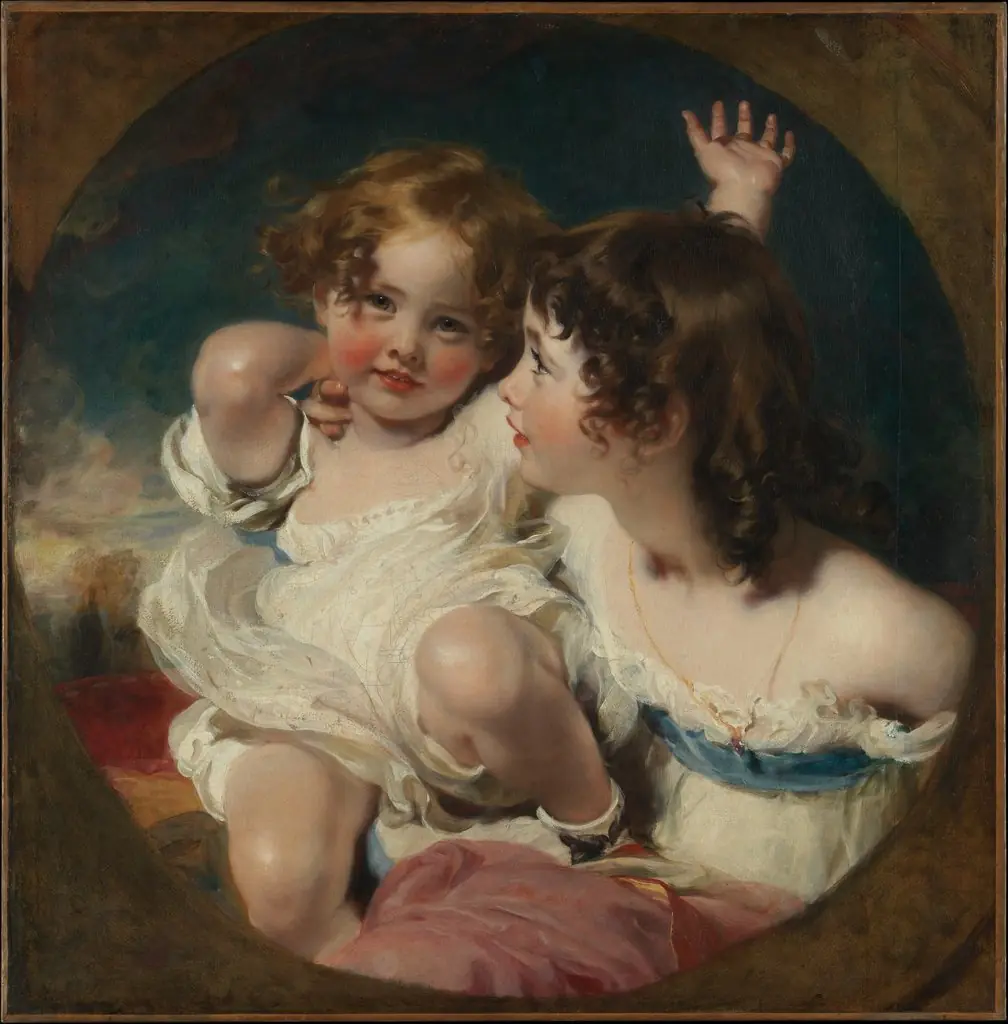 The Calmady Children (Emily, 1818–?1906, and Laura Anne, 1820–1894)
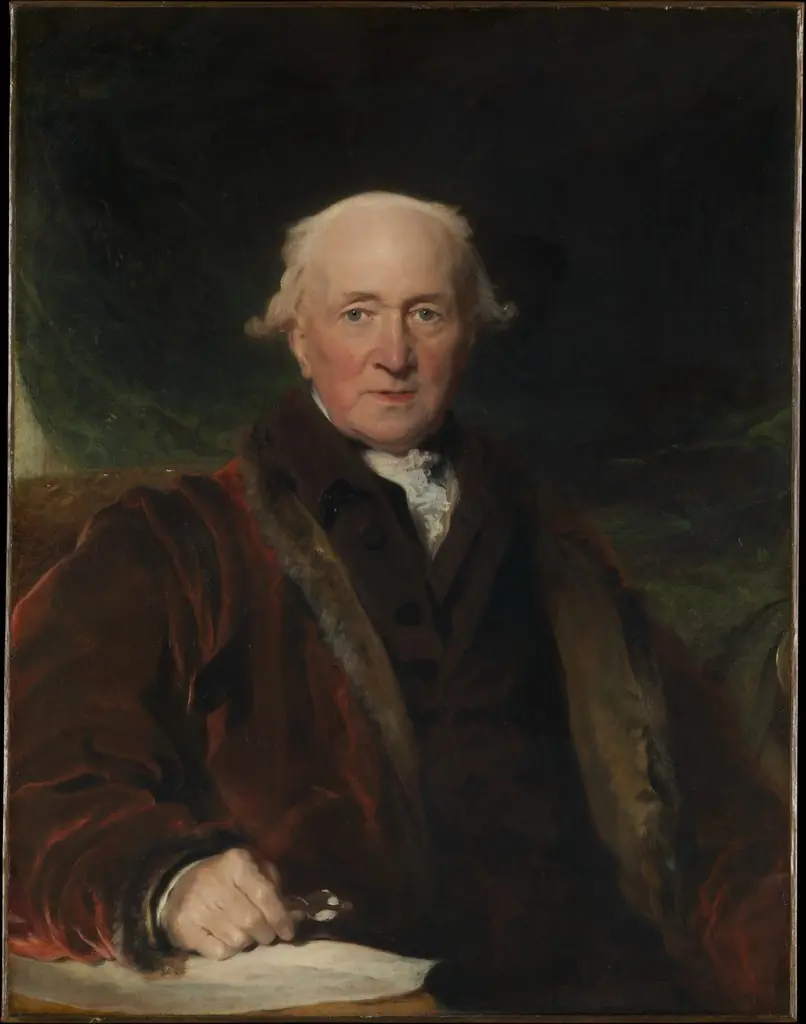 John Julius Angerstein (1736–1823)
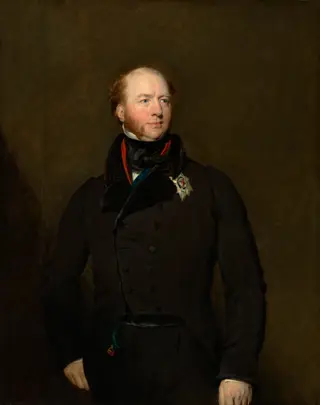 Francis Charles Seymour-Conway, 3rd Marquess of Hertford
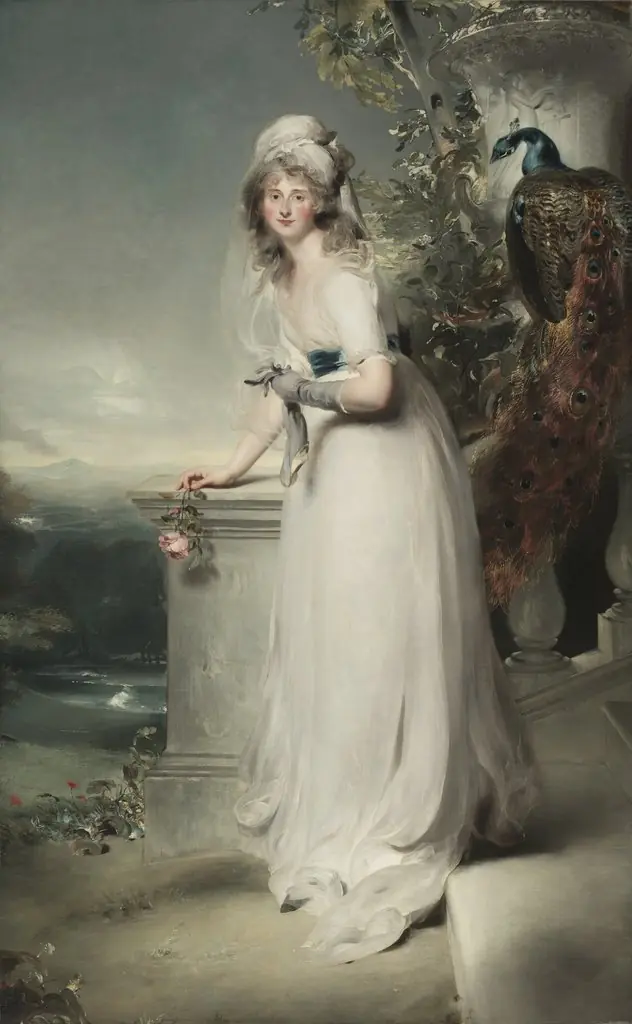 Portrait of Catherine Grey, Lady Manners
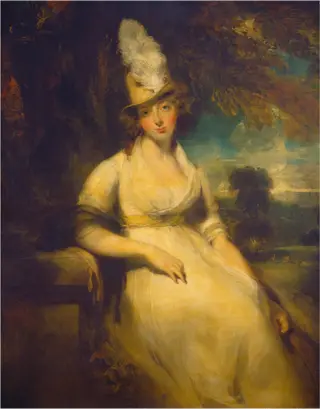 Mrs. Robert Blencowe
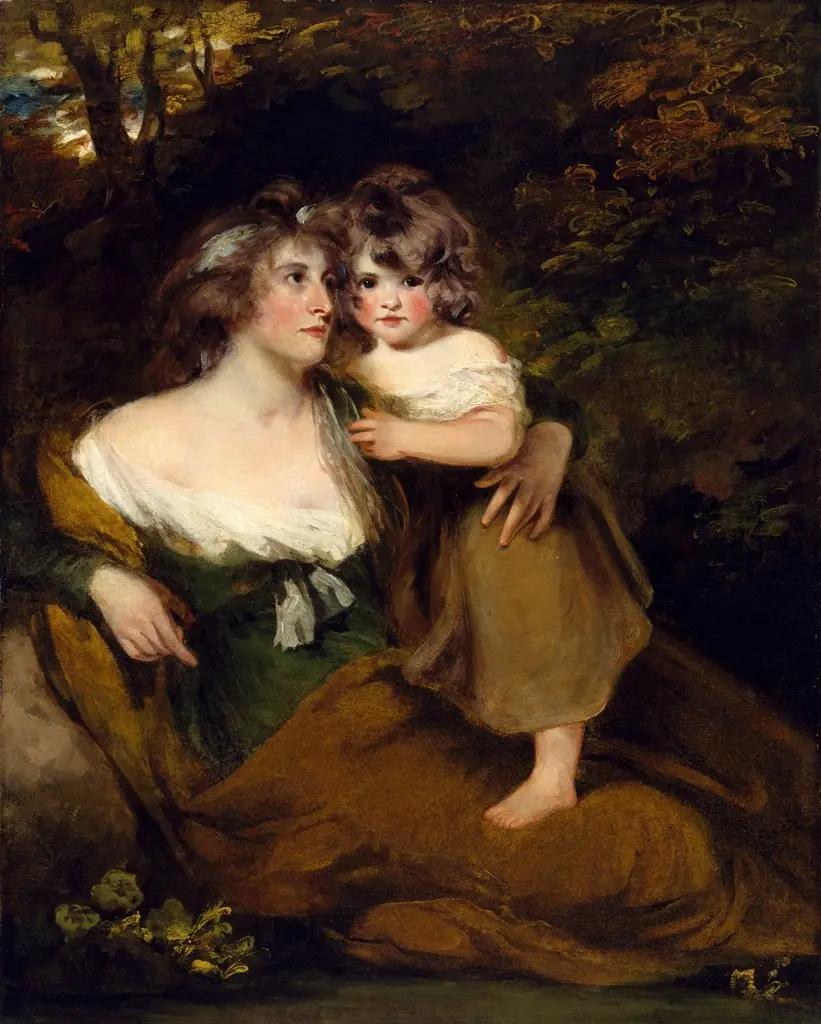 The Countess of Darnley and her Daughter, Lady Elizabeth Bligh
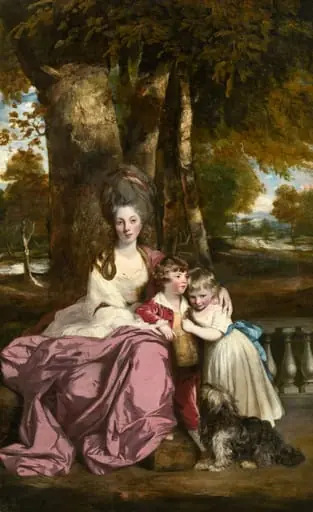 Lady Elizabeth Delmé and Her Children
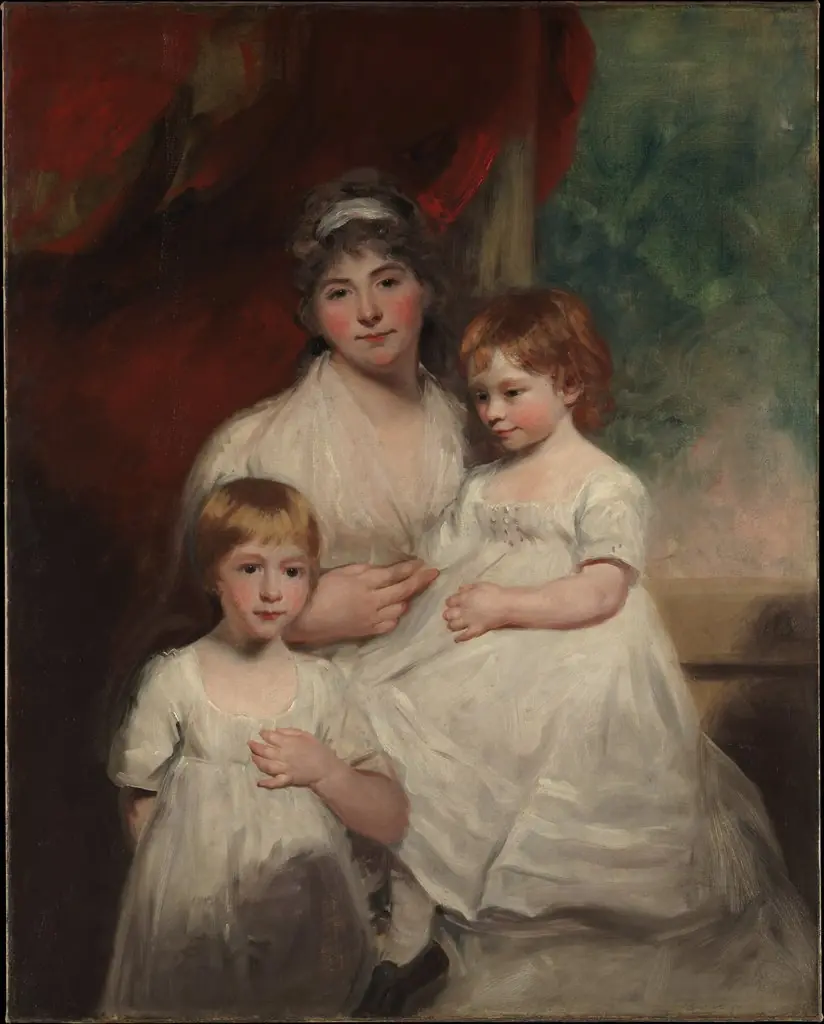 Mrs. John Garden (Ann Garden, 1769–1842) and Her Children, John (1796–1854) and Ann Margaret (born 1793)
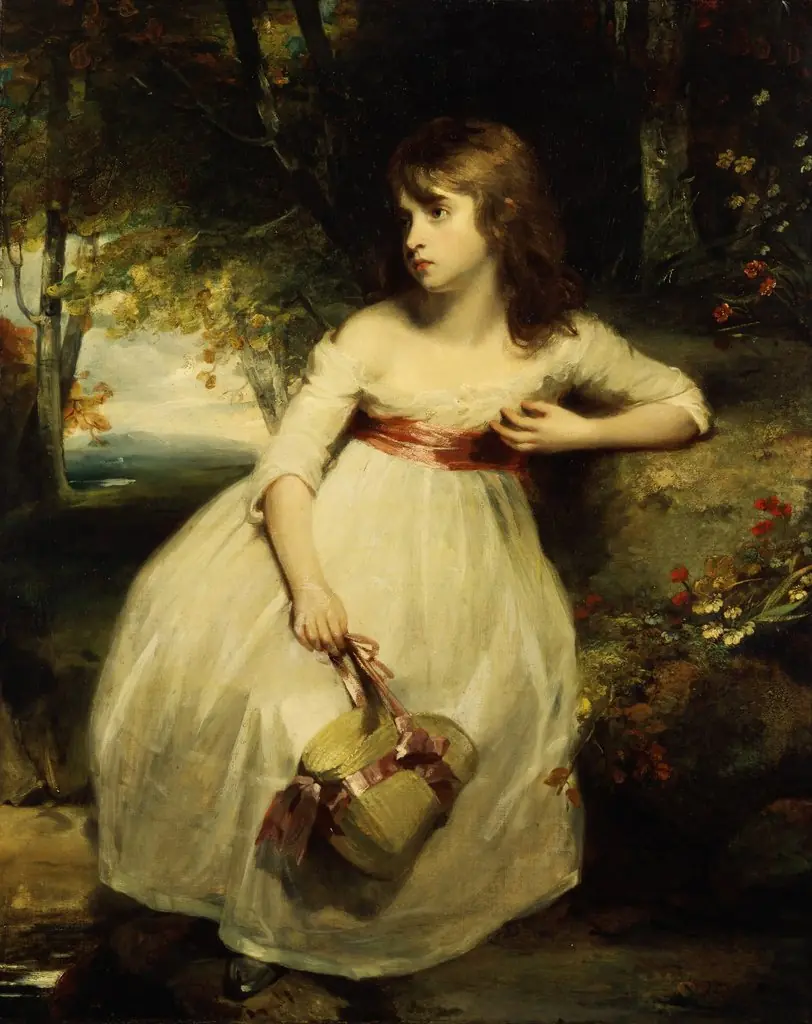 The Little Gardener
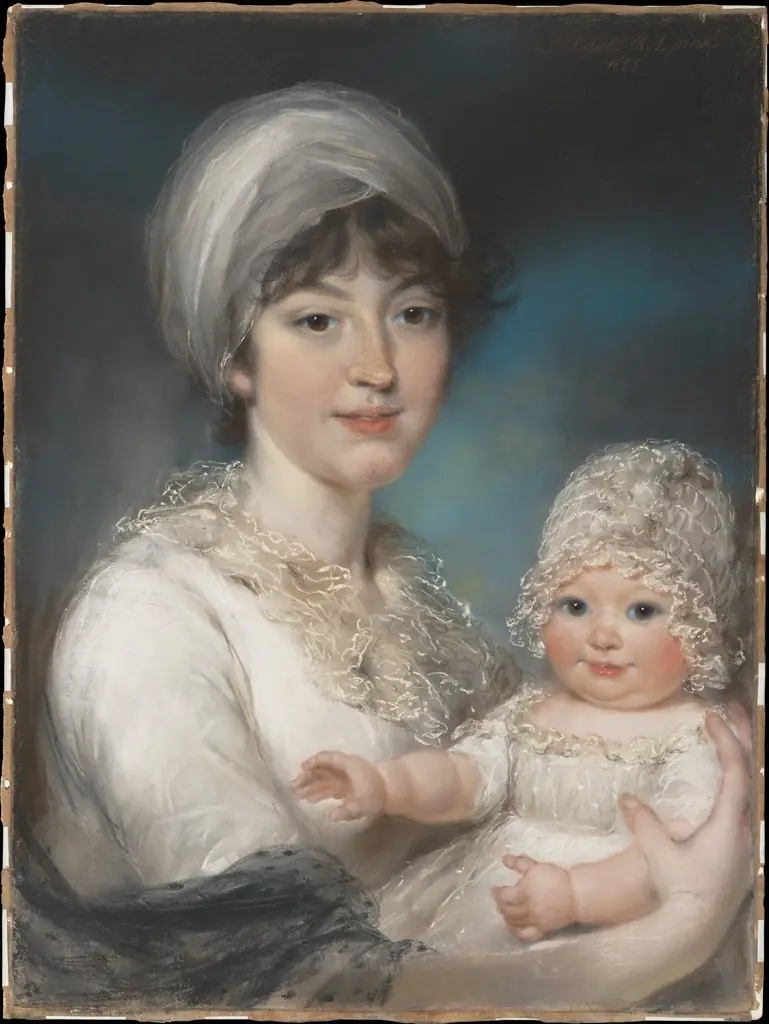 Mrs. Robert Shurlock (Henrietta Ann Jane Russell, 1775–1849) and Her Daughter Ann
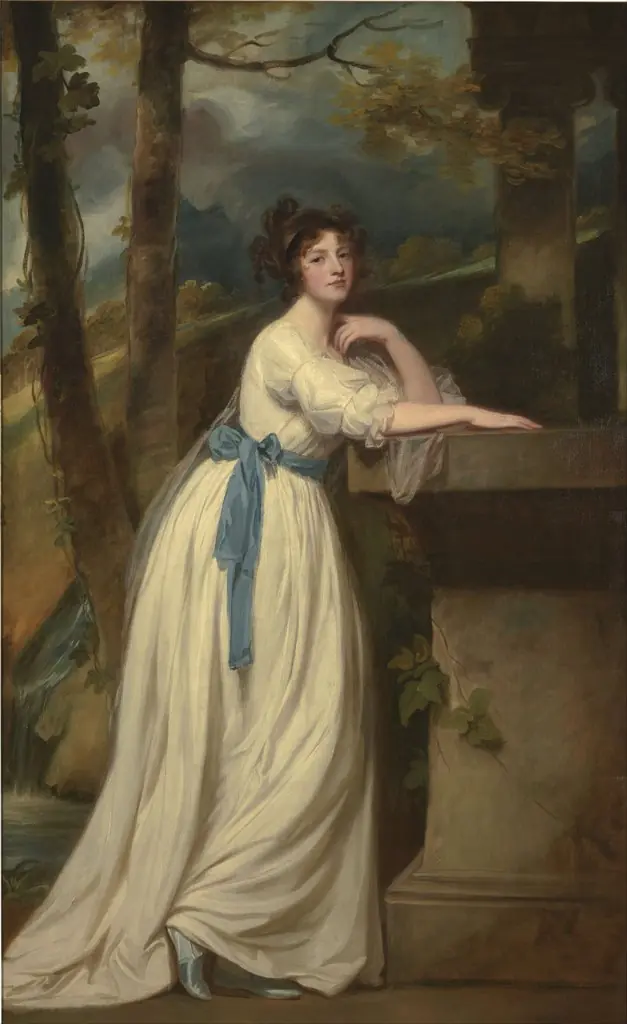 Portrait of Mrs. Andrew Reid
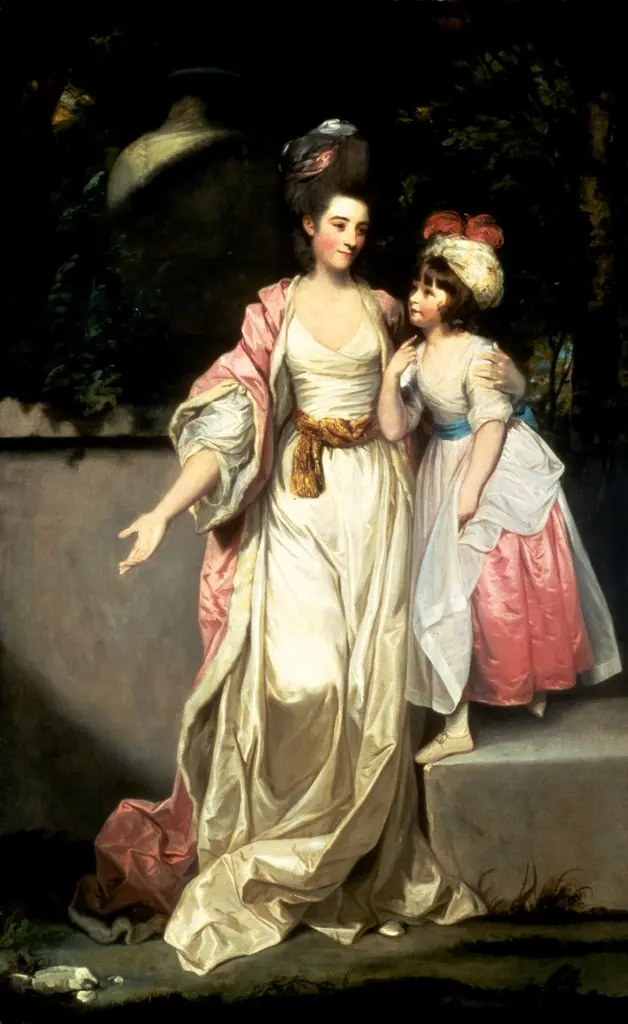 Portrait of Mrs. Jelf Powis and her Daughter
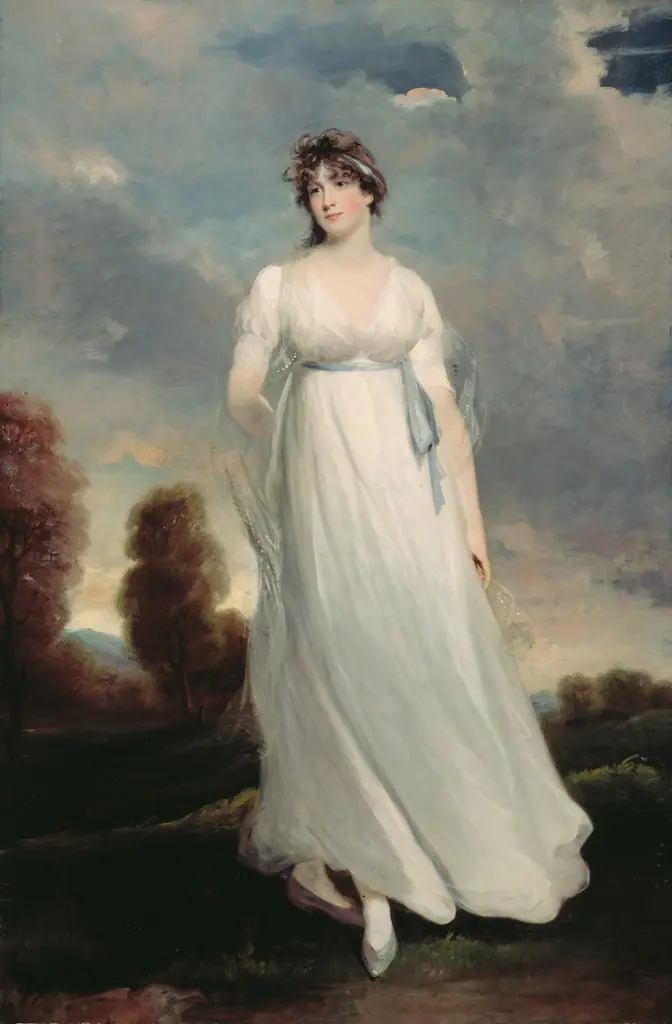 Mrs. Dottin
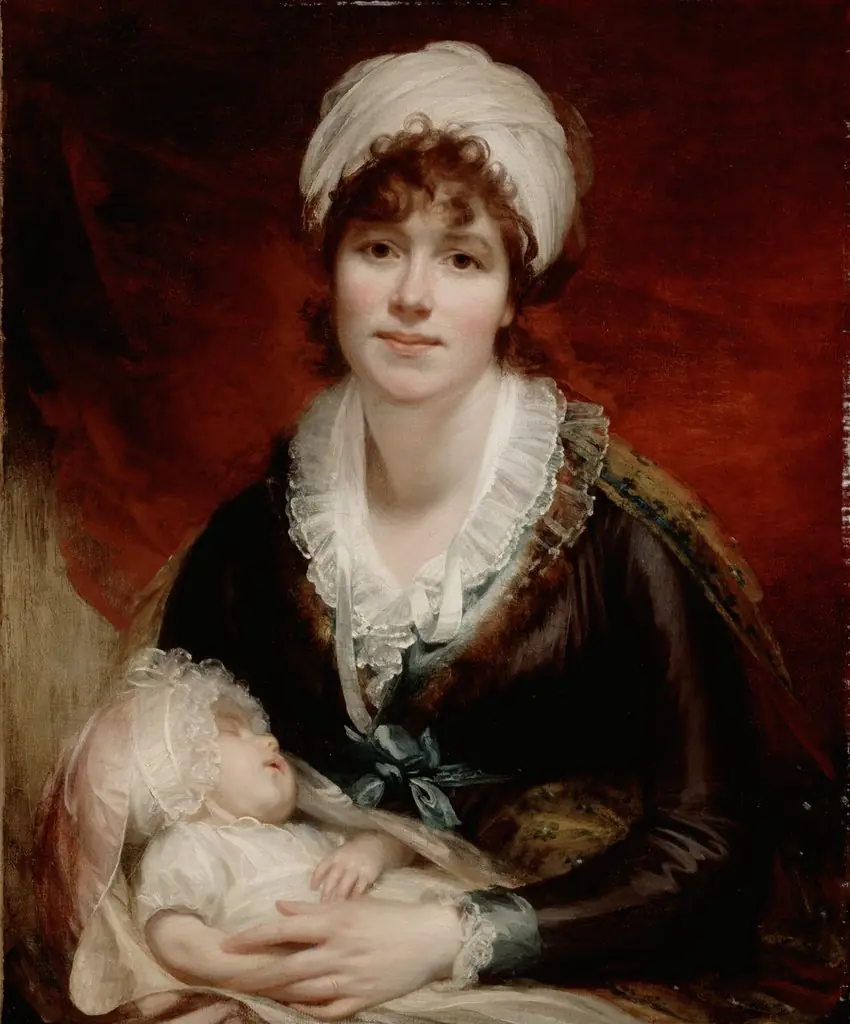 Lady Beechey and Her Baby
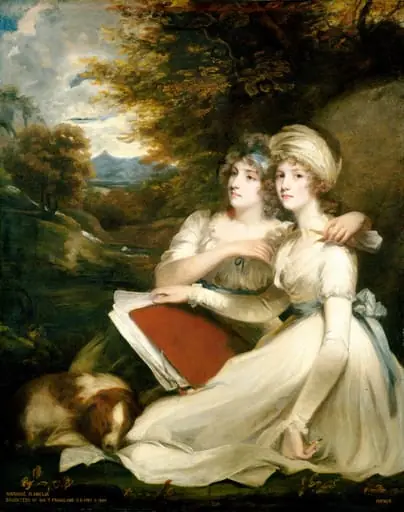 The Frankland Sisters
- Mother and Son