March 1 in Art History
5 real events recorded on March 1, the earliest from 1445. 2 artists were born , 1 died on this date.
Born on this day 2
- 1445 Born
Born this day: Sandro Botticelli
Sandro Botticelli, born on March 1, 1445, was a renowned Italian Renaissance painter known for his captivating depictions of mythological and religious scenes, characterized by flowing lines, vibrant colors, and dreamy softness. His innovative use of egg-based tempera has preserved the brightness of his works for centuries.
Botticelli's unique style and mastery of tempera continue to influence artists and inspire art lovers to this day.
- 1622 Born
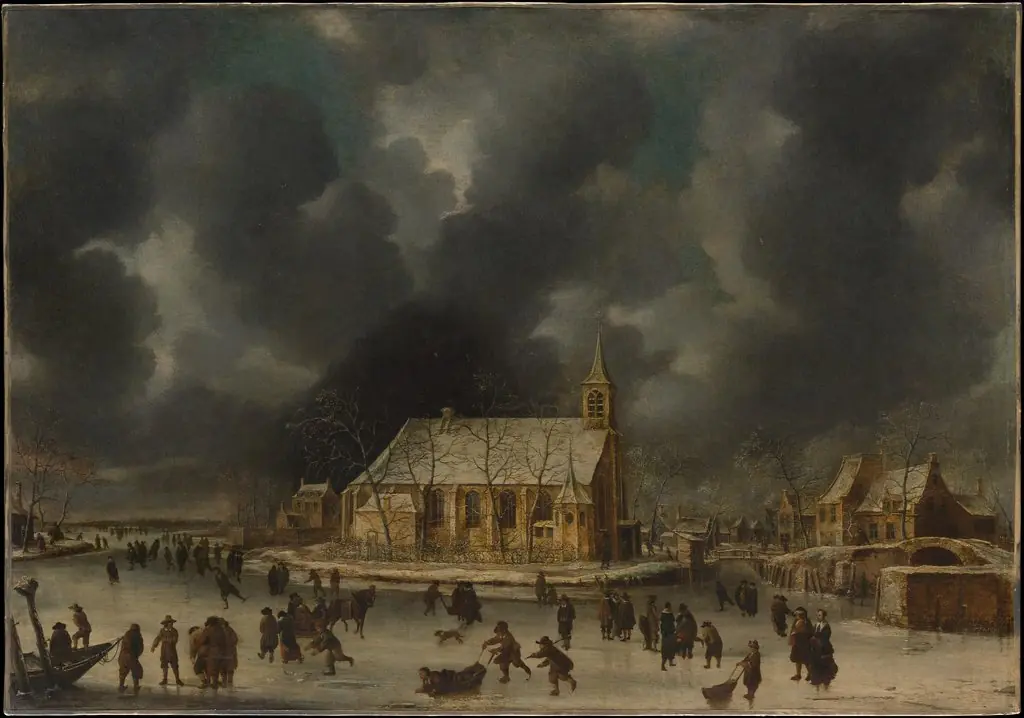
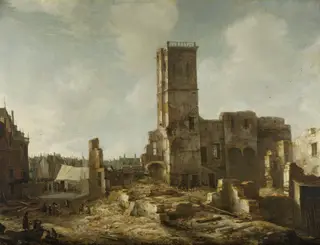
Born this day: Jan Abrahamsz Beerstraaten
Jan Abrahamsz Beerstraaten, a Dutch painter, was born on March 1, 1622. He is known for his marine art, particularly depicting events of the First Anglo-Dutch War and Dutch-Swedish War, as well as cityscapes and ports, capturing buildings that no longer exist. His work provides a glimpse into 17th-century Netherlands.
Beerstraaten's paintings remain significant for their historical documentation of Dutch architecture and maritime history.
Died on this day 1
- 1549 Died
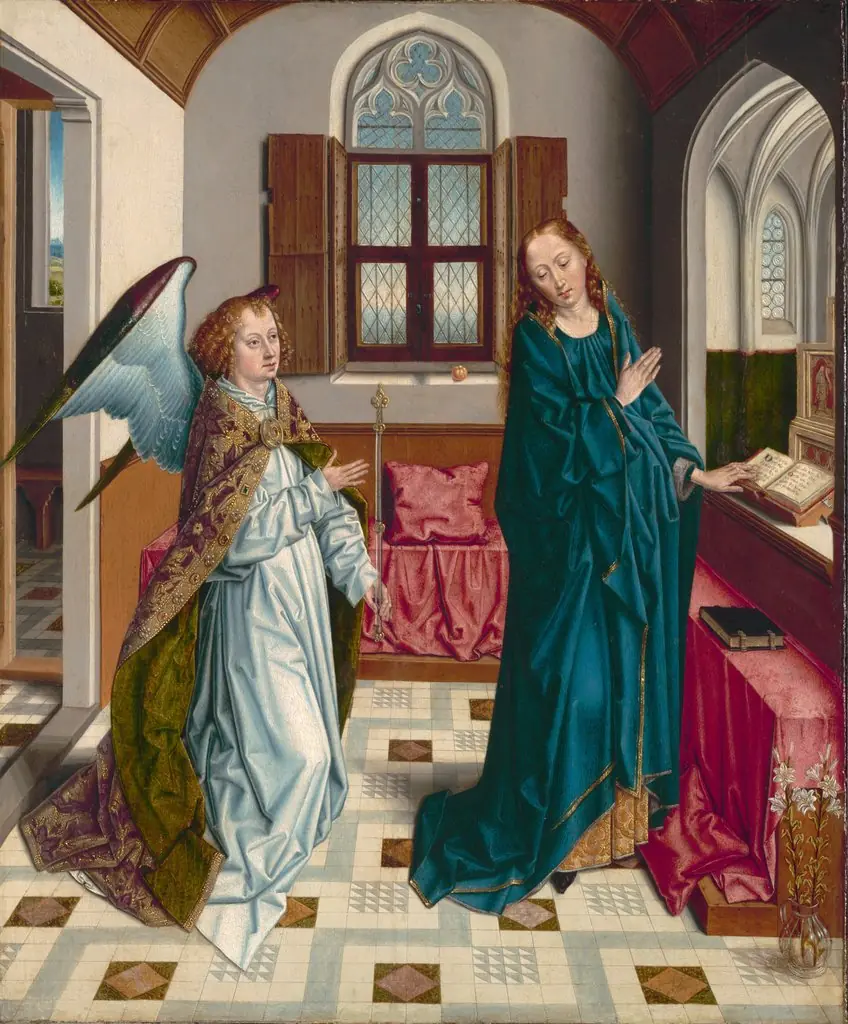
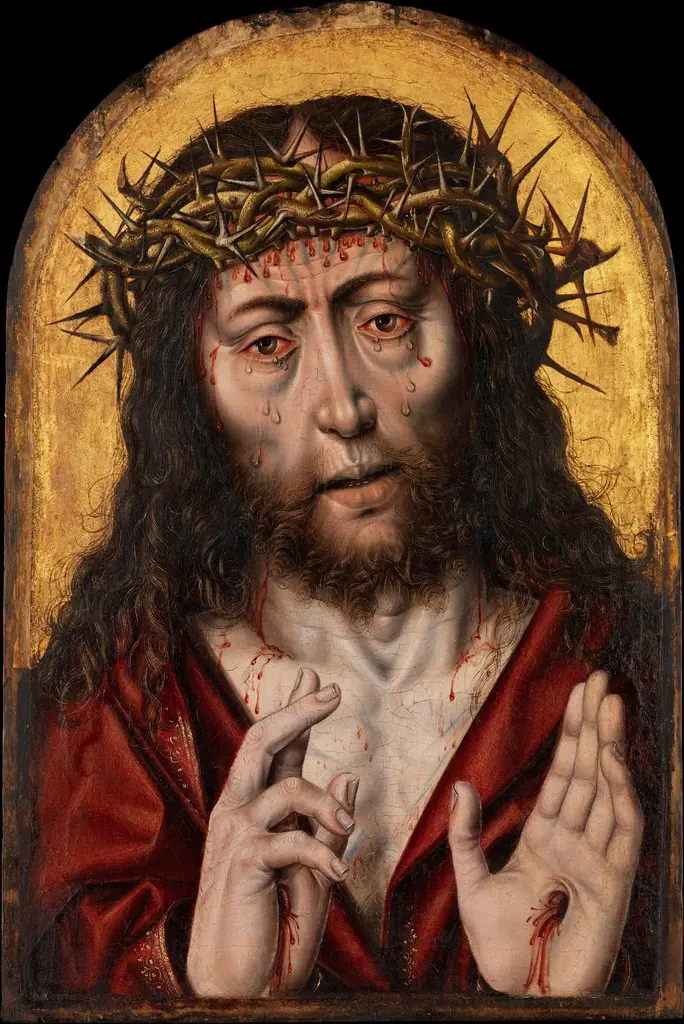
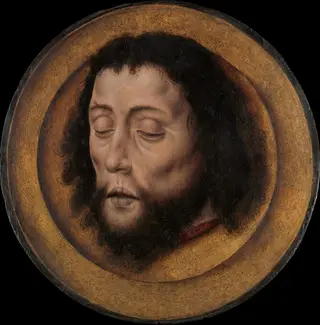
Died this day: Aelbrecht Bouts
Aelbrecht Bouts, a Flemish painter of the Early Netherlandish era, was born into a family of painters in Leuven. He developed a distinctive style characterized by strong colors, rich texture, and fine details, diverging from his family's traditional approach. His works, such as The Annunciation and The Man of Sorrows, showcase his unique artistic voice.
Aelbrecht Bouts' contributions to the Early Netherlandish era continue to influence the art world with his unmistakable and detailed style.
Openings & foundings 2
- 1963 Opening
National Museum of Modern Art, Kyoto established
The National Museum of Modern Art, Kyoto was established on its present site on March 1, 1963, initially as the Annex Museum of the National Museum of Modern Art in Tokyo. The museum occupied the restored auxiliary building of the Kyoto Municipal Exhibition Hall for Industrial Affairs, transferred from Kyoto City to the national museum system. This event gave Kyoto a dedicated national platform for twentieth-century art and design, with particular attention to Kyoto, Kansai, and western Japan. The institution later became the independent National Museum of Modern Art, Kyoto in 1967, and in 1986 moved into a new Fumihiko Maki-designed building. Its early March 1 establishment is important because it anchored modern Japanese art, craft, nihonga, yoga, printmaking, sculpture, and photography within a national museum framework outside Tokyo.
It strengthened Kyoto's role as a national center for modern Japanese art and craft scholarship.
- 1981 Opening
San Antonio Museum of Art opens to the public
The San Antonio Museum of Art opened to the public on March 1, 1981, after a $7.2 million renovation converted the former Lone Star Brewery complex into an art museum. The opening followed decades in which the San Antonio Museum Association had housed art alongside history and natural-history collections at the Witte Memorial Museum. By the 1970s, accelerated art collecting and the acquisition of the historic brewery site made a separate art museum viable. The new museum inherited a fine-art base from the Witte and soon expanded through major Asian art donations and the 1985 acquisition of Latin American folk-art collections formed by Nelson A. Rockefeller and Robert K. Winn. Its campus and collection later grew into a broad encyclopedic museum spanning thousands of years and multiple continents.
The opening transformed a disused brewery into one of Texas's major encyclopedic art museums.