March 10 in Art History
5 real events recorded on March 10, the earliest from 1654. 2 artists were born , 1 died on this date.
The day's biggest moments
Born on this day 2
- 1654 Born
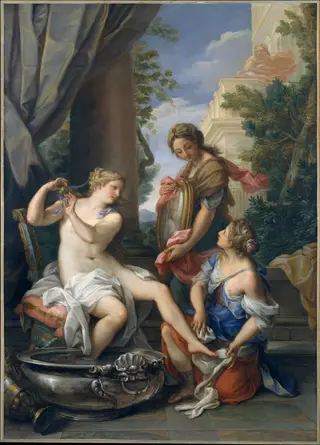
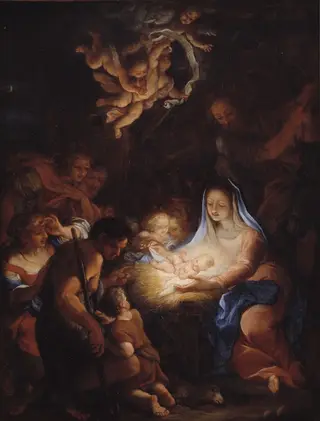
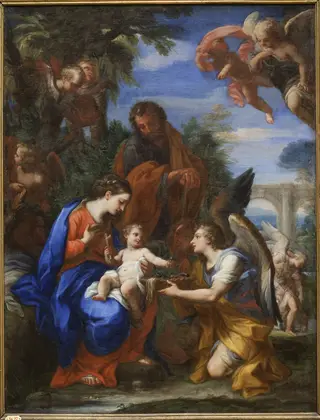
Born this day: Giuseppe Bartolomeo Chiari
Giuseppe Bartolomeo Chiari, born on March 10, 1654, was an Italian painter of the late-Baroque period, active mostly in Rome, known for his works such as Bathsheba at Her Bath and The Adoration of the Shepherds. His paintings reflect the styles of his time, characterized by dramatic lighting and intense emotions.
Chiari's contributions to the late-Baroque period continue to influence the understanding of 17th and 18th-century Italian art.
- 1787 Born
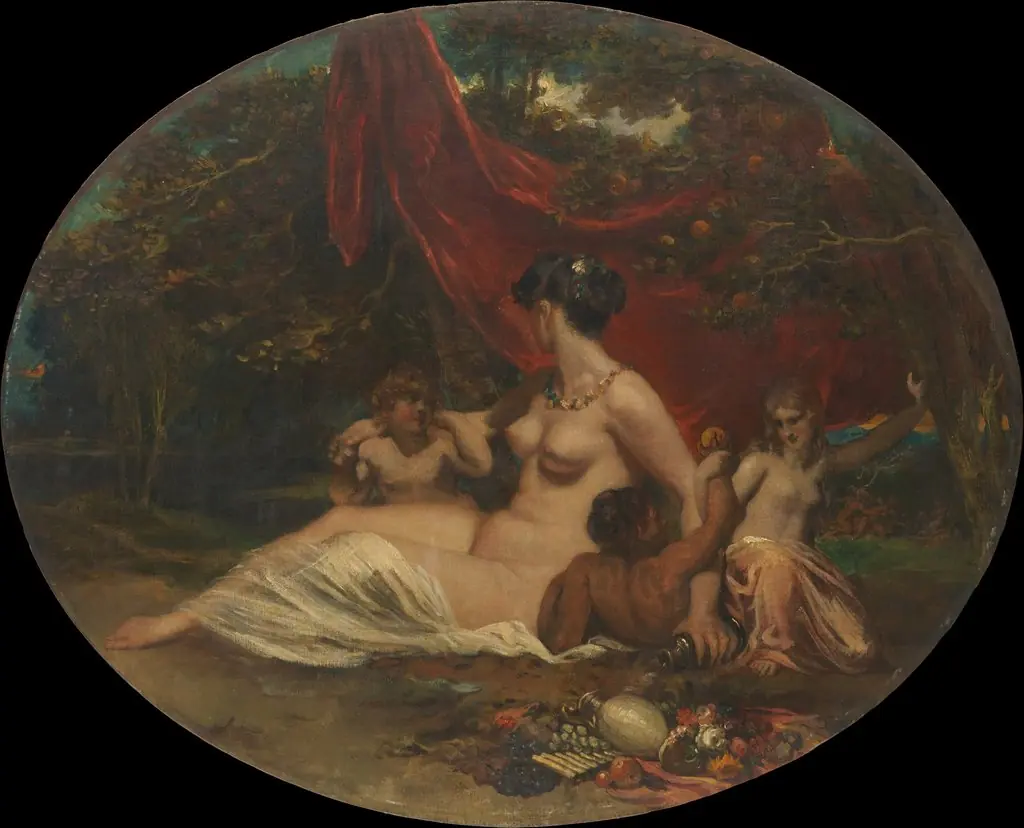
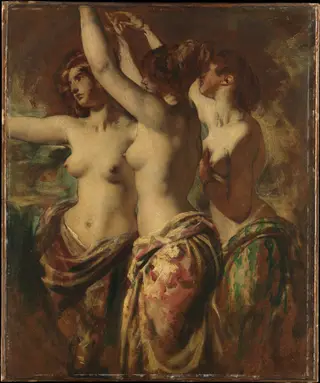
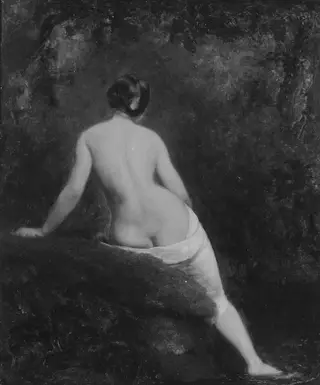
Born this day: William Etty
On March 10, 1787, British artist William Etty was born, known for his historical paintings featuring nude figures, marking him as the first significant British painter of nudes and still lifes. His work defined a new era in British art, focusing on realistic flesh tones and dramatic scenes. Etty's contributions to the art world remain significant, with his ability to capture the human form in a realistic and captivating way.
Etty's pioneering work in painting nudes paved the way for future British artists to explore the human form in their work.
Died on this day 1
- 1682 Died
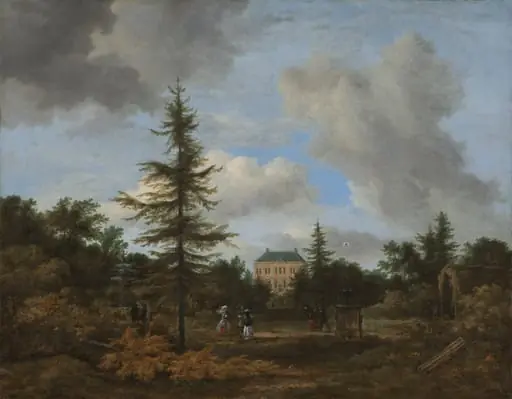
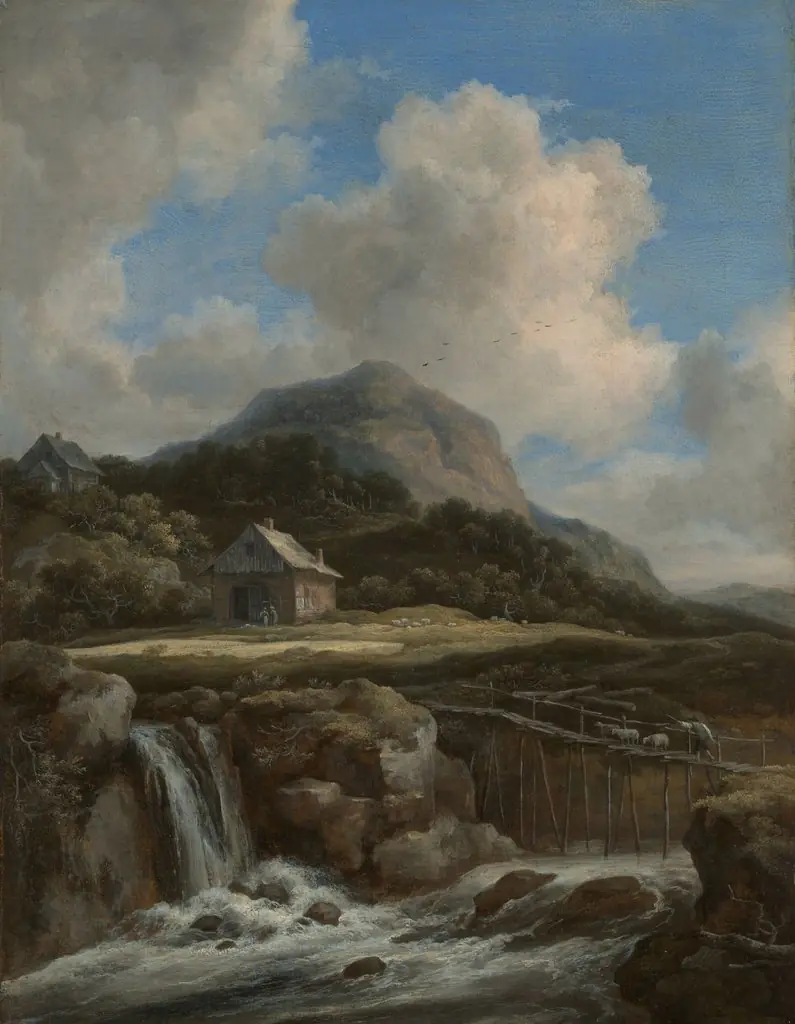
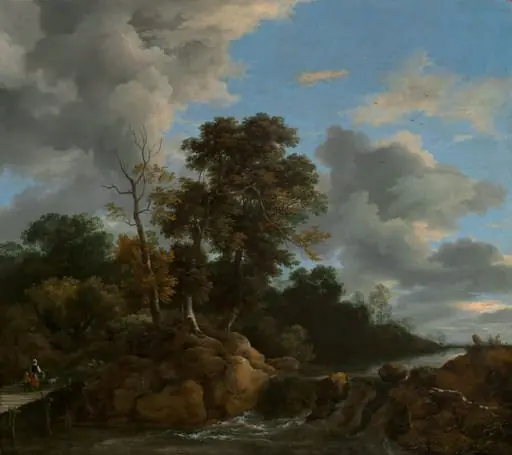
Died this day: Jacob van Ruisdael
Jacob van Ruisdael, a renowned Dutch landscape painter, draughtsman, and etcher, passed away on March 10, 1682. He is notable for his works such as Mountain Torrent and Wooded and Hilly Landscape, showcasing his mastery of the genre. As a prominent figure of the Dutch Golden Age, his paintings continue to be celebrated for their beauty and technique.
He remains the pre-eminent landscape painter of the Dutch Golden Age.
Openings & foundings 1
- 1914 Opening
Koopmans-de Wet House opened as a museum
On 10 March 1914, Koopmans-de Wet House in Cape Town opened to the public as a museum after becoming part of the South African Museum the previous year. The house preserved the domestic world associated with Marie Koopmans-de Wet and her sister Margaretha, presenting an elite late eighteenth-century Cape interior with major holdings of Cape furniture, silver, ceramics, and household material culture. Iziko's history emphasizes that it was the first private townhouse in South Africa opened to the public, while the Wikipedia article identifies it as the oldest house museum in South Africa. Its opening drew political and cultural figures and press attention, reflecting an early twentieth-century move to frame colonial domestic interiors as heritage sites.
The museum helped establish the historic house museum as a South African heritage and decorative-arts format.
Auctions, prizes & heists 1
- 1914 Heist Landmark
Rokeby Venus attacked at the National Gallery
On 10 March 1914, suffragette Mary Richardson entered the National Gallery in London and attacked Diego Velazquez's Rokeby Venus with a meat cleaver. The action followed the arrest of Emmeline Pankhurst the previous day and was framed by Richardson as a political protest against the treatment of women activists. The painting, Velazquez's only surviving female nude and one of the National Gallery's most famous works, received seven slashes, especially around Venus's shoulders and back. The event turned a canonical Old Master painting into a flashpoint for debates about museum security, political iconoclasm, the female nude, spectatorship, and the press's tendency to describe damage to painted bodies in terms of bodily violence.
The attack became one of the defining examples of modern political vandalism directed at a museum masterpiece.