March 19 in Art History
7 real events recorded on March 19, the earliest from 1821. 2 artists were born , 1 died on this date.
The day's biggest moments
Born on this day 2
- 1821 Born
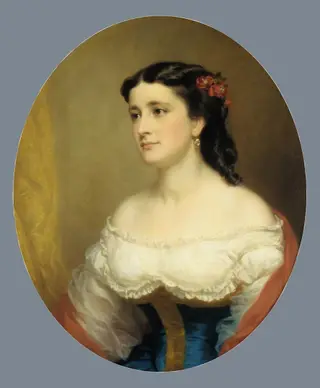
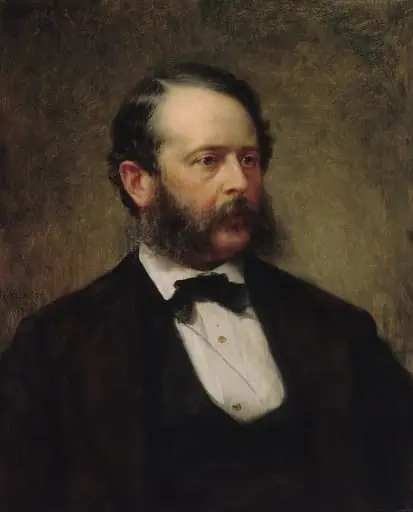
Born this day: George Augustus Baker Jr.
On March 19, 1821, American portrait painter George Augustus Baker Jr. was born, known for his exceptional portraits of women and children, characterized by rich coloring and lifelike flesh tones. He trained under his father and later in Europe, becoming a prominent figure in the National Academy of Design by 1851.
George Augustus Baker Jr. remains a notable figure in American portraiture, celebrated for his technical skill and captivating depictions of his subjects.
- 1847 Born
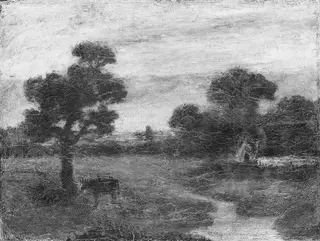
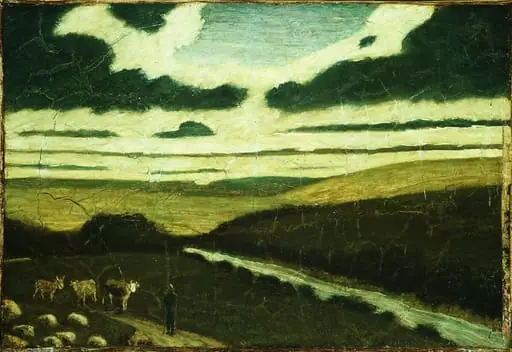
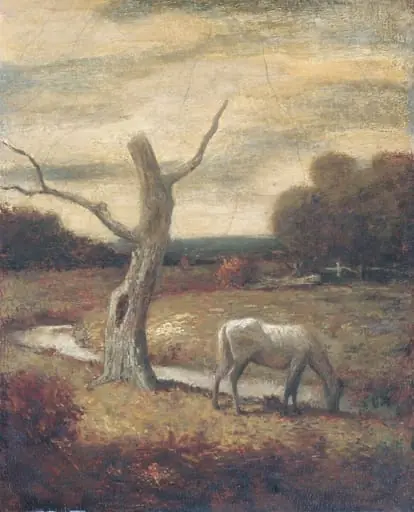
Born this day: Albert Pinkham Ryder
Albert Pinkham Ryder, born on March 19, 1847, was an American painter known for his poetic and moody allegorical works and seascapes, characterized by subtle color variations and emphasis on form. His unique style is regarded by some as a precursor to modernism.
Ryder's work continues to influence American modernism with its innovative and expressive approach to landscape and allegory.
Died on this day 1
- 1931 Died
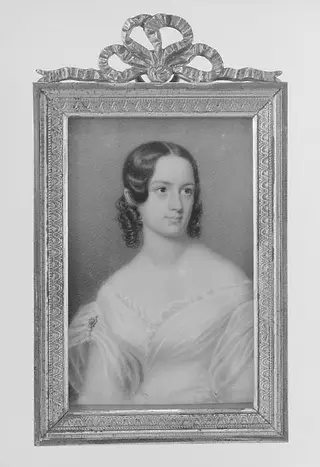
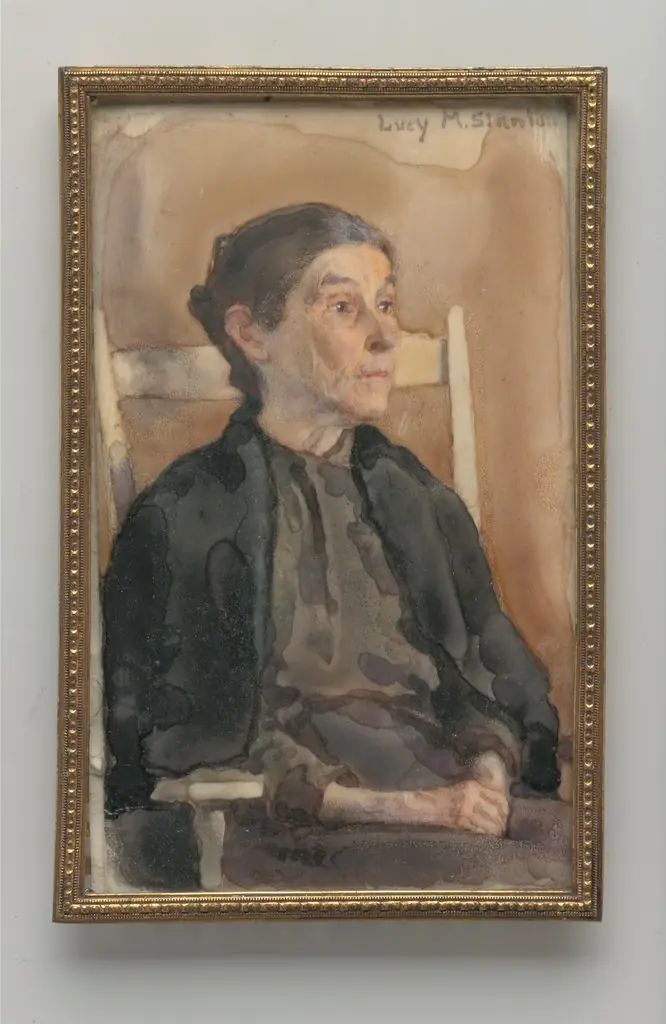
Died this day: Lucy May Stanton
Lucy May Stanton was an American painter known for her portrait miniatures, landscapes, still lifes, and portraits, with works held in prominent museums like the National Portrait Gallery and the Metropolitan Museum of Art. She died on March 19, 1931.
Stanton's portrait miniatures remain a significant part of American art history.
Exhibitions & salons 1
- 1905 Salon Landmark
Salon des Indépendants Opens
The 1905 Salon des Indépendants opened on March 19, featuring the controversial works of Henri Matisse, André Derain, and Maurice de Vlaminck. Their use of wild, non-naturalistic colors and aggressive brushwork shocked critics, leading art critic Louis Vauxcelles to coin the term 'Fauves' (Wild Beasts) after viewing their paintings alongside a classical sculpture. This exhibition is widely considered the formal public debut of the Fauvist movement, challenging academic color theory and paving the way for Expressionism.
The exhibition launched the Fauvist movement, permanently altering the trajectory of color usage in 20th-century painting.
Openings & foundings 2
- 1914 Opening
Royal Ontario Museum opens to the public
On March 19, 1914, the Duke of Connaught, then governor general of Canada, officially opened the Royal Ontario Museum in Toronto. Created in 1912 and closely tied to the University of Toronto, the institution initially grouped archaeology, palaeontology, mineralogy, zoology, and geology in a new building on Bloor Street. Although encyclopedic rather than exclusively fine-art-focused, the ROM became a major museum of art, world culture, and natural history, later building important galleries for African, Near Eastern, East Asian, textile, design, and decorative arts. Its opening gave Canada a large public museum model that connected university collections, civic display, and research under one institutional roof.
The ROM became Canada's largest museum and a major public setting for art, design, archaeology, and world-culture collections.
- 1925 Opening Landmark
Barnes Foundation opens in Merion
The Barnes Foundation officially opened on March 19, 1925, in Merion, Pennsylvania. Albert C. Barnes had chartered the foundation in 1922 as an educational institution devoted to fine art and horticulture, then hired architect Paul Philippe Cret to design a residence and gallery on a twelve-acre arboretum site. The opening put Barnes's radically personal collection of Impressionist, Post-Impressionist, and early modern art into a teaching environment rather than a conventional museum display. Its ensembles placed Renoir, Cezanne, Matisse, Picasso, African sculpture, metalwork, furniture, and antiquities in formal relationships intended to train close looking. Jacques Lipchitz's Cubist reliefs and African-inspired details further marked the building as a modernist educational experiment.
The Barnes became one of the most influential and contested private art collections turned public educational institution in the United States.
Jacques Lipchitz , Pablo Picasso , Henri Matisse Barnes Foundation, Philadelphia
Auctions, prizes & heists 1
- 1965 Auction
Rembrandt's Titus sets a Christie’s record
On March 19, 1965, Rembrandt's portrait then known as Titus sold at Christie's in London for 760,000 guineas, reported as a record price. The painting, now in the Norton Simon Museum as Portrait of a Boy in a Fancy Costume, formerly known as Titus, came from Dame Bridget Brenda Cook's sale and went to the Norton Simon Foundation. The sale became unusually dramatic because Simon was able to reopen bidding after showing that the auctioneer had missed his prearranged signal. Simon then turned the purchase into a public event, arranging an American debut at the National Gallery of Art in Washington before the work traveled to Southern California.
The sale helped make auction spectacle, media strategy, and American museum collecting part of the postwar Old Master market story.