March 5 in Art History
5 real events recorded on March 5, the earliest from 1637. 2 artists were born on this date.
Born on this day 2
- 1637 Born
Born this day: Jan van der Heyden
Jan van der Heyden, a Dutch painter of the Baroque era, was born on March 5, 1637. He is notable for his specialization in townscapes, becoming a leading architectural painter of the Dutch Golden Age, and his work also includes still lifes. Van der Heyden's contributions extend beyond art, as an engineer and inventor who improved firefighting technology.
Jan van der Heyden's innovative contributions to firefighting and urban planning have left a lasting impact on Dutch history and culture.
- 1696 Born
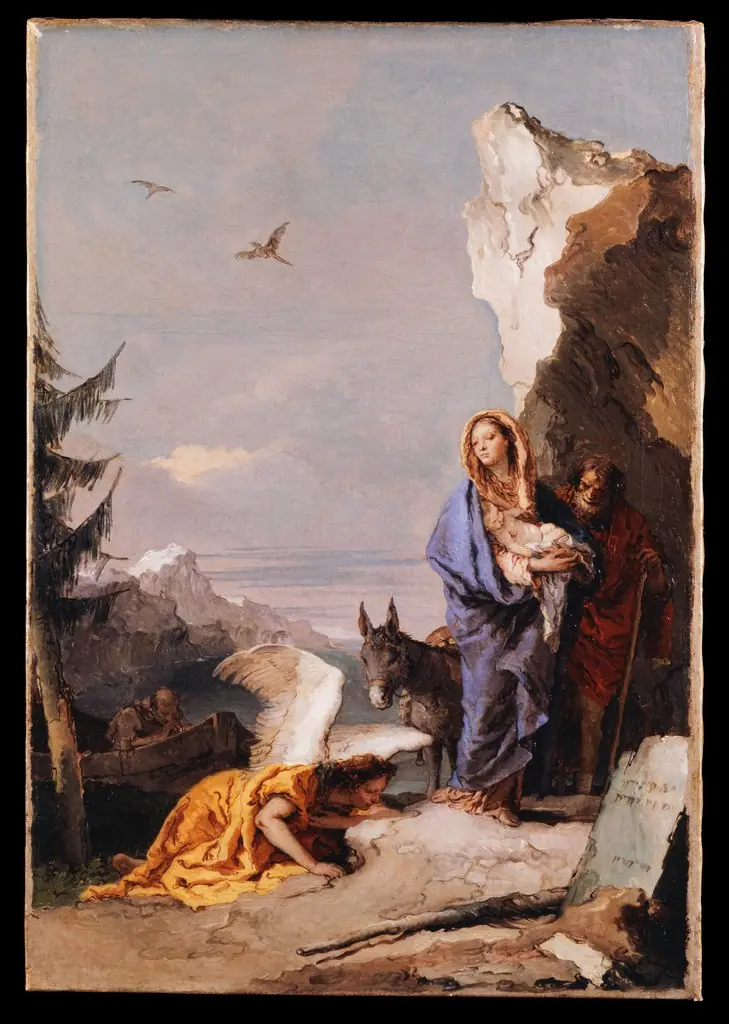
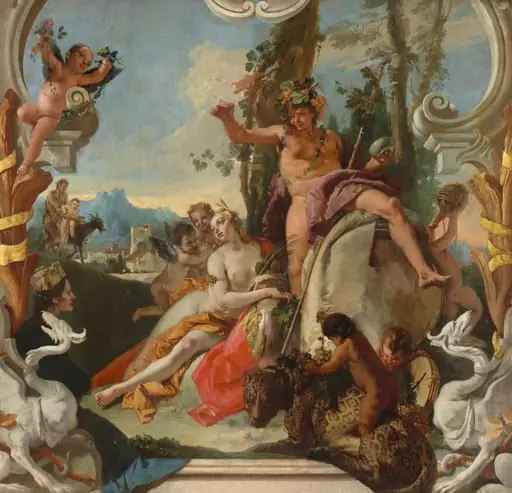
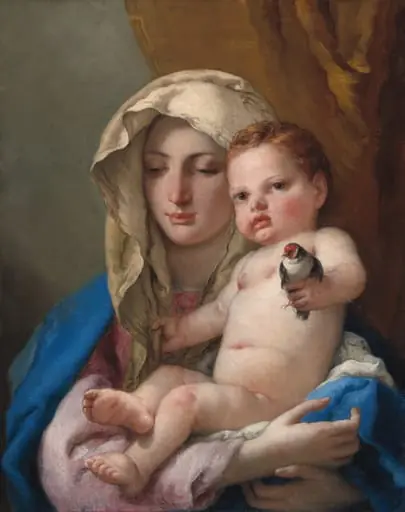
Born this day: Giovanni Battista Tiepolo
Giovanni Battista Tiepolo, born on March 5, 1696, was a prominent Italian painter and printmaker of the Rococo style, known for his prolific work in the 18th-century Venetian school. His notable works include The Flight into Egypt and The Triumph of Marius, showcasing his skill in capturing dynamic scenes.
Tiepolo's work remains a cornerstone of 18th-century European art, influencing generations of artists with his unique style and technique.
Openings & foundings 1
- 1982 Opening
Musee international d'Art naif Anatole Jakovsky inaugurated
Nice inaugurated the Musee international d'Art naif Anatole Jakovsky in the Chateau Sainte-Helene, creating a dedicated public museum for naive art. The institution grew from donations by Renee and Anatole Jakovsky, with additional works from the Centre Georges Pompidou and regional critic Charles Jourdanet. Its holdings brought together paintings, sculptures, drawings, and posters by artists associated with self-taught and naive traditions, including Henri Rousseau, Seraphine de Senlis, Grandma Moses, Andre Bauchant, Louis Vivin, Ivan Generalic, and Antonio Ligabue. The opening gave a formerly private, critic-shaped collection a municipal platform and placed naive art within the cultural infrastructure of the French Riviera.
The museum gave naive and self-taught art a lasting institutional anchor in France.
Unveilings & commissions 1
- 2013 Unveiling
The Bay Lights opening ceremony
Leo Villareal's The Bay Lights formally opened on the western span of the San Francisco-Oakland Bay Bridge. Conceived for the bridge's 75th anniversary, the work placed 25,000 white LEDs along 1.8 miles of suspension cables and used custom software to generate non-repeating patterns inspired by water, traffic, weather, and movement around the bay. Its scale made it a rare example of generative public art operating at the level of civic infrastructure rather than gallery architecture. Initially temporary, the installation became a widely recognized nocturnal landmark, was later reinstalled with more durable fixtures, and remained central to debates about maintaining large-scale public light art.
The project made algorithmic light art a visible part of San Francisco's urban identity.
Auctions, prizes & heists 1
- 2021 Heist
Lakshmi-Narayana stele returned to Nepal
The Statue of Lakshmi-Narayana, a historic Vaikuntha Kamalaja stele from Patan, was handed over to Nepalese custody in Washington, D.C. after decades outside Nepal. The sculpture had been worshipped locally for centuries, disappeared from its temple in 1984, passed through the international art market, and was later loaned to the Dallas Museum of Art. Research, public attention to its provenance, the Dallas museum, U.S. Embassy channels, Nepal Police, and the FBI contributed to its return. The March 5 handover was important beyond a single object because it connected museum provenance research, social-media scrutiny, diplomatic procedure, and sacred-object restitution.
The return became a visible precedent for further claims on Nepalese sacred objects abroad.