Artist
Subject
Allahabad is a subject in art. The gallery holds 25 works in this subject in art, including works by John Constable, George Chinnery and Govardhan.
Allahabad (Persian: اله اباد) is a village in, and the capital of, Allahabad Rural District of Allahabad District of Zarach County, Yazd province, Iran.
Artist


Artist
Allahabad is a geographic and cultural subject depicted in art, primarily associated with the Indian city of Prayagraj, formerly known as Allahabad, and a village of the same name in Yazd province, Iran. In the context of visual and material culture, the subject centers on the Indian city, which Mughal emperor Akbar founded and named in 1583, translating to City of God. The city stands on the site of ancient Prayag, a holy site at the confluence of the Ganges and Yamuna rivers. Its profound religious, historical, and political significance has made it a recurring subject in art, archaeology, and historical collections, preserving its legacy from the ancient Buddhist period through the Indian independence movement.
The artistic and cultural meaning of Allahabad is deeply tied to its geography and religious narratives. As the site of the Triveni Sangam, the confluence of the Ganges, Yamuna, and the mythical Saraswati river, the city iconographically represents purification and liberation. This sacred meeting point is the focal point of the Kumbh Mela, recognized by UNESCO, during which the rivers are believed to transform into vessels of primordial nectar. Artistic depictions and artifacts from the region, such as ancient sculptures, reflect this spiritual weight. A notable sculpture of Bhairava in the local museum, featuring a khatvanga, a snake, human skulls, and a demonic laughing jata, embodies the esoteric religious iconography prevalent in the region's historical art.
The subject of Allahabad appears across 72 works in the collection, encompassing a diverse range of landscapes, architectural views, and historical scenes. Example works include depictions of Indian sites such as the Pagoda of Siva in Benares, the Moosulmaun Tomb in Hoorjah, Meerunha Serai, and the Remains of the Gardens of Vizir Ali near Patna. Other works extend to Egyptian and British locales, like the ancient Lycopolis in Upper Egypt and Birdham Mill in the Chichester Channel, alongside a panoramic view of buildings on the shore at Tophane and Rough Sketches from 1860 to 1861. The broader museum collection in Allahabad itself holds around 72,000 artifacts, ranging from prehistoric natural history specimens and ancient sculptures to weaponry, terracotta figurines, coins, and illustrated manuscripts, distributed across sixteen galleries.
Notable depictions and artifacts tied to Allahabad include the Ashoka Pillar, which stands inside the gateway to the old Prayagraj fort at the river confluence. The Allahabad Museum houses significant artistic and historical works, including 19 exclusive canvases by Russian painter Nicholas Roerich, which focus on Himalayan landscapes and mysticism. The museum also displays the Gandhi Smriti Vahan, a 47-Model V-8 Ford truck used to immerse Gandhi's ashes at the Triveni Sangam on February 12, 1948. Additionally, the museum preserves original manuscripts by Jawaharlal Nehru titled In and Out of Prison, which were later published as his autobiography The Discovery of India, alongside galleries dedicated to literary personalities of Allahabad such as Sumitra Nandan Pant and Premchand.
The legacy of Allahabad as an artistic and cultural subject is preserved and actively cultivated by the Allahabad Museum, an Institution of National Importance since 1985. The museum, located in Chandrashekhar Azad Park, has evolved into a premier research center for archaeologists, historians, and academicians, housing a library of 25,000 books including rare Loeb Classical Library translations. It became the first museum in India to become self-reliant in power generation through a solar power system. The institution continues to engage the public through workshops on artifact conservation, documentaries, and seminars held in the Pandit Brijmohan Vyas Auditorium, ensuring the city's vast cultural, political, and religious heritage remains an active part of contemporary study and community participation.
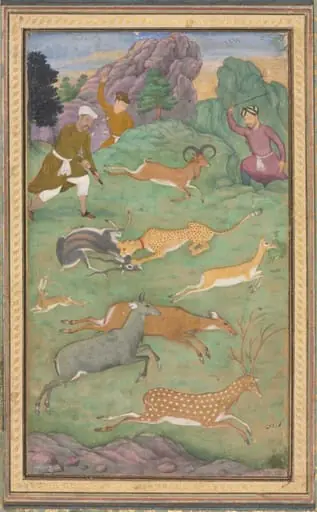 Antelope and deer hunt
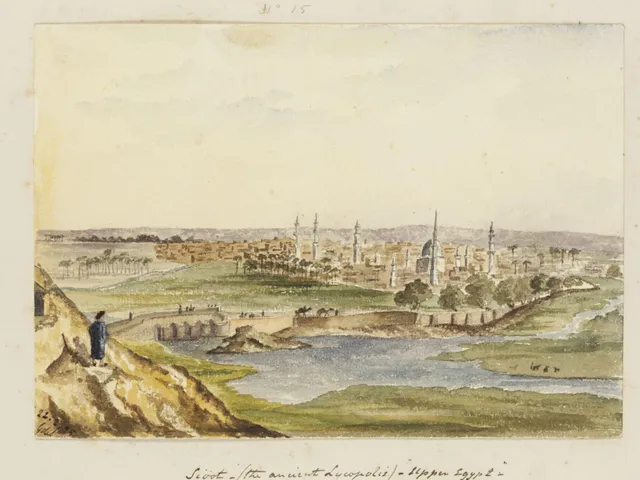
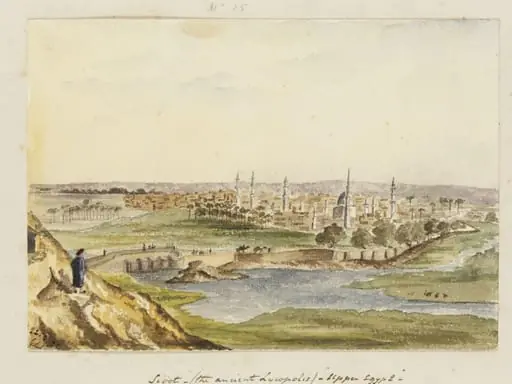 `Sioot - (the ancient Lycopolis.) - "Upper Egypt." from the Stabl-Antar Hill'
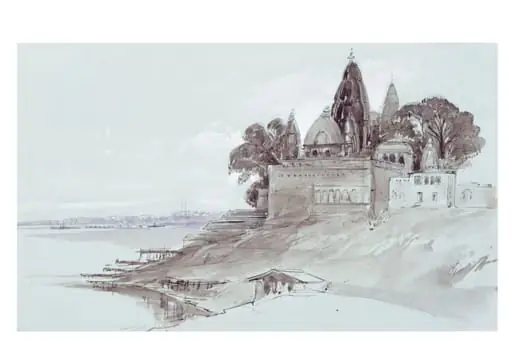 'Rough Sketches 1860-61'
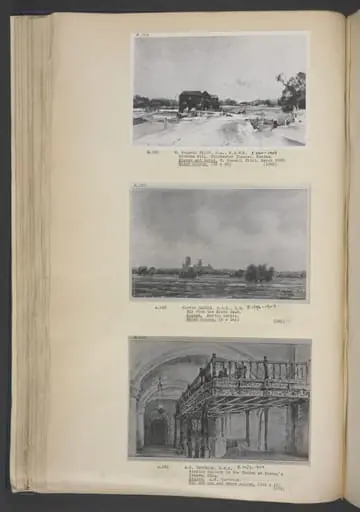 Birdham Mill, Chichester Channel
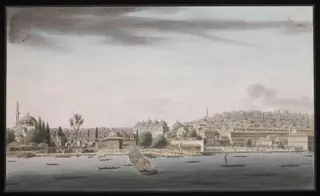 Panoramic view of the buildings on the shore at Tophane
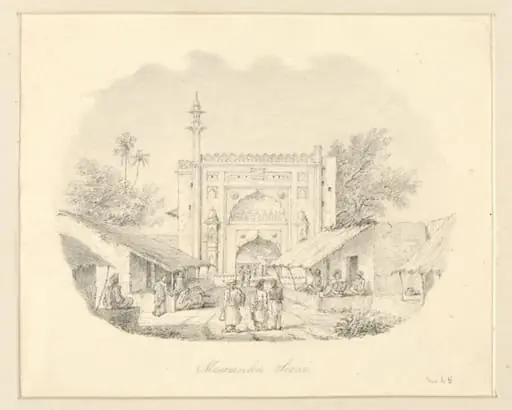 Meerunha Serai
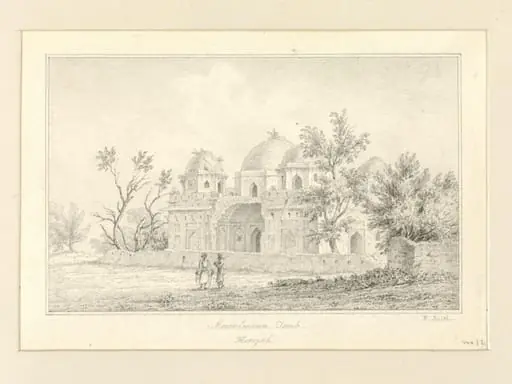 Moosulmaun Tomb, Hoorjah
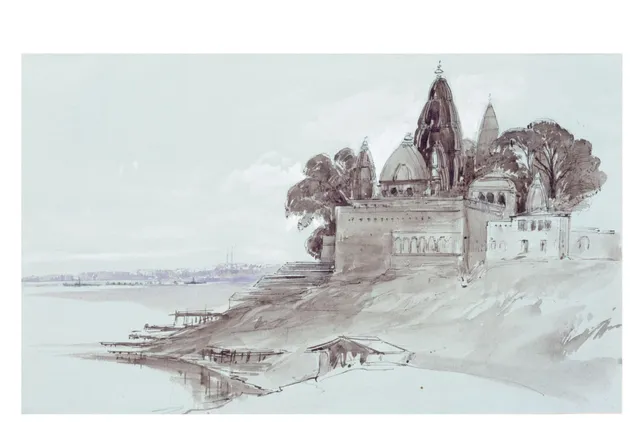
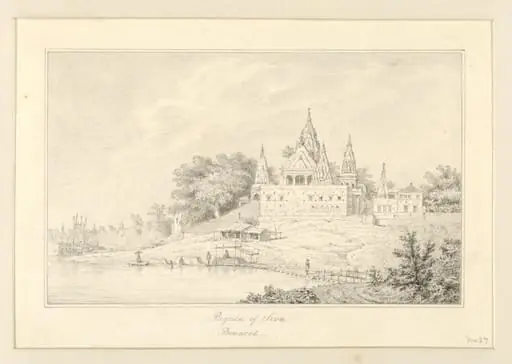 Pagoda of Siva, Benares
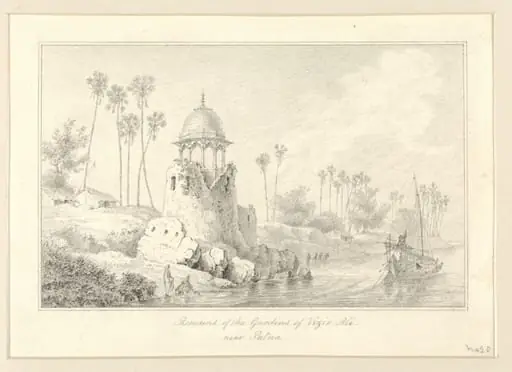 Remains of the Gardens of Vizir Ali near Patna
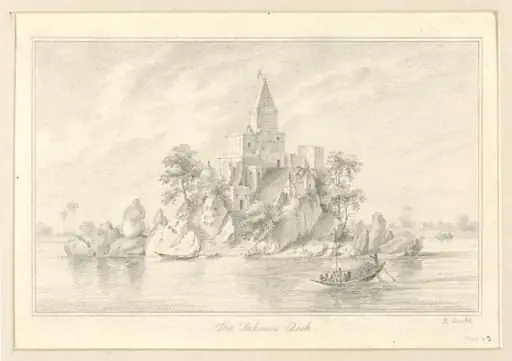 The Fakeers Rock
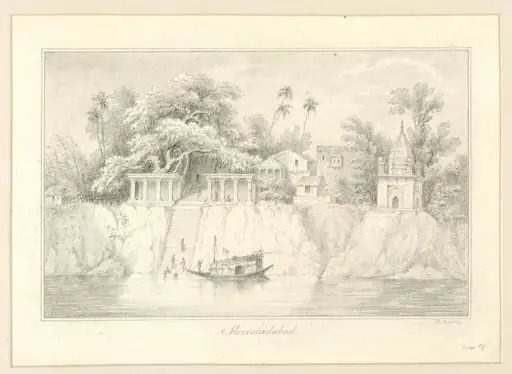 Moorshidabad
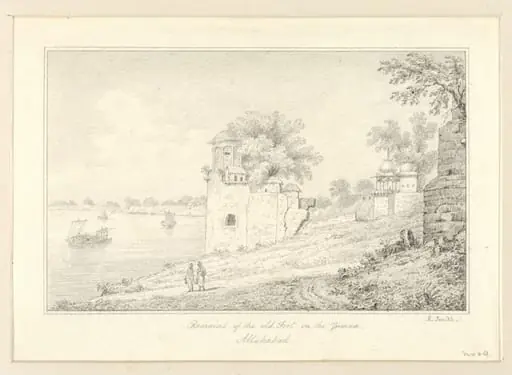 "Remains of the Old Fort of the Jumna, Allahabad".
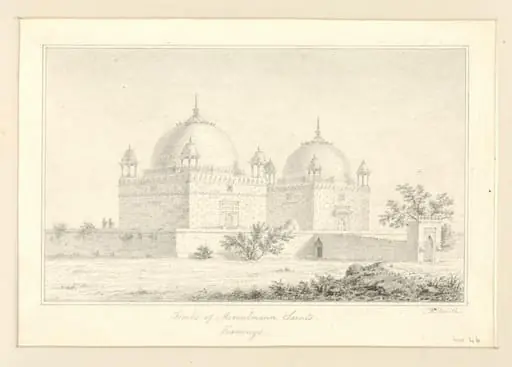 Tombs of Moosulman Saints, Kanouge
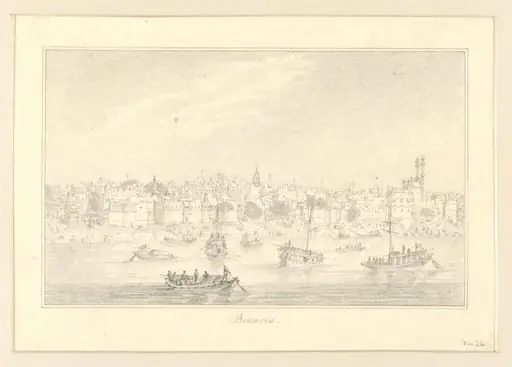 Benares
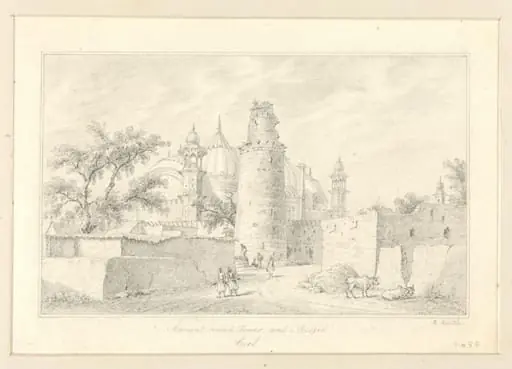 Ancient round tower and Musjid, Coel.
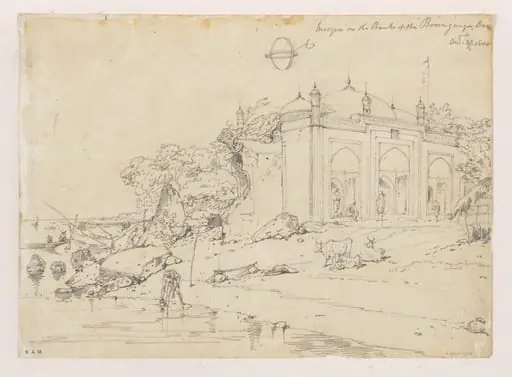 A mosque on the banks of the Buriganga River, Dhaka, Bangladesh
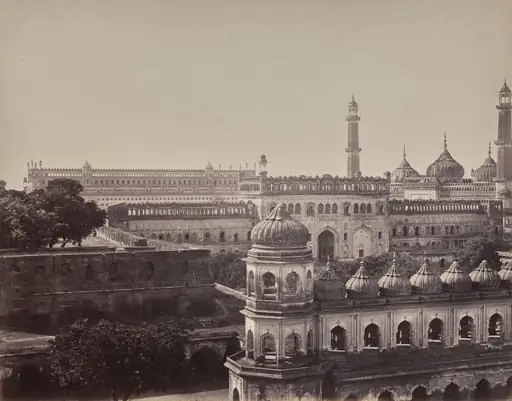 Lucknow. The Great Emambara and Mosque
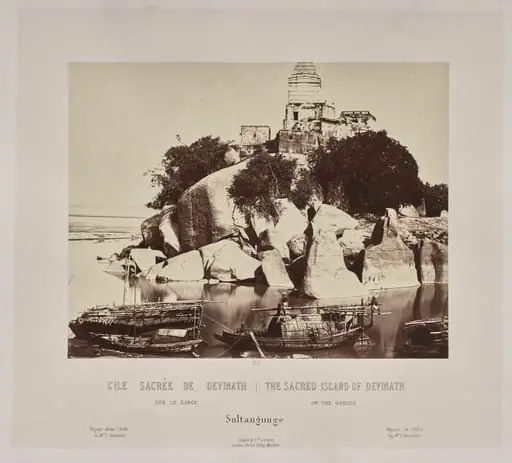 The Sacred Island of Devinath on the Ganges, Sultangunge
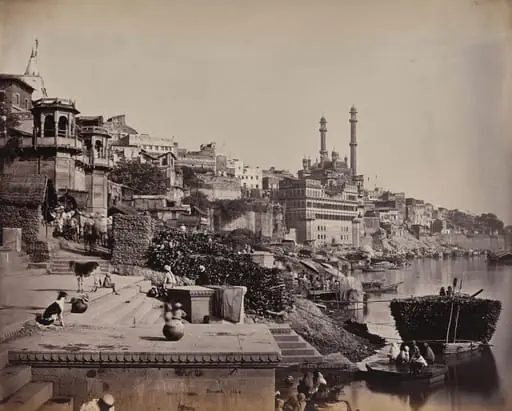 The City of Benares, on the Ganges, View of the Great Mosque of A (?) and Adjoining Landing Places
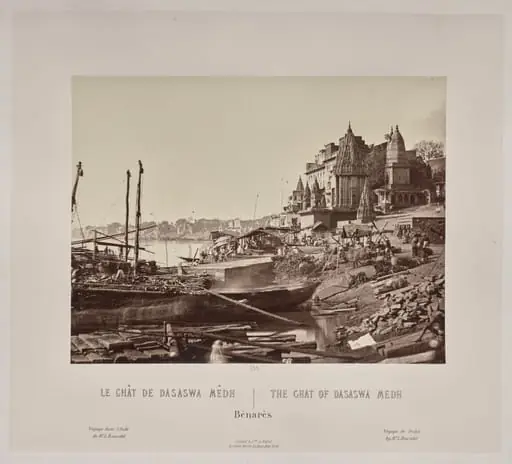 The Ghat of Dasaswa Medh, Bénarès
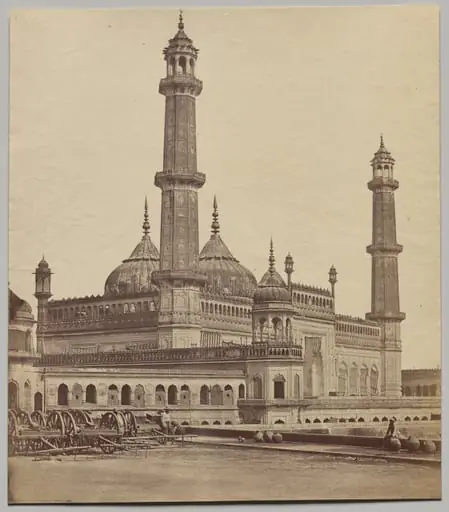 Mosque, Inside Asaf-ud-Daula's Imambara
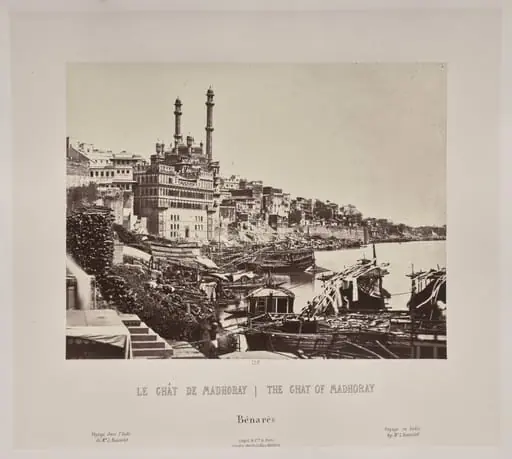 The Ghat of Madhoray, Bénarès
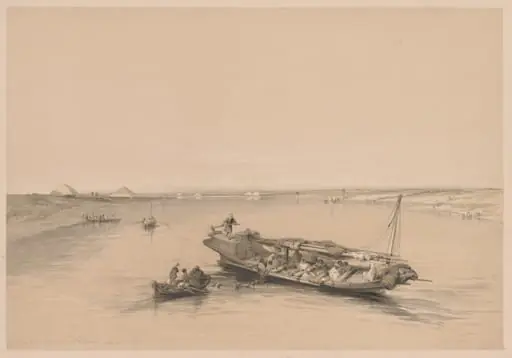 Egypt and Nubia: Volume I - No. 4, Slave Boats on the Nile, View Looking Towards the Pyramids of Dashour and Saccara
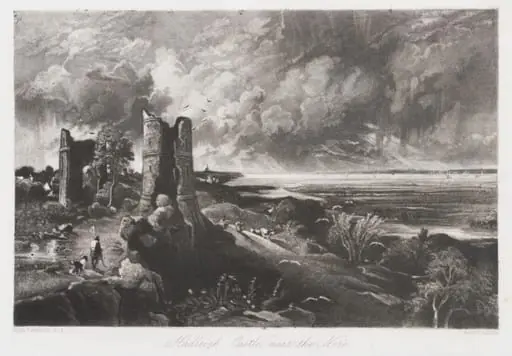 Hadleigh Castle, near the Nore
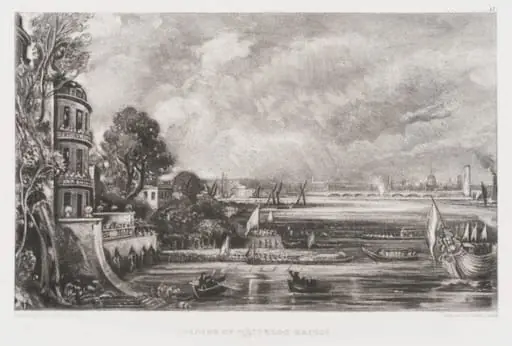 OPENING OF WATERLOO BRIDGE
Allahabad (Persian: اله اباد) is a village in, and the capital of, Allahabad Rural District of Allahabad District of Zarach County, Yazd province, Iran.
Artifact World Gallery holds 25 public-domain Allahabad works, all free to view and download.
Key Allahabad artists in the collection include John Constable, George Chinnery and Govardhan.
Allahabad works in the collection are held by Victoria and Albert Museum and Cleveland Museum of Art.
Your cart is empty
Browse artworks →