Subject
Ireland
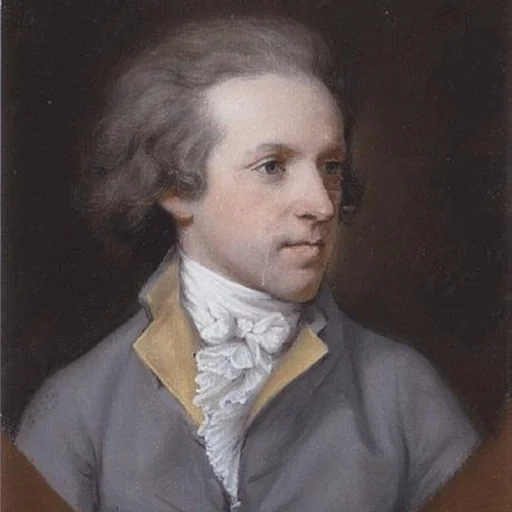
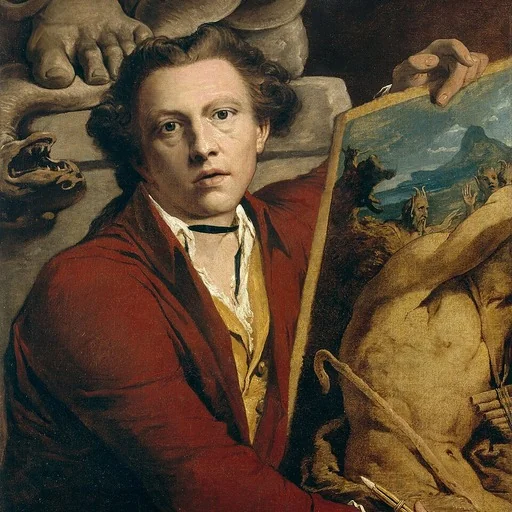
Ireland is a subject in art. The gallery holds 60 works in this subject in art, including works by Hugh Douglas Hamilton, James Barry and William McTaggart.
Ireland is an island in the North Atlantic Ocean, in Northwestern Europe. Geopolitically, the island is divided between the Republic of Ireland (officially named Ireland – a sovereign state covering five-sixths of the island) and Northern Ireland (part of the United Kingdom – covering the remaining sixth).
Key artists

Overview
Ireland is an island in the North Atlantic Ocean in Northwestern Europe. Geopolitically, the island is divided between the Republic of Ireland, a sovereign state covering five-sixths of the landmass, and Northern Ireland, which is part of the United Kingdom and covers the remaining sixth. Separated from Great Britain to its east by the North Channel, the Irish Sea, and St George's Channel, Ireland is the second-largest island of the British Isles, the third-largest in Europe, and the twentieth-largest in the world. As of 2022, the population of the entire island is just over 7 million, making it the second-most populous island in Europe after Great Britain. Its lush vegetation, a product of its mild, Atlantic-influenced climate, has earned it the poetic nickname the Emerald Isle.
Iconography & meaning
The names Ireland and Éire derive from the Old Irish Ériu, a figure from Celtic mythology who personifies the nation. The root of this name traces back to the Proto-Celtic word for fertile land or lush country, reflecting the island's verdant landscape. In Classical Latin, the island was known as Ivernia, adapted from early Greek geographical accounts. Under the influence of the Latin word for winter, this name evolved into Hibernia, which remains a popular poetic synonym. The island's intense greenery also provides its most widespread symbolic attribute, the Emerald Isle, emphasizing its abundant rainfall and mild, moderate climate that sustains its iconic pastures.
Across movements & periods
The cultural and political representation of Ireland has shifted dramatically across historical periods. In early antiquity, the island was known to the classical world through the accounts of explorers like Pytheas, who recorded the name Ivernia. Following its Christianization in the 5th century, Ireland became a major center of religious learning and distinctive insular art. Between the 8th and 11th centuries, Viking raids and settlements introduced new cultural and artistic influences, culminating in the Battle of Clontarf in 1014. The 12th-century Anglo-Norman invasion began a long period of English domination, which expanded through the Tudor conquest in the 16th and 17th centuries. This era initiated a colonial representation of the land and its people, heavily tied to British settlement and the establishment of Protestant English rule designed to disadvantage the Catholic majority. The Great Famine of the 1840s drastically altered the island's demographic and cultural output, causing a population drop of over 20 percent through death and emigration. The early 20th century brought a war of independence and the partition of the island in 1922, leading to divergent political and cultural trajectories for the Republic and Northern Ireland, the latter of which experienced significant civil unrest from the late 1960s until the Good Friday Agreement of 1998.
Legacy
Ireland's cultural legacy has exerted a significant influence on other cultures, particularly in the field of literature. Alongside mainstream Western culture, a strong indigenous culture persists, expressed through Gaelic games, Irish music, the Irish language, and Irish dance. The island operates as a unified cultural entity in many respects, with several sports, including rugby union, cricket, and boxing, organized on an all-island basis through single governing bodies, allowing players from both jurisdictions to represent a joint national team. While association football remains politically divided with separate national teams, the shared cultural infrastructure underscores a lasting legacy that transcends the geopolitical partition established in the 1920s.
Works
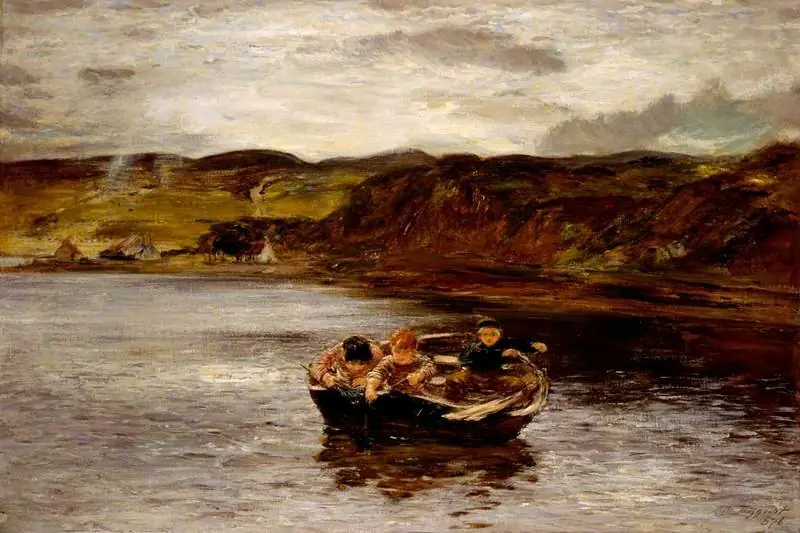 The Young Fishers
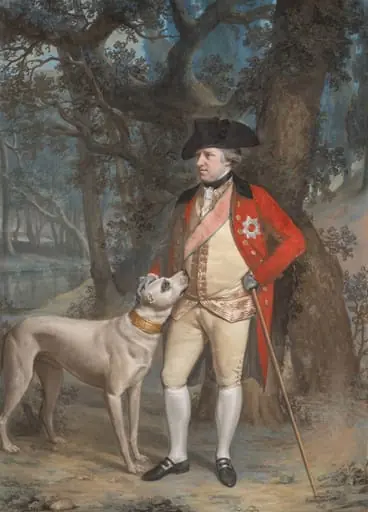 George Clavering Cowper, 3rd Earl Cowper
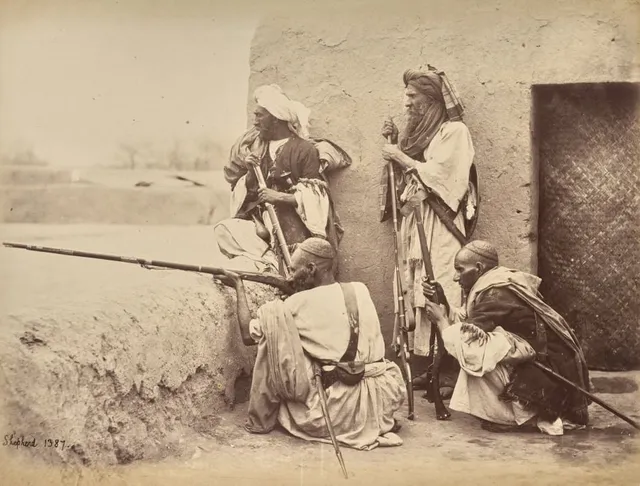
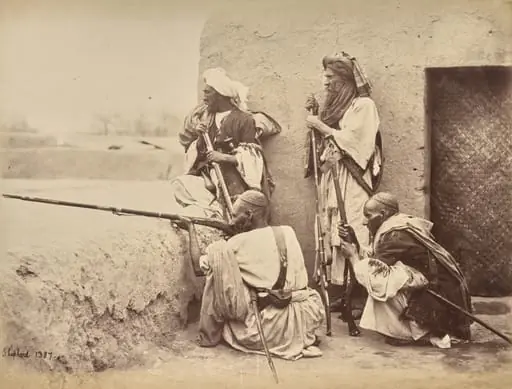 Group of Afredees
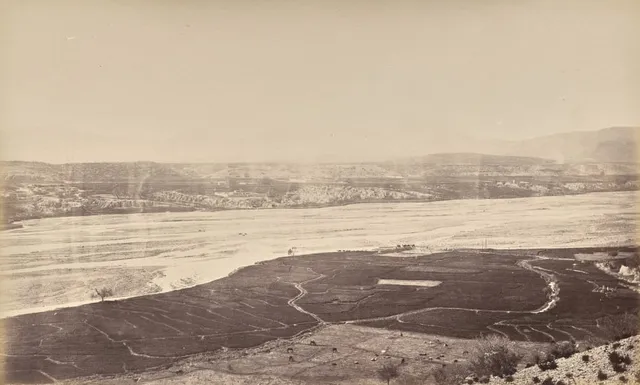
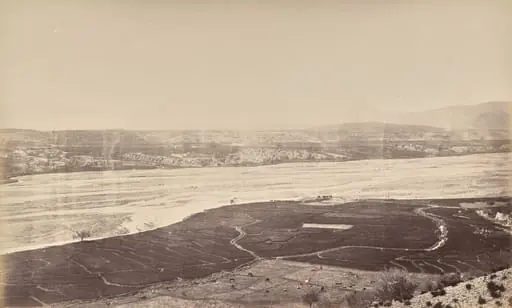 Chinak, Looking Towards the Kurram River
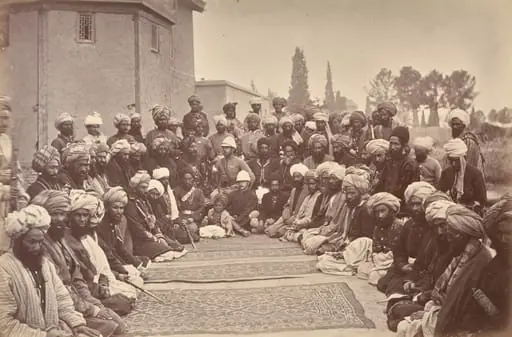 Major Cavagnari C.S.I. and Sirdars
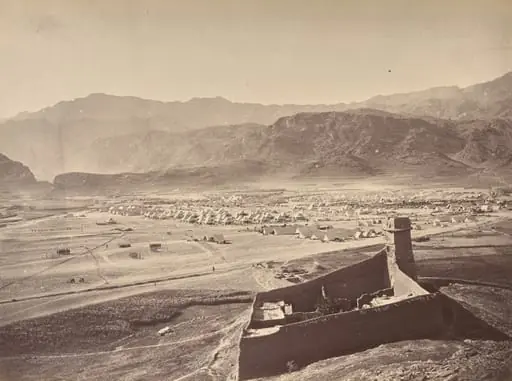 Landi Kotal Camp
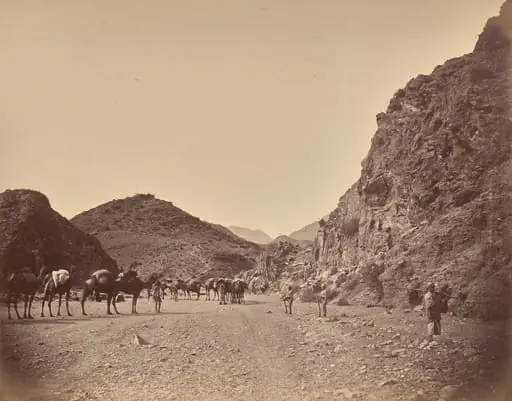 Shadi Bagiar, Entrance to Khyber Pass
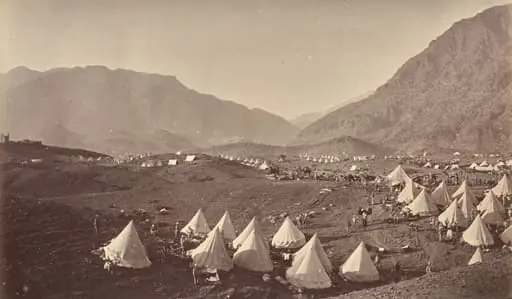 Shergai Heights, Looking Towards Ali Musjid
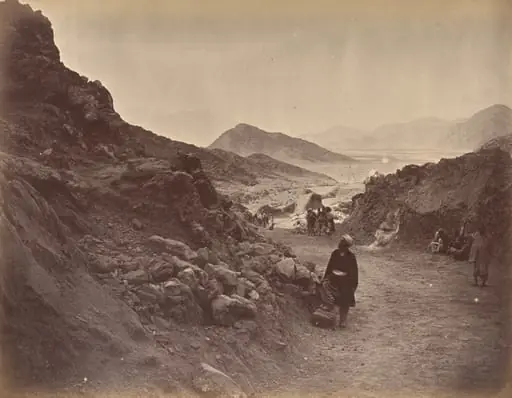 The Descent from Khurd Khyber, Looking Towards Bassaule
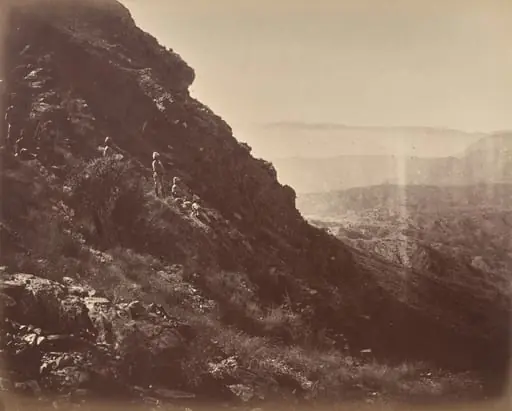 Khyber Side of Sarkai Hill
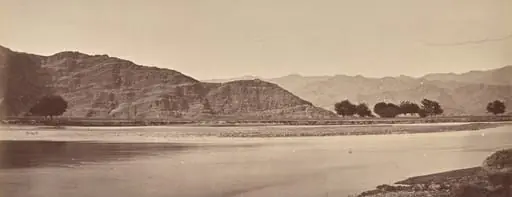 Bassaule, the Hill of Caves
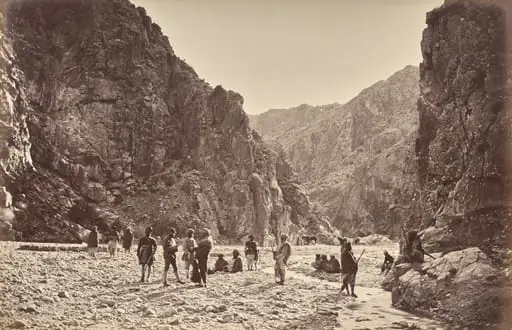 Midway in Jugdalluck
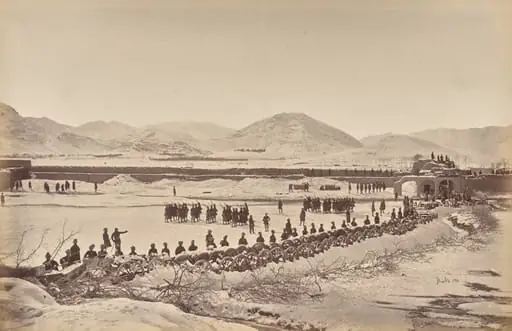 Sherpur. The Laager and Abatts, West Corner, Showing the Kotal and Hills
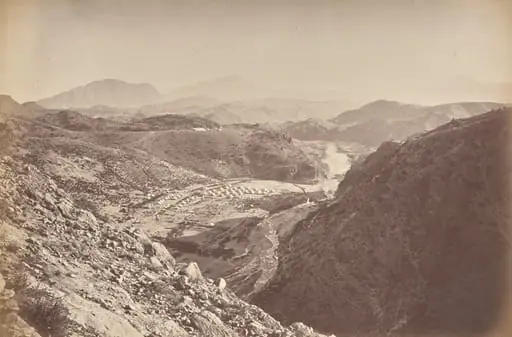 General View from Ali Musjid
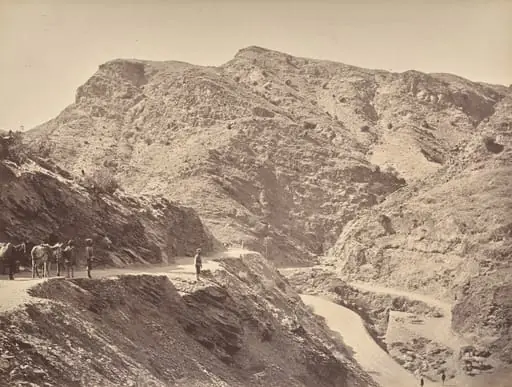 Landi Kotal Pass
 River Gorge Above Lalpura
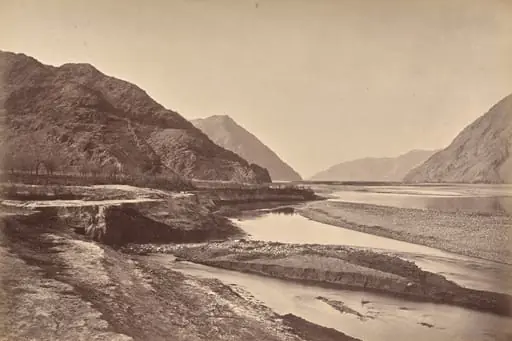 The River Gorge
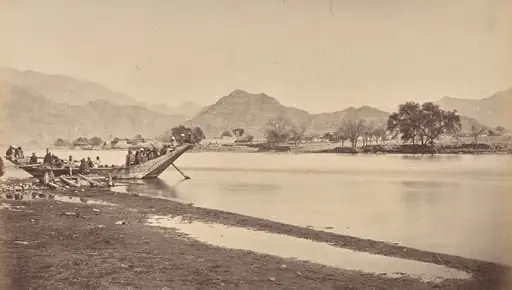 Lalpura from the Ferry
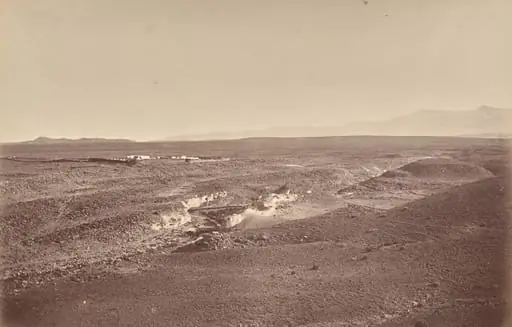 Fort Battye and Plains of Futtiabad
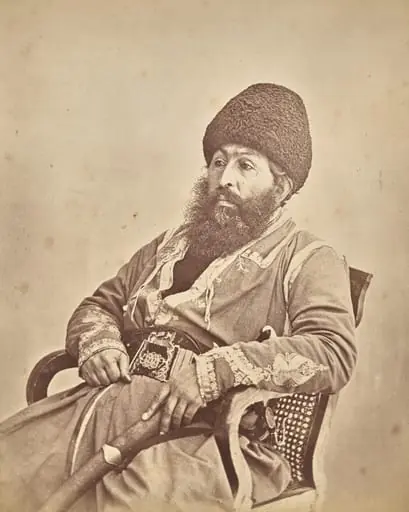 Ameer (Shere Ali)
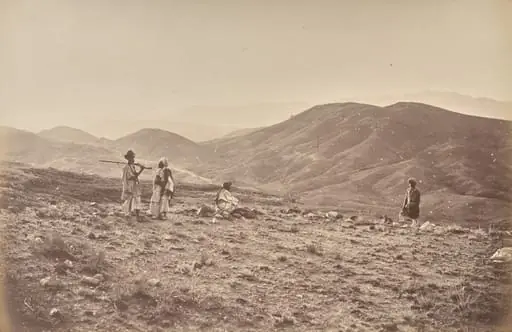 The 44th Hill, Looking Towards Jugdalluck
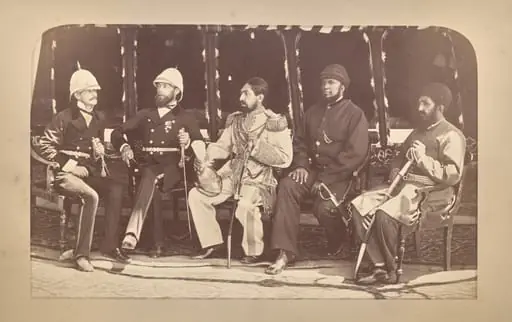 The Amir Yakub Khan, General Daod Shah, Habeebula Moustafi, Major Cavagnari, Mr. Jenkyns
 Safed Sang Camp from 51st Camp
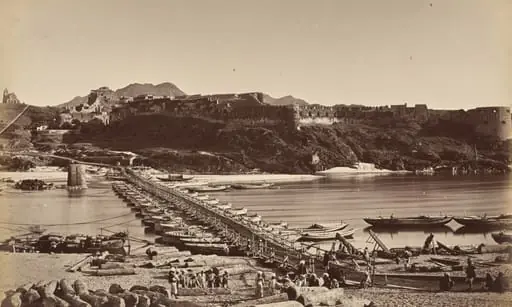 The Bridge of Boats and Fort from Khairabad
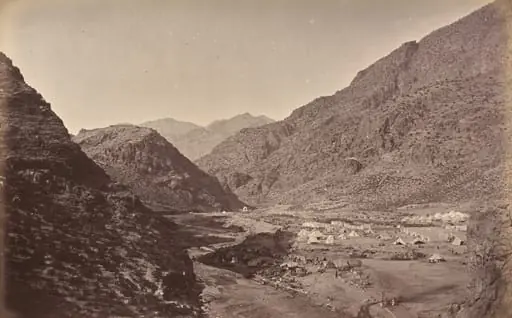 Ali Musjid and Camp
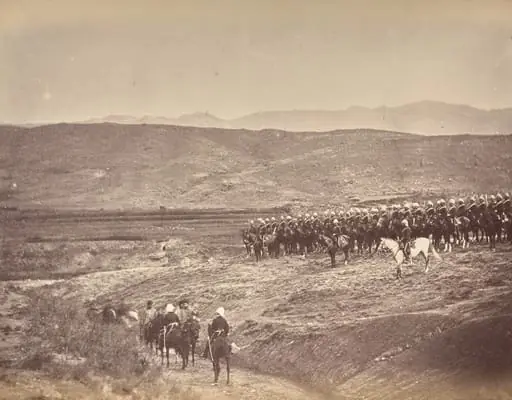 The Amir Yakub Khan. The First Meeting with Major Cavagnari and Mr. Jenkins, 7 Miles from Safed Sang
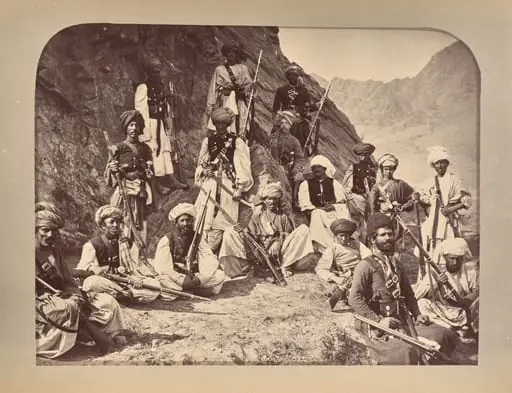 The Khan of Lalpura and Officers
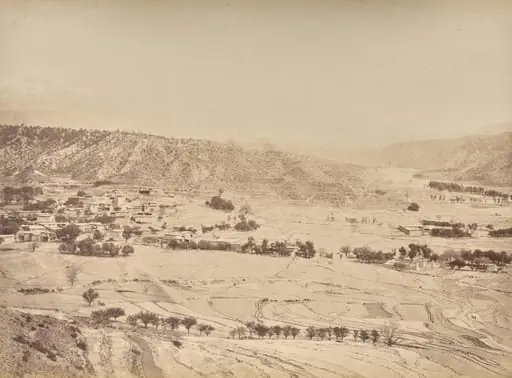 Ali Keyl, Pewar Kotal
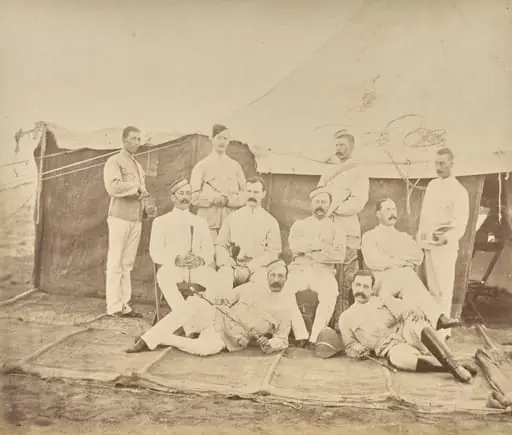 Untitled (Group of Men)
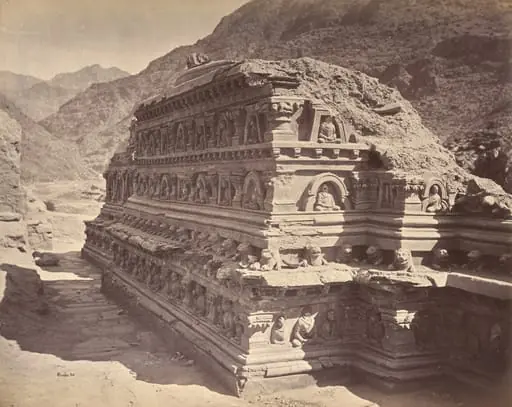 Bhuddist Temple at Ali Musjid
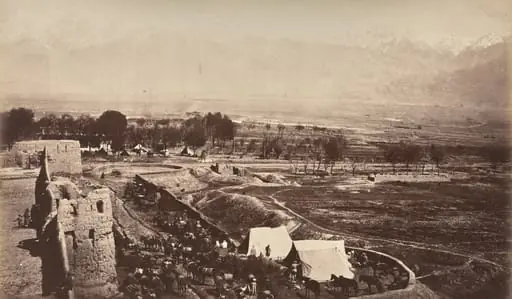 Landi Kotal, The Camp, Looking South
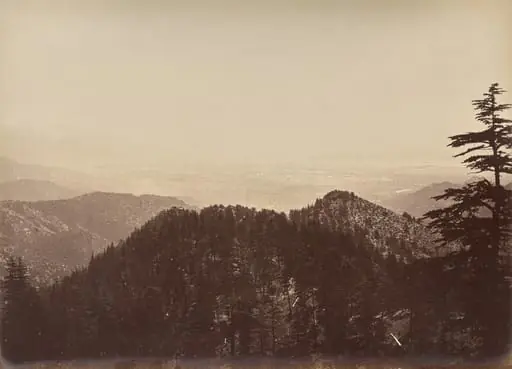 Untitled (Landscape Scene)
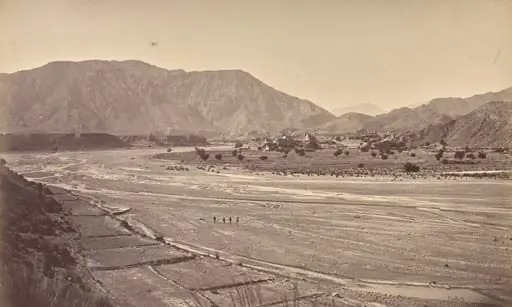 Kadm Villages and Pass, Left of Jumrood
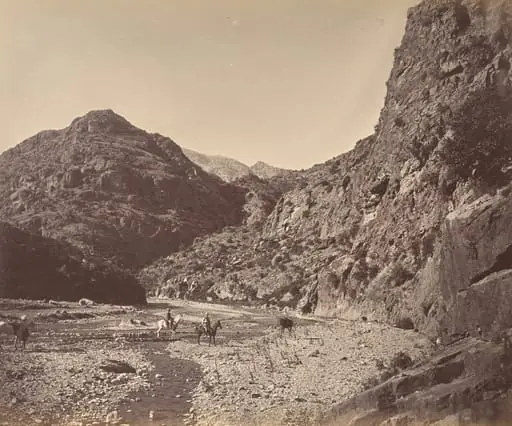 Pass Near Ali Musjid, Showing Tortang
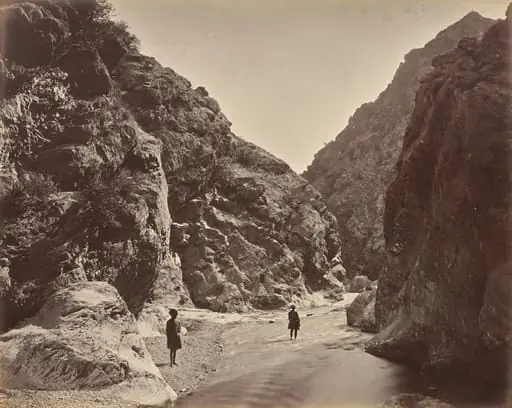 End of the Defile, Looking Back at Ali Musjid
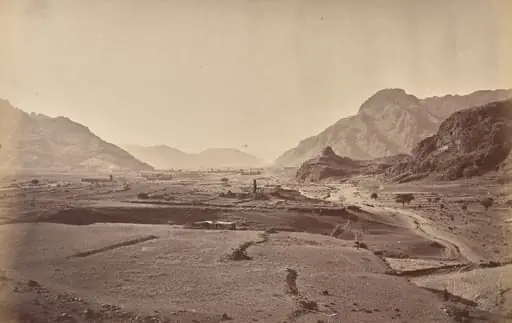 Ispola and Sultan Kheyl Villages
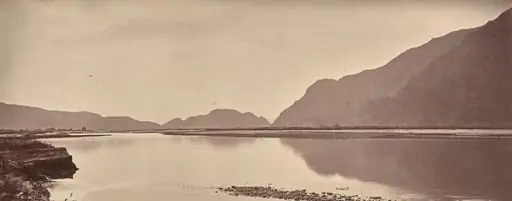 The Kabul River, Jellalabad, Scene of the Disaster
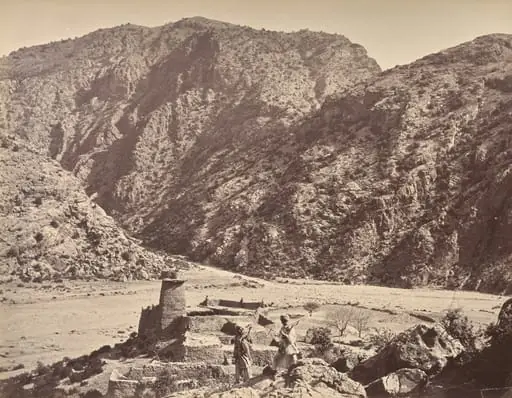 Kuta Kushta
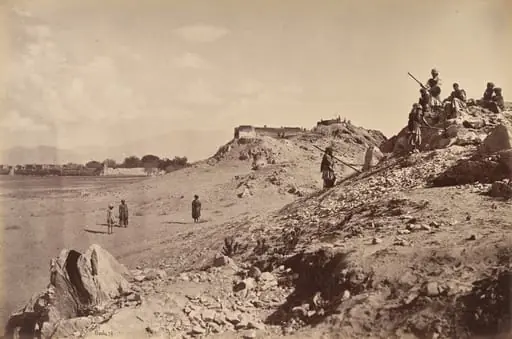 Jellalabad, Pipers Hill
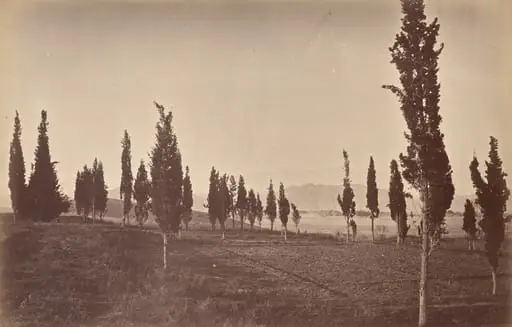 Birds Eye View of Jellalabad, from the Springs
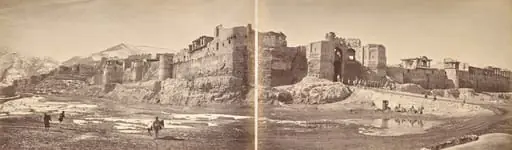 Bala Hissar
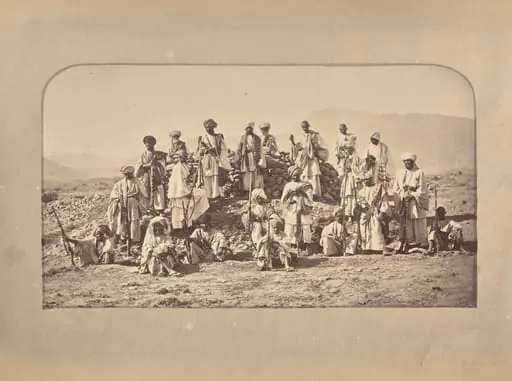 Afridi Picket near Jumrood
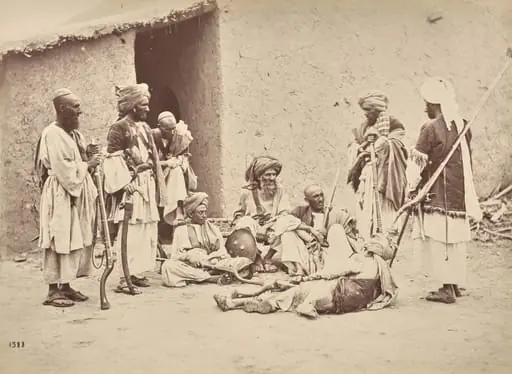 Group of Natives from Near Khyber Pass
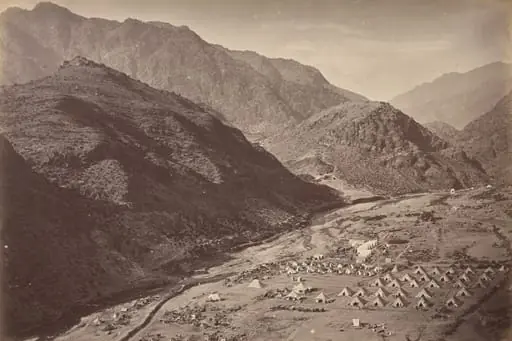 Ali Musjid and Camp from Sultan Tarra
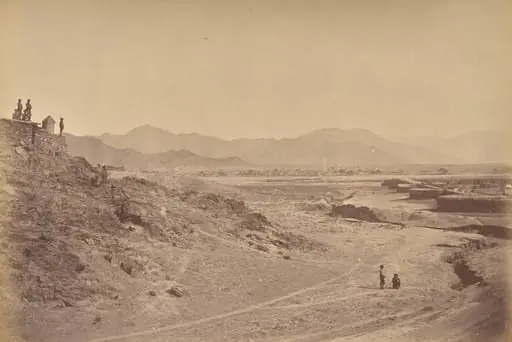 Dakka Fort and Lalpura
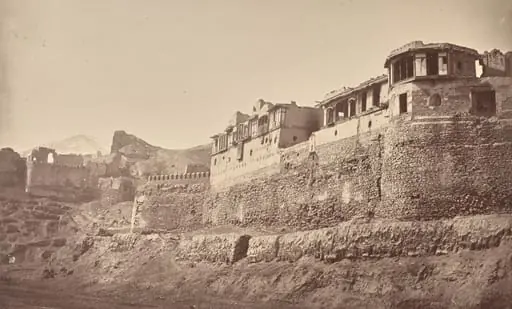 South Wall, Bala Hissar & Residency
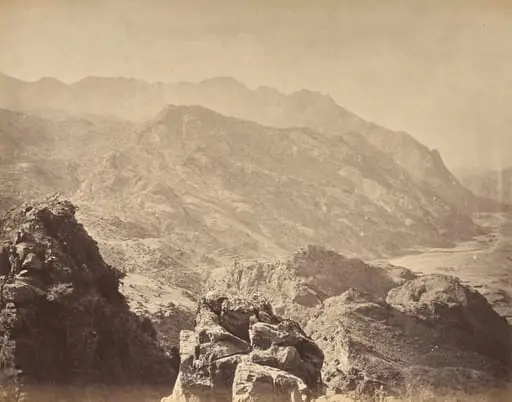 Landi Kotal Pass, Looking Towards Dakka
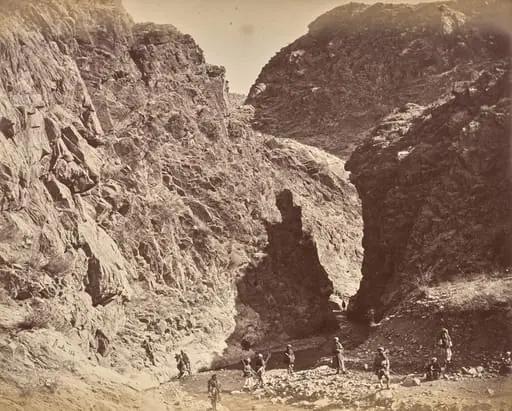 Entrance to Jugdalluck
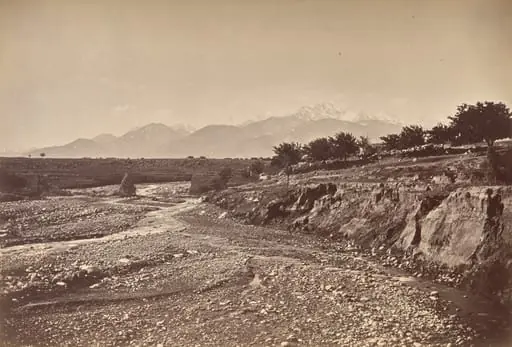 Safed Sang River and Old Bridge
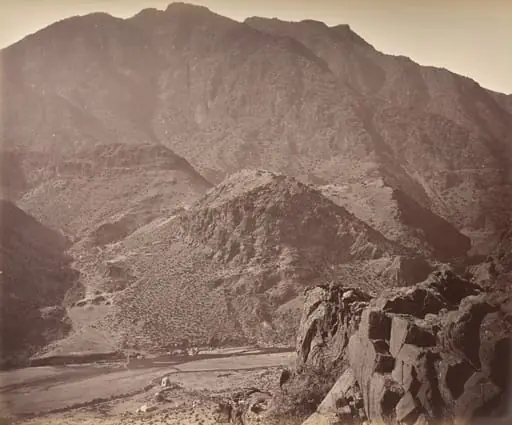 Ali Musjid and Surroundings
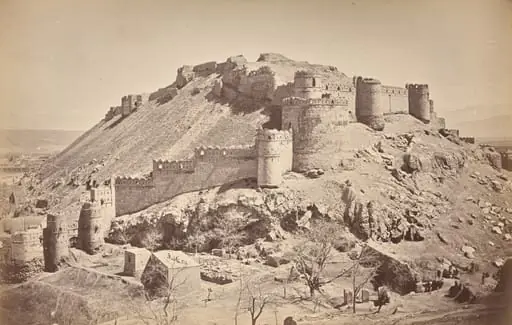 Upper Bala Hissar, from West
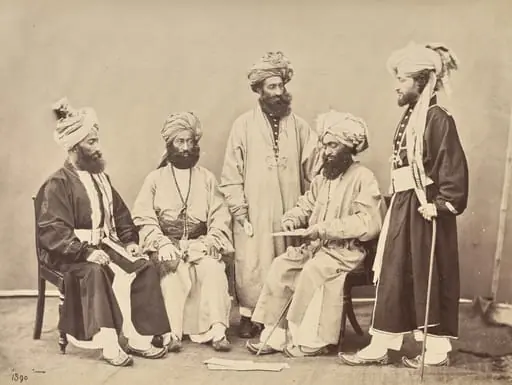 Cabulese
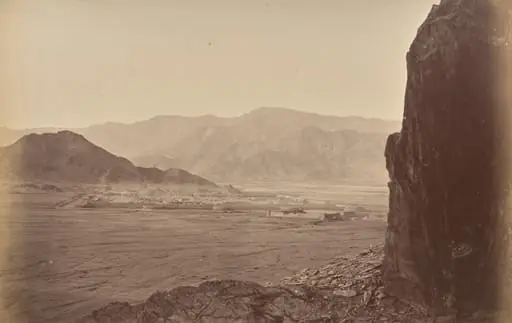 General View of Dakka
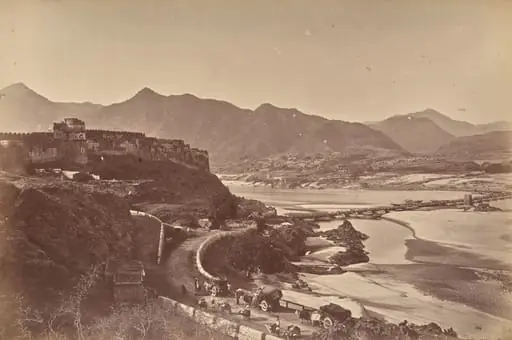 Fort Attock with Bridge of Boats and Khairabad
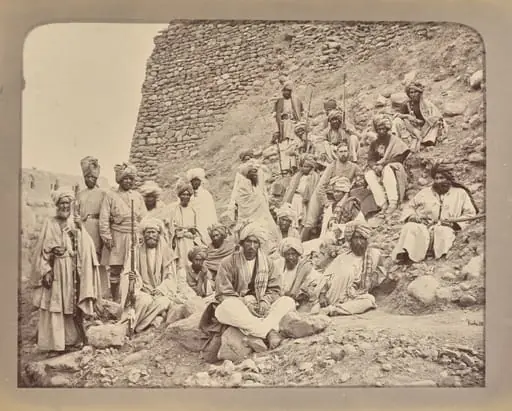 Khyber Chiefs with Captain Tucker
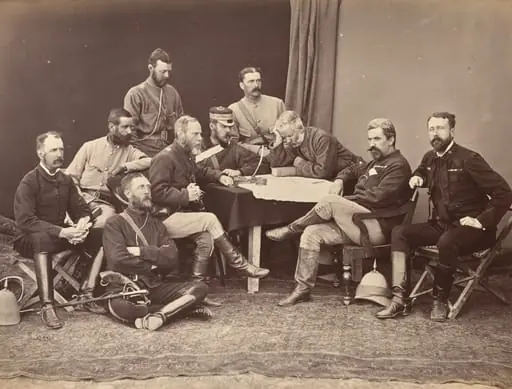 General Roberts and Staff
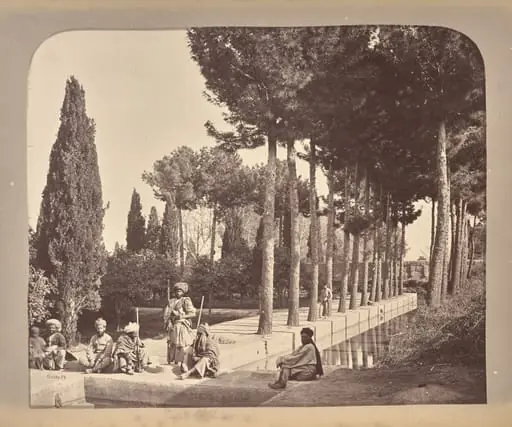 View in the Large Garden, Jellalabad
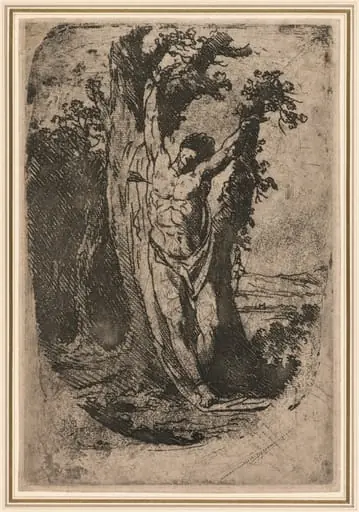 Saint Sebastian
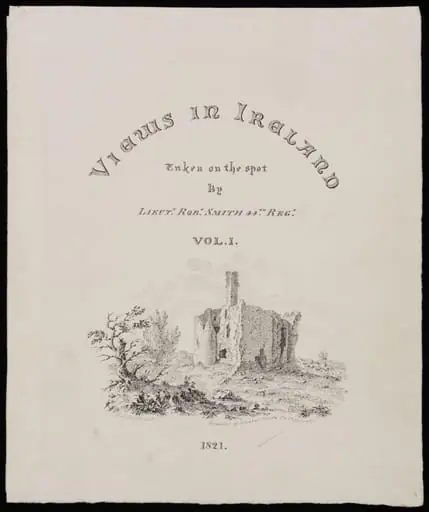 Untitled
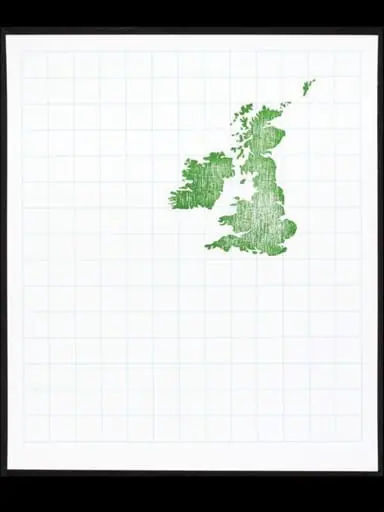 Lat 51 ° 30 long. 139 ° 46
Frequently asked questions
What is Ireland?
Ireland is an island in the North Atlantic Ocean, in Northwestern Europe.
How many Ireland works does Artifact World Gallery have?
Artifact World Gallery holds 60 public-domain Ireland works, all free to view and download.
Who are the key Ireland artists?
Key Ireland artists in the collection include Hugh Douglas Hamilton, James Barry and William McTaggart.
Where can I see Ireland works?
Ireland works in the collection are held by Cleveland Museum of Art, Victoria and Albert Museum and National Galleries Scotland.