Artist
James Barry
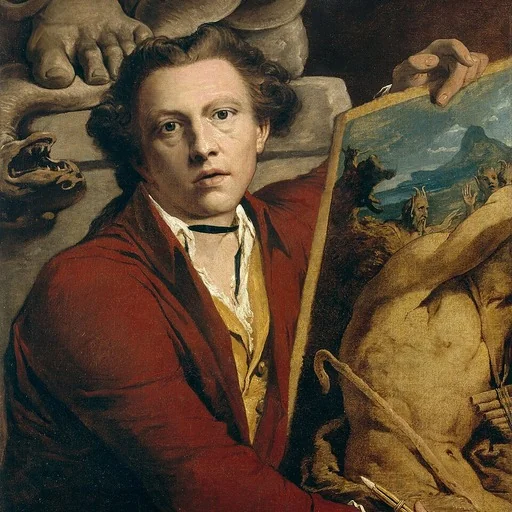
British, 1741–1806
James Barry was a British Neoclassicism artist. 14 works are cataloged here, principally at National Gallery of Ireland. James Barry was born in Cork.
James Barry (11 October 1741 – 22 February 1806) was an Irish painter, best remembered for his six-part series of paintings entitled The Progress of Human Culture in the Great Room of the Royal Society of Arts in London. Because of his determination to create art according to his own principles rather than those of his patrons, he is also noted for being one of the earliest romantic painters working in Britain, though as an artist few rated him highly until the fully comprehensive 1983 exhibition at the Tate Gallery led to a reassessment of this "notoriously belligerent personality", who emerged as one of the most important Irish artists. He was also notable as a profound influence on William Blake.
Barry was elected to the Royal Academy of Arts; and in 1782 he was appointed professor of painting at the Royal Academy schools (1782-99).
Works by James Barry
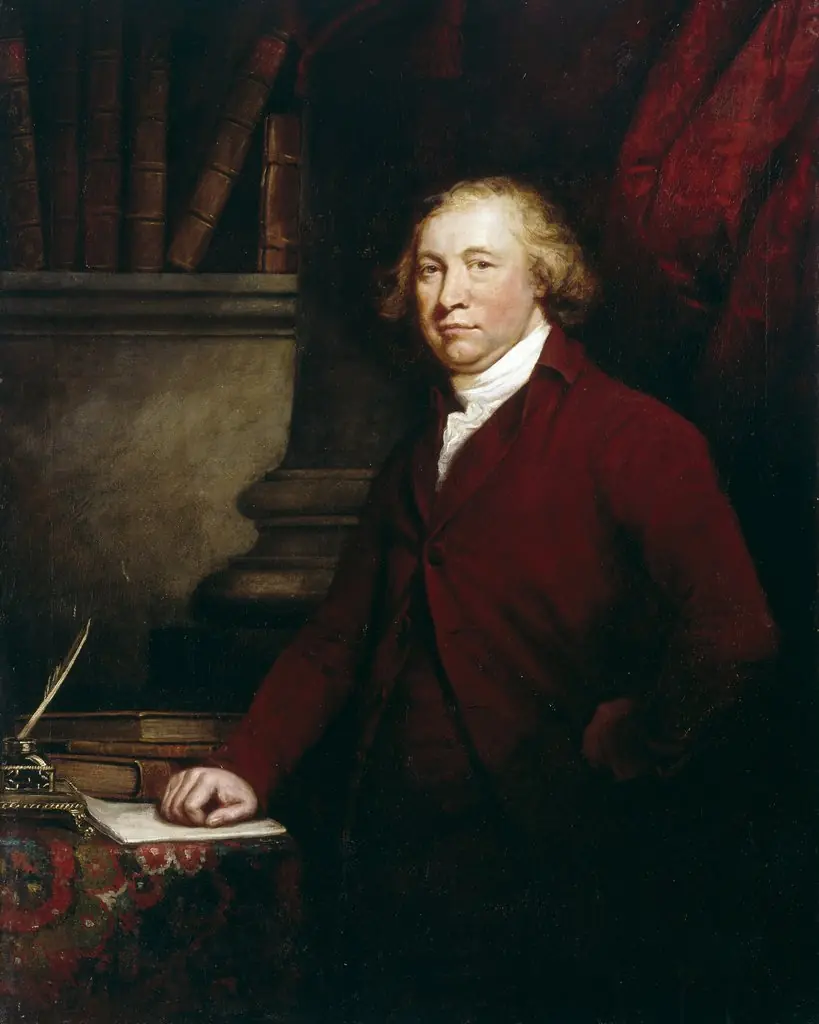 Portrait of Edmund Burke (1729-1797), Statesman, Orator and Writer
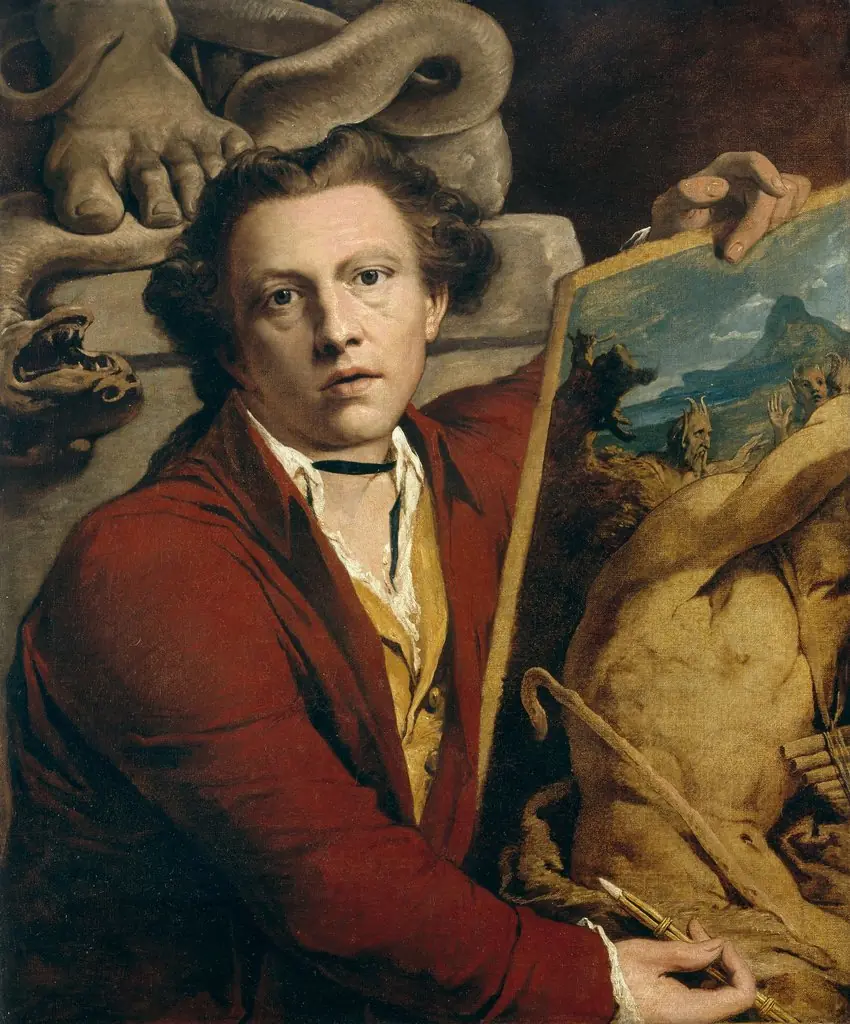 Self-Portrait as Timanthes
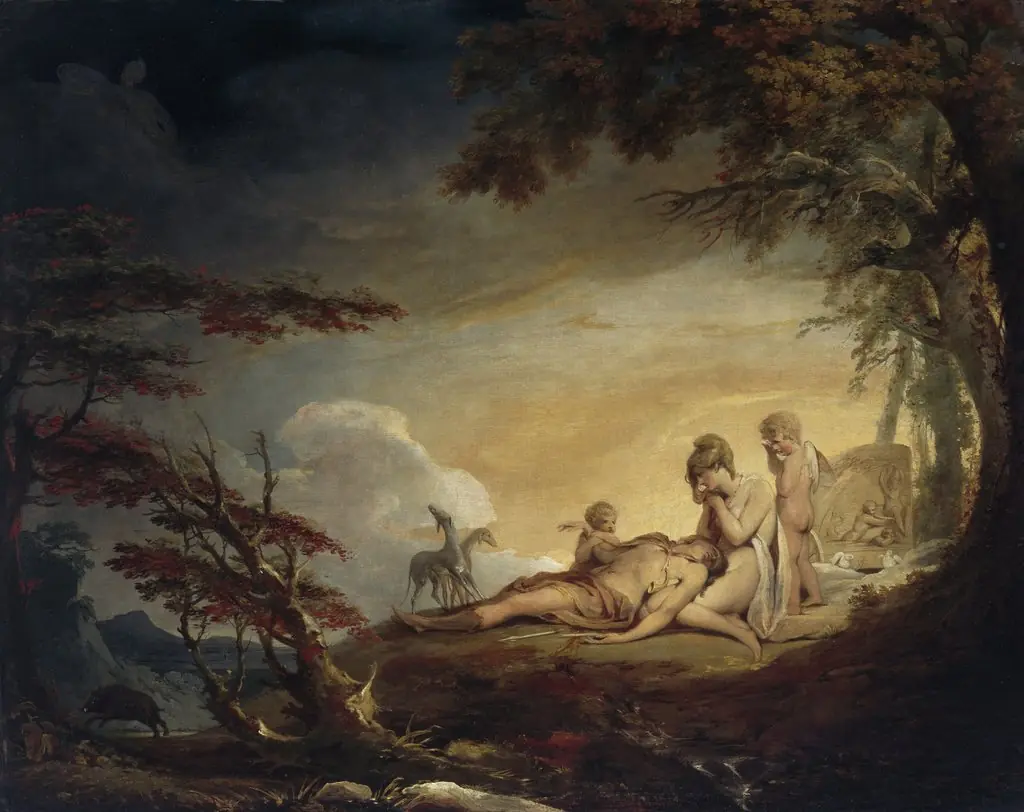 The Death of Adonis
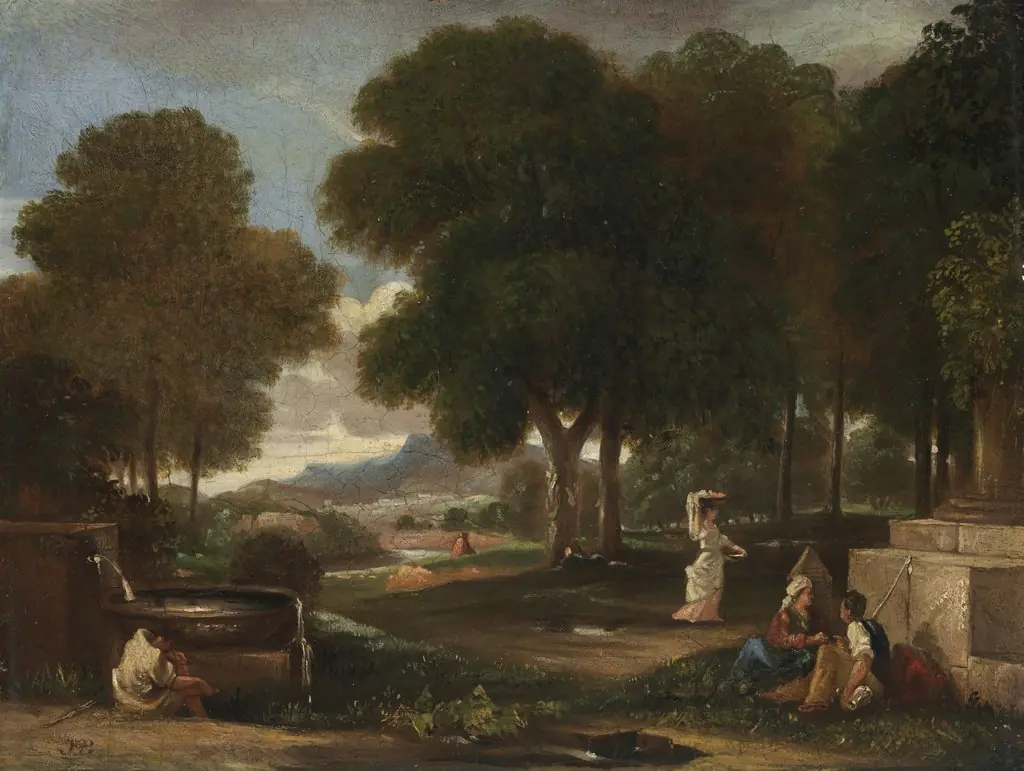 Landscape with a Man Washing his Feet at a Fountain
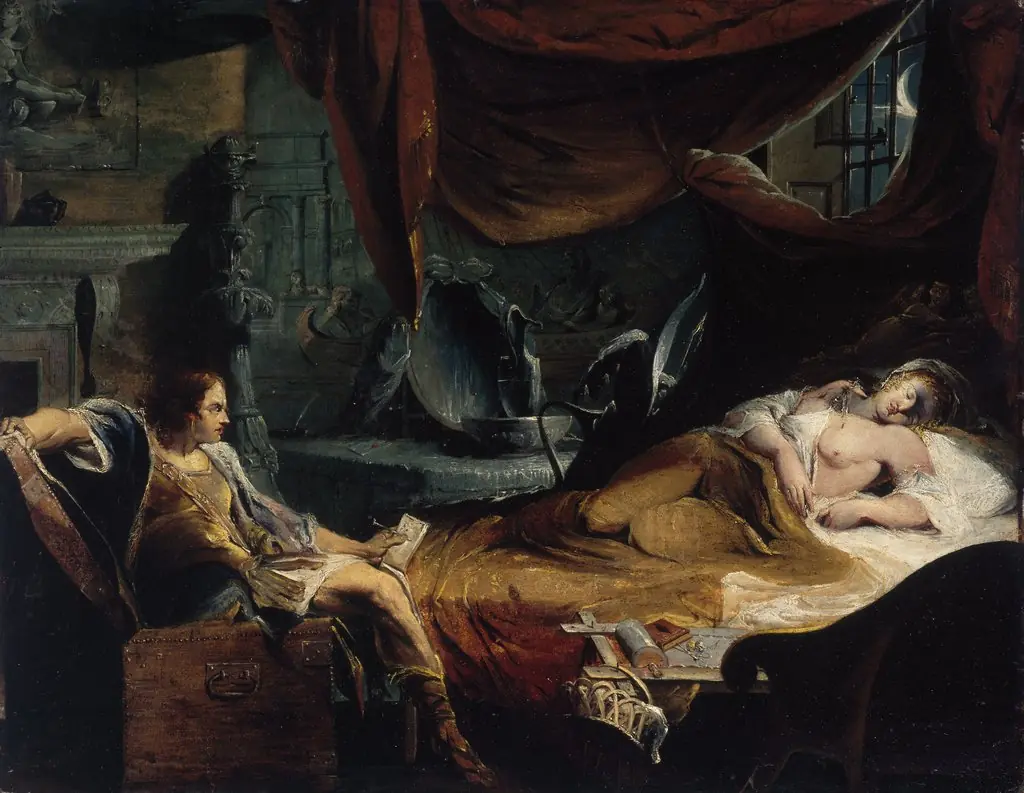 Iachimo Emerging from the Chest in Imogen's Chamber
 The Baptism of the King of Cashel by Saint Patrick
 The Temptation of Adam
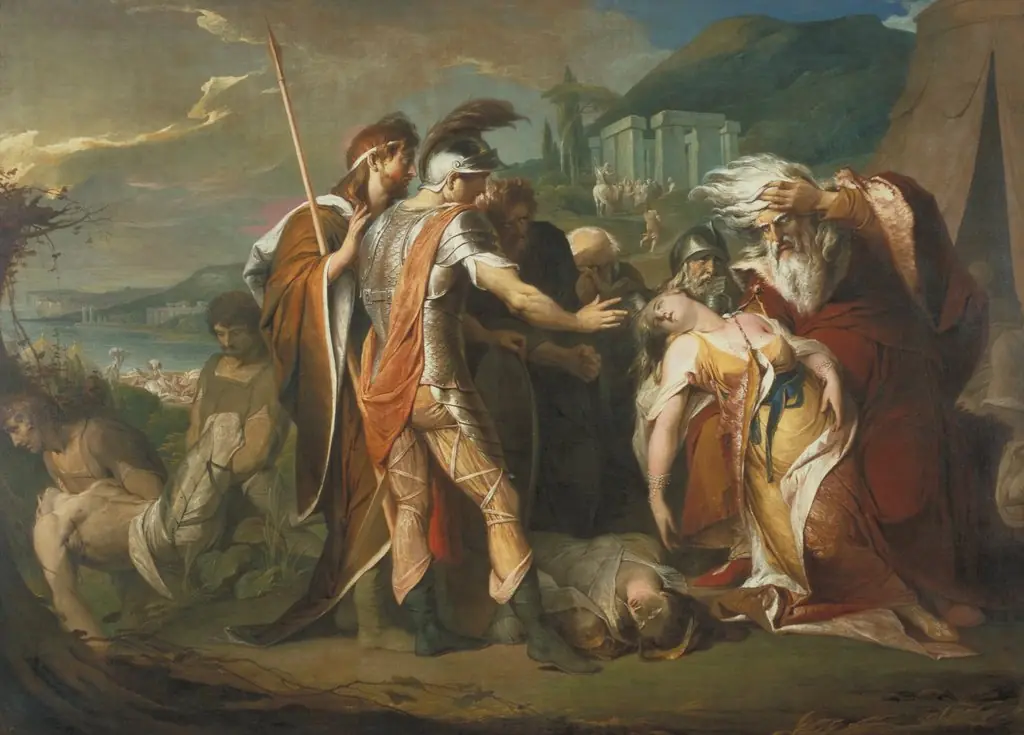 King Lear Weeping over the Dead Body of Cordelia
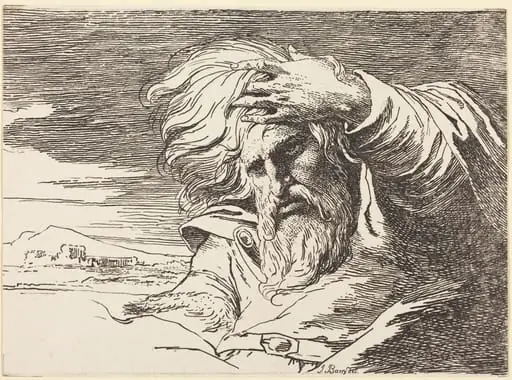 Eastern Patriarch
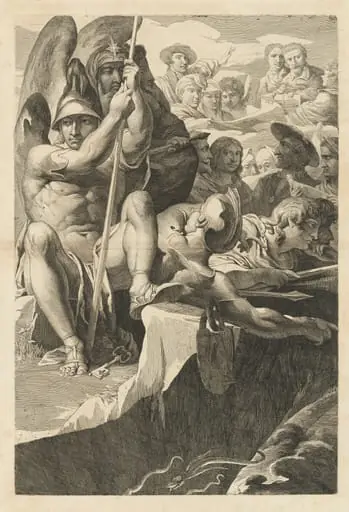 The Angelic Guards
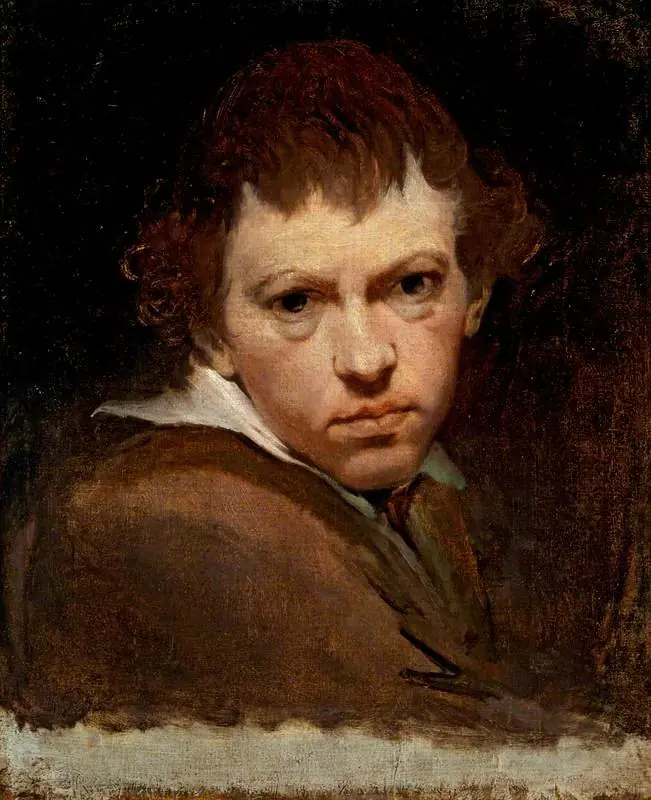 Self Portrait
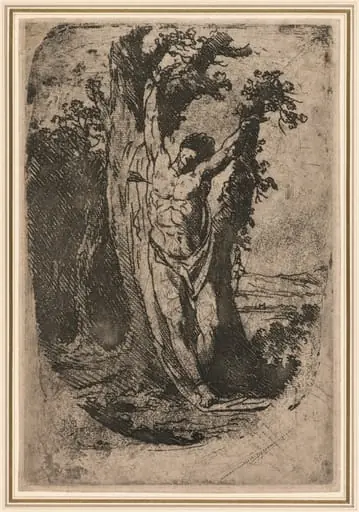 Saint Sebastian
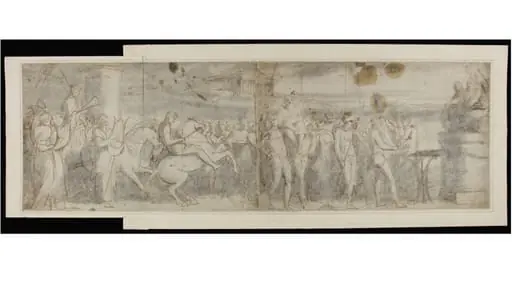 Crowning the Victors at Olympia. Study for a picture in the Rooms of the Society of Arts.
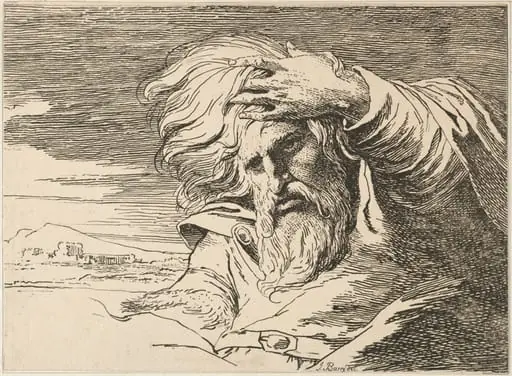 Eastern Patriarch
Collections represented


Artists in a similar vein