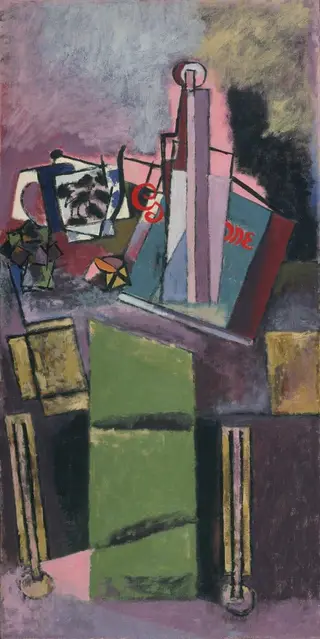
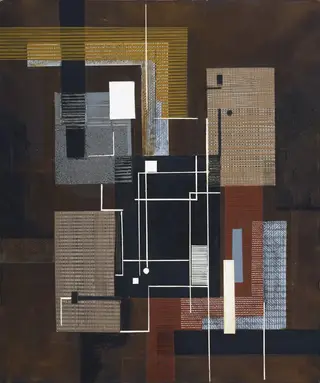
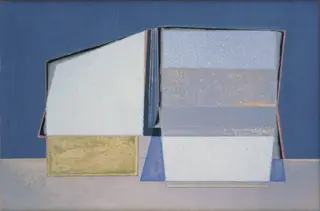
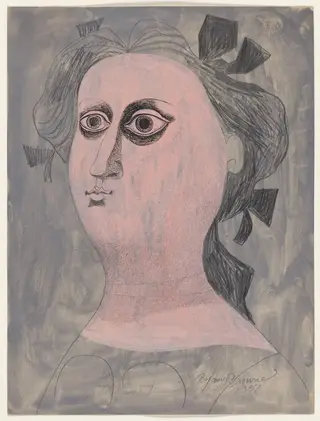
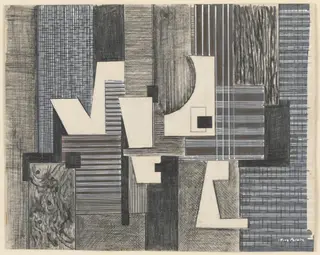
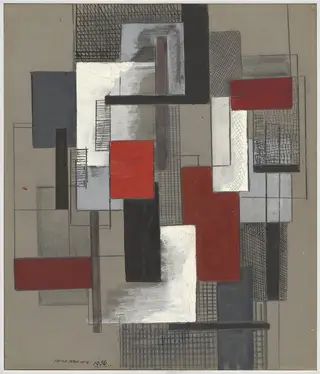
On February 12, 1935, the Whitney Museum of American Art opened Abstract Painting in America, also described as the Exhibition of American Abstract Painting. The show ran through March 22 and gathered work by 65 abstract artists active in the United States, including future American Abstract Artists figures such as Byron Browne, Werner Drewes, Balcomb Greene, Karl Knaths, Irene Rice Pereira, and Louis Schanker. In a Depression-era art world still dominated by representational painting and social realism, the exhibition publicly tested whether abstraction could be understood as a serious American practice rather than a derivative European import. Its aftermath helped bring artists together in studio discussions that fed into the later formation of American Abstract Artists.
The exhibition helped create the conditions for a durable American abstract-art advocacy group.