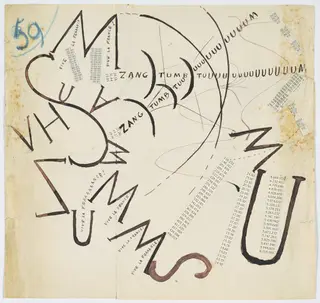
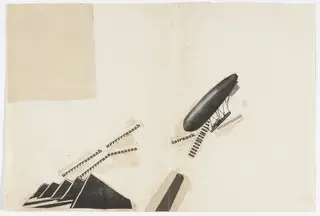
Filippo Tommaso Marinetti's Futurist Manifesto appeared in French on the front page of the Paris newspaper Le Figaro after an earlier Italian publication in Bologna. The text announced Futurism as an aggressively modern movement opposed to inherited artistic tradition and devoted to speed, machinery, youth, industrial power, and shock. Its claims were literary and political as well as visual, but the manifesto gave later Futurist painters and sculptors a public identity before their technical programs were fully developed. Marinetti's use of a mass newspaper also made publicity itself part of the avant-garde method.
The publication helped establish the manifesto as a defining modern-art format.
Artists involved