Art Museum
Apsley House

Image: Wikimedia Commons.
Apsley House is an art museum in City of Westminster, United Kingdom.
About Apsley House
Apsley House is the London townhouse of the Dukes of Wellington. It stands alone at Hyde Park Corner, on the south-east corner of Hyde Park, facing towards the large traffic roundabout in the centre of which stands the Wellington Arch. It is a Grade I listed building.
Designed by Robert Adam in the neoclassical style, the house was built for Lord Apsley in the 1770s. It was purchased by Richard Wellesley, in 1807, and passed to his younger brother Arthur, the 1st duke, in 1817. It was sometimes referred to as Number One, London. It is perhaps the only preserved example of an English aristocratic townhouse from this period.
The house is also called the Wellington Museum, its official designation under the Wellington Museum Act 1947.
Plan your visit
Apsley House
- Get Tickets
- Book on Tiqets
We may earn a commission from ticket bookings, at no extra cost to you.
Overview
Apsley House, formally known as the Wellington Museum, is the historic London townhouse of the Dukes of Wellington. Located at 149 Piccadilly in the City of Westminster, it stands alone at Hyde Park Corner on the south-east corner of Hyde Park, facing the Wellington Arch. Widely recognized as perhaps the only preserved example of an English aristocratic townhouse from its period, the Grade I listed building is celebrated for its neoclassical architecture and its extensive art and memorabilia collections. The house earned the popular nickname Number One, London because it was the first prominent residence encountered by travelers entering the city from the west after passing the Knightsbridge toll gates. Today, it operates as a museum and art gallery exhibiting the Wellington Collection, while also remaining a private residence for the Wellesley family.
Founding & history
The site was originally occupied by a tavern called the Hercules Pillars before Henry Bathurst, 1st Baron Apsley and later 2nd Earl Bathurst, negotiated a Crown lease for the land. He commissioned the fashionable architect Robert Adam to build a red brick house there between 1771 and 1778 at a cost of 10,000 pounds. In 1807, Richard Wellesley purchased the lease for 16,000 pounds, but financial difficulties forced him to sell the property to his younger brother, Arthur Wellesley, the 1st Duke of Wellington, in 1817 for 40,000 pounds. Wellington needed a London base for his political career and to entertain befitting his status. He purchased the freehold of the site in 1830 for 9,532 pounds. Following the death of the 6th Duke in World War II, the 7th Duke, Gerald Wellesley, gave the house and its most important contents to the nation in 1947 under the Wellington Museum Act to settle inheritance taxes. The Ministry of Works refurbished the interior, replacing gas lighting with electricity, and the house opened to the public in 1952 under the direction of the Victoria and Albert Museum. Responsibility for the house was transferred to English Heritage in 2004.
Collection scope
The Wellington Collection comprises roughly 200 paintings alongside significant holdings of porcelain, silverware, plate, jewelry, snuffboxes, and military memorabilia. Much of the collection consists of diplomatic gifts presented to the 1st Duke by European rulers grateful for his defeat of Napoleon and the liberation of the continent. The most substantial component of the painting collection is the 83 works that originally formed part of the Spanish Royal Collection. These were captured by Wellington from the baggage train of Joseph Bonaparte following the Battle of Vitoria in 1813. King Ferdinand VII of Spain subsequently gifted the artworks officially to the Wellington family. In 1838, Wellington assigned key items to trustees as heirlooms, legally forbidding any heir from alienating or disposing of the plate, china, jewels, pictures, and statues. The collection spans multiple national schools, including British, American, German, Spanish, French, Italian, Dutch, and Flemish works.
Notable holdings
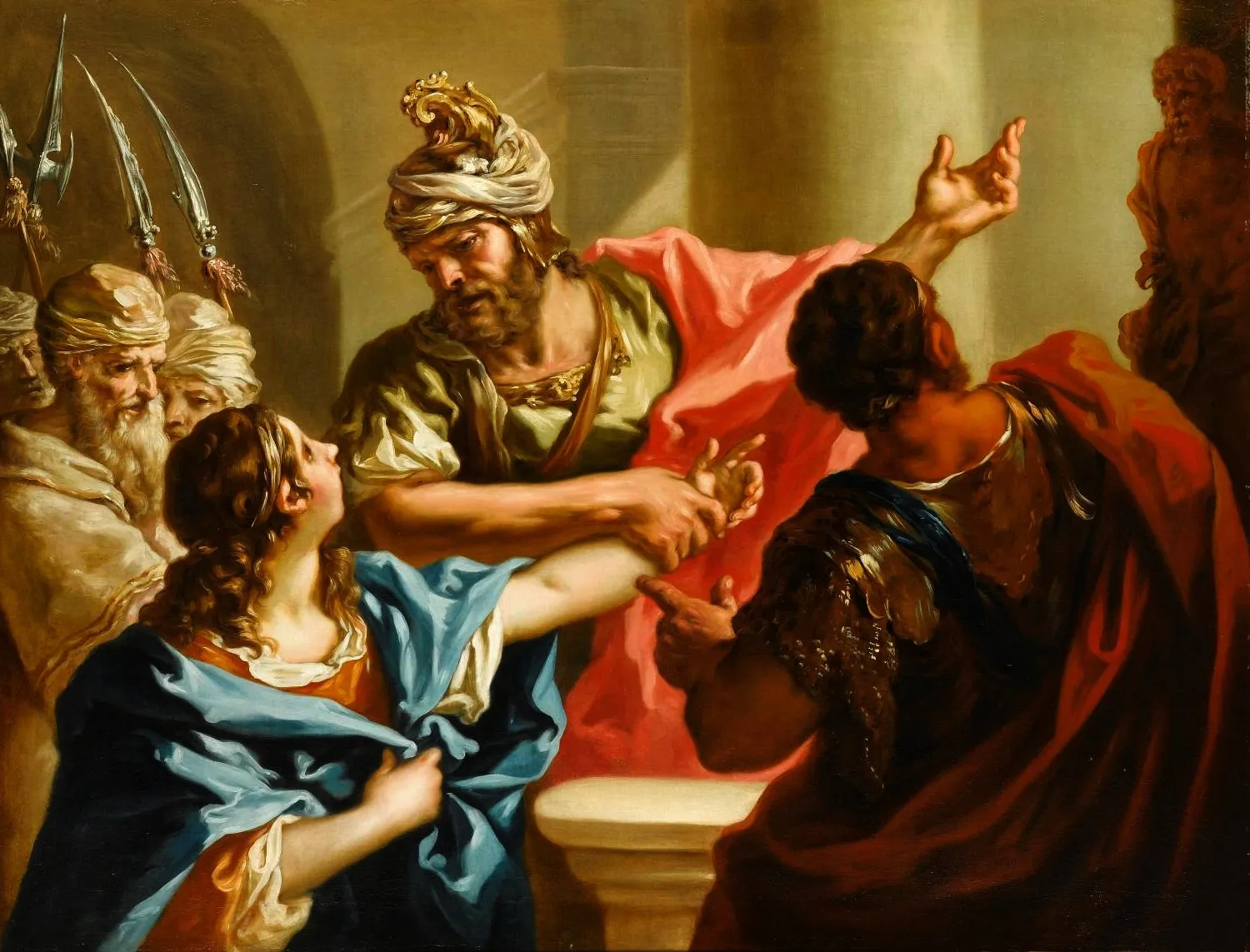
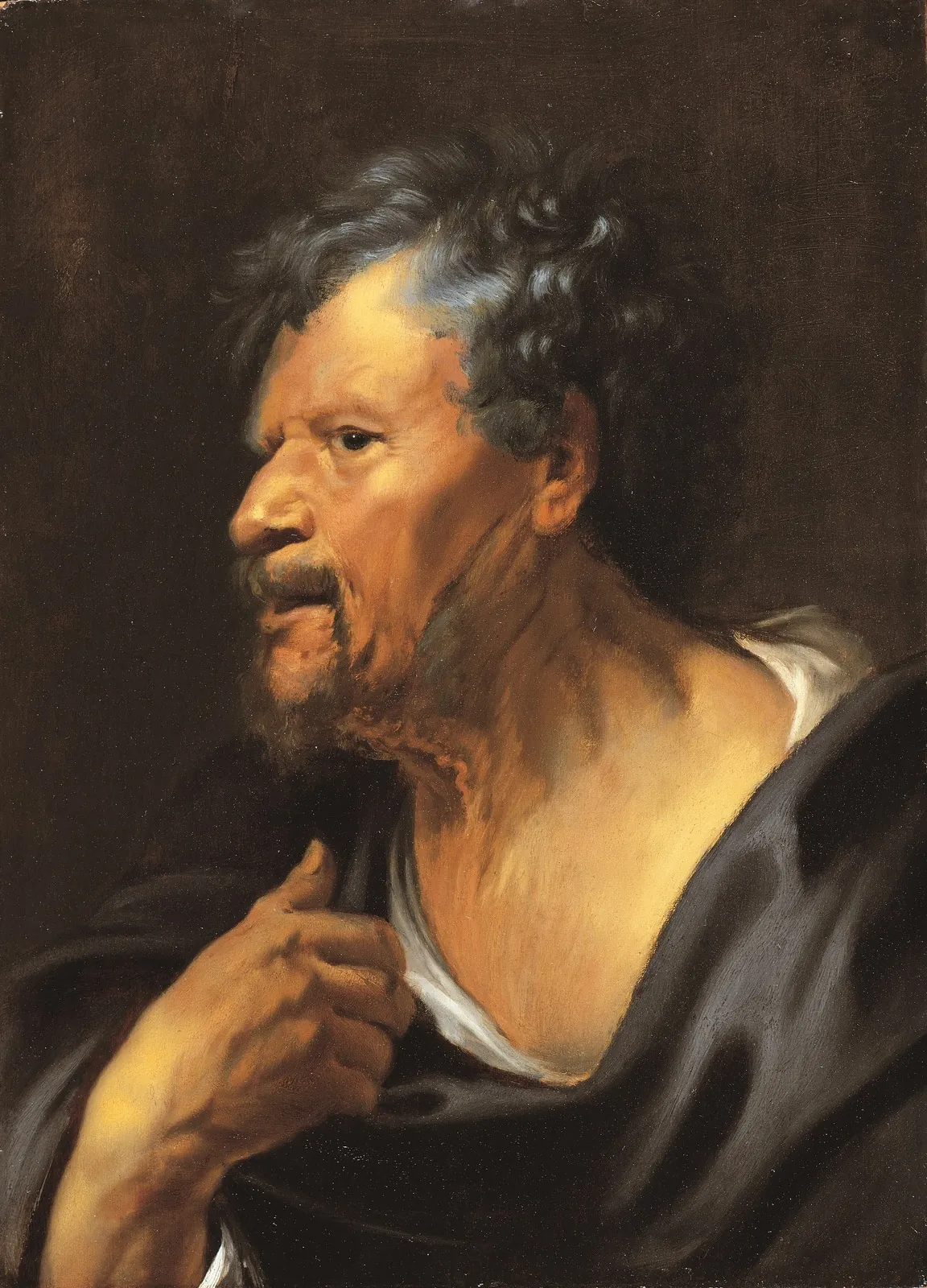
The painting collection features masterpieces by Velazquez, including four works such as The Waterseller of Seville, alongside pieces by Goya, Rubens, Correggio, and Jan Steen. A monumental 11-foot-tall marble statue of Napoleon as Mars the Peacemaker by Antonio Canova, commissioned by Napoleon himself but later purchased by Wellington as a war trophy, stands at the foot of the principal staircase. The Museum Room displays the massive Waterloo Shield, depicting Wellington and his ten major campaigns, the Egyptian Centerpiece originally made for Josephine Bonaparte, and a Portuguese silver gilt centerpiece comprising over 1,000 pieces. The Piccadilly Drawing Room houses Titian's Danae and David Wilkie's painting of the Waterloo Despatch being read aloud. The Striped Drawing Room contains three full-length portraits by Thomas Lawrence, and the State Dining Room features a 28-foot-long painting of the Battle of Waterloo.
Building & site
Robert Adam designed the original five-bay red brick structure with a spacious entrance hall and a central colonnaded oval staircase, constrained by an existing stable block that created an irregular floor plan. Surviving Adam interiors include the Piccadilly Drawing Room, with its apsidal end and Adam fireplace, and the Portico Room. Between 1819 and 1820, architect Benjamin Dean Wyatt added a three-storey extension to the north-east, housing a State Dining Room, bedrooms, and dressing rooms, with scagliola ornamentations produced in Coade stone. After Wellington became Prime Minister in 1828, Wyatt undertook a second phase, adding a new staircase and the 28-metre-long Waterloo Gallery on the west front. The exterior was clad in honey-colored Bath stone, and a pedimented Corinthian portico was added to the facade. Wyatt's architectural style for the interior, notably the florid wrought iron stair-rail, was described by Pevsner as just turning from Empire to a neo-Rococo. The final bill exceeded 61,000 pounds, vastly surpassing the original estimate of 23,000 pounds. Iron shutters and railings were added after windows were smashed during riots, possibly contributing to Wellington's Iron Duke nickname.
Visiting
Apsley House is located at Hyde Park Corner in London and is currently operated by English Heritage. It is open to the public from Wednesday to Sunday, 11:00 to 17:00. Under the terms of the Wellington Museum Act 1947, the Wellesley family retains the right to occupy a private apartment spanning the northern half of the ground floor for as long as there is a Duke of Wellington. The 9th Duke of Wellington, Charles Wellesley, currently resides in this apartment. The public rooms are maintained as far as possible in the original style and decor of the 1st Duke. An equestrian statue of the Duke, cast from guns captured at the Battle of Waterloo, stands across the road from the house, its plinth guarded by an infantryman at each corner.
Museums near Apsley House
- Gallery Matthiesen Gallery London, United Kingdom
- Art Museum Schorr Collection City of Westminster, United Kingdom
- Art Museum National Gallery City of Westminster, United Kingdom
- Art Museum Tate Britain City of Westminster, United Kingdom
- Art Museum Victoria and Albert Museum Royal Borough of Kensington and Chelsea, United Kingdom
- Art Museum National Portrait Gallery City of Westminster, United Kingdom