Art Museum
Tate Britain

Image: Wikimedia Commons.
Tate Britain is an art museum in City of Westminster, United Kingdom. 81 works from its collection are in this catalog, including Alfred Sisley and Joseph Mallord William Turner.
About Tate Britain
Tate Britain, known from 1897 to 1932 as the National Gallery of British Art and from 1932 to 2000 as the Tate Gallery, is an art museum on Millbank in the City of Westminster in London, England. It is part of the Tate network of galleries in England, with Tate Modern, Tate Liverpool and Tate St Ives. Founded by Sir Henry Tate, it houses a substantial collection of the art of the United Kingdom since Tudor times, and in particular has large holdings of the works of J. M. W. Turner, who bequeathed all his own collection to the nation. It is one of the largest museums in the country. In 2021, it ranked 50th on the list of most-visited art museums in the world.
Identity & Overview
Tate Britain is an art museum located on Millbank in the City of Westminster, London, serving as the national gallery of British art from 1500 to the present day. Originally known as the National Gallery of British Art upon its opening in 1897, it was subsequently renamed the Tate Gallery in 1932 before adopting its current name in 2000 to distinguish its focus on British art from the newly established Tate Modern, which houses international modern and contemporary works. The institution holds the most comprehensive collection of British art in the world, encompassing works from the Elizabethan and Jacobean eras through to the contemporary period.
History & Founding
The gallery was founded through the benefaction of sugar tycoon Sir Henry Tate, who donated his collection of modern British art and funded the construction of the building. The site previously housed a reformatory prison from 1816 to 1842, followed by temporary accommodation for convicts bound for Australia. The decision to build the gallery on this site was made in 1892, with Henry Tate making an anonymous donation.
The gallery opened to the public on August 16, 1897, by the Prince of Wales. Significant expansions followed, including the Duveen Galleries for Turner's works, funded by Sir Joseph Joel Duveen and opened in 1910 and 1937.
Building & Architecture
The original building was designed by architect Sidney Smith in a Neoclassical style and opened in 1897. The structure features a central rotunda, which was refurbished between 2012 and 2013 to reflect the original design, including clamshell motifs. The gallery has undergone six extensions, most notably the Duveen Galleries designed by John Russell Pope, which were the first public galleries in England specifically designed for sculpture.
The Clore Gallery, opened in 1987, was added to house the world's finest collection of works by J.M.W. Turner. The building complex also includes the Prints and Drawings Rooms and the Friends room.
Collection Highlights
The collection commences with Elizabethan and Jacobean examples and is exceptionally well represented in the 18th and 19th centuries. Key holdings include masterpieces by Joshua Reynolds, Thomas Gainsborough, William Hogarth, George Stubbs, John Constable, and William Blake. The gallery is particularly renowned for its Pre-Raphaelite works, such as John Everett Millais's 'Ophelia'.
It also houses the world's largest collection of works by J.M.W. Turner, displayed in the Clore Gallery. The museum organizes career retrospectives and the Triennial exhibition to showcase contemporary British art.
Significance & Legacy
Tate Britain is recognized as the most comprehensive collection of its kind in the world. Its history includes resilience during crises, such as the 1928 flood where 226 oil paintings were submerged due to the collapse of the Thames embankment wall, and the evacuation of artworks during both World Wars. The gallery's transformation in 2000 to focus exclusively on British art allowed for a clearer distinction in the Tate network, with international modern art moving to Tate Modern.
It remains a central institution for the study and display of British artistic heritage, hosting the annual Turner Prize.
What to see at Tate Britain
Start with The Awakening Conscience by William Holman Hunt.
See all highlights at Tate Britain →Tate Britain by the numbers
- Founded
- 1897
- Visitors / year
- 525,144
Works from Tate Britain
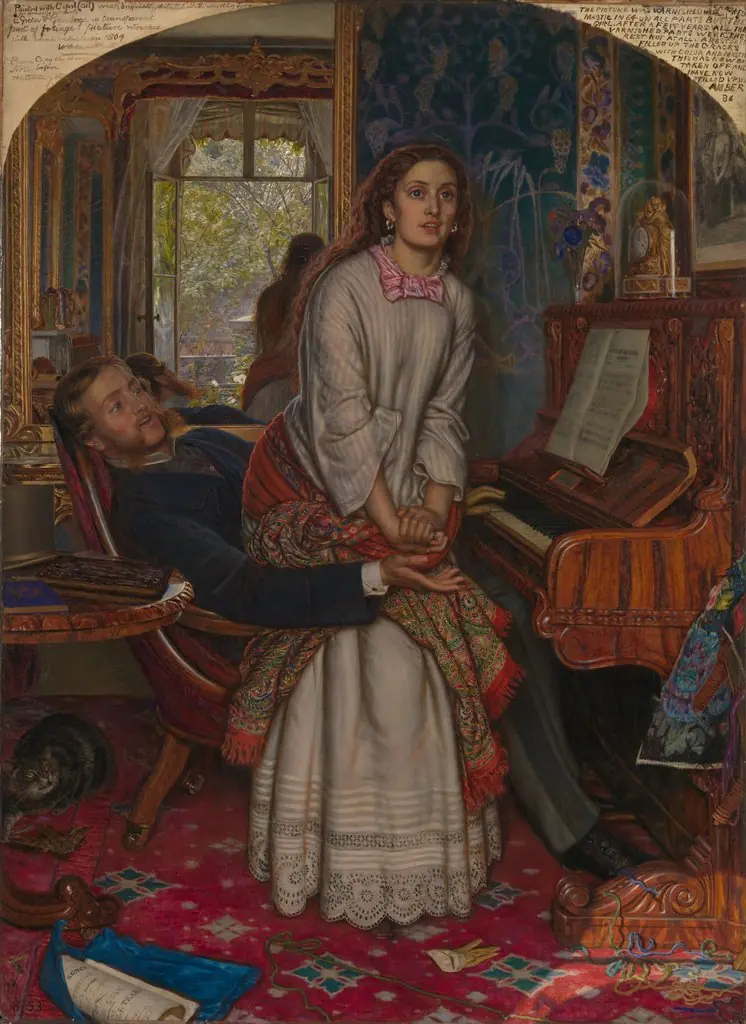 The Awakening Conscience
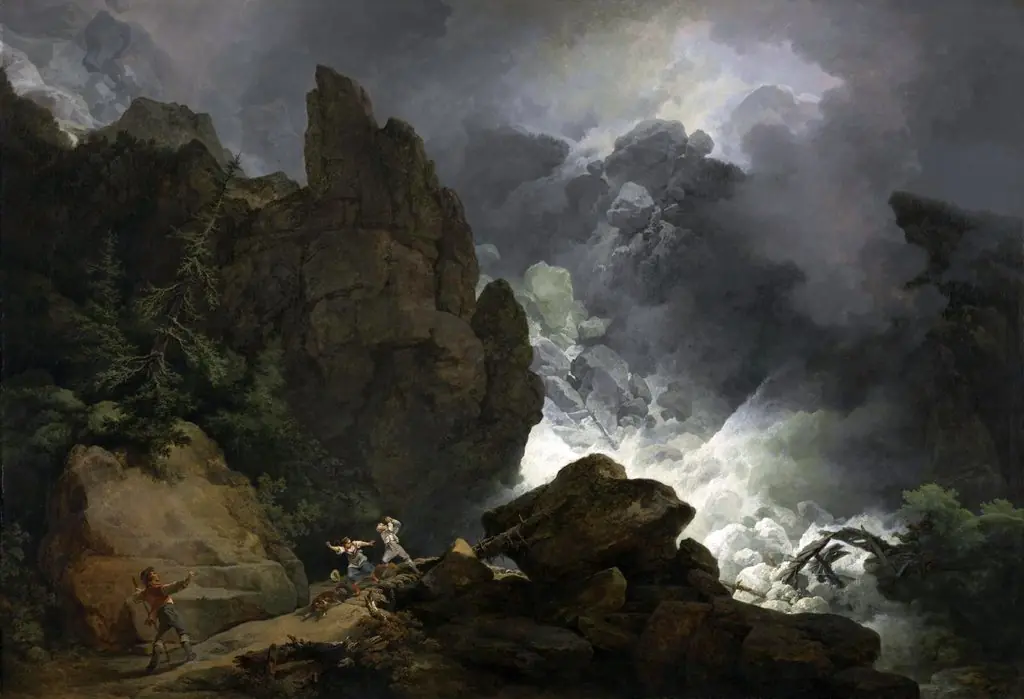 An Avalanche in the Alps
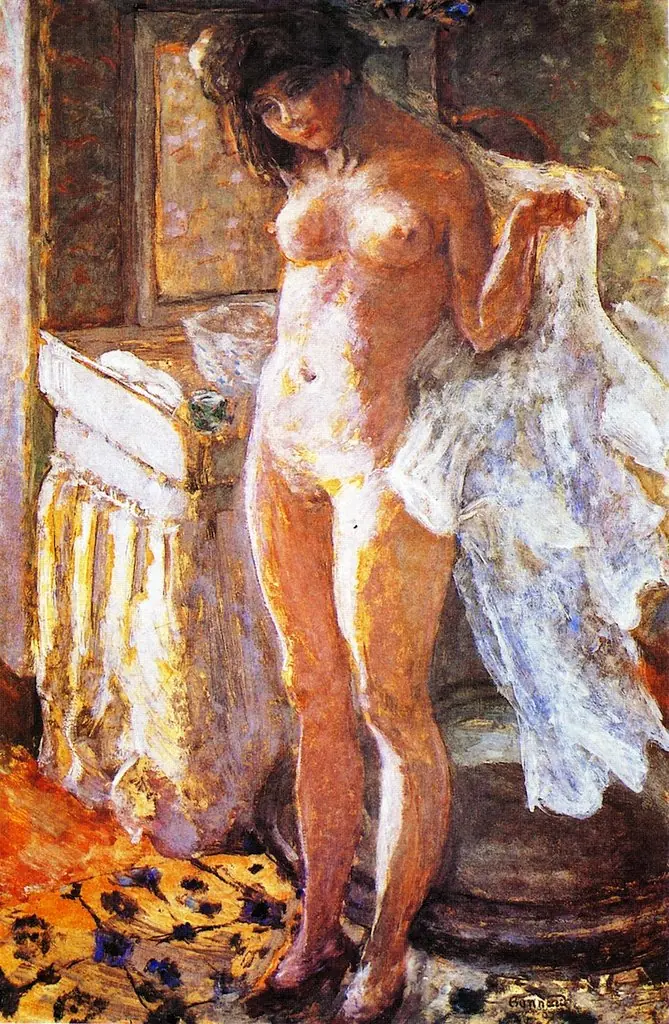 In the Bathroom
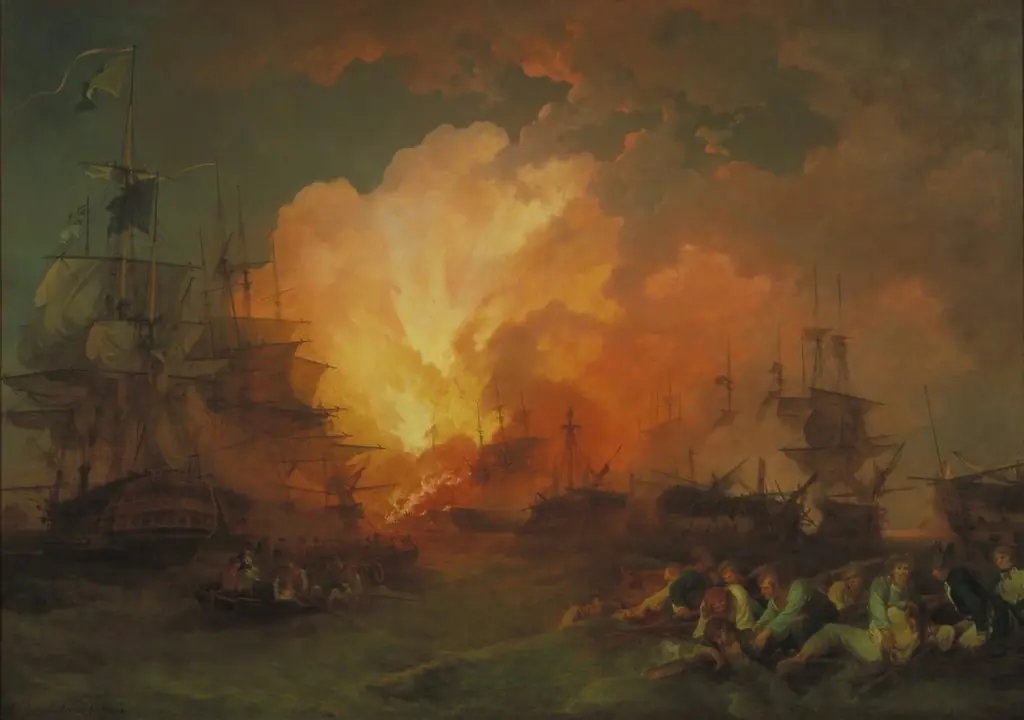 The Battle of the Nile
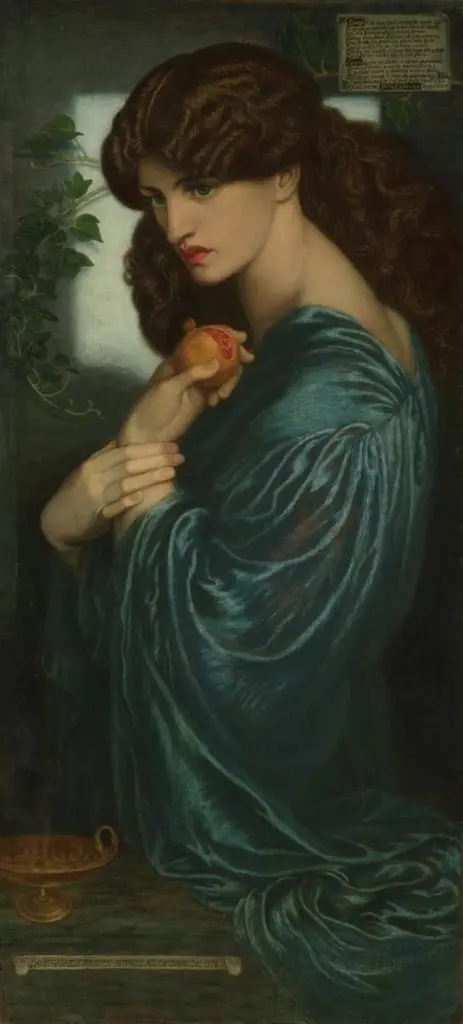 Proserpine
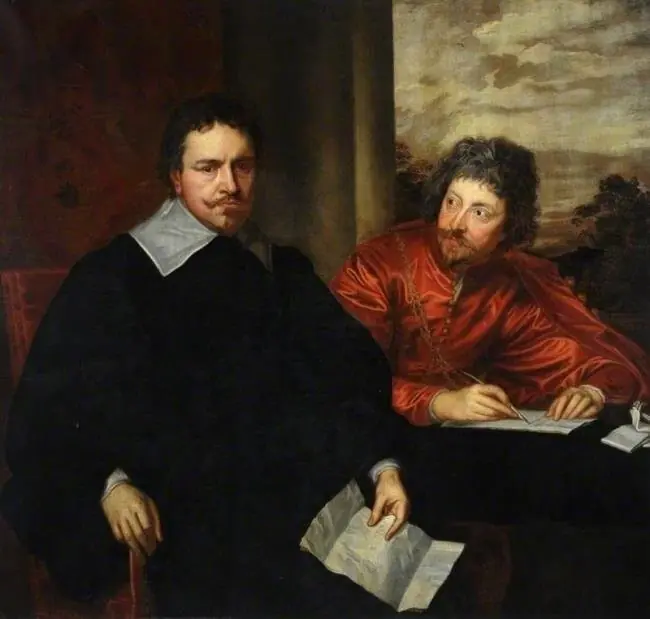 Double Portrait of Thomas Wentworth, 1st Earl of Strafford (1593-1641) with his secretary Sir Philip Mainwaring (1589-1661)
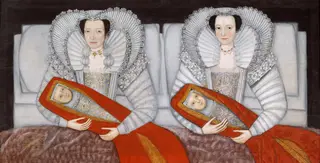 The Cholmondeley Ladies
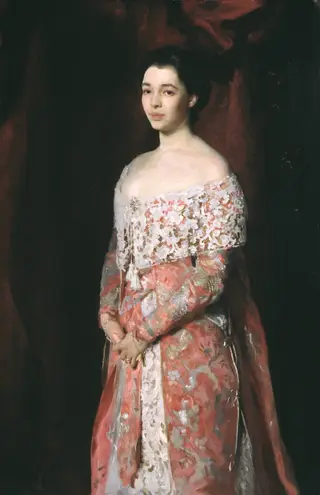 Portrait of Mrs. Leopold Hirsch
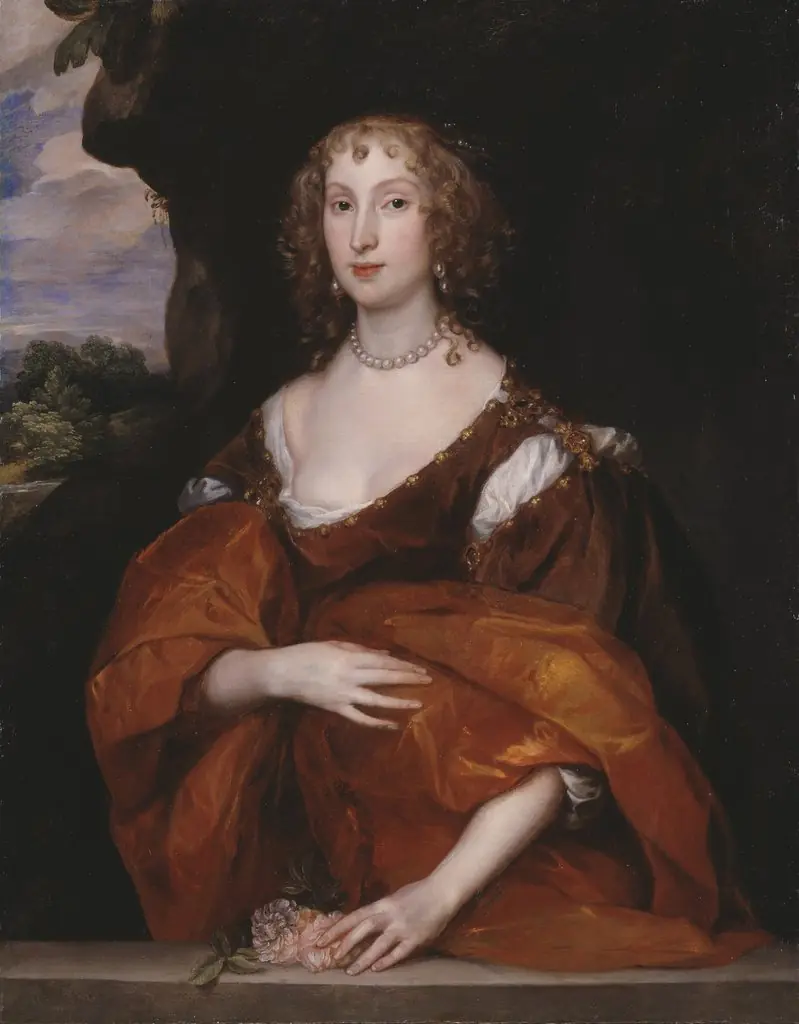 Portrait of Mary Hill, Lady Killigrew
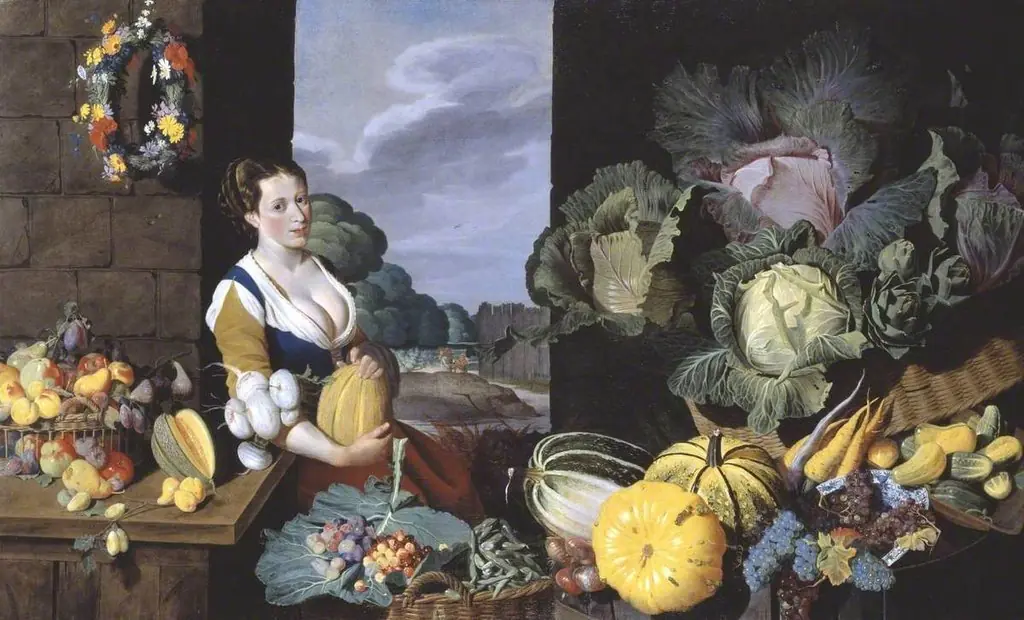 Cookmaid with Still Life of Vegetables and Fruit
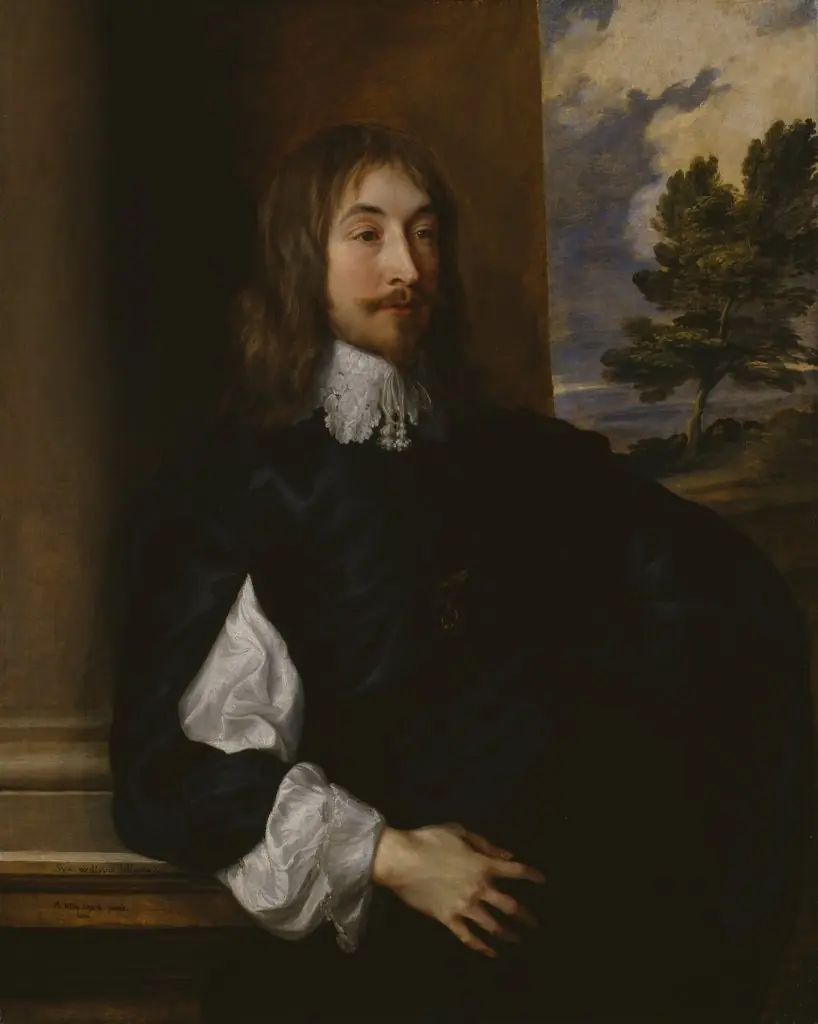 Portrait of Sir William Killigrew
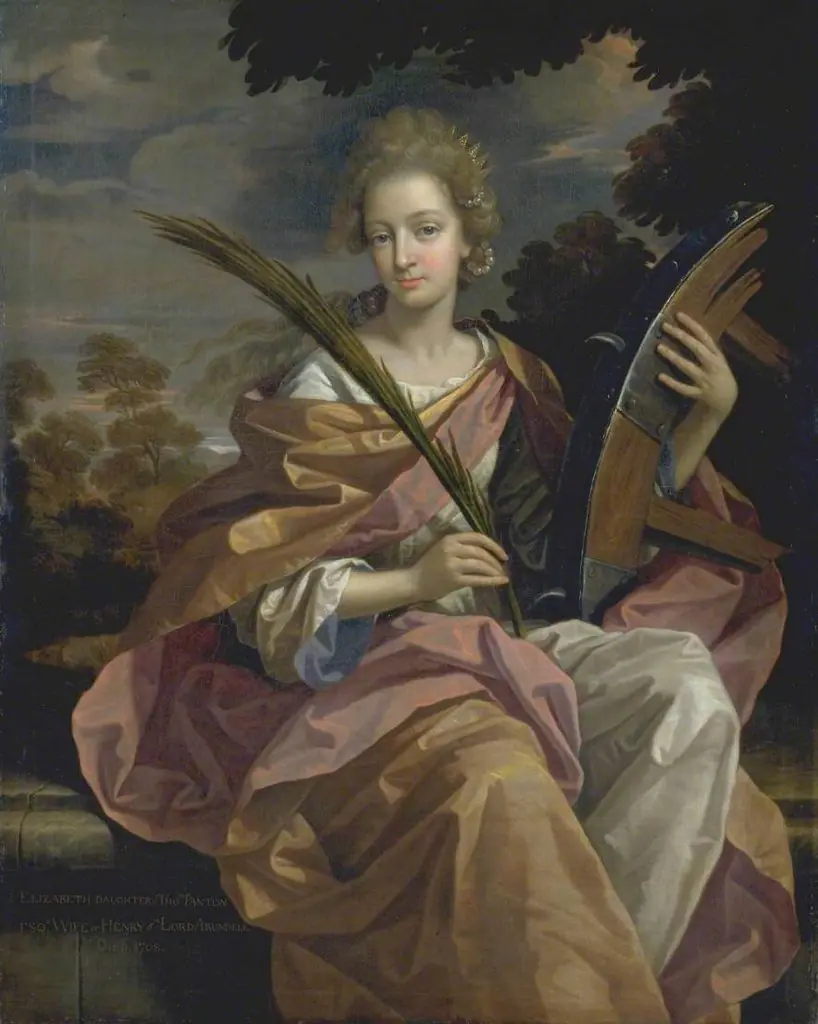 Elizabeth Panton, Later Lady Arundell of Wardour, as Saint Catherine
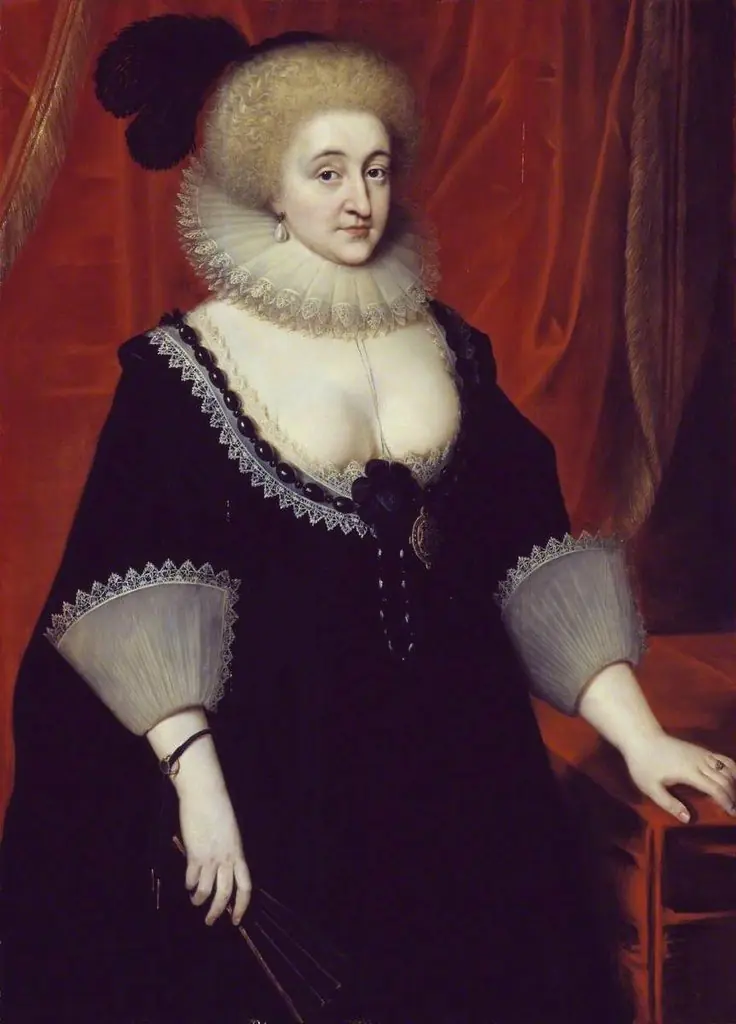 Lady Elizabeth Grey, Countess of Kent
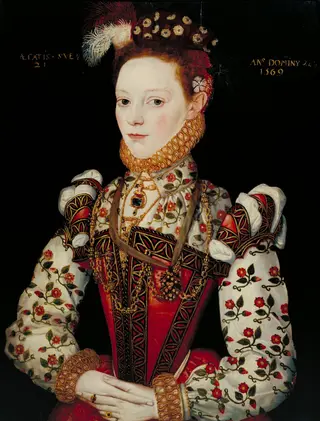 A Young Lady Aged 21, Possibly Helena Snakenborg, later Marchioness of Northampton
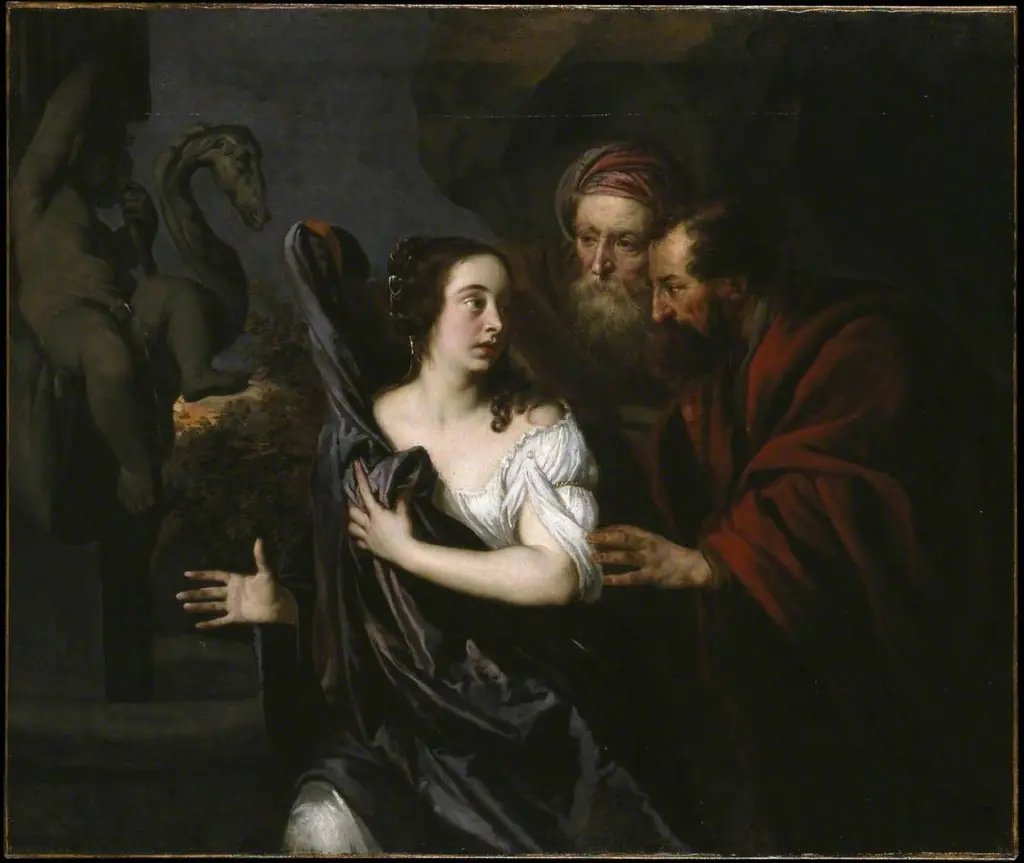 Susanna and the Elders
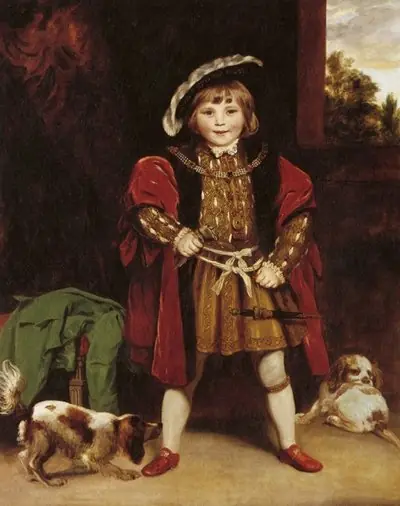 Portrait of Master Crewe as Henry VIII
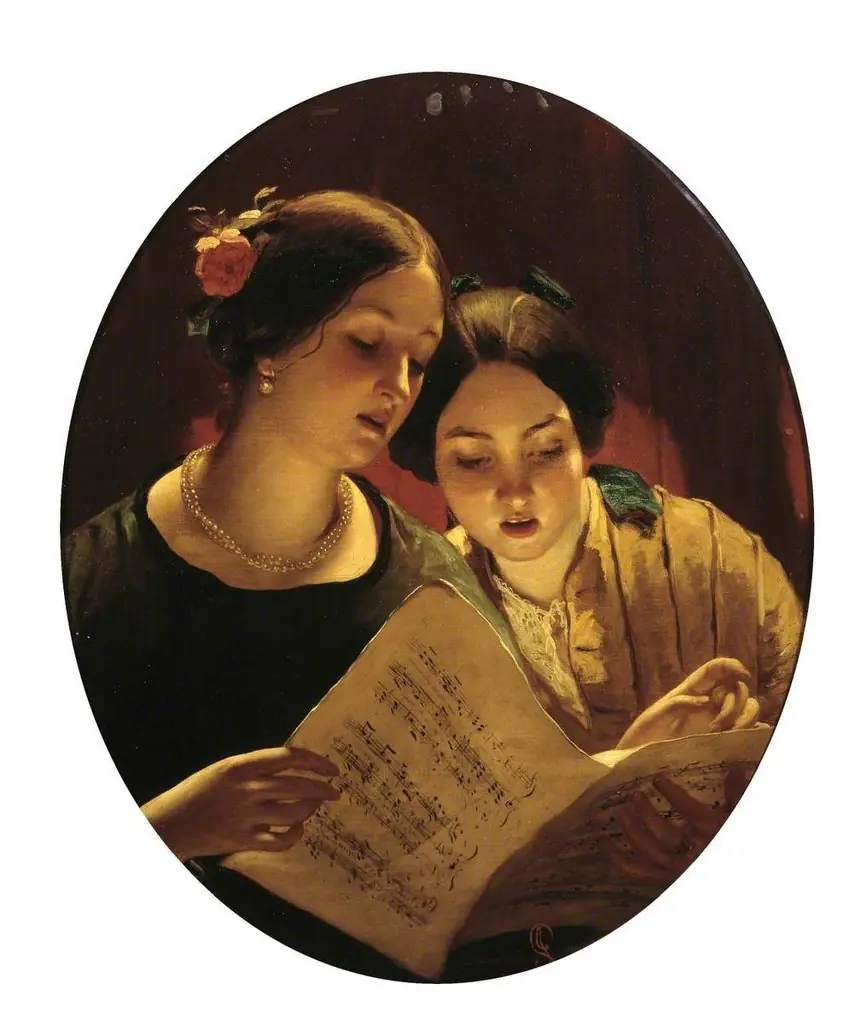 The Duet
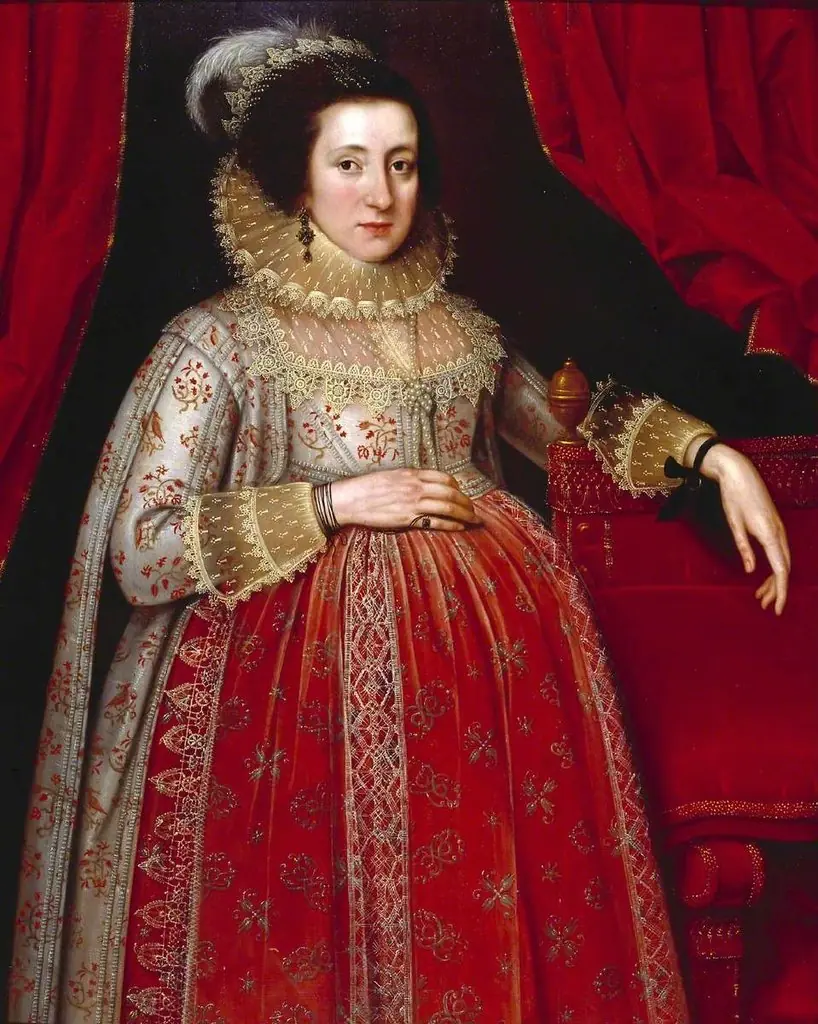 Portrait of a Woman in Red
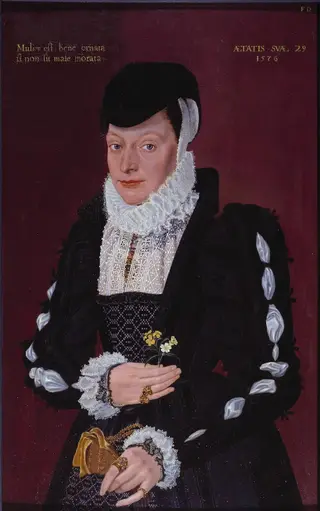 Portrait of an Unknown Lady in mourning dress, dated 1576.
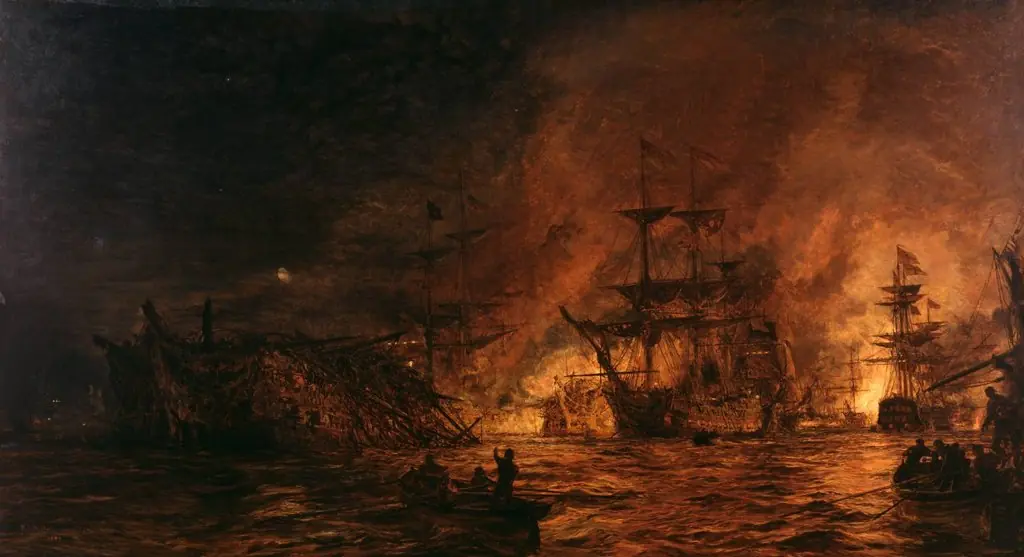 Battle of the Nile
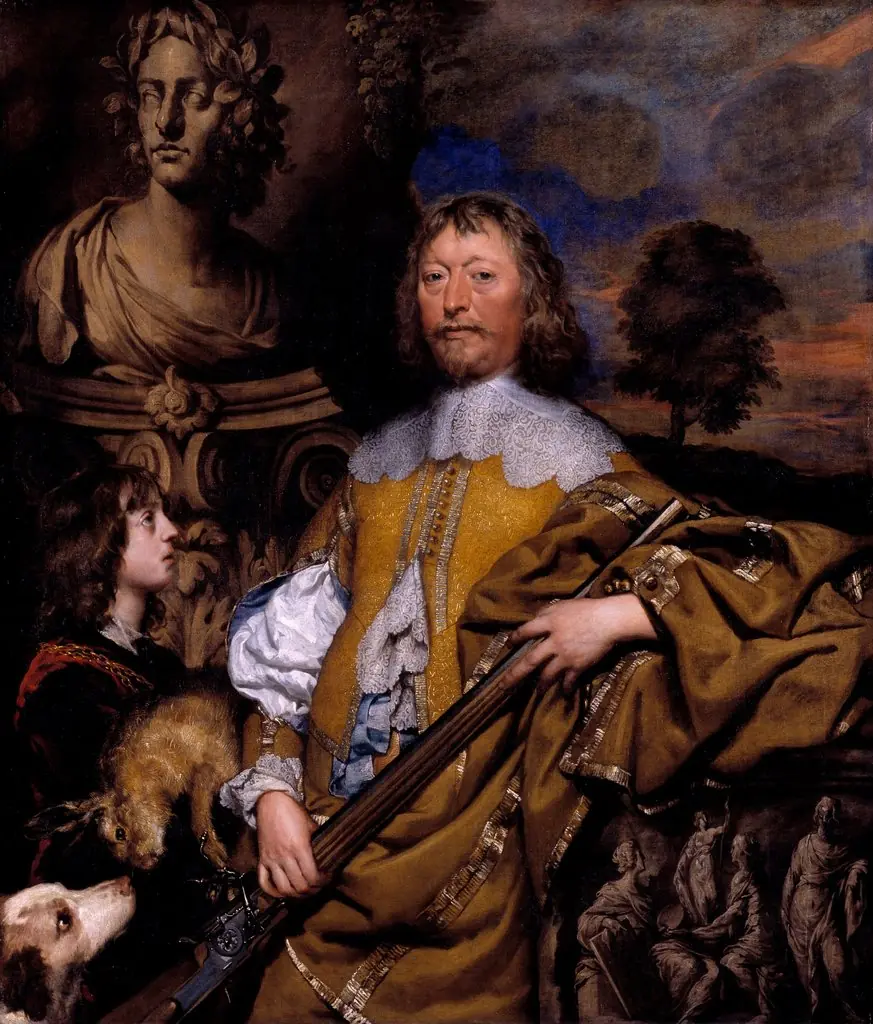 Endymion Porter Around
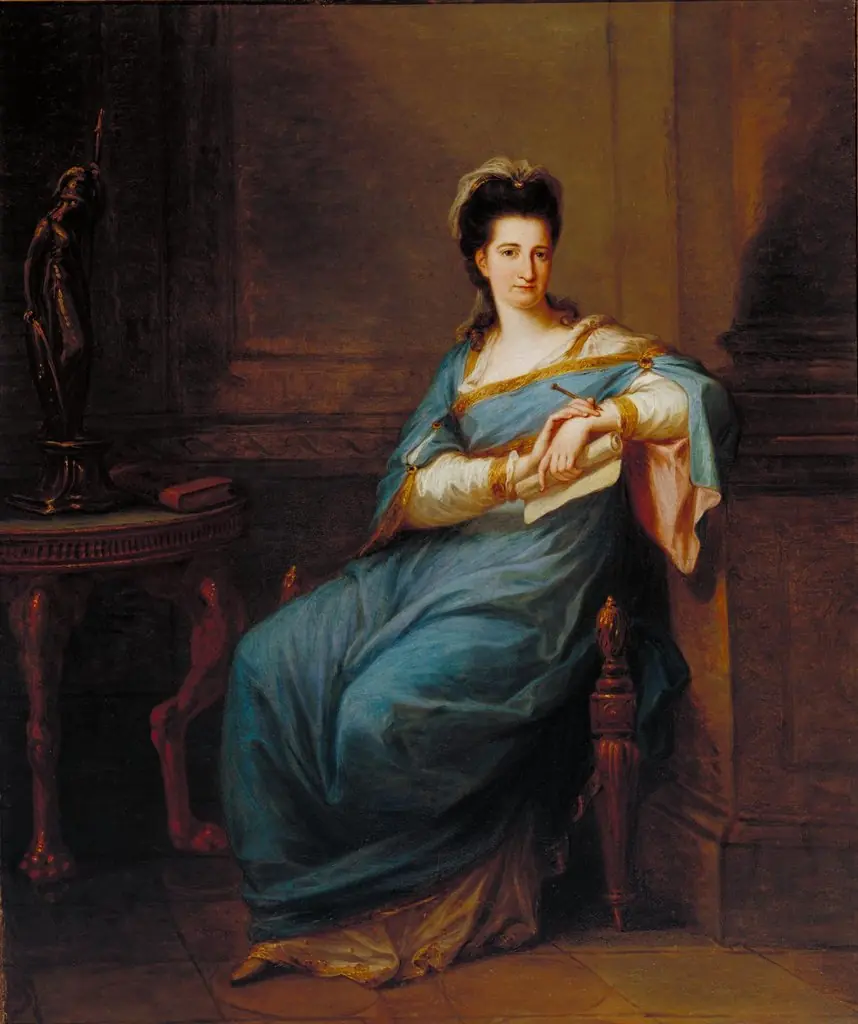 Portrait of a Lady
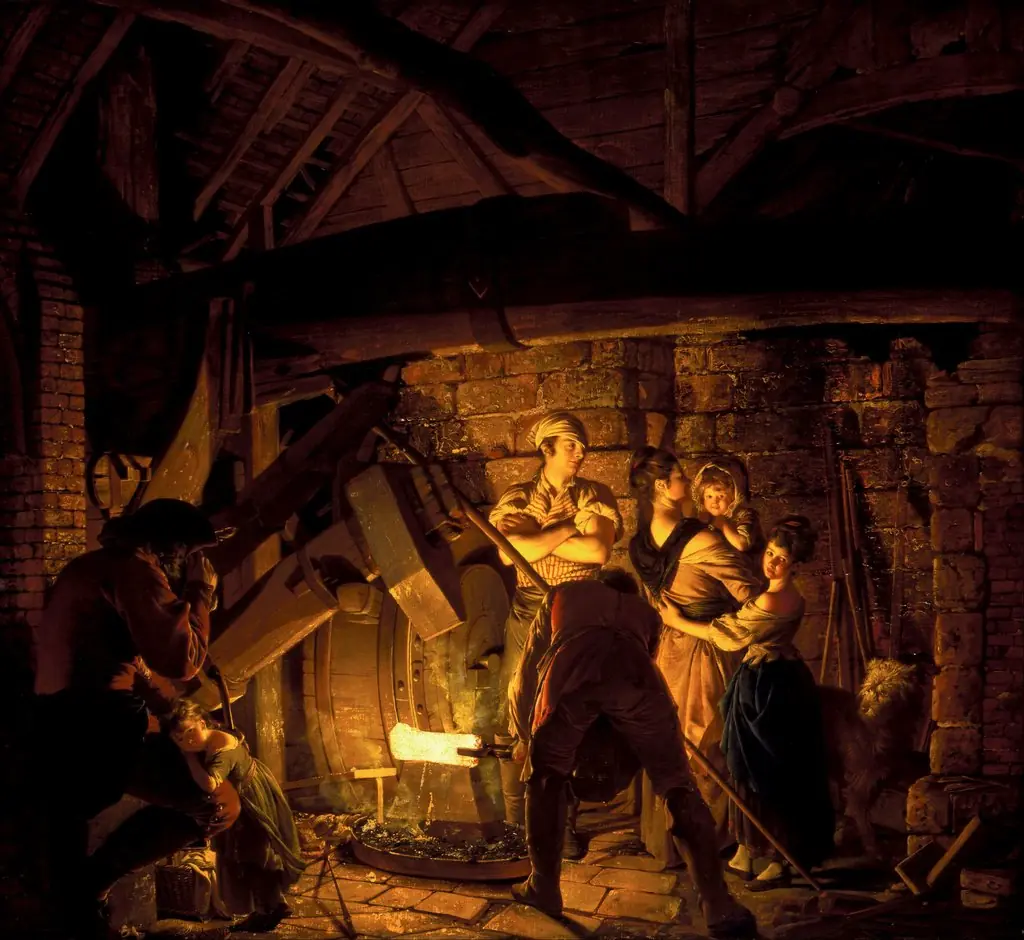 An Iron Forge
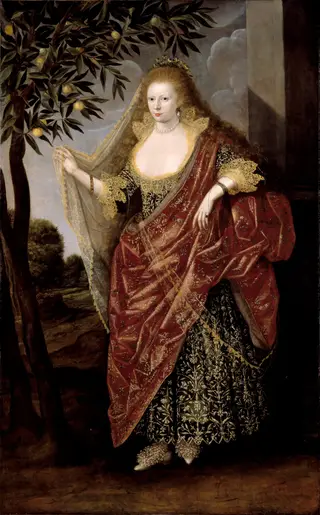 Elizabeth, Lady Tanfield
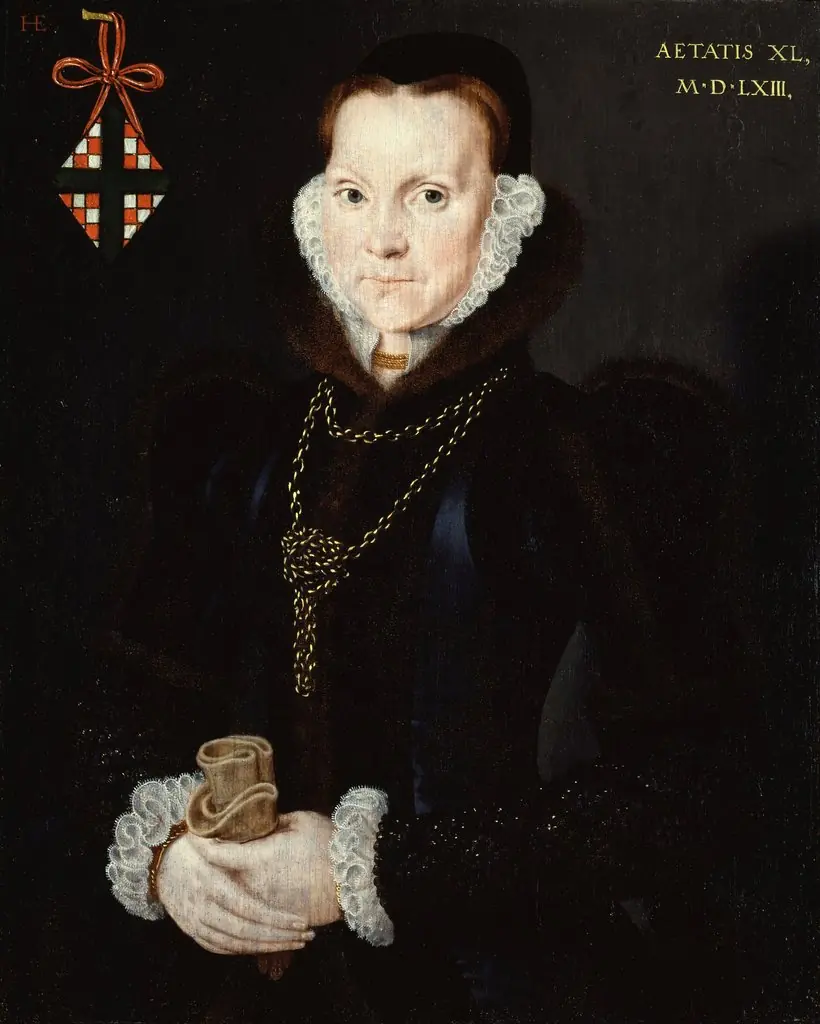 Elizabeth Roydon, Lady Golding
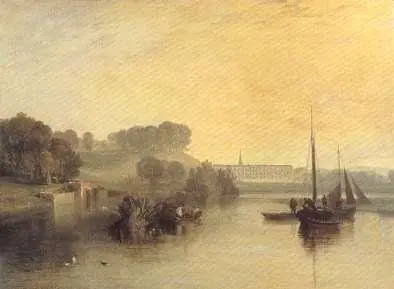 A distant view of Petworth House across the lake in Petworth Park
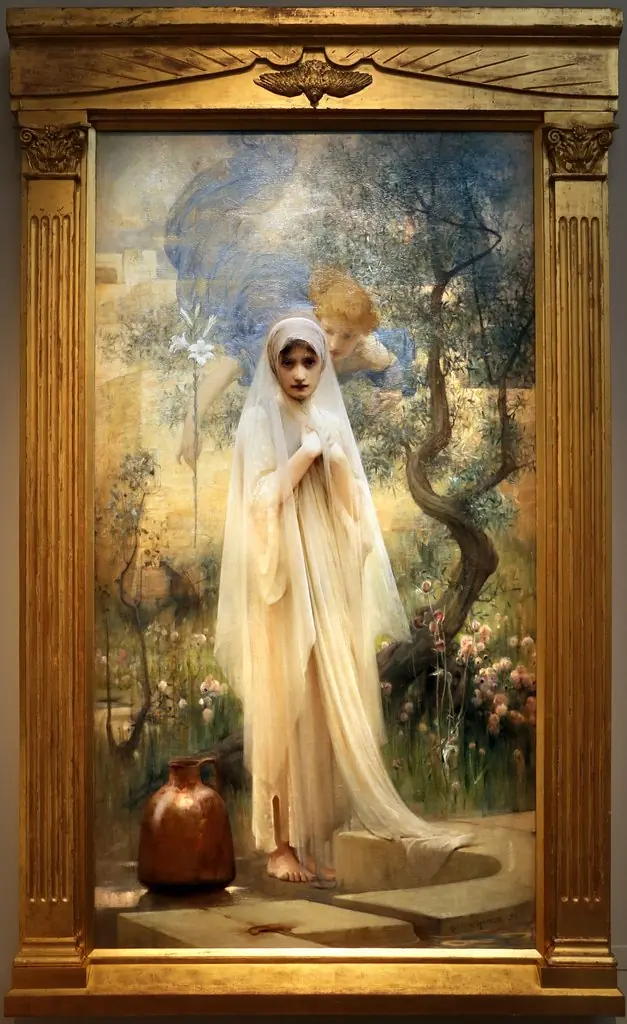 Annunciation
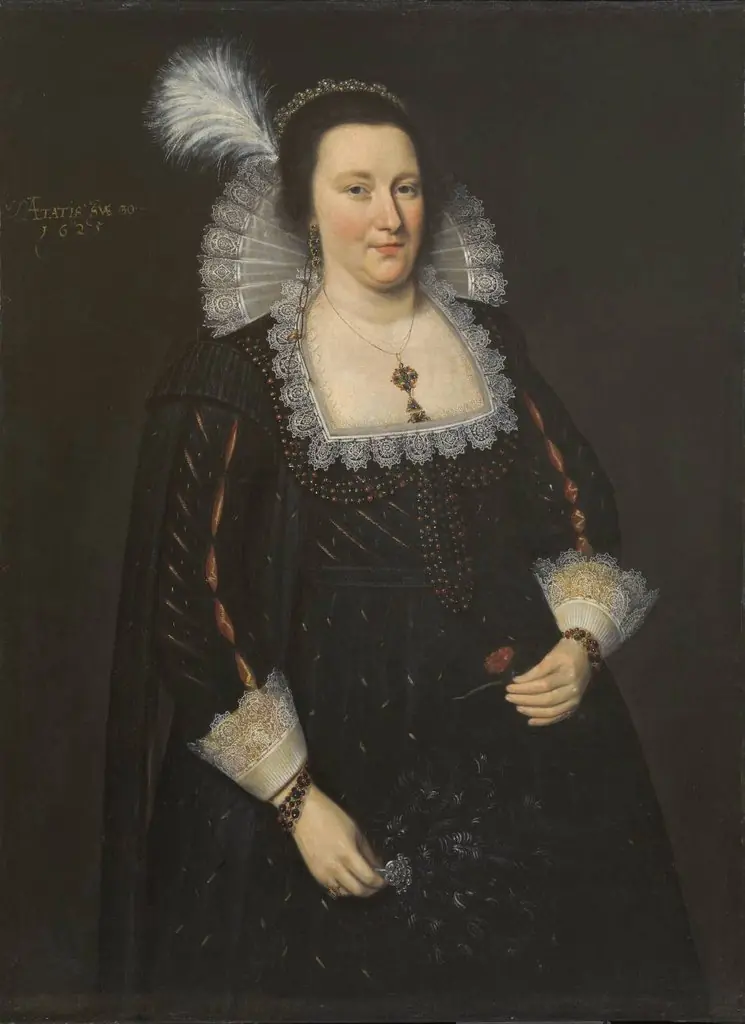 Portrait of Lady Margaret Livingstone, 2nd Countess of Wigtown
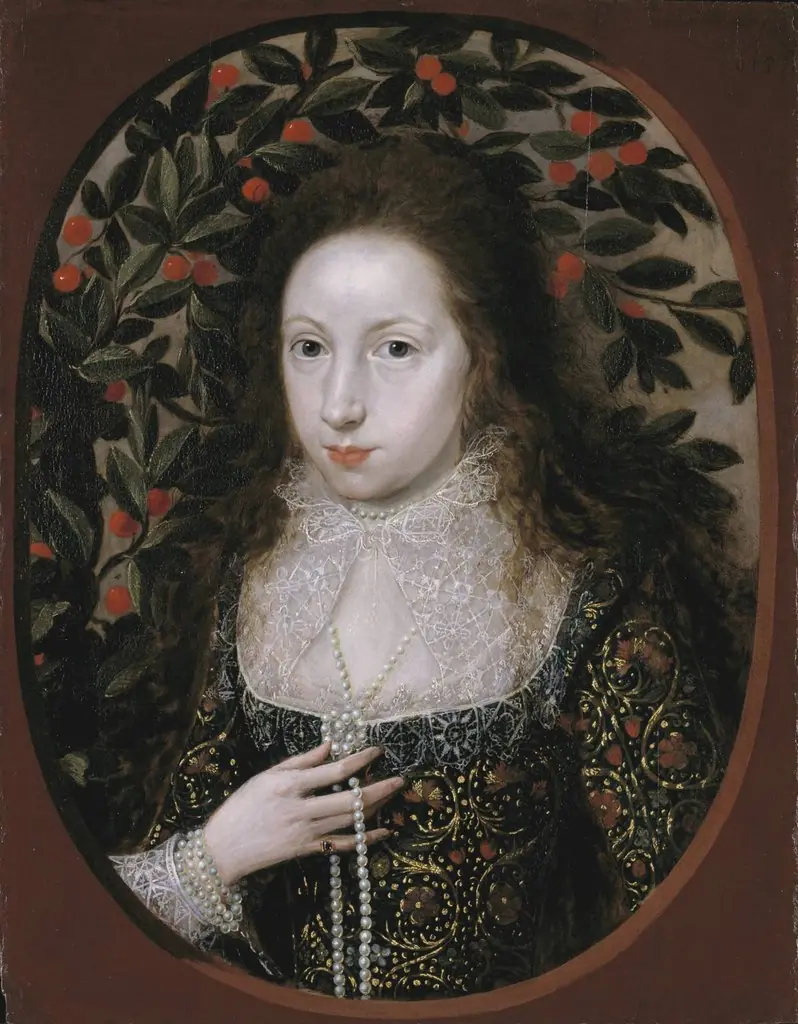 Lady Anne Pope
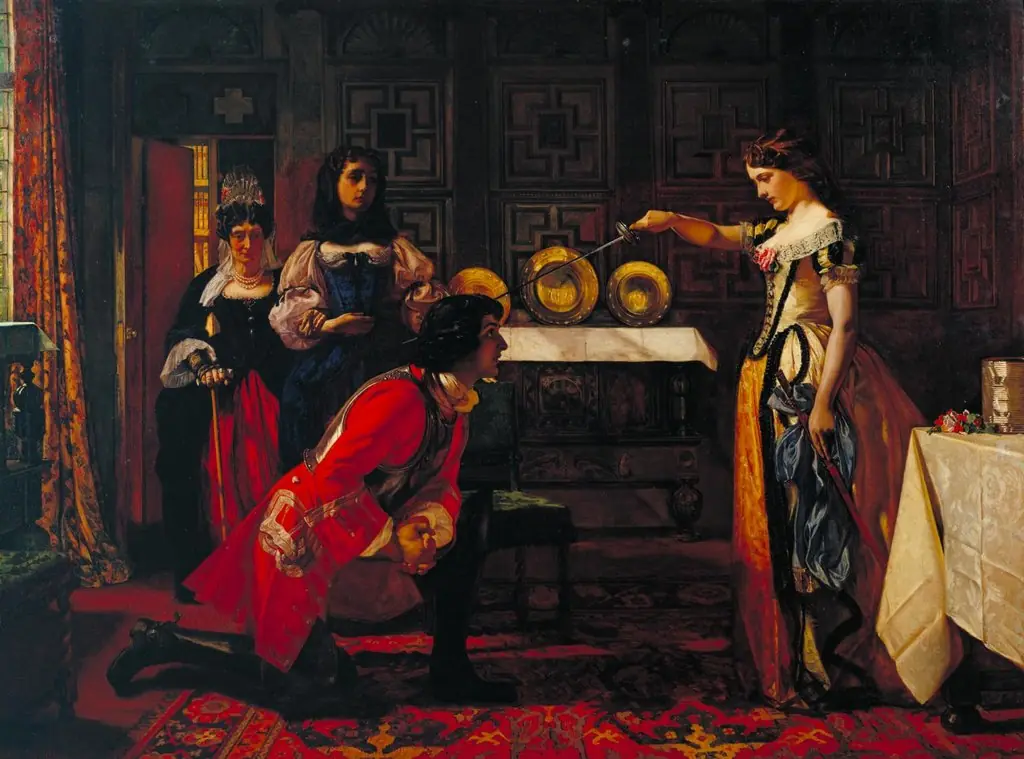 Beatrix Knighting Esmond
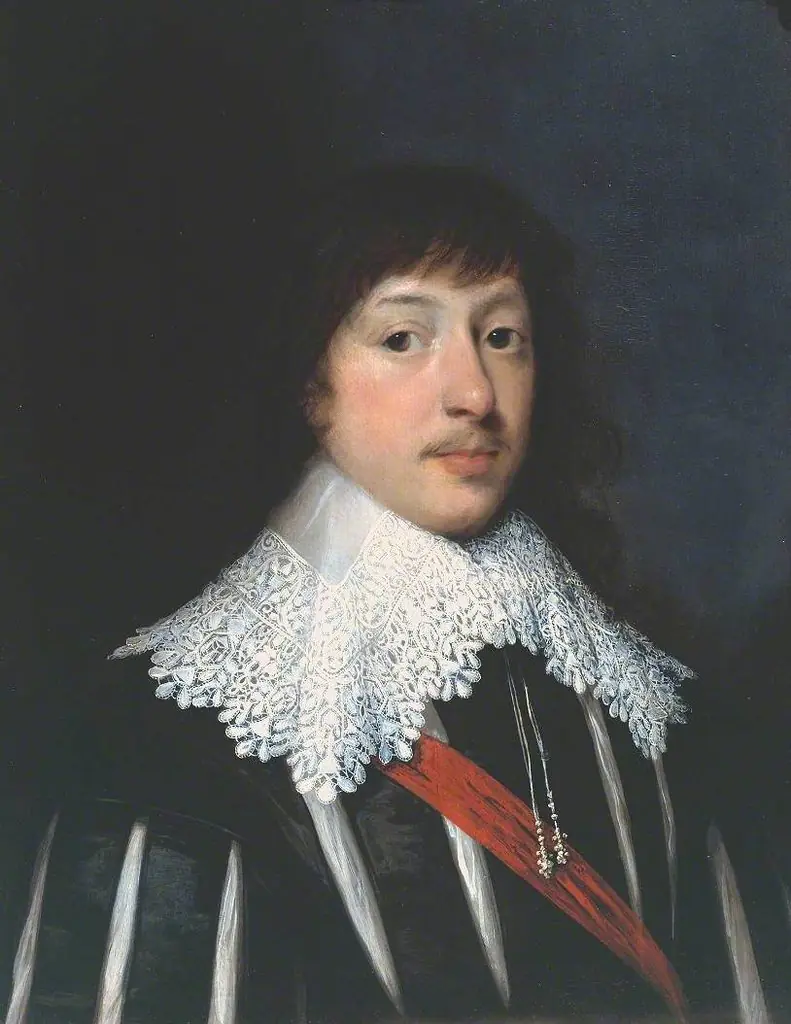 Portrait of an Unknown Gentleman
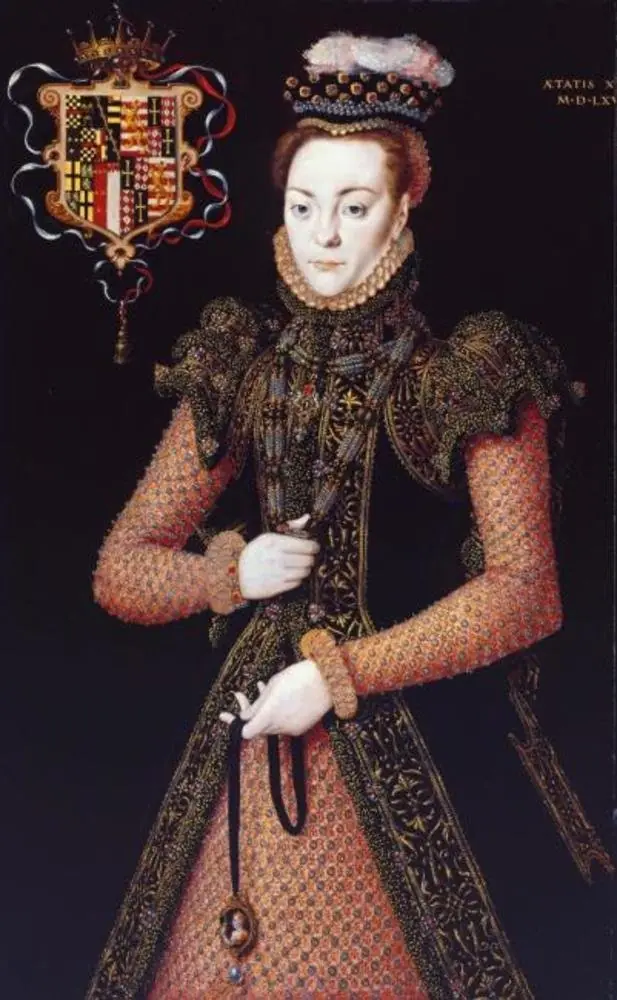 Portrait of an Unknown Lady
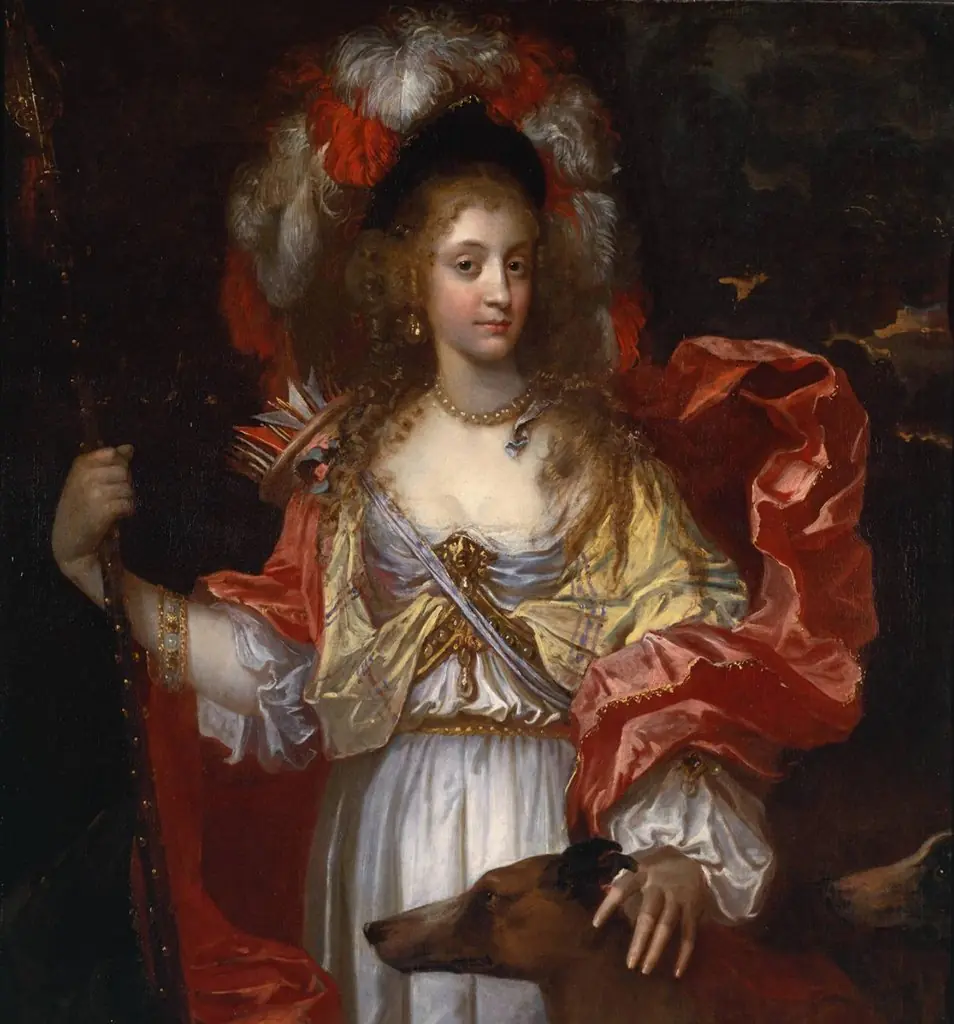 Portrait of a Lady as Diana
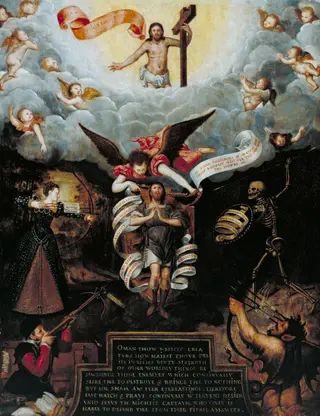 Allegory of Man
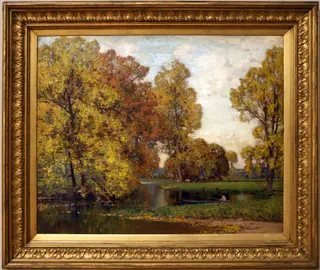 Golden Autumn
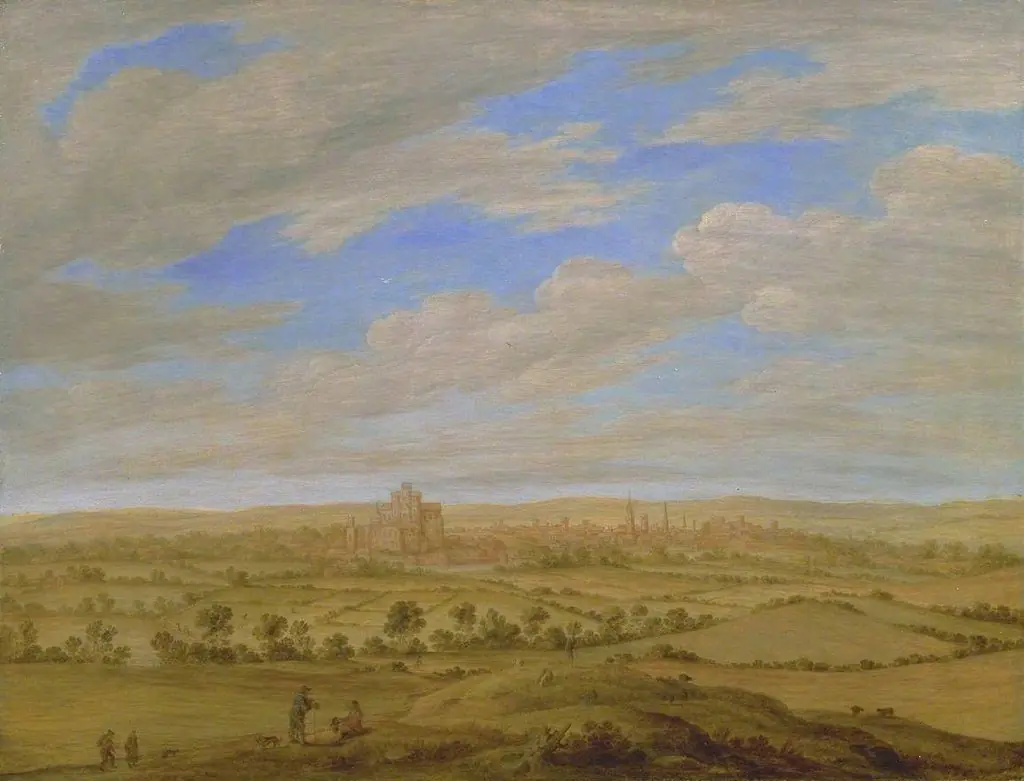 Distant View of York
Plan your visit
Tate Britain
- Website
- www.tate.org.uk
- Part of
- Tate
- Get Tickets
- Book on Tiqets
We may earn a commission from ticket bookings, at no extra cost to you.
Museums near Tate Britain
- Art Museum National Gallery City of Westminster, United Kingdom
- Gallery Matthiesen Gallery London, United Kingdom
- Art Museum National Portrait Gallery City of Westminster, United Kingdom
- Art Museum Tate Modern London Borough of Southwark, United Kingdom
- Art Museum Victoria and Albert Museum Royal Borough of Kensington and Chelsea, United Kingdom
- Art Museum British Museum London Borough of Camden, United Kingdom



What's on

Julio Le Parc: Light. Colour. Action.
11 Jun 2026 – 3 May 2027
Aleksandra Kasuba: Shelters for the Senses
1 Oct 2023 – 4 Oct 2026
We may earn a commission from ticket bookings, at no extra cost to you.