Art Museum
Brighton Museum & Art Gallery

Image: Wikimedia Commons.
Brighton Museum & Art Gallery is an art museum in Brighton and Hove, United Kingdom.
About Brighton Museum & Art Gallery
Brighton Museum & Art Gallery is a municipally owned public museum and art gallery in the city of Brighton and Hove in the South East of England. It is part of Brighton & Hove Museums. It costs £9.50 for a yearly pass, discounted to £7 for Brighton and Hove residents and students at local universities.
Brighton Museum & Art Gallery by the numbers
- Founded
- 1805
- Visitors / year
- 200,000
Plan your visit
Brighton Museum & Art Gallery
- Website
- brightonmuseums.org.uk
- Get Tickets
- Book on Tiqets
We may earn a commission from ticket bookings, at no extra cost to you.
Overview
Brighton Museum & Art Gallery is a municipally owned public museum and art gallery in Brighton and Hove, a city on the south coast of England. It is part of Brighton & Hove Museums, a charitable trust that cares for five venues across the city. The museum occupies a building within the Royal Pavilion Estate in Pavilion Gardens, East Sussex, BN1 1FN, just minutes from the Brighton seafront. An annual pass costs £9.50, with a reduced rate of £7 for Brighton and Hove residents and students at local universities. The institution holds collections of national and international importance, including three Designated collections recognised by Arts Council England for their significance.
Founding & history
The building that houses the museum was originally constructed for the Prince of Wales, later George IV, and was completed in 1805. It was initially intended as a tennis court but was never finished, instead serving as cavalry barracks. Following George IV's death in 1830, King William IV continued to use the Royal Pavilion during visits to Brighton. However, after Queen Victoria's final visit in 1845, the government planned to sell the estate. The Brighton Commissioners and Brighton Vestry successfully petitioned for the purchase, and the town acquired the Pavilion for £53,000 in 1850 under the Brighton Improvement (Purchase of the Royal Pavilion and Grounds) Act 1850. In September 1851, part of the Pavilion was designated for annual art exhibitions, with the first held two months later featuring local artists including Frederick Nash and Copley Fielding. The stable building of the estate was used as a museum from 1856 and is now the Brighton Dome performing arts venue. The museum and art gallery moved to its current location in 1902. A major £10 million refurbishment took place in 2002, which resulted in the traditional museum entrance becoming the entrance to the Dome, while the Dome's former entrance became the museum's. The museum was founded by Henry Willett, a local brewer and social reformer.
Collection scope
The museum's collections are exceptionally diverse, spanning fine art, decorative art, natural sciences, world art, fashion and textiles, toys, film and media, local and social history, archaeology, and oral history. The Decorative Art collection covers British, European, and American applied art and design from the 17th century to the present day, including ceramics, glass, metalwork, furniture, and jewellery, and has been Designated of National Importance. The Natural Sciences collection includes the Edward Booth collection of British birds, zoological and geological collections, half a million insects, and a library of 14,000 natural history texts. The World Art collection contains over 13,000 objects from Africa, Asia, the Pacific, and the Americas. The Fine Art Collection comprises sculpture, paintings, mixed media, prints, and drawings from the 15th to 20th centuries. The Fashion and Textiles collection spans British, European, and North American materials from the 16th century to the present. The Toys collection, founded on the National Toy Museum & Institute of Play, contains over 20,000 items. The Film and Media collection documents early English cinema from 1896 to 1930. The Archaeology collection includes material from local and international sites, notably a significant Egyptian collection and the Whitehawk Neolithic Causewayed Enclosure. The three Designated collections are Decorative Art, Natural Sciences, and World Art, recognised by the Museums, Libraries & Archives Council for their national and international importance.
Notable holdings
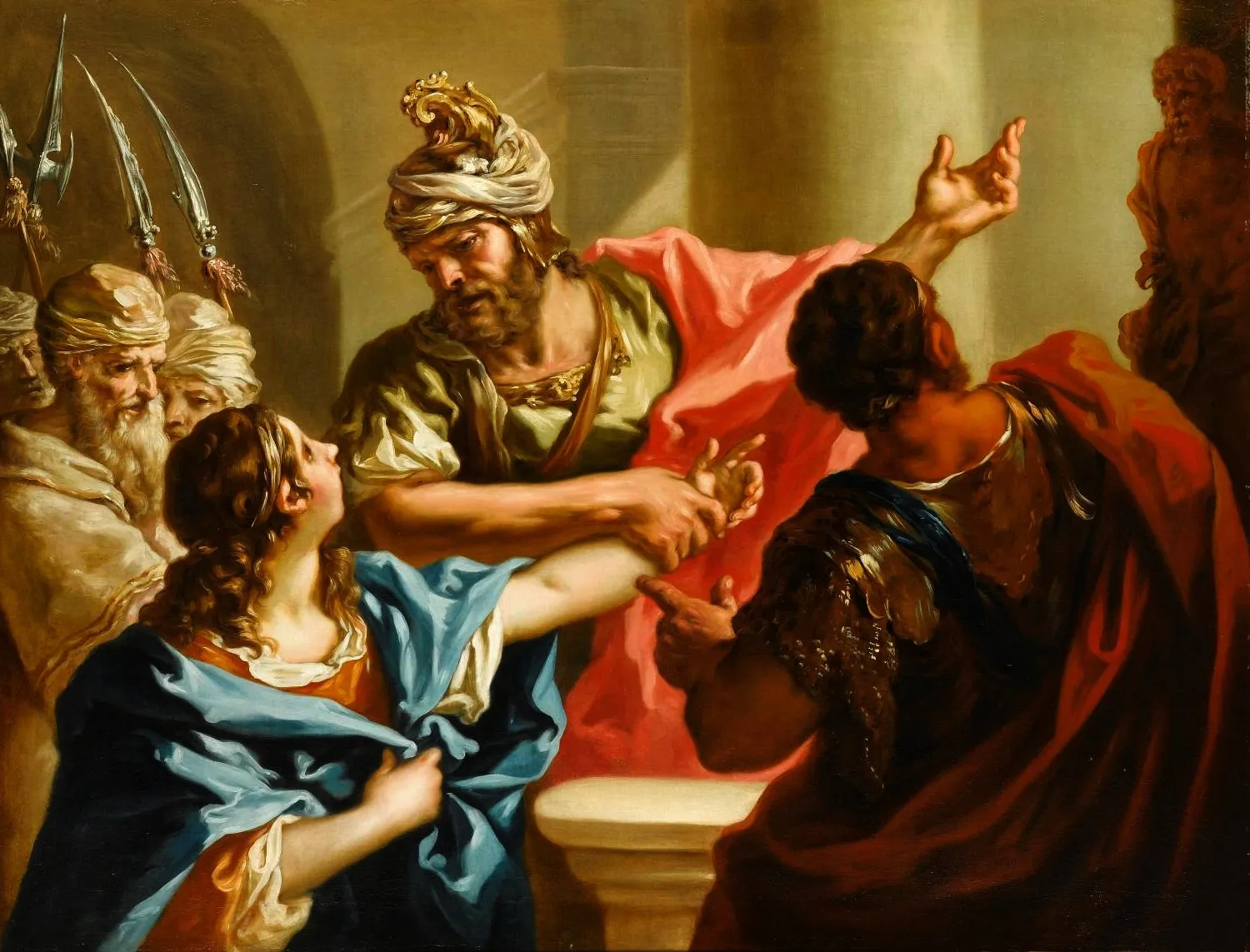
The fine art collection contains approximately 2,000 paintings, 4,000 watercolours, and more than 10,000 prints. Notable works include 'The Raising of Lazarus' by Jan Lievens, which once hung in Rembrandt's home, and 'Swans at Play' by Gaston La Touche. The collection holds 17th-century works by Nicolaes Maes, Esaias van de Velde, and Jan Victors; 18th-century pieces by Johann Zoffany, Angelica Kauffmann, William Hogarth, Thomas Gainsborough, and a William Blake tempera painting; and Georgian and Victorian works by Turner, Constable, Alma-Tadema, Samuel Palmer, Rosa Bonheur, and Thomas Faed. Twentieth-century works include pieces by Camden Town Group artists Robert Bevan, Charles Ginner, and Harold Gilman, as well as Vanessa Bell, Hilda Carline, Jacob Epstein, Eric Gill, Duncan Grant, PaulCAC, Paul Nash, Glyn Philpot, Walter Sickert, Stanley Spencer, and Graham Sutherland. The Heyer Bequest, from former Brighton resident Paul Heyer, features late 20th-century American Post Abstract Expressionist works by Frank Stella, Alexander Calder, Sir Anthony Caro, Larry Poons, and Jules Olitski. The museum also holds surrealist pieces donated by Edward James, including the Mae West Lips sofa of 1938 designed by Salvador Dali and Edward James. In decorative arts, key pieces include Art Deco objects by Rateau and Lalique, and Grayson Perry's vase 'Difficult Background' (2002) in the contemporary craft collection. The Willett Collection of Popular Pottery comprises 2,000 Georgian and Victorian ceramics. The archaeology collection's highlights include the 3,500-year-old Bronze Age Hove Amber Cup, discovered in 1856, believed to signify Baltic trade links. Notable costume items include a pair of breeches worn by George IV made in 1827, the earliest objects being kid leather gloves circa 1595-1605, a young boy's silk brocade suit of 1741-45, and two outfits from George IV's coronation procession in 1821. The 1933 collection of sets, costumes, and props from Les Ballets Russes is of exceptional rarity. The film collection includes a Kinemacolor camera made by Moy & Bastie around 1910, developed by Brighton film pioneer George Albert Smith.
Building & site
The museum is housed within the Royal Pavilion Estate, a building of considerable architectural and historical significance. The structure was originally built as part of George IV's stable complex and is now a listed building. It sits adjacent to the Brighton Dome, a performing arts venue that occupies the former stable building of the Pavilion estate. The museum building is described as a beautiful 19th-century listed building set in the heart of the city's cultural quarter. Following the 2002 refurbishment, the entrance arrangements were altered: the traditional entrance to the museum became the entrance to the Dome, while the Dome's former entrance became the museum's entrance. The museum's galleries are spread across three floors, with dedicated spaces for different collection areas including two galleries for the Decorative Art collection and three dedicated fine art galleries.
Visiting
Brighton Museum & Art Gallery is located at Pavilion Gardens, East Sussex, BN1 1FN, just a few minutes' walk from Brighton seafront in the heart of the city's cultural quarter. It is owned by the municipality and operated as part of Brighton & Hove Museums, a charitable trust that also manages the Royal Pavilion, Booth Museum, Hove Museum of Creativity, and Preston Manor. The museum reopened to the public in May 2002 following its £10 million redevelopment. Visitors can explore collections across three floors, with the ground floor featuring archaeology and ethnography galleries, the first floor dedicated to fine art, and the second floor covering the history and culture of Brighton and the surrounding region. The museum hosts a rolling programme of temporary exhibitions in two dedicated art galleries. Current and upcoming exhibitions can be checked on the official website. Entry requires purchase of an annual pass.
Museums near Brighton Museum & Art Gallery
- Art Museum Tate Britain City of Westminster, United Kingdom
- Art Museum Victoria and Albert Museum Royal Borough of Kensington and Chelsea, United Kingdom
- Art Museum National Gallery City of Westminster, United Kingdom
- Gallery Matthiesen Gallery London, United Kingdom
- Art Museum Tate Modern London Borough of Southwark, United Kingdom
- Art Museum National Portrait Gallery City of Westminster, United Kingdom