Art Museum
Courtauld Gallery

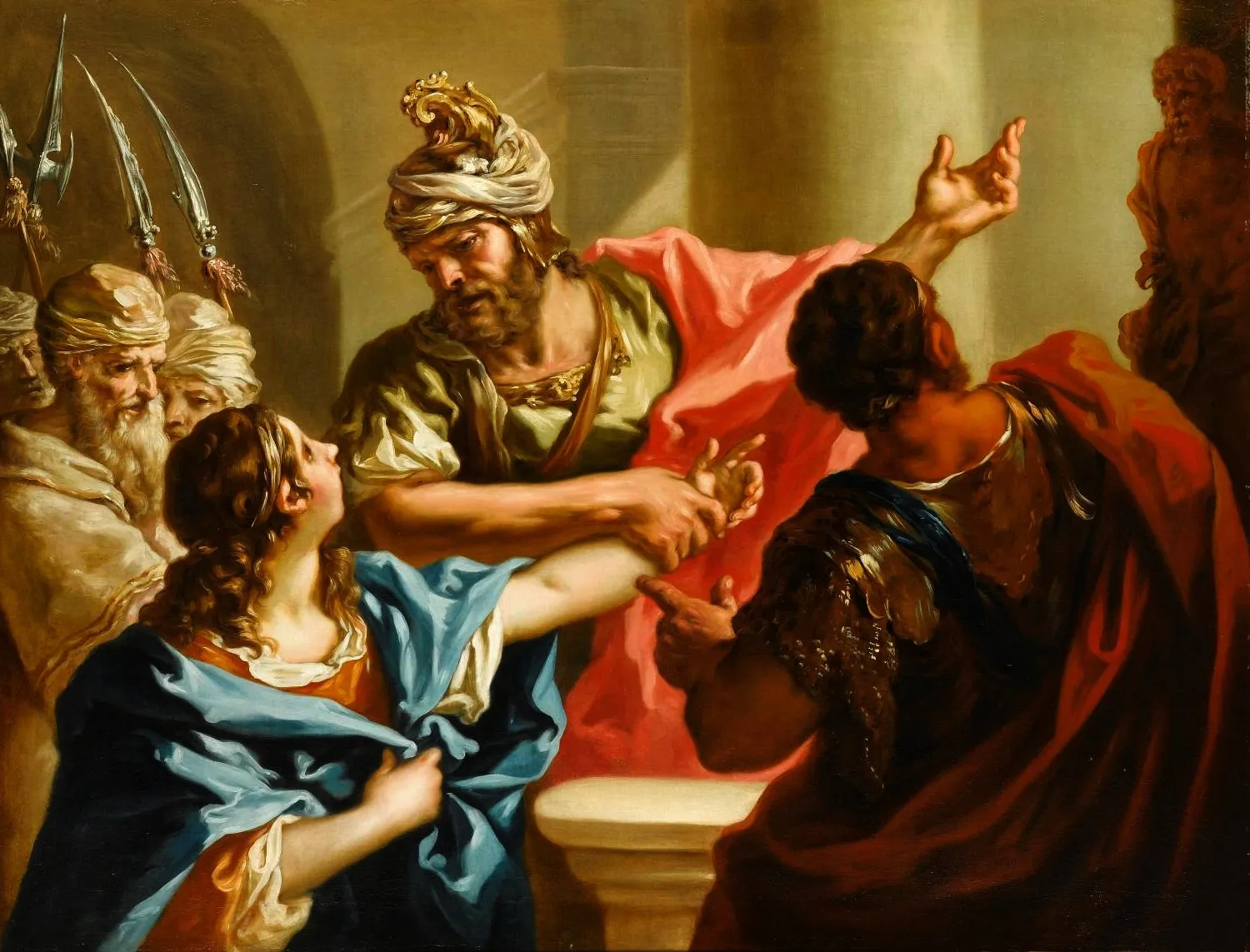
Image: Wikimedia Commons.
Courtauld Gallery is an art museum in City of Westminster, United Kingdom.
About Courtauld Gallery
The Courtauld Gallery (UK: ) is an art museum in Somerset House, on the Strand in central London. It houses the collection of the Samuel Courtauld Trust and operates as an integral part of the Courtauld Institute of Art.
The Courtauld collection was formed largely through donations and bequests, and includes paintings, drawings, sculptures and other works from medieval to modern times. It is particularly known for its French Impressionist and Post-Impressionist paintings. The collection contains some 530 paintings and over 26,000 drawings and prints. The head of the Courtauld Gallery is Ernst Vegelin. The gallery closed on 3 September 2018 for a major redevelopment, called Courtauld Connects, and reopened on 19 November 2021.
Courtauld Gallery by the numbers
- Founded
- 1932
Plan your visit
Courtauld Gallery
- Website
- courtauld.ac.uk
Overview
The Courtauld Gallery is an art museum located in Somerset House on the Strand in central London. It houses the collection of the Samuel Courtauld Trust and operates as an integral part of the Courtauld Institute of Art, a self-governing college of the University of London specialising in the history of art. Founded in 1932, the gallery is particularly celebrated for its holdings of French Impressionist and Post-Impressionist paintings, though its collection spans from medieval times to the modern period. The gallery contains approximately 530 paintings and over 26,000 drawings and prints. Following a major redevelopment project called Courtauld Connects, the gallery closed on 3 September 2018 and reopened on 19 November 2021. The head of the Courtauld Gallery is Ernst Vegelin.
Founding & history
The Courtauld Institute was founded in 1932 through the philanthropic efforts of three men: the industrialist and art collector Samuel Courtauld, the diplomat and collector Lord Lee of Fareham, and the art historian Sir Robert Witt. Samuel Courtauld launched the art collection that same year with a major presentation of paintings, primarily French Impressionist and Post-Impressionist works, supplemented by further gifts in the 1930s and a bequest in 1948. After the Second World War, the collection expanded significantly through additional bequests, most notably Lord Lee's collection of Old Master paintings. Sir Robert Witt bequeathed his important collection of Old Master and British drawings in 1952, comprising 20,000 prints and more than 3,000 drawings. His son, Sir John Witt, later added more English watercolours and drawings. In 1958, Pamela Diamand, daughter of art critic Roger Fry, donated his collection of 20th-century art including works by Bloomsbury Group artists Vanessa Bell and Duncan Grant. Mark Gambier-Parry bequeathed his grandfather Thomas Gambier Parry's diverse collection in 1966, ranging from Early Italian Renaissance painting to majolica, medieval enamel, and ivory carvings. Dr William Wycliffe Spooner and his wife Mercie enriched the English watercolours in 1967 with works by John Constable, J.M.W. Turner, and others. In 1974, thirteen Turner watercolours were presented in memory of Sir Stephen Courtauld, Samuel's brother. The 1978 acquisition of the Princes Gate Collection, formed by Count Antoine Seilern, brought paintings by Bernardo Daddi, Robert Campin, Bruegel, Quentin Matsys, van Dyck, and Tiepolo, with particular strength in Rubens. Lillian Browse donated more than thirty works in 1982 and bequeathed a further eight. Dorothy Scharf left more than 50 British watercolours, including eight by Turner, in 2004. The gallery's £50 million redevelopment from 2018 to 2021 represented its most significant recent chapter.
Collection scope
The Courtauld collection was formed largely through donations and bequests, encompassing paintings, drawings, sculptures, and other works from medieval to modern times. While particularly renowned for its French Impressionist and Post-Impressionist paintings, the collection represents multiple national schools including French, Italian, Flemish, Dutch, Spanish, and British art. The holdings include significant depth in drawings and prints, reflecting the scholarly mission of the Courtauld Institute of Art. The collection's formation through philanthropic gift rather than systematic acquisition has given it a distinctive character, shaped by the tastes and connections of its benefactors.
Notable holdings
The Courtauld's French Impressionist and Post-Impressionist holdings include Manet's A Bar at the Folies-Bergère and a version of Le Déjeuner sur l'Herbe, Renoir's La Loge, landscapes by Monet and Pissarro, a ballet scene by Degas, and eight major works by Cézanne including Les Joueurs de cartes. Van Gogh is represented by Self-Portrait with Bandaged Ear and Peach Blossoms in the Crau, while Gauguin's Nevermore and Te Rerioa also feature. Important works by Seurat, Henri Rousseau, Toulouse-Lautrec, and Modigliani complete this core group. The Old Master holdings include Cranach's Adam and Eve from Lord Lee's bequest, and a sketch in oils by Rubens for his Deposition altarpiece in Antwerp Cathedral. The Seilern bequest added the Seilern Triptych by Robert Campin, works by Pieter Bruegel the Elder, Quentin Matsys, Anthony van Dyck, and Giovanni Battista Tiepolo, with particular strength in Rubens, of whom 29 paintings are held. The British school is represented by Thomas Gainsborough, while the drawing collection includes works attributed to Leonardo da Vinci, Michelangelo, and Dürer. Other notable works include Botticelli's Pala delle Convertite, Fra Angelico, Lorenzo Lotto, and Francisco Goya.
Building & site
From 1958 to 1989, the Courtauld collection was housed in part of the premises of the Warburg Institute in Woburn Square, separated from the Courtauld Institute, which was then in Home House, Portman Square. Since 1989, the gallery and institute have been united in the North or Strand block of Somerset House, in rooms originally designed and purpose-built by Sir William Chambers for the learned societies, namely the Royal Academy, the Royal Society, and the Society of Antiquaries. The Royal Academy occupied these spaces from their completion in 1780 until moving to the new National Gallery building in Trafalgar Square in 1837. Over the entrance to the Great Room, where the annual Royal Academy summer exhibition was held, is inscribed in Ancient Greek: ΟΥΔΕΙΣ ΑΜΟΥΣΟΣ ΕΙΣΙΤΩ (Let no stranger to the Muses enter). Somerset House itself, designed by Sir William Chambers, stands as one of the most imposing English buildings of the eighteenth century.
Visiting
The Courtauld Gallery is located in Somerset House on the Strand in central London, within the City of Westminster. It operates as an integral part of the Courtauld Institute of Art, which is a self-governing college of the University of London. The gallery is open to the public and maintains an online collection presence. Its 2021 reopening following the Courtauld Connects redevelopment restored public access to one of London's most significant collections of Impressionist and Old Master art, housed in a historic architectural setting at the heart of the capital.
Museums near Courtauld Gallery
- Art Museum National Gallery City of Westminster, United Kingdom
- Gallery Matthiesen Gallery London, United Kingdom
- Art Museum Tate Modern London Borough of Southwark, United Kingdom
- Art Museum National Portrait Gallery City of Westminster, United Kingdom
- Art Museum British Museum London Borough of Camden, United Kingdom
- Art Museum Tate Britain City of Westminster, United Kingdom