Art Museum
Musée Thomas-Henry

Image: Wikimedia Commons.
Musée Thomas-Henry is an art museum in Cherbourg-Octeville, France.
About Musée Thomas-Henry
The Musée des beaux-arts Thomas Henry is a museum at Cherbourg-en-Cotentin (Manche) with around 300 artworks, mainly paintings from the 15th to 19th centuries. It has been rated as the third most important collection in Normandy.
Musée Thomas-Henry by the numbers
- Founded
- 2001
- Visitors / year
- 27,026
Plan your visit
Musée Thomas-Henry
- Website
- www.cherbourg.fr
Overview
The Musée des beaux-arts Thomas Henry is an art museum in Cherbourg-en-Cotentin, in the Manche department of Normandy, France. It holds approximately 300 artworks, predominantly paintings spanning the 15th to 19th centuries, and is widely regarded as the third most important fine arts collection in Normandy. The museum carries the designation of Musée de France, placing it within France's national museum network. Its reputation rests on an encyclopedic collection that ranges from early Italian Renaissance masters to 19th-century French painters, with particular distinction in its holdings of works by Jean-François Millet, the second largest such collection in France after the Musée d'Orsay.
Founding & history
The museum originated from a series of anonymous donations to the city between 1831 and 1835, totaling 163 paintings. These were later revealed to have been made by Thomas Henry, a Cherbourg-born art dealer and commissaire expert of the royal museums under the Restoration. Having lost his two sons, Henry sought to provide the young people of his native city with an education in art; among those who benefited was Jean-François Millet, who began his career copying works in the museum. The city administration identified Henry as the donor in 1834 and accepted the gift. On 29 July 1835, the museum opened with its 163 paintings, then valued at 120,000 francs. Henry died on 7 January 1836 in Paris, and more than 210 additional paintings from his estate were subsequently sold at auction.
The collection grew through further donations from Cherbourg residents, including Captain Troude in 1844, sculptor Armand Le Véel, and the Ono family, who donated Millet's works in 1915. Le Véel, a sculptor from Bricquebec who created the equestrian statue of Napoleon I on the waterfront, served as curator from 1885 and bequeathed sculptures and decorative arts. From 1965, the city began supplementing private donations and state loans with its own acquisitions, focusing particularly on strengthening the Millet collection.
Initially housed in two rooms of the Hôtel de ville, the museum moved in 1983 to a newly built cultural center on the site of the former municipal grain halls. After closing for renovation in March 2012, the museum reopened on 19 March 2016 following restoration work designed by architect Antoine Boisroux. Visitor numbers rose from 18,957 in 2007 to 30,554 in 2009.
Collection scope
The museum's collection has earned the nickname "little Louvre articulated a deliberate pedagogical aim: to document the major currents of Western art history from the 15th to the 19th centuries. Henry's selections notably countered contemporary French taste by emphasizing 15th-century Italian and Flemish Renaissance works and the tenebrist Spanish school of the 17th century, genres still rare in French collections at the time. The collection encompasses genre painting, portraits, and still lifes from Northern European schools alongside history painting and landscapes.
The holdings are organized into several major schools. Italian painting from the 15th through 18th centuries is strongly represented, as are Flemish and Dutch painting. Spanish 17th-century painting appears through select masters, and French painting from the 17th through 19th centuries forms a substantial component. The museum also maintains significant regional holdings, including works by artists connected to the Nord-Cotentin area. Since 2000, the museum has organized a biennial exhibition of comic art, the Biennale du 9e art, honoring individual cartoonists and graphic novelists.
Notable holdings
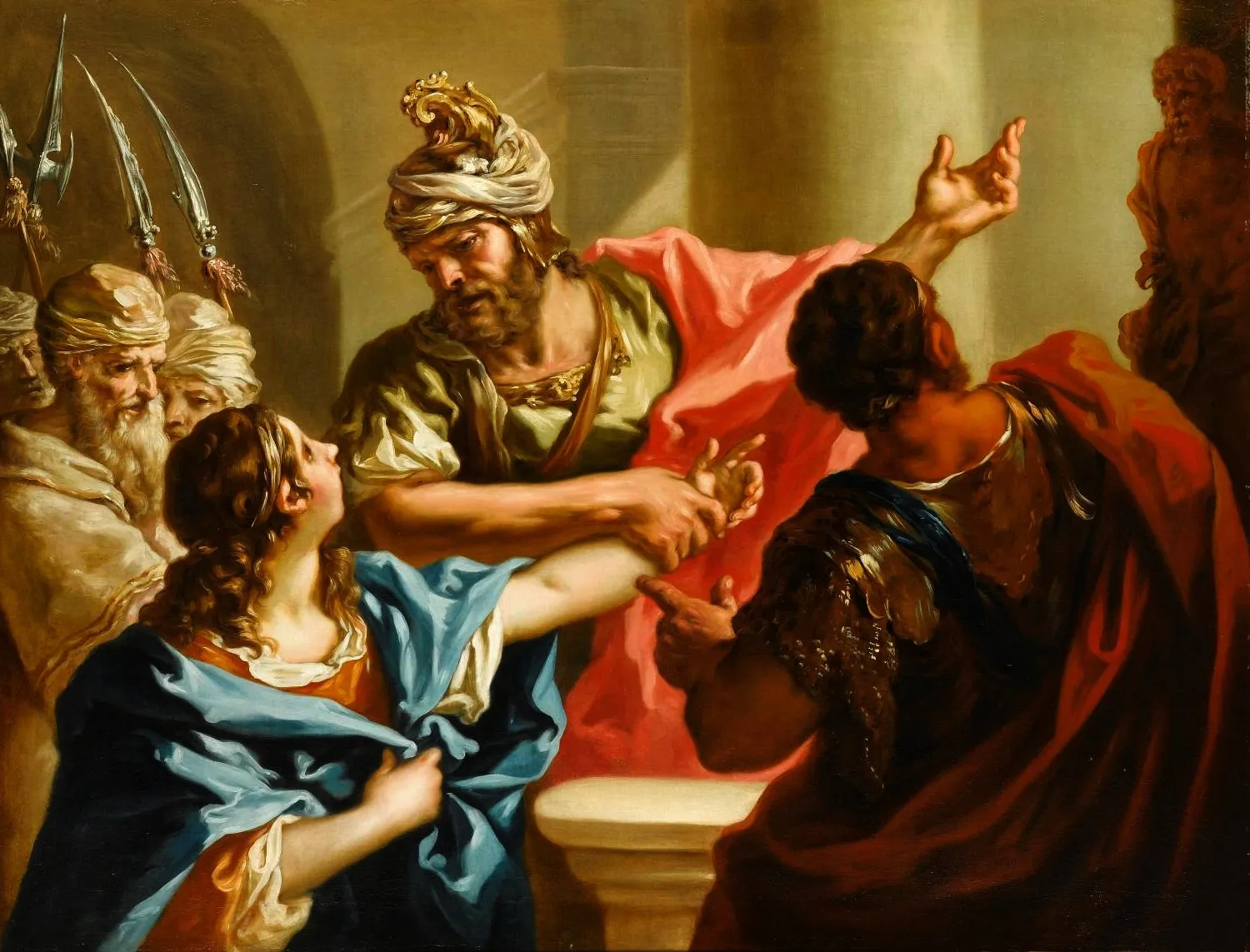
Among the museum's most significant works are early Italian paintings including Fra Angelico's The Conversion of Saint Augustine and Filippino Lippi's The Burial. The Italian Renaissance and later Italian schools are represented by Sebastiano Mainardi, Domenico Puligo, Jacopo Bassano, Lavinia Fontana (The Adoration of the Magi, 1590), Palma the Younger, Francesco Furini, Bartolomeo Schedoni, Carlo Saraceni, Francesco Solimena, and Giovanni Paolo Pannini.
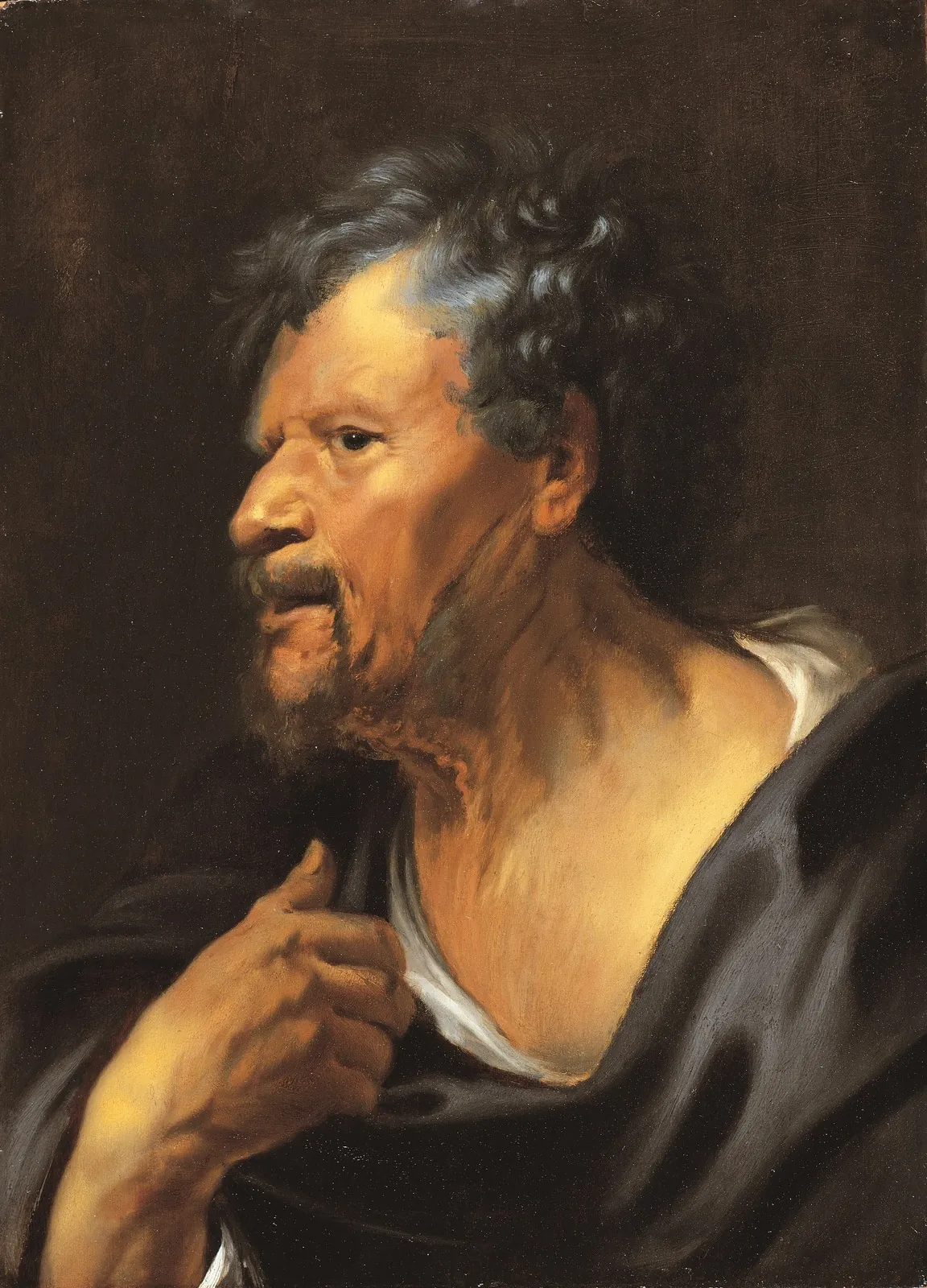
Flemish and Dutch masters include Paul Bril, Jacob Jordaens (Adoration of the Magi), Frans II Francken, Pieter van Mol, Willem van Aelst, Jan van Kessel the Elder, Jacob van Loo, Jan Frans van Bloemen, Melchior d'Hondecoeter, Rachel Ruysch, Gérard de Lairesse, Jan Brueghel, and Hendrick van Balen. Spanish Baroque painting is represented by Bartolomé Esteban Murillo (Christ at Calvary), Francisco de Herrera the Elder, and Antonio Palomino (Saint Sebastian).
French painting highlights include Nicolas Poussin (Pietà), Philippe de Champaigne, Louis Licherie, Eustache Le Sueur, Simon Vouet, Jacques Stella, Charles de La Fosse, Hyacinthe Rigaud, Nicolas de Largillierre, Adam Frans van der Meulen, Jean-Baptiste Oudry, Pierre Subleyras, Jean Siméon Chardin, Jean-Baptiste Greuze, Joseph Vernet, Hubert Robert, Pierre Révoil, and Jacques-Louis David. Horace Vernet is represented by Édith retrouvant le corps d'Harold après la bataille d'Hastings (1828).
The museum's Millet collection, the second most important in France after the Musée d'Orsay, includes early portraits of family members from his Cherbourg years, acquired through the Ono family donation. Other notable holdings include paintings by Guillaume Fouace, sculptures by Armand Le Véel, Paul Signac's Gatteville, and works by Théodore Rousseau and Eugène Boudin.
Building & site
The Musée Thomas Henry is located within Le Quasar, a cultural center in Cherbourg-en-Cotentin. The building stands on the site of the city's former grain halls (halles à grain), which were demolished to make way for the new construction. The museum shares this complex with the Bibliothèque Jacques Prévert, an artotheque (art lending library), and the national theater Le Trident, designed in the Italian style. The 2012-2016 renovation by architect Antoine Boisroux modernized the facilities while maintaining the museum's integration within this multifunctional cultural hub.
Visiting
The Musée Thomas Henry is situated in Cherbourg-en-Cotentin, a port city in the Manche department of Normandy in northwestern France. It operates as a municipal museum under the city's administration and holds the national designation closest equivalent to a municipal museum with recognized public service. The museum's official website is maintained by the city of Cherbourg. The institution continues to serve its original educational mission while functioning as a major regional cultural destination, drawing visitors to its permanent collections and its biennial comic art exhibitions.
Museums near Musée Thomas-Henry
- Art Museum Southampton City Art Gallery Southampton, United Kingdom
- Art Museum Victoria and Albert Museum Royal Borough of Kensington and Chelsea, United Kingdom
- Art Museum Tate Britain City of Westminster, United Kingdom
- Art Museum Schorr Collection City of Westminster, United Kingdom
- Art Museum National Gallery City of Westminster, United Kingdom
- Gallery Matthiesen Gallery London, United Kingdom