Artist
Milne Ramsey
United States
Milne Ramsey is an United States American Impressionism artist. 2 works are cataloged here, principally at National Gallery of Art.
Milne Ramsey was born in Atlantic City, New Jersey in 1847 and died March 16, 1915, in Philadelphia was an American artist who painted still lifes, landscapes and nautical scenes. Ramsey studied at the Philadelphia Academy of Fine Arts and under Léon Bonnat in Paris. His artwork was exhibited during his lifetime at the Paris Salon and the Philadelphia Academy of Fine Arts. Ramsey spent the high point of his career in France but returned to Philadelphia during the last years of his life. The painter Anna Lownes was his pupil.
Overview
Milne Ramsey (1847-1915) was an American painter best known for still lifes, landscapes, and nautical scenes. Born in Atlantic City, New Jersey, he spent the most productive period of his career in France, where he exhibited at the Paris Salon and co-founded the Society of American Artists in Paris. His detailed still lifes, often incorporating flowers, fruit, and Oriental objects he collected during his European years, earned him recognition for their precise composition and masterful rendering of texture and reflective surfaces. Though associated with the Pont-Aven School, he maintained strong ties to Philadelphia, where he trained and where he spent his final years. His significance lies in bridging American and European artistic traditions during a formative period in American art history.
Biography & dates
Ramsey was born in Atlantic City, New Jersey in 1847. He began his artistic training at the Pennsylvania Academy of the Fine Arts in the early 1860s, where he studied alongside Thomas Eakins and Edwin Blashfield. After graduating in 1866, he opened a studio in Philadelphia. In 1868 he traveled to Paris to study under Léon Bonnat. During his decade in France, he regularly exhibited at the Paris Salon and co-founded the Society of American Artists in Paris. His son, Charles Frederic Ramsey, was born in Pont-Aven, Brittany in 1875 and later became a noted painter. Ramsey returned to Philadelphia in 1882, exhibiting nearly one hundred works from his European period at the Pennsylvania Academy. He subsequently divided his time among studios in Philadelphia, New York City, and his house in Atlantic City. In 1897 he moved to Lawrence Park in Bronxville, New York, focusing on landscape painting. Around 1900 he returned permanently to Philadelphia, where he died on March 16, 1915.
Style & movement
Ramsey is associated with the Pont-Aven School, the artists' colony in Brittany where his son was born and where he spent significant time. His still lifes are characterized by detailed arrangement and precise rendering of diverse textures and reflective surfaces, often featuring flowers, fruit, and Oriental artifacts he collected during his European residence. These objects, acquired during his travels, became recurring motifs in his compositions. Beyond still life, he produced landscapes and seascapes, particularly inspired by the coastal scenery of New Jersey. His technical approach combined the academic training he received under Bonnat with the broader European influences absorbed during his extended French period.
Major works
Ramsey exhibited extensively during his lifetime, with works shown at the Paris Salon and the Pennsylvania Academy of the Fine Arts. In 1882 he presented nearly one hundred works from his European period in a major exhibition at the Pennsylvania Academy. Specific titles and current locations of individual works are not documented in the available sources, though his paintings are represented by galleries including Vose Galleries and Gratz Gallery. The 1974 monograph by William H. Gerdts, The Art of Milne Ramsey, provides the most comprehensive scholarly survey of his oeuvre.
Influences & students
Ramsey's formal training came at the Pennsylvania Academy of the Fine Arts, where he was a contemporary of Thomas Eakins and Edwin Blashfield. His most significant teacher was Léon Bonnat, the French academic painter known for his realistic portraiture, under whom Ramsey studied in Paris. This Parisian training profoundly shaped his technical approach to painting. Ramsey in turn influenced others through his teaching; the painter Anna Lownes was his pupil. His son Charles Frederic Ramsey, born in Pont-Aven in 1875, followed him into painting, suggesting a direct transmission of artistic practice within the family.
Legacy
Ramsey's posthumous reputation has been shaped by scholarly attention to his role in late nineteenth-century American art. The 1974 monograph The Art of Milne Ramsey by William H. Gerdts, published by Chapellier Galleries in New York, remains the foundational study of his work. His paintings continue to circulate in the art market through dealers such as Vose Galleries and Gratz Gallery. The Bronxville Historical Conservancy maintains documentation of his residence in Lawrence Park. His legacy is carried forward institutionally through these commercial and historical channels, as well as through the continued recognition of his son Charles Frederic Ramsey's artistic career.
Works by Milne Ramsey
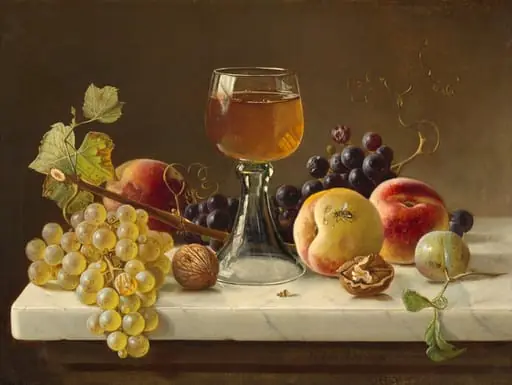
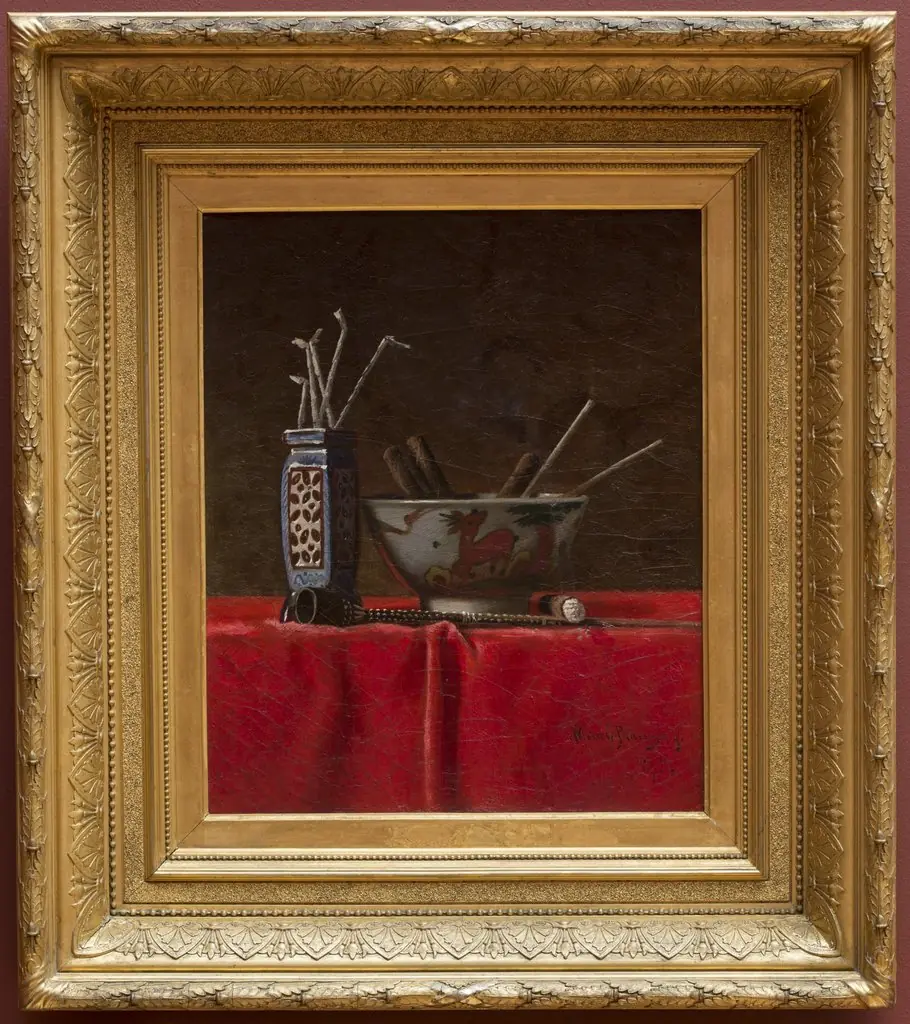
Collections represented


Artists in a similar vein
Artist