
Movement
Pont-Aven School
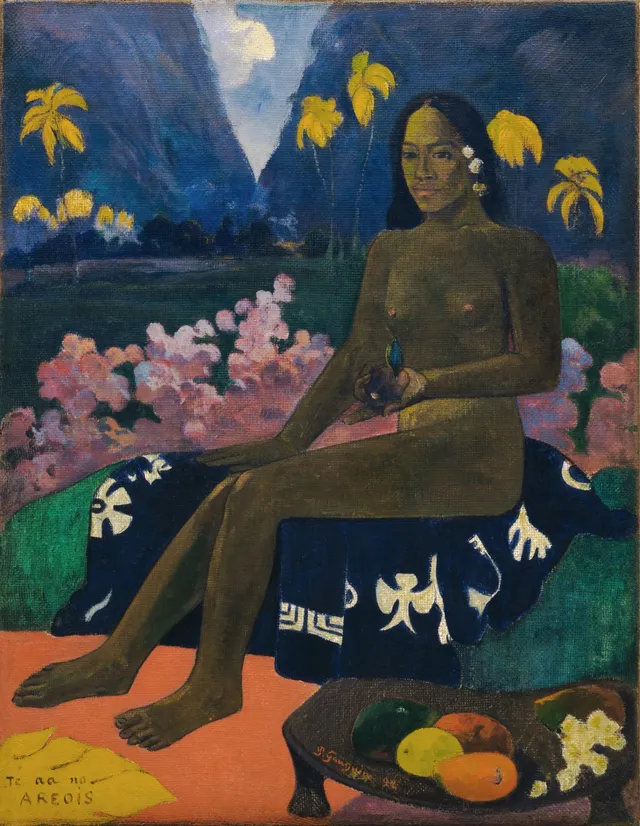
Pont-Aven School is an art movement dating from 1850. The gallery holds 2 works in this movement, including works by Thomas Hovenden, Paul Gauguin and Julian Alden Weir. Browse Pont-Aven School paintings, portraits, pictures and artworks from the world's public-domain museum collections.
The Pont-Aven School takes its name from a small mill town on the Aven river in southern Brittany, where, from the late 1880s, a loose colony of painters gathered around Paul Gauguin. Artists had been drawn to Pont-Aven since the 1860s by its cheap lodgings, rugged Breton landscape, and the perceived authenticity of a Catholic peasant culture that still wore traditional costume. Gauguin first arrived in the summer of 1886, seeking an escape from Paris and from the dissolving optical effects of Impressionism. It was on his return visits, and through his encounter with the young Émile Bernard in 1888, that the gatherings hardened into a self-conscious movement with a radical new pictorial language.
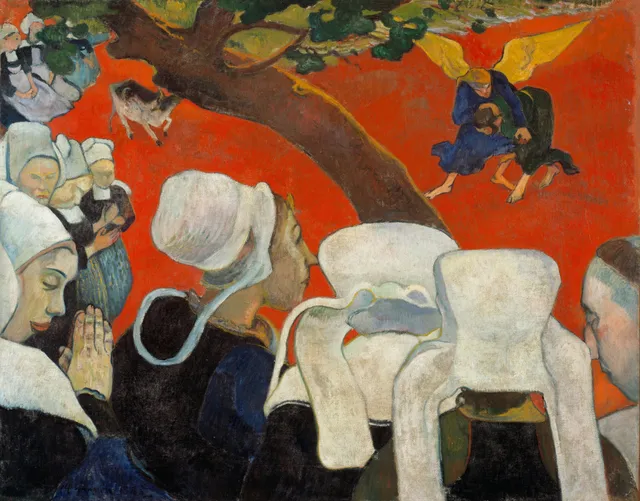
That language was Synthetism, often paired with the related technique of Cloisonnism. Rather than recording fleeting appearances, the Pont-Aven painters worked from memory and feeling, simplifying motifs into flat zones of pure, unmodulated color bounded by heavy dark contours — an effect deliberately recalling medieval stained glass and cloisonné enamel, and indebted to the bold design of Japanese woodblock prints. Perspective, modeling, and naturalistic shadow were largely abandoned in favor of expressive distortion and decorative, almost abstract pattern.
The movement's defining canvas is Gauguin's Vision After the Sermon (Jacob Wrestling with the Angel) of 1888, now in the National Galleries of Scotland, in which white-coiffed Breton women witness a biblical struggle across a vermilion field. Bernard's Breton Women in the Meadow of the same year was a crucial parallel experiment. The circle also included Charles Laval, Charles Filiger, Meyer de Haan, and Paul Sérusier, whose tiny 1888 panel The Talisman — painted under Gauguin's direct instruction — carried the doctrine back to Paris.
There it ignited the Nabis (Maurice Denis, Édouard Vuillard, Pierre Bonnard) and helped crystallize Symbolism in painting. As a current of Post-Impressionism, the Pont-Aven School's emancipation of color from description proved foundational for twentieth-century modernism, anticipating Fauvism and Expressionism. Gauguin himself soon carried its lessons far beyond Brittany to Tahiti, in works such as The Seed of the Areoi (1892), extending the colony's brief Breton experiment into one of modern art's pivotal careers.
Key artists
Works
Groups & collectives
Frequently asked questions
What is Pont-Aven School?
Pont-Aven School is an art movement. A loose gathering of avant-garde painters in the Breton village of Pont-Aven in the late 1880s, centered on Paul Gauguin.
Who are the key Pont-Aven School artists?
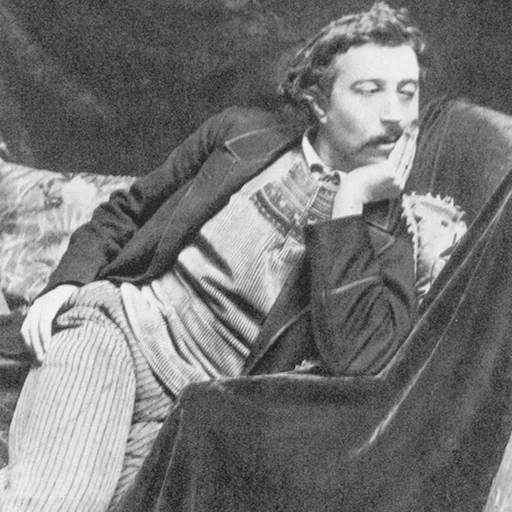
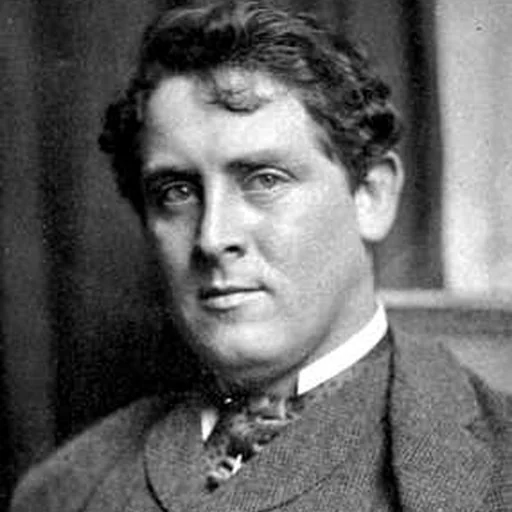
Key Pont-Aven School artists in the collection include Thomas Hovenden, Paul Gauguin and Julian Alden Weir.
When did Pont-Aven School take place?
Pont-Aven School dates from around 1850.
Where can I see Pont-Aven School works?
Pont-Aven School works in the collection are held by National Galleries Scotland and Museum of Modern Art.