Artist
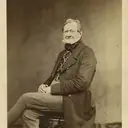
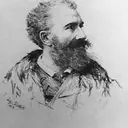
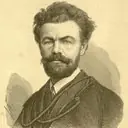
Walter Shirlaw
United States
Walter Shirlaw is an United States American Impressionism artist. 25 works are cataloged here, principally at National Gallery of Art.
American, Paisley, Scotland 1838–1909 Madrid
Biography & dates
Shirlaw was born in Paisley, near Glasgow, Scotland, on August 6, 1838. His family emigrated to the United States around 1840, and he grew up in Hoboken, New Jersey, and later in Chicago. Before pursuing fine art, he worked as a bank note engraver for the American Bank Note Company in New York and Chicago. His paintings were first exhibited at the National Academy of Design in New York in 1861. In 1868, he was elected an academician of the Chicago Academy of Design. From 1870 to 1877, Shirlaw studied at the Royal Academy of Fine Arts in Munich under Johann Leonhard Raab, Alexander von Wagner, Arthur von Ramberg, and Wilhelm Lindenschmidt. During this period he formed a friendship with fellow American painter Frank Duveneck. After returning to the United States, he settled in New York, where he taught at the Art Students League of New York, heading its composition class for several years. He was elected an associate of the National Academy of Design in 1887 and became a full academician in 1888. He was also elected to the Salmagundi Club in 1880 as an Honorary Artist member. Shirlaw died in Madrid, Spain, on December 26, 1909, while traveling, and was buried in the British Cemetery there.
Style & movement
Shirlaw's painting is strongly marked by the realism of the Munich School. His works are characterized by a restrained, dark tonal palette, vigorous brushwork, and naturalistic subject matter. The American writer S.G.W. Benjamin noted around 1878 that there was no uncertainty or weakness in Shirlaw's handling of color, that his lines were clearly and carefully drawn, and that he achieved excellent results in simple compositions. Benjamin particularly praised his skill with animals, dogs, and birds, observing that Shirlaw's inclination to delineate bird characteristics was akin to that of Japanese artists. Beyond oil painting, Shirlaw was proficient in pastel, watercolor, chalk, and pencil. He also worked extensively in monumental art, creating murals and decorative schemes, and was active as a designer of stained glass and large-scale wall paintings.
Major works
Shirlaw's first work of importance was Toning the Bell (1874), now in the collection of the Art Institute of Chicago. This was followed by Sheep-shearing in the Bavarian Highlands (1876), which received honorable mention at the Paris Exposition of 1878 and is generally considered his finest painting. Other notable works include Good Morning (1878), in the Buffalo Academy; Indian Girl and Very Old (1880); Gossip (1884); and Jealousy (1886), owned by the Academy of Design in New York City. His largest work was the frieze for the dining room in the house of banker Darius O. Mills in New York City. He also created a large mural on the theme of the sciences for the Library of Congress in Washington, D.C. As an engraver, he designed the image Electricity Presenting Light to the World, which appeared on the 1896 five-dollar silver certificate, a note that has been called America's Most Beautiful Banknote.
Influences & students
Shirlaw's primary teachers were the Munich Academy professors Johann Leonhard Raab, Alexander von Wagner, Arthur von Ramberg, and Wilhelm Lindenschmidt, whose academic realist approach shaped his technique. During his Munich years he befriended Frank Duveneck, another American painter who would become significant in transatlantic art circles. In Chicago, Shirlaw taught at the Chicago Academy of Design, where his pupils included Frederick Stuart Church. After returning to New York, he taught composition at the Art Students League of New York, influencing a subsequent generation of American artists. In 1877, he was among the founders of the Society of American Artists and served as its first president, helping to establish an alternative exhibition society to the more conservative National Academy of Design.
Legacy
Shirlaw's legacy rests on multiple contributions to American visual culture. As a teacher at the Art Students League and through his presidency of the Society of American Artists, he helped shape institutional structures that supported progressive American art. His Bavarian genre scenes, particularly Sheep-shearing in the Bavarian Highlands, were internationally recognized and brought favorable attention to American painting abroad. His work as an illustrator reached wide audiences through contemporary magazines, while his decorative commissions, including the Mills house frieze and the Library of Congress mural, demonstrated the range of his practice. The 1896 five-dollar silver certificate bearing his design, known as America's Most Beautiful Banknote, remains a notable artifact of American graphic art. His work is held in collections including the Art Institute of Chicago, the Buffalo Academy, the Academy of Design in New York, and the Smithsonian American Art Museum.
Works by Walter Shirlaw
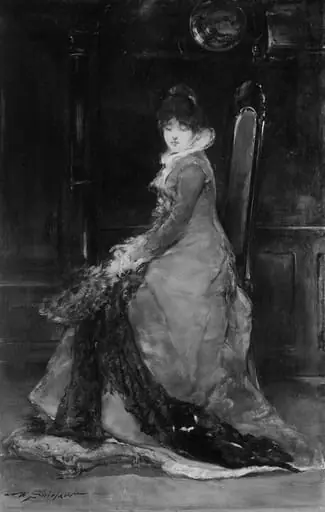 In Mischief
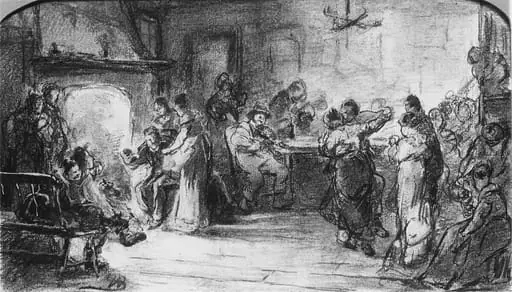 The Country Dance
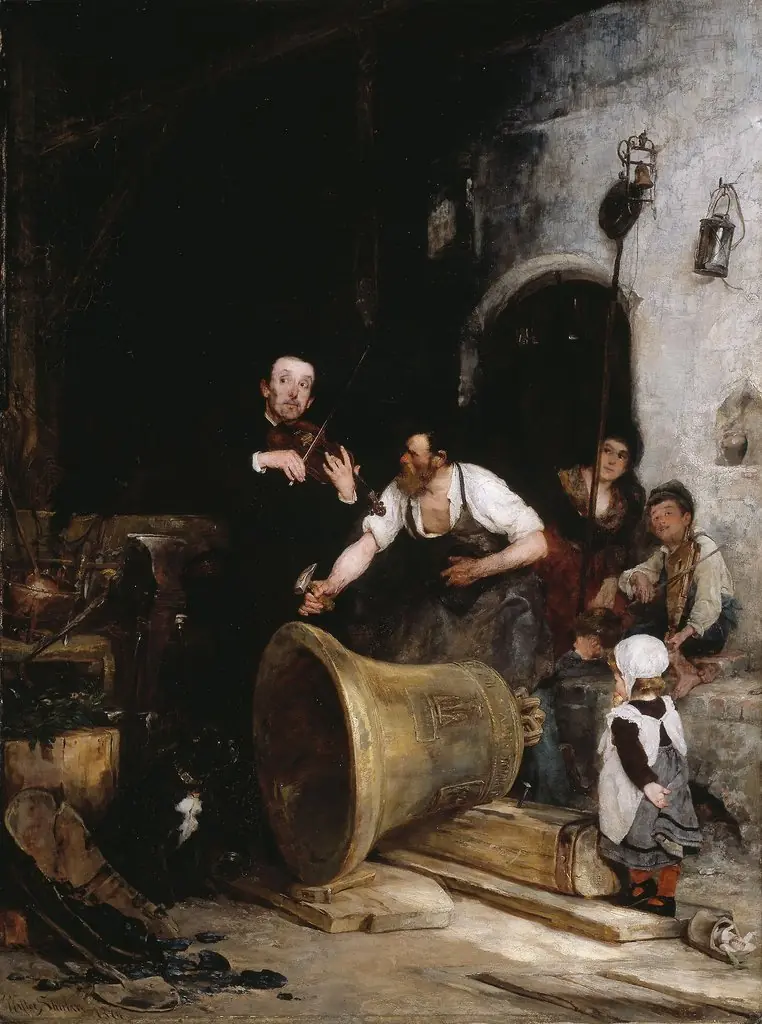 Toning the Bell
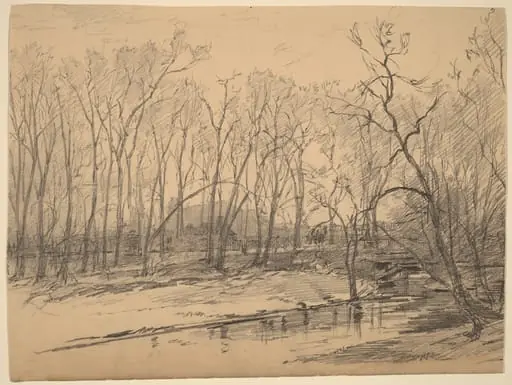 Munich Factory
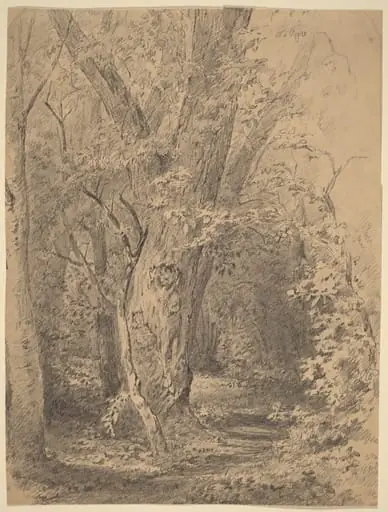 Tree and Foliage
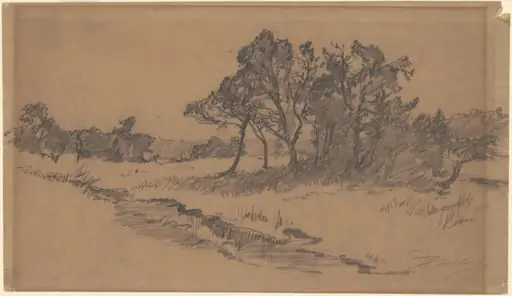 Trees in a Field
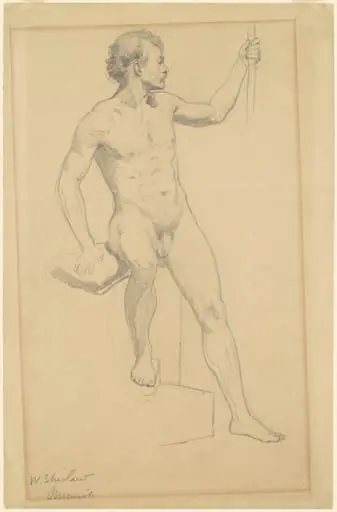 Male Nude
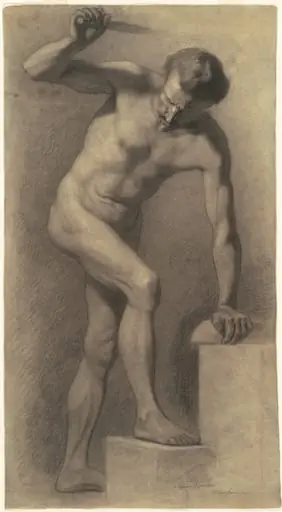 Male Nude on Steps
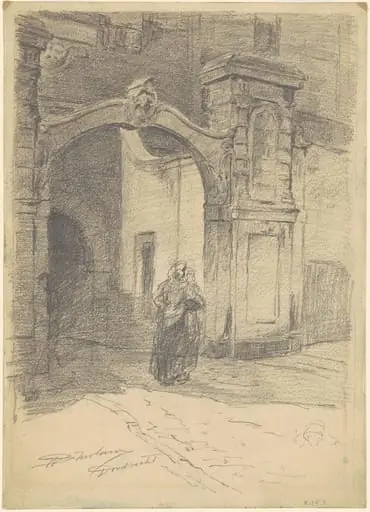 Dordrecht
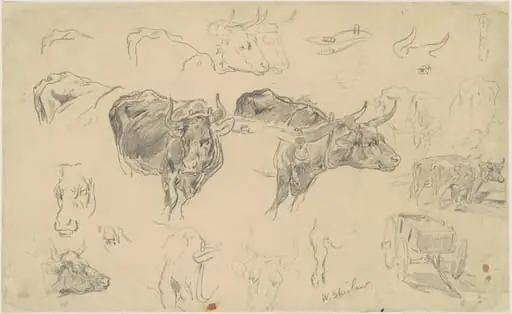 Studies of Oxen
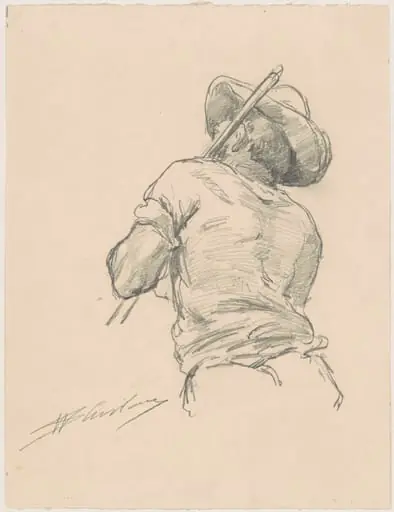 Back of a Man with Pole
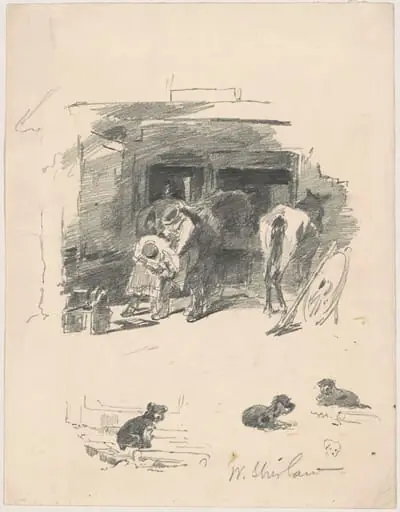 Men Shoeing a Horse
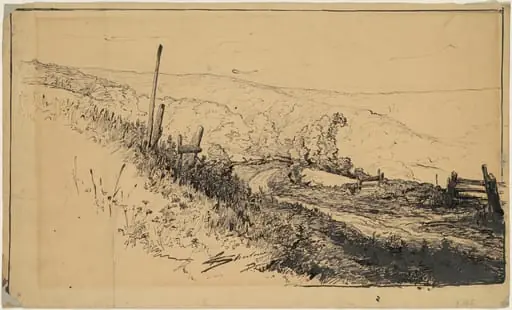 A Road in the Hills Near Dordrecht
![Polling [recto]](https://artifactworldgallery.com/img/walter-shirlaw--polling-recto--1044610bfaccebe0-w320.webp) Polling [recto]
Polling [recto]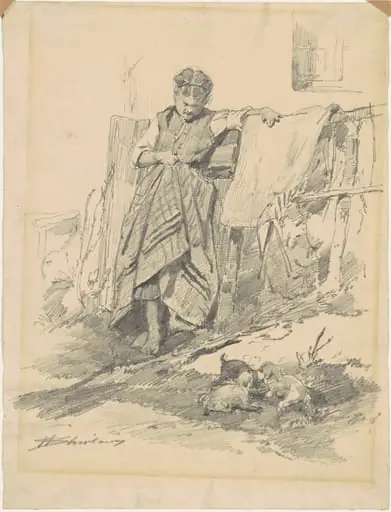 Woman Watching Puppies
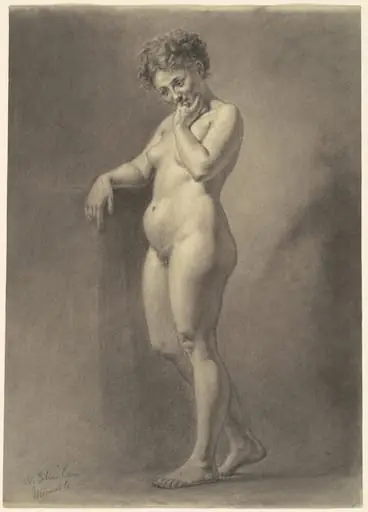 Female Nude
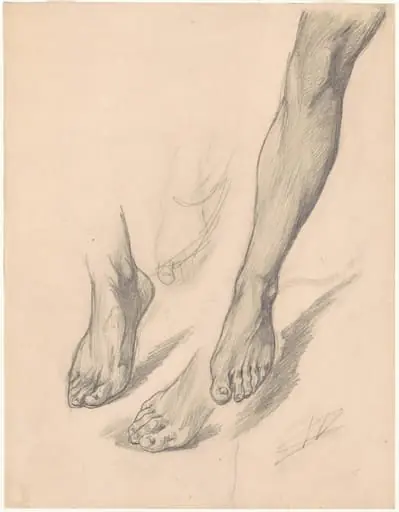 Studies of Feet
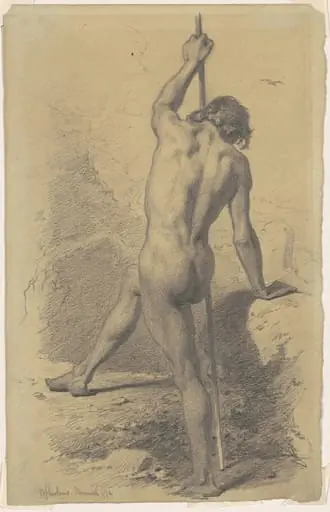 Male Nude with Staff
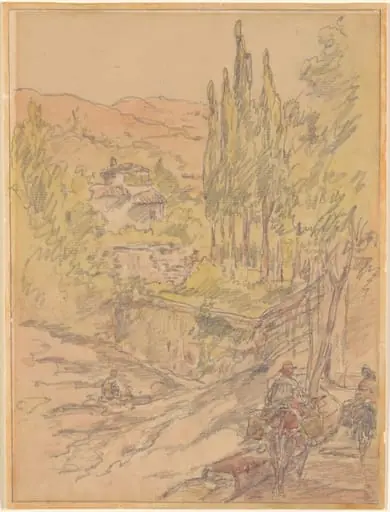 Granada
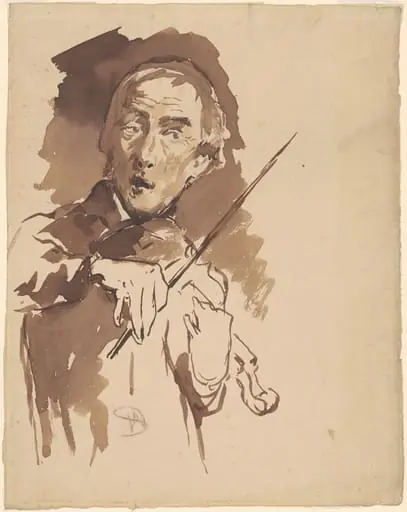 Study for "Toning the Bell"
![Study of an Interior [verso]](https://artifactworldgallery.com/img/walter-shirlaw--study-of-an-interior-verso--ae90136ae4907dbf-w320.webp) Study of an Interior [verso]
Study of an Interior [verso]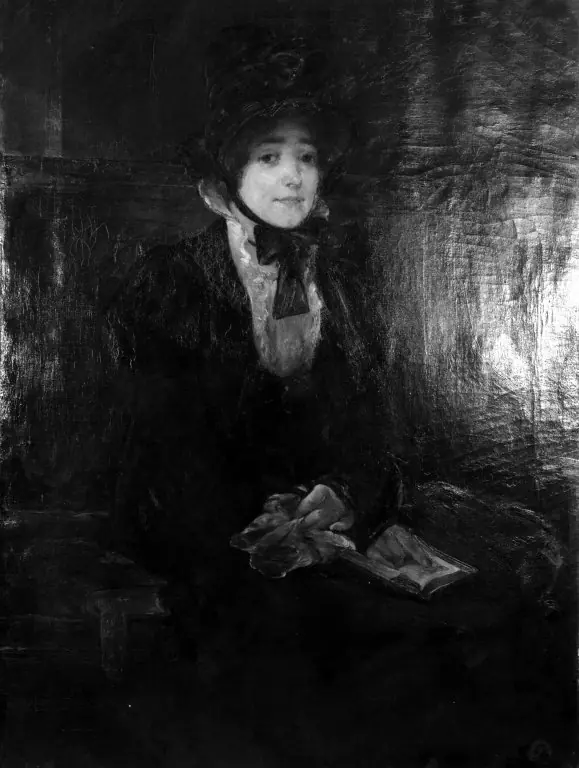 In Church
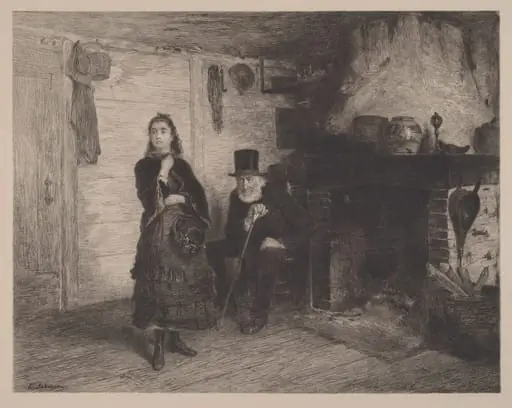 The Reprimand
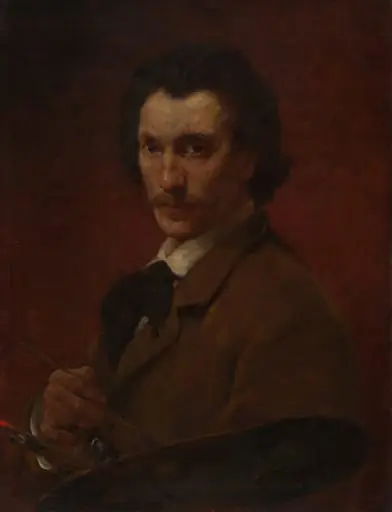 Self-Portrait
25 works in the catalog · 24 shown
Collections represented


Artists in a similar vein