Artist
Ottavio Leoni
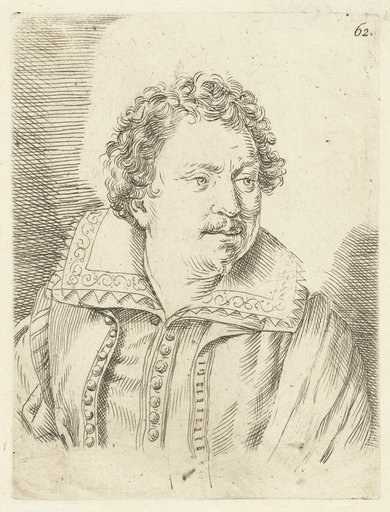
Ottavio Leoni is a Baroque artist. 36 works are cataloged here, principally at National Gallery of Art.
Ottavio Leoni (1578 – 4 September 1630) was an Italian painter and printmaker of the early-Baroque, active mainly in Rome.
Overview
Ottavio Leoni (1578-4 September 1630) was an Italian painter and printmaker of the early Baroque period, active mainly in Rome. He is best known as the most fashionable portraitist in Rome during his lifetime, celebrated particularly for his drawings in black and red chalk on blue paper, a technique that became his signature. His portrait of Michelangelo Merisi da Caravaggio remains the only documented portrait of that painter by another artist, giving Leoni a singular place in art history. Beyond portraiture, he produced altarpieces for major Roman churches and served as president of the Accademia di San Luca, the leading artists' academy in Rome. His works are now held in major institutions worldwide, including the Louvre, the National Gallery of Art in Washington, and the Museum of Fine Arts, Boston.
Biography & dates
Leoni was born in Rome in 1578, the son of Lodovico Leoni, who was nicknamed Il Padovino; this family connection gave Ottavio several of his alternate names, including il Padovano, il Padovanino, and Cavaliere Padovano. He received his initial training from his father in Rome. His career advanced steadily within the institutional structures of the Roman art world: he became a member of the Accademia di San Luca, founded in 1593 under Federico Zuccari, and later rose to serve as its president. He was also made a Cavaliere of the Order of Christ, an honor that occasioned his donation of the Martyrdom of St. Martina to the church of the Academy. He died in Rome on 4 September 1630.
Style & movement
Leoni worked in the early Baroque style, with portraiture as his dominant genre. His technical approach combined the precision of draftsmanship with the immediacy of observation. He frequently employed the technique of black chalk with red chalk (sanguine) and white heightening on blue paper, a method that allowed for both delicate modeling and vivid presence. The French Wikipedia notes his use of alla macchia, a rapid, sketch-like approach that captured likeness with economical means, particularly in small-format drawings. His portraits of artists and intellectuals suggest a documentary impulse, preserving the appearance of Rome's cultural elite with an unidealized directness that distinguishes his work from more formal court portraiture.
Major works
Leoni's oeuvre spans altarpieces and portraits. His religious commissions included an Annunciation for Sant'Eustachio, a Virgin and Child with Saint Giacinto for Santa Maria della Minerva (or Santa Maria sopra Minerva), and Saints Charles, Francis, and Nicholas for Sant'Urbano. His painted Martyrdom of St. Martina was presented to the Accademia di San Luca. In portraiture, his documented subjects included Caravaggio, Galileo Galilei, Guercino, Bernini, Simon Vouet, Federico Zuccari, and Marie de' Medici (presumed). His self-portrait of 1625 is held at the Musée des Beaux-Arts de Lyon. Three portraits are at the Louvre: Federico Zuccari, Hyppolita Marotti, and Filippo d'Angeli Romano (called Filippo Napoletano). The Beaux-Arts de Paris holds several characteristic drawings, including the Portrait of Faustina Calora Pacifici and the Portrait of Vincenzo Della Marra, both in black chalk, sanguine, and white heightening on blue paper. His works are also exhibited at the Fine Arts Museums of San Francisco, Museum of Fine Arts Boston, National Gallery of Art, Bowes Museum, Courtauld Institute of Art, Los Angeles County Museum of Art, and Palazzo Ruspoli in Rome.
Influences & students
Leoni's primary formative influence was his father, Lodovico Leoni, under whom he first trained in Rome. The sources do not record named pupils or a broader studio circle, though his position as president of the Accademia di San Luca placed him at the center of Rome's artistic establishment. His portrait series of fellow artists suggests sustained professional engagement with his contemporaries rather than a formal teaching relationship.
Legacy
Leoni's posthumous reputation rests primarily on his documentary value as a portraitist and on the exceptional historical importance of his Caravaggio portrait. The Berlin State Museums hold 89 works by or attributed to him, and the Fitzwilliam Museum and Biblioteca Marucelliana in Florence also conserve significant groups of his drawings. Modern scholarship has produced several dedicated studies, including catalogues raisonnés by Yuri Primarosa (2017) and Piera Giovanna Tordella (2011, 2019), as well as Francesco Solinas's 2013 publication on the Berlin portraits. These works have helped establish Leoni's significance as a practitioner of protobaroque drawn portraiture and as a visual chronicler of Rome's artistic community in the age of Caravaggio.
Works by Ottavio Leoni
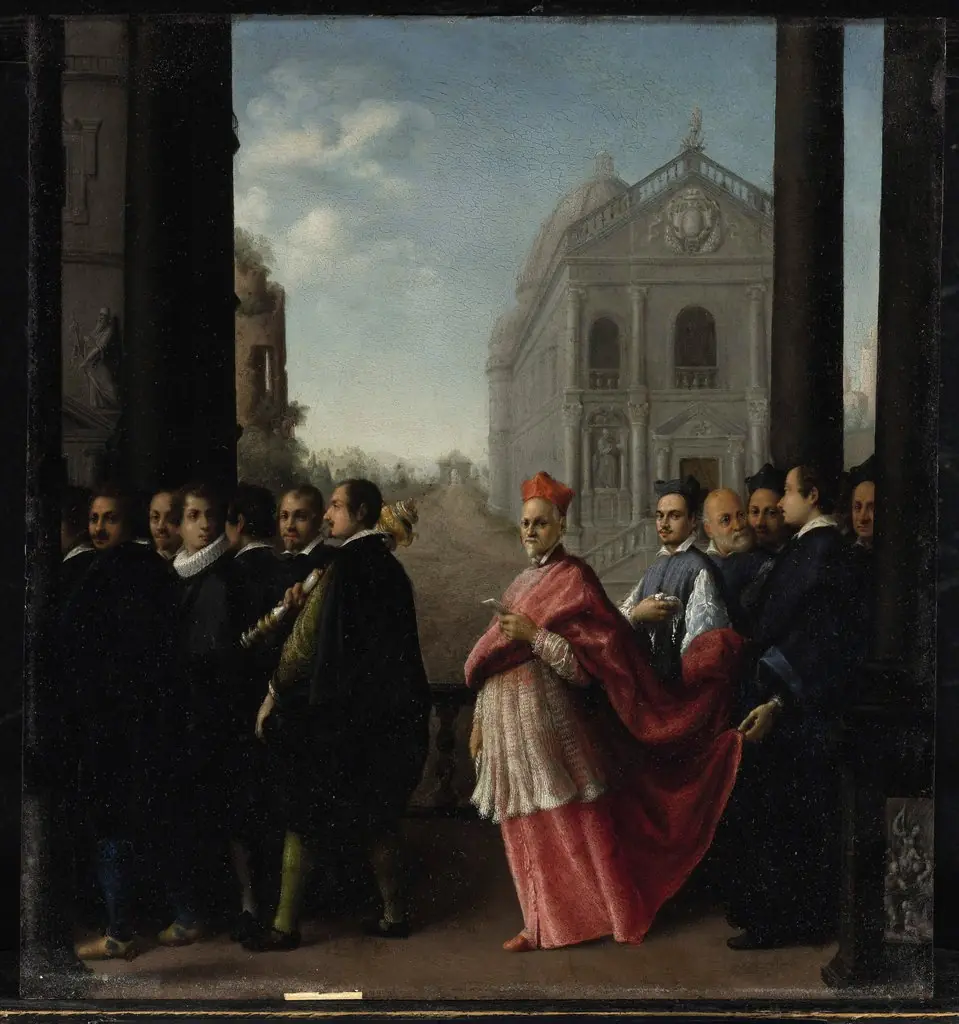 A Cardinal's Procession
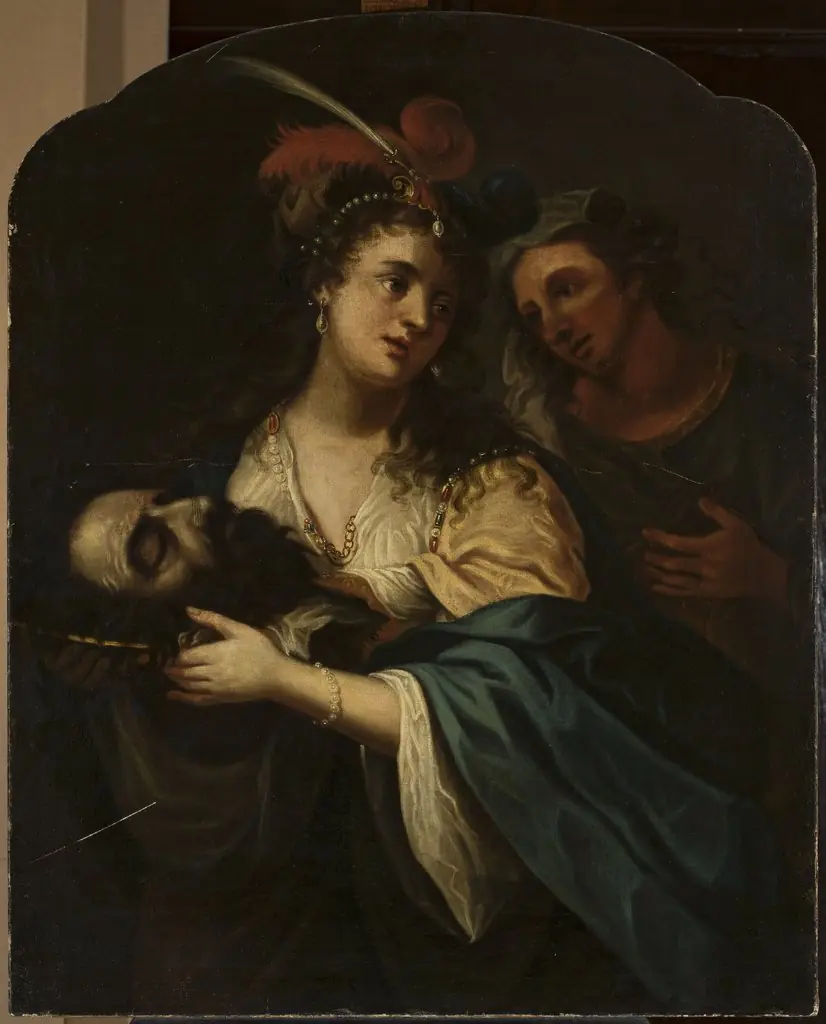 Salome with the head of St. John the Baptist
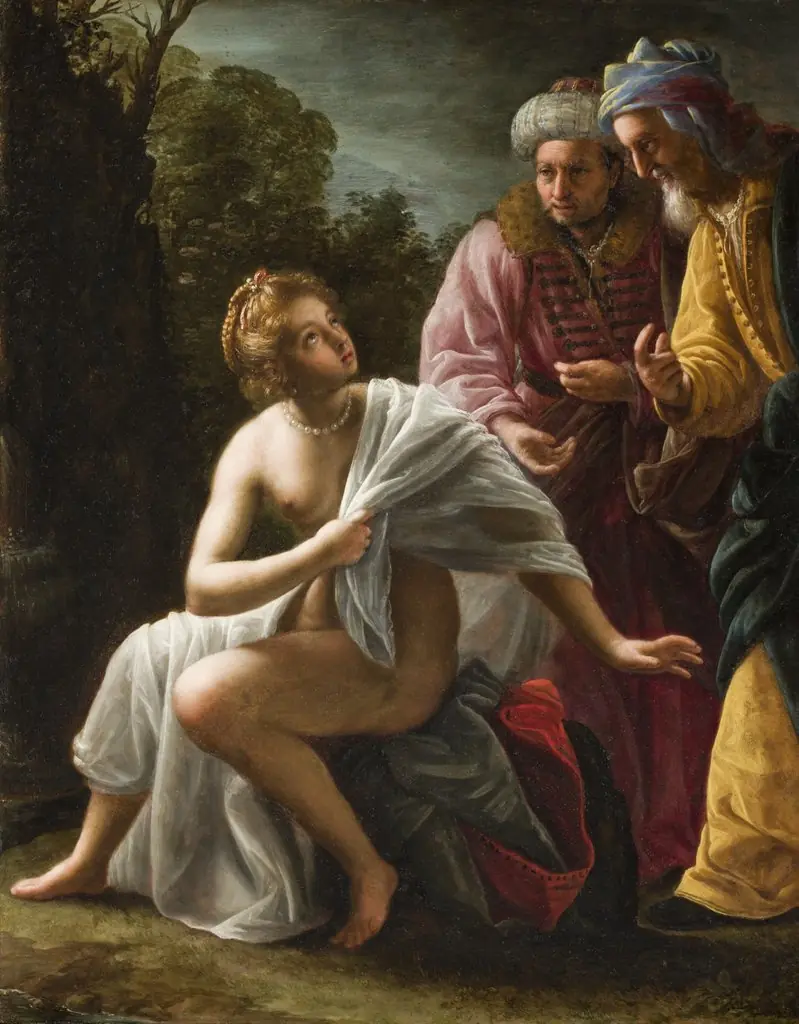 Susanna and the Elders
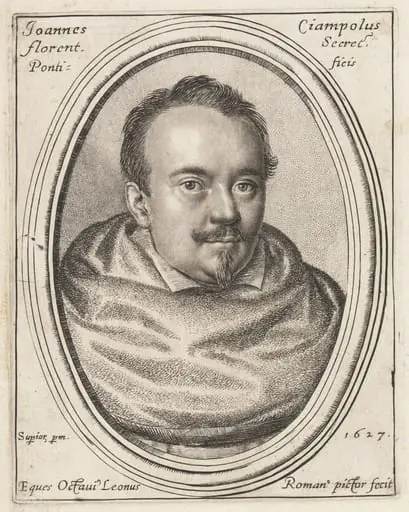 Giovanni Ciampoli, Papal Secretary
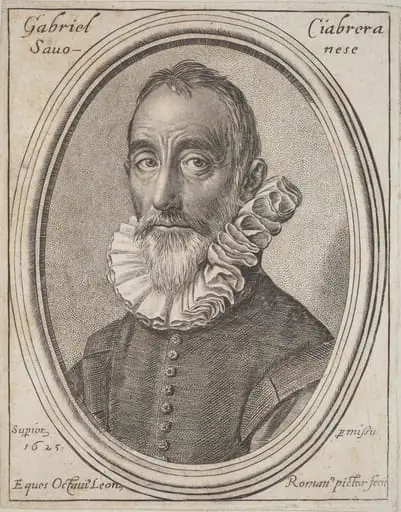 Gabriello Chiabrera
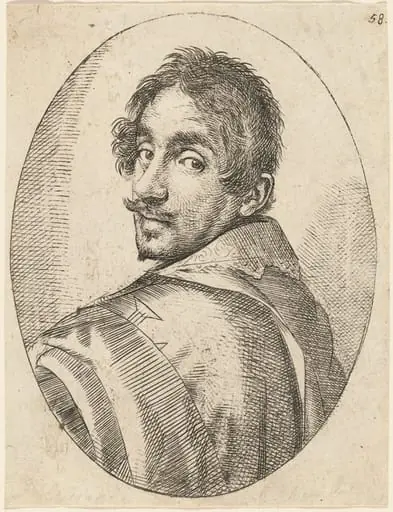 Self-Portrait
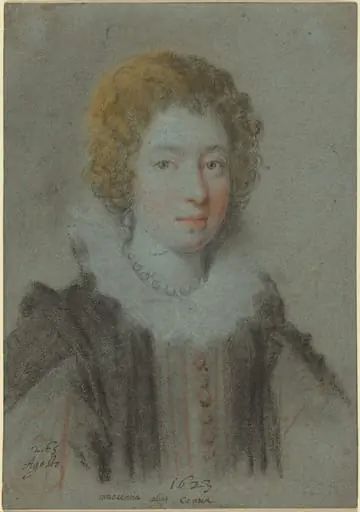 Portrait of a Lady
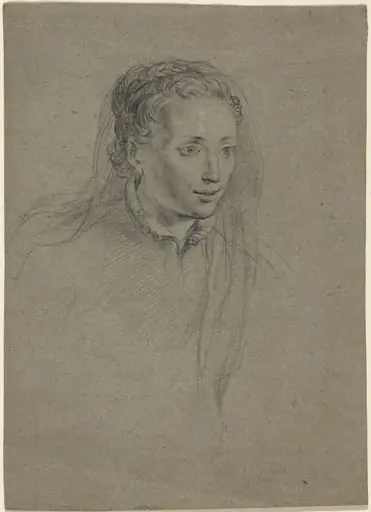 Young Woman with Braided Hair and a Veil
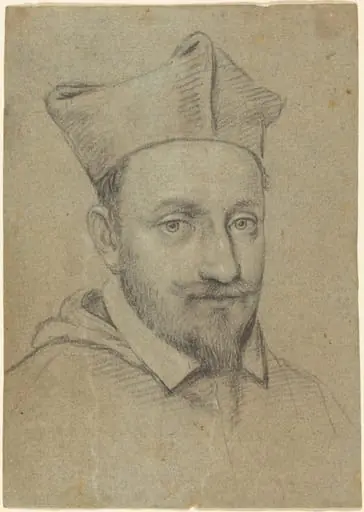 Portrait of a Cardinal (Alessandro Peretti Montalto?)
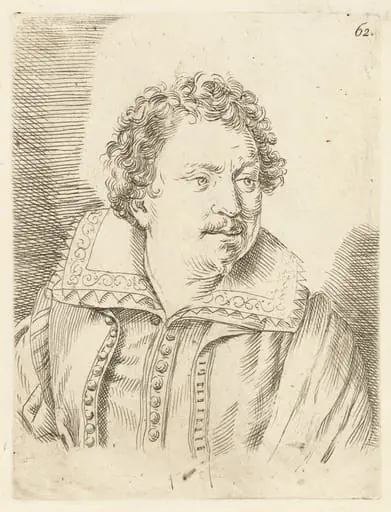 Giacomo Antonio Mannini
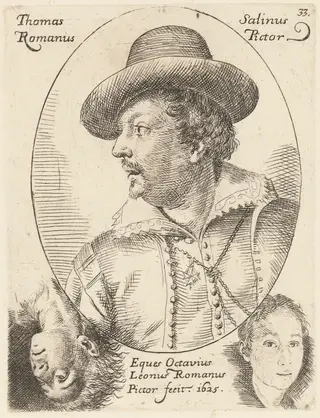 Tommaso Salini
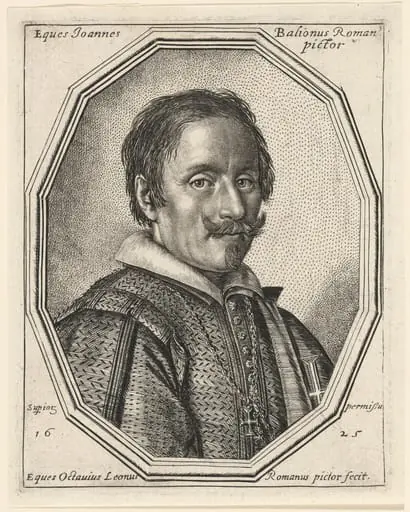 Giovanni Baglione
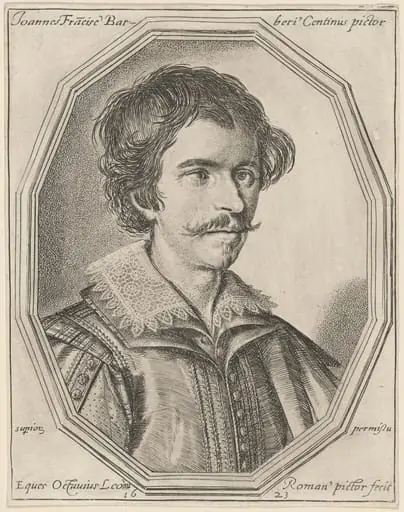 Giovanni Francesco Barbieri, called Guercino
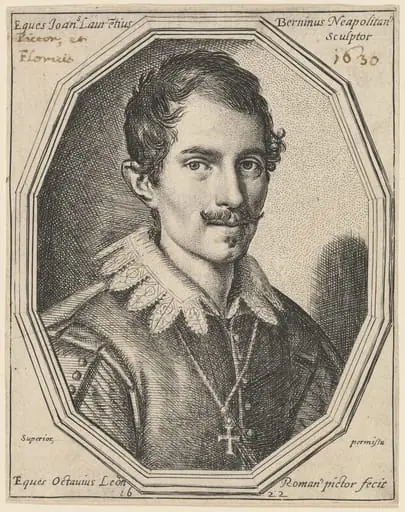 Gian Lorenzo Bernini
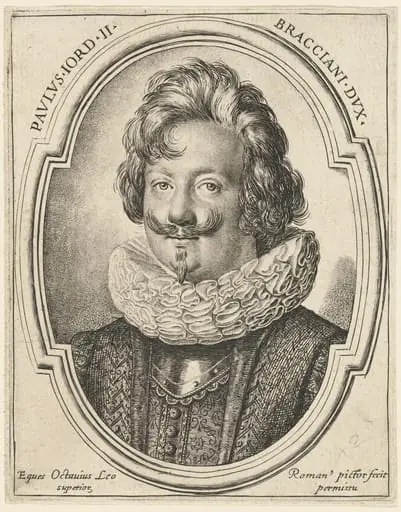 Paolo Giordano Orsini II
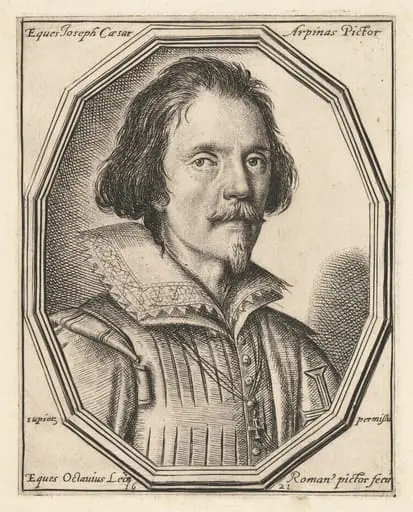 Giuseppe Cesari
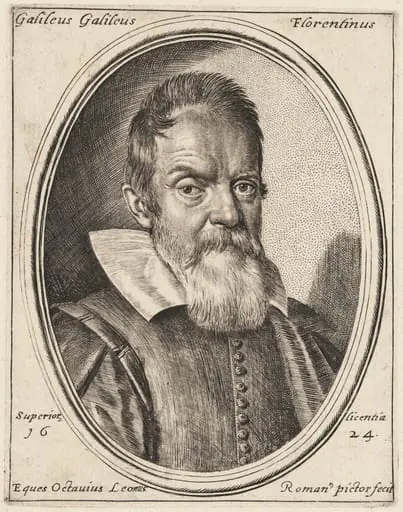 Galileo Galilei
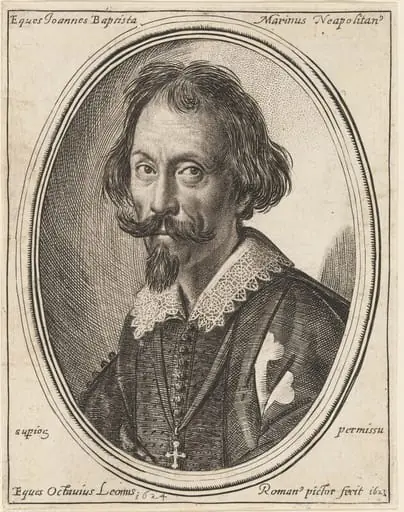 Giovanni Marino
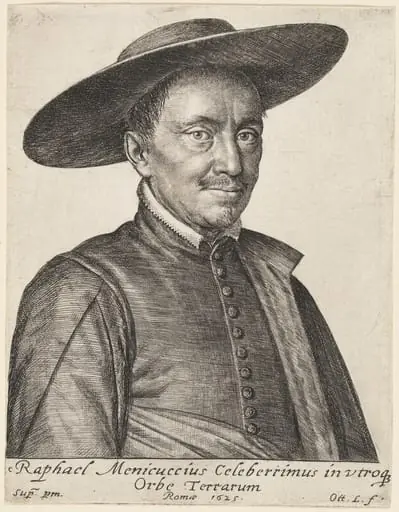 Raffaelo Menicucci
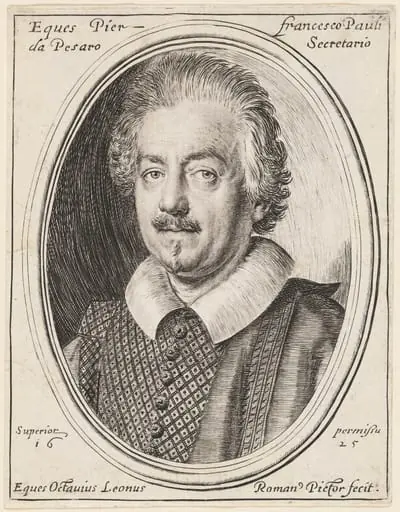 Pier Francesco Pauli
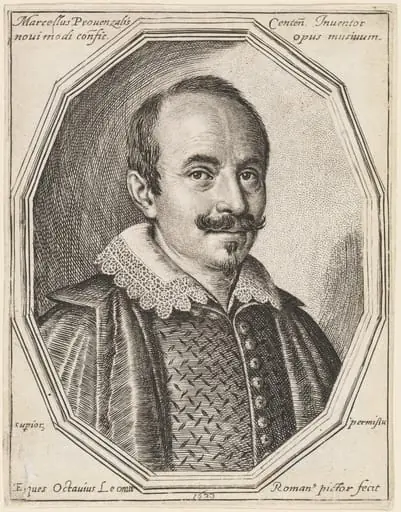 Marcello Provenzale
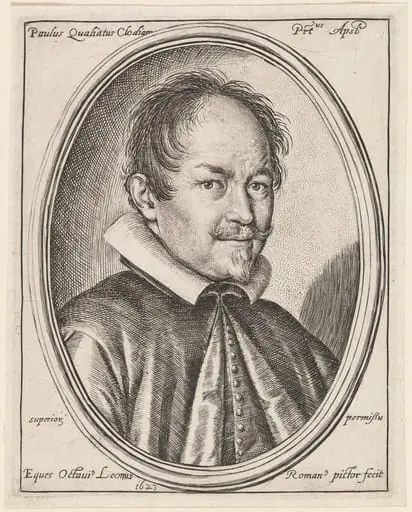 Paolus Qualiatus Clodianus
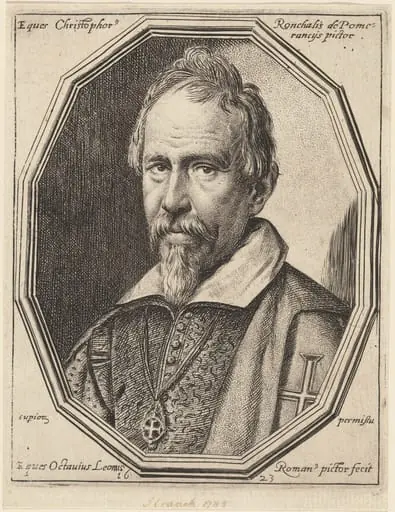 Cristoforo Roncalli
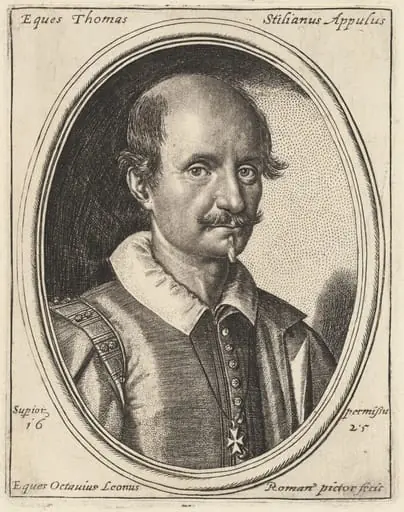 Thomas Stilianus
36 works in the catalog · 24 shown
Collections represented


Artists in a similar vein