Artist
Gerard Soest
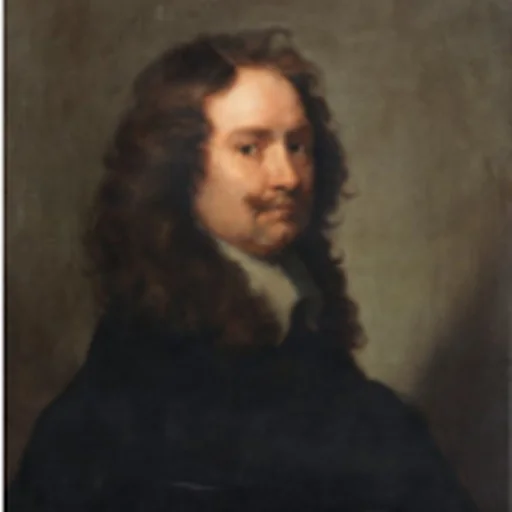
Dutch, 1600–1681
Gerard Soest was a Dutch Barbizon school artist. 6 works are cataloged here, principally at Museum of Fine Arts Boston. Gerard Soest was born in Soest.
Overview
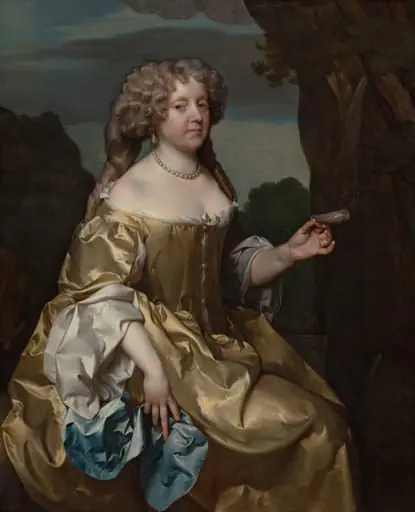
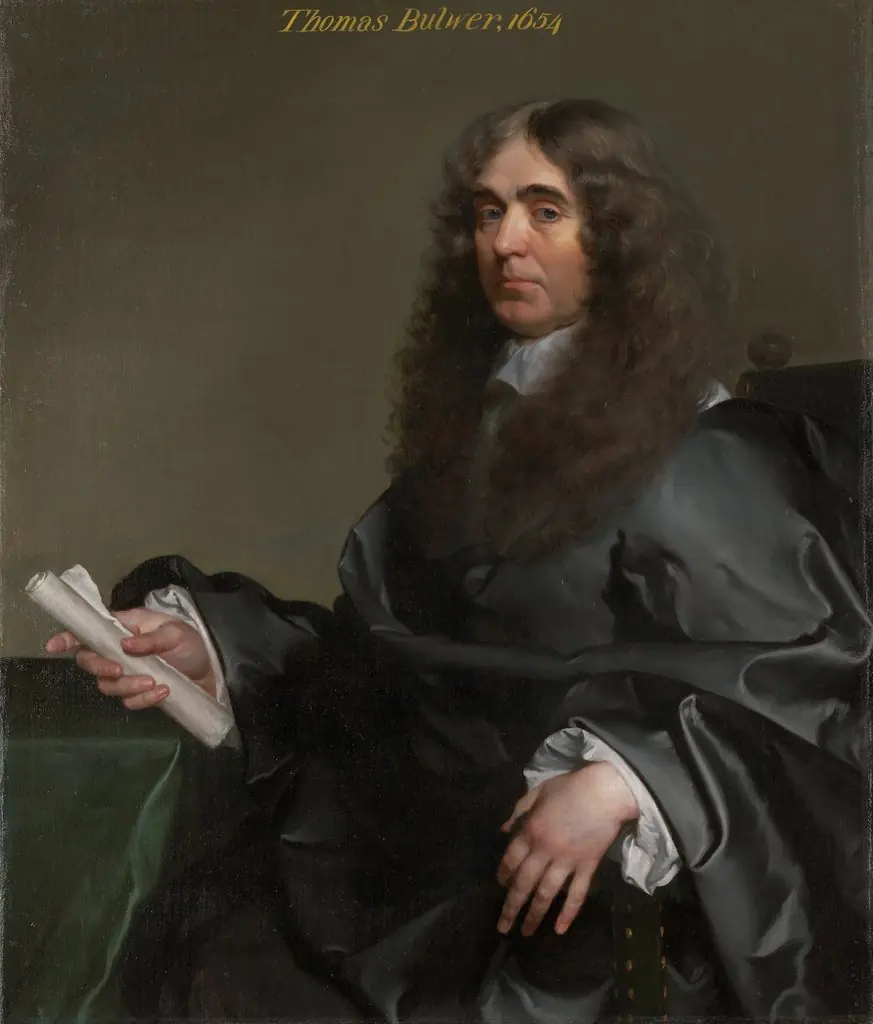
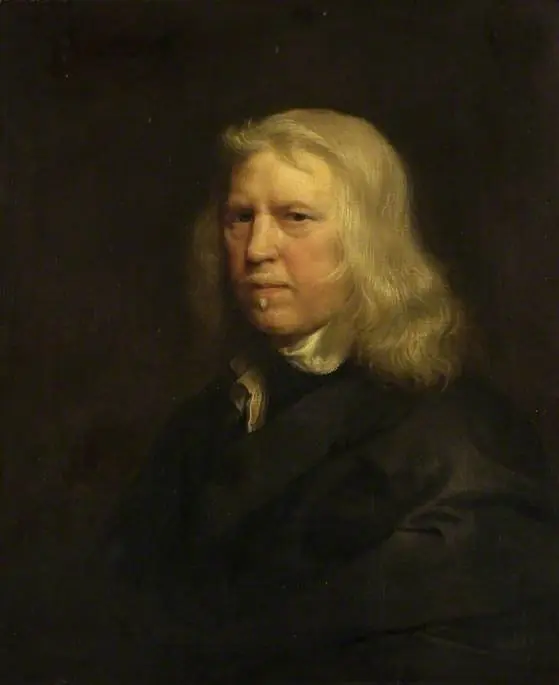
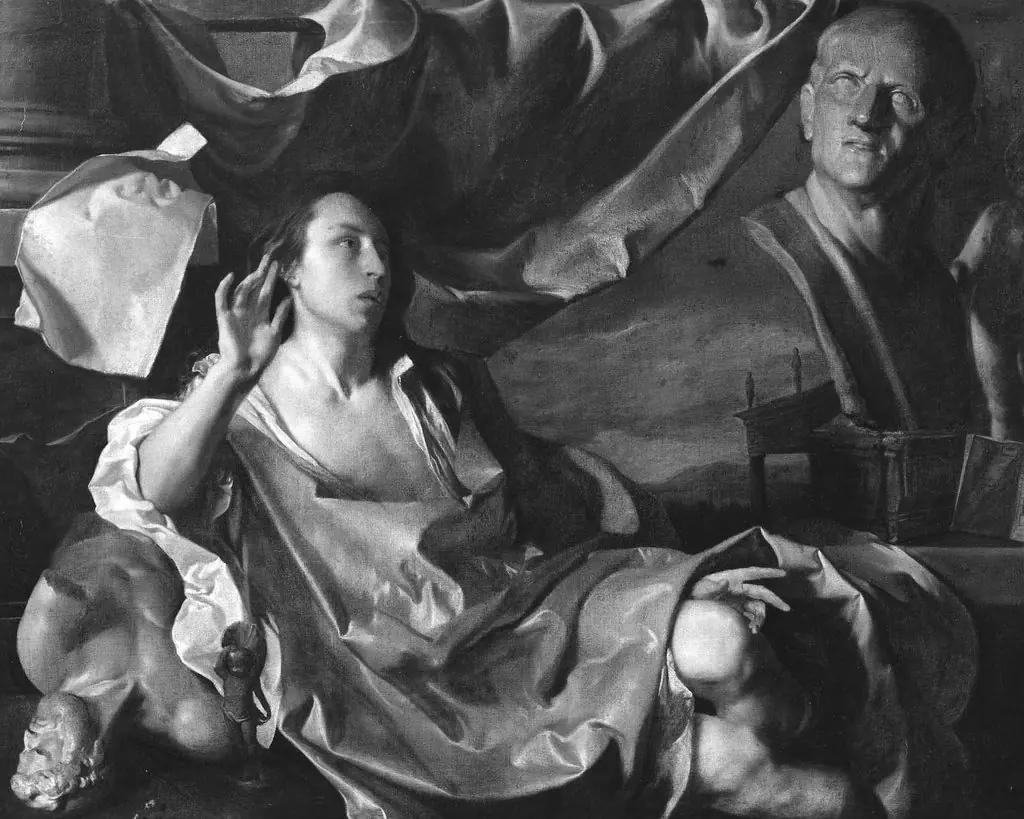
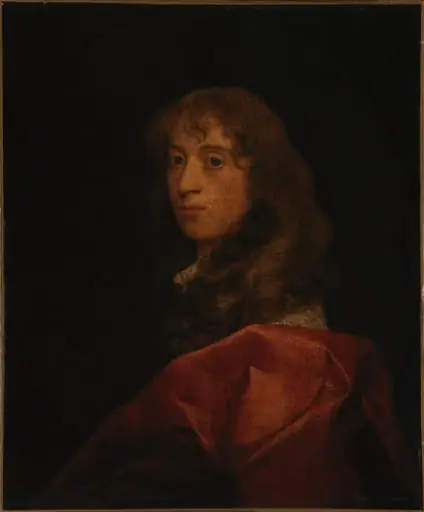
Gerard Soest (c. 1600-11 February 1681) was a Dutch portrait painter who spent his working life in England during the mid-to-late 17th century. Though he achieved only moderate success and never secured court patronage, he is remembered chiefly for two enduring portraits: those of William Shakespeare and the poet Samuel Butler. His Shakespeare portrait, painted decades after the playwright's death, became a significant image in the visual afterlife of the dramatist, while his broader body of work documents the English gentry of the Commonwealth and Restoration periods. Approximately 130 works were catalogued by the 1970s, and 52 artworks by or after him are recorded on the Art UK site.
Biography & dates
Soest was born around 1600, with his precise birthplace remaining uncertain. He was traditionally believed to have come from Soest in Westphalia, Germany, though he was probably from Soest in the Netherlands, indicating Dutch birth and training. He seems to have arrived in England by the late 1640s, with his earliest known work dated 1646. He died in London on 11 February 1681. Throughout his English career, he worked as a portraitist for the gentry class but never obtained commissions from royalty or courtiers, limiting his social and financial advancement.
Style & movement
Soest worked within the Dutch Golden Age tradition of portraiture, which he transplanted to an English context. His early paintings in England show the influence of William Dobson, the leading portrait painter of the English Civil War period. Soest's style remained somewhat unfashionable throughout his career, which may explain his exclusion from court circles. His Shakespeare portrait demonstrates his working method when lacking a living sitter: George Vertue noted that it was based on a man who merely resembled Shakespeare, while the pose and costume drew upon the Chandos portrait, then the most familiar image of the playwright. This approach, combining observation with established pictorial conventions, characterises his pragmatic, rather than innovative, technical approach.
Influences & students
Soest's formative training occurred in the Netherlands, placing him within the Dutch Golden Age portrait tradition. Upon establishing himself in England, he came under the influence of William Dobson, whose work shaped his early English-period paintings. No pupils or followers are documented in the surviving sources, and he appears to have worked without establishing a significant studio or teaching practice. The German Wikipedia raises the speculative possibility that he may have sought association with Sir Peter Lely, the dominant court portraitist of the Restoration, who was born in Soest, Westphalia, to a Dutch father, though no direct connection between the two painters is established.
Works by Gerard Soest
Collections represented


Artists in a similar vein
Artist