Artwork
Lady Borlase
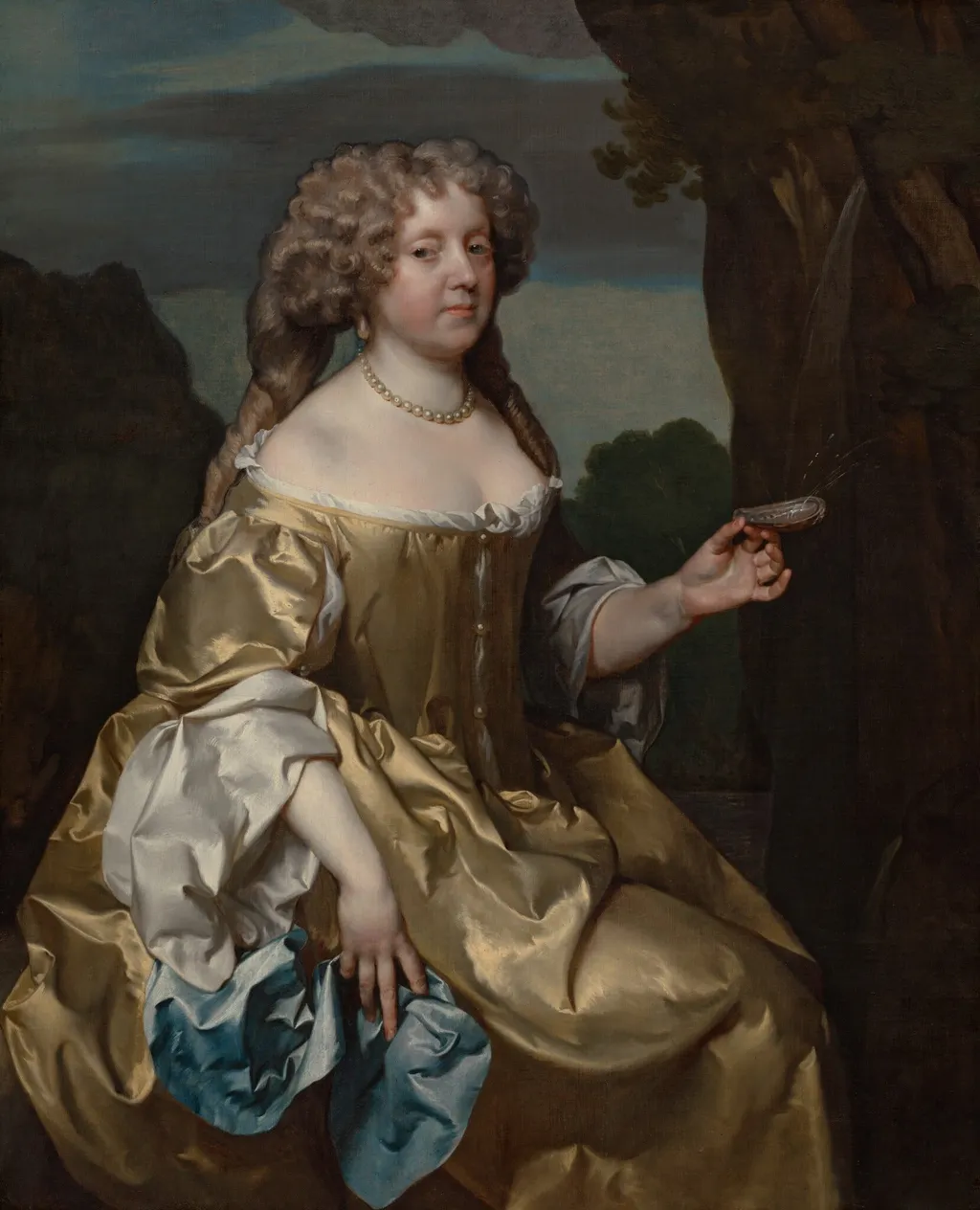
Lady Borlase is an oil painting by the Baroque artist Gerard Soest. It dates from 1674 and is held in the collection of the National Gallery of Art.
About this work
Technique & Style
Executed in 1673, this portrait is an oil painting on canvas. The work measures 127 cm in height and 103.2 cm in width. As a formal portrait, the piece utilizes traditional materials characteristic of seventeenth-century British portraiture, combining oil pigments with a woven canvas support to render the likeness of the sitter.
History & Provenance
The work entered the Gallery’s collection in 1977 as a gift from Gordon Gray, the previous owner.
Gerard Soest painted Lady Borlase in 1673, an oil on canvas portrait;. The work was acquired in London around 1929 by Mrs. Bowman Gray, who purchased it as “Lady Warrender” attributed to Lely; it subsequently passed by descent to Gordon Gray in Washington and was gifted to the National Gallery of Art in 1977. The painting remains in the National Gallery of Art’s collection in Washington, D.C..
Documentary evidence includes a certificate by William Roberts dated 29 April 1929. No records indicate the original patron who commissioned the portrait.
The painting is held by the National Gallery of Art, Washington, D.C., where it is recorded as accession number 1977.1.1.
It was acquired through purchase in London around 1929 by Mrs. Bowman Gray, originally catalogued as Lady Warrender by Peter Lely. The work entered the Gallery’s collection in 1977 as a gift from Gordon Gray, the previous owner.
Context
The painting’s reception history reflects shifting attributions and market perceptions. Acquired in London around 1929 as a work by Peter Lely titled _Lady Warrender_, it was later reattributed to Gerard Soest by William Roberts, whose 1929 certificate underpins the current attribution. The canvas entered the National Gallery of Art, Washington, in 1977 as a gift from Gordon Gray, cementing its place in American public collections.
Within Soest’s oeuvre, the portrait exemplifies his studio practice in late-seventeenth-century England, where courtly portraiture remained in demand despite the political upheavals of the 1650s–1670s. Its dimensions (127 × 103.2 cm) align with Soest’s full-length format, reinforcing its function as a status image rather than a close-cropped likeness.
Overview
Gerard Soest's oil on canvas portrait, titled Lady Borlase, was created around 1674. This painting presents its subject in a formal and elegant manner, characteristic of portraiture from the period. The artwork emphasizes her refined appearance and composed presence, set within a subtly rendered environment that allows her figure to command attention.
Subject & Meaning
Lady Borlase is portrayed seated, adorned in an elaborate gold gown with a low neckline and a white lace collar. Her hair is styled in high, voluminous curls, and a pearl necklace graces her neck. She holds a small fan in one hand, while the other rests gently on her lap. Her expression is calm yet serious, conveying a sense of quiet dignity and composure.
Own this work as a print
Artist & collection
Artist
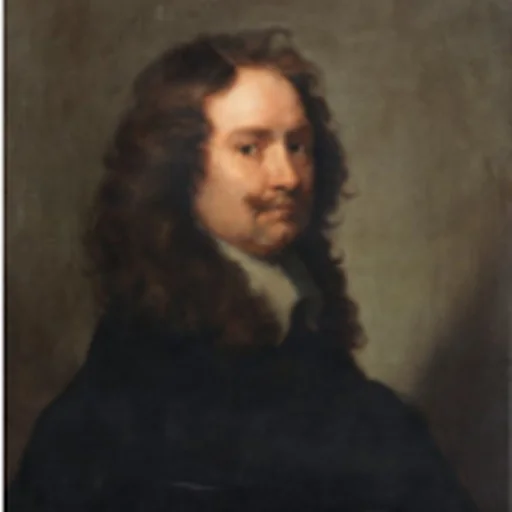
Gerard Soest (c. 1600 – 11 February 1681), also known as Gerald Soest, was a portrait painter who was active in England during the late 17th century. He is most famous for his portraits of William Shakespeare and Samuel…

 Alida de Lange, Wife of Johan Rammelman
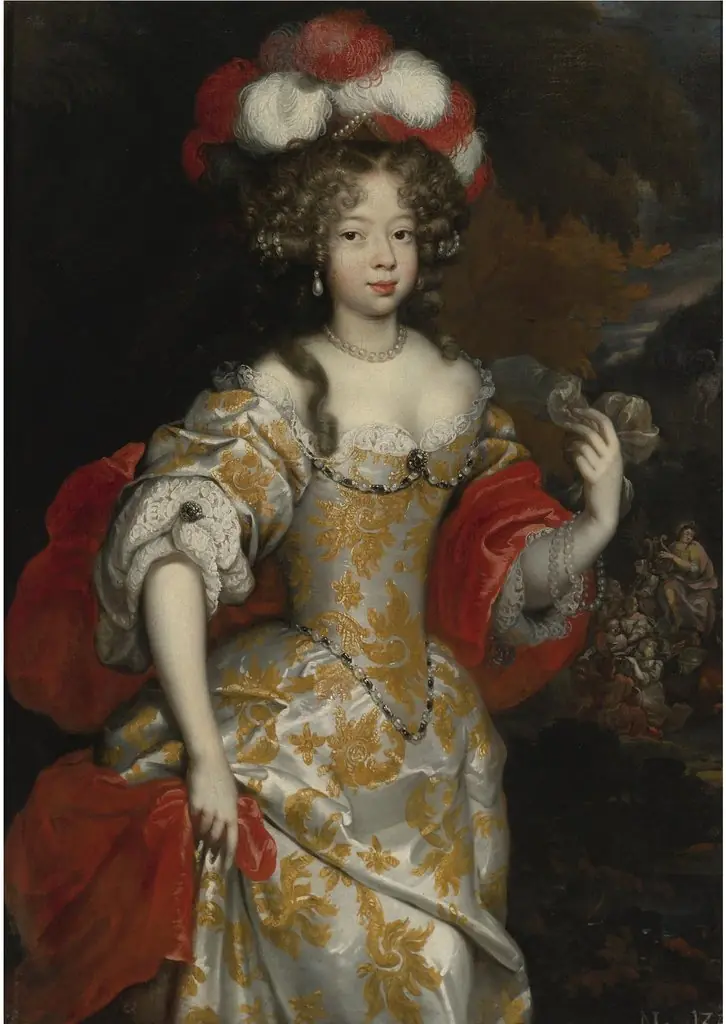 Portrait of Hortense Mancini
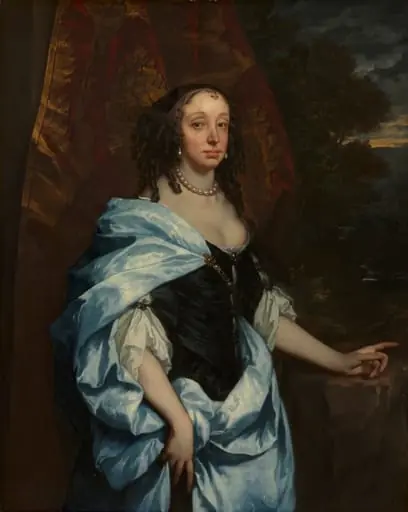 Portrait of Mrs. Leneve
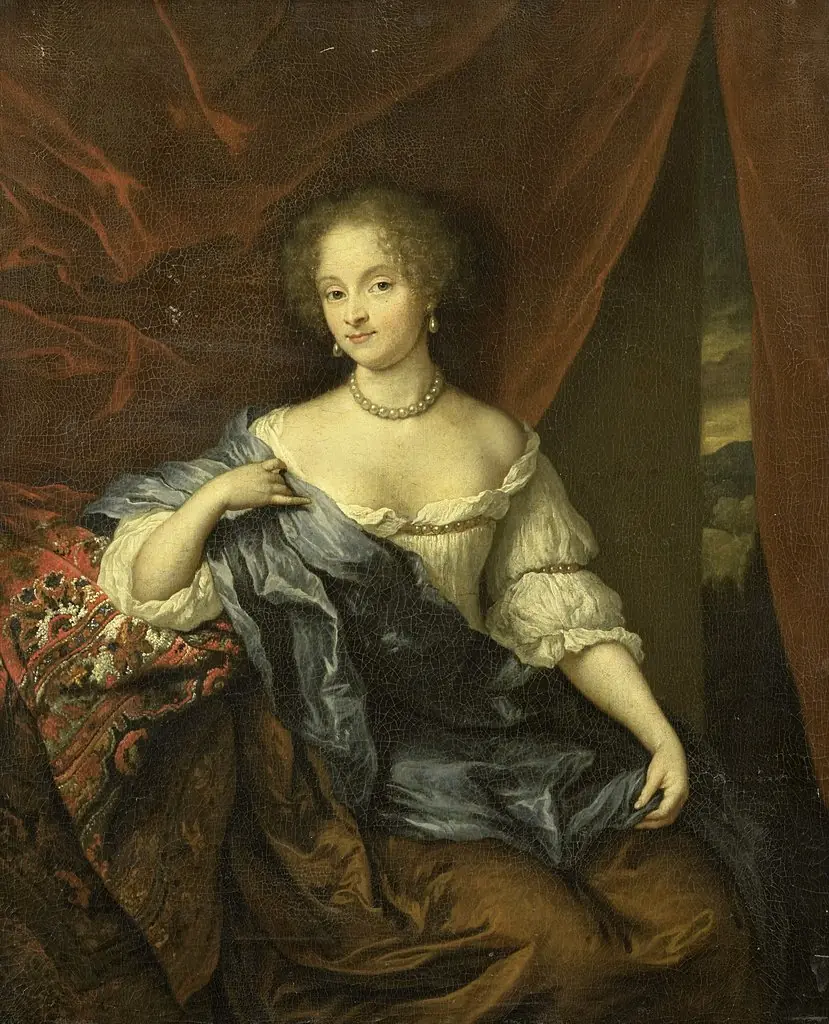 Portrait of a woman, possibly a member of the van Citters family
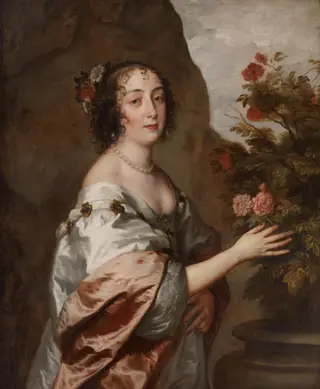 Portrait of a Lady
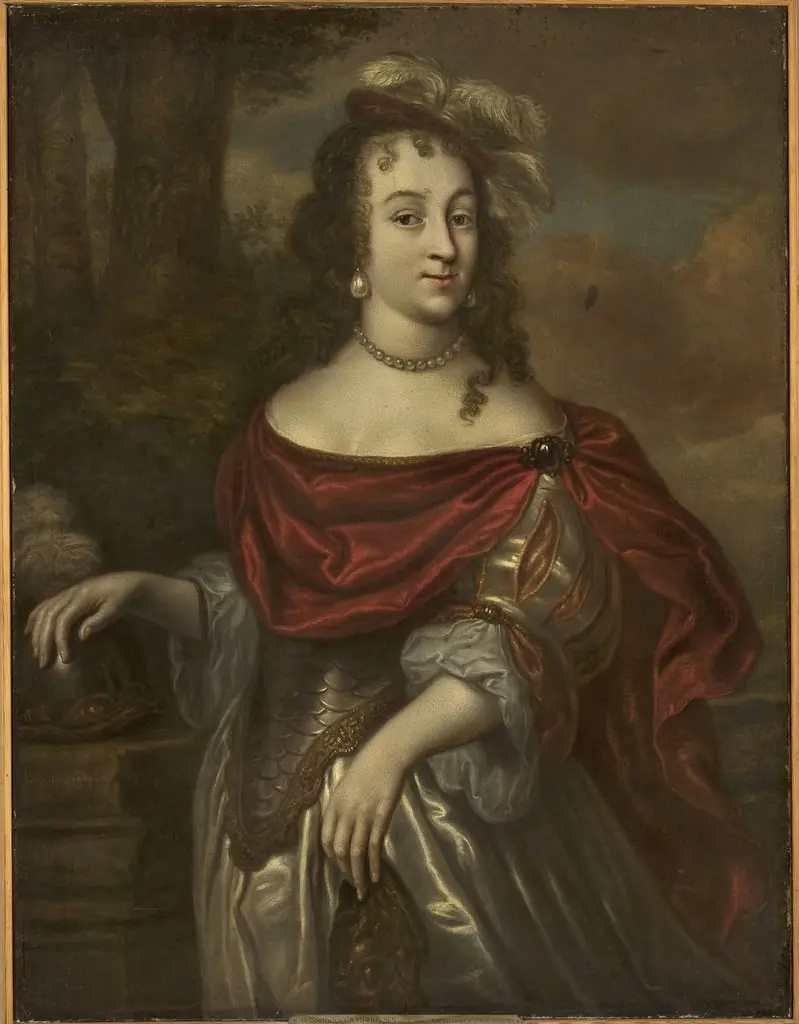 Portrait of a woman in Minerva’s costume
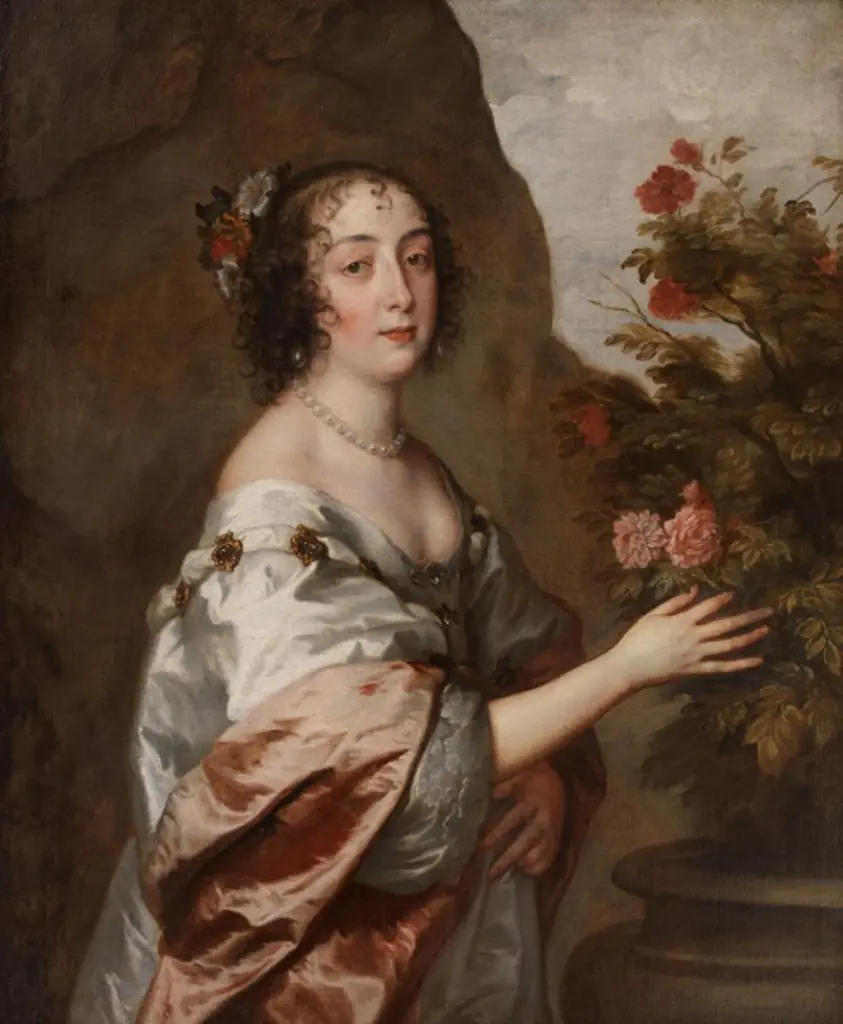 Portræt af en kvinde som Flora
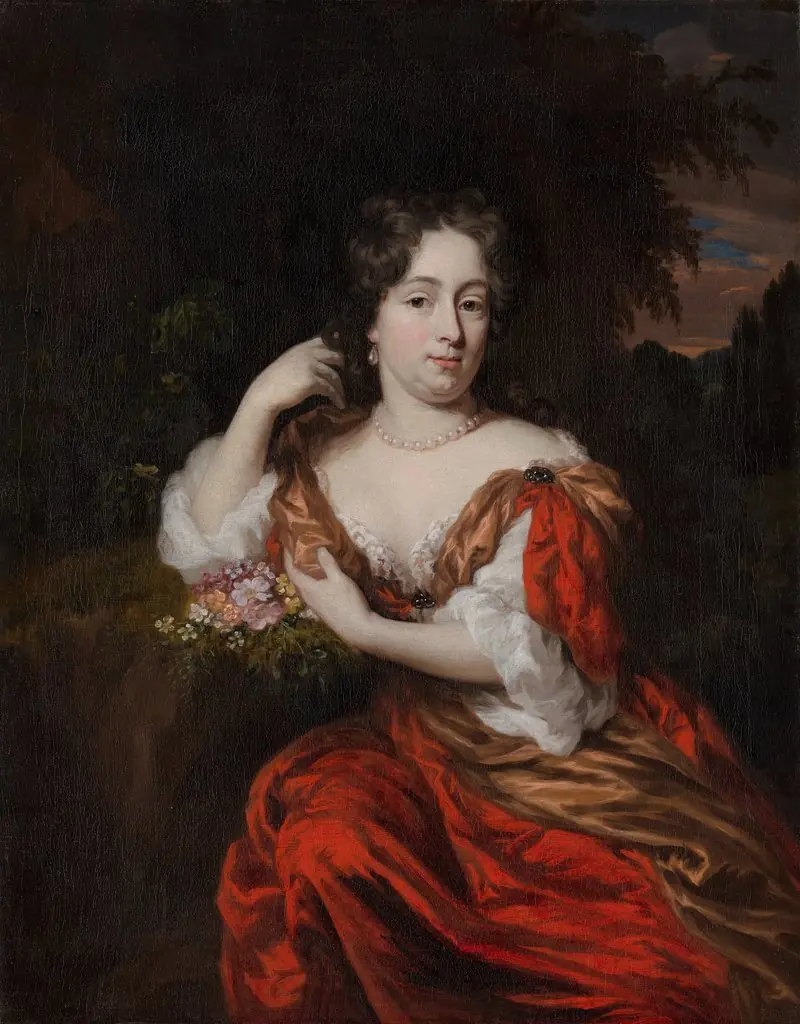 Portrait of Catharina Dierquens
 Eleonore Magdalena (1655-1720) von Pfalz - Neuburg, Kaiserin, Kniestück
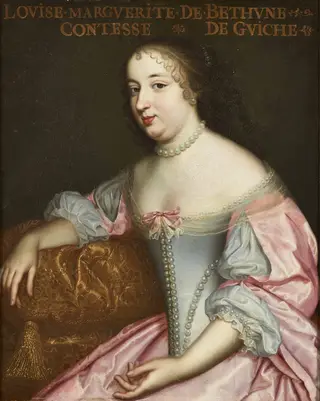 Portrait of Marguerite-Louise-Suzanne de Bethune Sully, Duchess of Lude
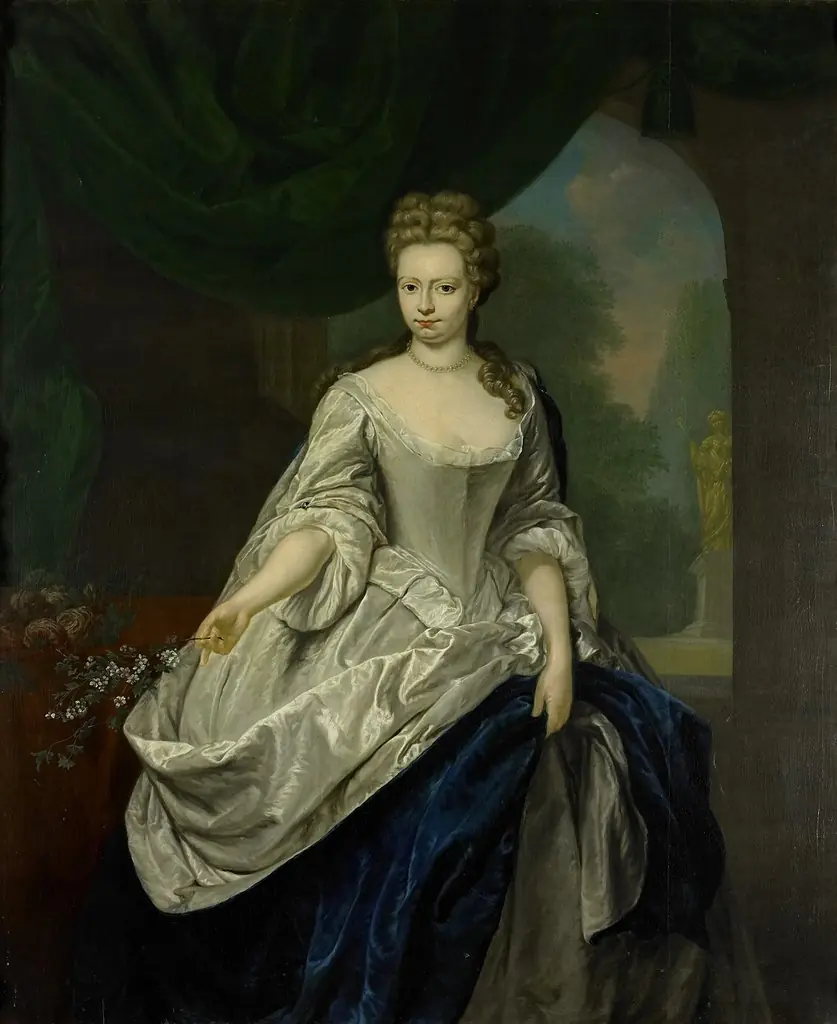 Portrait of Louise Christina Trip (died 1733), Wife of Gerrit Sichterman
- Lady Dacre