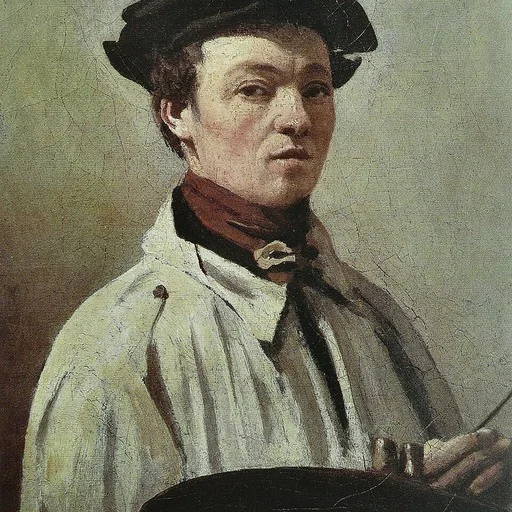
Movement
Barbizon school
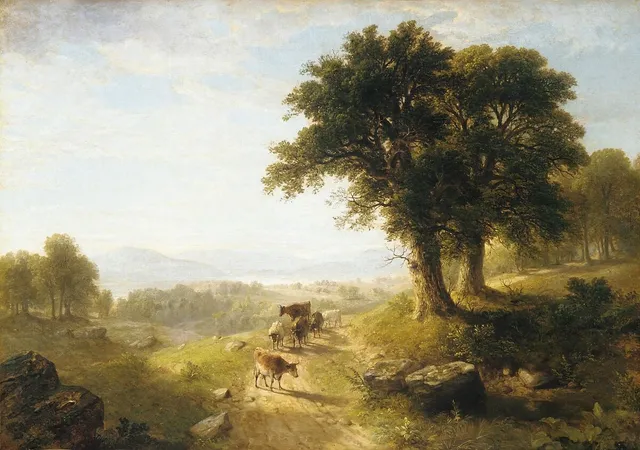
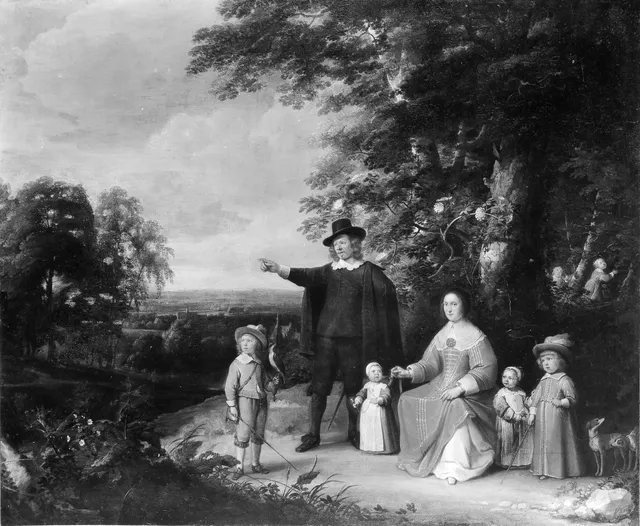
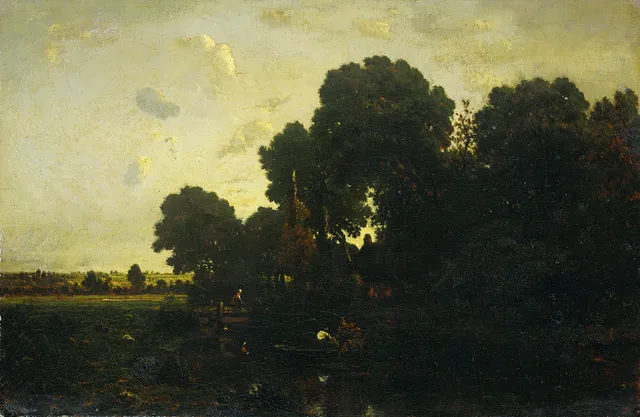
Barbizon school is an art movement of the 1830–1870 period. The gallery holds 1,177 works in this movement, including works by Jean Baptiste Camille Corot, John Frederick Kensett and Paul Joseph Constantin Gabriël. Browse Barbizon school paintings, portraits, pictures and artworks from the world's public-domain museum collections.
The Barbizon school was a loose fellowship of French landscape painters who gathered, from roughly 1830 to 1870, around the village of Barbizon on the western edge of the Forest of Fontainebleau, some thirty miles southeast of Paris. They emerged in reaction against the academy, which still ranked landscape far below history painting and prized the idealized, classically composed scenery descended from Claude Lorrain and Nicolas Poussin. Inspired instead by seventeenth-century Dutch naturalism and by English painters such as John Constable—whose work caused a sensation at the 1824 Paris Salon—the Barbizon artists insisted that ordinary forest, heath, and farmland were worthy subjects in their own right. The cheap railway to Fontainebleau and the modest inns of Barbizon made the woods an accessible open-air studio.
Working directly before the motif, the painters sketched en plein air and often carried that immediacy into the finished canvas. Their hallmark is a muted, tonal palette, soft handling of form, and loose, atmospheric brushwork attentive to weather, season, and the fall of light through trees. Théodore Rousseau, the group's de facto leader, settled in the village permanently in the 1840s; Jean-François Millet joined him in 1849, adding monumental peasant figures whose dignity—seen in The Gleaners (1857) and The Angelus (1857–59)—gave the movement its social charge in the years around the 1848 Revolution.
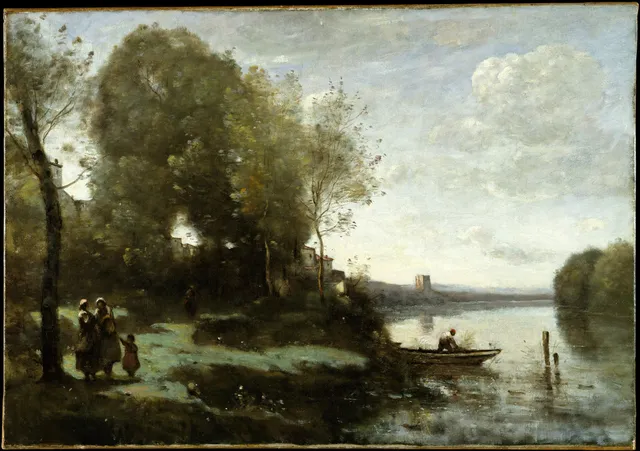
The wider circle included Charles-François Daubigny, who painted from a studio boat on the rivers; Narcisse Diaz de la Peña; Jules Dupré; and the animal painter Constant Troyon. Jean-Baptiste-Camille Corot, an older and more lyrical figure, was closely associated with the group through his silvery, poetic landscapes of the Fontainebleau region. This gallery holds characteristic examples, among them Rousseau's Twilight and Corot's River with a Distant Tower.
The school's legacy was decisive. By treating nature as a direct subject and painting outdoors, the Barbizon painters laid the ground for Impressionism: Monet, Renoir, and their peers worked the same forest before pushing colour and light further. Abroad, the style shaped the Dutch Hague School of Anton Mauve and Paul Gabriël, and it found a transatlantic echo in American tonalists. Standing between Romanticism and Realism, the Barbizon school marks the moment European landscape became modern.
Key artists

Works
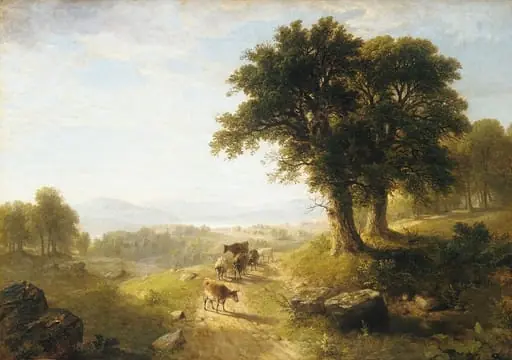 River Scene
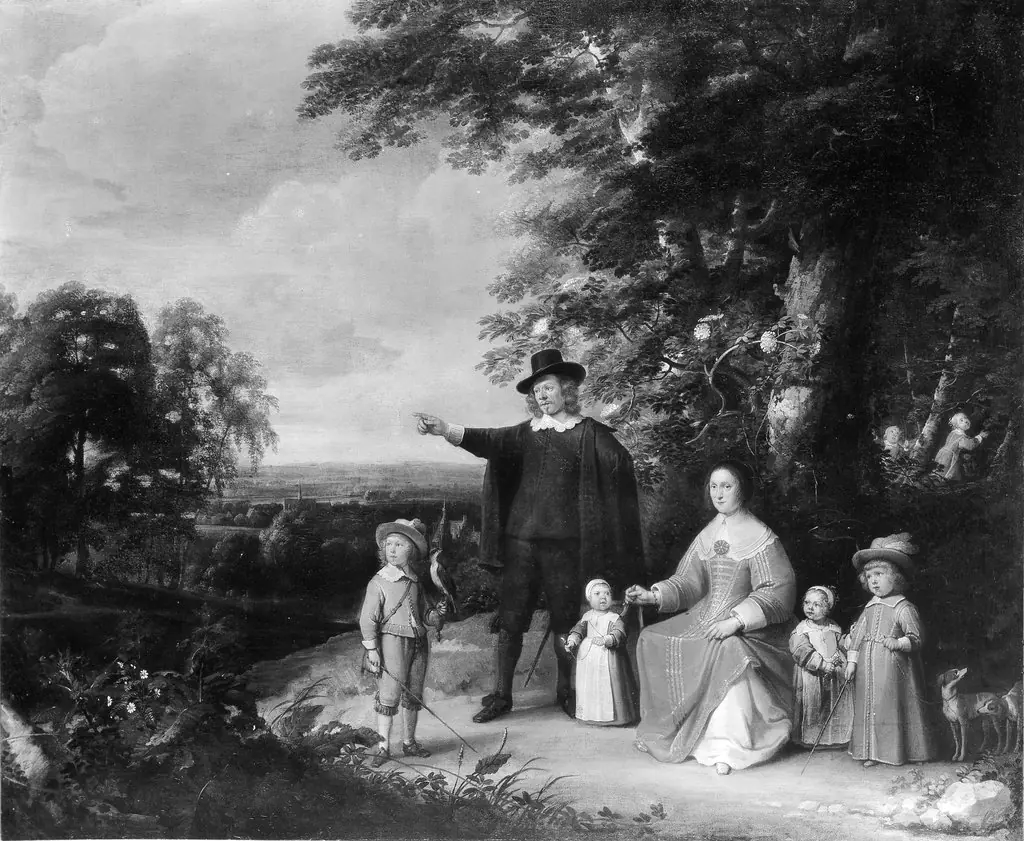 Family Group in a Landscape
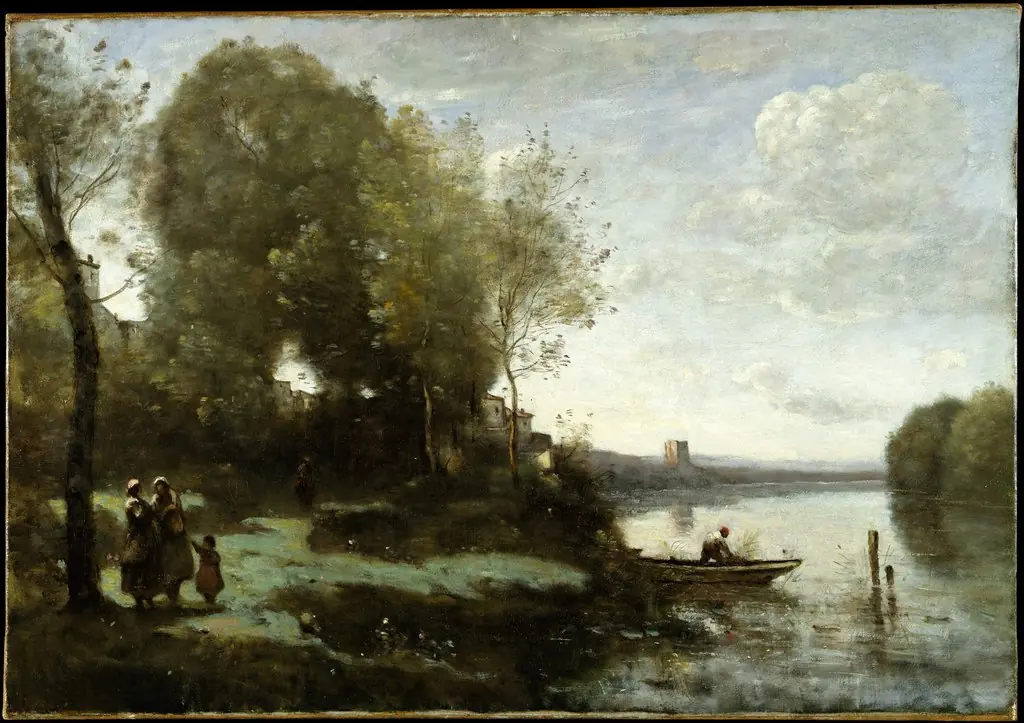 River with a Distant Tower
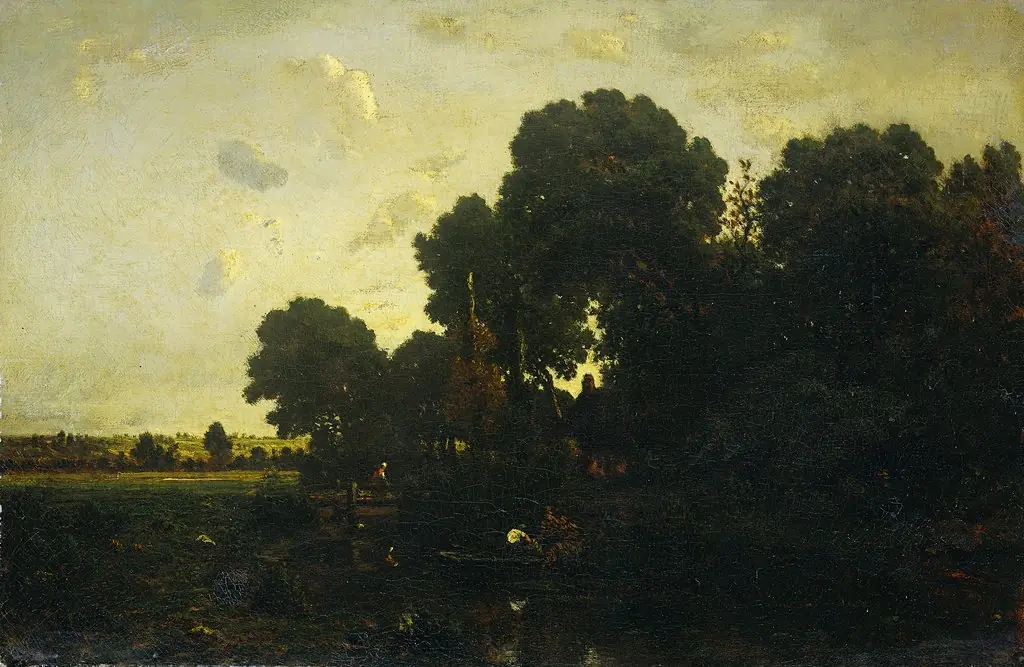 Twilight
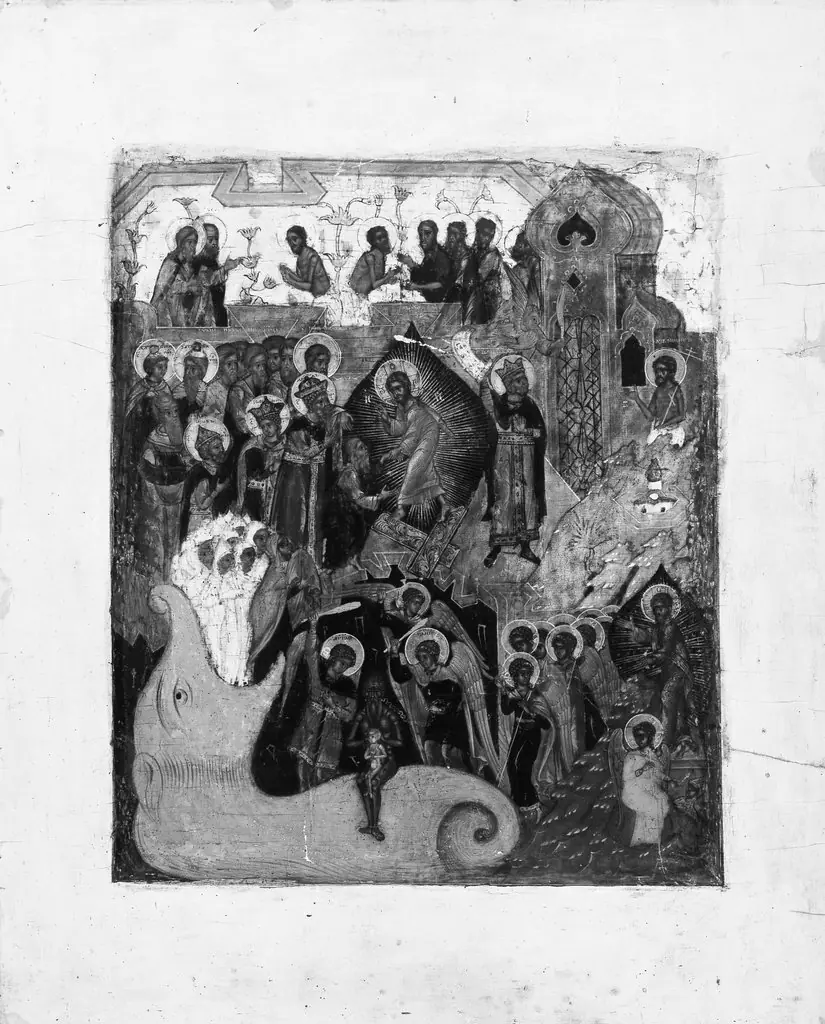 The Resurrection of Christ and the Harrowing of Hell
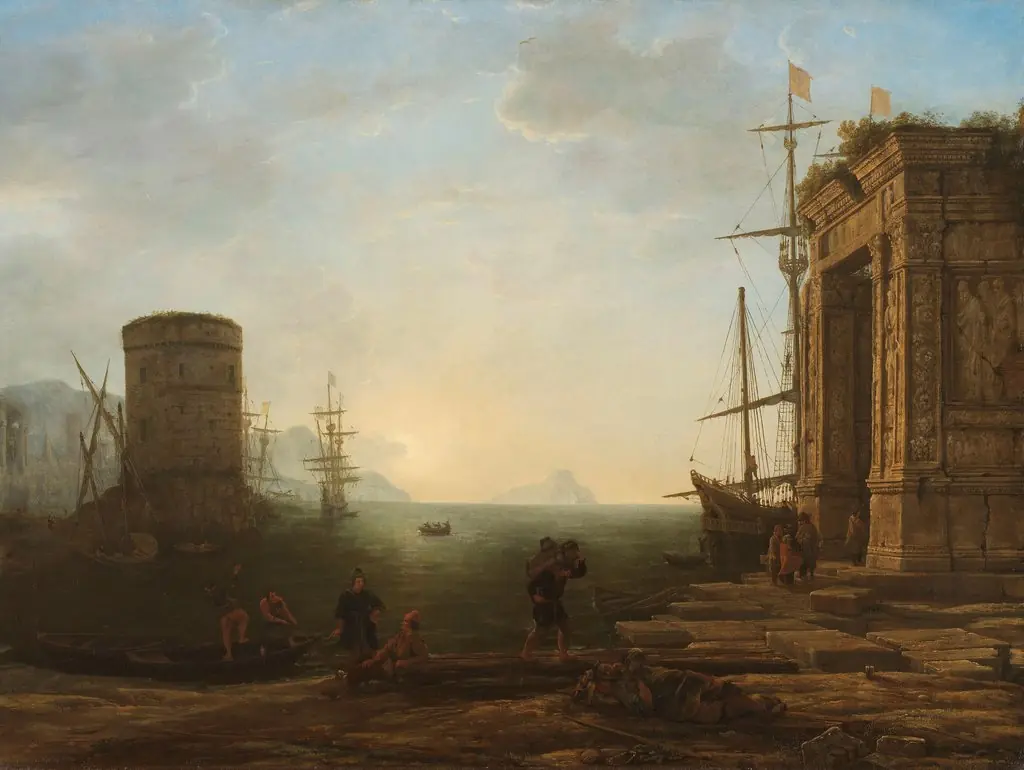 Harbour at Sunrise
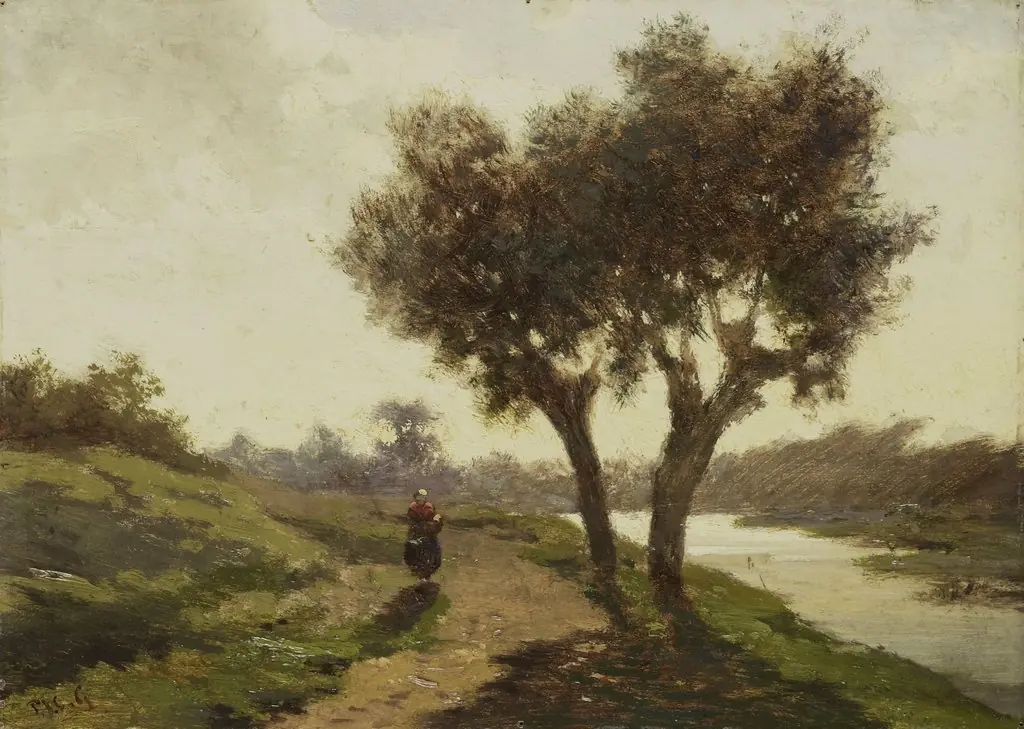 Landscape with two Trees
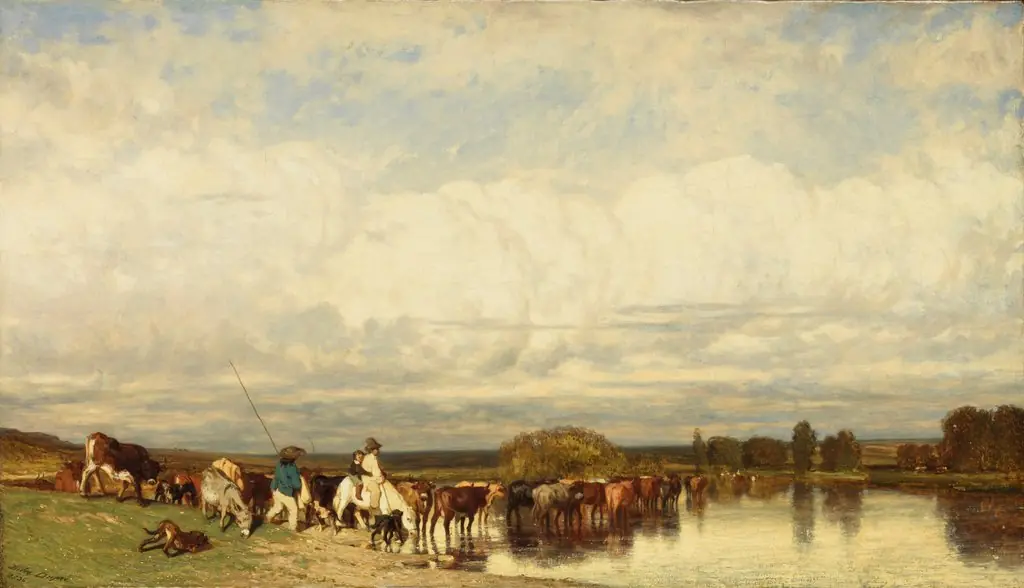 Cows Crossing a Ford
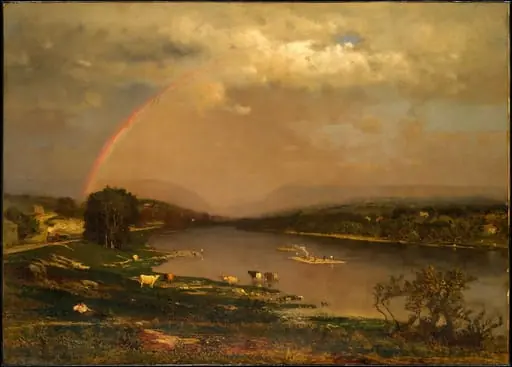 Delaware Water Gap
 Panoramic Landscape near the River Moselle
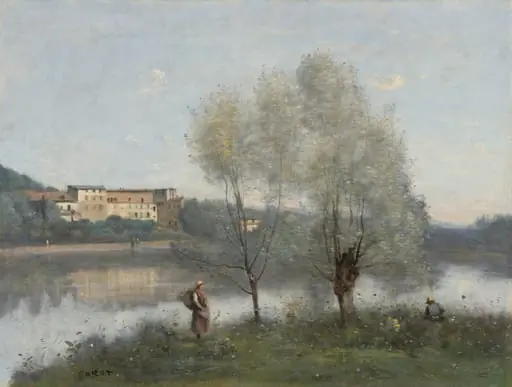 Ville-d'Avray
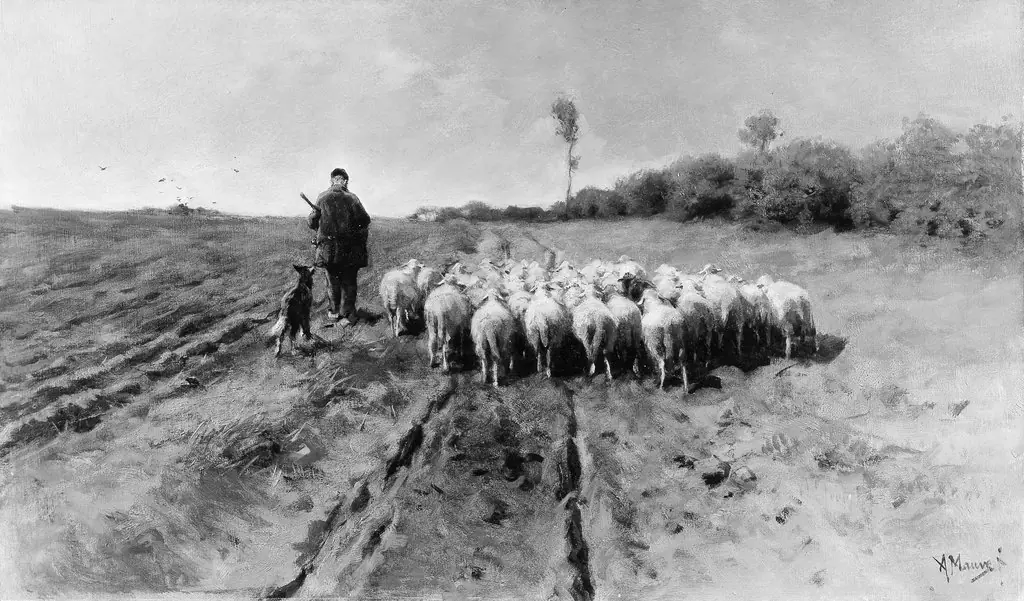 The Return to the Fold
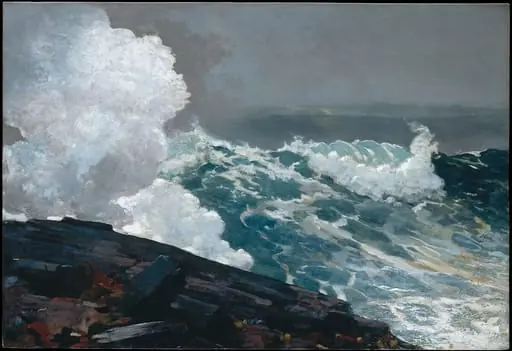 Northeaster
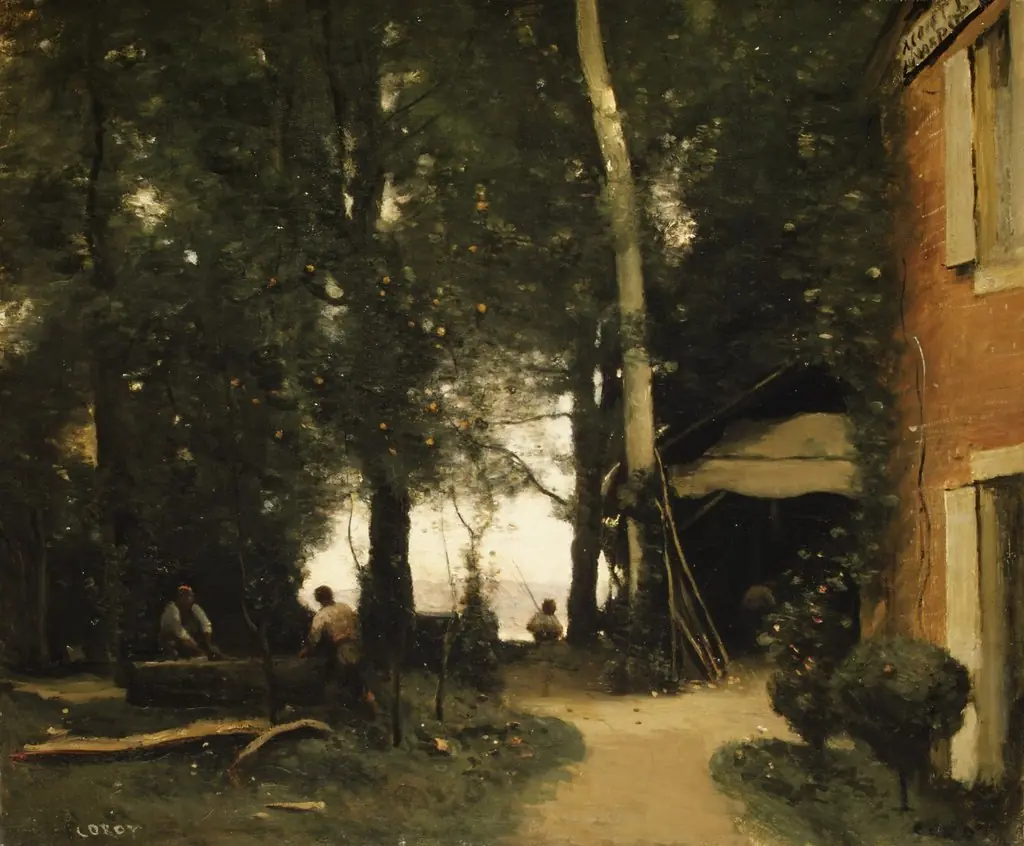 The Banks of the Seine at Conflans
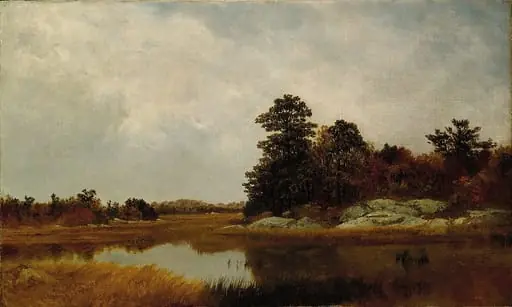 October in the Marshes
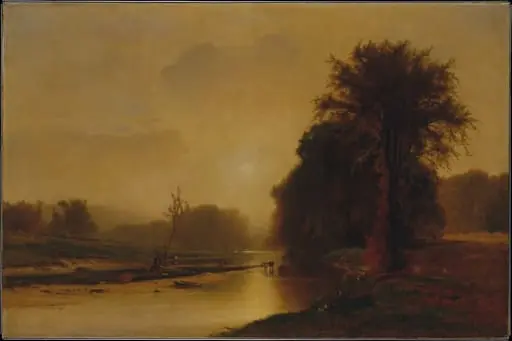 Autumn Meadows
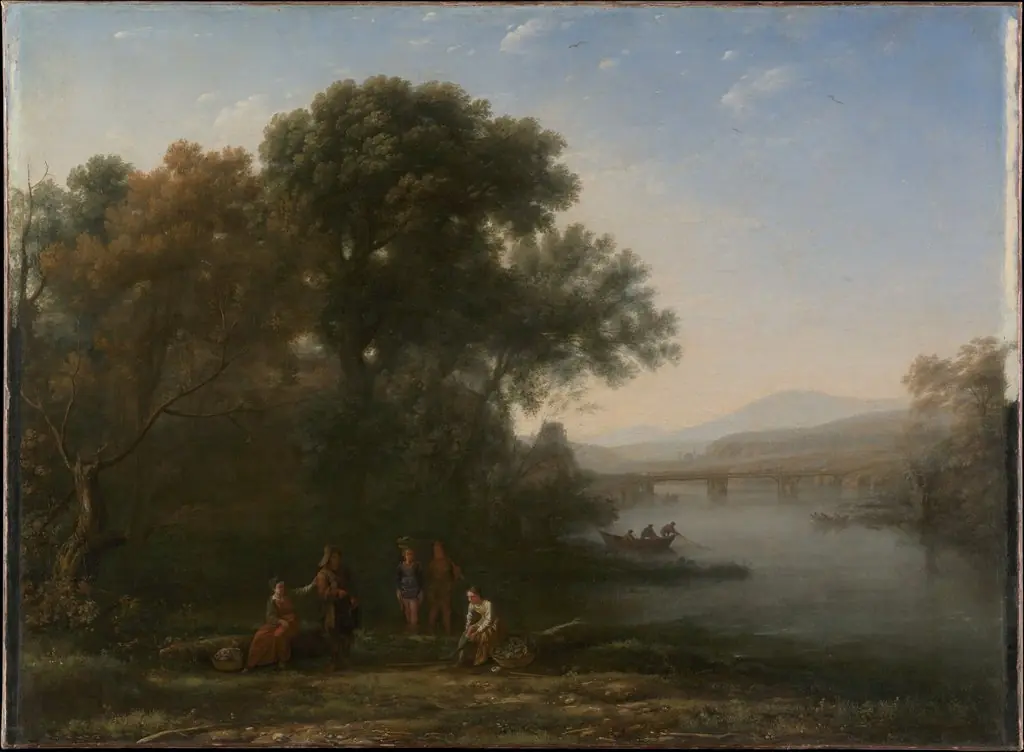 The Ford
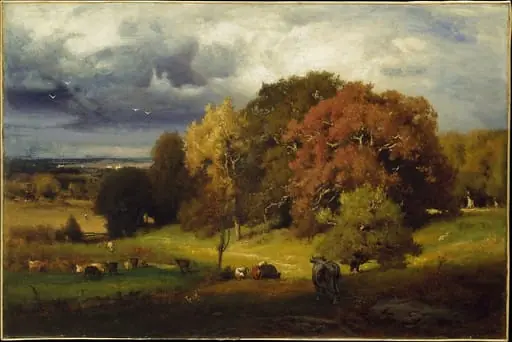 Autumn Oaks
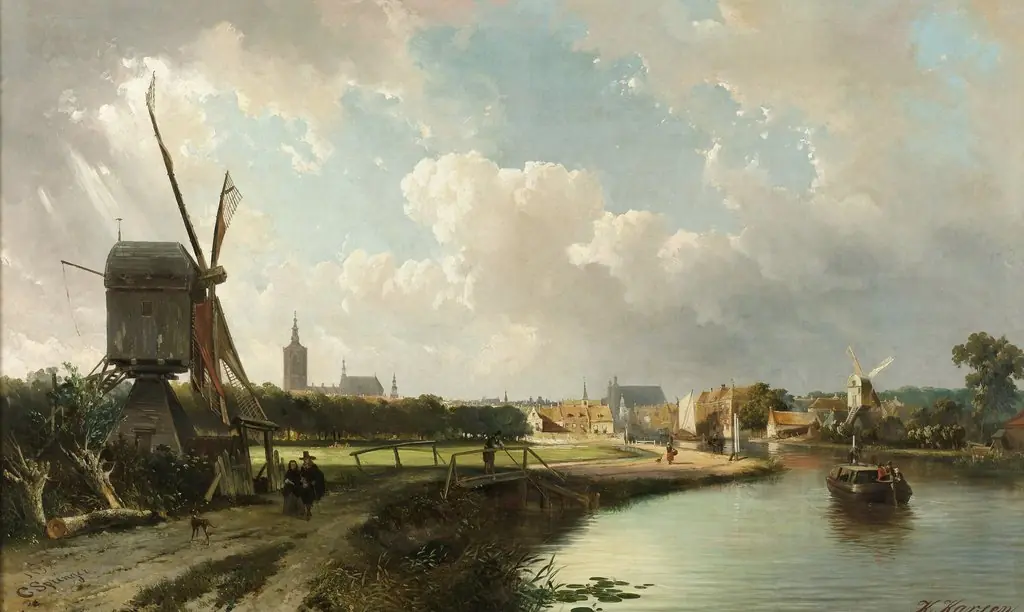 View of The Hague from the Delftse Vaart in the 17th Century
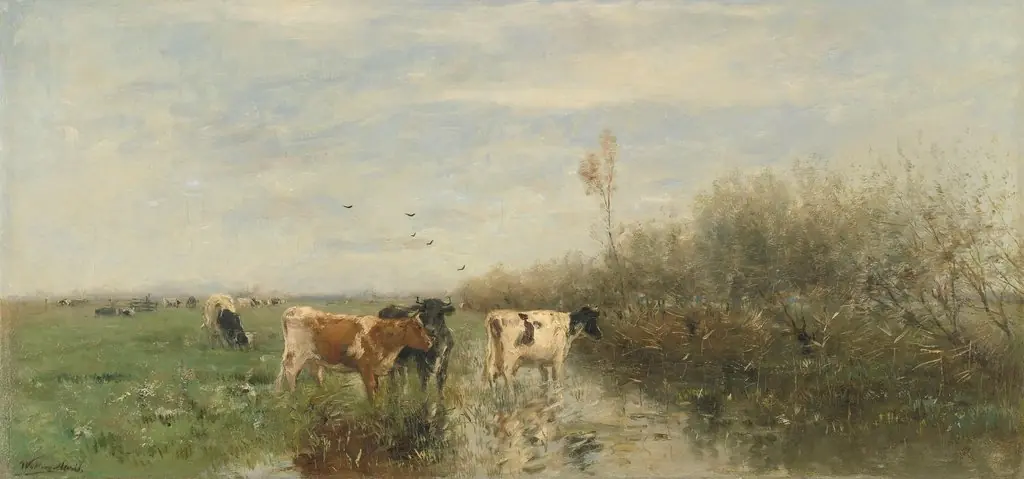 Cows in a soggy meadow
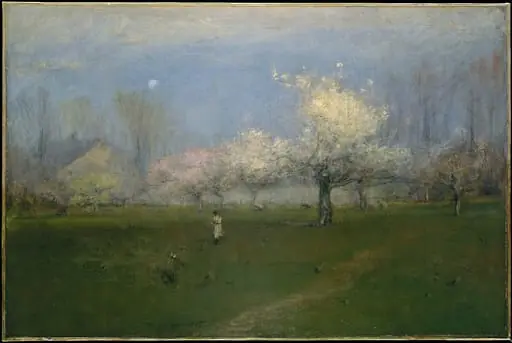 Spring Blossoms, Montclair, New Jersey
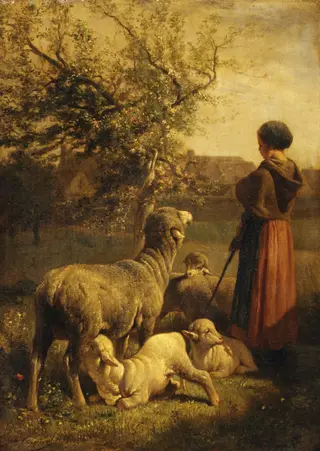 Springtime
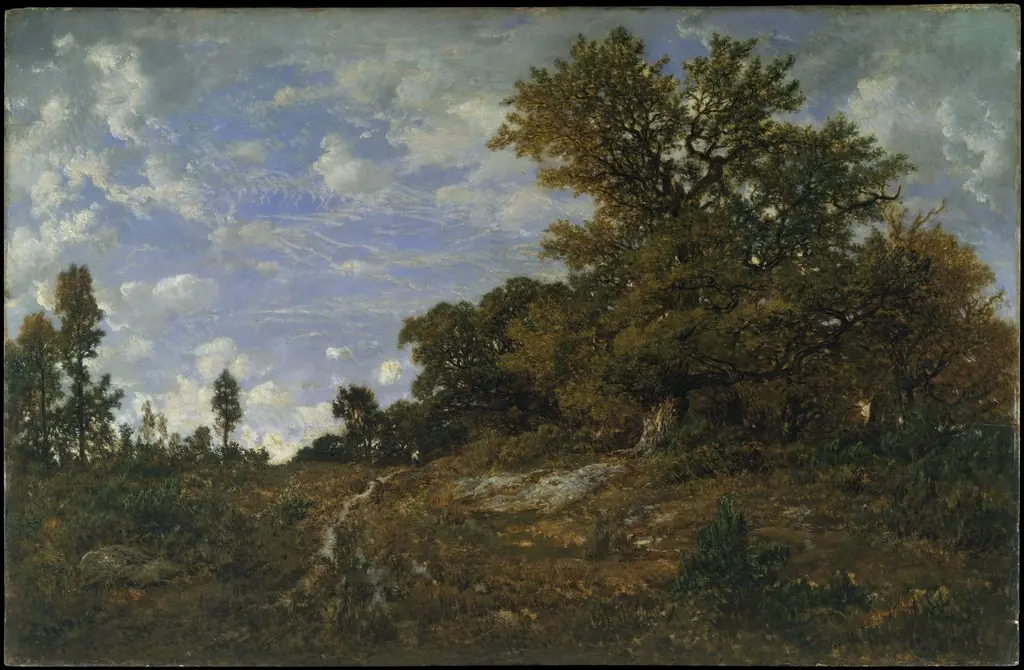 The Edge of the Woods at Monts-Girard, Fontainebleau Forest
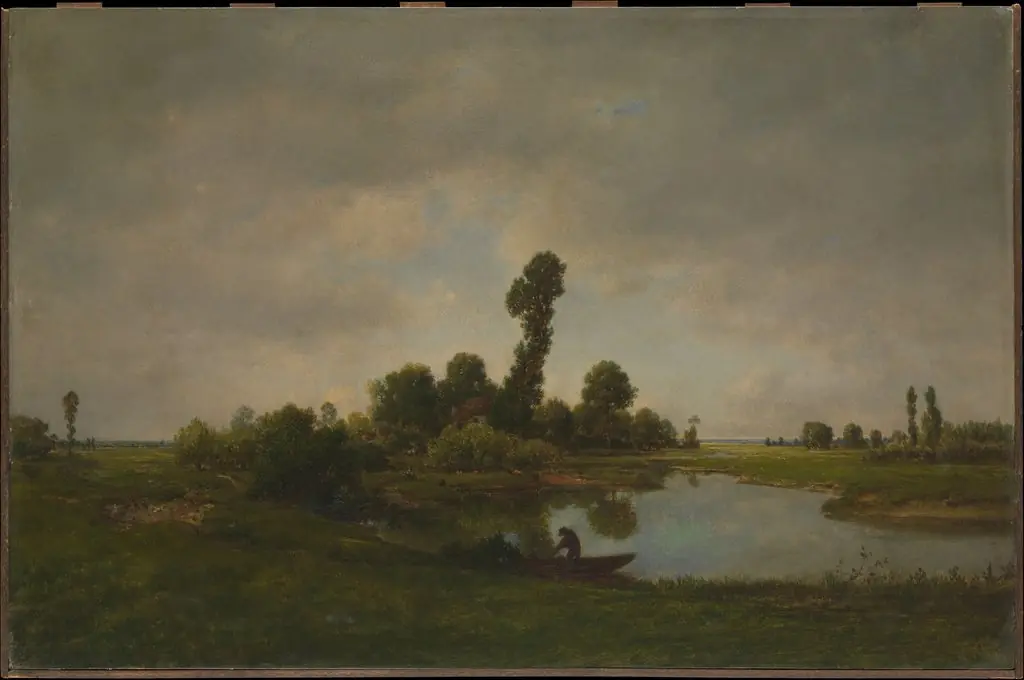 A River Landscape
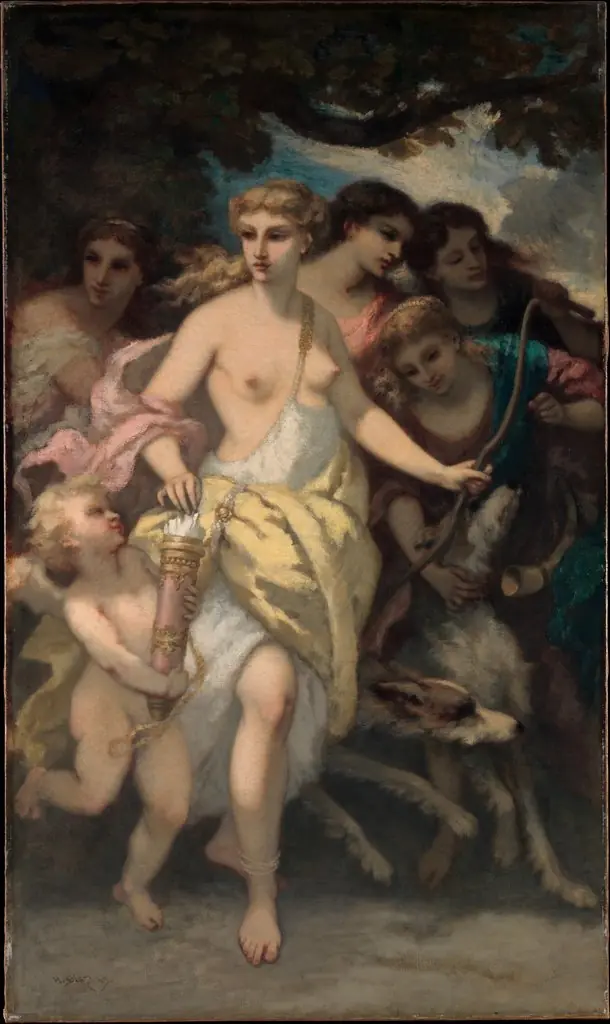 Diana
Diana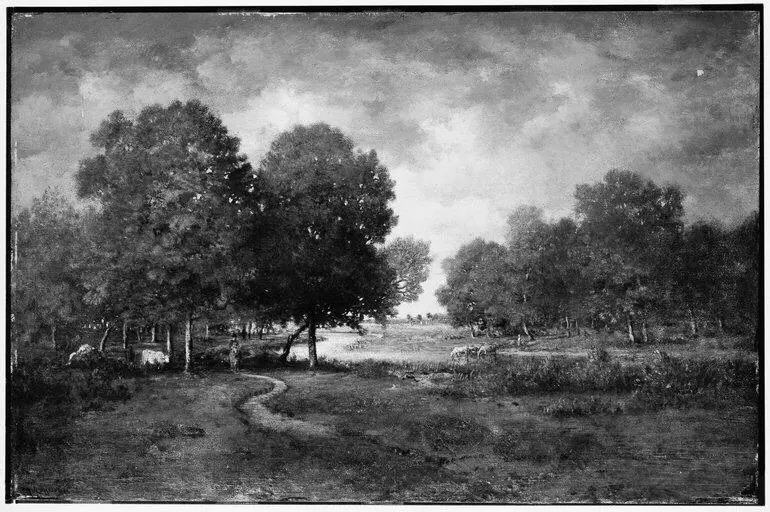 A River in a Meadow
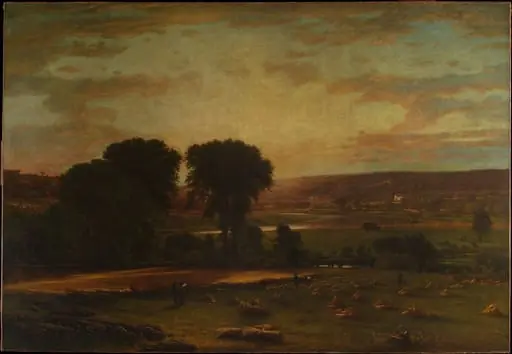 Peace and Plenty
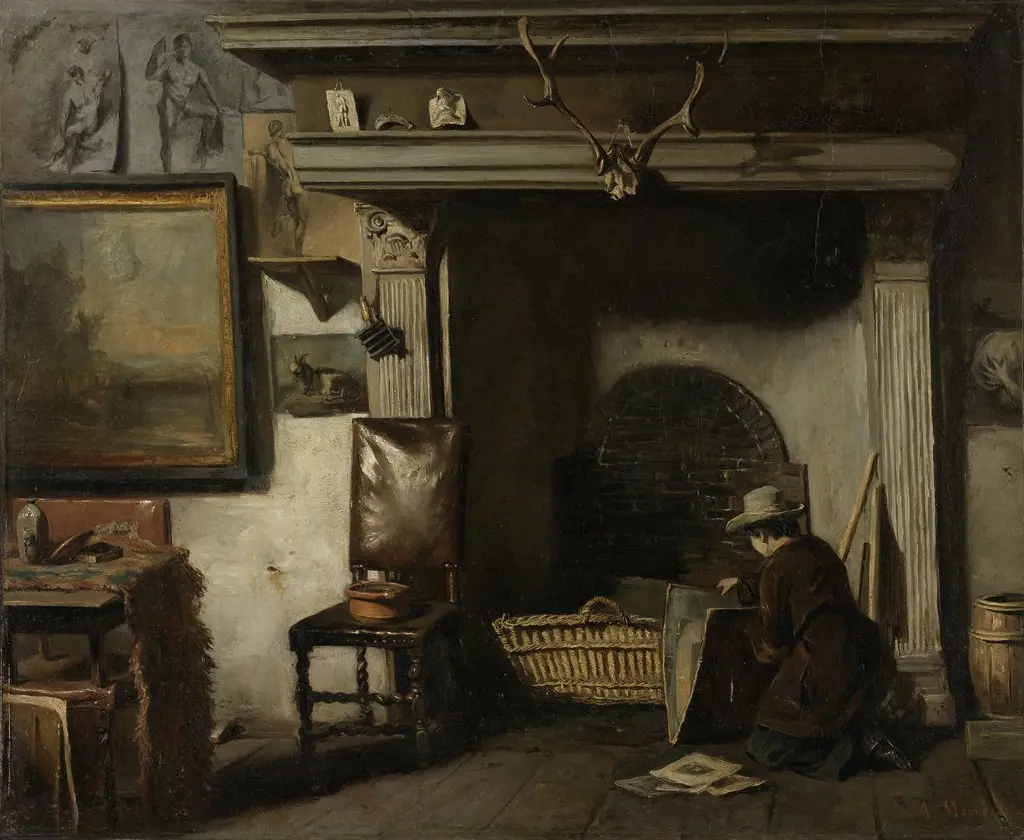 The Studio of the Haarlem Painter Pieter Frederik van Os
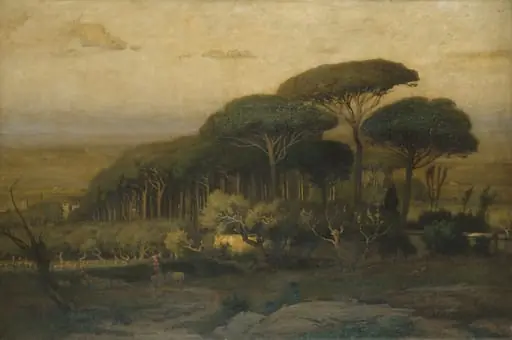 Pine Grove of the Barberini Villa
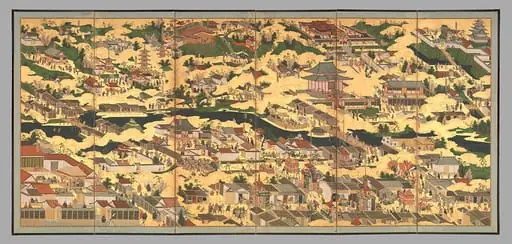 洛中洛外図屏風|Scenes in and around the Capital
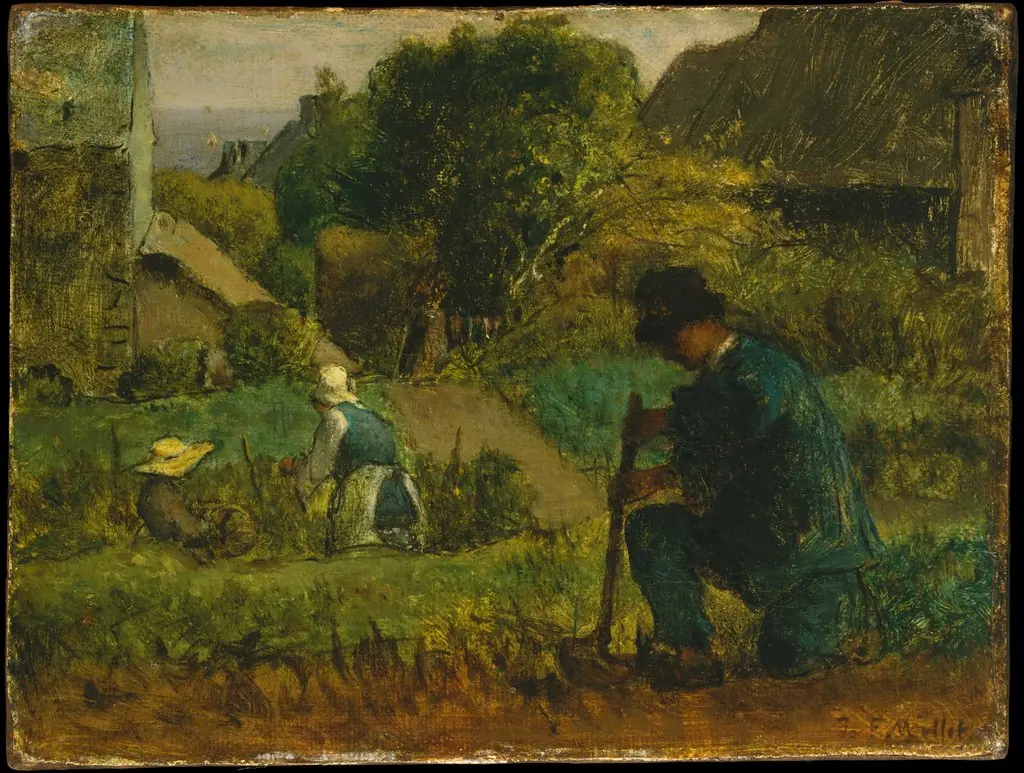 Garden Scene
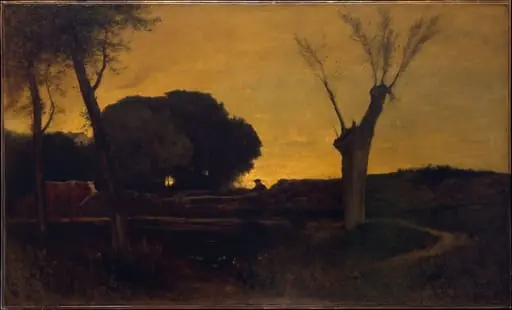 Evening at Medfield, Massachusetts
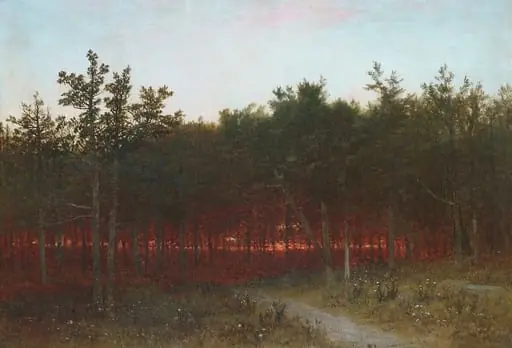 Twilight in the Cedars at Darien, Connecticut
 The Sheepfold
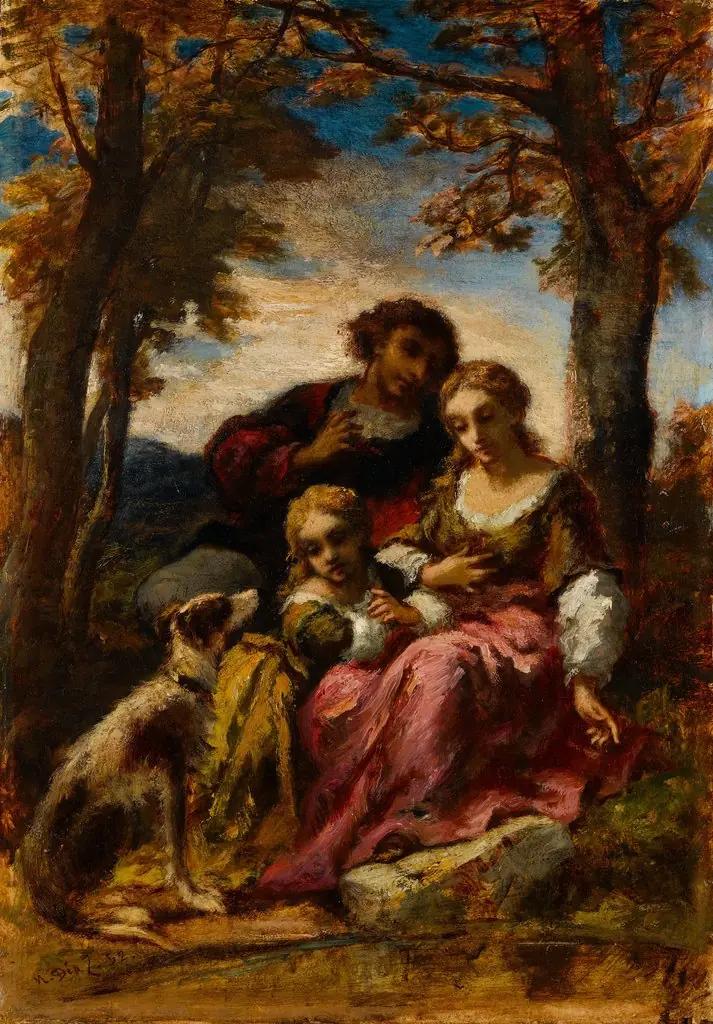 Figures and a Dog in a Landscape
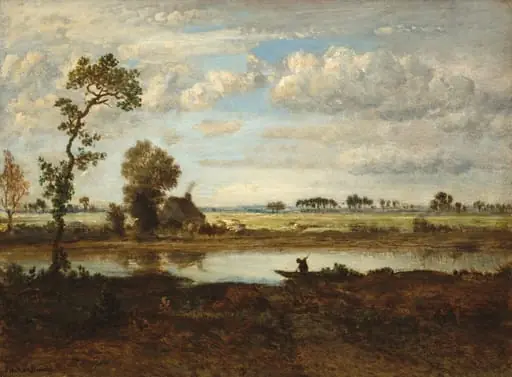 Landscape with Boatman
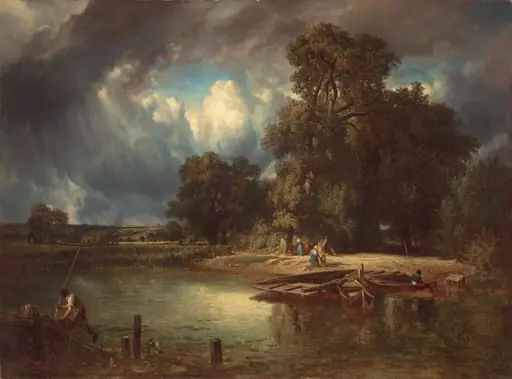 The Approaching Storm
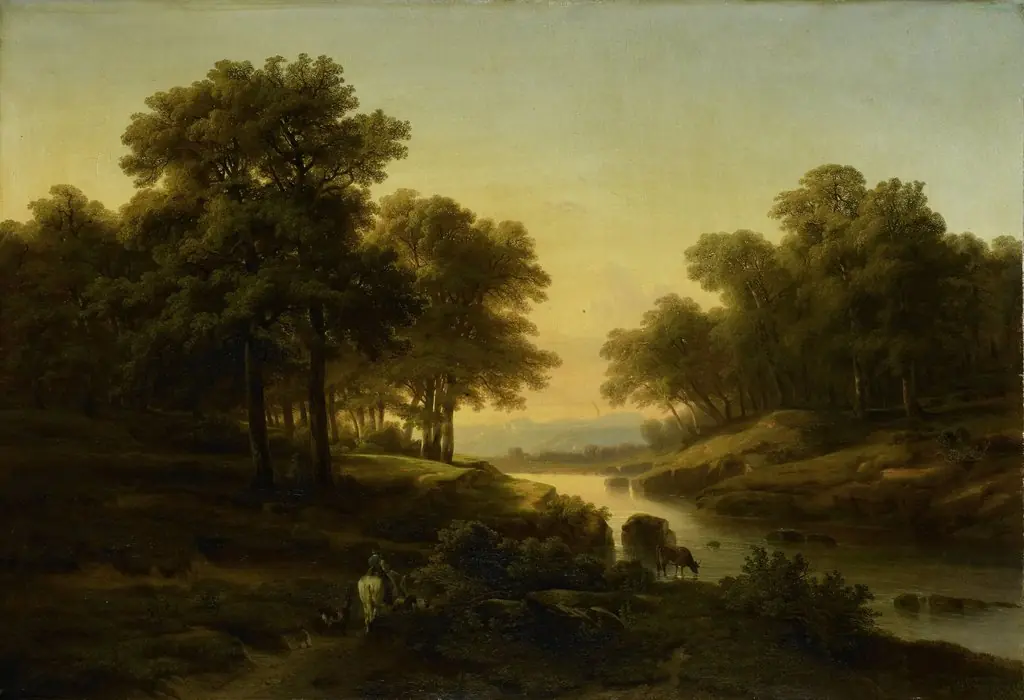 Landscape
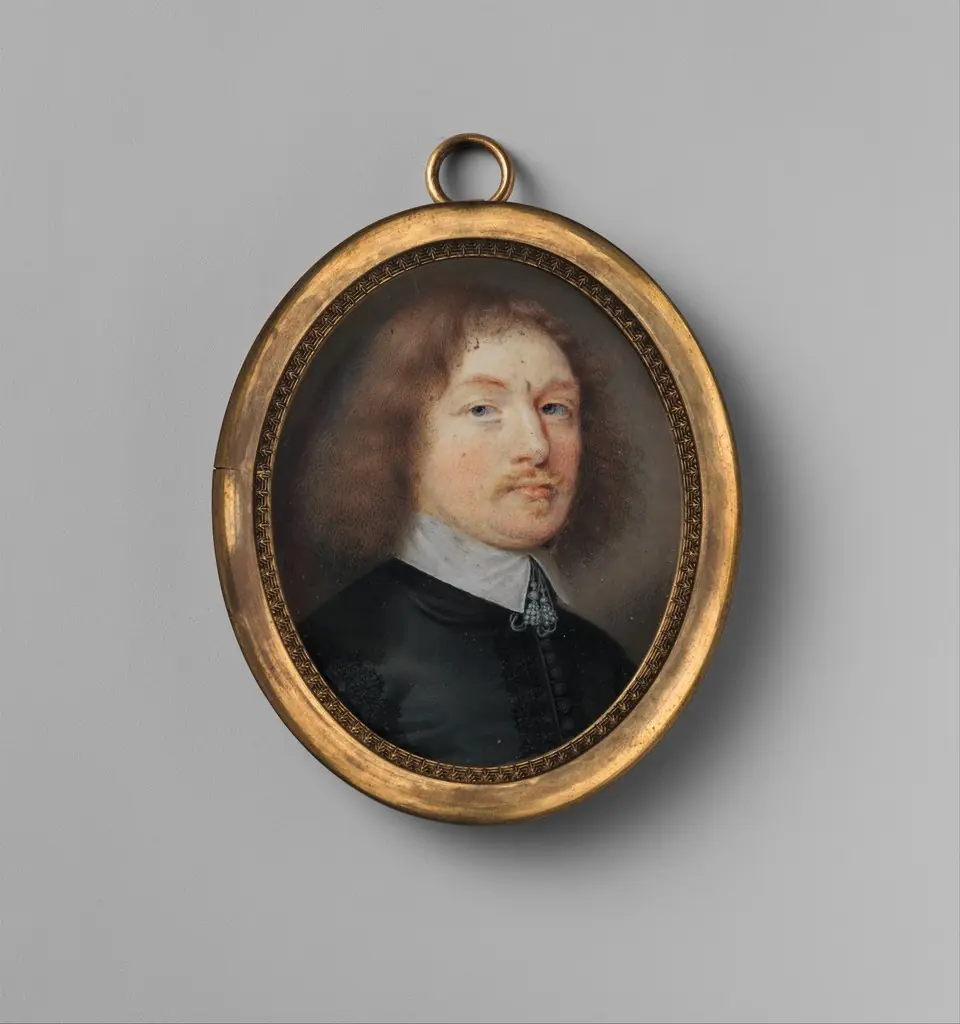 Portrait of a Man, Said to Be Philip Wharton (1613–1696), Fourth Baron Wharton
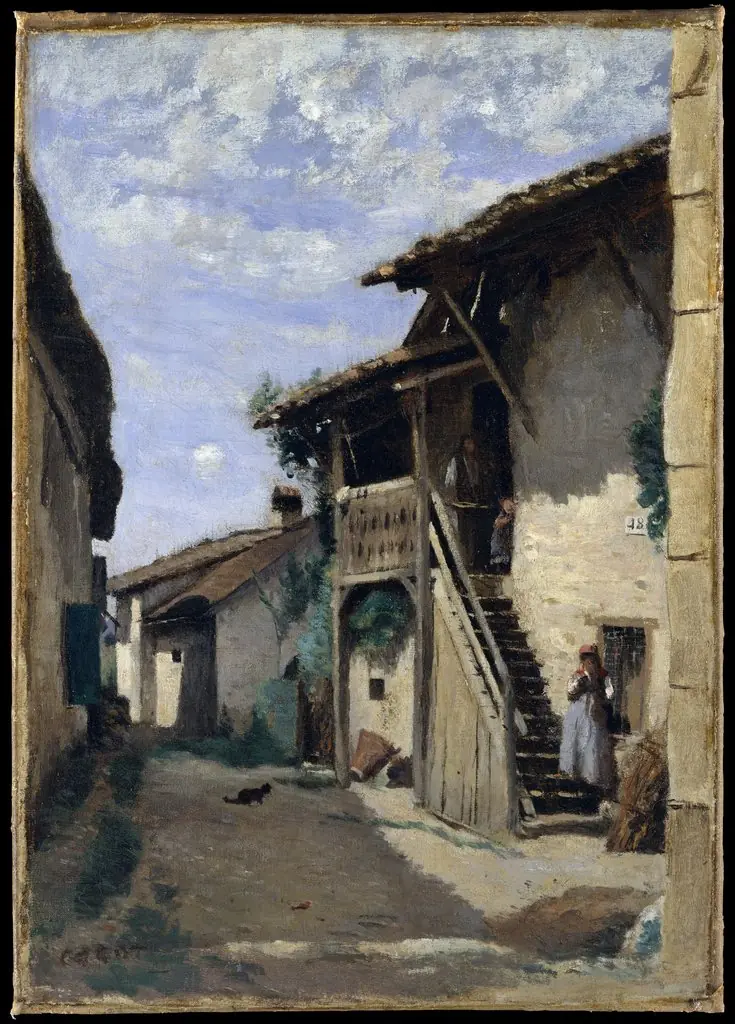 A Village Street: Dardagny
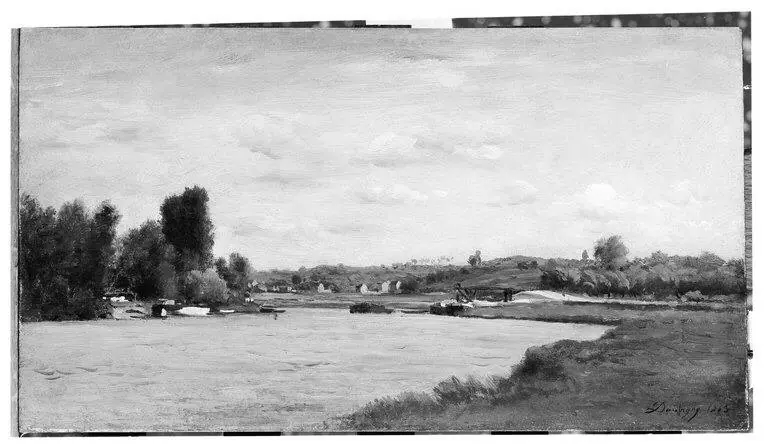 Landscape on a River
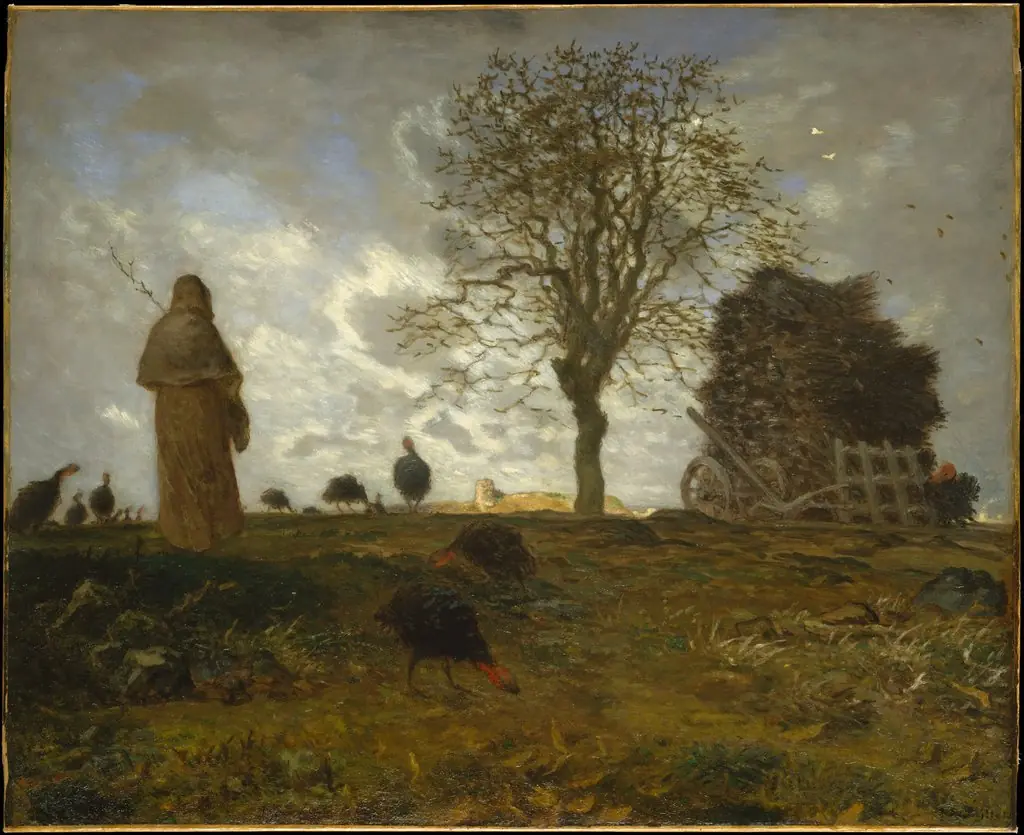 Autumn Landscape with a Flock of Turkeys
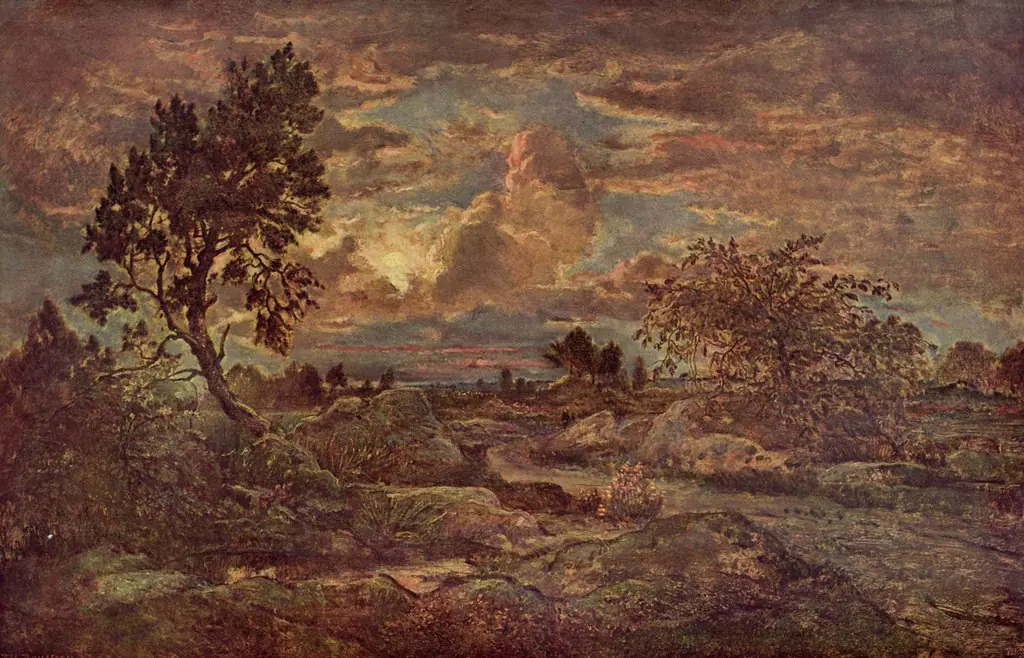 Sunset near Arbonne
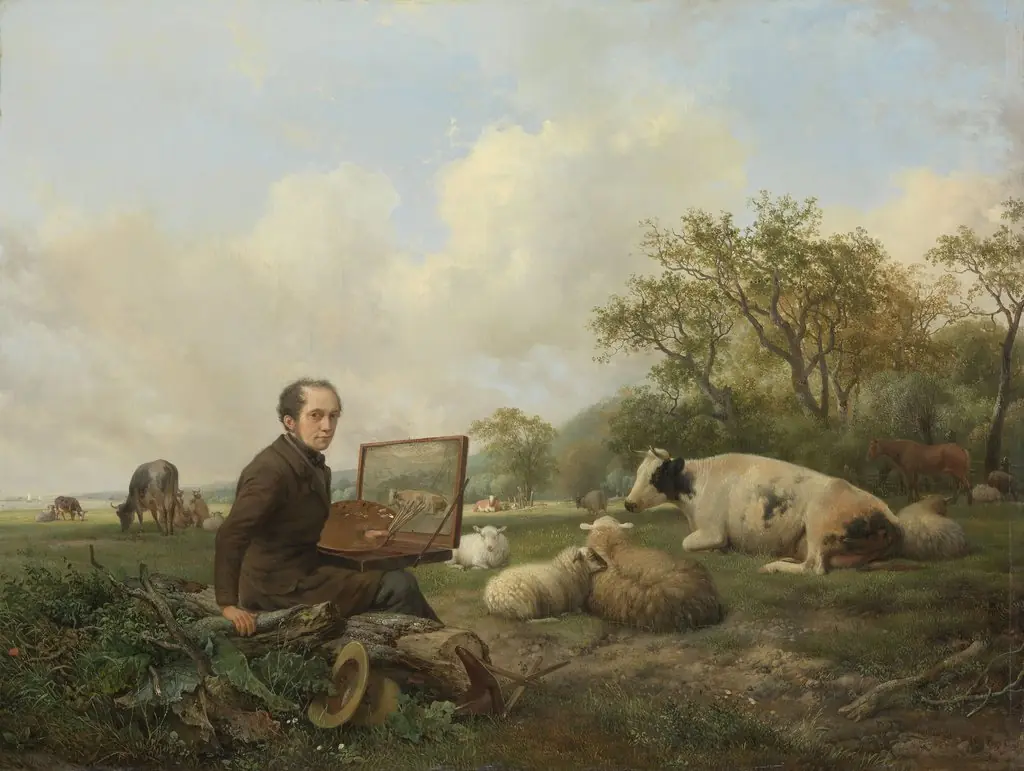 The Artist Painting a Cow in a Meadow
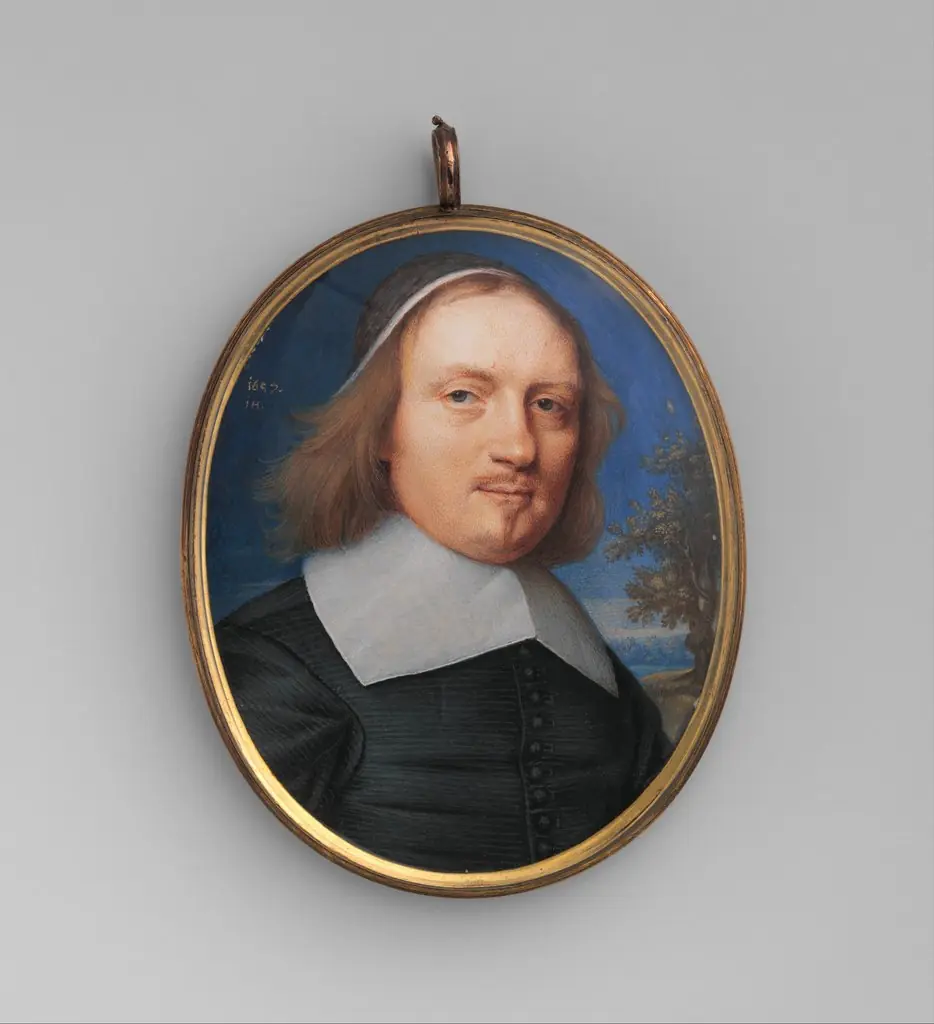 Dr. Brian Walton (born about 1600, died 1661)
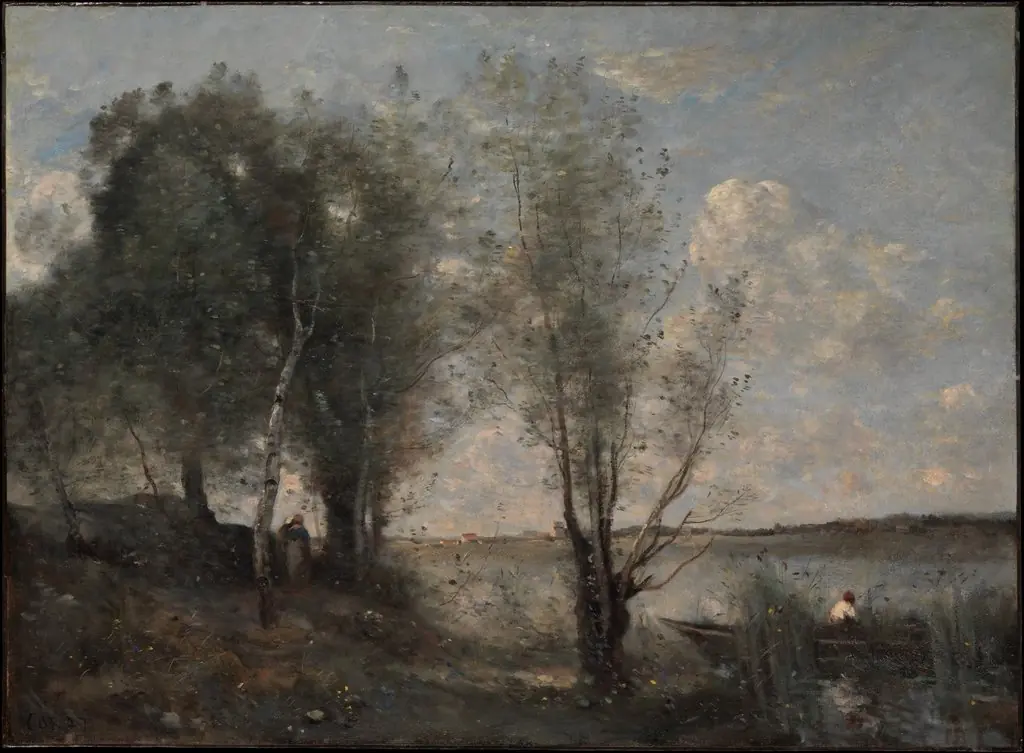 Boatman among the Reeds
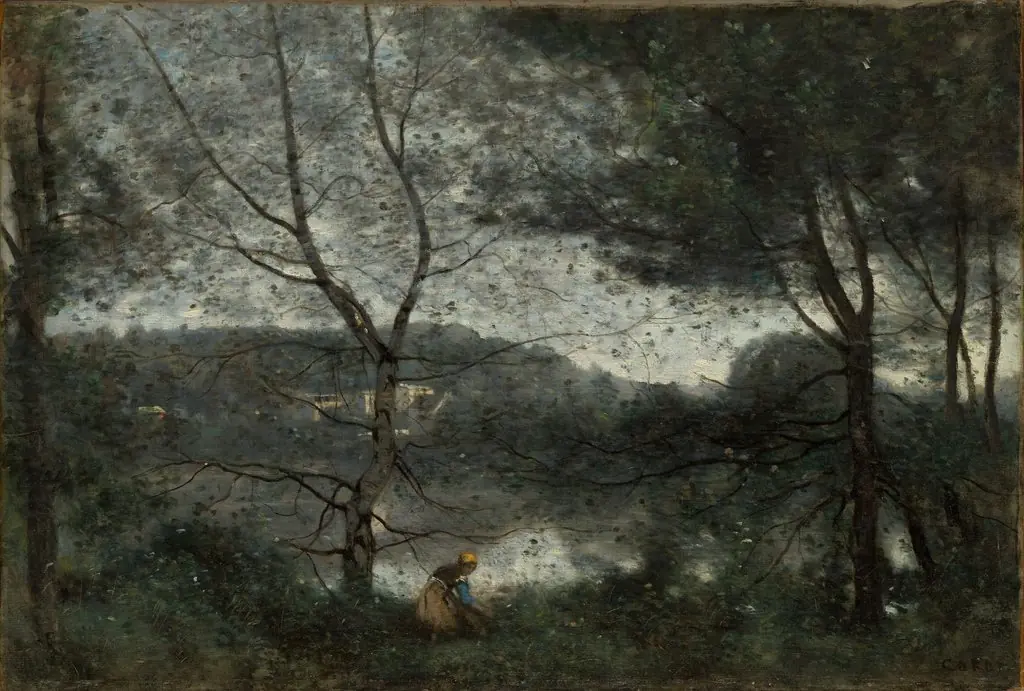 Ville-d'Avray
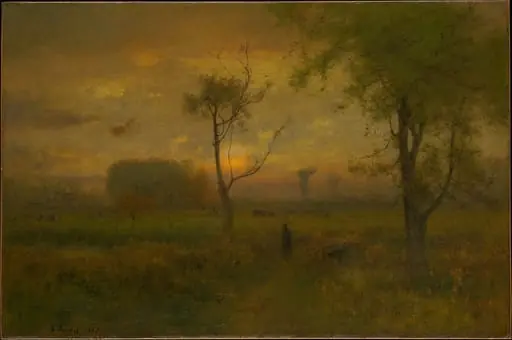 Sunrise
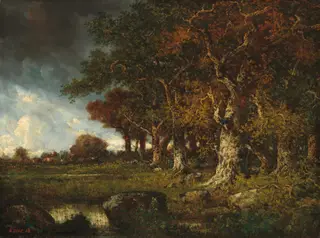 The Edge of the Forest at Les Monts-Girard, Fontainebleau
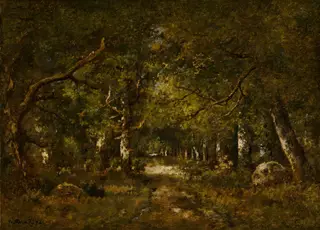 Forest Scene
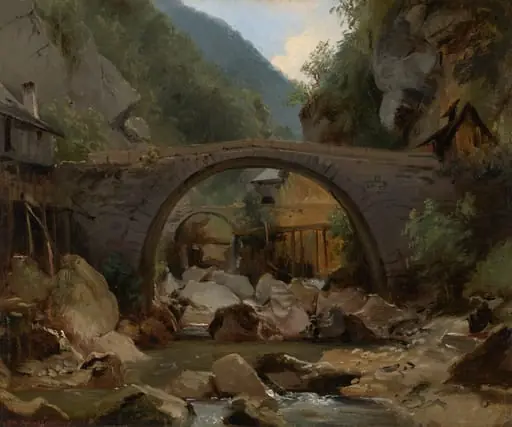 Mountain Stream in the Auvergne
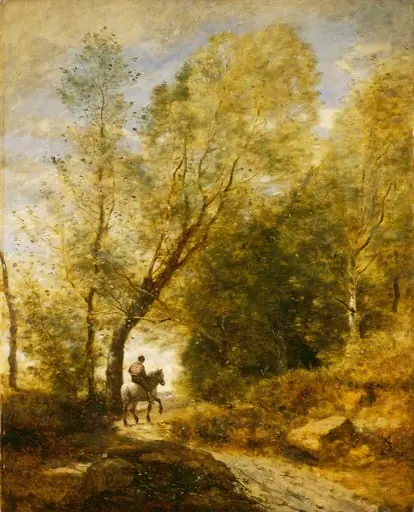 The Forest of Coubron
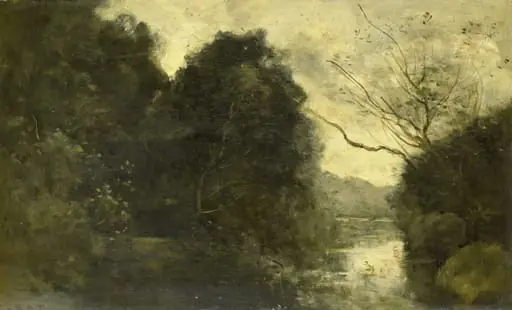 Pond in the Woods
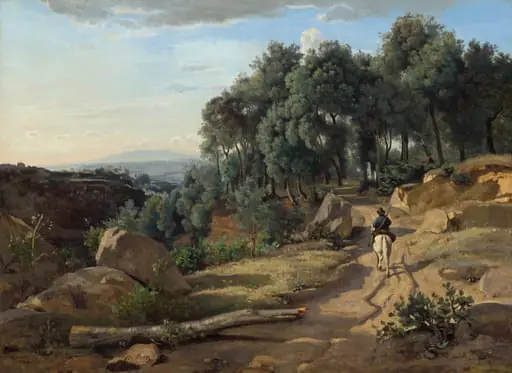 A View near Volterra
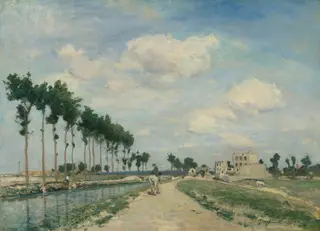 The Towpath
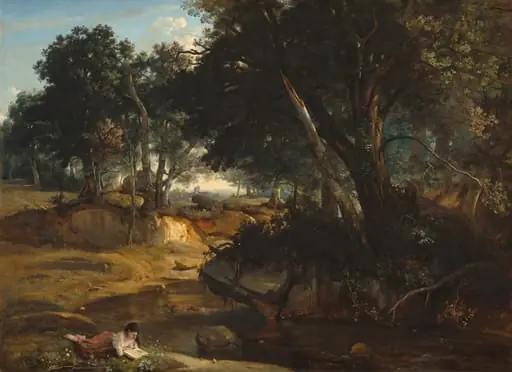 Forest of Fontainebleau
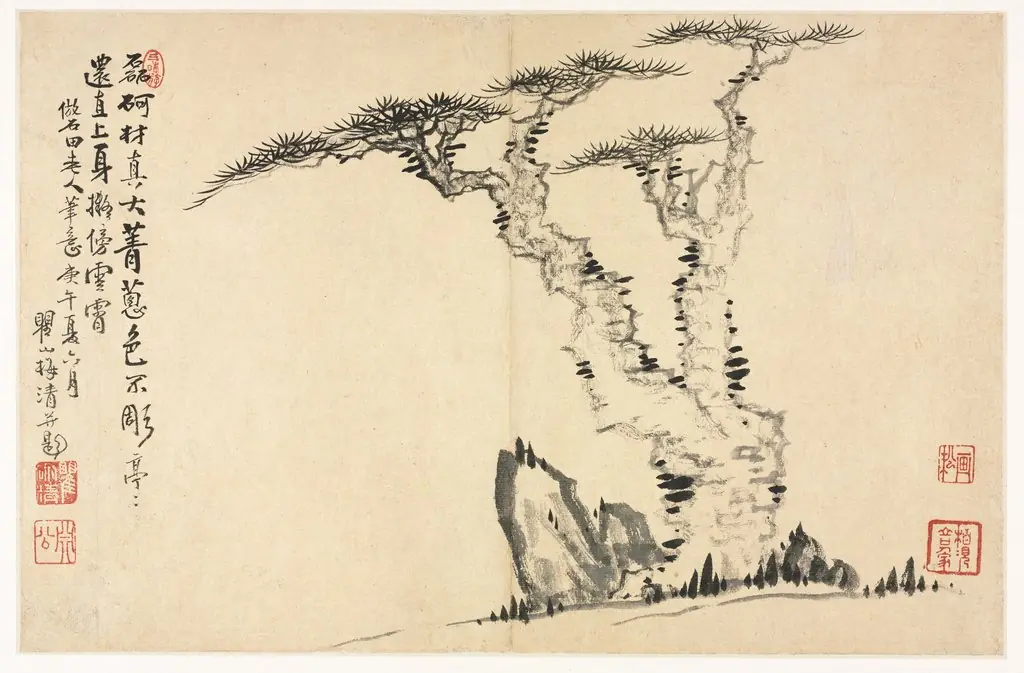 Landscapes in Various Styles after Old Masters
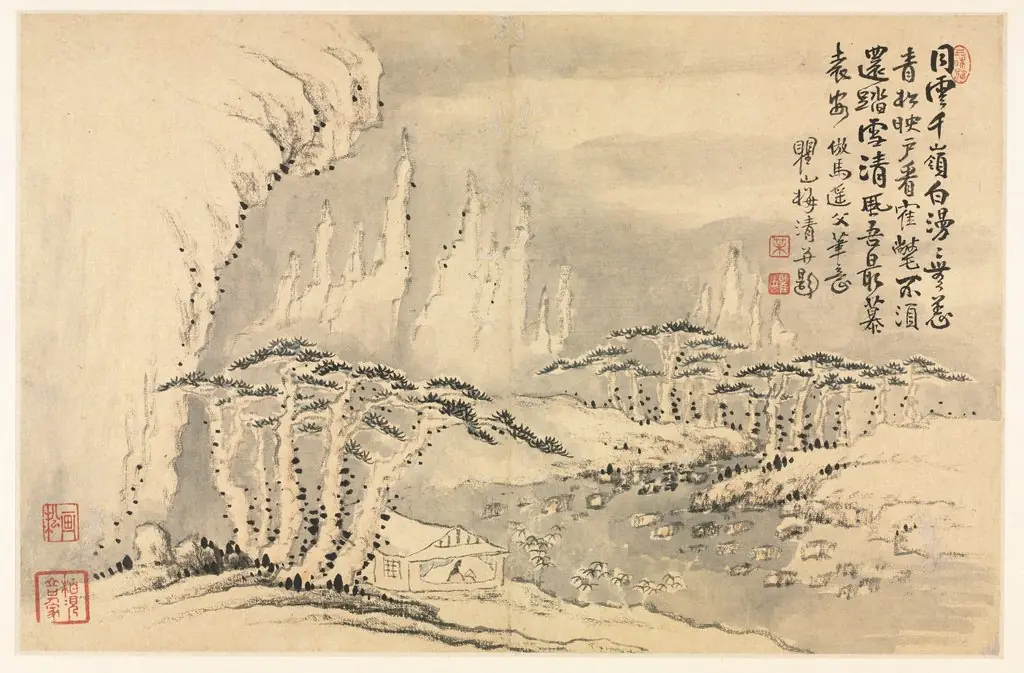 Landscapes in Various Styles after Old Masters
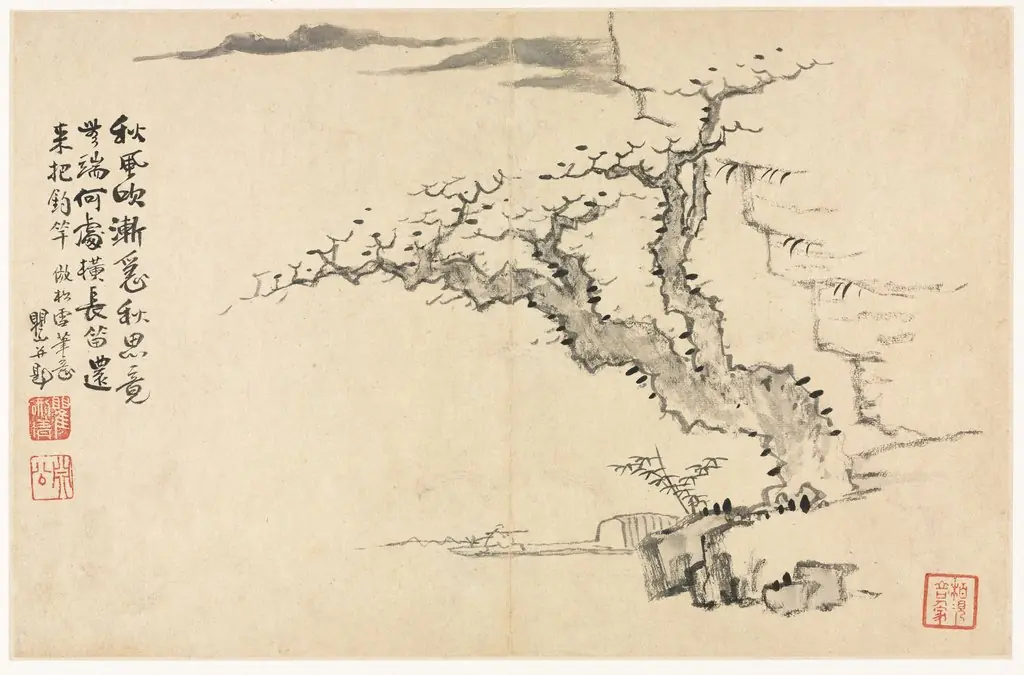 Landscapes in Various Styles after Old Masters
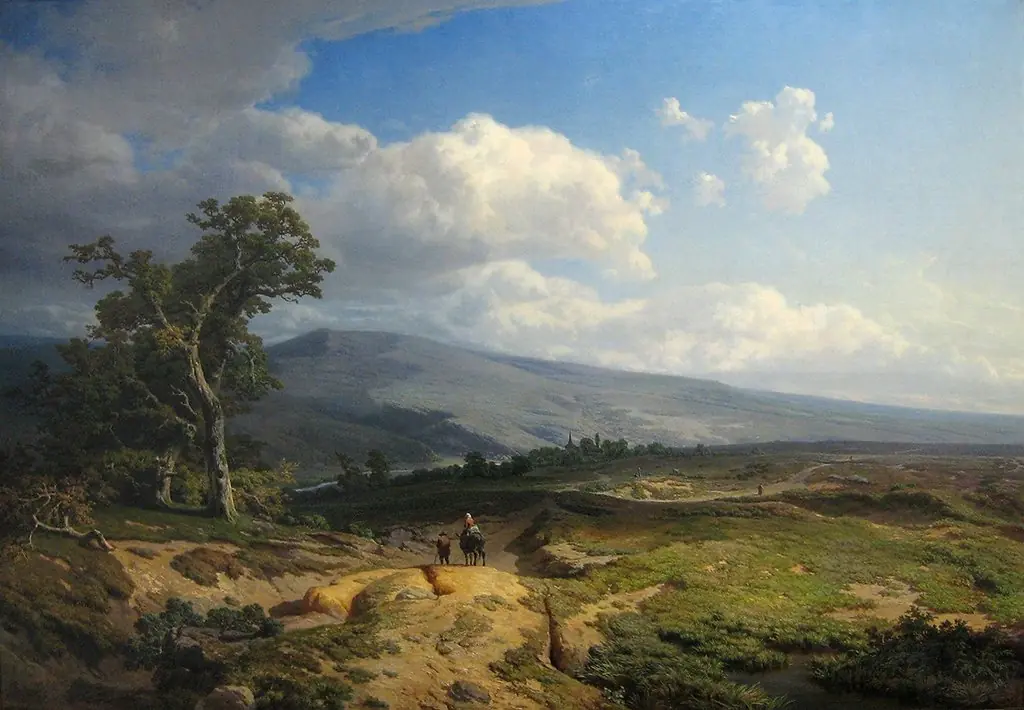 Valley of Amblève
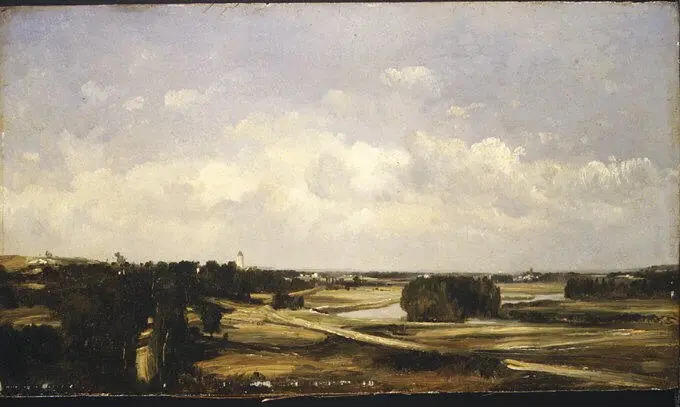 Valley of the River Loire
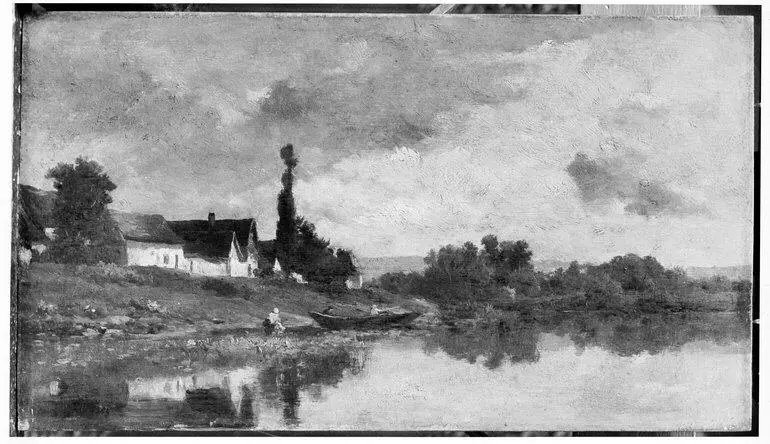 Portejoie on the Seine
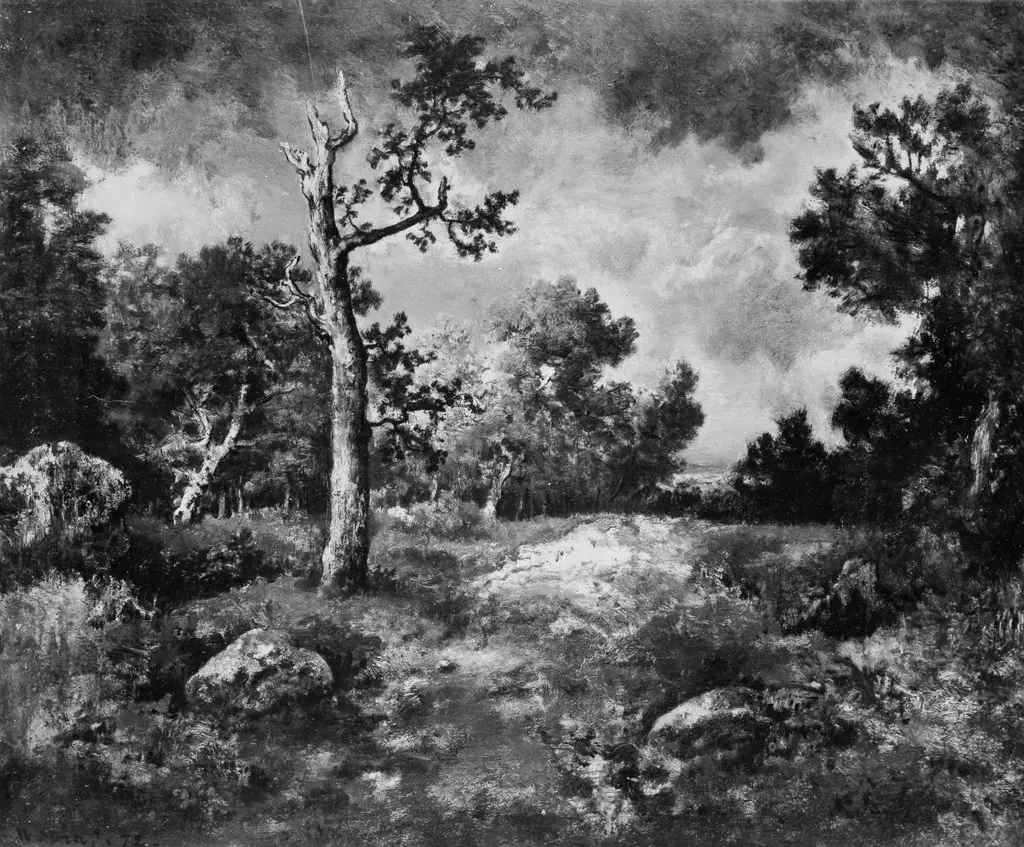 The Edge of the Woods
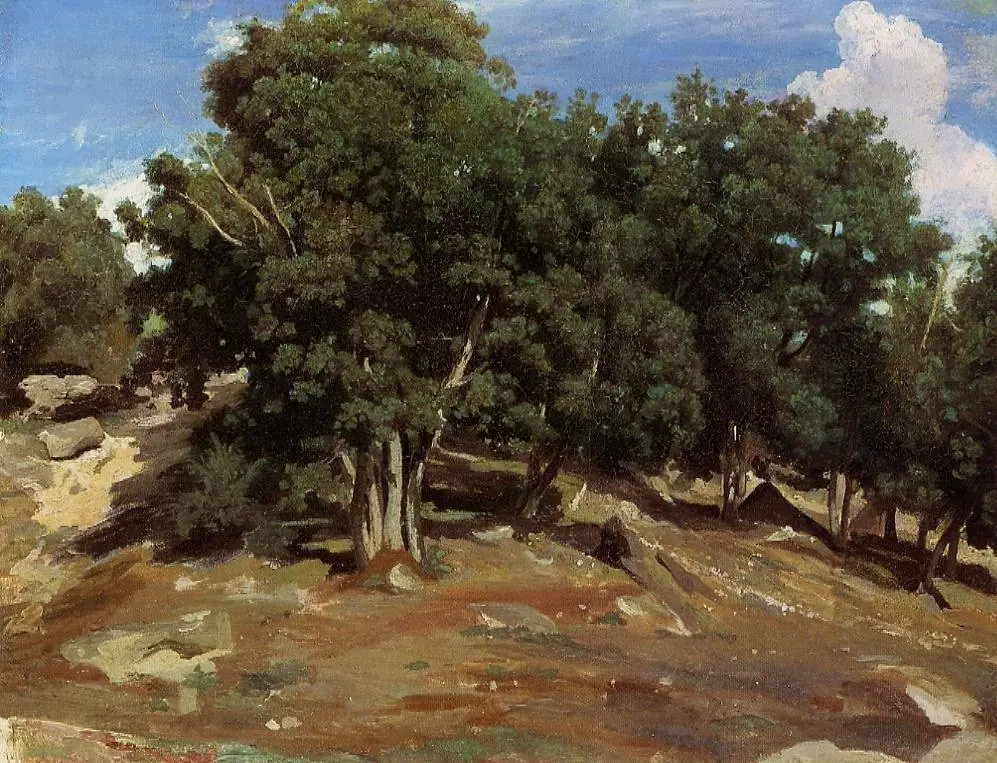 Fontainebleau: Oak Trees at Bas-Bréau
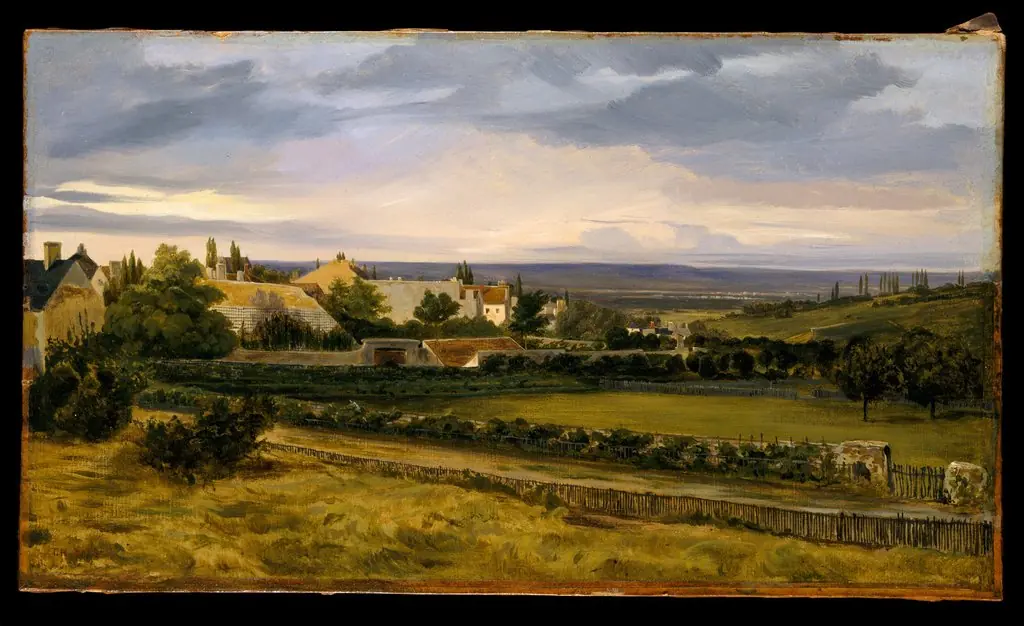 A Village in a Valley
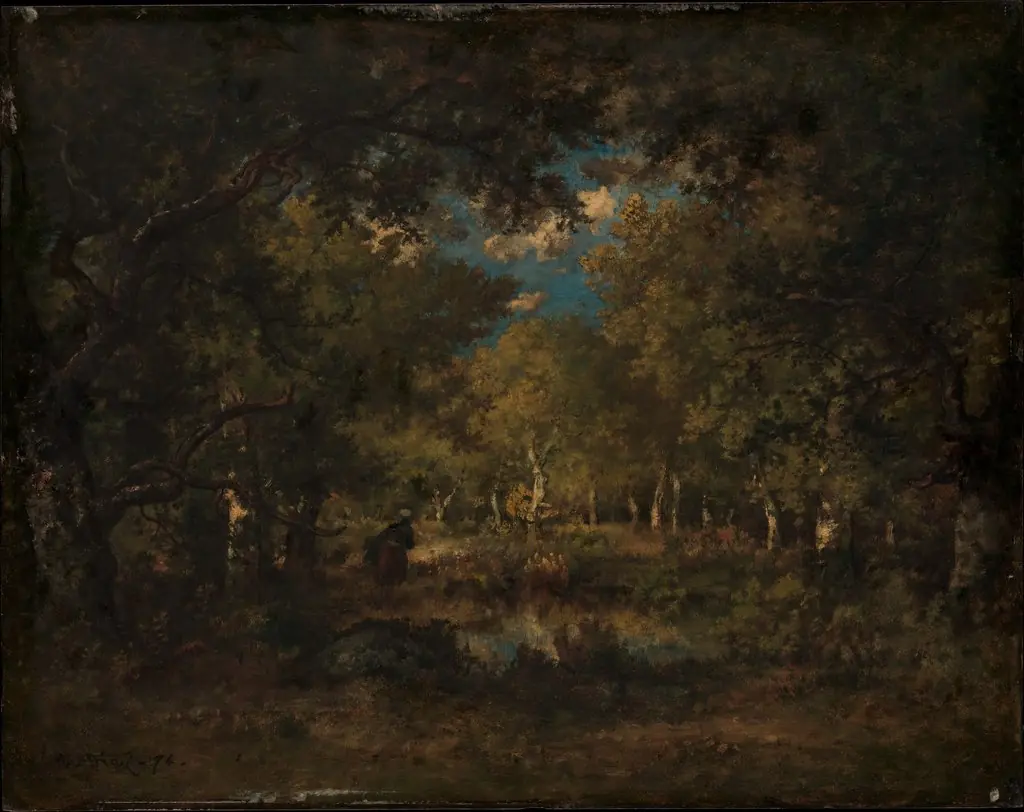 The Forest of Fontainebleau
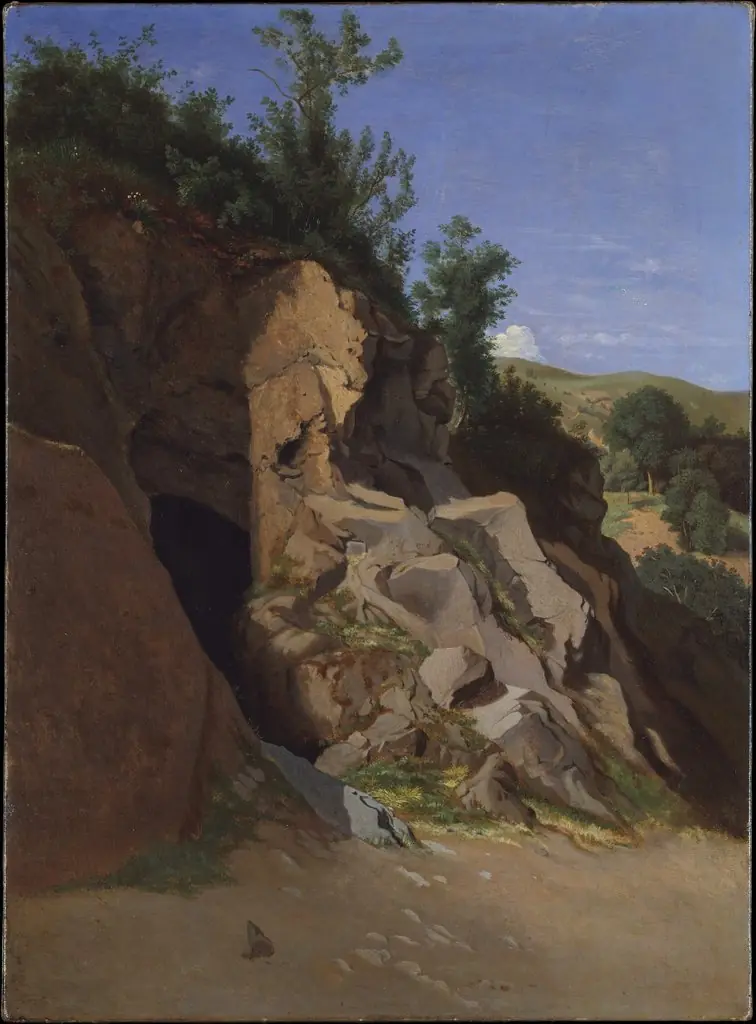 Landscape with a Cave
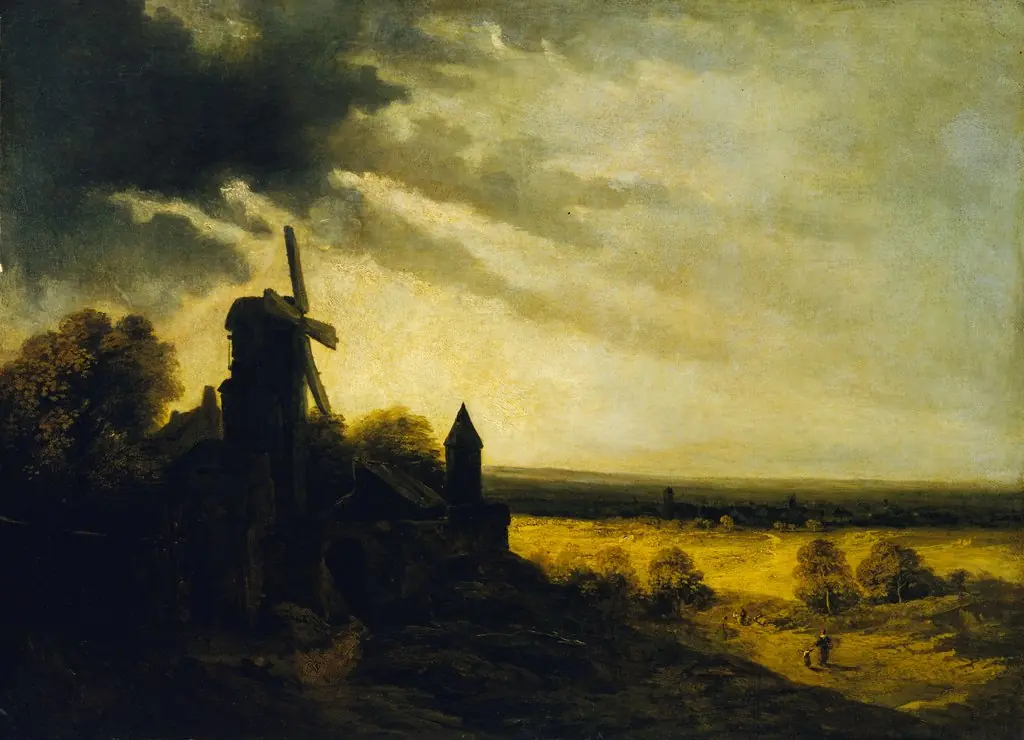 The Mill of Montmartre
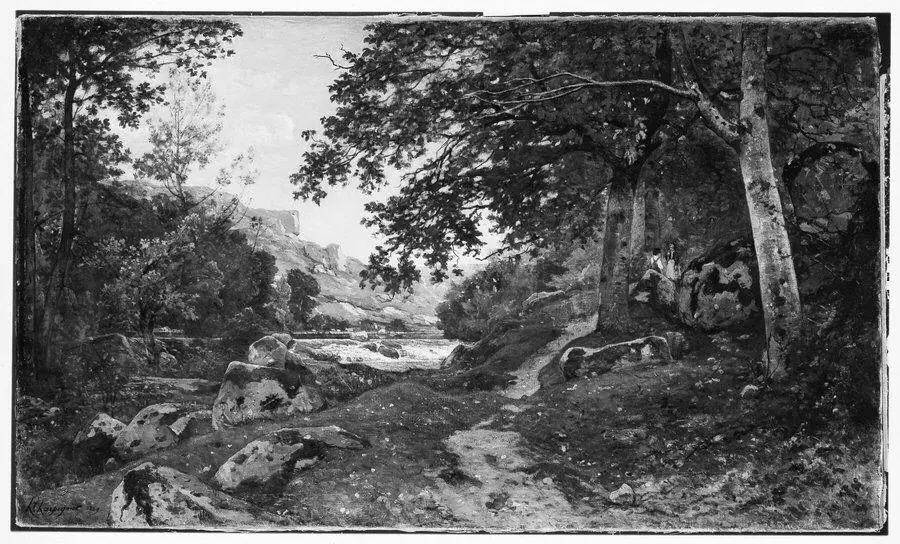 The Rocky Path in the Morvan (Chemin des roches dans le Morvan)
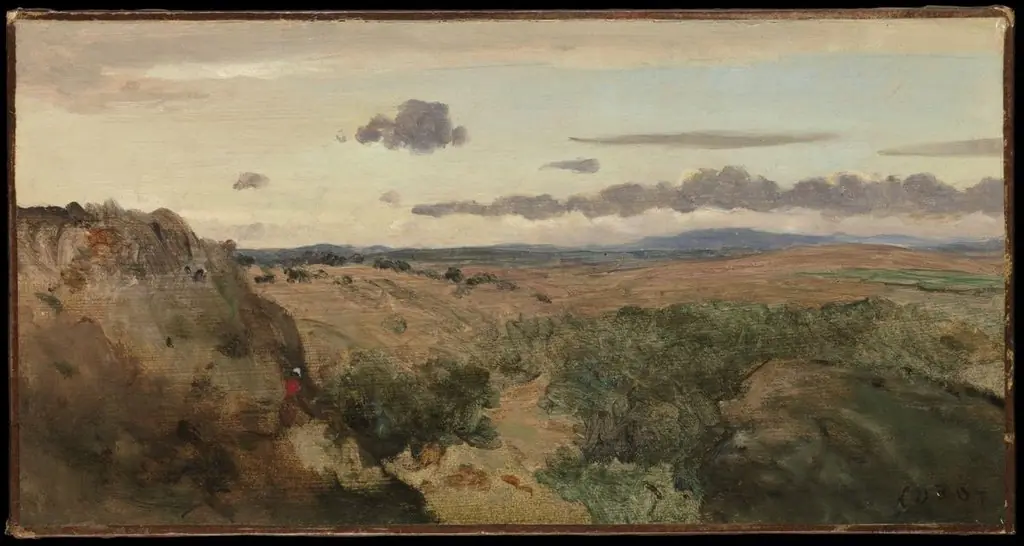 Mountainous Landscape
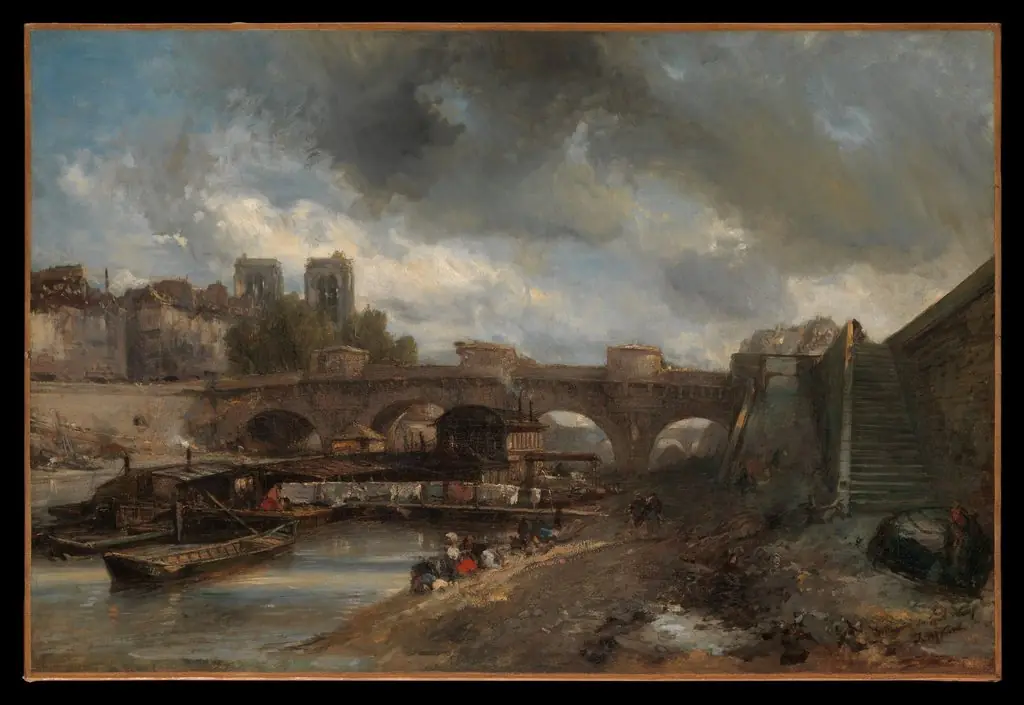 The Pont Neuf
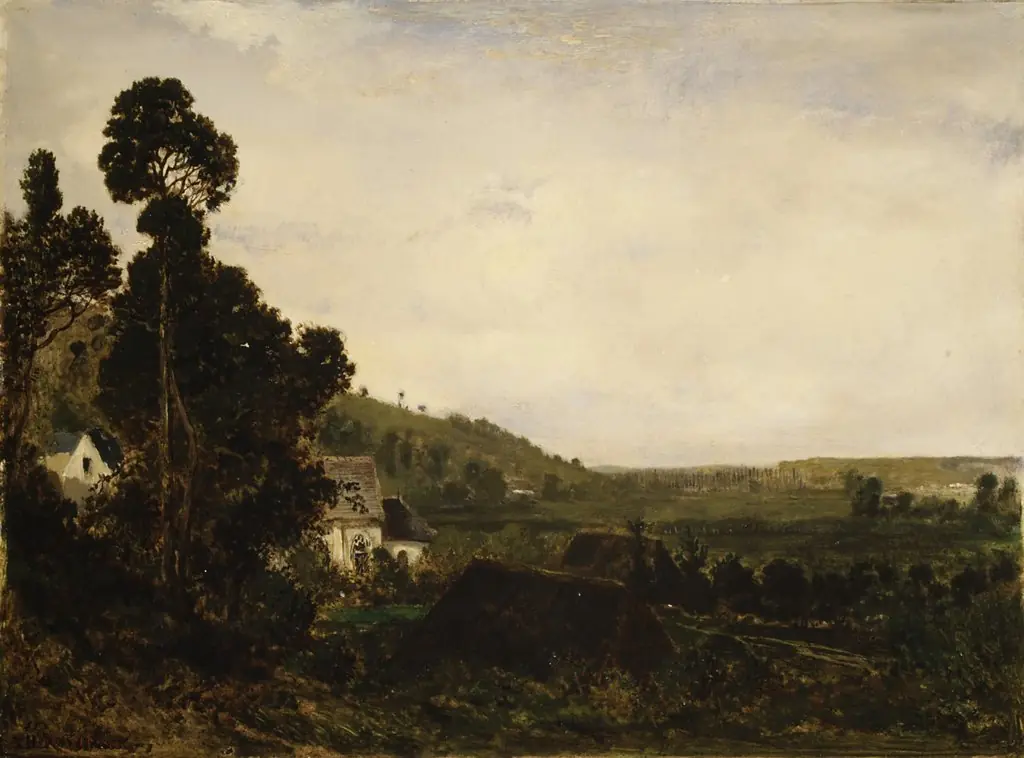 An Old Chapel in a Valley
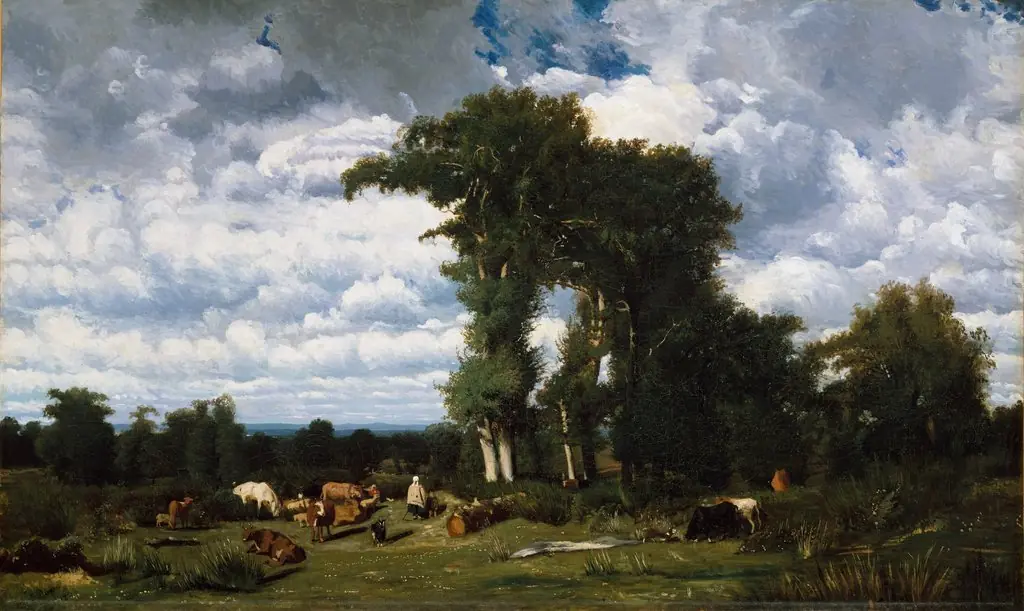 Landscape with Cattle at Limousin
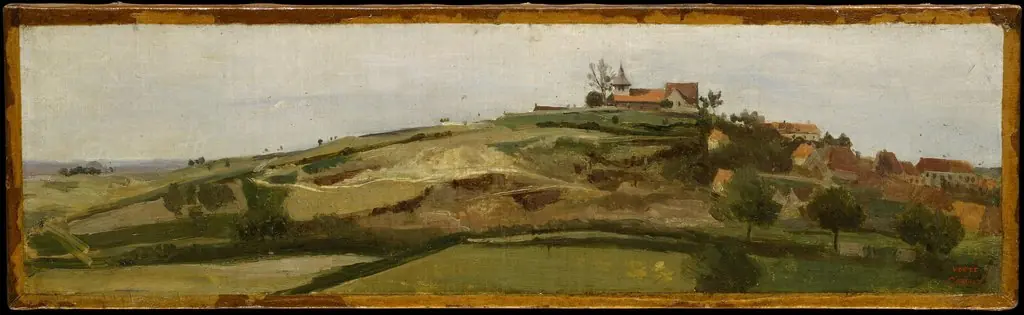 View of Lormes
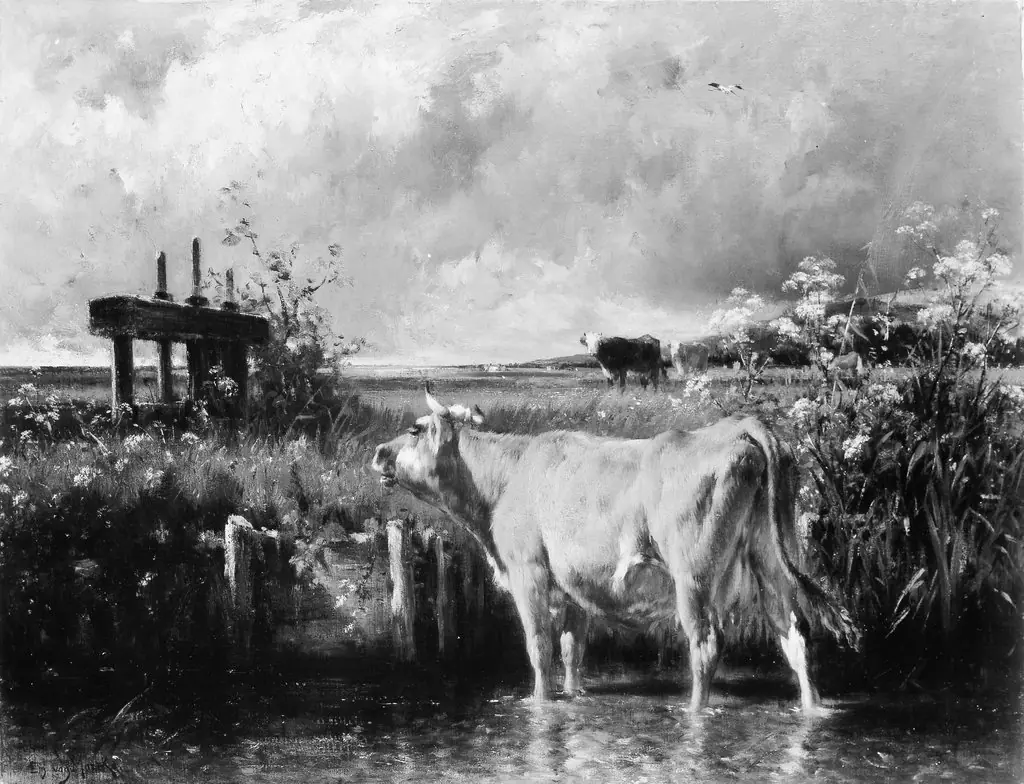 The Flood Gate
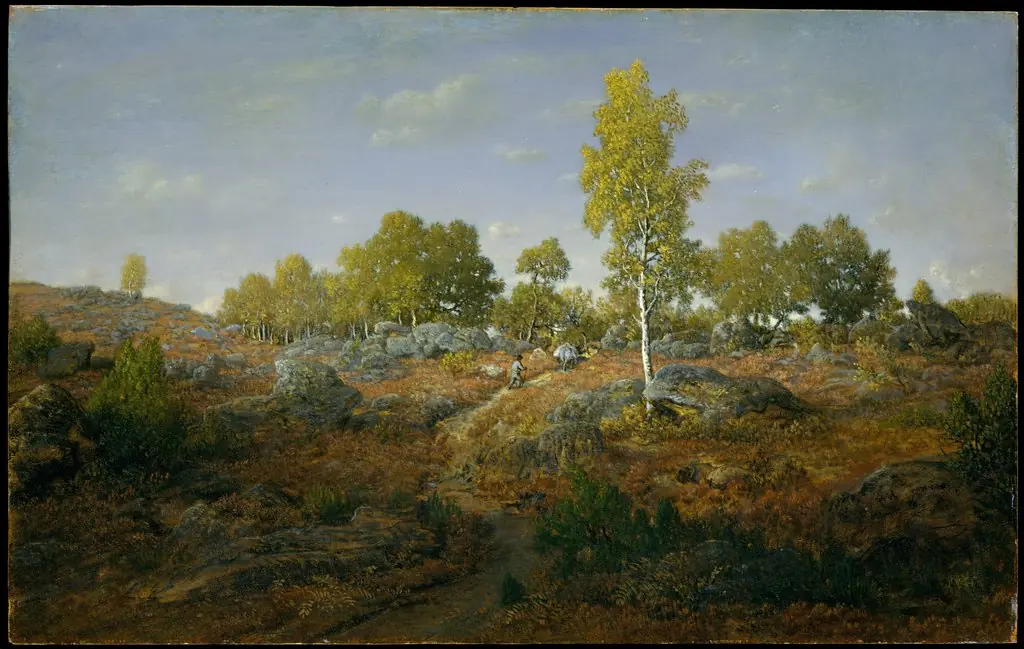 A Path among the Rocks
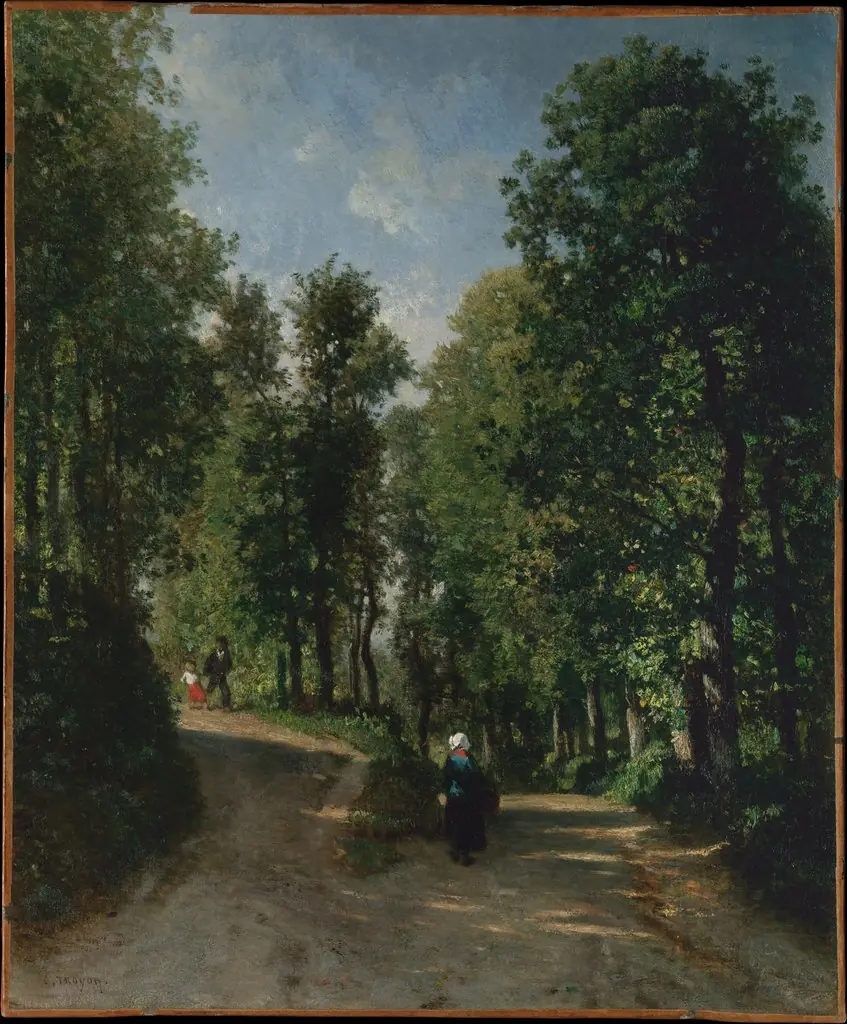 Road in the Woods
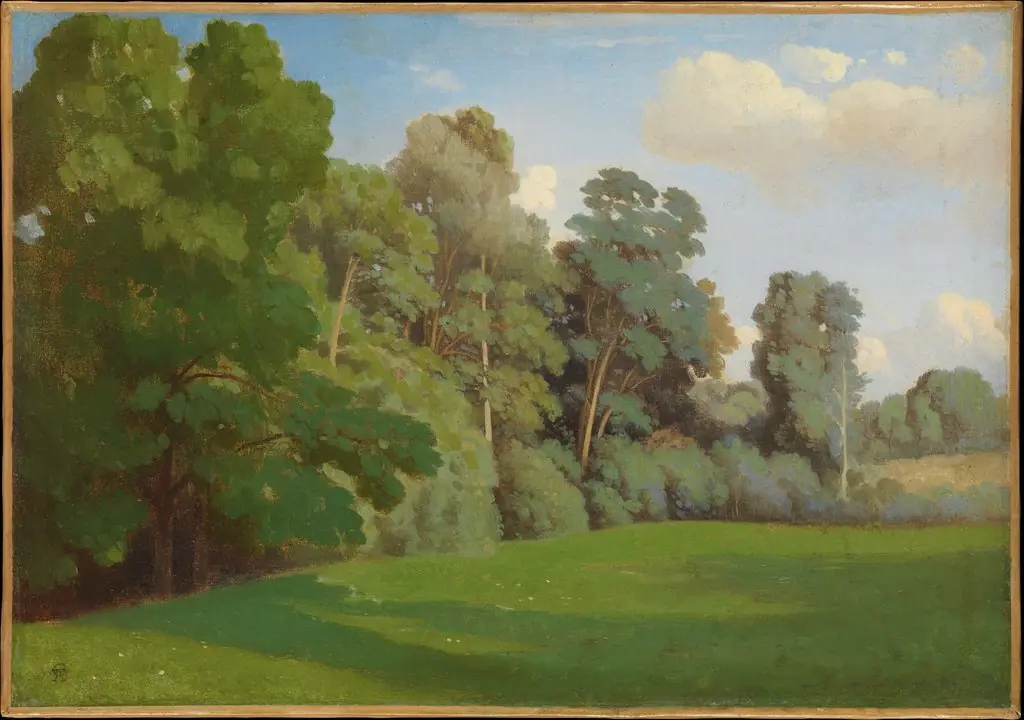 Edge of a Wood
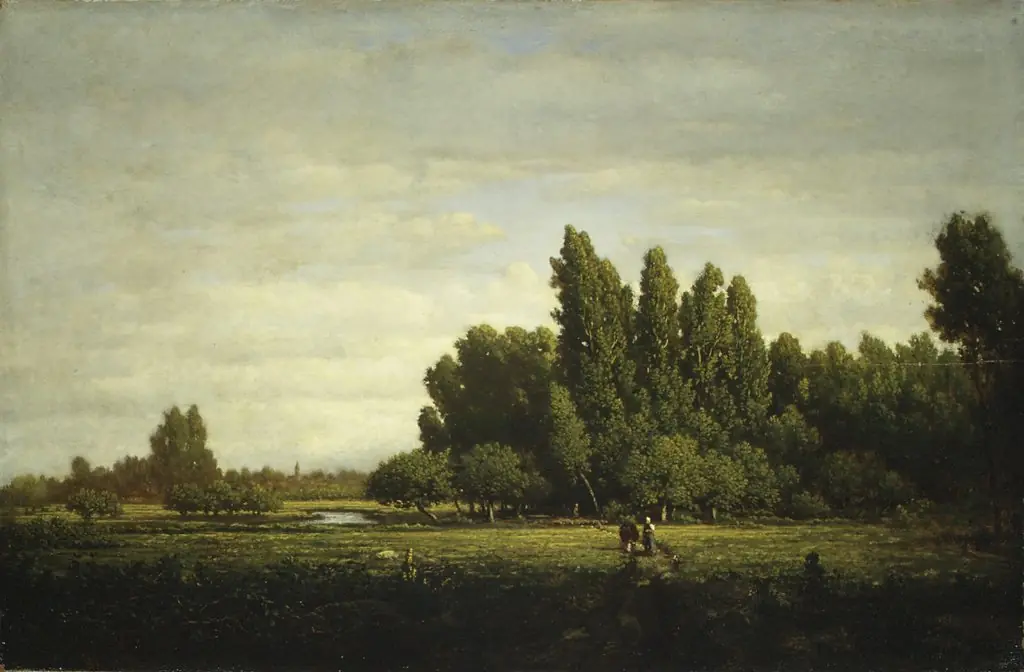 A Meadow Bordered by Trees
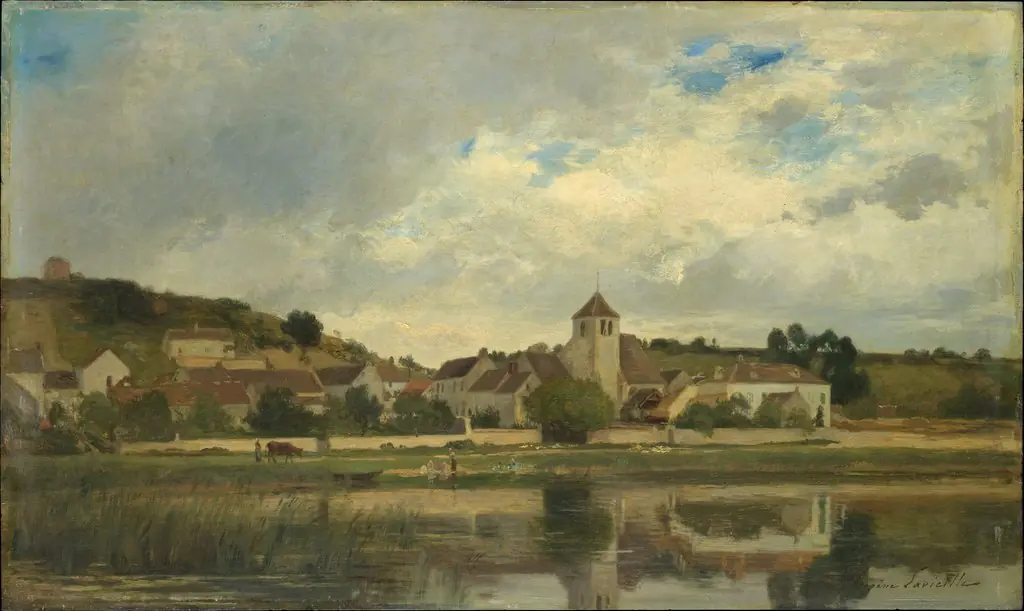 The Village of La Celle-sous-Moret
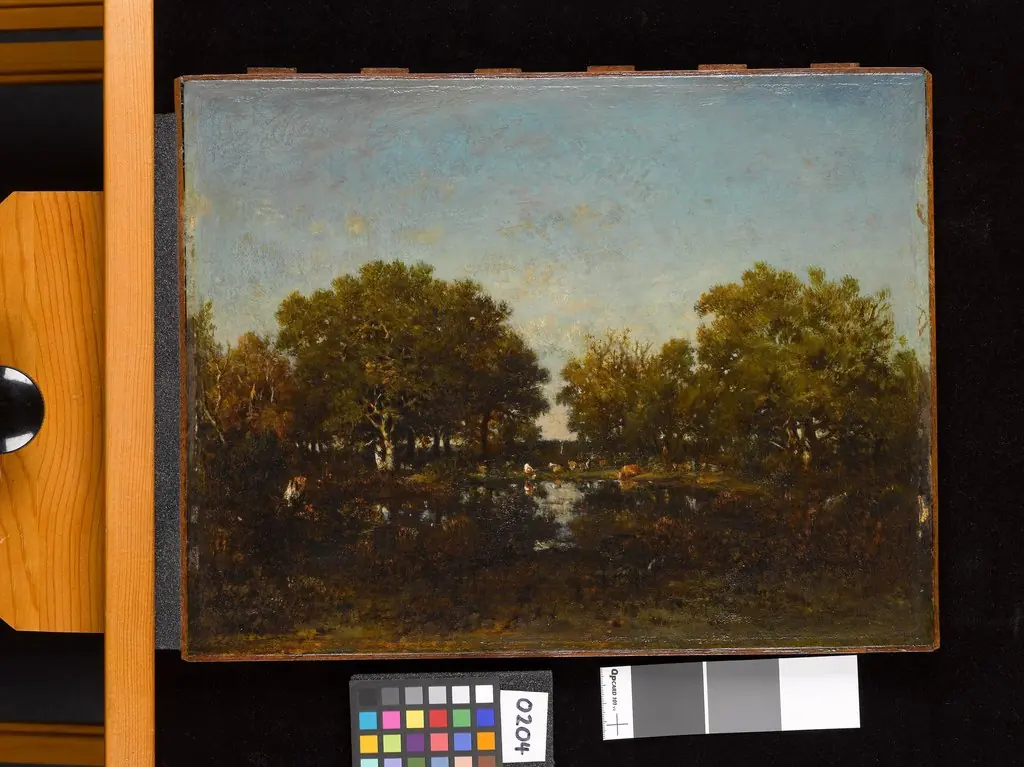 The Pool (Memory of the Forest of Chambord)
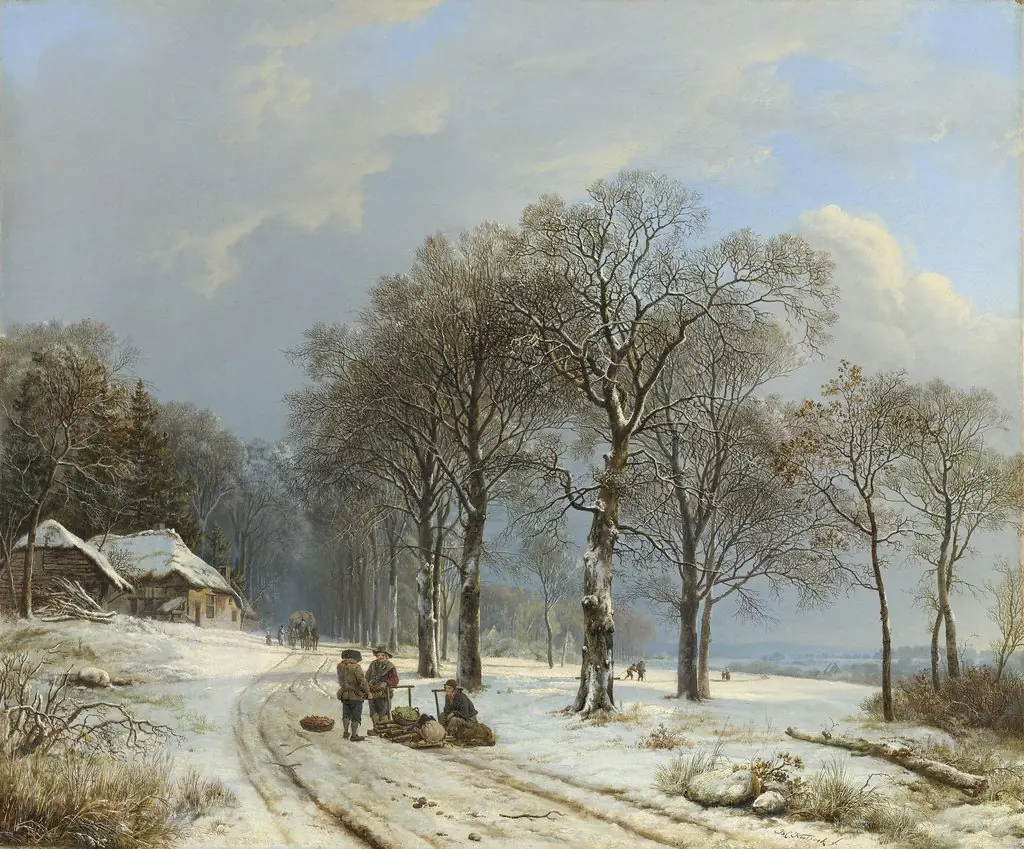 Winter Landscape
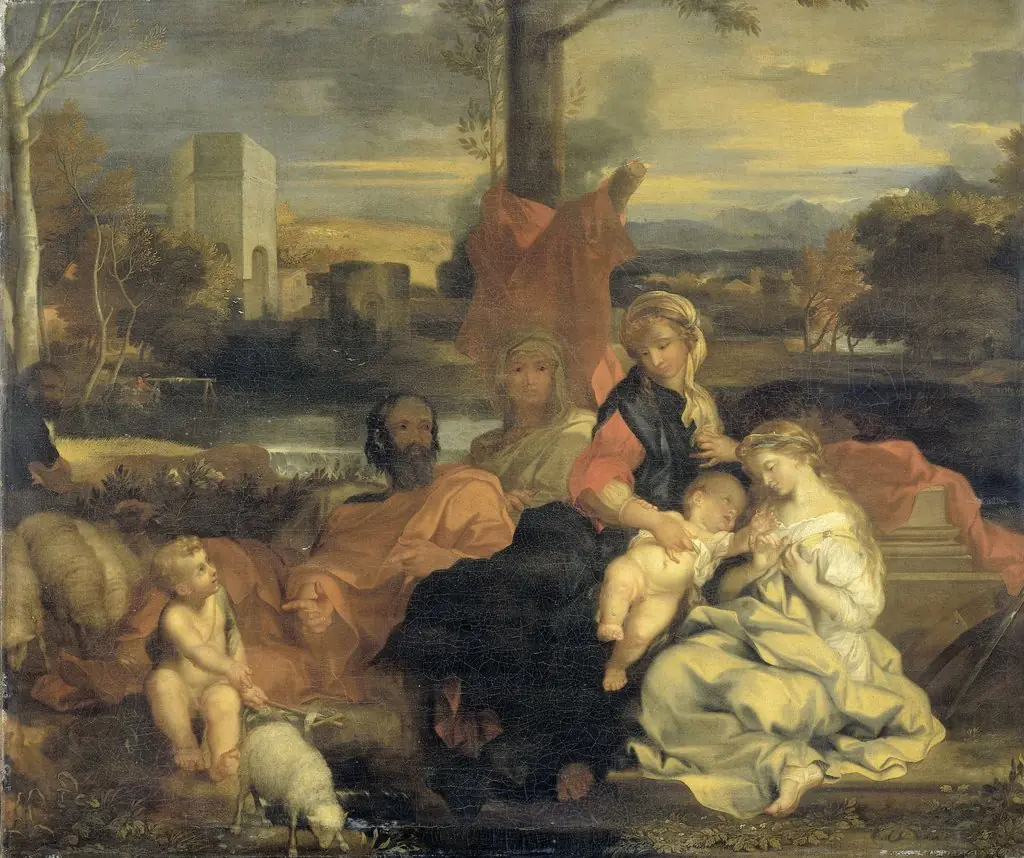 The Mystic Marriage of St Catherine
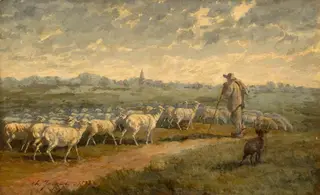 Landscape with a Herd
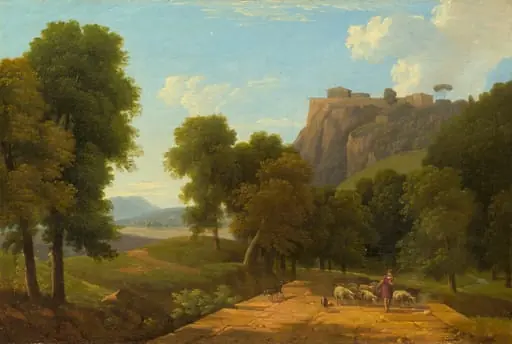 Shepherd with His Flock
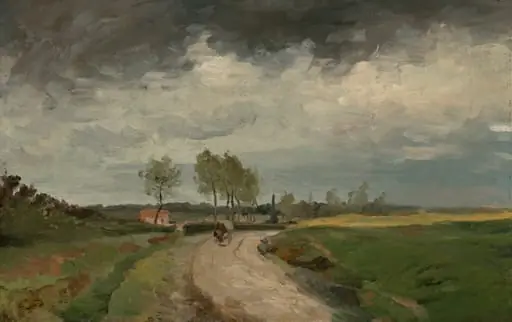 Landscape, Distant Village
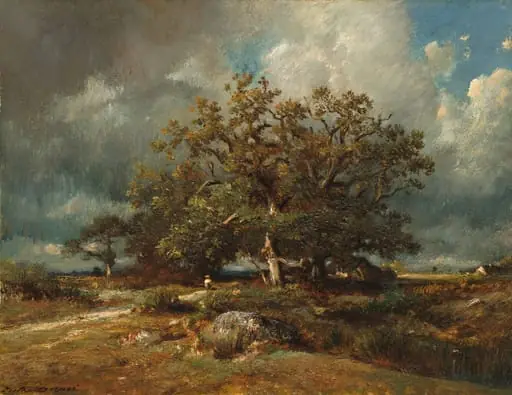 The Old Oak
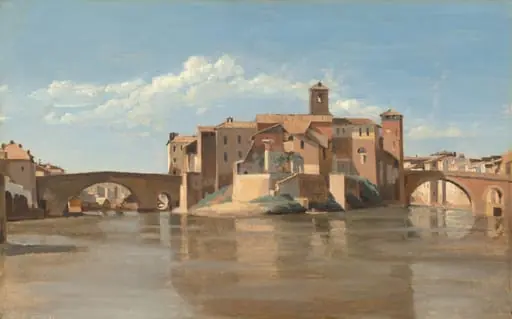 The Island and Bridge of San Bartolomeo, Rome
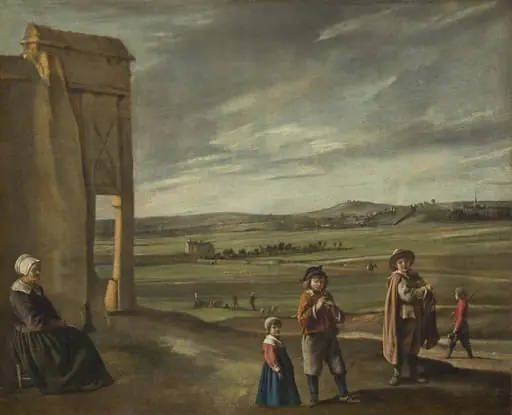 Landscape with Peasants
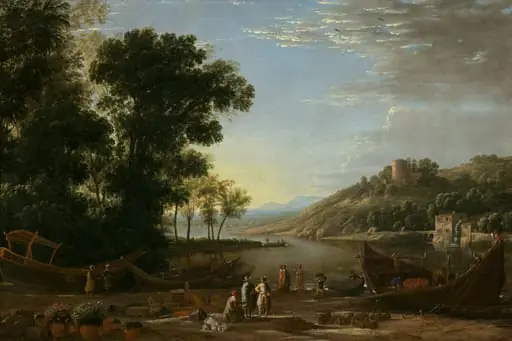 Landscape with Merchants
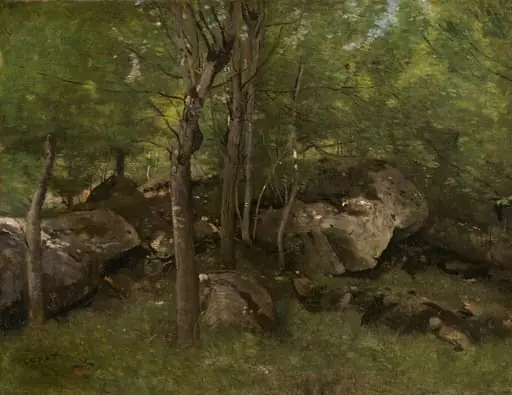 Rocks in the Forest of Fontainebleau
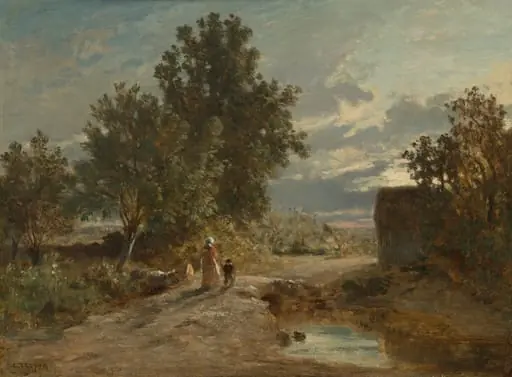 Landscape with Figures
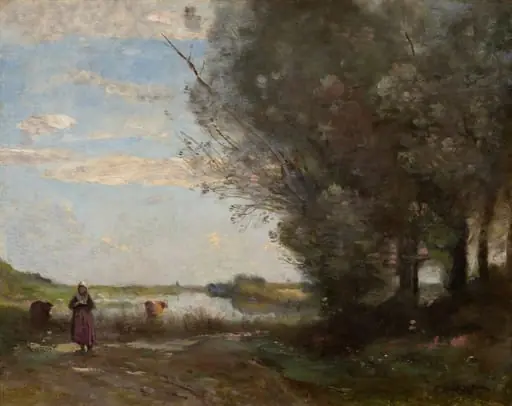 River View
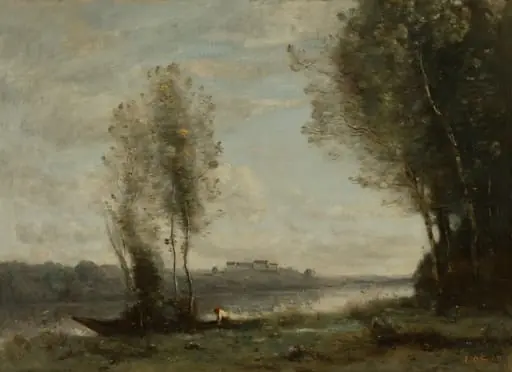 Landscape
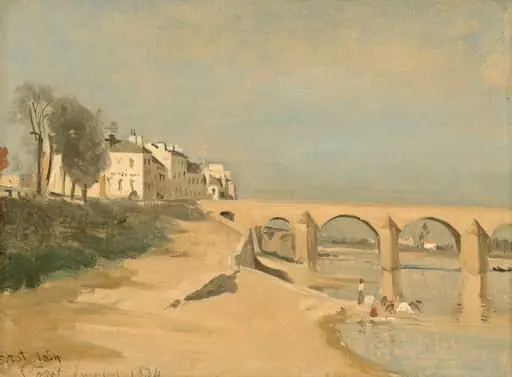 Bridge on the Saône River at Mâcon
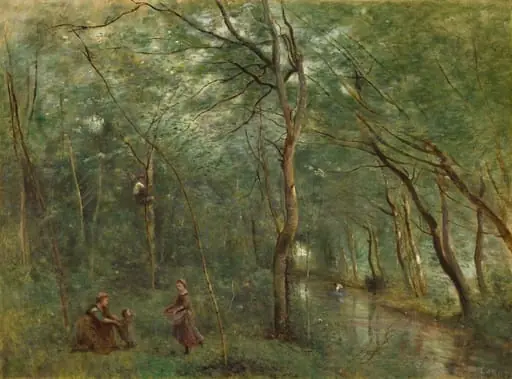 The Eel Gatherers
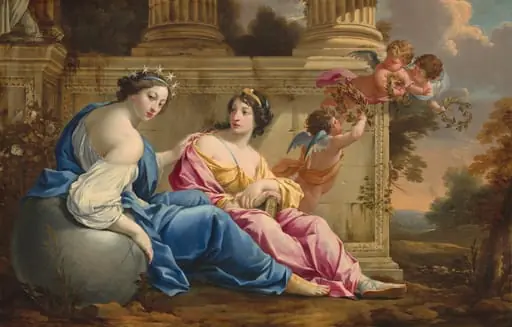 The Muses Urania and Calliope
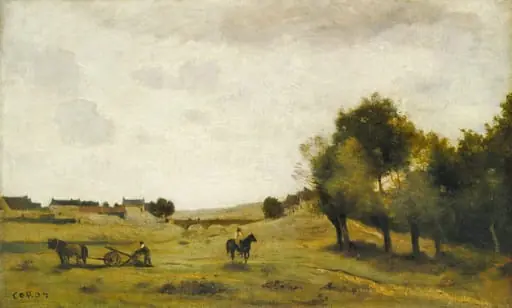 View near Epernon
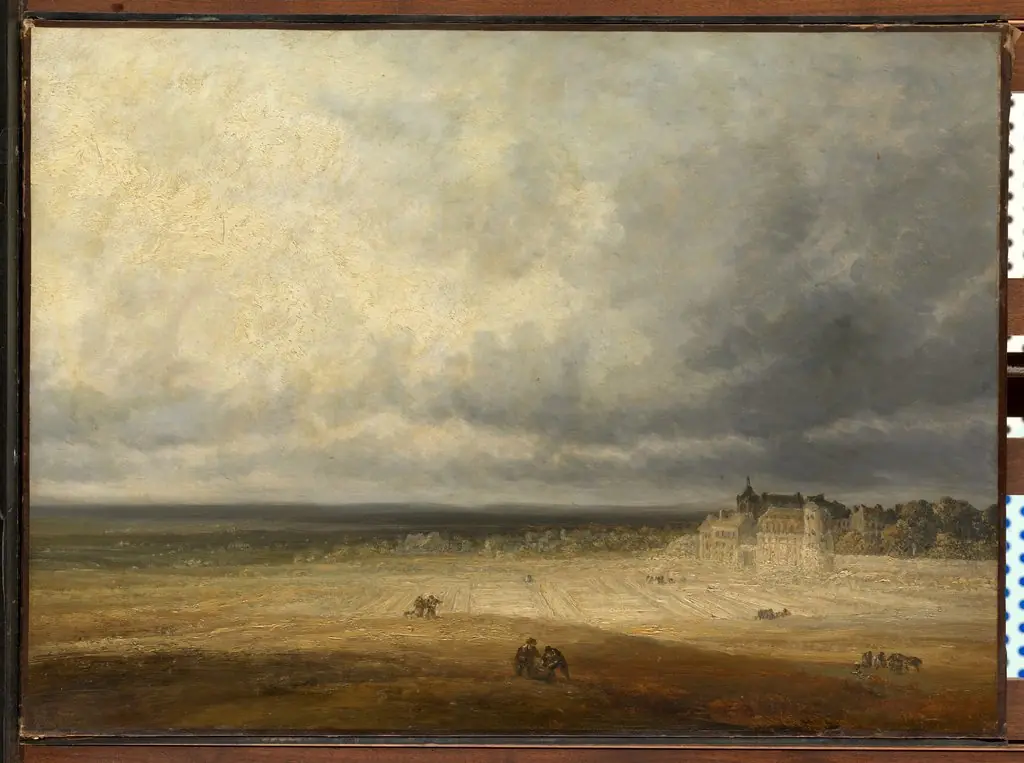 Landscape with a Plowed Field and a Village
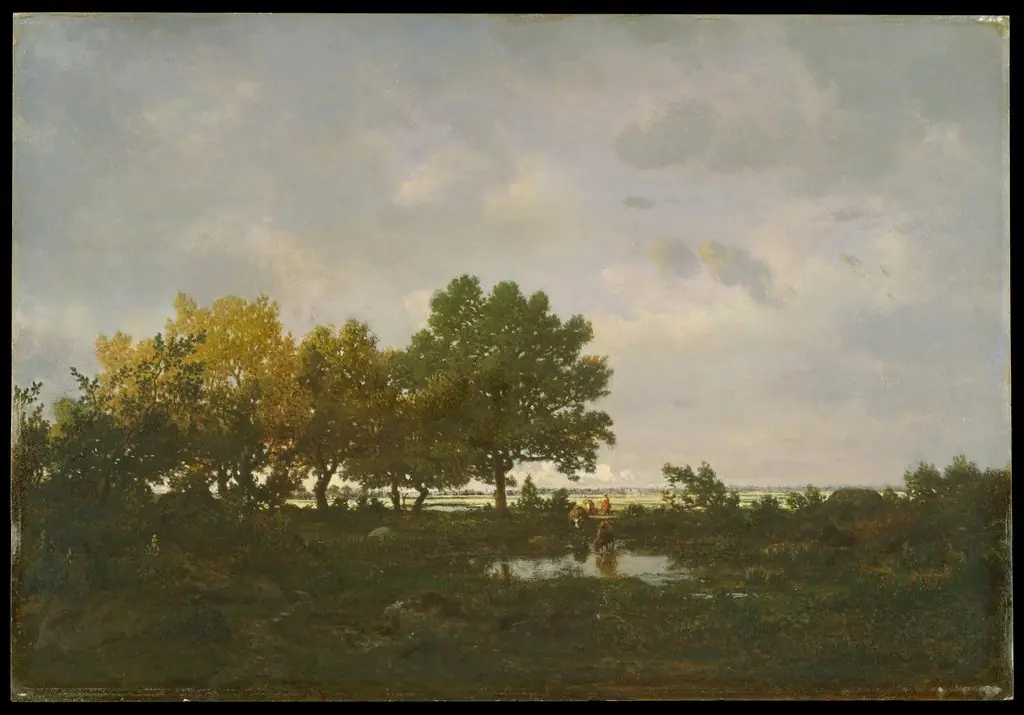 The Pond (La Mare)
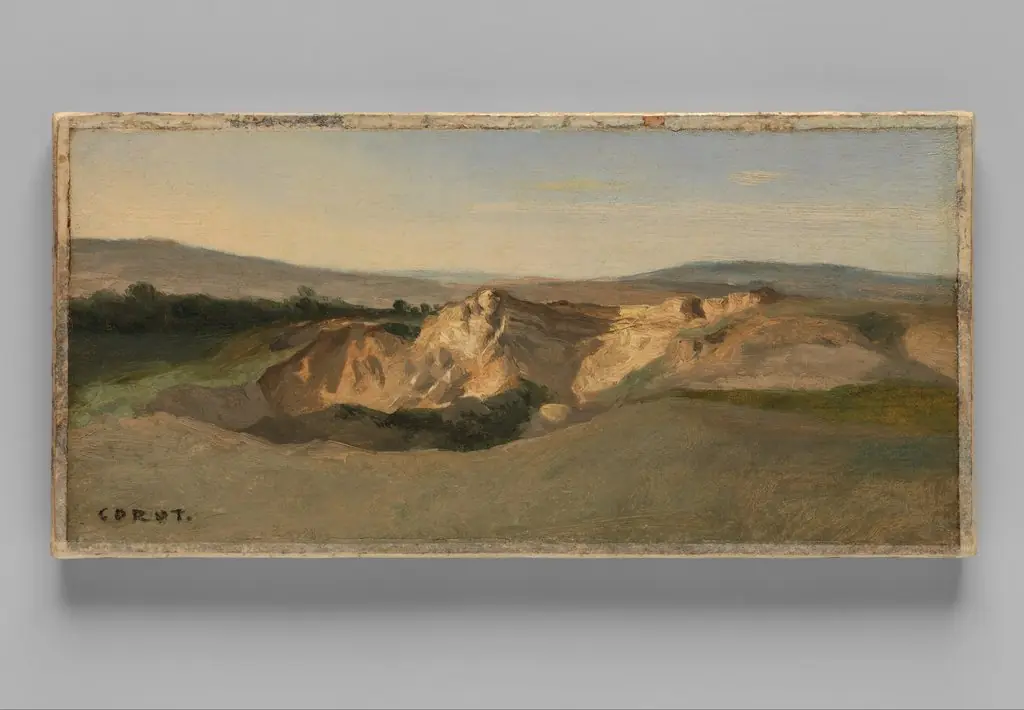 Italian Landscape
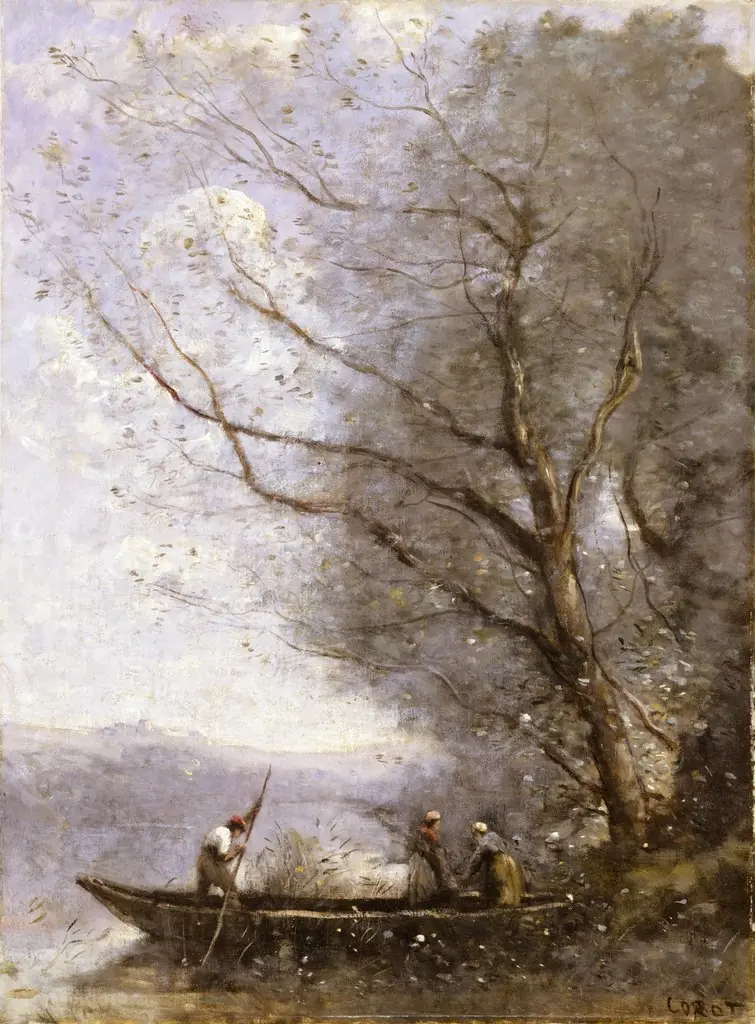 The Ferryman
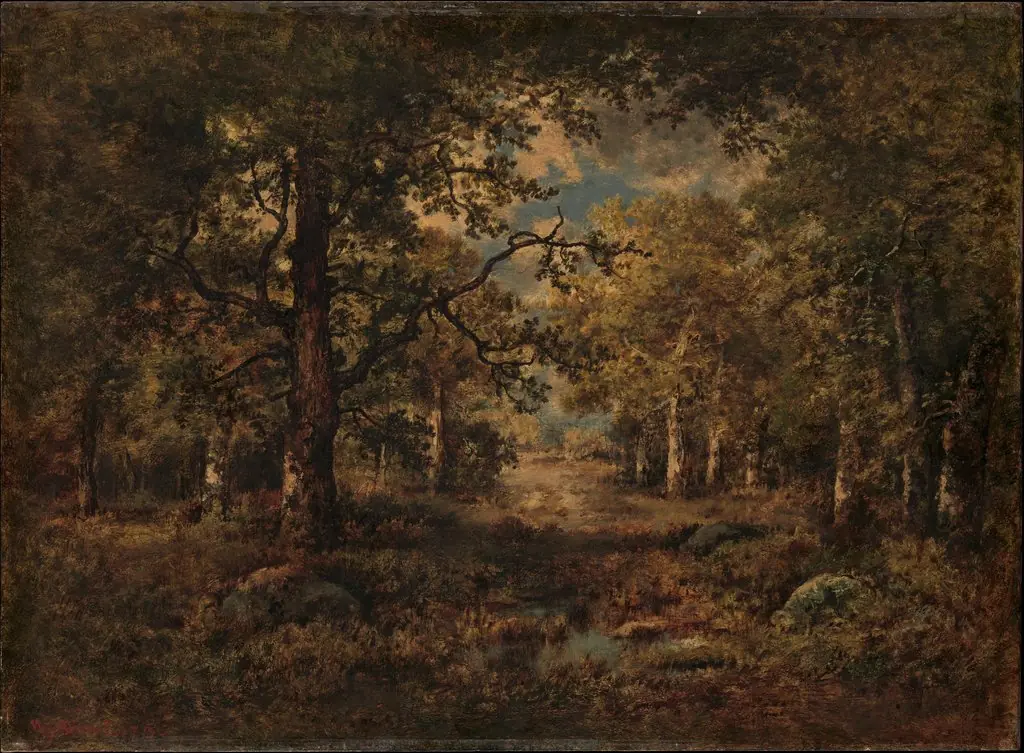 A Vista through Trees: Fontainebleau
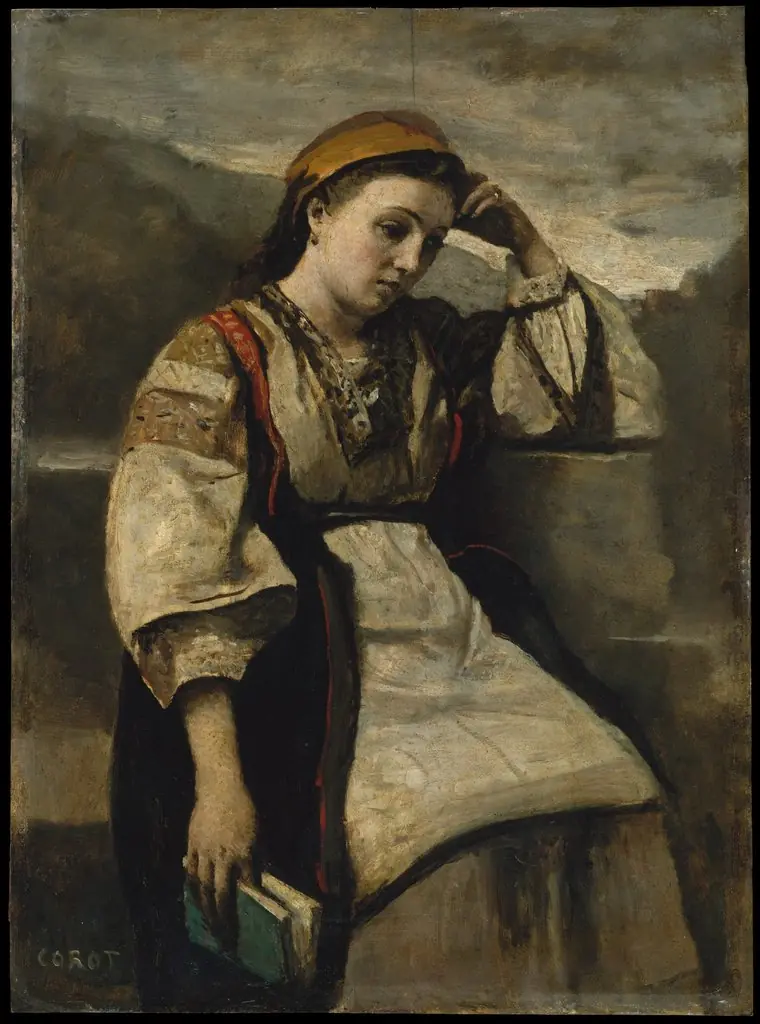 Reverie
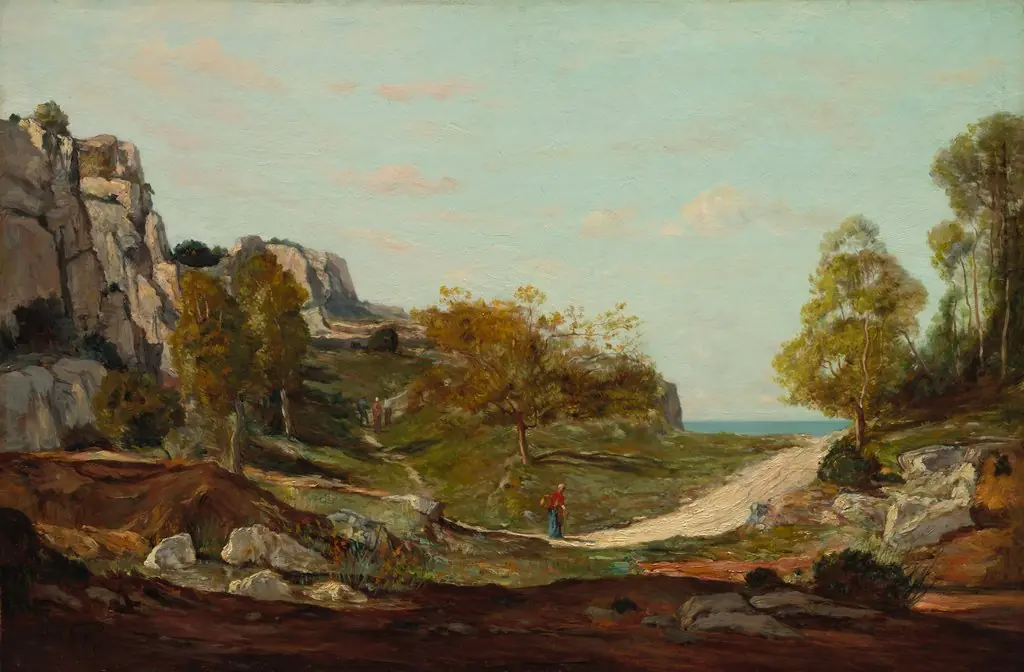 Landscape at Saint-André, Near Marseilles
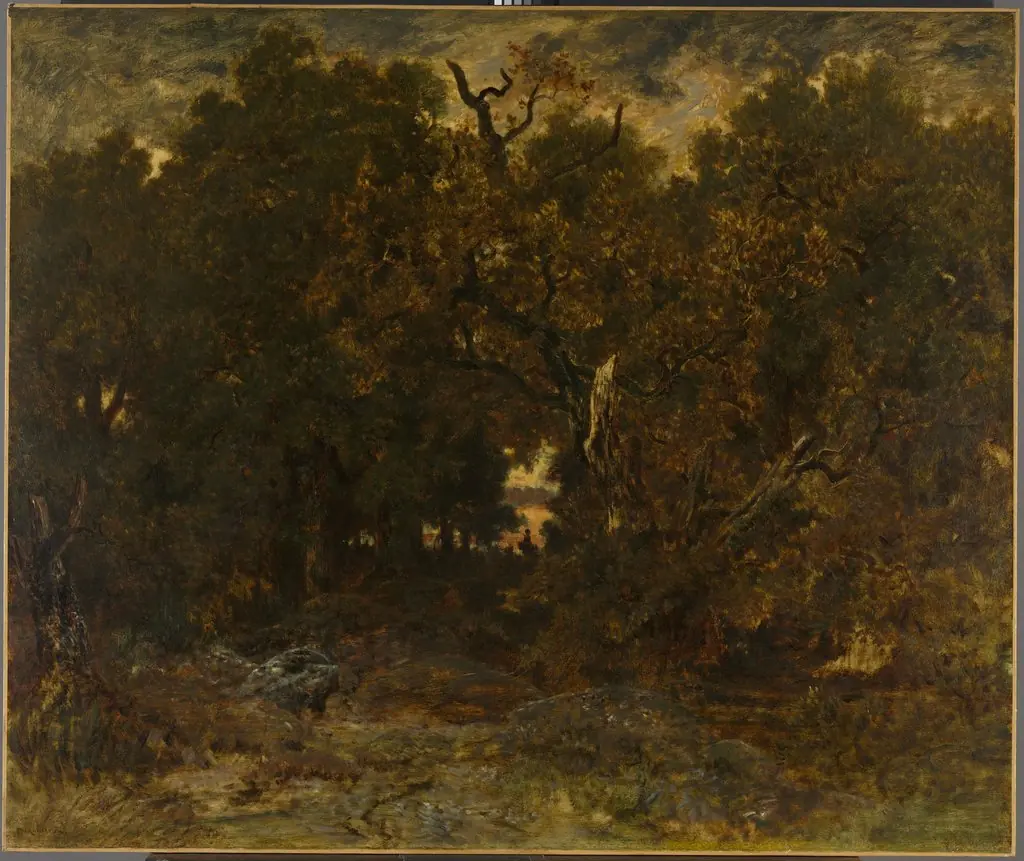 Leaving the Forest, Fontainebleau: Setting Sun
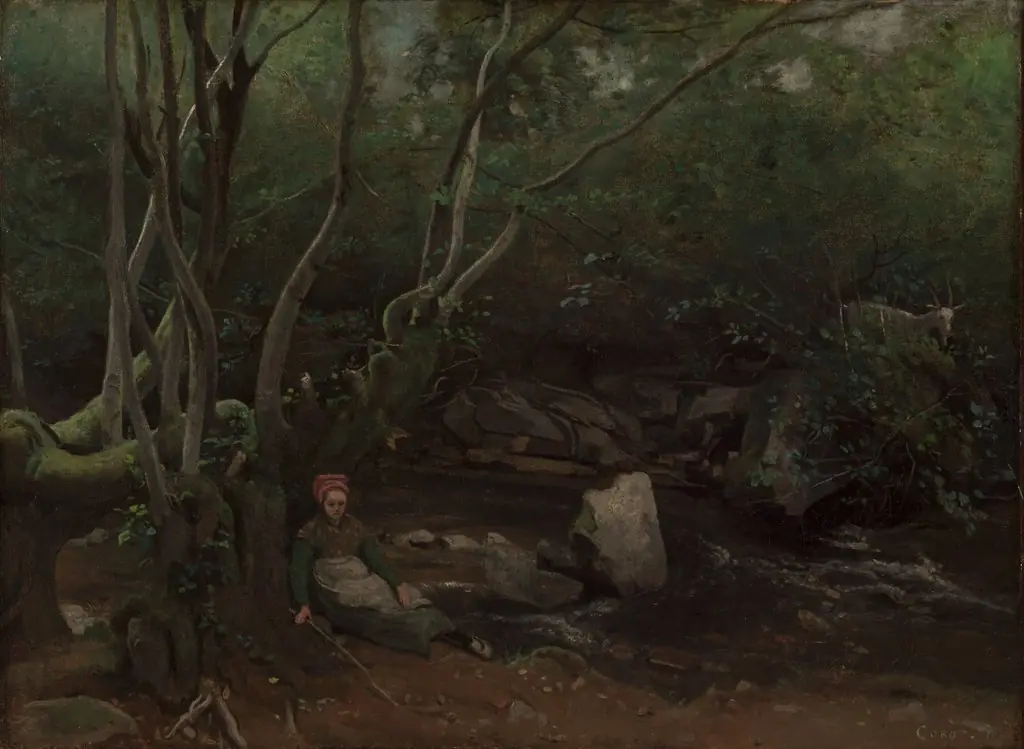 Lormes: Goat-Girl Sitting Beside a Stream in a Forest
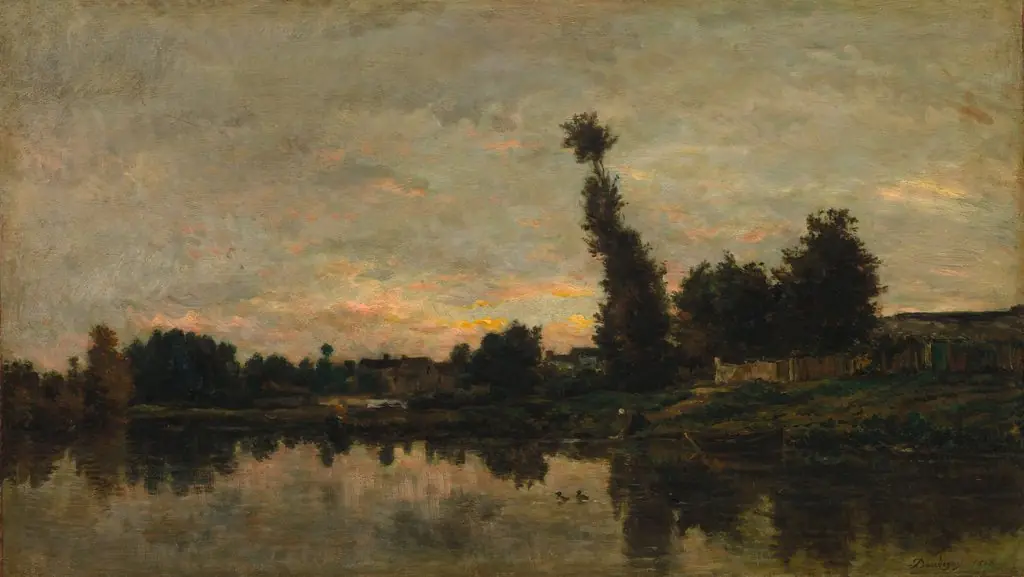 Sunset on the River Oise
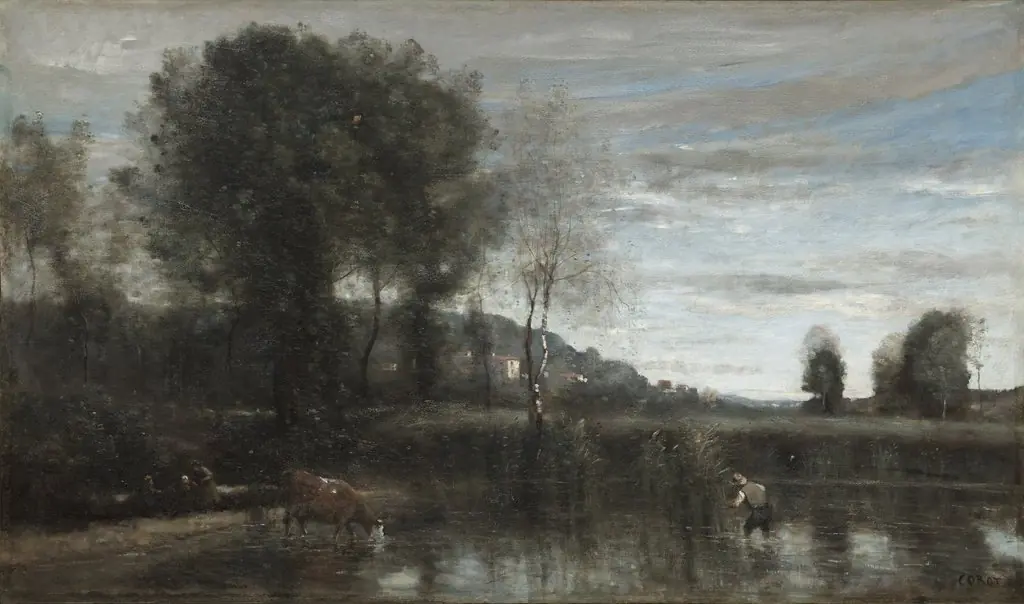 Pond at Ville-d'Avray
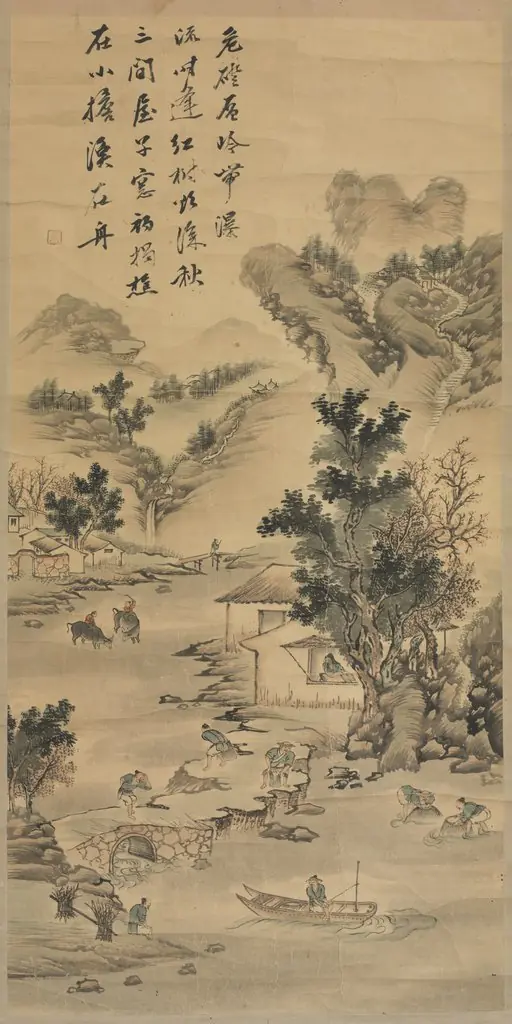 Landscape
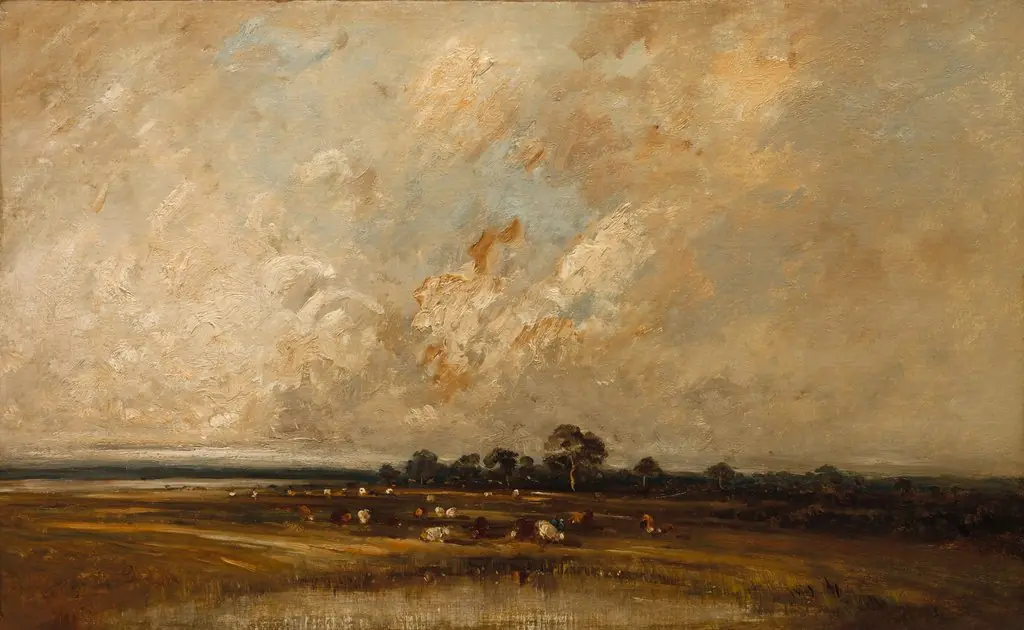 Marshland
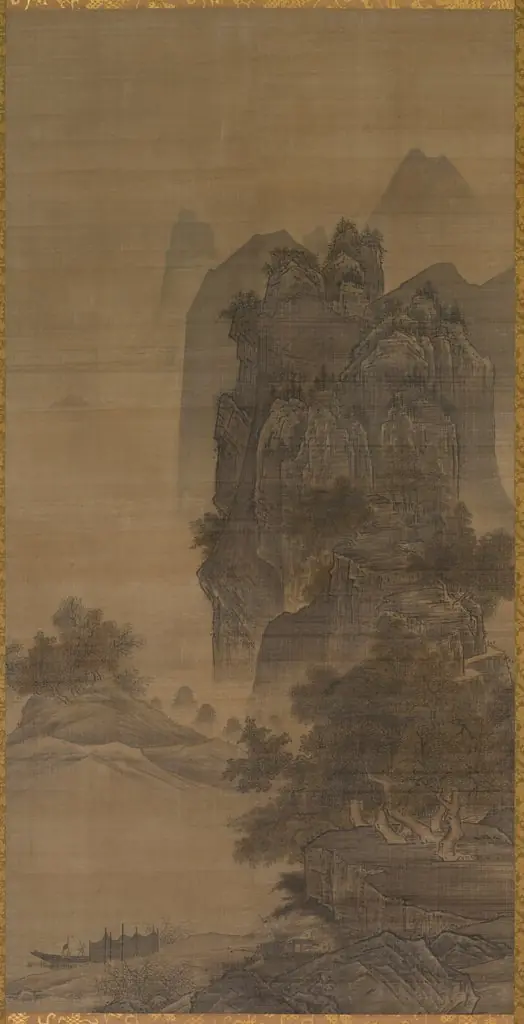 Sunset Glow over a Fishing Village, from Eight Views of Xiao-Xiang
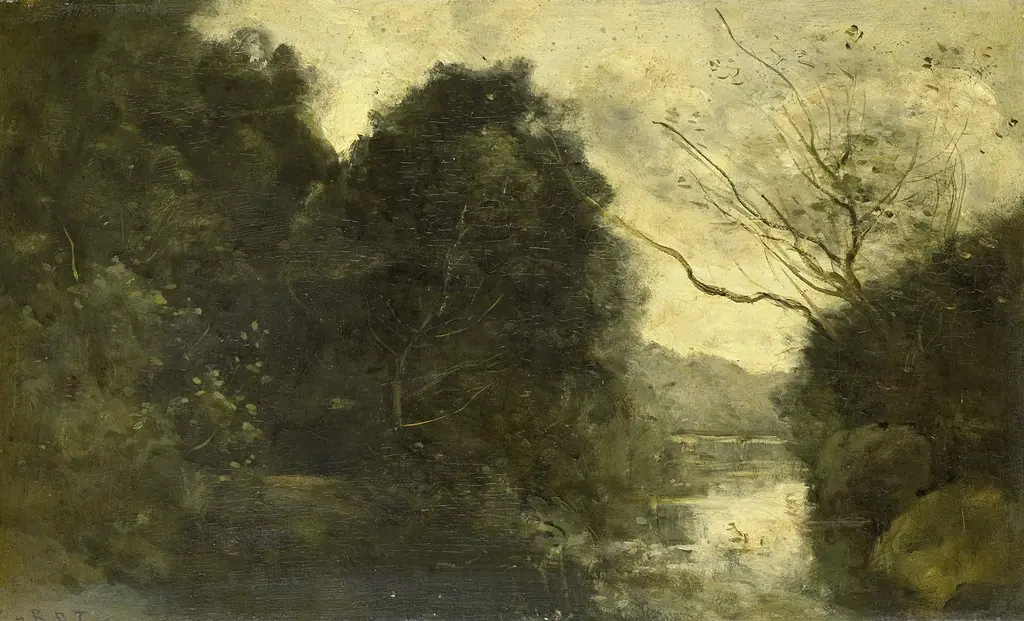 Pond in the Woods
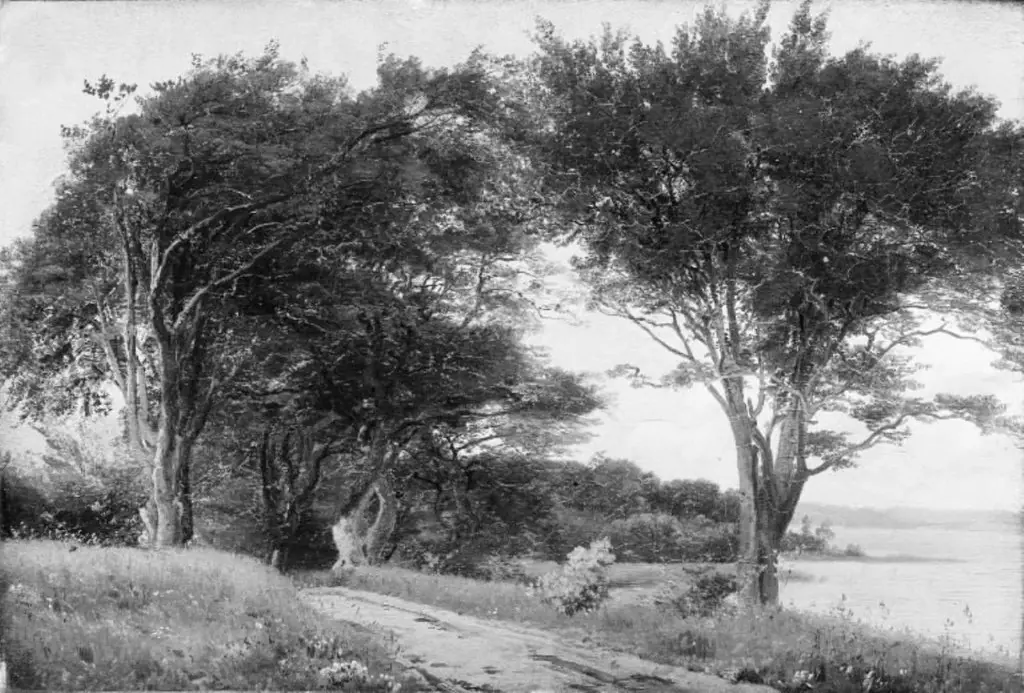 Studie fra Furesøen
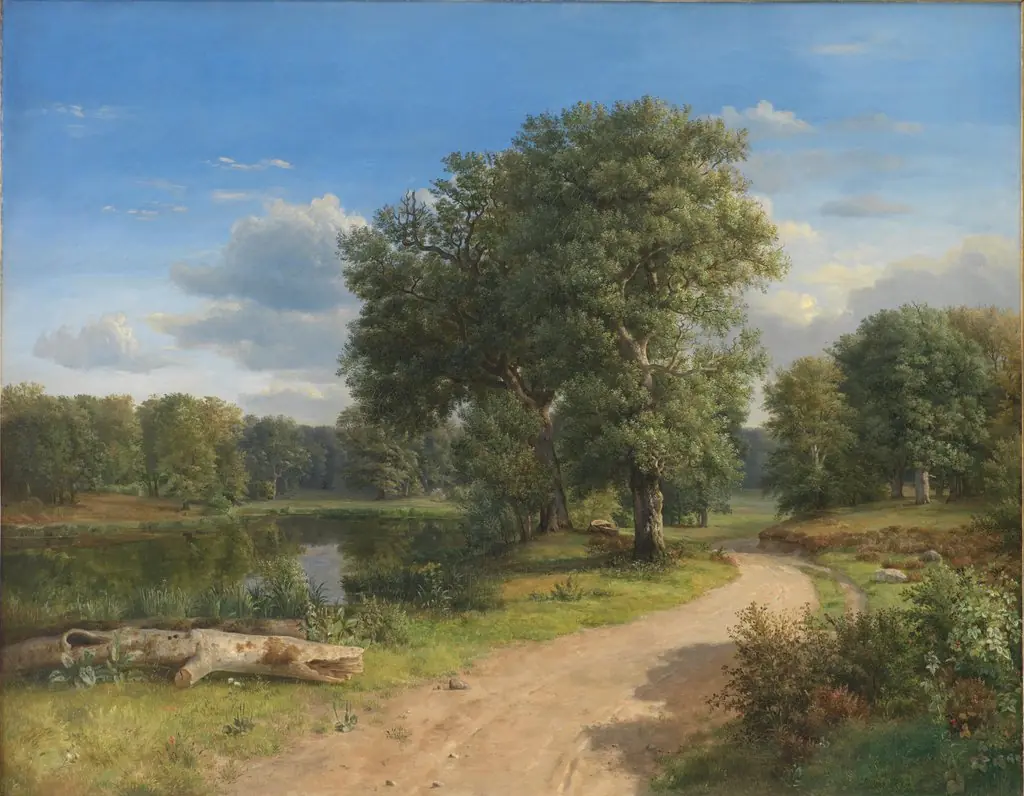 Landscape near Hammermøllen, North Zealand
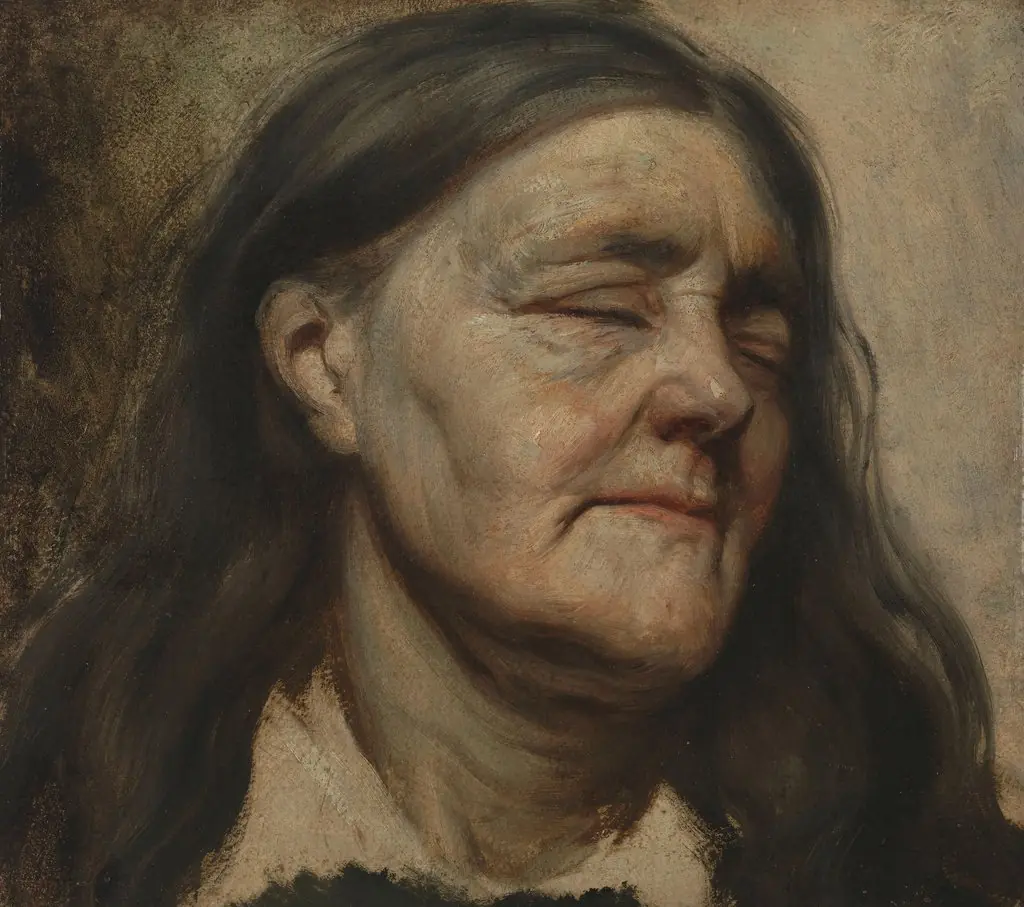 Study of an Old Woman
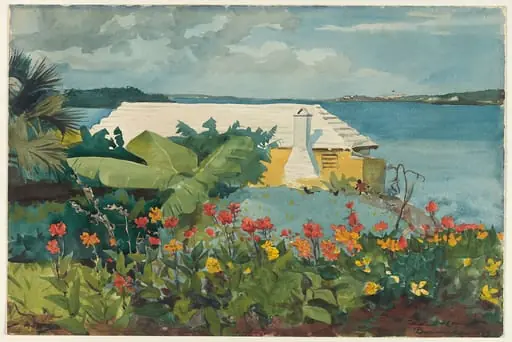 Flower Garden and Bungalow, Bermuda
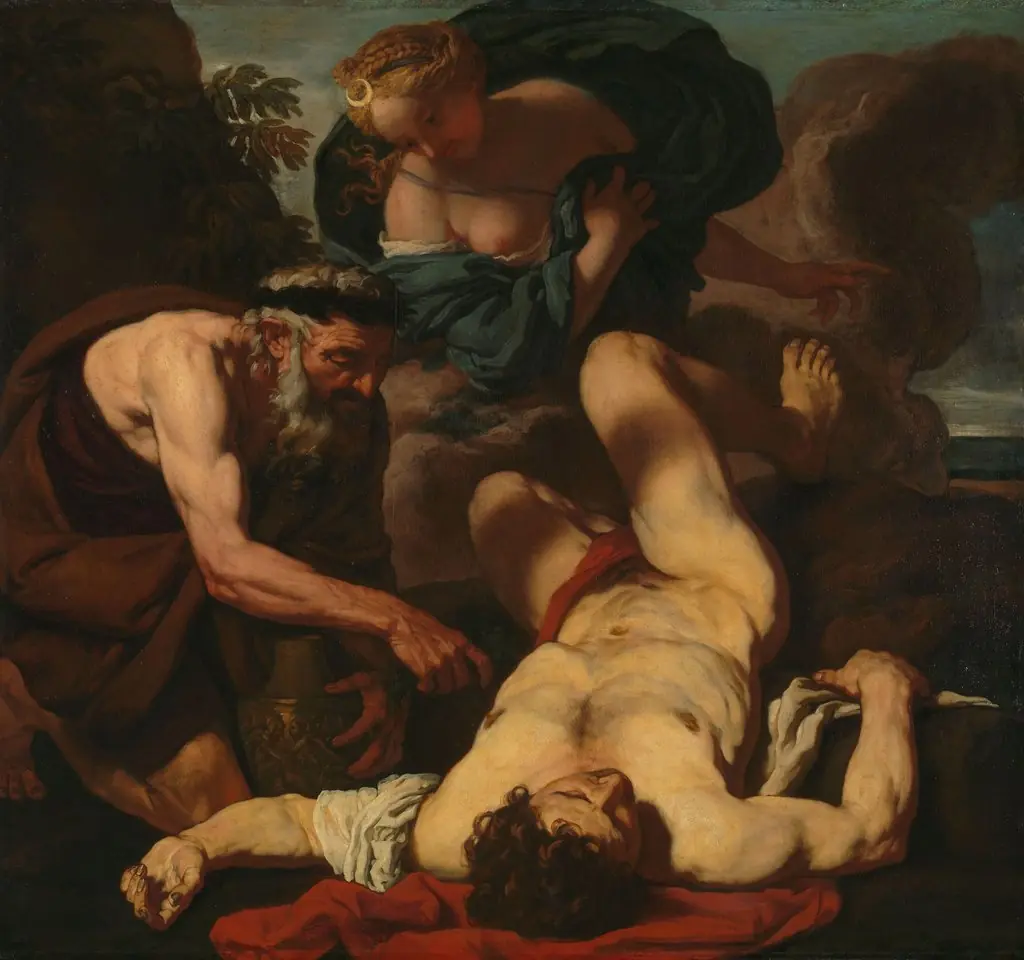 Selene and Endymion
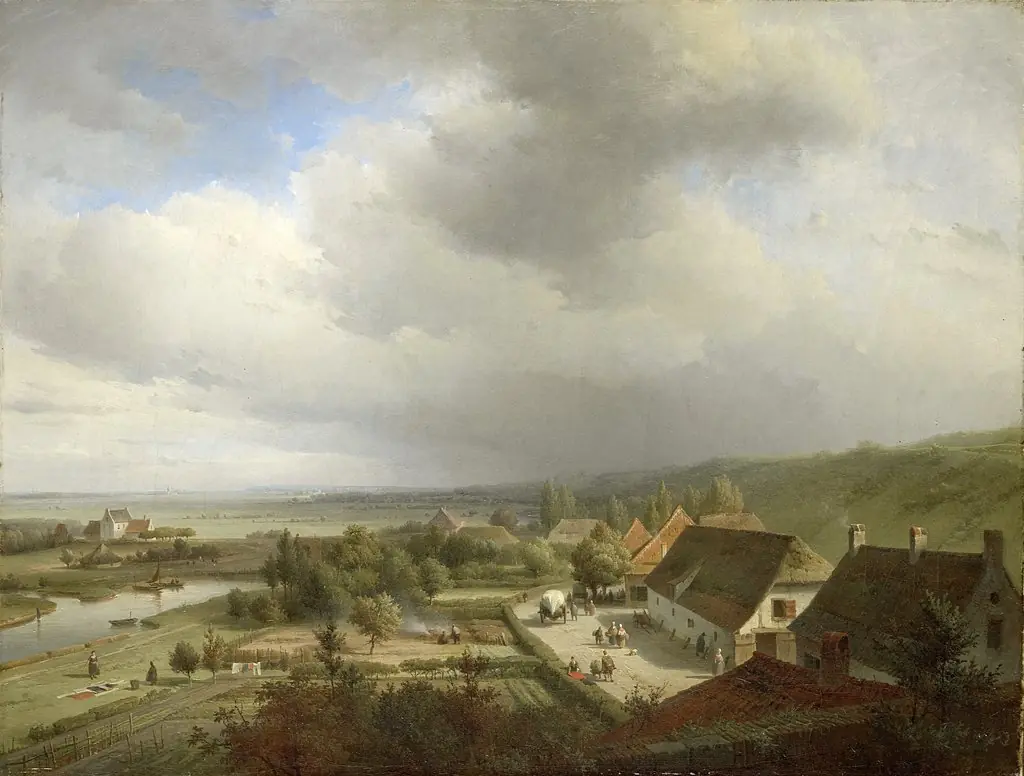 Hilly Landscape near Wageningen
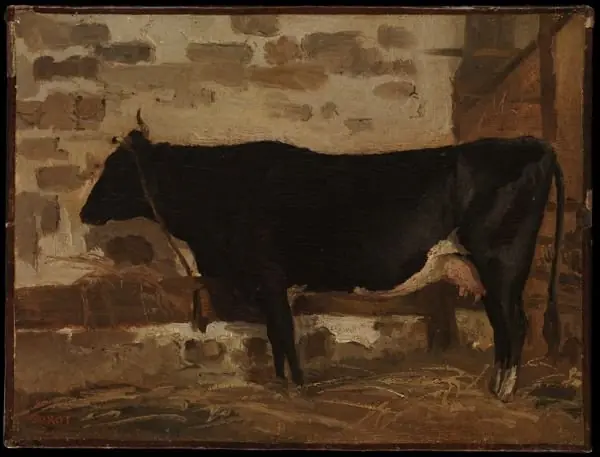 Cow in a Barn
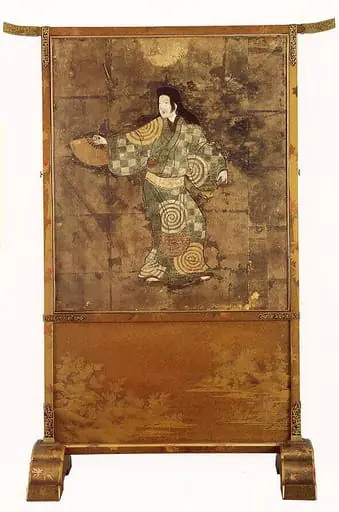 舞姫図・紅葉蒔絵衝立|Freestanding Screen with Dancer
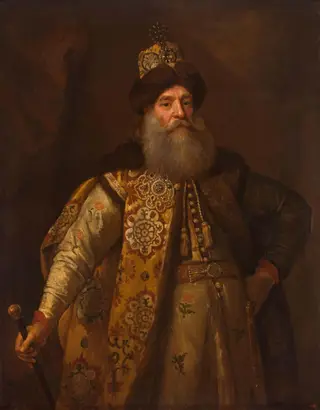 Portrait of Piotr Potyomkin (1617-1700)
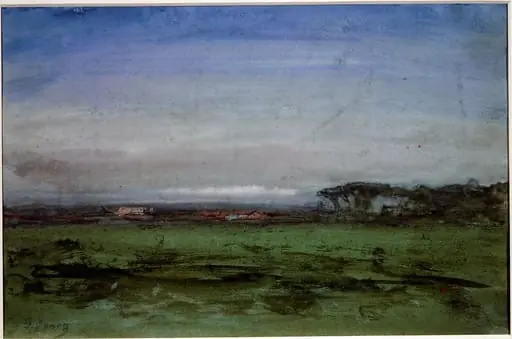 Across the Campagna
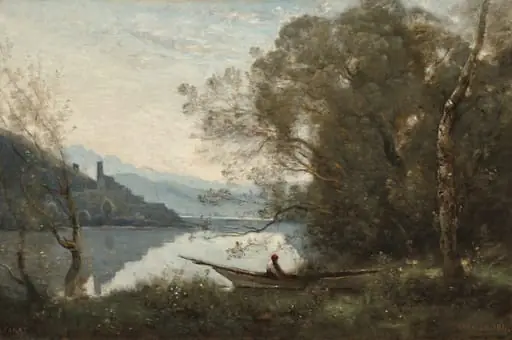 The Moored Boatman: Souvenir of an Italian Lake
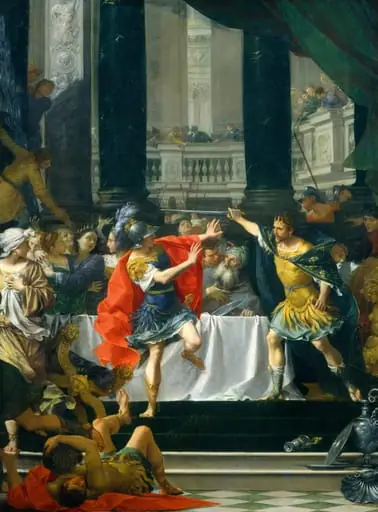 Alexander the Great Threatened by His Father
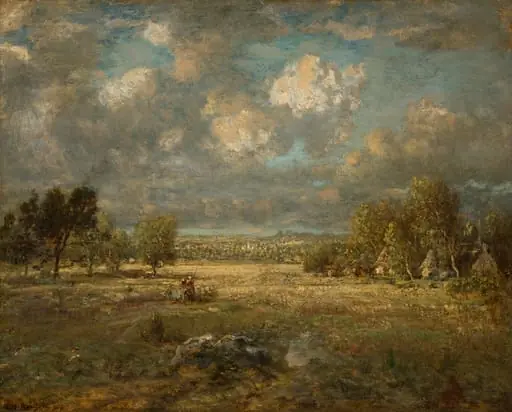 Countryside in Picardy
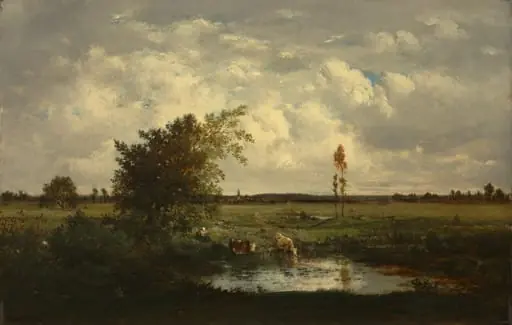 Sunlight
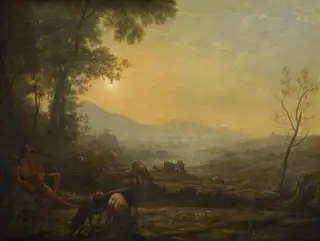 The Herdsman
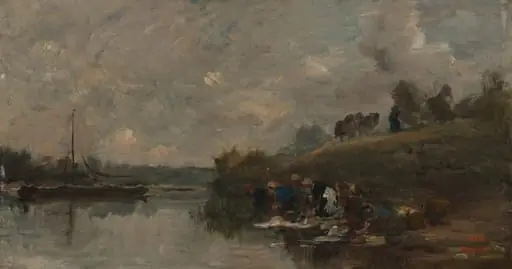 Auvers (Washerwomen)
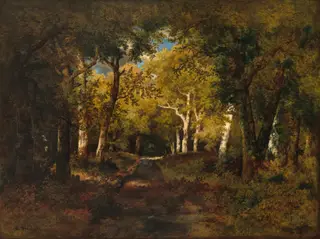 In the Forest
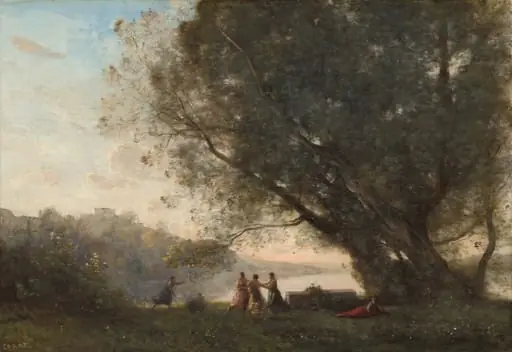 Dance under the Trees at the Edge of the Lake
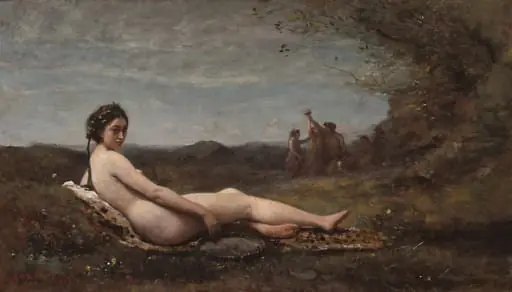 The Repose
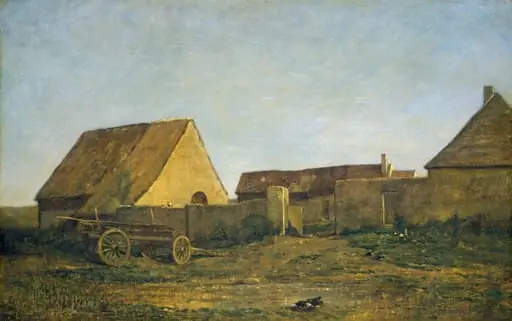 The Farm
![Crested Coat of Arms [reverse], 1543](https://artifactworldgallery.com/img/crested-coat-of-arms-reverse--635f462b0f763a94-w320.webp) Crested Coat of Arms [reverse]
Crested Coat of Arms [reverse]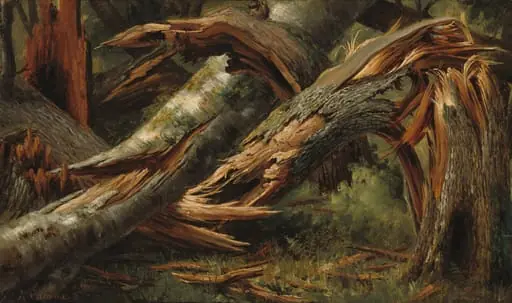 Fallen Tree
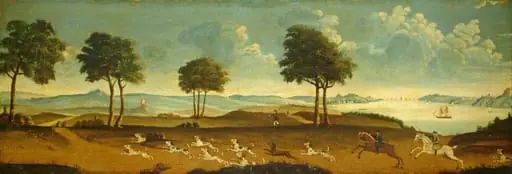 Hunting Scene with a Harbor
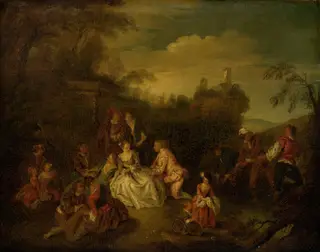 The Gift of the Fishermen
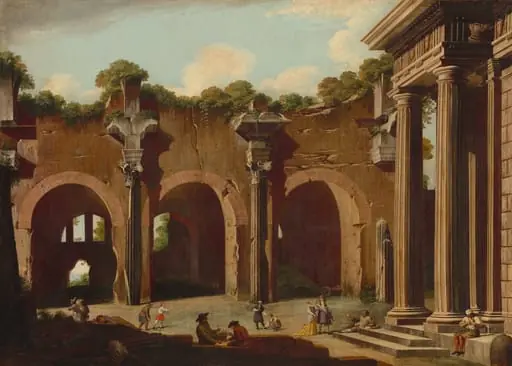 The Basilica of Constantine with a Doric Colonnade
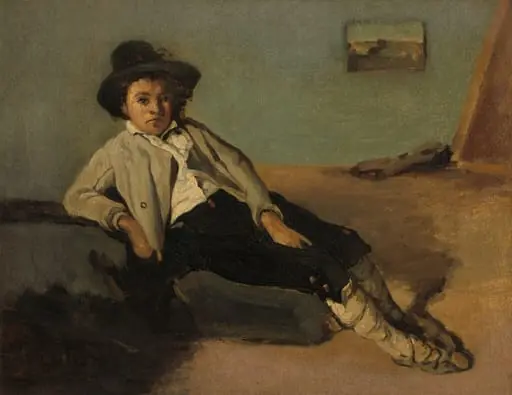 Italian Peasant Boy
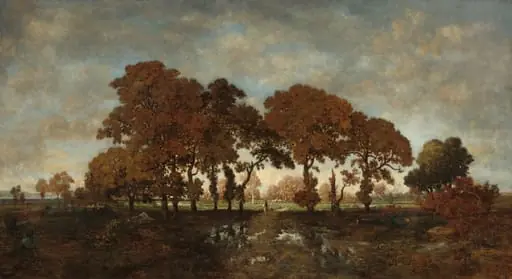 After the Rain
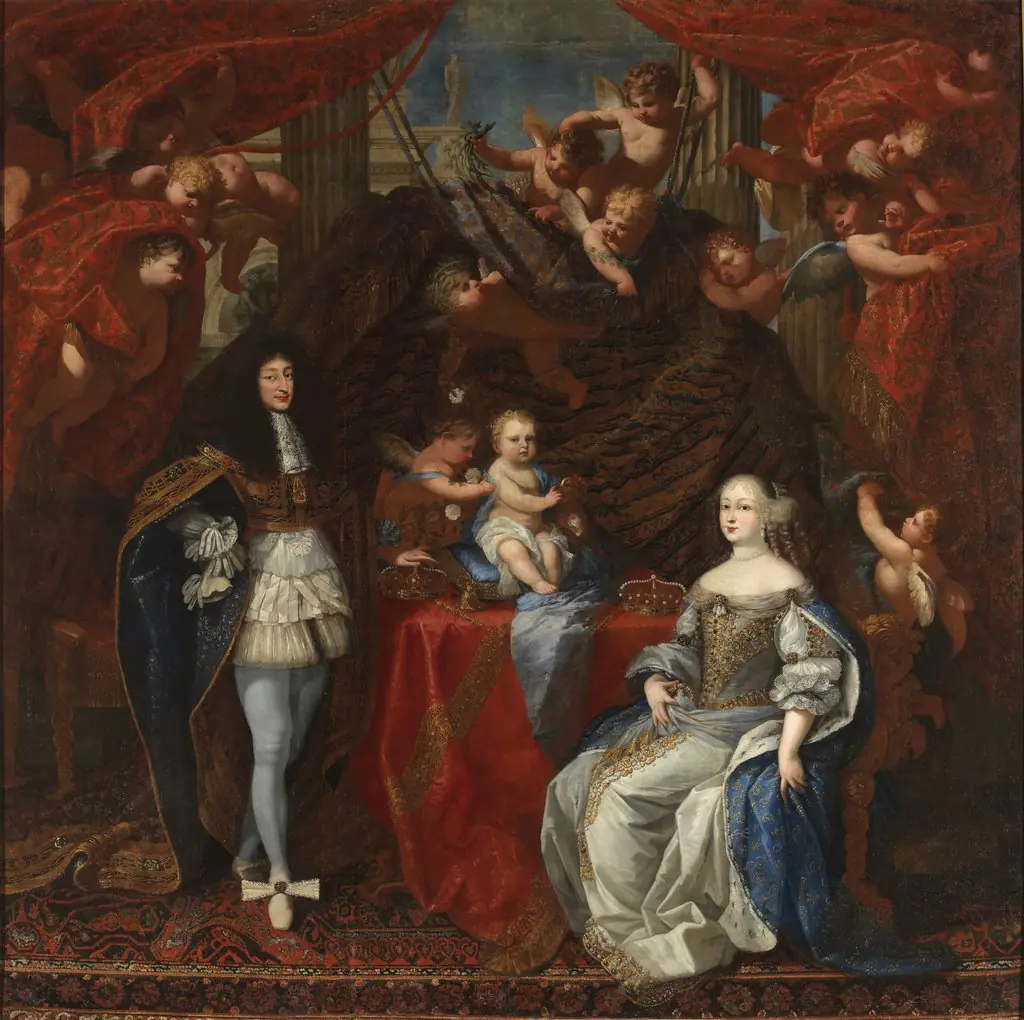 Charles Emmanuel II, Duke of Savoy, and his family
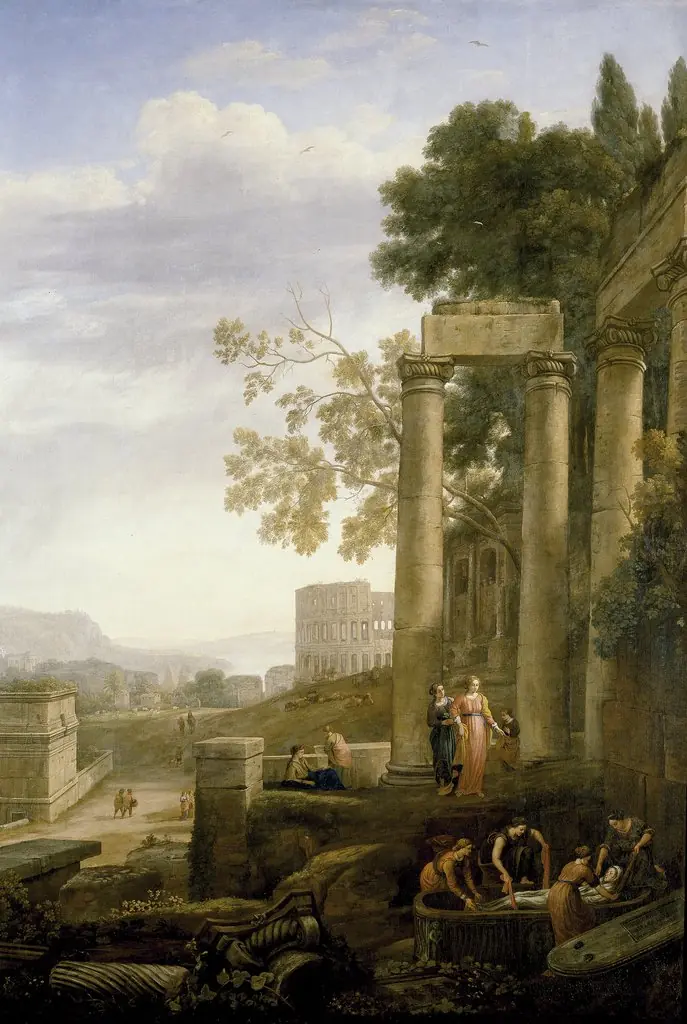 Landscape with the Burial of Saint Serapia
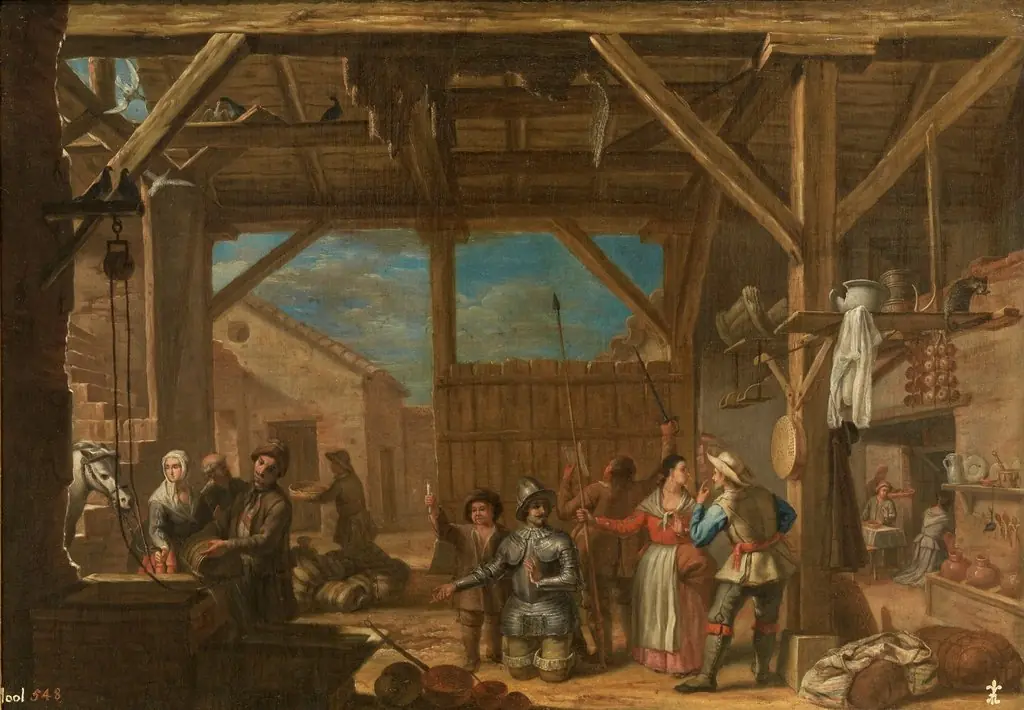 Don Quixote Dubbed a Knight
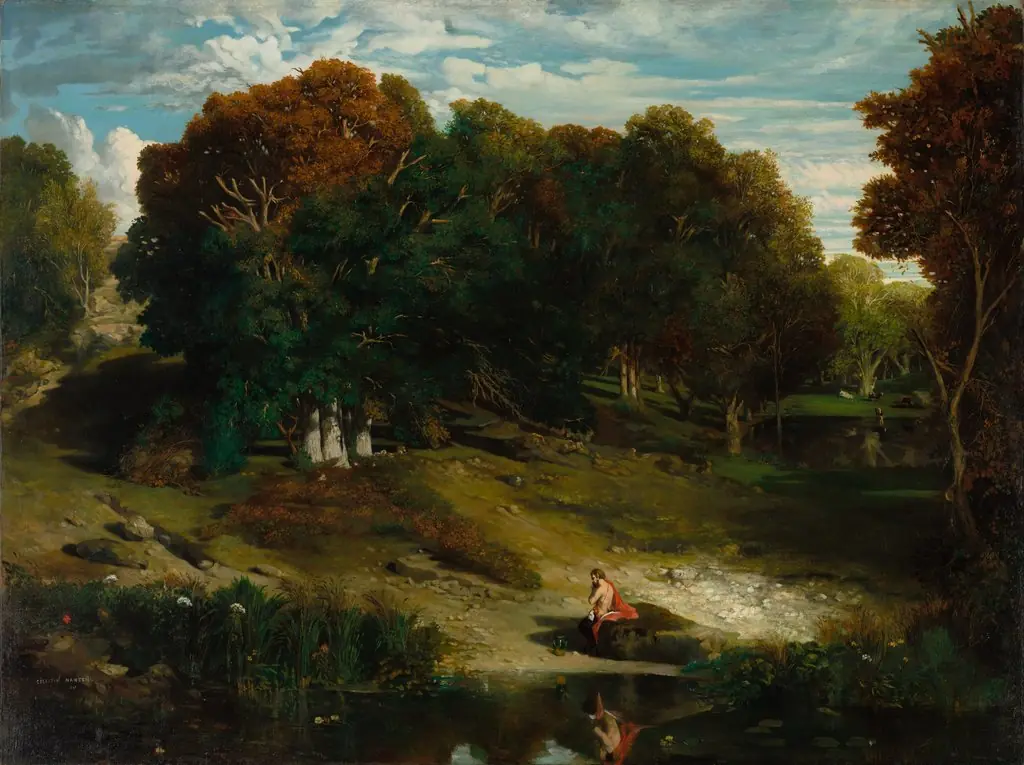 In the Forest
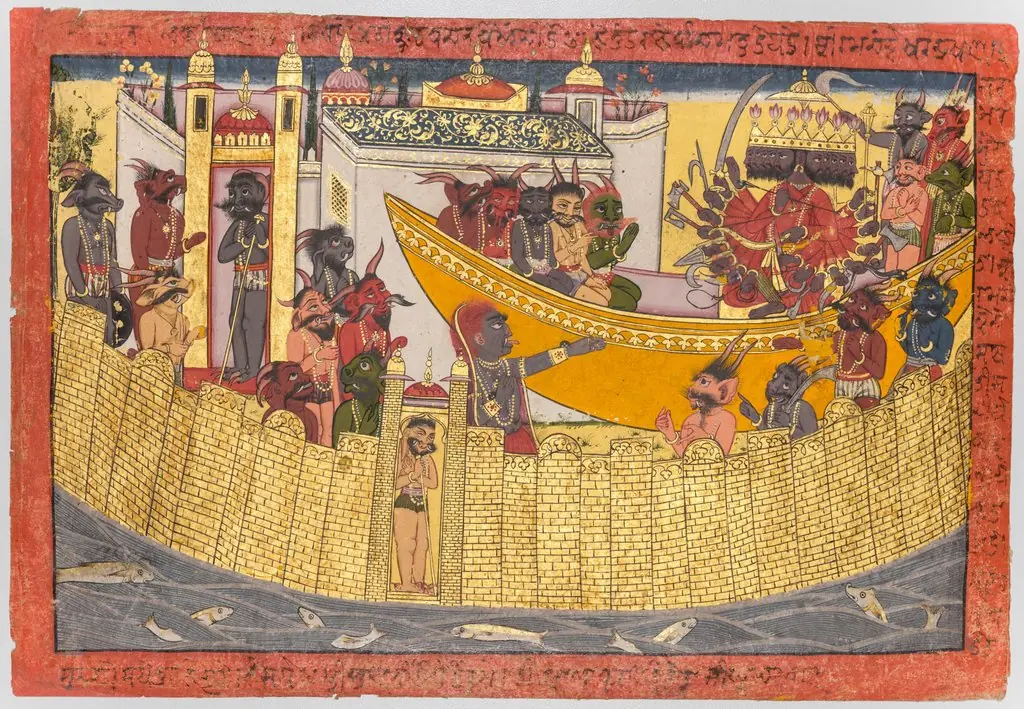 Ravana’s sister Shurpanakha complains that Lakshmana cut off her nose and ears, from Chapter 31 of the Aranya Kanda (Book of the Forest) of a “Shangri” Ramayana (Rama’s Journey)
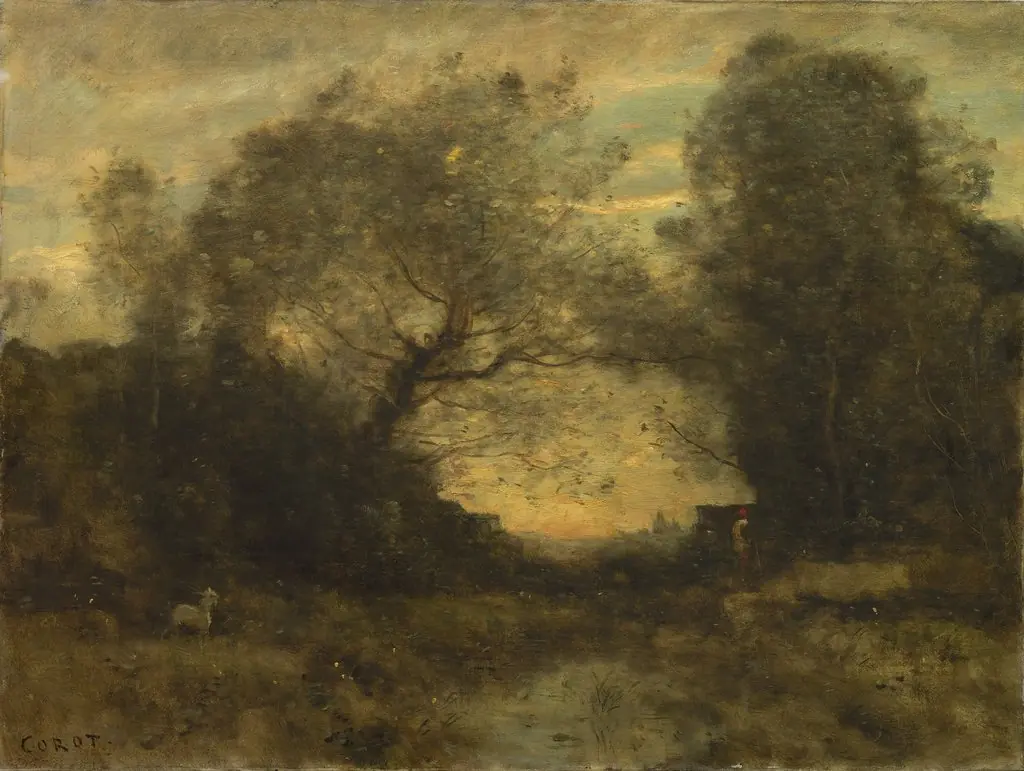 The Pond at the Entrance of the Woods
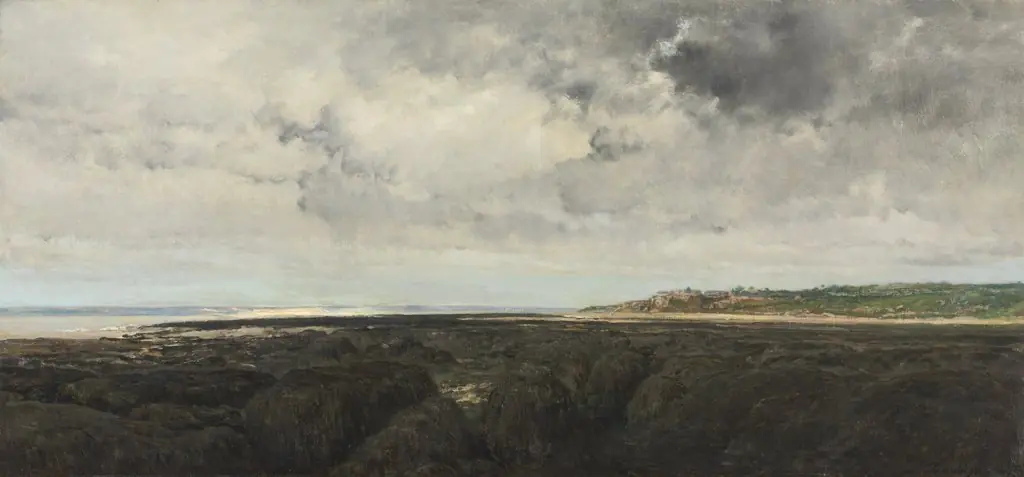 Villerville Seen from Le Ratier
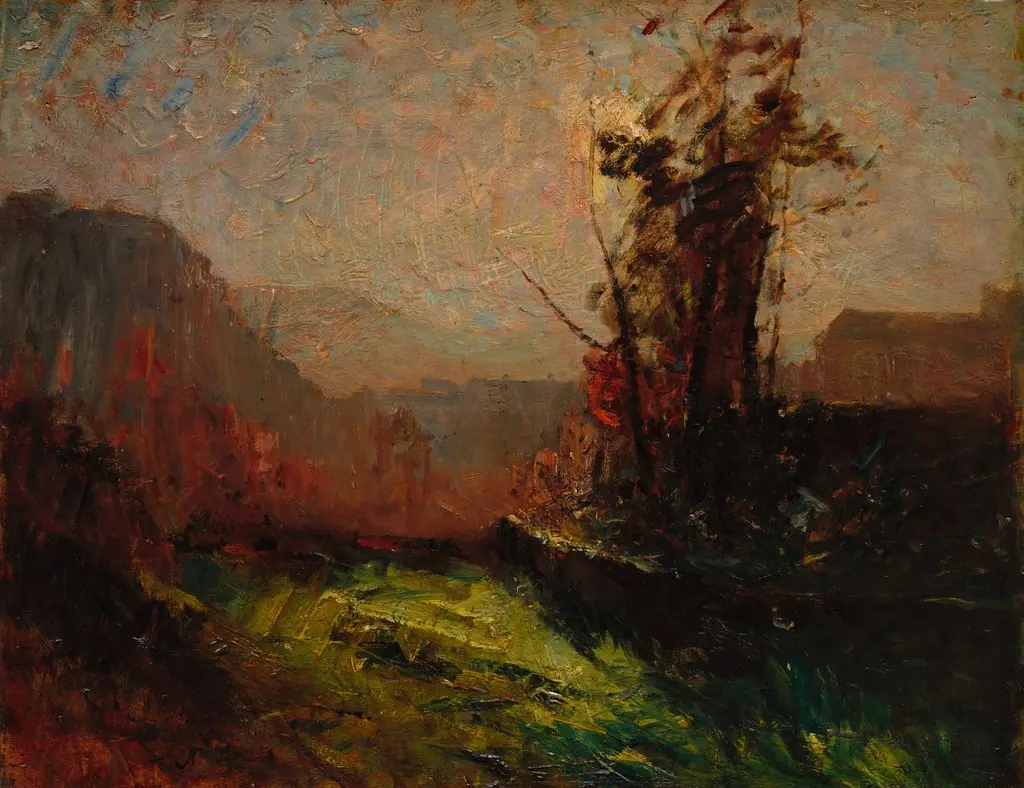 Crémieu, Seen from Chaillonnette
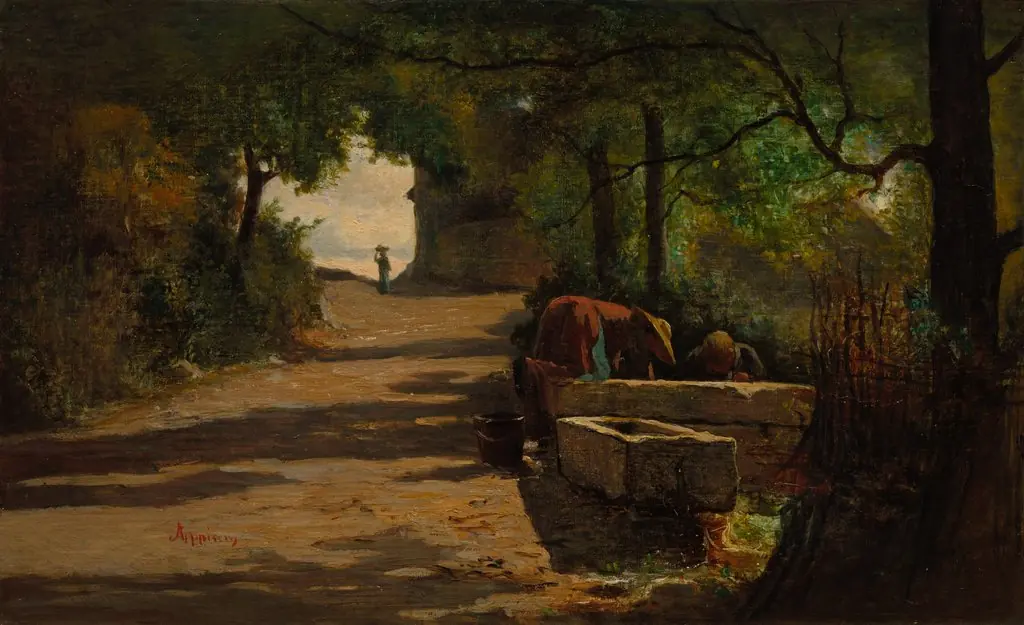 Well at the Side of a Road
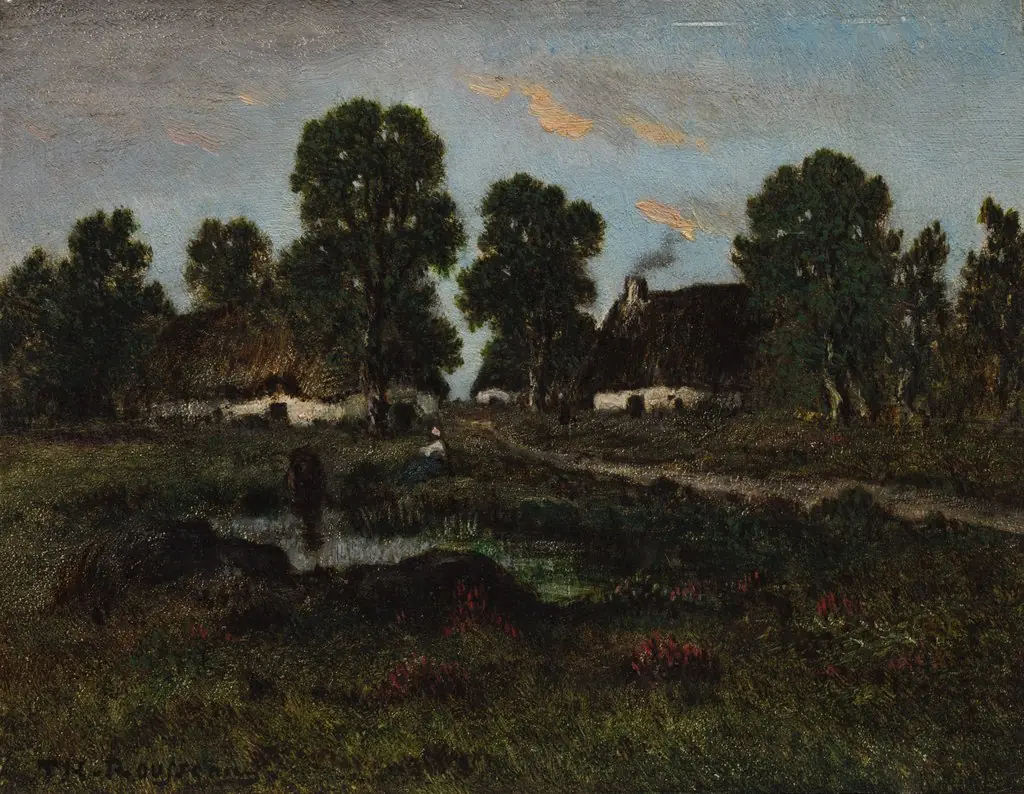 Cottages Near Larchant
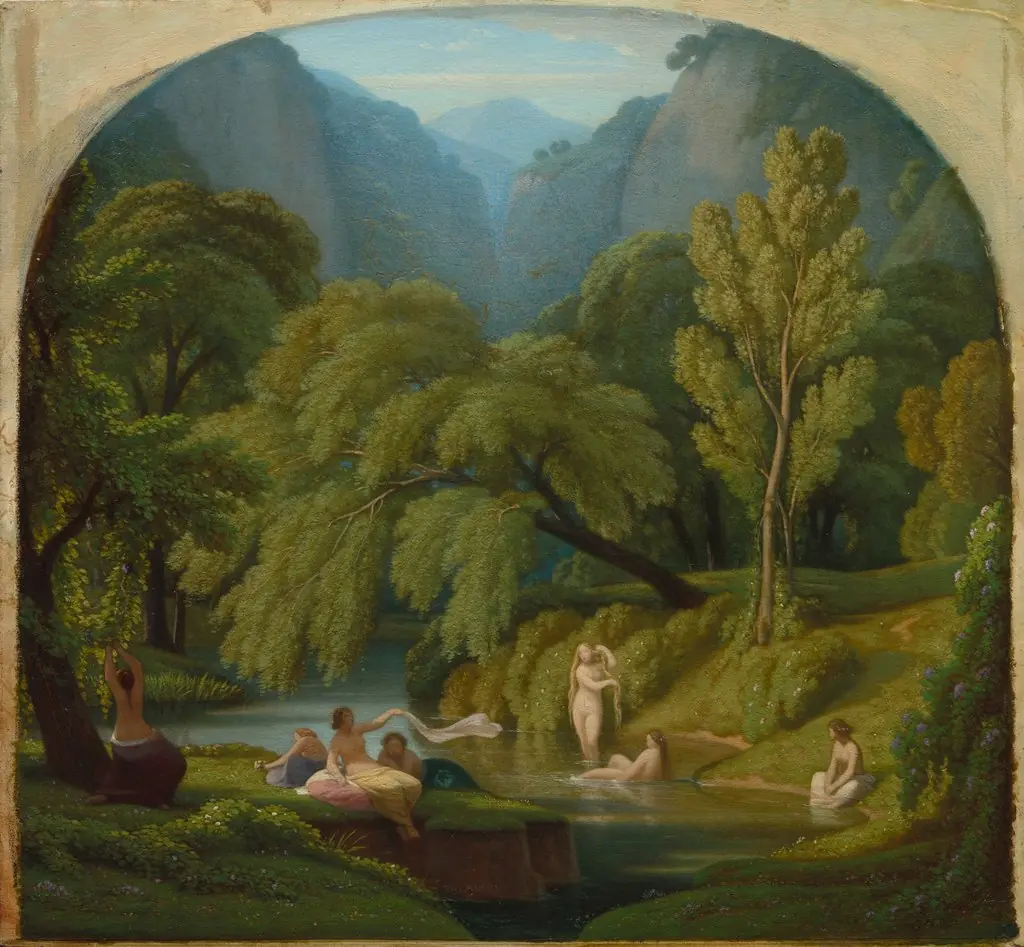 The Bathers, Souvenir of the Banks of the Anio River at Tivoli
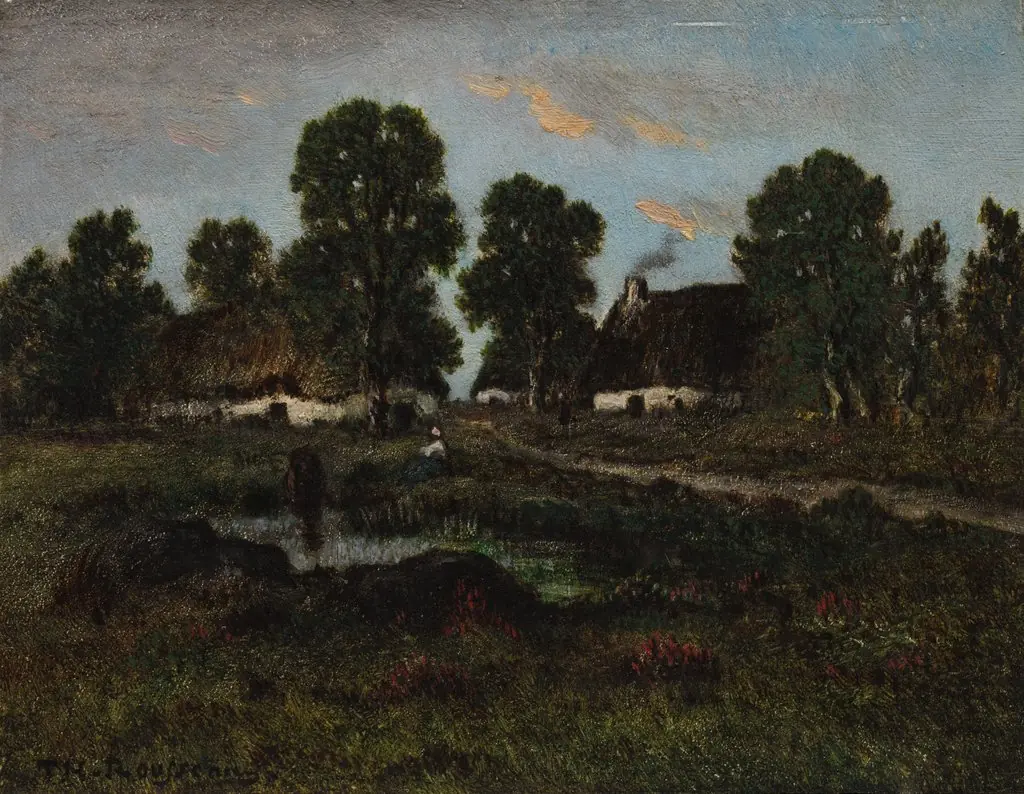 Cottages Near Larchant
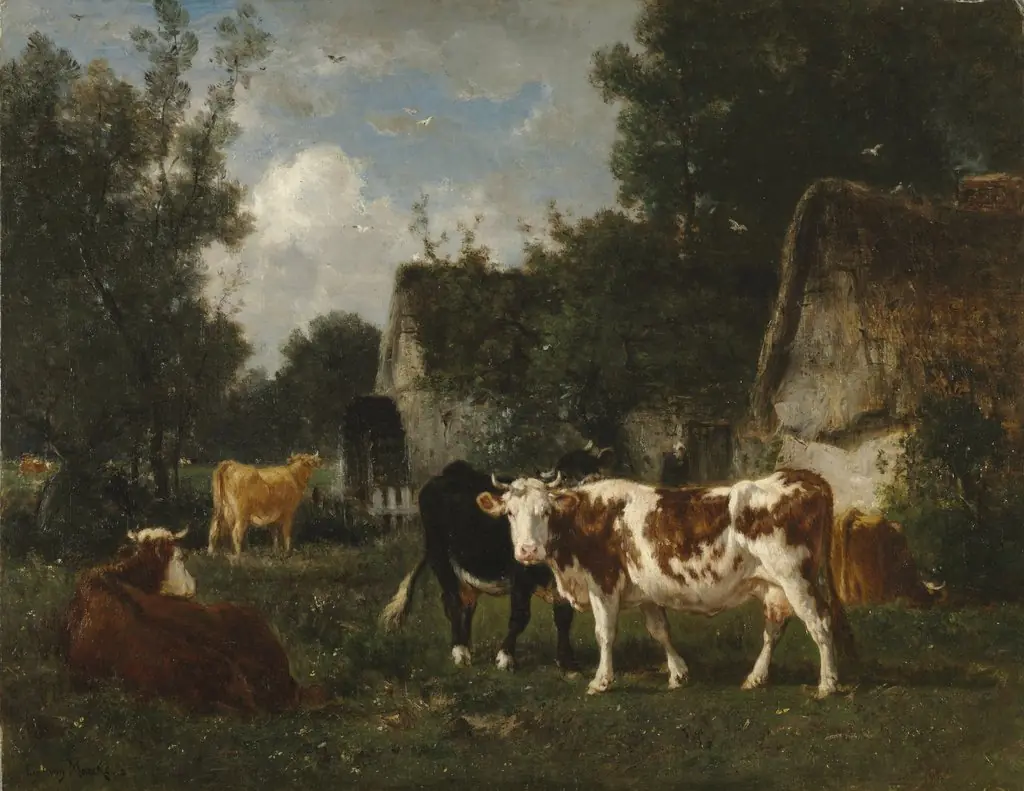 The Mill
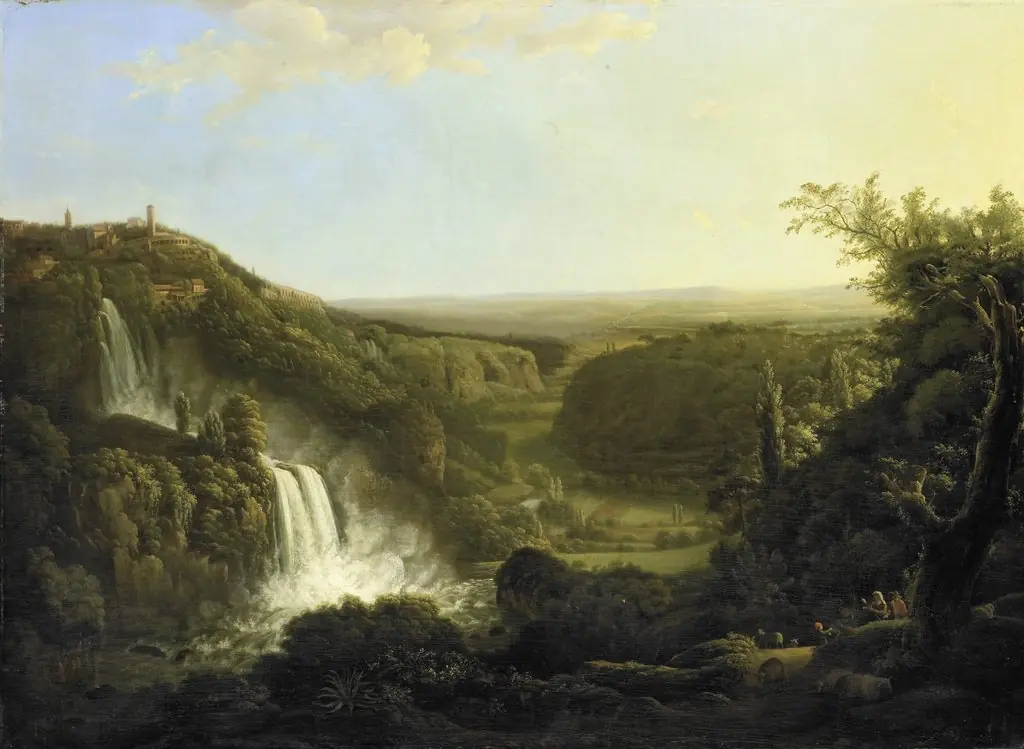 The Anio Valley with the Waterfalls of Tivoli
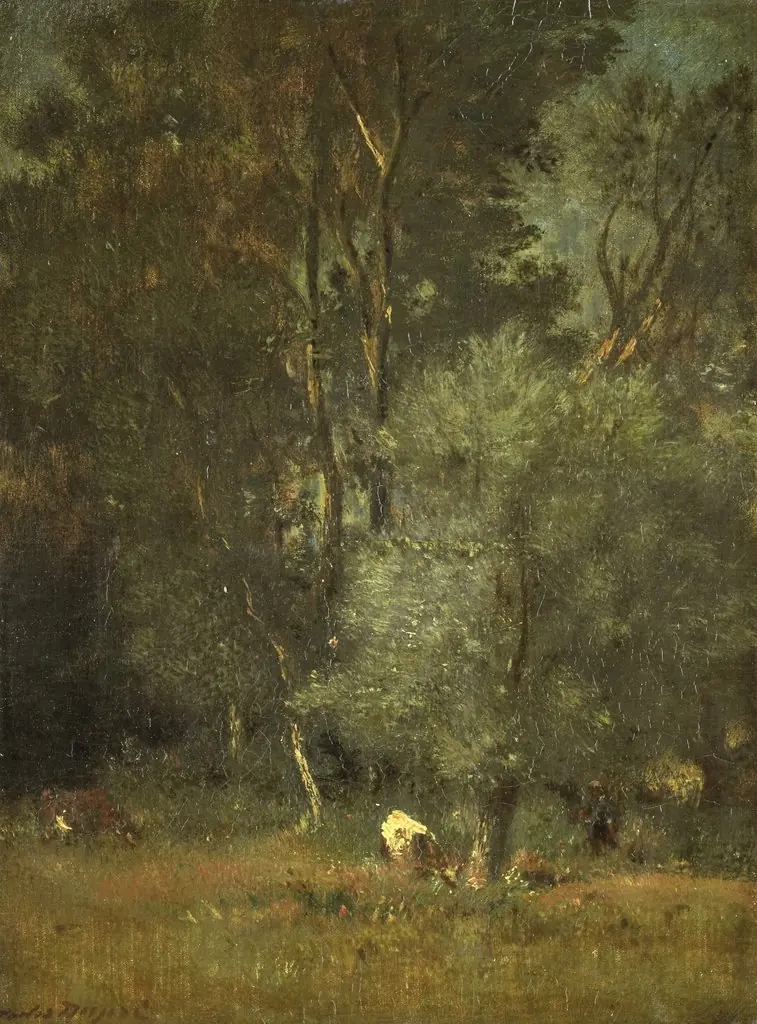 View in the Woods
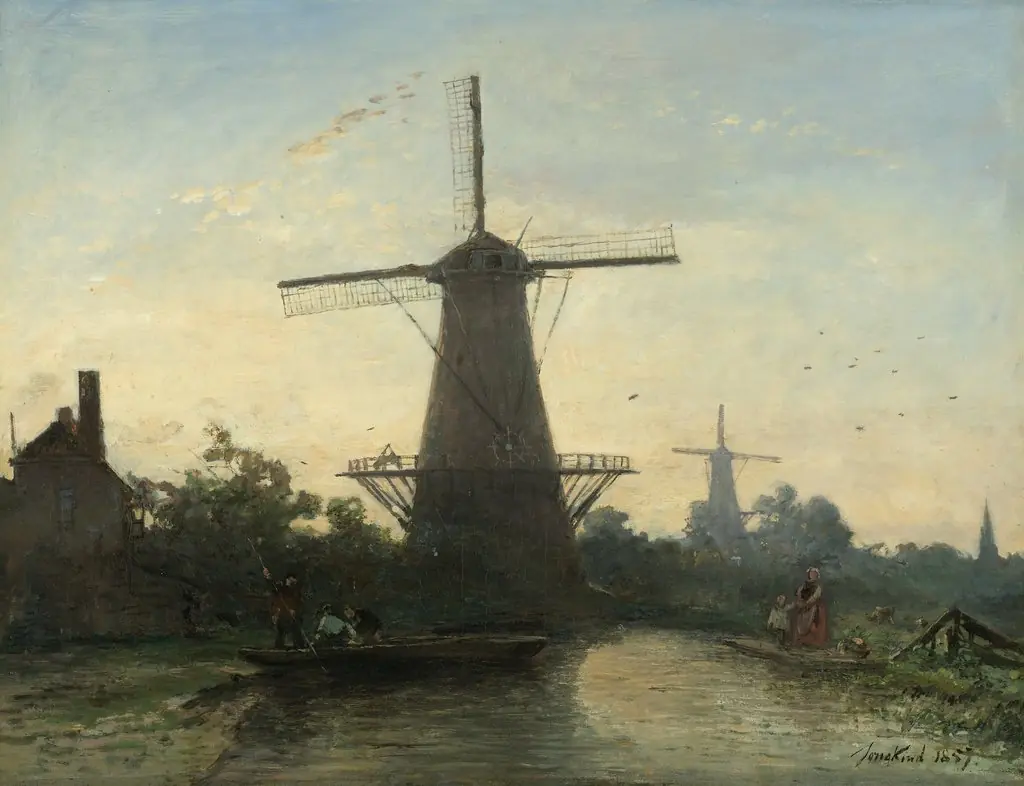 Windmills near Rotterdam
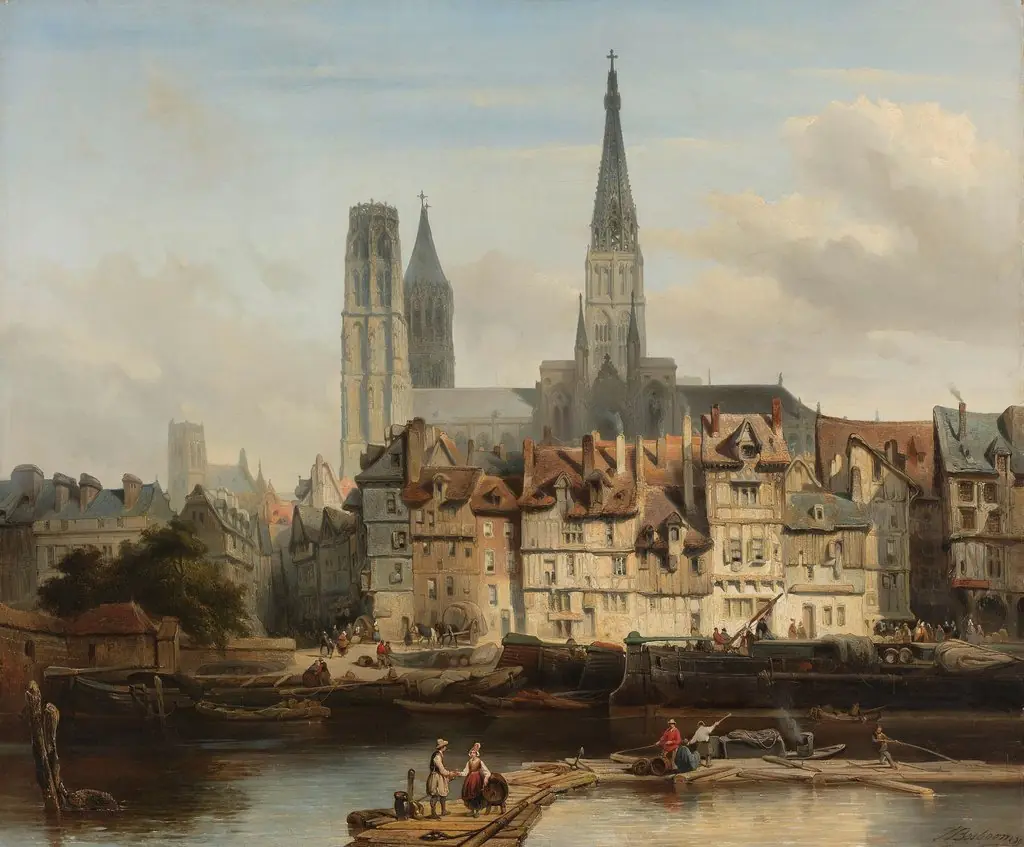 The Quay de Paris in Rouen
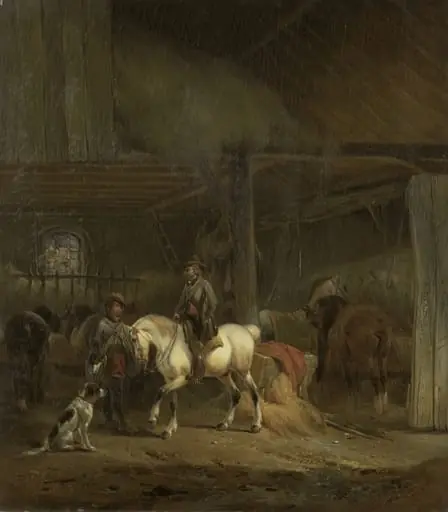 Horse Stable
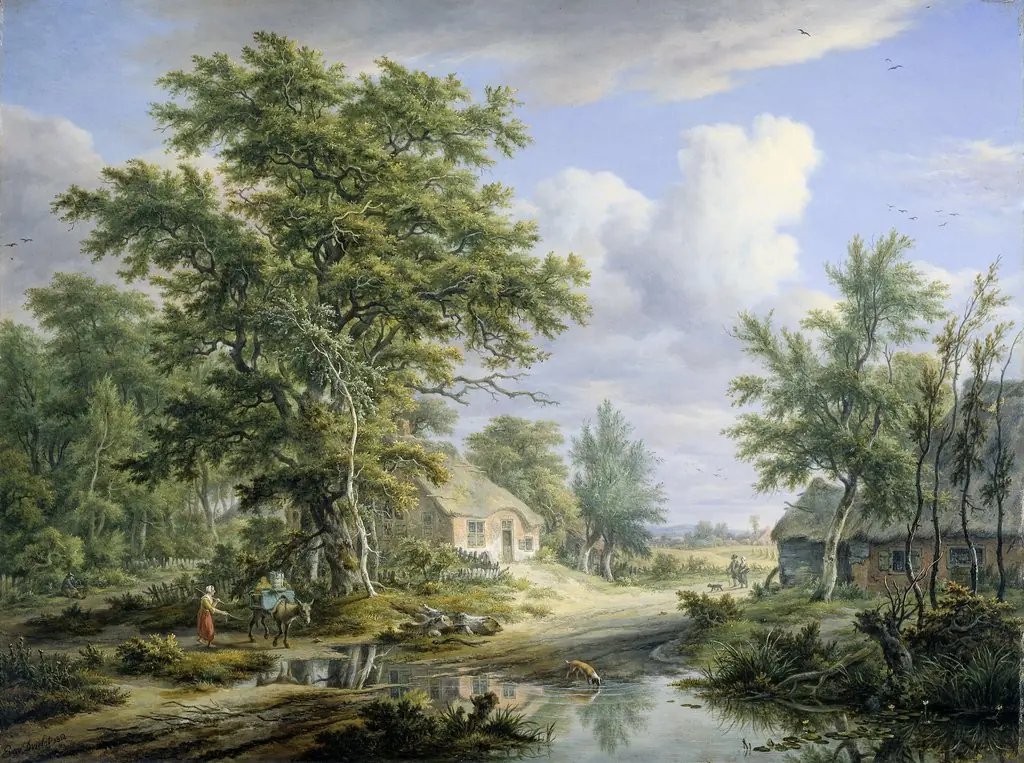 Farms on the Fringe of a Wood
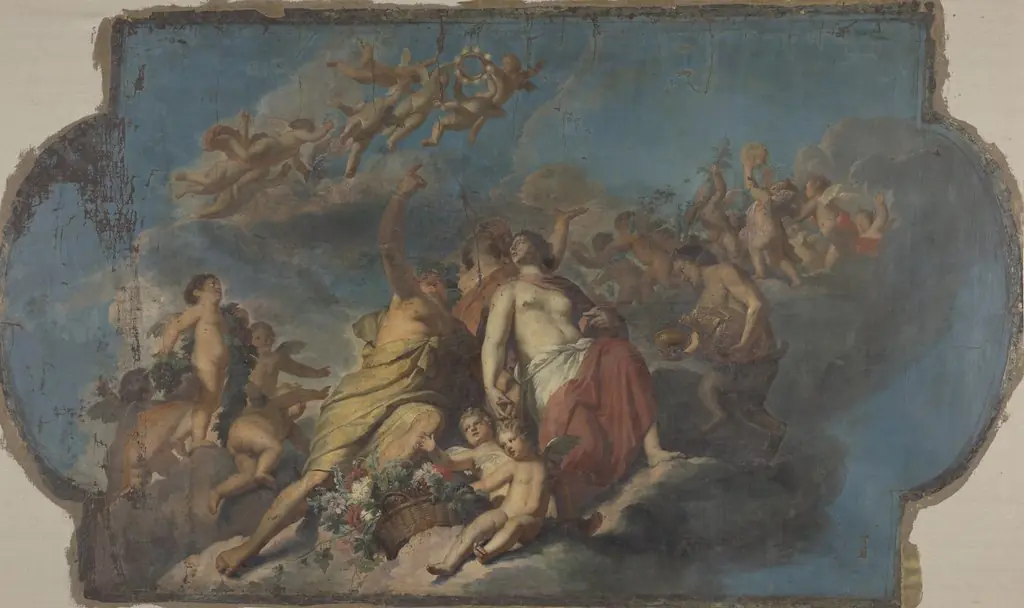 The Marriage of Bacchus and Ariadne
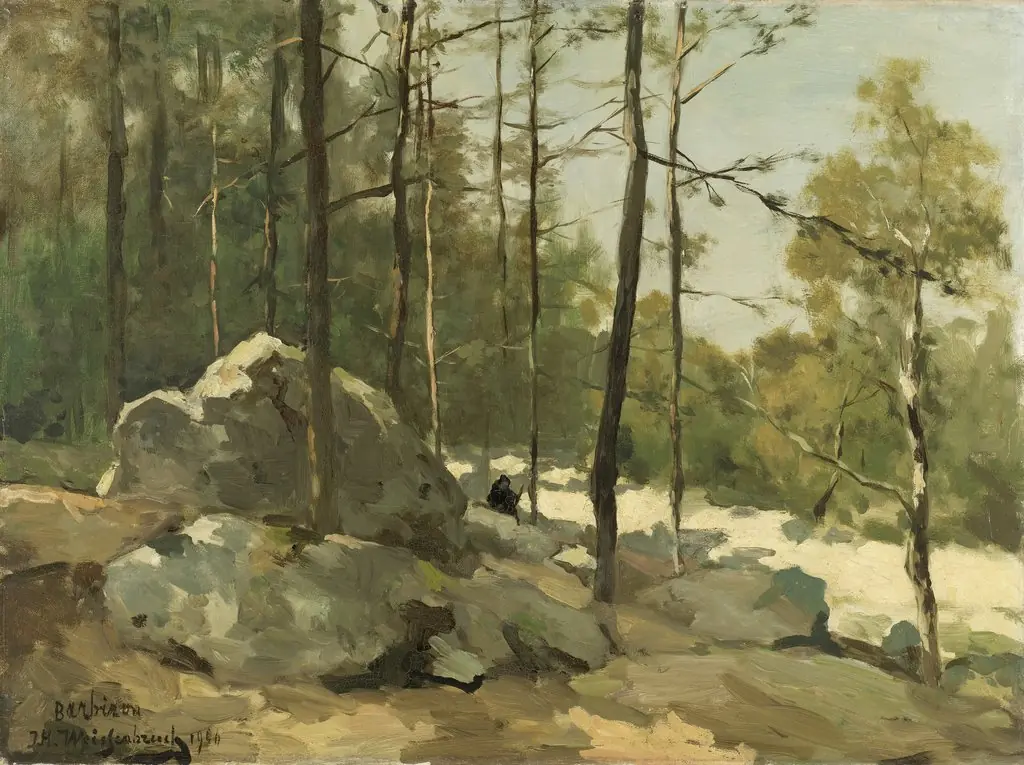 Wooded View near Barbizon
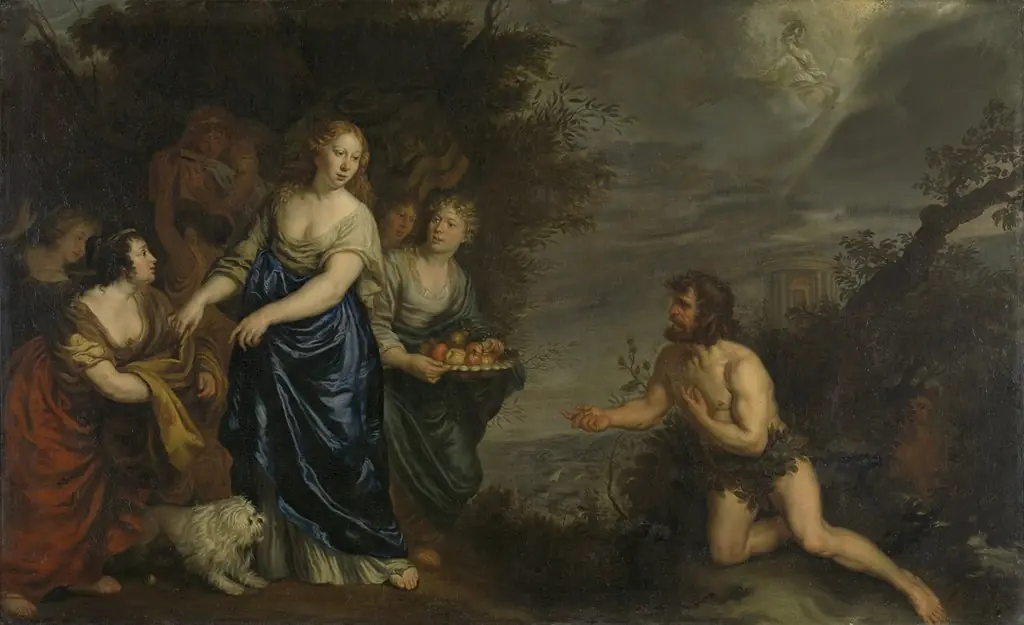 Odysseus and Nausikaä
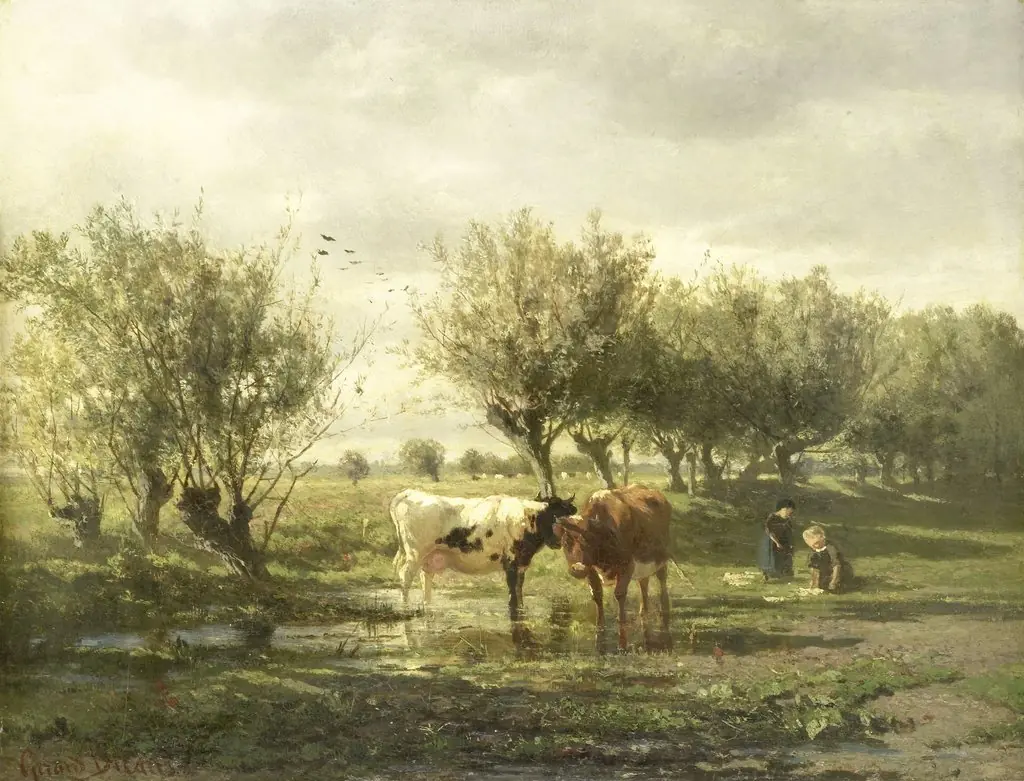 Cows at a pond
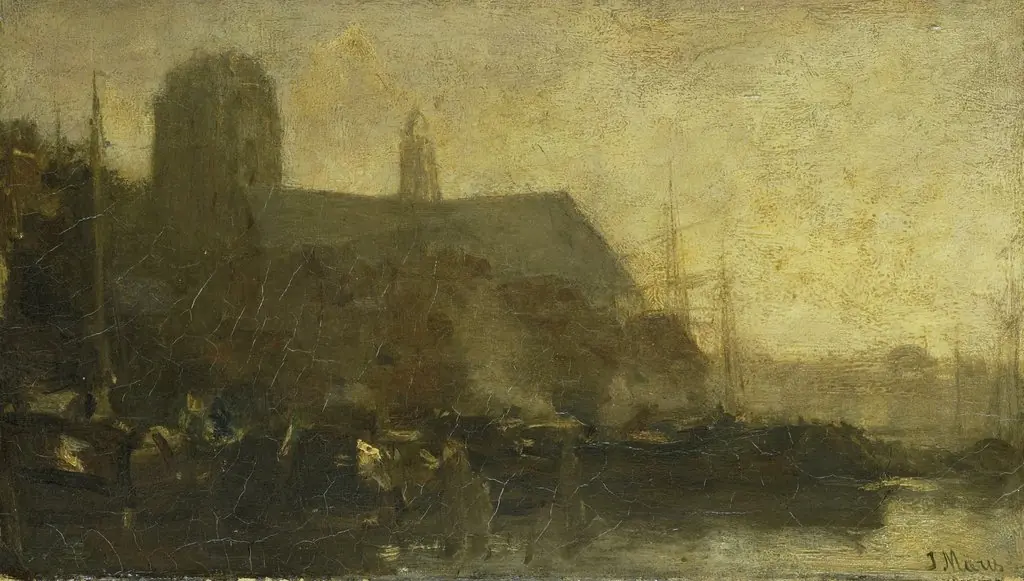 Schepen in de haven van Dordrecht
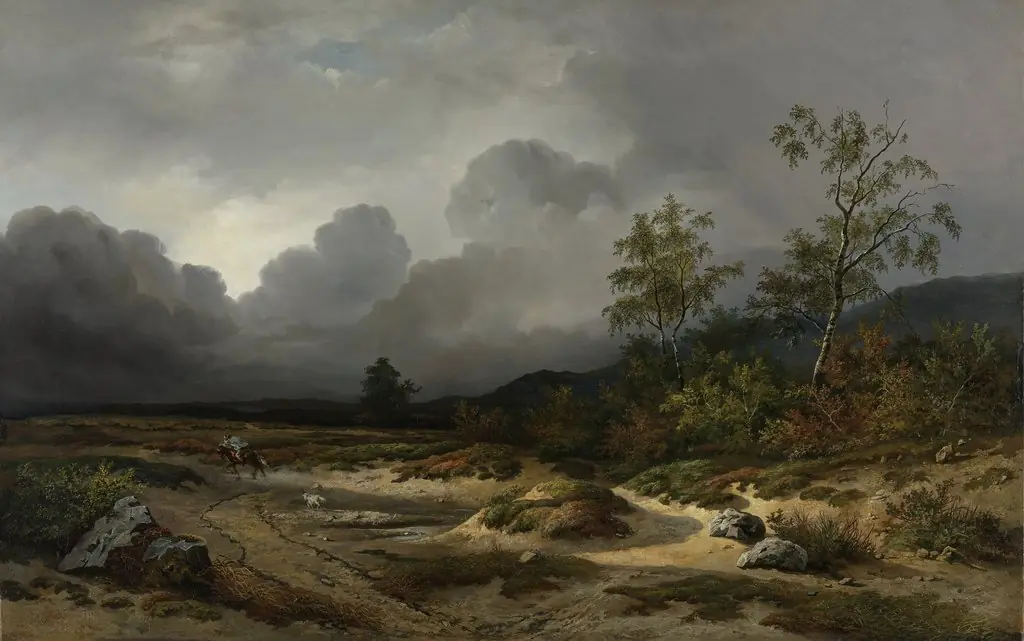 Landscape with a Thunderstorm Brewing
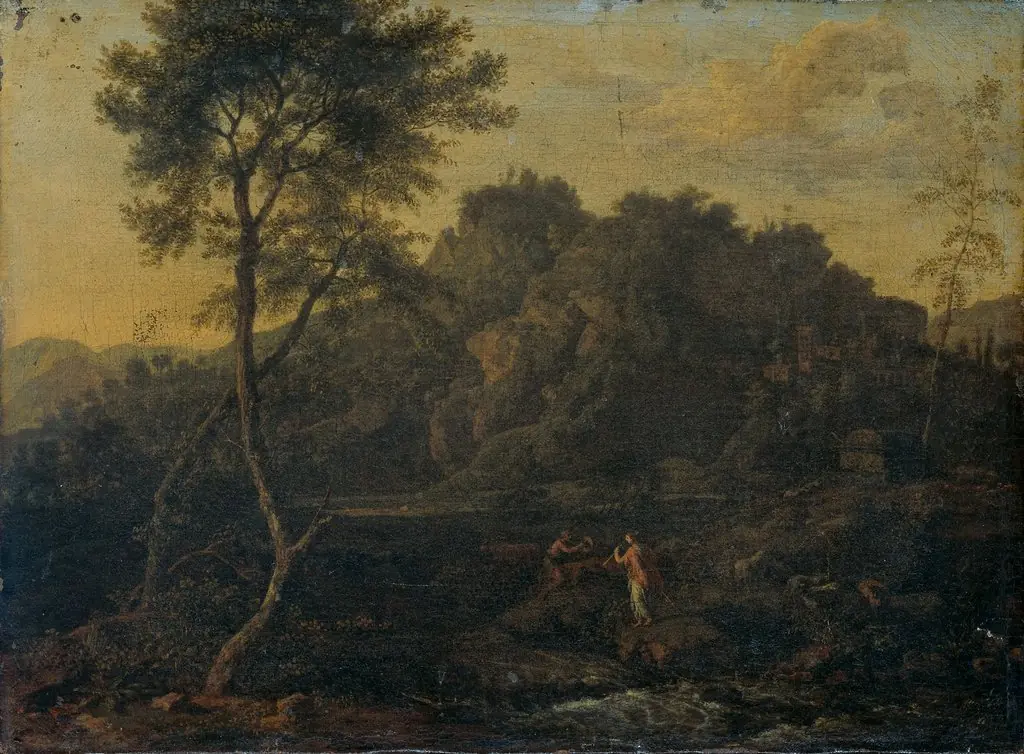 Landscape with Diana and Calliope
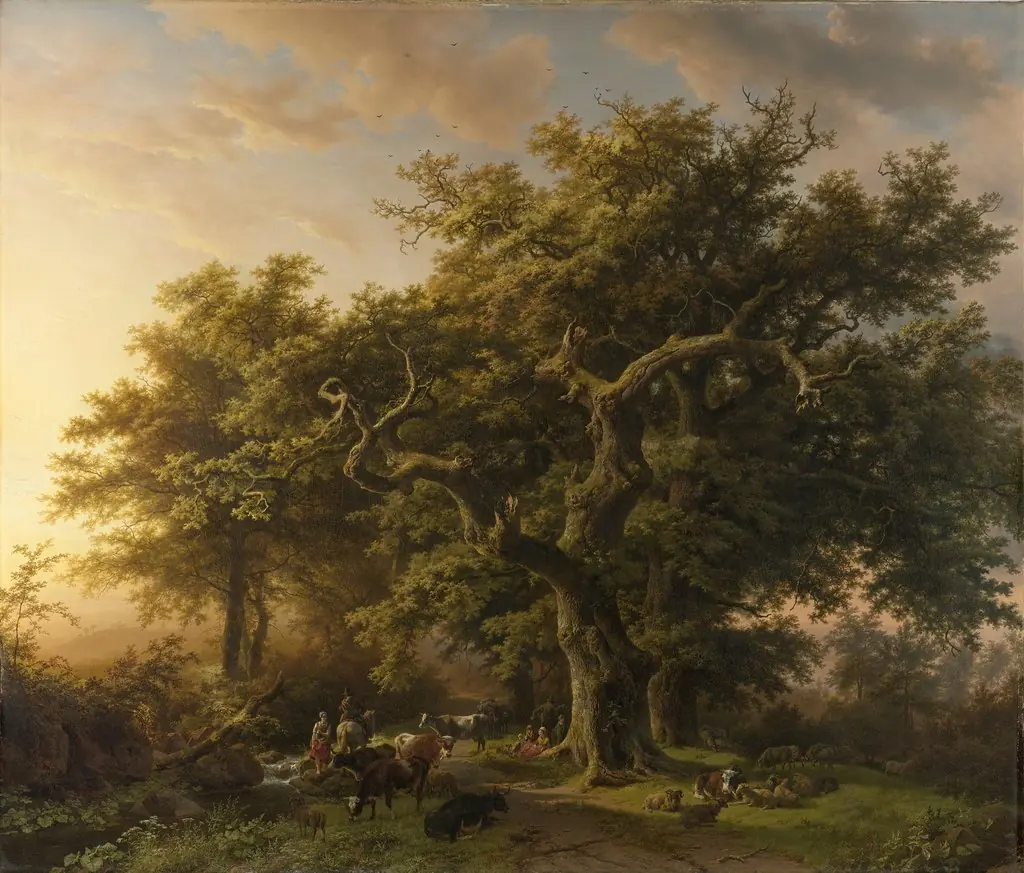 Forest Scene
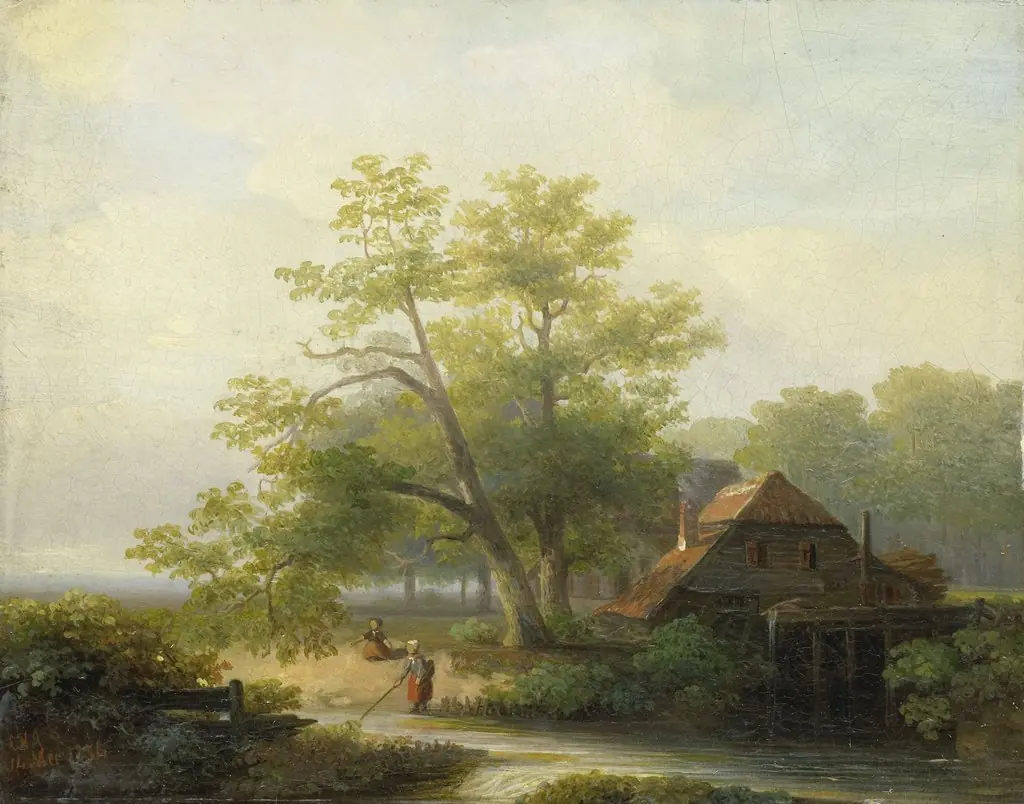 A Watermill in a Woody Landscape
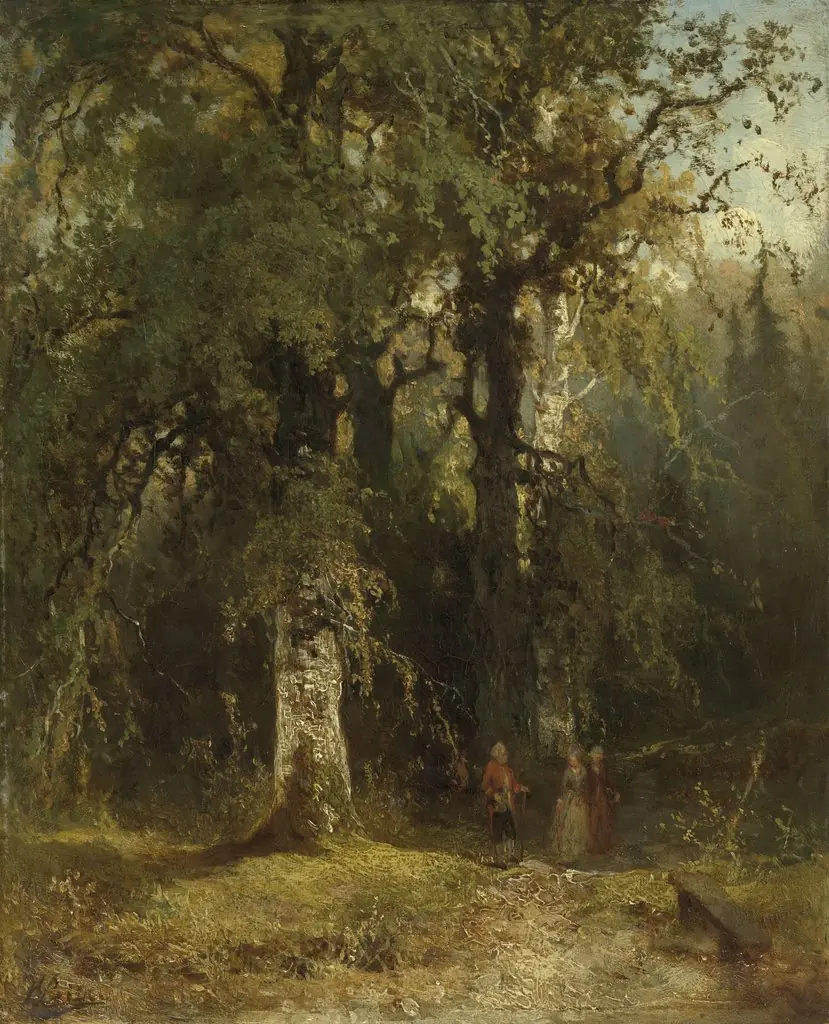 View in the Woods
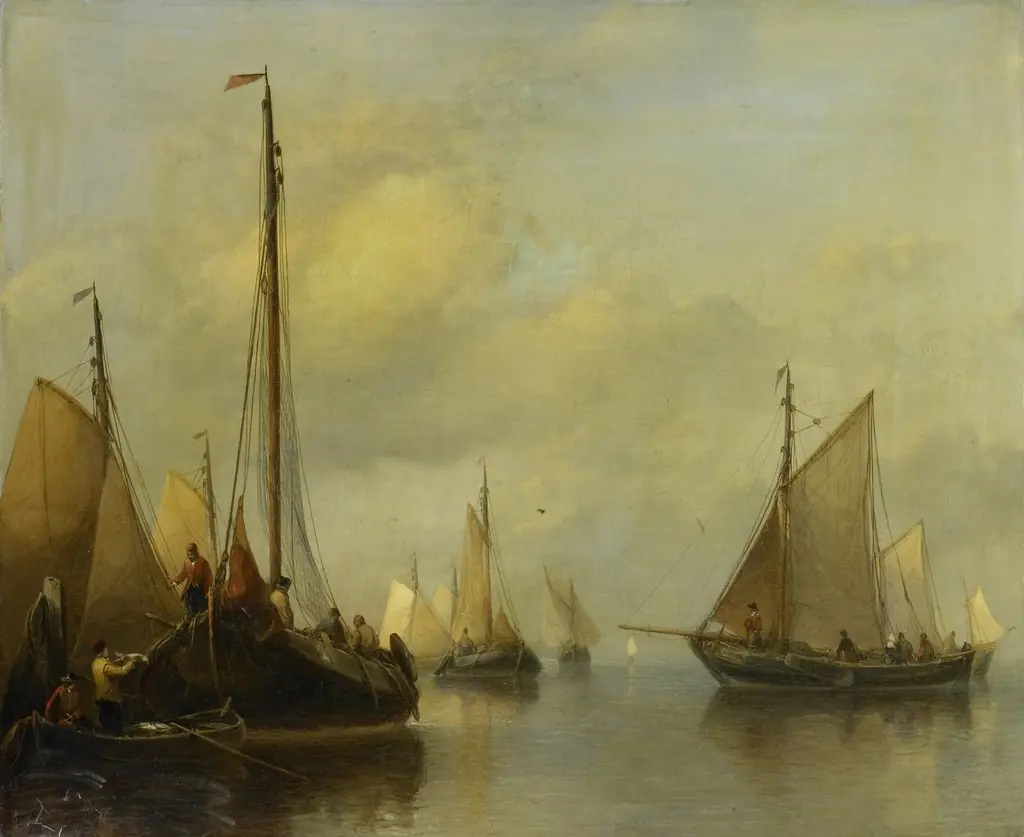 Fishing Boats on calm Water
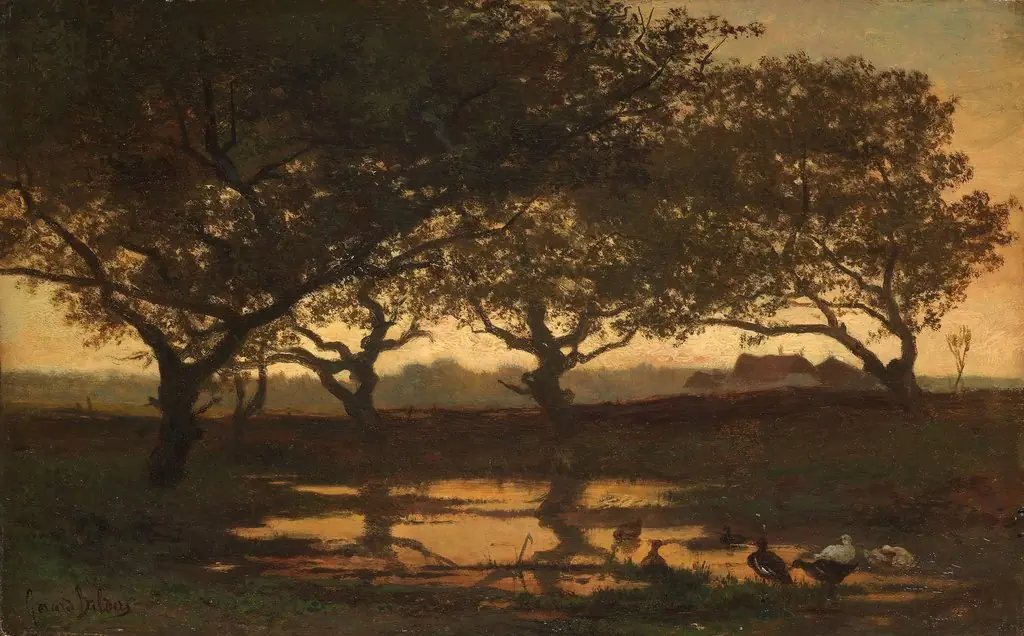 Woodland Pond at Sunset
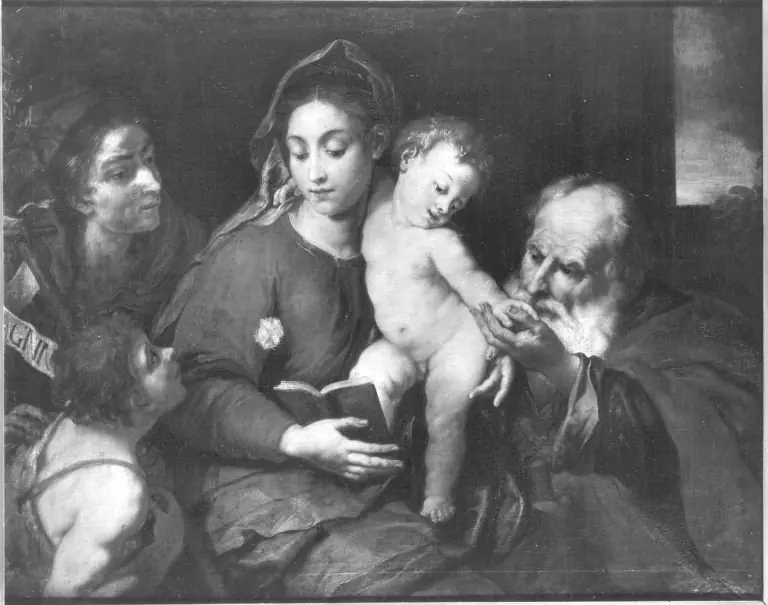 Die Heilige Familie mit dem Johannesknaben
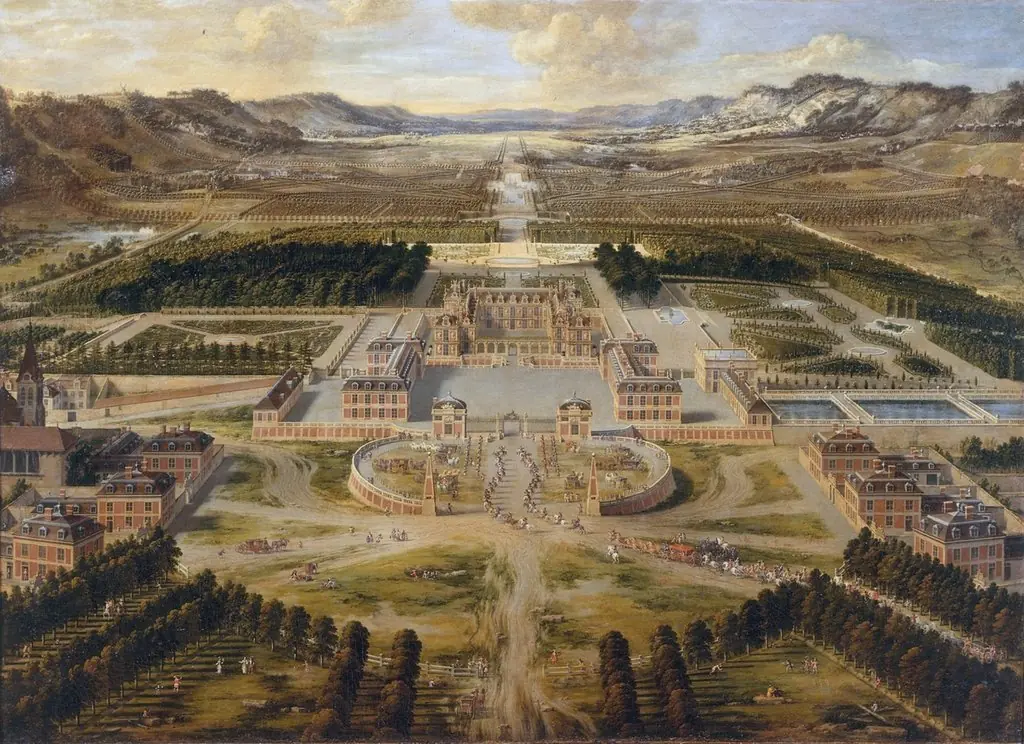 View of the Palace of Versailles and the gardens from the Avenue de Paris in 1668
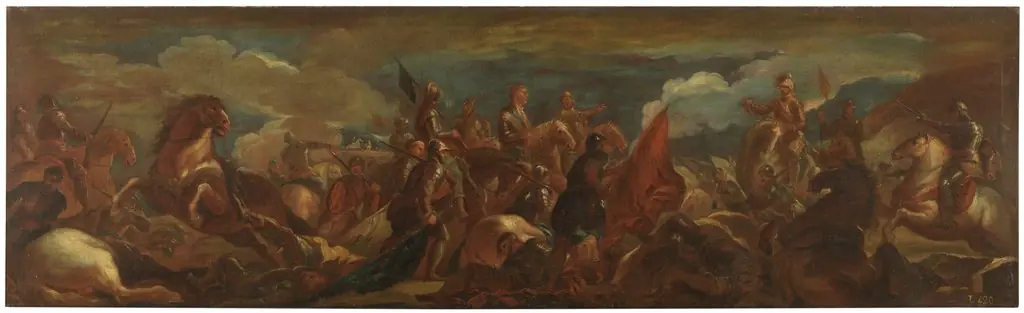 Prisión del condestable de Montmorency, en la Batalla de San Quintín
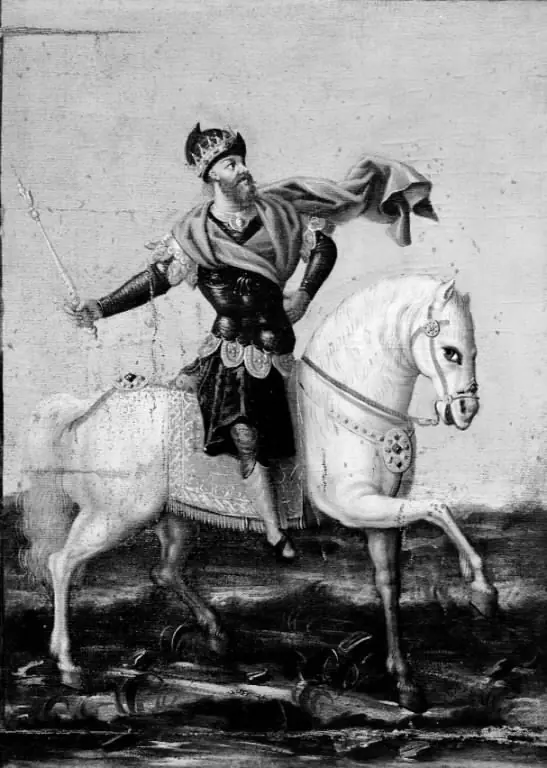 Bajazet I (1347-1403), tyrkisk sultan
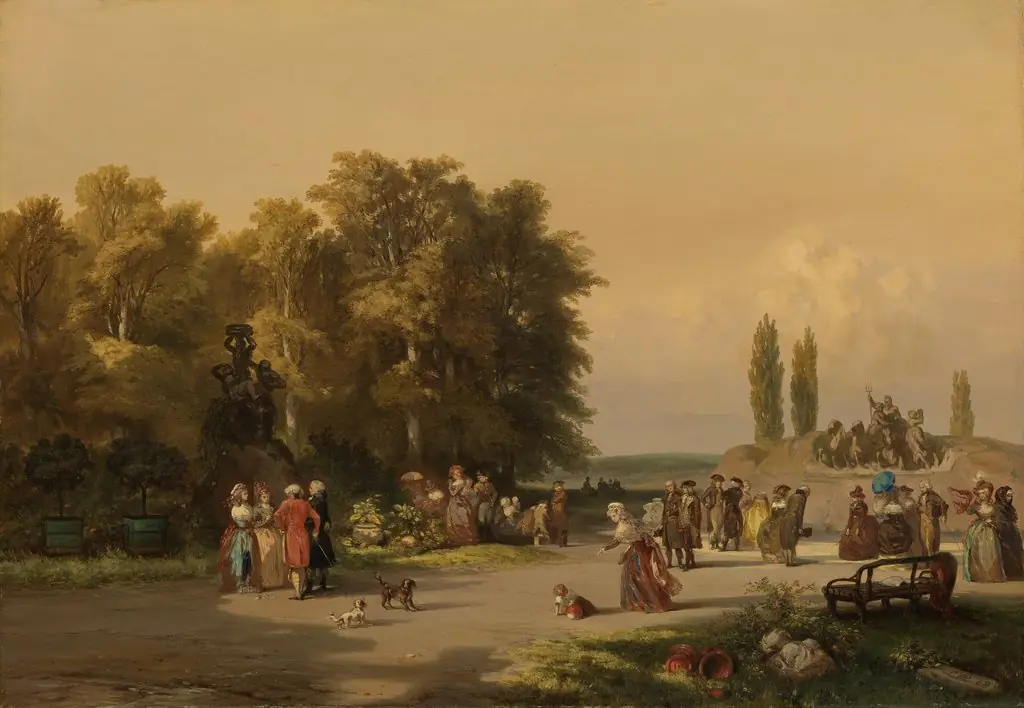 Park in the Vicinity of Paris
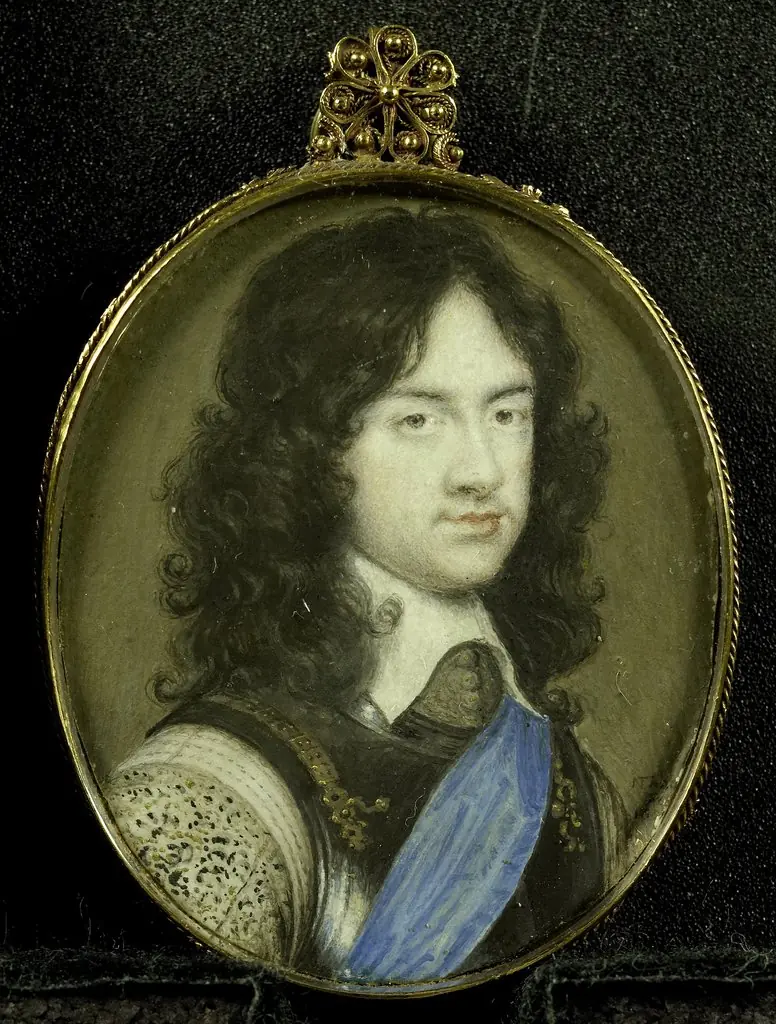 Portrait of Prince Charles Stuart of Wales
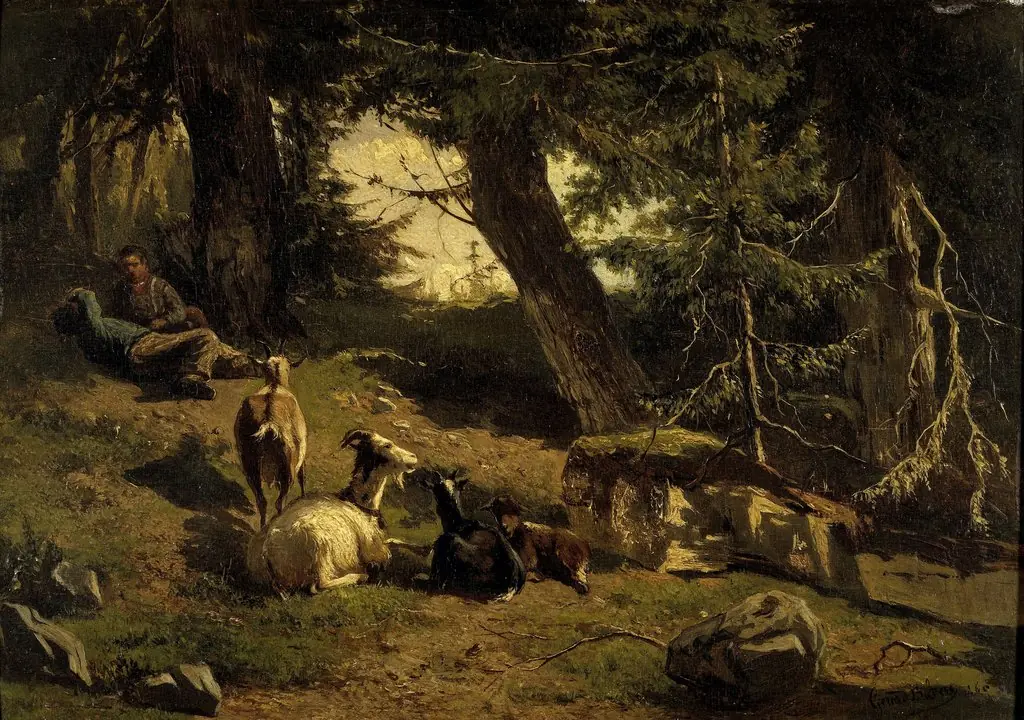 Swiss Landscape
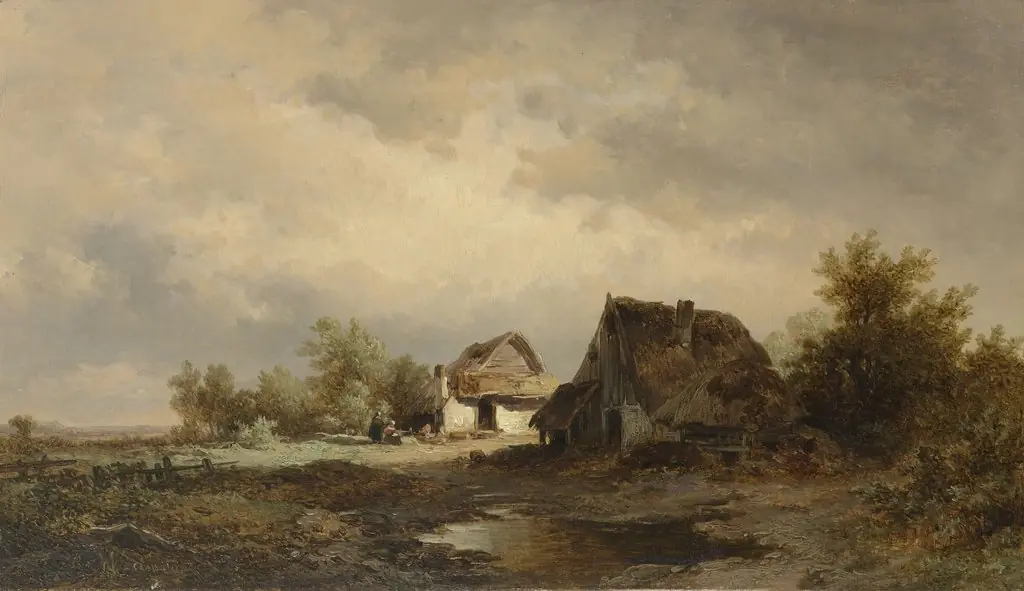 Landscape with Cottages on the Heath
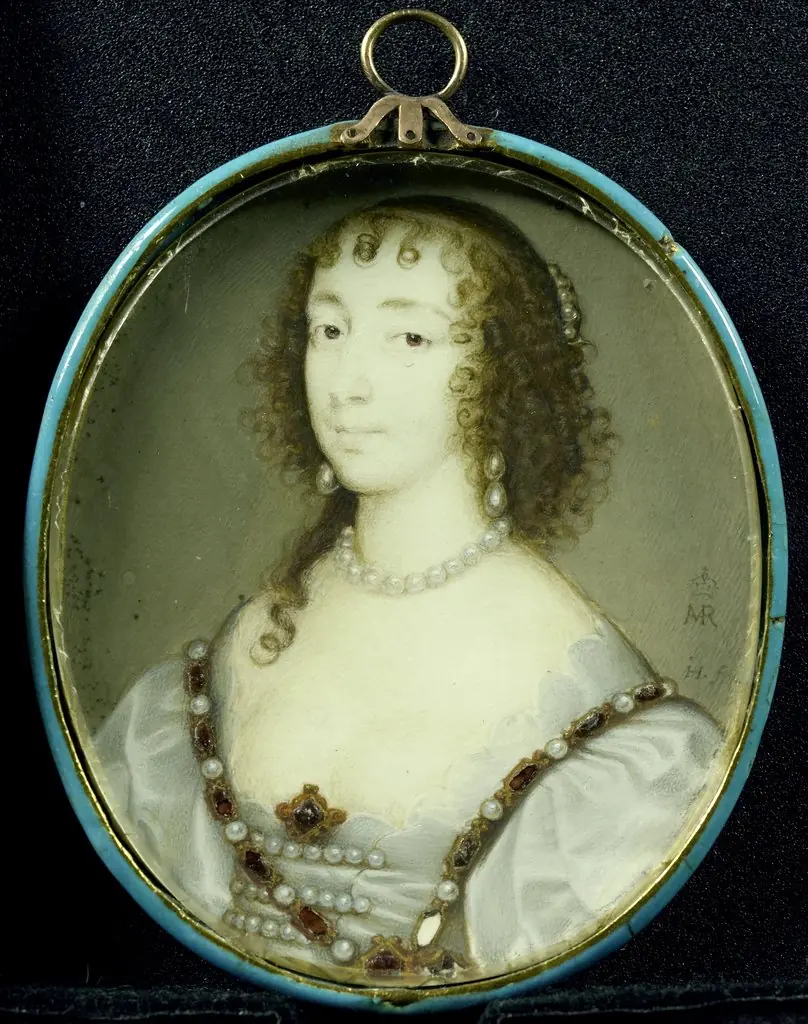 Portrait of Henriëtte Maria of France (1609-1669), wife of Charles I of England
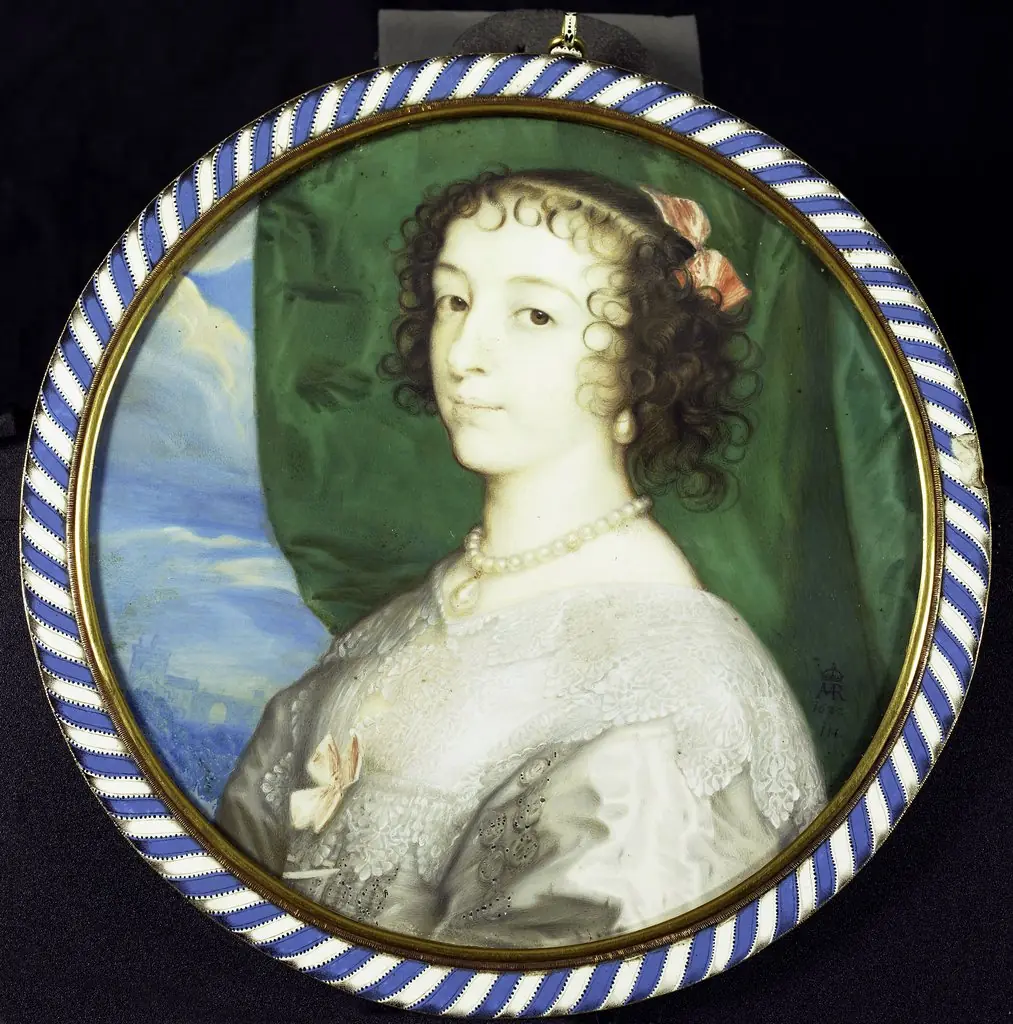 Portrait of Henriette Maria (1609-1669), wife of Charles I of England
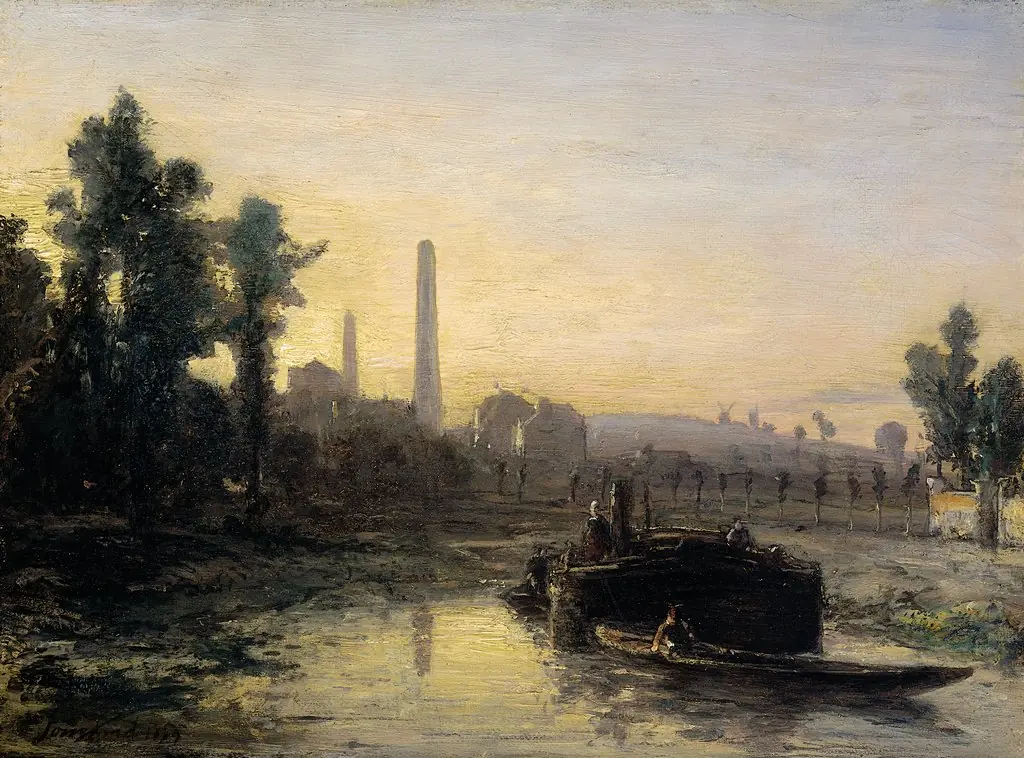 River View in France, possibly near Pontoise
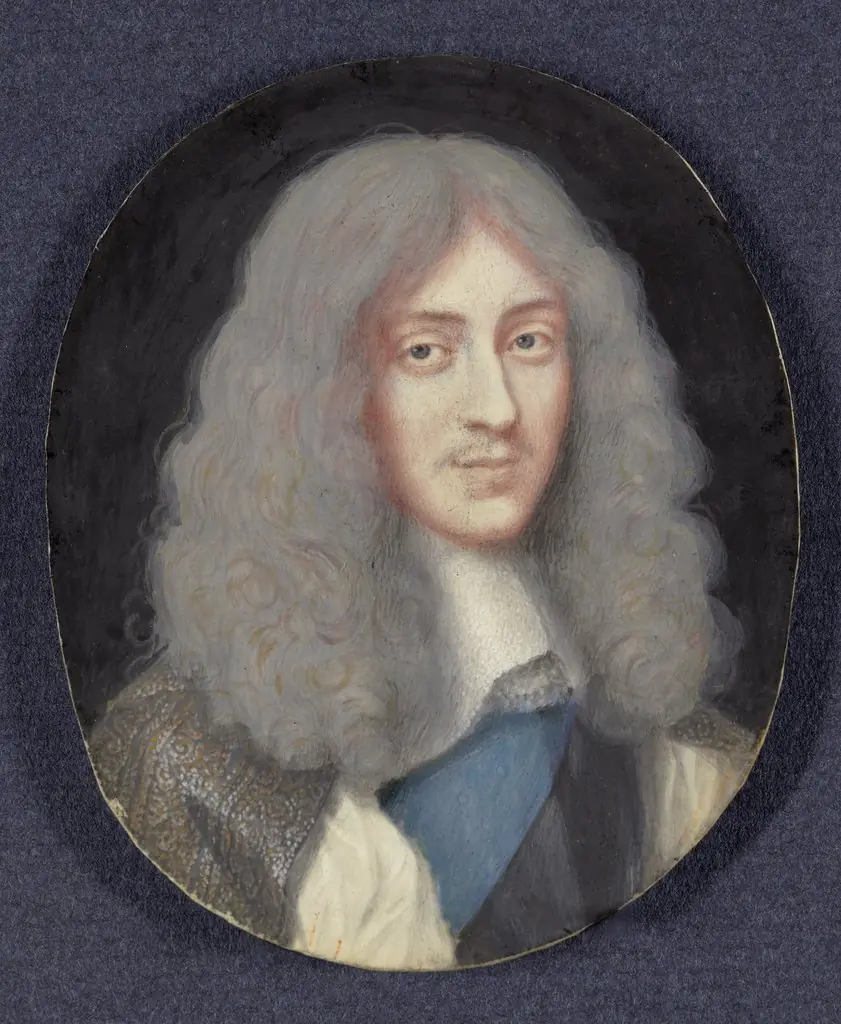 James II (1633-1701), the future King of England, as a young man
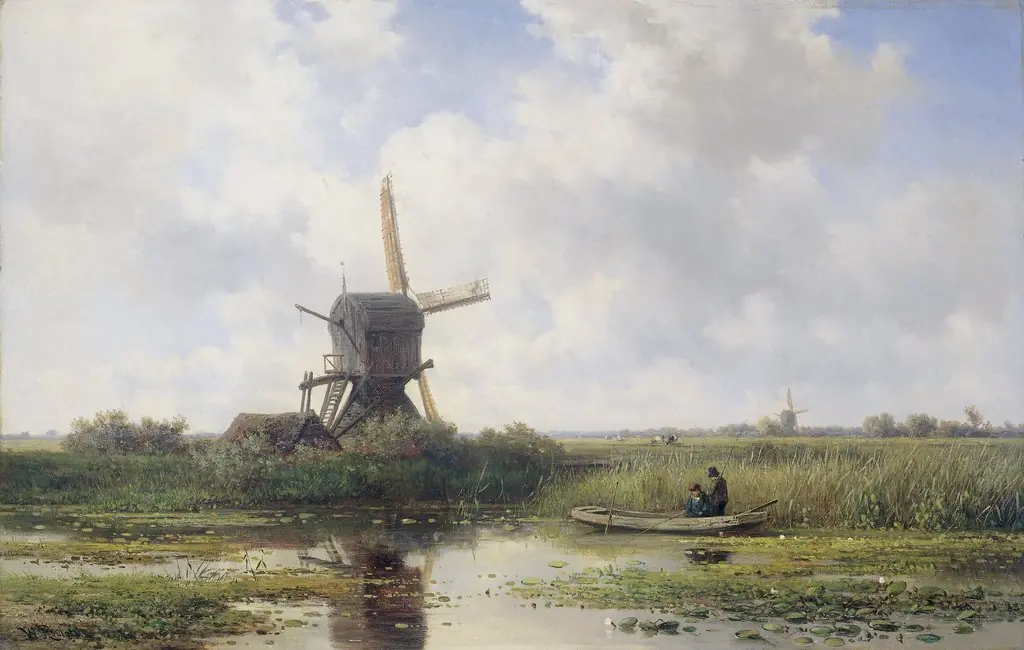 The Gein River, near Abcoude
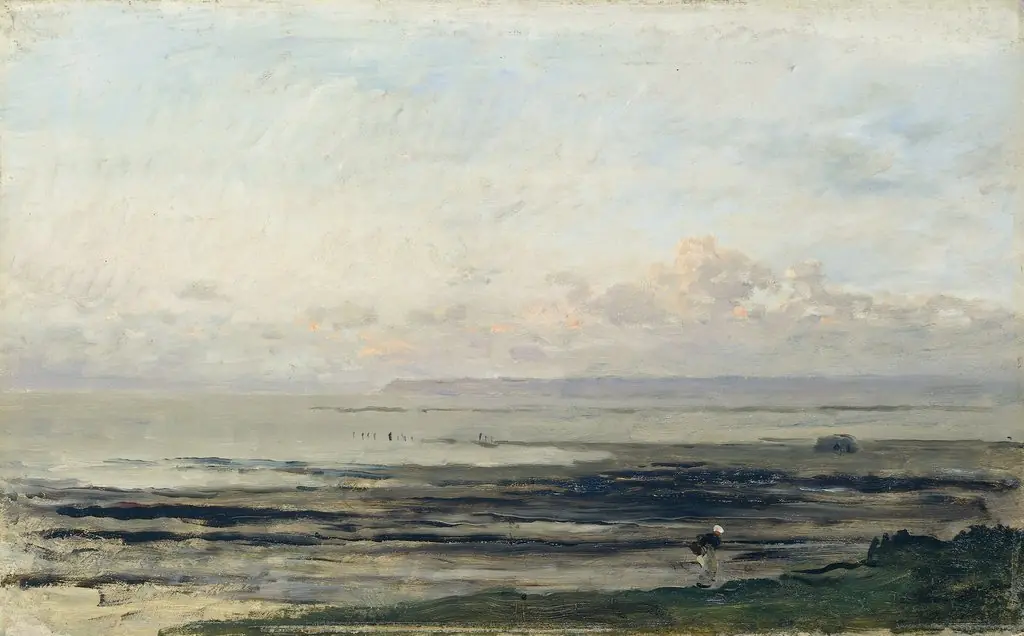 Beach at Ebb Tide
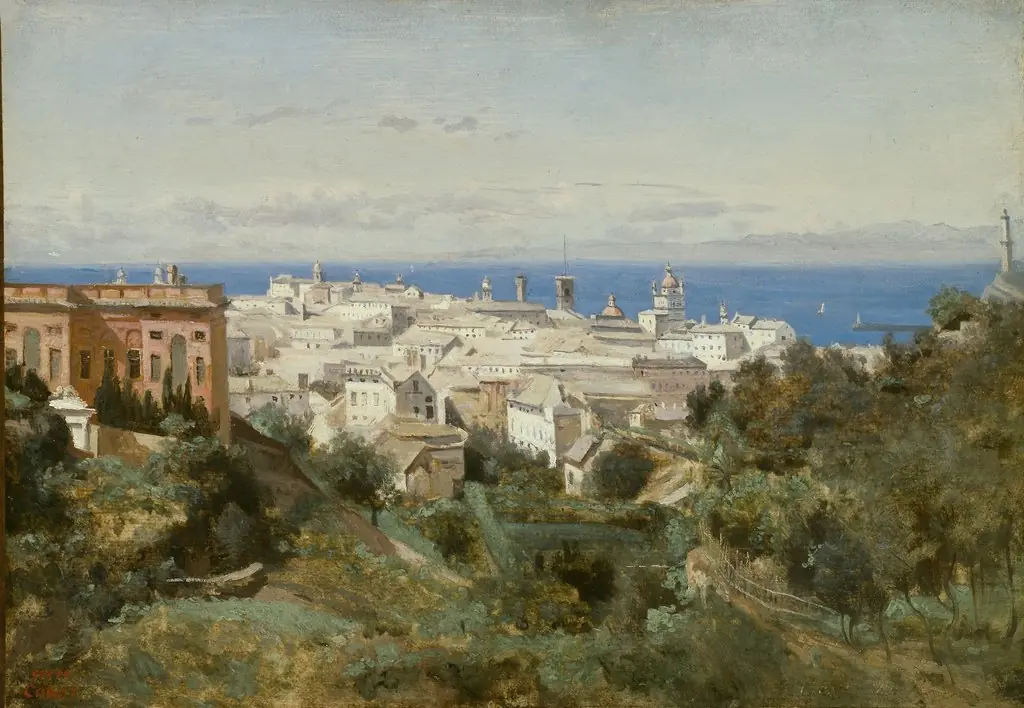 View of Genoa
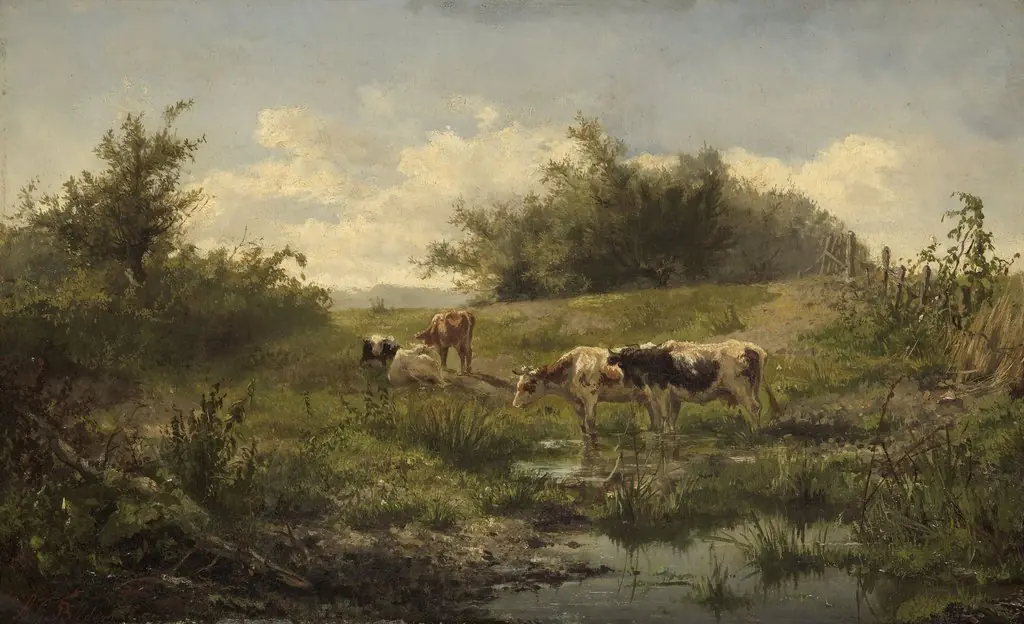 Cows at water's edge
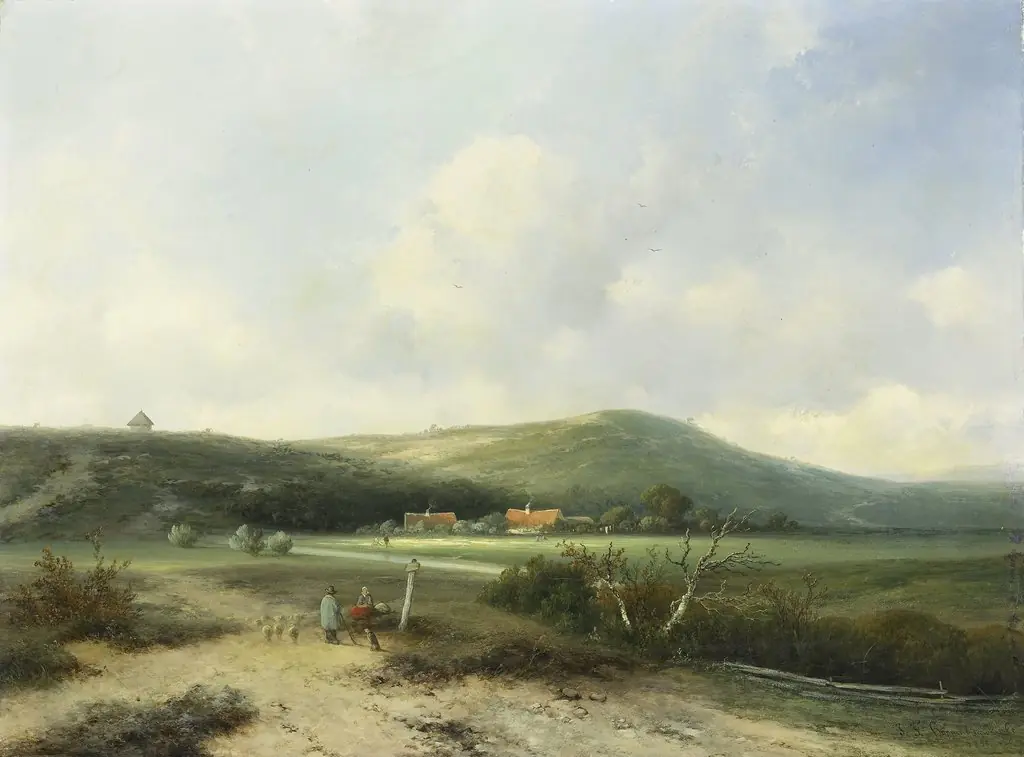 View in the Dunes
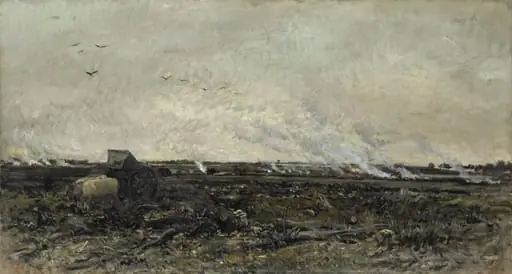 October
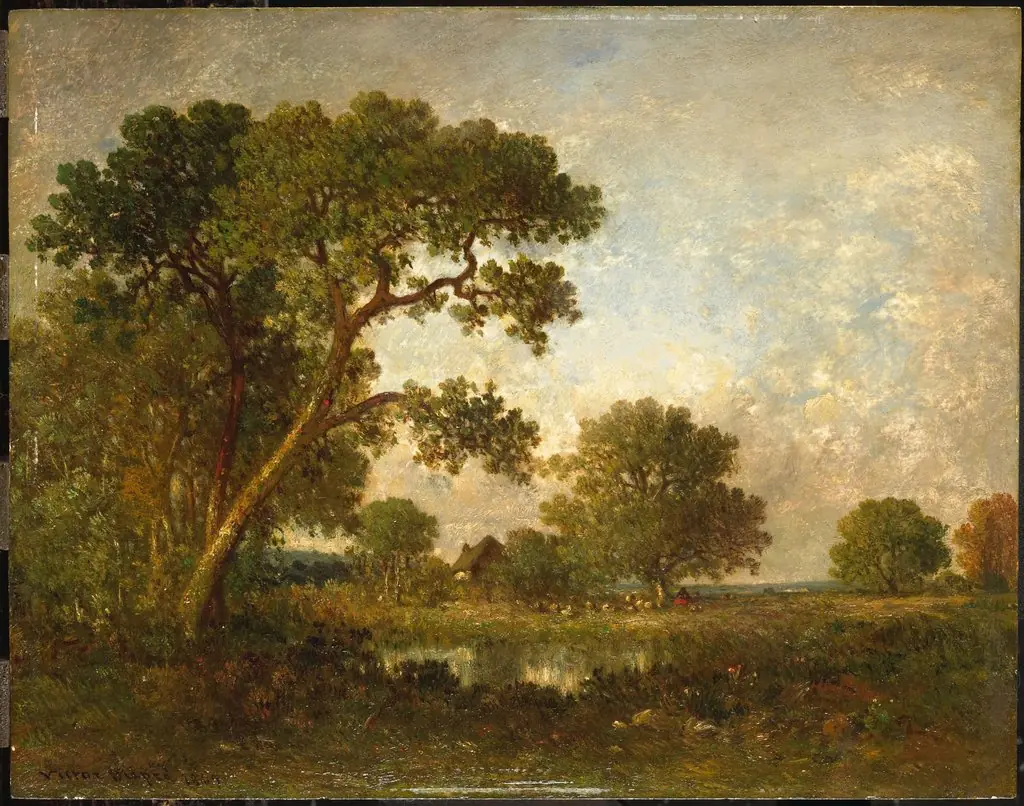 Landscape
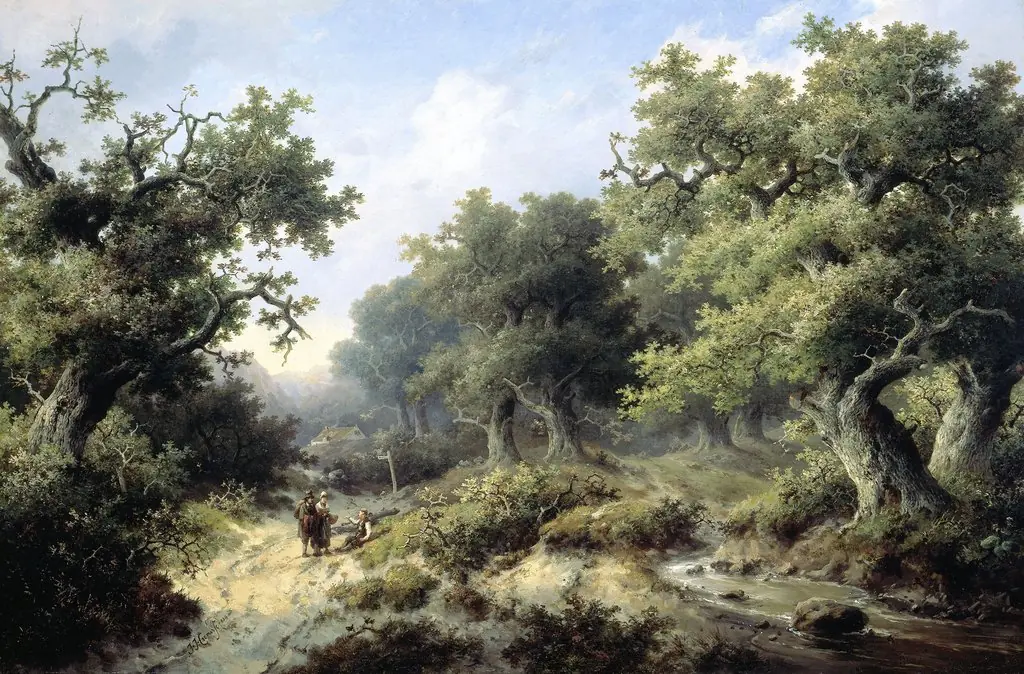 Wooded landscape with travellers
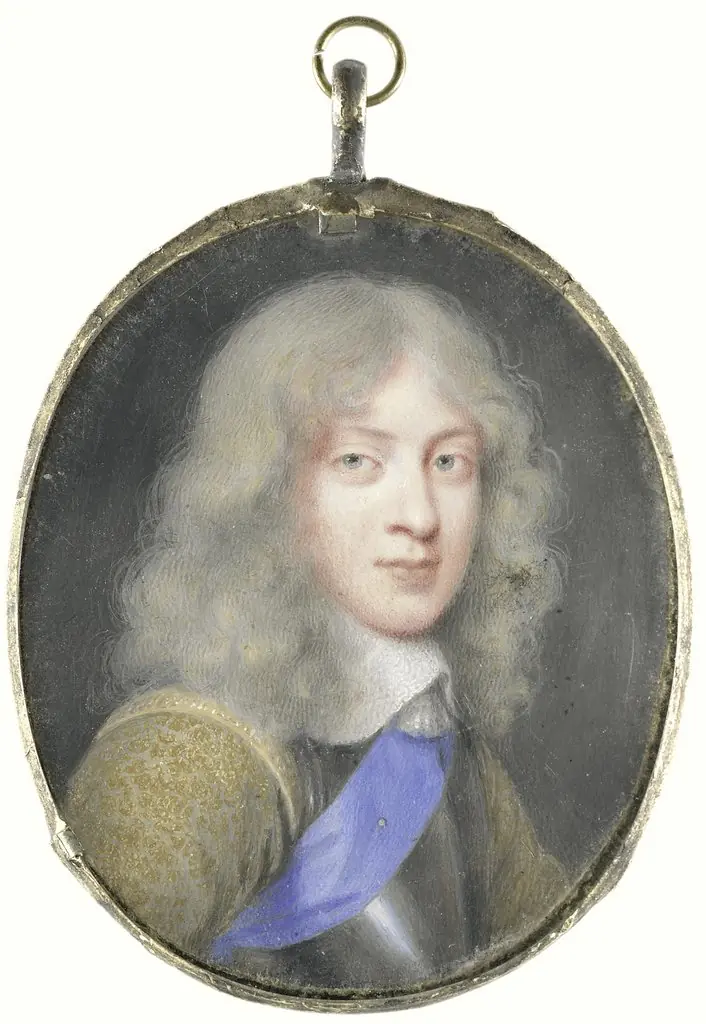 James II (1633-1701), the future King of England, at a young age
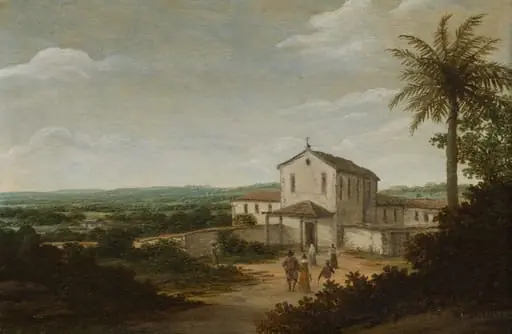 Church Building in Brazil
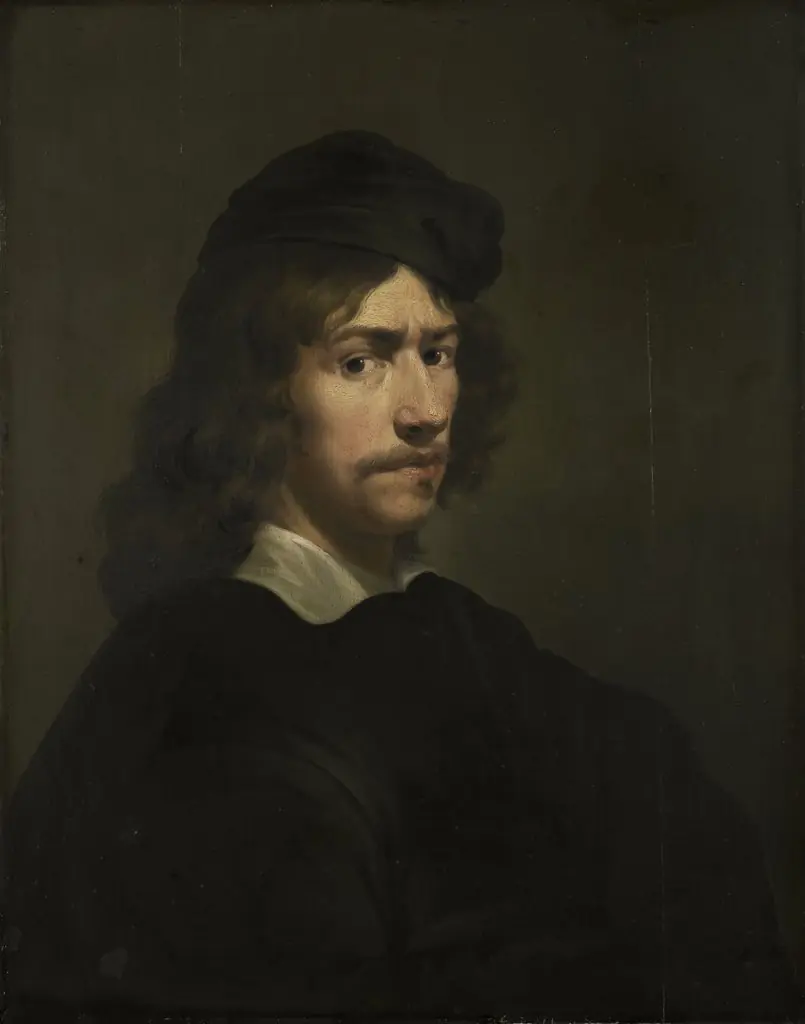 Self portrait
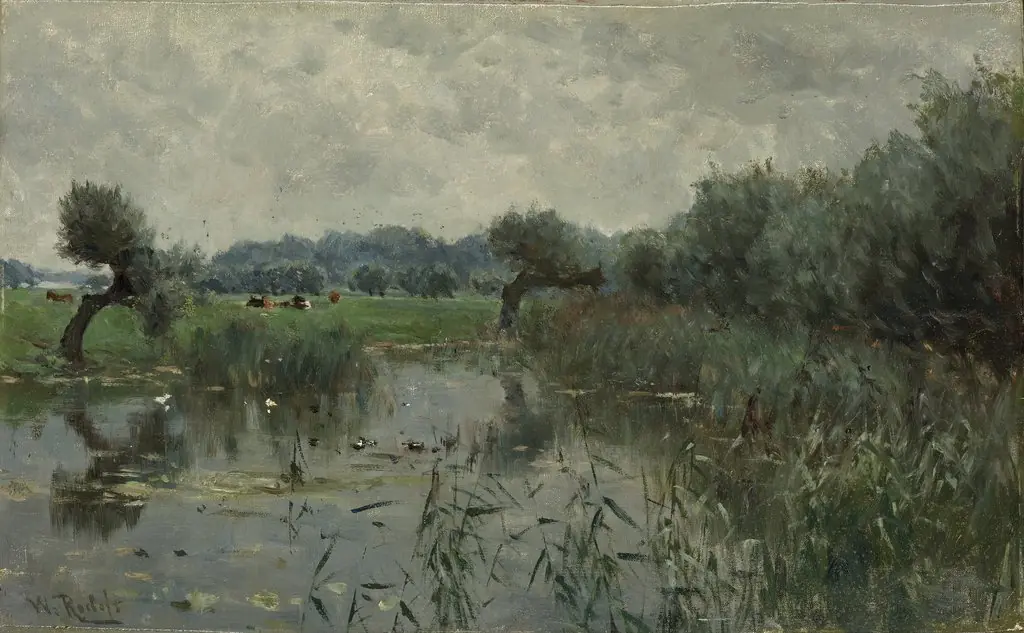 Water Meadows on the River IJssel
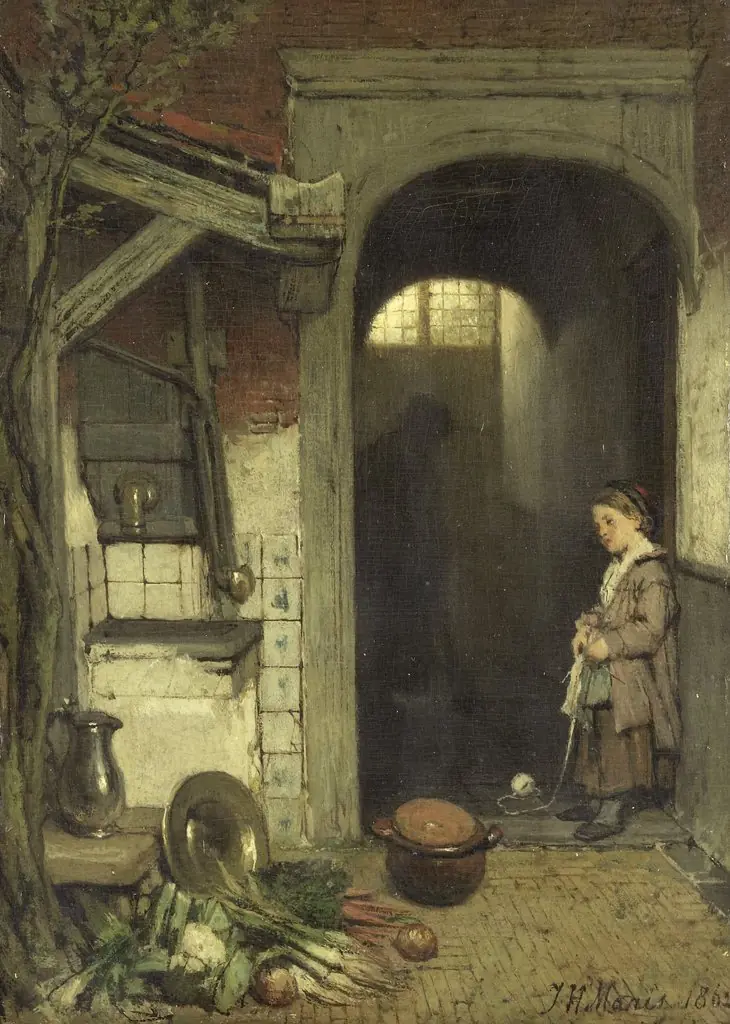 Small Courtyard
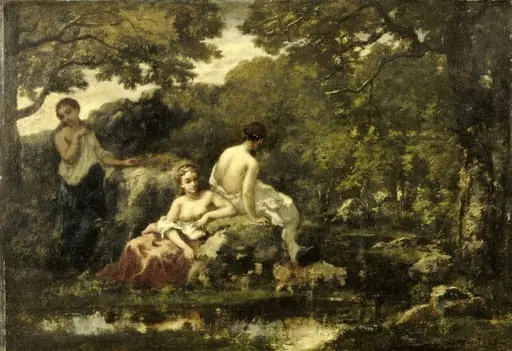 Idyll
Idyll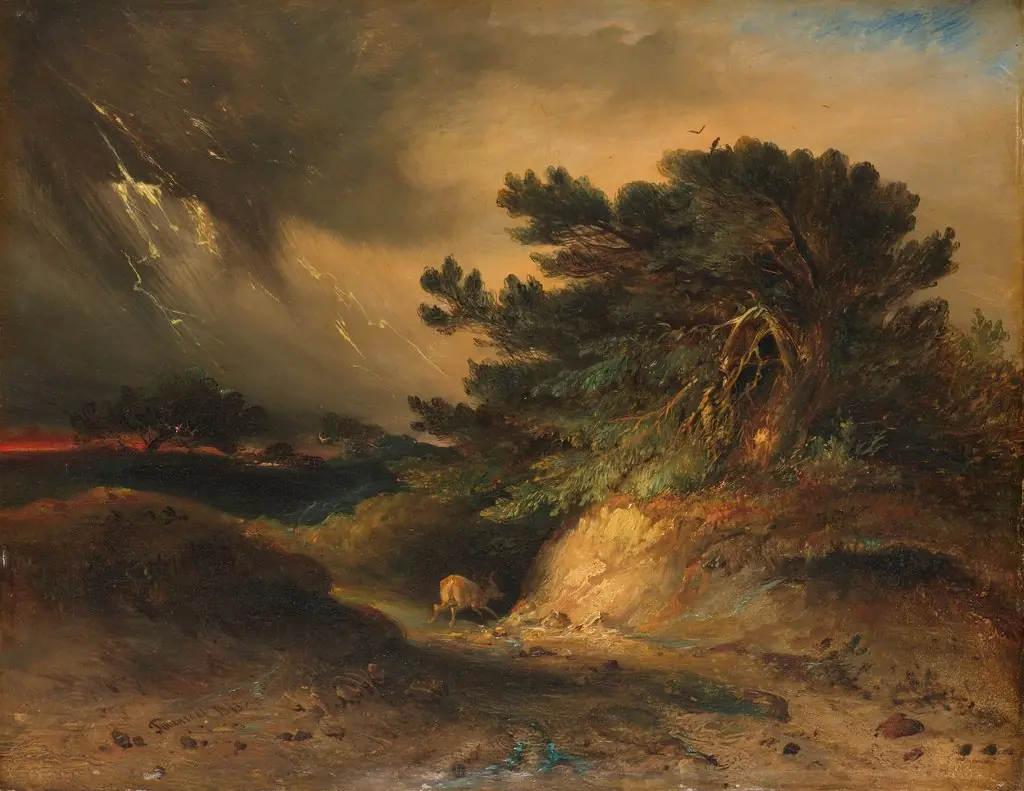 The Thunderstorm
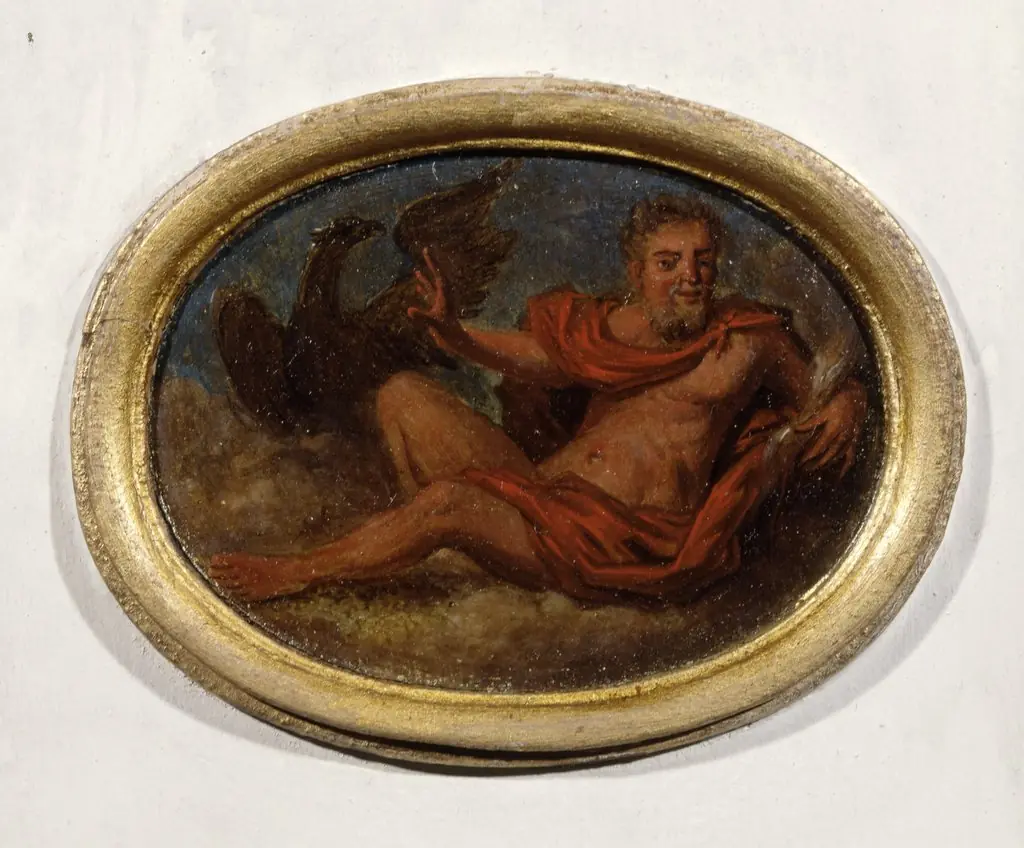 Jupiter
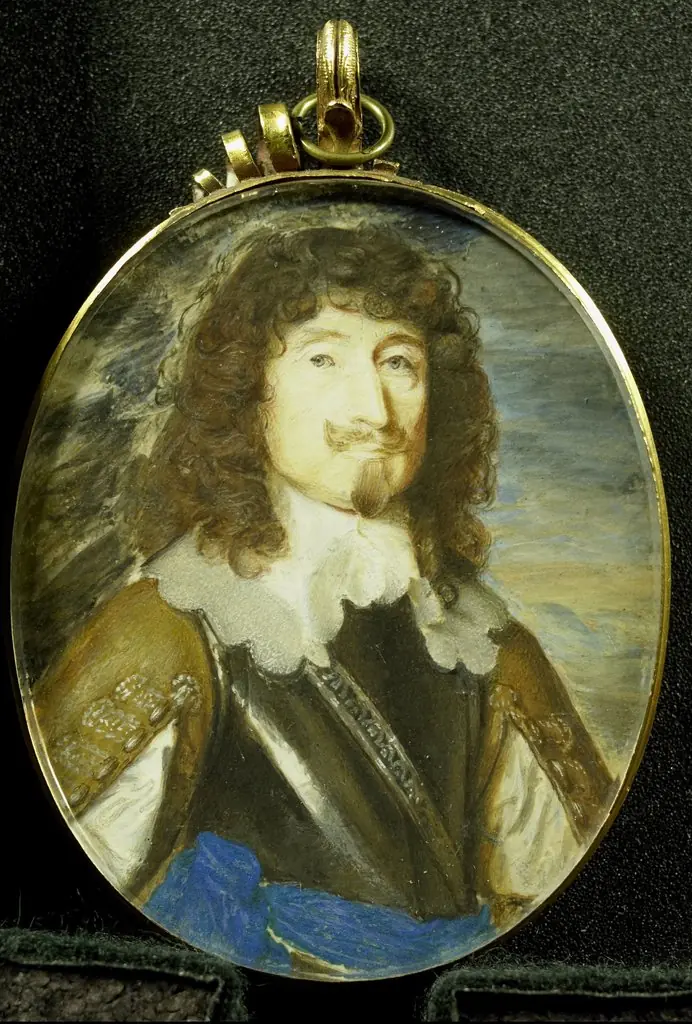 George Gordon (died 1649), 2nd marquess of Huntley
Groups & collectives
Learn this movement
Frequently asked questions
What is Barbizon school?
Barbizon school is an art movement. A colony of French landscape painters who settled in the village of Barbizon on the edge of the Fontainebleau forest from the 1830s, painting the local countryside directly from nature.
How many Barbizon school works does Artifact World Gallery have?
Artifact World Gallery holds 1,177 public-domain Barbizon school works, all free to view and download.
Who are the key Barbizon school artists?
Key Barbizon school artists in the collection include Jean Baptiste Camille Corot, John Frederick Kensett and Paul Joseph Constantin Gabriël.
When did Barbizon school take place?
Barbizon school dates from 1830–1870.
Where can I see Barbizon school works?
Barbizon school works in the collection are held by Rijksmuseum, Bavarian State Painting Collections and Victoria and Albert Museum.