Artwork
Street Scene in Windy and Rainy Weather
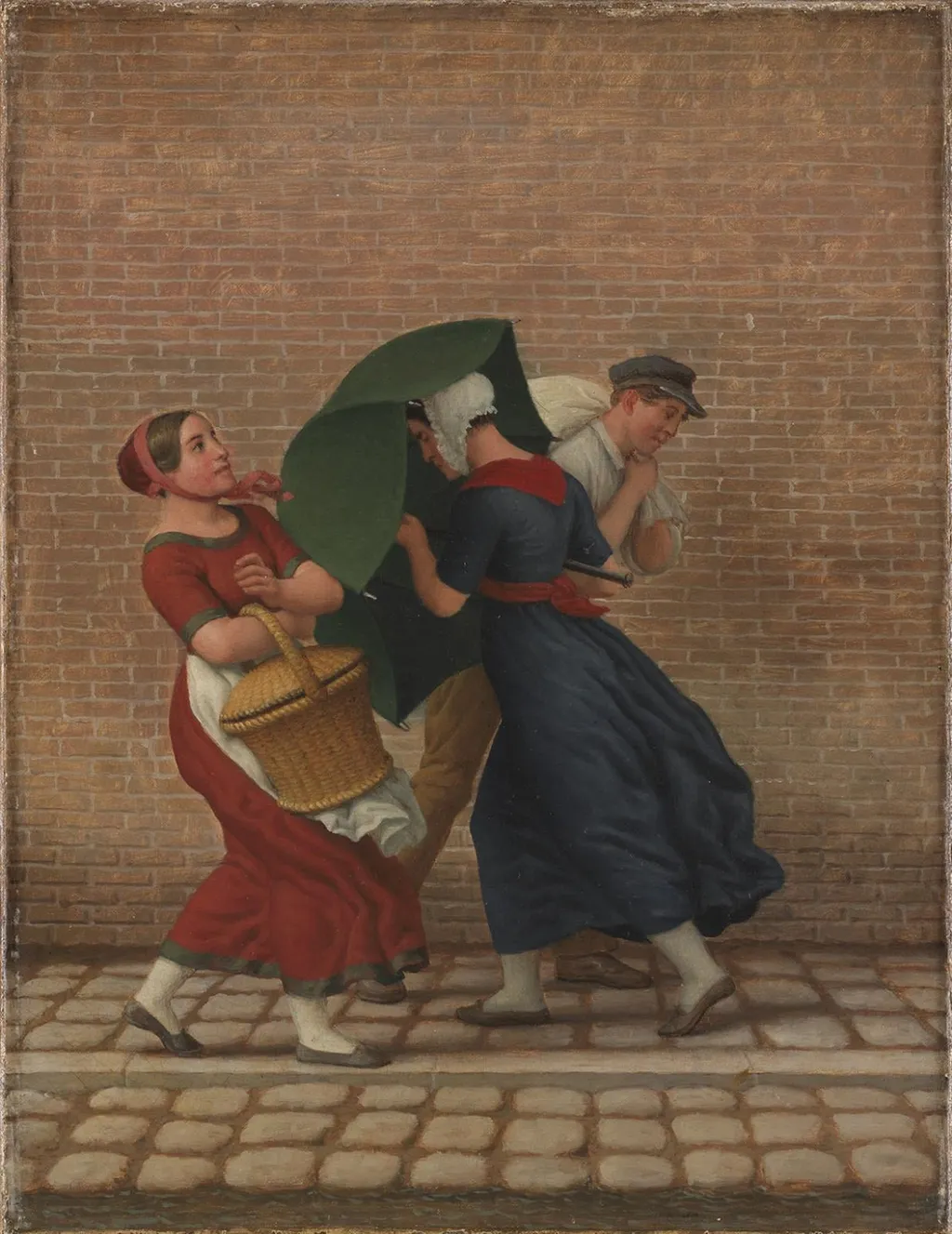
Street Scene in Windy and Rainy Weather is a photography by the Romanticist artist Unknown artist. It is held in the collection of the Statens Museum for Kunst. The painting depicts a bustling urban street during inclement weather, rendered in ink and color on silk.
About this work
Overview
Though traditionally dated to the 4th century, the claimed date of 1846 is inconsistent with the artist’s lifetime and likely an error.
The painting depicts a bustling urban street during inclement weather, rendered in ink and color on silk. Attributed to Xun Xu, a figure active in the early Jin dynasty, the work captures a moment of daily life amid natural forces. Though traditionally dated to the 4th century, the claimed date of 1846 is inconsistent with the artist’s lifetime and likely an error.
The piece resides in the Museum of Ethnography, where it is presented as an example of early Chinese genre painting.
Subject & Meaning
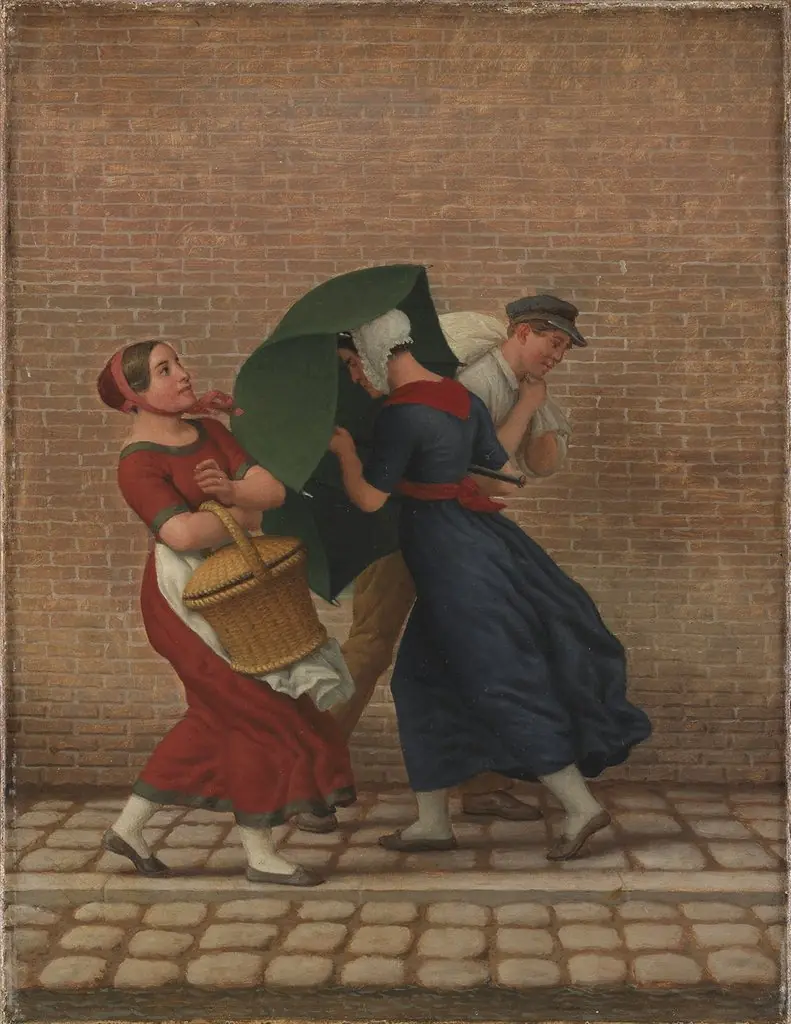
The scene portrays pedestrians navigating a rain-swept cobblestone lane, their postures bent against the wind, garments billowing in motion. Figures include men in wide-brimmed hats and layered coats, and women in long, flowing robes, suggesting social diversity. The composition emphasizes human vulnerability to nature, not as drama but as quiet endurance.
No narrative climax is present; instead, the focus lies in the rhythm of ordinary movement under adverse conditions.
Technique & Style
Brushwork is fluid and expressive, using varied ink tones to suggest wet surfaces and wind-driven fabric. Color is applied sparingly but deliberately, dull ochres, muted blues, and gray washes evoke dampness and overcast skies. Texture emerges through layered strokes, particularly in the depiction of clothing and cobblestones. The lack of perspective depth aligns with early Chinese compositional norms, prioritizing atmospheric effect over spatial realism.
History & Provenance
Xun Xu, a scholar-official and musician of the Jin court, is known for literary and artistic contributions, though few paintings survive under his name. The attribution of this work to him rests on stylistic comparison and historical records of his interests in daily life. The painting entered the Museum of Ethnography in the early 20th century, likely through private collection or diplomatic exchange, though its exact path before then remains undocumented.
Context
Produced during a period of political fragmentation following the fall of the Han, early Jin art often turned toward intimate, observational subjects as imperial grandeur waned. Genre scenes like this one reflect a growing interest in the lives of common people, distinct from earlier religious or courtly themes. The depiction of weather as an active force aligns with Daoist-influenced views of nature’s autonomy, a recurring motif in Southern Chinese painting traditions.
Legacy
While not widely reproduced or studied in Western art history, the painting contributes to understanding how early Chinese artists rendered weather and movement without Western naturalism. Its preservation offers insight into the evolution of genre painting in China, influencing later dynastic depictions of urban life. It remains a quiet example of how daily resilience was visually honored in a culture that often privileged harmony over spectacle.
Artist & collection
Artist
Xun Xu (c. 221 – 289), courtesy name Gongzeng, was a Chinese musician, painter, politician, and writer who lived during the late Three Kingdoms period and early Jin dynasty of China. Born in the influential Xun family,…

 Portrait of Emilie Henriette Massmann, Betrothed of Frederik Wilhelm Caspar von Benzon
 Landscape with Trees near Paris
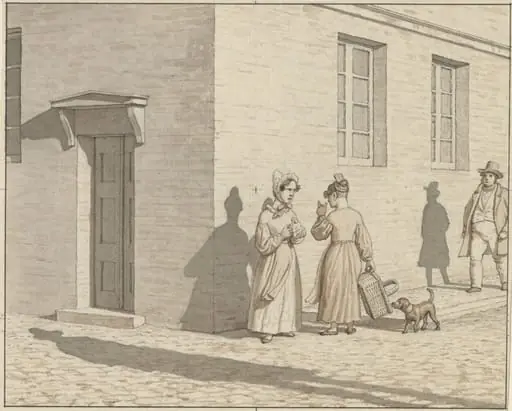 Linear Perspective as Applied in Painting - Plate VII, 1 - A Street Corner Encounter
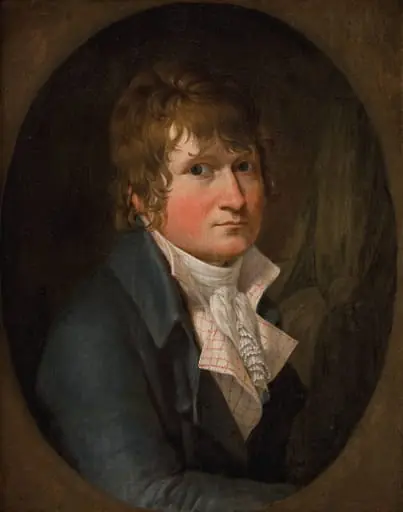 Self-Portrait
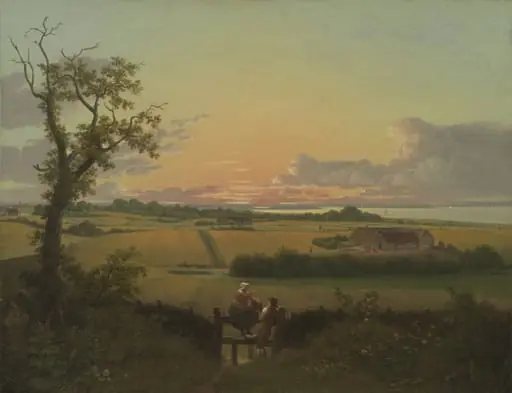 Landscape with a Stile. The Isle of Møn
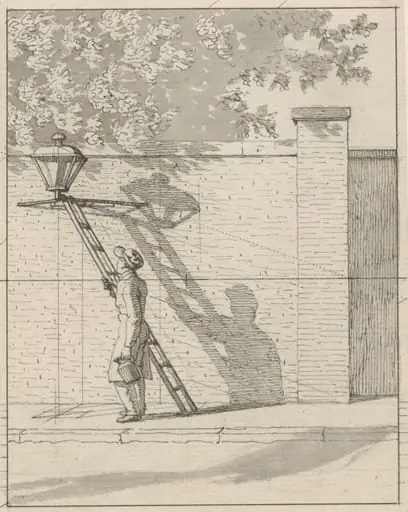 Linear Perspctive as Applied in Painting - Plate VI. The Street Lamp on the Garden Wall, Daylight
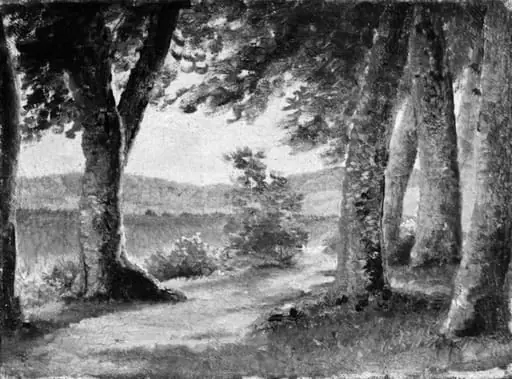 Study of a Wood
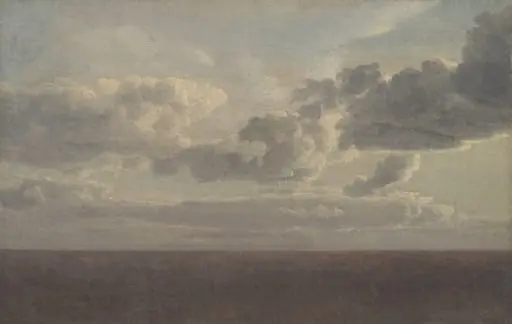 Study of Clouds over the Sea
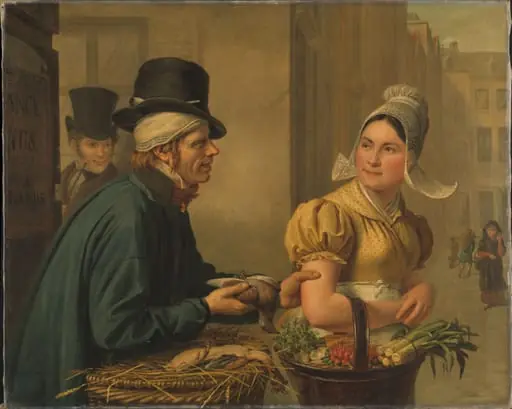 The Poultryman
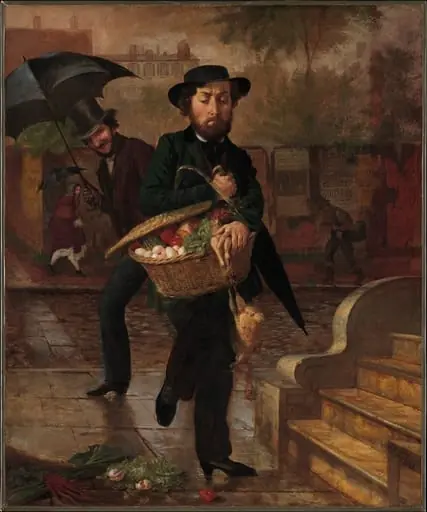 Young Husband: First Marketing
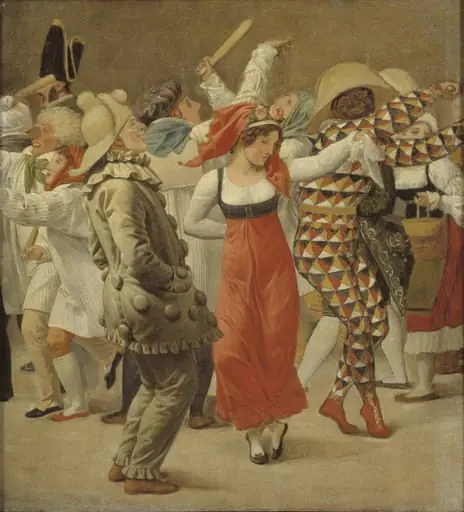 The Carnival in Rome. Fragment
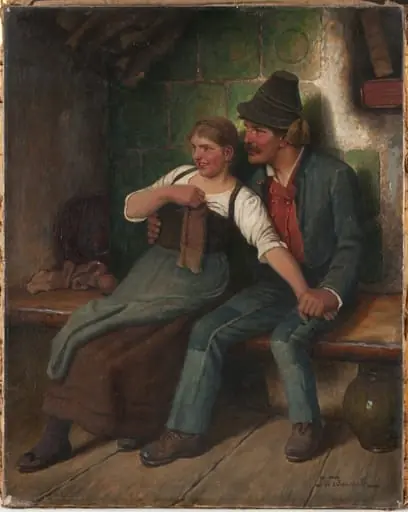 Junges Paar
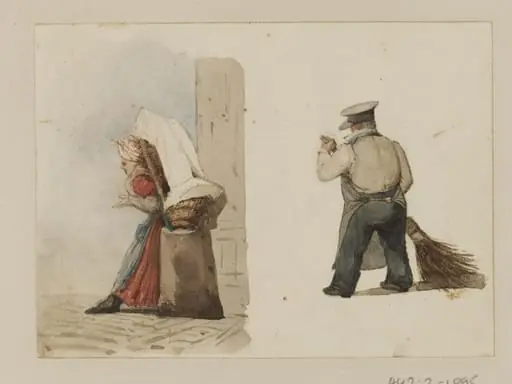 A woman resting a load on a post and a man sweeping
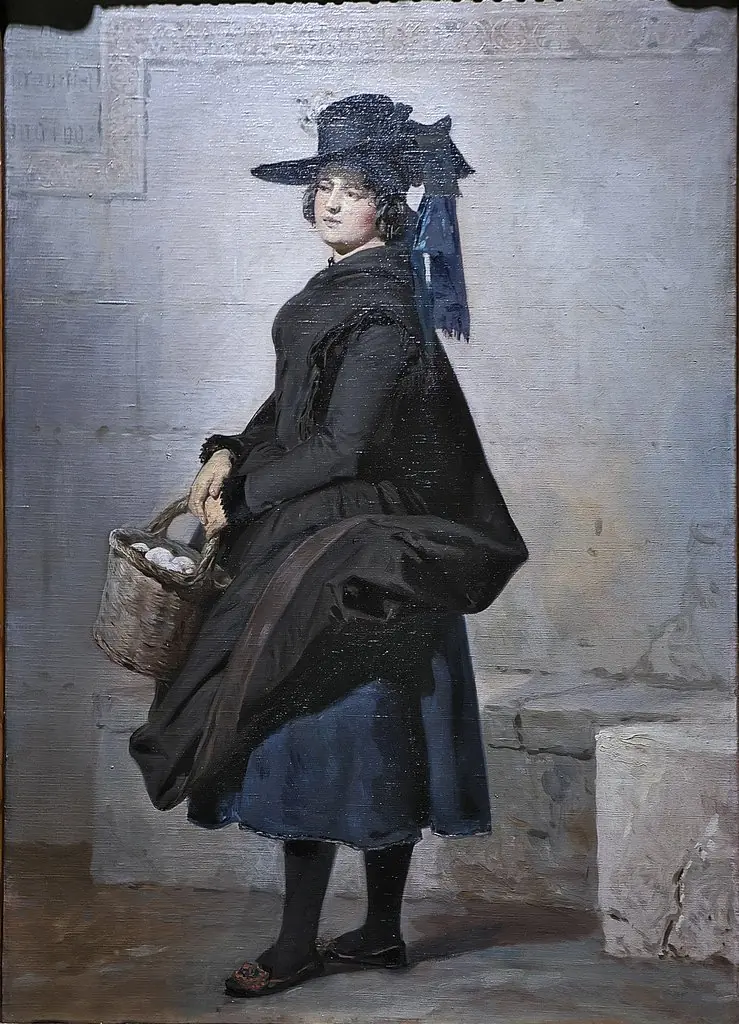 Aldeana del valle de Amblés (Tipos y costumbres de la provincia de Ávila)
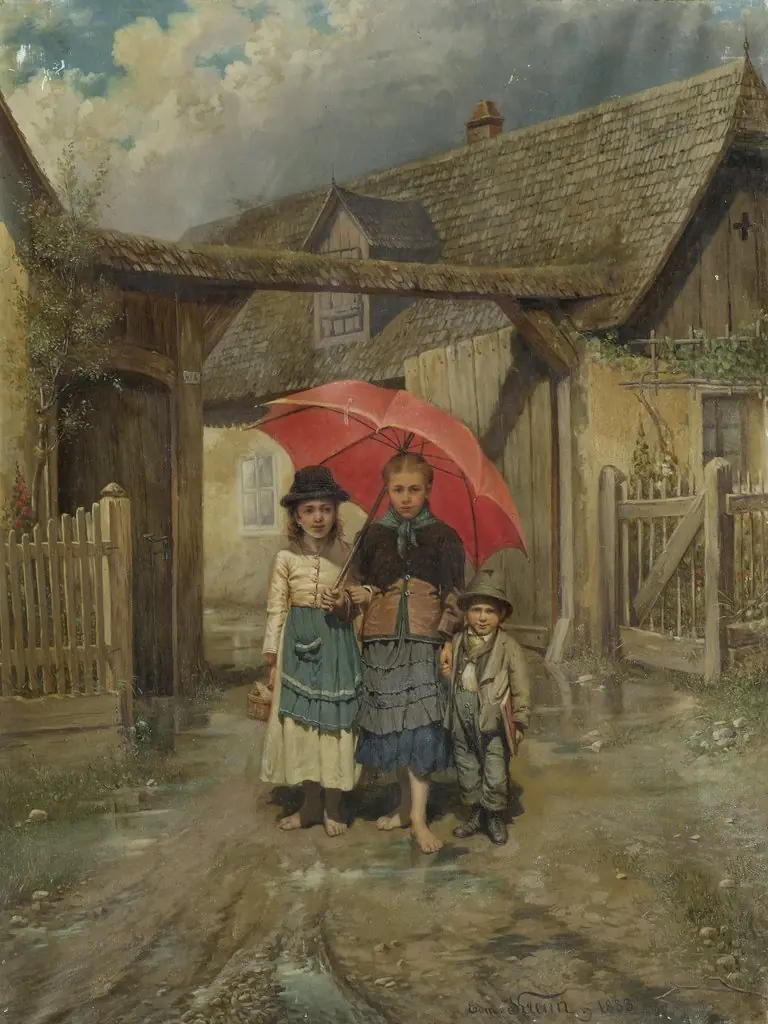 To School
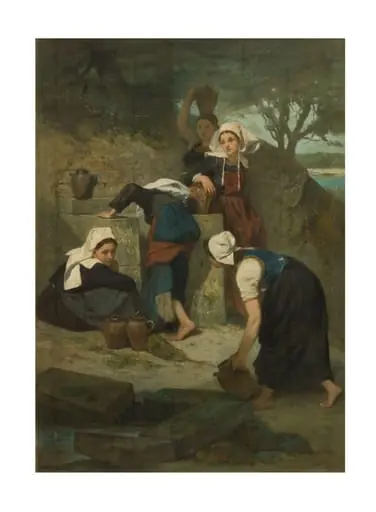 Girls at a Well
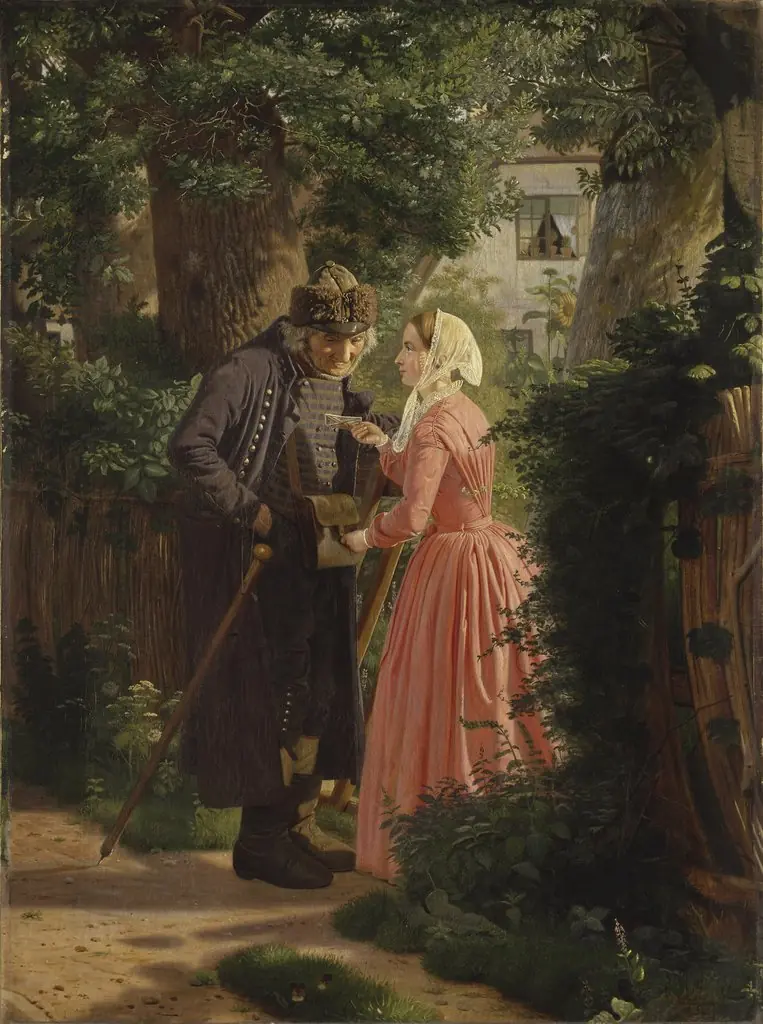 En ung pige beder landsbyens gamle postbud besørge et brev
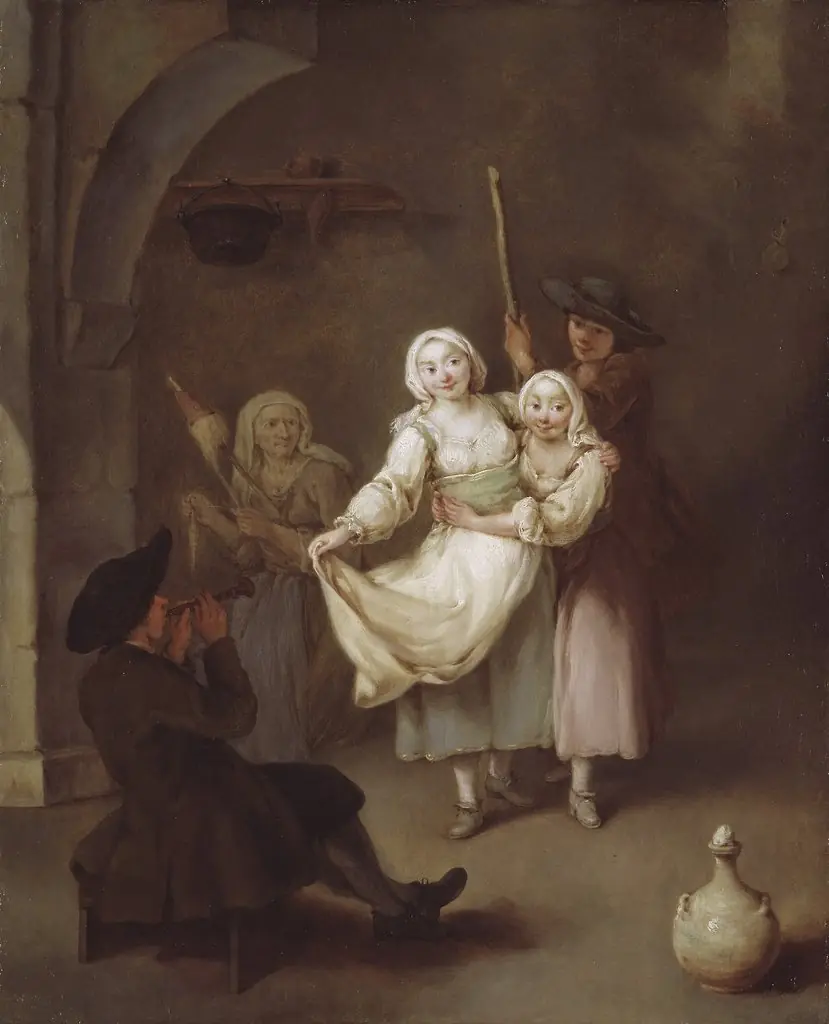 The Dance