Subject
Basket
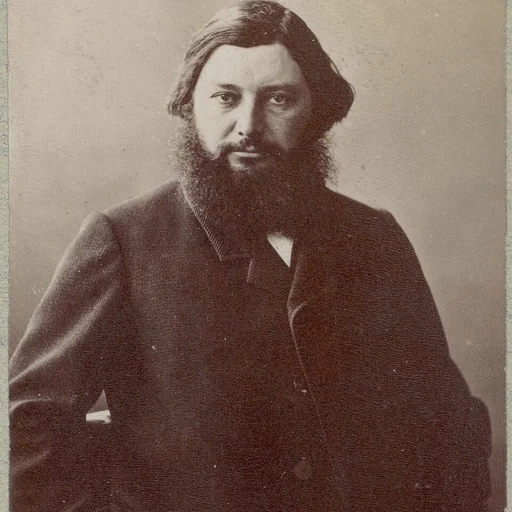
Basket is a subject in art. The gallery holds 122 works in this subject in art, including works by Gustave Courbet, Henry Lerolle and Jean Léon Gérôme.
The basket is among the oldest of human artifacts, and one of the oldest subjects in art. Woven from stiff plant fibers—wood splints, cane, willow, rush—or occasionally from horsehair, baleen, or wire, baskets predate pottery and appear in human imagery long before they became a theme in their own right. In ancient Greece they carried sacred weight: the *kanoun*, a shallow ritual basket holding barley, fillets, and the sacrificial knife, was borne in procession by the *kanephoros*, an unmarried aristocratic girl who led the rite at festivals such as the Panathenaia. More than a thousand surviving Attic vases depict baskets, documenting their forms and their place in both daily and ceremonial life, and the basket-bearer would resurface as a decorative figure in Renaissance art.
As an independent pictorial subject, the basket belongs above all to the history of still life. Caravaggio's *Basket of Fruit* (c. 1599, Biblioteca Ambrosiana, Milan), a wicker basket of apples, pears, peaches, and grapes perched on a ledge, is often called the first autonomous Italian still life. Its wilted leaves, sagging grapes, and worm-eaten fruit rejected idealization, and Caravaggio's claim that a basket of fruit deserved the same labor as a human figure helped overturn the academic hierarchy of genres. The motif had deep Flemish roots, and it would be carried forward by painters of flowers and produce, including Henri Fantin-Latour, whose *Basket of Roses* fills the canvas with massed blooms.
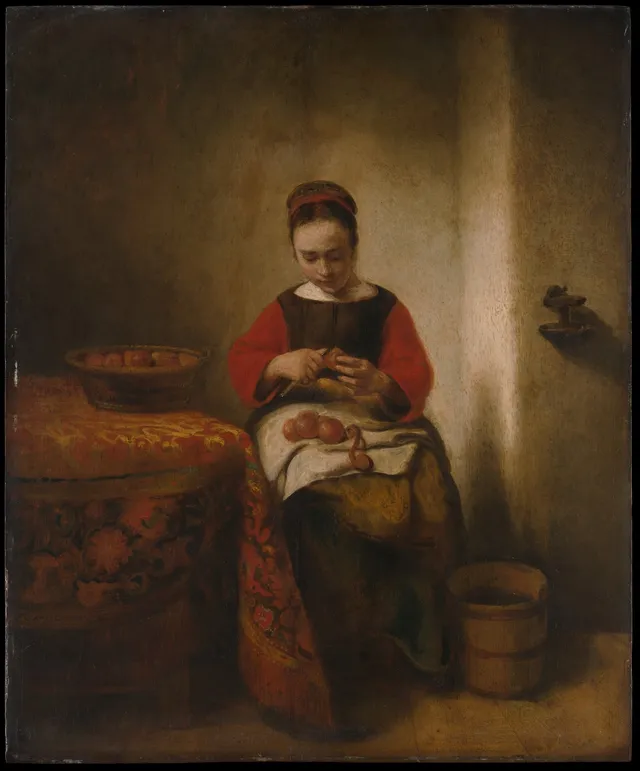
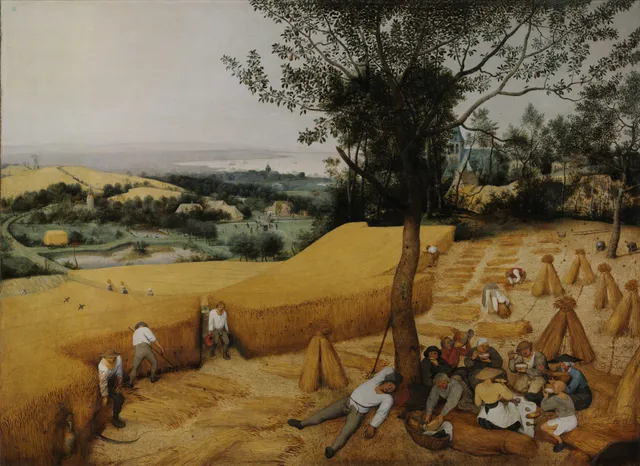
In northern European painting the basket more often served as an attribute of labor, harvest, and domestic life. Pieter Bruegel the Elder set baskets among the sheaves of *The Harvesters* (1565), and Dutch genre painters made them quiet signs of work and virtue—as in Nicolaes Maes's *Young Woman Peeling Apples* and the household scenes of Jan Steen. François Boucher's *Washerwomen* and Bernhard Keil's *The Lacemaker* likewise fold the basket into images of female industry.
The subject was renewed by modernism. Paul Cézanne's *The Basket of Apples* (c. 1893, Art Institute of Chicago) tilts its basket on an impossible, angled table, breaking single-point perspective in ways that fed directly into Fauvism and Cubism. Pierre Bonnard's *The Terrace at Vernonnet* shows how the humble container persisted into Post-Impressionist color and light—proof of the basket's long passage from sacred object to icon of ordinary life.
Key artists

Overview
A basket is a container traditionally constructed from stiff fibers and woven by hand, typically left open on top and occasionally fitted with a lid. While most are made from plant materials like wood splints, runners, cane, willow, straw, or rattan, weavers also use horsehair, baleen, metal wire, plastic, and carbon fiber. Baskets predate woven containers, evolving from early tree bark vessels that crumbled after a few uses. Weaving strips of bark to reinforce these early vessels eventually led to entirely woven baskets, with the last major innovation being baskets so tightly woven they could hold water. Today, the practice of basket making has evolved into an art form, allowing makers a wide choice of colors, materials, sizes, patterns, and details.
Iconography & meaning
In art, the basket carries a dual significance as both a utilitarian object and a rich symbolic vessel. Its iconography is deeply tied to its functional origins in harvesting, storage, and transport. The carrying of a basket on the head, particularly by rural women, has been practiced since antiquity, and representations of this in Ancient Greek art are specifically called canephorae. Beyond their practical use, baskets often hold ceremonial and religious meaning. They serve as measures of produce in historical metrology, and their contents frequently act as metaphors, such as in the colloquial phrase advising against putting all eggs in one basket, where the basket represents a single method or option for success.
Across movements & periods
The treatment of the basket in visual and material culture shifts significantly across periods and cultures, reflecting local resources and evolving techniques. Archaeological evidence from the Middle East shows weaving techniques used for mats and baskets circa 8000 BCE, with twined baskets dating to 7000 BCE in Oasisamerica and interwoven techniques common by 3000 BCE. Regional plant life dictated material and technique, from the thin grasses of temperate zones to broad-leaved tropical bromeliads and palm families. During the Viking Age, whalers used baleen to weave baskets. Over time, the craft transitioned from a purely rural and domestic necessity into an industrialized trade, with regional hubs like Lichtenfels in Germany becoming centers for export and specialized schooling, while modern techniques have incorporated plastic and wire.
Notable depictions
While the basket is a ubiquitous motif across art history, its specific depictions vary widely based on cultural and functional context. In Ancient Greek art, notable depictions include the canephorae, young women carrying baskets on their heads in ceremonial processions. In the medieval period, the basket appears as the marskramersmand, the backpack basket of itinerant merchants. In 19th-century Dutch and French genre painting, the basket became central to depicting everyday labor and still life, as seen in works featuring washerwomen, milkmaids, and lacemakers. Beyond painting, the basket is notably depicted in architectural and fashion history as the panier, a structural undergarment used to support wide skirts, and in the form of the woven beehive, known as the bijenkorf.
Legacy
The legacy of the basket extends beyond its physical form into language, specialized industries, and cultural preservation. Figuratively, it has generated enduring idioms such as going to hell in a handbasket, signifying rapid deterioration, and serving as a colloquial adjective for those born out of wedlock in British English. The industrial heritage of basketry is preserved through specialized institutions like the Fachschule für Korbflechterei in Lichtenfels, and the craft received international recognition in 2025 when UNESCO added the traditions of basket making in Poland to the Representative List of the Intangible Cultural Heritage of Humanity. Historically, the craft also provided vital economic independence, as blind individuals were systematically instructed in basket weaving to contribute to their livelihoods.
Works
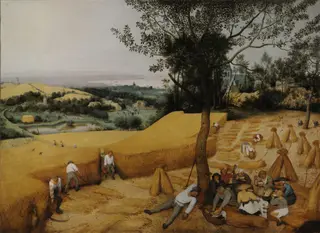 The Harvesters
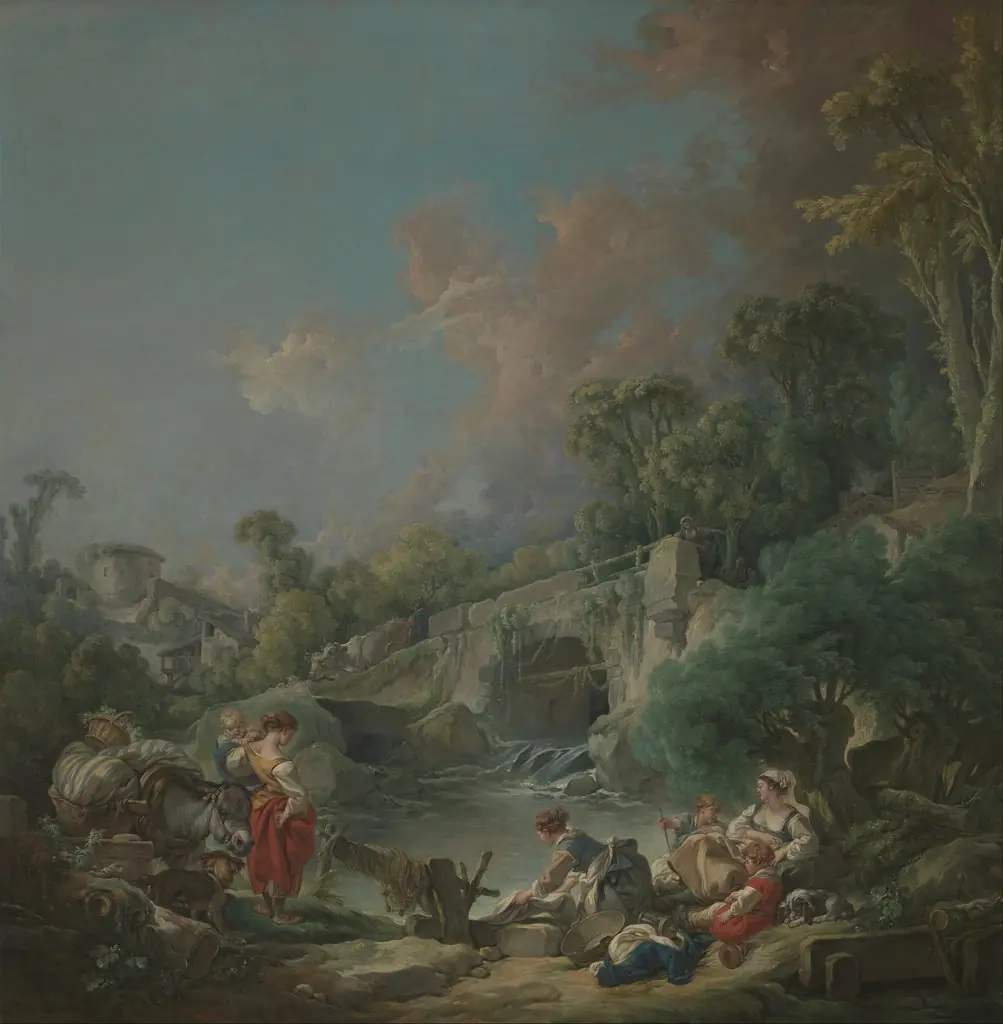 Washerwomen
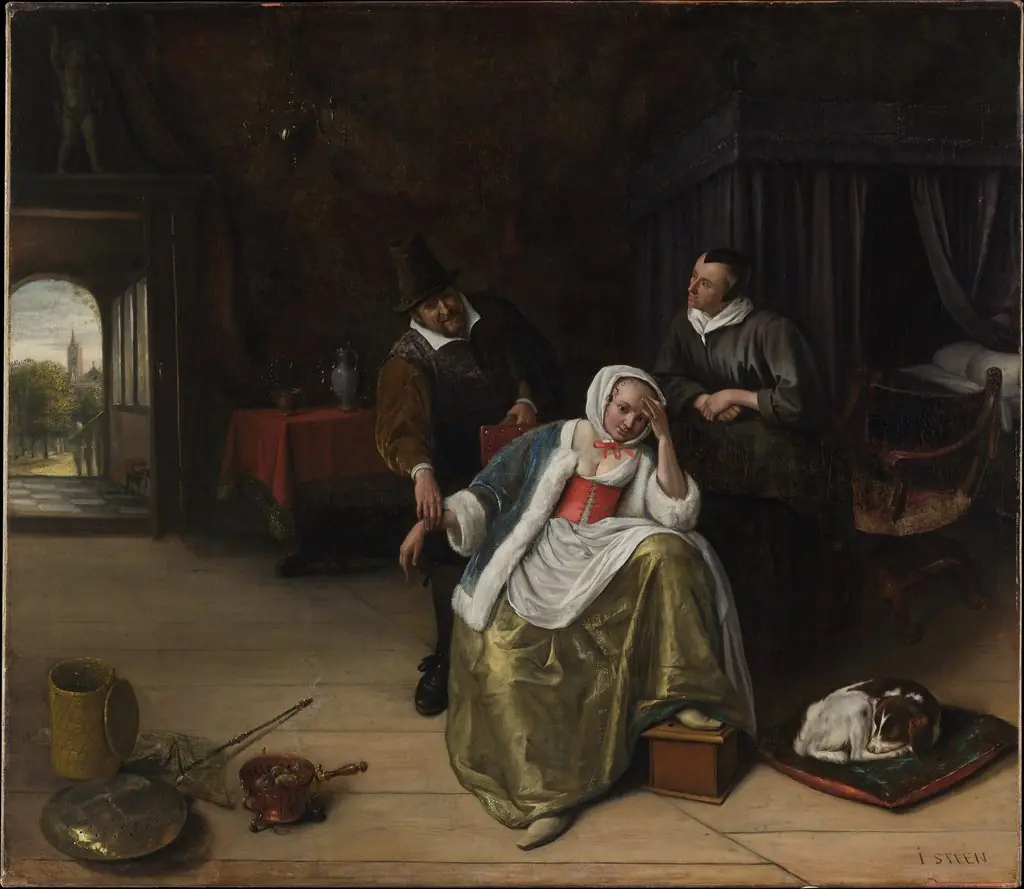 Paintings of physicians by Jan Steen
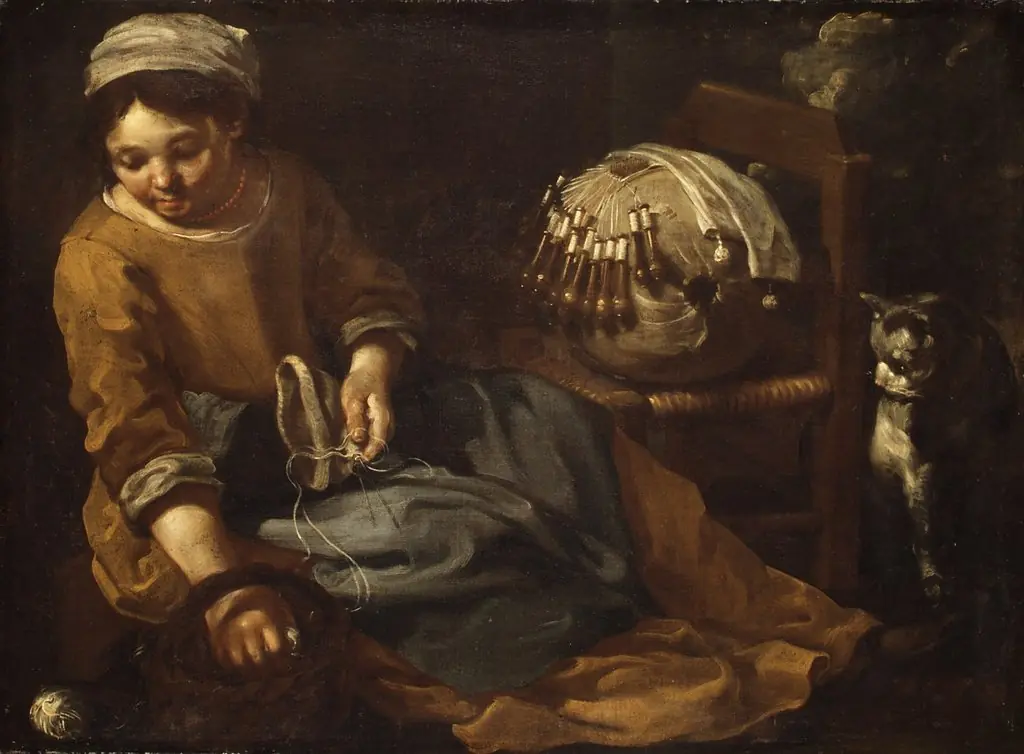 The Lacemaker
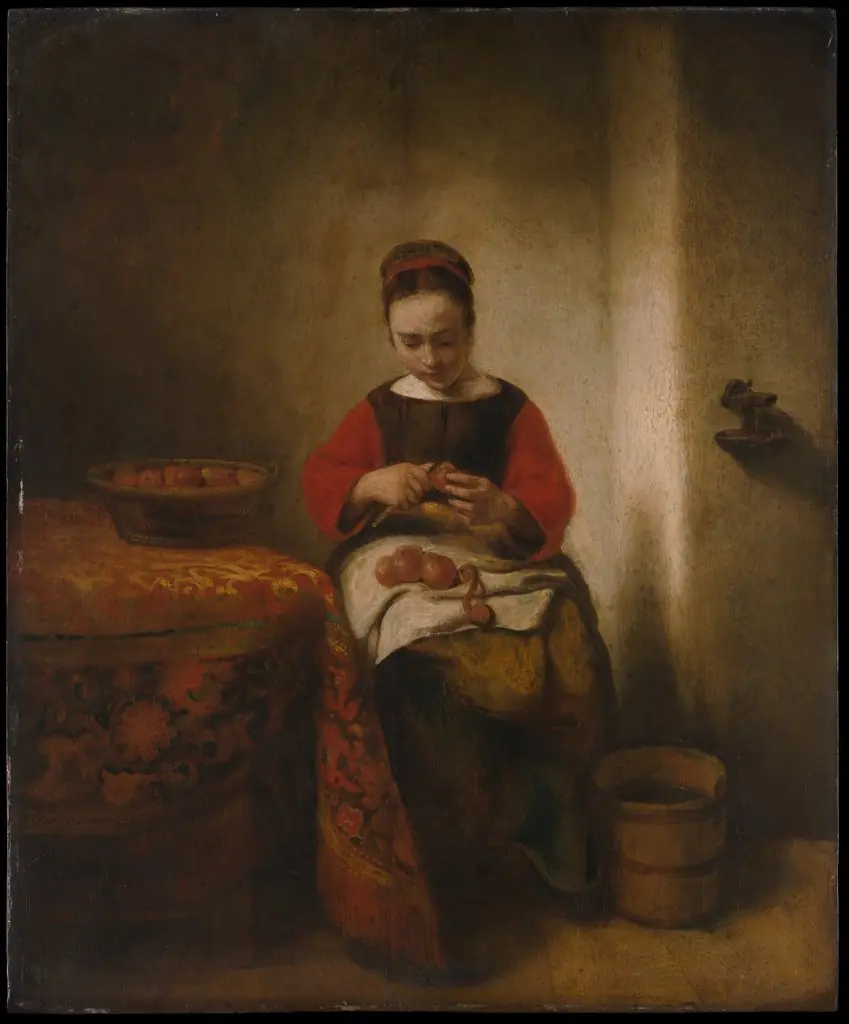 Young Woman Peeling Apples
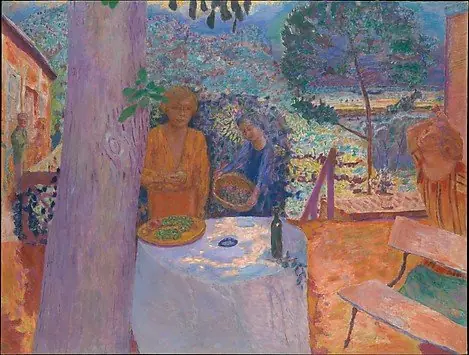 The Terrace at Vernonnet
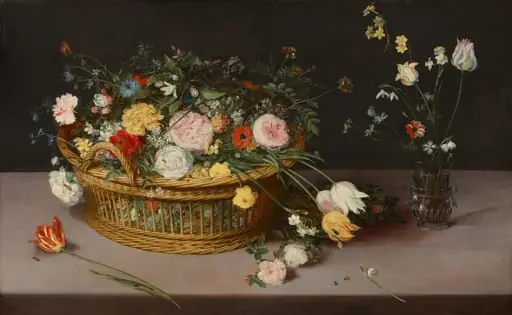 Flowers in a Basket and a Vase
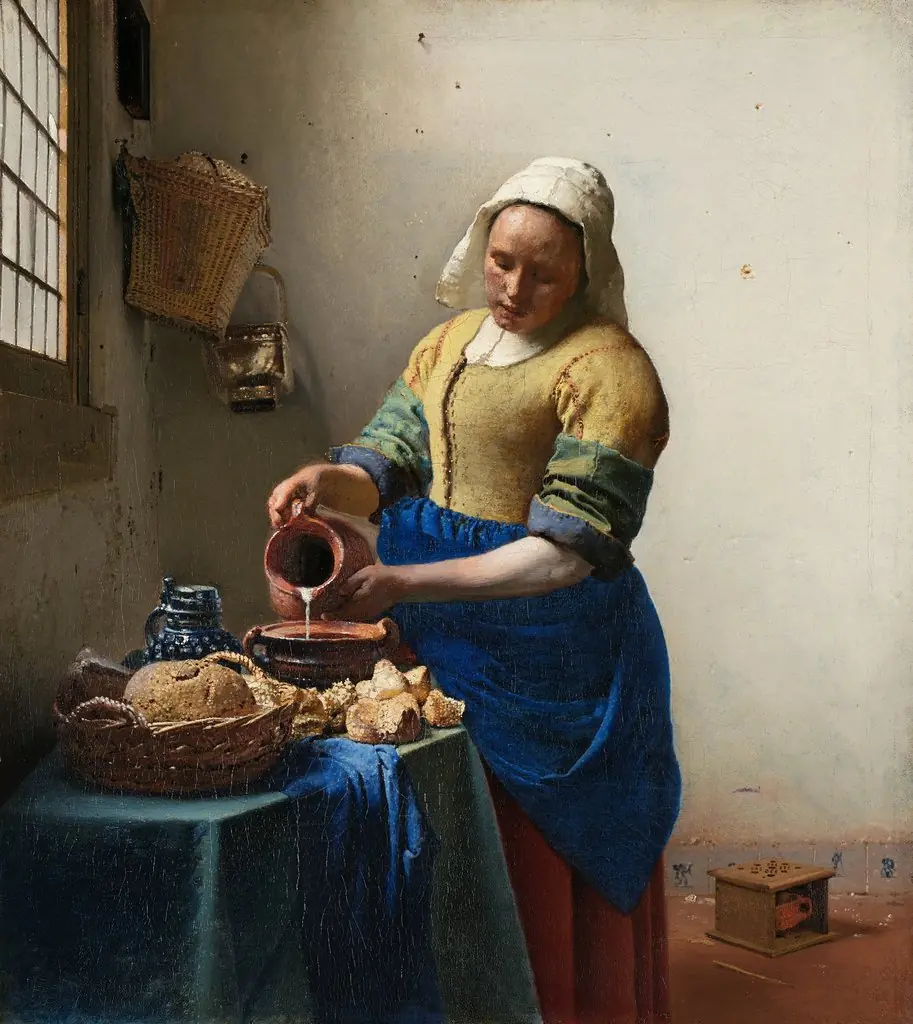 The Milkmaid
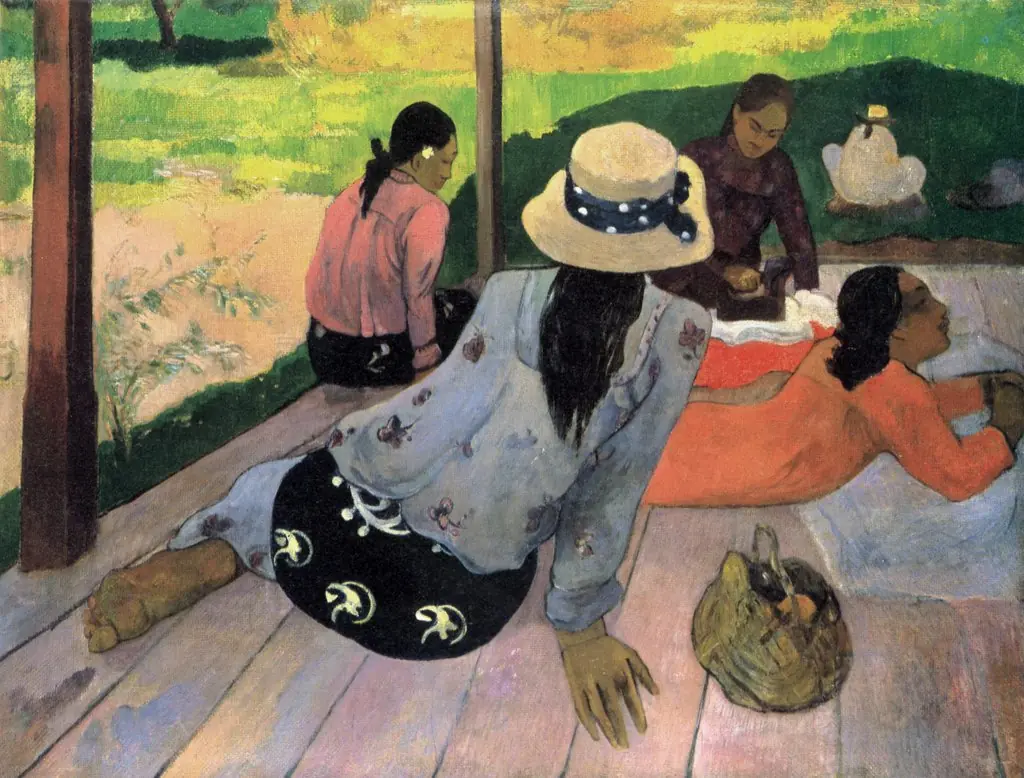 The Siesta
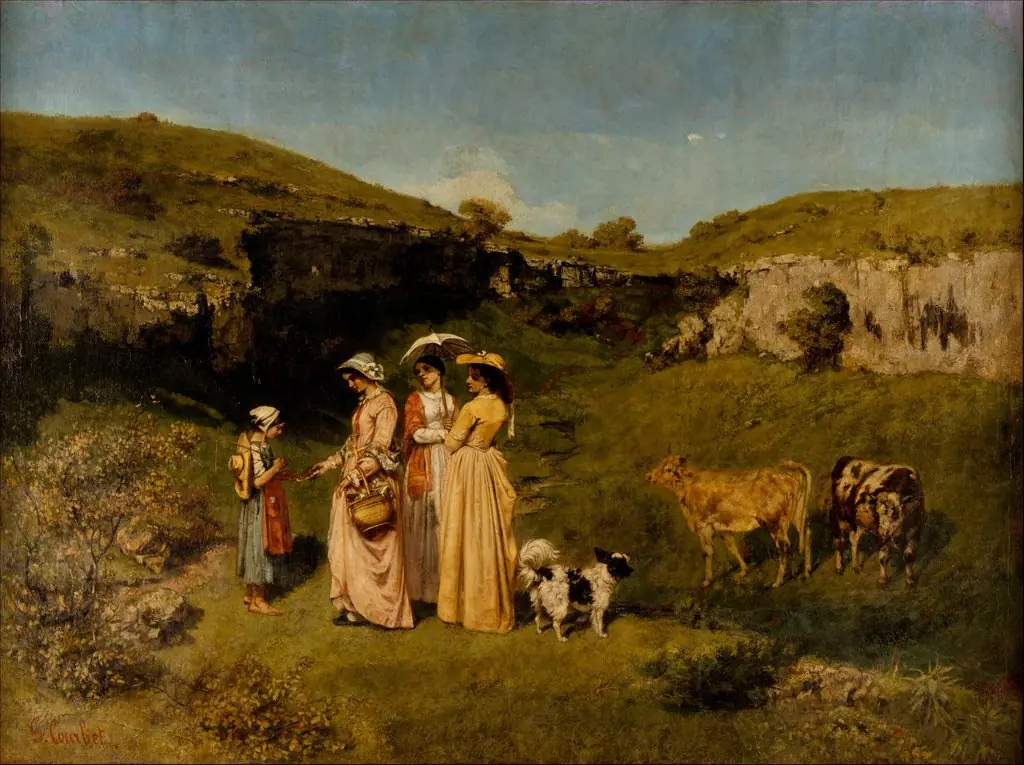 Young Ladies of the Village
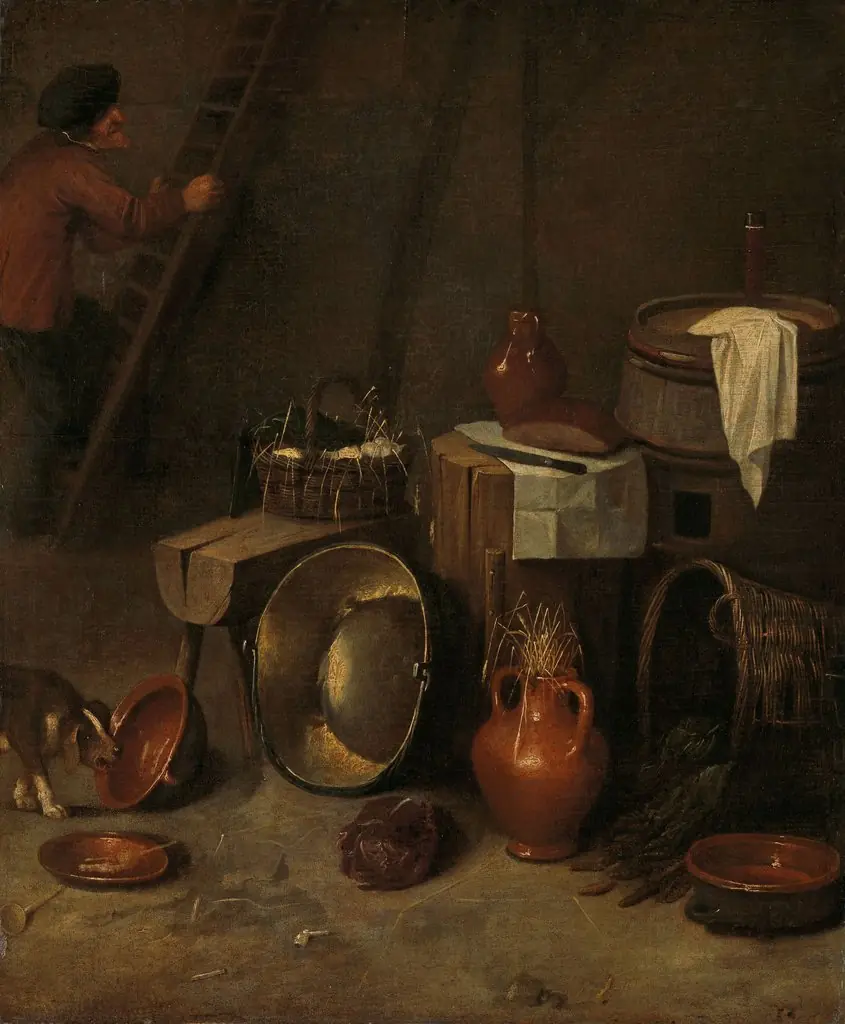 Still life in a stable
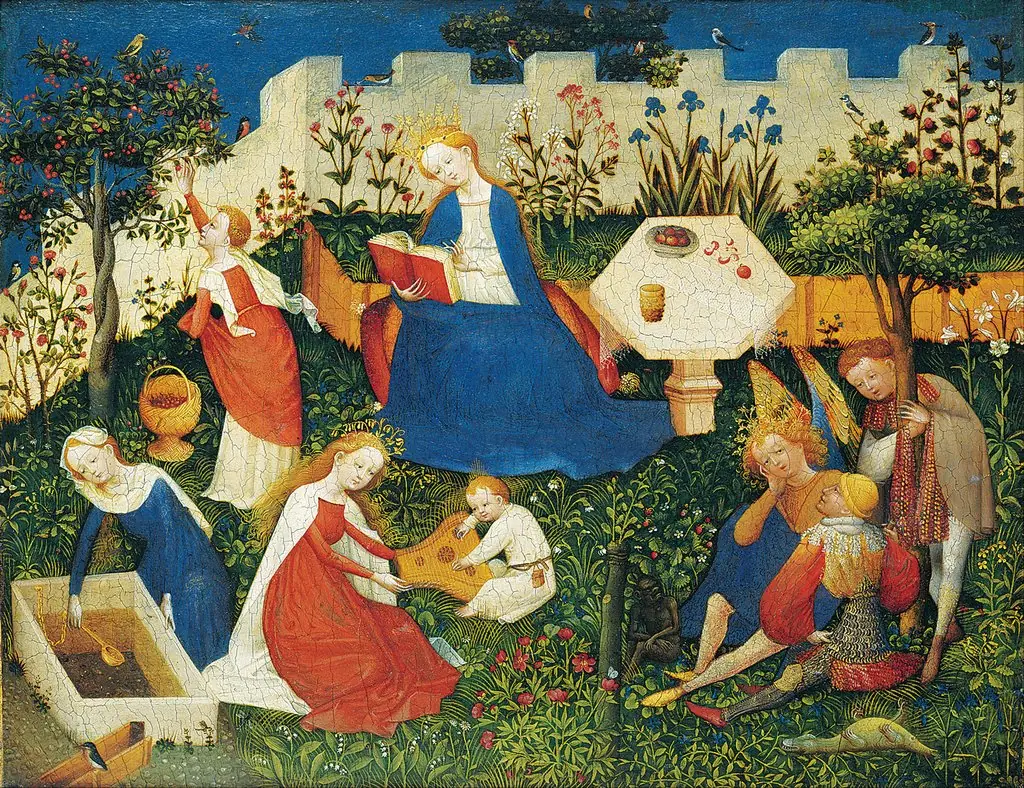 Paradiesgärtlein
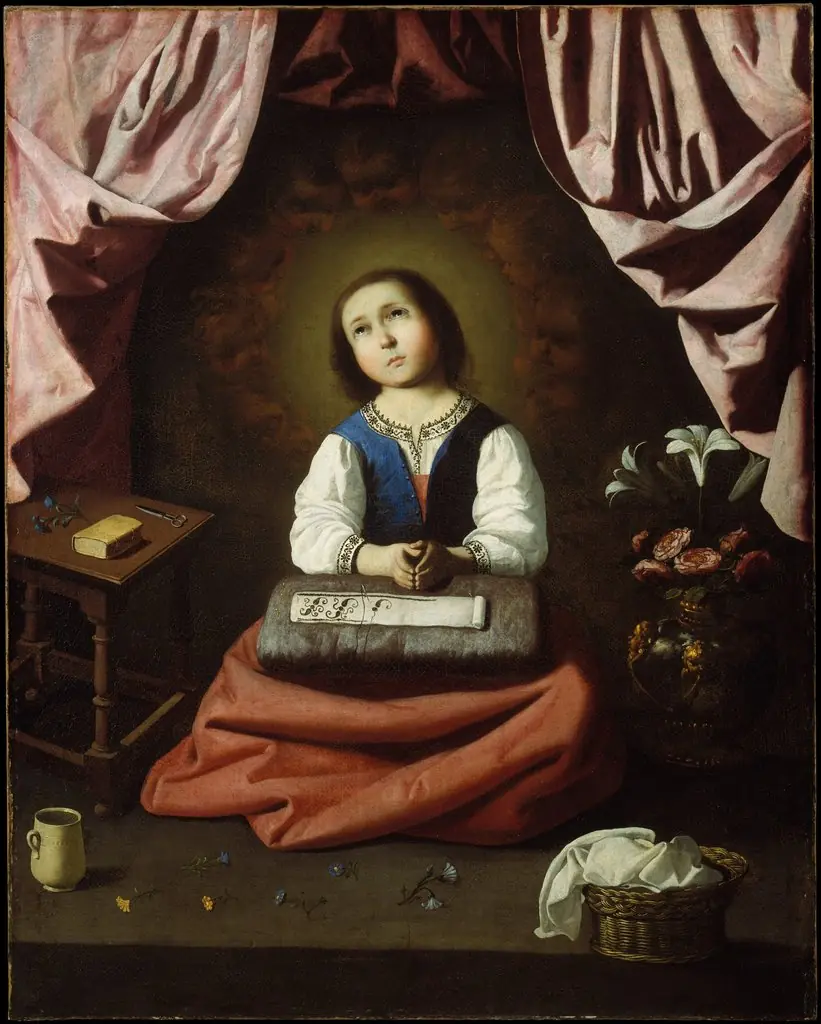 The Young Virgin
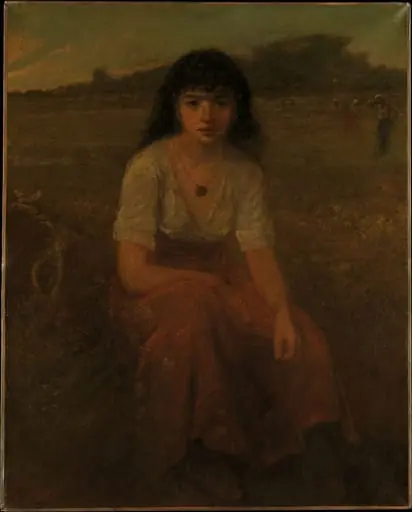 The Quadroon
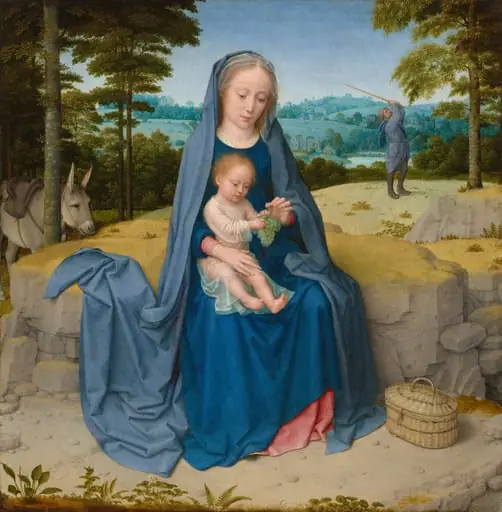 The Rest on the Flight into Egypt
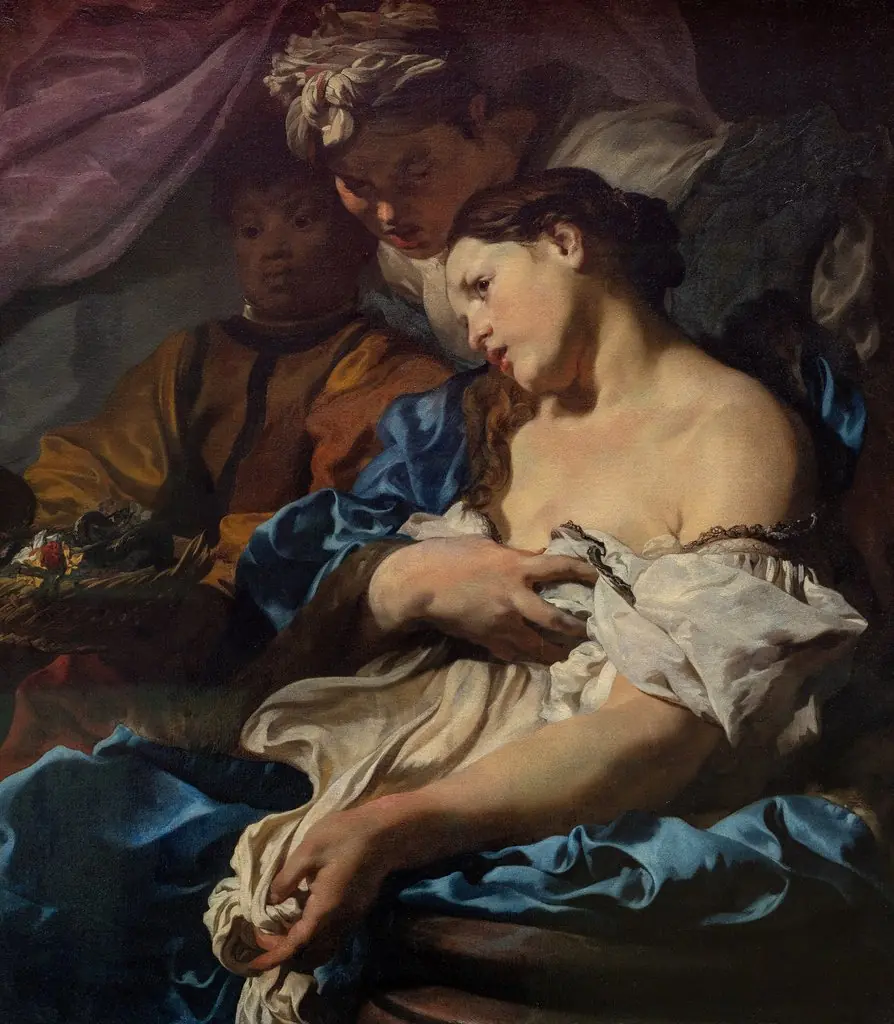 The Death of Cleopatra
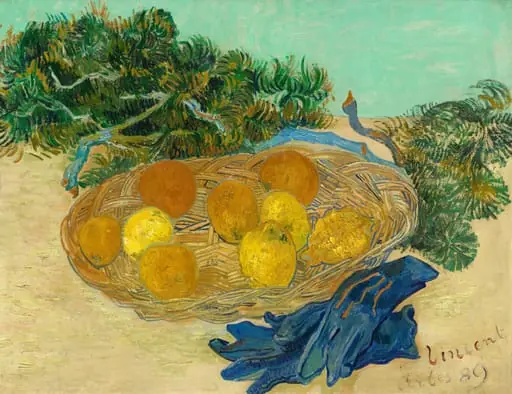 Still Life of Oranges and Lemons with Blue Gloves
 Children's Games
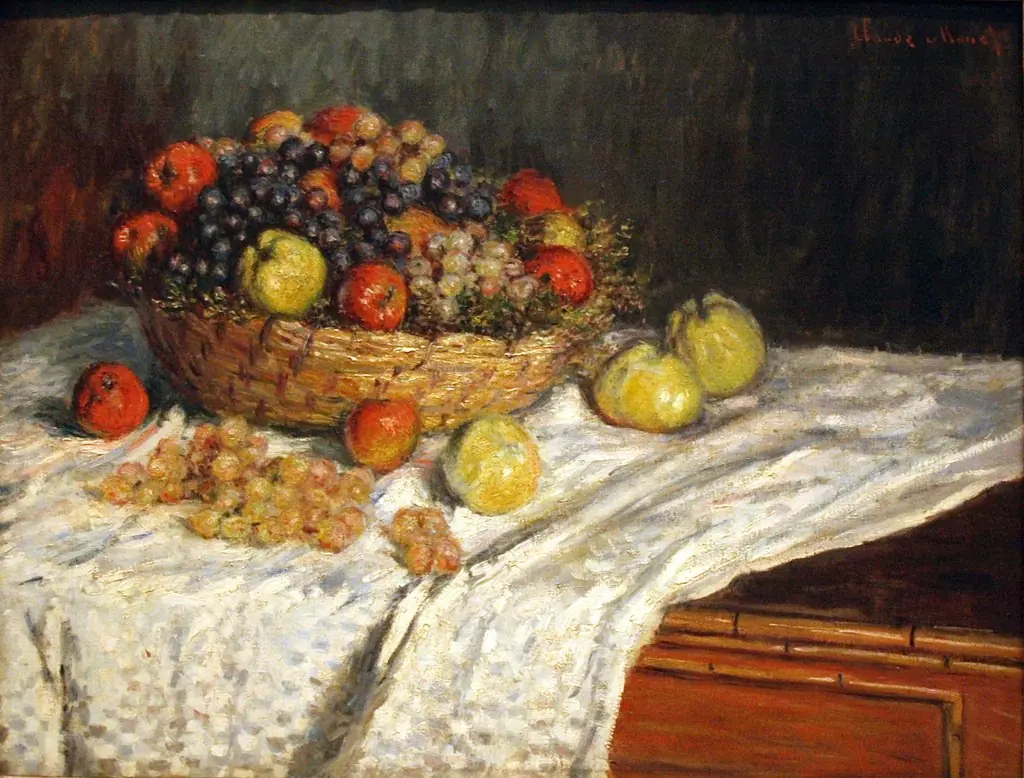 Apples and Grapes
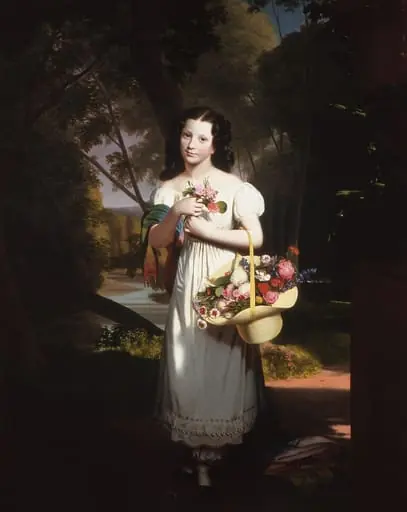 Little Girl with Flowers (Amelia Palmer)
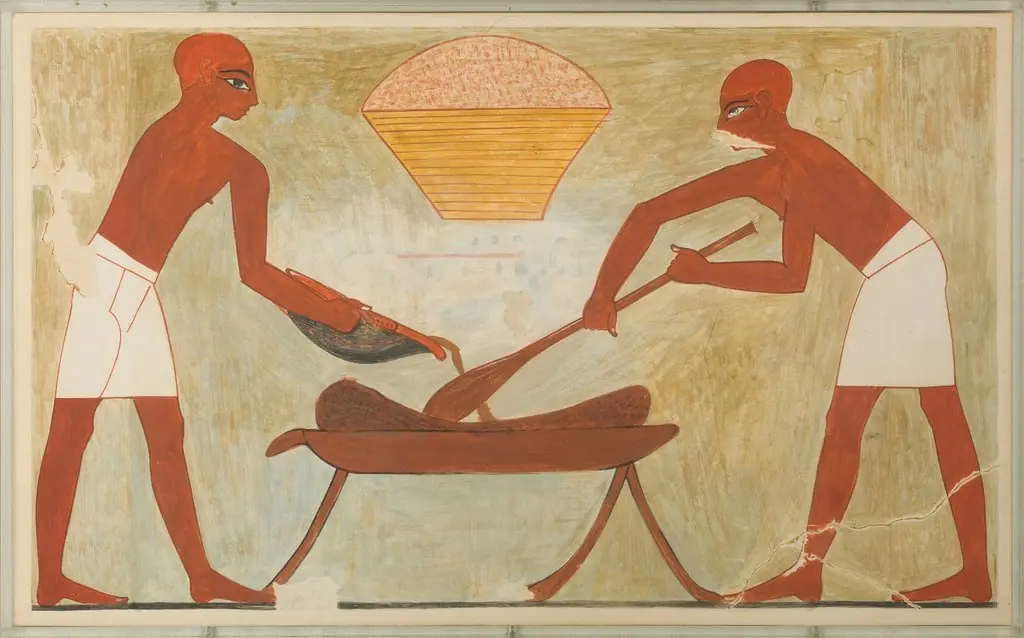 Preparing Dough, Tomb of Rekhmire
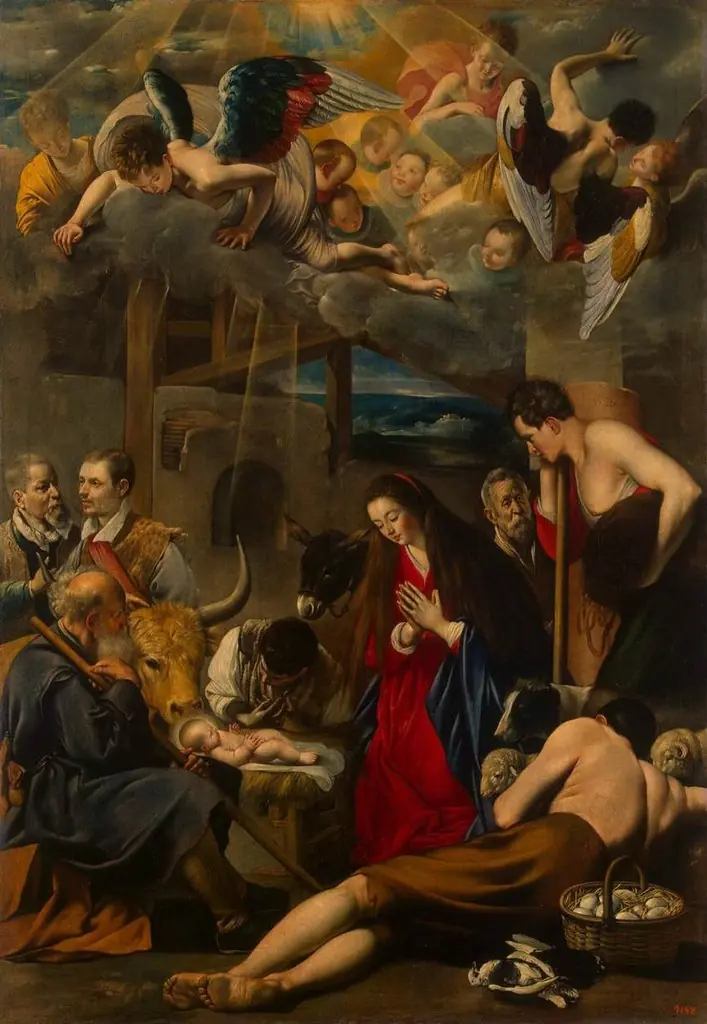 Adoration of the Shepherds
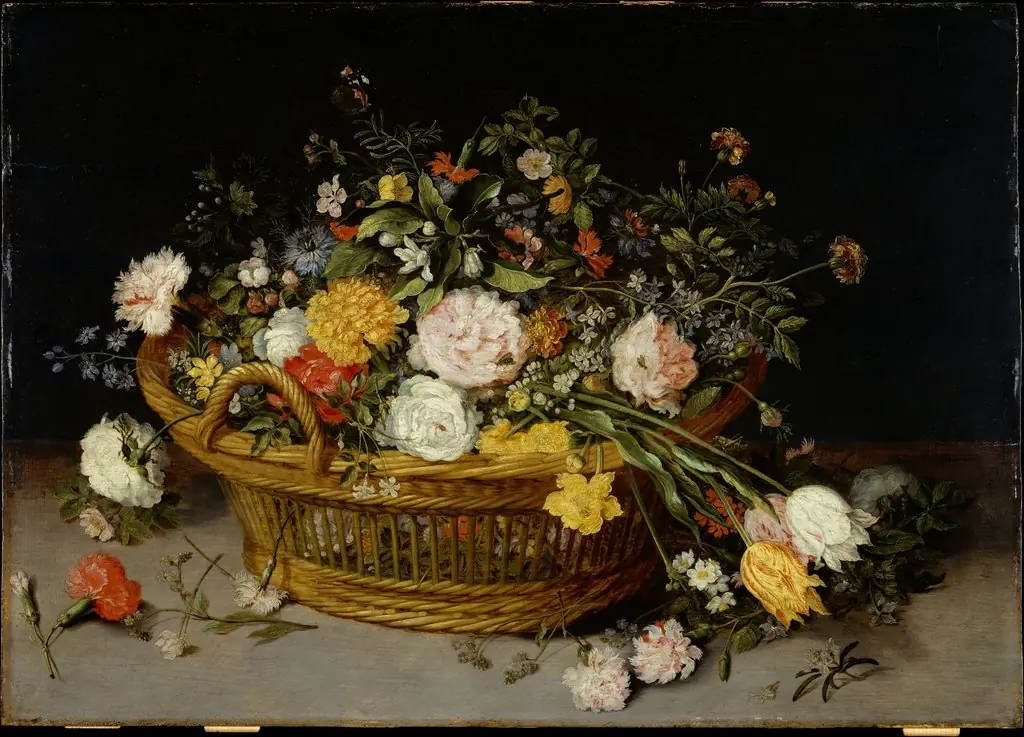 A Basket of Flowers
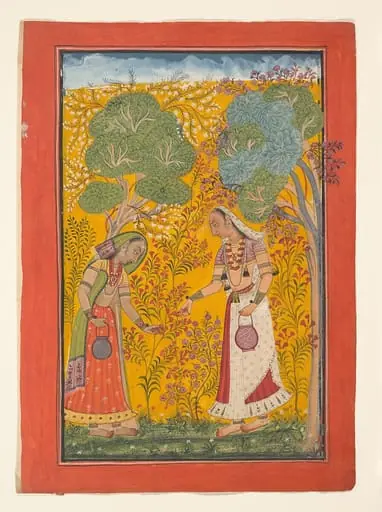 Untitled
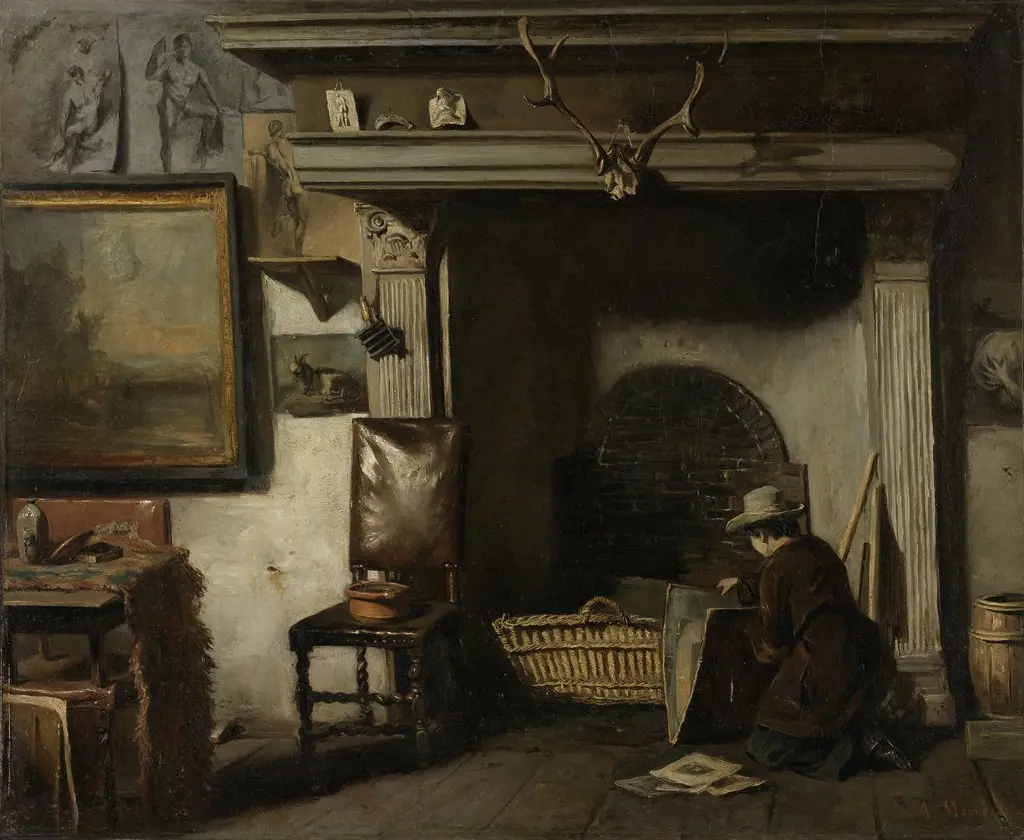 The Studio of the Haarlem Painter Pieter Frederik van Os
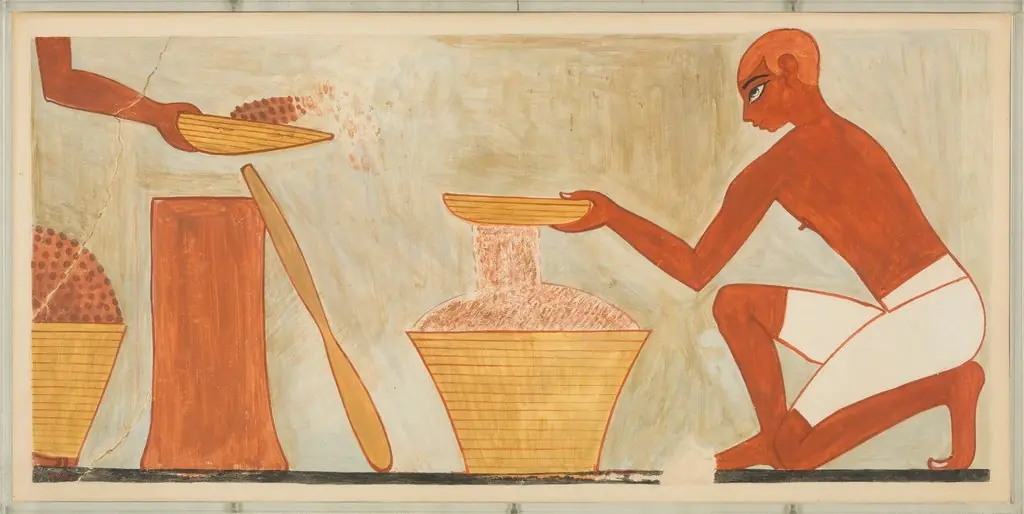 Sifting Meal, Tomb of Rekhmire
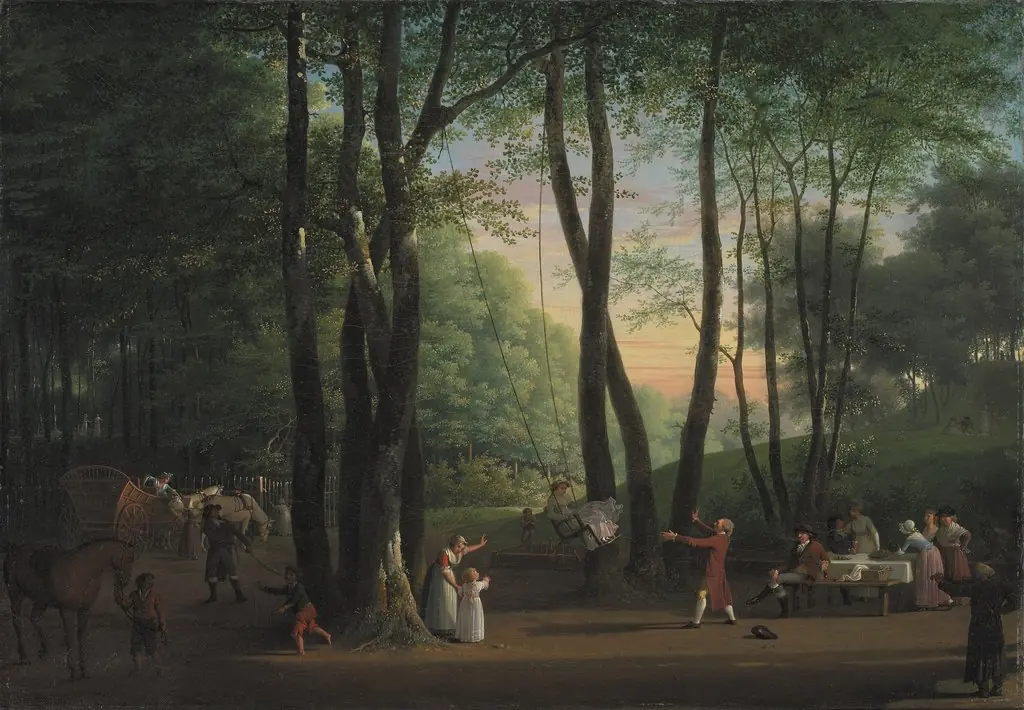 The Dancing Glade at Sorgenfri
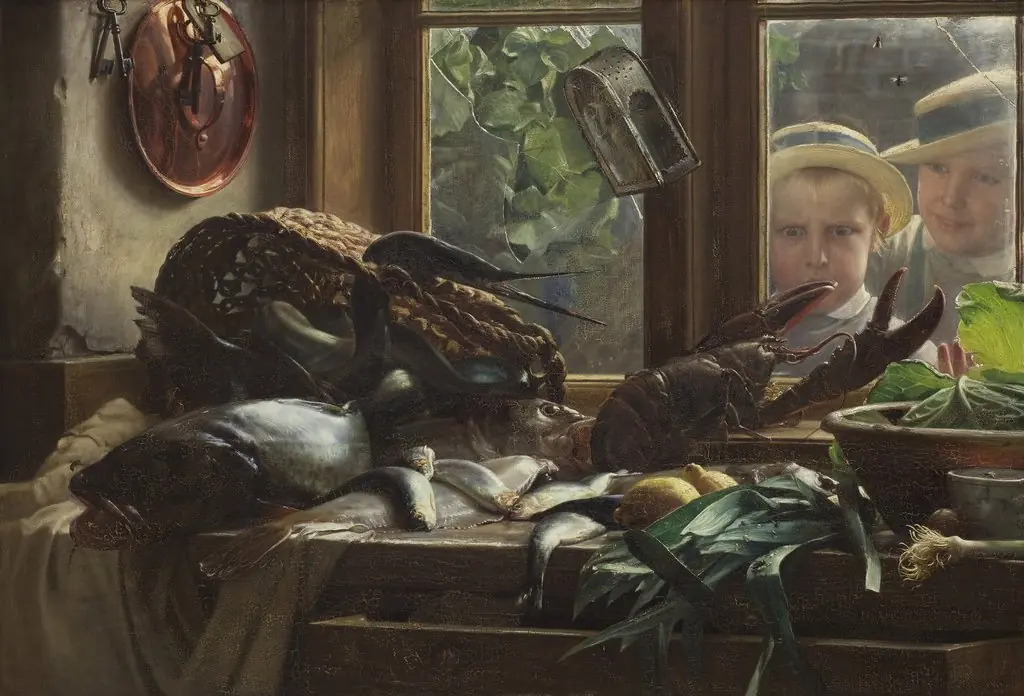 Still Life with Fish
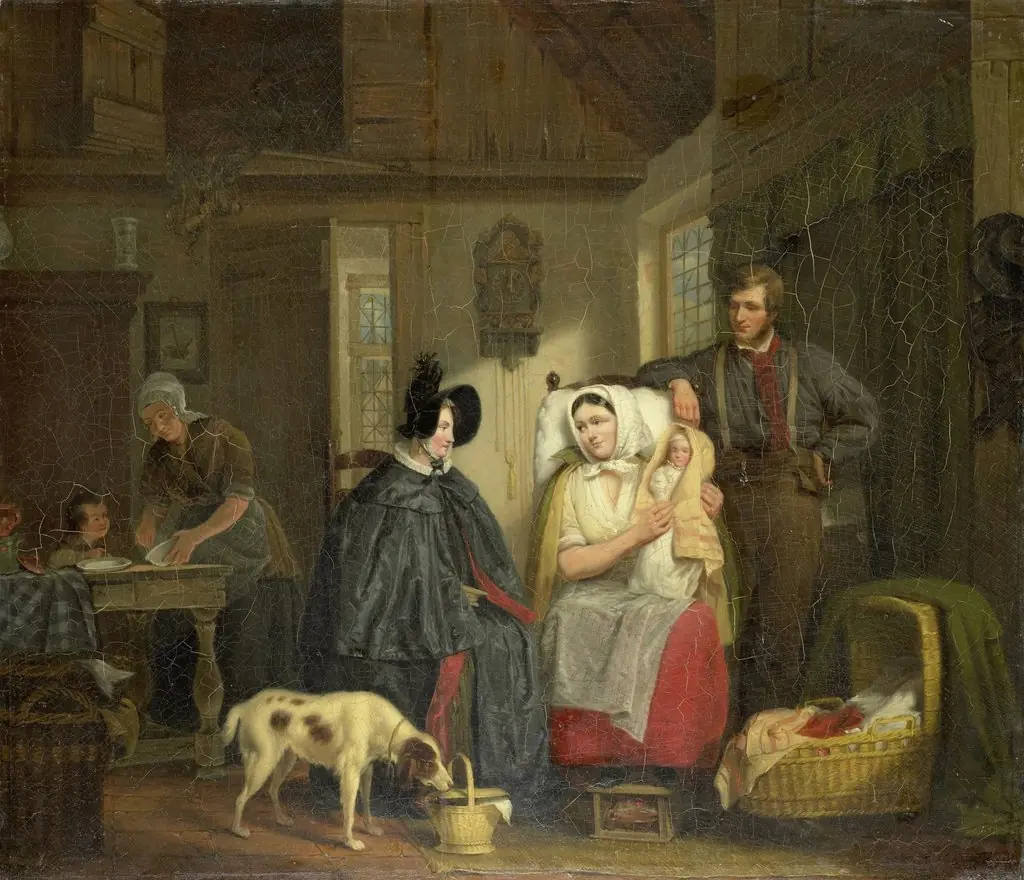 Visit to a New Mother
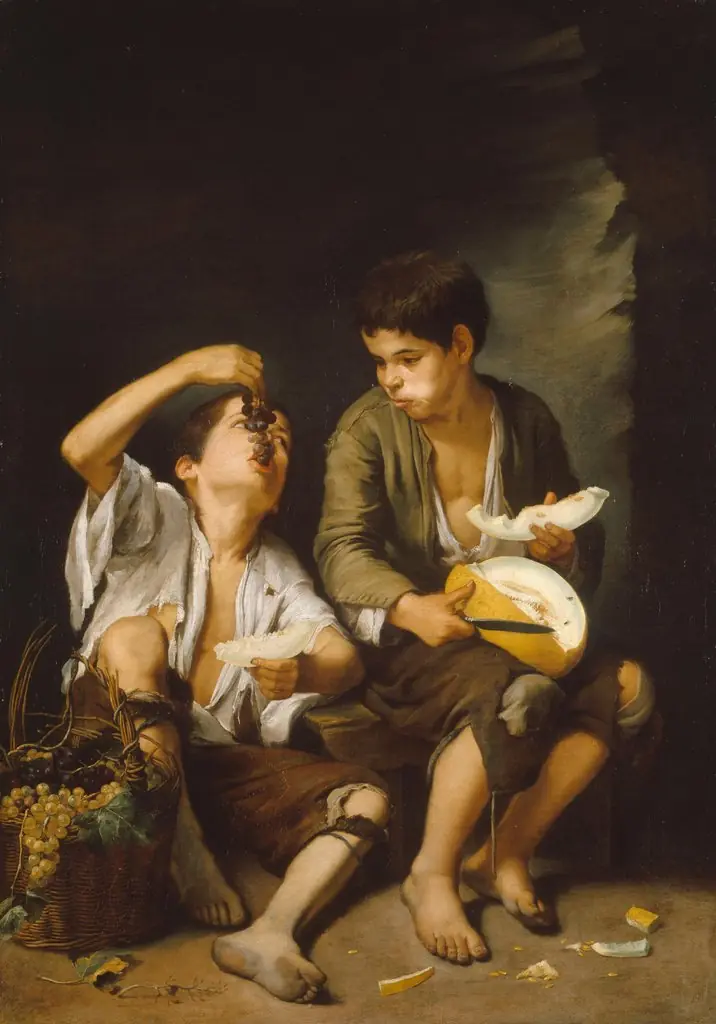 Grape and Melon Eaters
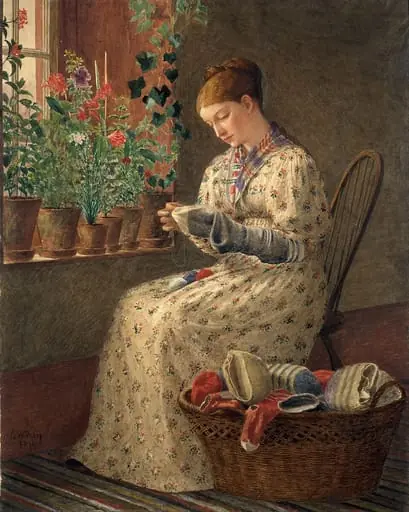 A Month's Darning
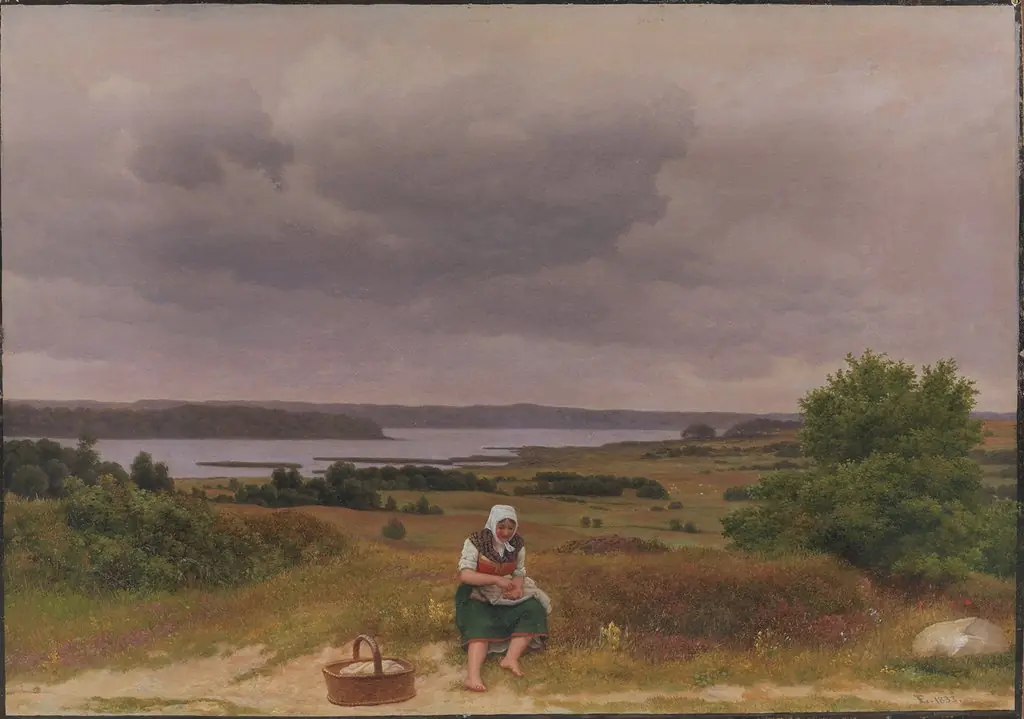 View of Lake Fure near Rudersdal, North Sealand.
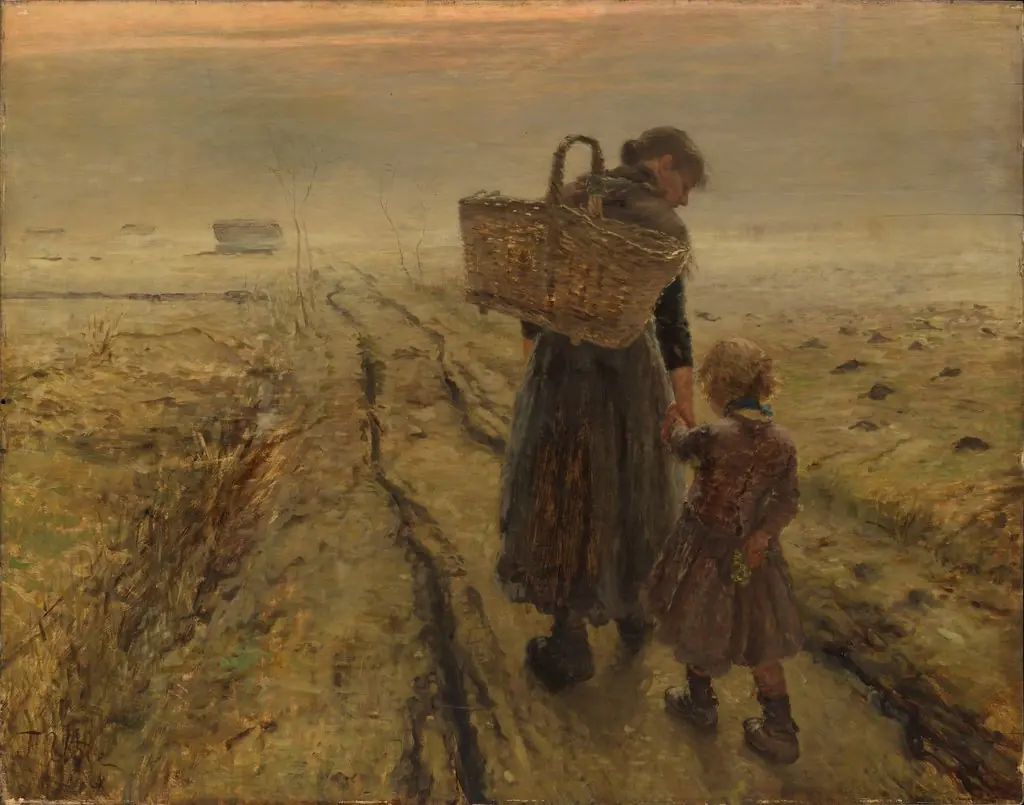 Going Home
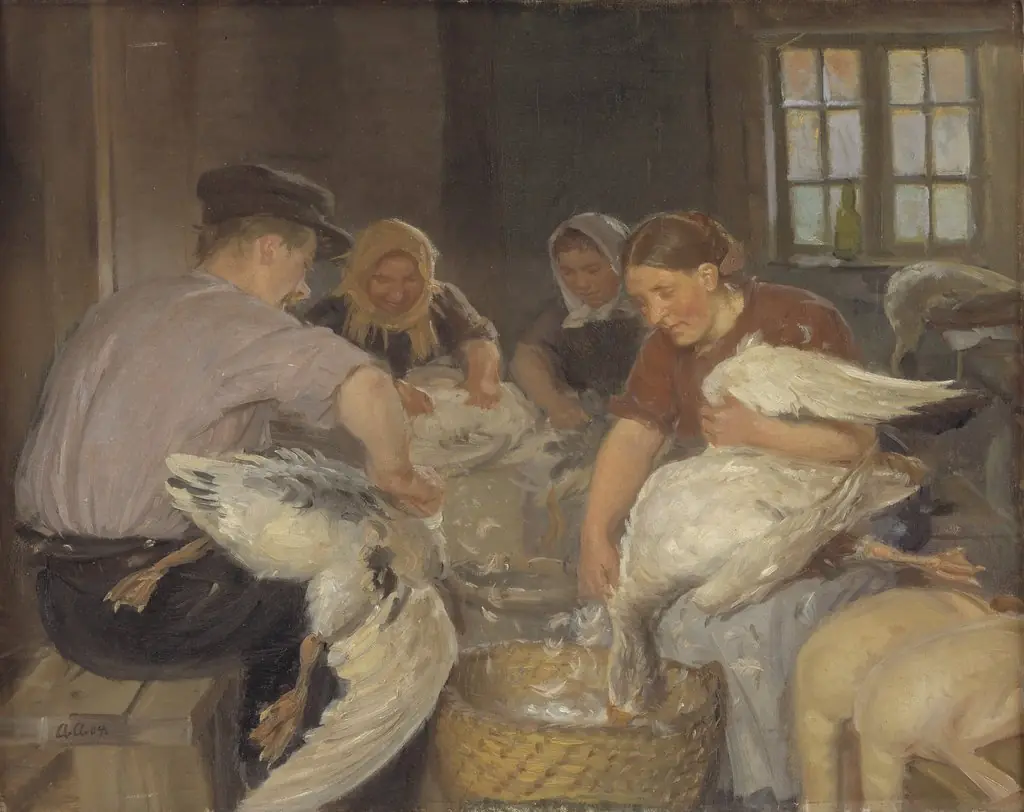 Plucking the Geese
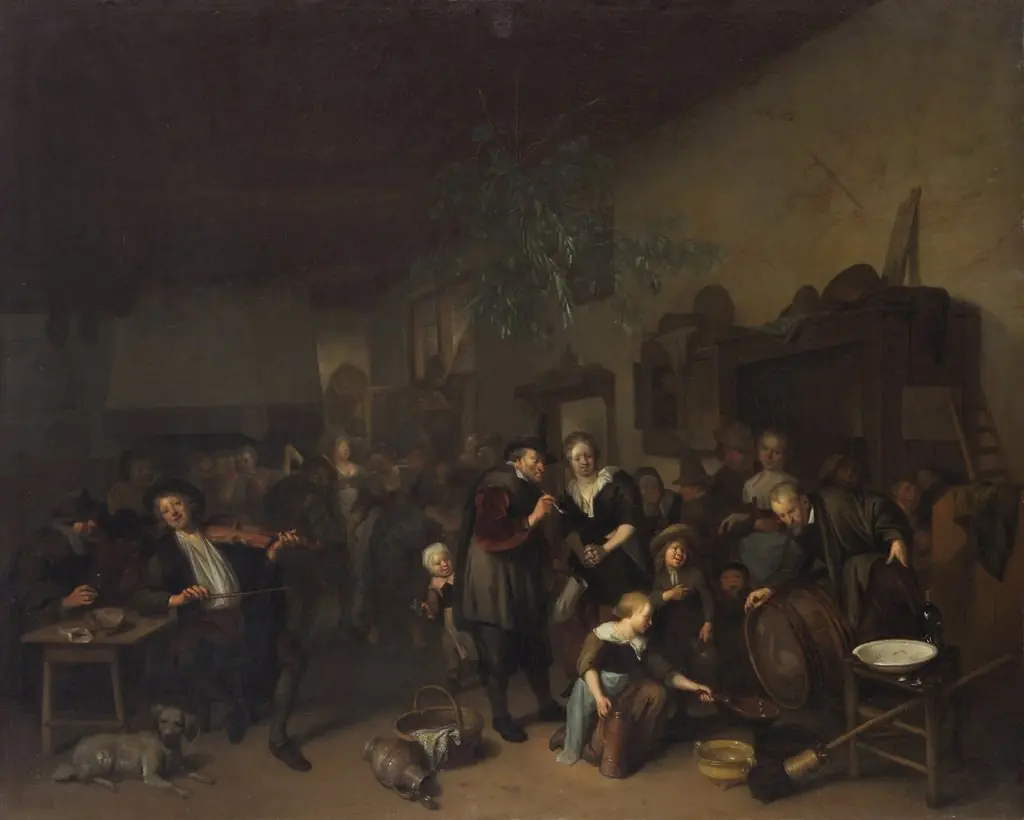 Tavern interior with dancing peasants,
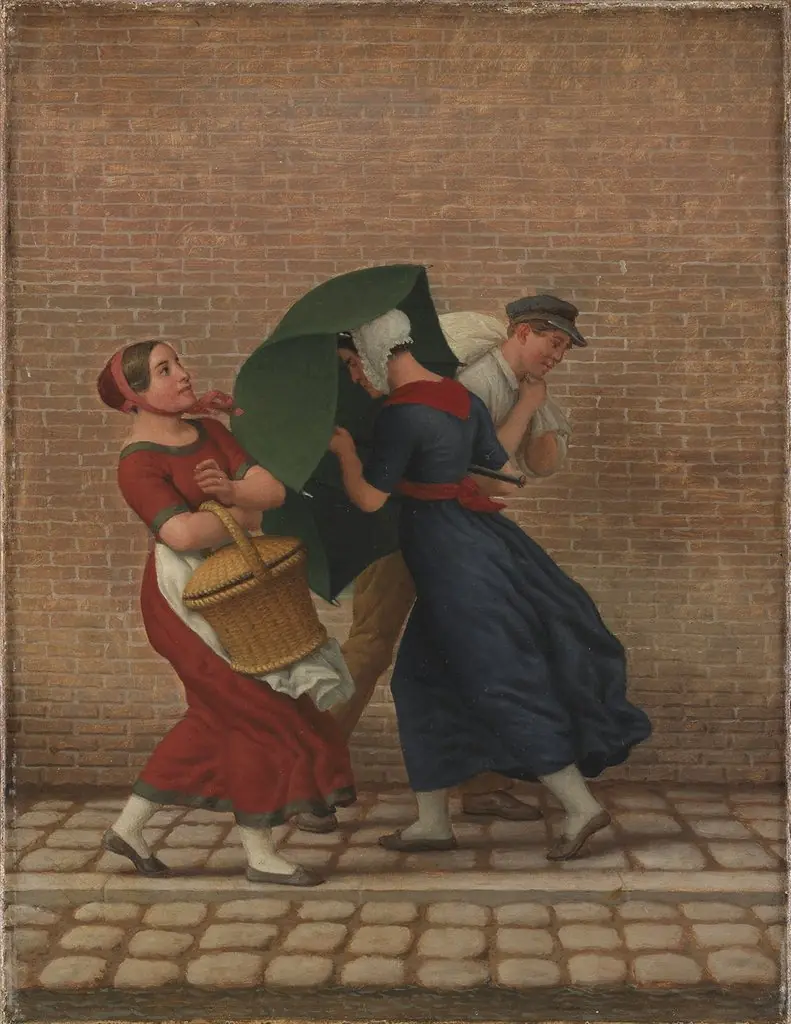 Street Scene in Windy and Rainy Weather
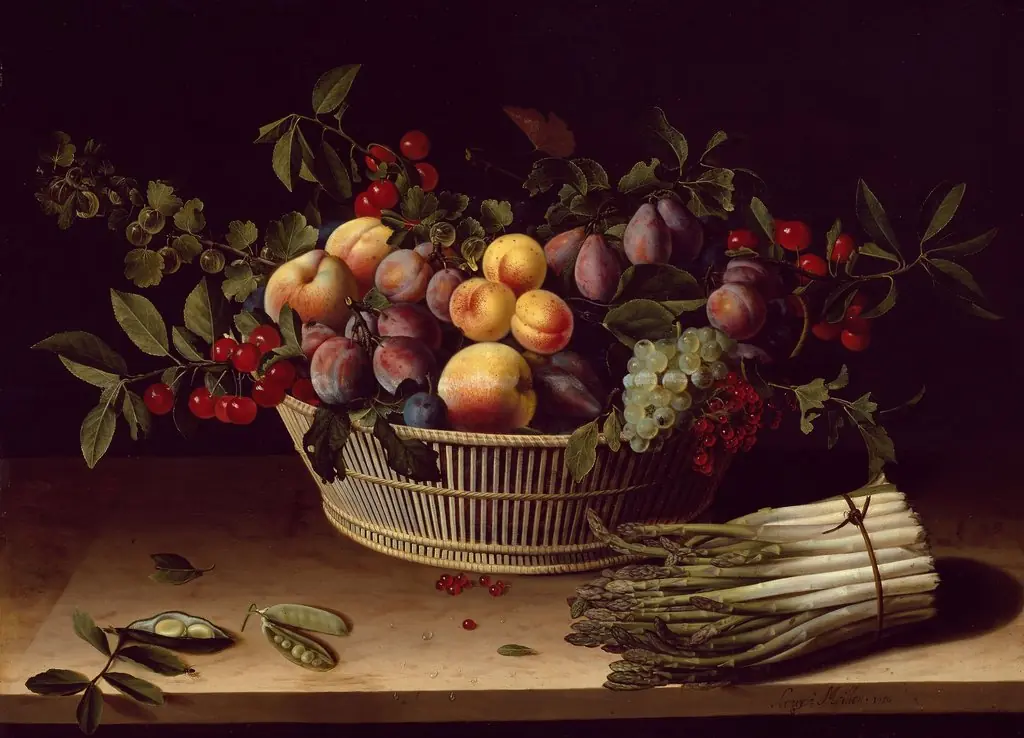 Still Life with a Basket of Fruit and a Bunch of Asparagus
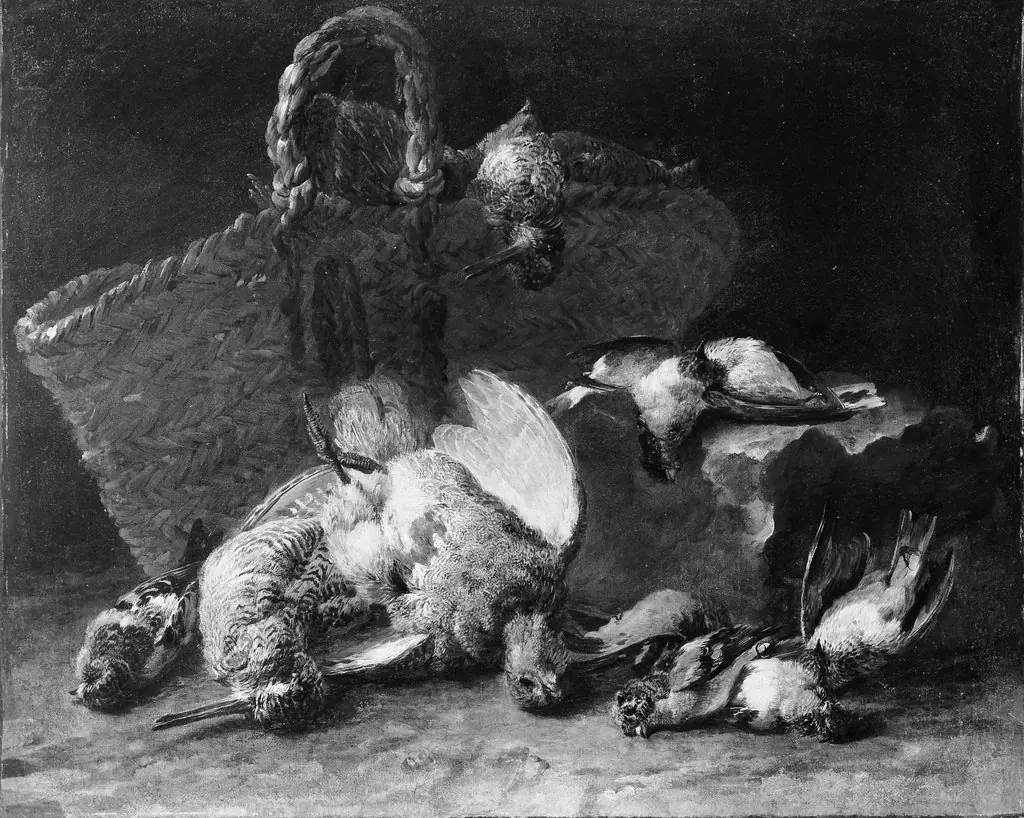 A Basket and Birds
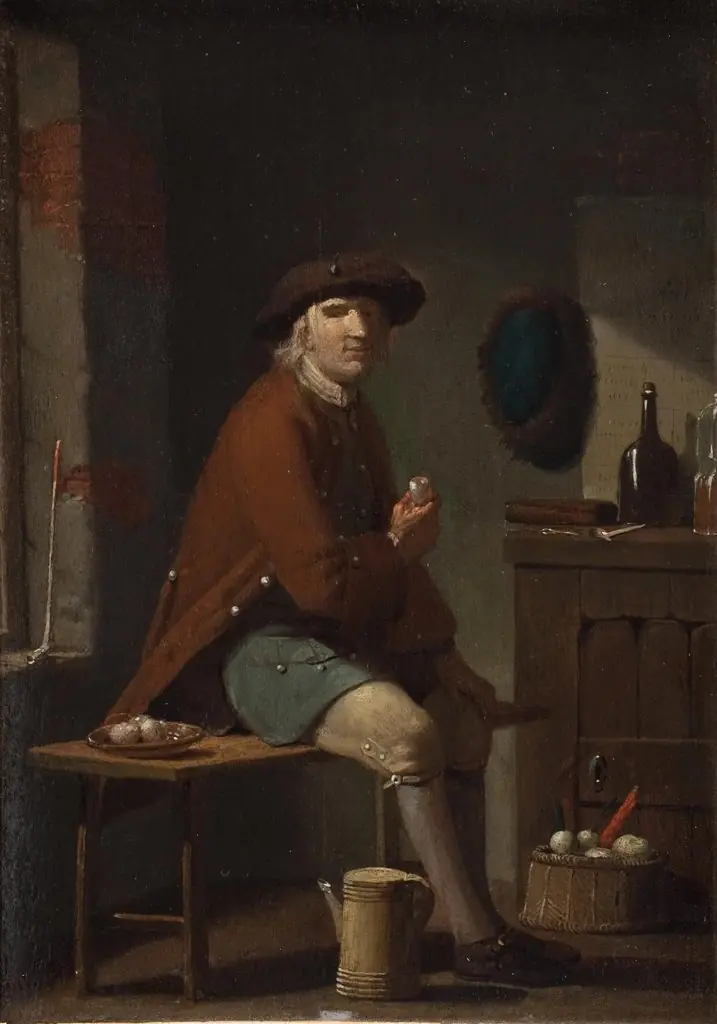 A Man Smoking His Pipe
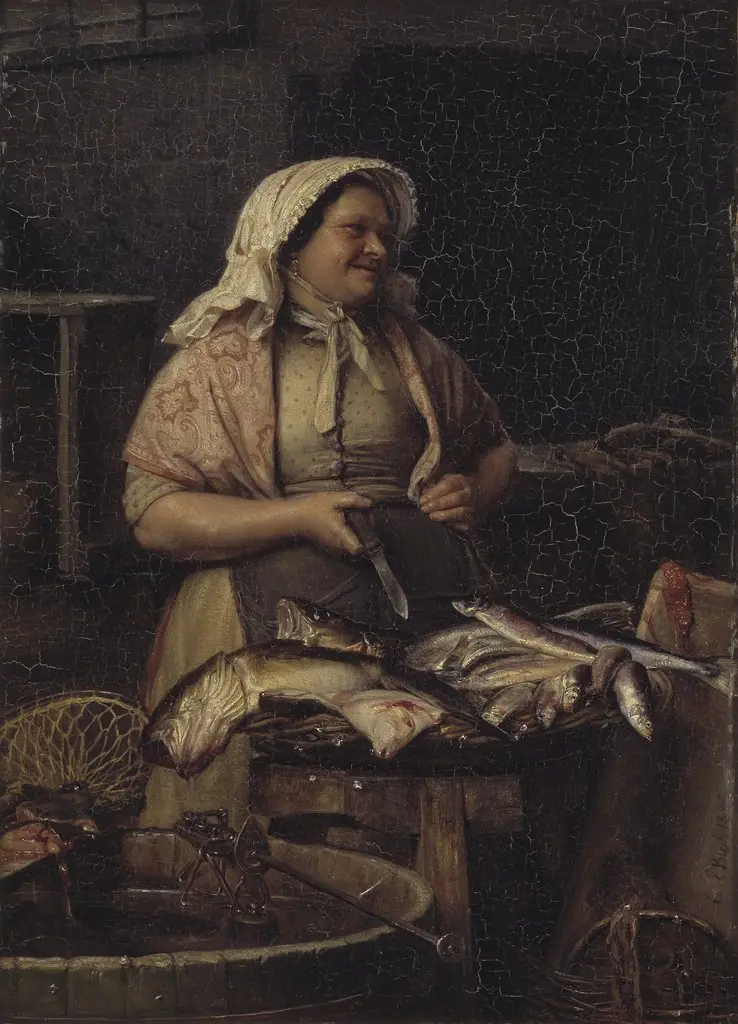 A Fishwife
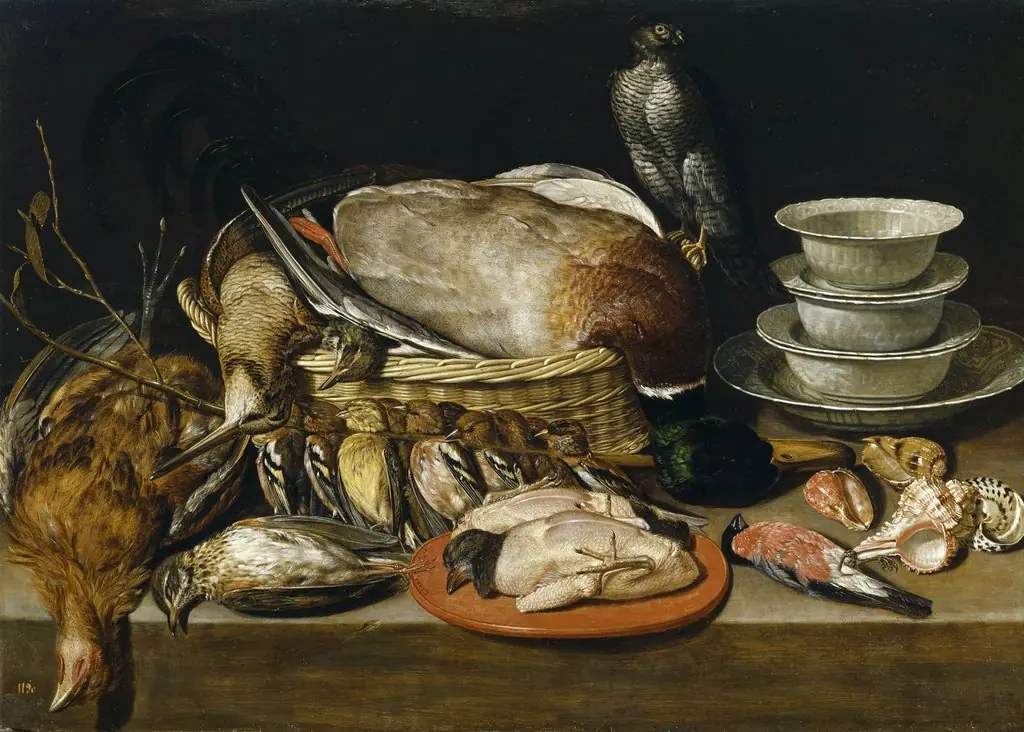 Game piece with poultry
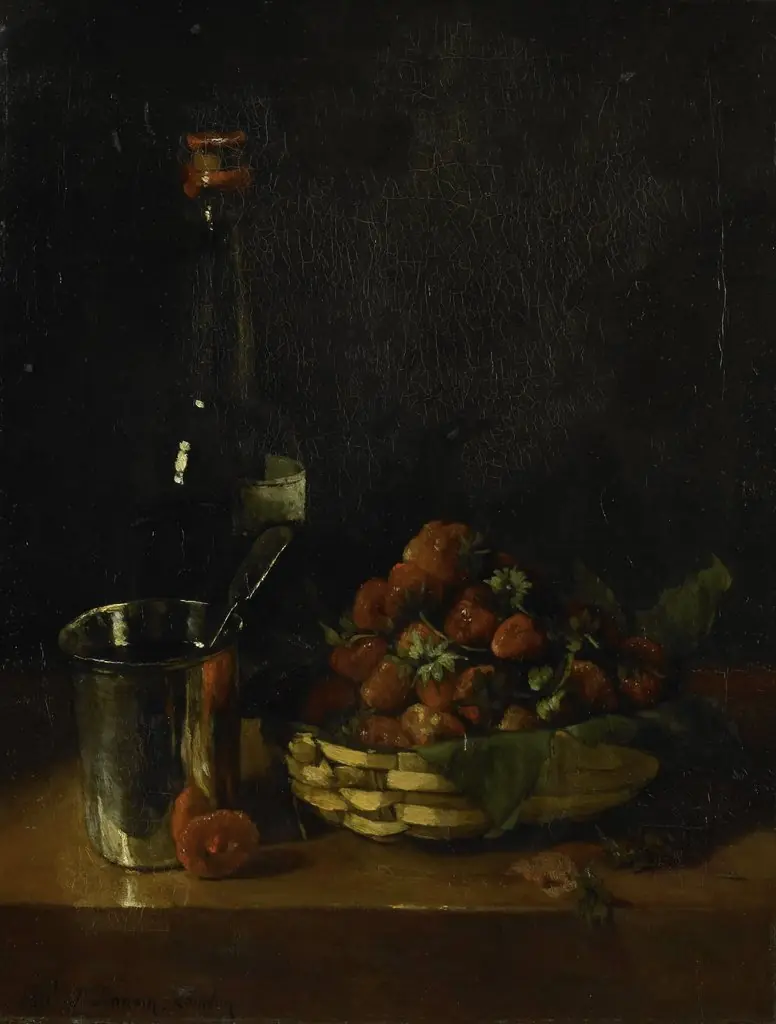 Still life
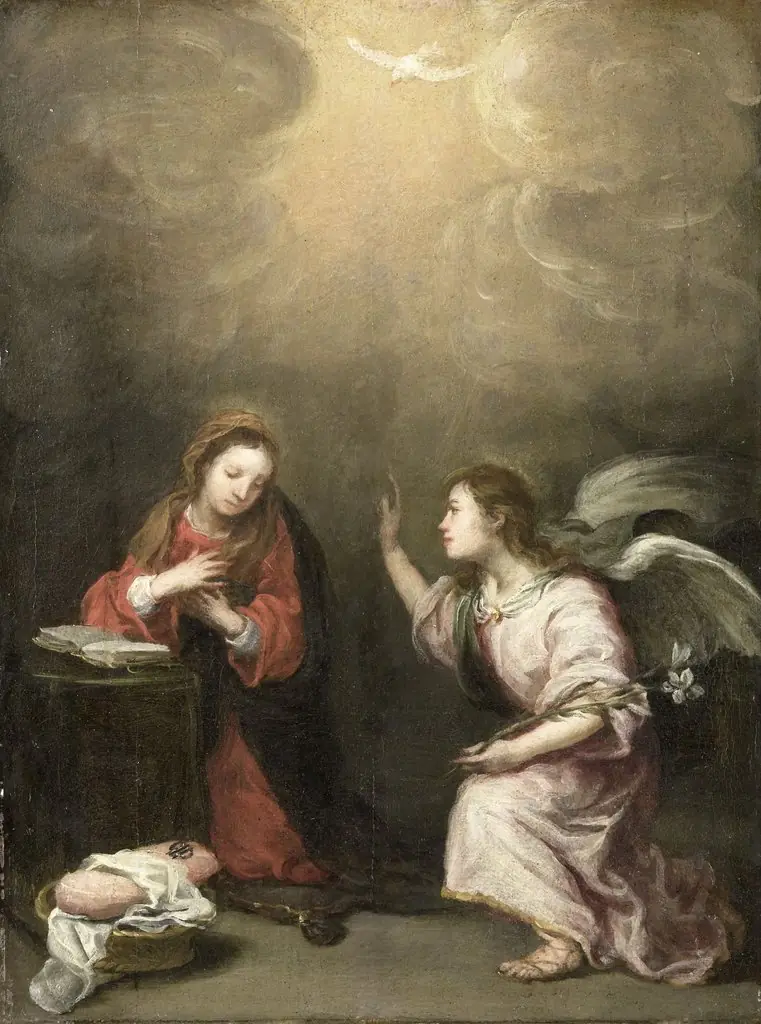 Annunciation to the Virgin
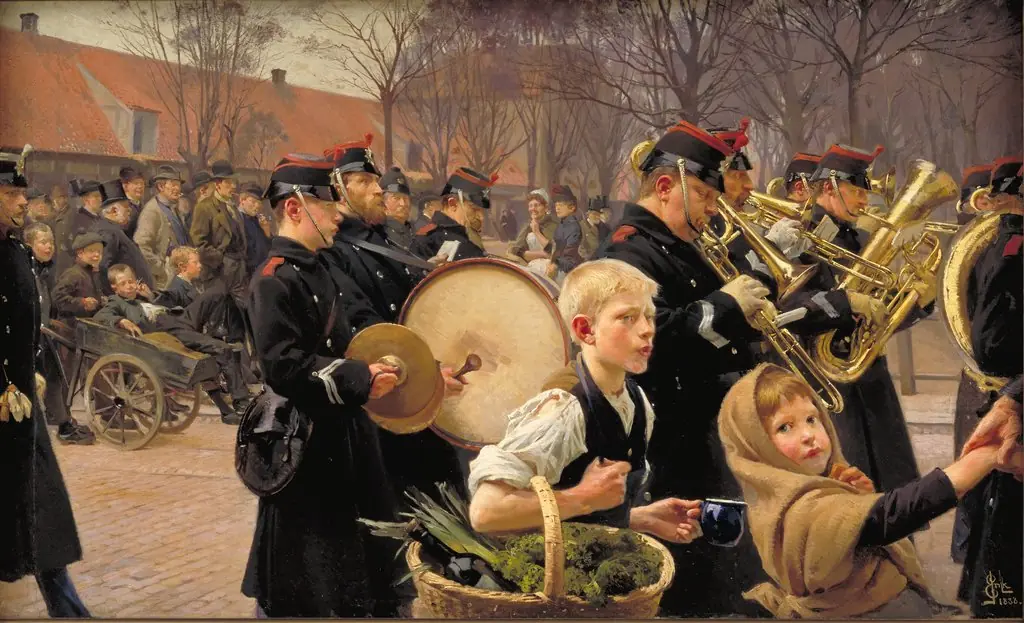 Changing of the Guard
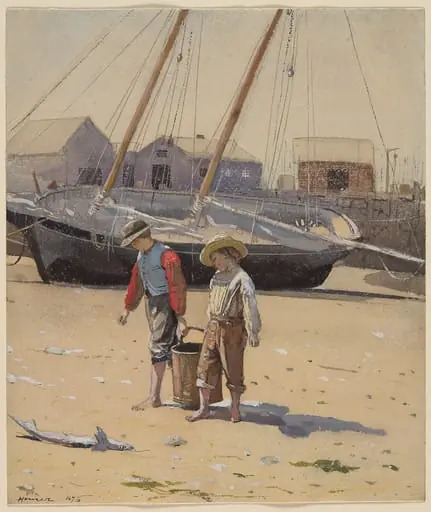 A Basket of Clams
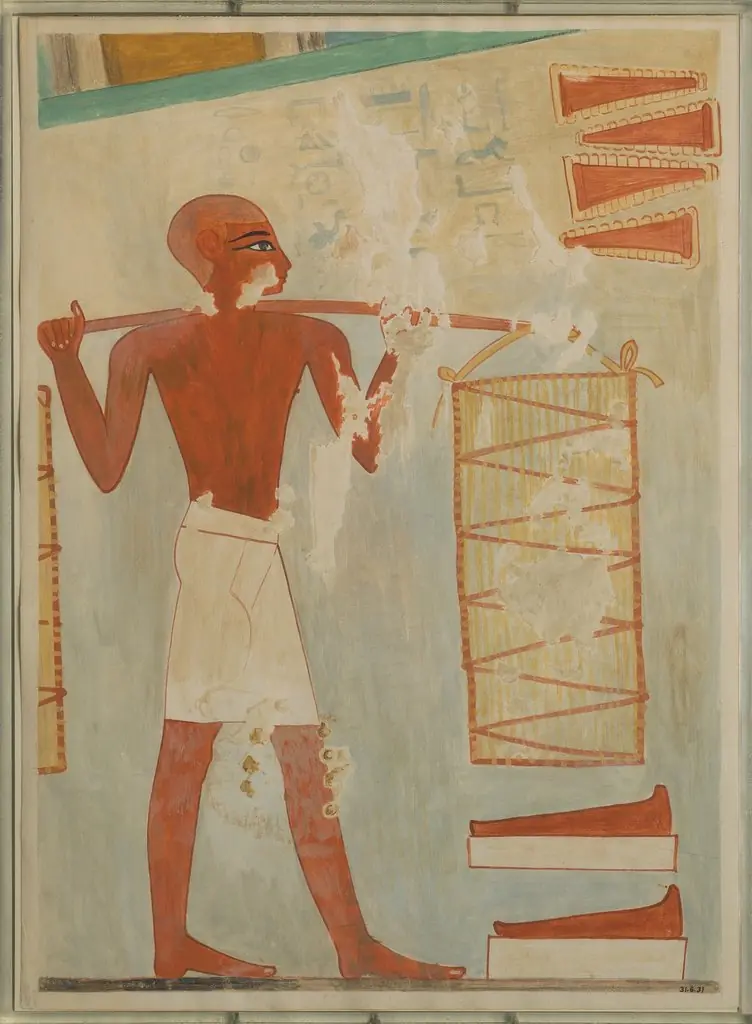 Man Carrying Loaves, Tomb of Rekhmire
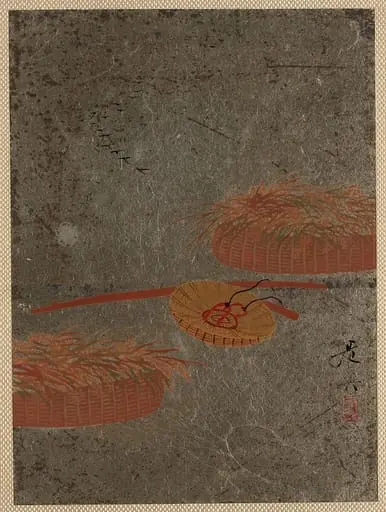 柴田是真筆籠・菅笠図|Flower Baskets and Farmer's Hat
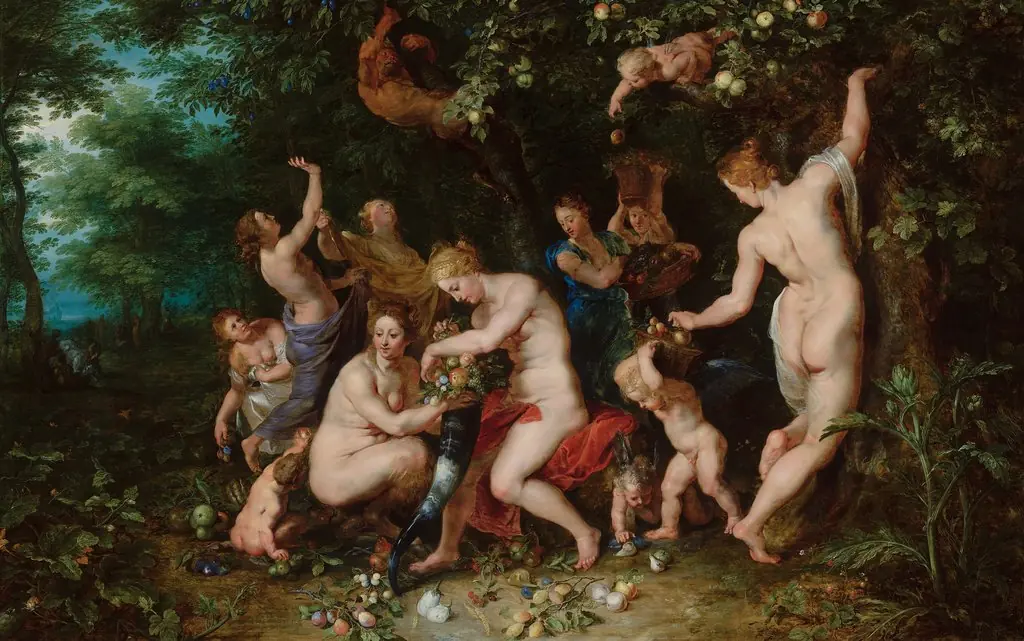 Nymphs filling the horn of plenty
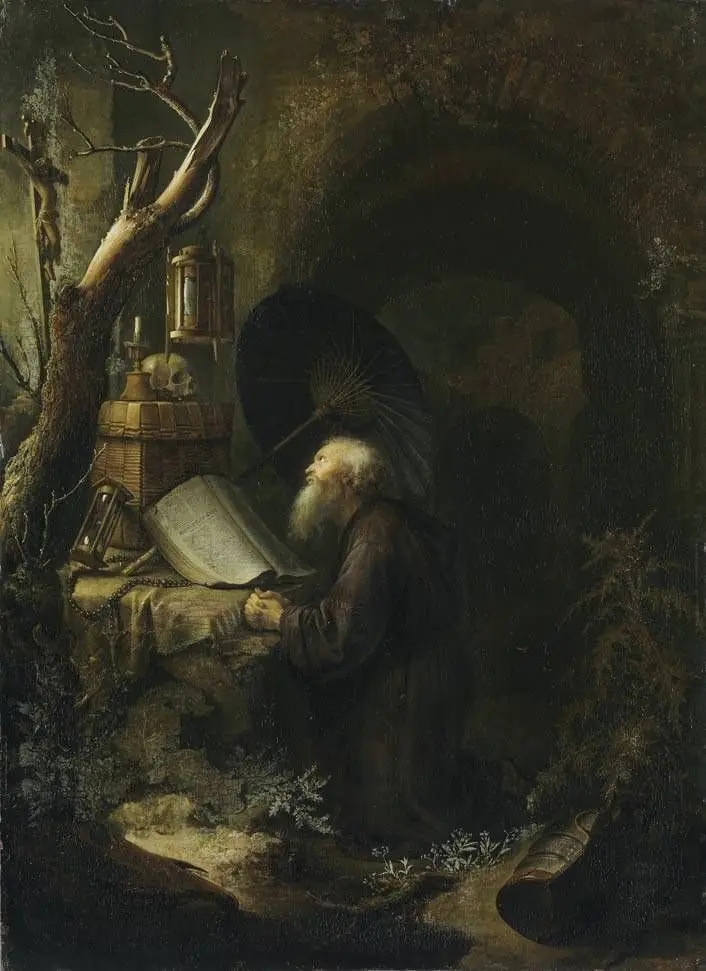 Praying hermit
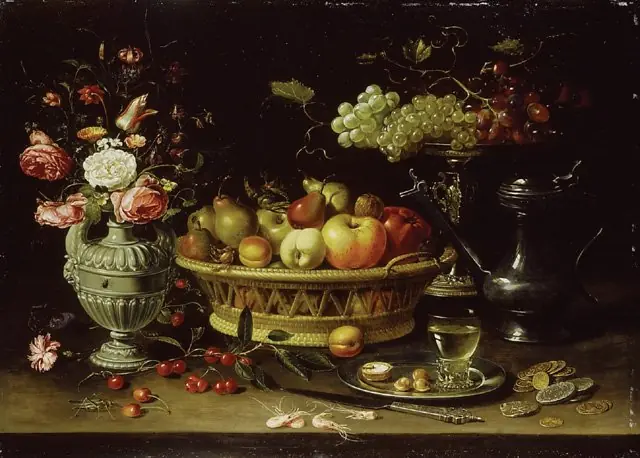 Still life of fruit and flowers
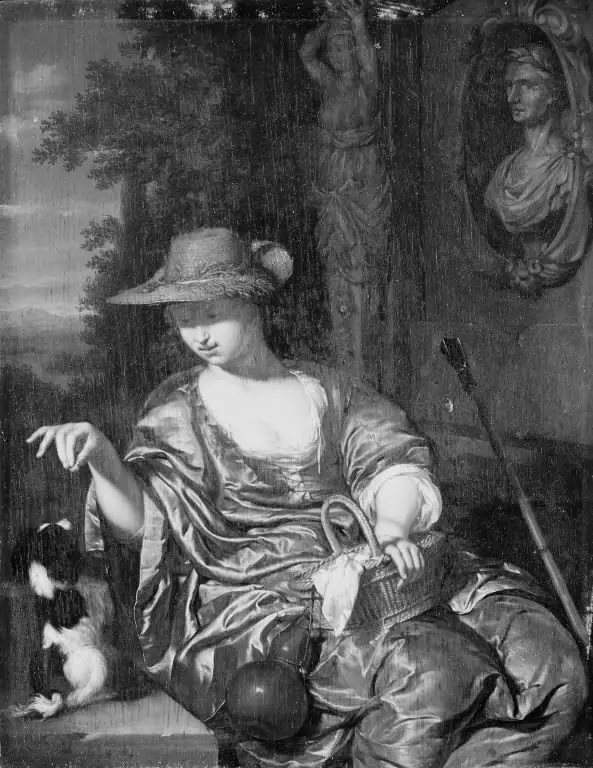 A Shepherdess with a Dog
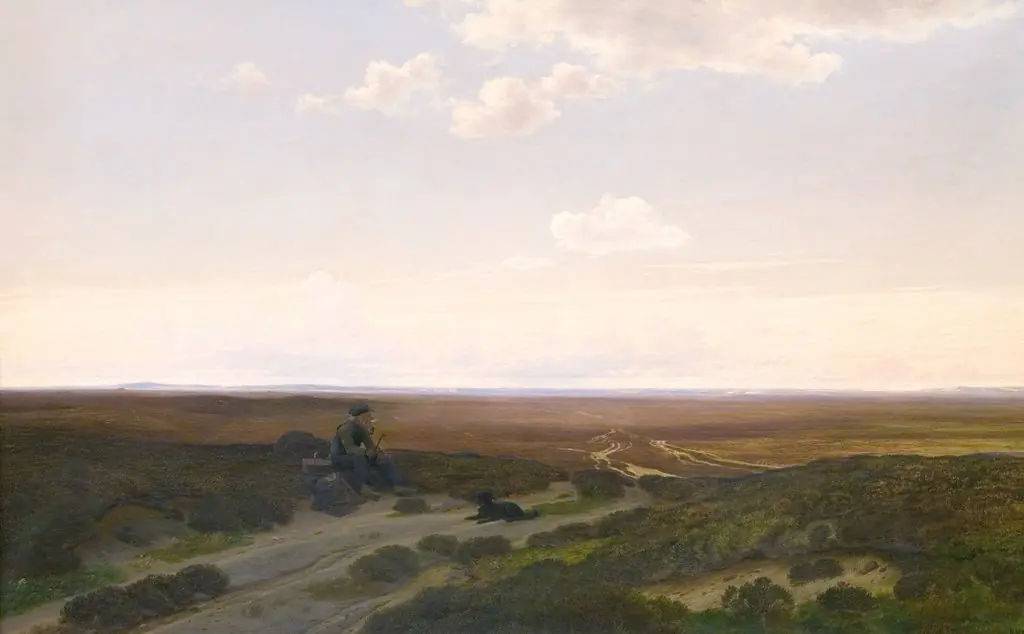 View of Pårup Moors near Silkeborg, Jutland
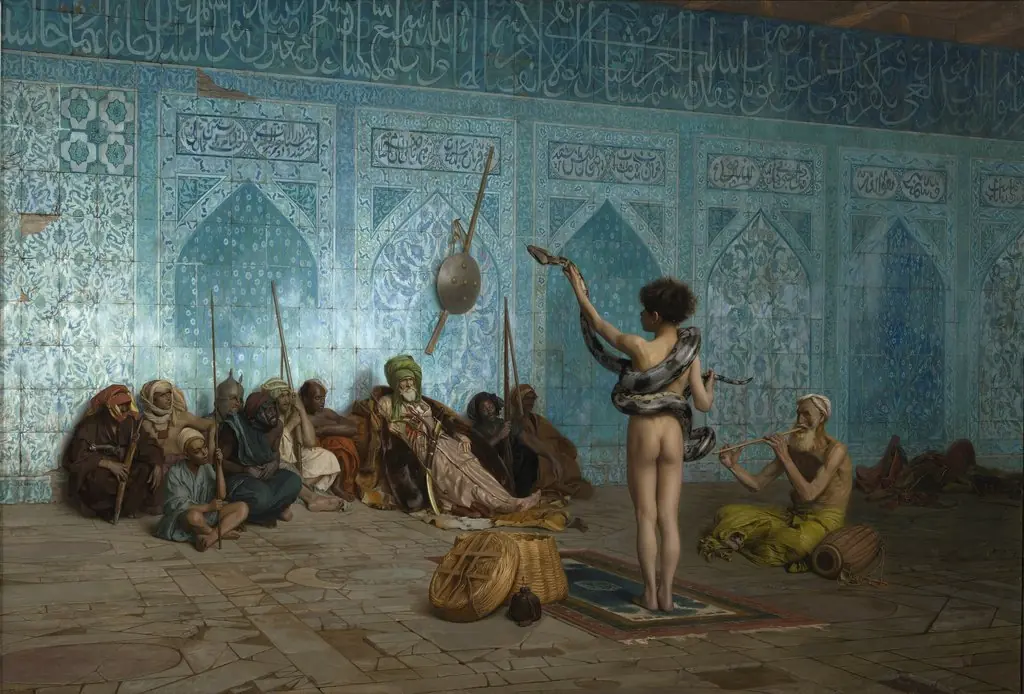 The Snake Charmer
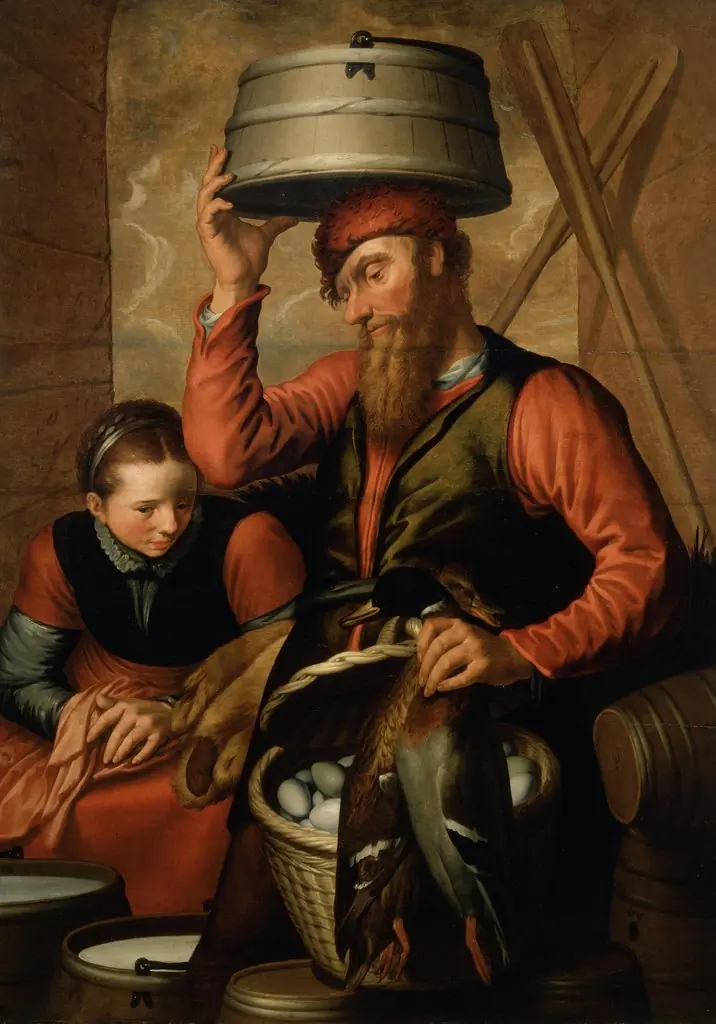 Trader in Game
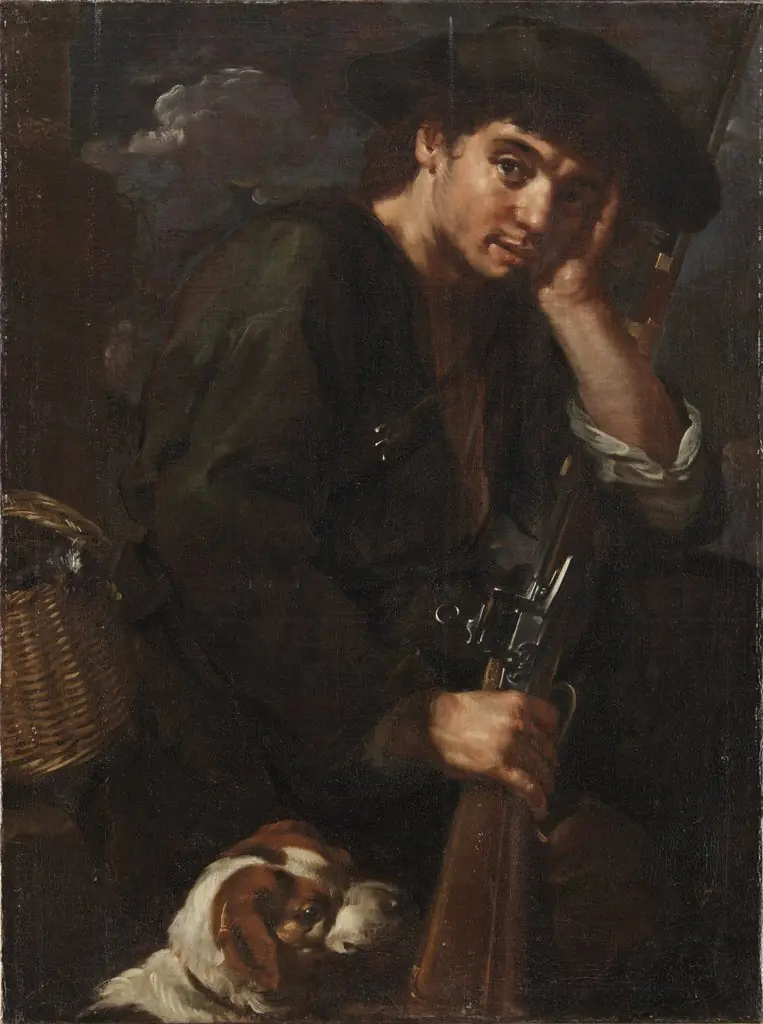 Hunter with his Gun and Dog. (Allegory of "Air")
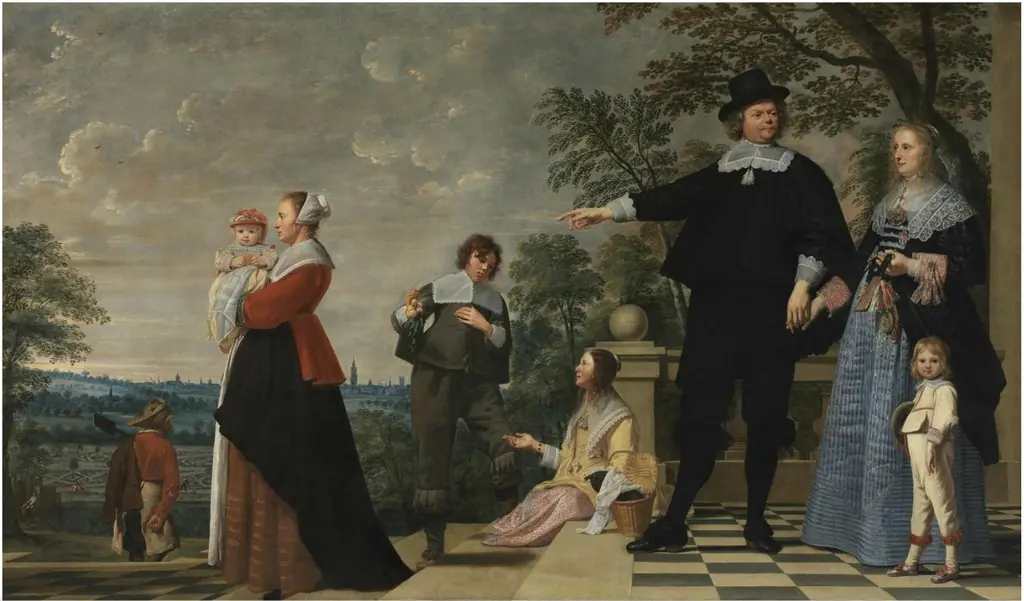 Portrait of a Bruges family
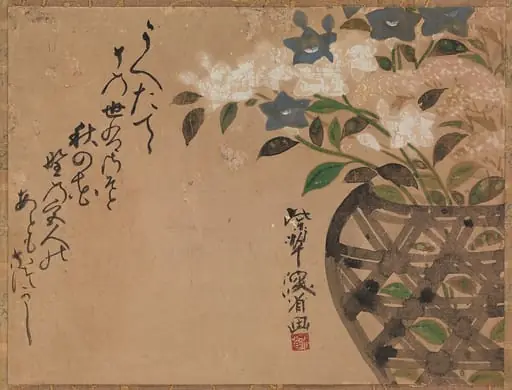 Untitled
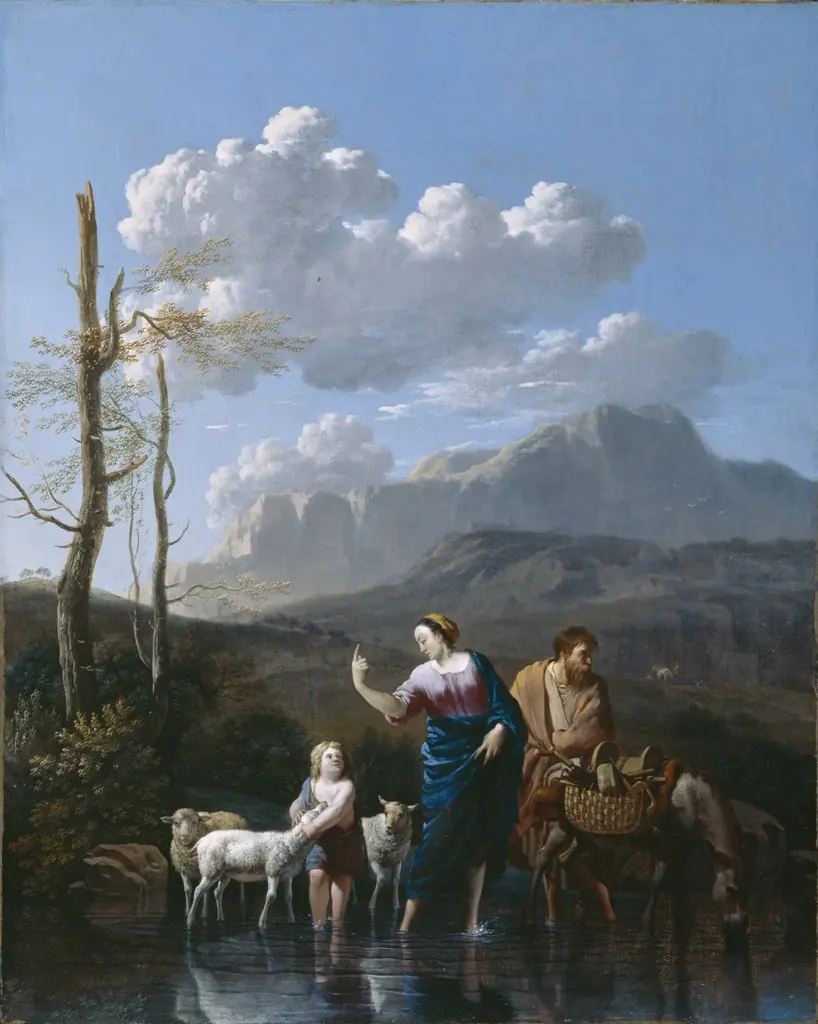 Return of the Holy Family from Egypt
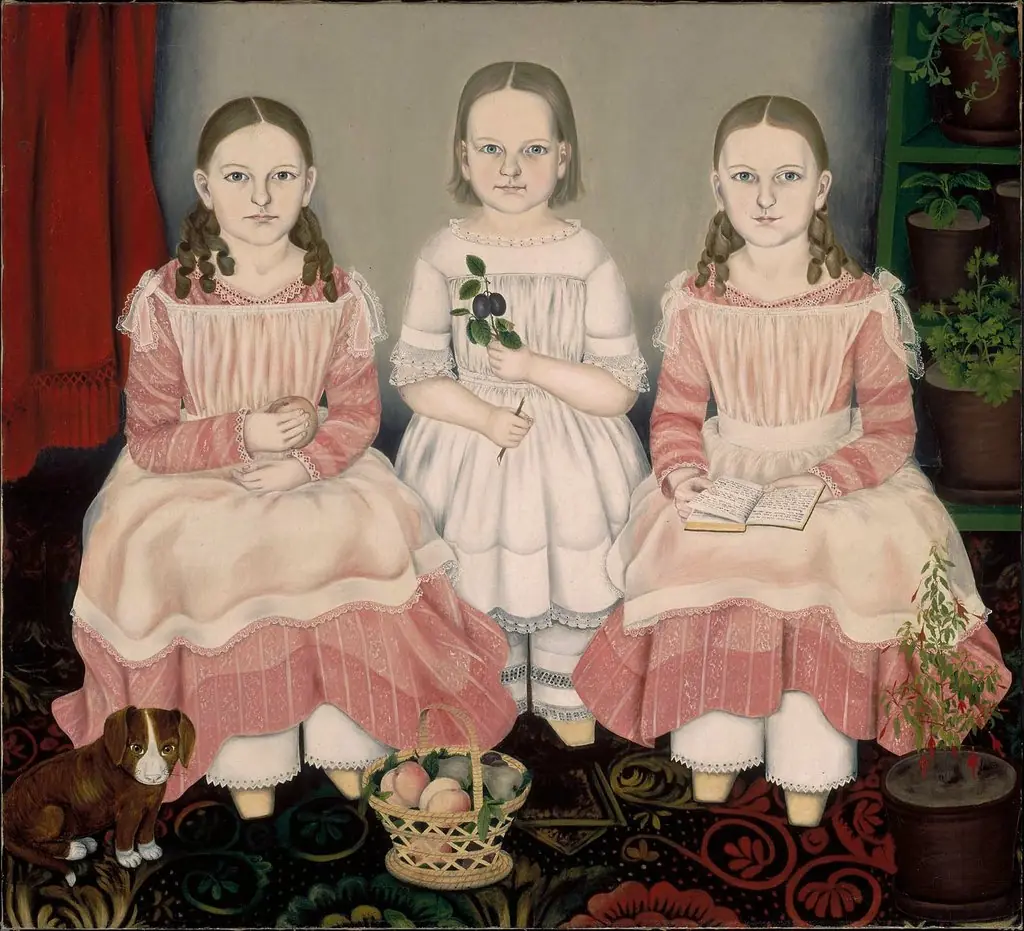 The Lincoln Children
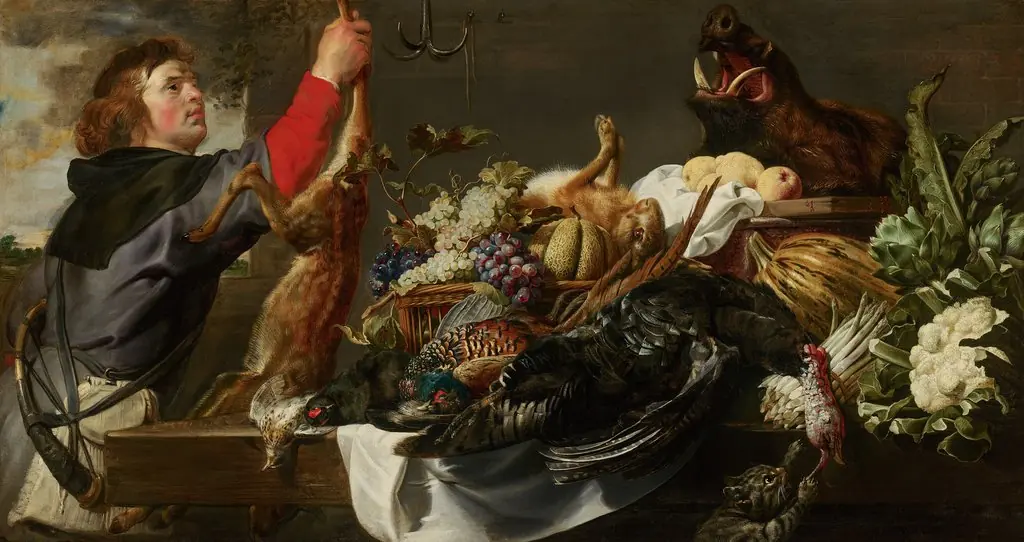 Still Life with Huntsman
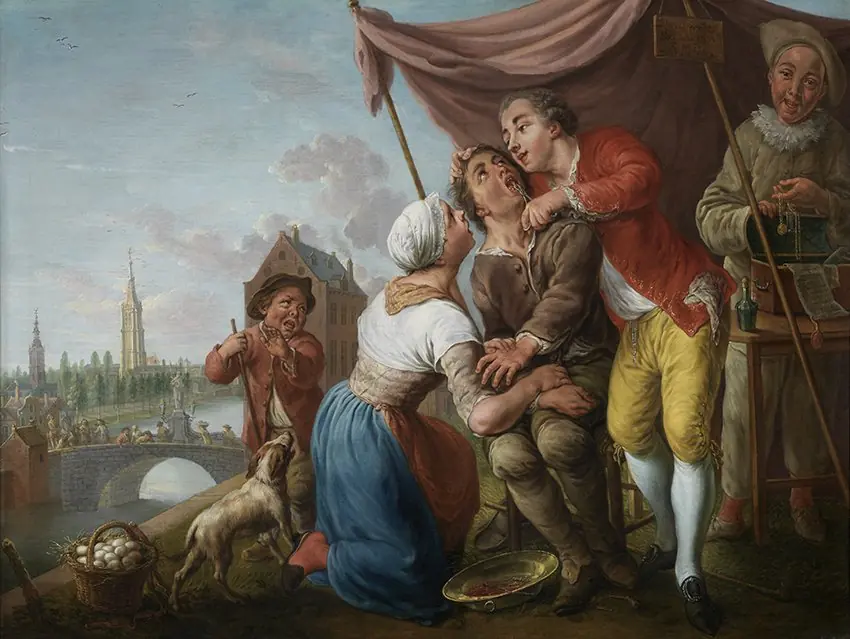 Don Lorenzo Bellavita, famoza dentista
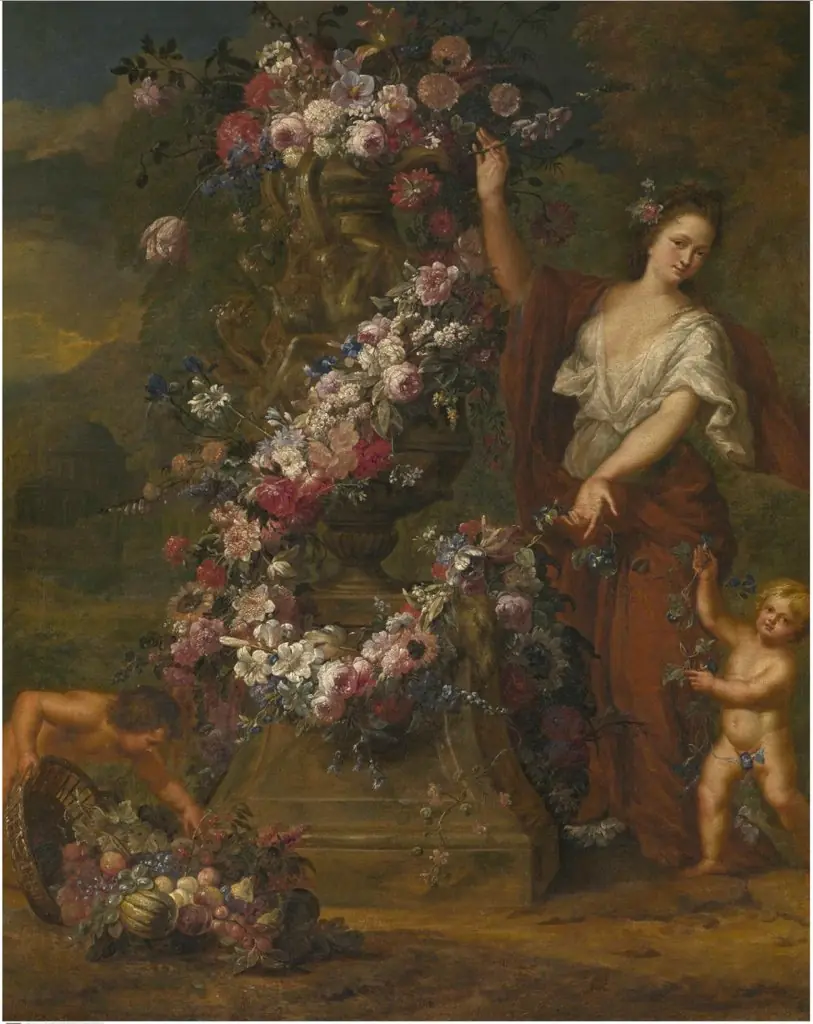 Allegorical Figure with Flowers
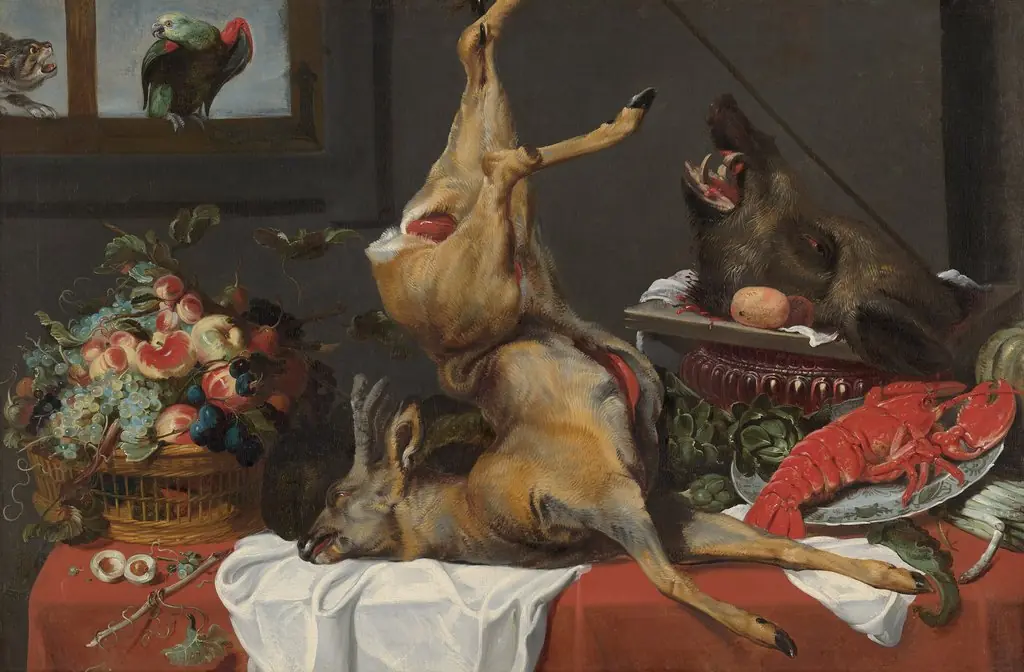 Still Life with a Dead Stag
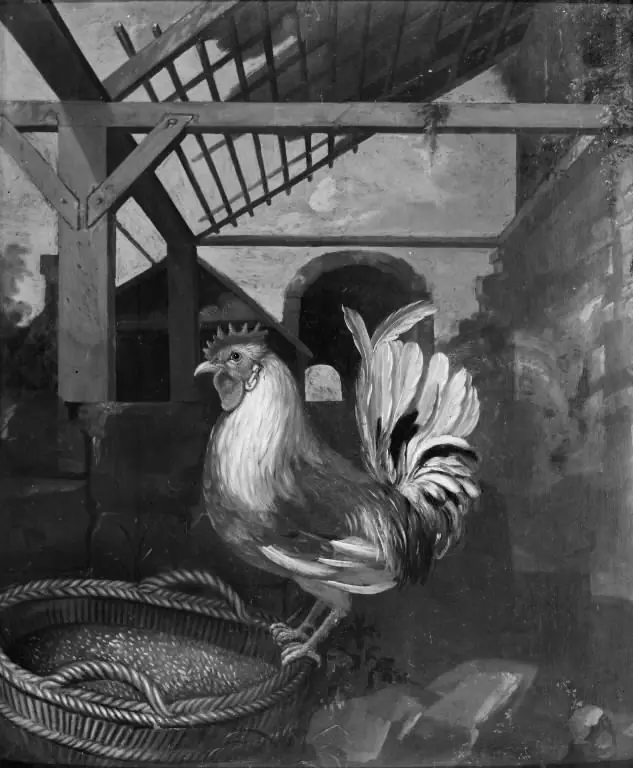 En hane sidder på en kurv fyldt med korn i stald, bag ved blå himmel
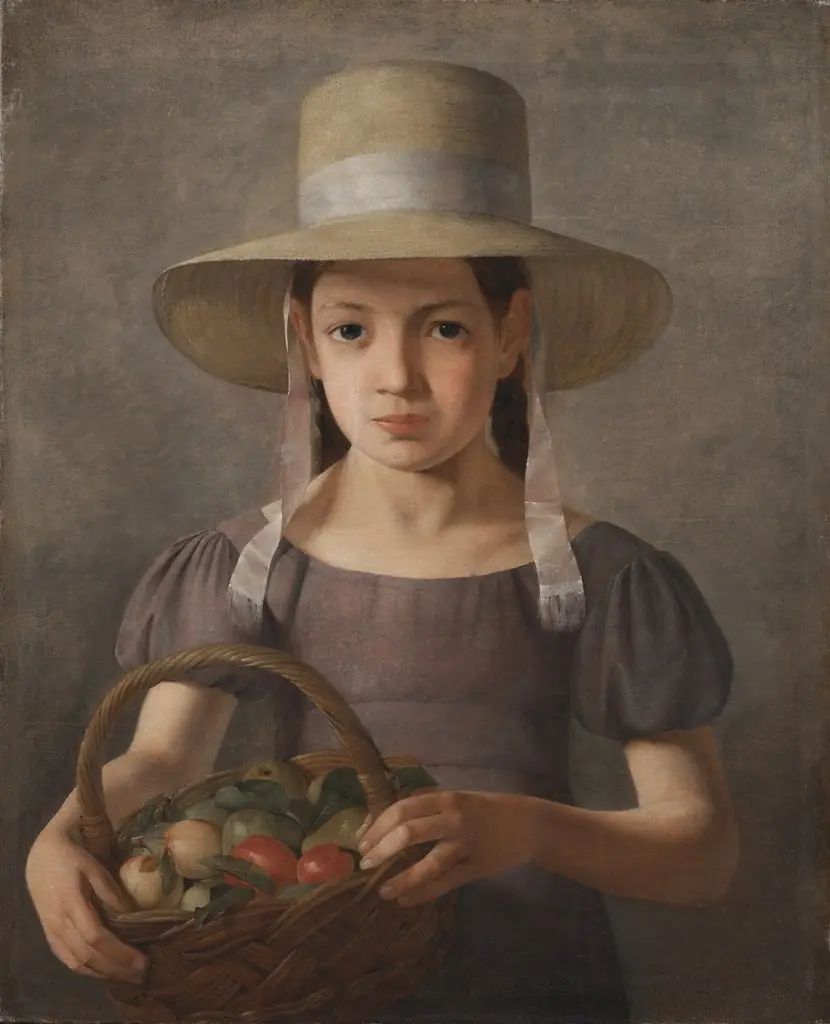 A Girl with Fruits in a Basket
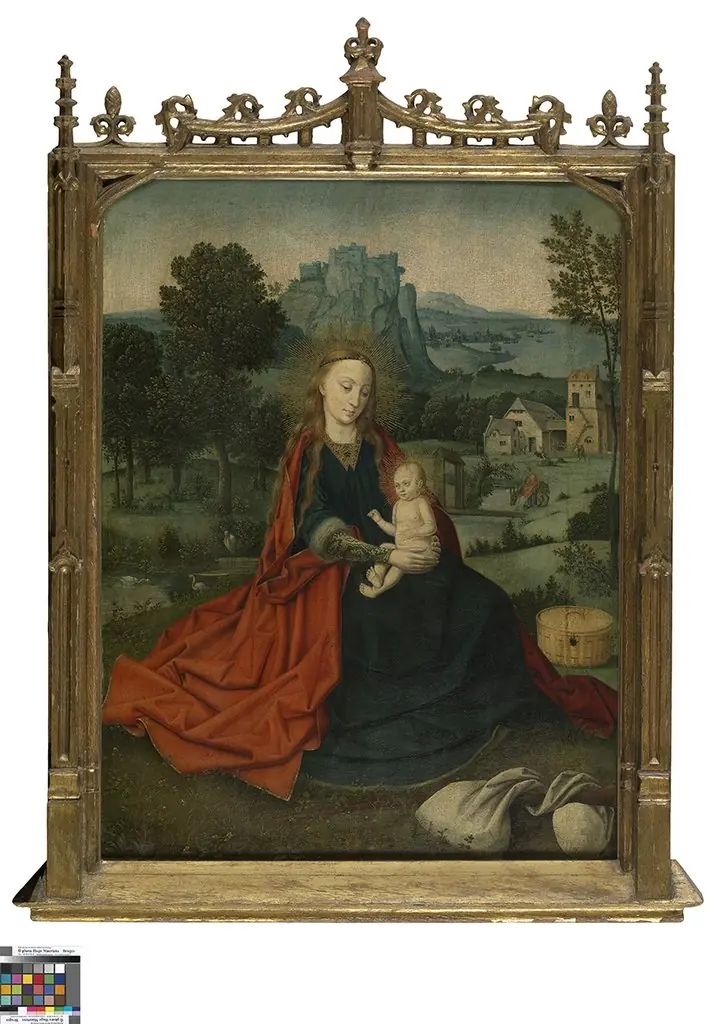 Rest on the Flight into Egypt
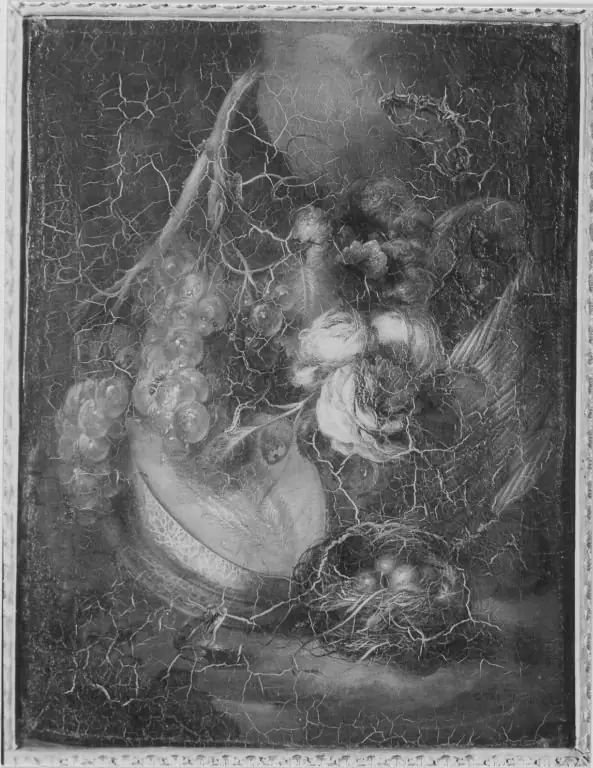 Still Life with Fruit, Flowers and Bird's nest
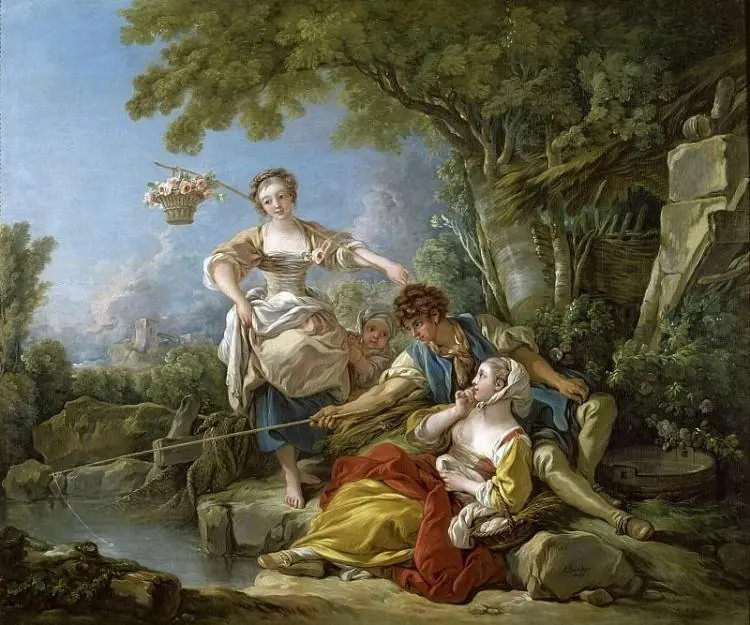 Fishing
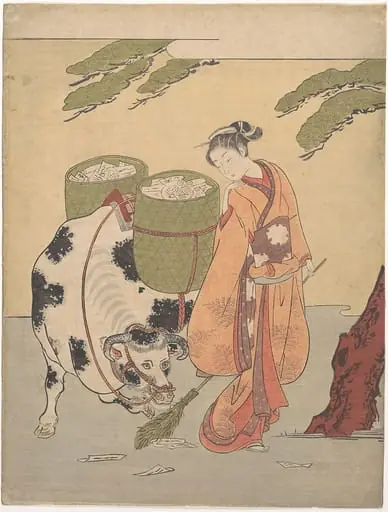 Untitled
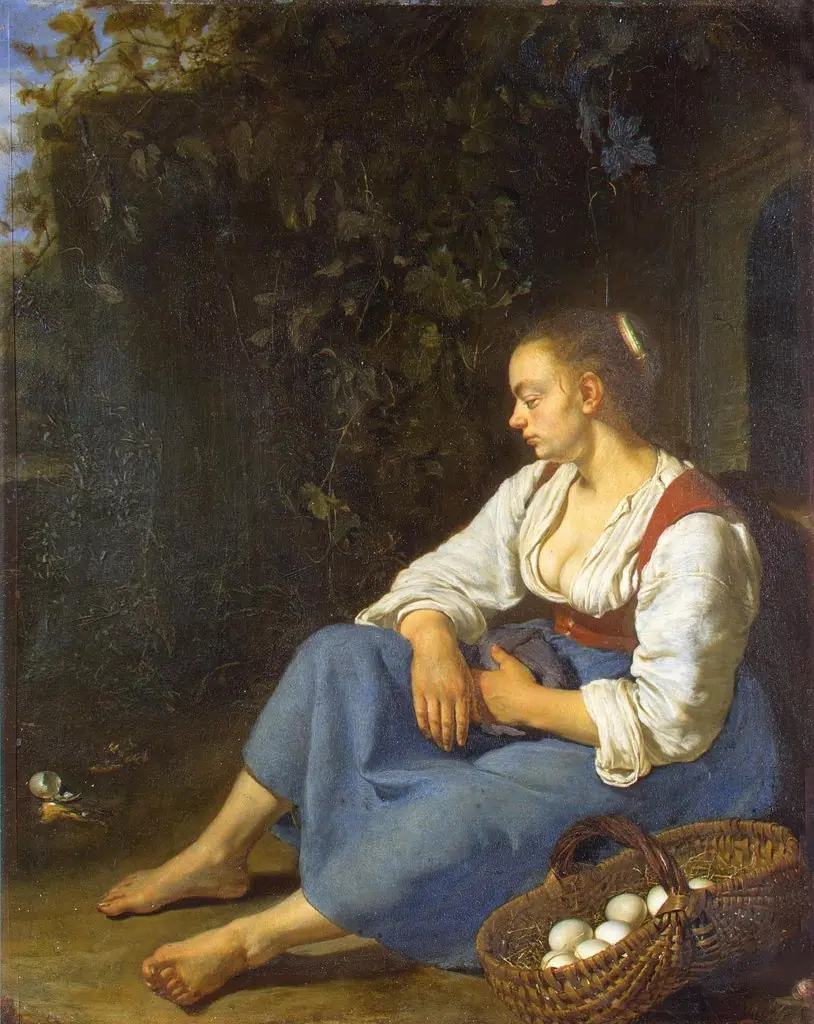 Broken Egg
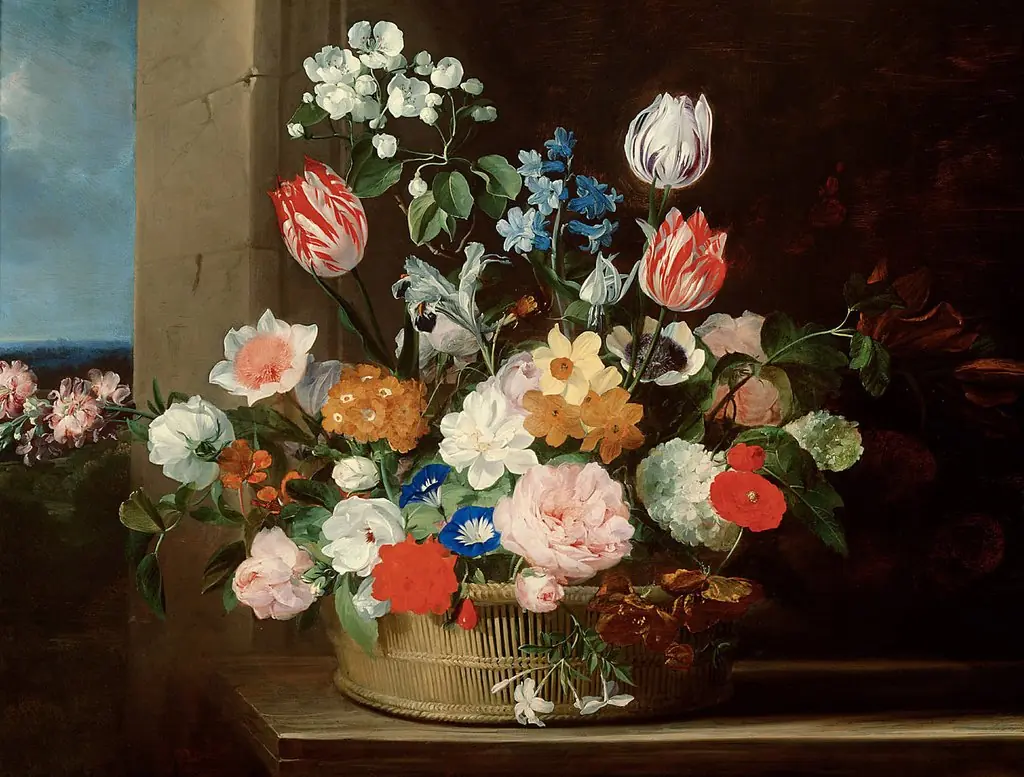 Flower Basket
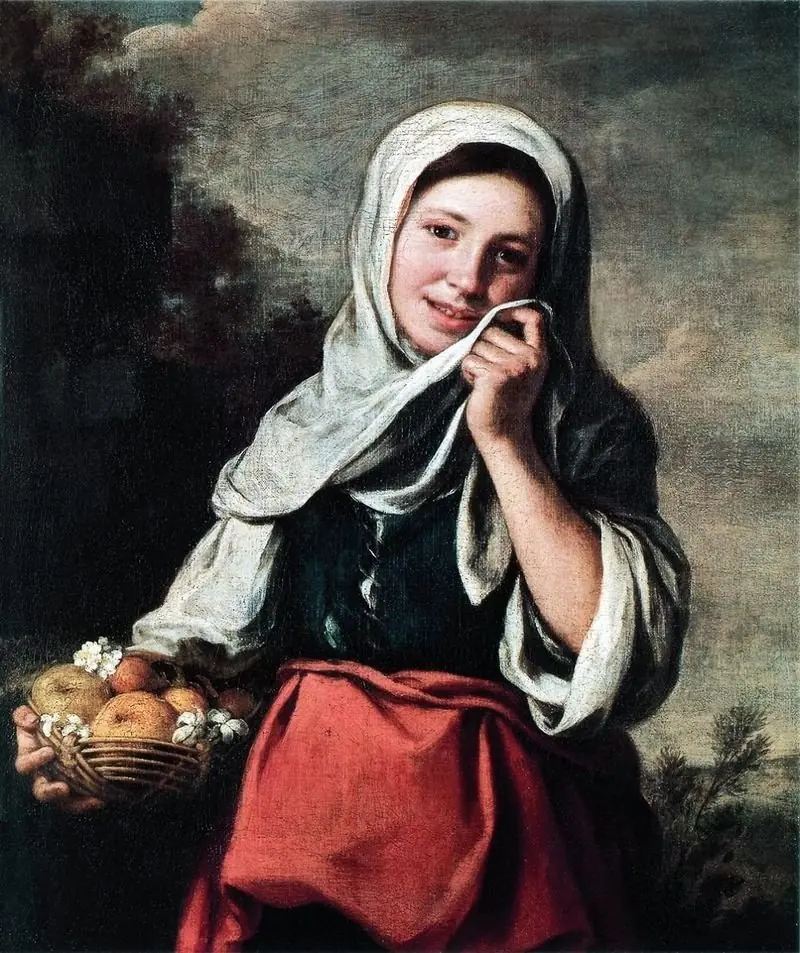 The Fruit Seller
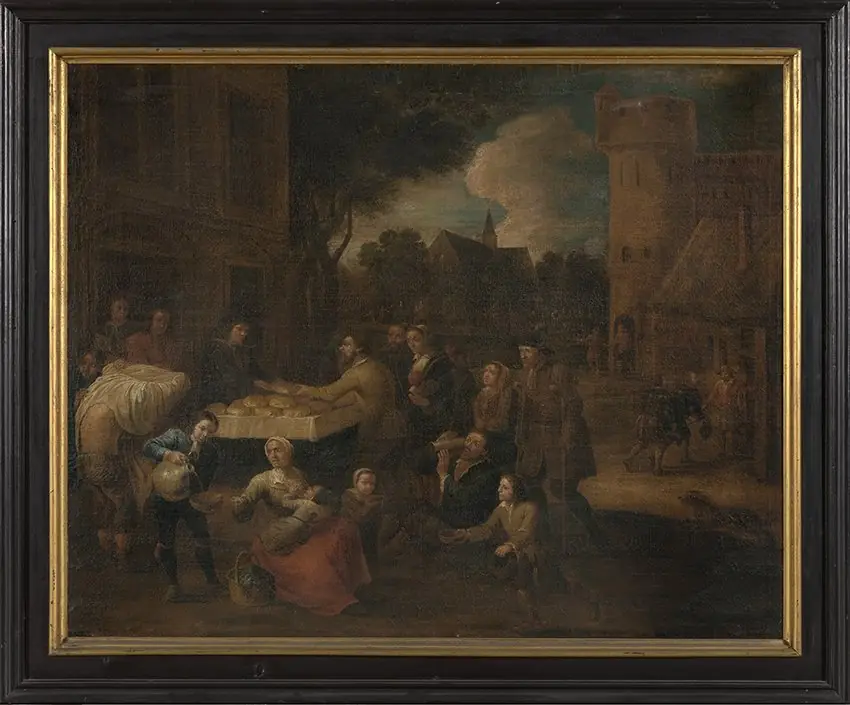 Werken van barmhartigheid
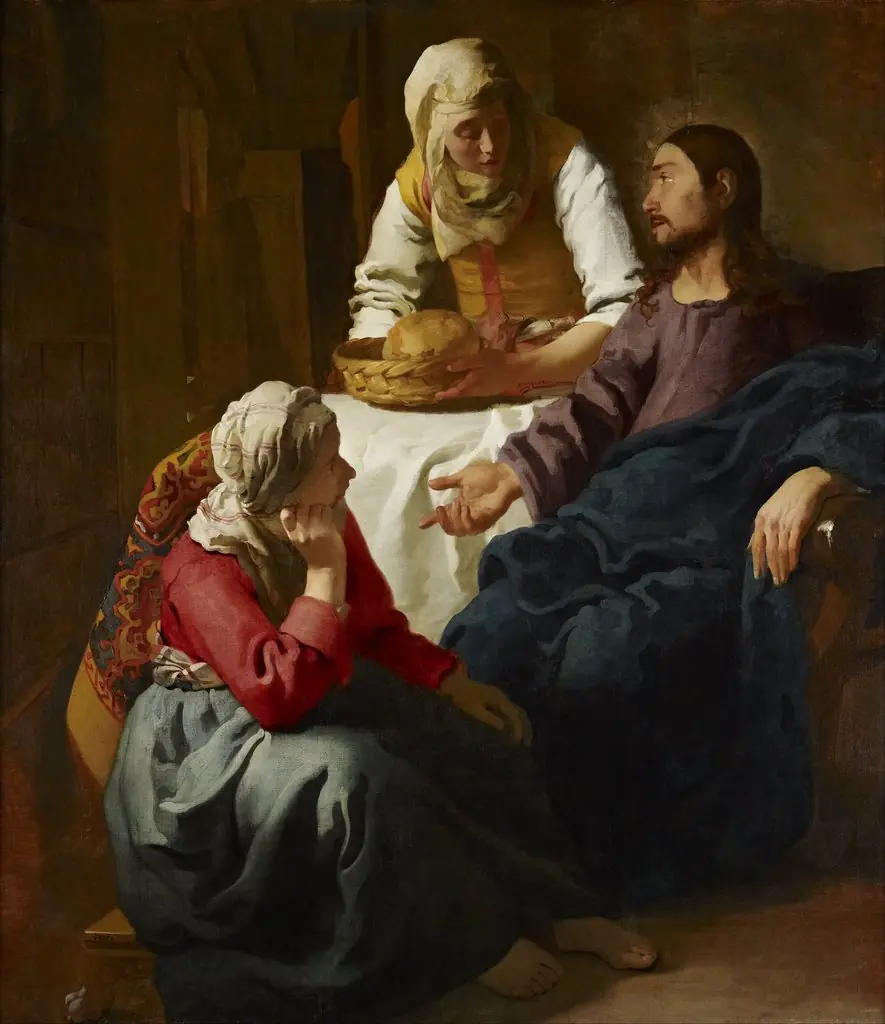 Christ in the House of Martha and Mary
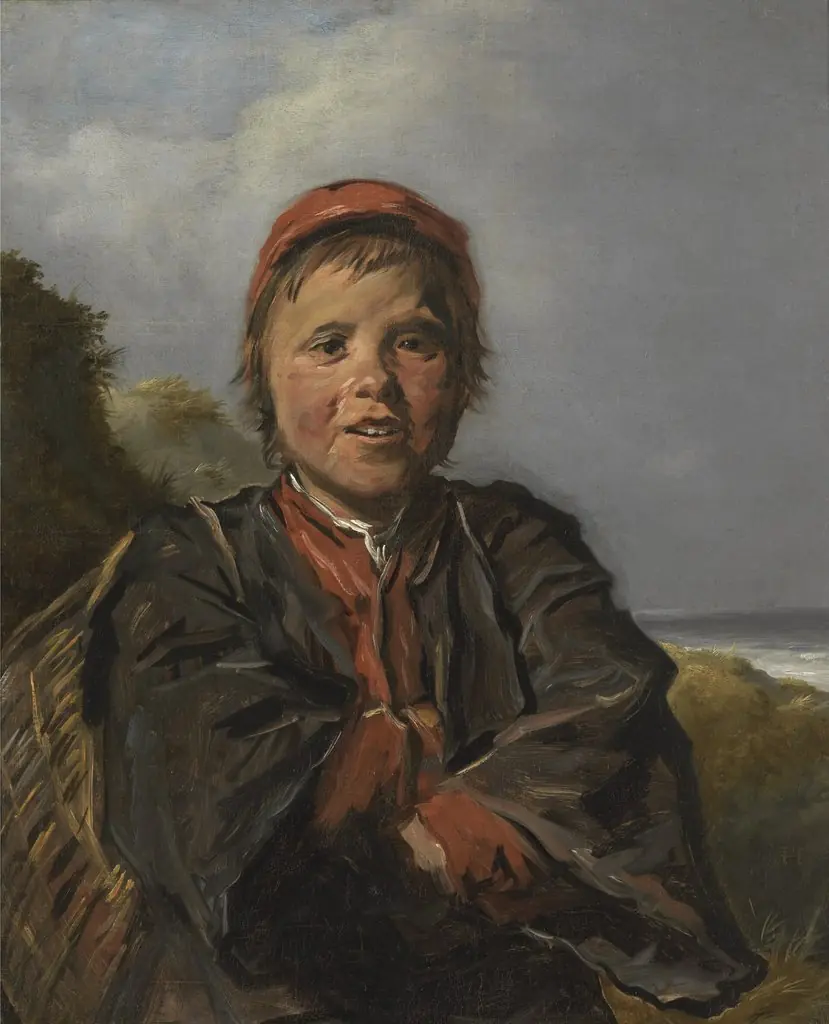 The Fisher Boy
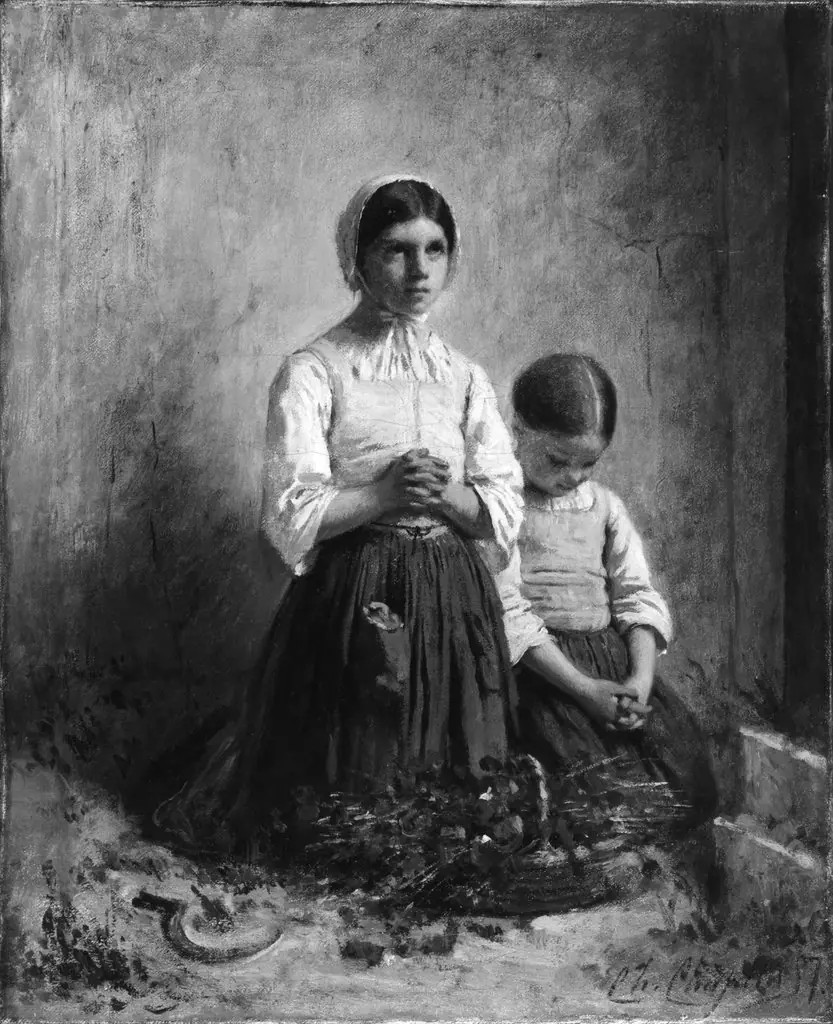 Devotion
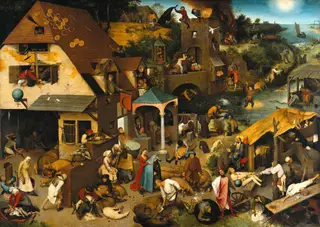 Netherlandish Proverbs
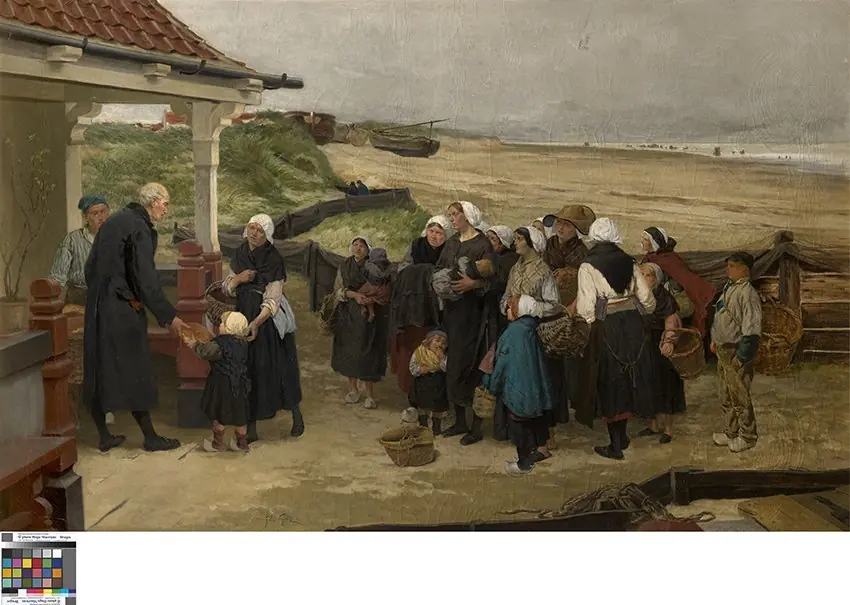 Brooduitdeling aan de weduwen en wezen te Katwijk
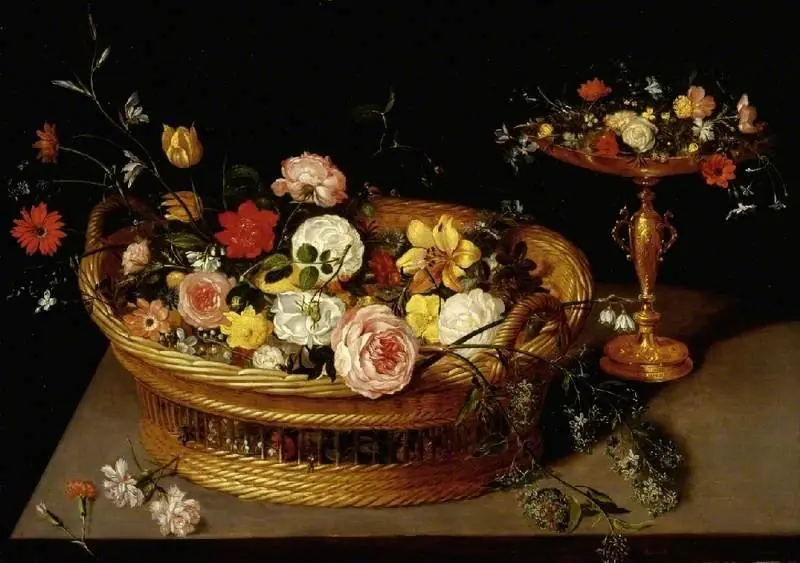 A basket of flowers
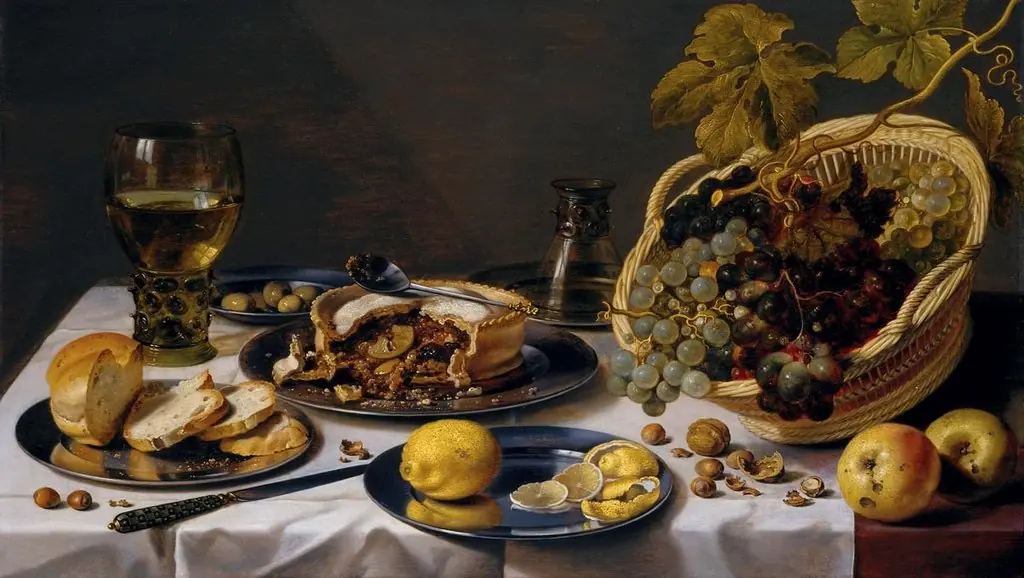 Tabletop Still Life with Mince Pie and Basket of Grapes
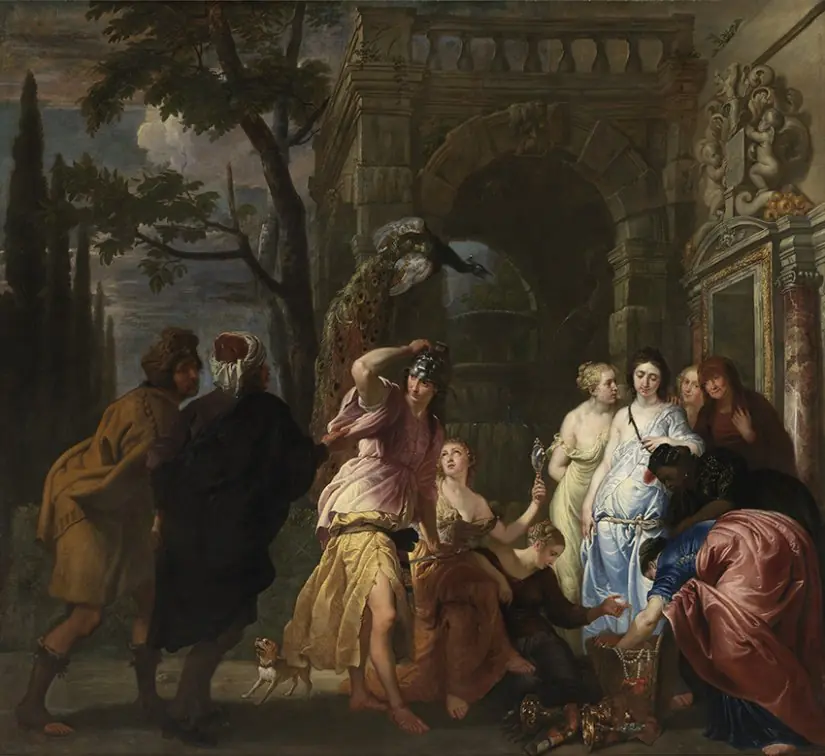 Achilles among the Daughters of Lycomedes
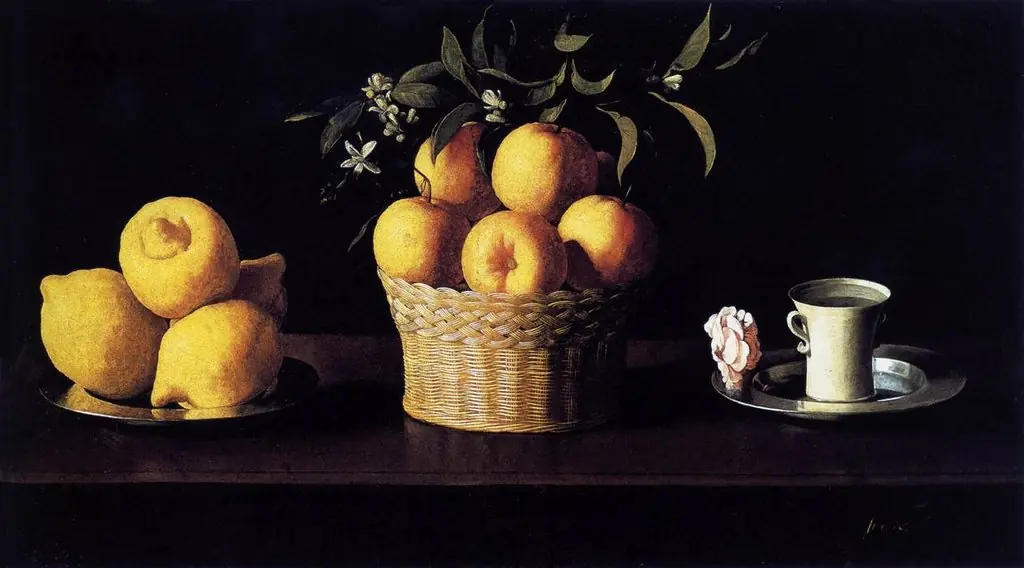 Still Life with Lemons, Oranges and a Rose
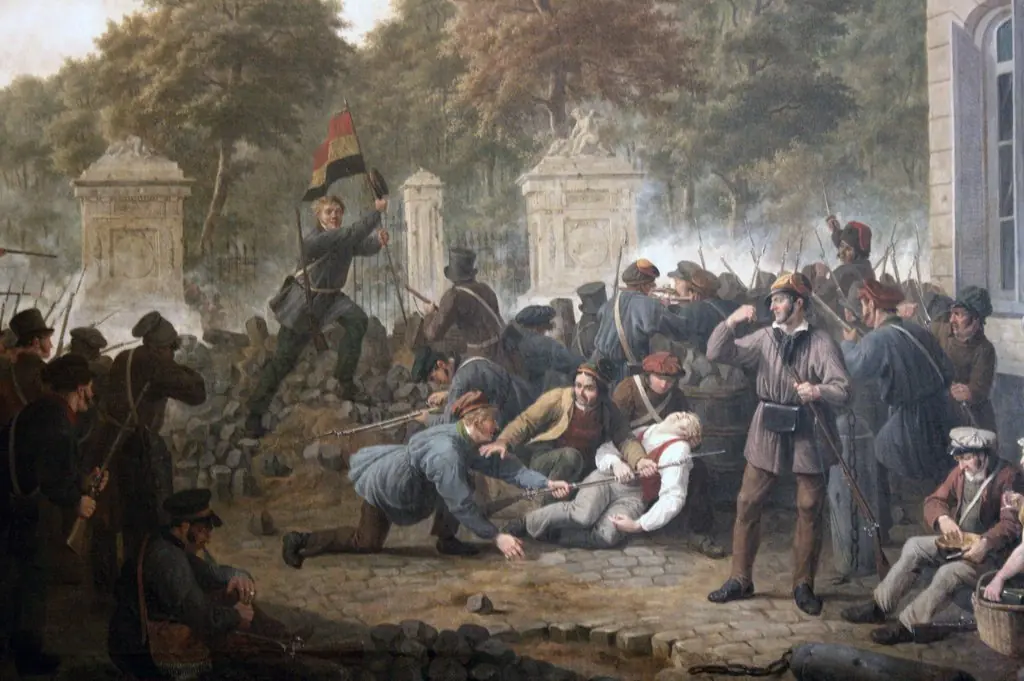 Scene of the Belgian Revolution
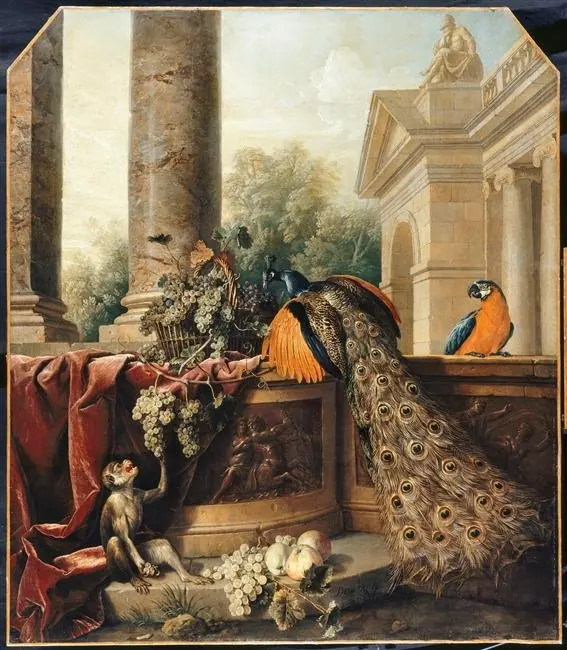 Still Life with a Peacock
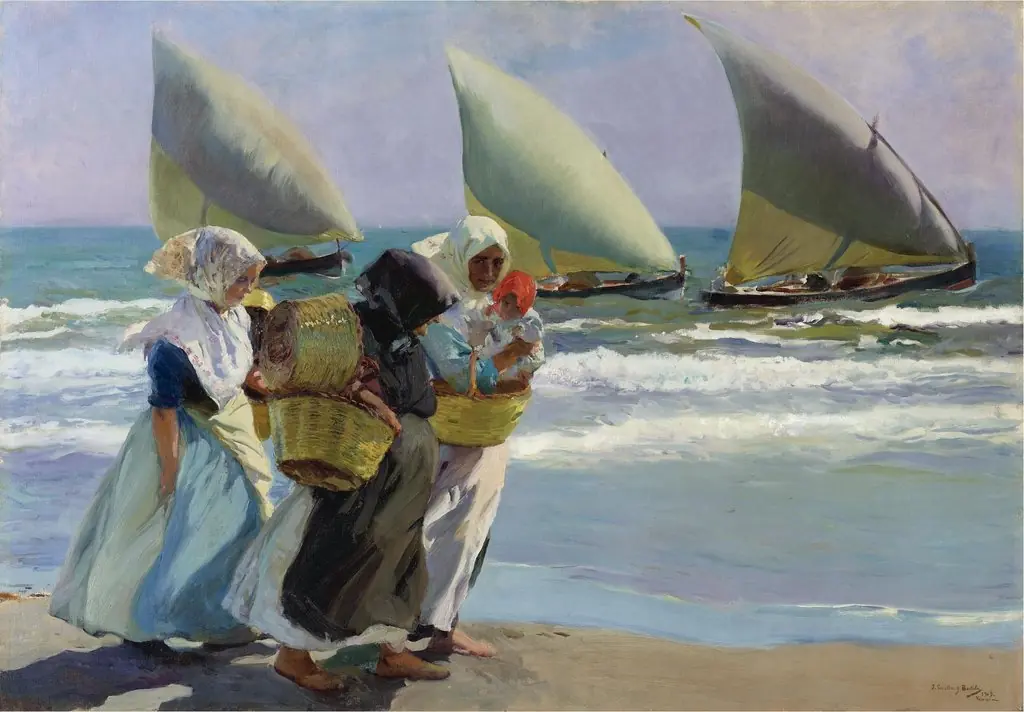 Las tres velas
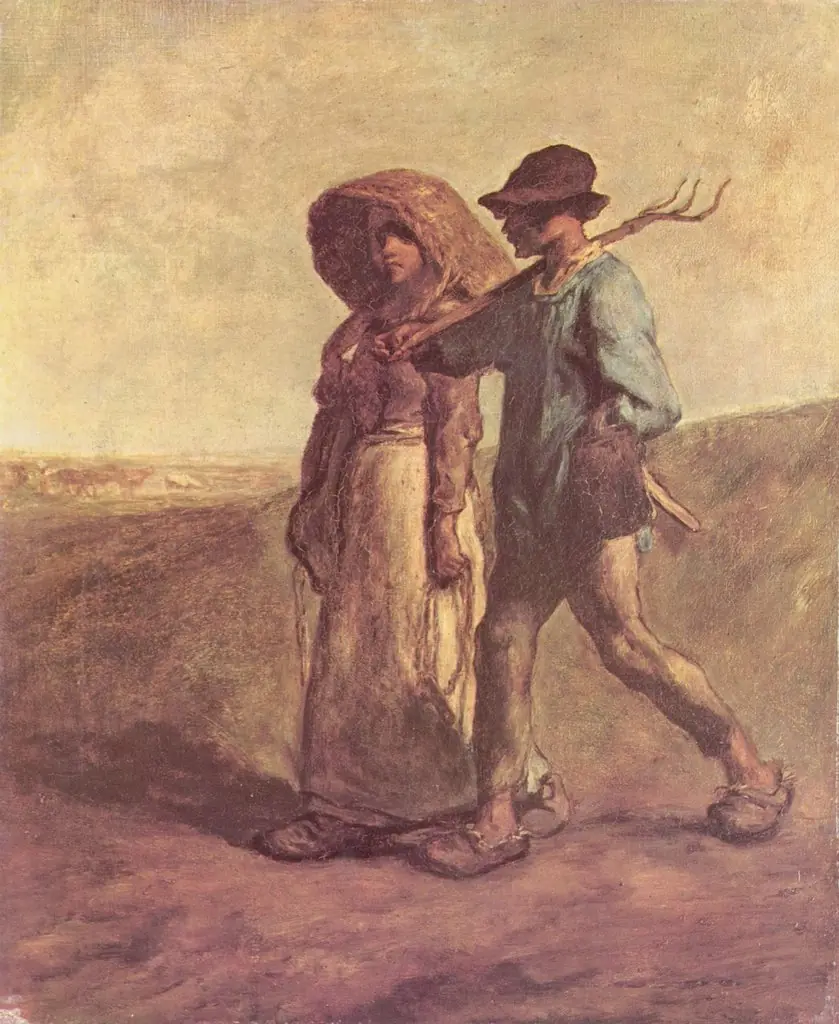 The Walk to Work
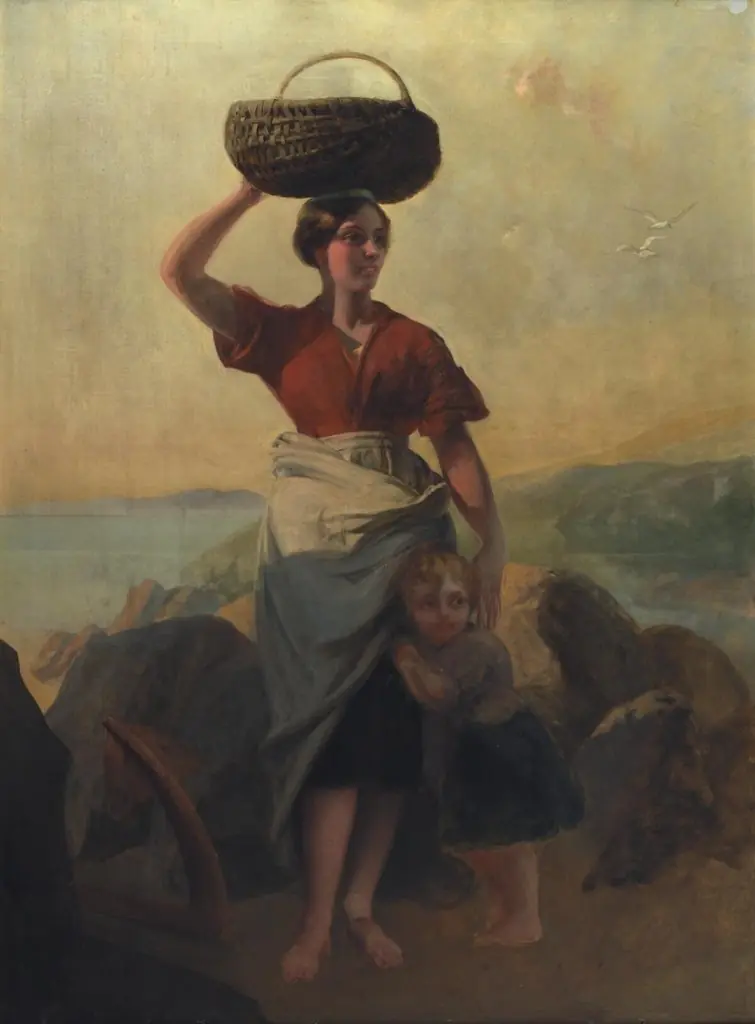 South Wales
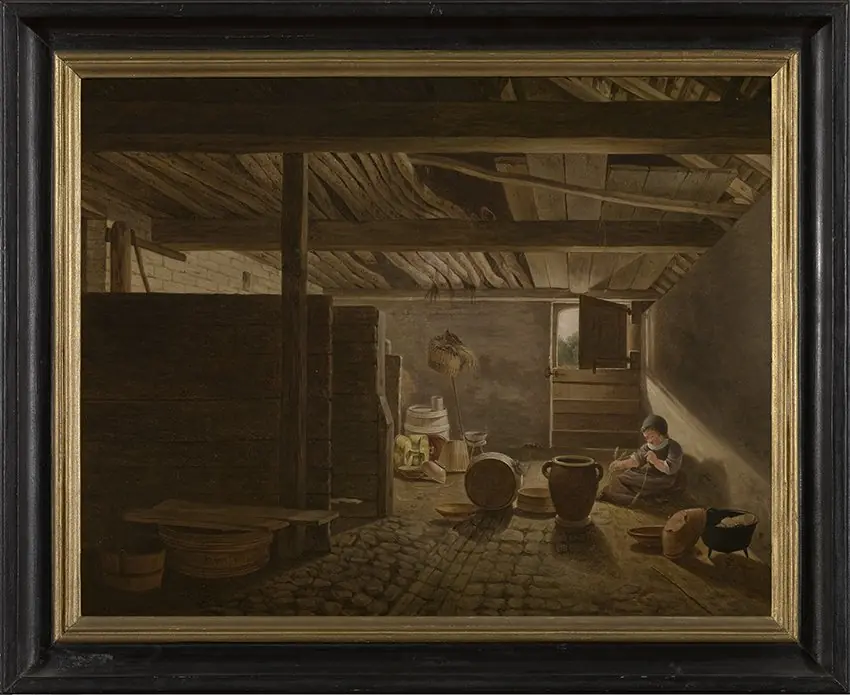 De stal
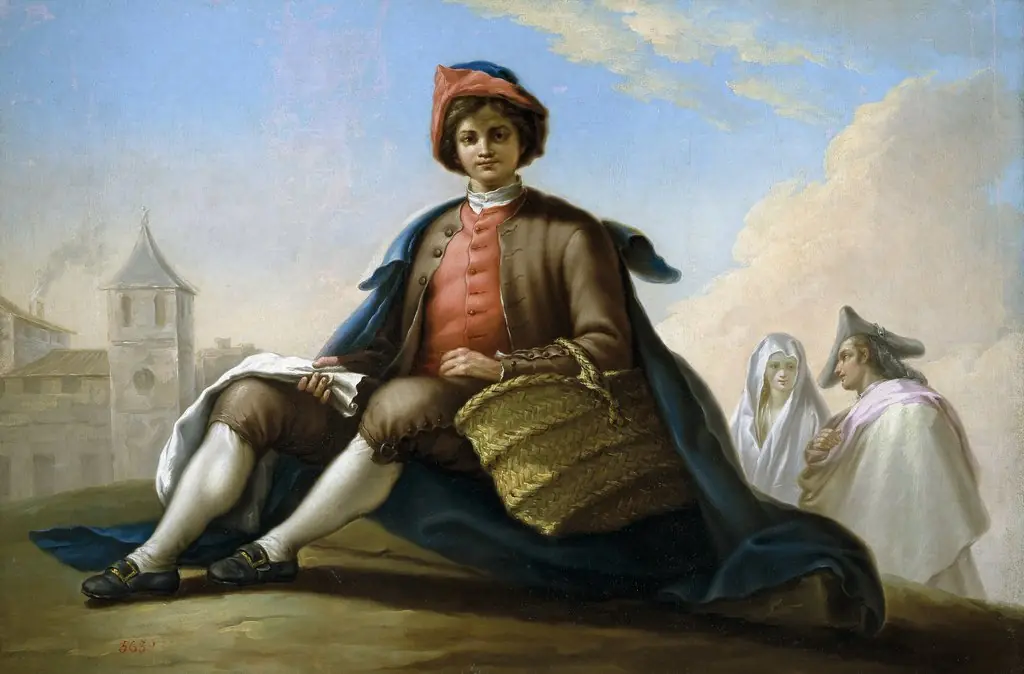 Boy with a Wicker Basket
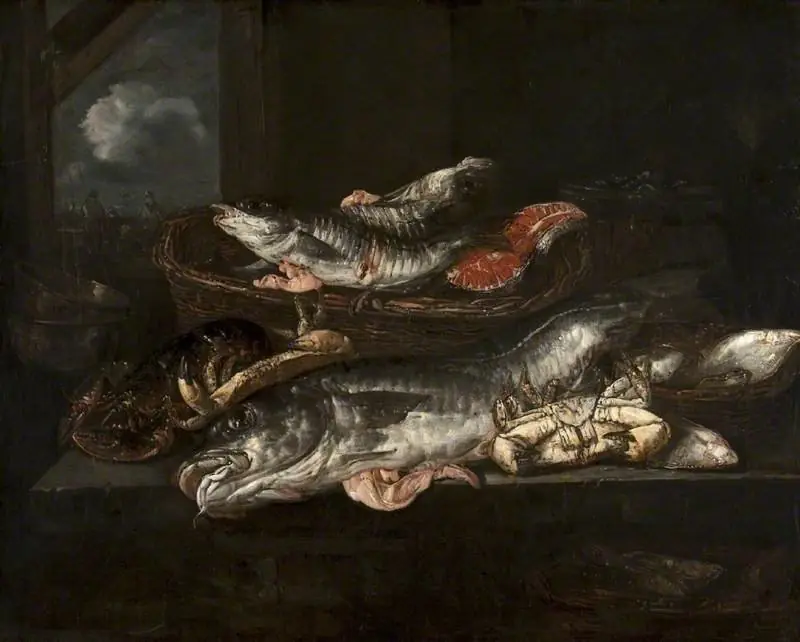 Still Life: Haddock, Plaice, Crabs and Lobster
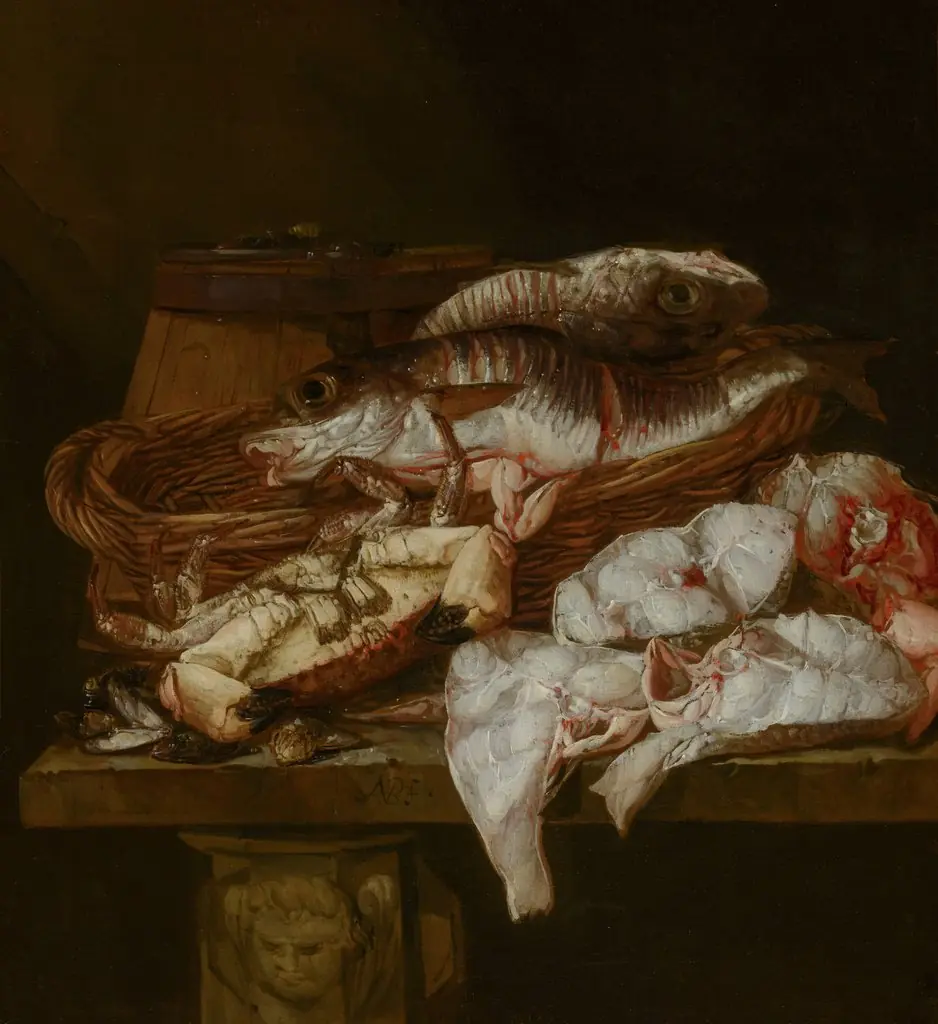 Still Life with Seafood
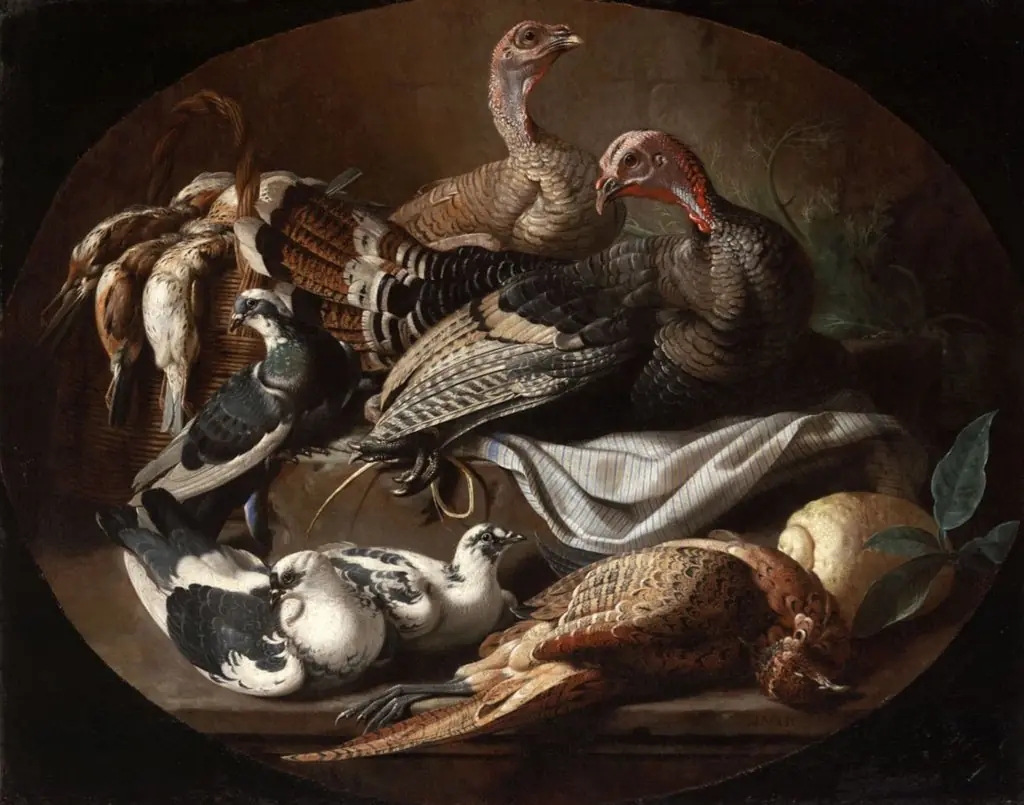 Still Life with Dead and Living Fowl
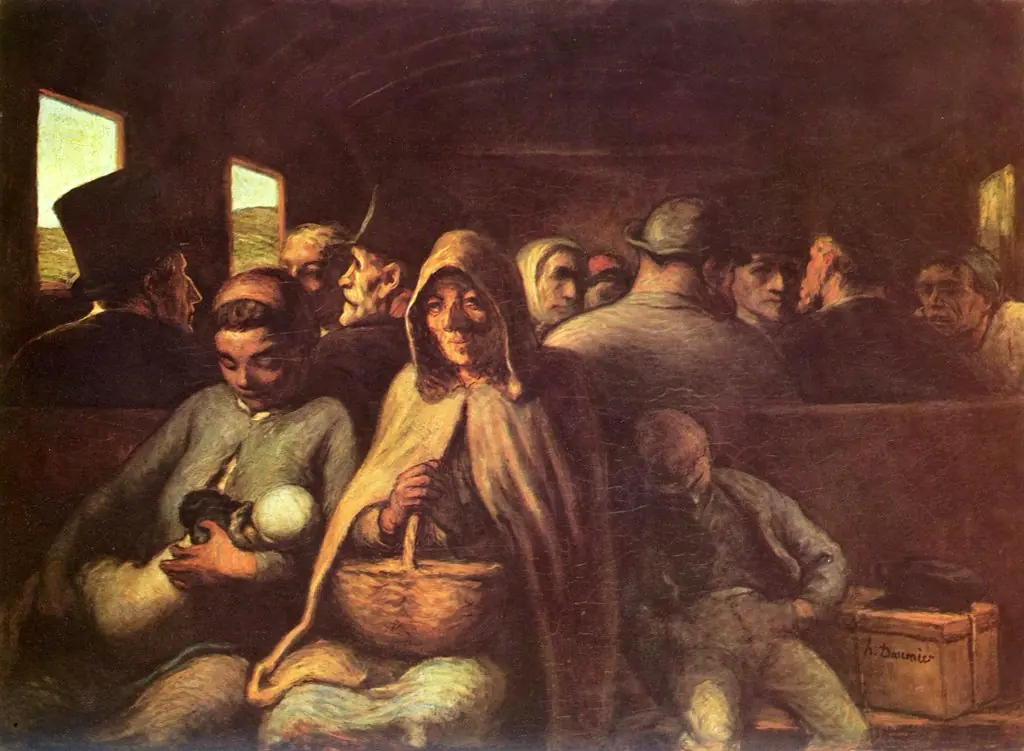 The Third-Class Carriage
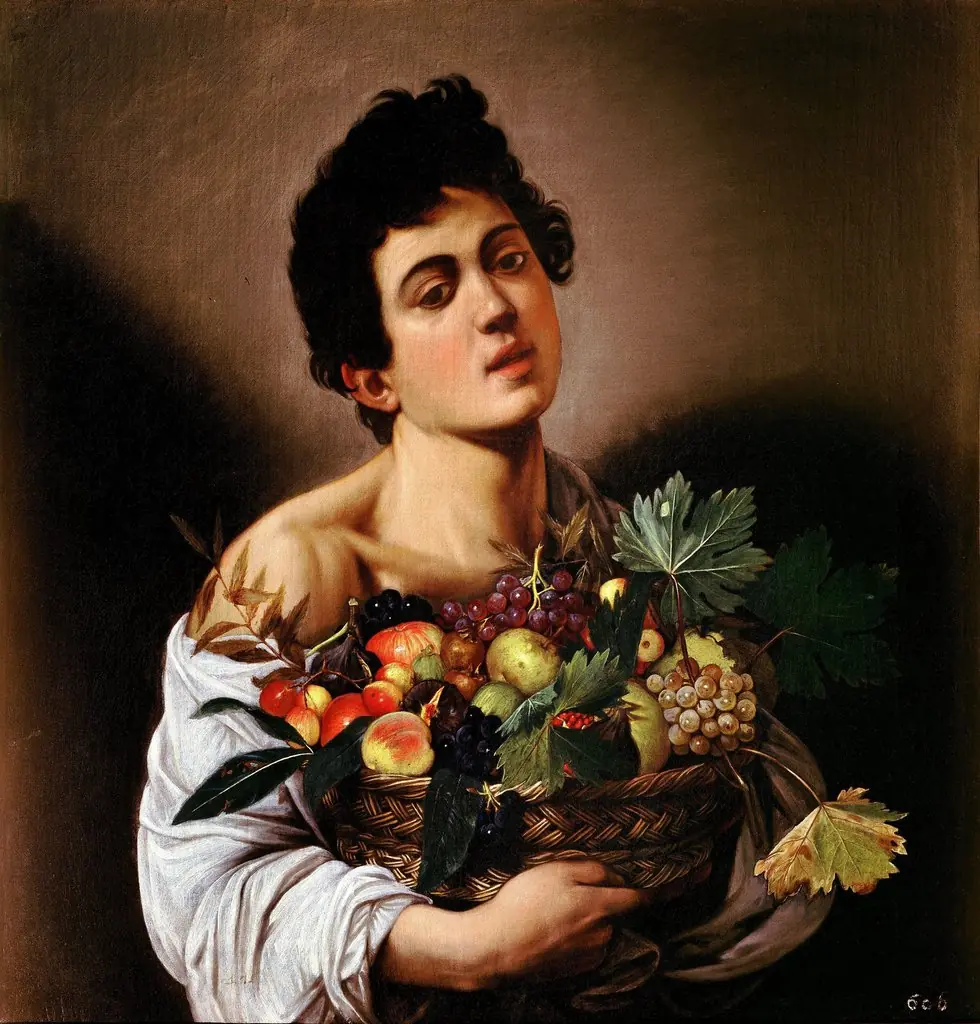 Boy with a Basket of Fruit
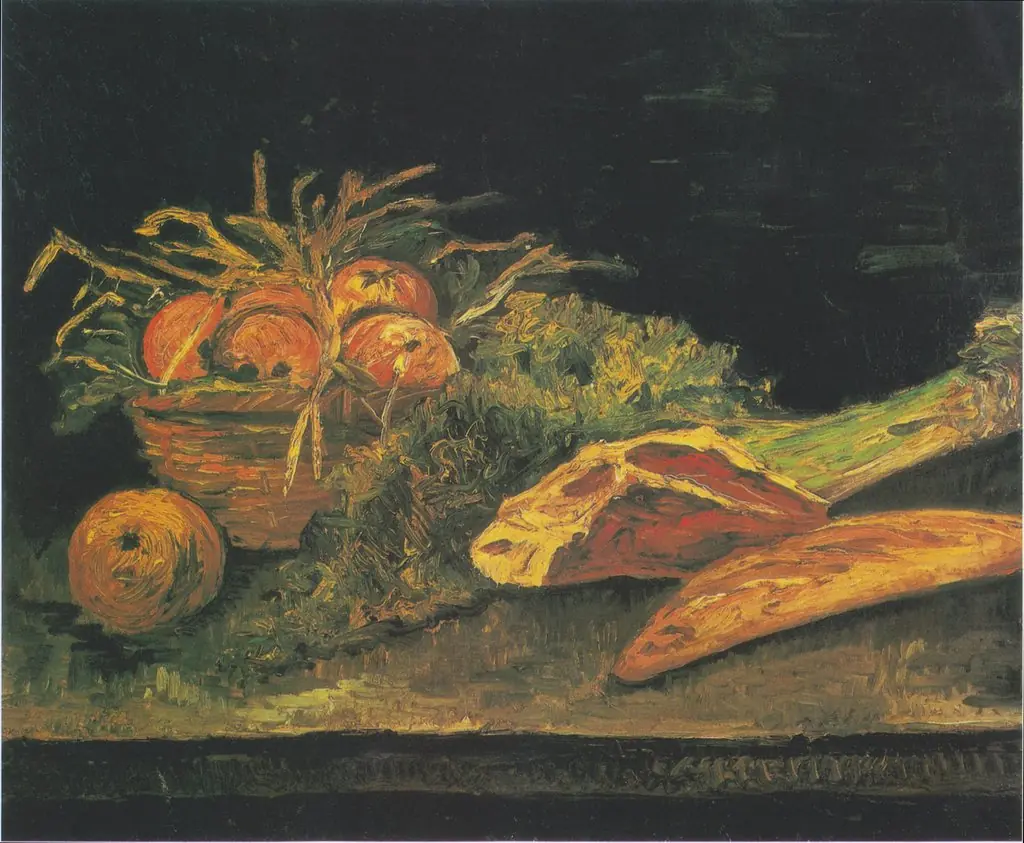 Still Life with Apple Basket, Meat and Bread Rolls
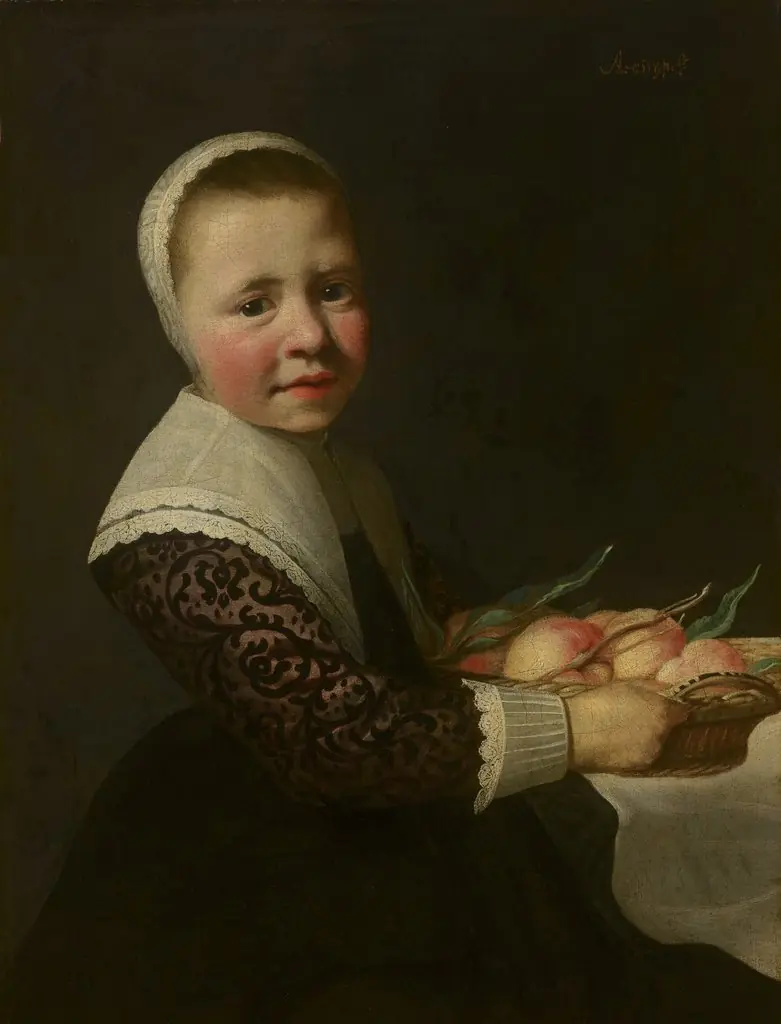 Portrait of a Girl with Peaches
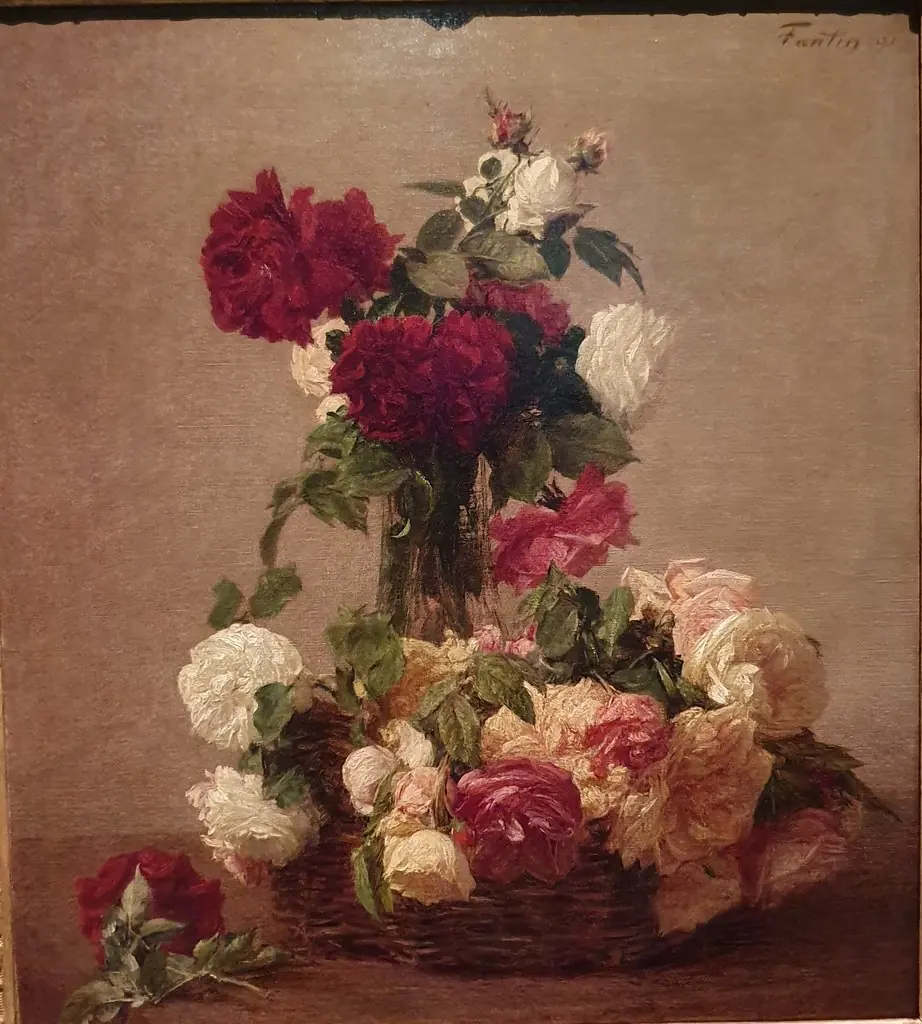 Cesto de Rosas
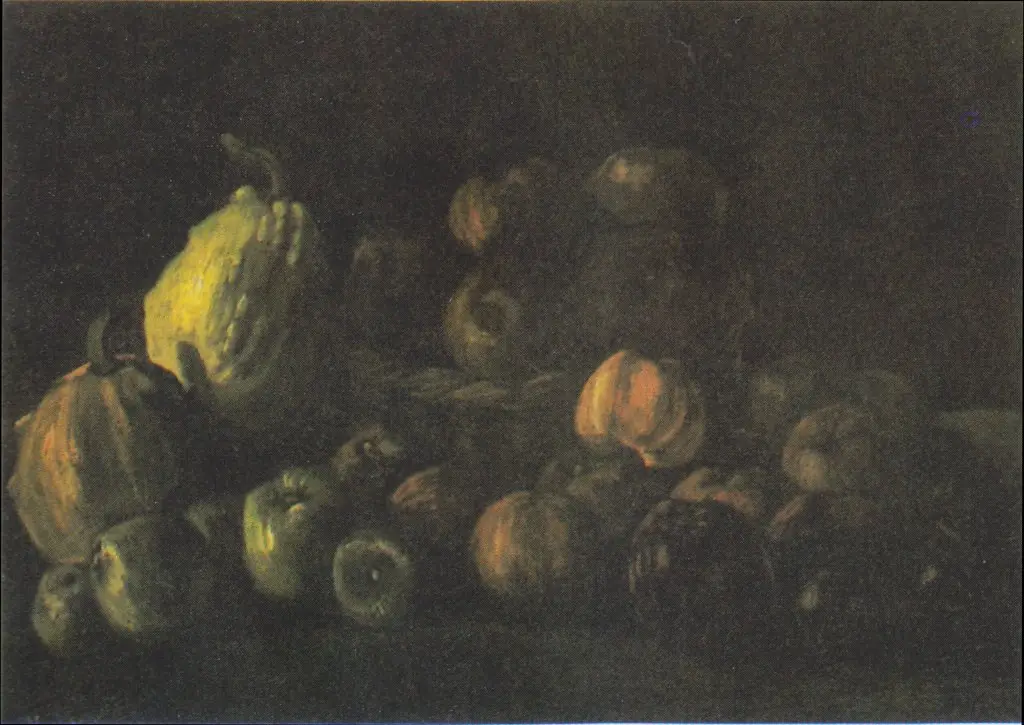 Still Life with a Basket of Apples and Two Pumpkins
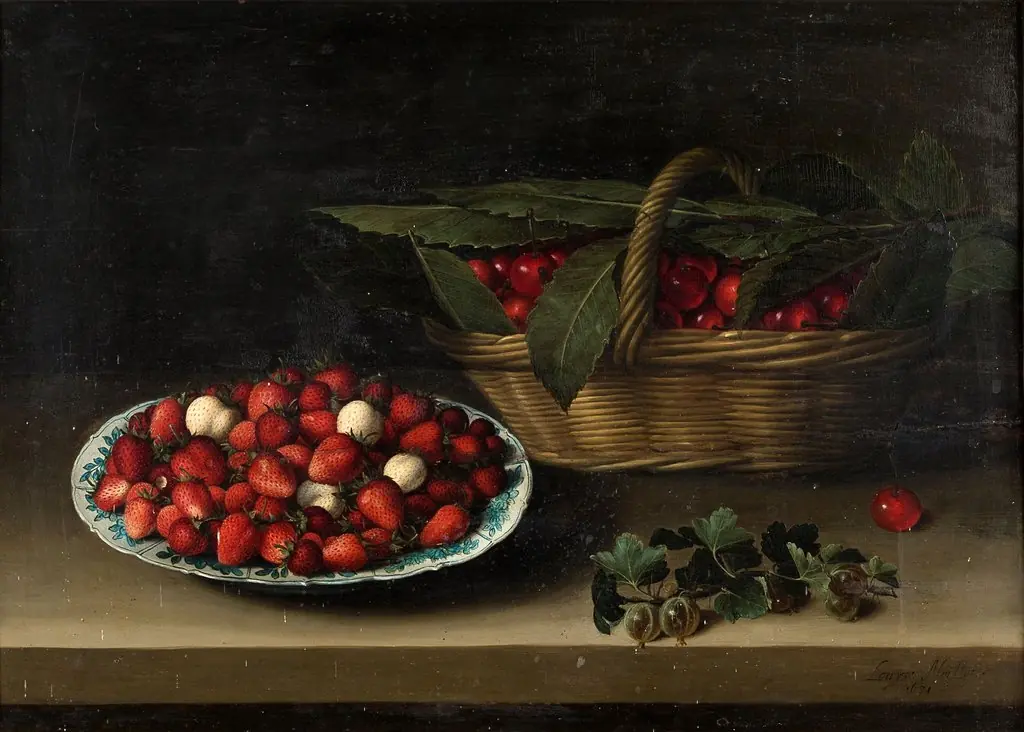 Still Life with a Bowl of Strawberries, Basket of Cherries, and Branch of Gooseberries
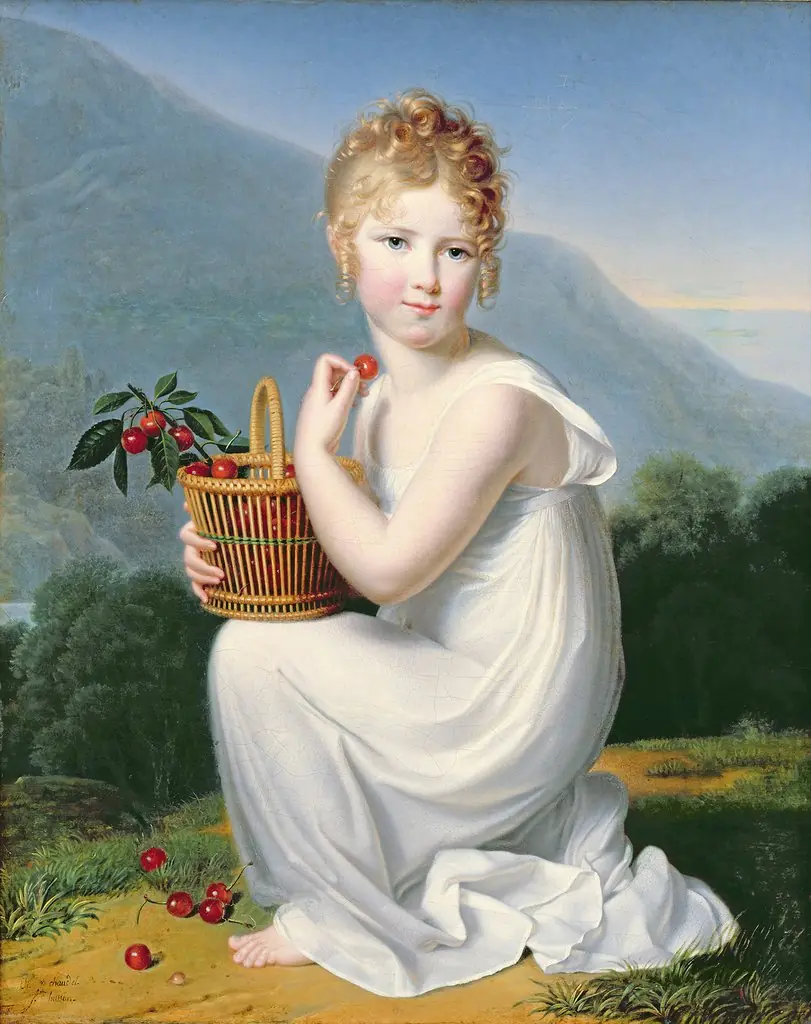 Young Girl Eating Cherries
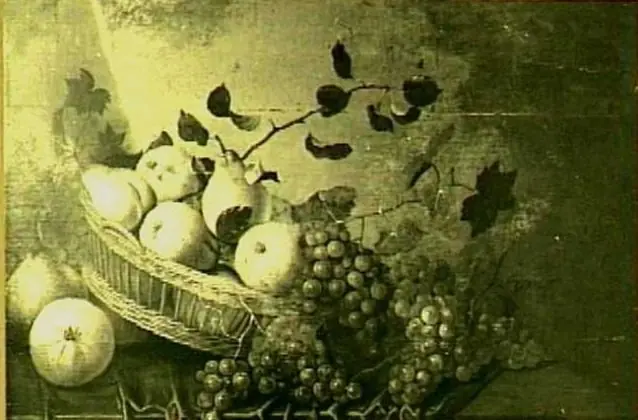 Fruit still life
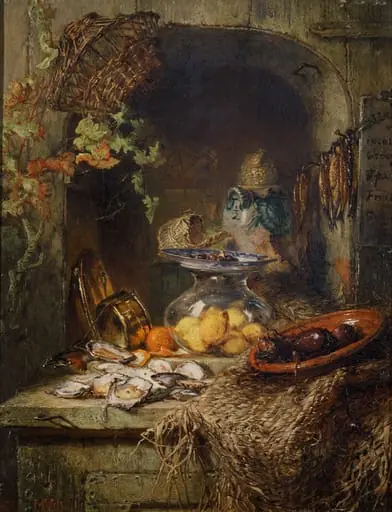 Natură statică
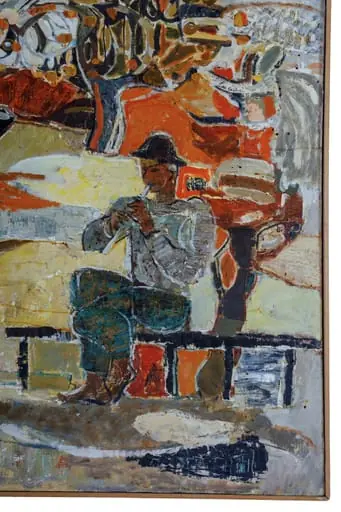 În grădină
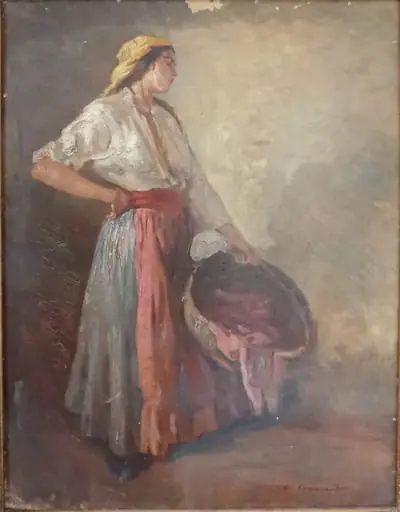 Țărancă cu coș
 Natură moartă cu pâine
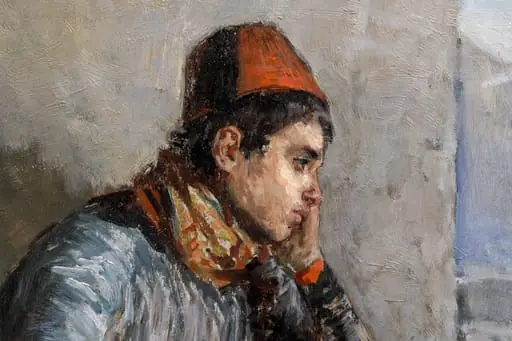 Bragagiul, 1893
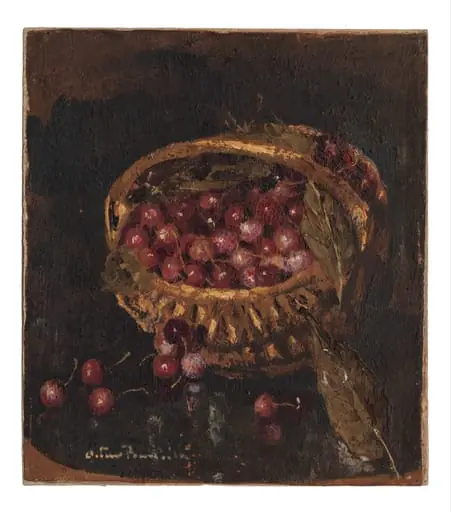 Coș cu cireșe
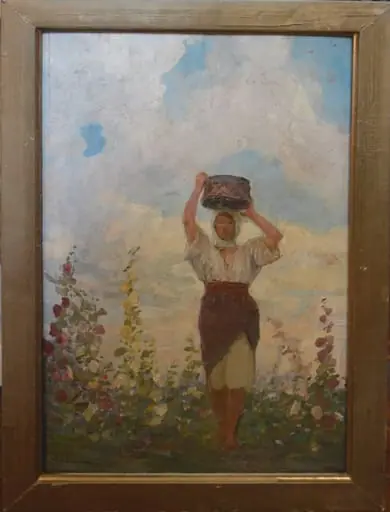 Țărancă
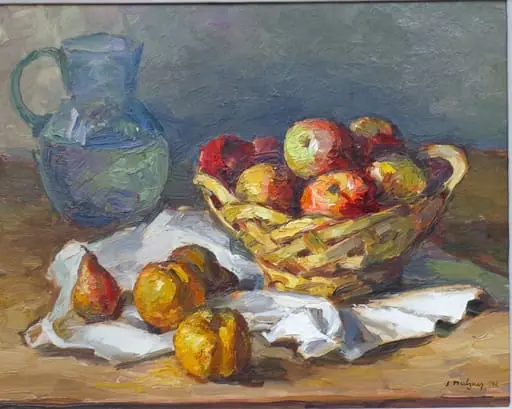 Natură statică cu fructe
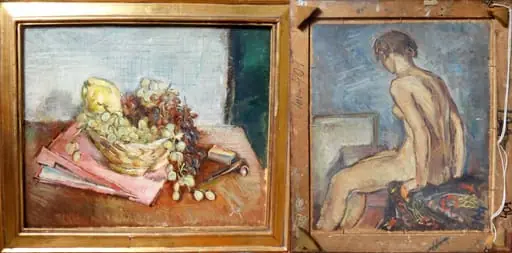 Nat(ură) moartă; Nud de femeie (verso)
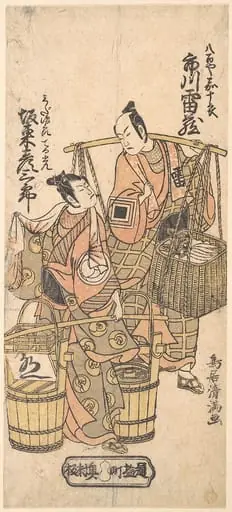 鳥居清満画 初代市川雷藏・二代目坂東彦三郎|Kabuki Actors Ichikawa Raizō I and Bandō Hikosaburō II
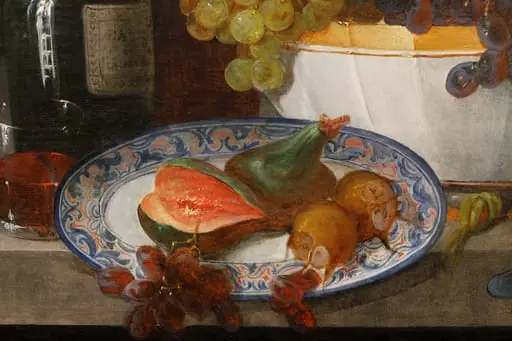 Natură statică
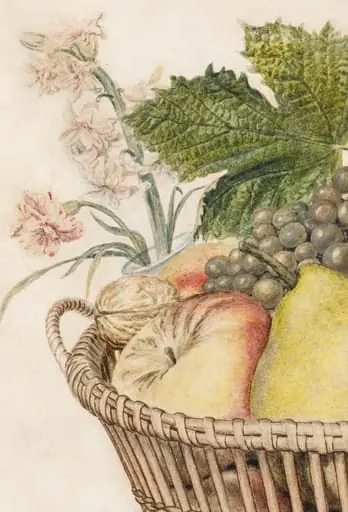 Coș cu fructe
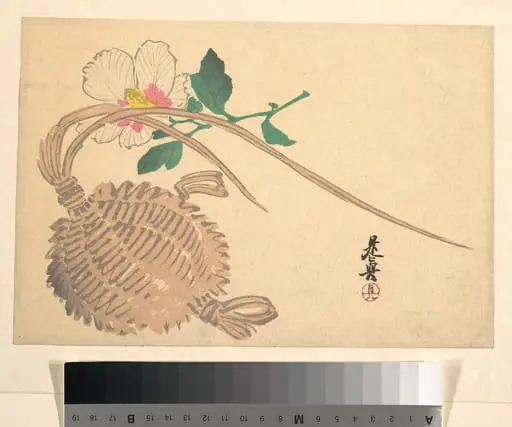 Untitled
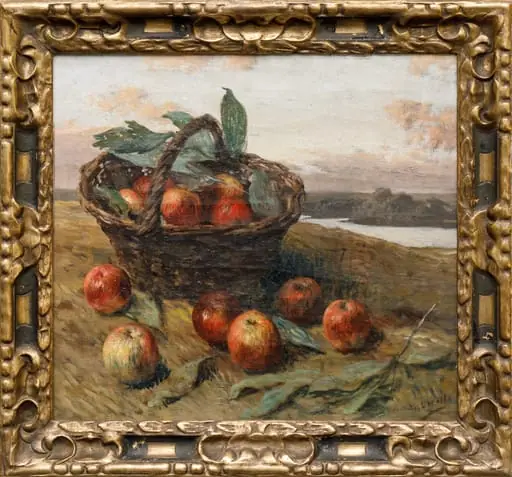 Coș cu mere
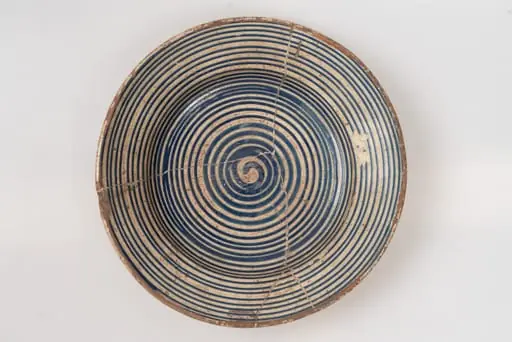 Farfurie de formă semi-adâncă, cu buză lată, evazată. Farfuria este angobată pe fața interioară cu un strat de humă albă, peste care este pictat cu cornul decorul monocromatic, format dintr-o linie simplă sub formă de spirală, care pornește din centrul farfuriei și acoperă întreaga ei suprafață. Cromatica: alb, albastru. Farfuria este acoperită pe fața decorată cu un strat de smalț transparent.
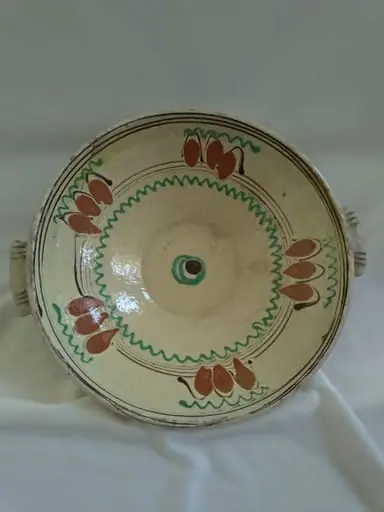 Strachină cu toartă
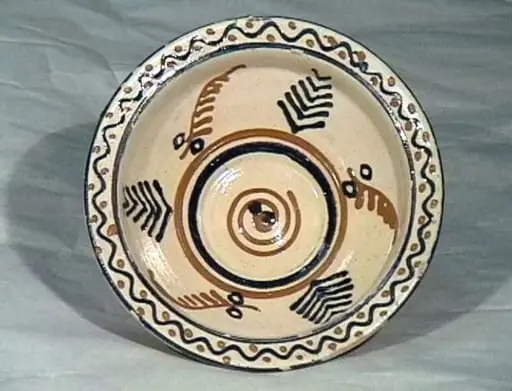 Castron
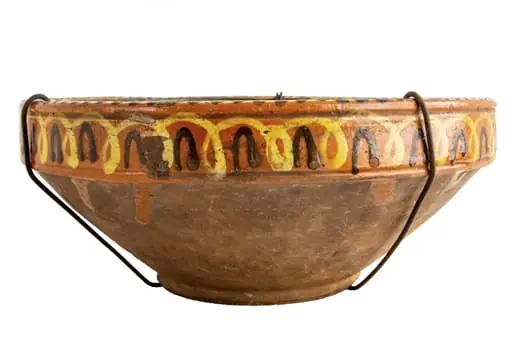 Formă tronconică; fond galben; pe fundul vasului este amplasată o bandă circulară de culoare verde închis încadrată de o altă bandă circulară decorată cu grupuri de linii paralele de culoare verde închis dispuse oblic; spațiul dintre linii ușor mai deschis la culoare. În exteriorul acestei compoziții sînt amplasate șiruri de semicercuri cărămizii cu puncte de culoare verde în interior. Pe peretele vasului este dispusă o altă bandă circulară decorată similar cu cea descrisă anterior, încadrată de un val circular de culoare cărămizie. Buza vasului decorată cu un val de culoare verde. Sub buză, pe exterior este amplasat un meandru de culoare galbenă și brun închis. Folosită la decorare interiorului țărănesc în așa numita - cameră bună.
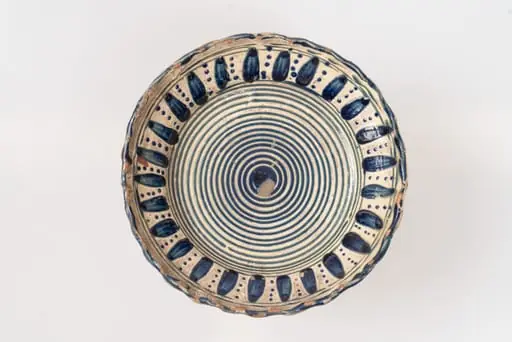 Farfurie de formă semi-adâncă, cu buză lată, evazată și muchia buzei ușor ondulată. Farfuria este angobată pe fața interioară cu un strat de humă albă, peste care este pictat cu cornul și cu pensula decorul monocromatic, format din motive fitomorfe stilizate (un șir de frunze simple, separate de câte o linie punctată - pe buza farfuriei) și geometrice (o linie spiralată amplă, ce pornește din centrul farfuriei și acoperă întreaga suprafață centrală a acesteia; linii simple circulare, puncte - pe buza farfuriei). Muchia buzei este marcată cu o dungă de culoare albastră. Cromatica: alb, albastru. Farfuria este acoperită pe fața decorată cu un strat de smalț transparent.
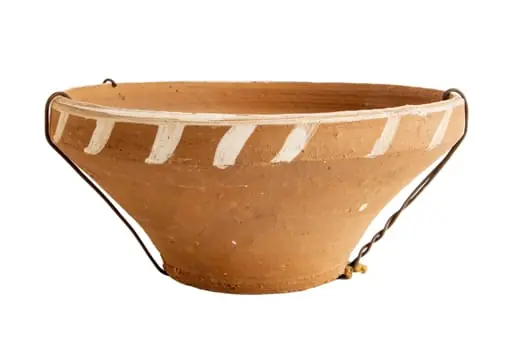 Formă tronconică; fond cărămiziu; culori: alb; nesmălțuiță. Pe peretele vasului într-o bandă circulară delimitată de două cercuri sînt amplasate trei grupuri de linii dispuse oblic. Buza vasului este decorată cu un cerc de culoare albă. Sub buza vasului în exterior sînt amplasate linii oblice de culoare albă. Folosită în bucătăria țăranească pentru a servi mîncarea.
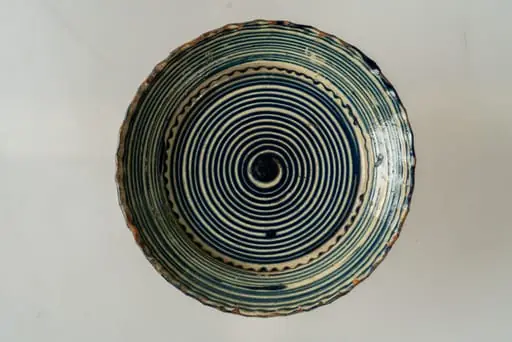 Farfurie adâncă, cu buza răsfrântă și muchia buzei ușor ondulată; piesa este modelată la roata olarului și angobată pe fața interioară cu humă albă. Decorul monocromatic este realizat prin pictare cu cornul și constă în două linii spiralate mari, una ce acoperă întreaga suprafață a buzei și a doua linie, ce acoperă toată zona centrală a farfuriei. O linie vălurită, pe peretele îngust al farfuriei, separă cele două spirale. Cromatica: alb, albastru. Fața decorată a farfuriei este acoperită cu un strat de smalț transparent.
Frequently asked questions
What is Basket?
Basket is a subject in art. A basket is a container that is traditionally constructed from stiff fibers, and can be made from a range of materials, including wood splints, runners, and cane.
How many Basket works does Artifact World Gallery have?
Artifact World Gallery holds 122 public-domain Basket works, all free to view and download.
Who are the key Basket artists?
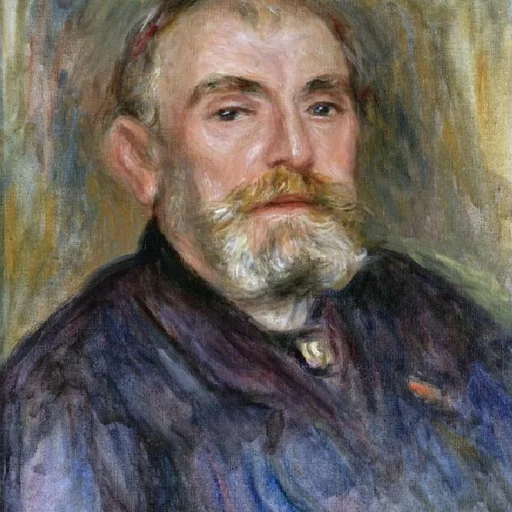
Key Basket artists in the collection include Gustave Courbet, Henry Lerolle and Jean Léon Gérôme.
Where can I see Basket works?
Basket works in the collection are held by Metropolitan Museum of Art, Statens Museum for Kunst and Groeningemuseum.