Artwork
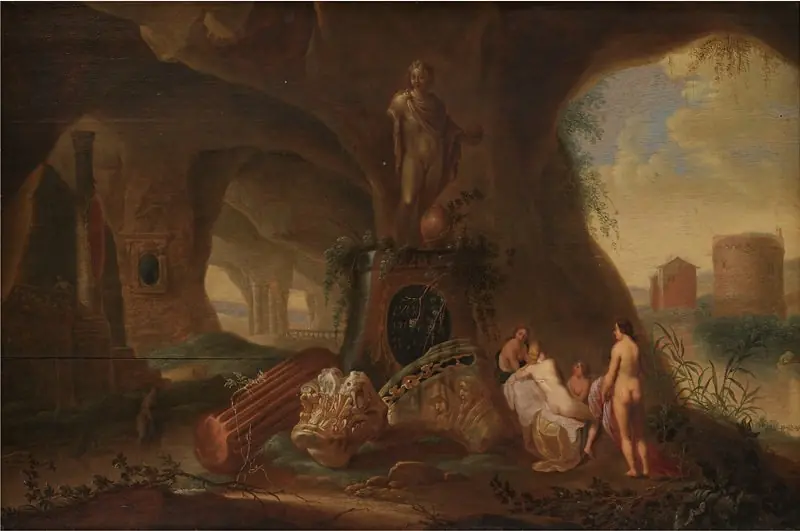
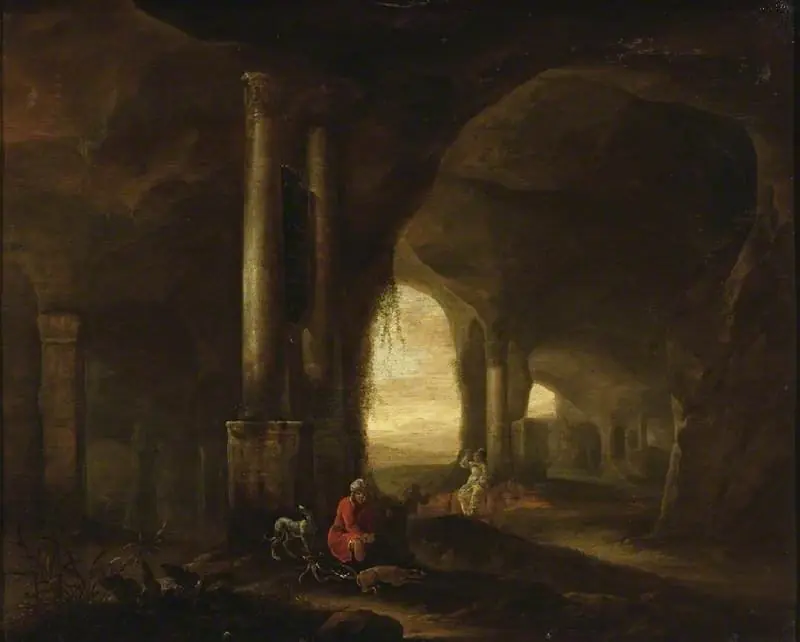
Grotto with Bathing Nymphs
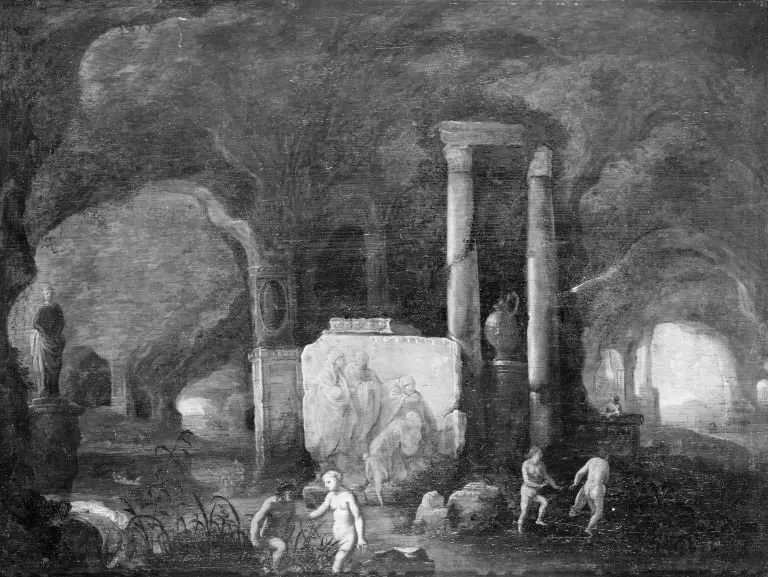
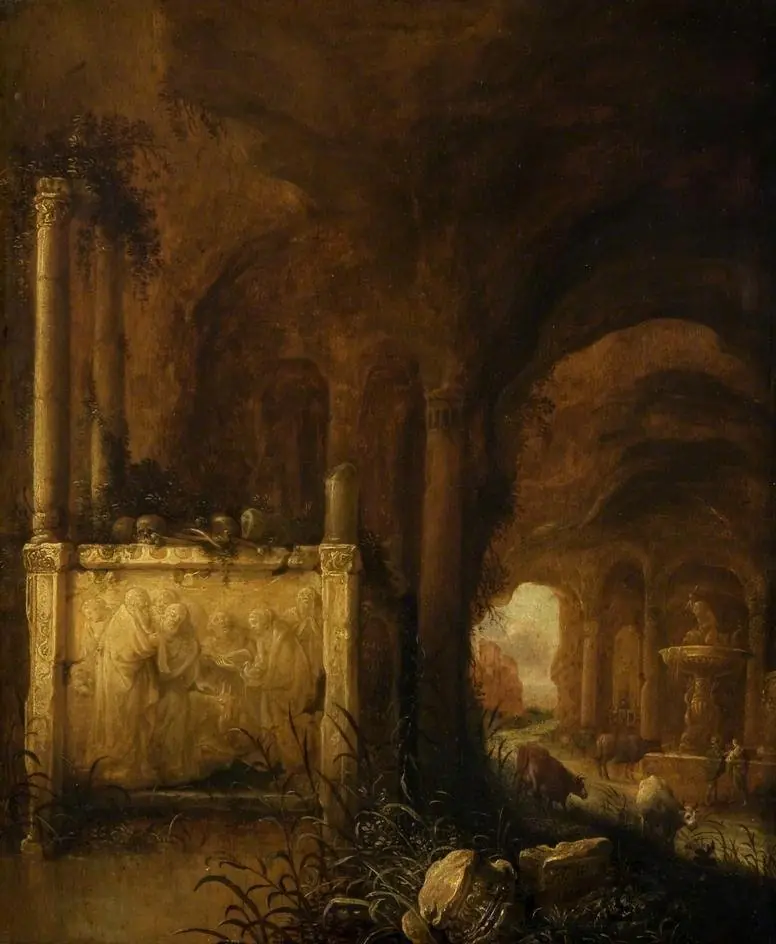
Grotto with Bathing Nymphs is an unspecified painting by the Dutch Golden Age artist Abraham van Cuylenborch. It dates from 1645 and is held in the collection of the Statens Museum for Kunst.
About this work
Subject & Meaning
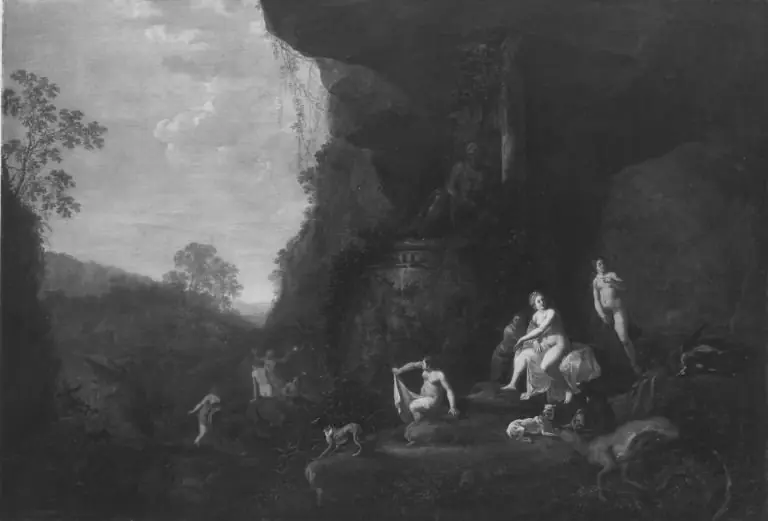
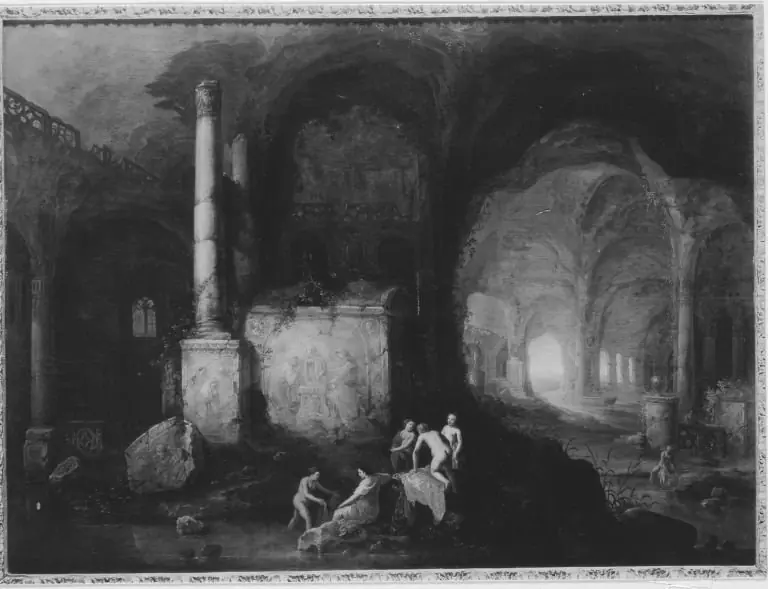
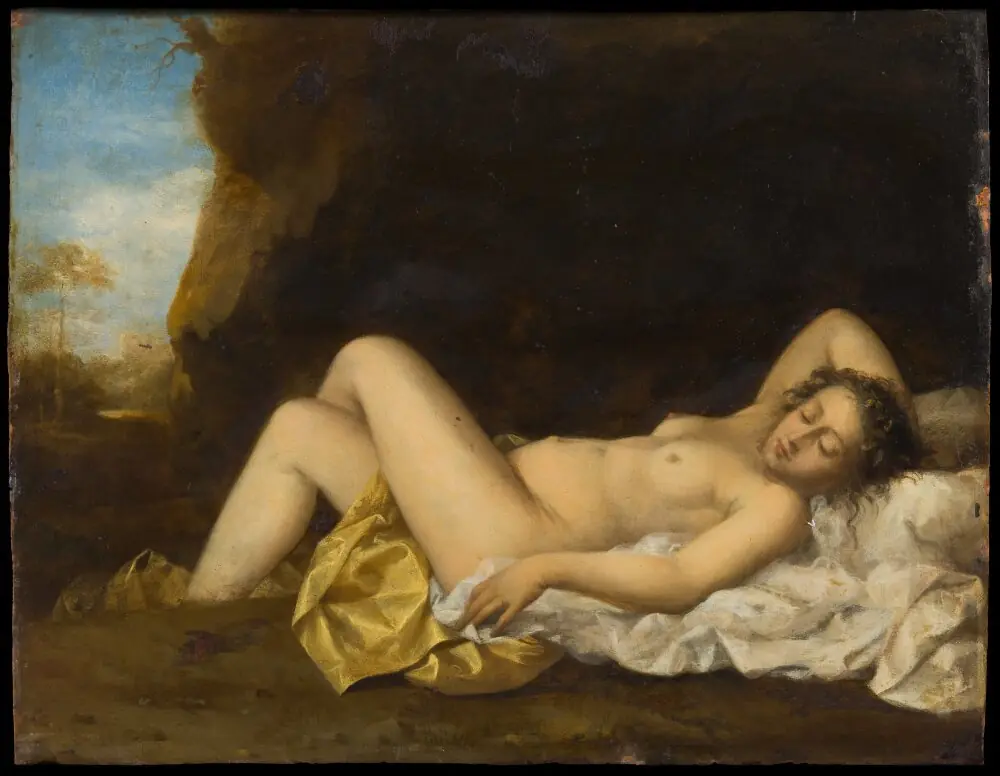
The painting depicts a grotto inhabited by bathing nymphs, presenting a mythological nude scene. As a work classified both as a nude and a mythological painting, it emphasizes the idealized female form within a natural, water‑filled setting, reflecting the artist’s engagement with classical subject matter and the Baroque interest in mythological themes.
History & Provenance
Grotto with Bathing Nymphs, painted by Abraham van Cuylenborch in 1645, is held in the collection of the Statens Museum for Kunst.
Abraham van Cuylenborch painted Grotto with Bathing Nymphs in 1645. The work is classified as a mythological nude painting and depicts a nymph within a grotto setting. It entered the collection of the Statens Museum for Kunst, where it remains on display.
Grotto with Bathing Nymphs, painted by Abraham van Cuylenborch in 1645, is held in the collection of the Statens Museum for Kunst. The work is part of that museum's holdings as a mythological painting depicting nymphs. No specific inventory or accession number is documented in the available sources, and no exhibition history is recorded.
Context
Abraham van Cuylenborch painted Grotto with Bathing Nymphs in 1645, situating the work within his oeuvre of mythological scenes and reflecting the Baroque fascination with idealized landscapes. The painting draws on classical themes to explore sensuality through the figure of the nymph, aligning with contemporary interpretations of mythological narratives in art. Its inclusion in the Statens Museum for Kunst collection underscores its recognized significance within Dutch Baroque painting, offering insight into the artist's engagement with mythological subjects and his contribution to the evolution of landscape and figure composition in 17th-century European art.
Scholarship on van Cuylenborch remains limited, but the work is frequently cited in studies of Dutch Golden Age mythological painting, highlighting its role in contextualizing the artist's stylistic development and thematic concerns within broader European artistic traditions.
Overview
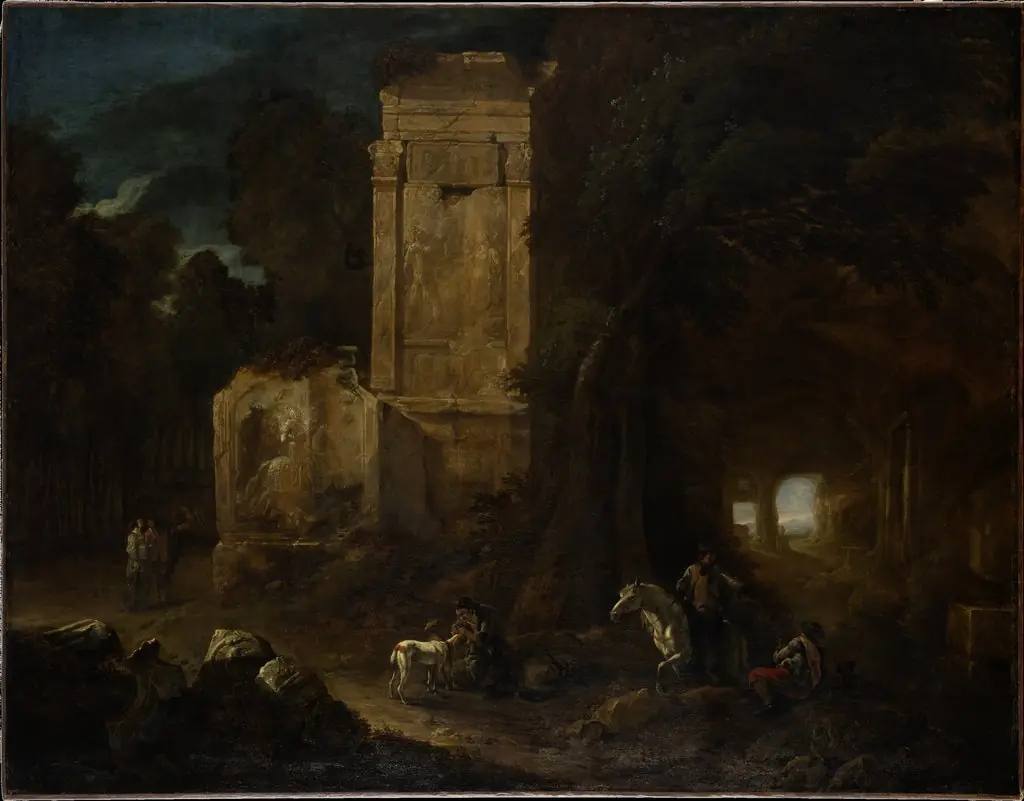
Abraham van Cuylenborch, a Dutch painter active in the mid‑17th century, completed the work titled Grotto with Bathing Nymphs in 1645. Executed in oil on canvas, the composition presents a shadowy cavern illuminated by a single light source, within which several partially clothed figures engage in leisurely activity. The painting is presently housed in the Statens Museum for Kunst in Copenhagen.
Technique & Style
Cuylenborch employs a pronounced chiaroscuro effect, allowing a strong light from the right to illuminate portions of the cavern while the surrounding rock remains in deep shadow. This contrast creates a sense of three‑dimensional space and emphasizes the textures of stone and flesh. The handling of light and the intimate scale of the figures echo the grotto scenes popularized by Cornelis van Poelenburgh, whose influence is evident in the composition’s graceful poses and softened palette.
Artist & collection
Artist
Abraham van Cuylenborch or Cuylenberg; Cuylenburgh (1620 – 1658) was a Dutch Golden Age landscape painter.