Artwork
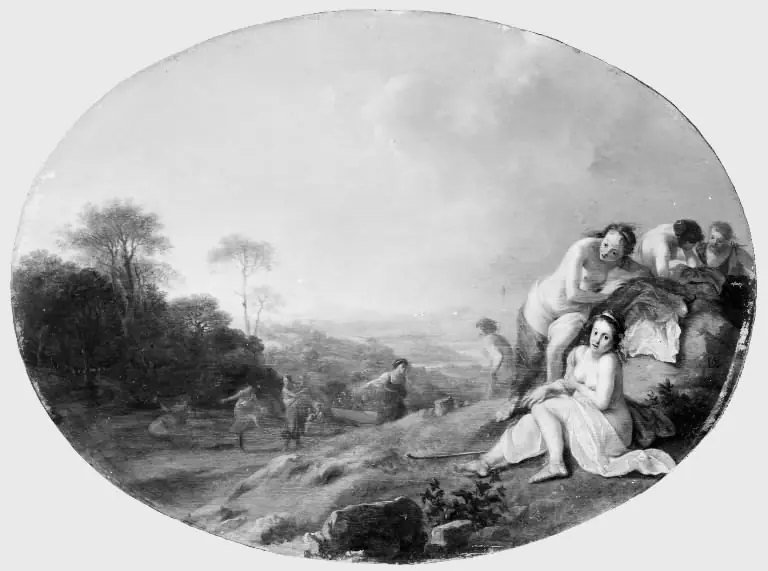
Diana und Aktäon
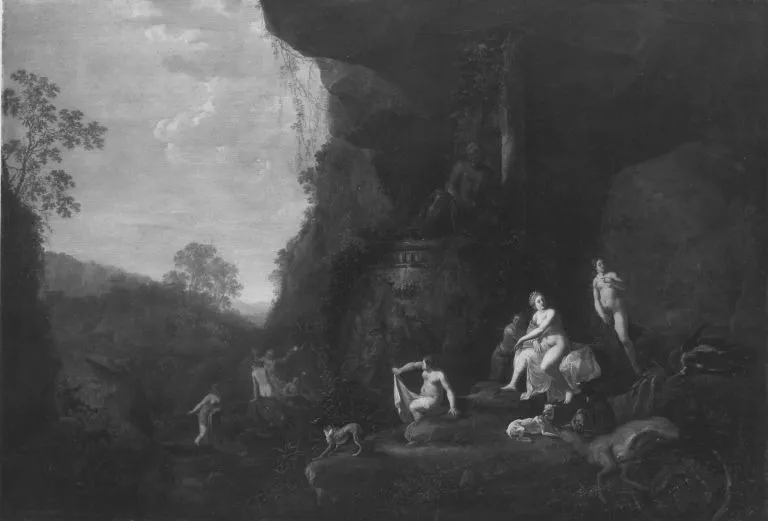
Diana und Aktäon is an unspecified painting by the Dutch Golden Age artist Abraham van Cuylenborch. It dates from 1647 and is held in the collection of the Bavarian State Painting Collections.
About this work
Subject & Meaning
The work is classified as a mythological painting, with Diana explicitly identified as the figure portrayed.
The painting depicts the mythological encounter between Diana and Actaeon, drawn from Ovid's Metamorphoses. In the tale, the hunter Actaeon chances upon the goddess Diana and her nymphs bathing, and as punishment is transformed into a stag and torn apart by his own hounds. The work is classified as a mythological painting, with Diana explicitly identified as the figure portrayed.
The subject allowed Abraham van Cuylenborch to stage a dramatic narrative moment combining the nude female form, a woodland setting, and the tension of divine retribution. Such Ovidian bathing scenes were a recurring theme in seventeenth-century Dutch and Flemish art, where painters used the myth to explore themes of voyeurism, chastity, and the perilous boundary between mortal and divine.
Technique & Style
Diana und Aktäon is a painting classified within the mythological genre, produced by Abraham van Cuylenborch in 1647. According to the catalogue record, the work is held by the Bavarian State Painting Collections at the Alte Pinakothek. Its measured dimensions are 50.2 cm in height by 74.2 cm in width, giving the panel a horizontal, landscape-oriented format that accommodates the narrative scene of Diana and Actaeon.
The classification is given simply as a painting, without further specification of medium, support, or technique in the available sources.
No information is provided regarding the specific materials (such as oil on canvas or panel), the handling of the brushwork, the present condition of the surface, or the formal and stylistic qualities of the composition. Because these aspects are not documented in the supplied sources, they cannot be reported here.
History & Provenance
The painting Diana und Aktäon by Abraham van Cuylenborch is dated 1647, as recorded in both the work’s internal documentation and its Wikidata entry.
The work entered the collection of the Bavarian State Painting Collections and is currently held by the Alte Pinakothek in Munich, where it remains part of the state holdings.
Context
Abraham van Cuylenborch painted Diana und Aktäon in 1647, depicting the mythological moment where the huntress goddess surprises the hunter Actaeon, a subject drawn from Ovid's Metamorphoses. The work exemplifies Dutch Golden Age mythological painting, blending classical narrative with Baroque dynamism and naturalistic detail characteristic of 17th-century Dutch art. It is part of van Cuylenborch's broader oeuvre focused on mythological and allegorical scenes, reflecting the period's fascination with antiquity and heroic storytelling.
The painting is housed in the Alte Pinakothek in Munich, where it remains a significant example of Dutch mythological art within the Bavarian State Painting Collections.
Overview
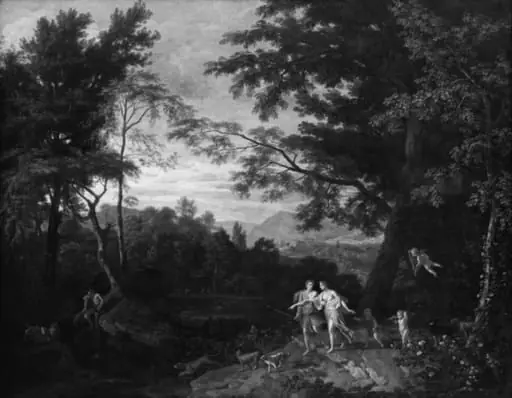
Abraham van Cuylenborch, a Utrecht‑born painter active in the mid‑17th century, completed the canvas titled Diana und Aktäon in 1647. Executed during the height of the Dutch Golden Age, the work presents a mythological tableau set within a rugged, forested landscape.
Artist & collection
Artist
Abraham van Cuylenborch or Cuylenberg; Cuylenburgh (1620 – 1658) was a Dutch Golden Age landscape painter.

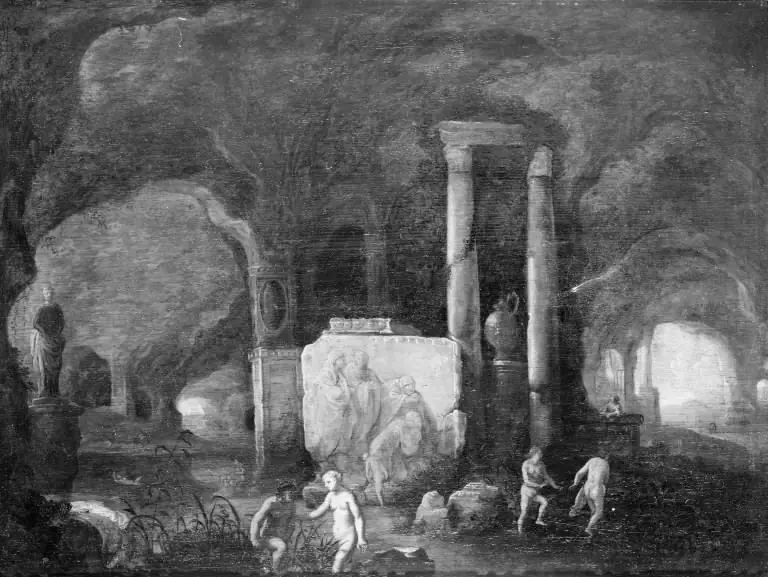
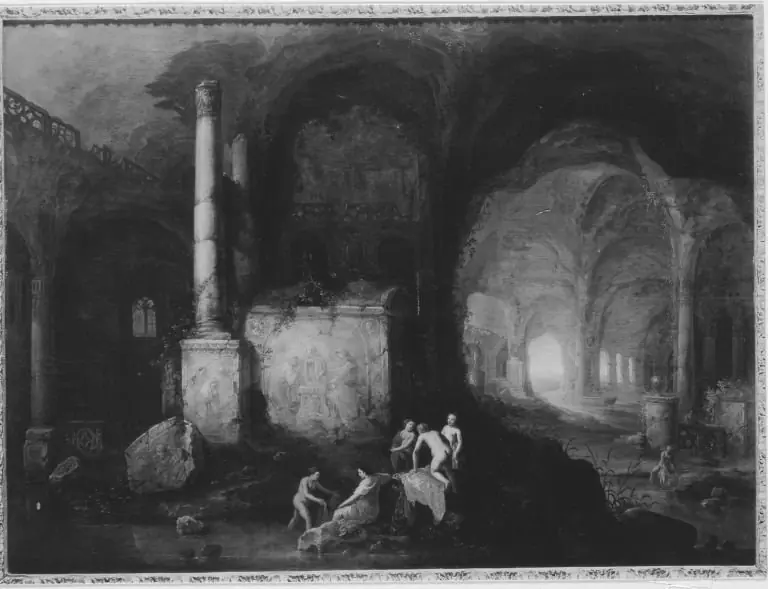
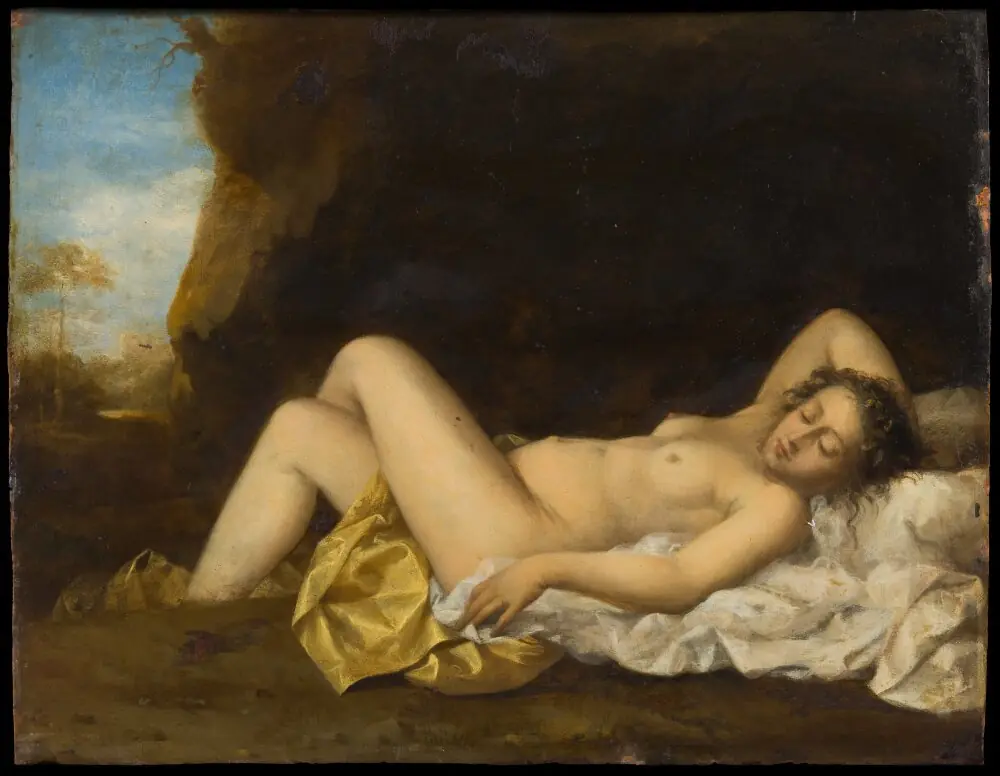
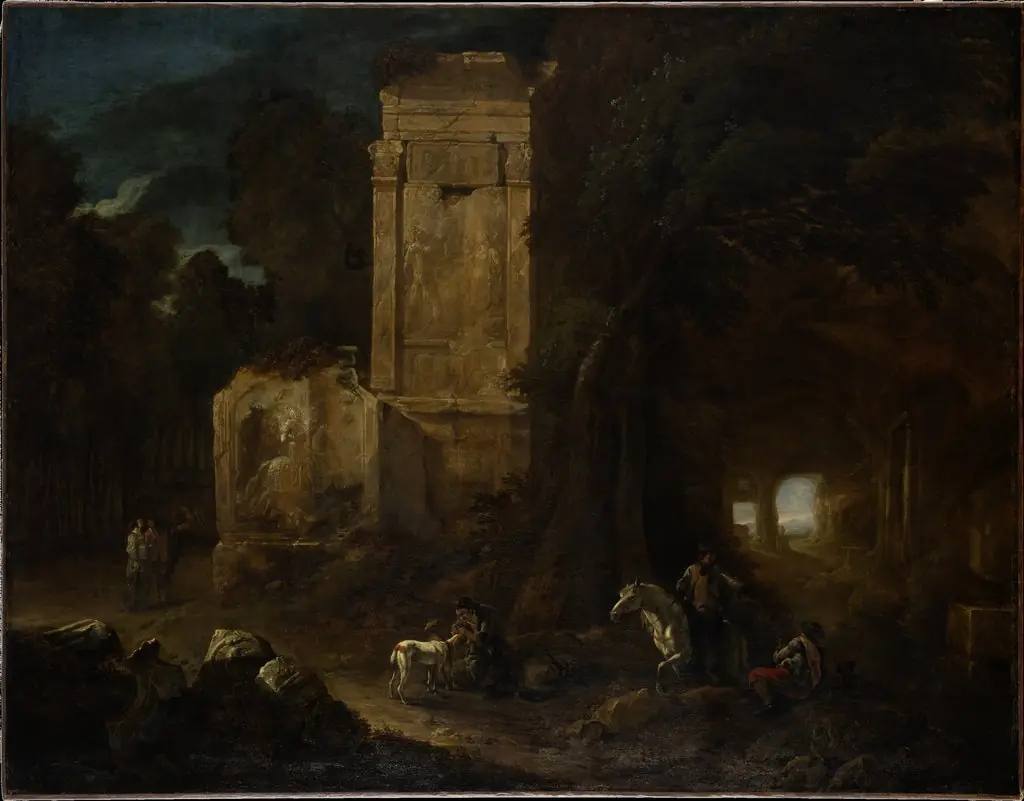
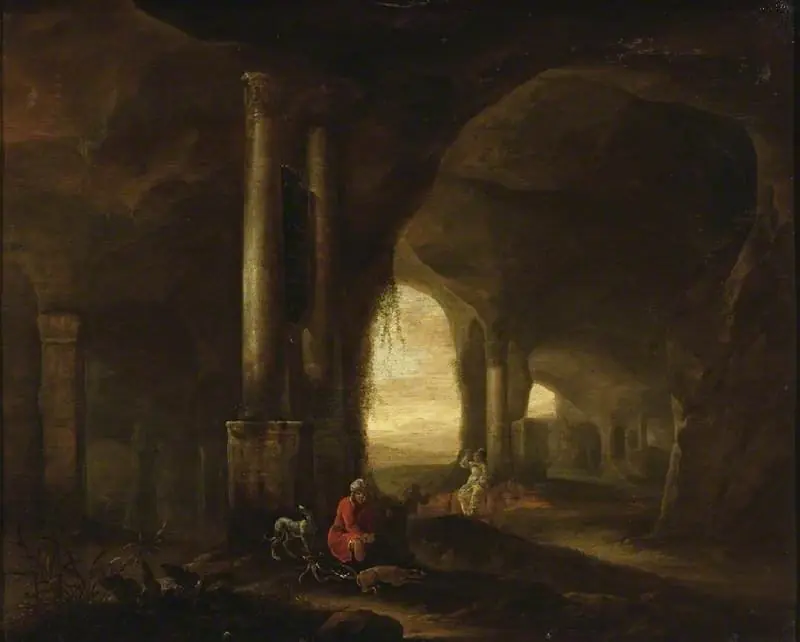
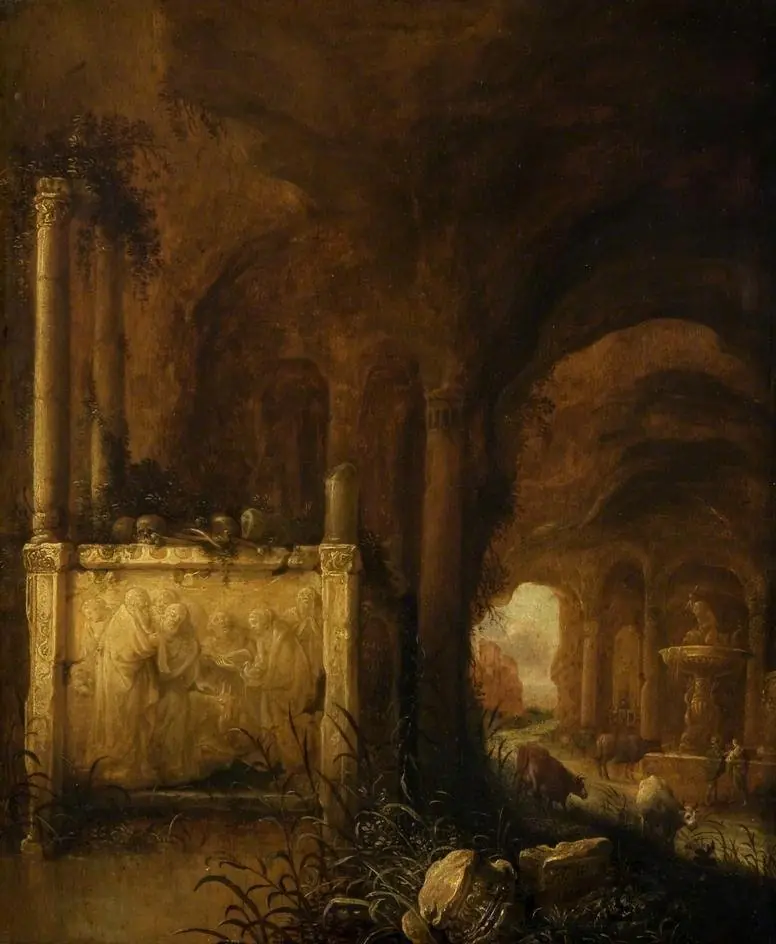
- Landscape with Venus and Adonis
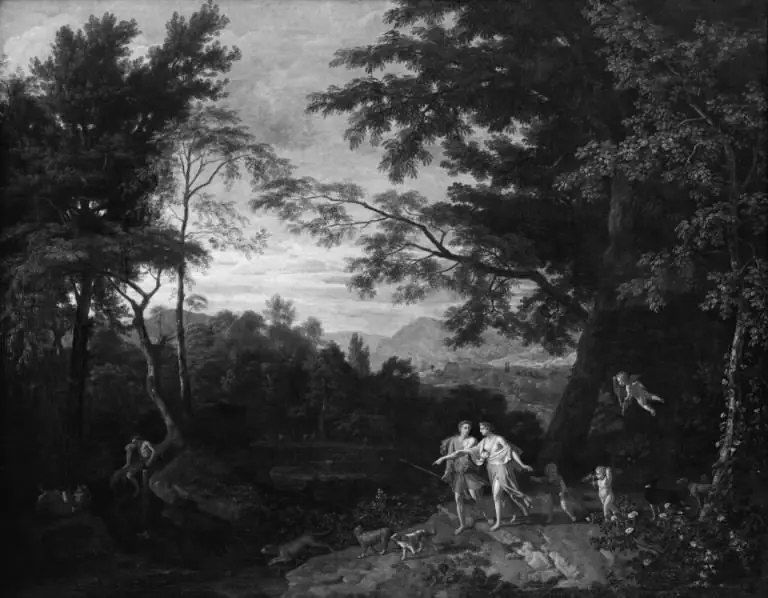 Landscape with Venus and Adonis
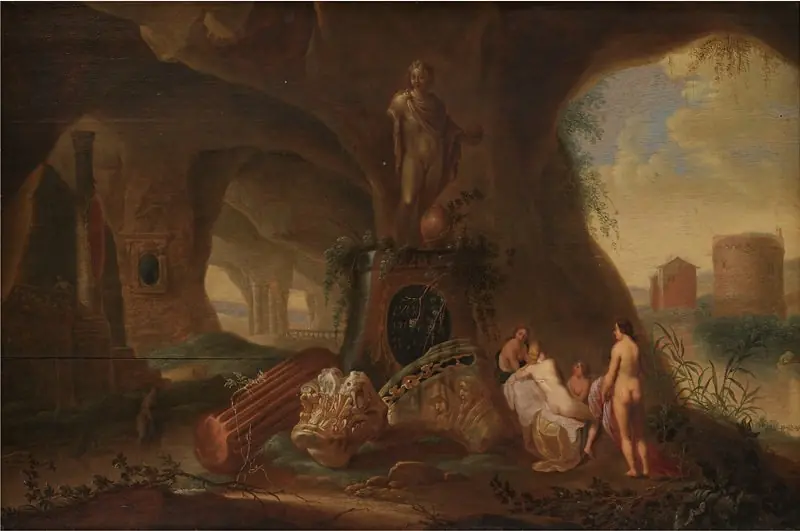
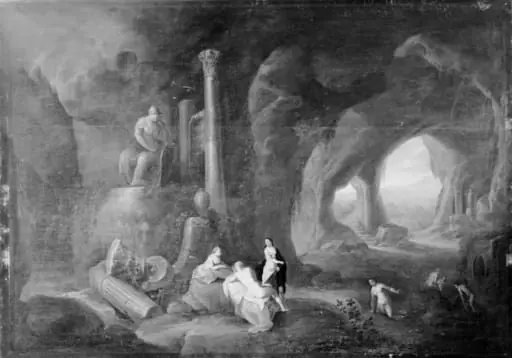 Seven Nymphs in a Grotto
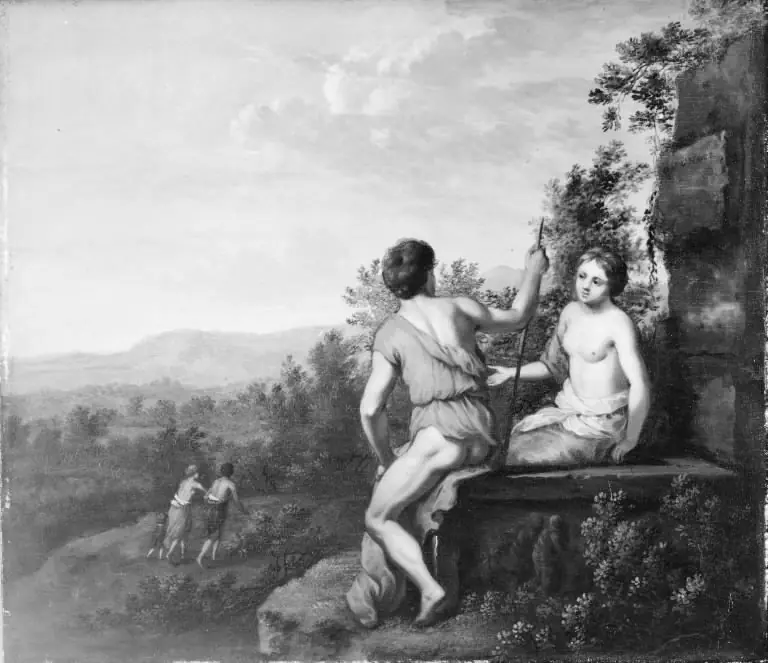 Landscape with Shepherd and Shepherdess
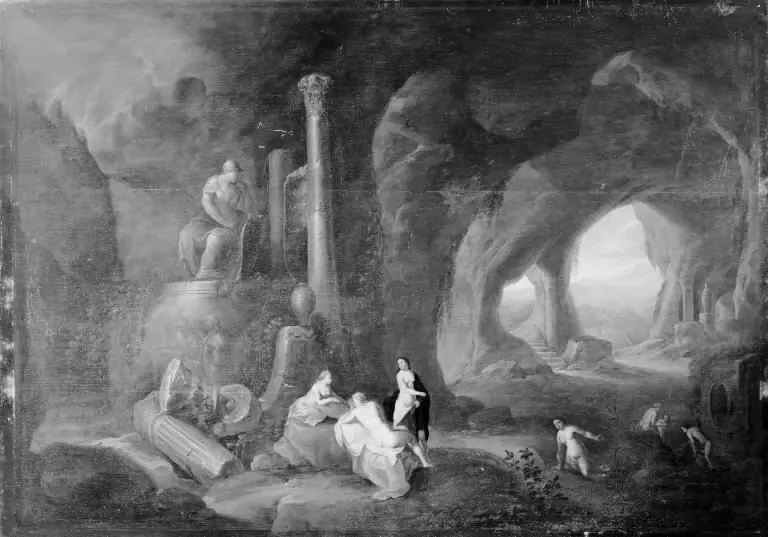 Seven Nymphs in a Grotto
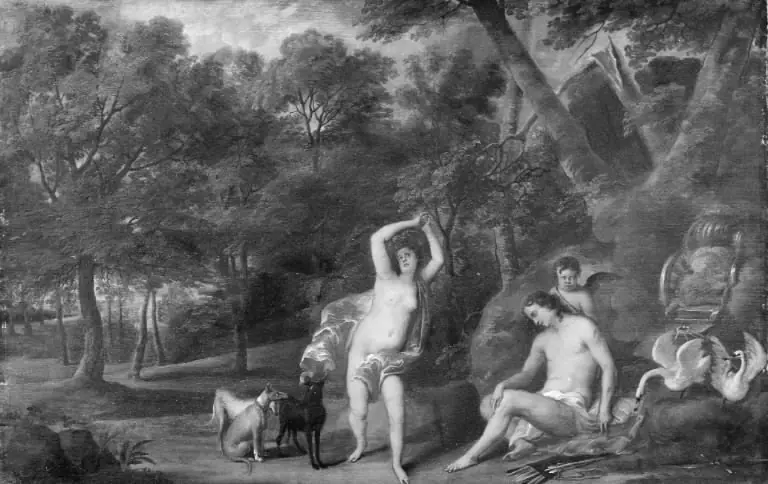 Venus Bewailing the Slain Adonis
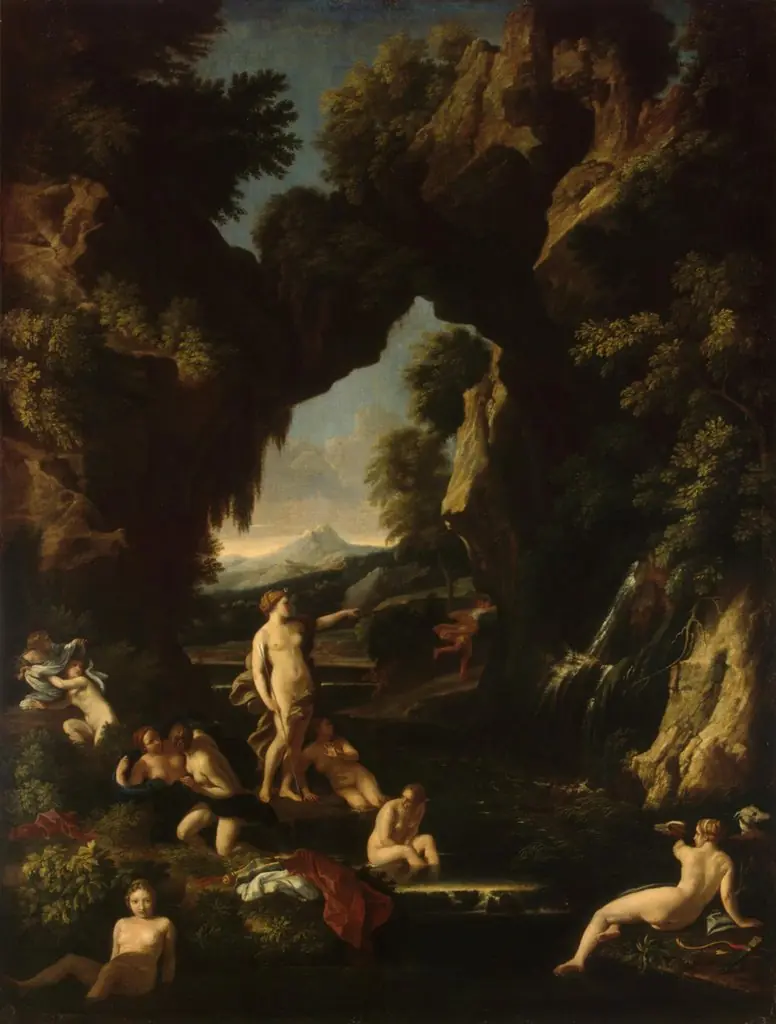 Landscape with Diana and Actaeon
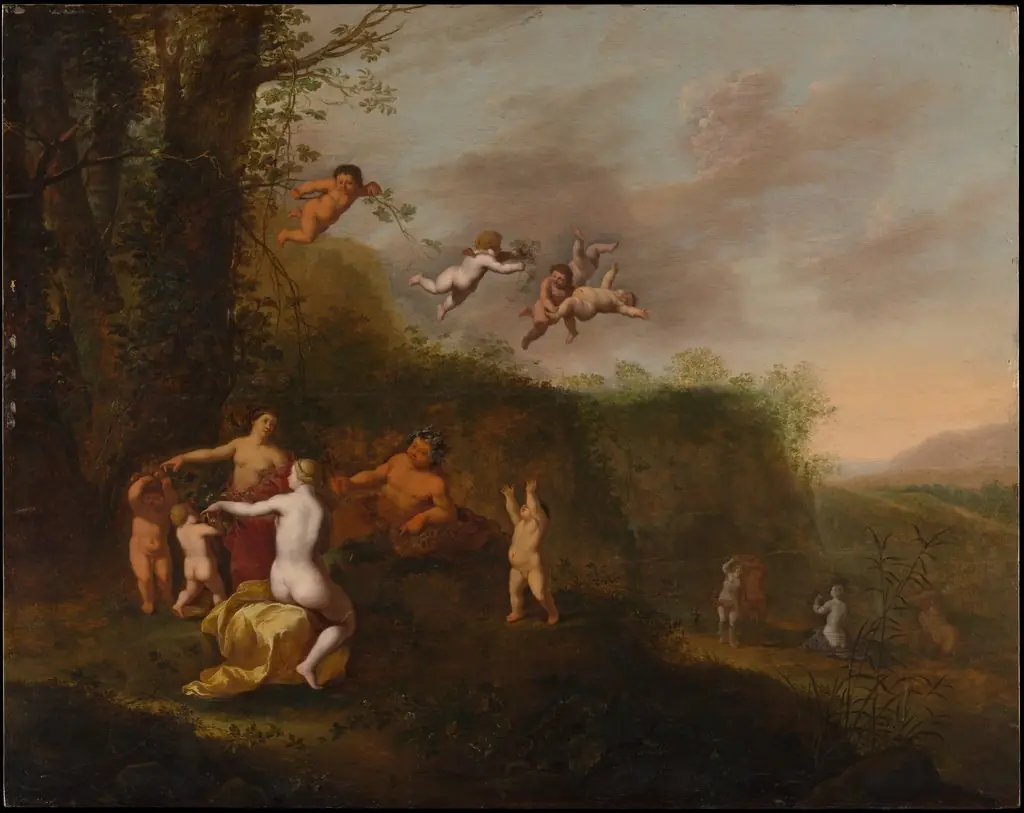
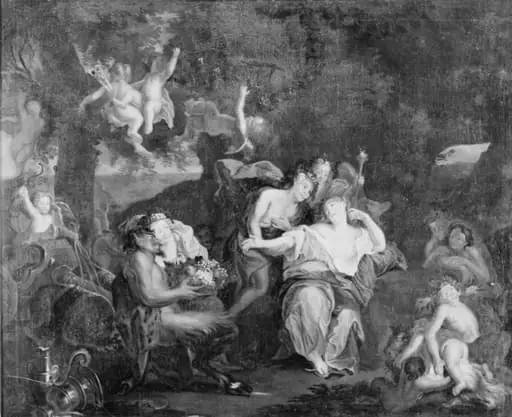 Bacchus og Ariadne sidder sammen i et landskab omgivne af amoriner, bacchantinder og satyrer
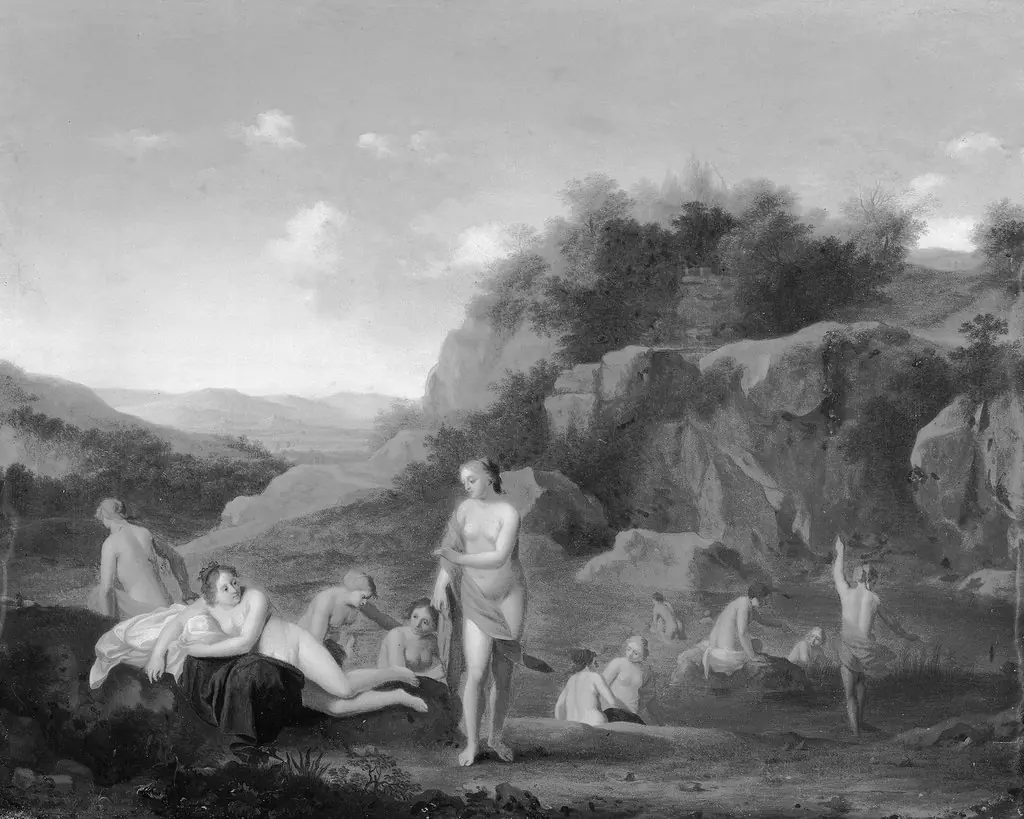 Nymphs Bathing
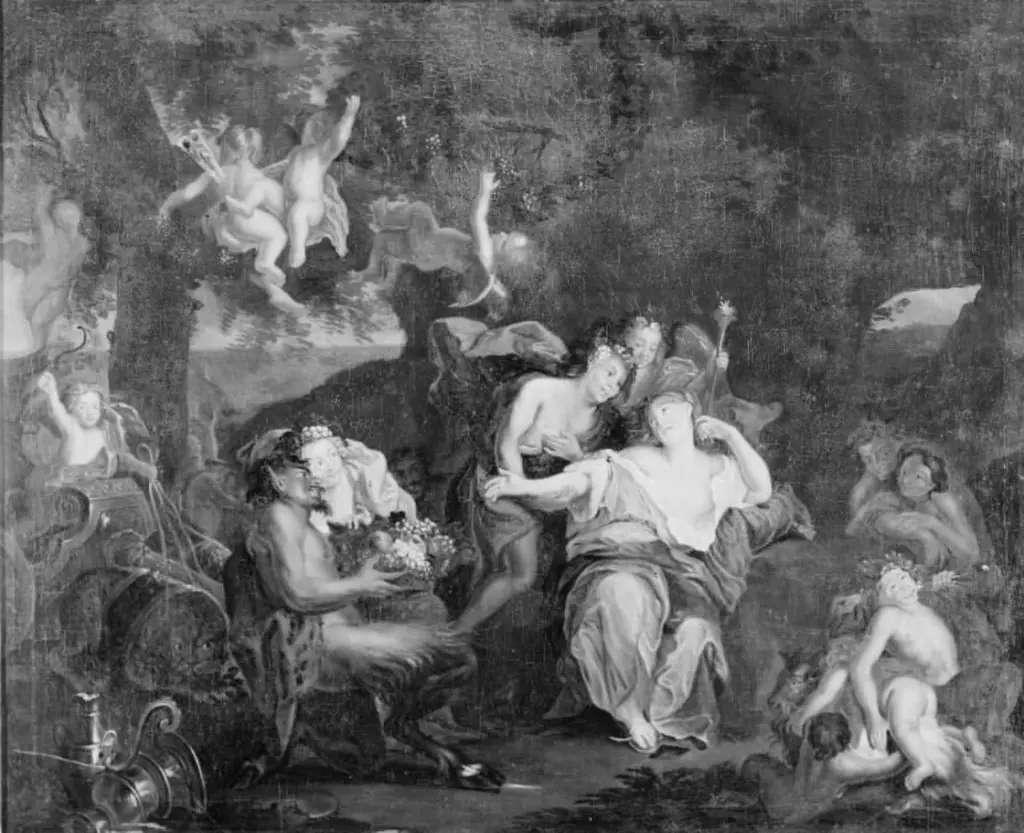 Bacchus og Ariadne sidder sammen i et landskab omgivne af amoriner, bacchantinder og satyrer
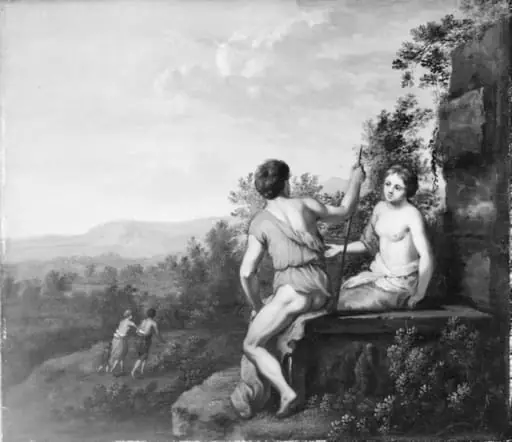 Landscape with Shepherd and Shepherdess
 Nymphs in a Landscape