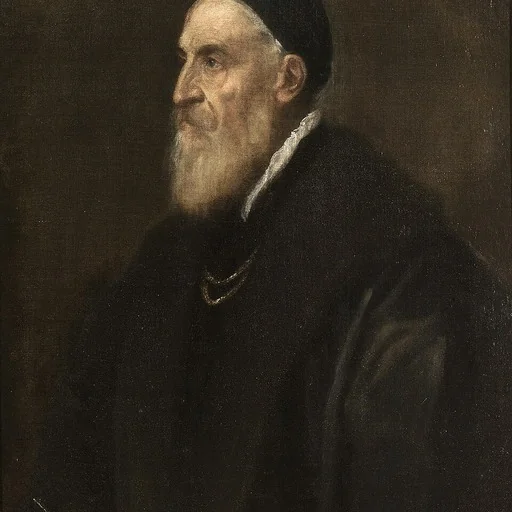
Genre
Mythology
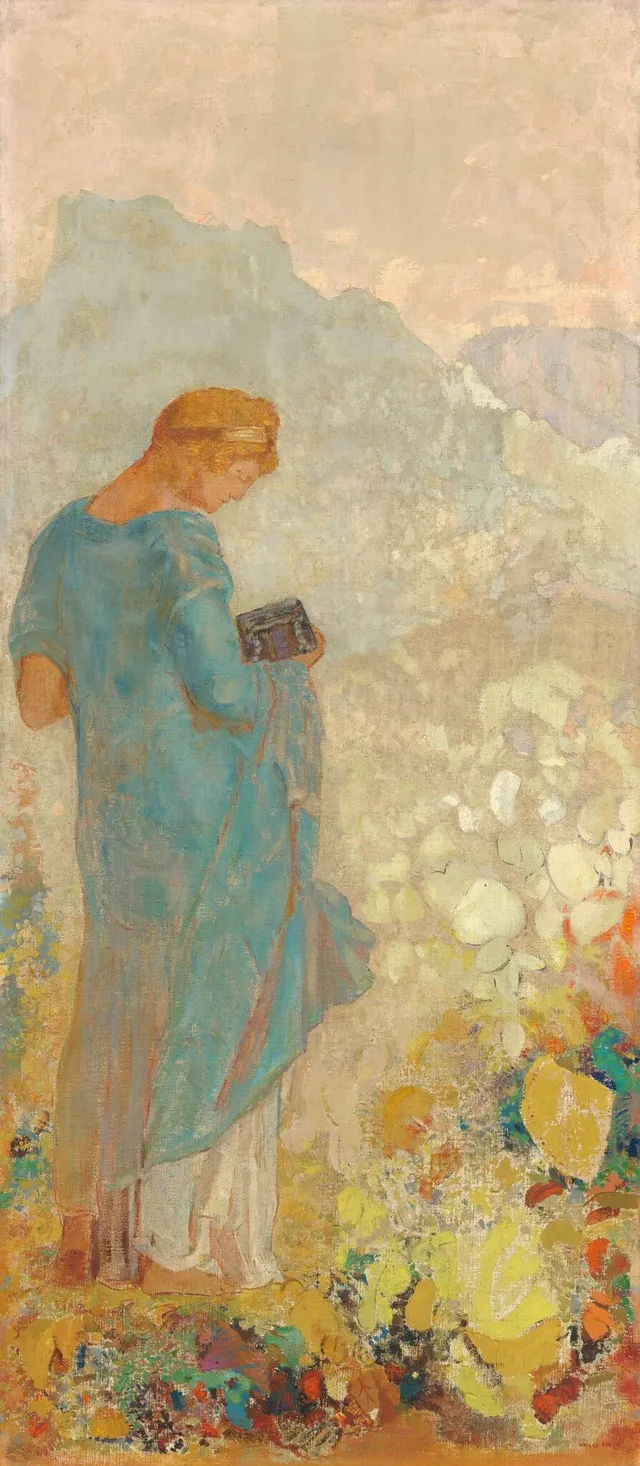
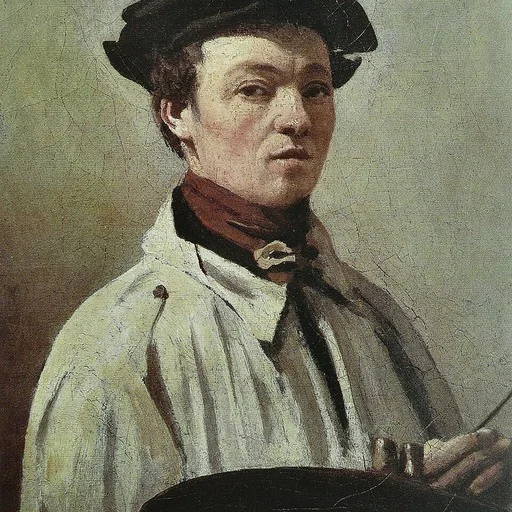
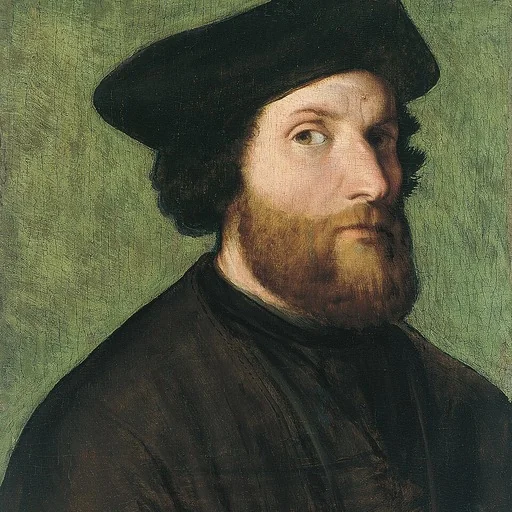
Mythology is an art genre. The gallery holds 3,197 works in this genre, including works by Titian, Paolo Veronese and Jean Baptiste Camille Corot.
Mythological painting takes its subjects from the gods, heroes, and metamorphoses of Greek and Roman antiquity—and, more loosely, from Ovid, Aesop's fables, and the plays and poems through which those stories reached later ages. Although classical myth never wholly vanished from medieval art, the genre as we recognise it crystallised during the Italian Renaissance, when humanist scholars and patrons revived the literature and visual culture of the ancient world. Ovid's *Metamorphoses* (the poet lived 43 BC–AD 17) became its great quarry of motifs; in Titian's day its tales were said to be as familiar as scripture. In the Florence of Lorenzo de' Medici, Neo-Platonic philosophy lent these pagan fables intellectual dignity, allowing painters to treat love, beauty, and transformation as vehicles for allegory.
Freed from the decorum that governed sacred art, mythology gave painters their most legitimate licence to depict the nude—especially the female nude—alongside heroic anatomy, sensuous landscape, and dramatic narrative. Works range from the contemplative and emblematic to the frankly erotic, and an educated viewer was expected to identify figures by their attributes: Venus with her mirror or doves, Mars in armour, Cupid with his bow. Because the genre rewarded learning and ambition, it called on the painter's full command of composition, colour, and the rendering of flesh.
Sandro Botticelli set an early standard with the *Birth of Venus* (c. mid-1480s) and the *Primavera* (c. 1477–82), the former among the first Tuscan pictures painted on canvas. The supreme exponent was Titian, whose *poesie*—"painted poems"—made for Philip II of Spain between about 1551 and 1562 drew chiefly on Ovid; his *Venus and Adonis* (the Prado version dated 1554) proved so popular that some thirty period versions survive. Our collection holds several of these touchstones, including Titian's *Venus and Adonis* and *Venus with a Mirror*, Paolo Veronese's *Venus and Mars*, and Lorenzo Lotto's *Venus and Cupid*, with Jean-Baptiste-Camille Corot's later *The Repose* carrying the reclining-nymph tradition into the nineteenth century.
Mythology flowed into the grand manner of the Baroque—Rubens, Poussin, and Velázquez among its masters—and was enshrined by the European academies, where "history painting" (encompassing mythological, religious, and allegorical subjects) ranked highest in the hierarchy of genres, since it demanded both technical mastery and classical erudition. That prestige held from the seventeenth century until the academic system loosened in the nineteenth, after which myth endured as a recurring well of imagery for Symbolists, Pre-Raphaelites, and modern artists alike.
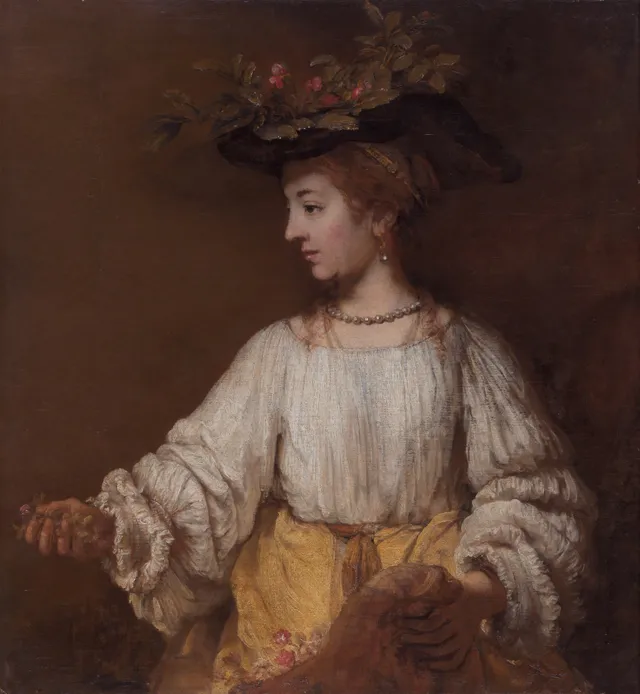
Key artists
Works
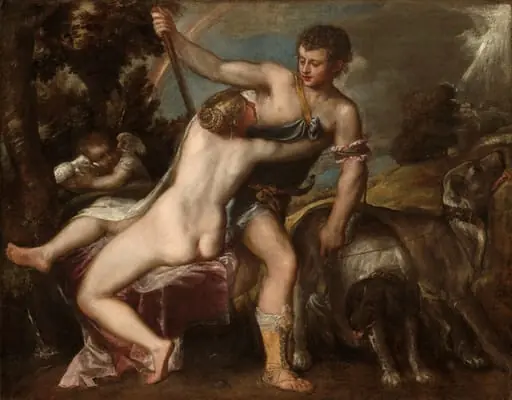 Venus and Adonis
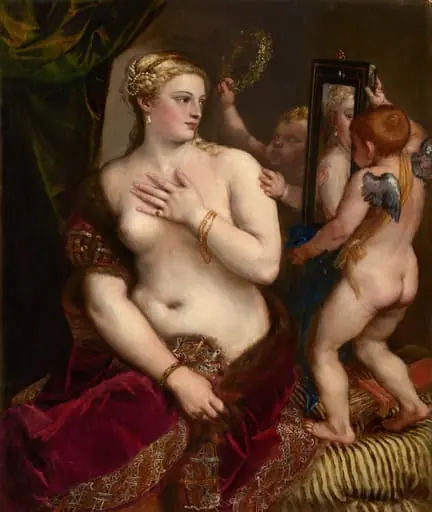 Venus with a Mirror
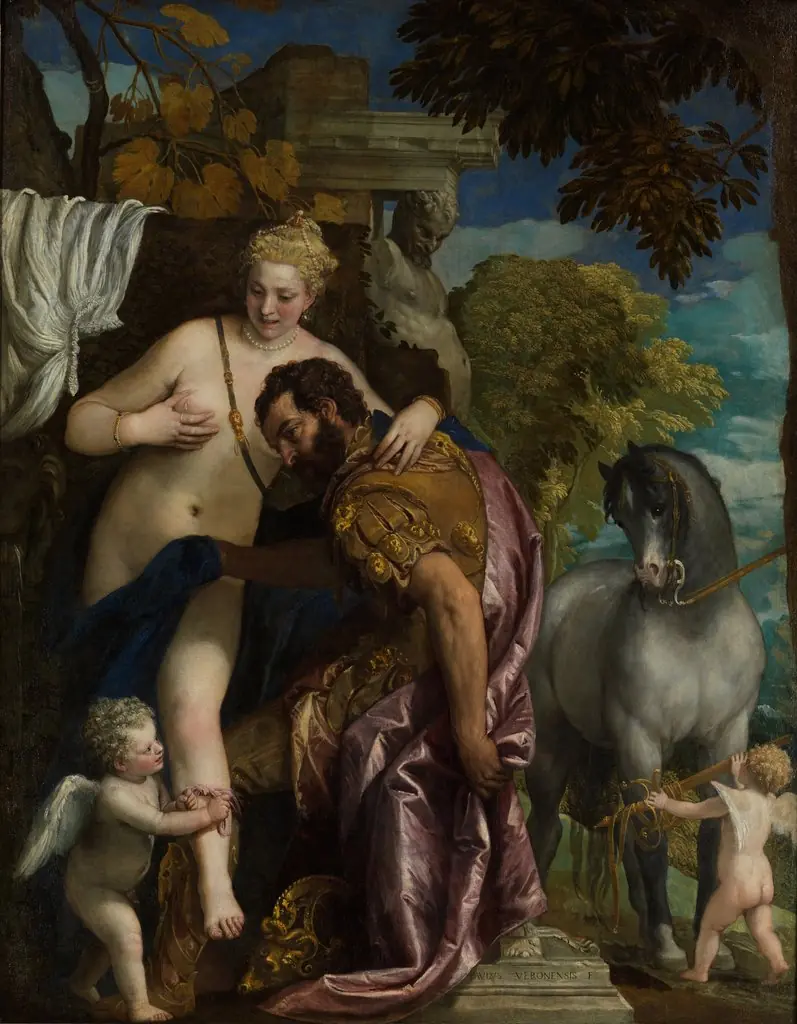 Venus and Mars
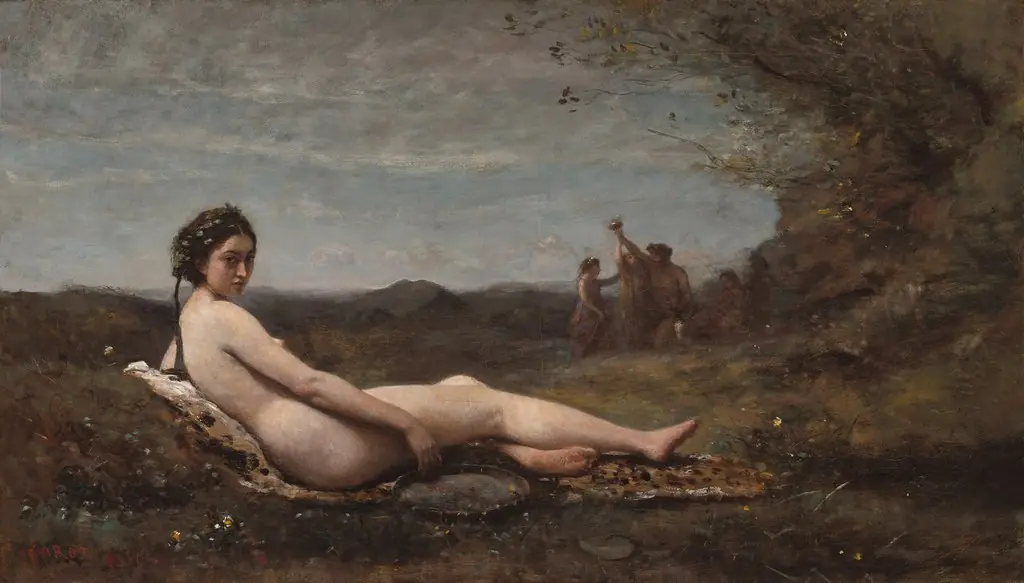 The Repose
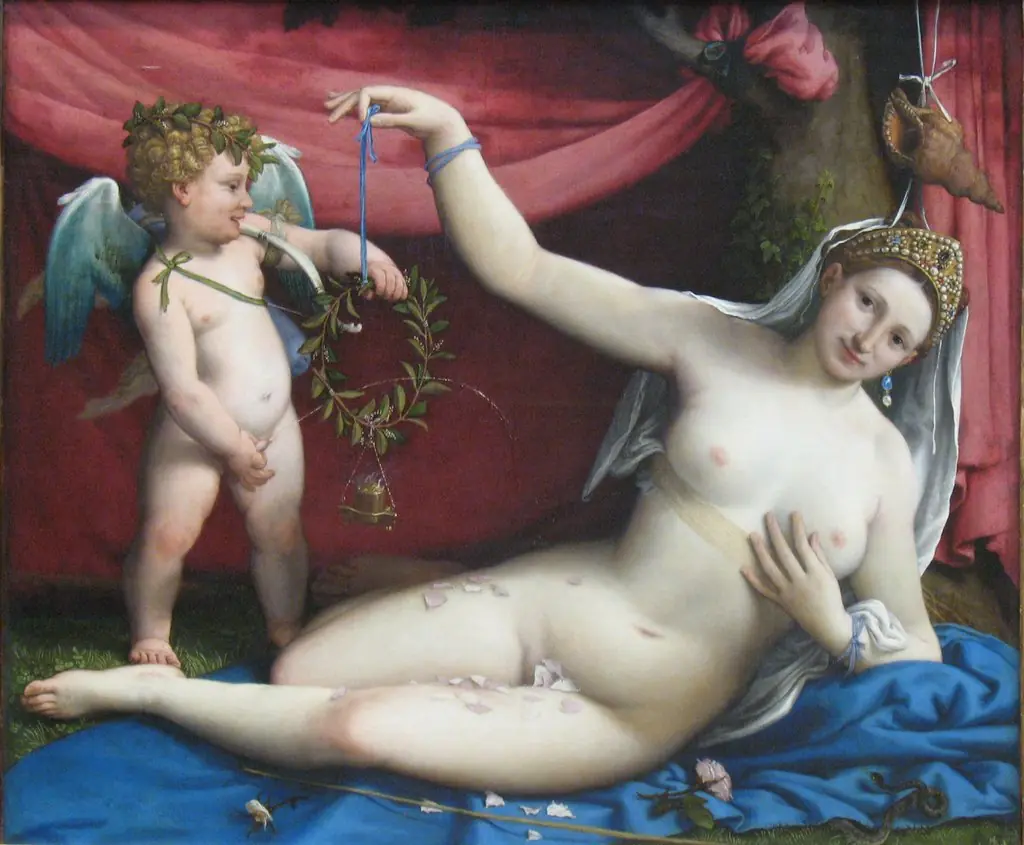 Venus and Cupid
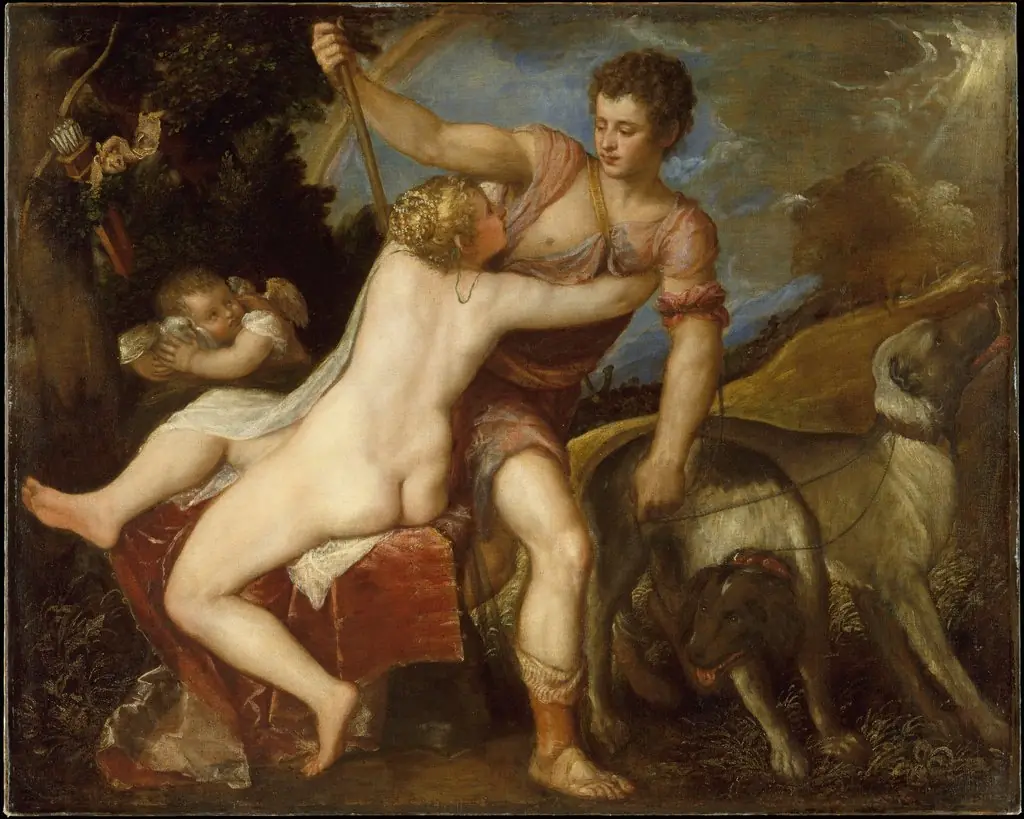 Venus and Adonis
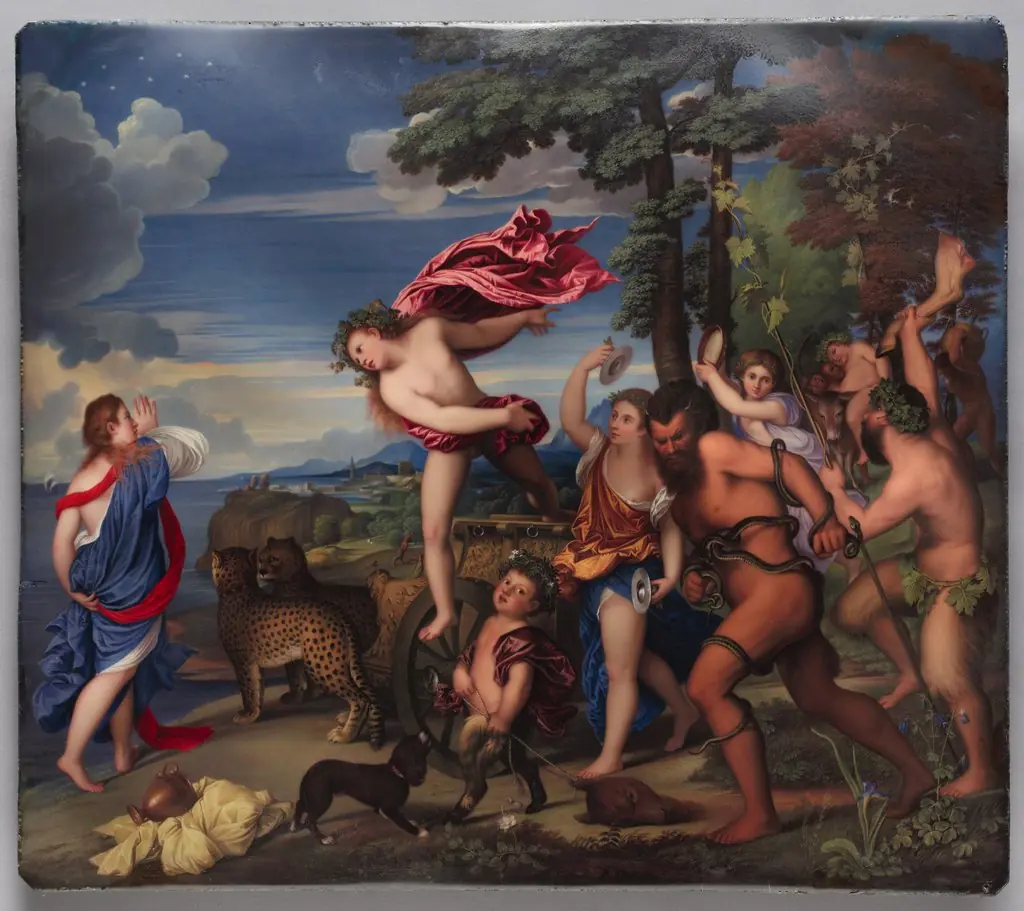 Bacchus and Ariadne
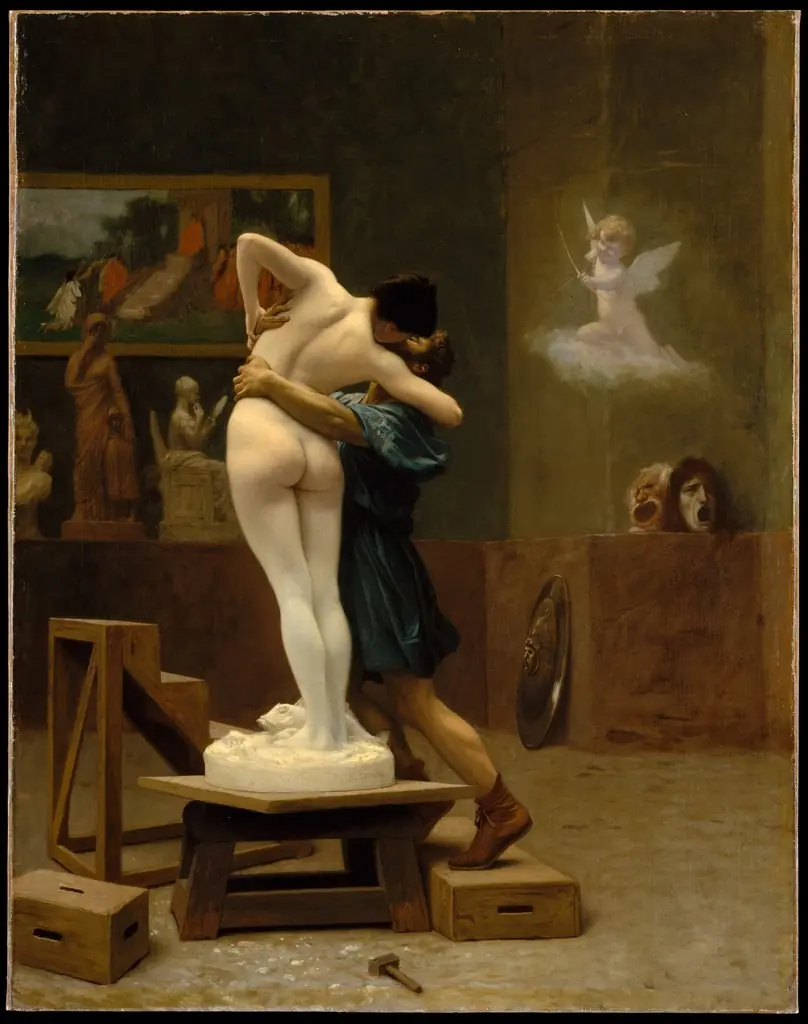 Pygmalion and Galatea
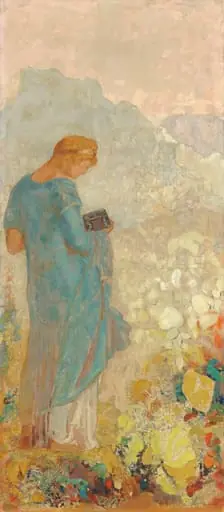 Pandora
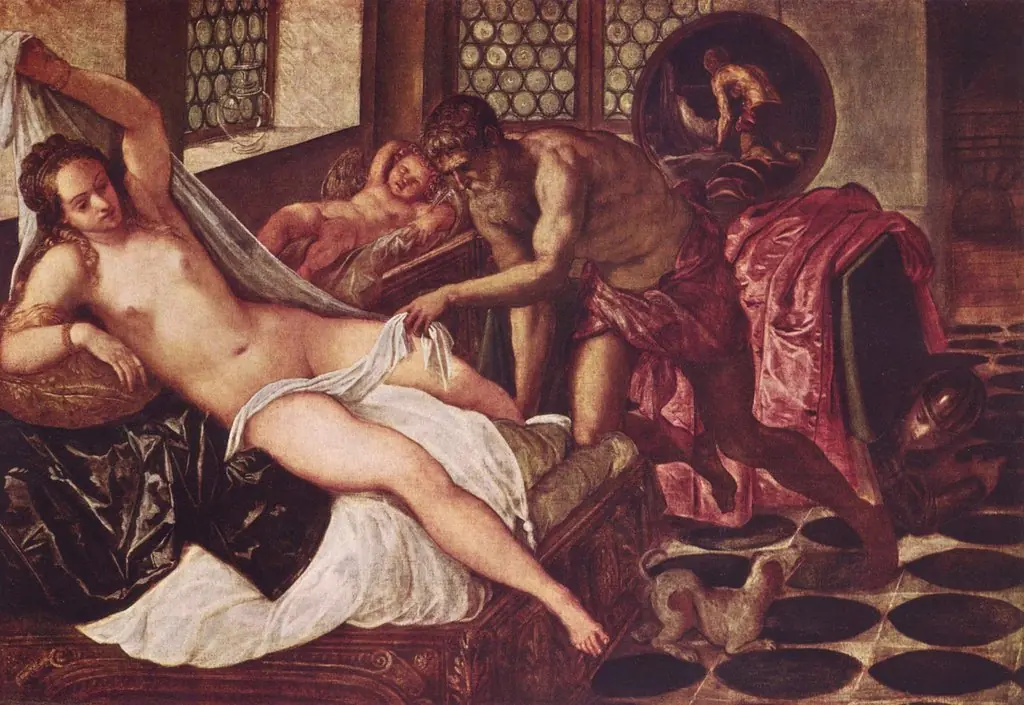 Venus and Mars Surprised by Vulcan
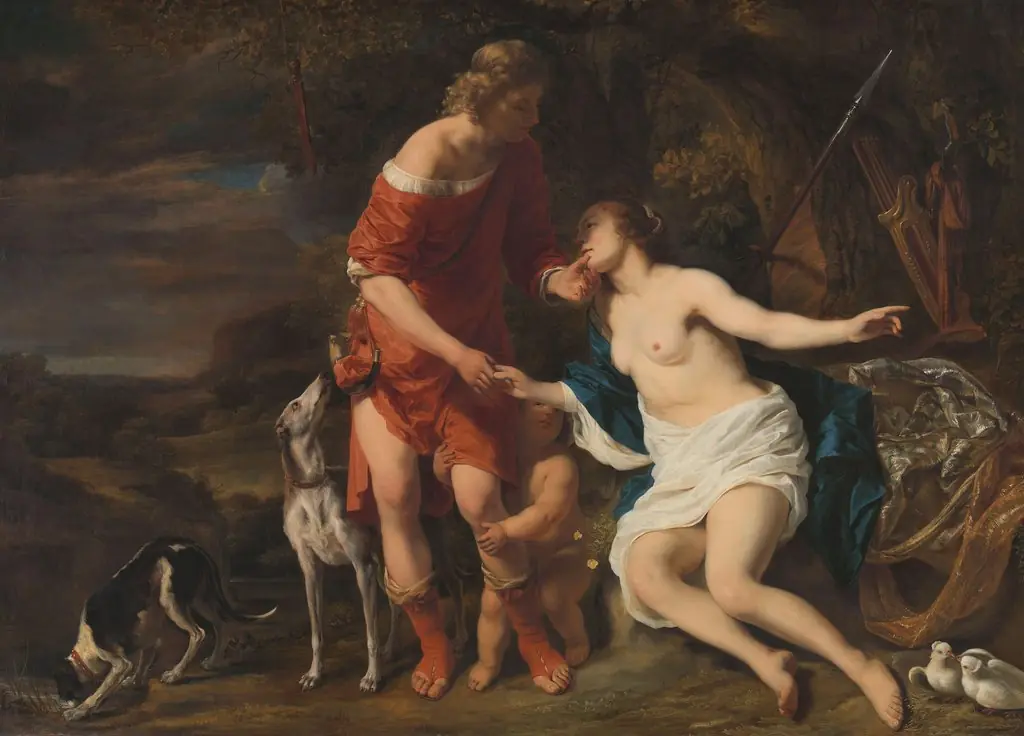 Venus and Adonis
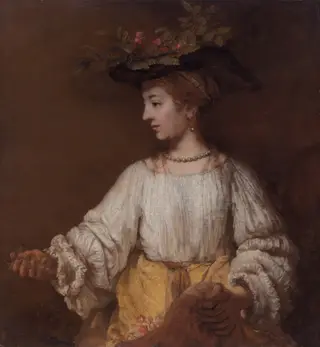 Flora
Flora Vertumnus and Pomona
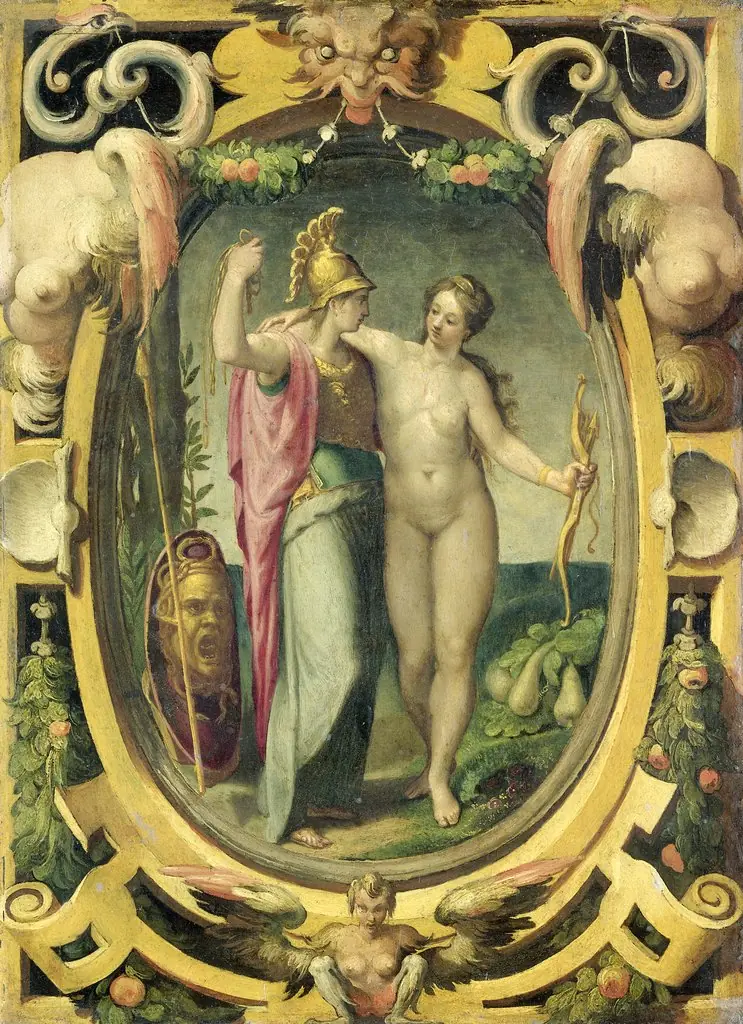 Venus and Minerva
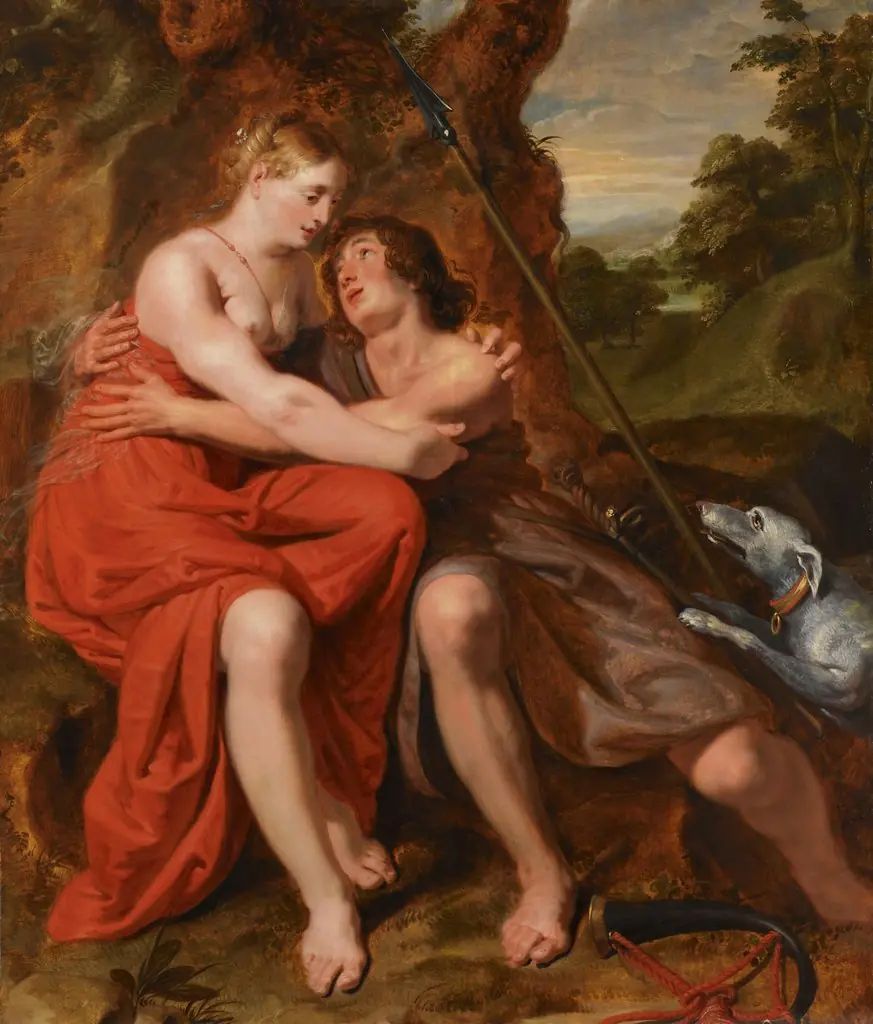 Venus and Adonis
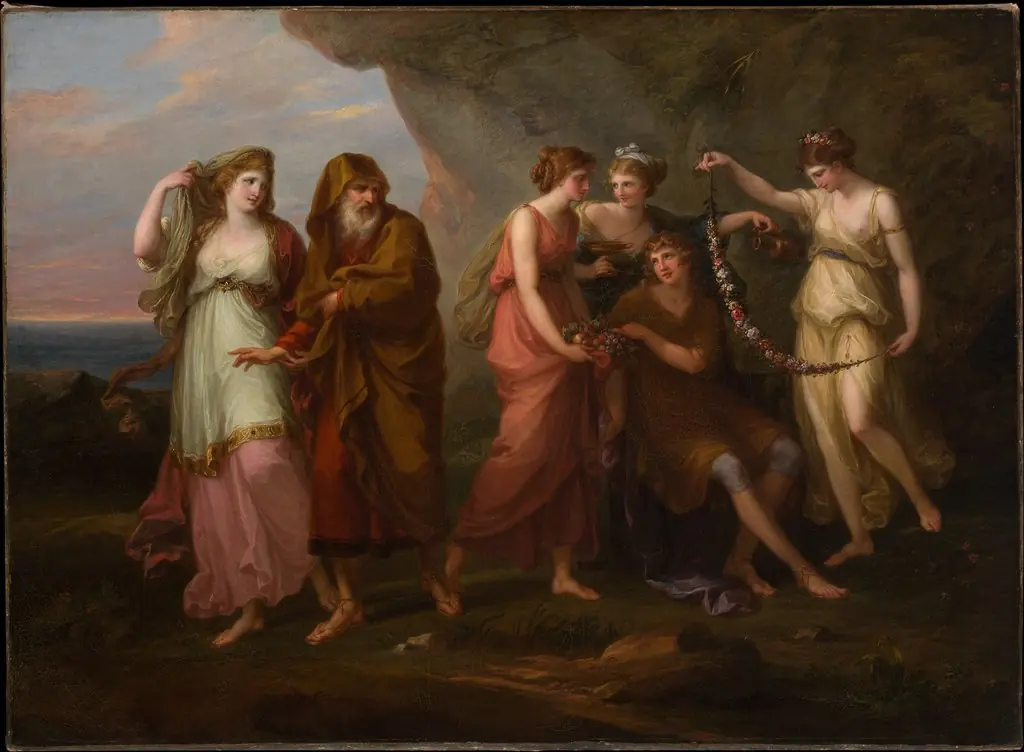 Telemachus and the Nymphs of Calypso
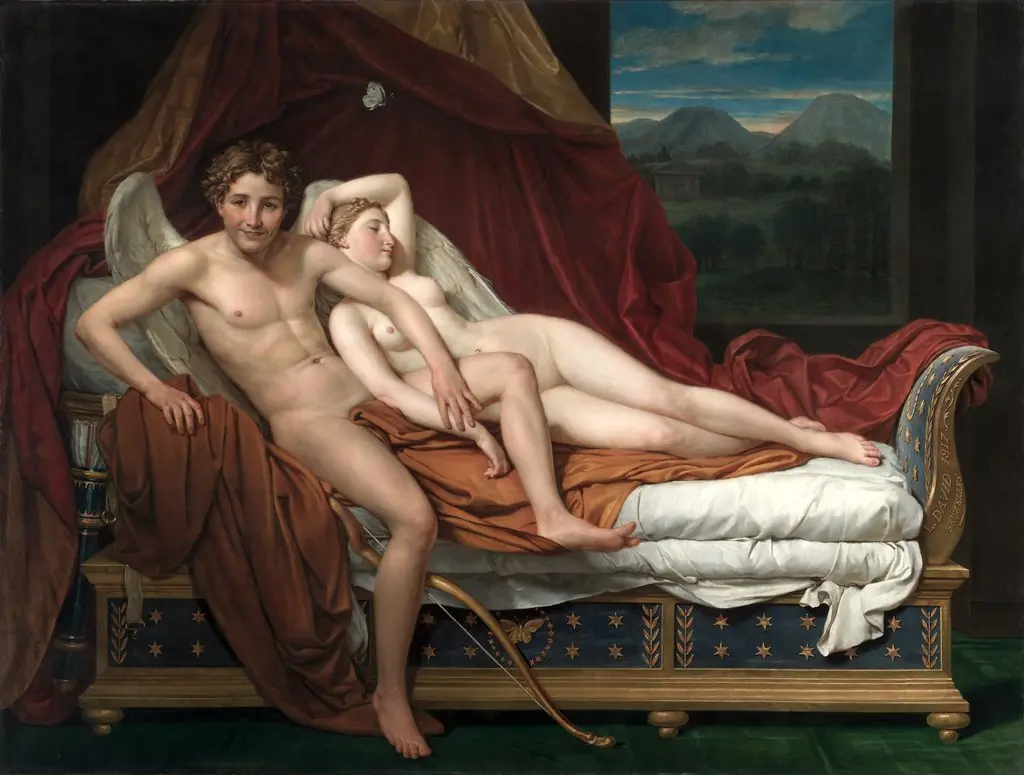 Cupid and Psyche
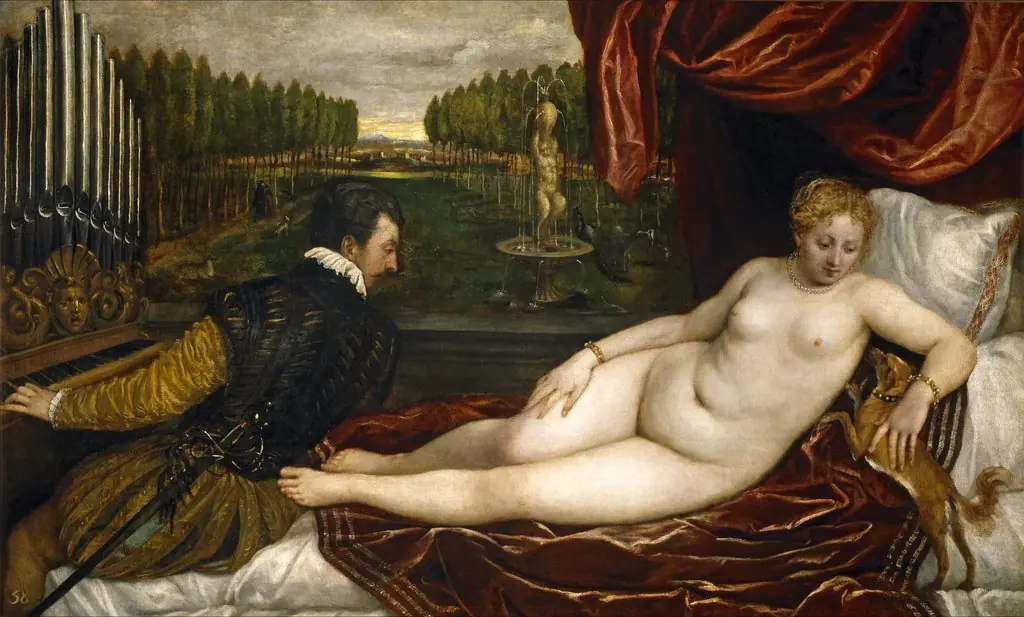 Venus and Music
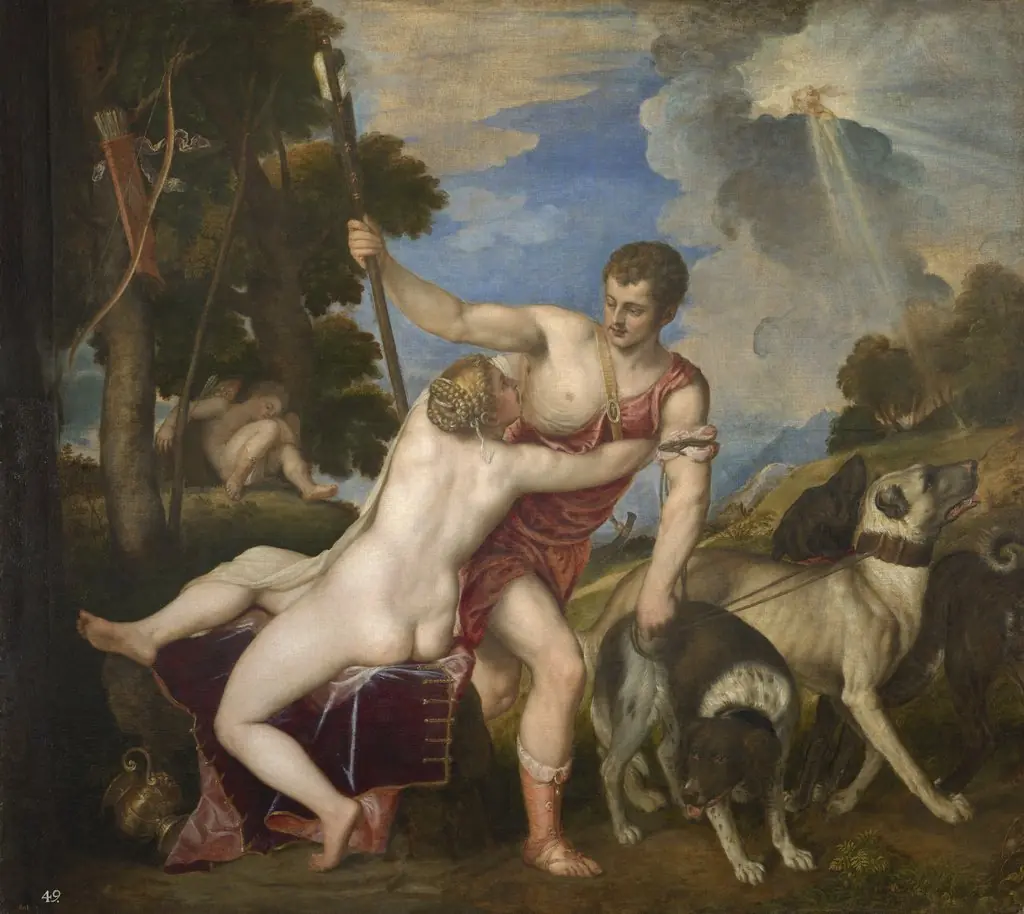 Venus and Adonis
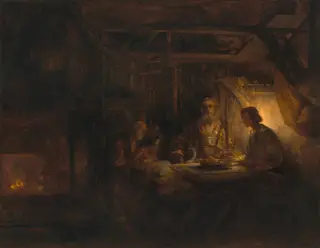 Philemon and Baucis
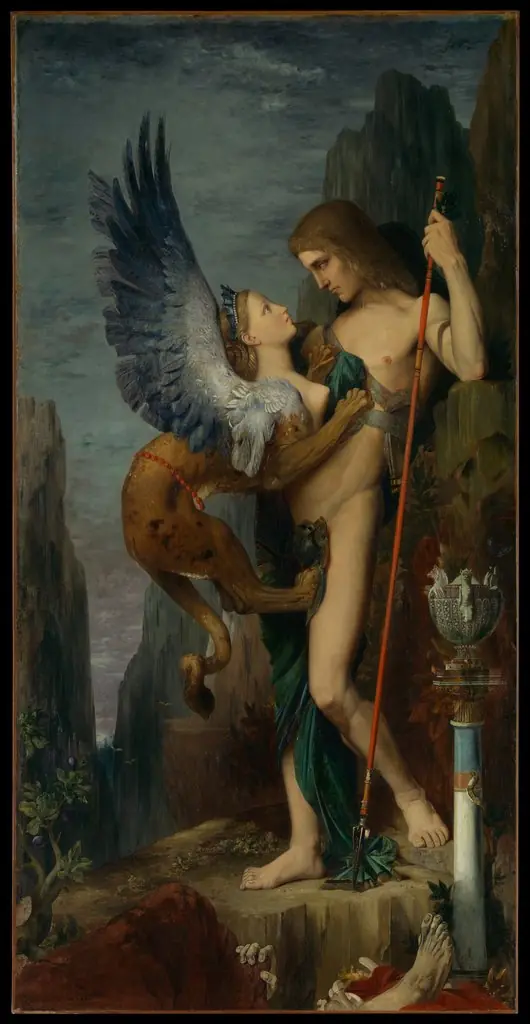 Oedipus and the Sphinx
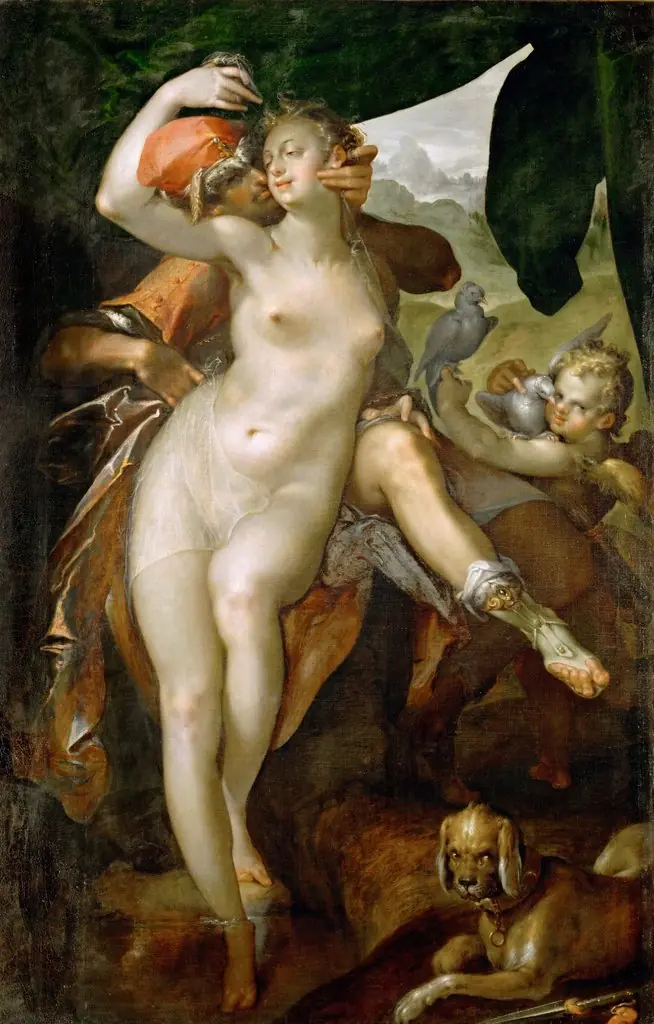 Venus and Adonis
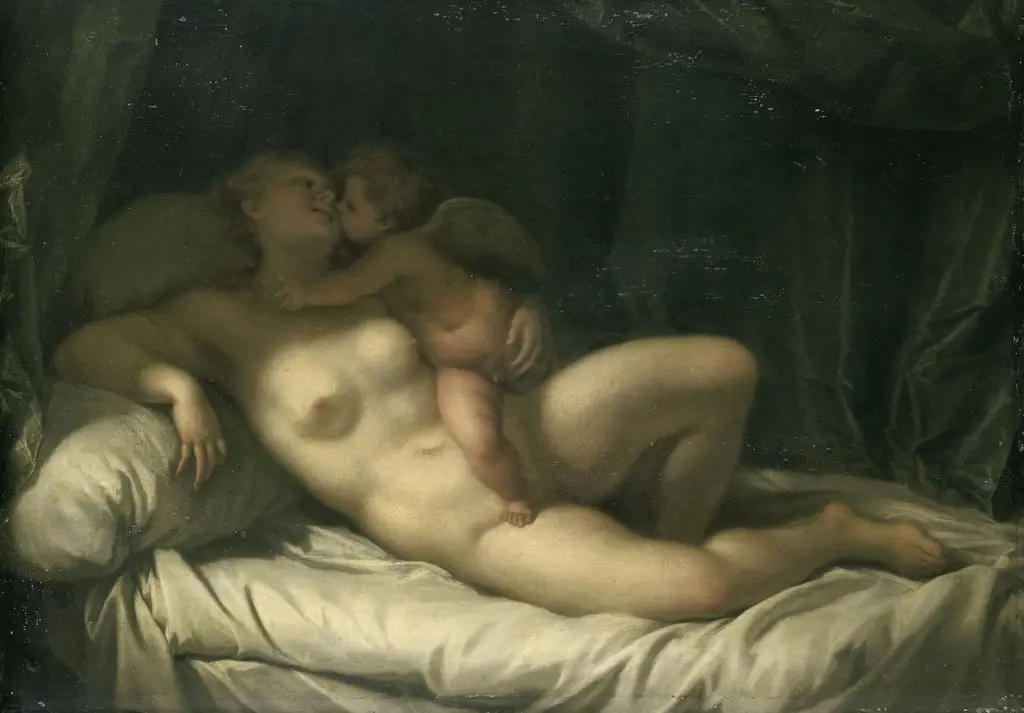 Cupid Kissing Venus (Venus Kissed by Amor)
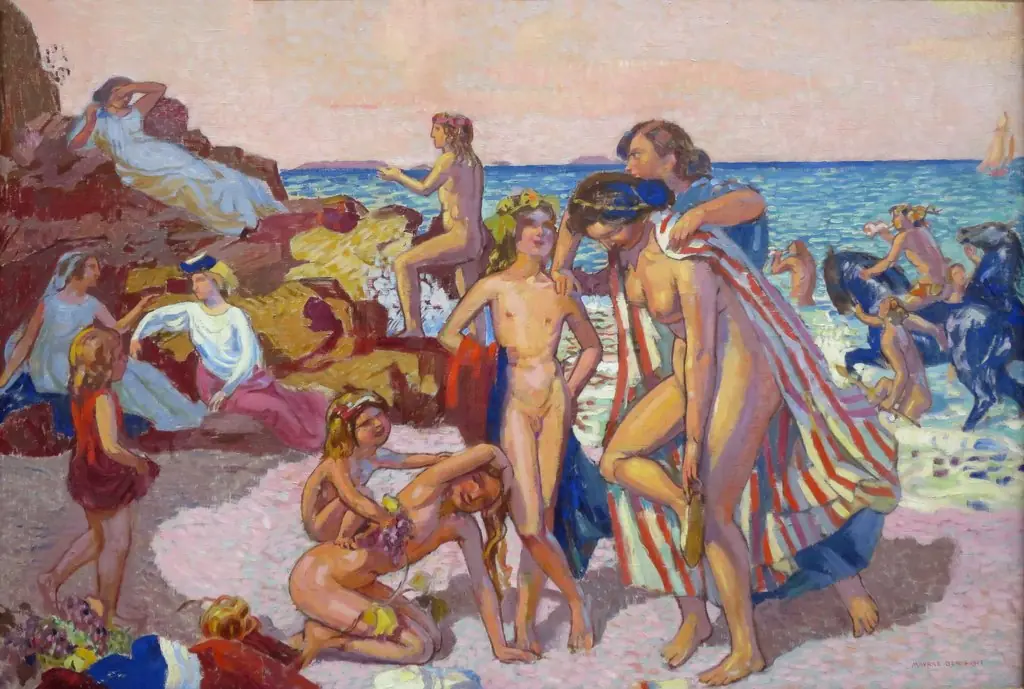 Bacchus and Ariadne
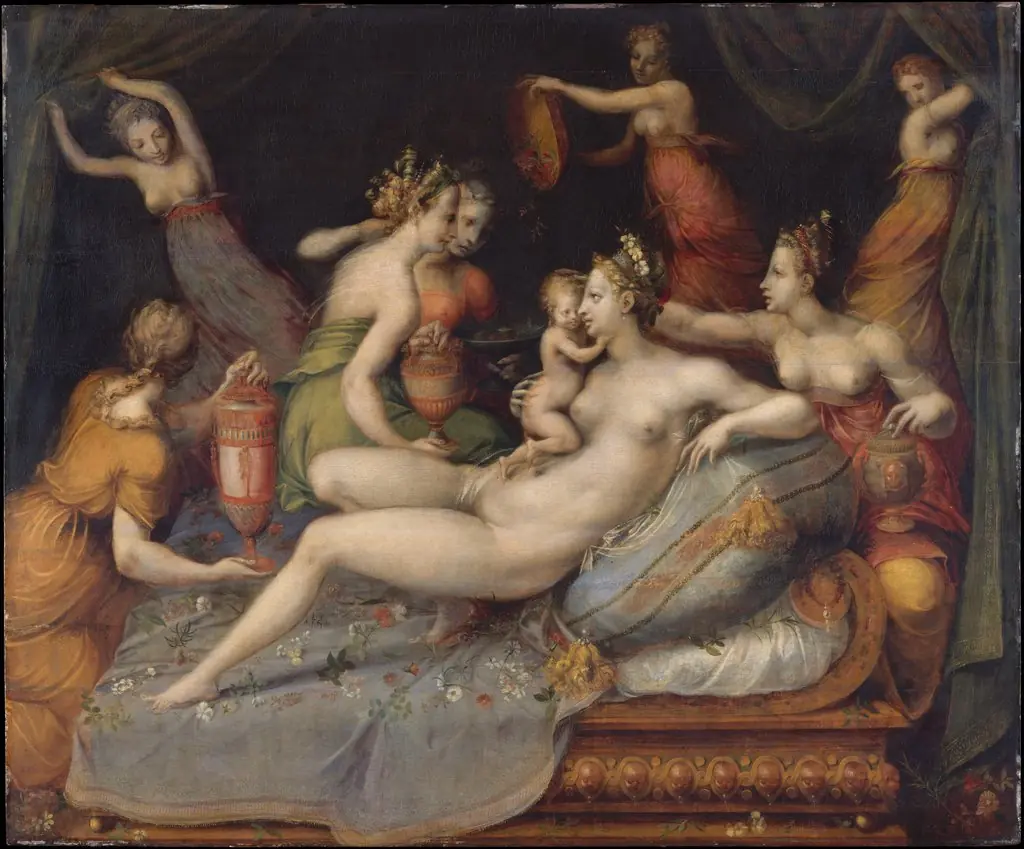 The Birth of Cupid
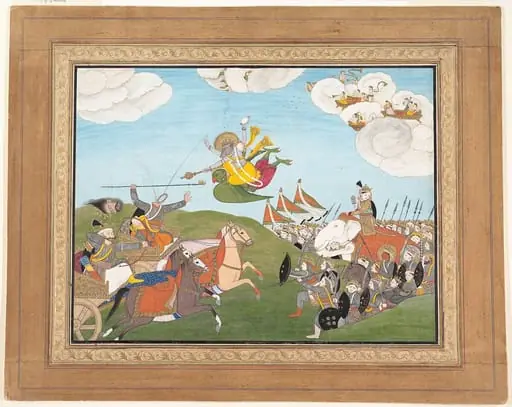 Untitled
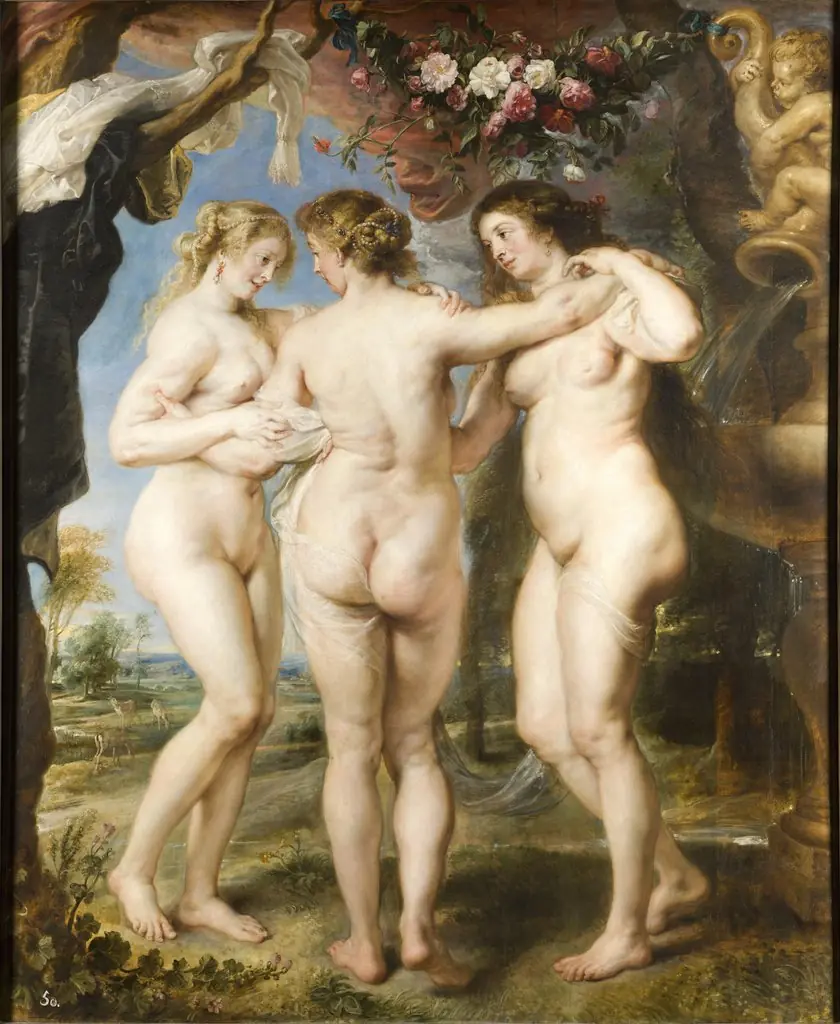 The Three Graces
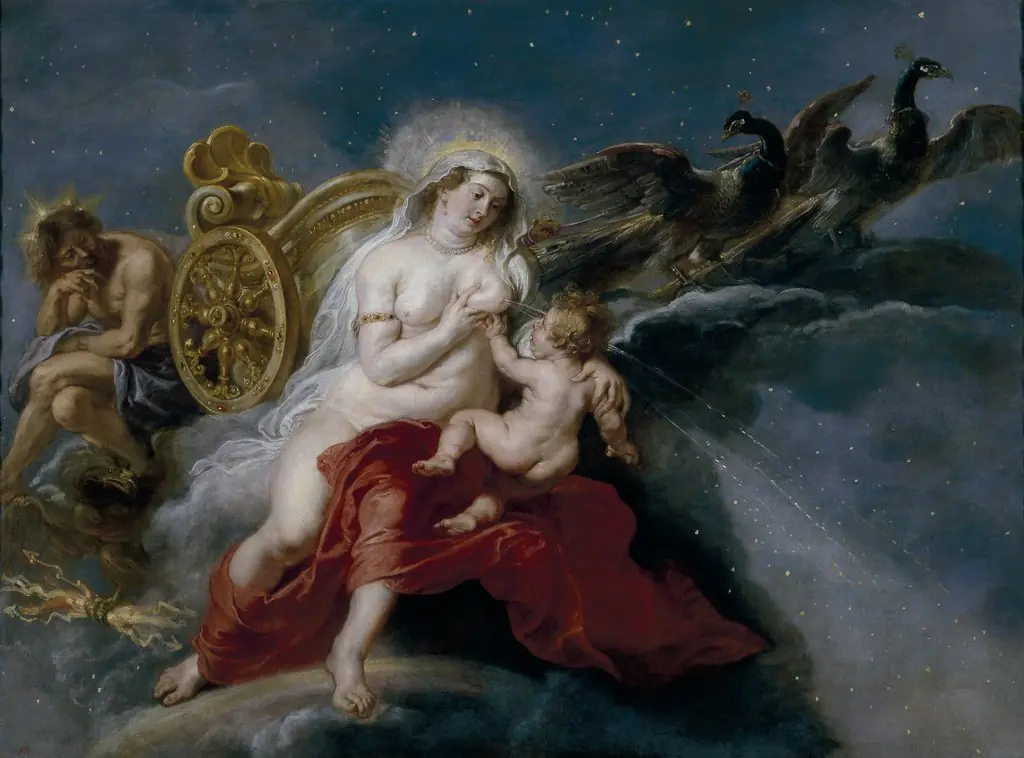 The Origin of the Milky Way
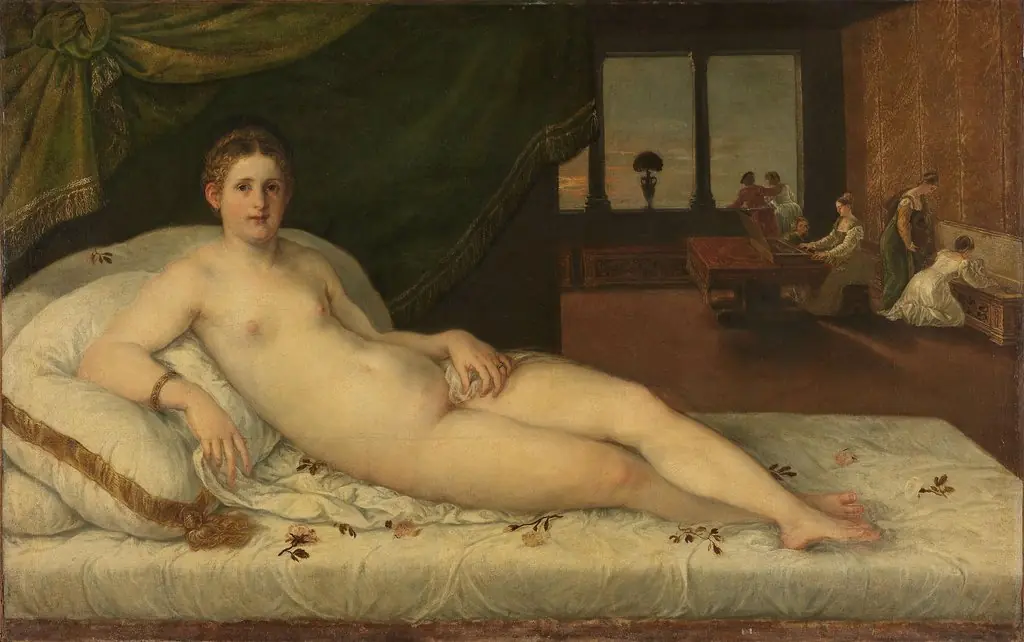 Reclining Venus
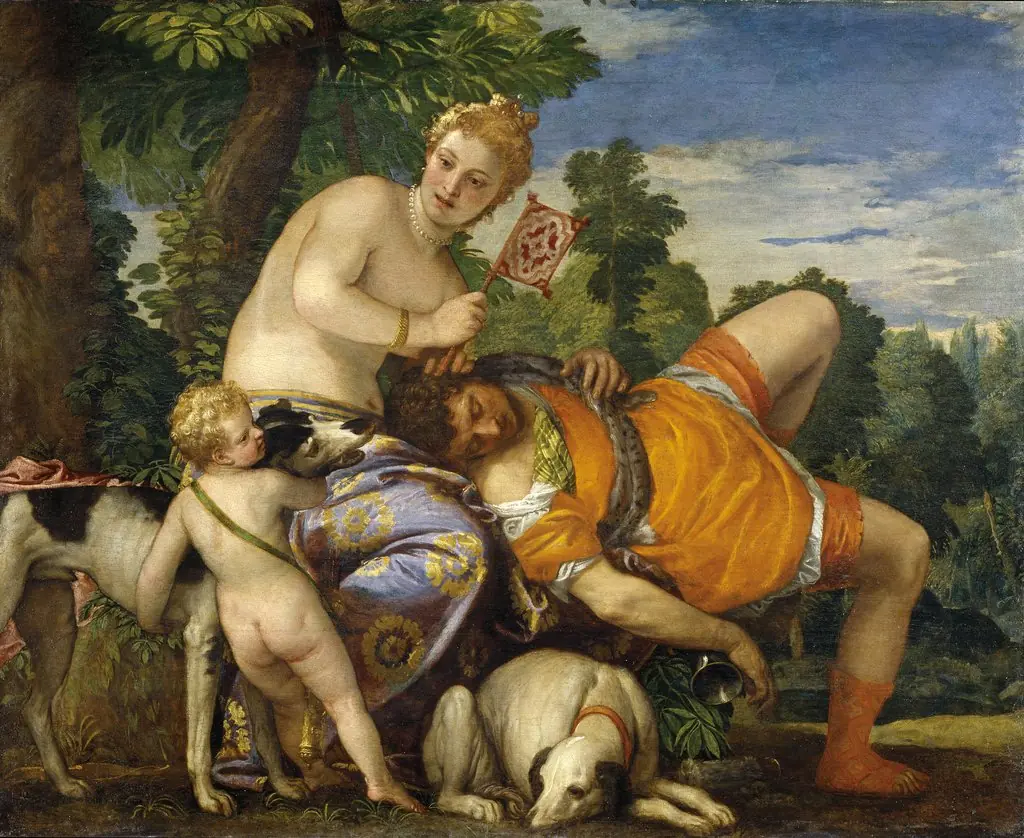 Venus and Adonis
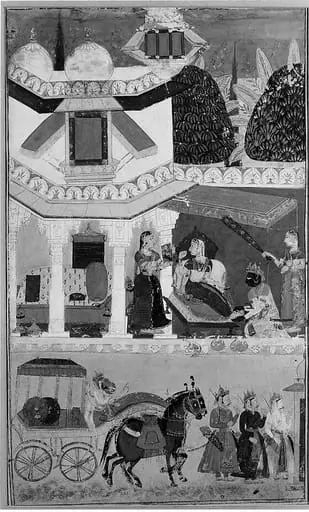 Untitled
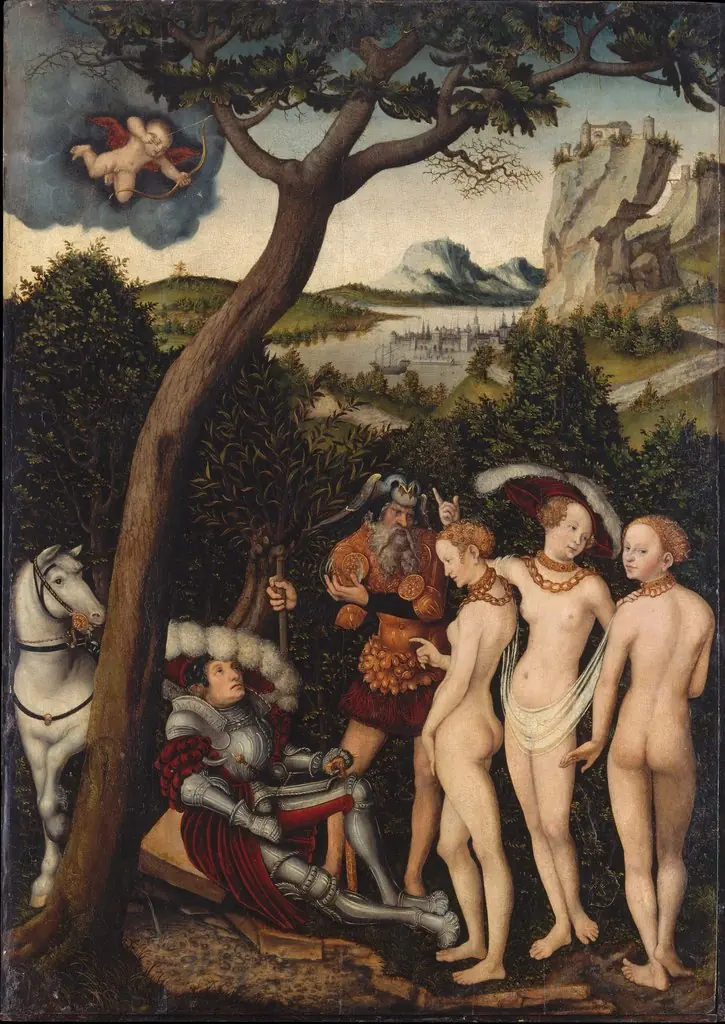 The Judgment of Paris
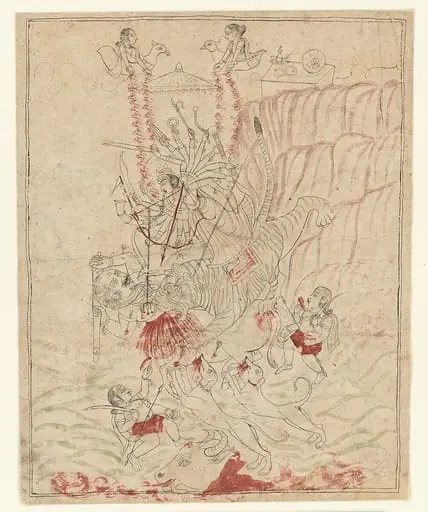 Untitled
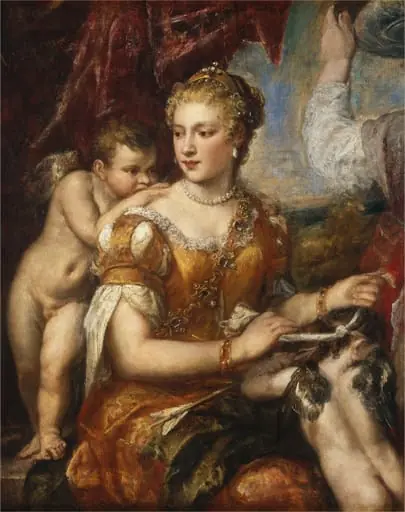 Venus Blindfolding Cupid
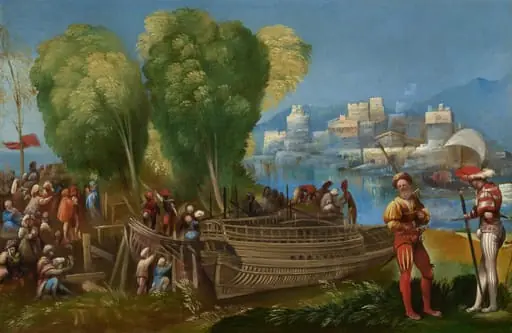 The Trojans Repairing Their Ships in Sicily
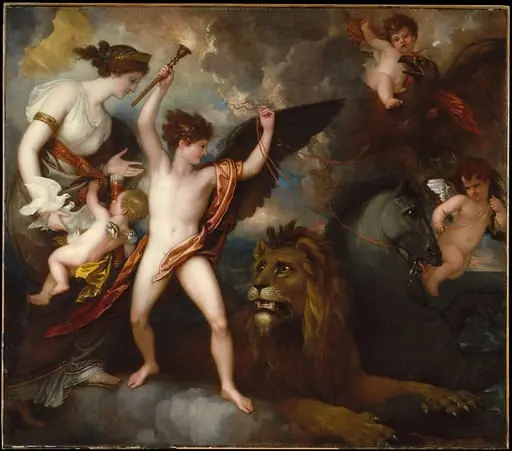 Omnia Vincit Amor, or The Power of Love in the Three Elements
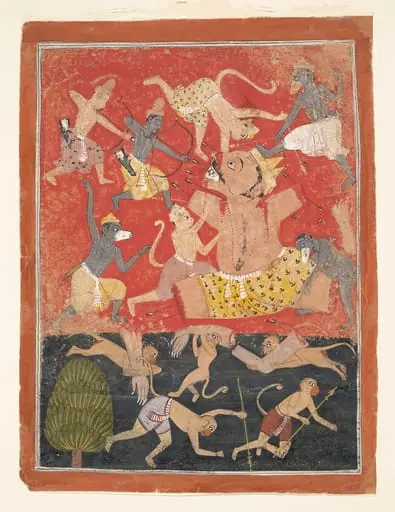 Untitled
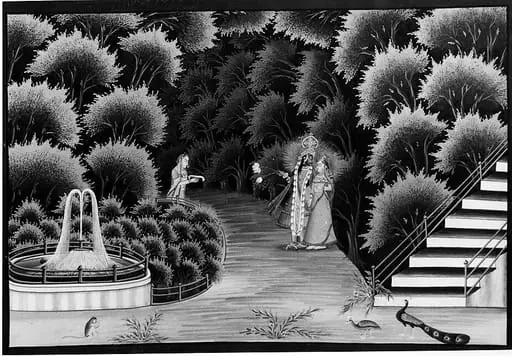 Untitled
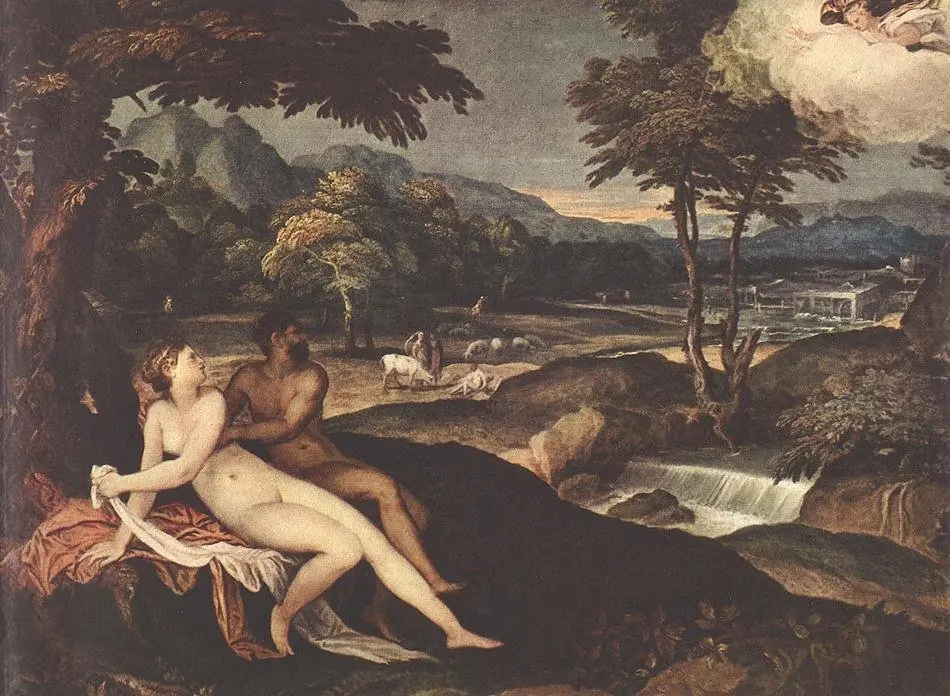 Landscape with Jupiter and Io
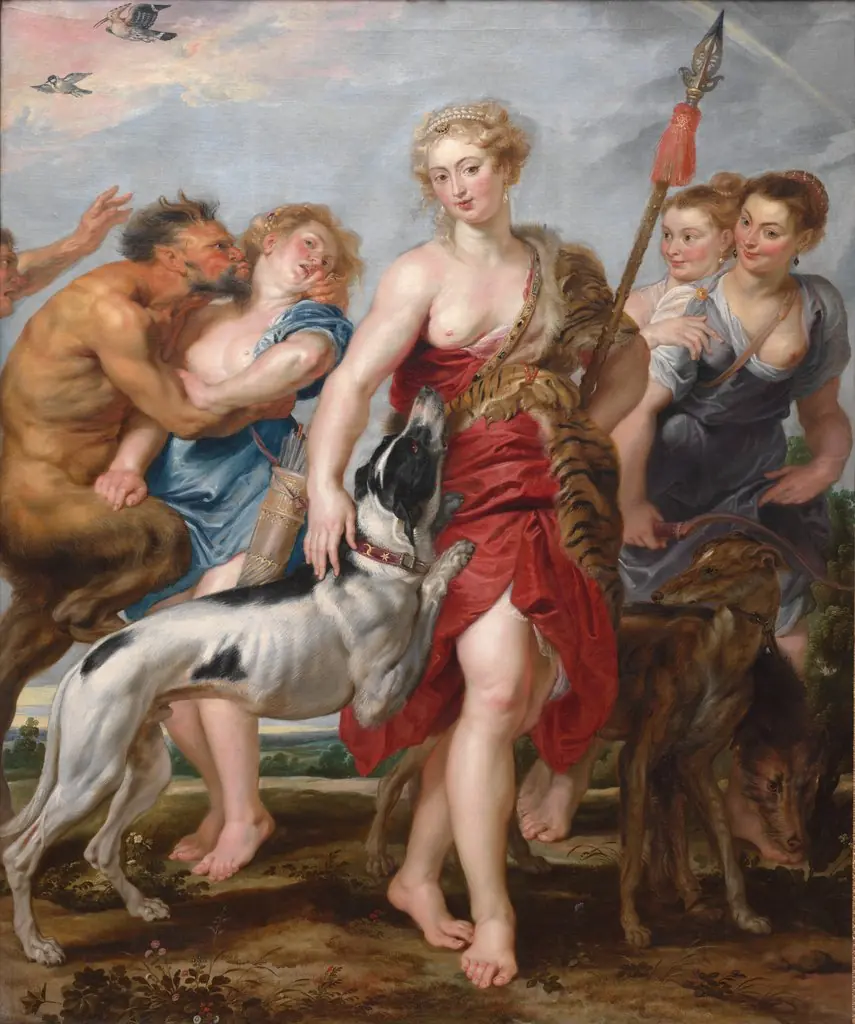 Diana and Her Nymphs Departing for the Hunt
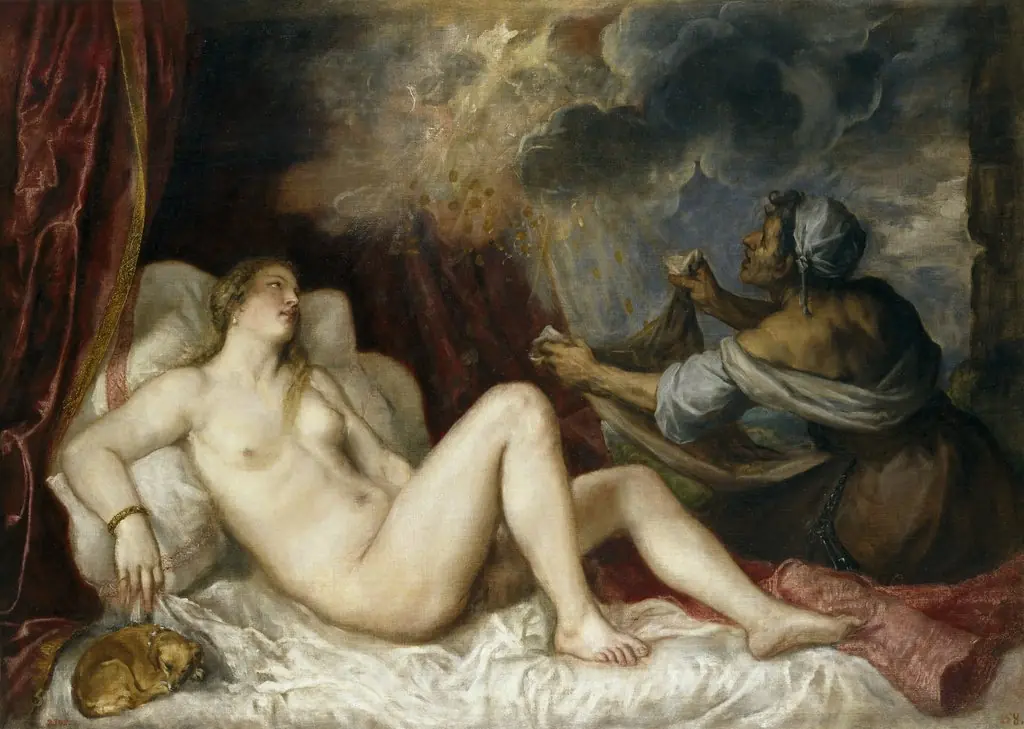 Danaë
Danaë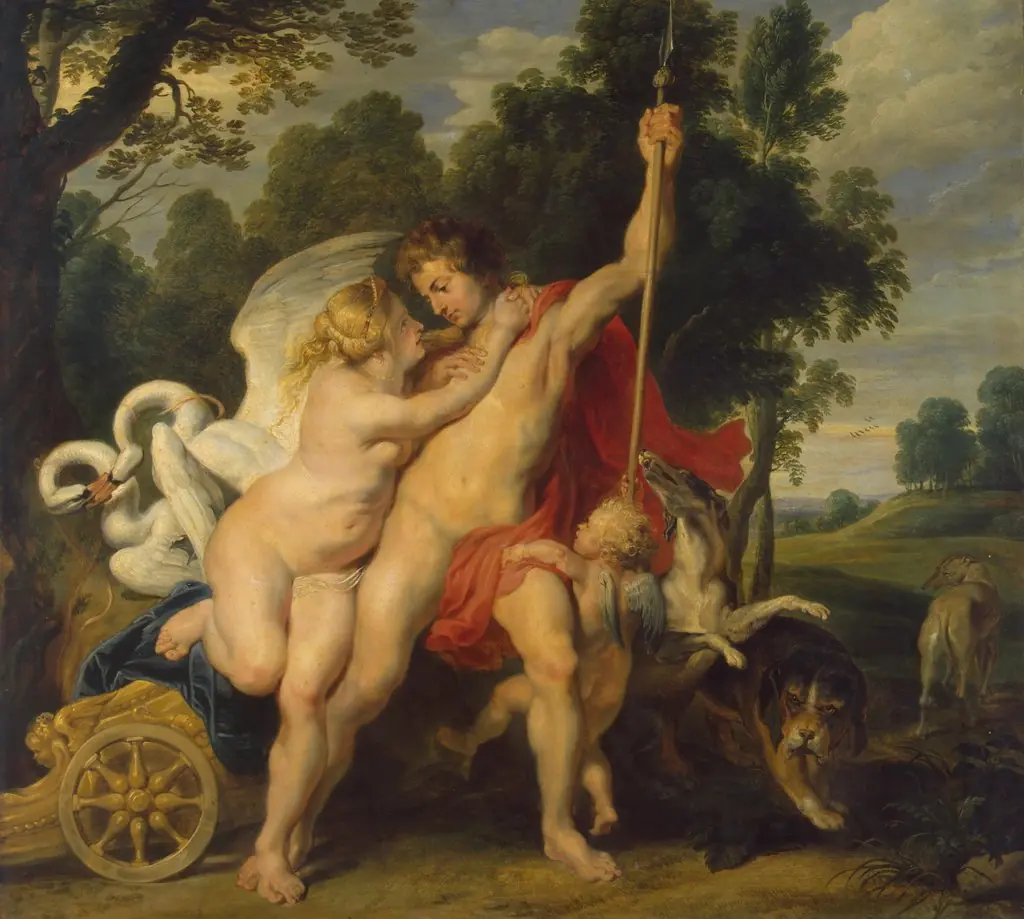 Venus and Adonis (Rubens, 1614)
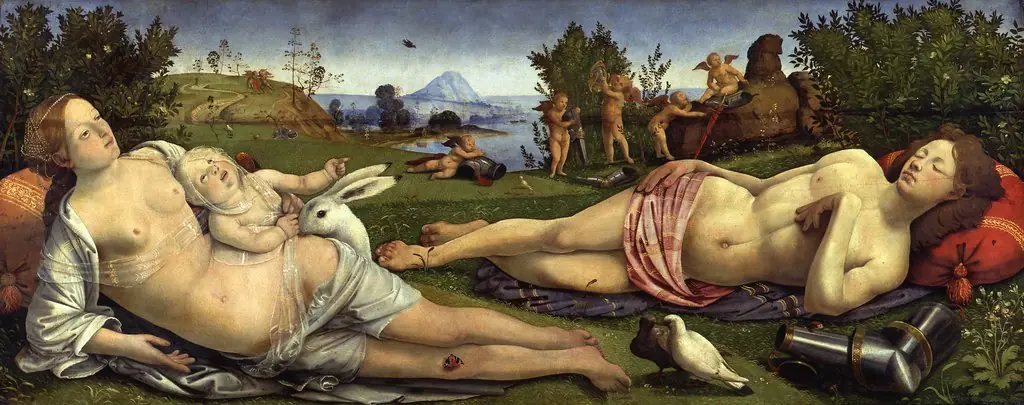 Venus, Mars and Cupid
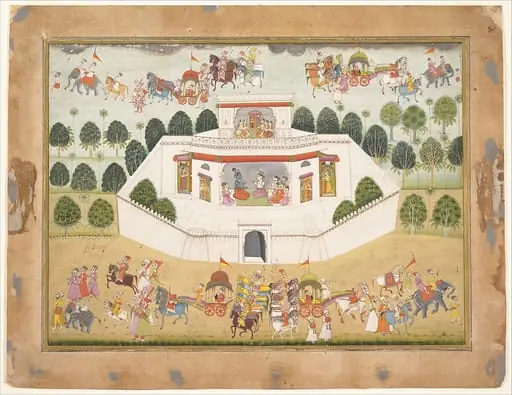 Untitled
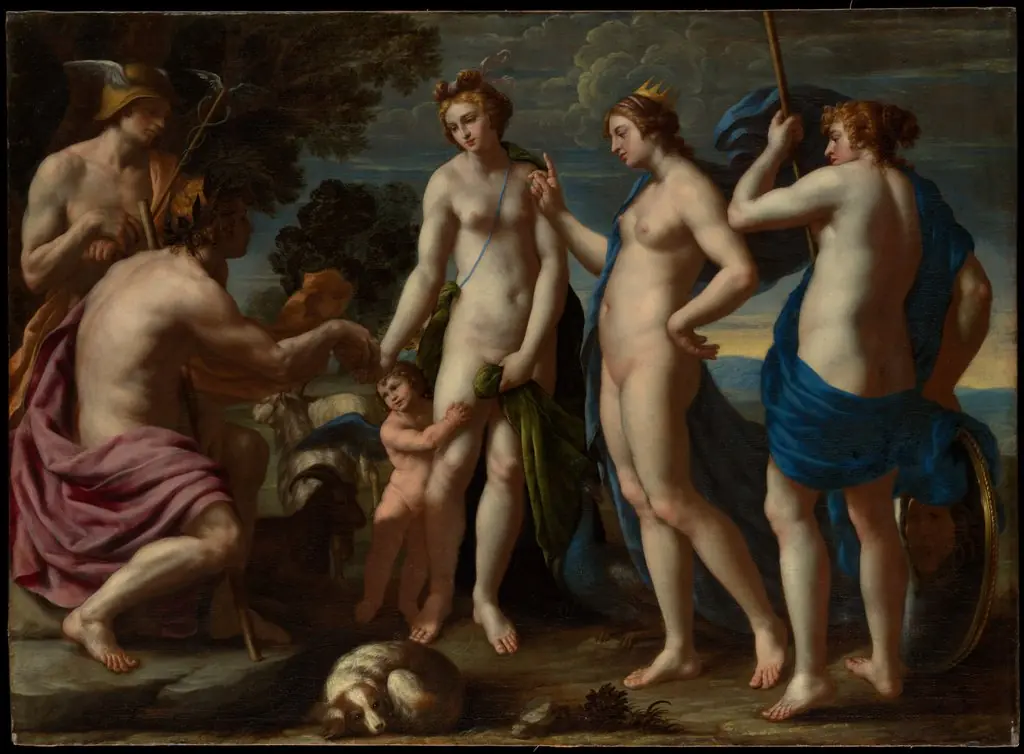 Judgment of Paris
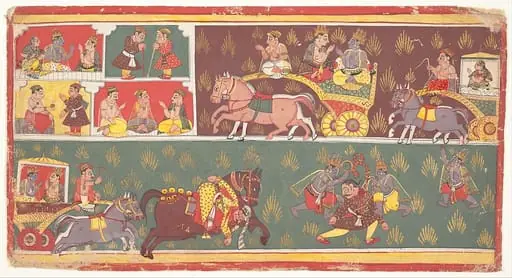 Untitled
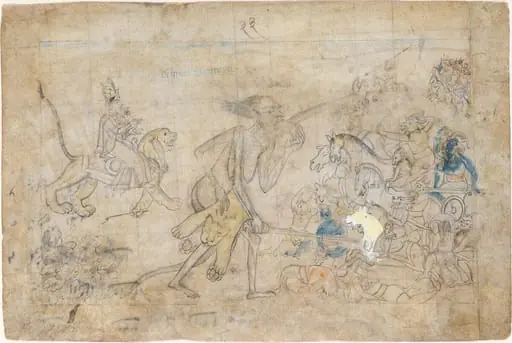 Untitled
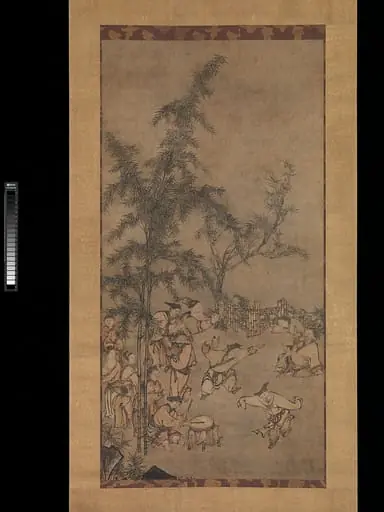 雪村周継筆 竹林七聖図|Seven Sages of the Bamboo Grove
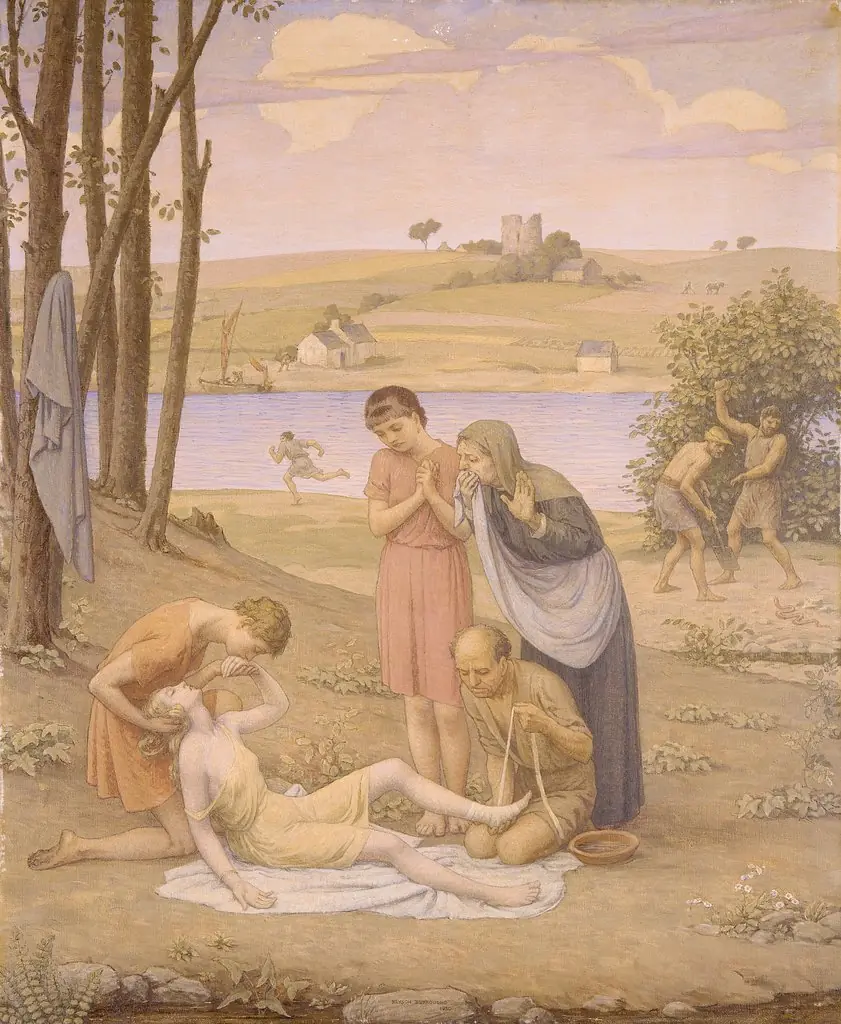 Eurydice Bitten by the Snake
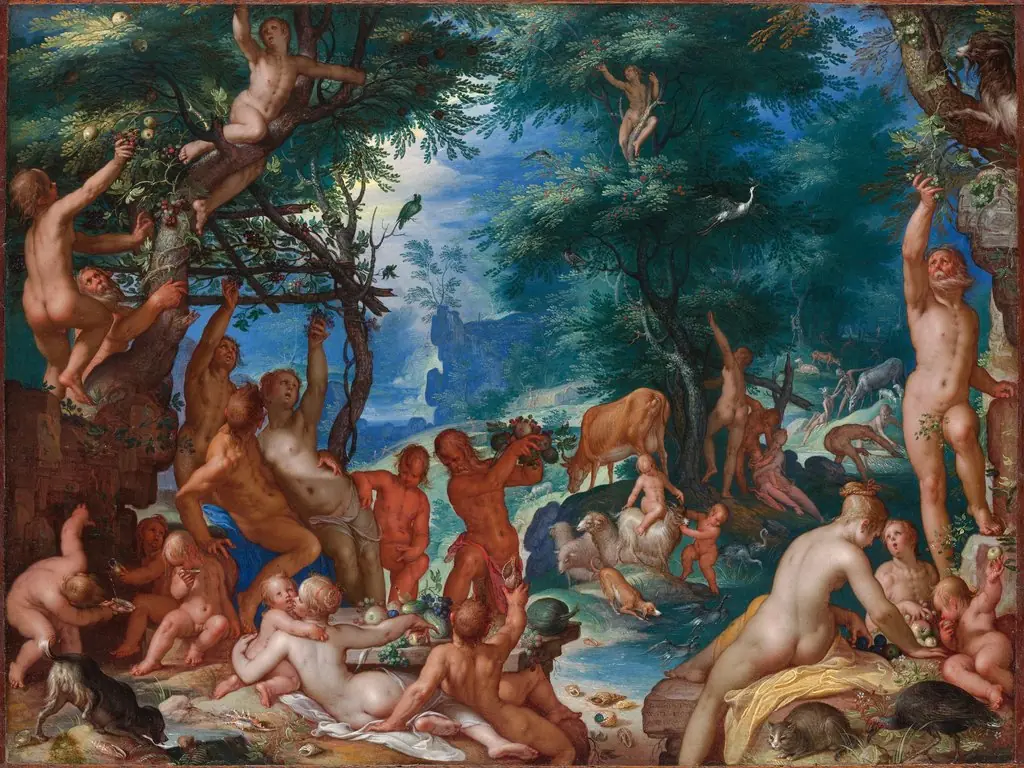 The Golden Age
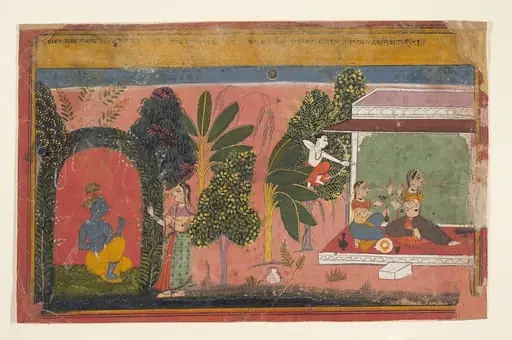 Untitled
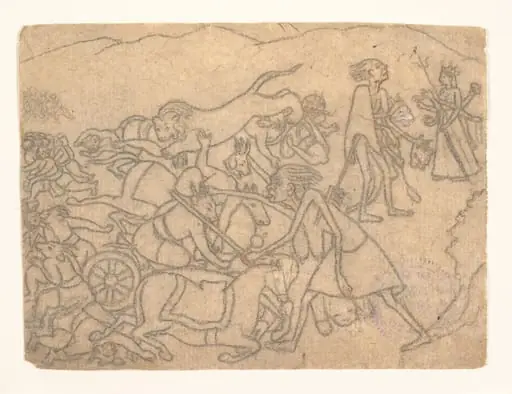 Untitled
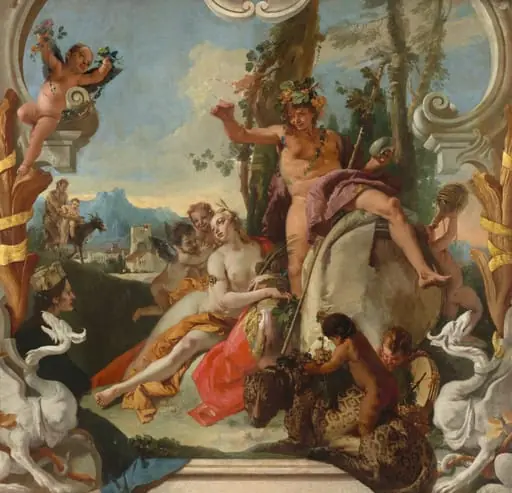 Bacchus and Ariadne
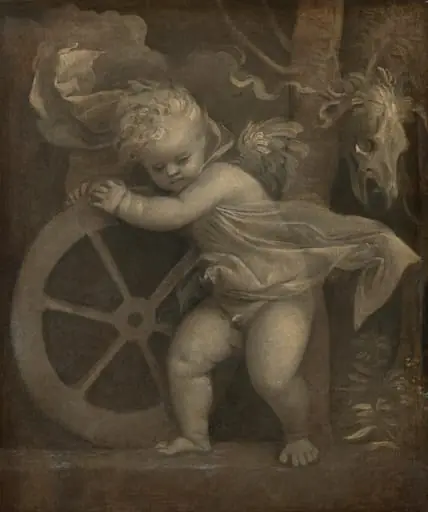 Cupid with the Wheel of Time
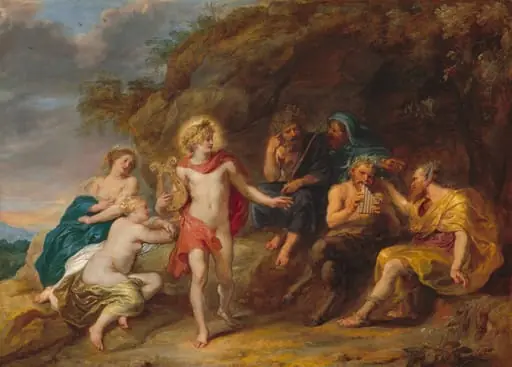 The Judgment of Midas
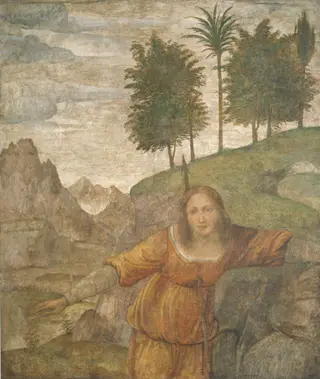 Procris Pierced by Cephalus' Javelin
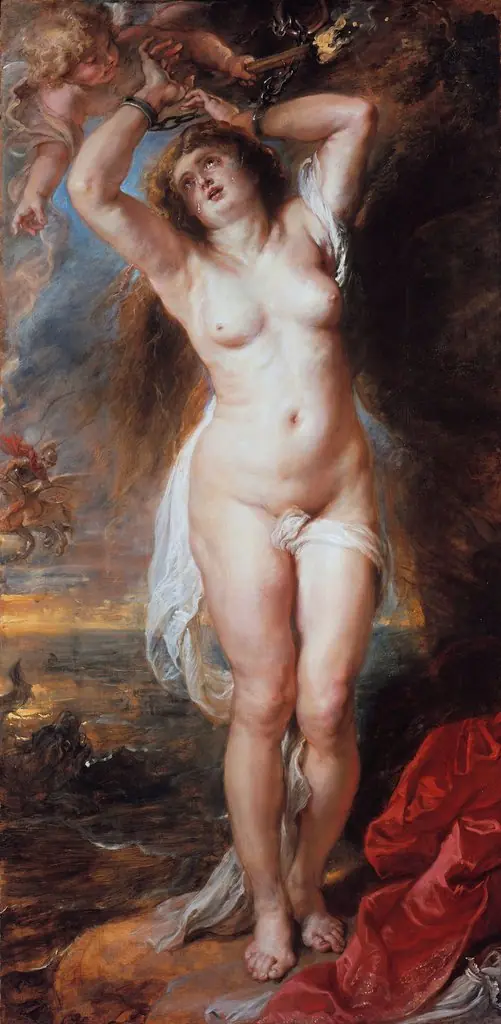 Perseus Freeing Andromeda
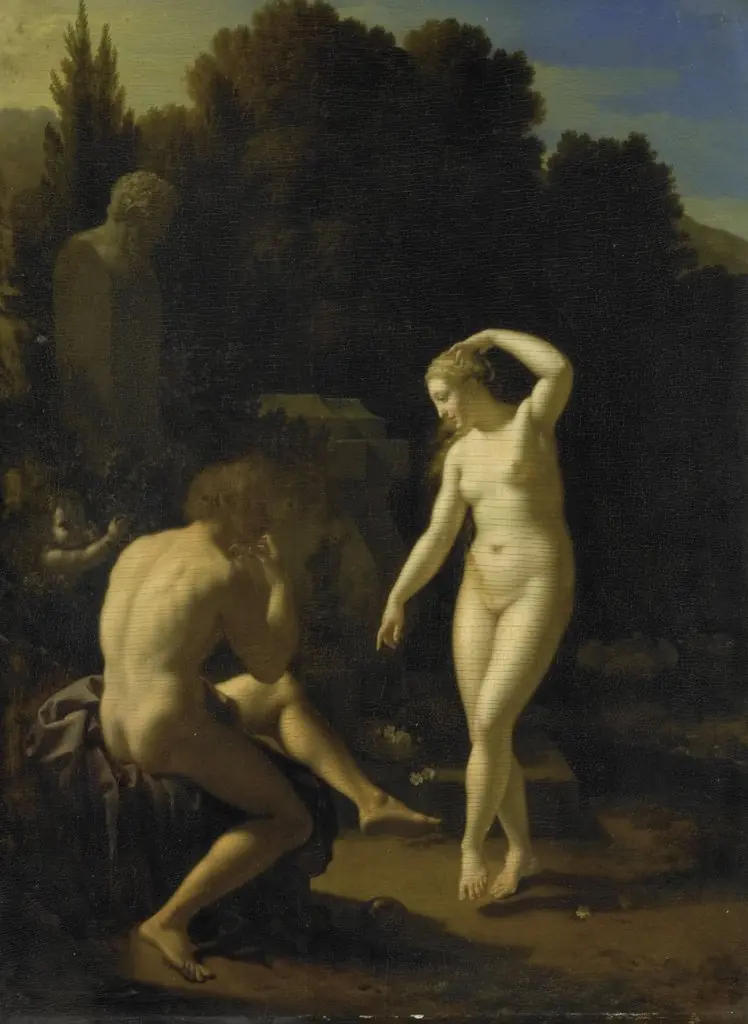 A Nymph Dancing to a Shepherd's Flute-Playing
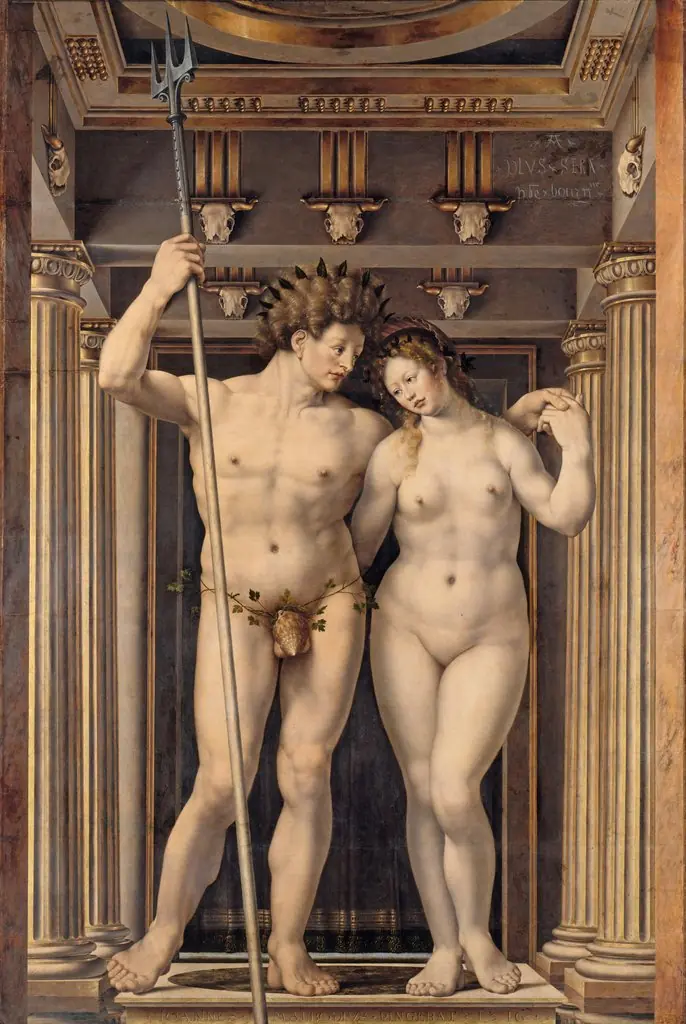 Neptune and Amphitrite
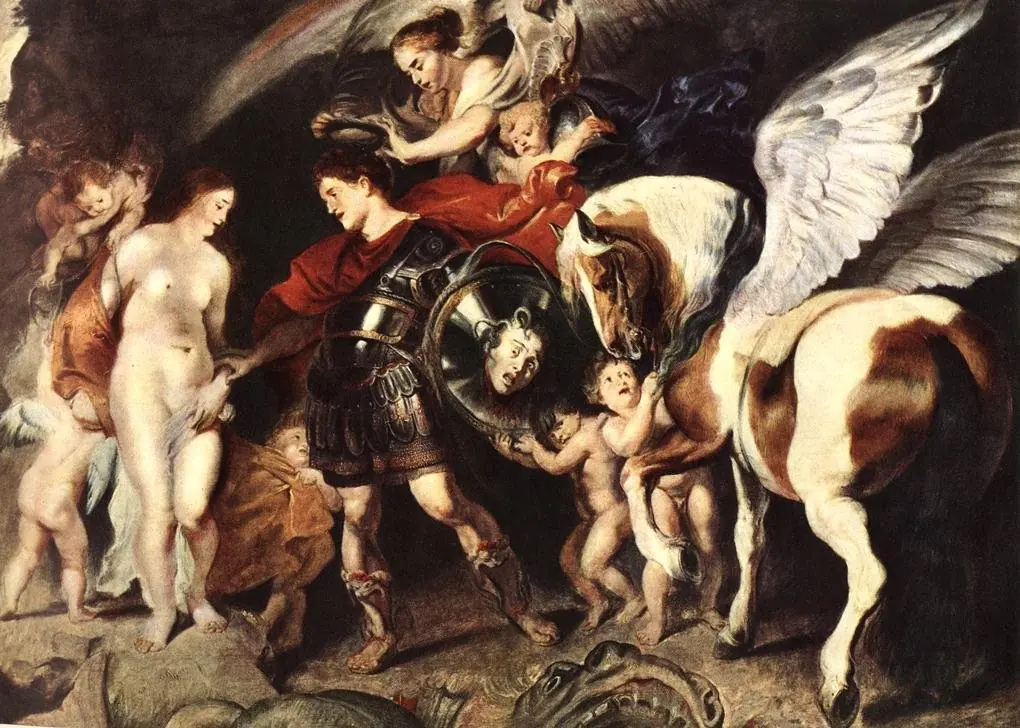 Perseus and Andromeda
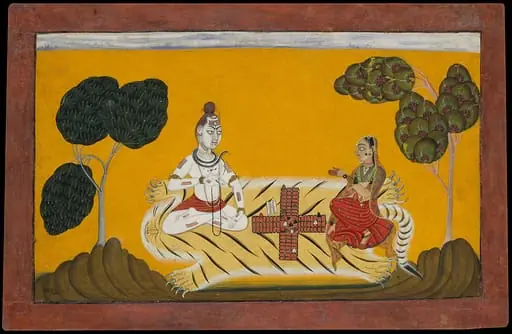 Untitled
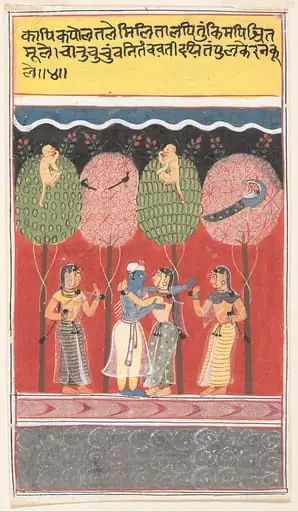 Untitled
 Untitled
 Untitled
 Untitled
 Untitled
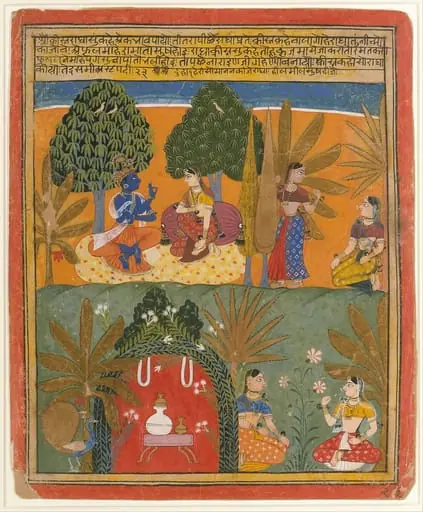 Untitled
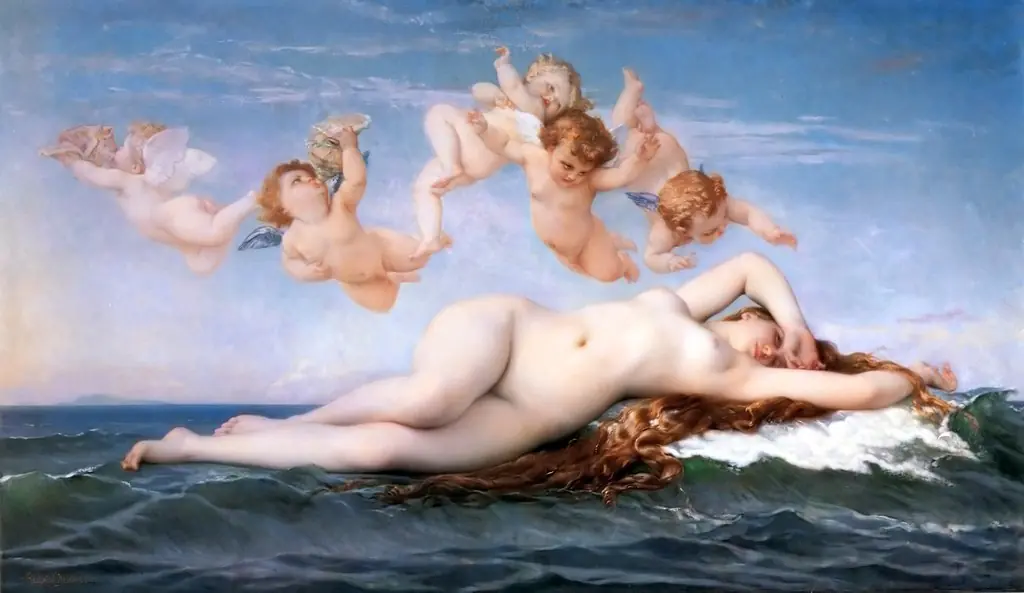 The Birth of Venus
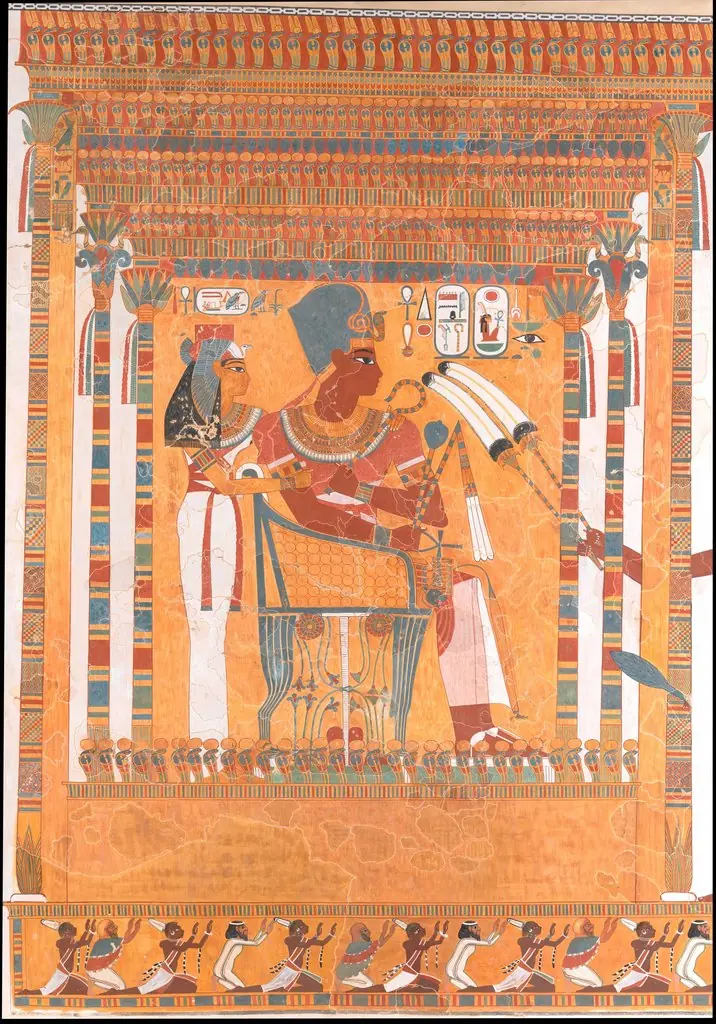 Amenhotep III and his Mother, Mutemwia, in a Kiosk
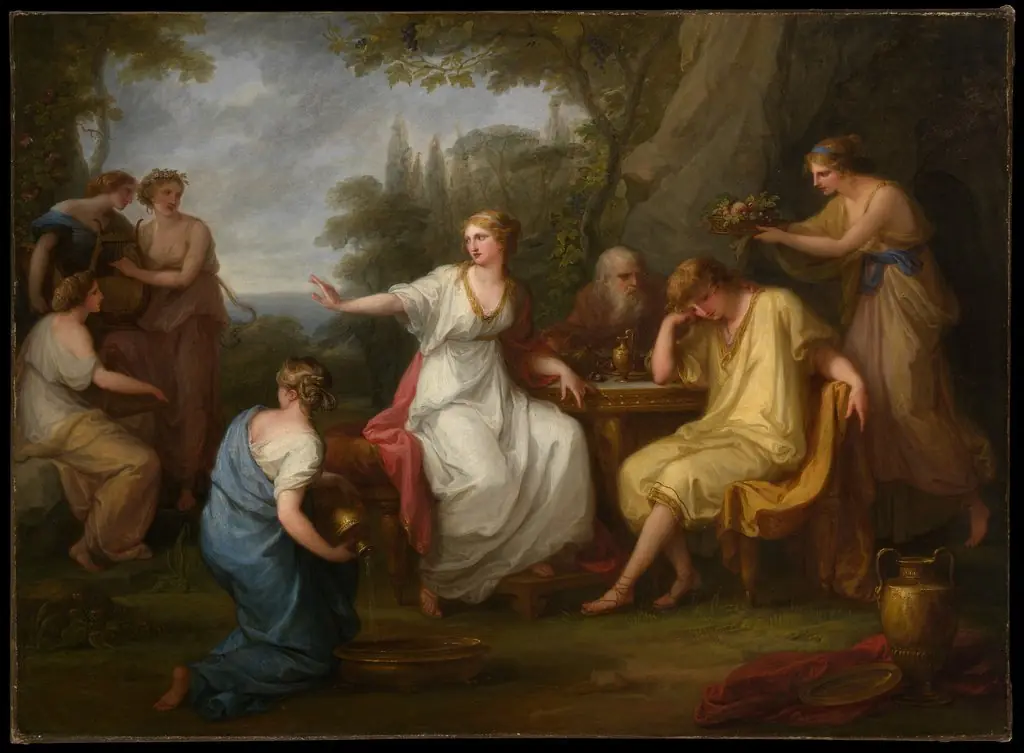 The Sorrow of Telemachus
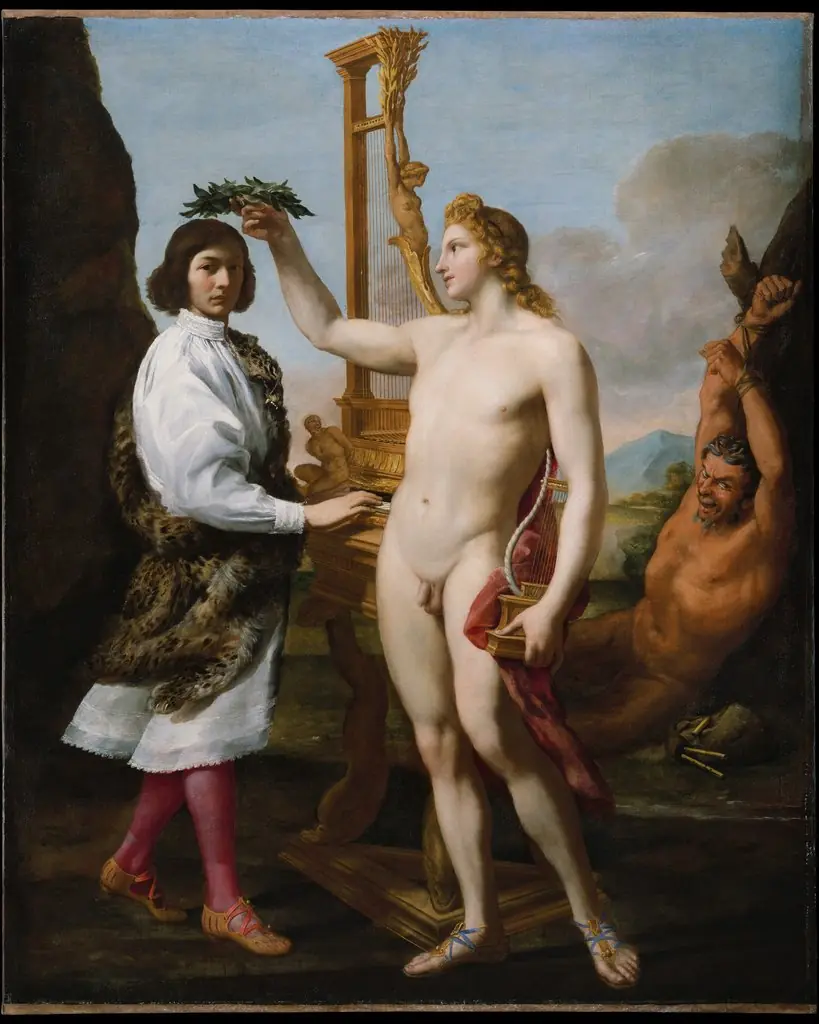 Marcantonio Pasqualini (1614–1691) Crowned by Apollo
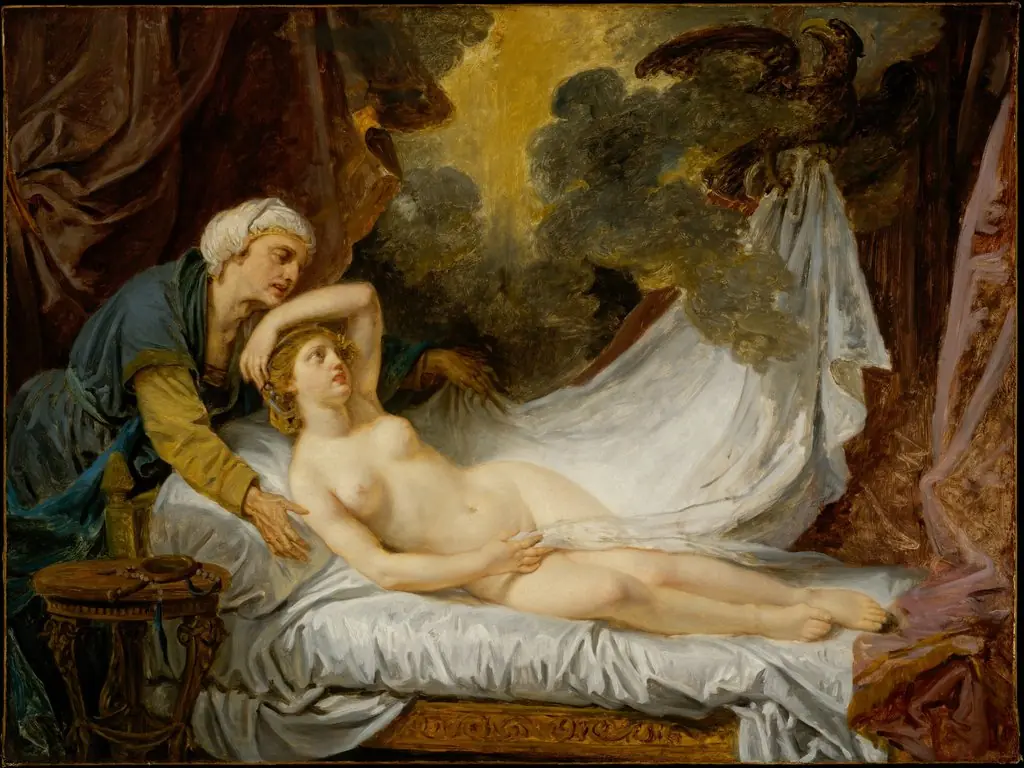 Aegina Visited by Jupiter
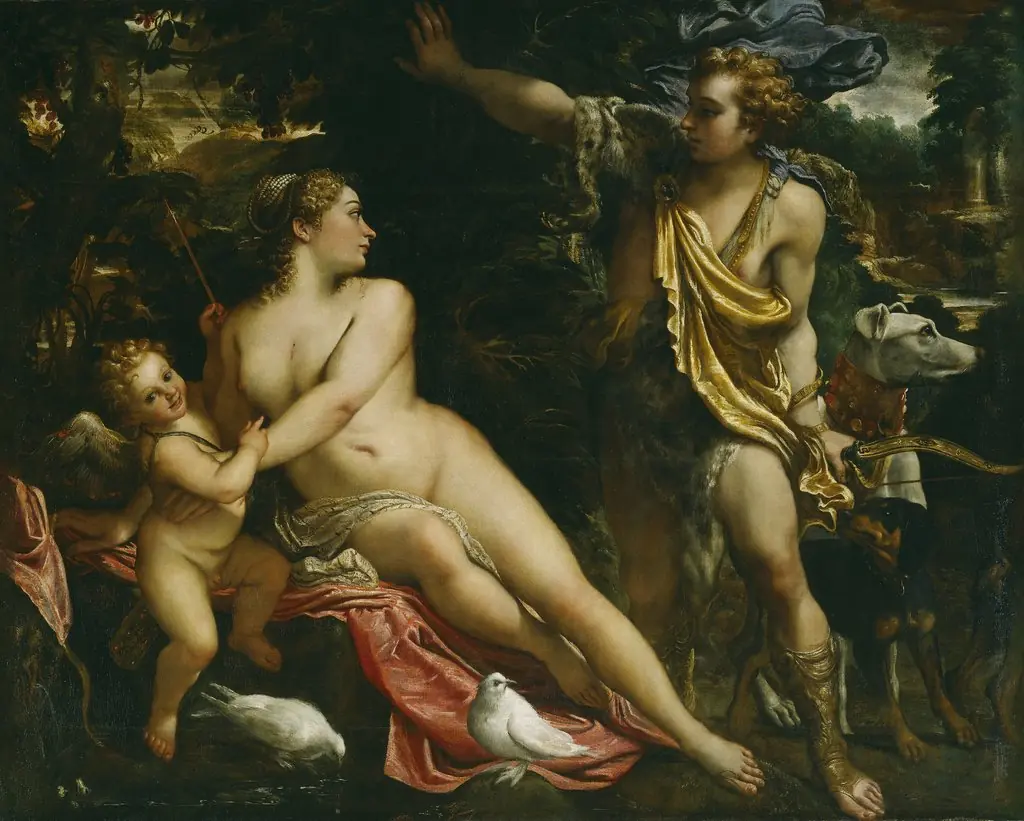 Venus, Adonis and Cupid
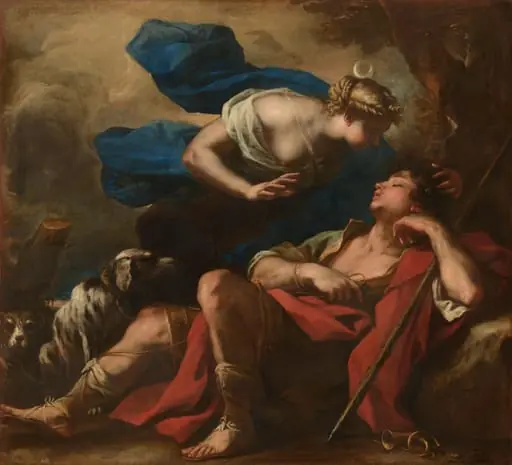 Diana and Endymion
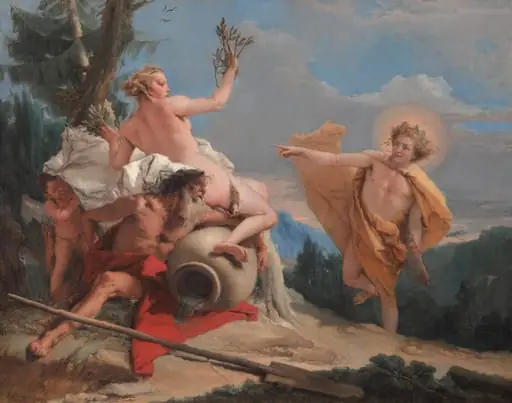 Apollo Pursuing Daphne
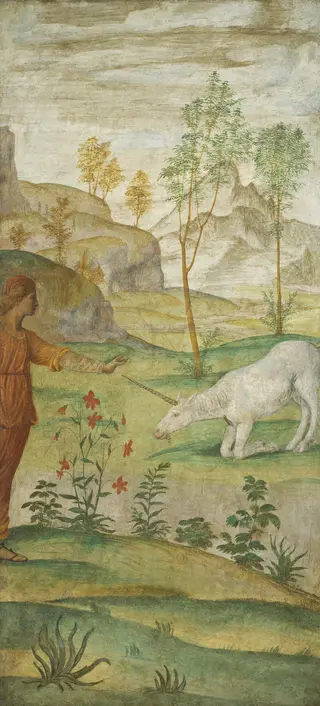 Procris and the Unicorn
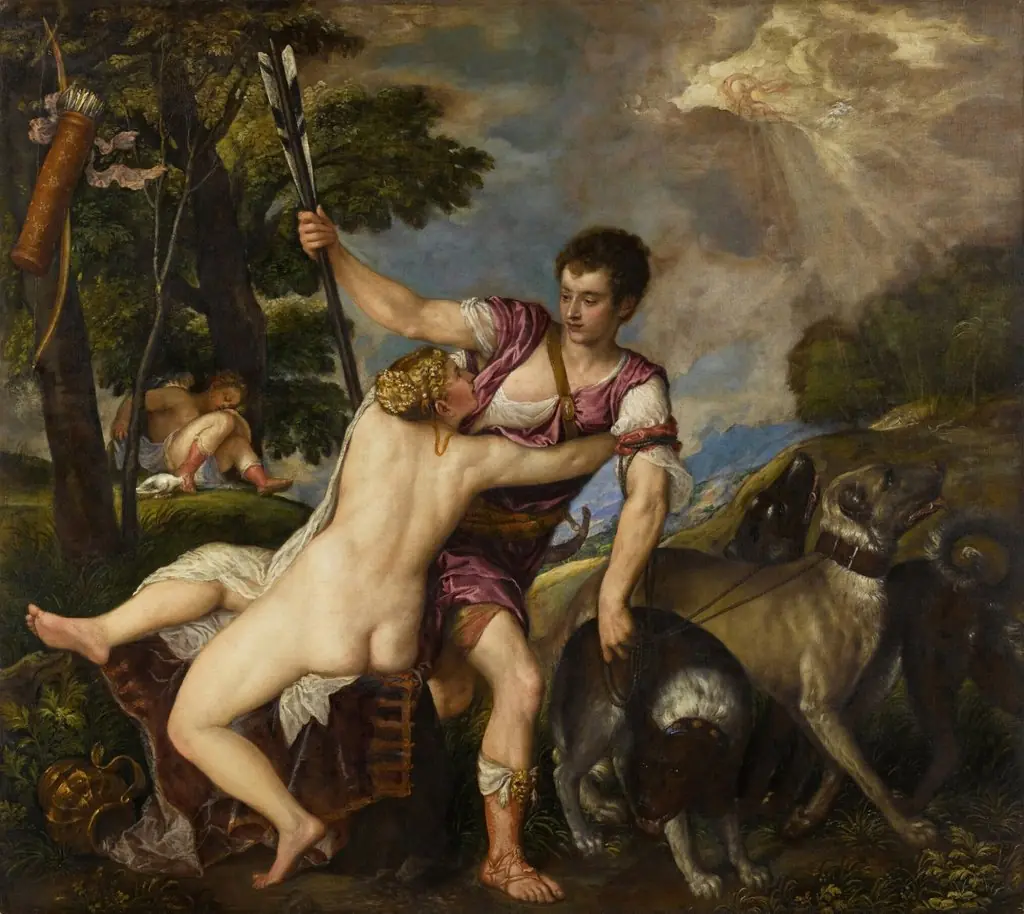 Venus and Adonis
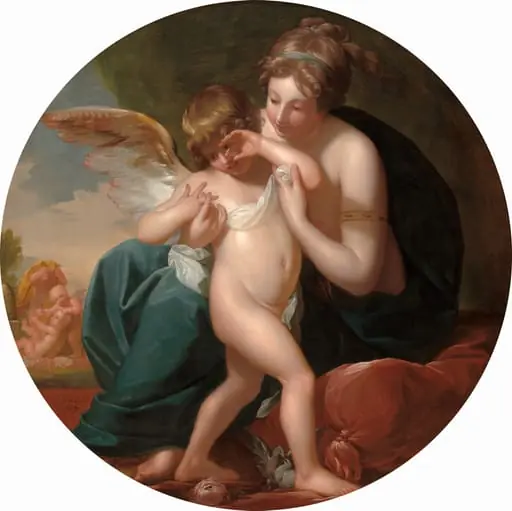 Cupid, Stung by a Bee, Is Cherished by his Mother
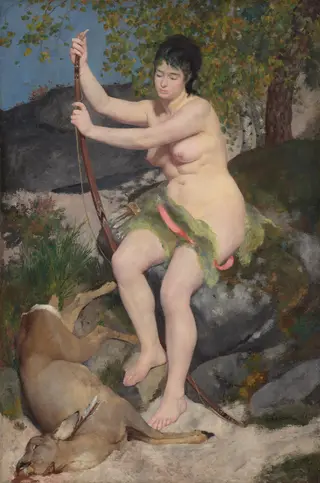 Diana
Diana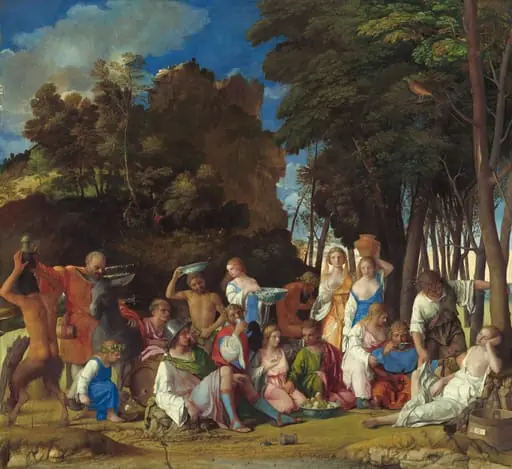 The Feast of the Gods
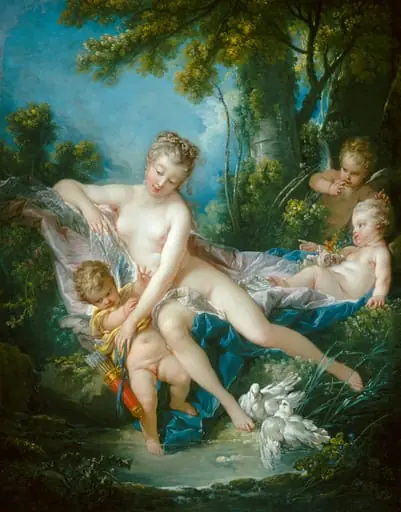 The Bath of Venus
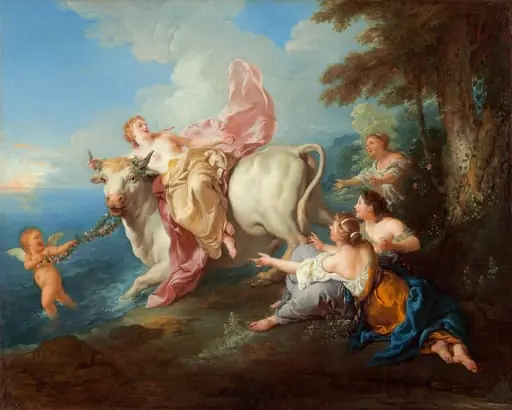 The Abduction of Europa
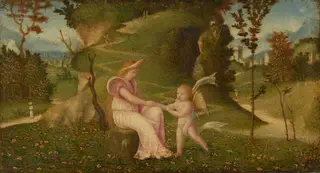 Venus and Cupid in a Landscape
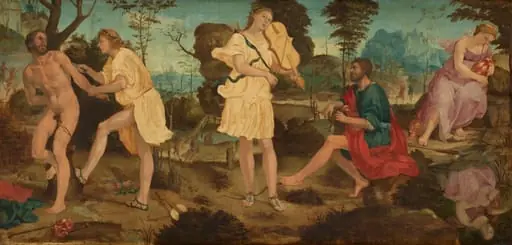 Apollo and Marsyas
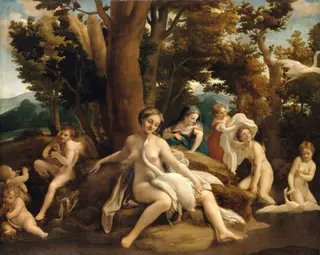 Leda and the Swan
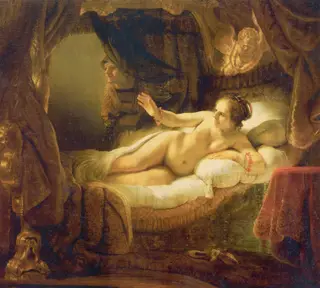 Danaë
Danaë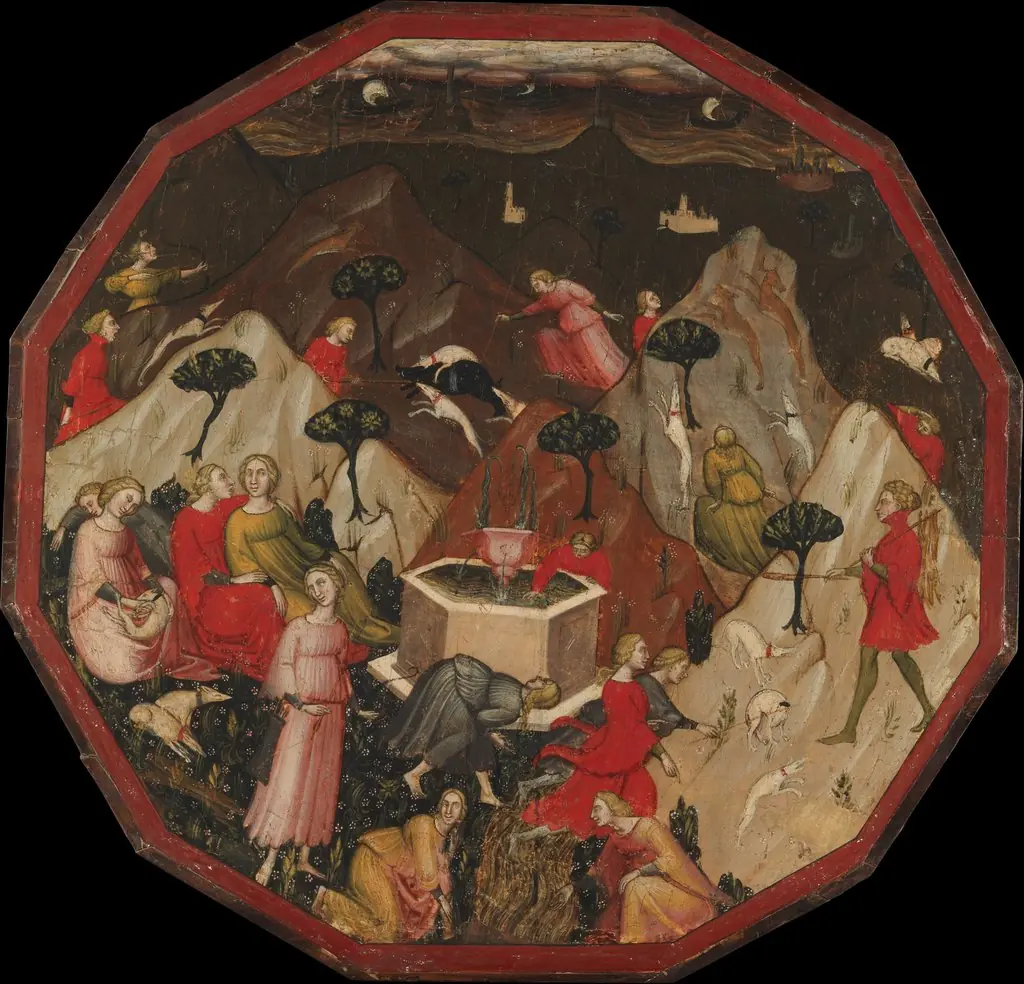 Ameto's Discovery of the Nymphs
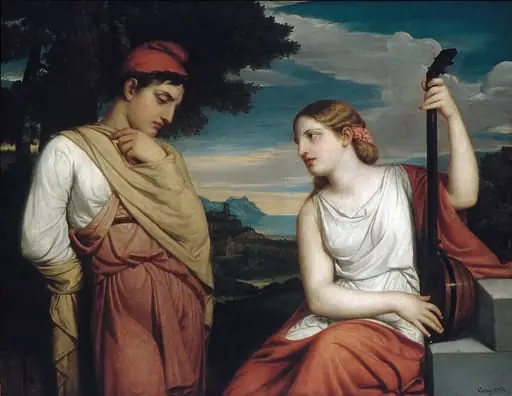 The Greek Lovers
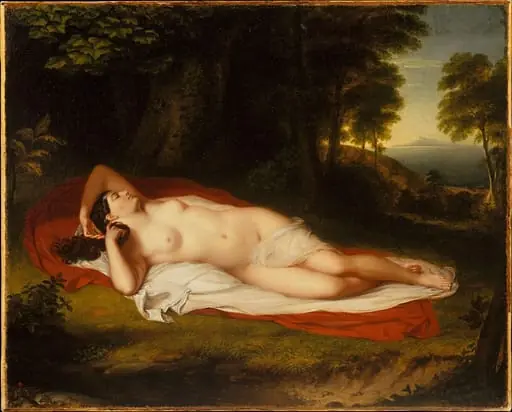 Ariadne
 Untitled
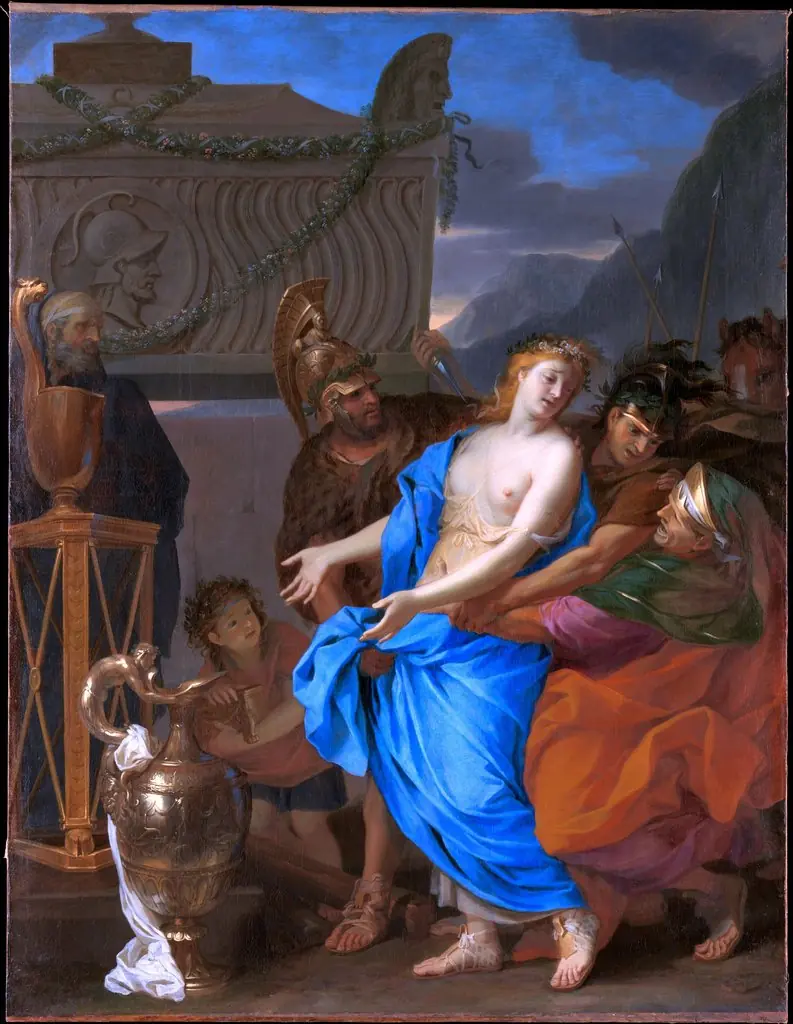 The Sacrifice of Polyxena
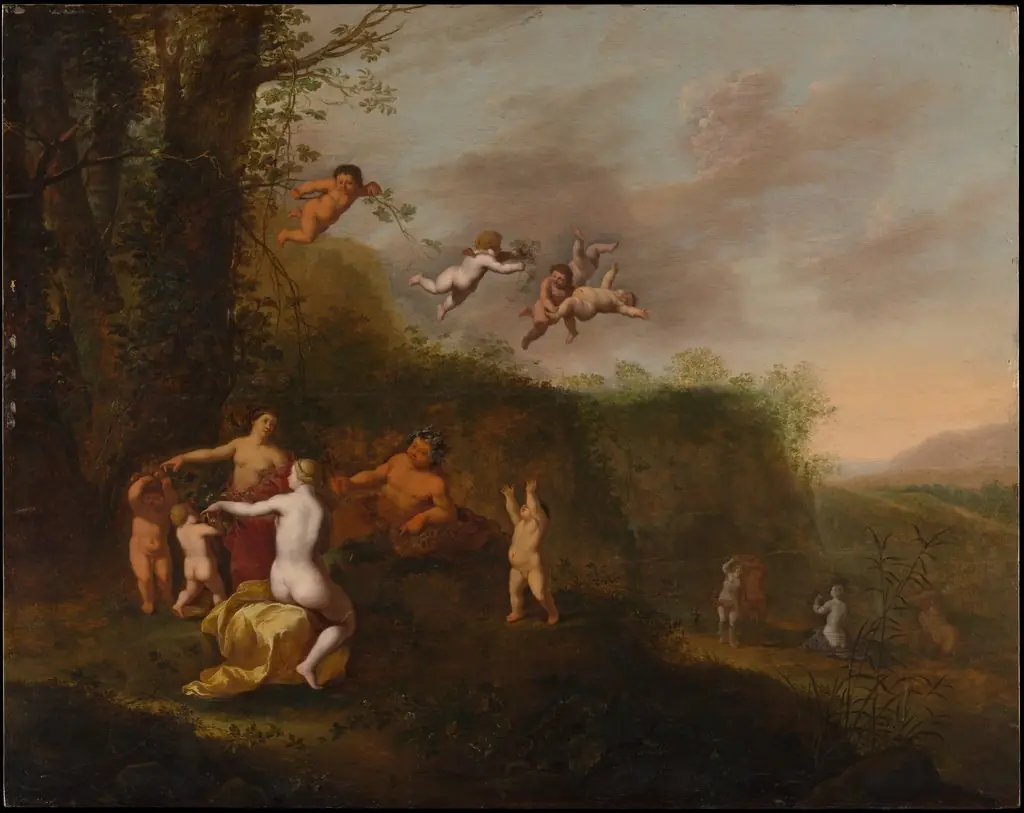 Bacchus and Nymphs in a Landscape
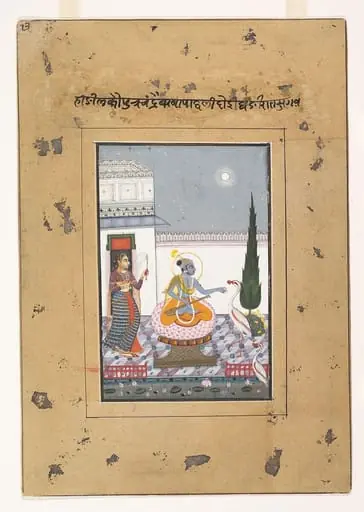 Untitled
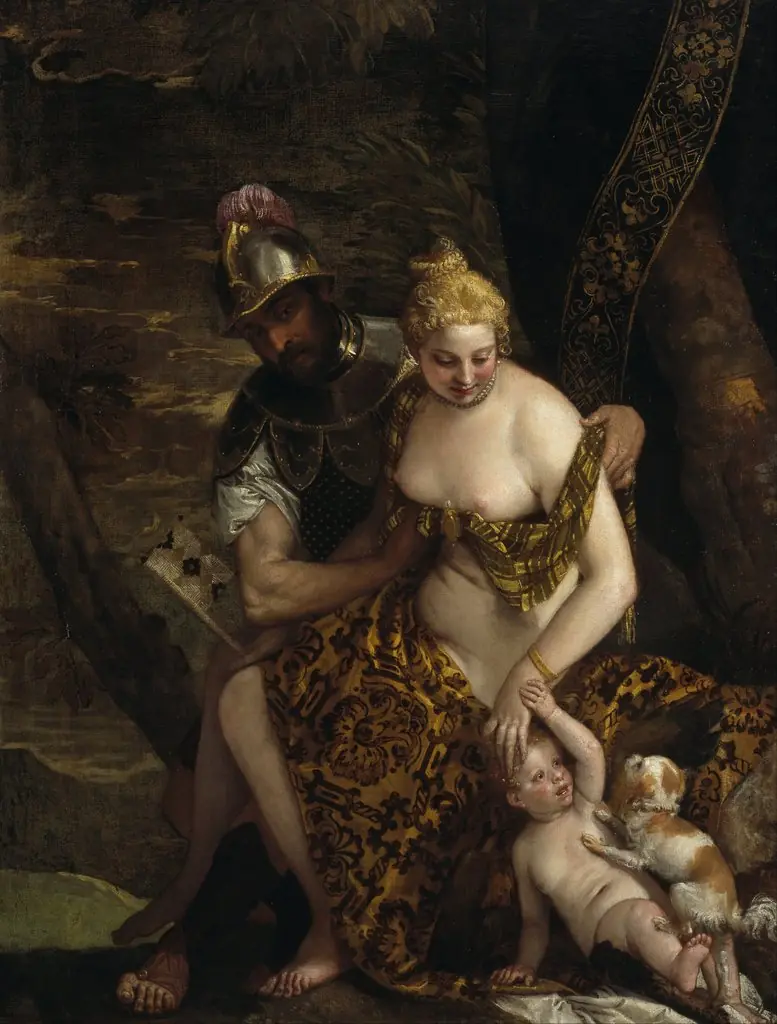 Mars and Venus with Cupid and a Dog
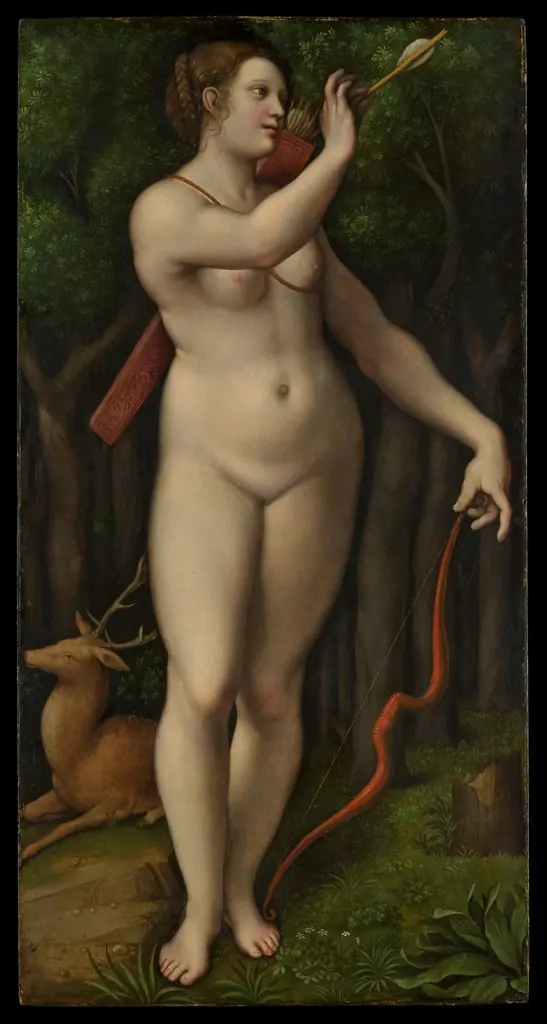 Diana the Huntress
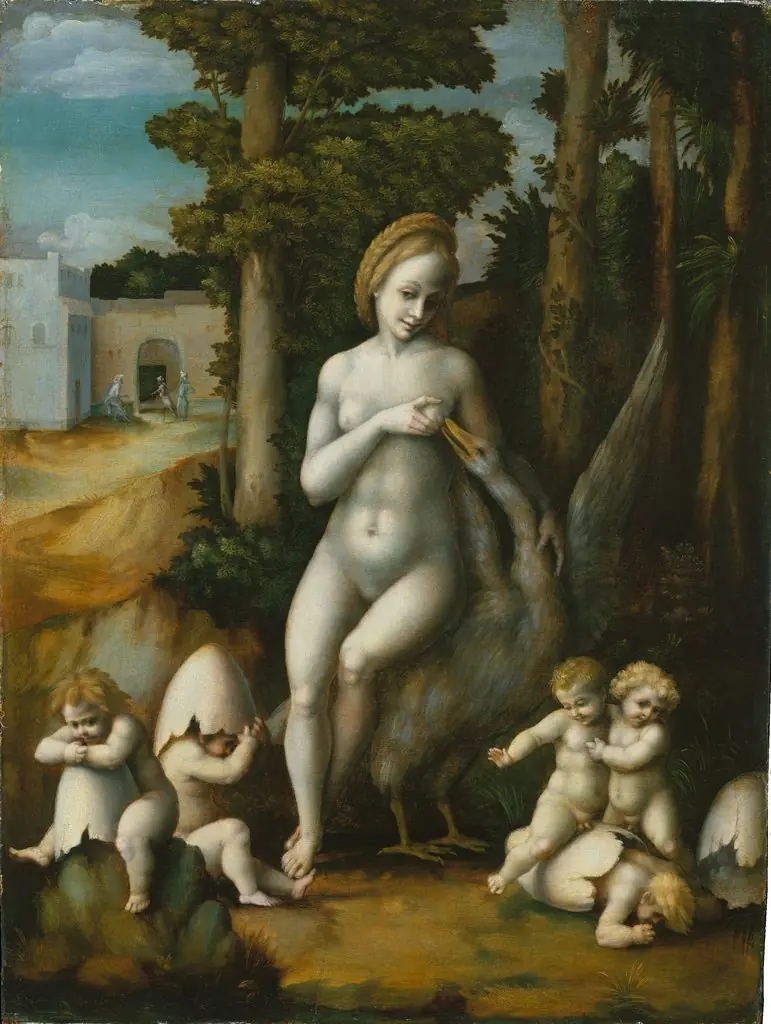 Leda and the Swan
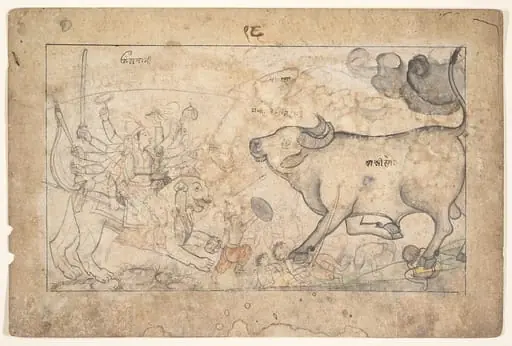 Untitled
 Landscape with a Stone Bridge
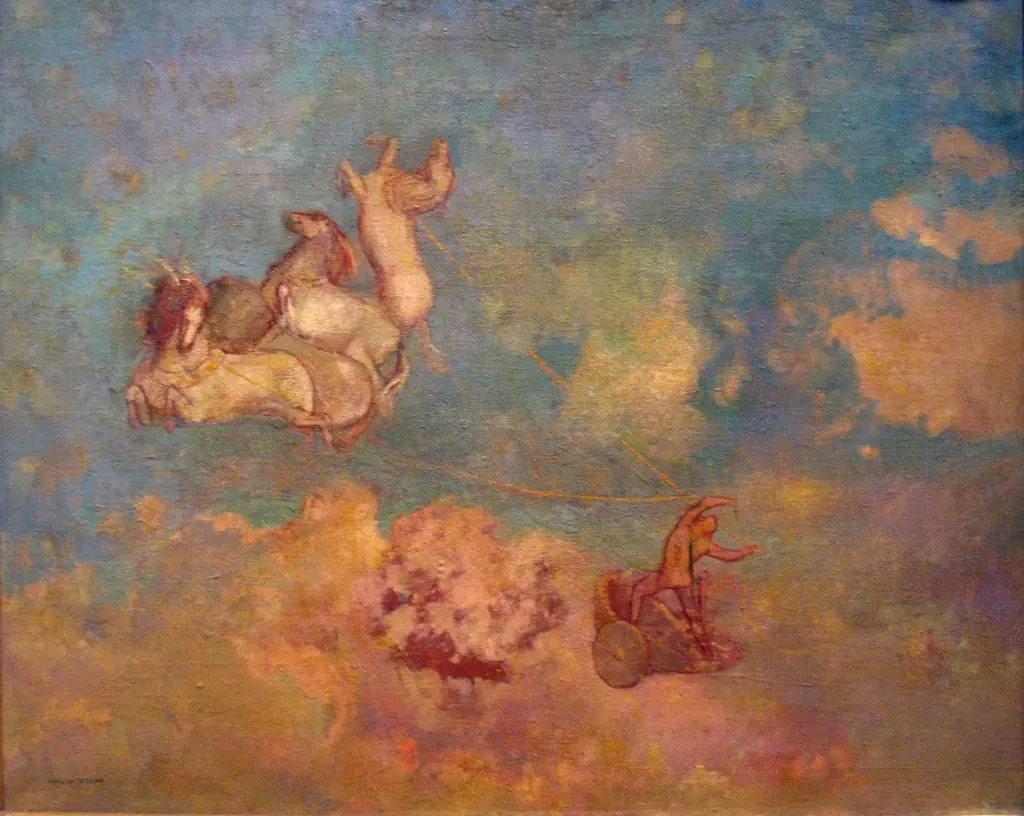 The Chariot of Apollo
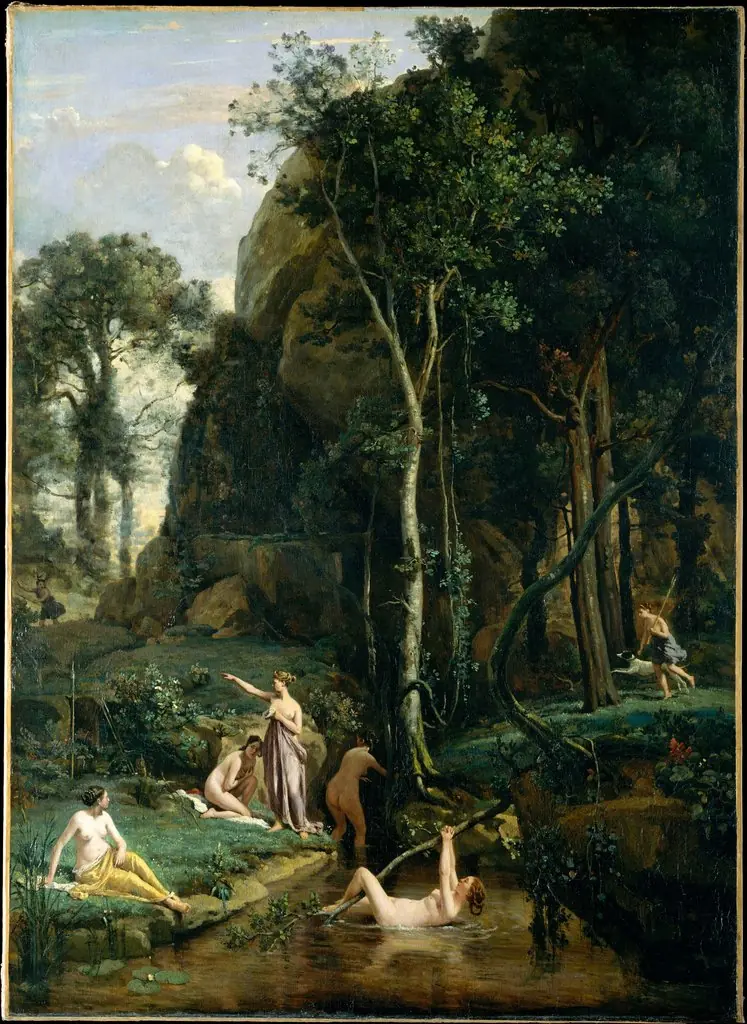 Diana and Actaeon (Diana Surprised in Her Bath)
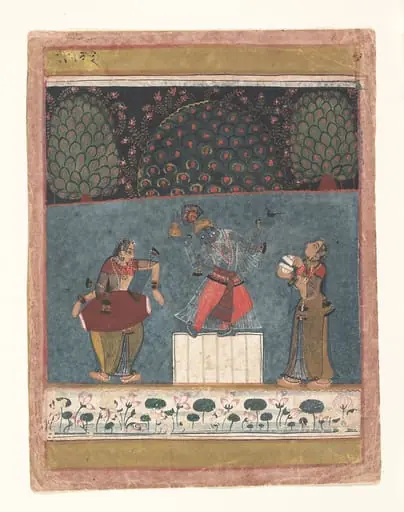 Untitled
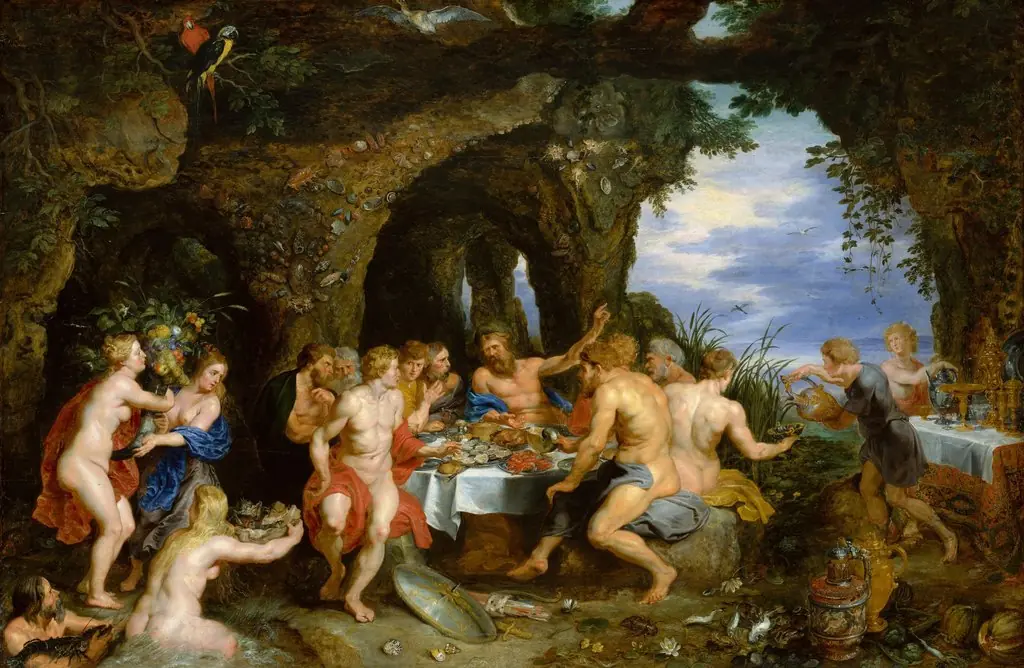 The Feast of Acheloüs
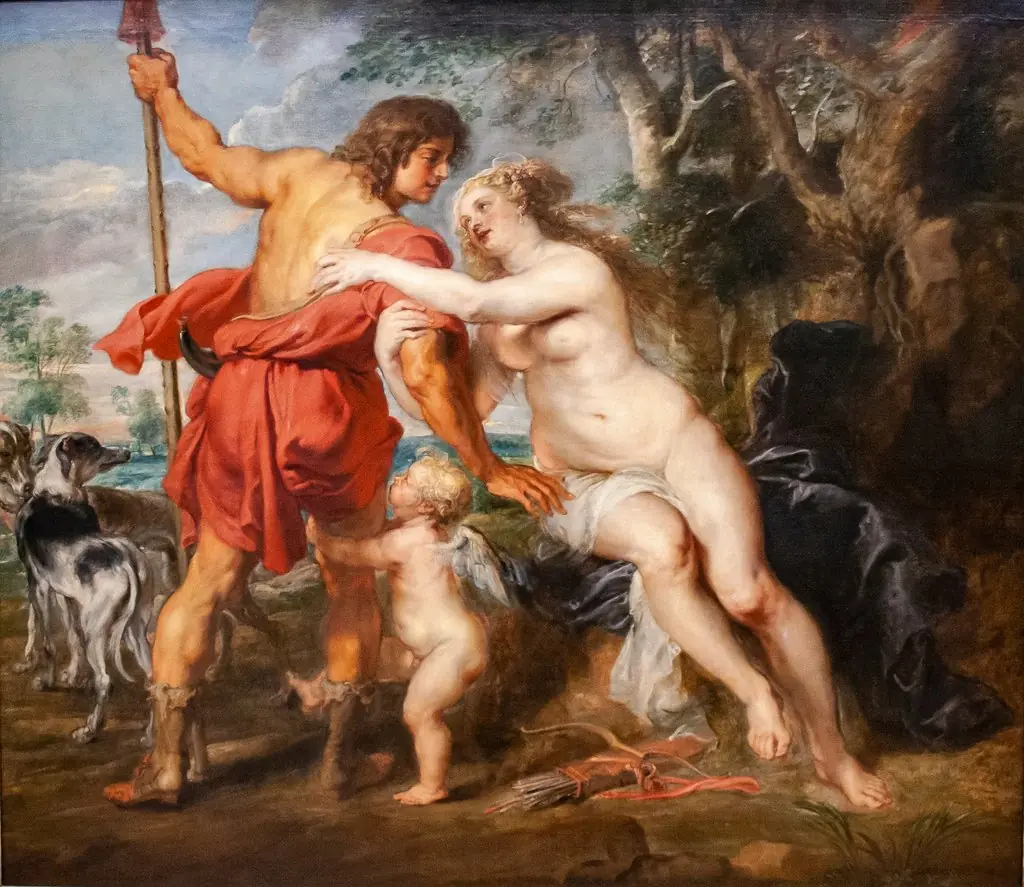 Venus and Adonis
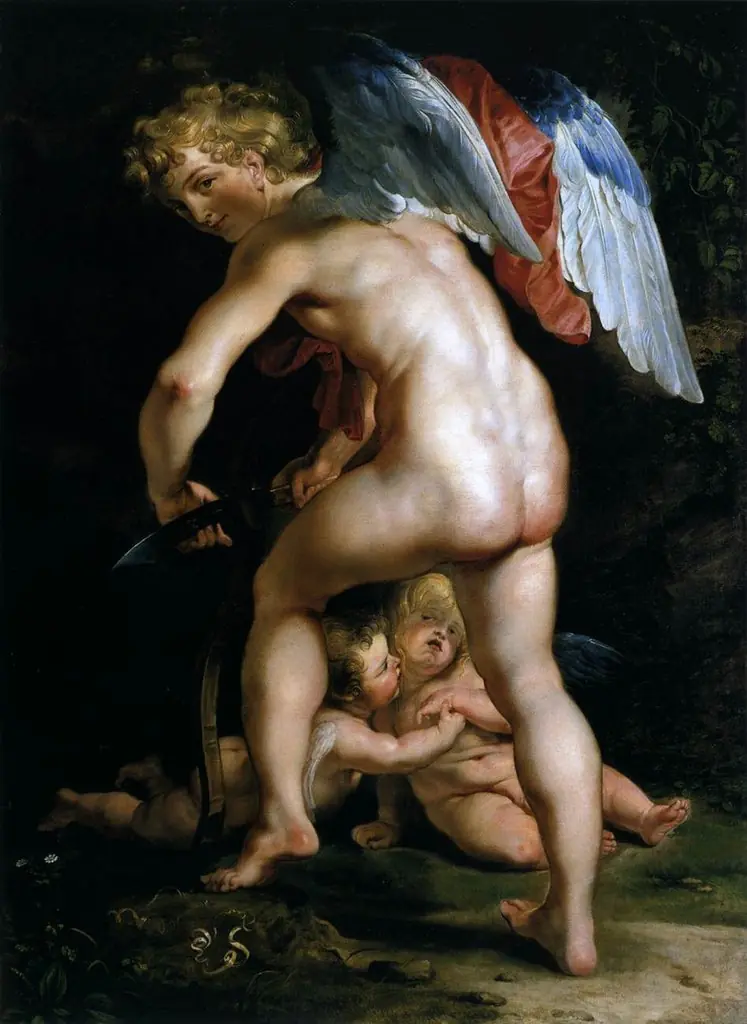 Cupid (Eros) Carves the Bow
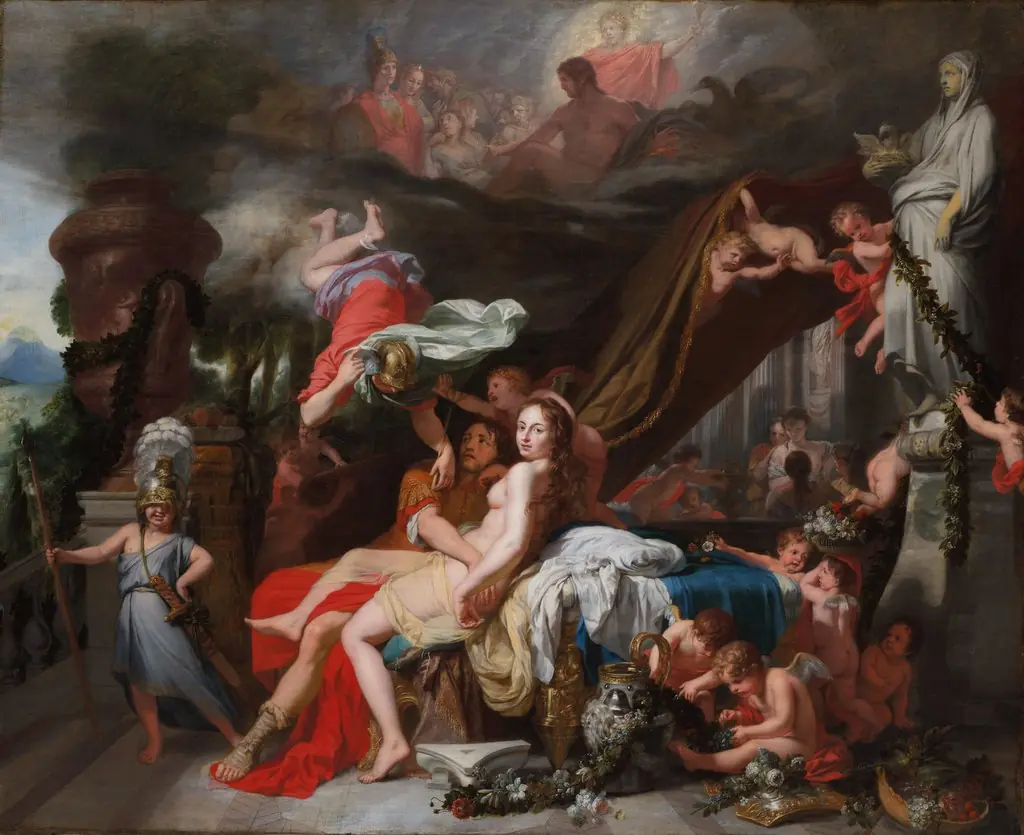 Hermes Ordering Calypso to Release Odysseus
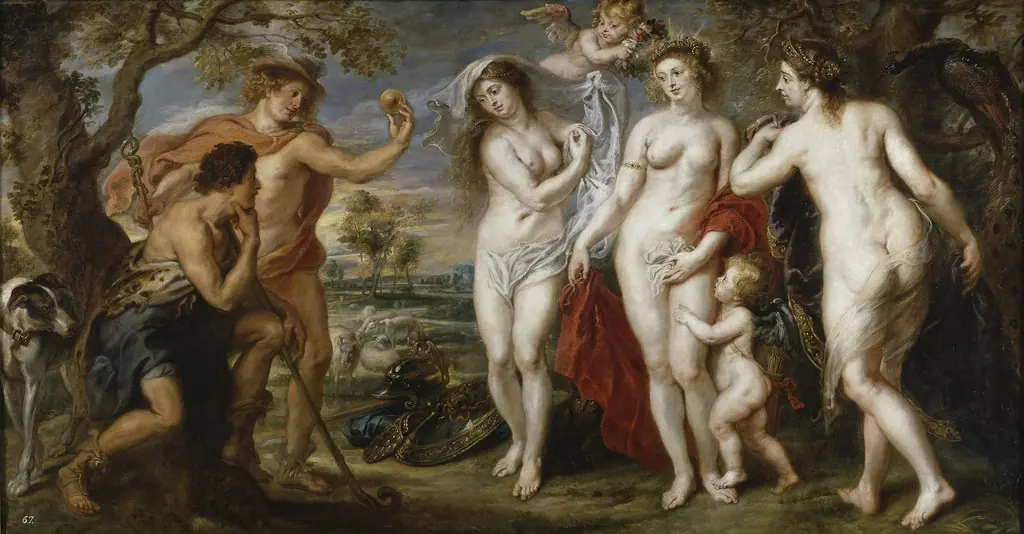 The Judgement of Paris
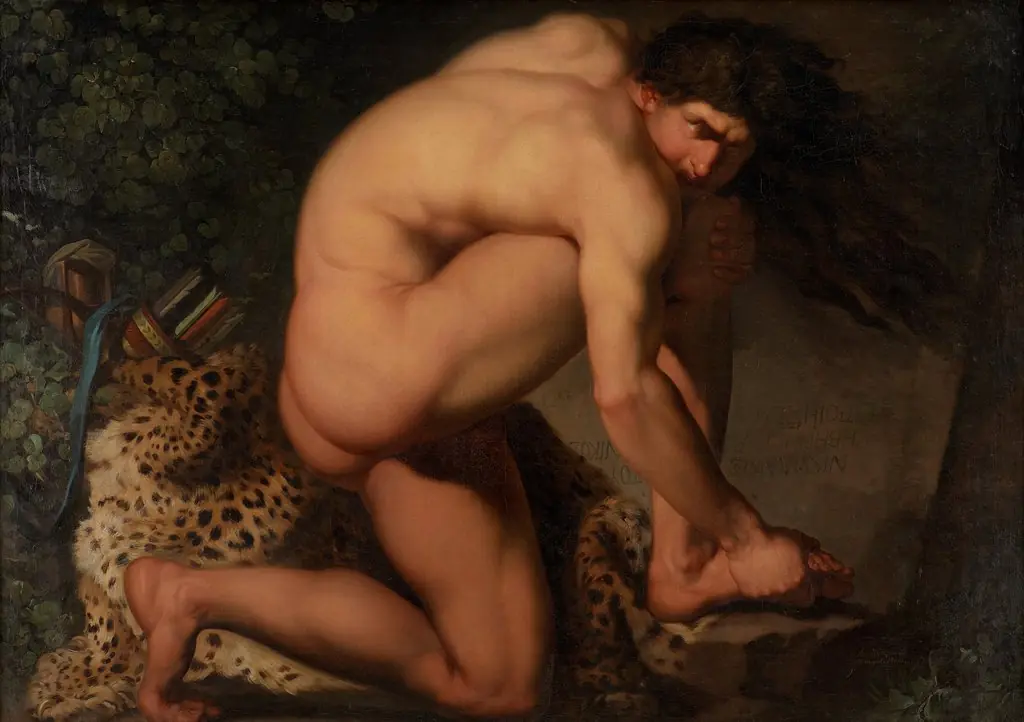 The Wounded Philoctetes
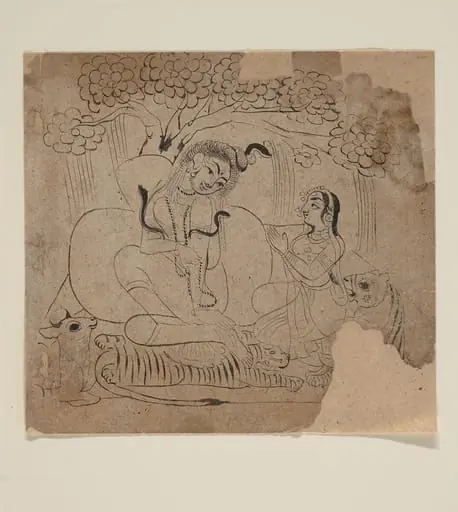 Untitled
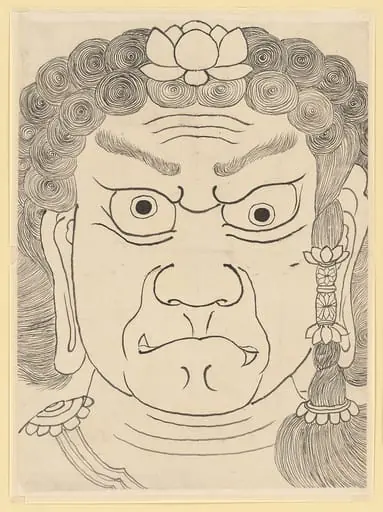 Untitled
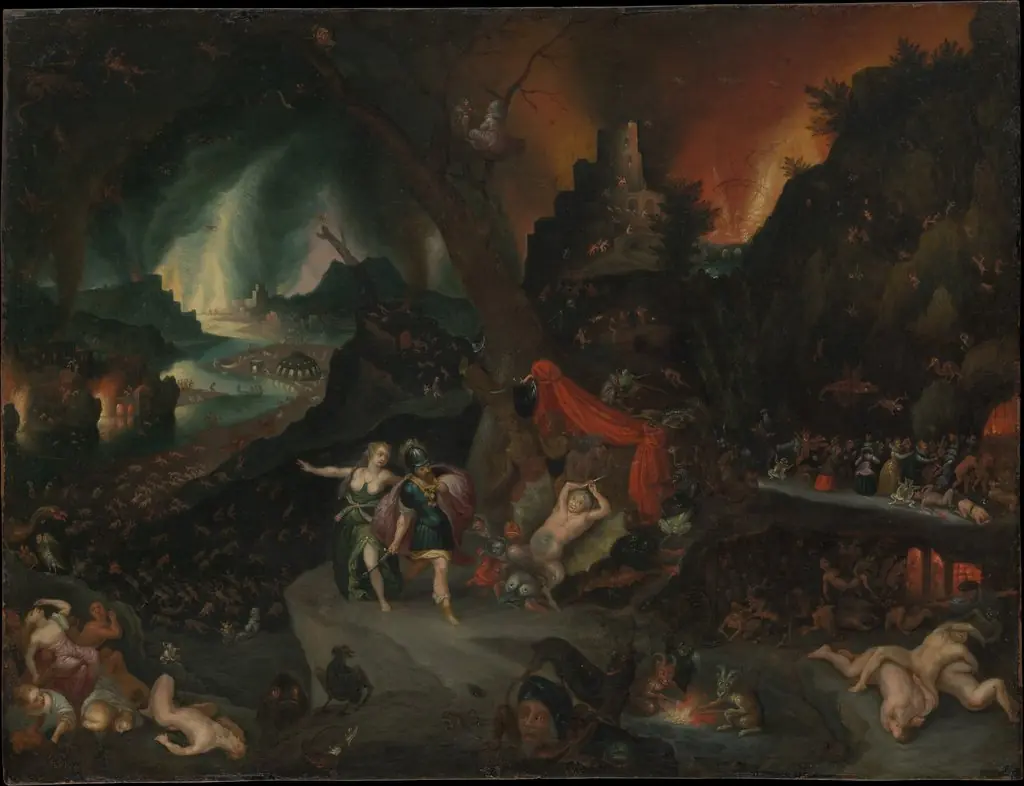 Aeneas and the Sibyl in the Underworld
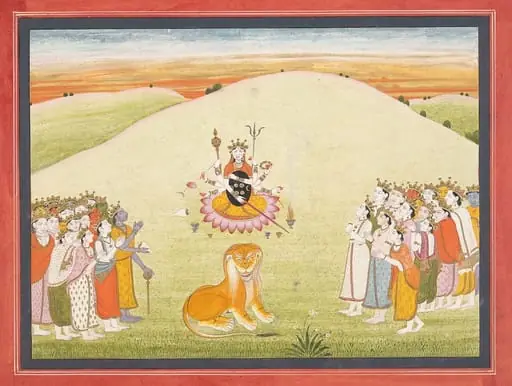 Untitled
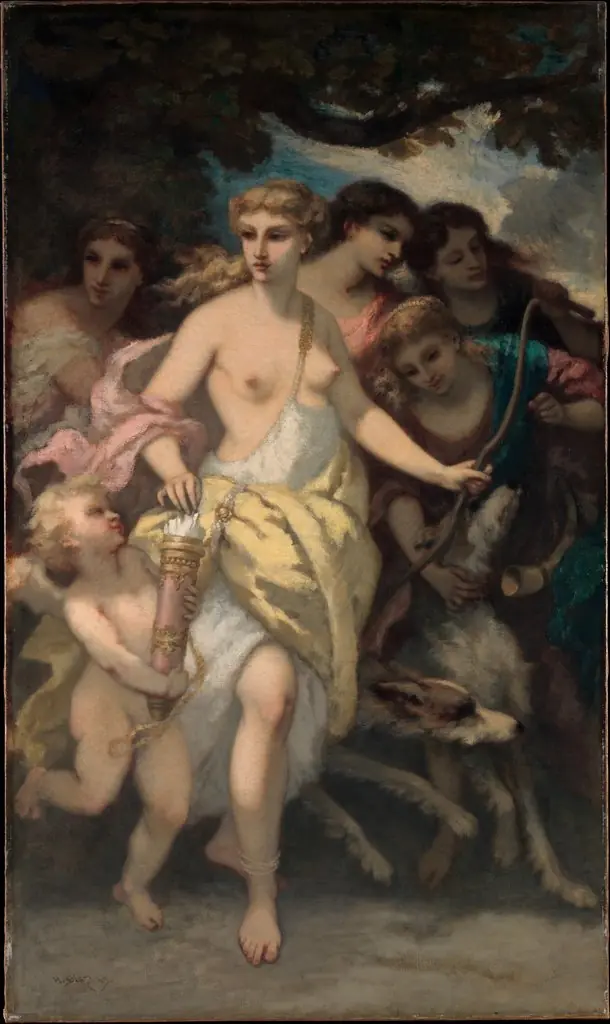 Diana
Diana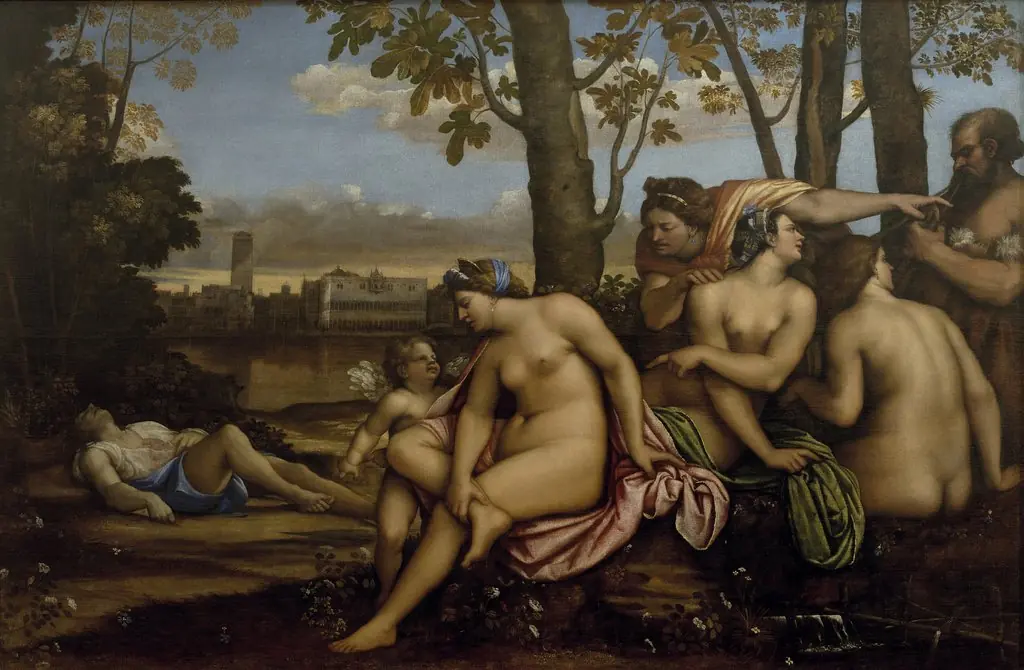 Death of Adonis
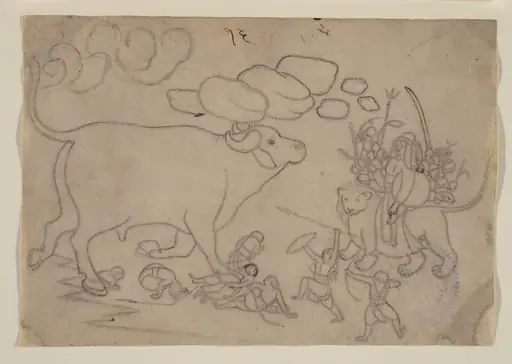 Untitled
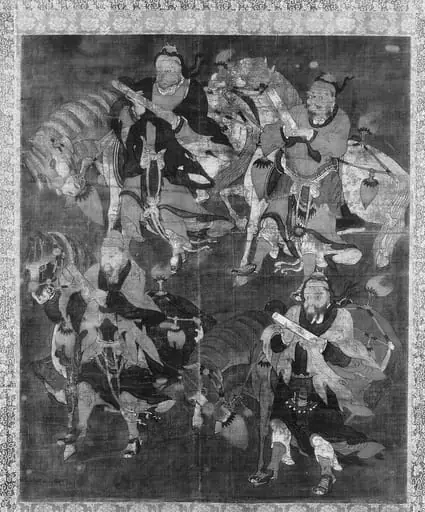 Untitled
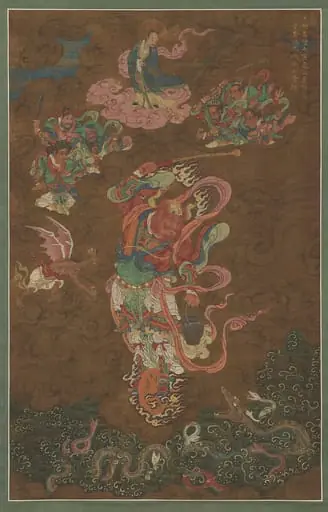 明嘉靖 佚名 王元帥圖 軸|Marshal Wang
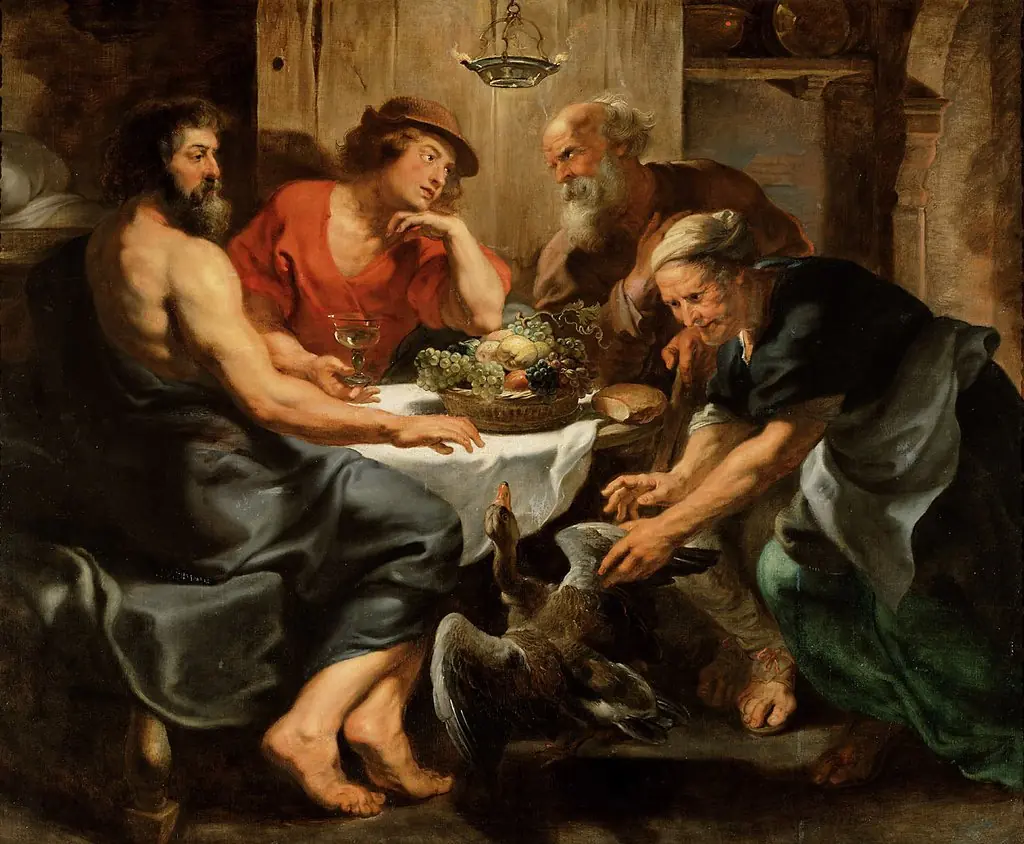 Jupiter and Mercury at Philemon and Baucis
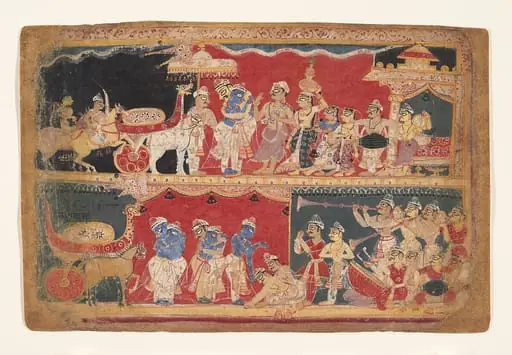 Untitled
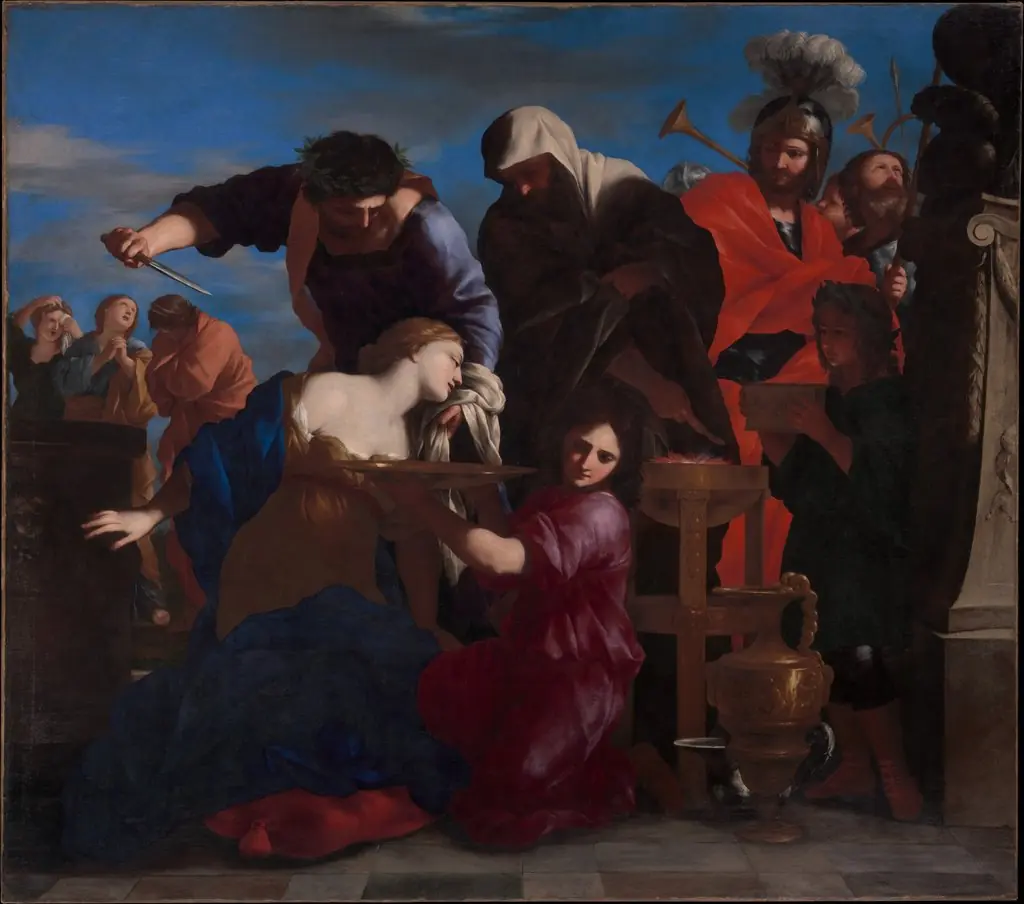 The Sacrifice of Polyxena
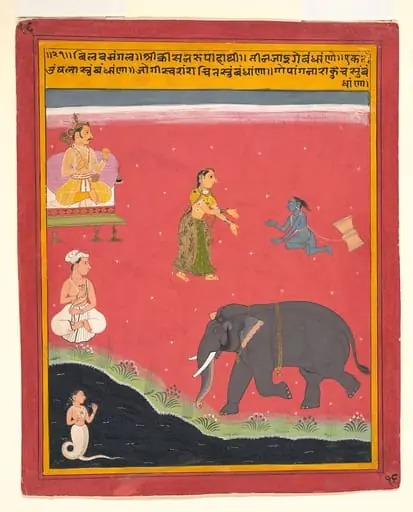 Untitled
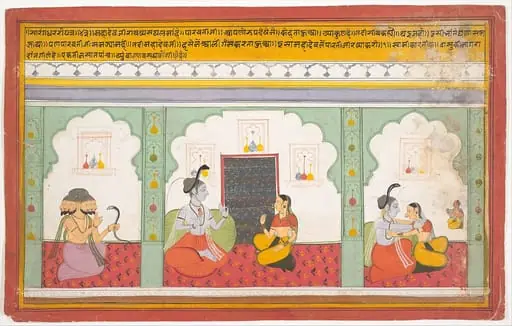 Untitled
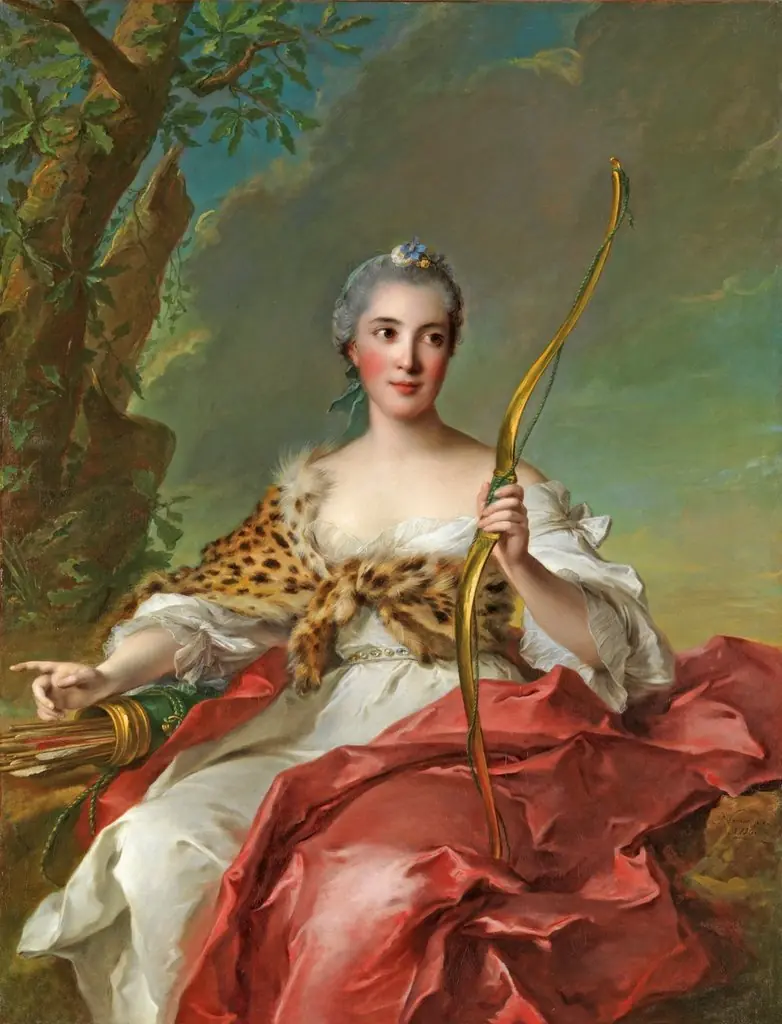 Madame Bergeret de Frouville as Diana
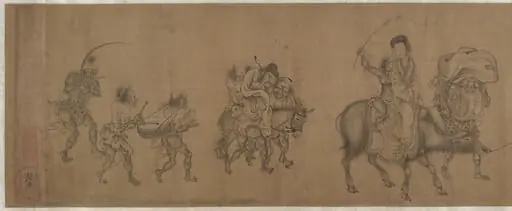 南宋/元 顏庚 鍾馗嫁妹圖 卷|The Demon Queller Zhong Kui Giving His Sister Away in Marriage
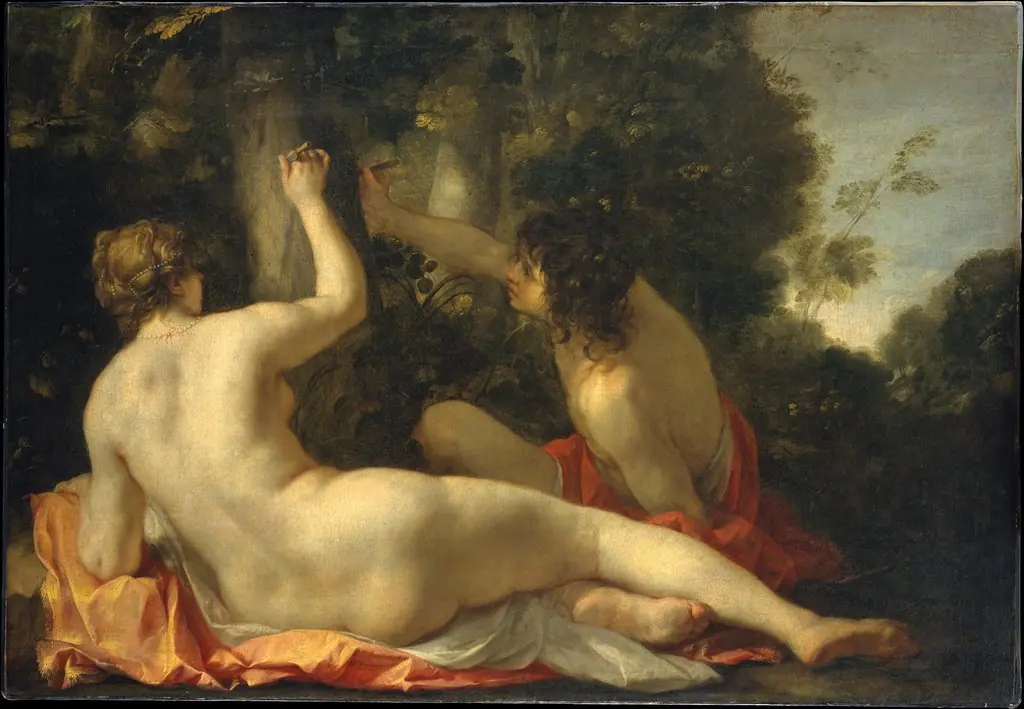 Angelica and Medoro
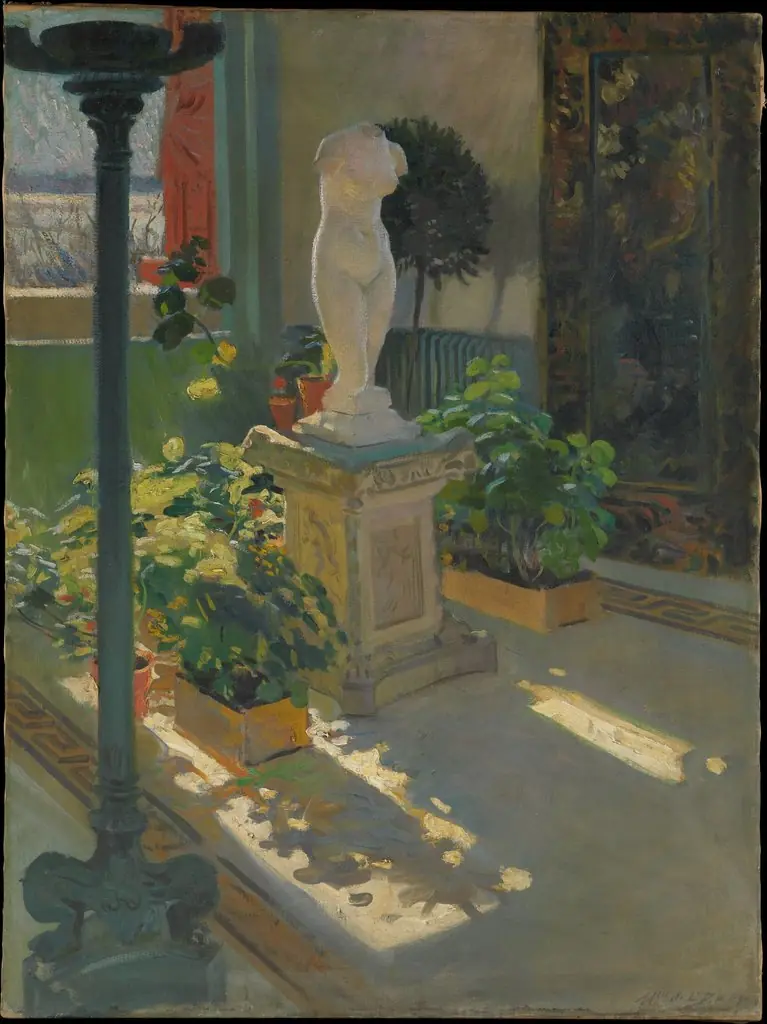 Venus in Atrium
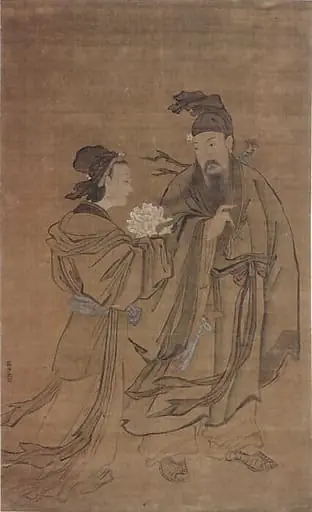 清 佚名 傳崔子忠 呂洞賓戯牡丹仙子 軸|Lȕ Dongbin and the Spirit of the Peony
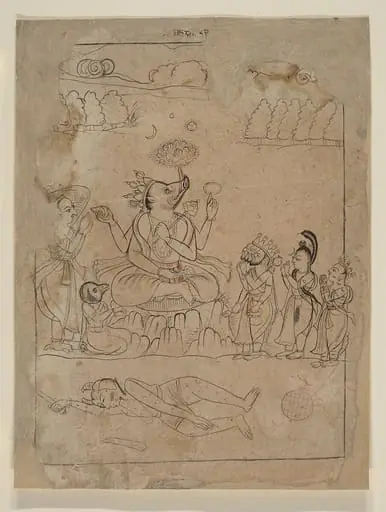 Untitled
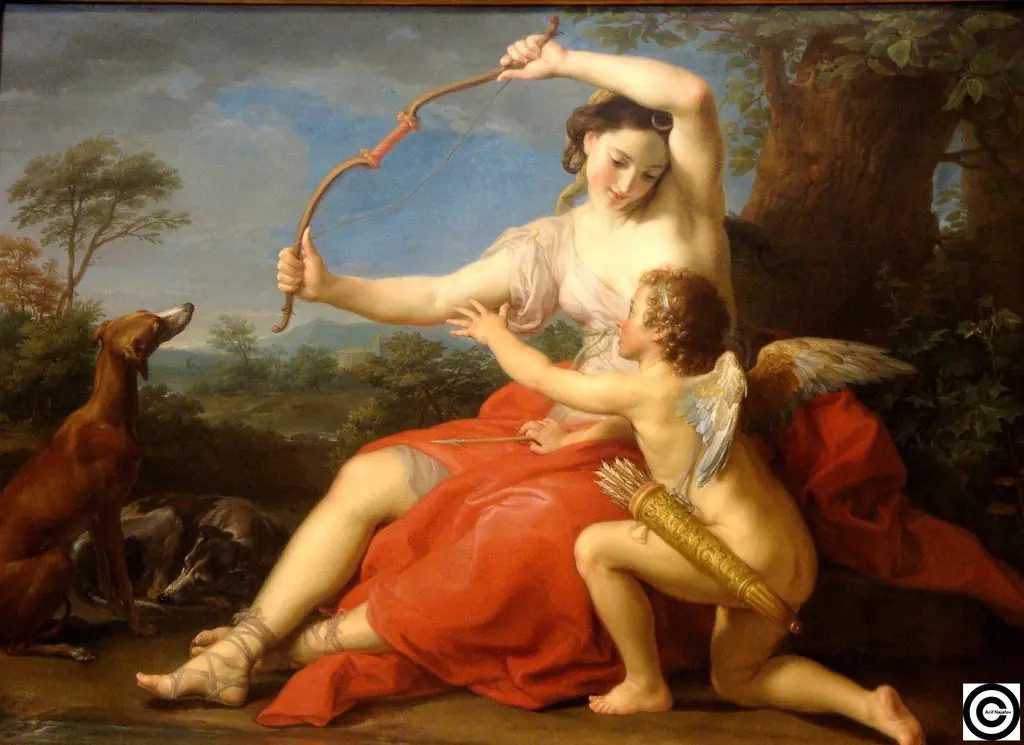 Diana and Cupid
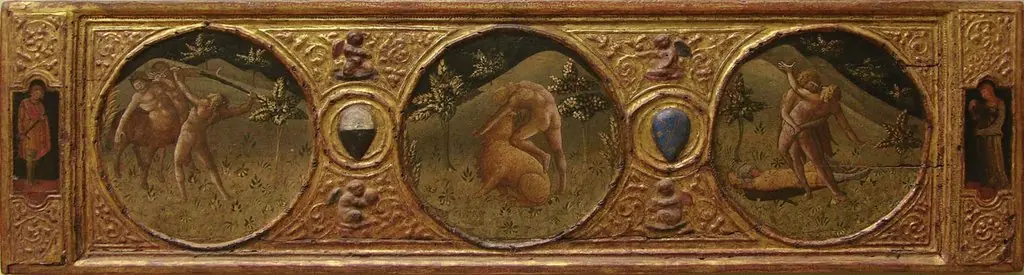 The Labors of Hercules
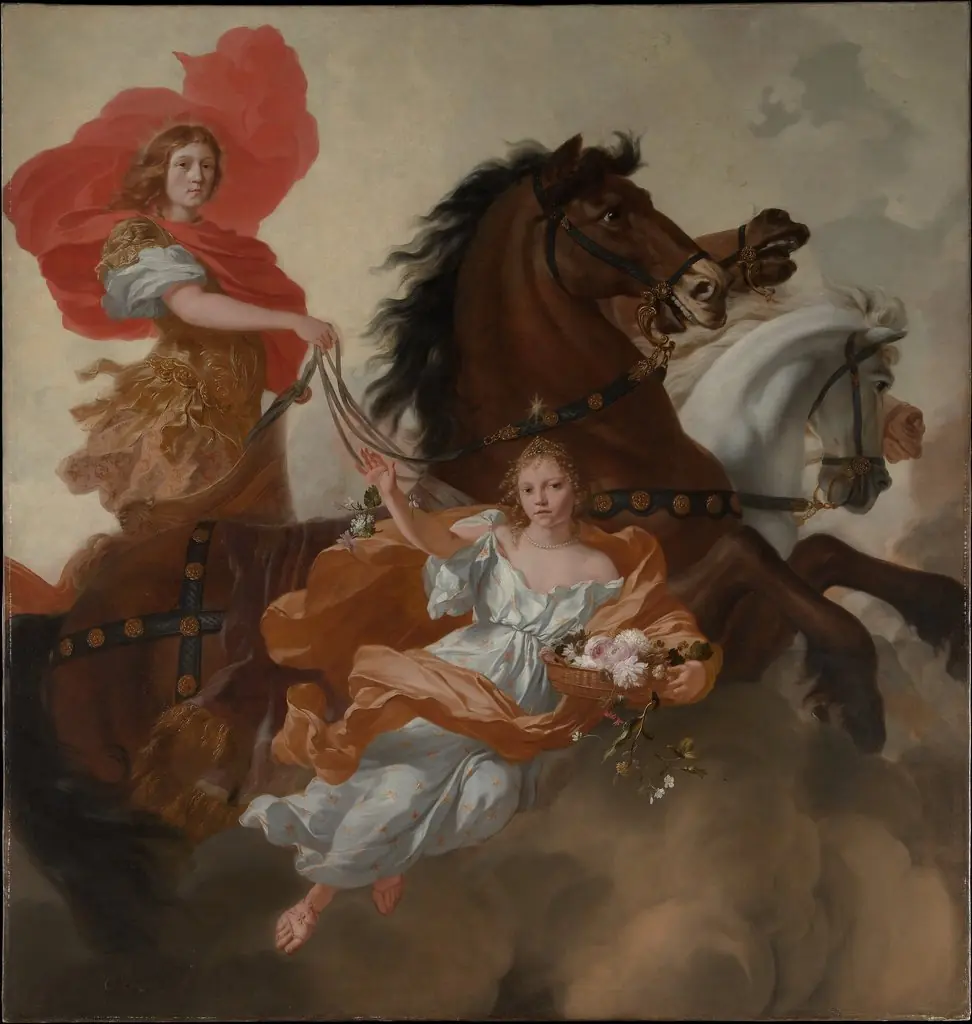 Apollo and Aurora
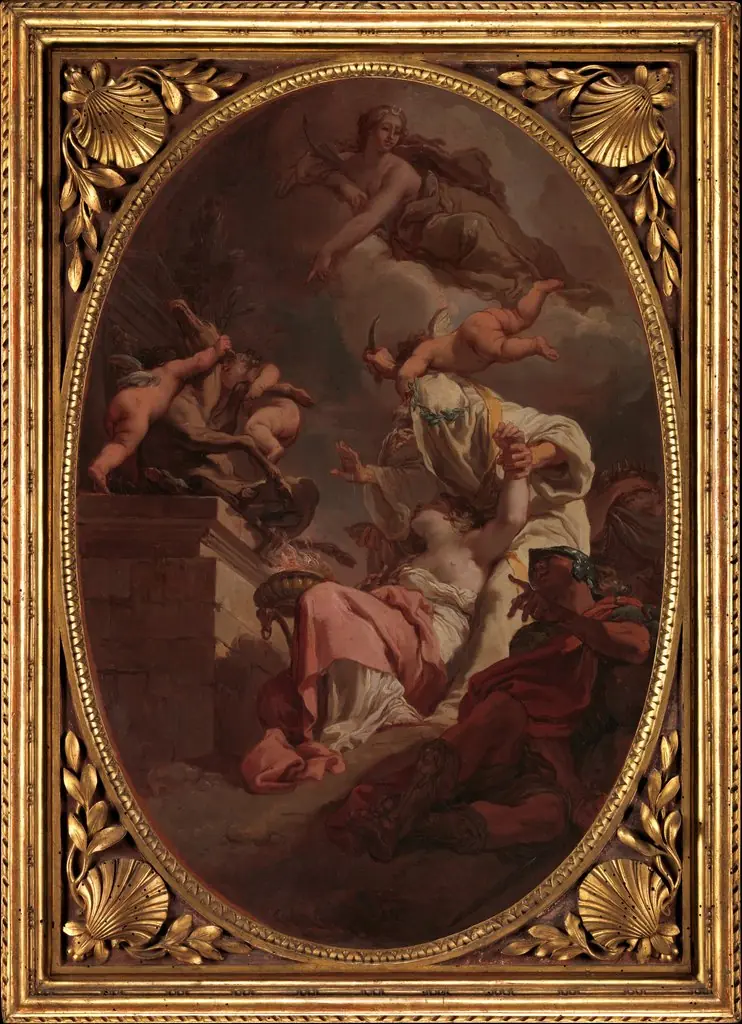 The Sacrifice of Iphigenia
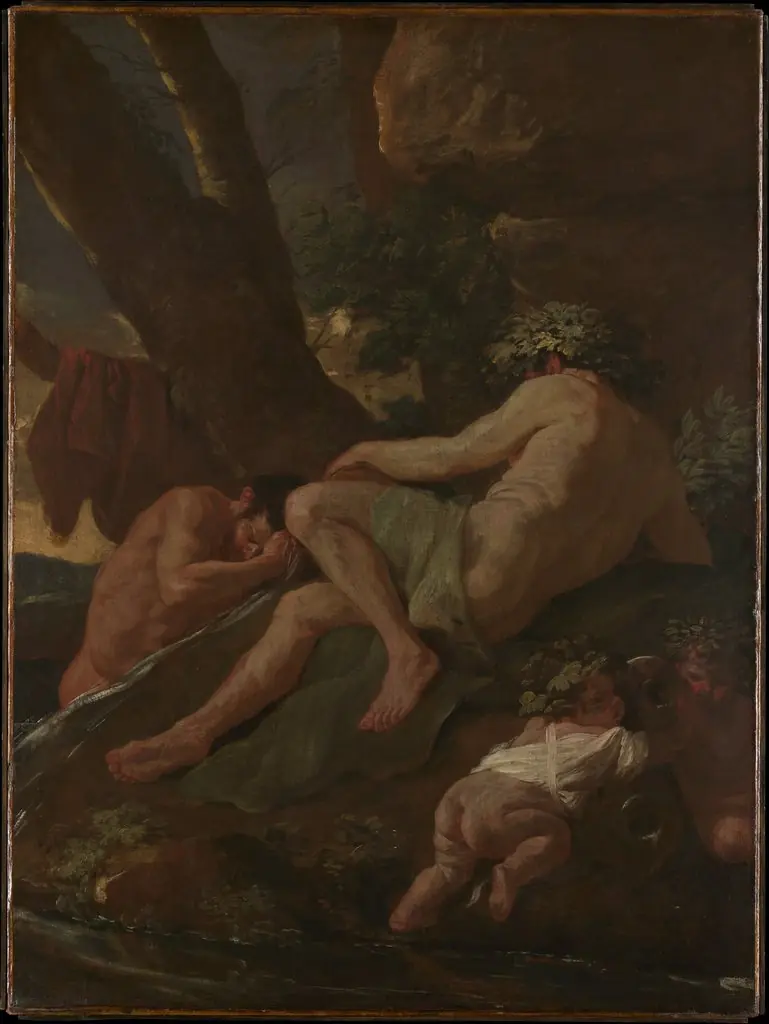 Midas Washing at the Source of the Pactolus
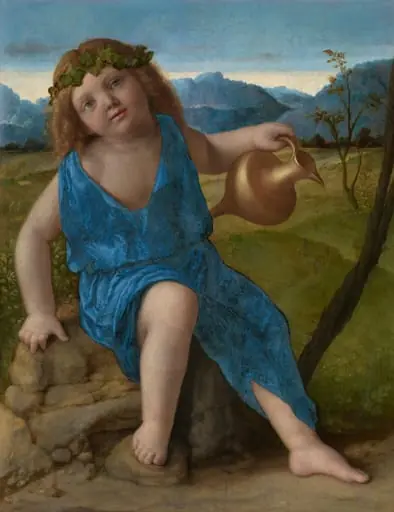 The Infant Bacchus
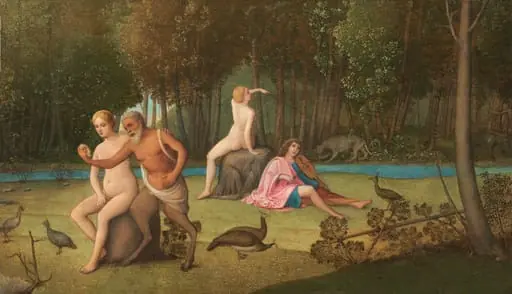 Orpheus
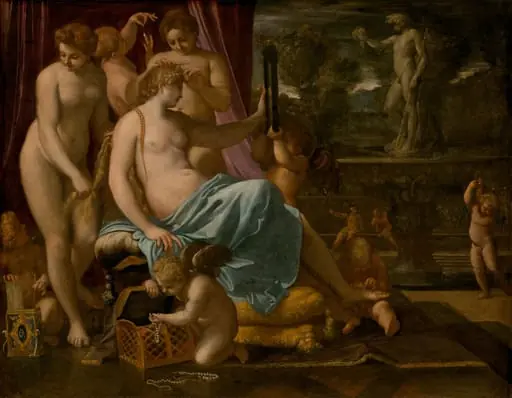 Venus Adorned by the Graces
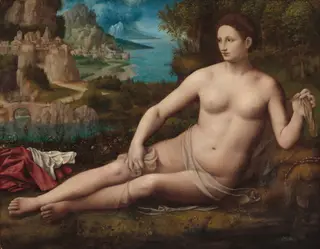 Venus
Venus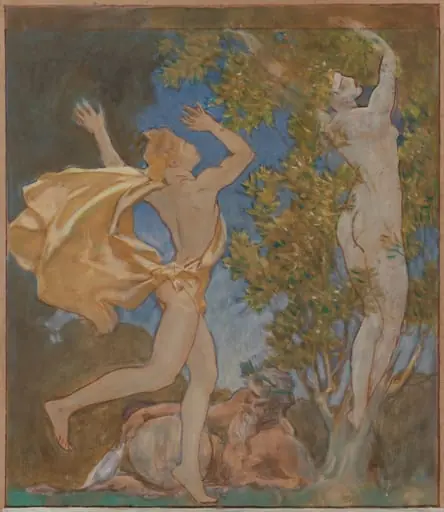 Apollo and Daphne
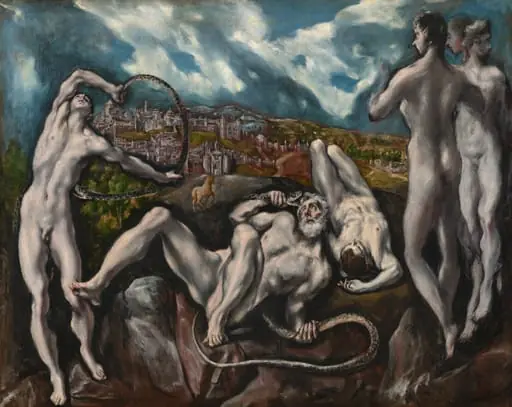 Laocoön
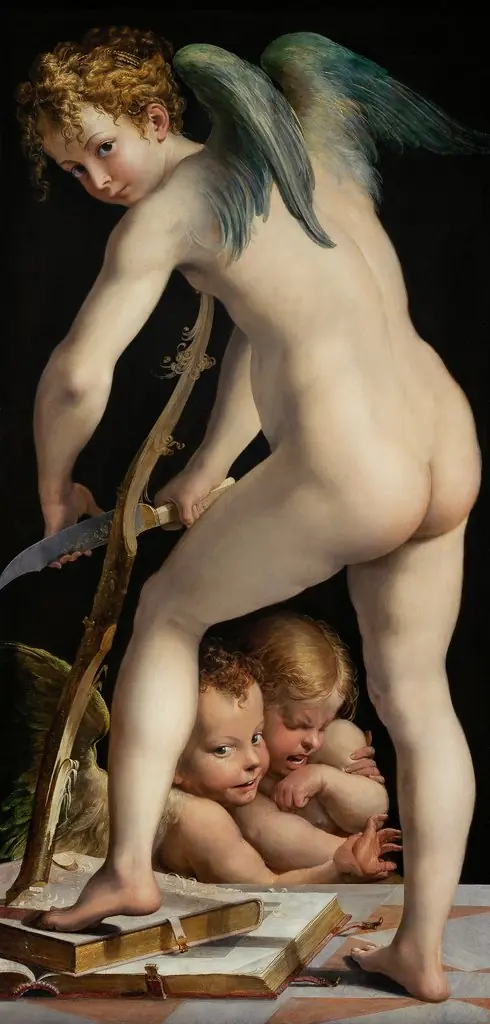 Cupid Making His Arch
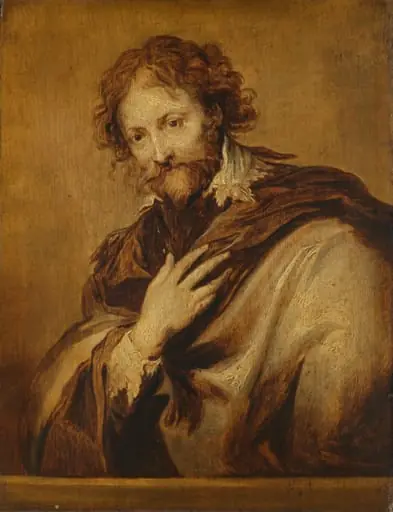 Portrait of Peter Paul Rubens (1577-1640)
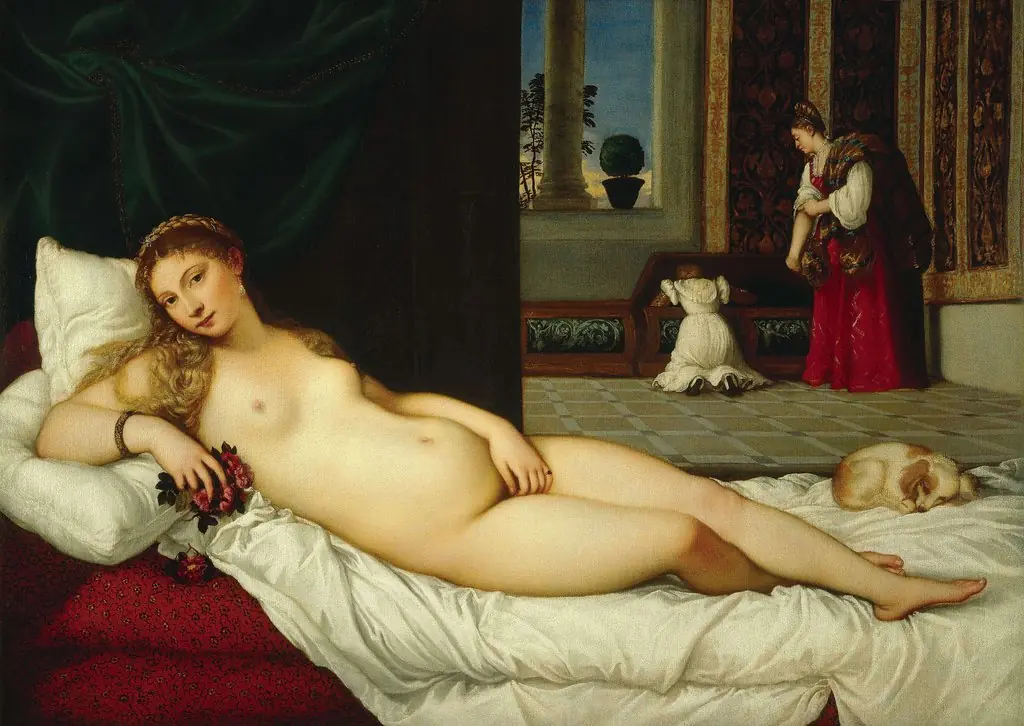 Venus of Urbino
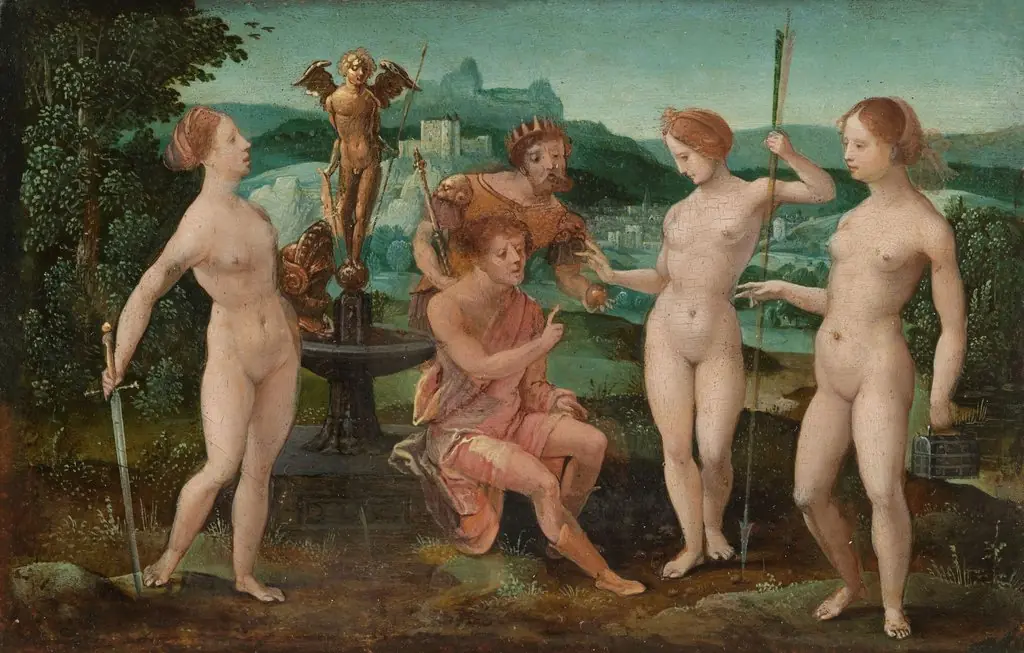 The judgement of Paris
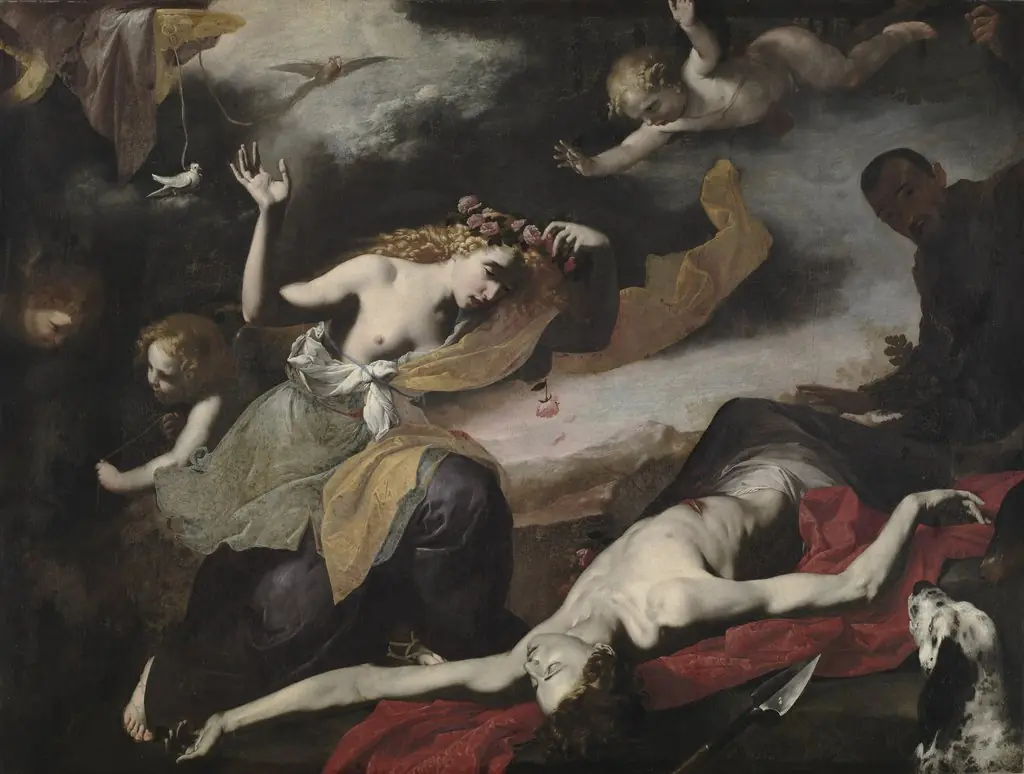 Venus Discovering the Dead Adonis
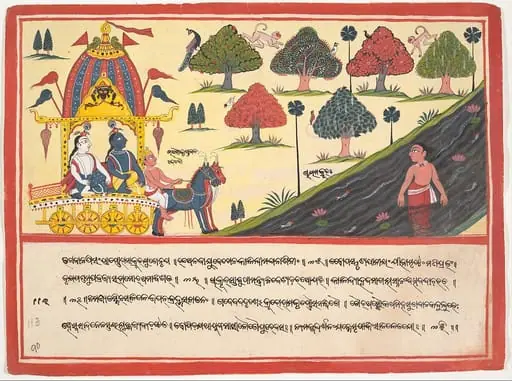 Untitled
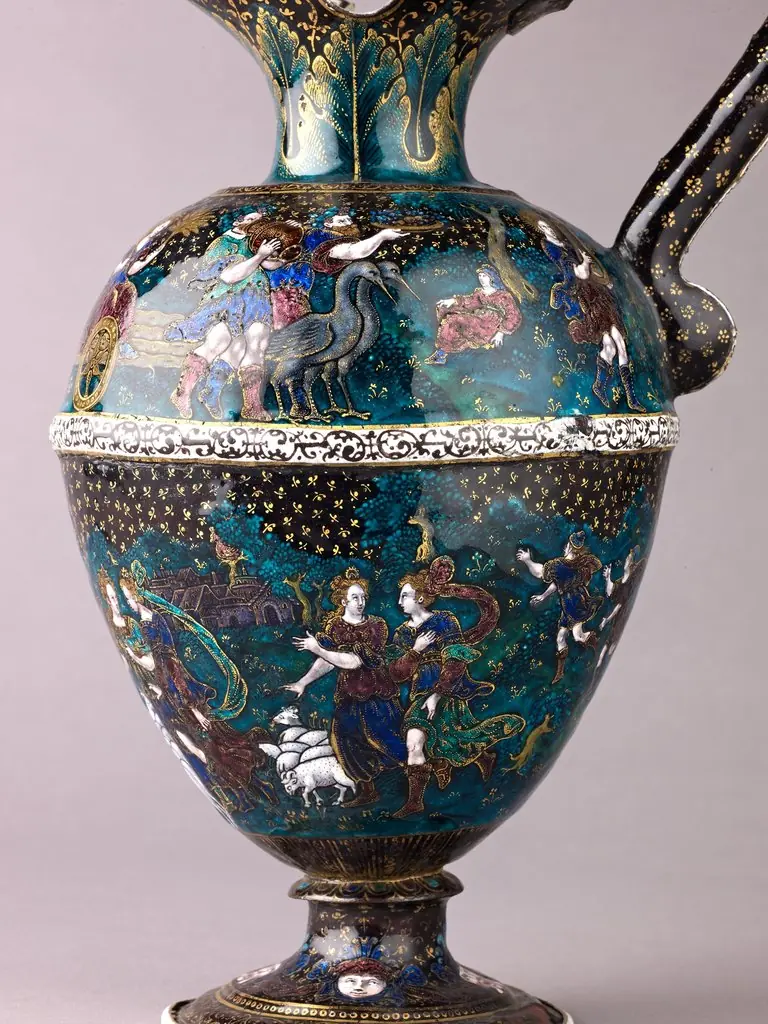 Triumph of Ceres
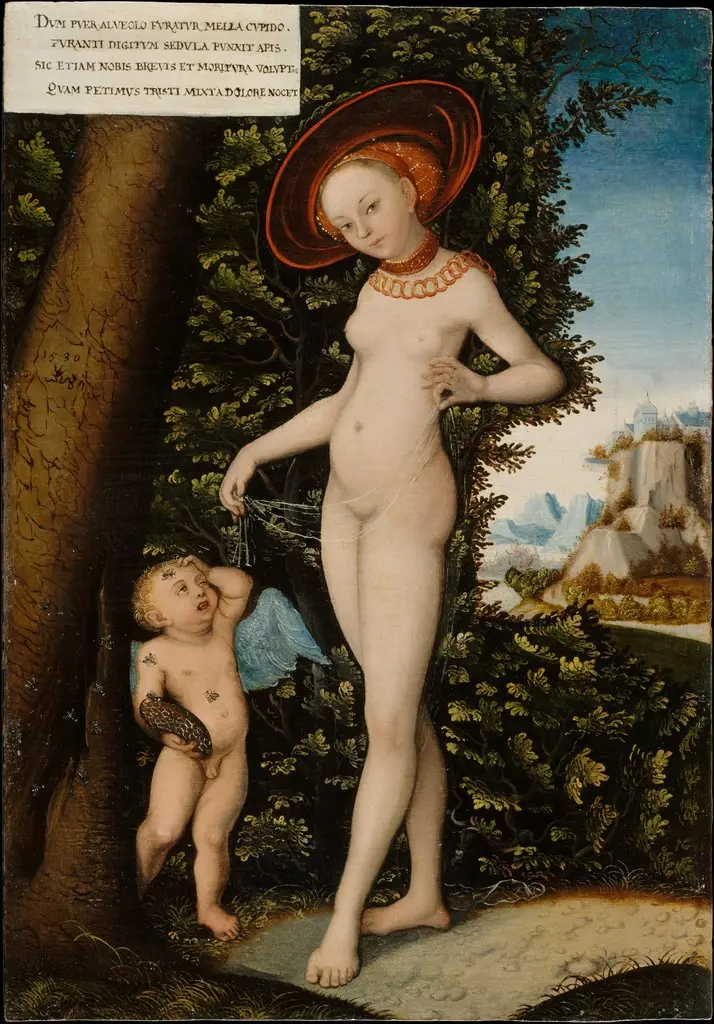 Venus with Cupid the Honey Thief
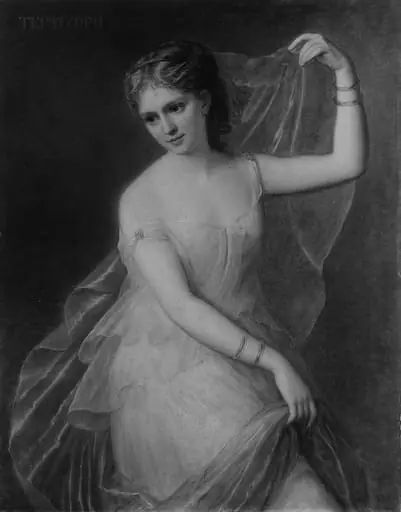 Terpsichore
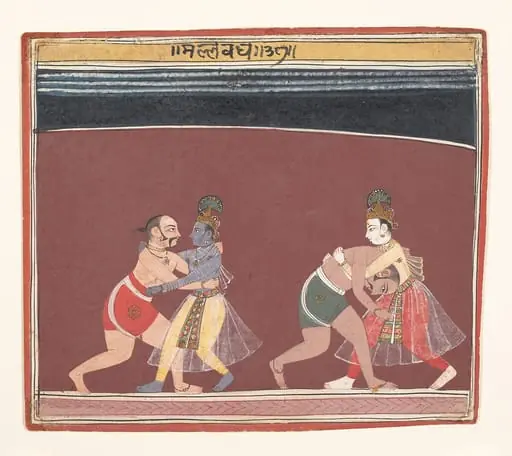 Untitled
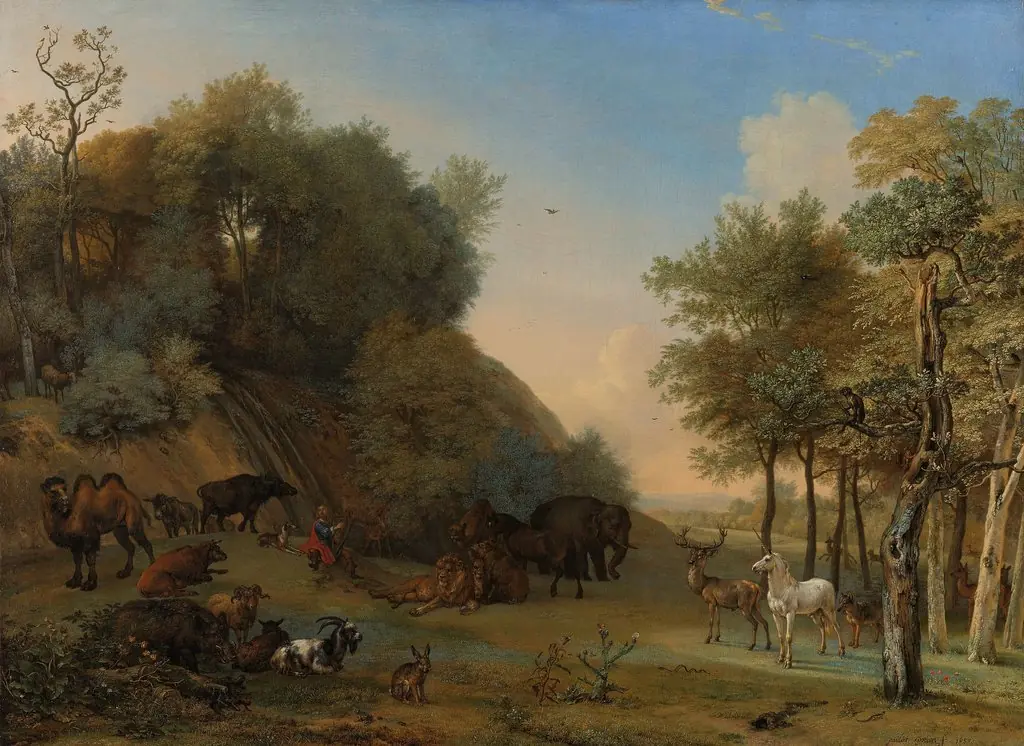 Orpheus and the Animals
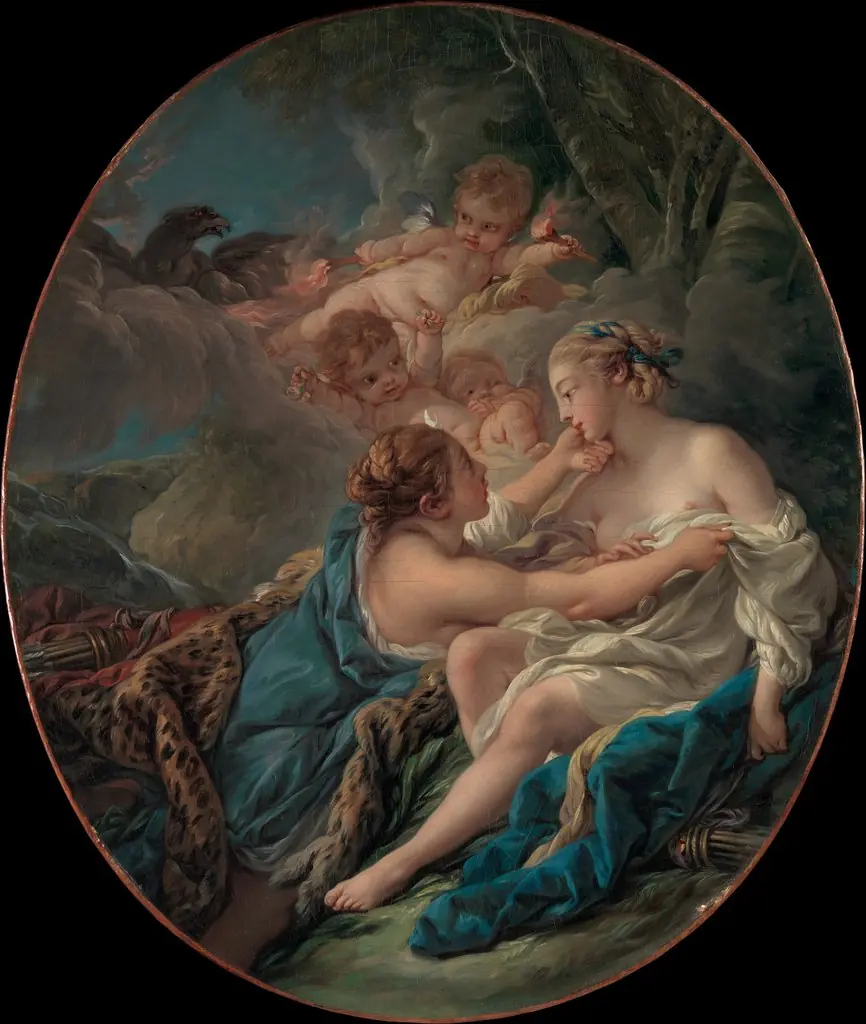 Jupiter, in the Guise of Diana, and Callisto
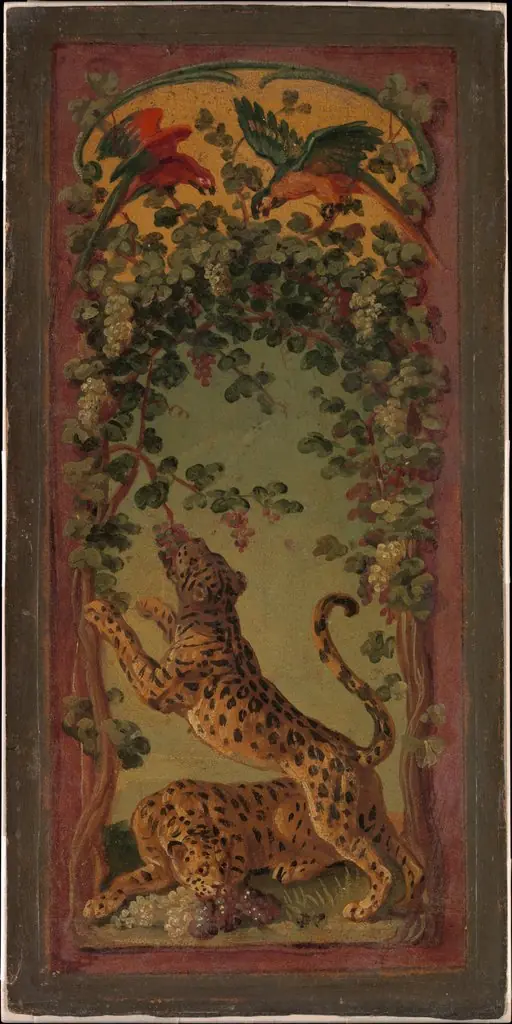 Panthers of Bacchus Eating Grapes
 Unicorns (Legend—Sea Calm)
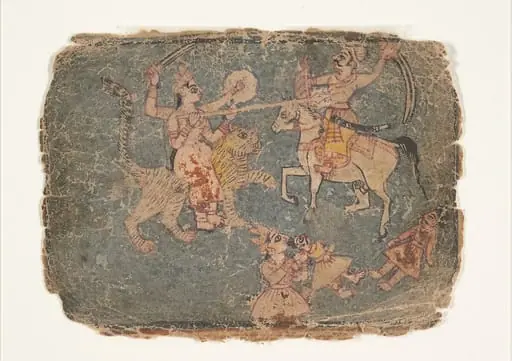 Untitled
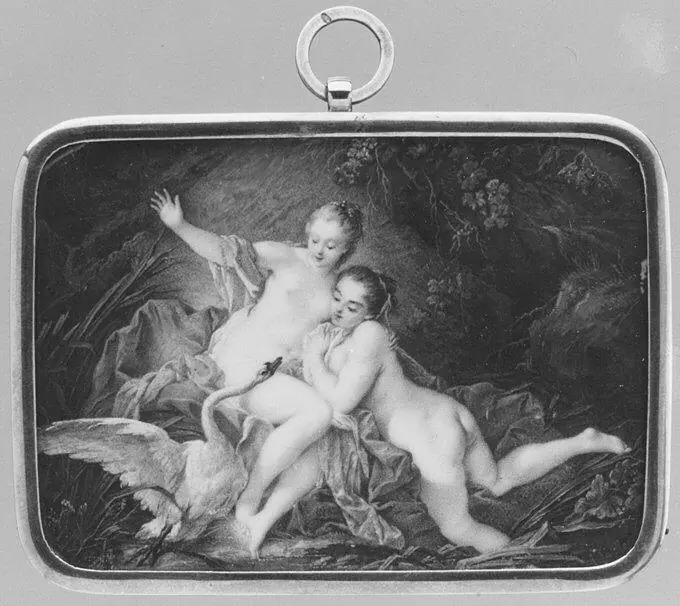 Leda and the Swan, after Boucher
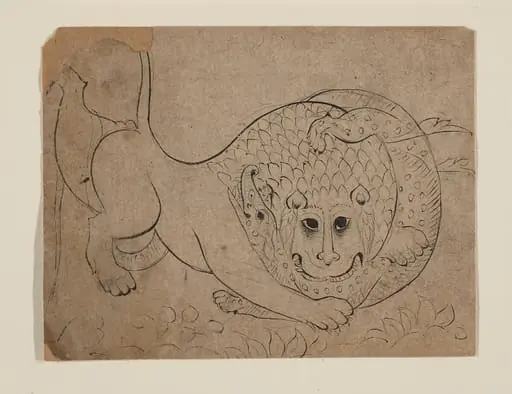 Untitled
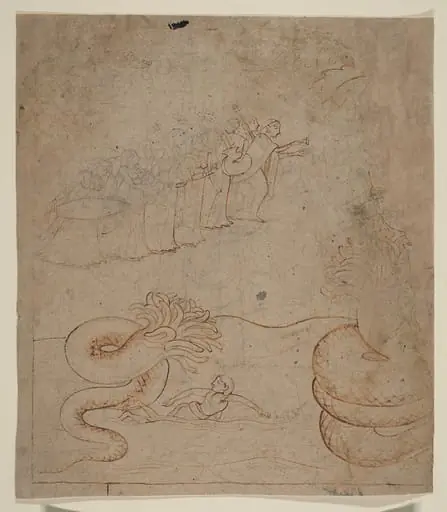 Untitled
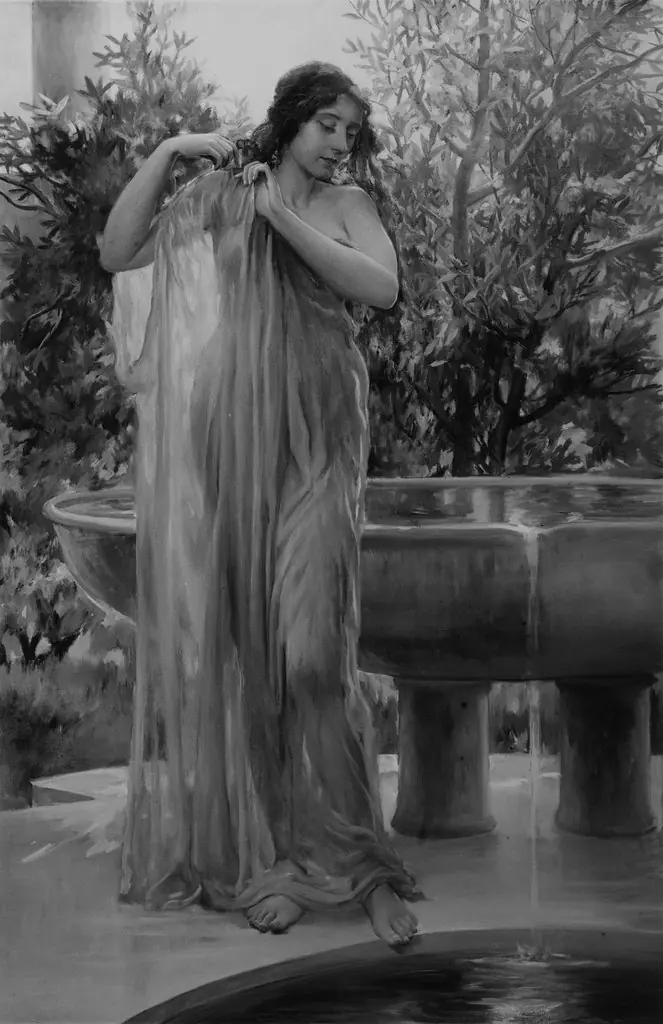 Aurora
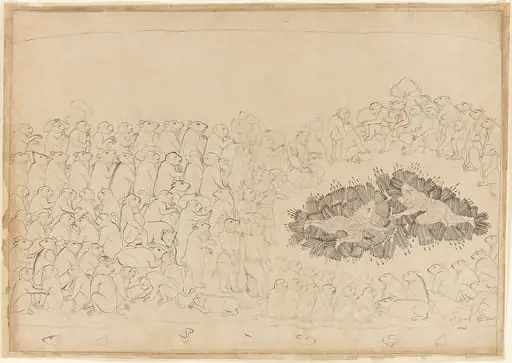 Untitled
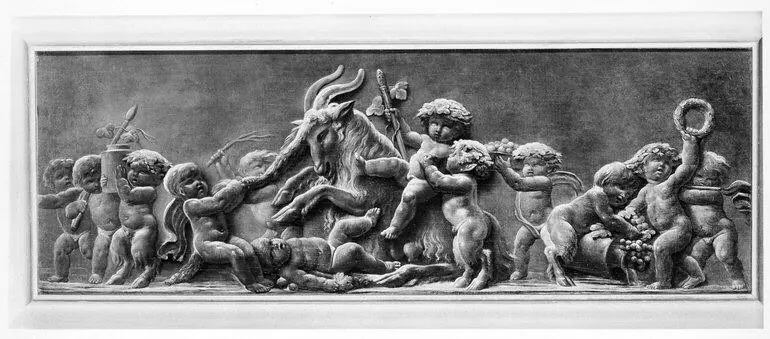 Infant Bacchanal
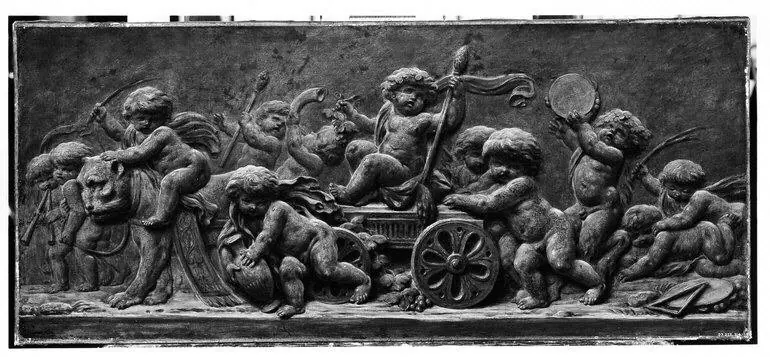 The Triumph of Bacchus
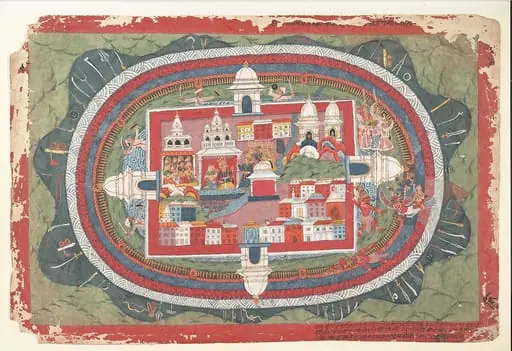 Untitled
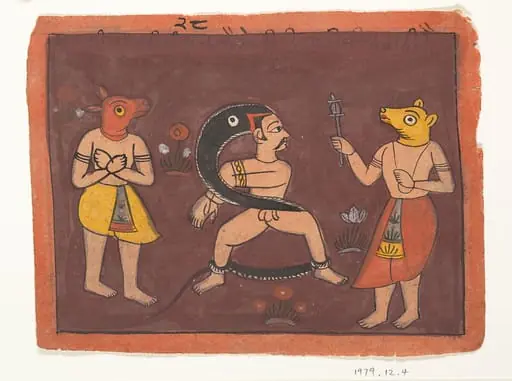 Untitled
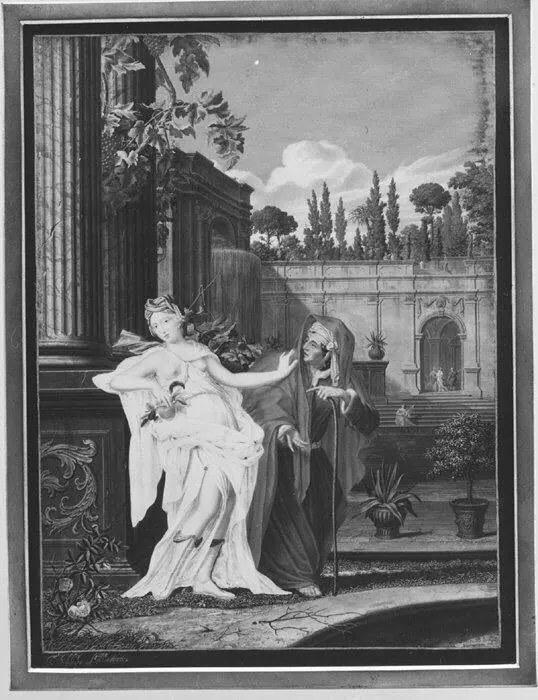 Vertumnus and Pomona
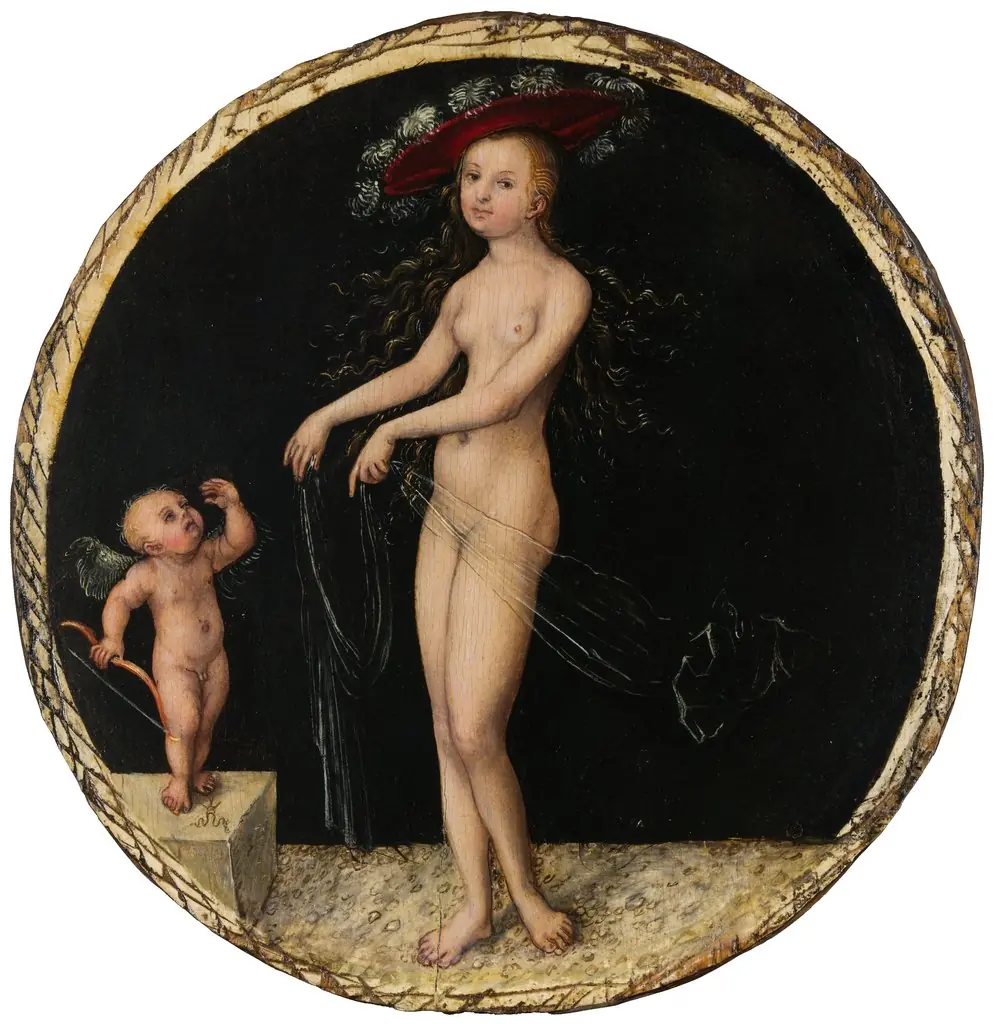 Venus and Cupid
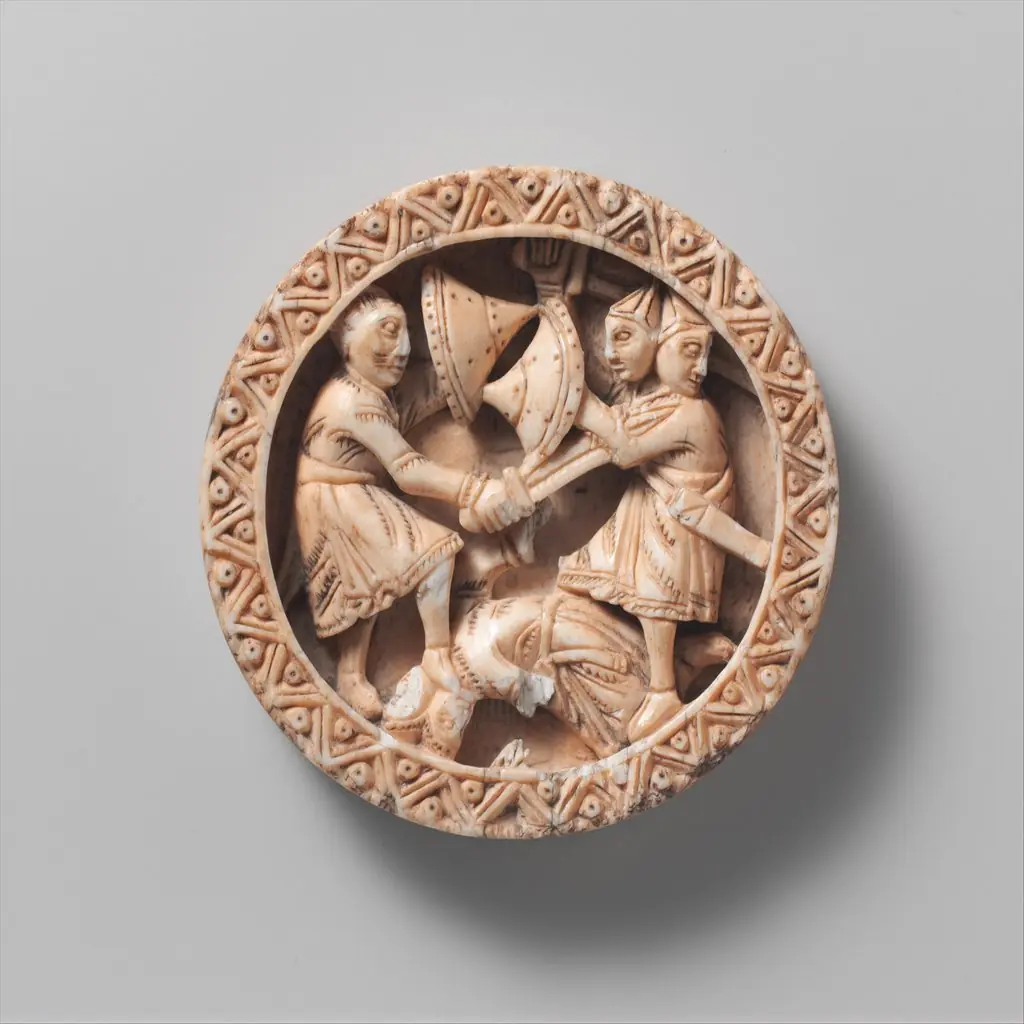 Game Piece with Hercules Slaying the Three-Headed Geryon
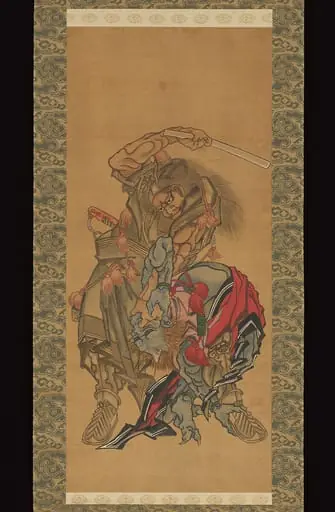 Untitled
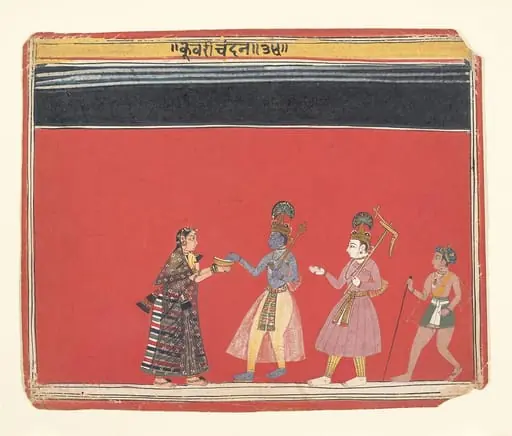 Untitled
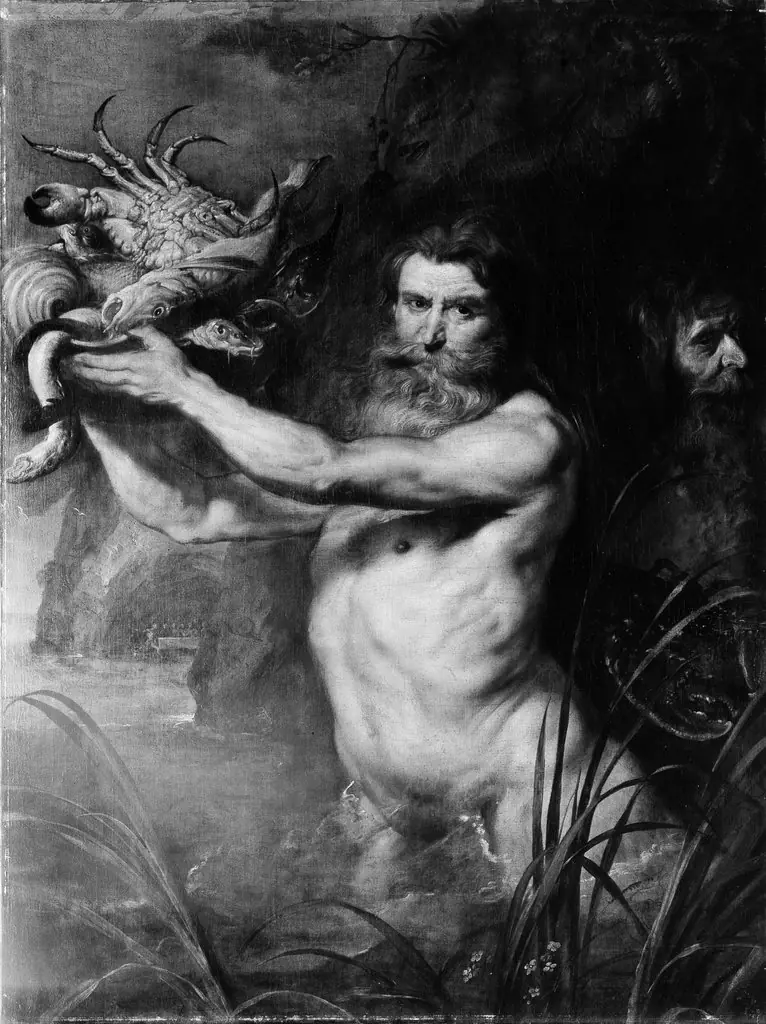 Two Tritons at the Feast of Acheloüs
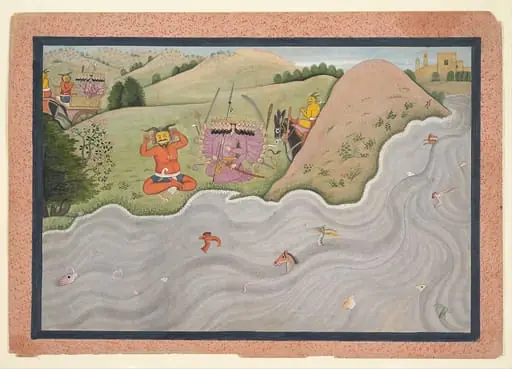 Untitled
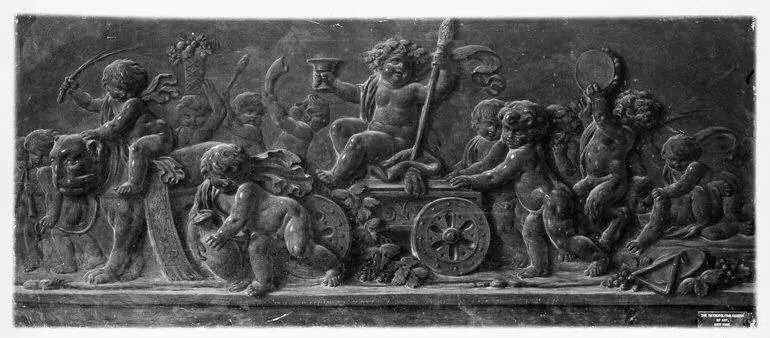 The Triumph of Bacchus
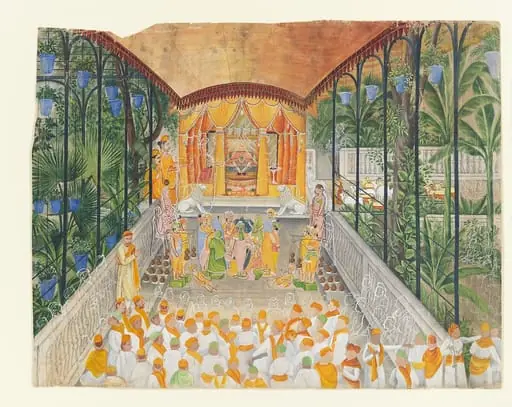 Untitled
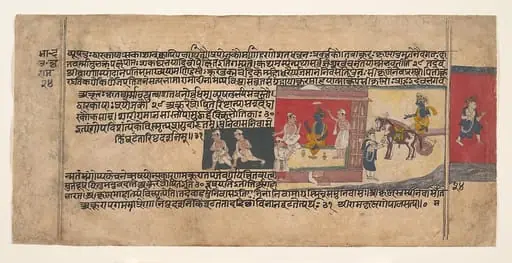 Untitled
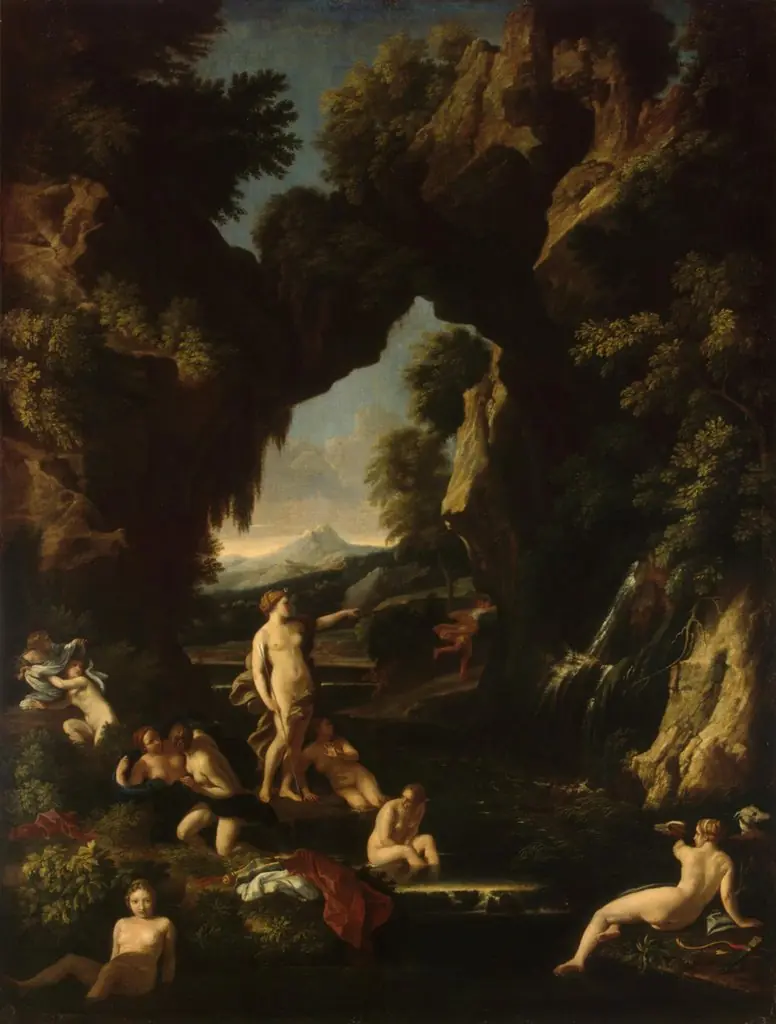 Landscape with Diana and Actaeon
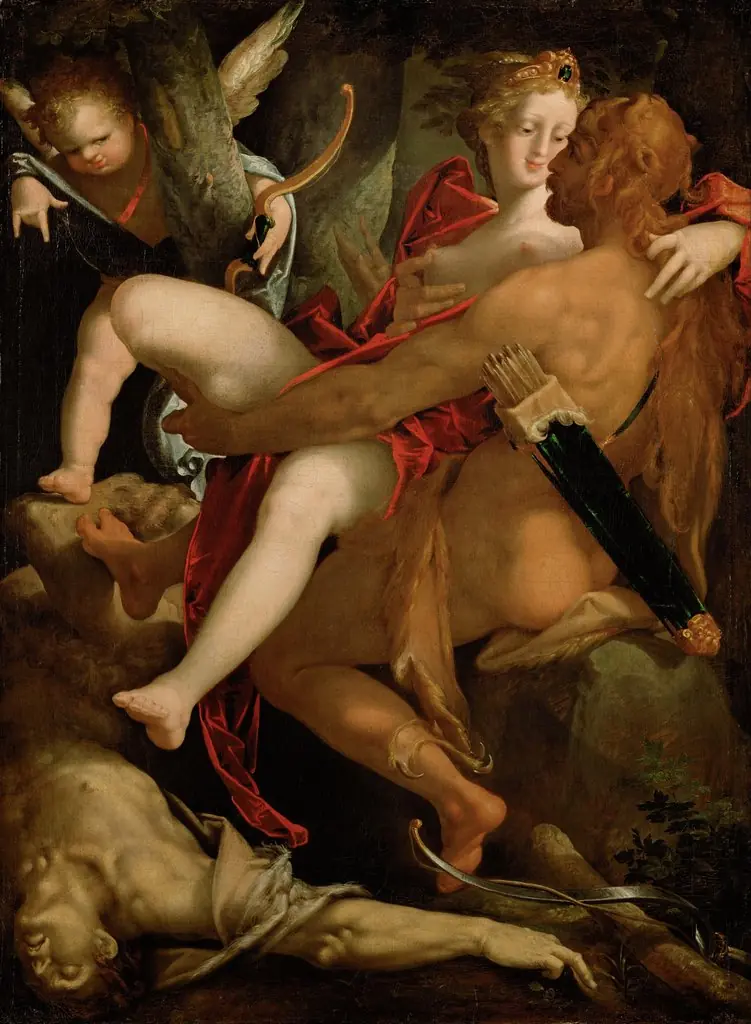 Hercules, Deianira, and Nessus
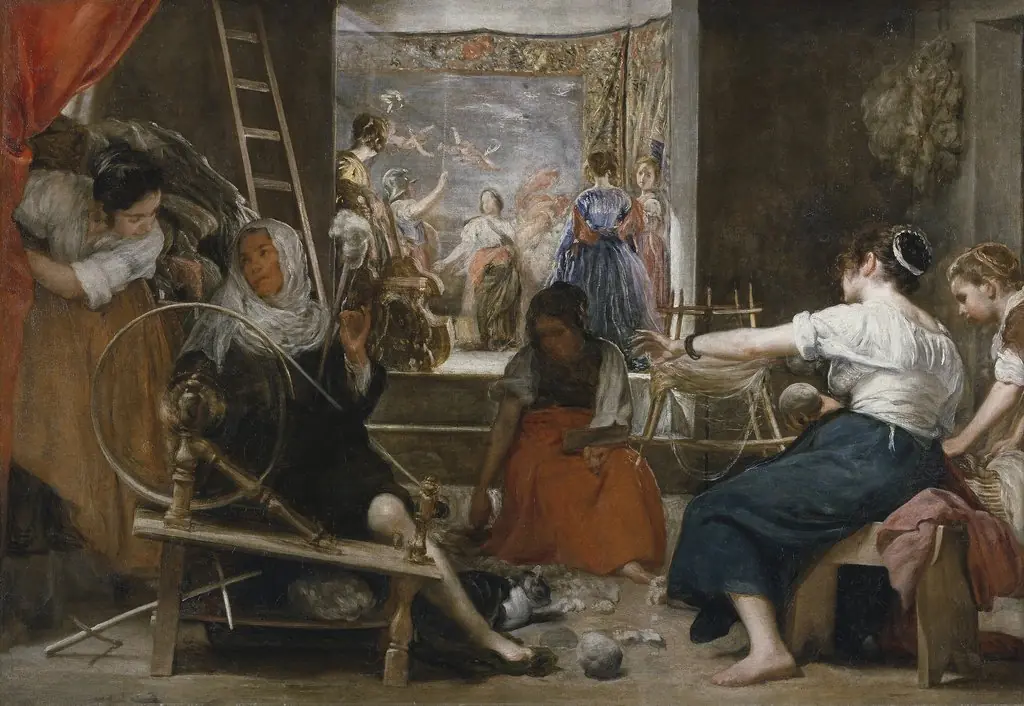 Las Hilanderas
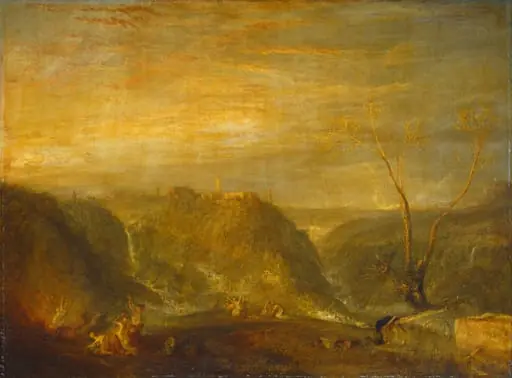 The Rape of Proserpine
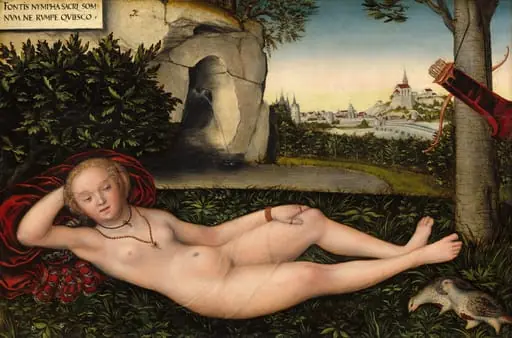 The Nymph of the Spring
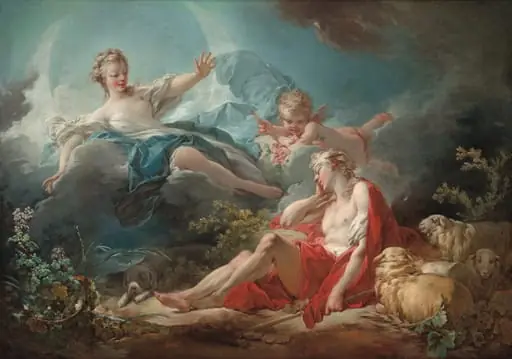 Diana and Endymion
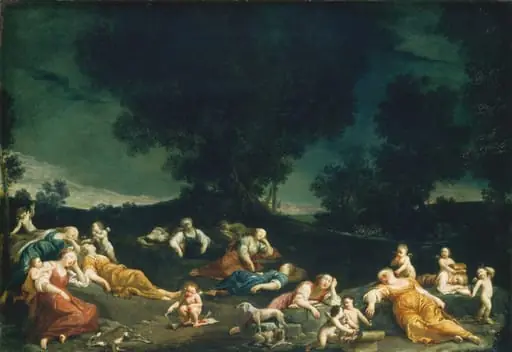 Cupids Disarming Sleeping Nymphs
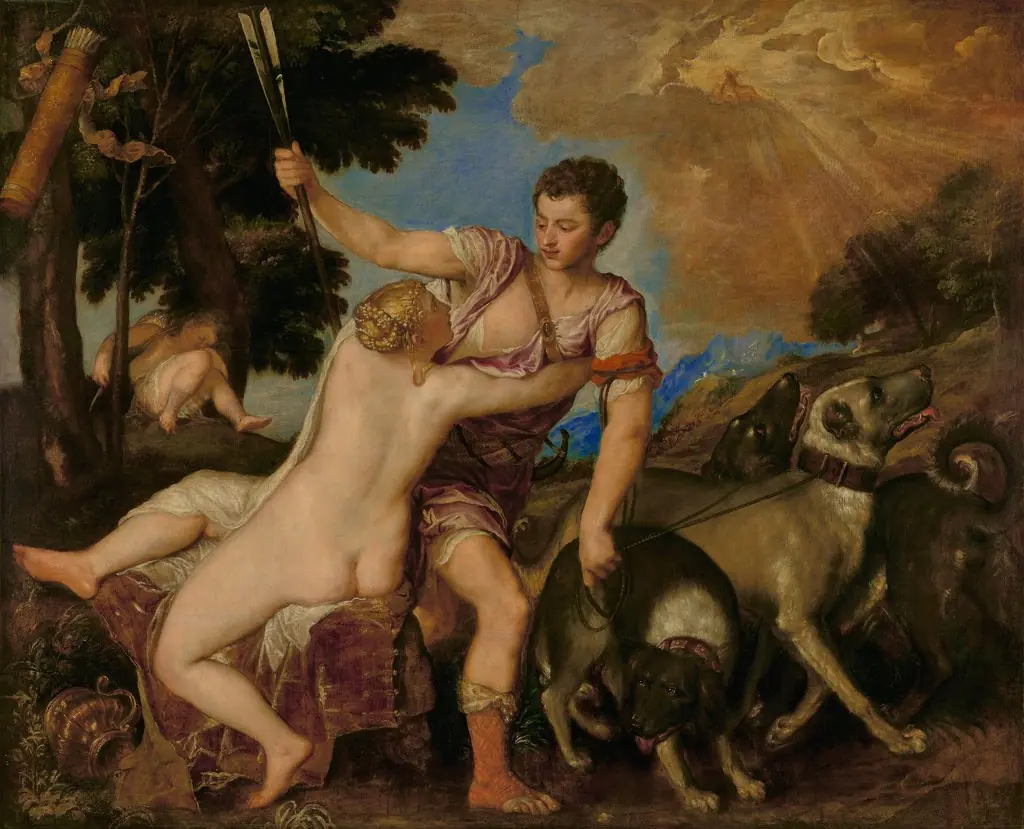 Venus and Adonis
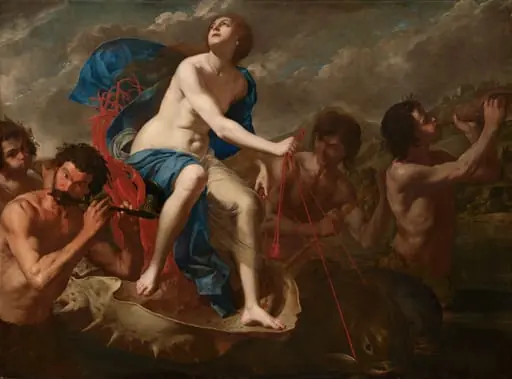 The Triumph of Galatea
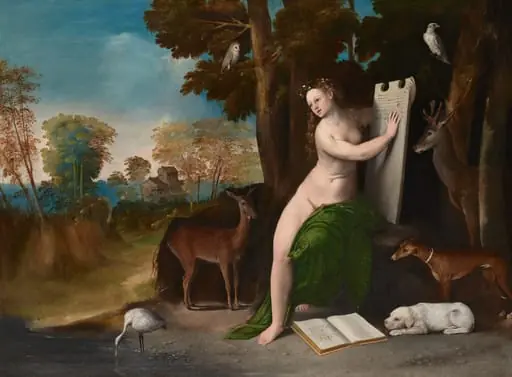 Circe and Her Lovers in a Landscape
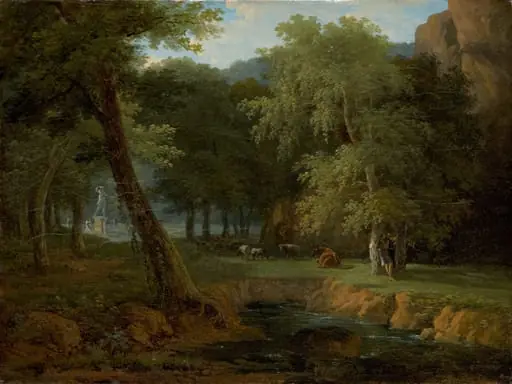 Woodland Scene with Nymphs and a Herm
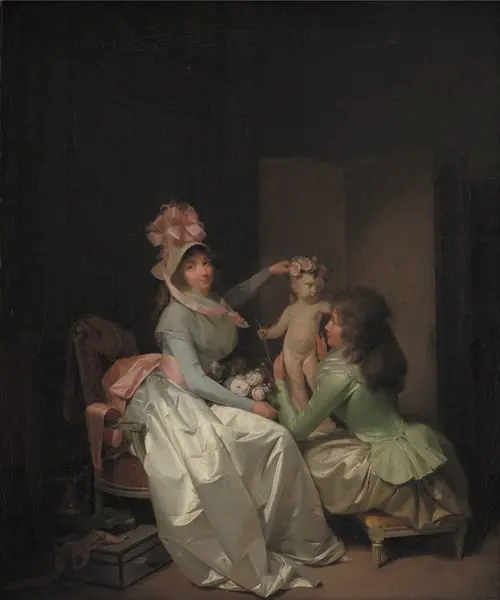 Garlanding the Statuette of Cupid
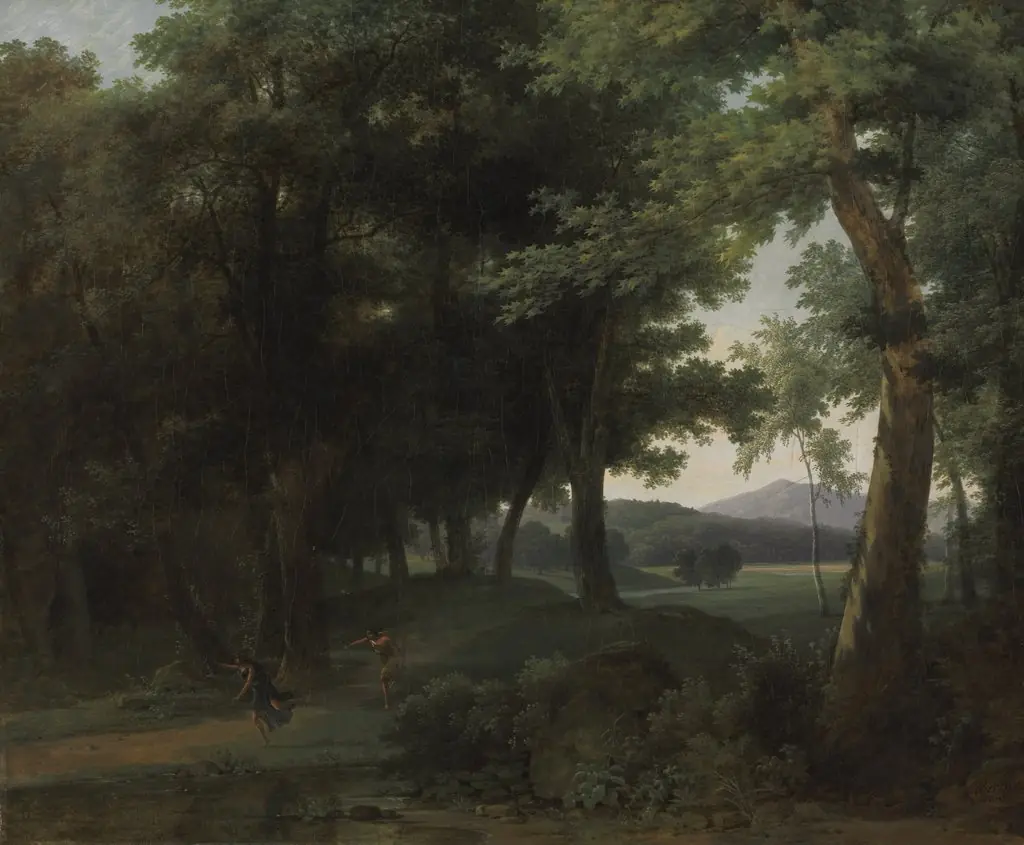 A Forest with Apollo and Daphne
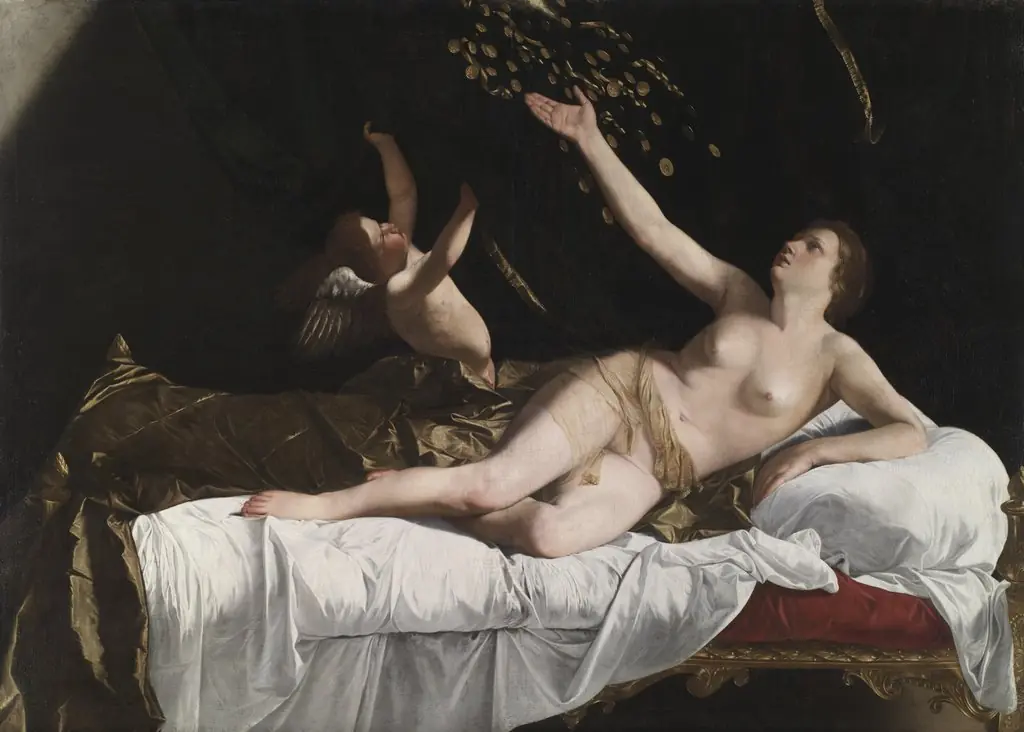 Danaë
Danaë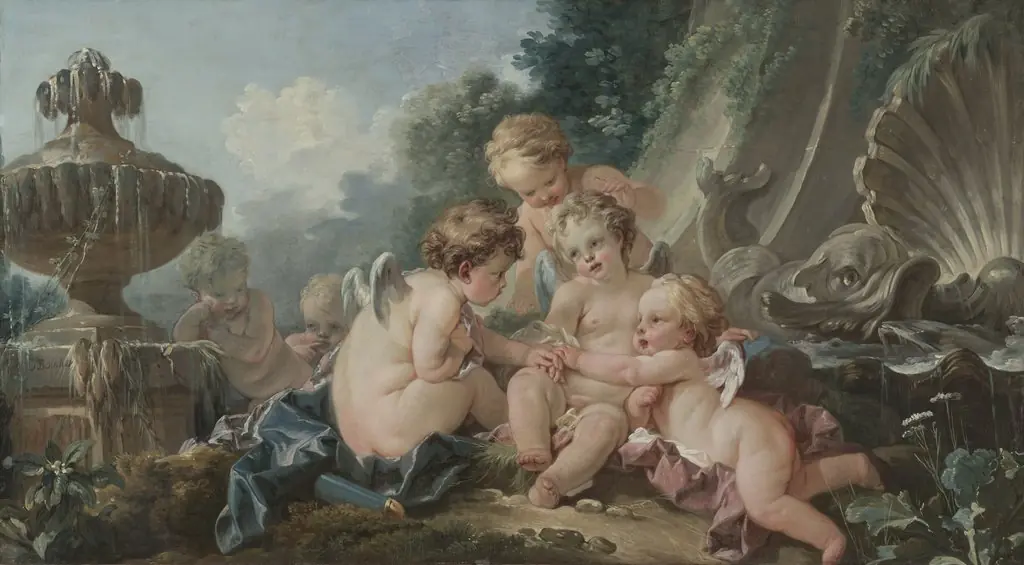 Cupids in Conspiracy
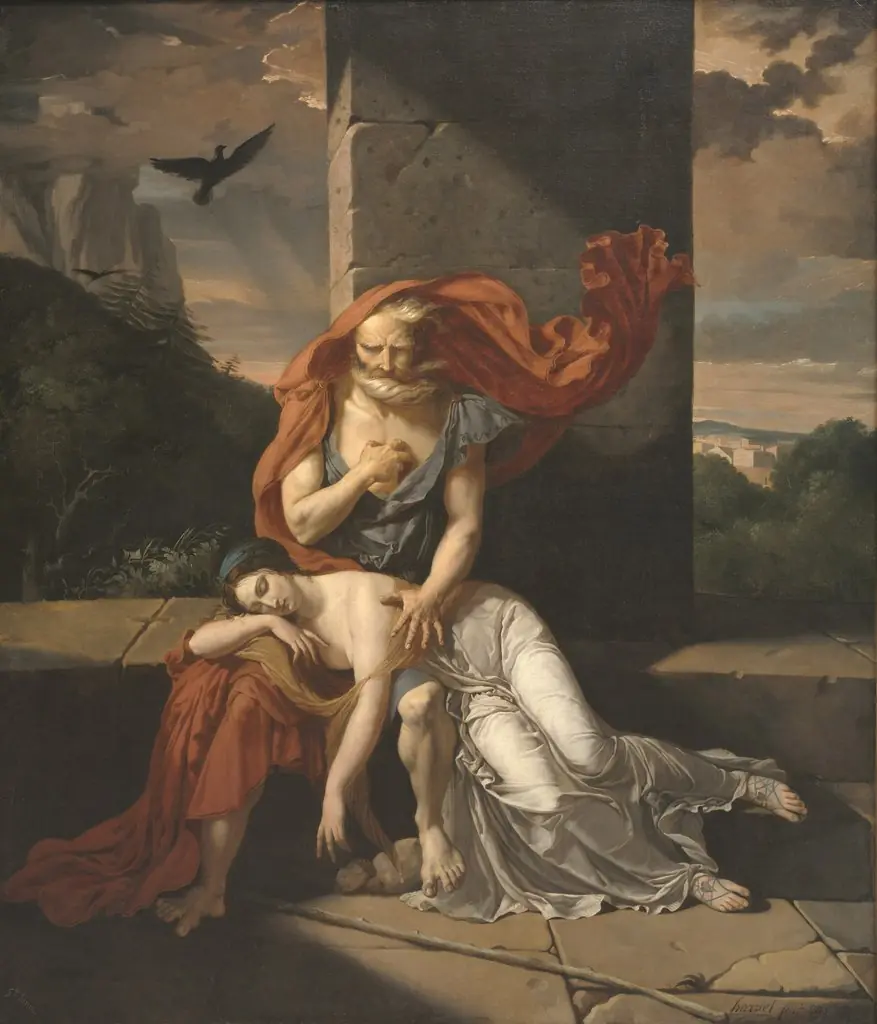 Oedipus at Colonus
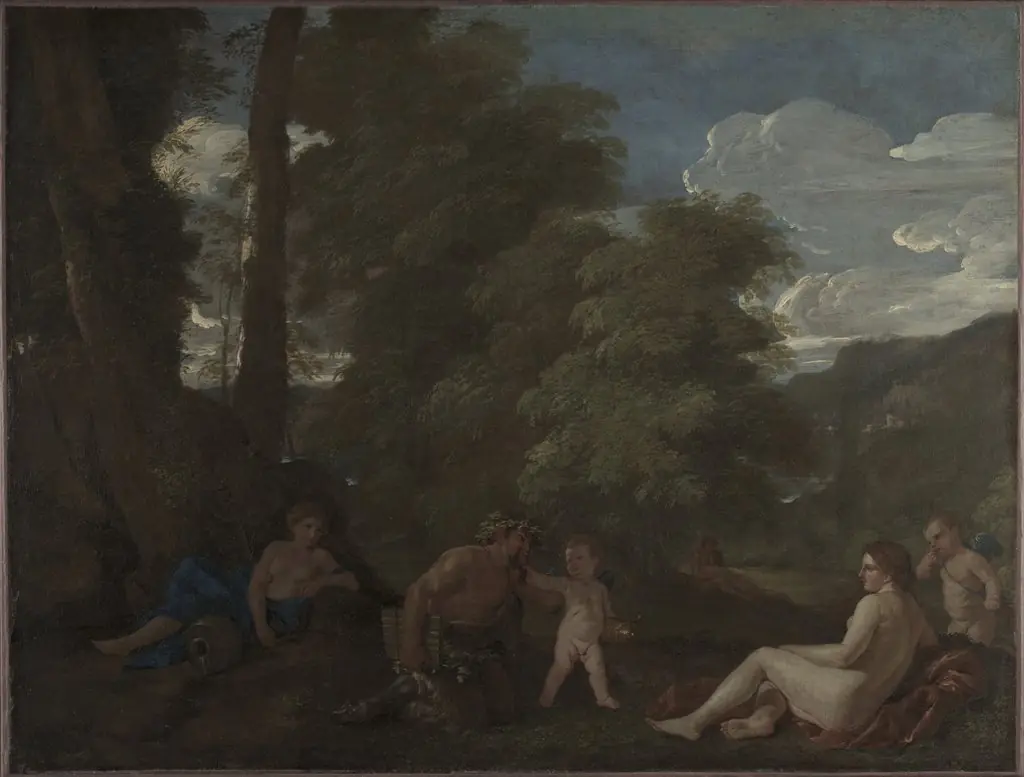 Nymphs and a Satyr (Amor Vincit Omnia)
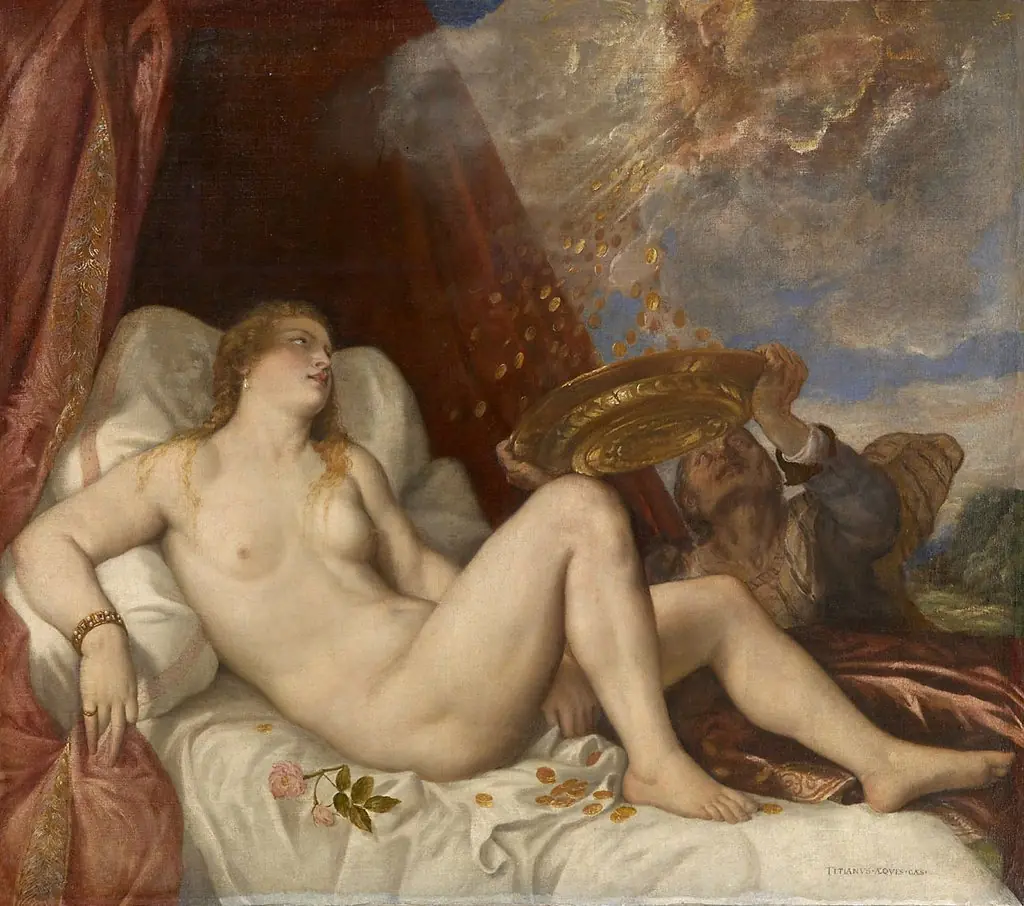 Danaë
Danaë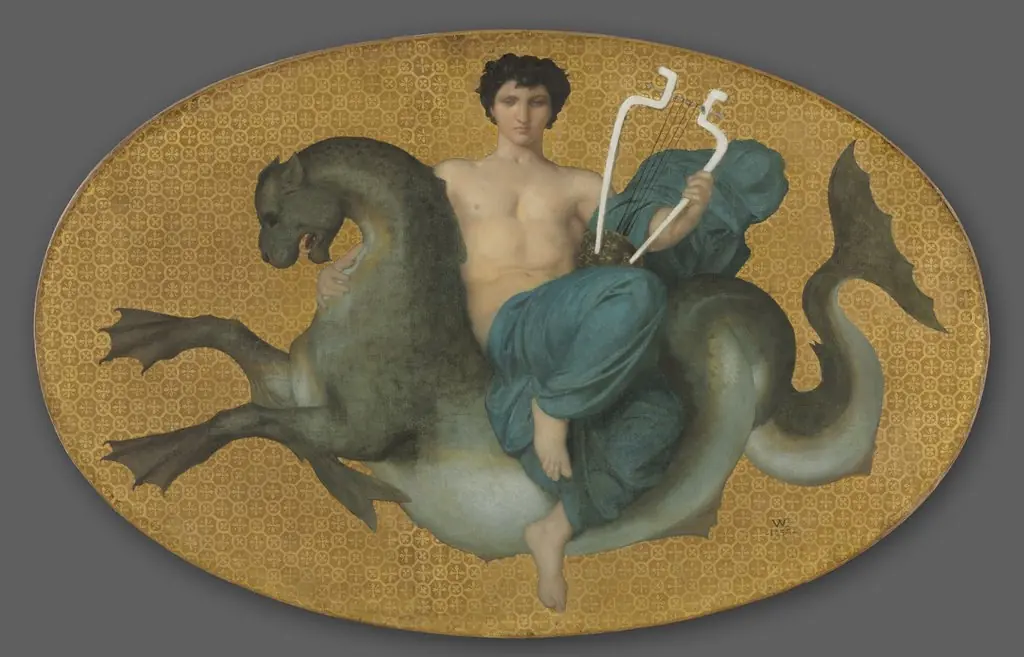 Arion on a Sea Horse
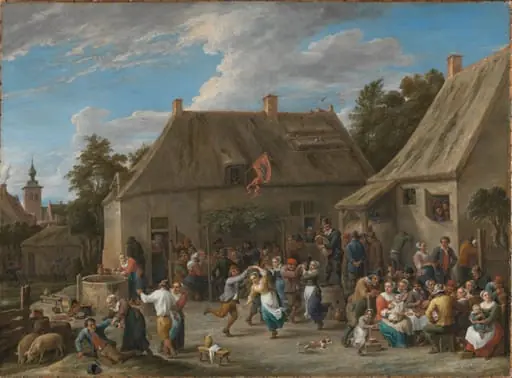 Boerenkermis
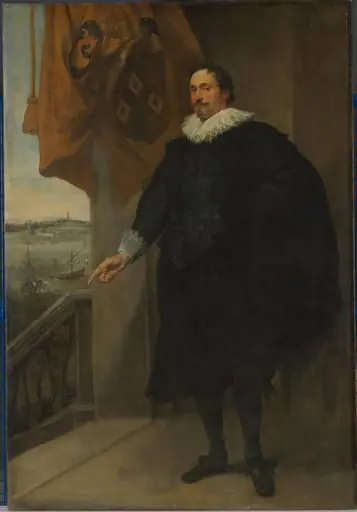 Untitled
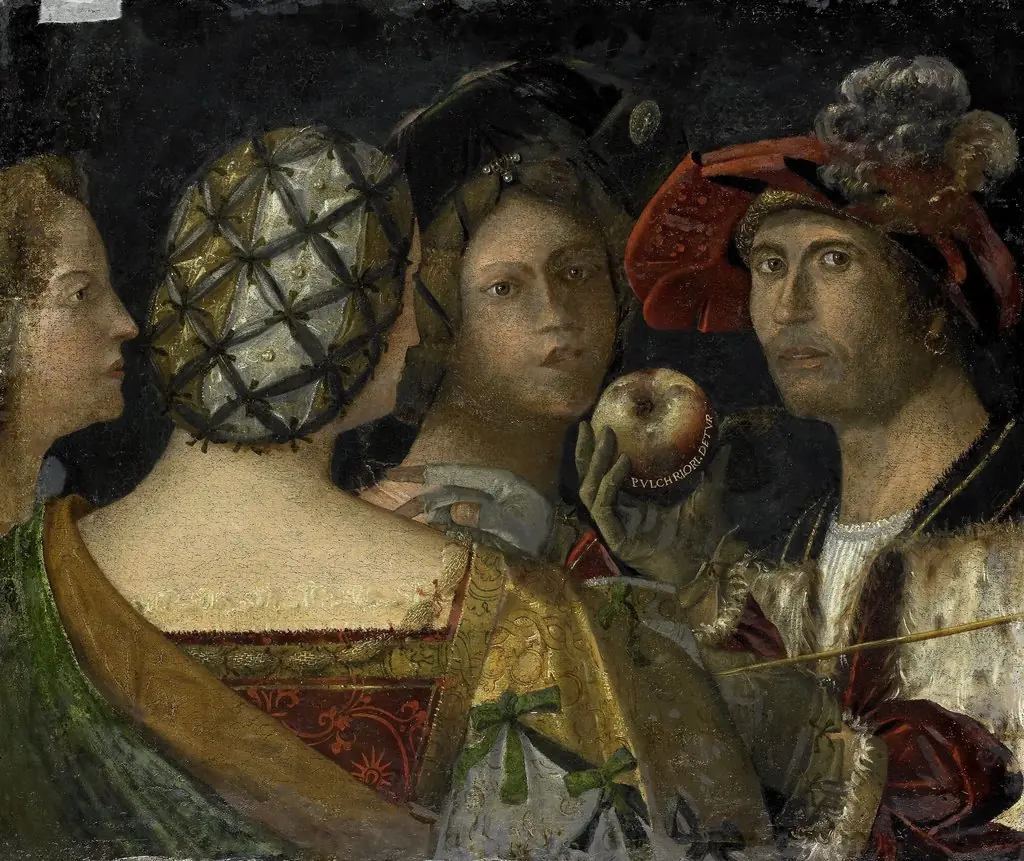 Judgment of Paris
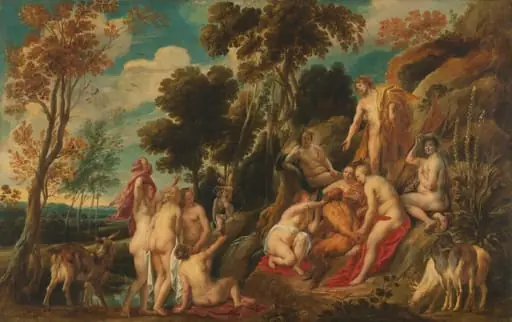 Untitled
 Sleeping Lion by Night
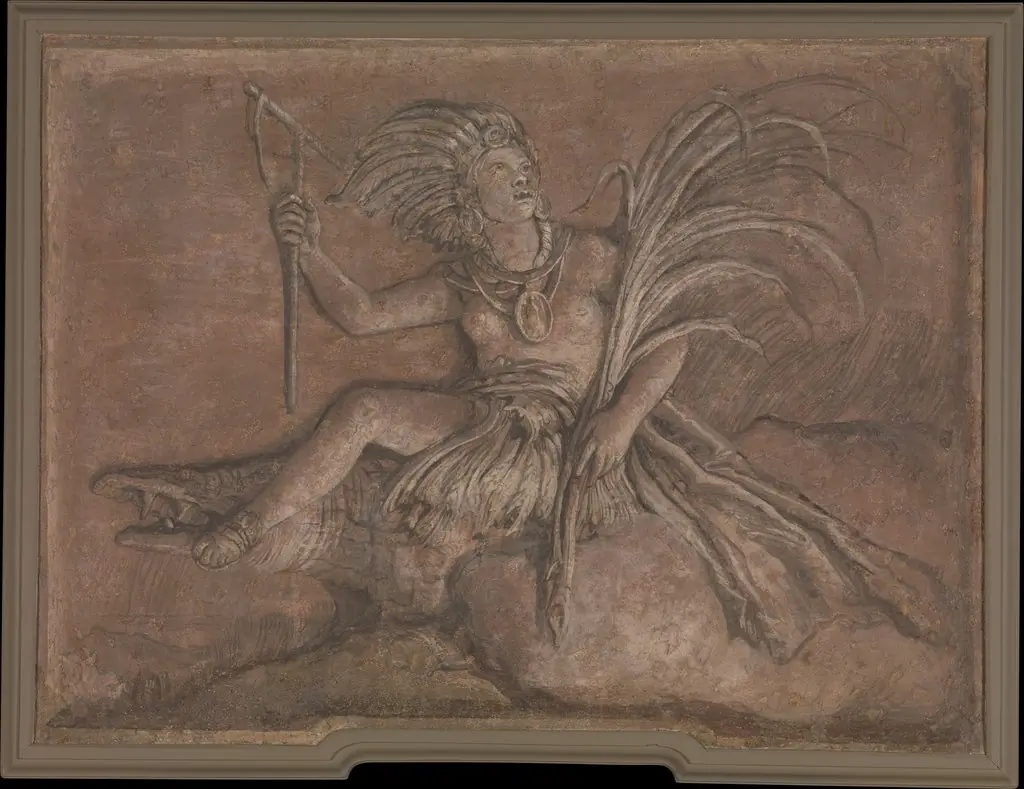 America
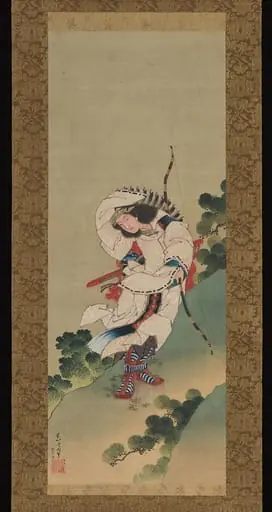 神功皇后図|The Legendary Empress Jingū
 Untitled
 Untitled
Frequently asked questions
What is Mythology?
Mythology is an art genre. Paintings drawn from the myths of ancient Greece and Rome, as well as biblical apocrypha and literary sources like Ovid's Metamorphoses.
How many Mythology works does Artifact World Gallery have?
Artifact World Gallery holds 3,197 public-domain Mythology works, all free to view and download.
Who are the key Mythology artists?
Key Mythology artists in the collection include Titian, Paolo Veronese and Jean Baptiste Camille Corot.
Where can I see Mythology works?
Mythology works in the collection are held by National Gallery of Art, Cleveland Museum of Art and Statens Museum for Kunst.