Artwork
The Prophet Elijah with the Widow of Zarephath and her Son
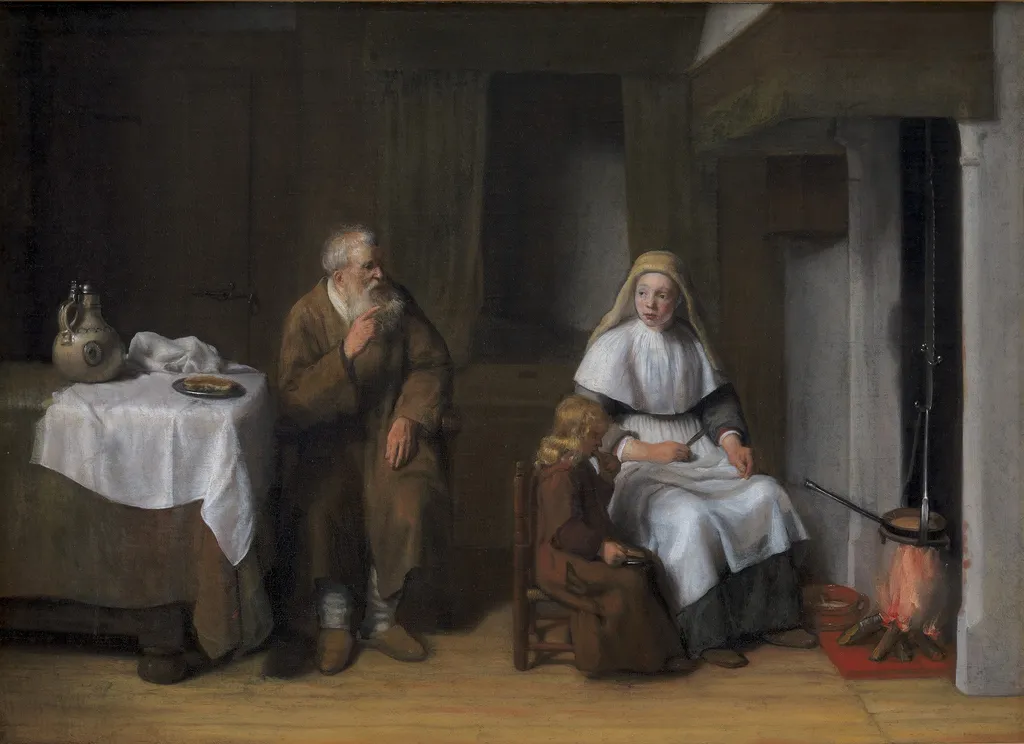
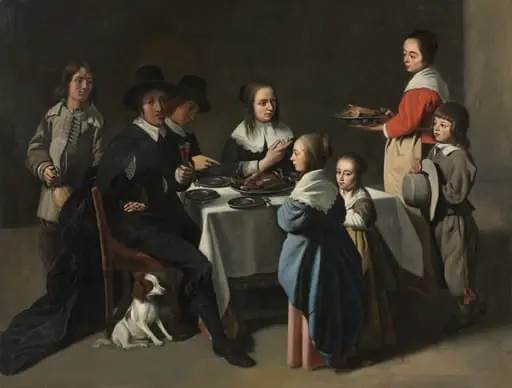
The Prophet Elijah with the Widow of Zarephath and her Son is an oil painting by the Dutch Golden Age artist Abraham van Dijck. It dates from 1661 and is held in the collection of the Statens Museum for Kunst.
About this work
Subject & Meaning
The composition visually identifies these three central figures, grounding the work in the biblical account of the prophet's stay in Zarephath during a famine.
Abraham van Dijck's 1661 oil painting illustrates a specific narrative from religious tradition featuring the prophet Elijah alongside the Widow of Zarephath and her son. The composition visually identifies these three central figures, grounding the work in the biblical account of the prophet's stay in Zarephath during a famine. By depicting Elijah in the company of the widow and her child, the artwork represents the themes of divine providence and the miraculous sustenance provided to those who offer hospitality to God's messenger.
The inclusion of the son emphasizes the continuation of the family line and the broader scope of the miracle, which ensured the survival of the household.
Technique & Style
The work is an oil painting executed on canvas, a standard support for Dutch seventeenth-century cabinet pictures of this scale. Its dimensions, 60.5 cm in height by 82.5 cm in width, indicate a horizontal format suited to an intimate narrative composition rather than a large altarpiece.
Stylistically, the painting belongs to the religious genre tradition associated with Abraham van Dijck, who produced it in 1661. The horizontal orientation and modest size are consistent with the kind of refined, small-scale biblical history painting favored by Dutch artists working in the Rembrandt circle, in which figures are grouped closely to convey the narrative of the prophet Elijah's encounter with the Widow of Zarephath and her son.
History & Provenance
Abraham van Dijck executed the oil painting The Prophet Elijah with the Widow of Zarephath and her Son in 1661. Created on canvas, the work depicts a religious scene featuring the biblical figures Elijah and the Widow of Zarephath. The painting currently resides in the collection of the Statens Museum for Kunst, where it is held as part of their holdings.
No further details regarding specific commissions, intermediate ownership transfers, or the circumstances of its creation are provided in the available records.
Overview
Abraham van Dijck’s 1661 oil painting portrays a biblical episode in which the prophet Elijah visits a destitute widow and her child. The work, now in the Statens Museum for Kunst, captures a quiet, interior moment that emphasizes the human dimensions of the scriptural narrative.
Own this work as a print
Artist & collection

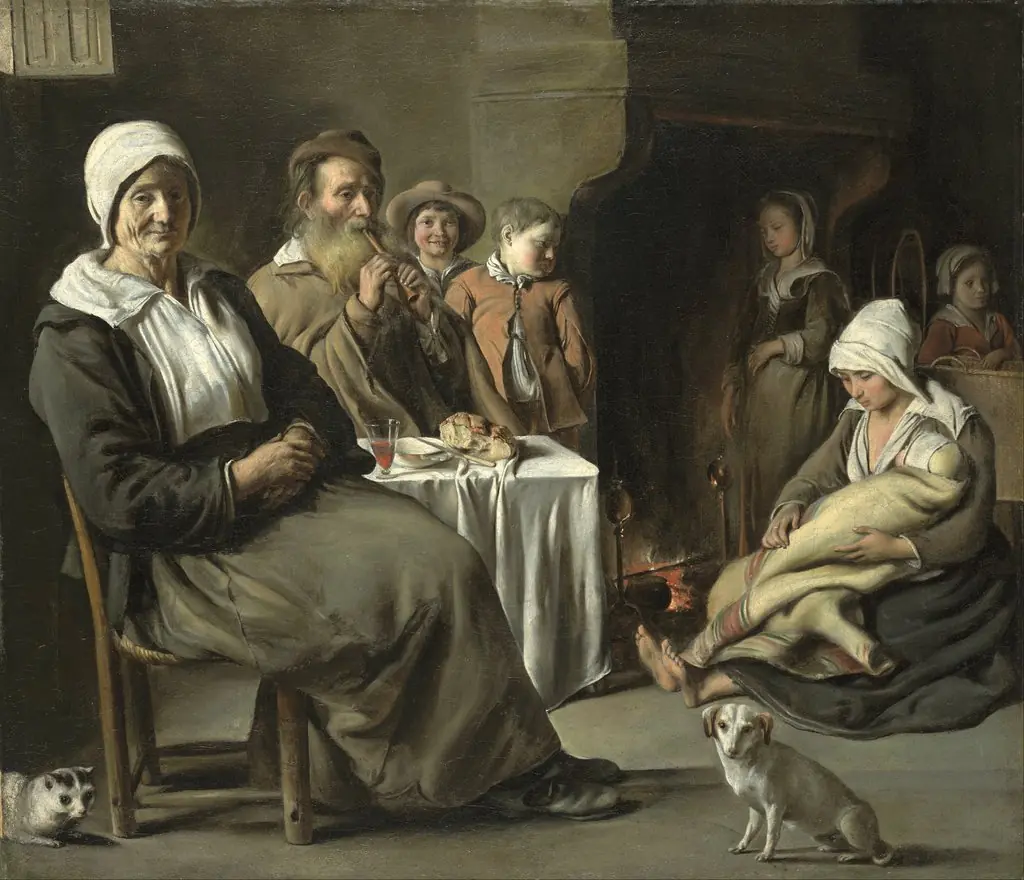 Peasant Interior with an Old Flute Player
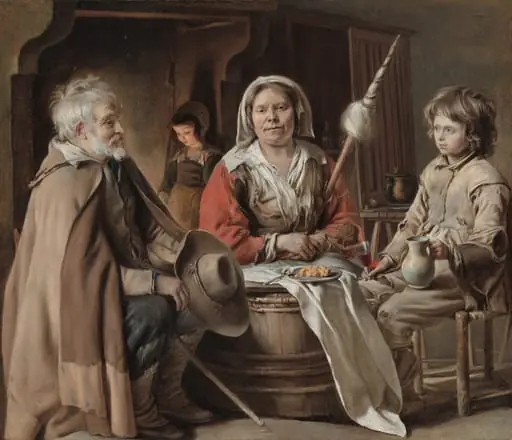 Peasant Interior
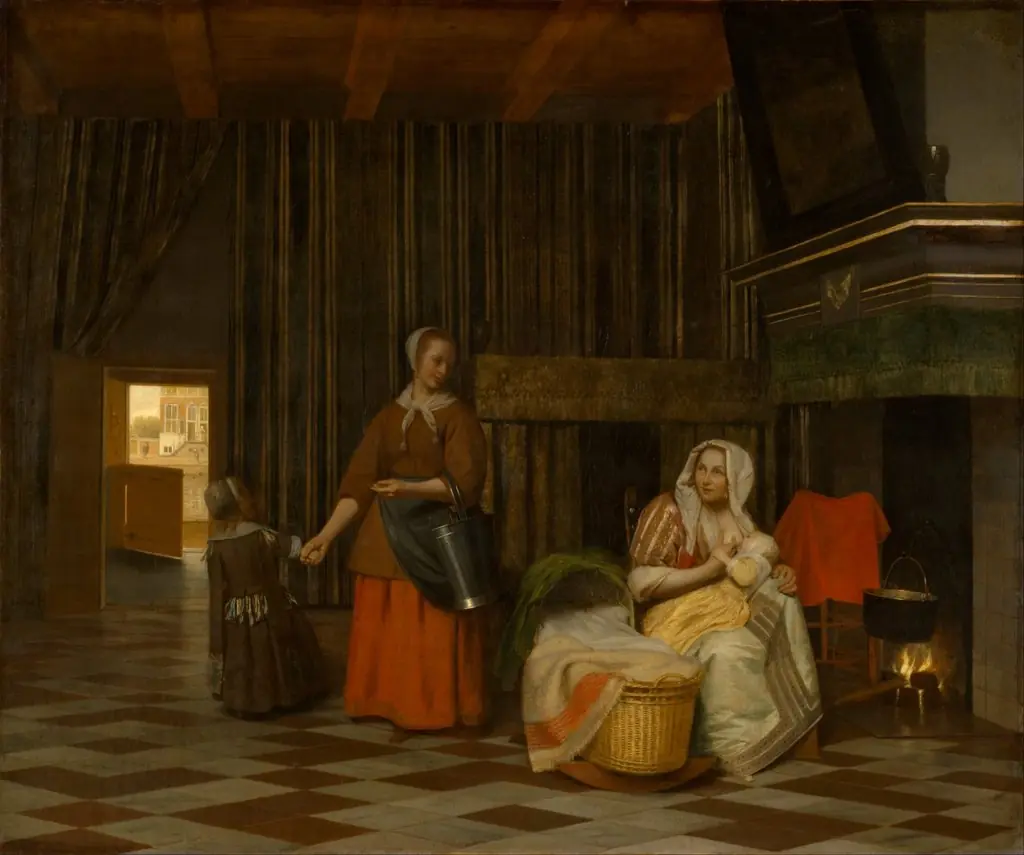 Nursing Mother, and Child with Serving Maid
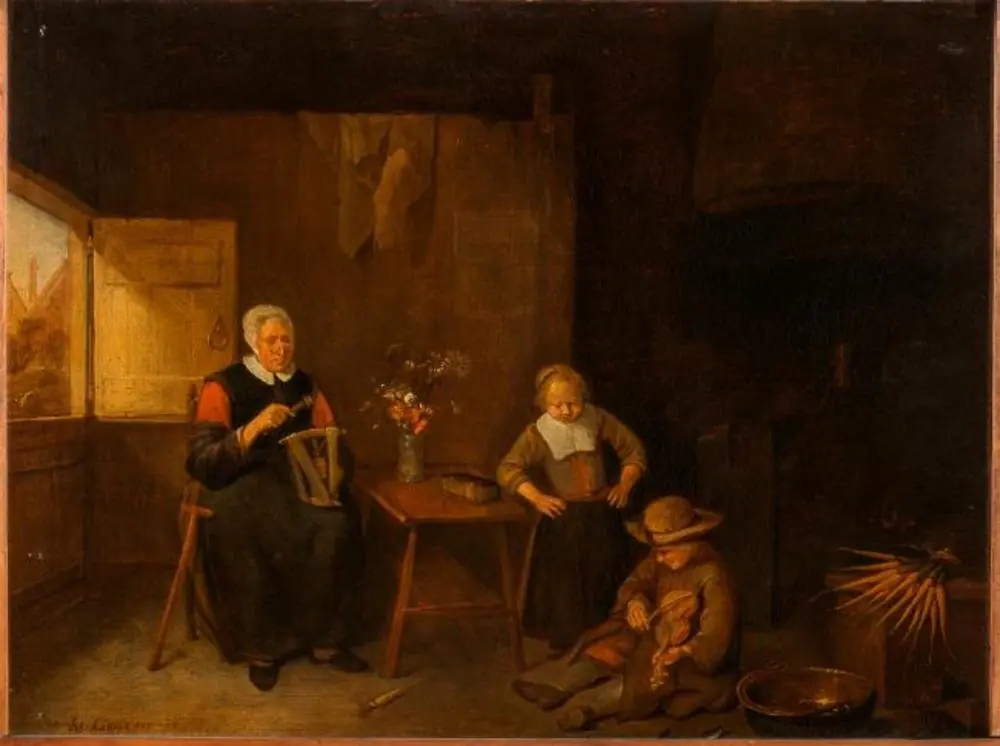 An Old Woman Twisting Threads and Two Children in the Room
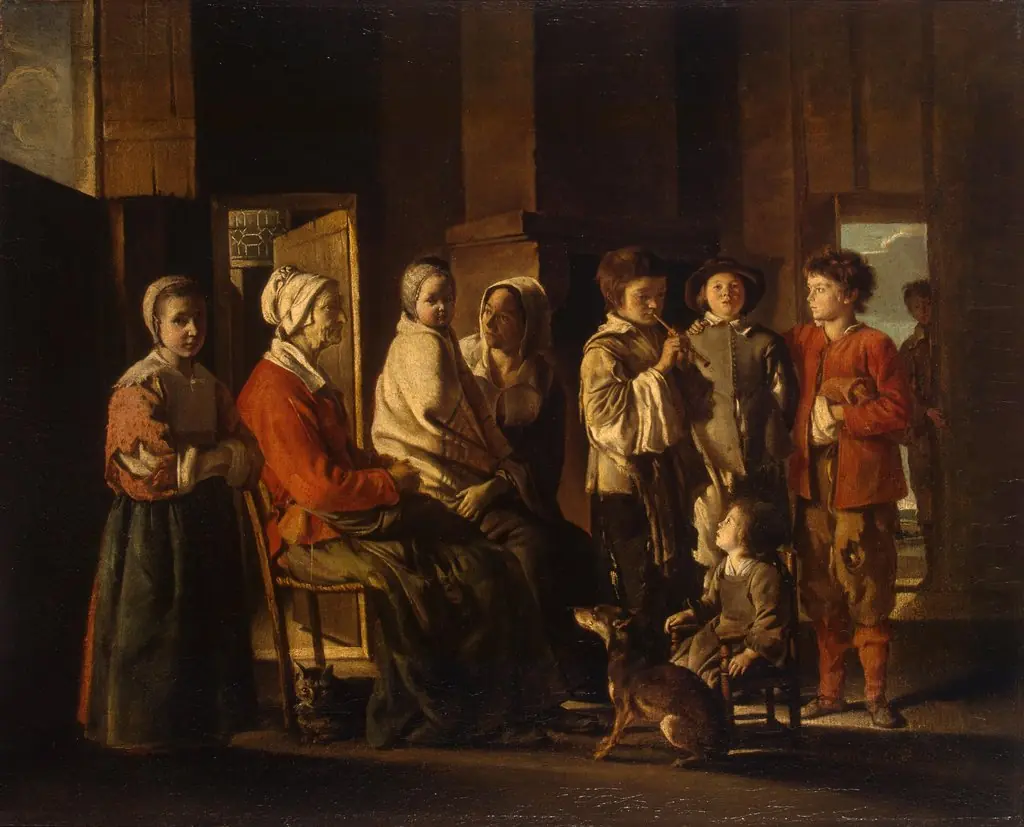 Visit to Grandmother
 Saying Grace
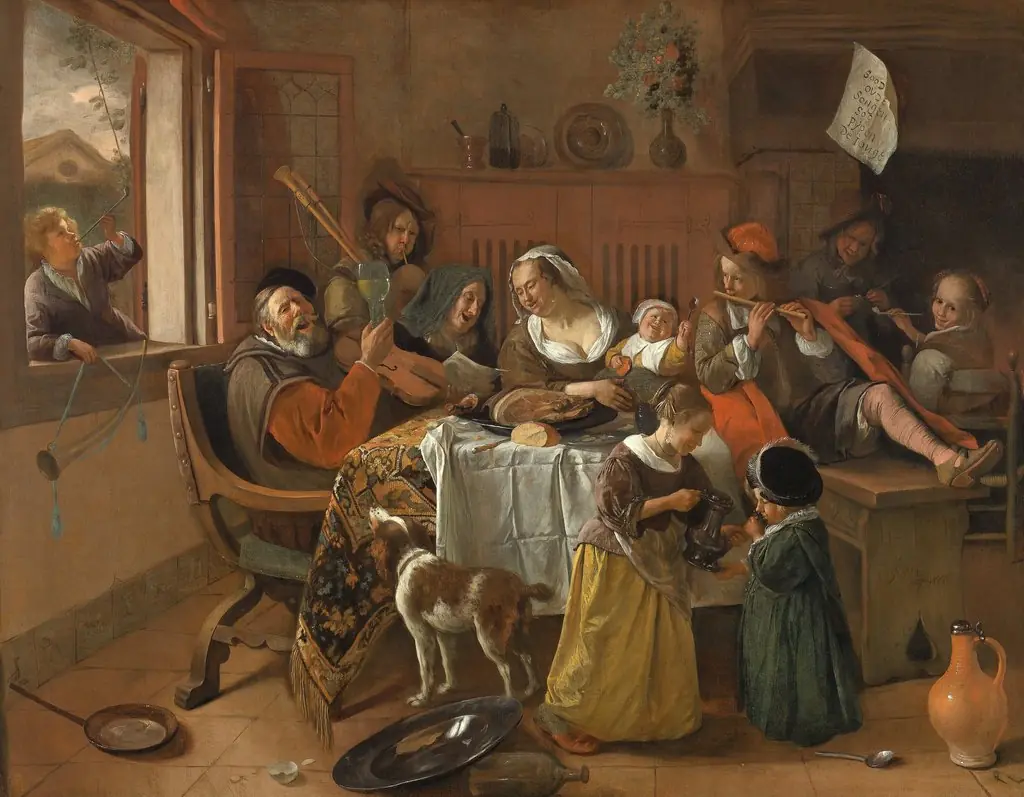 The Happy Family
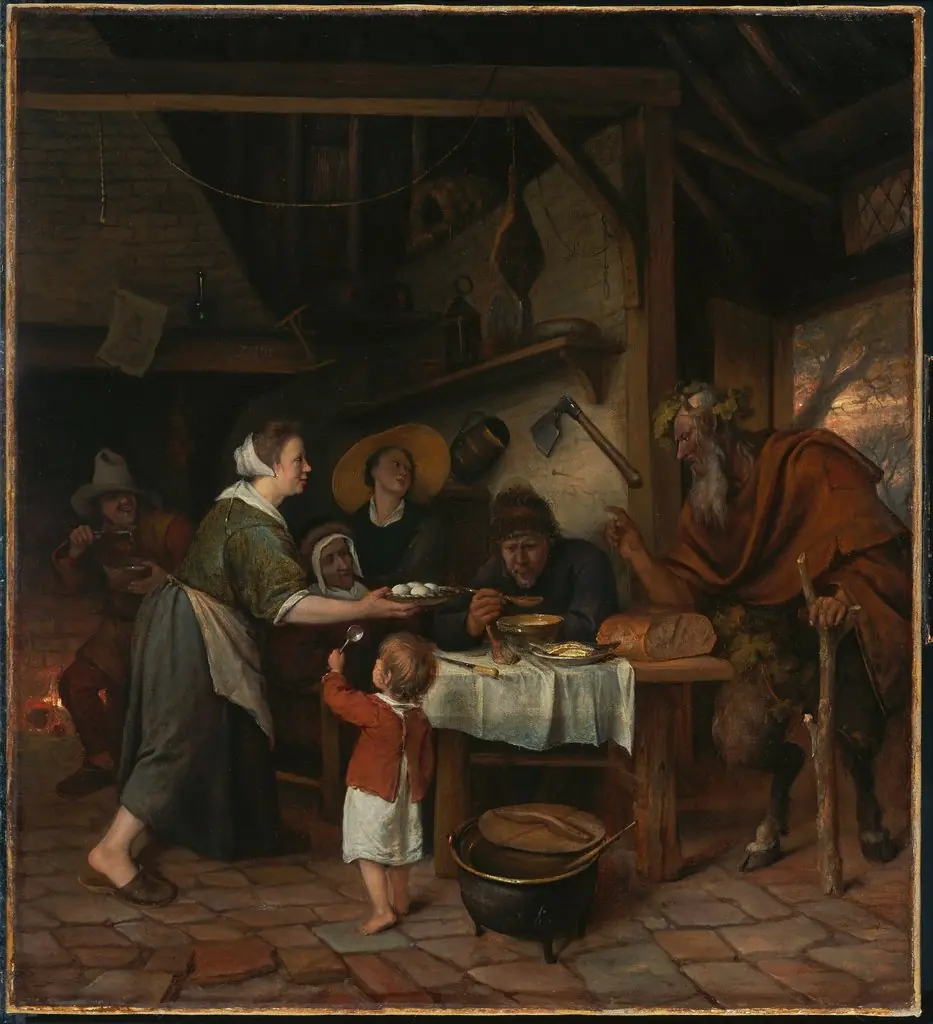 The Satyr and the Peasant Family
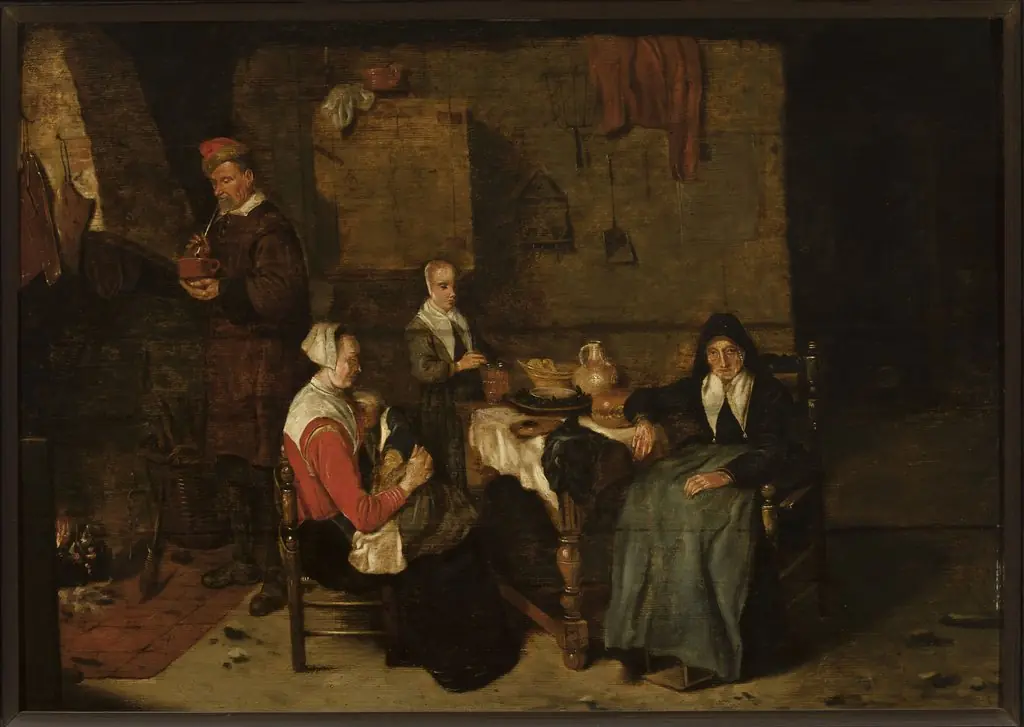 Family scene
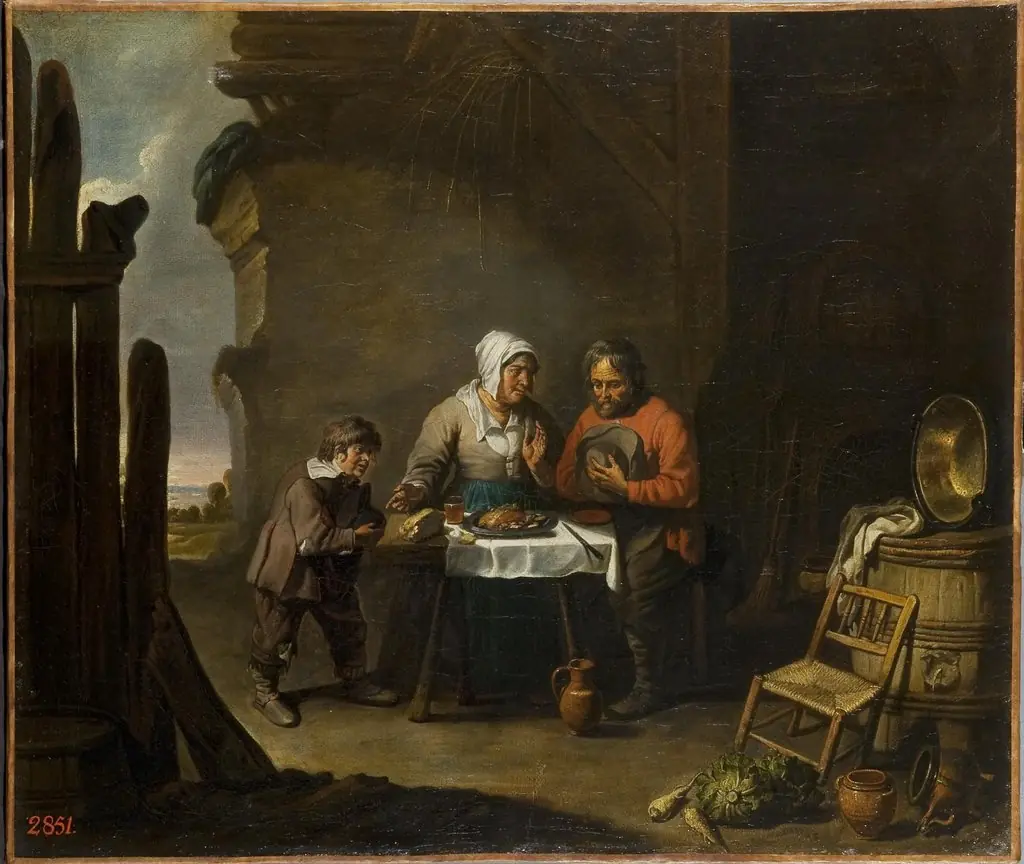 Saying Grace
 A Family Meal
- The Prophet Elijah with the Widow of Zarephath and her Son