Artwork
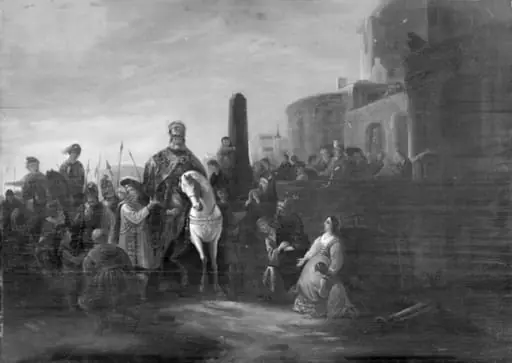
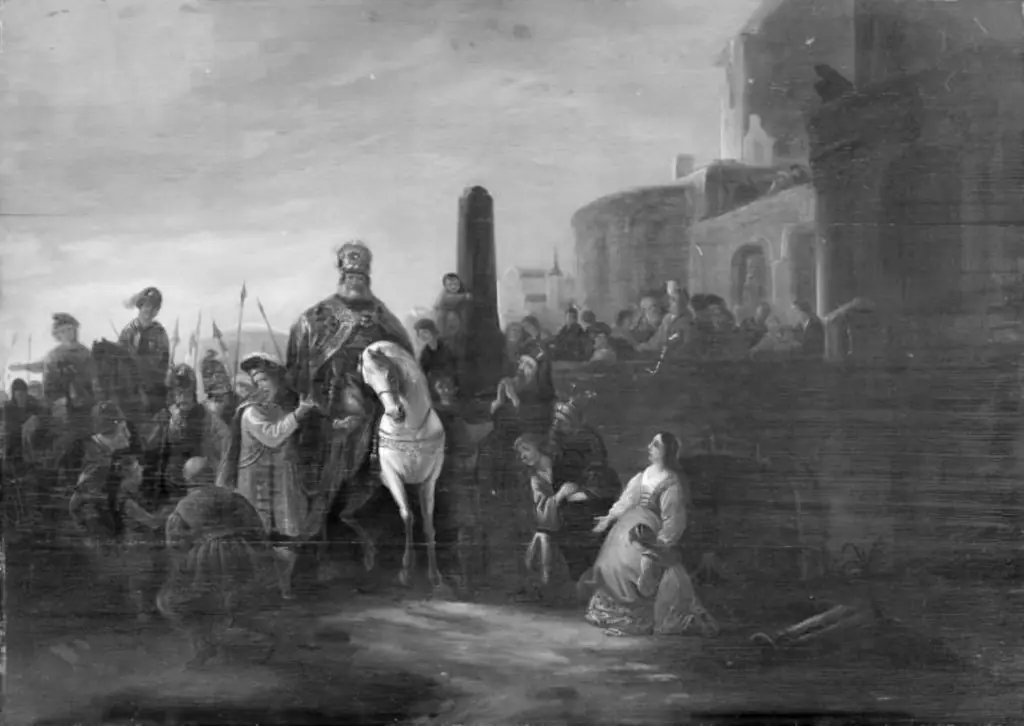
Boudewijn van Heusden (?-870) and his wife Sophia receiving homage from the legate of King Edmund
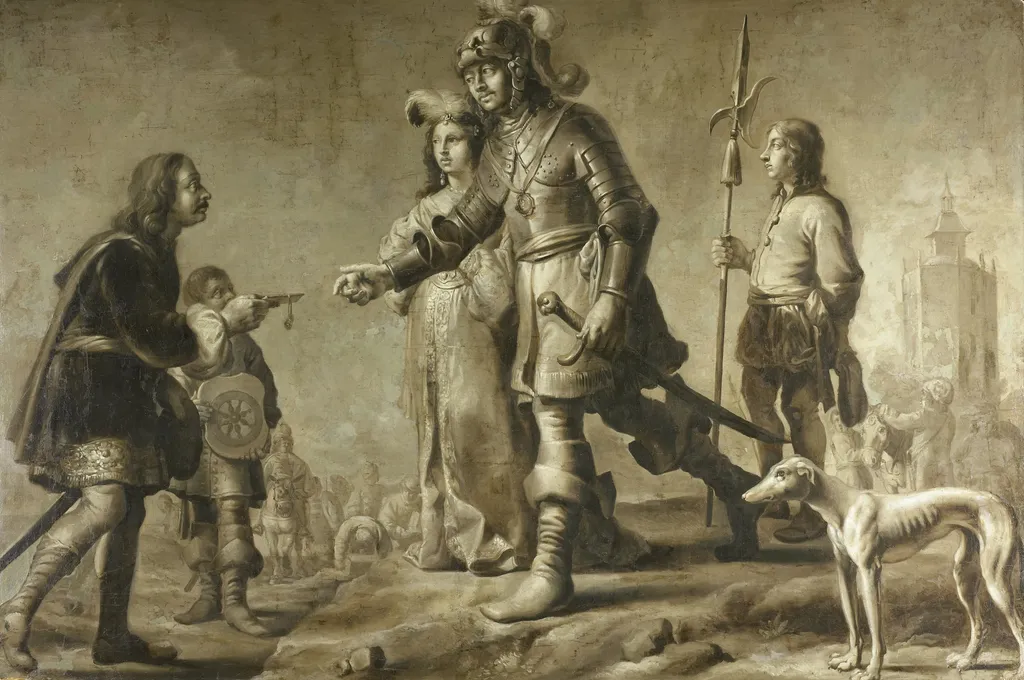
Boudewijn van Heusden (?-870) and his wife Sophia receiving homage from the legate of King Edmund is an oil painting by the Flemish Baroque painting artist Adriaen van de Venne. It dates from 1626 and is held in the collection of the Rijksmuseum.
About this work
Technique & Style
The available records classify the object strictly as a painting, confirming the use of traditional oil techniques on fabric rather than panel or fresco.
Executed in 1626, this work is an oil painting applied to a canvas support. The composition features substantial dimensions, measuring 186 cm in height and 279 cm in width. As a painting by Adriaen van de Venne, the piece utilizes oil paint as its primary medium to depict historical figures, including a soldier, within a narrative scene.
The available records classify the object strictly as a painting, confirming the use of traditional oil techniques on fabric rather than panel or fresco.
History & Provenance
The painting was commissioned circa 1626 by the historical figure Boudewijn van Heusden and his wife Sophia, depicting their reception of homage from the legate of King Edmund. It was created by Adriaen van de Venne using oil paint on canvas and has been part of the Rijksmuseum's collection since its inception, remaining on display there.
The work entered the collection of the Rijksmuseum, Netherlands Museum for History and Art, where it is catalogued as part of their holdings.
Overview
This 1626 oil painting by Adriaen van de Venne portrays a scene of homage being paid to Boudewijn van Heusden and his wife Sophia by a representative of King Edmund, set against a backdrop of power dynamics.
Subject & Meaning
The painting captures a moment of authority and negotiation, with Boudewijn in armor and Sophia in fine attire, alongside a legate, a soldier, and others, conveying a transaction of allegiance or power.
Context
While the specific historical event is unclear due to uncertain dates for Boudewijn van Heusden, the painting reflects the political and social intricacies of the period, possibly alluding to feudal obligations or alliances.
Legacy
As a work by Van de Venne in the Flemish Baroque tradition, it contributes to the era's artistic heritage, though its prominence may be more nuanced compared to more widely recognized works of the Dutch Golden Age.
Own this work as a print
Artist & collection
Artist
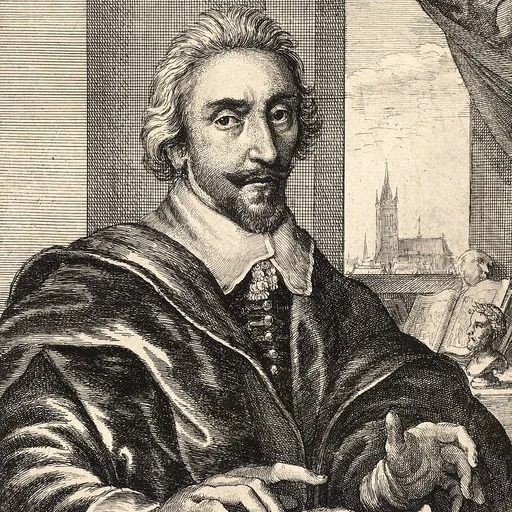
Adriaen Pietersz van de Venne (1589 – 12 November 1662), was a versatile Dutch Golden Age painter of allegories, genre subjects, and portraits, as well as a miniaturist, book illustrator, designer of political satires, and versifier.

 Untitled
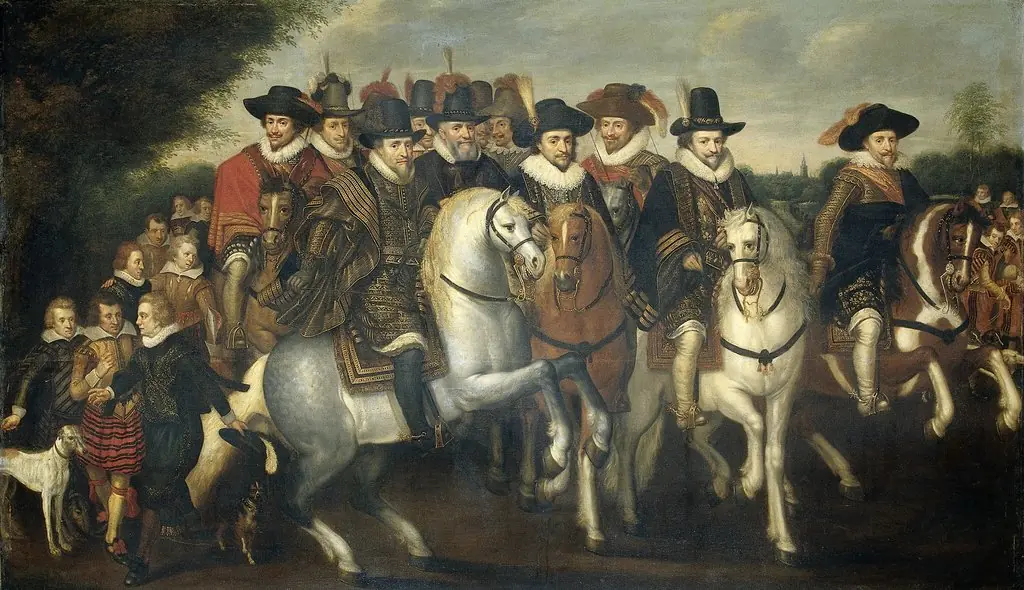 Prince Maurits accompanied by his two brothers, Frederick V, Elector of the Palatinate, and some counts of Nassau on horseback
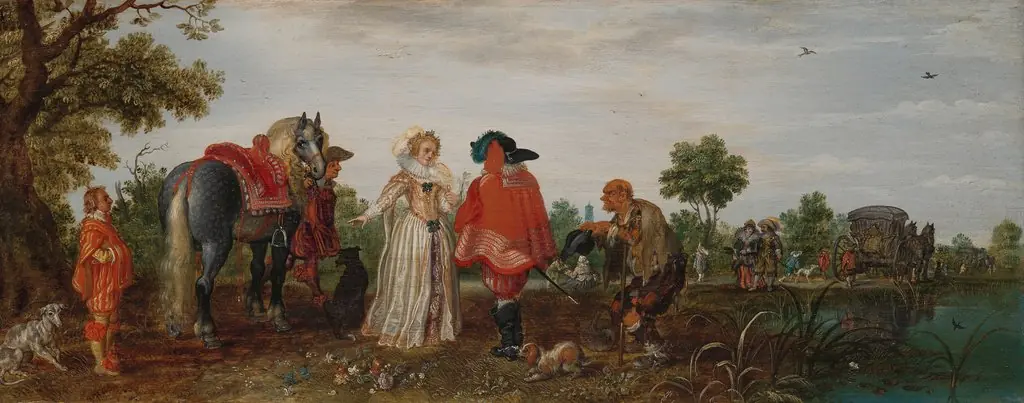 Spring
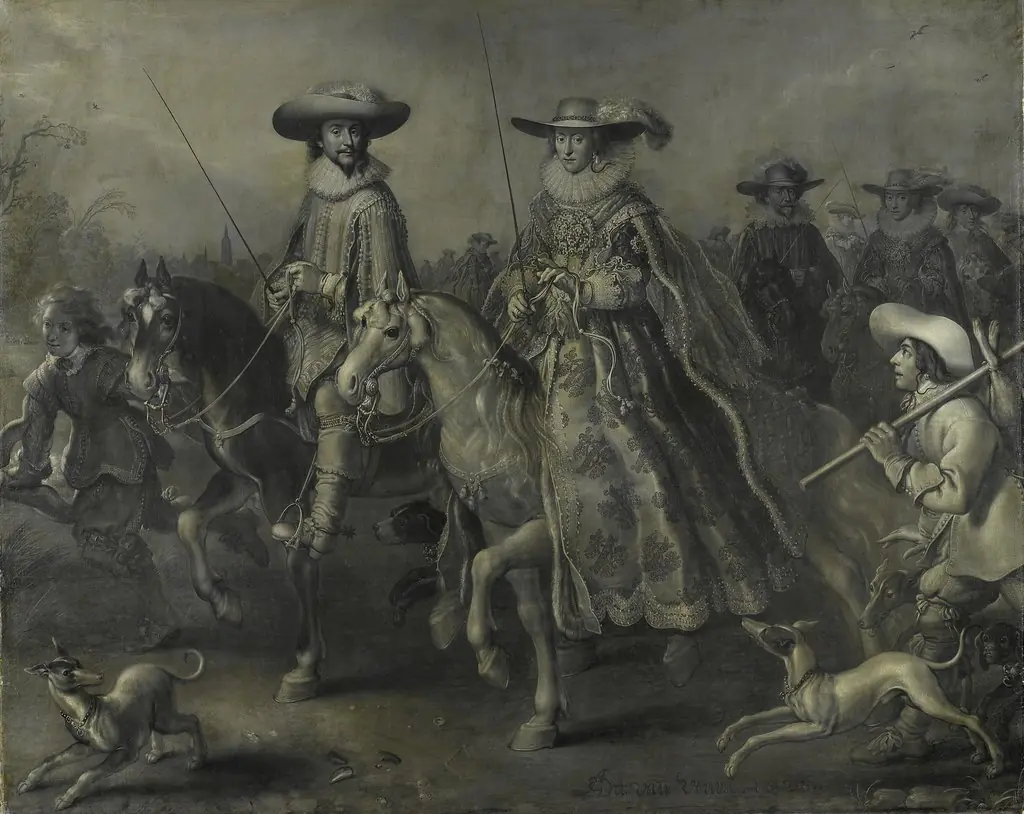 Frederick V (1596-1632), Elector of the Palatinate, King of Bohemia, and his wife Elizabeth Stuart (1596-1662) on horseback
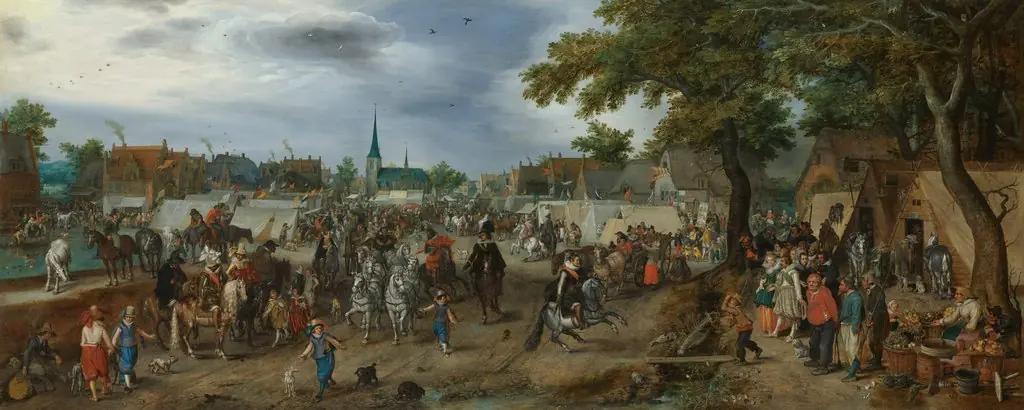 Prince Maurice and Frederick Henry at the Valkenburg Horse Fair
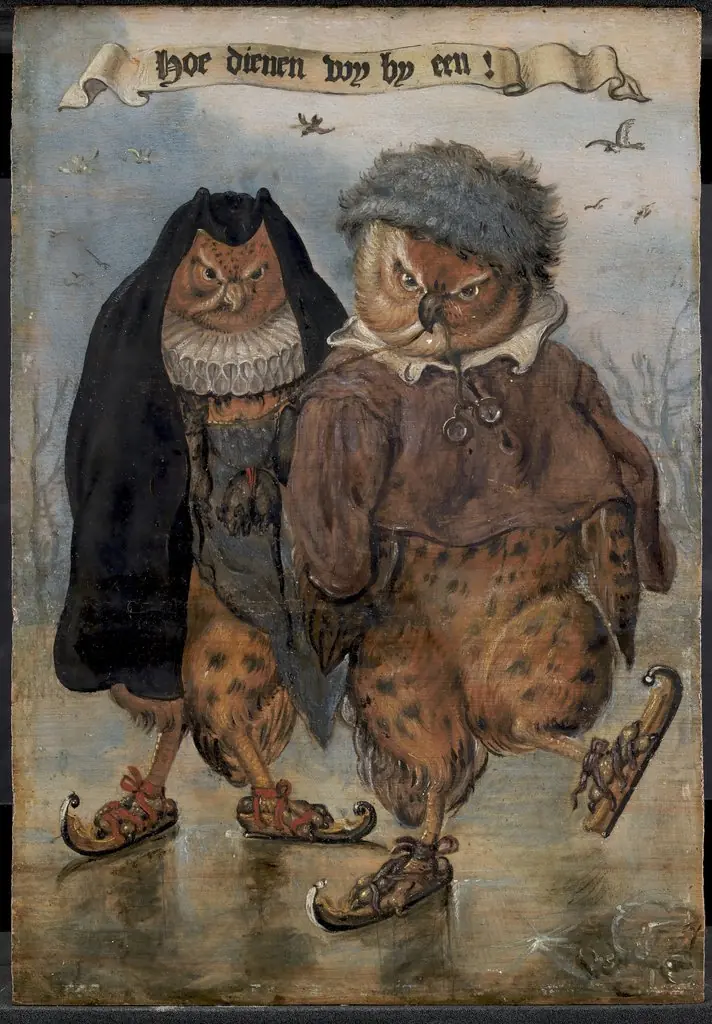 How Well We Go Together
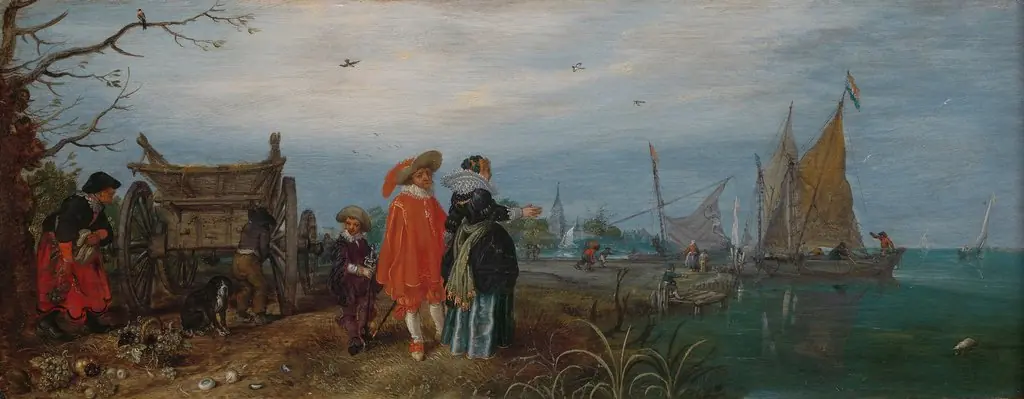 Autumn
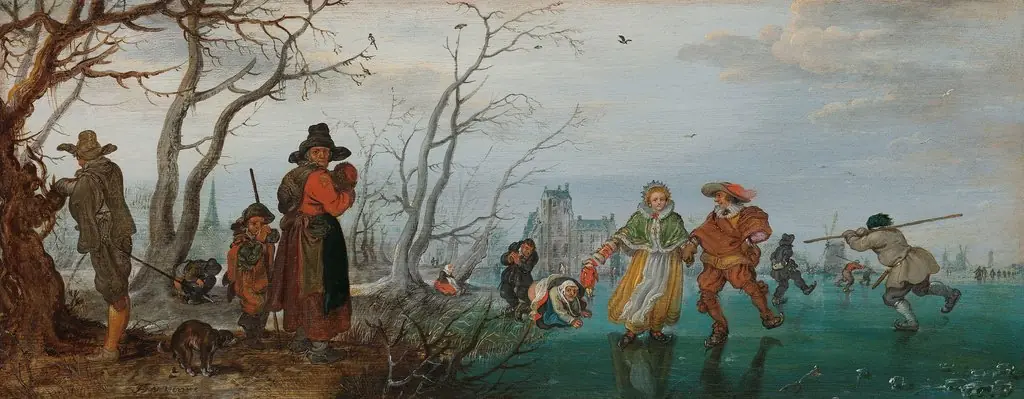 Winter
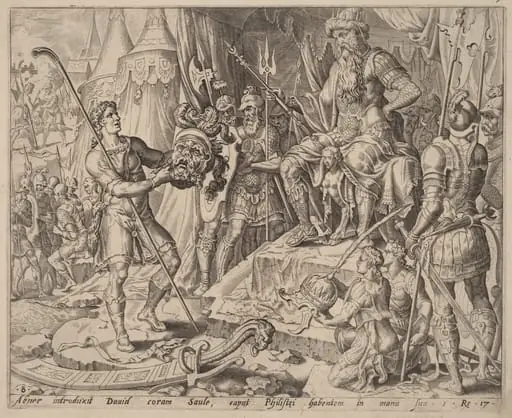
- David with Goliath's Head before Saul
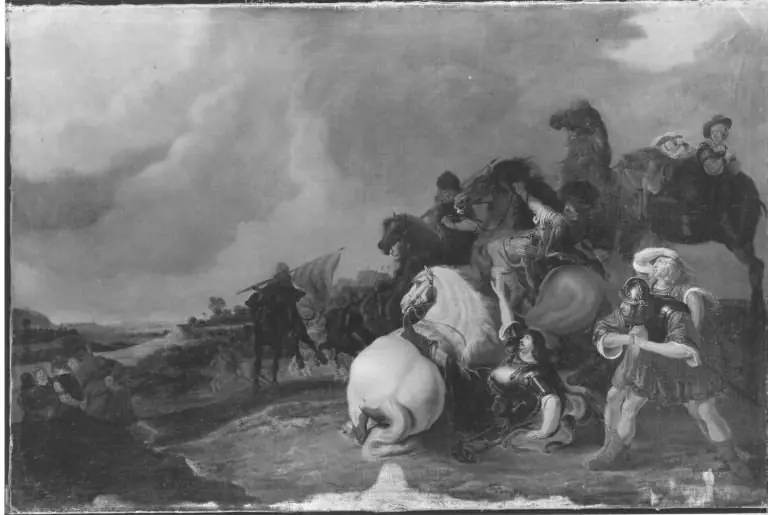 Bekehrung des Saulus
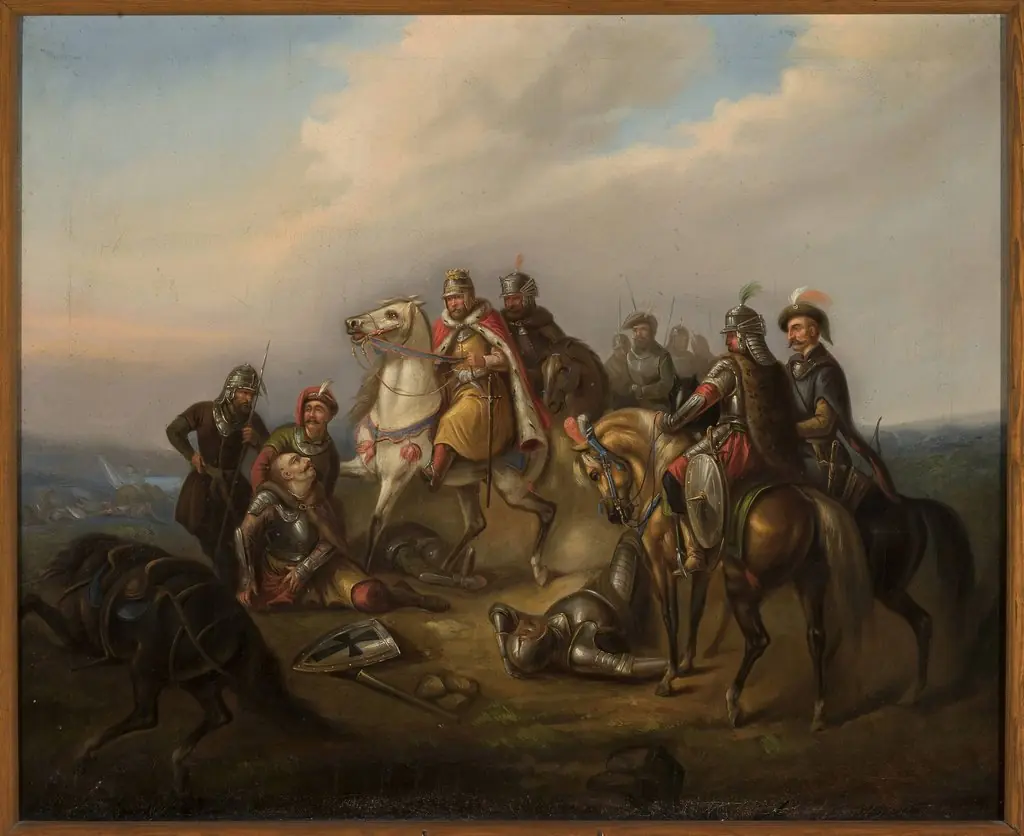 After the battle
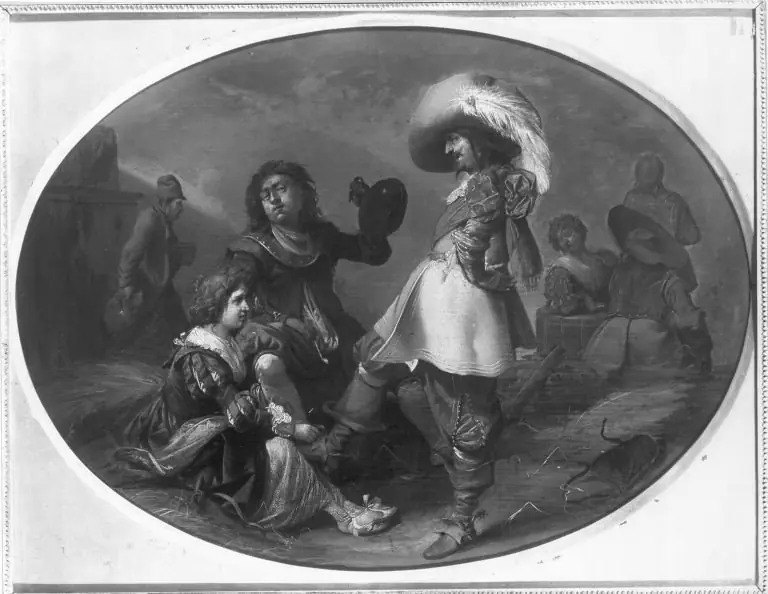 Company of an officer, soldiers and young women in a guardroom
 Travellers Attacked by Robbers
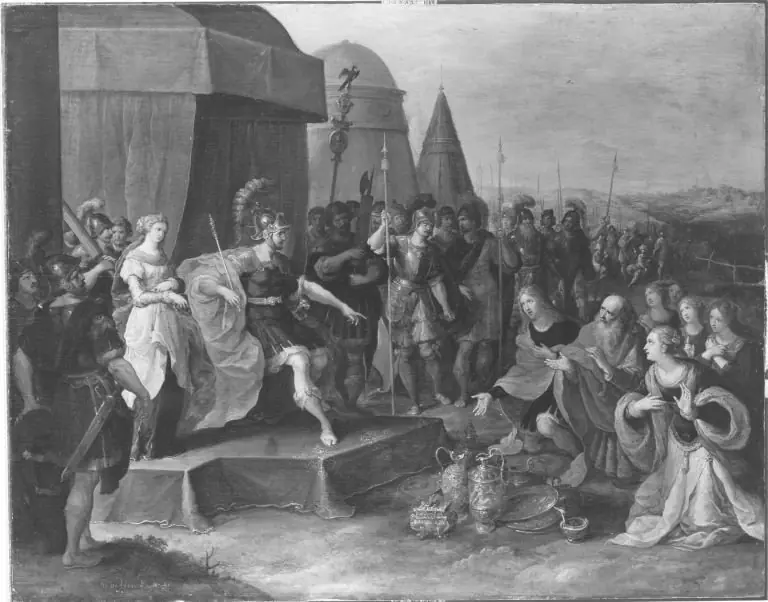 Enthaltsamkeit des Scipio
 Mardochæus og Haman
 Frontier Guards (Circassian Prince on Horseback Selling Two Boys)
 Aufbruch aus dem Lager
 A Scene from the Life of Trajan
 Mardochæus og Haman
 Capture of King Francis I at the Battle of Pavia