Artwork
Still Life with Fruit and Vegetables
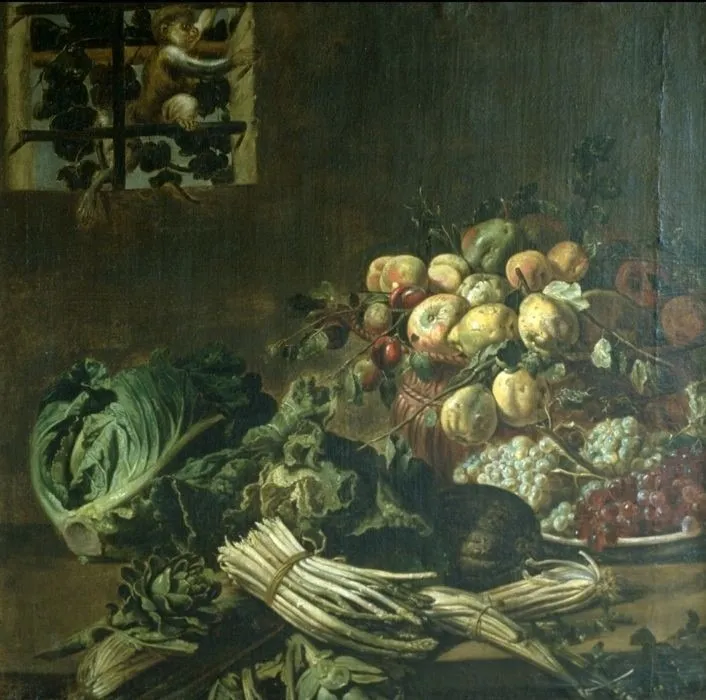
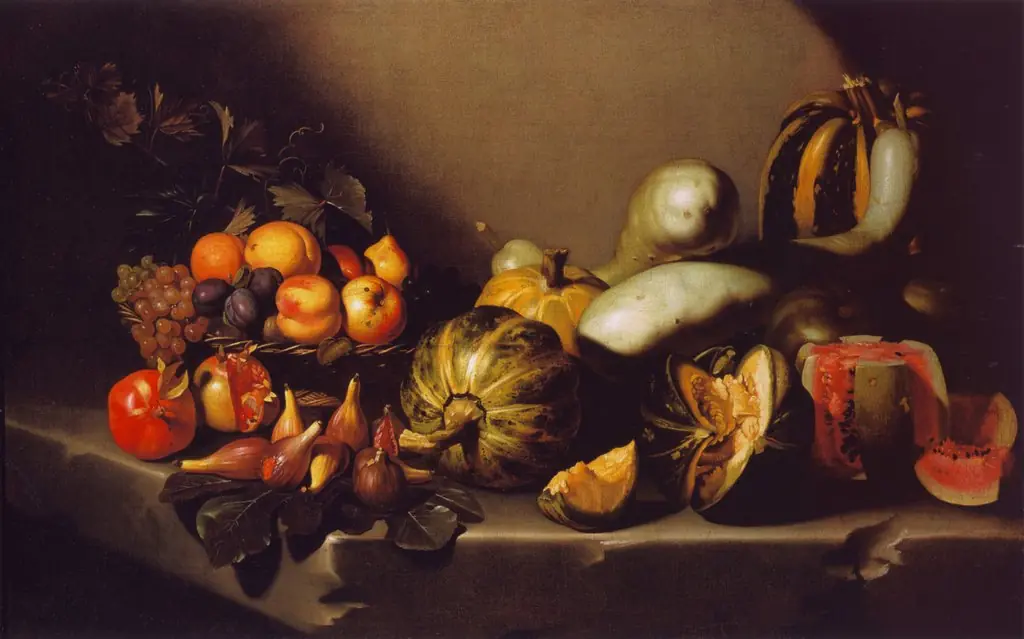
Still Life with Fruit and Vegetables is a paint painting by the Dutch Golden Age artist Adriaen van Utrecht. It dates from 1636 and is held in the collection of the Gemäldegalerie Berlin.
About this work
Subject & Meaning
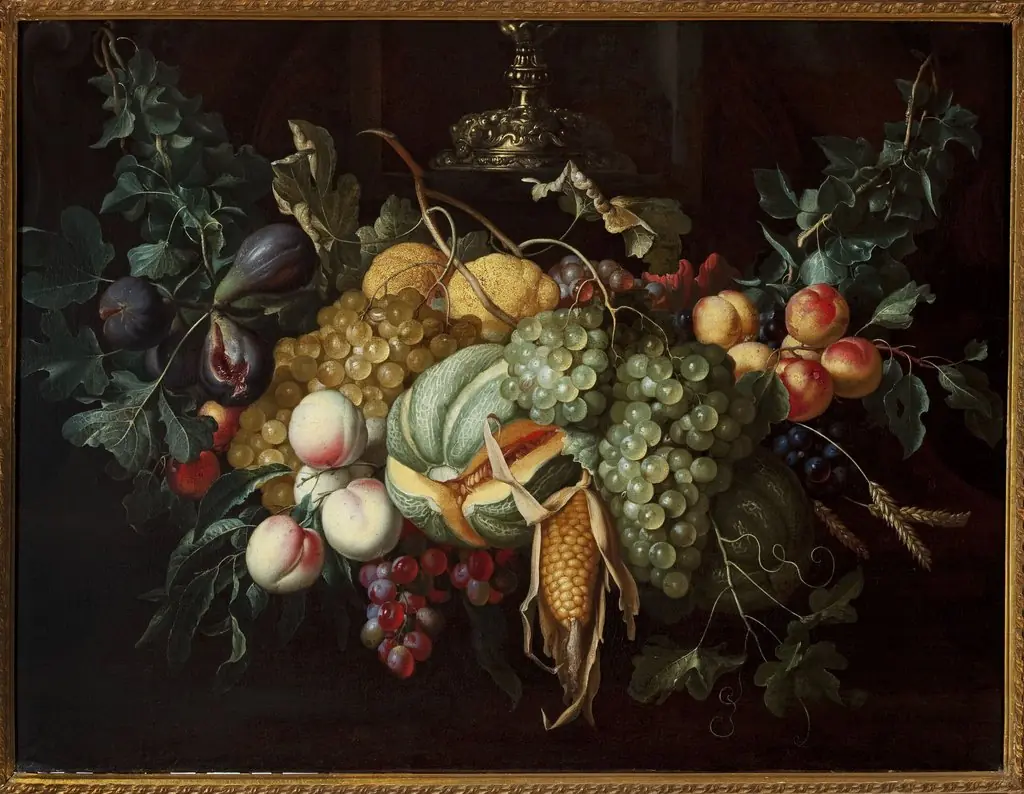
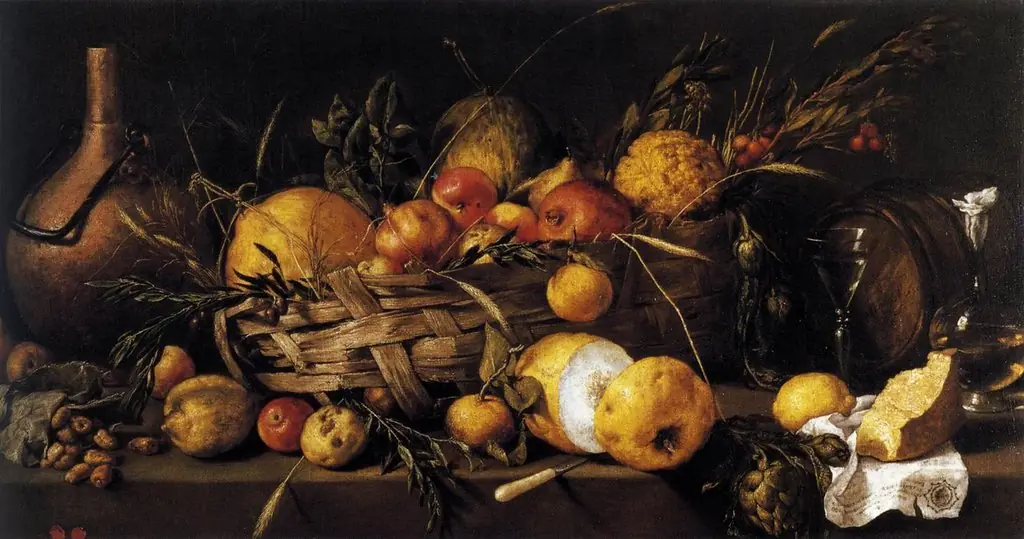
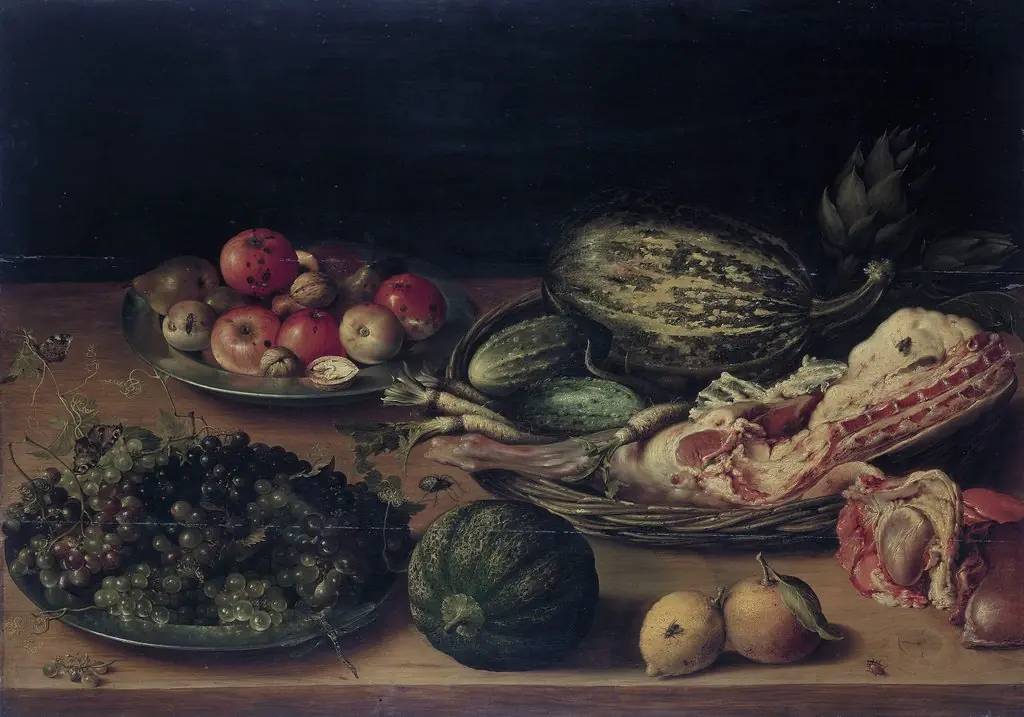
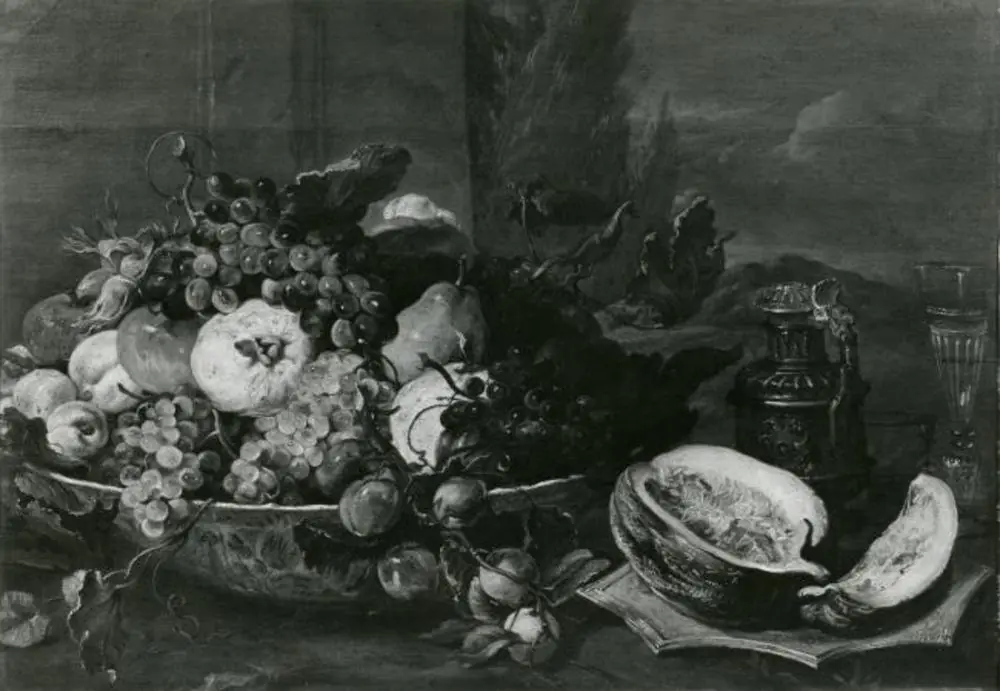
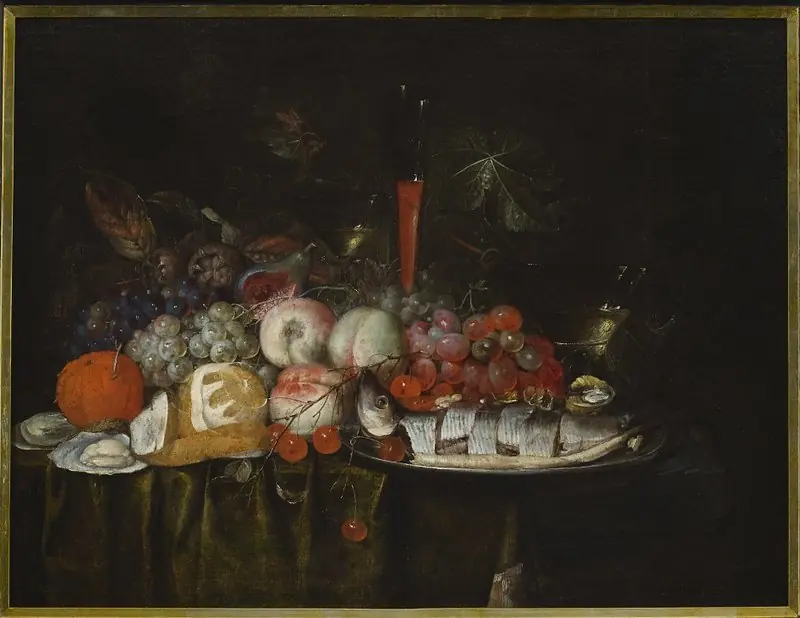
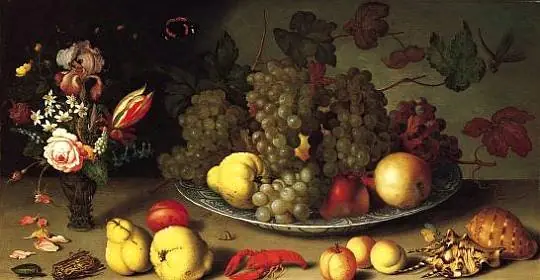
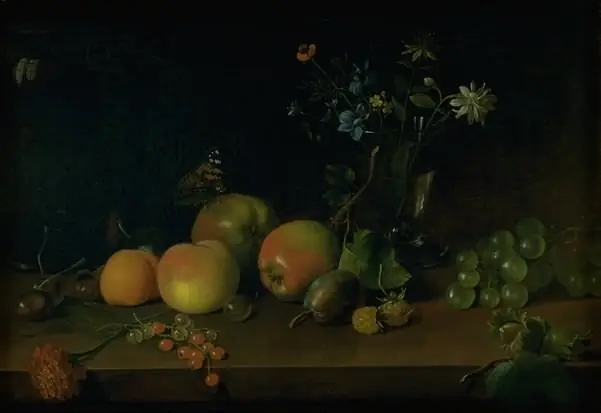
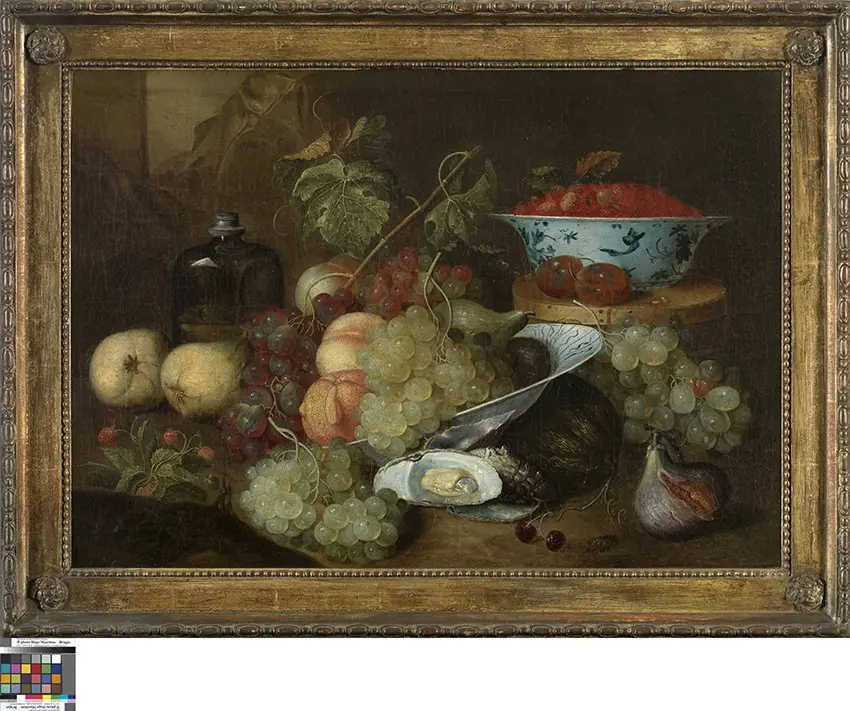
The painting depicts a carefully arranged still life of fruit and vegetables, including asparagus, lettuce, a gourd, and grapes.
The painting depicts a carefully arranged still life of fruit and vegetables, including asparagus, lettuce, a gourd, and grapes. The selection of produce reflects abundance and seasonality typical of Flemish still-life painting of the 1630s.
Scholars interpret such arrangements as celebrations of nature’s bounty and the fleeting pleasures of the senses, often linked to broader themes of transience and material wealth. The inclusion of perishable items underscores the vanitas tradition, suggesting the impermanence of earthly delights.
Technique & Style
The work is executed in oil paint on canvas, a conventional support for 17th‑century Dutch still‑life painting. It depicts identifiable vegetables and fruit such as asparagus, lettuce, a gourd and grapes, rendered with a naturalistic handling that emphasizes texture and volume. The composition reflects the formal conventions of the genre, combining precise botanical detail with a balanced arrangement of objects against a dark background.
History & Provenance
Still Life with Fruit and Vegetables was painted by Adriaen van Utrecht in 1636. The work is executed in paint on canvas and is classified as a still life depicting asparagus, lettuce, a gourd, and grapes.
The painting is held in the collection of the Gemäldegalerie Berlin, where it is currently located. Earlier in its ownership history, the work was owned by Adolph Thiem, indicating a transfer of possession from that private holding into the Berlin state collection.
Overview
Adriaen van Utrecht’s Still Life with Fruit and Vegetables (1636) presents a densely arranged banquet of produce on a darkened tabletop. A large cabbage, bundles of asparagus, a basket brimming with apples, pears and grapes, and a solitary gourd dominate the composition, while a plate suggests a cooked dish. The work exemplifies the Flemish tradition of meticulous observation of natural objects within a restrained interior setting.
Context
The painting belongs to the pronkstilleven genre, a Flemish‑Dutch development that celebrated opulent displays of domestic abundance. During the early seventeenth century, such works functioned both as status symbols and as visual inventories of the region’s agricultural bounty, aligning with broader cultural interests in trade, wealth, and scientific observation of nature.
Artist & collection
Artist
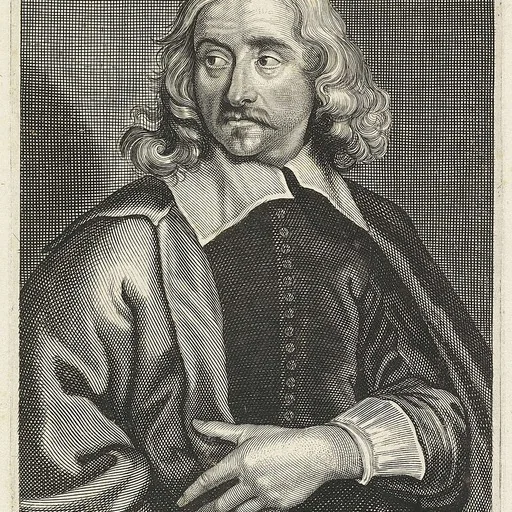
Adriaen van Utrecht (Antwerp, 12 January 1599 – 1652) was a Flemish painter known mainly for his sumptuous banquet still lifes, game and fruit still lifes, fruit garlands, market and kitchen scenes and depictions of live poultry in…