Genre
Still Life
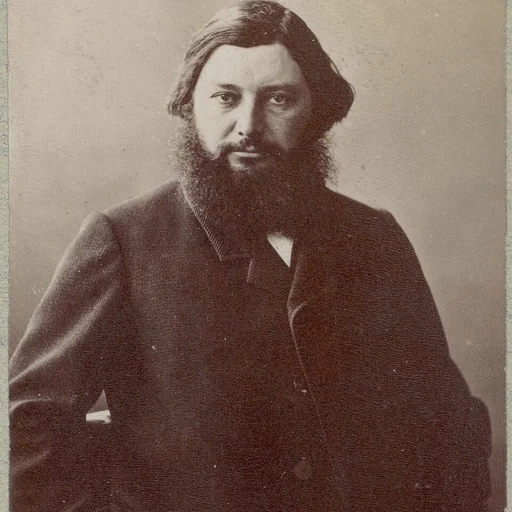
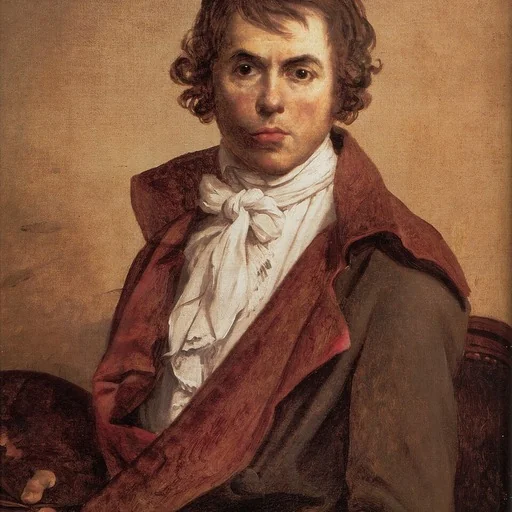
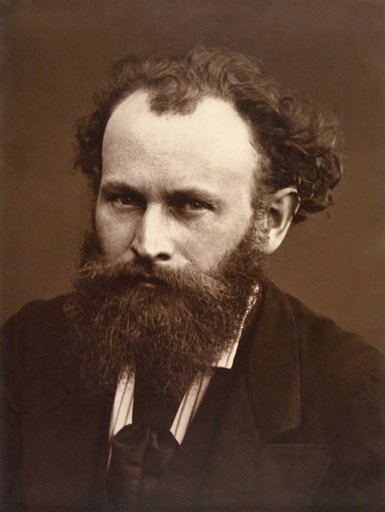
Still Life is an art genre. The gallery holds 3,942 works in this genre, including works by Gustave Courbet, Jacques-Louis David and Édouard Manet.
Still life — the depiction of inanimate objects such as fruit, flowers, vessels, food, and everyday or symbolic items — is among the oldest impulses in art, but it crystallized into an independent genre only in the late sixteenth and seventeenth centuries. Although its name is modern, the practice is ancient: Roman wall painters at Pompeii rendered bowls of fruit and glass vessels, and medieval artists tucked symbolic objects into the corners of devotional scenes. The decisive break came in the Netherlands, where by about 1620 a prosperous, largely Protestant merchant class created enormous demand for cabinet pictures. Because the Dutch Reformed Church discouraged religious imagery, painters channelled symbolism into worldly things, and around 1650 the Dutch coined the term "stilleven" — "still life" — to name the new category. Other languages followed with the French "nature morte," the Italian "natura morta," and the Spanish "bodegón."
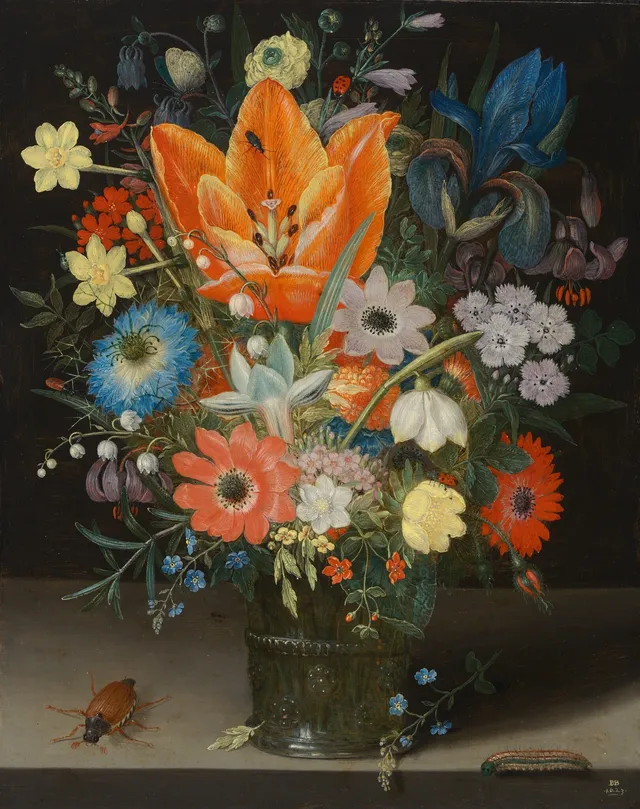
The genre's defining strengths are observation and illusion. Still-life painters specialized in rendering the fall of light on pewter, the bloom on a grape, the translucency of glass, and the gleam of a half-peeled lemon. Haarlem masters such as Pieter Claesz and Willem Claesz Heda perfected the restrained "banketje," or monochrome banquet piece — works like Heda's Banquet Piece with Mince Pie and Claesz's Still Life with Peacock Pie use a near-silver tonality and disrupted table settings to hint at transience. Parallel traditions flourished: vanitas paintings spelled out mortality through skulls and guttering candles, while flower specialists like Ambrosius Bosschaert and, later, Jan van Huysum (his Flowers in an Urn) composed jewel-like bouquets impossible in any single season.
Elsewhere the genre took distinct paths. In Italy, Caravaggio's Basket of Fruit (c. 1599, Pinacoteca Ambrosiana, Milan) treated humble fruit — some of it spotted and worm-eaten — with unprecedented gravity. In eighteenth-century France, Jean-Baptiste-Siméon Chardin gave plain kitchen objects a quiet monumentality, even as the Académie Royale's 1648 hierarchy of genres ranked still life lowest, below history, portrait, and landscape, because it lacked human action.
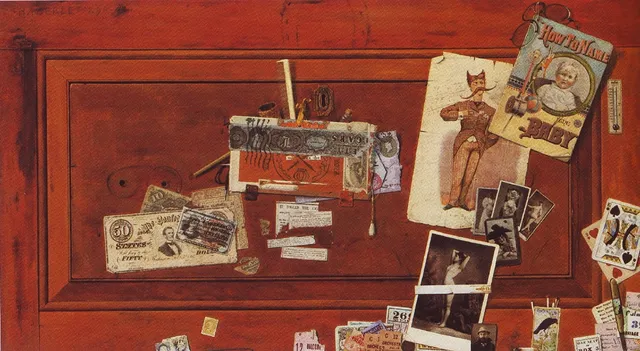
That low ranking was overturned in the modern era. Paul Cézanne's apples made the genre a laboratory for analysing form and space, feeding directly into Cubism and the still lifes of Picasso, Braque, and Morandi. American trompe-l'œil painters such as John Haberle, whose A Bachelor's Drawer fools the eye with pinned ephemera, pushed illusionism to a witty extreme. From symbolic Dutch tables to modernist experiment, still life endures as art's primary stage for looking closely.
Key artists
Works
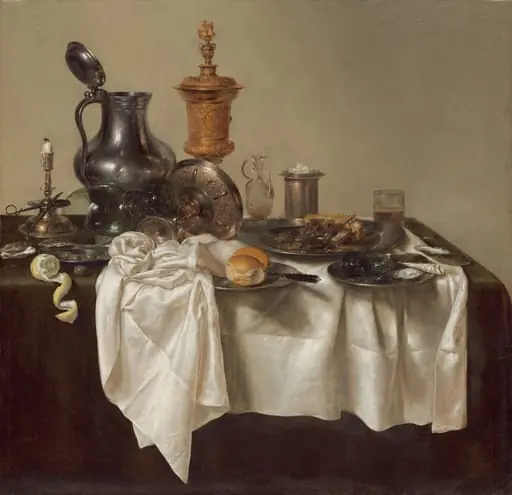 Banquet Piece with Mince Pie
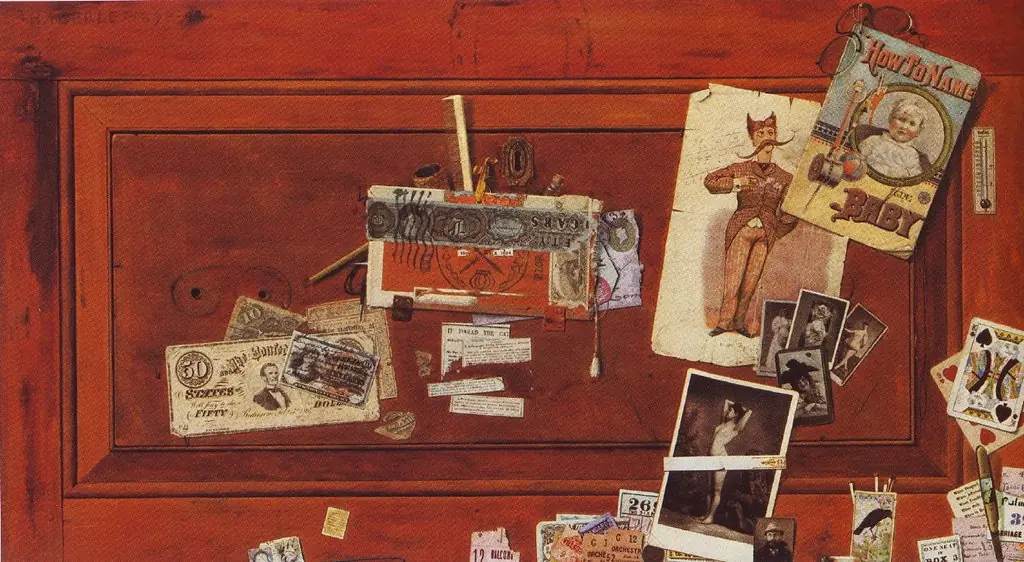 A Bachelor's Drawer
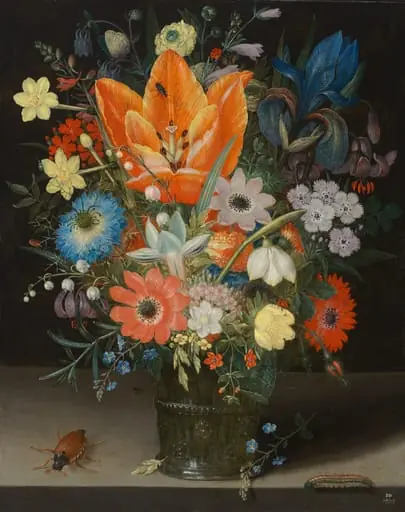 Still Life with Iris
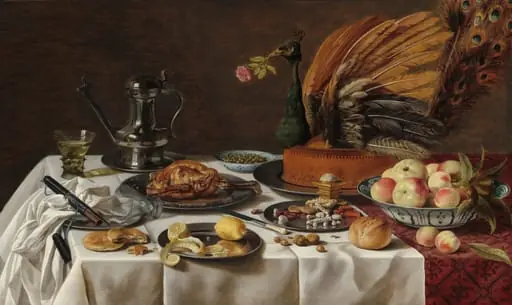 Still Life with Peacock Pie
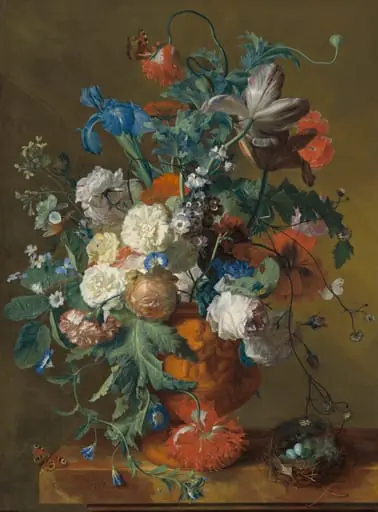 Flowers in an Urn
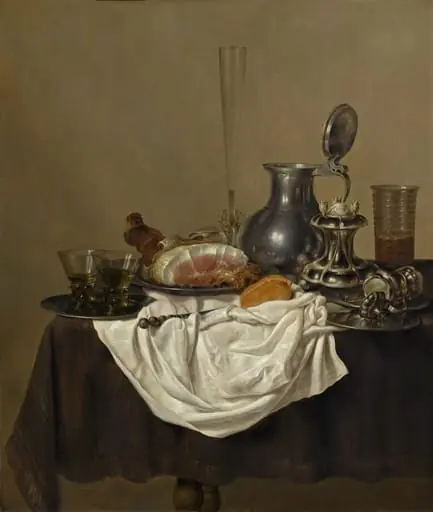 Still Life with Ham
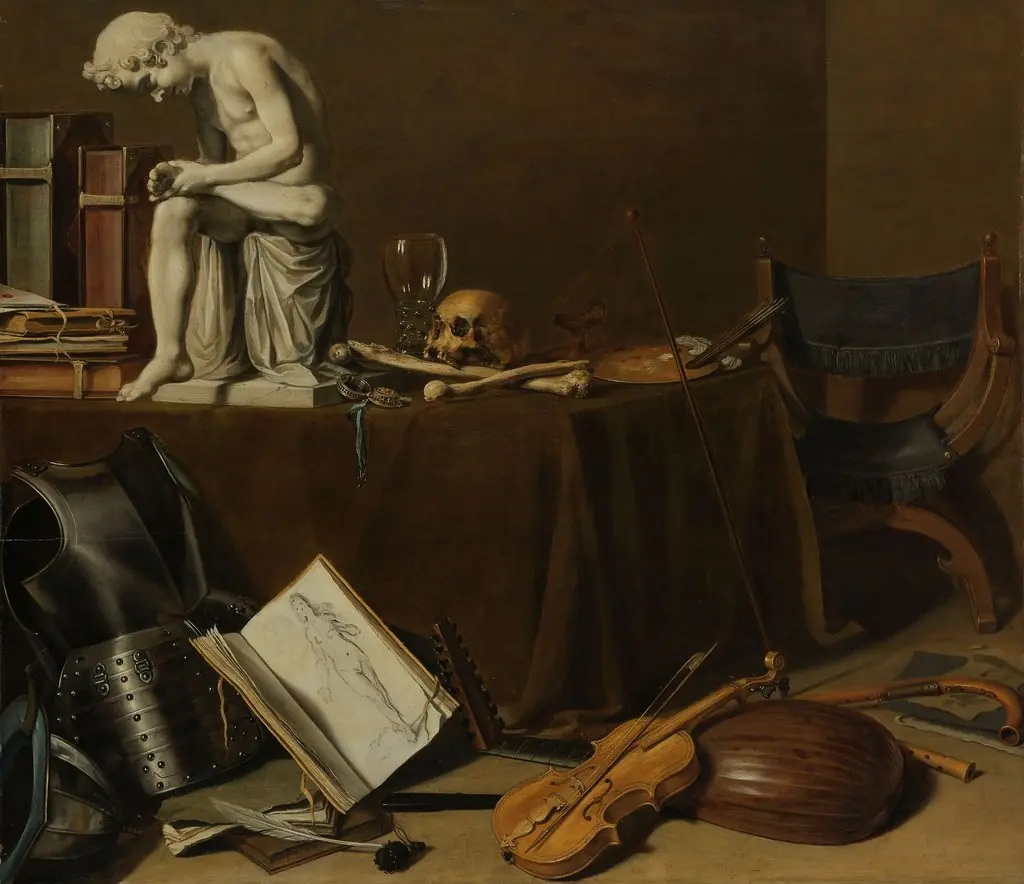 Vanitas Still Life with the Spinario
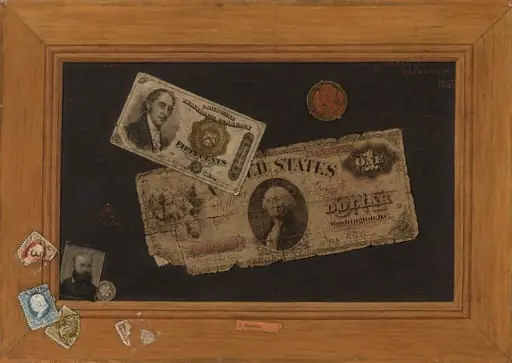 Imitation
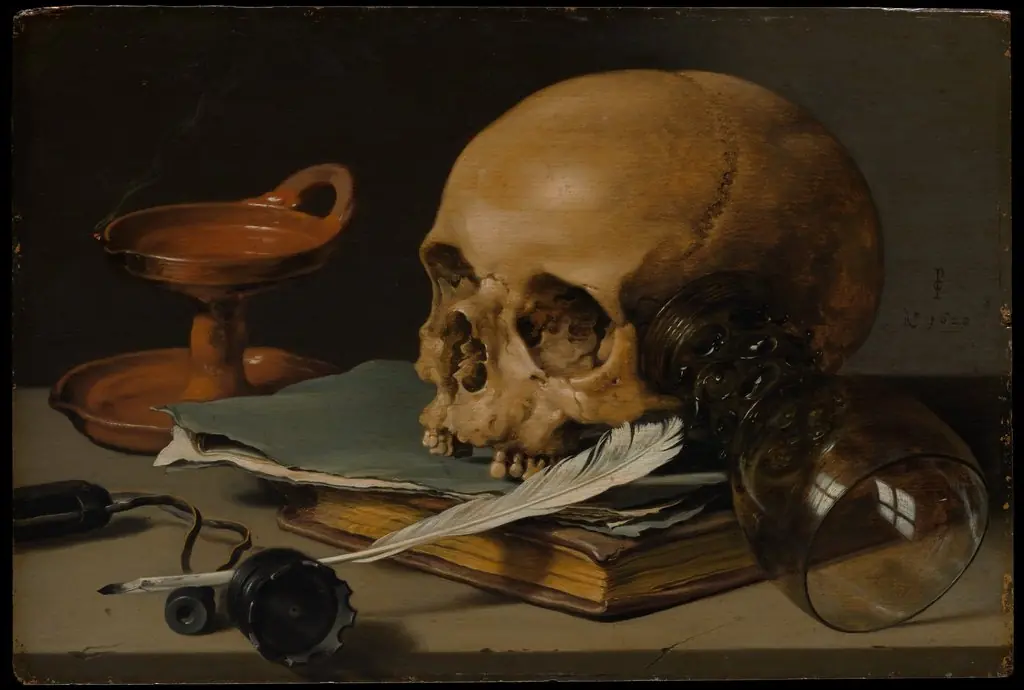 Still Life with a Skull and a Writing Quill
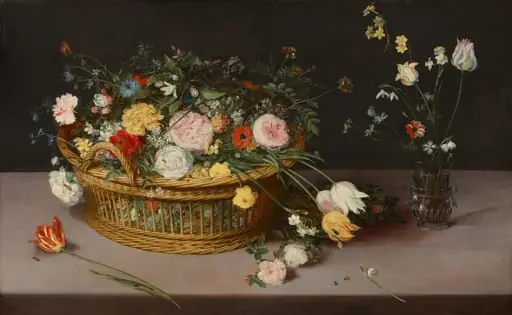 Flowers in a Basket and a Vase
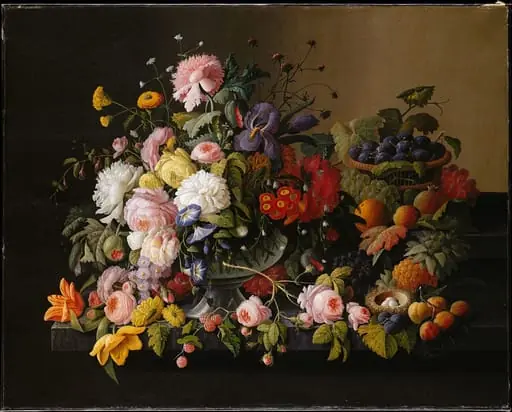 Still Life: Flowers and Fruit
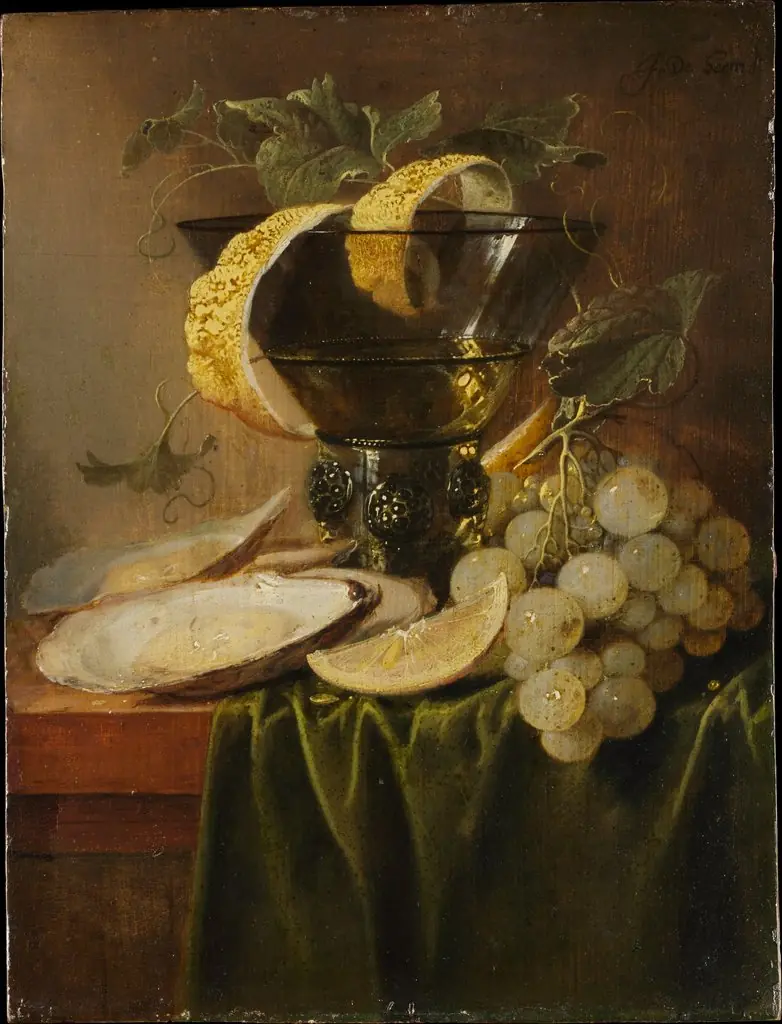 Still Life with a Glass and Oysters
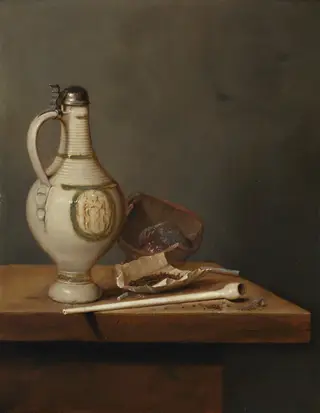 Still Life with Stoneware Jug and Pipe
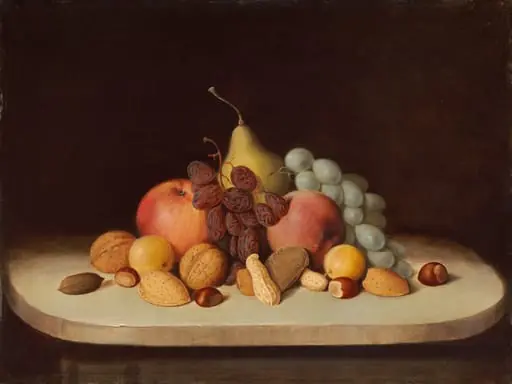 Still Life with Fruit and Nuts
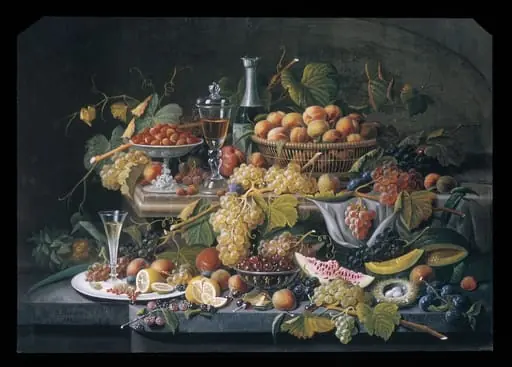 Still Life: Fruit
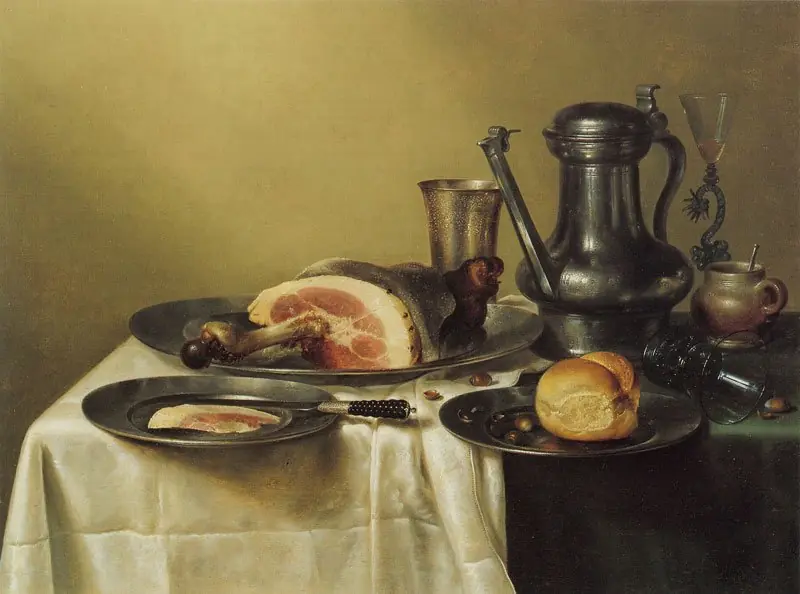 Laid Table with Ham and a Roll
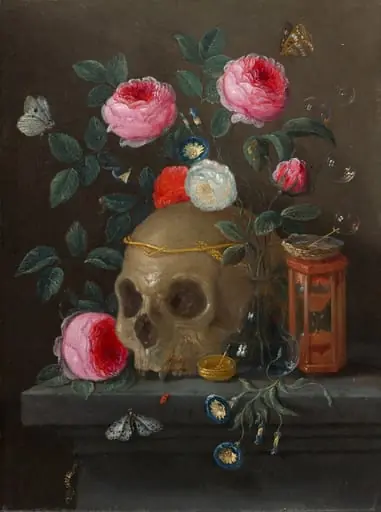 Vanitas Still Life
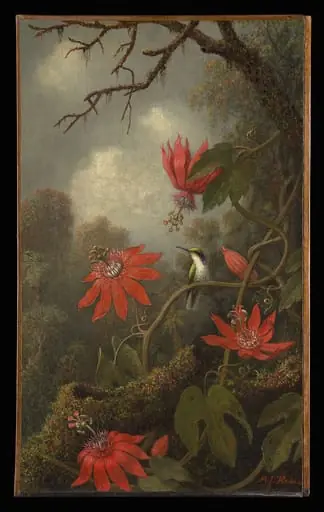 Hummingbird and Passionflowers
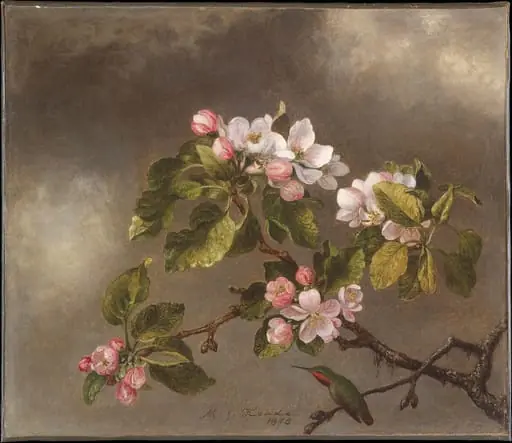 Hummingbird and Apple Blossoms
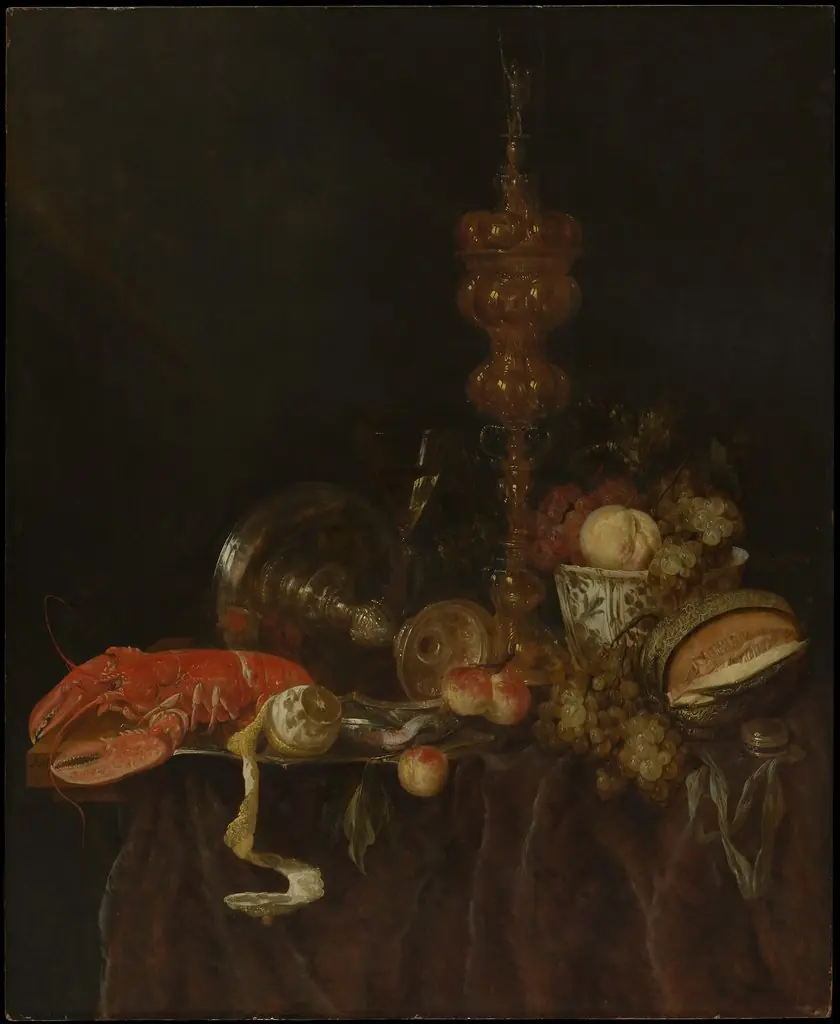 Still Life with Lobster and Fruit
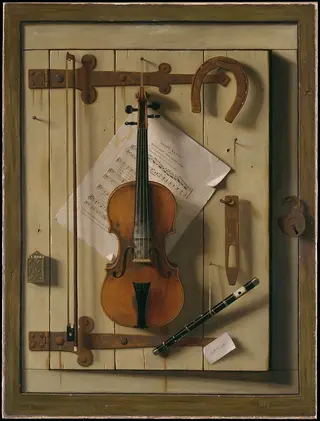 Still Life—Violin and Music
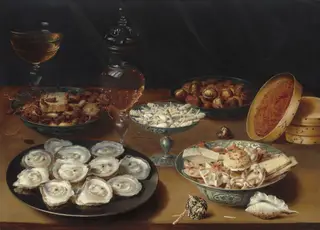 Dishes with Oysters, Fruit, and Wine
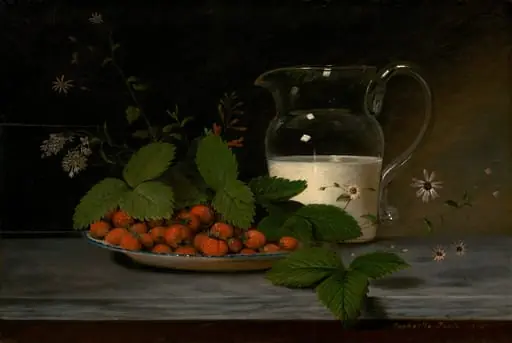 Strawberries and Cream
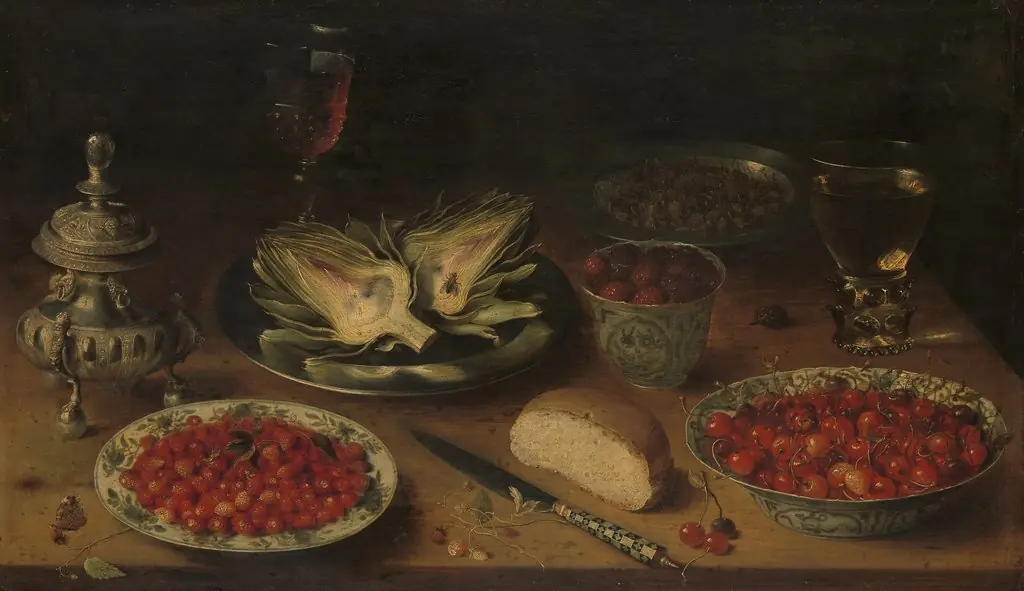 Still life with chinese porcelain, berries, and artichokes
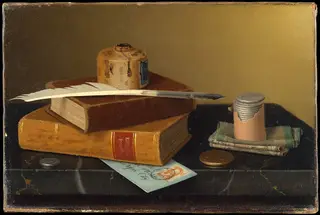 The Banker's Table
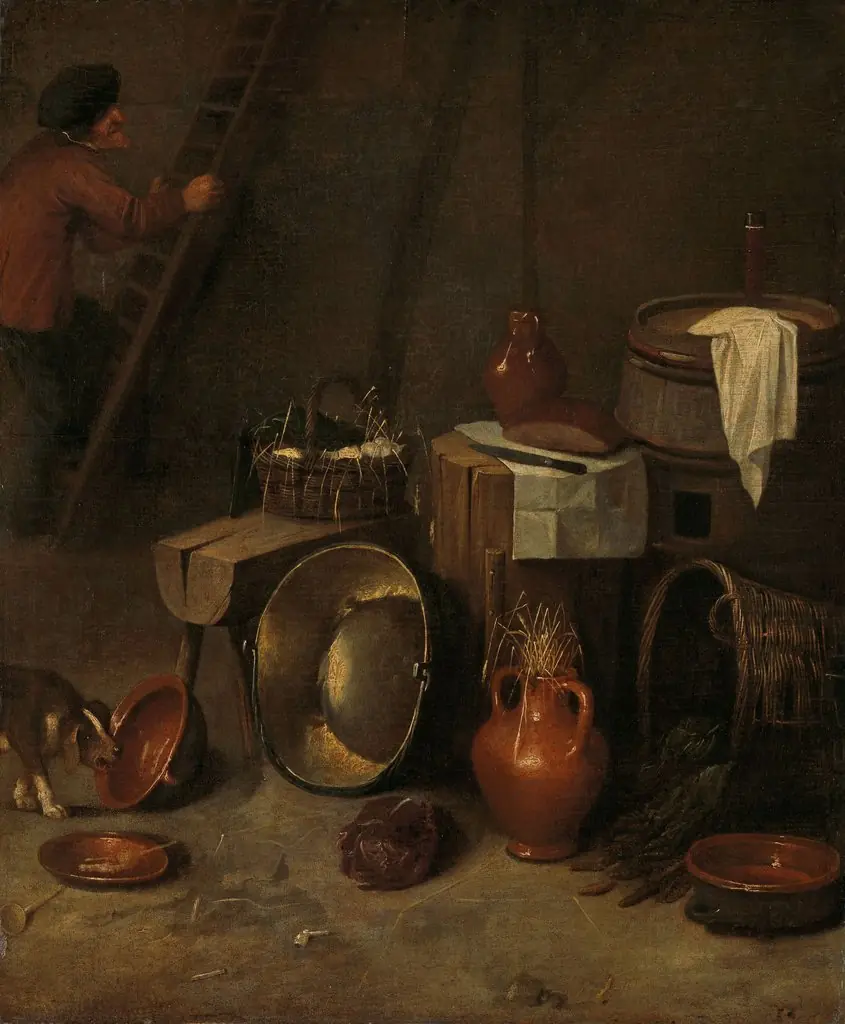 Still life in a stable
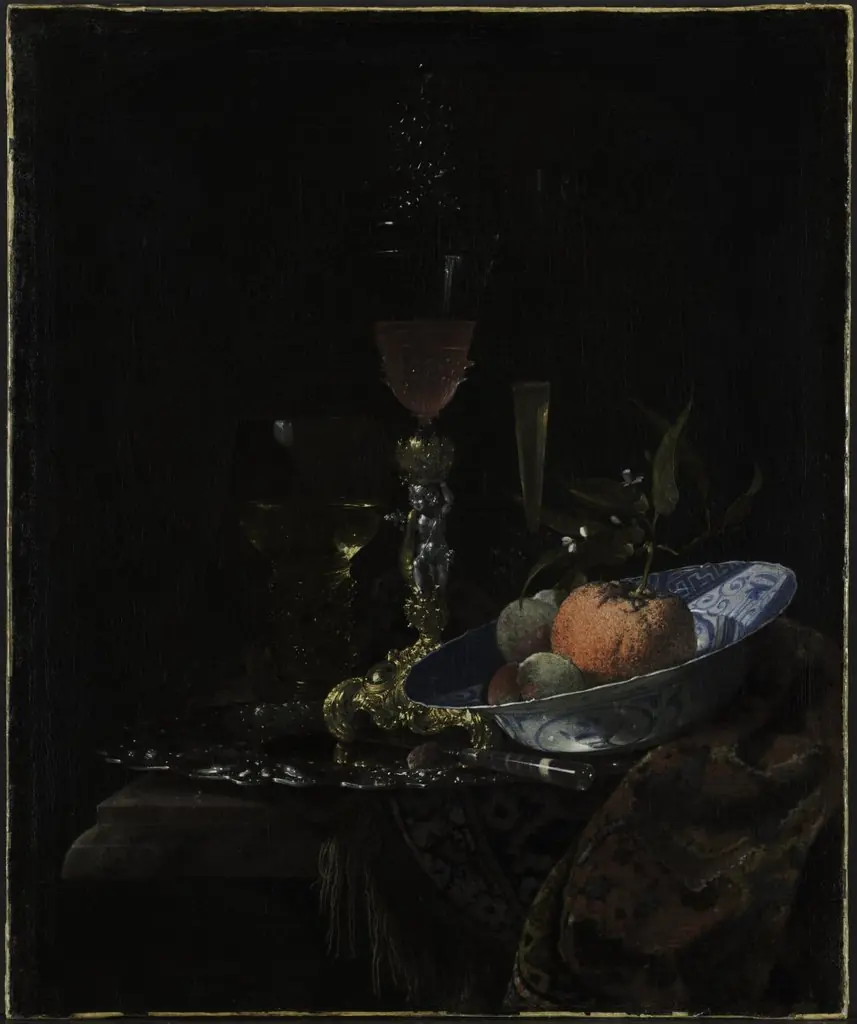 Wineglass and a Bowl of Fruit
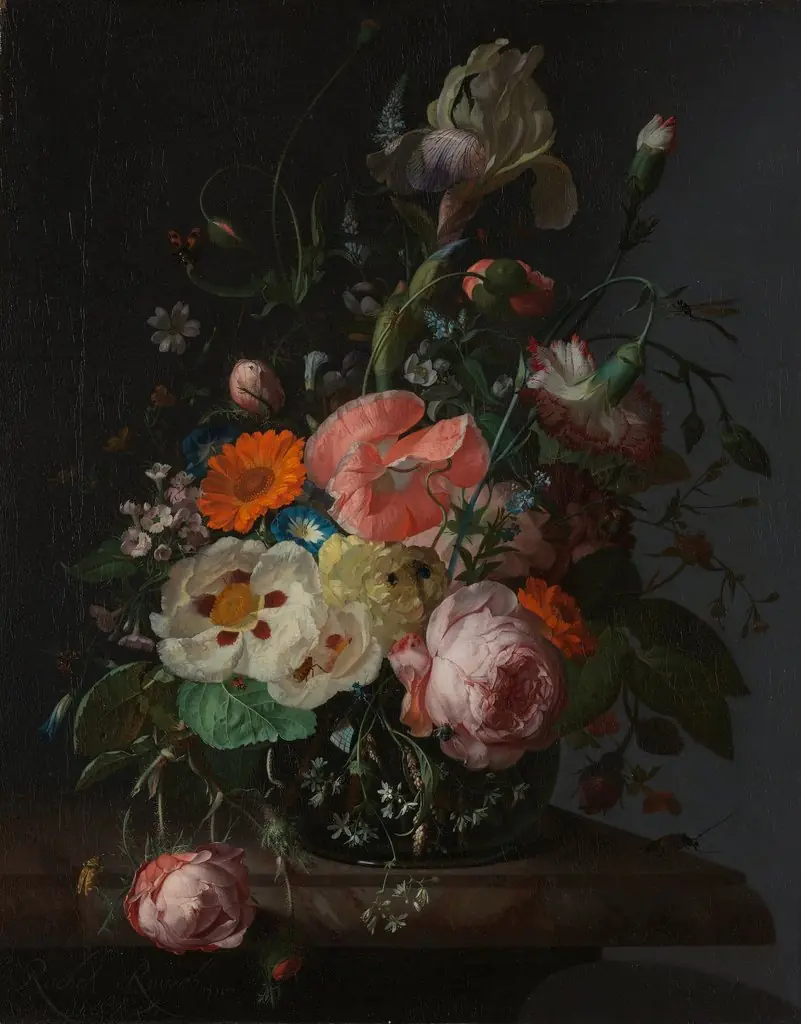 Still Life with Flowers on a Marble Slab
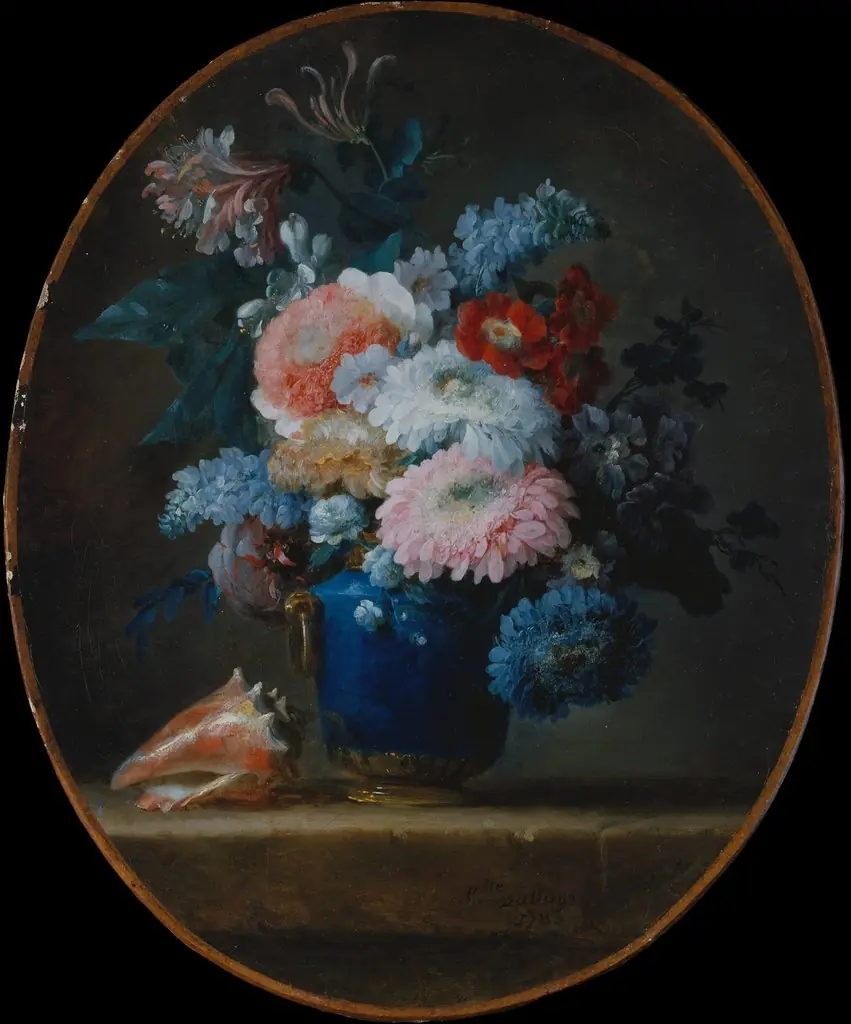 Vase of Flowers and Conch Shell
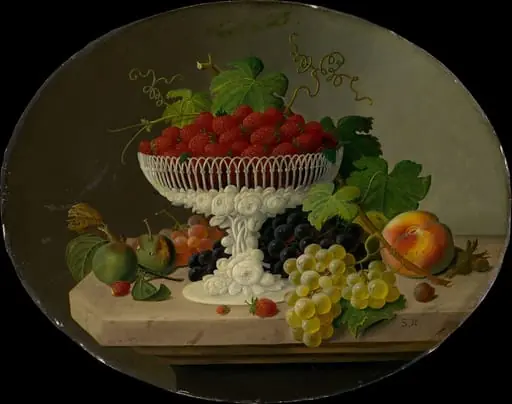 Still Life with Strawberries in a Compote
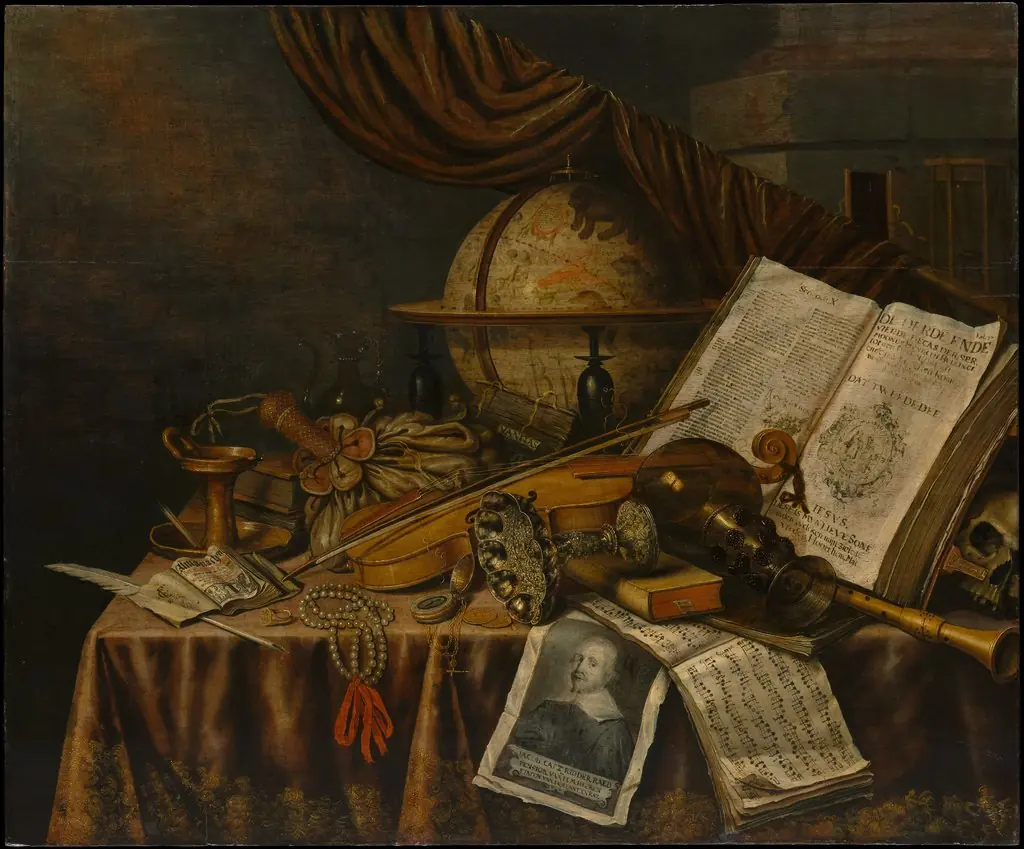 Vanitas Still Life
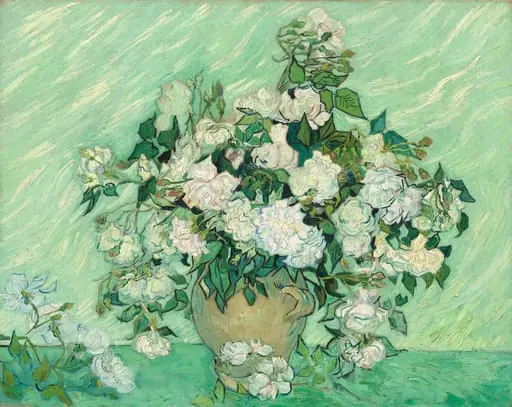 Roses
Roses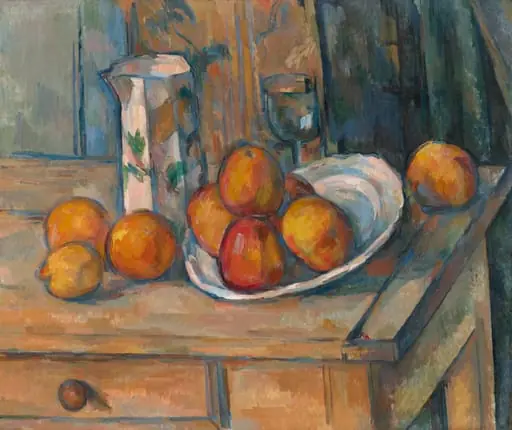 Still Life with Milk Jug and Fruit
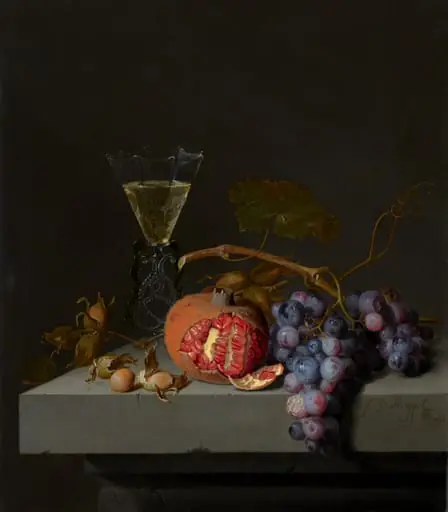 Still Life with Fruit
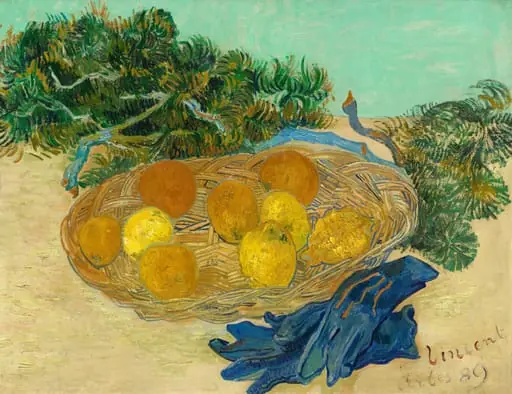 Still Life of Oranges and Lemons with Blue Gloves
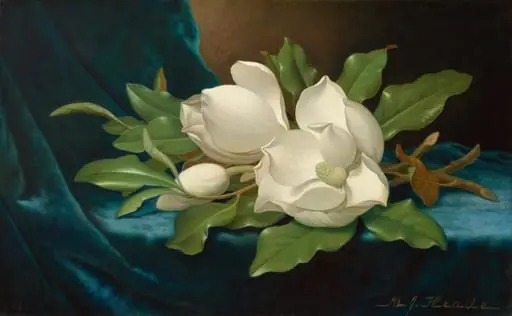 Giant Magnolias on a Blue Velvet Cloth
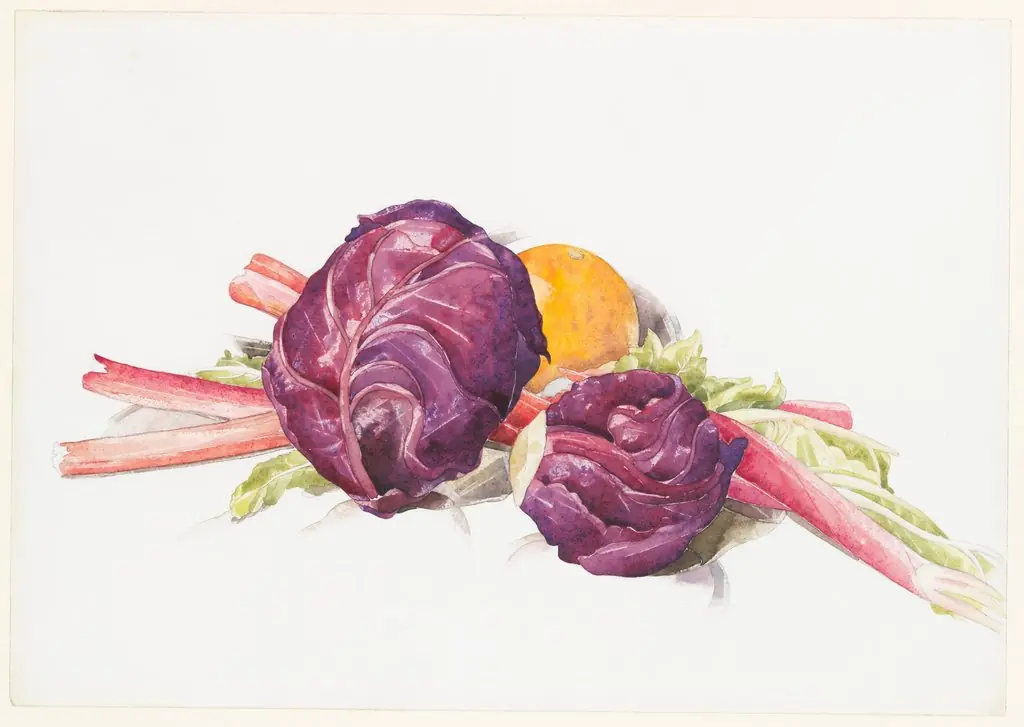 Red Cabbages, Rhubarb and Orange
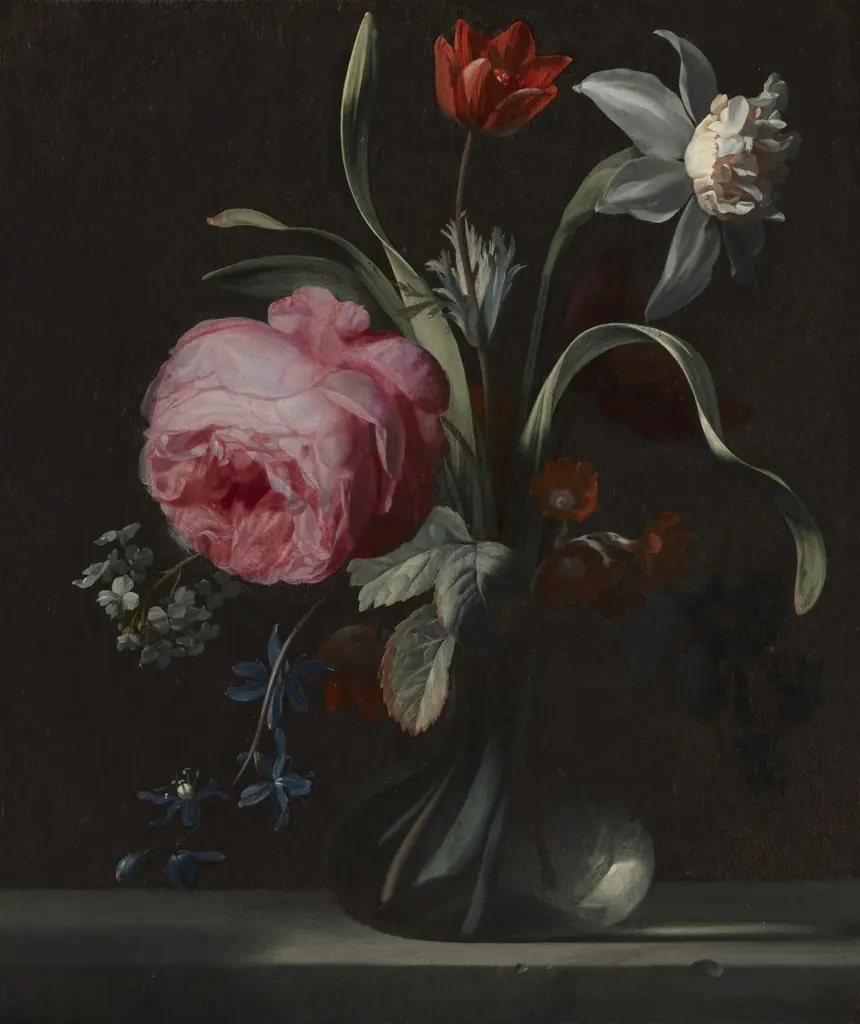 Flowers in a Vase
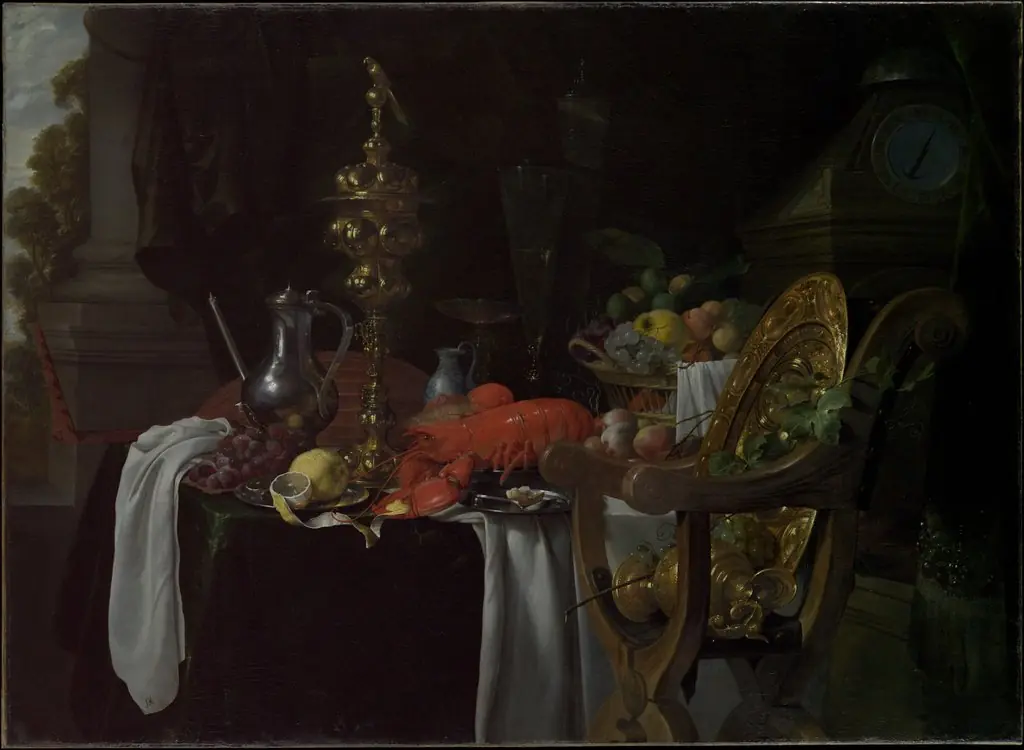 Still Life: A Banqueting Scene
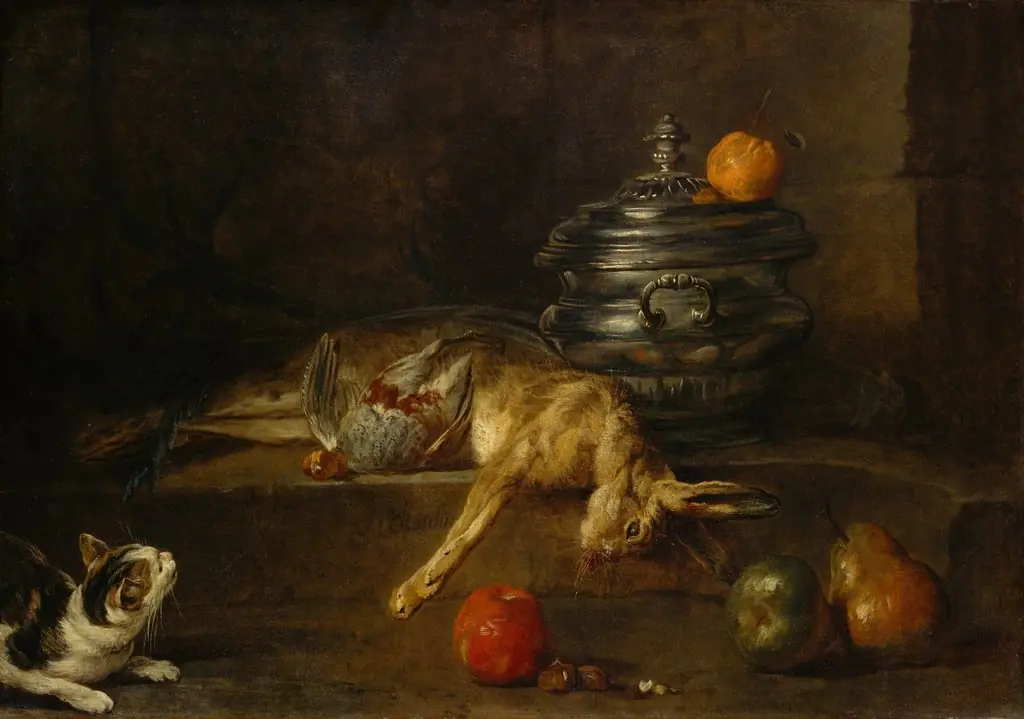 The Silver Tureen
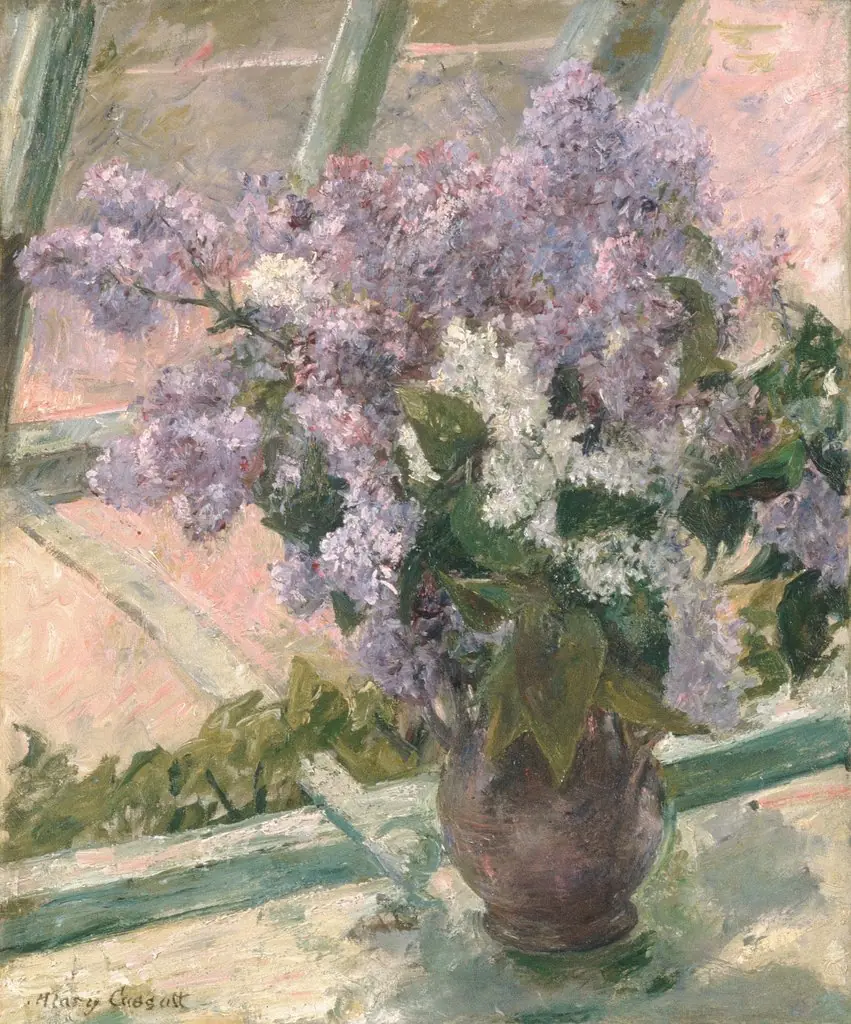 Lilacs in a Window
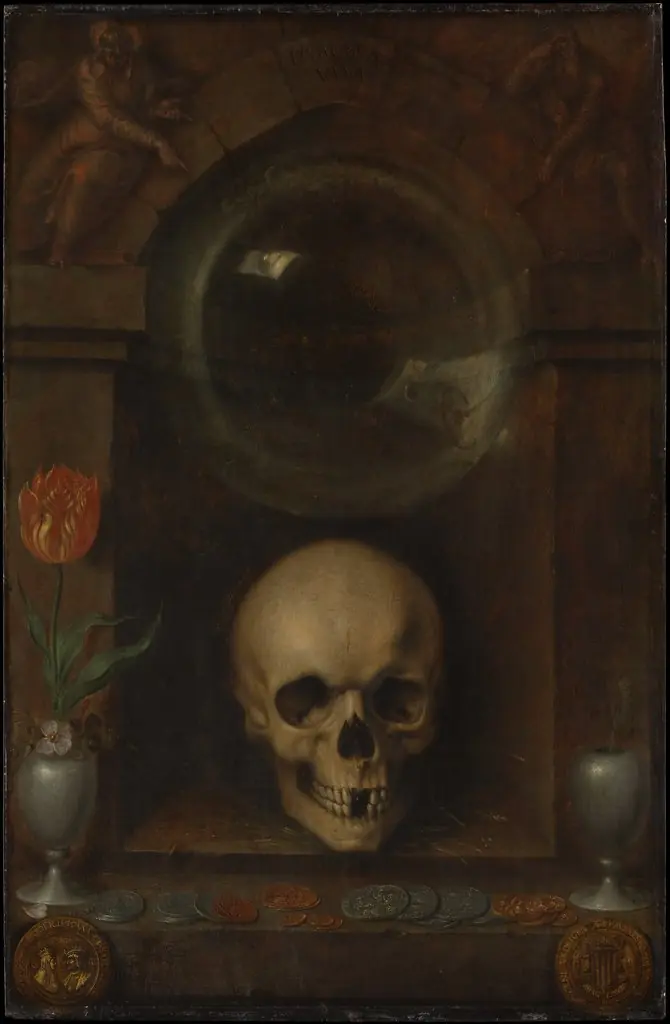 Vanitas Still Life
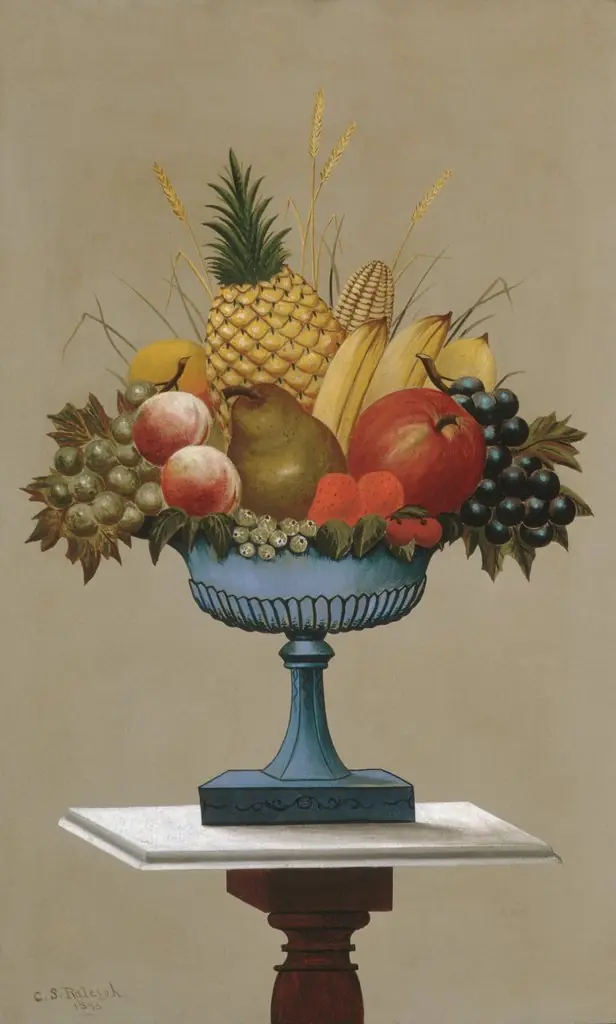 Fruit with Blue-footed Bowl
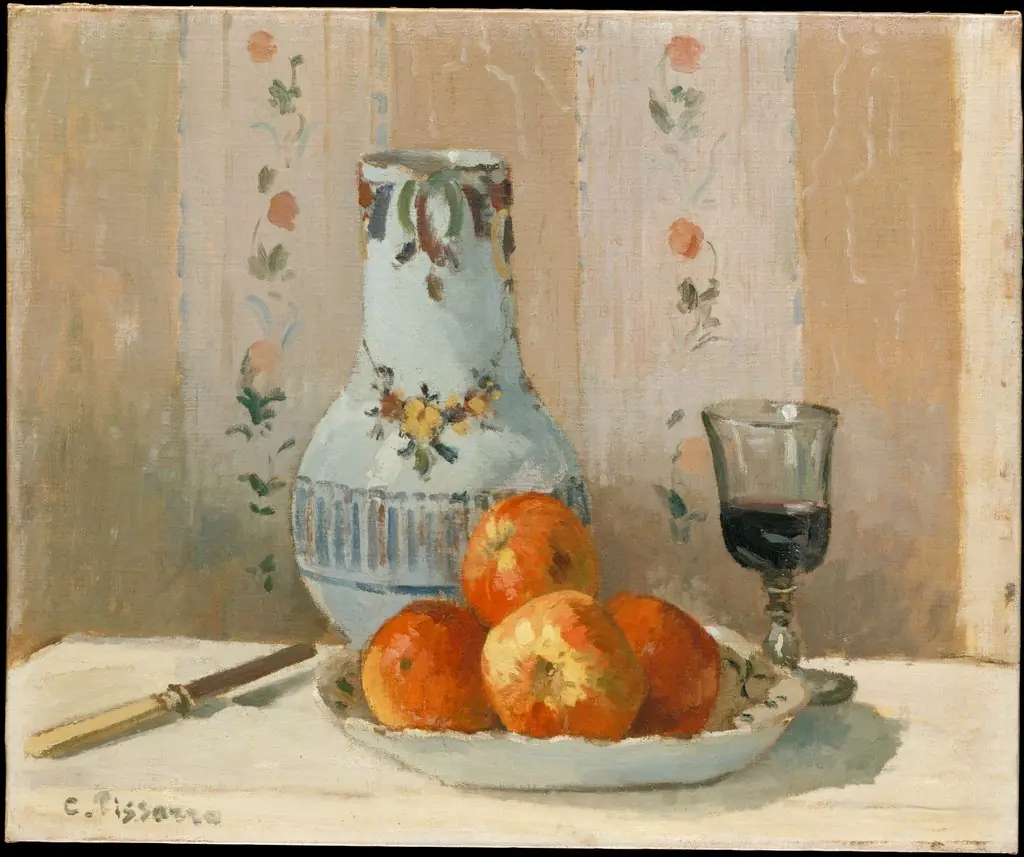 'Ghâtaignier' Apples and Glazed Earthenware on a Table
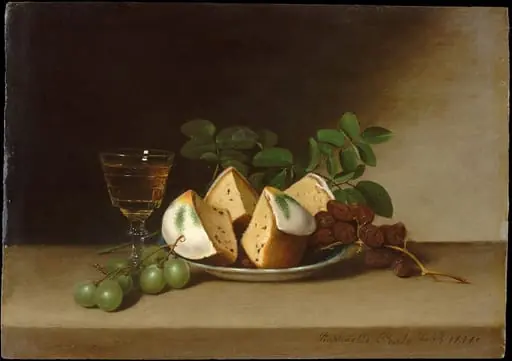 Still Life with Cake
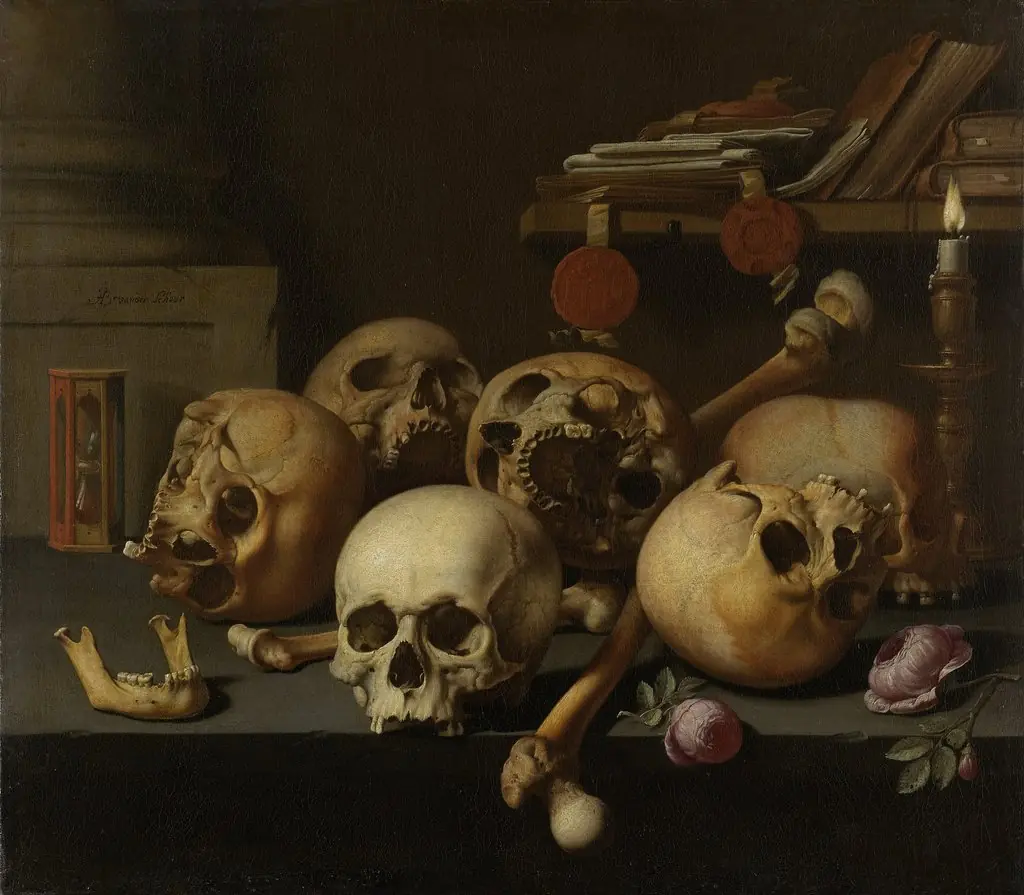 Vanits still life
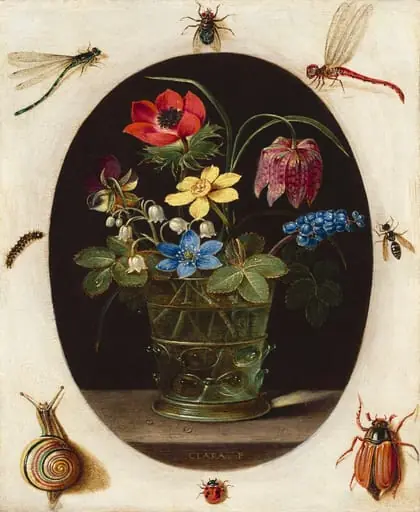 Still Life with Flowers Surrounded by Insects and a Snail
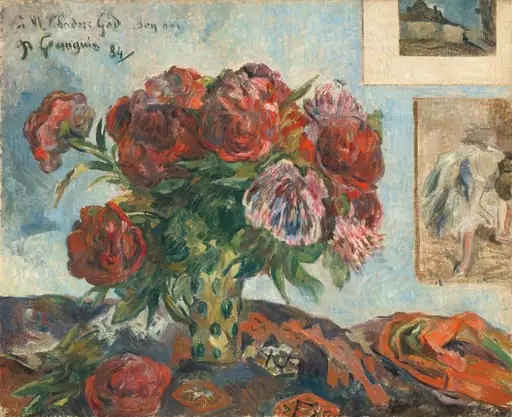 Still Life with Peonies
![Wreath of Laurel, Palm, and Juniper with a Scroll inscribed Virtutem Forma Decorat [reverse]](https://artifactworldgallery.com/img/leonardo-da-vinci--wreath-of-laurel-palm-and-juniper-with-a-scroll-inscribed-vi--4cdfe8467ad2438a-w320.webp) Wreath of Laurel, Palm, and Juniper with a Scroll inscribed Virtutem Forma Decorat [reverse]
Wreath of Laurel, Palm, and Juniper with a Scroll inscribed Virtutem Forma Decorat [reverse]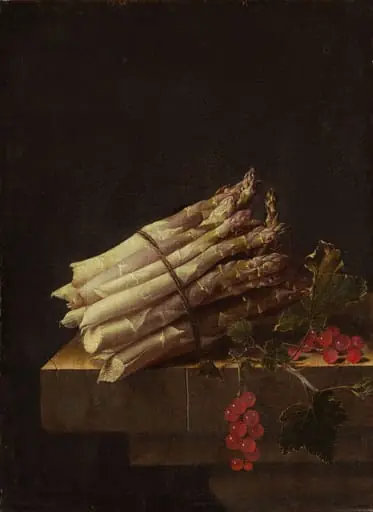 Still Life with Asparagus and Red Currants
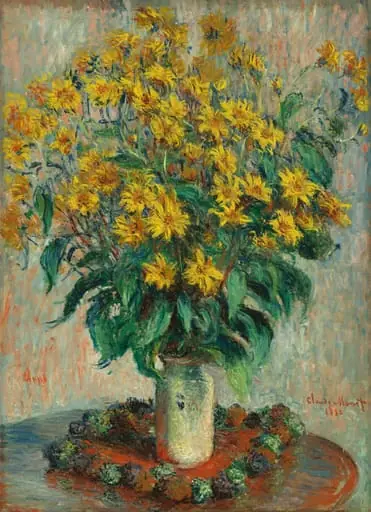 Jerusalem Artichoke Flowers
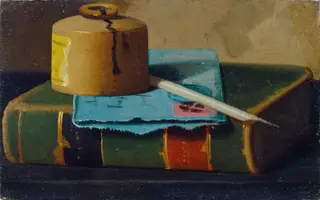 The Blue Envelope
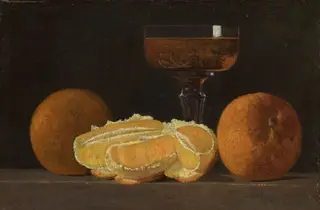 Still Life with Oranges and Goblet of Wine
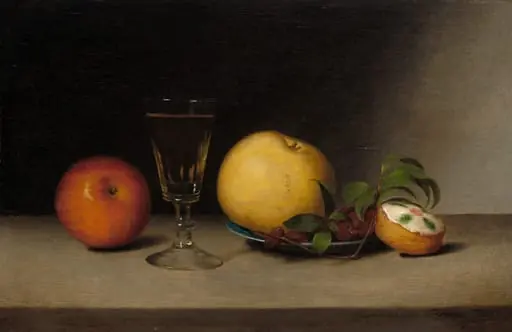 Still Life with Apples, Sherry, and Tea Cake
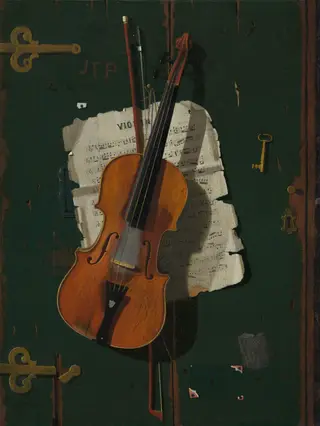 The Old Violin
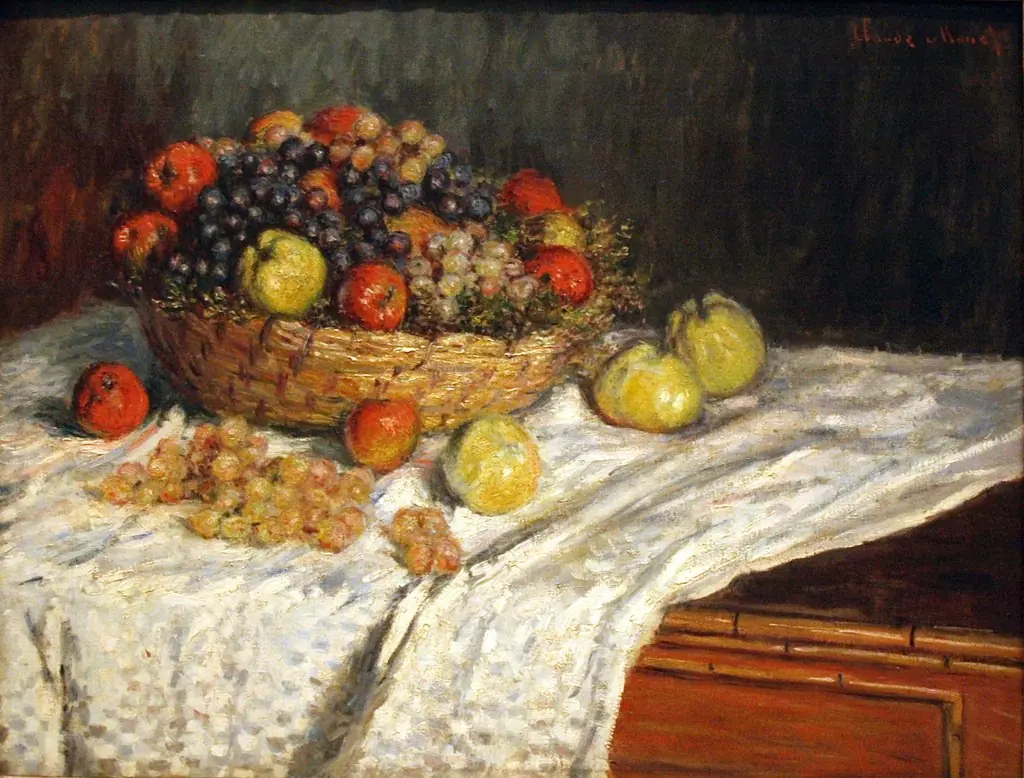 Apples and Grapes
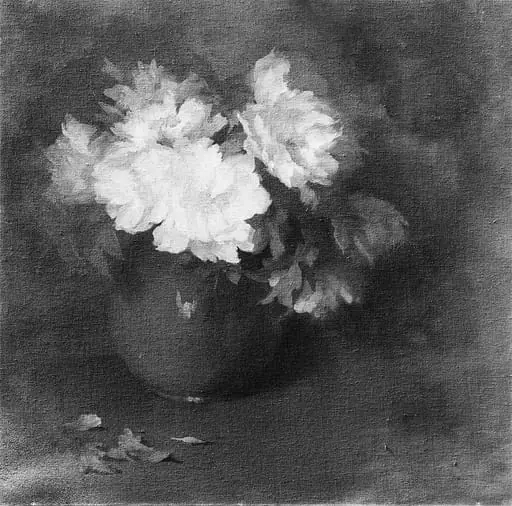 Peonies
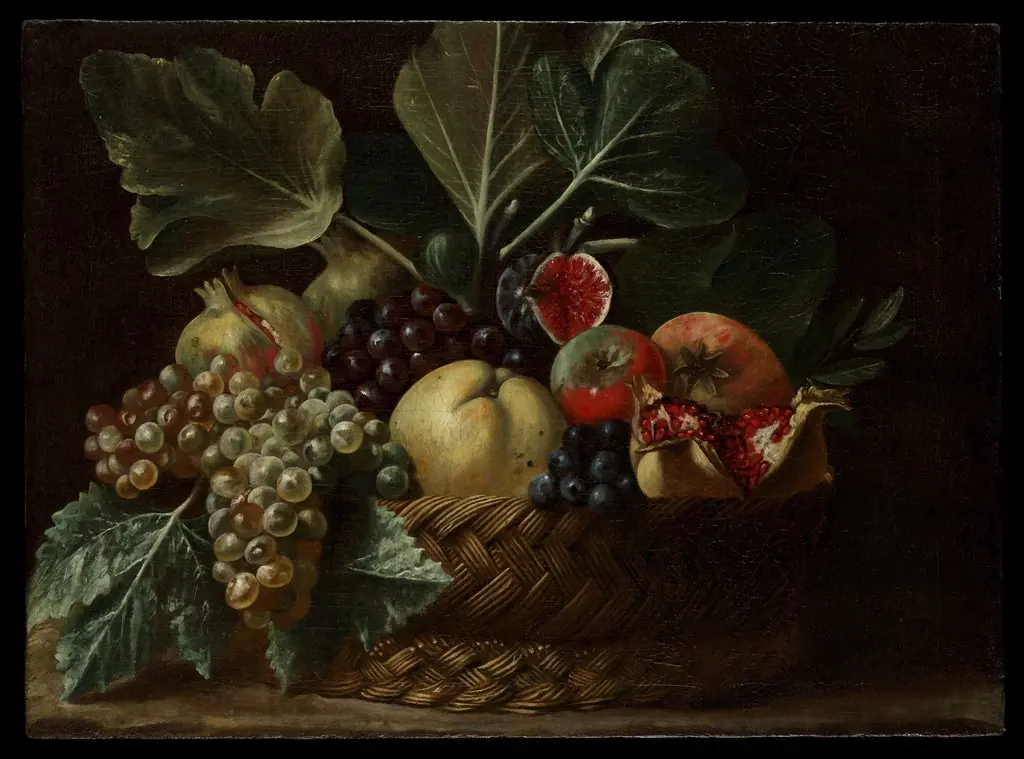 Basket of Fruit
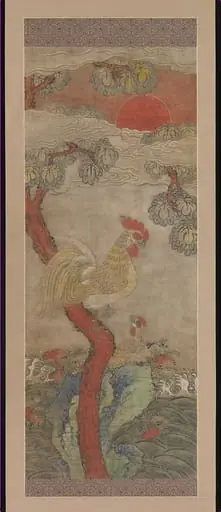 작자미상 화조도 조선|作者未詳 花鳥圖 朝鮮|Golden Rooster and Hen
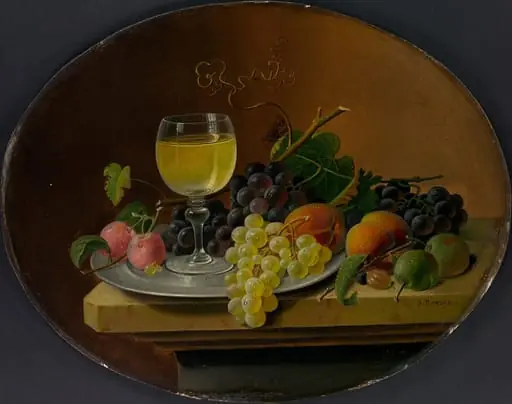 Still Life Fruit and Wine Glass
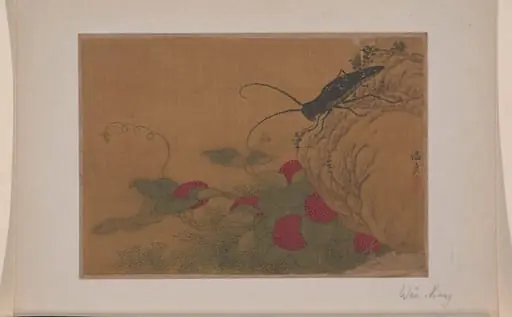 Untitled
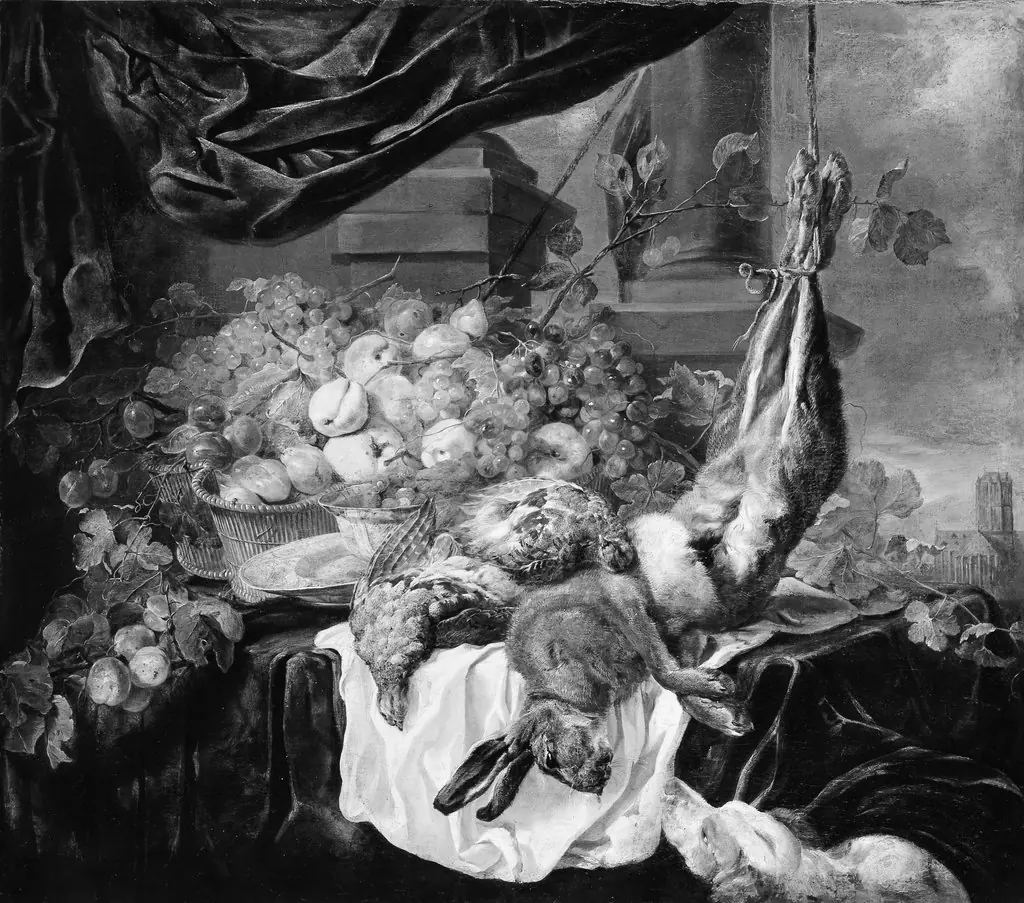 A Hare, Partridges, and Fruit
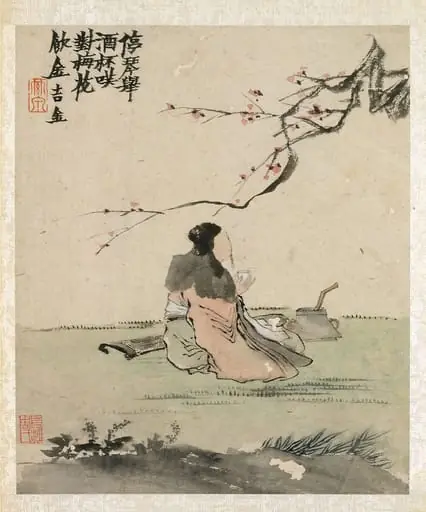 Untitled
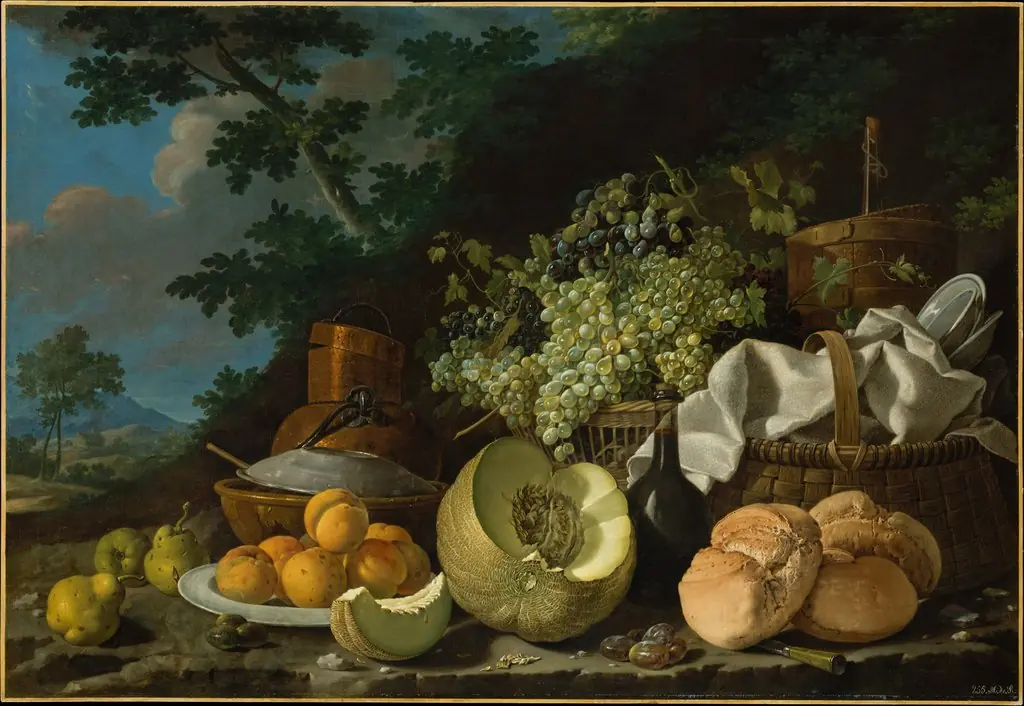 The Afternoon Meal (La Merienda)
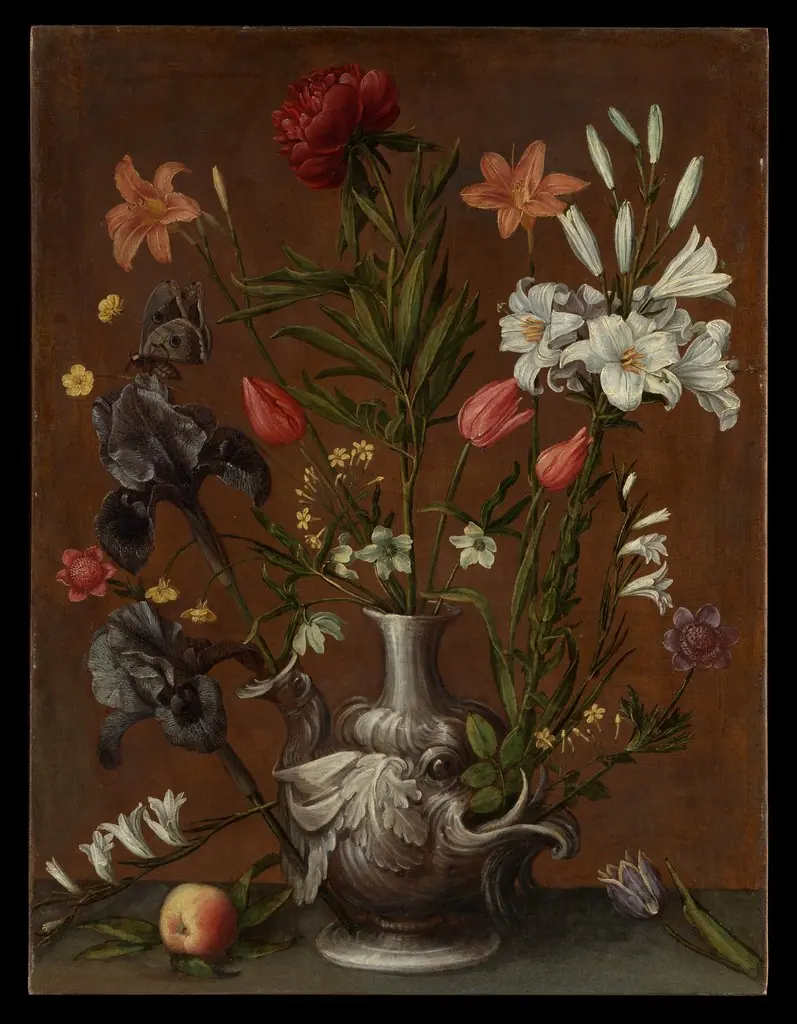 Flowers in a Grotesque Vase
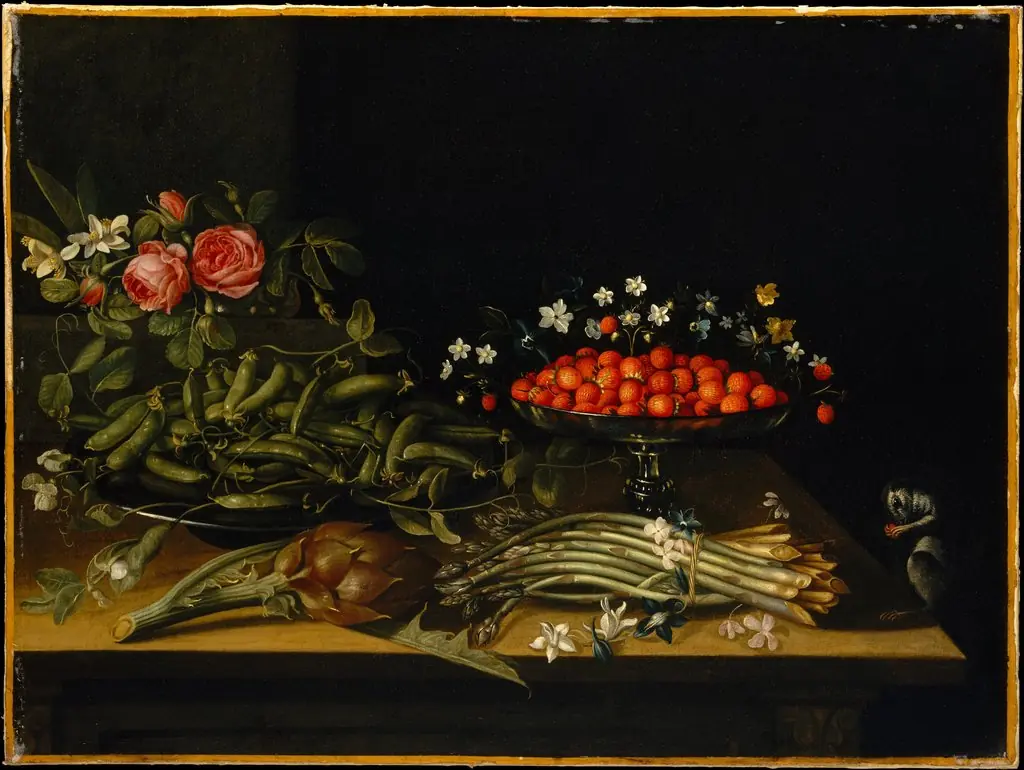 Still Life with Strawberries
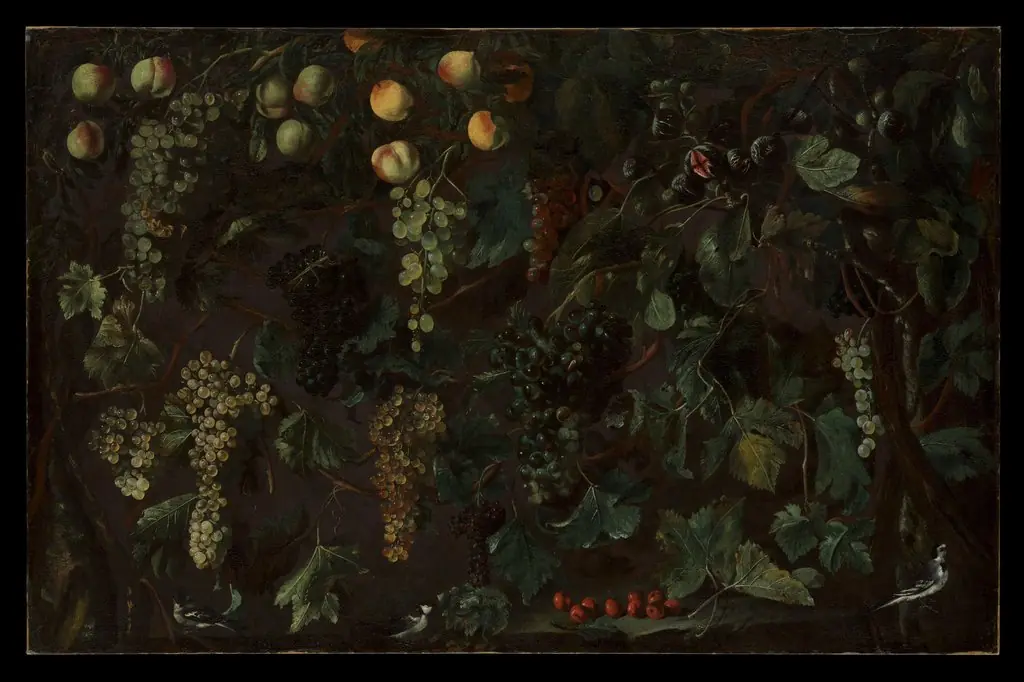 Grape Vines and Fruit, with Three Wagtails
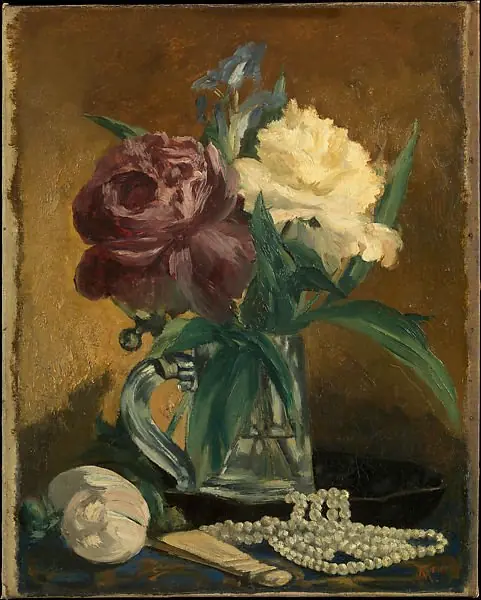 Still Life with Flowers, Fan, and Pearls
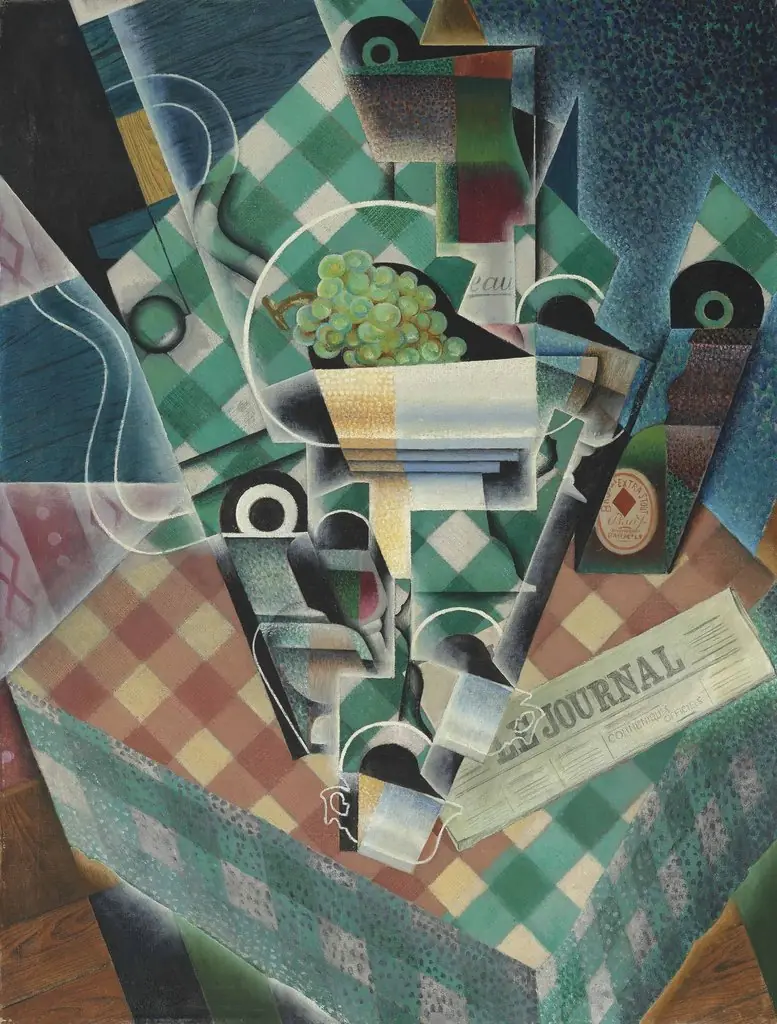 Still Life with Checked Tablecloth
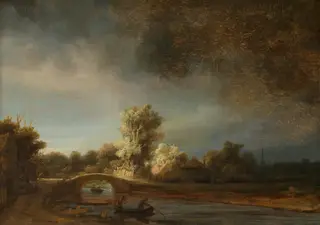 Landscape with a Stone Bridge
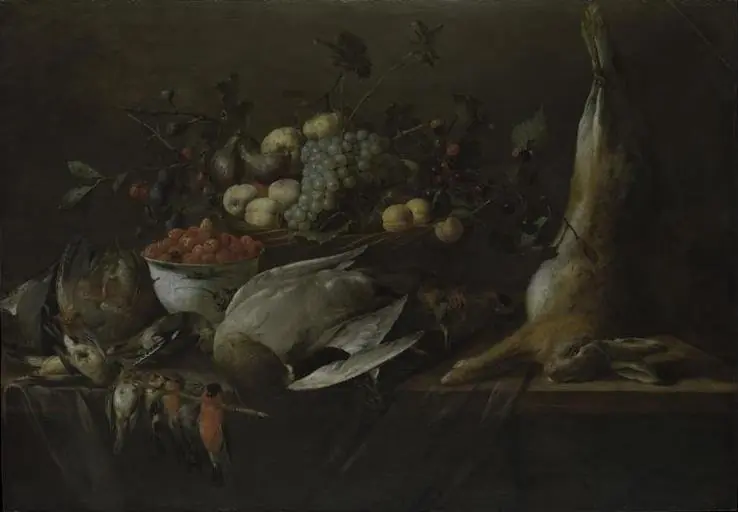 Still Life of Fruit and Game
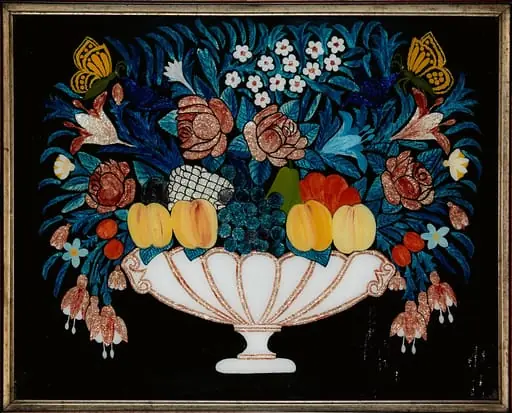 Still Life—Flowers and Fruit in White and Pink Bowl
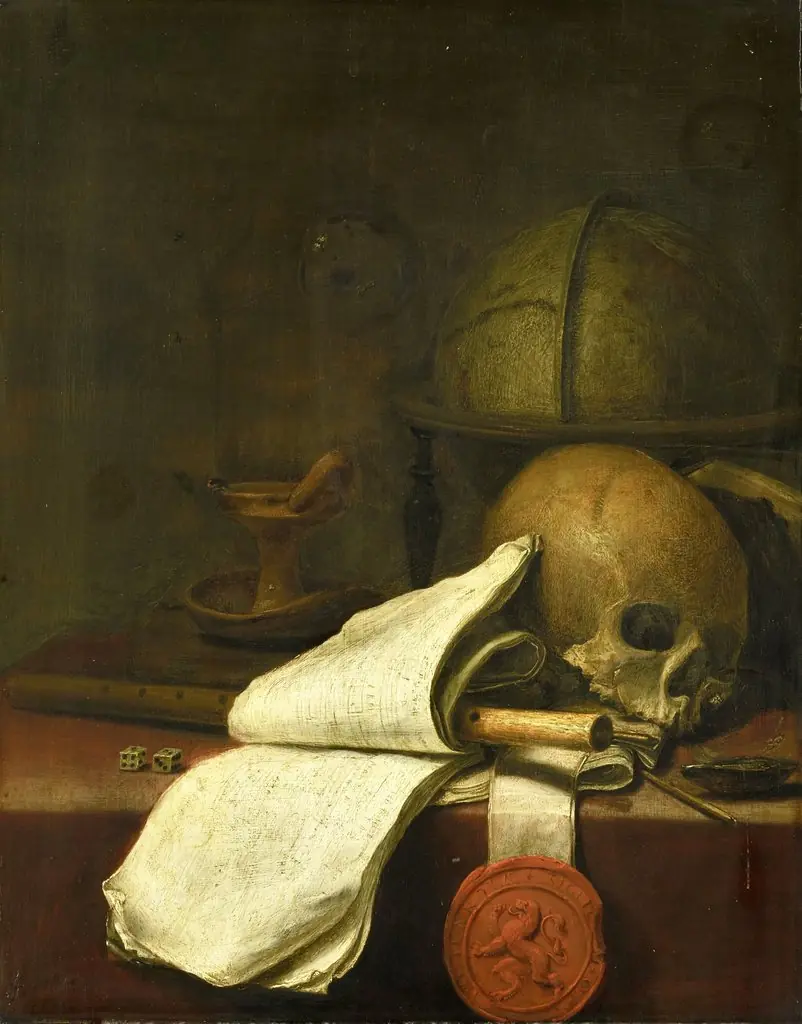 Vanitas still life
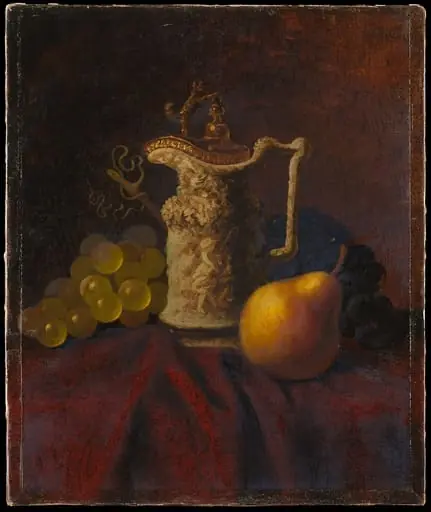 Still Life with Ewer and Fruit
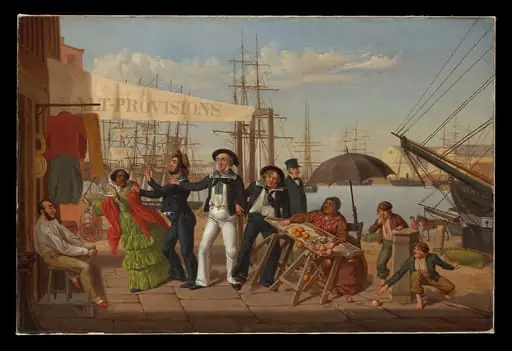 After a Long Cruise
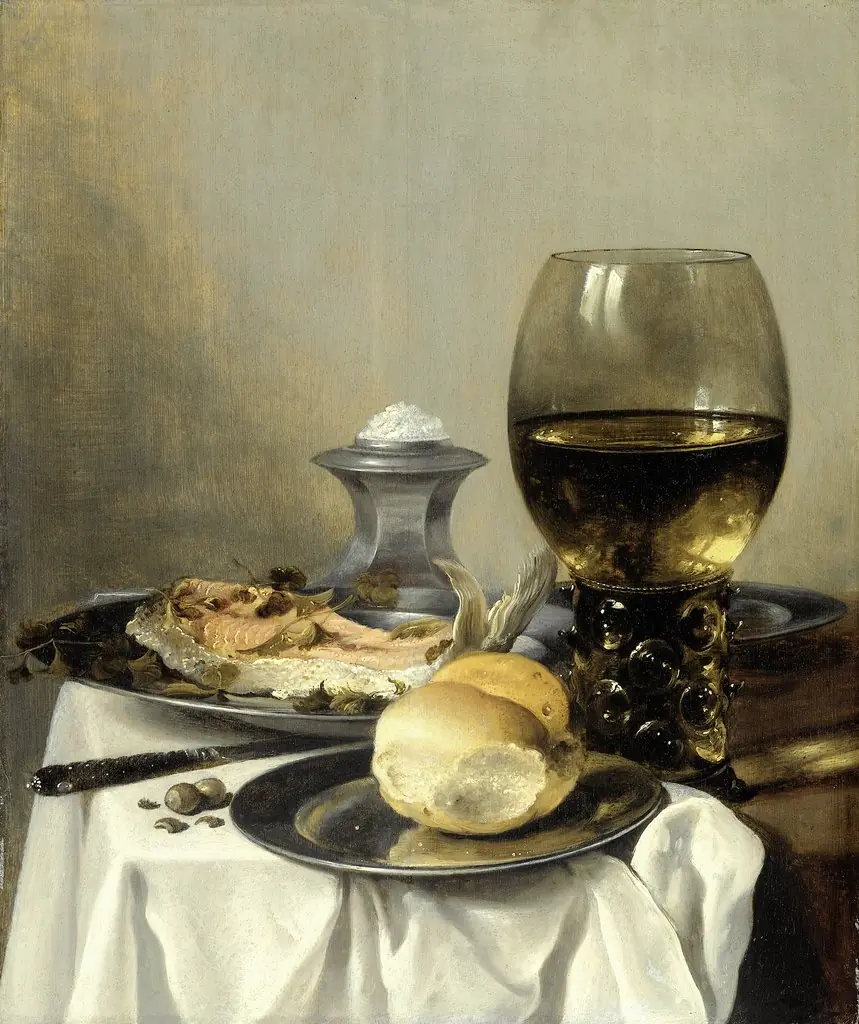 Still life with a salt cellar
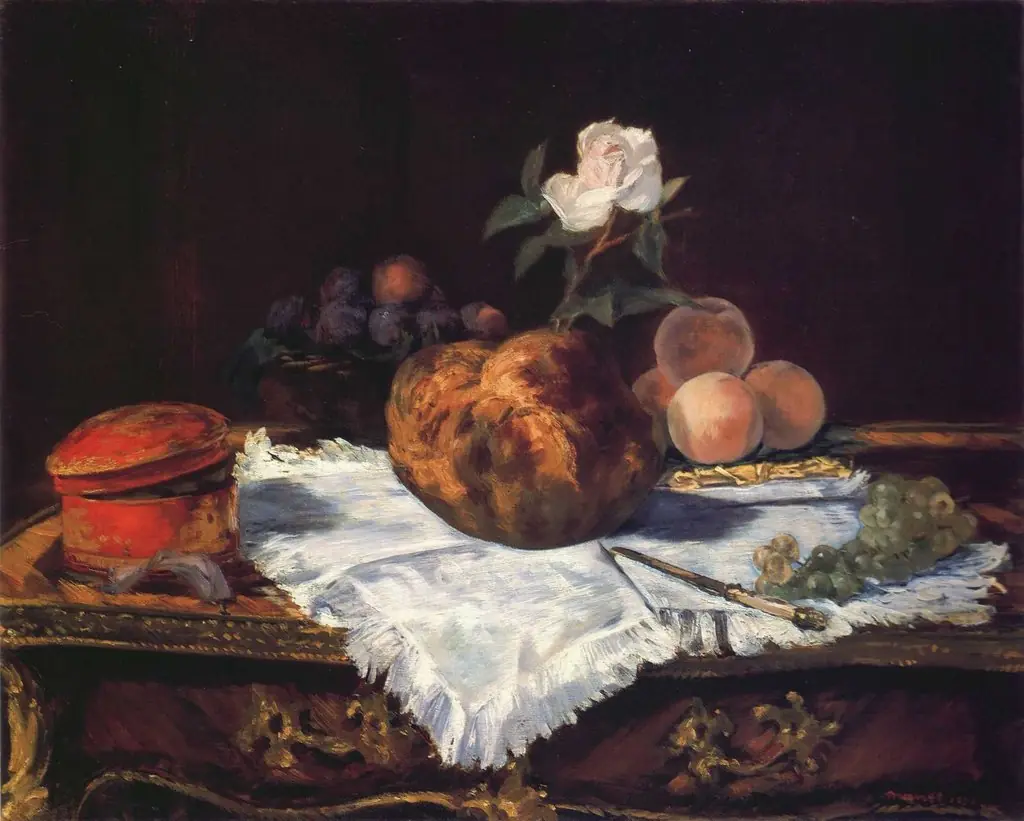 The Brioche
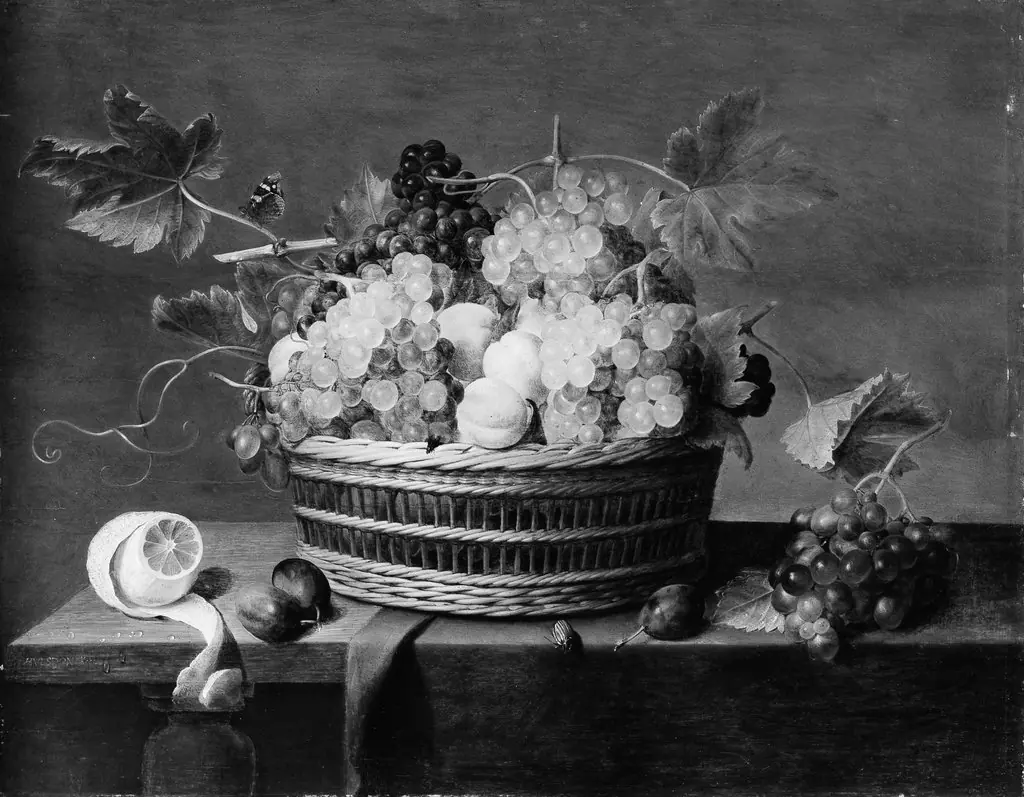 Still Life: A Basket of Grapes and Other Fruit
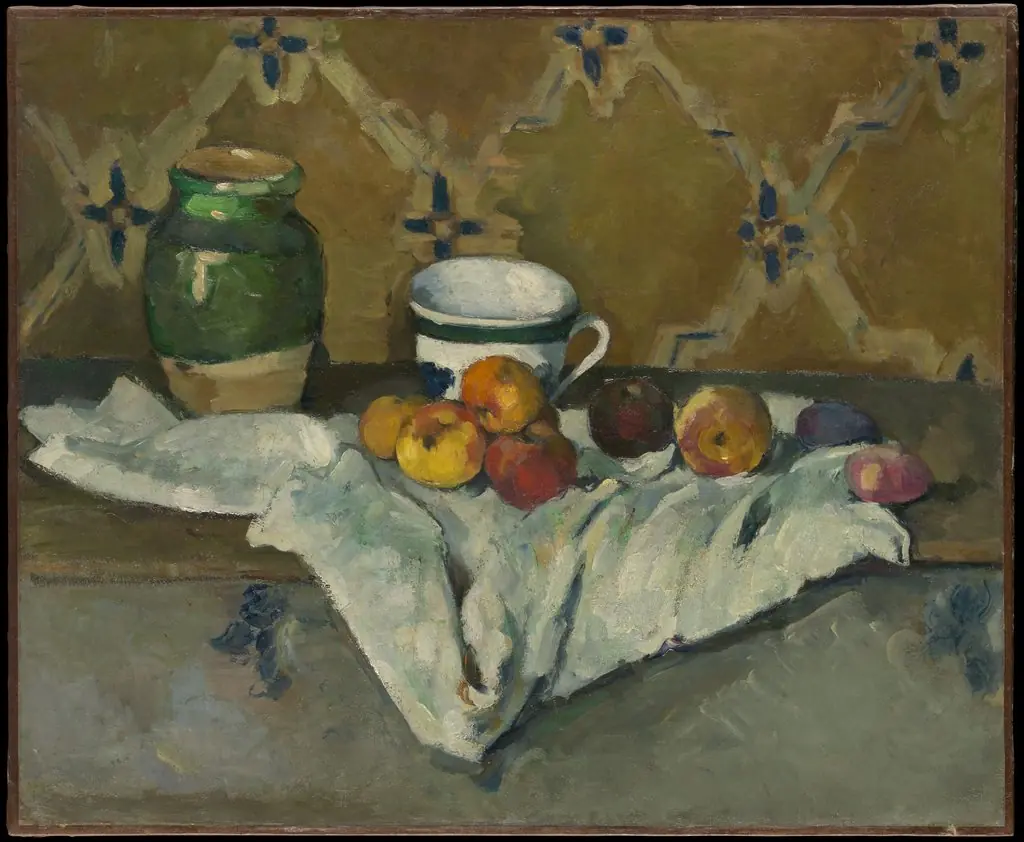 Still Life with Jar, Cup, and Apples
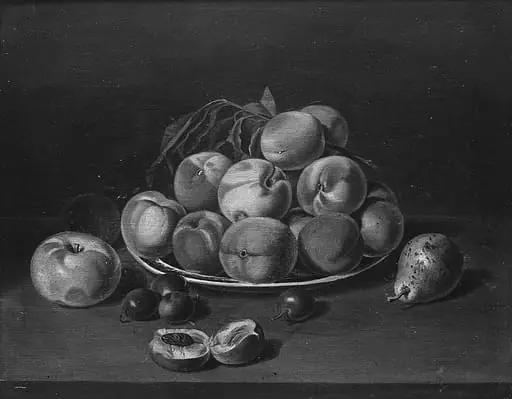 Still Life: Peaches, Apple, and Pear
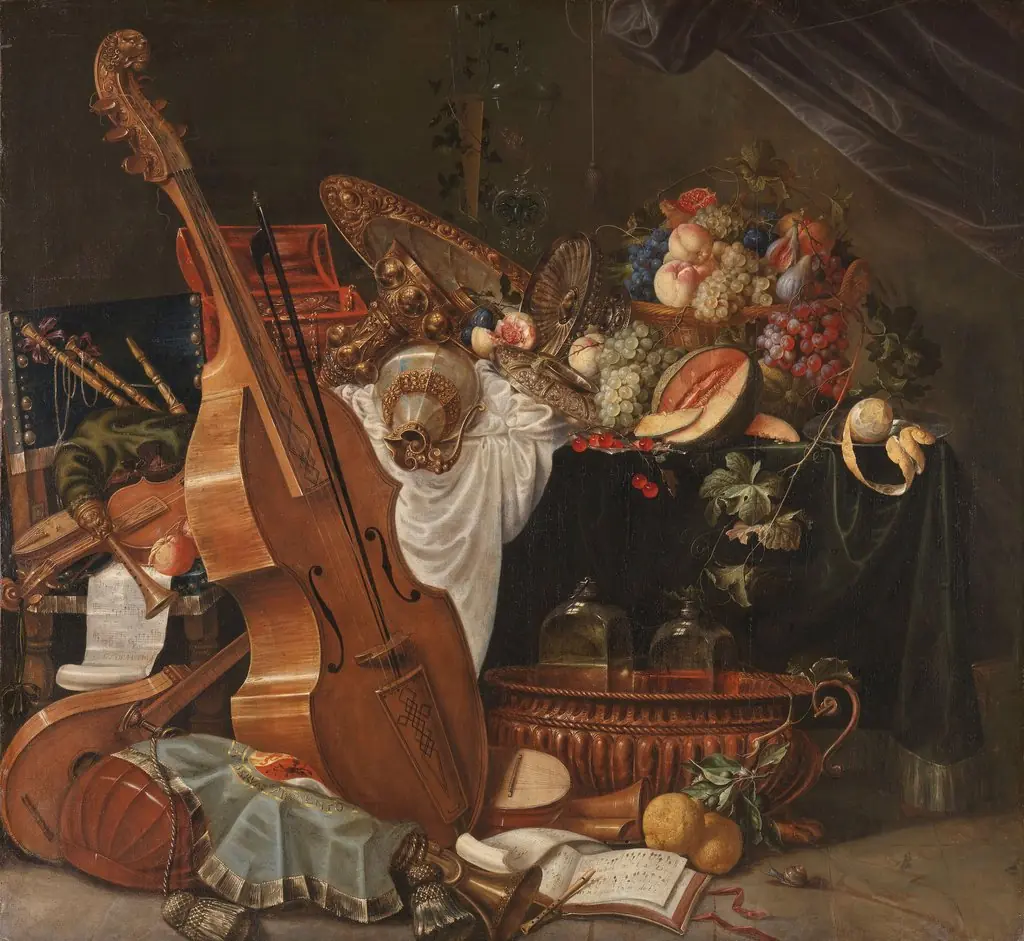 Still life
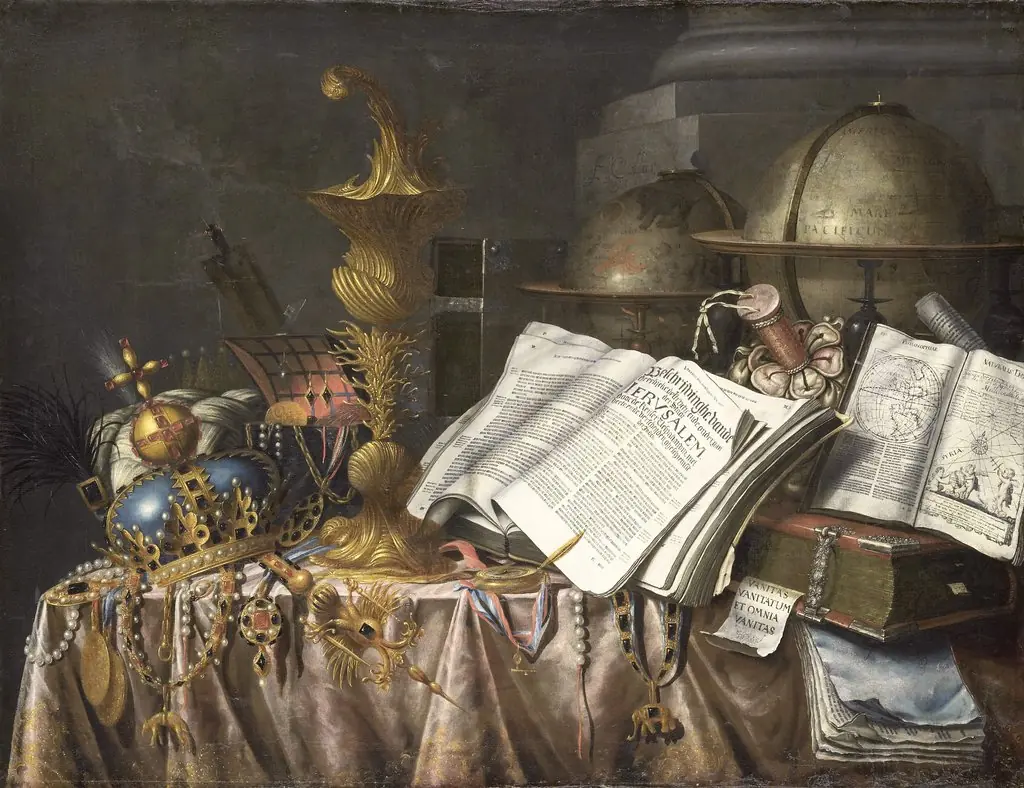 Vanitas still life
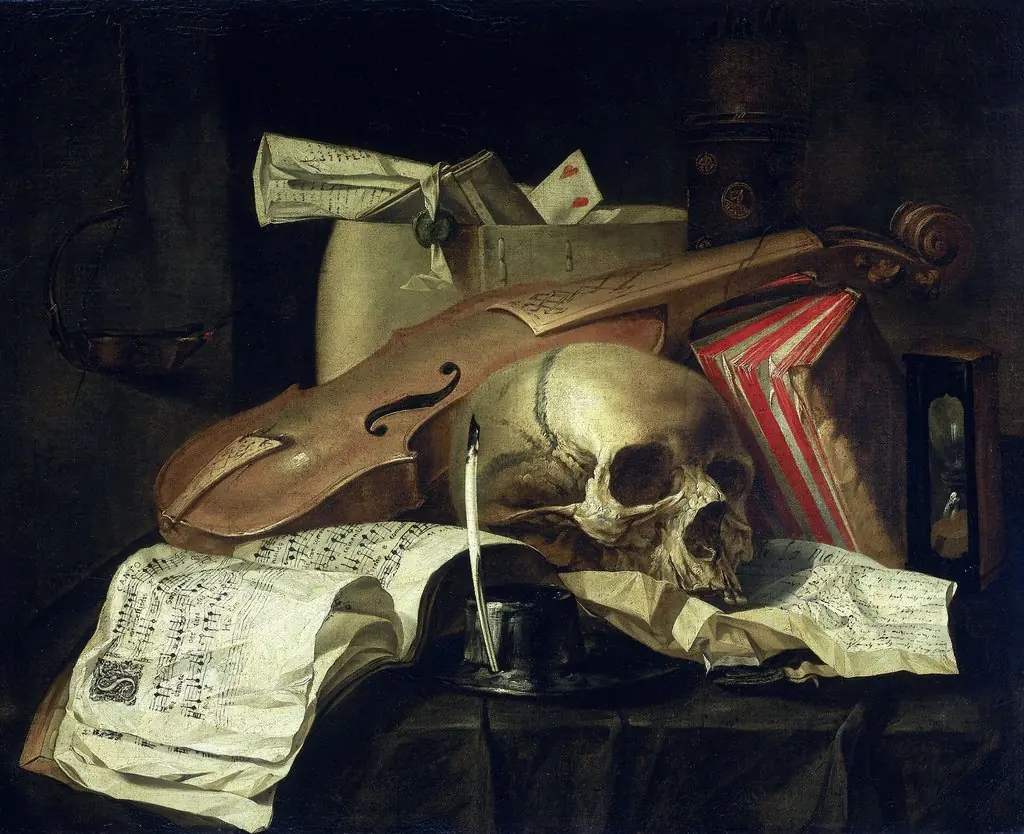 Vanitas still life
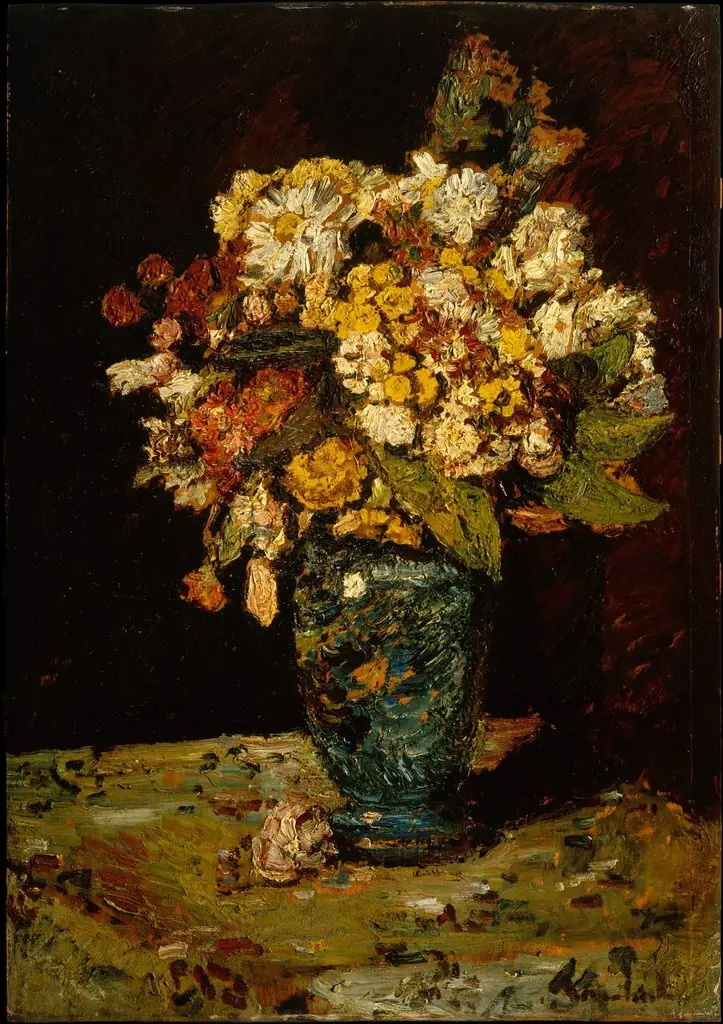 Flowers in a Blue Vase
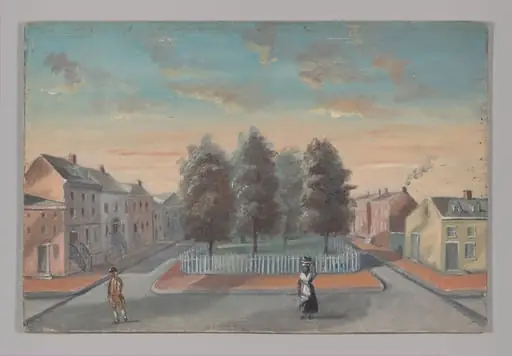 Baked Pears in Duane Park
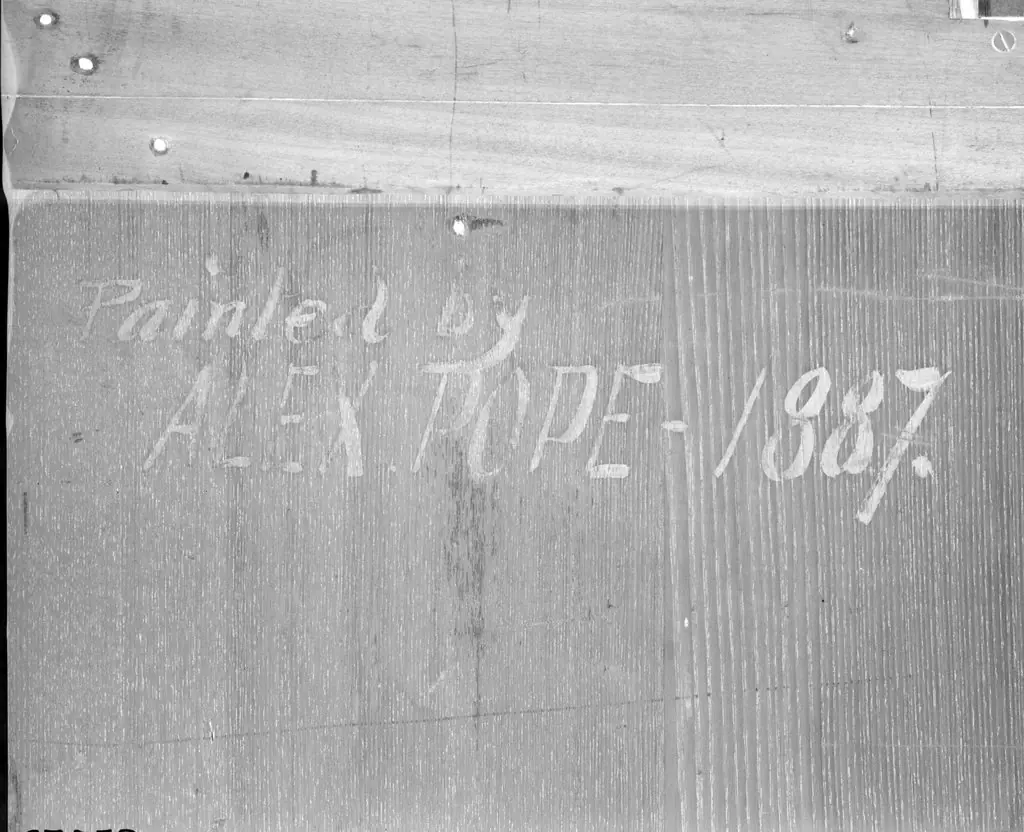 The Oak Door
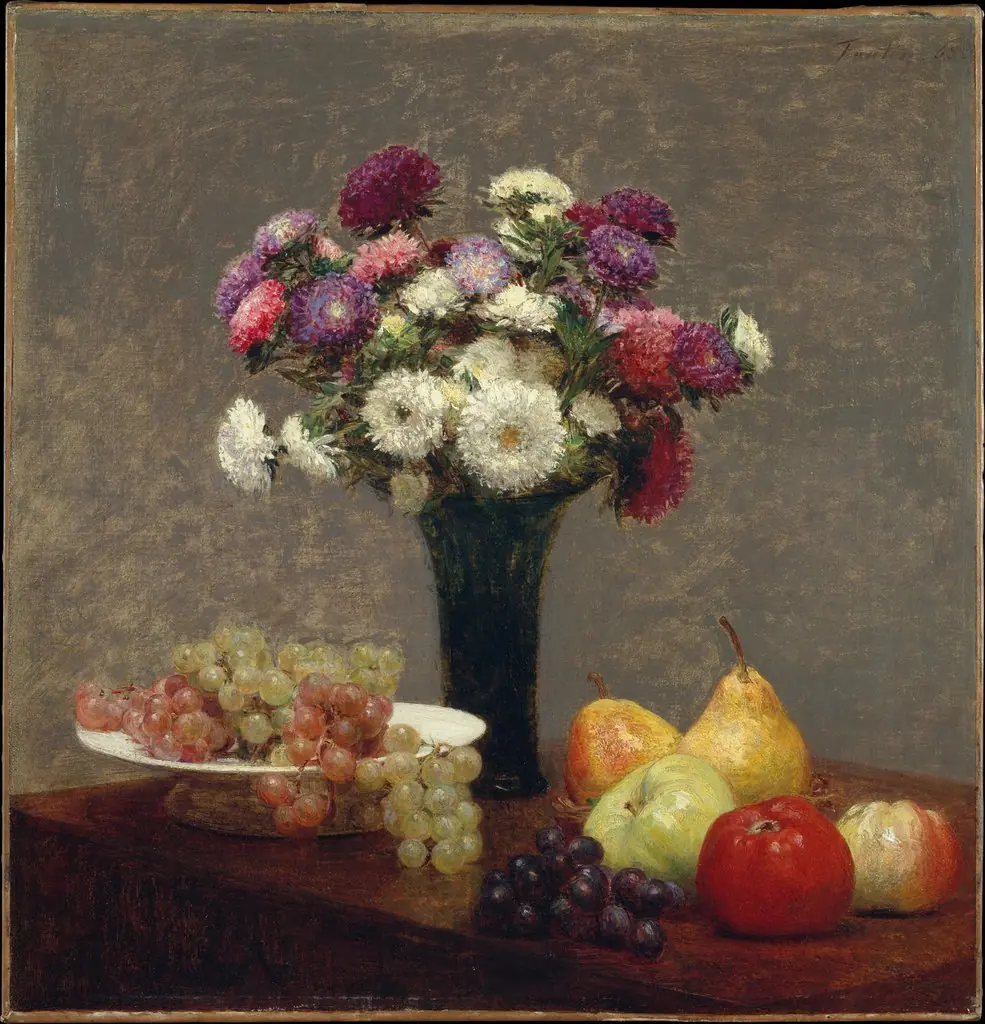 Asters and Fruit on a Table
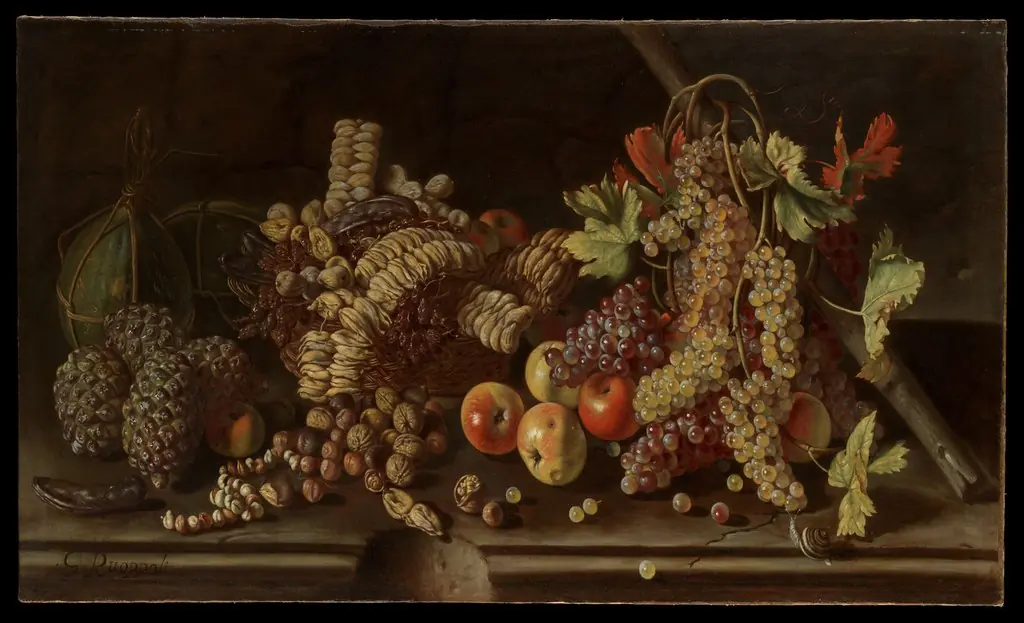 Still Life of Fruit and Nuts
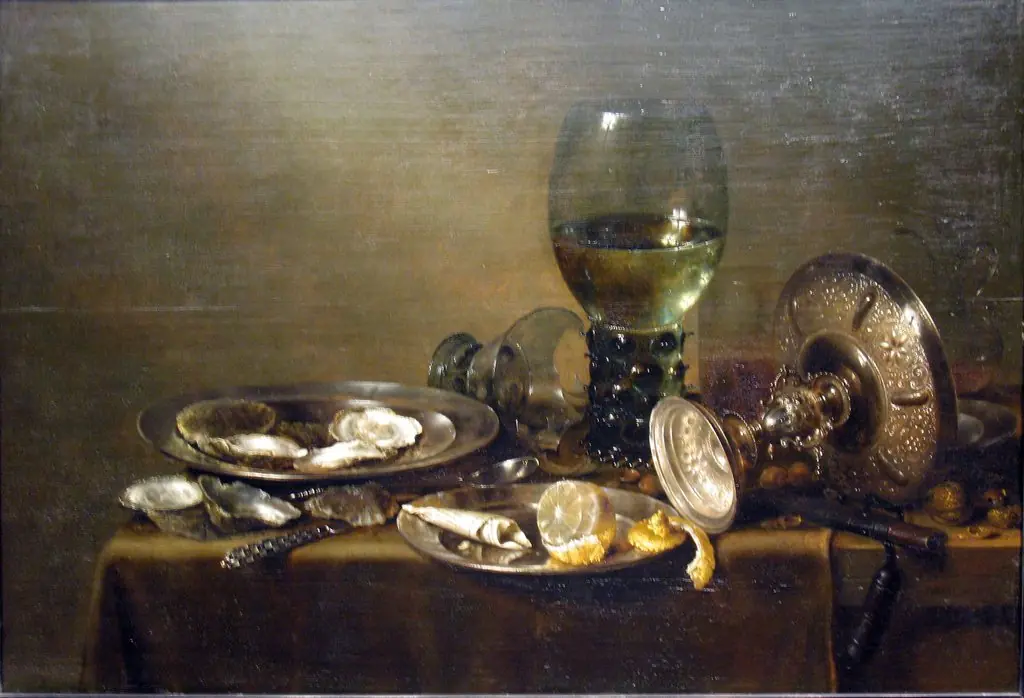 Still Life with Oysters, a Silver Tazza, and Glassware
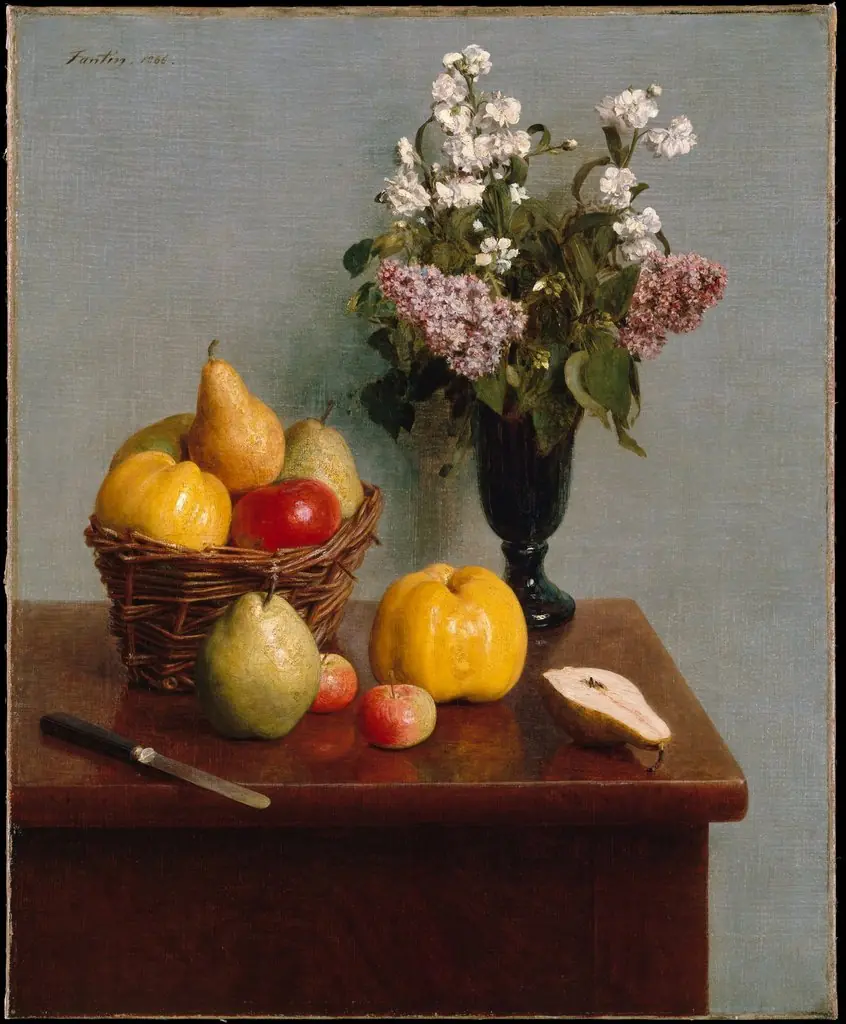 Still Life with Flowers and Fruit
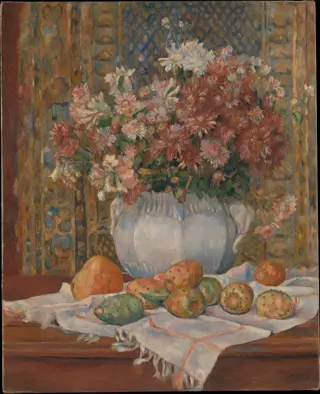 Still Life with Flowers and Prickly Pears
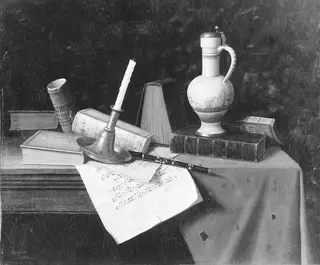 Still Life
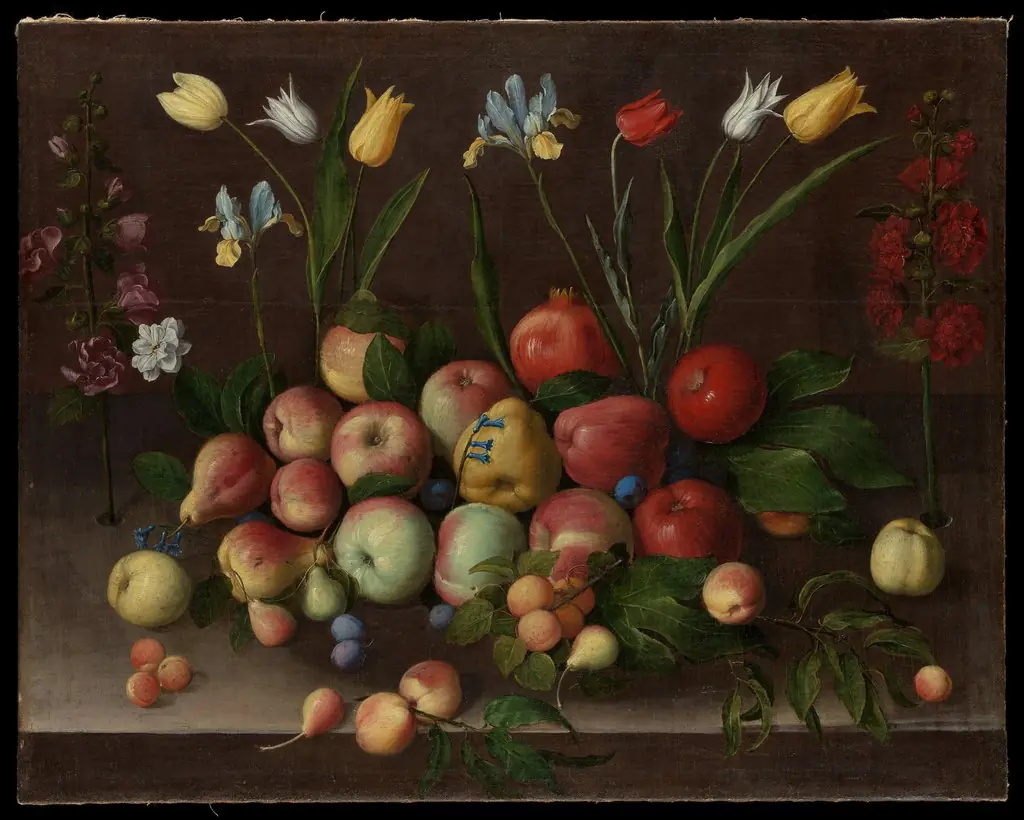 Fruit and Flowers
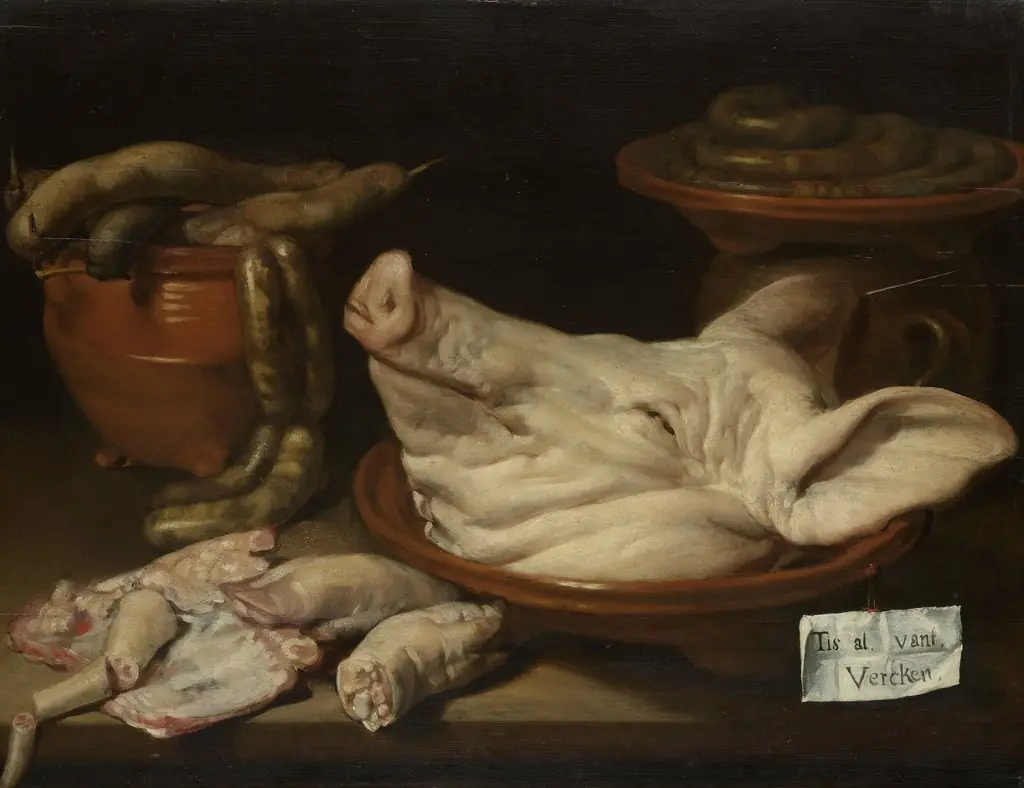 Still Life with Pig's Head, Trotters and Sausage
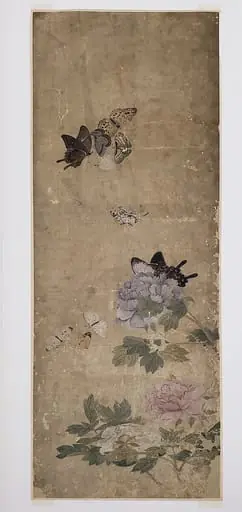 전 일호 남계우 나비와 모란 조선|傳 一濠 南啓宇 蝴蝶圖 朝鮮|Butterflies and Peonies
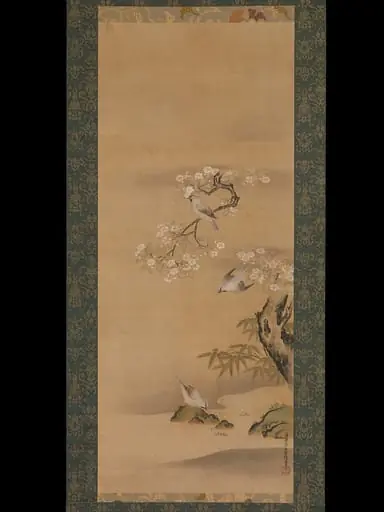 清原雪信筆 緋連雀桜竹図|Waxwings, Cherry Blossoms, and Bamboo
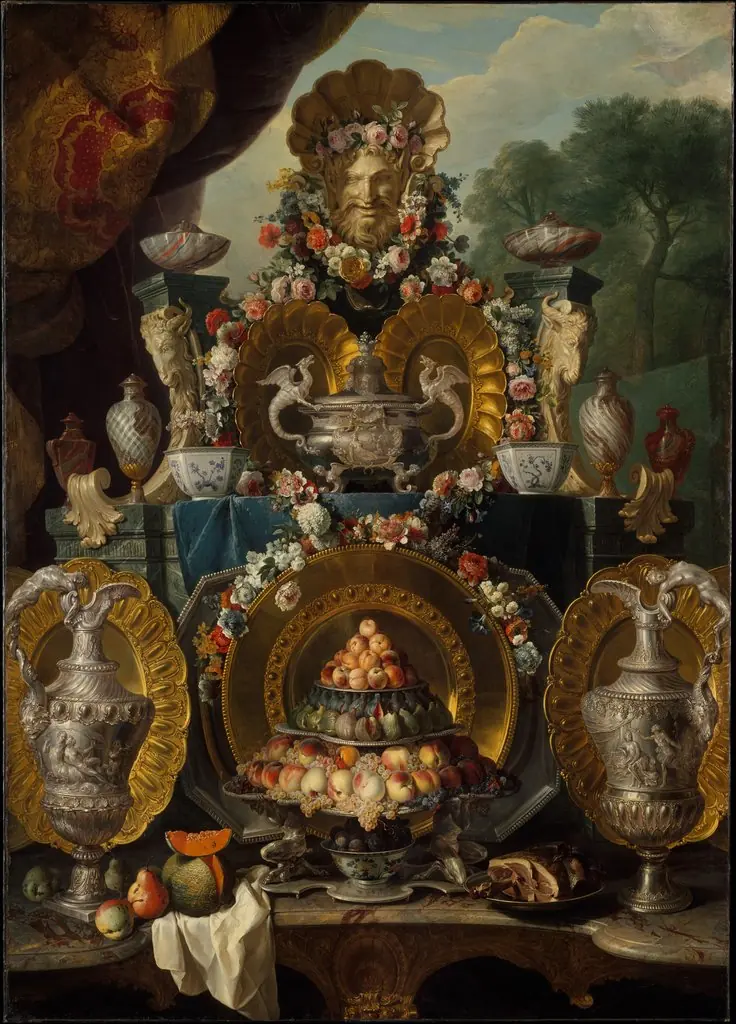 Still Life with Silver
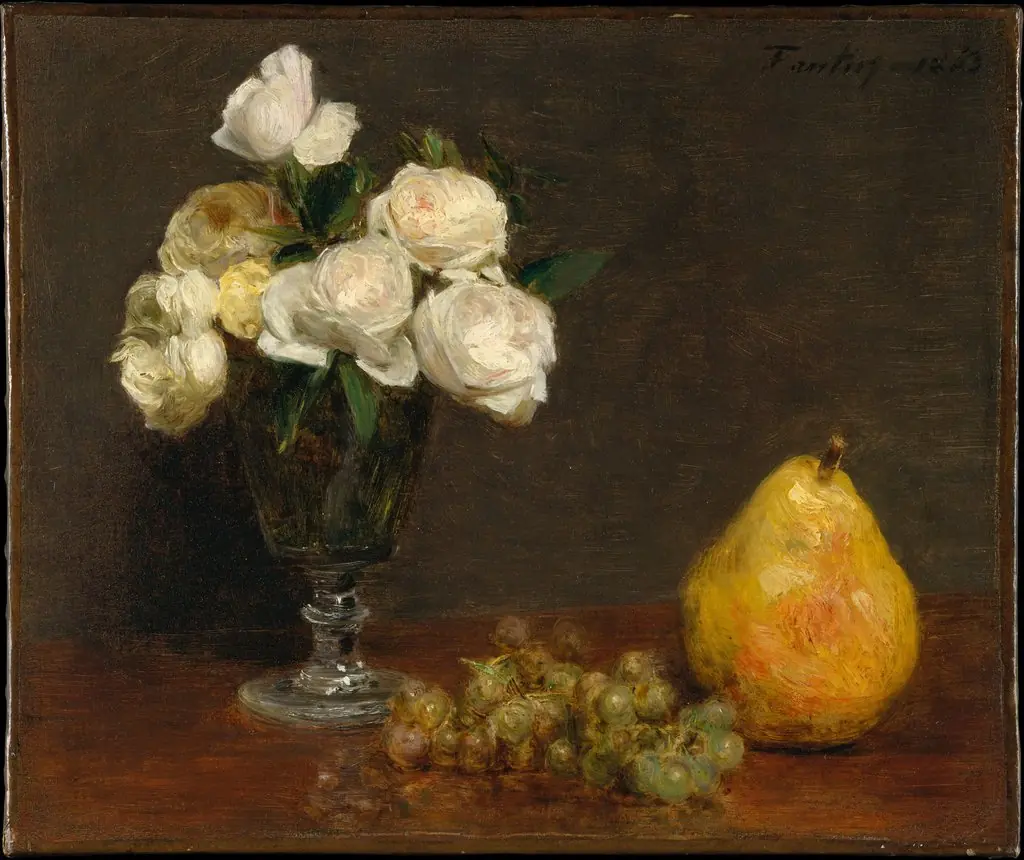 Still Life with Roses and Fruit
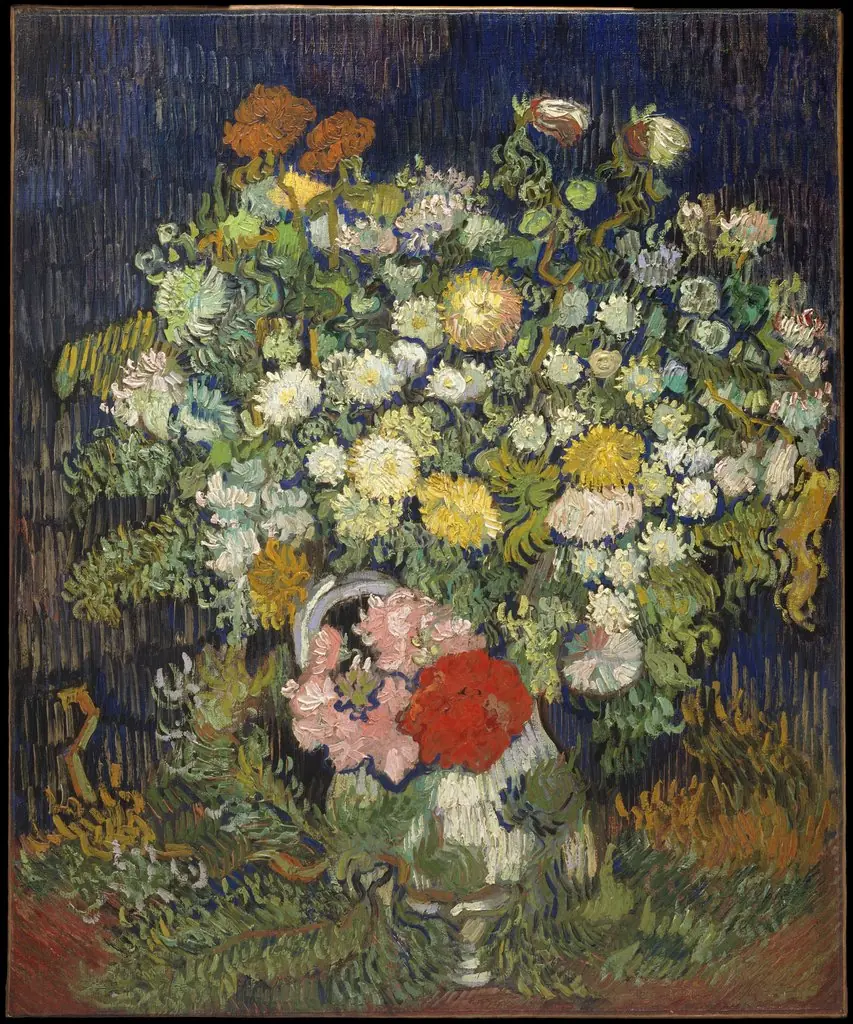 Bouquet of Flowers in a Vase
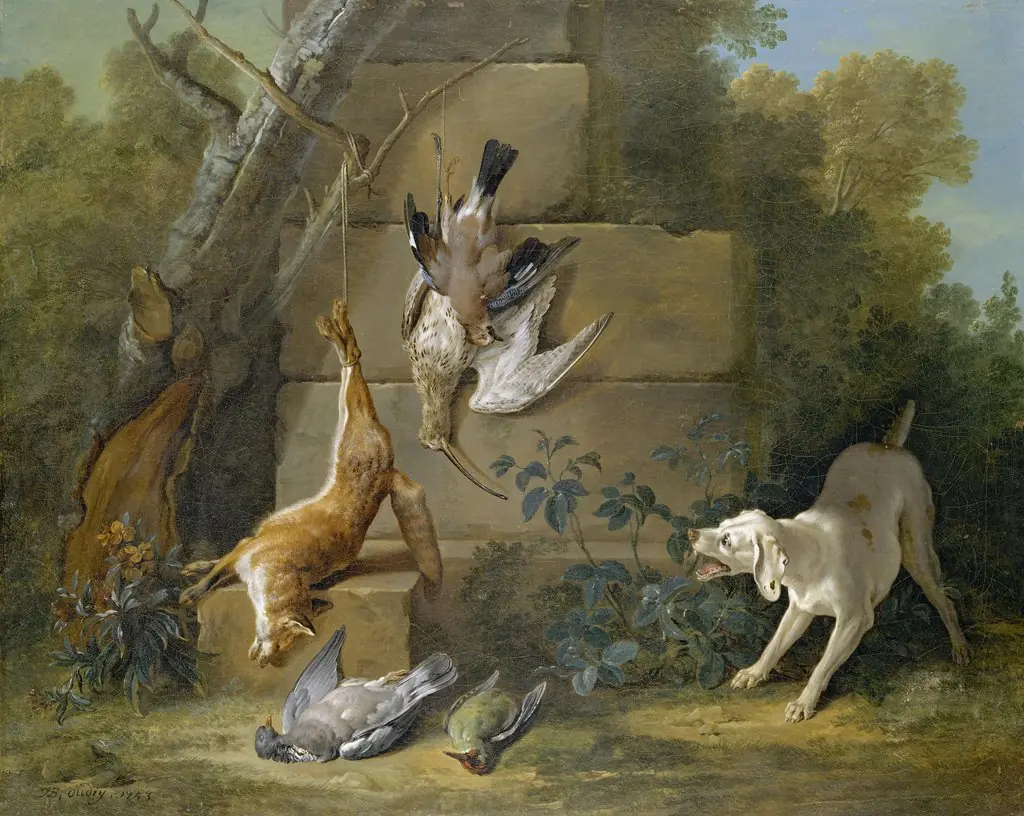 Dog Guarding Dead Game
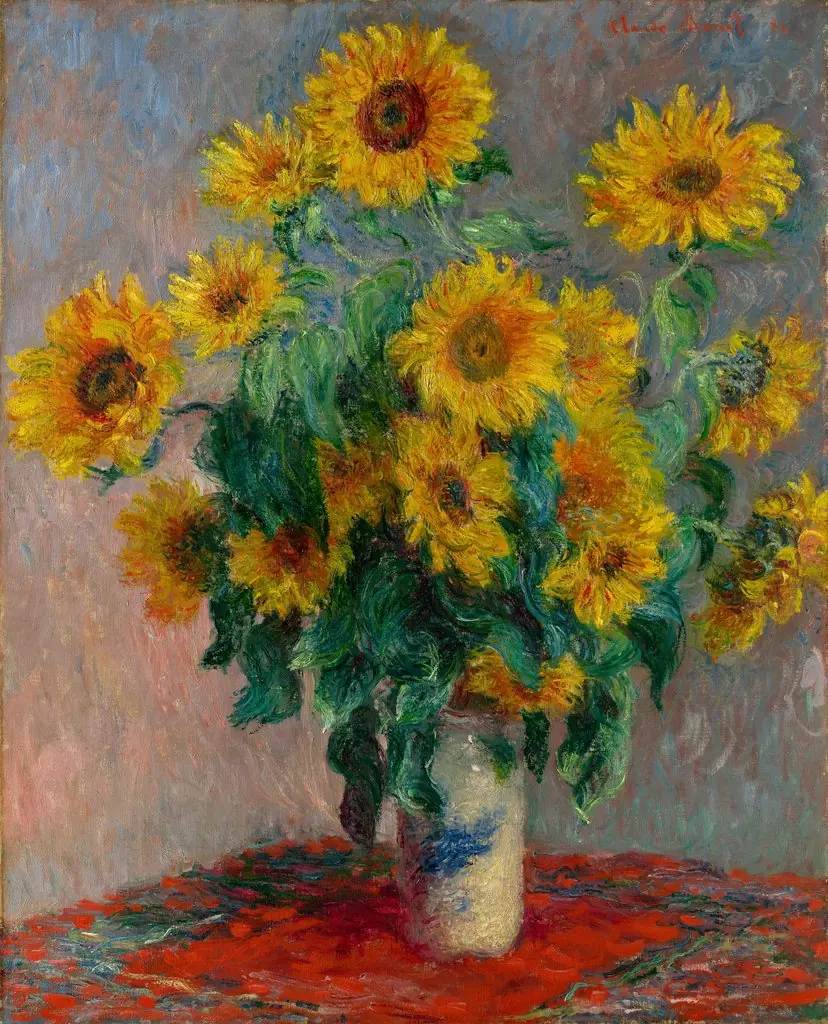 Bouquet of Sunflowers
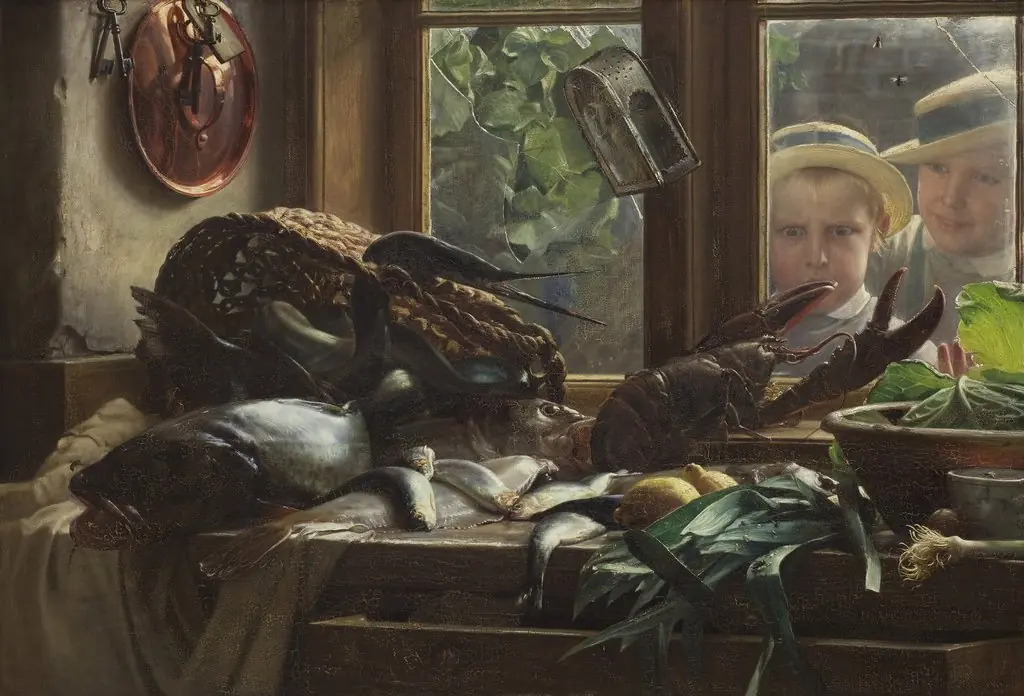 Still Life with Fish
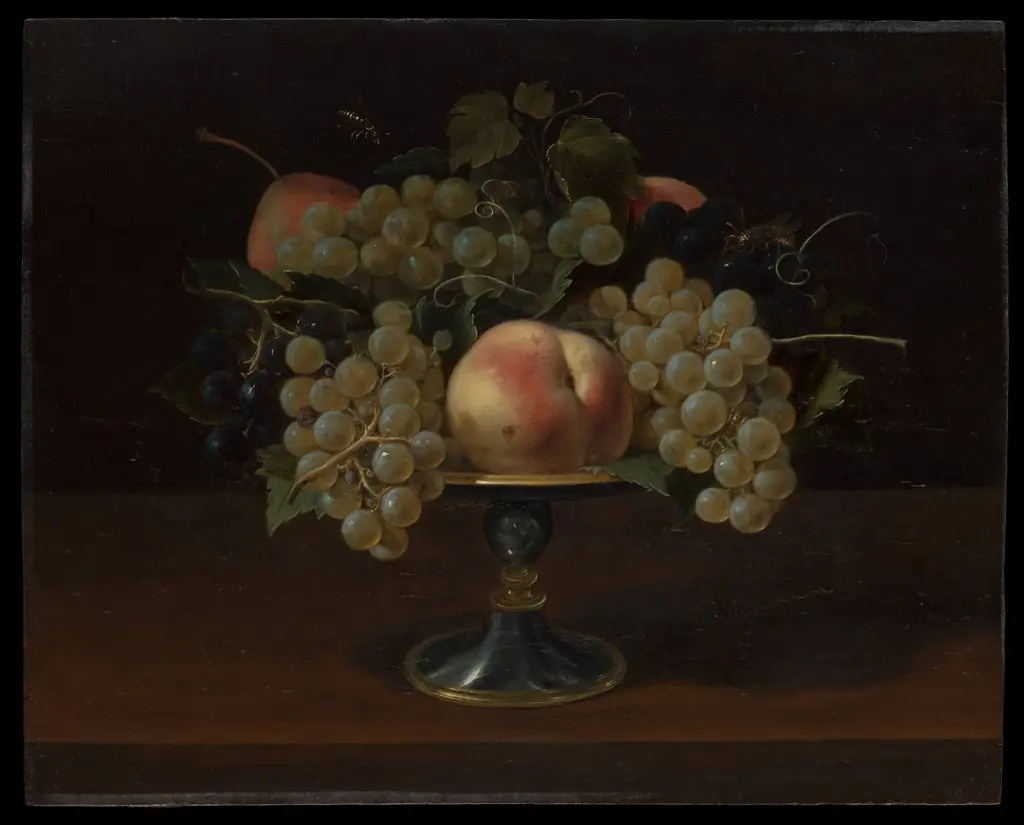 Still Life of Grapes and Peaches
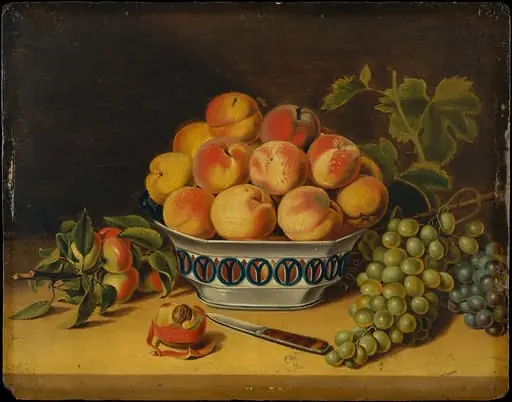 Still Life: Peaches and Grapes
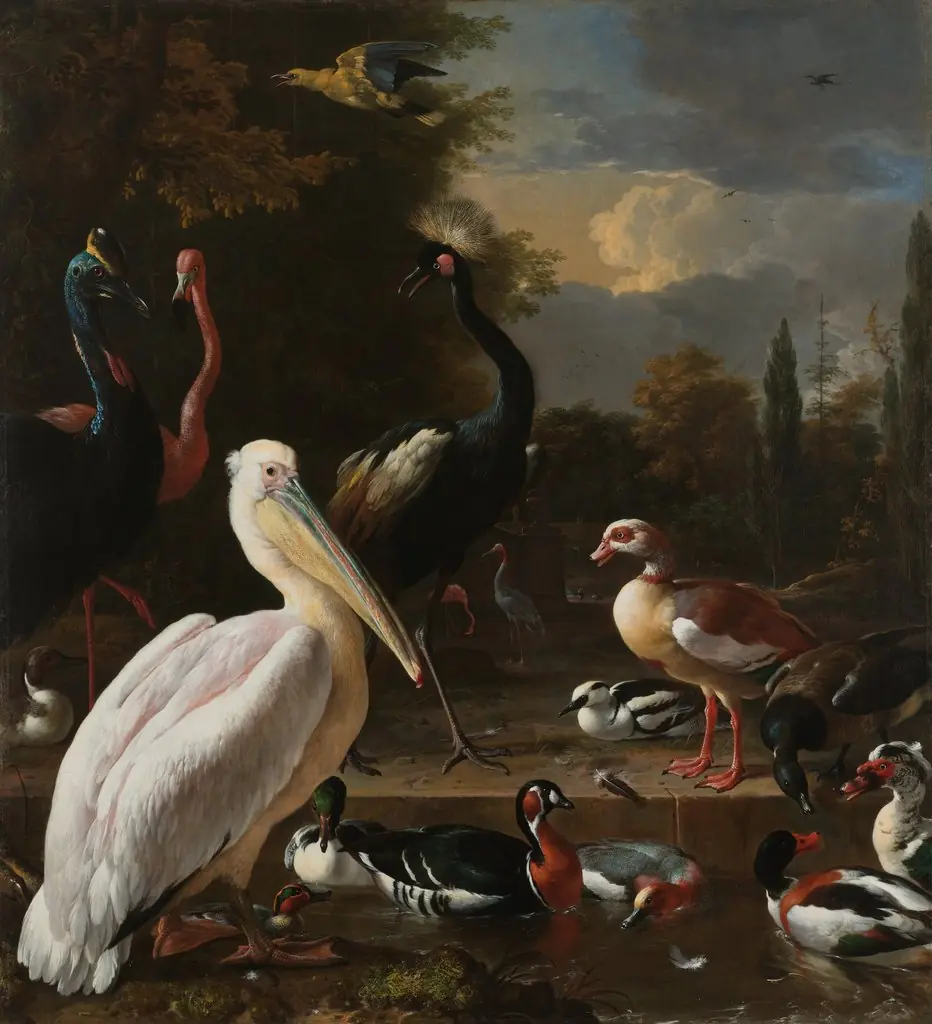 The Floating Feather
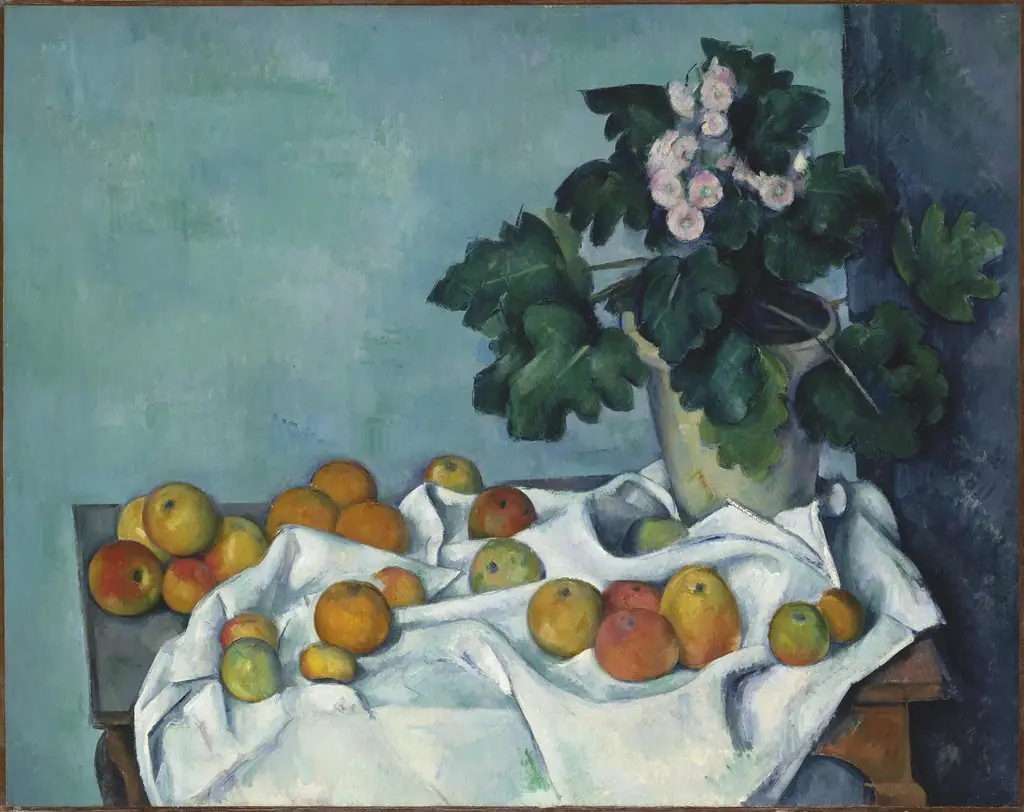 Still Life with Apples and a Pot of Primroses
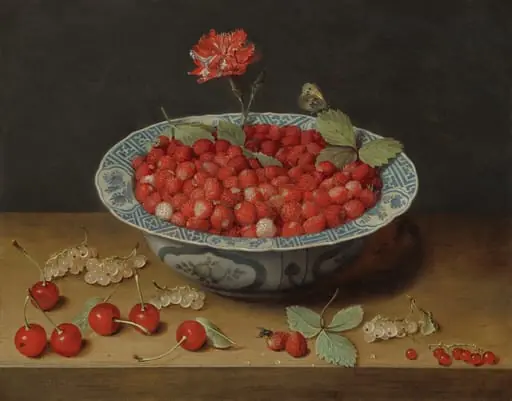 Wild Strawberries and a Carnation in a Wan-Li Bowl
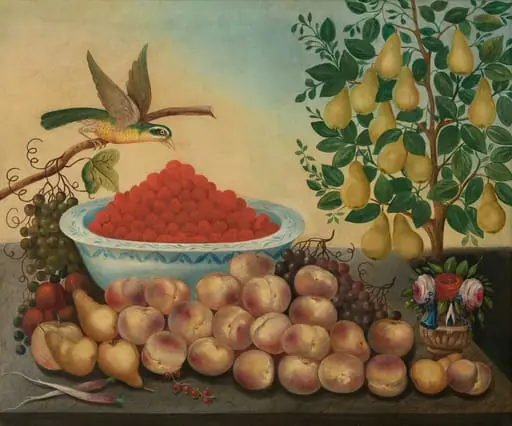 Still Life: Fruit, Bird, and Dwarf Pear Tree
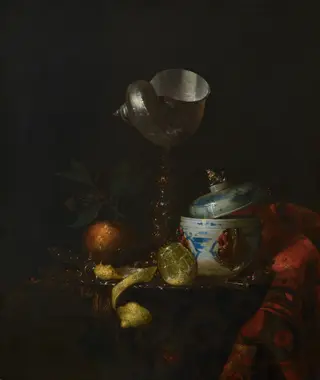 Still Life with Nautilus Cup
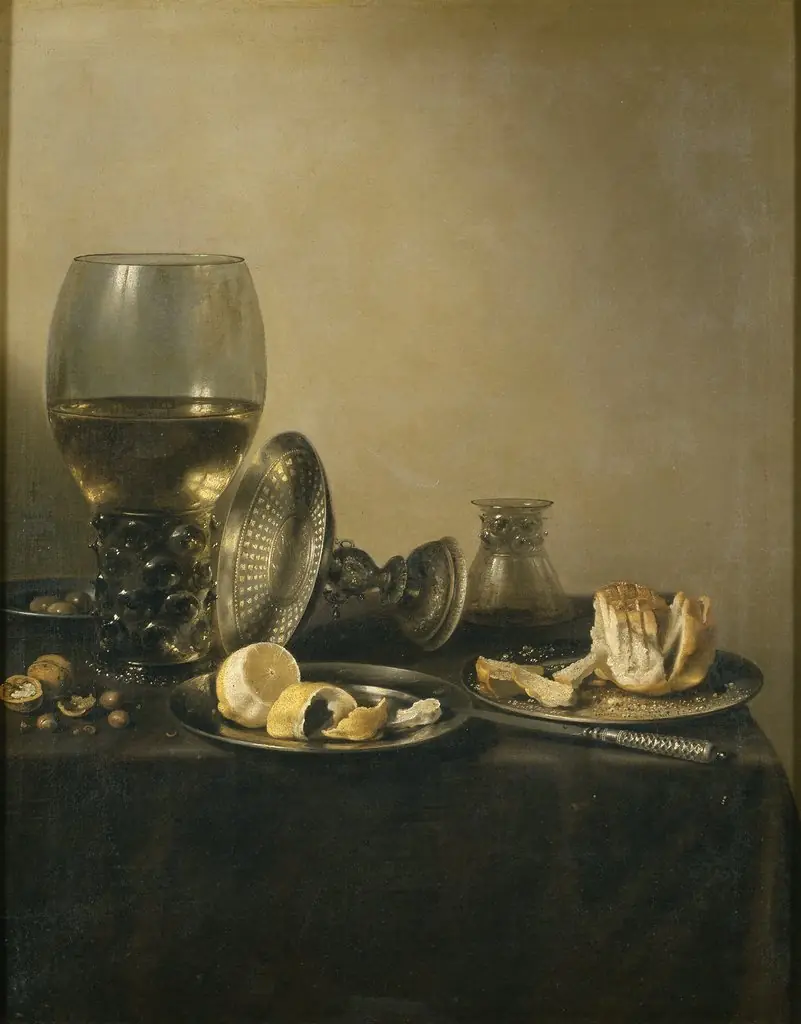 Still Life
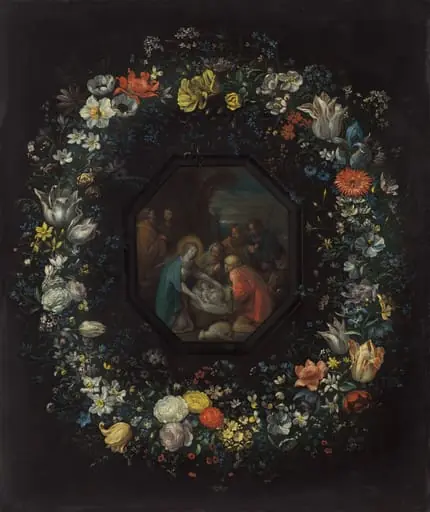 Garland of Flowers with Adoration of the Shepherds
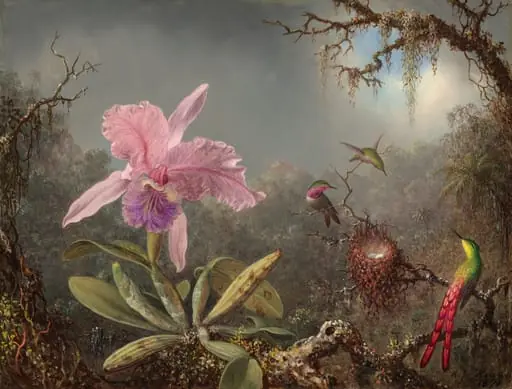 Cattleya Orchid and Three Hummingbirds
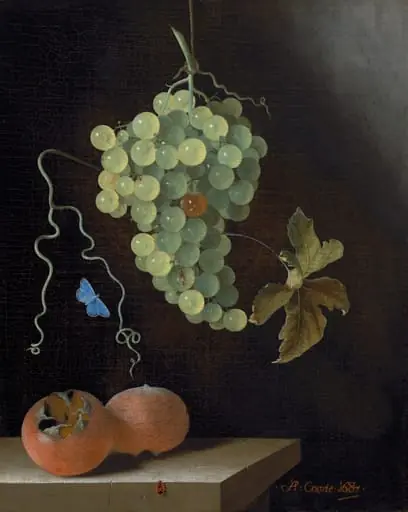 Still Life with a Hanging Bunch of Grapes, Two Medlars, and a Butterfly
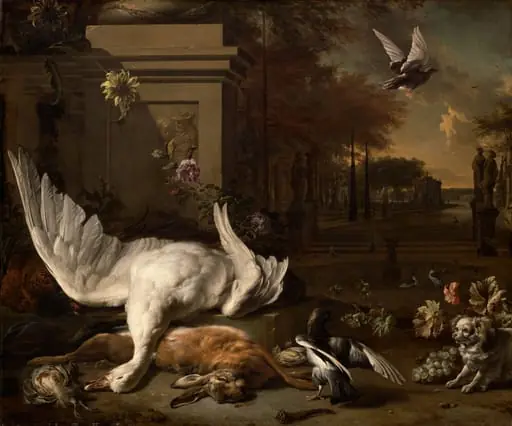 Still Life with Goose and Game before a Country Estate
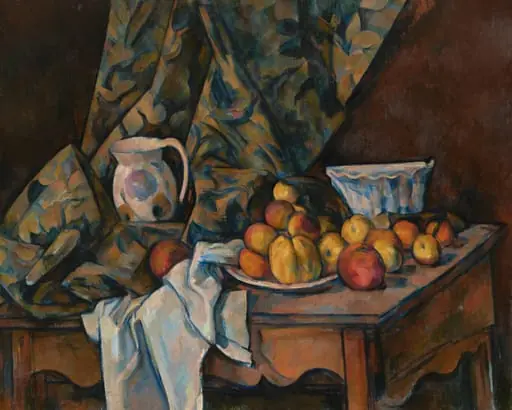 Still Life with Apples and Peaches
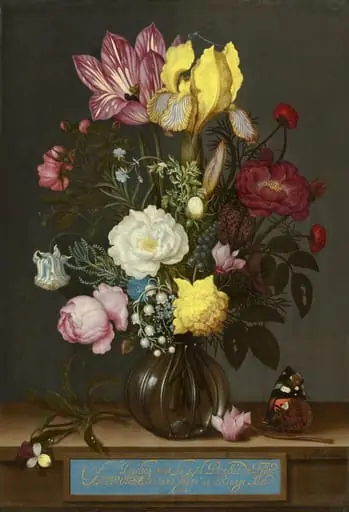 Bouquet of Flowers in a Glass Vase
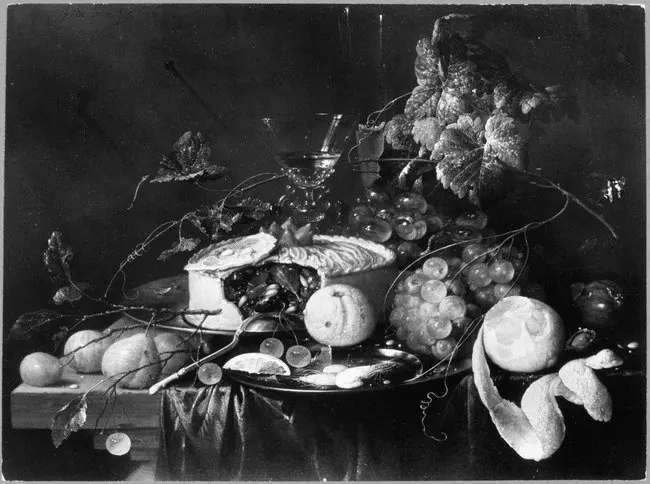 The Fruit Pie
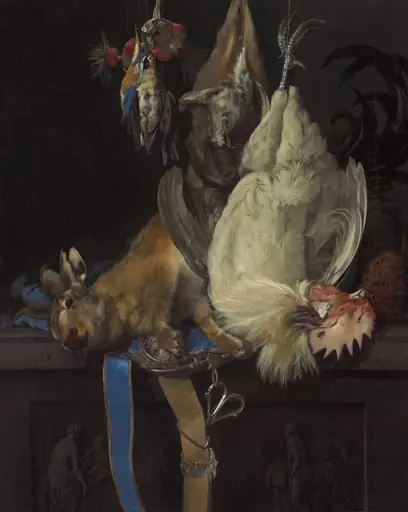 Still Life with Dead Game
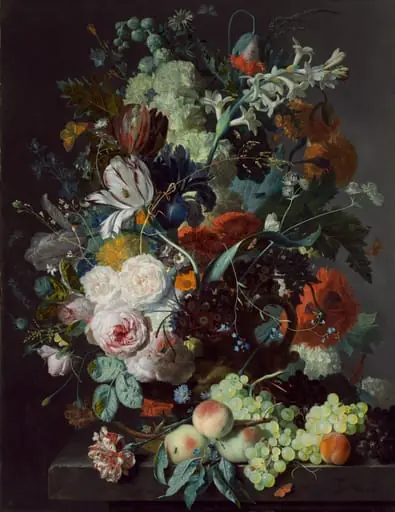 Still Life with Flowers and Fruit
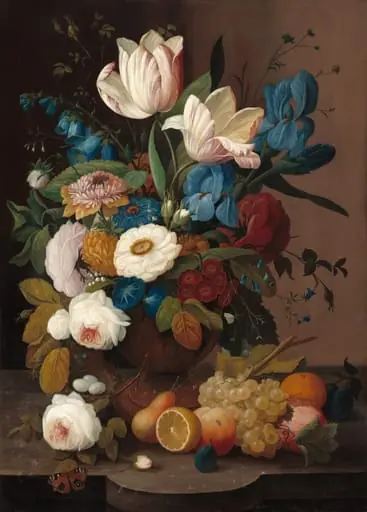 Still Life, Flowers, and Fruit
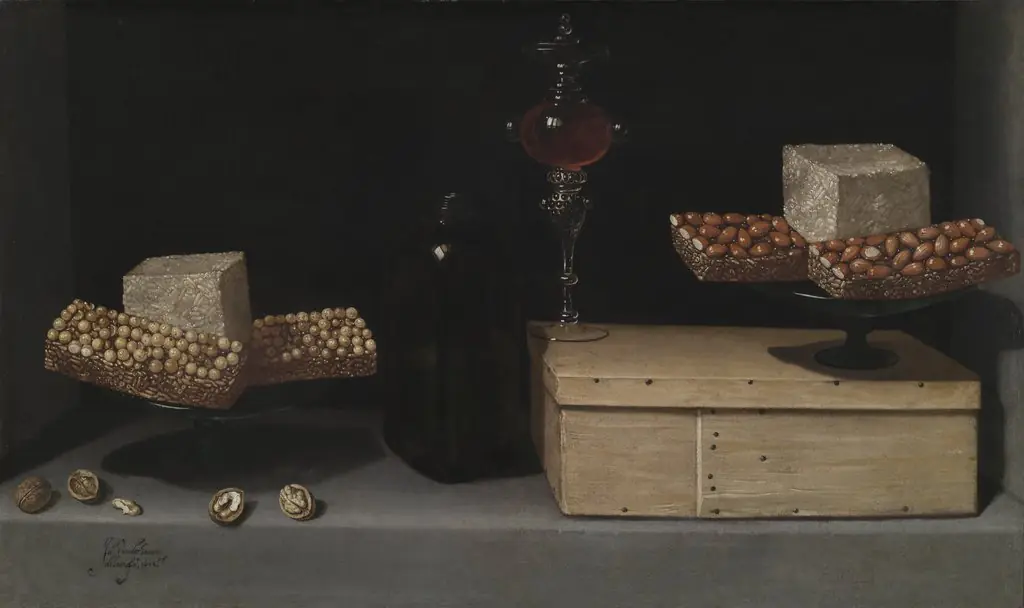 Still Life with Sweets
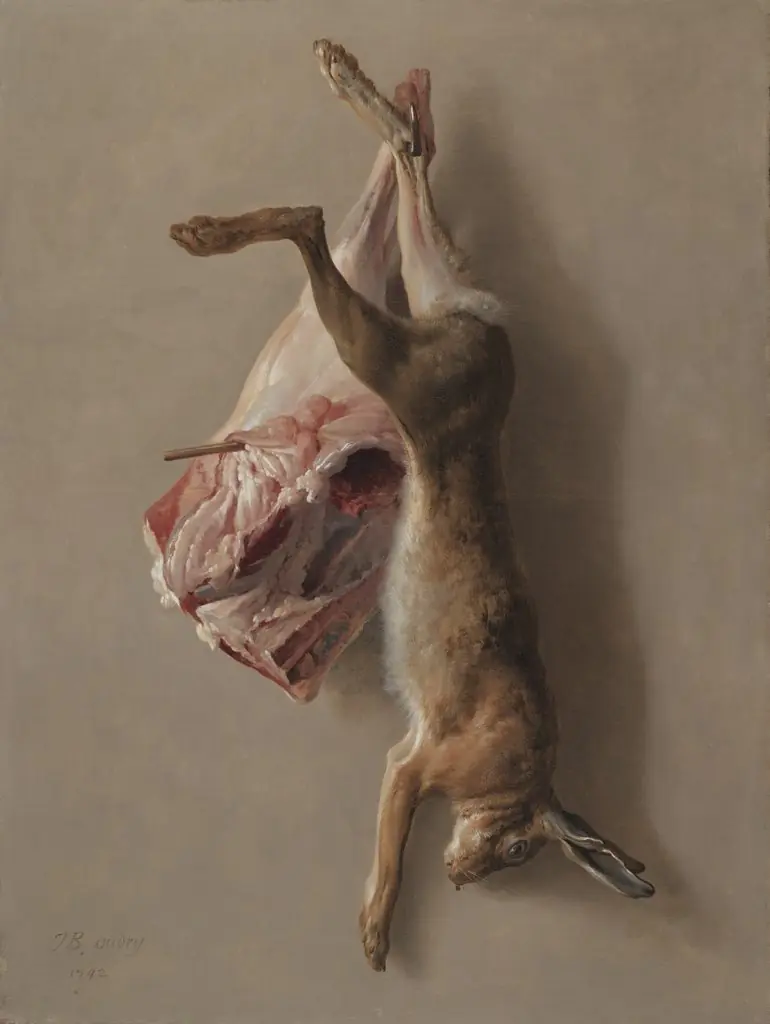 A Hare and a Leg of Lamb
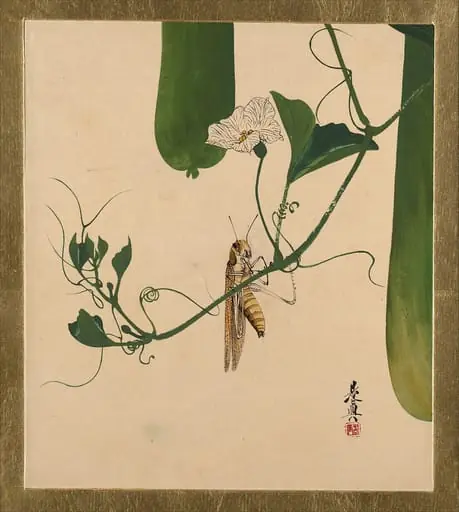 Untitled
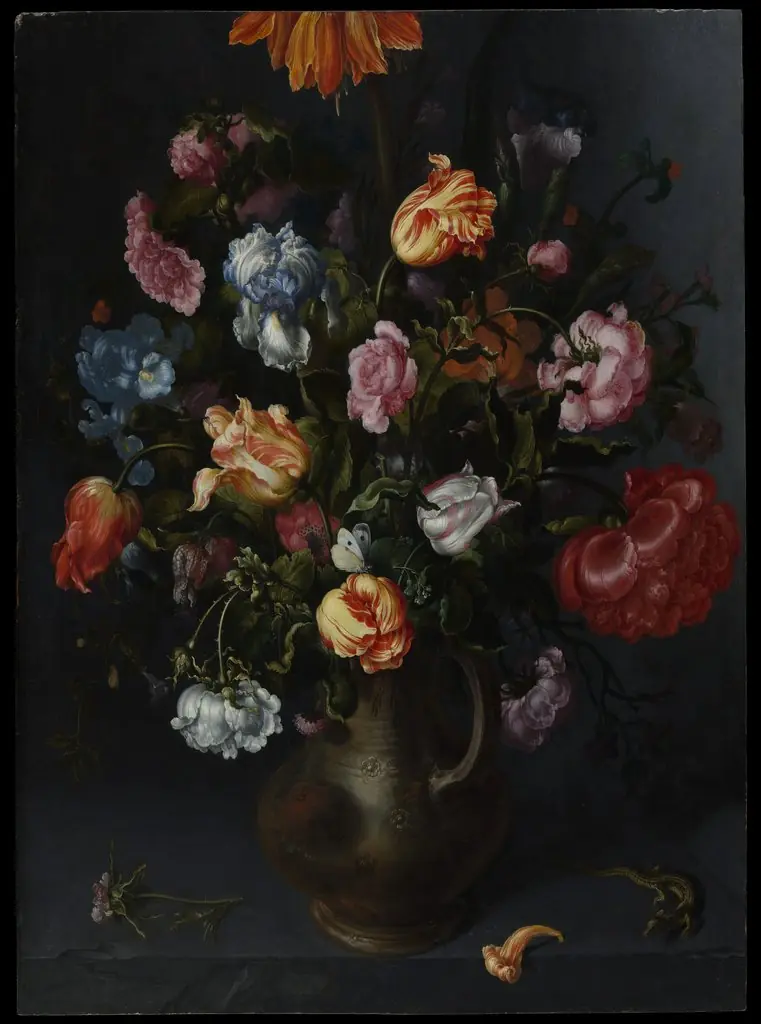 A Vase with Flowers
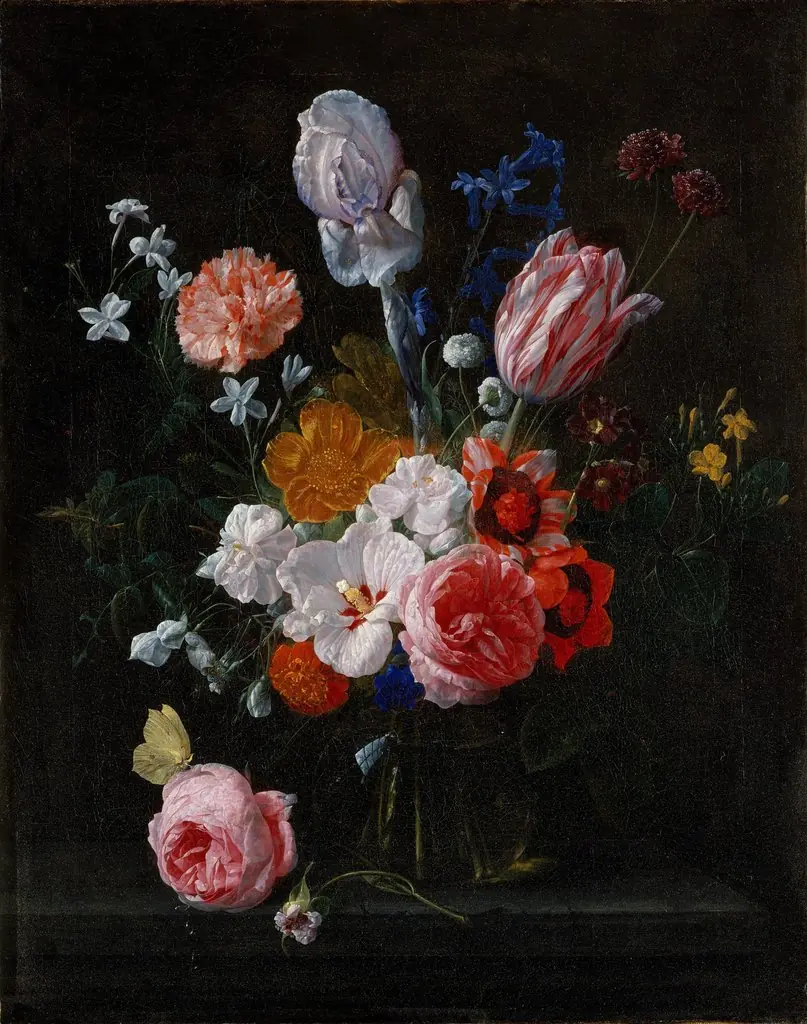 A Bouquet of Flowers in a Crystal Vase
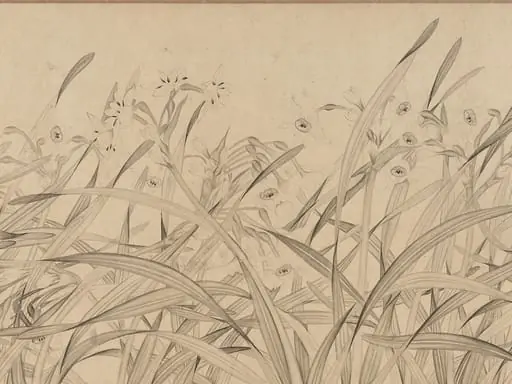 南宋 趙孟堅 水仙圖 卷|Narcissus
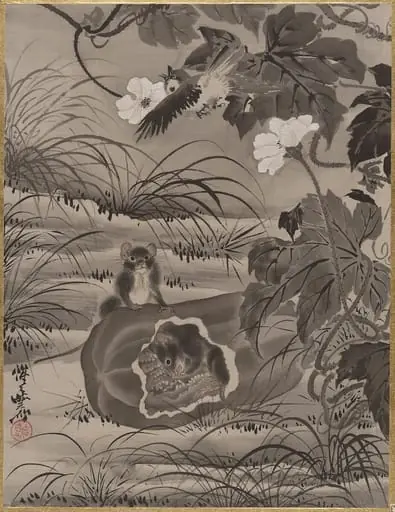 瓜に鼠図|Rats and Gourd
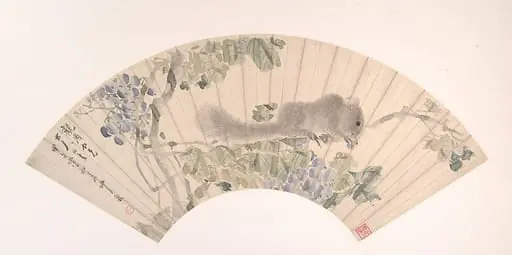 清 沙馥 松鼠葡萄 扇面|Squirrel and Grapes
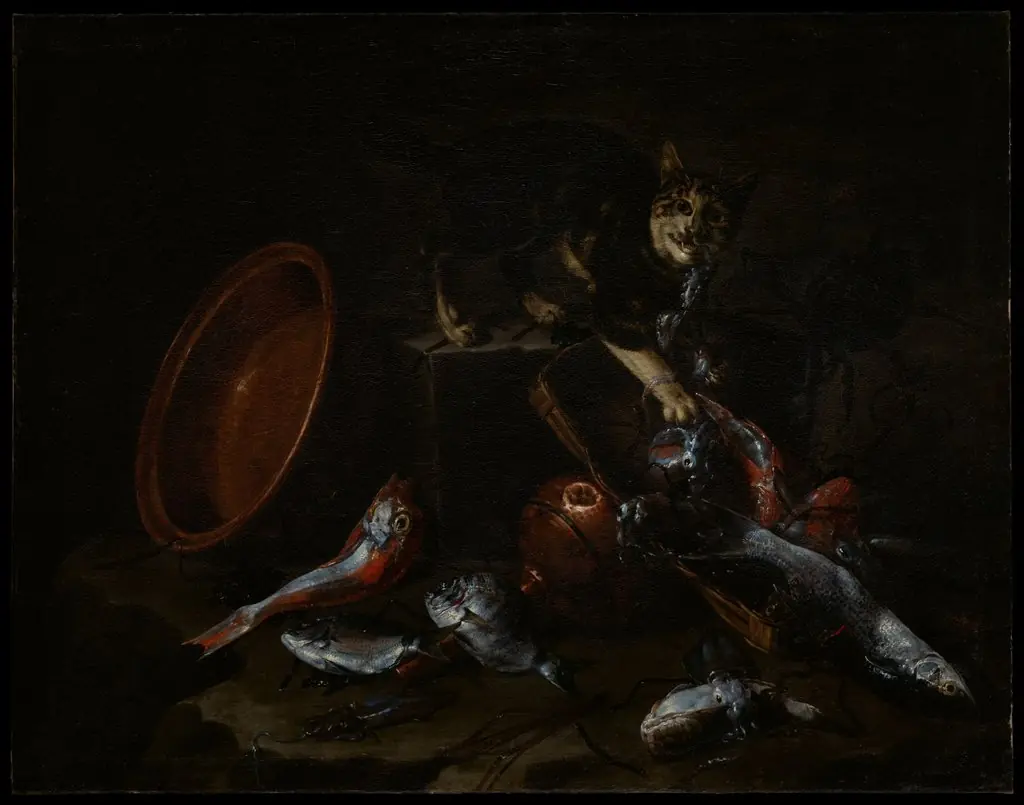 A Cat Stealing Fish
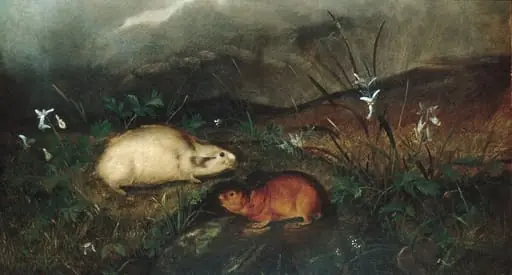 Hudson's Bay Lemming
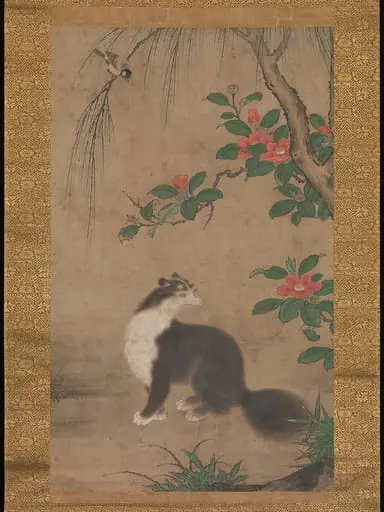 右都御史筆 麝香猫図|Musk Cat
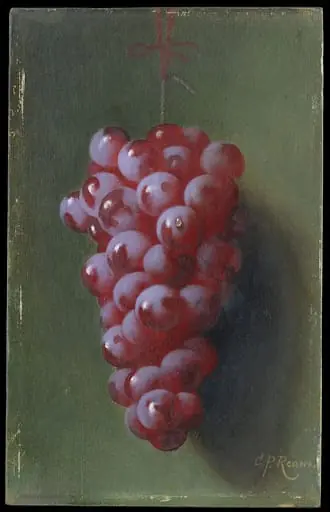 Still Life with Grapes
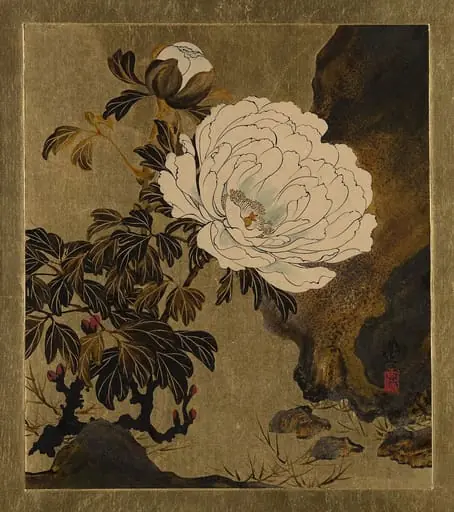 Untitled
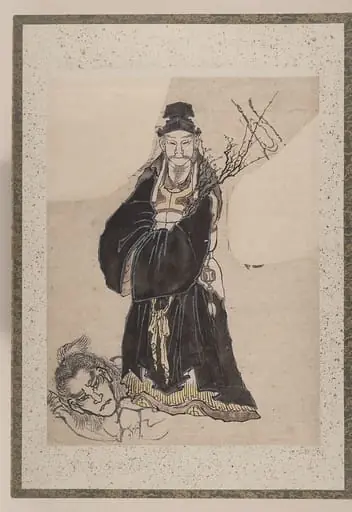 葛飾北斎筆 鶏と木材鶏図|Album of Sketches by Katsushika Hokusai and His Disciples
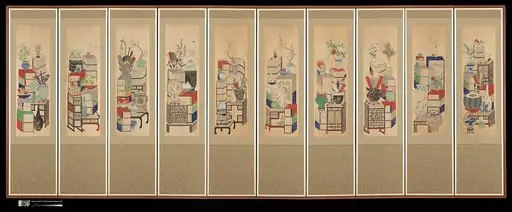 Untitled
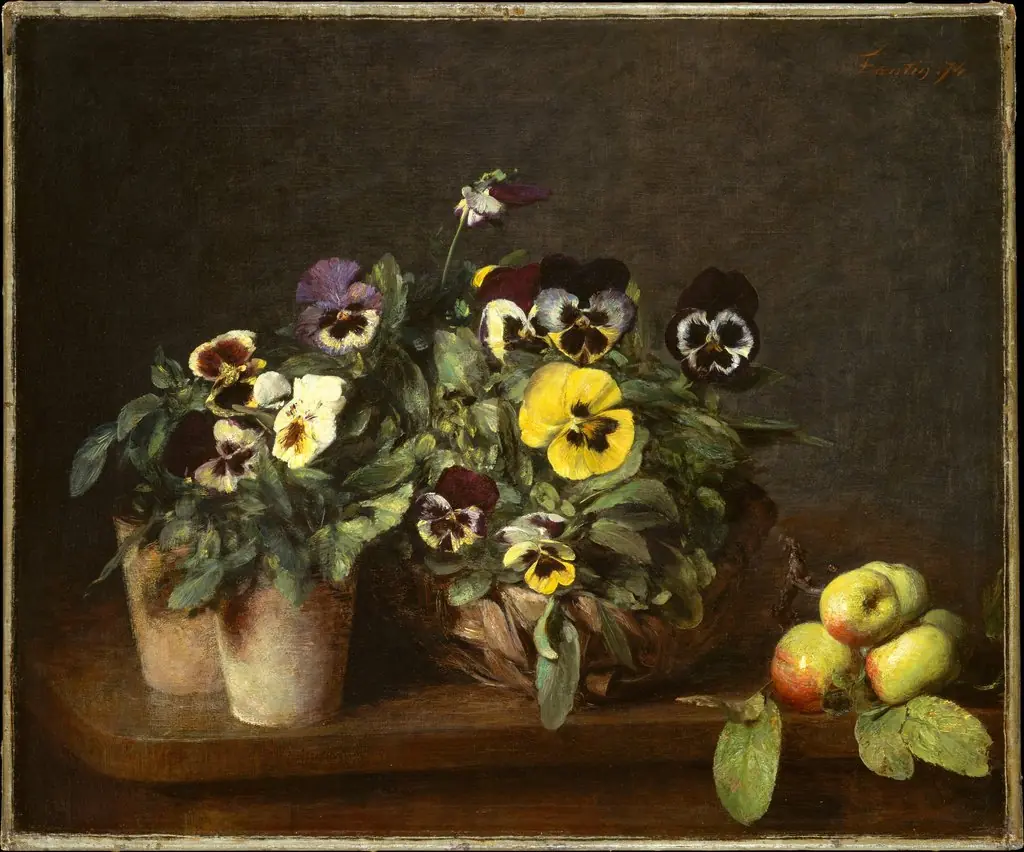 Still Life with Pansies
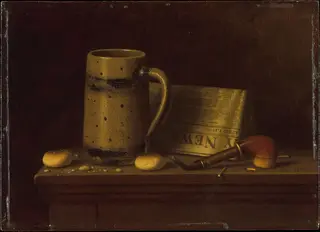 New York Daily News
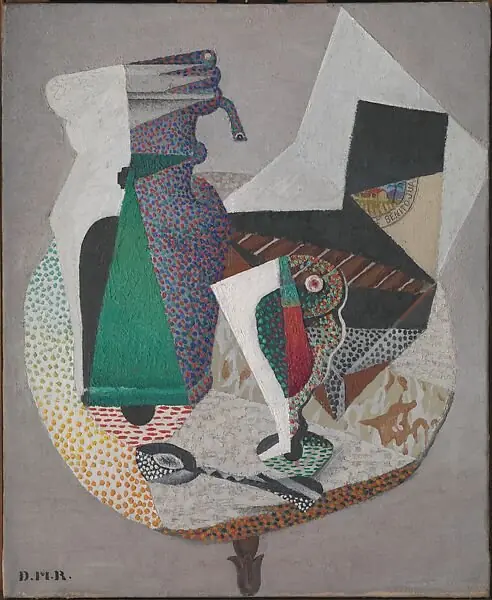 The Café Terrace
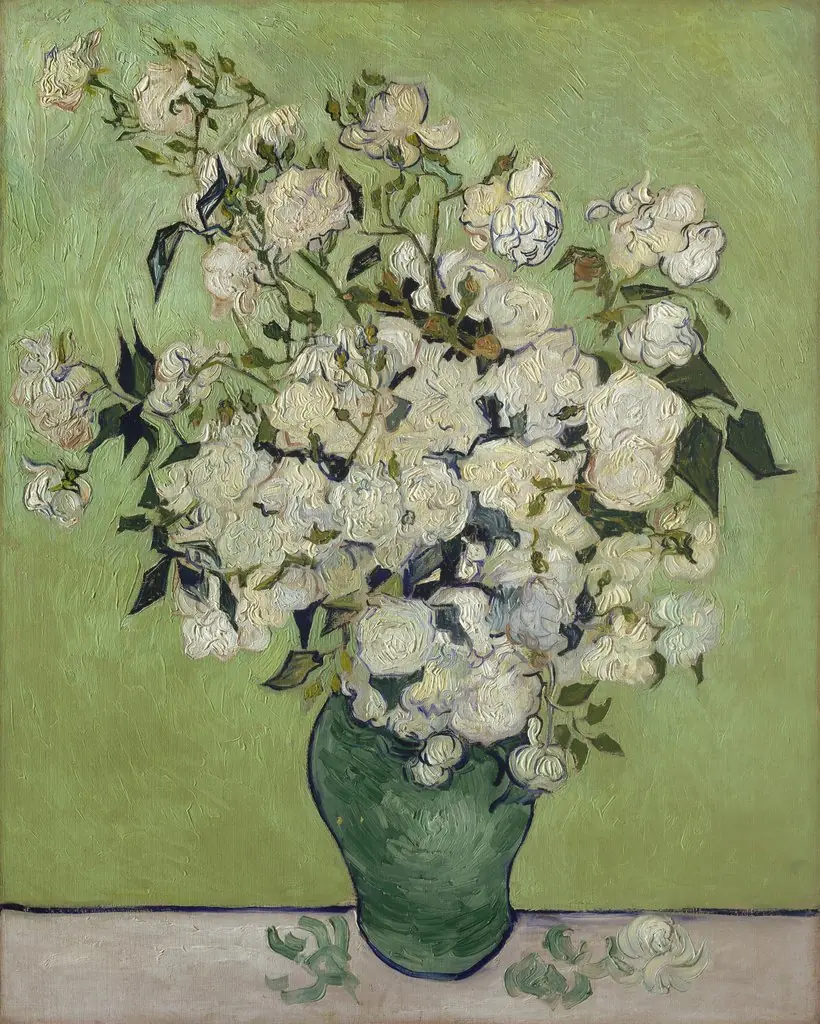 Roses
Roses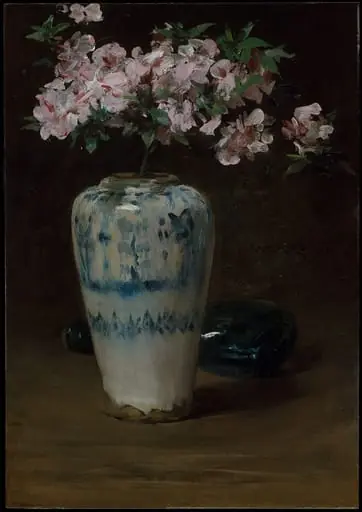 Pink Azalea—Chinese Vase
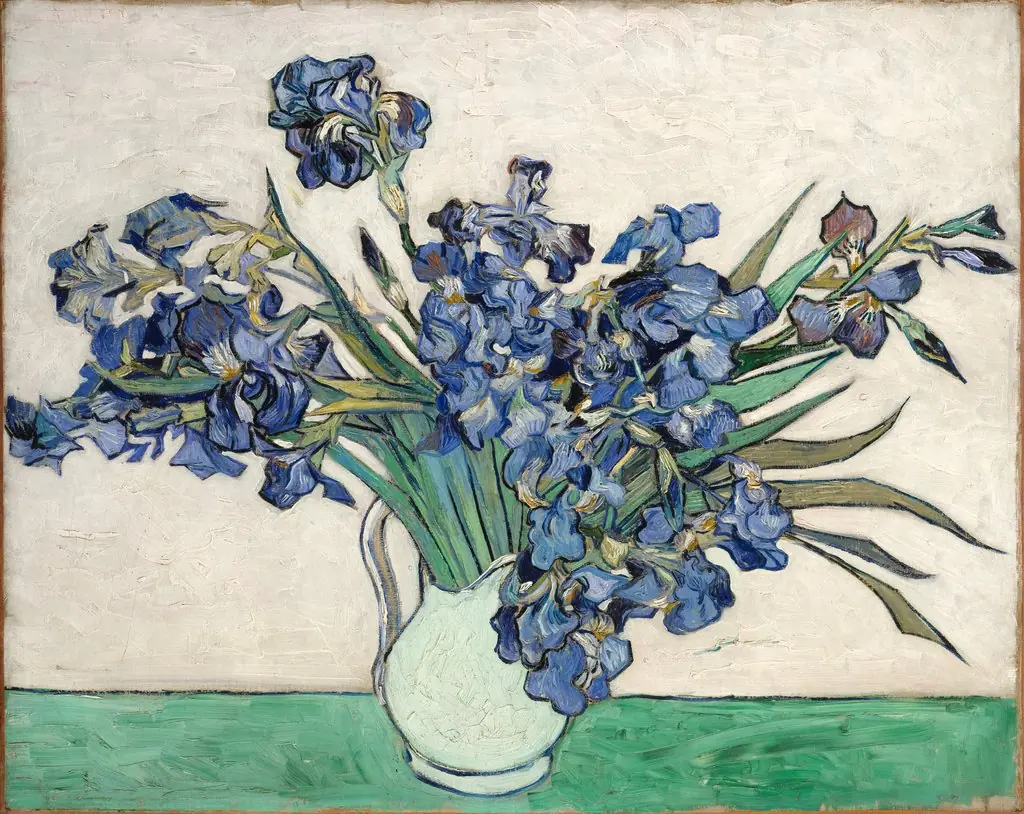 Irises
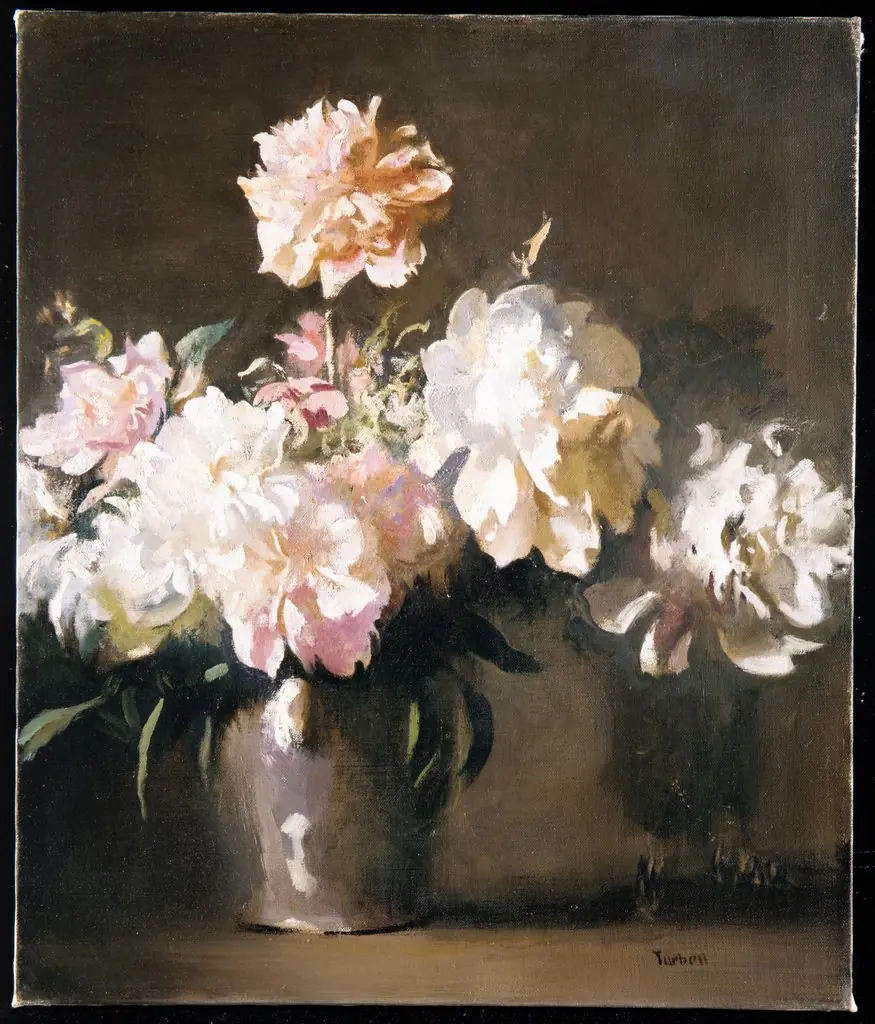 Still Life: Vase of Peonies
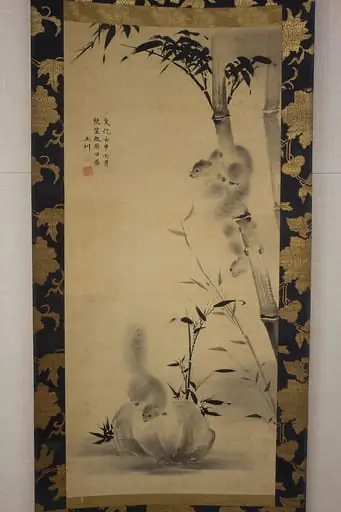 竹に栗鼠図|Squirrels on Bamboo and Rock
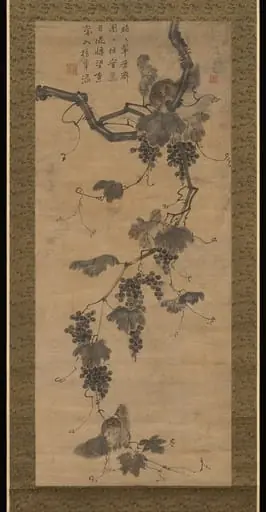 Untitled
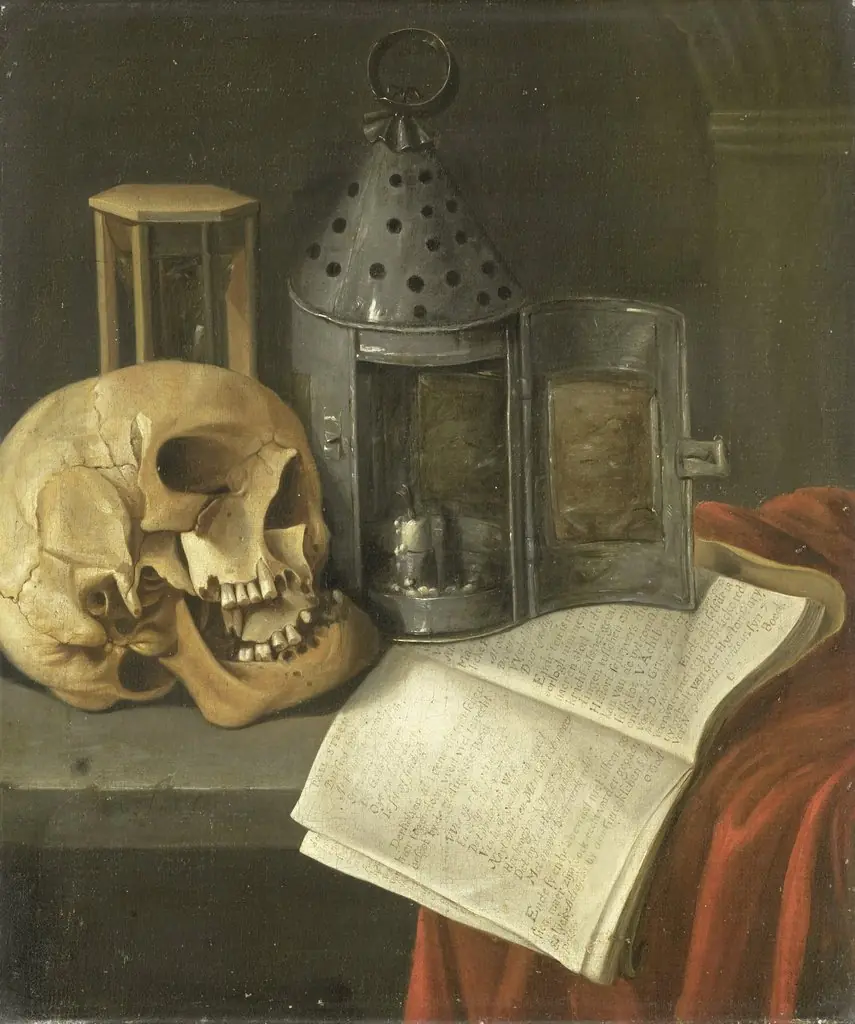 Vanitas Still Life
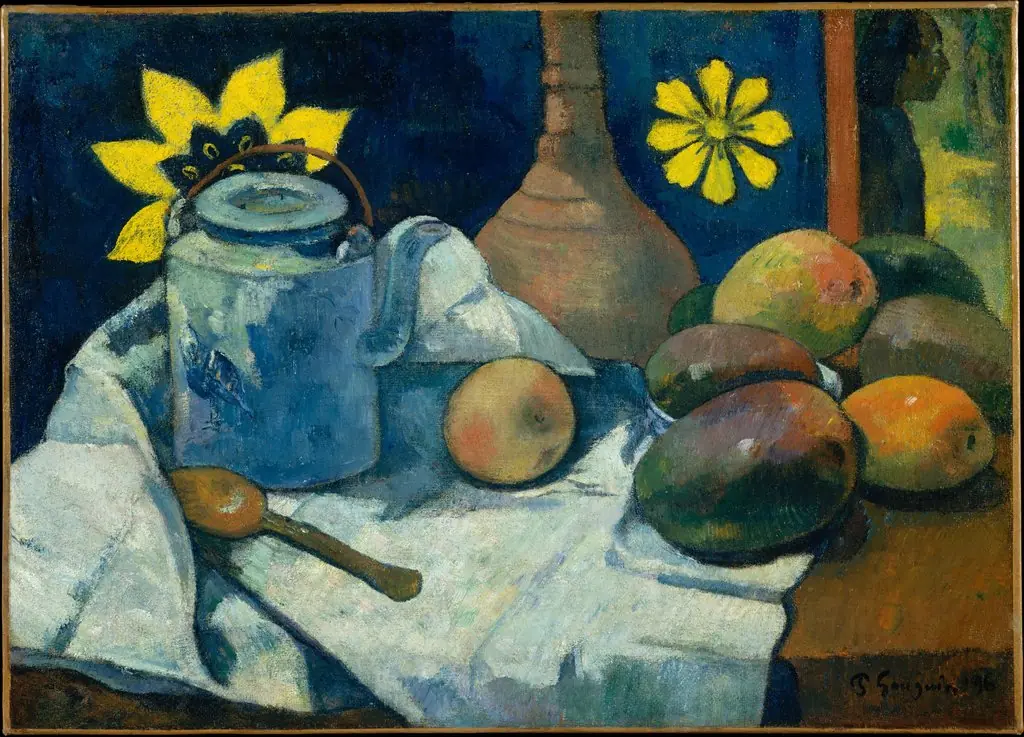 Still Life with Teapot and Fruit
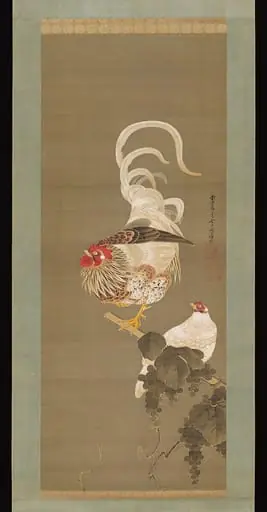 伊藤若沖筆 葡萄双鶏図|Hen and Rooster with Grapevine
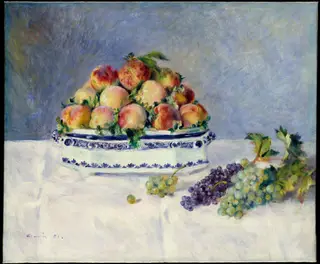 Still Life with Peaches and Grapes
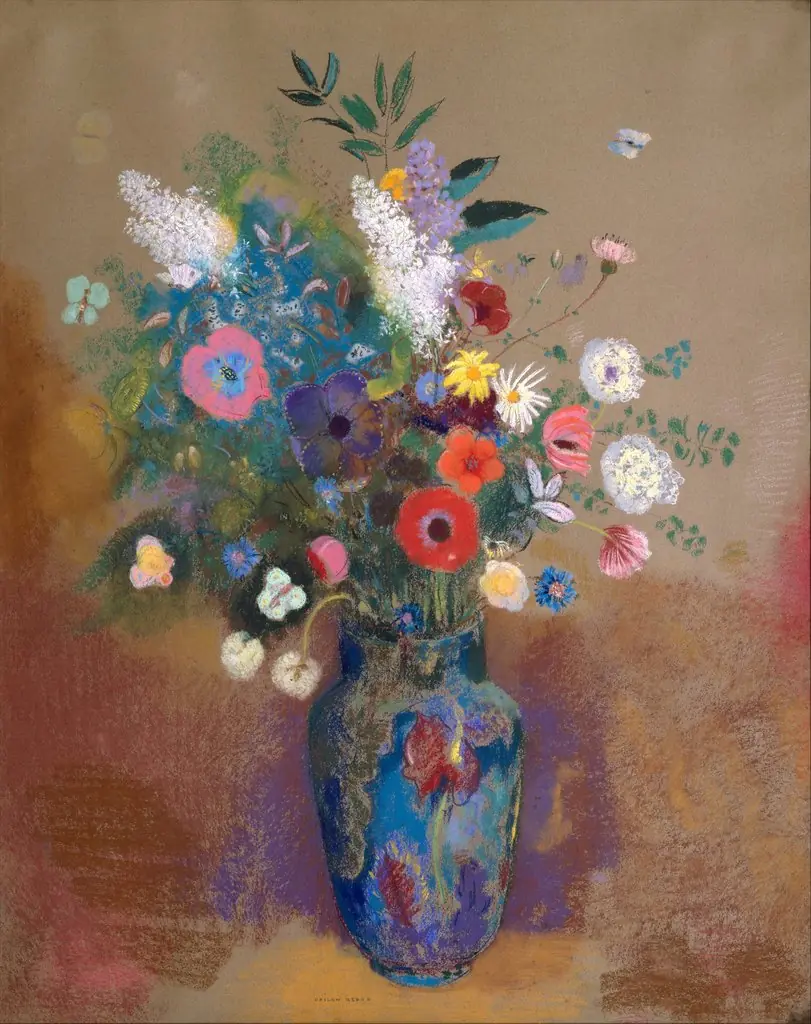 Bouquet of Flowers
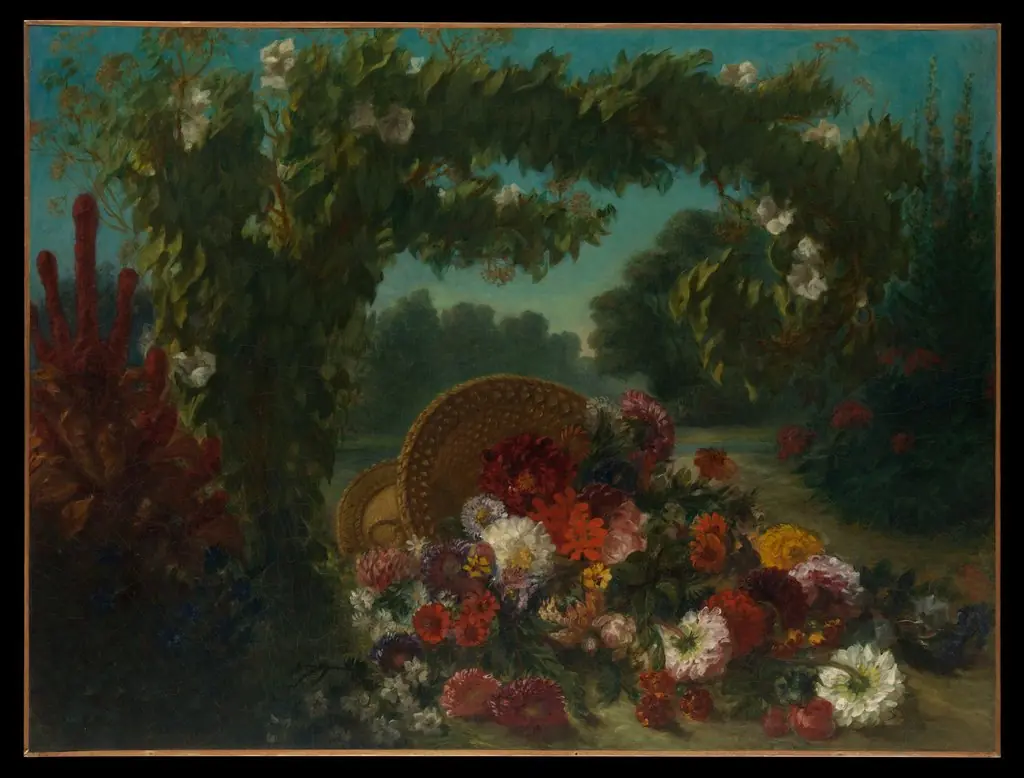 Basket of Flowers
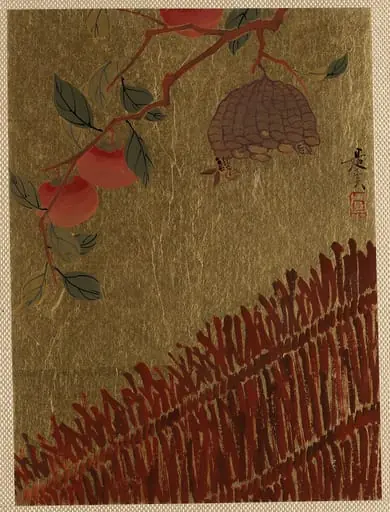 Untitled
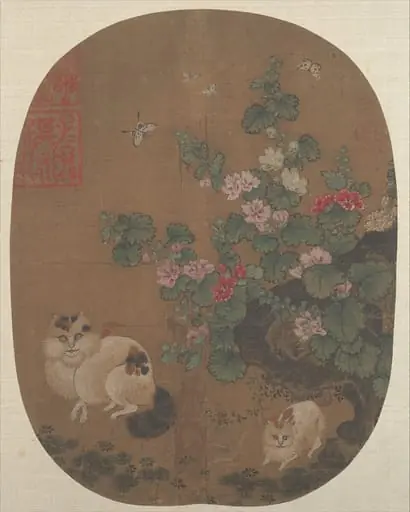 Untitled
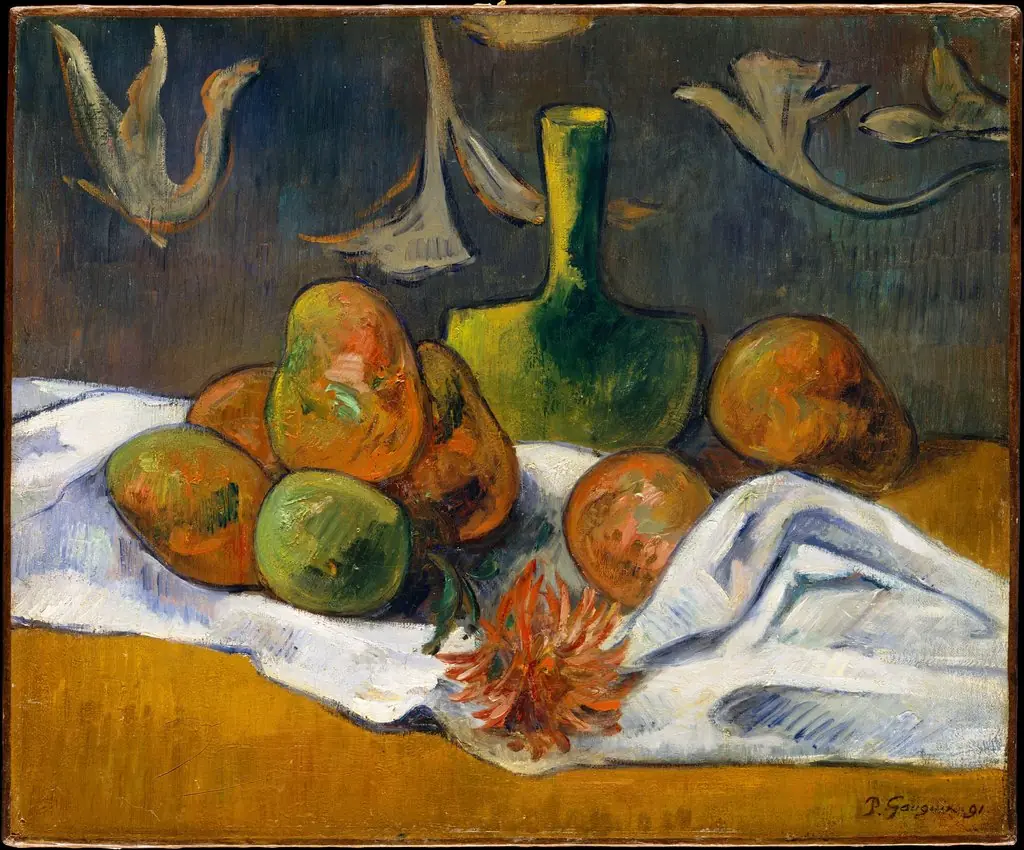 Still Life
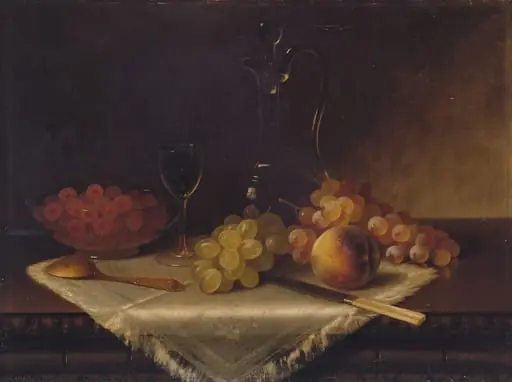 Still Life with Fruit
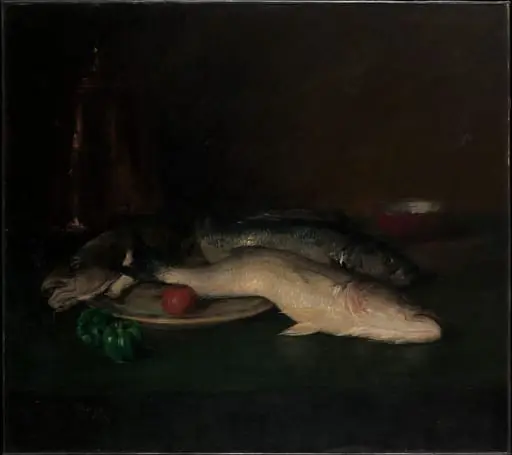 Still Life: Fish
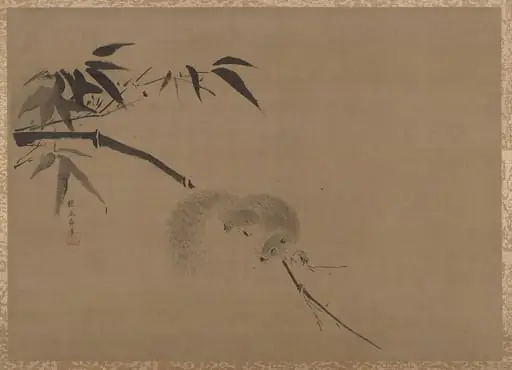 Untitled
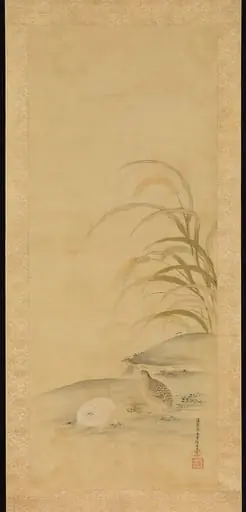 粟に鶉図|Quail and Millet
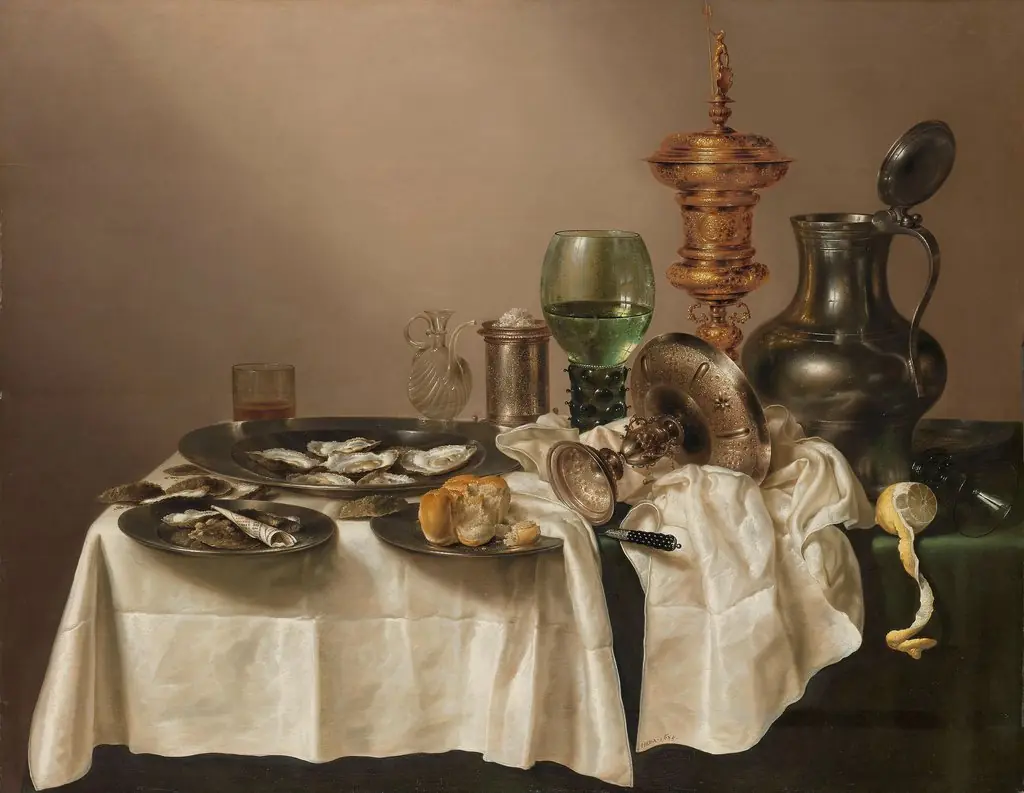 Still Life with a Gilt Cup
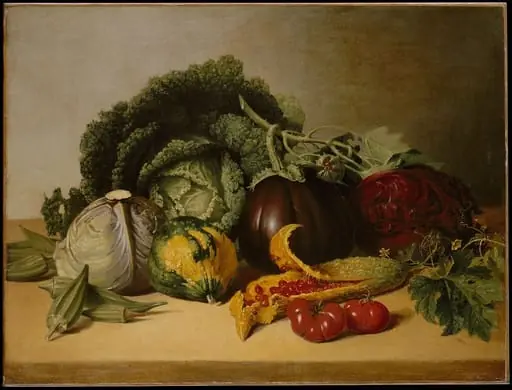 Still Life: Balsam Apple and Vegetables
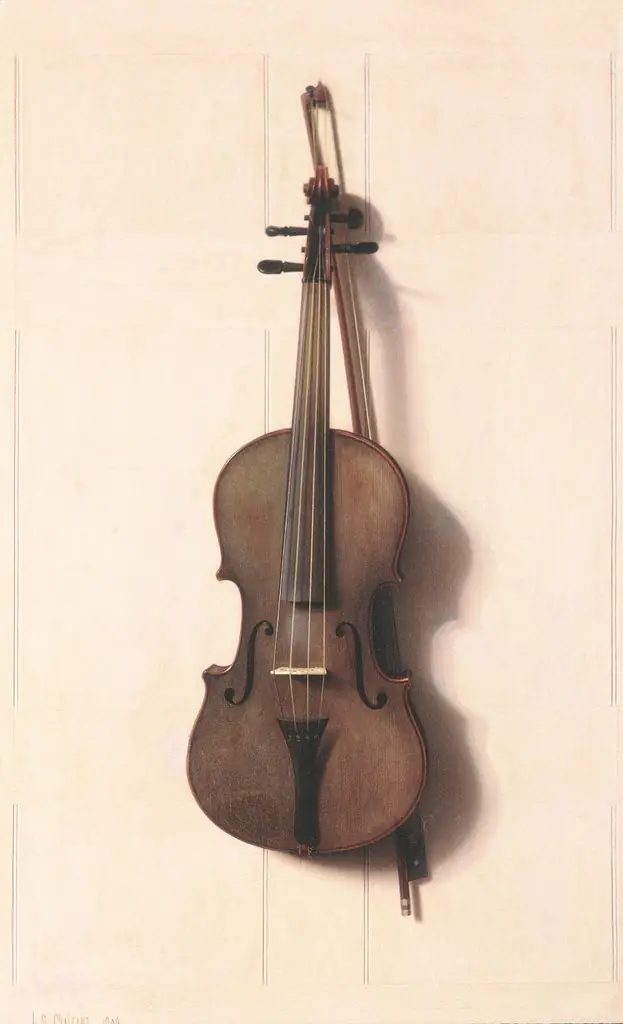 Violin and Bow
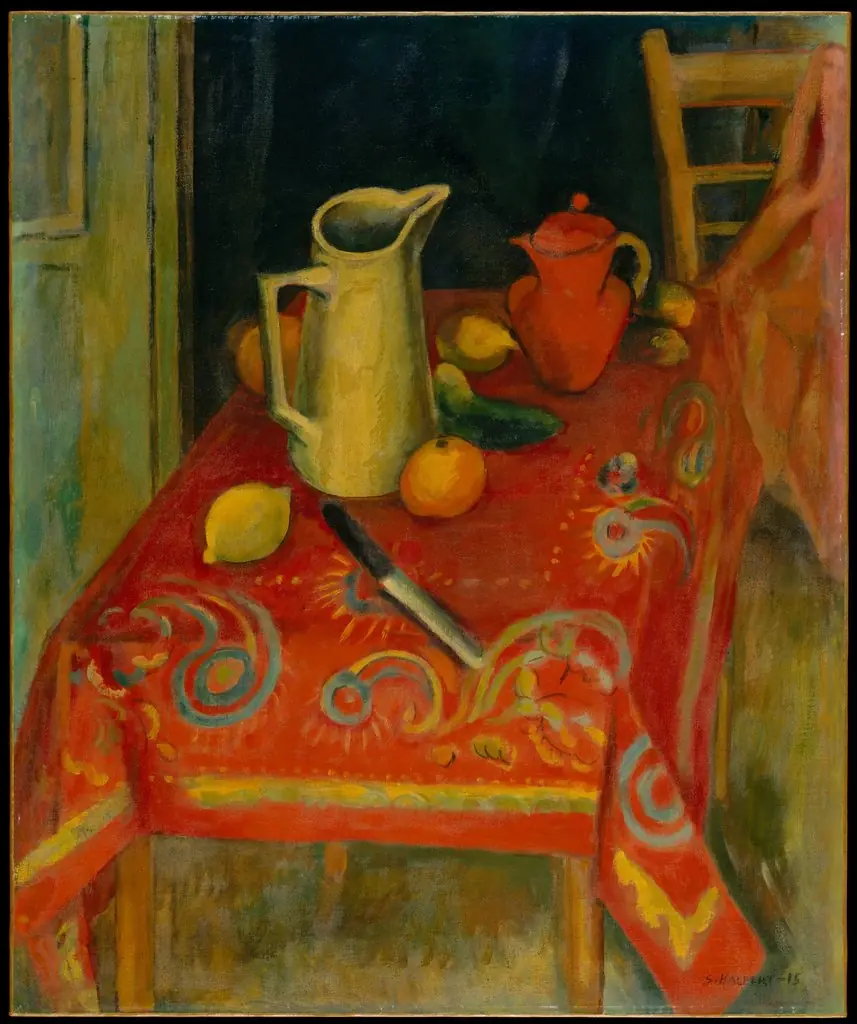 The Red Tablecloth
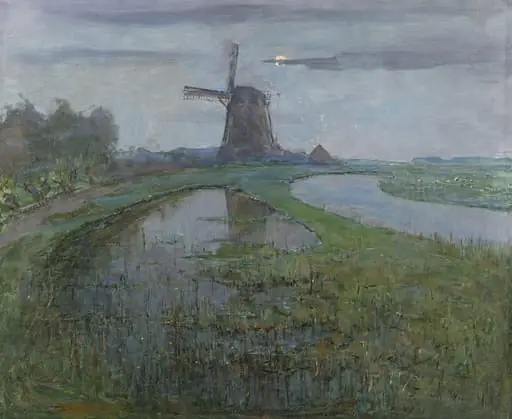 Oostzijdse Mill along the River Gein by Moonlight
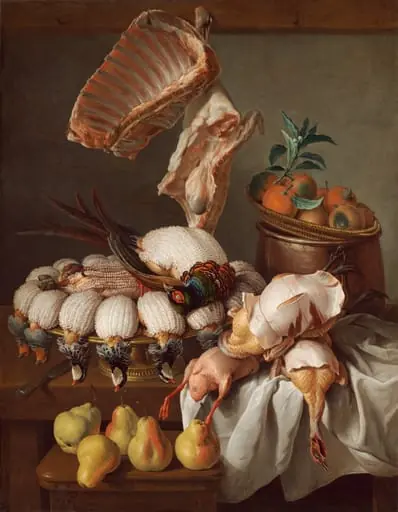 Still Life with Dressed Game, Meat, and Fruit
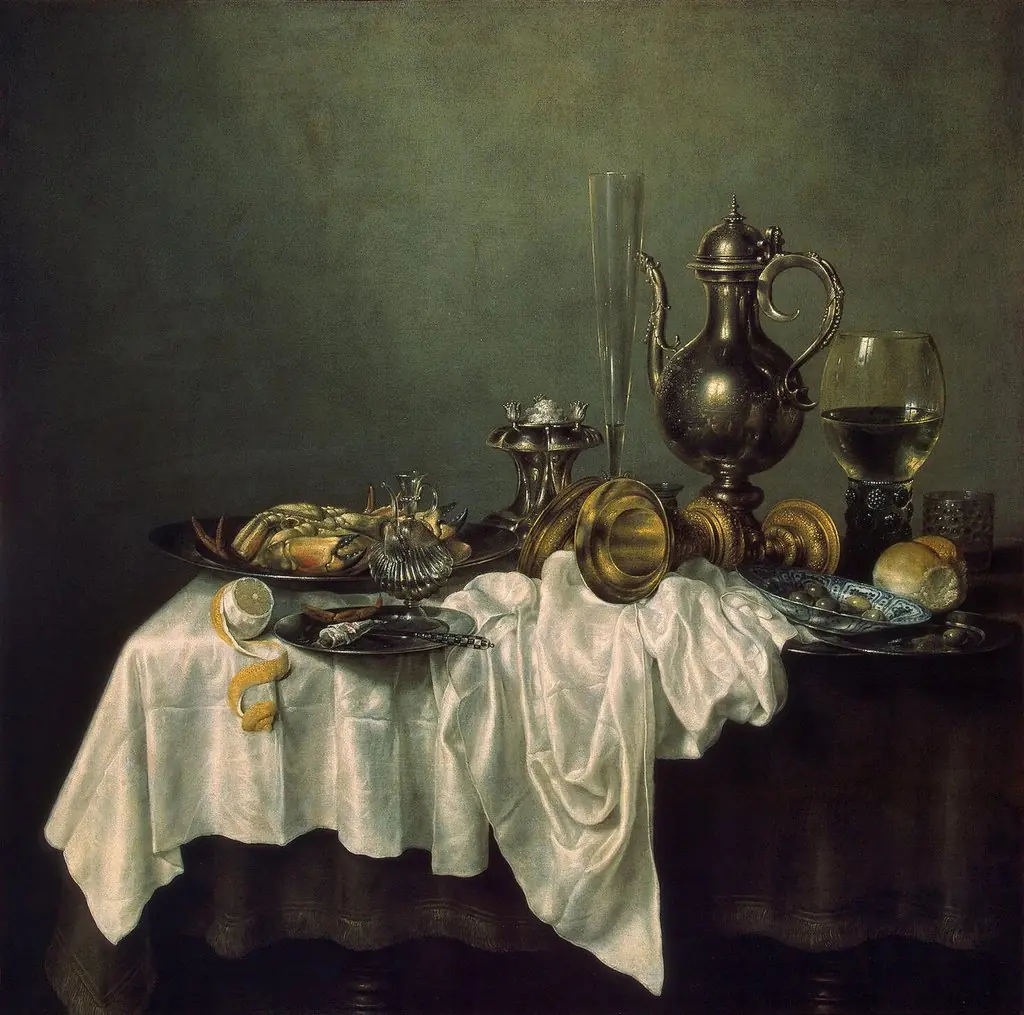 Breakfast with a Crab
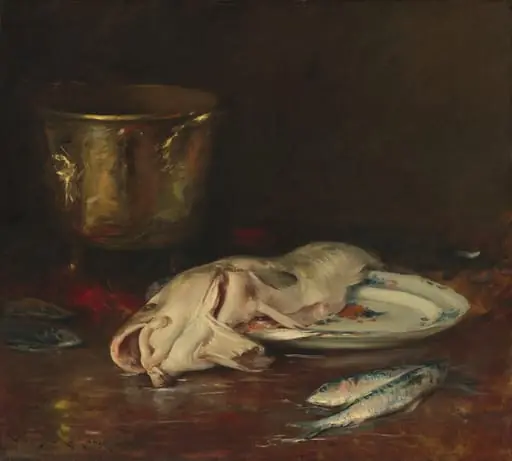 An English Cod
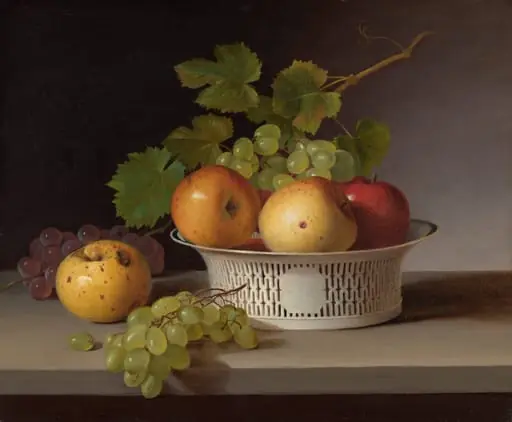 Fruit Still Life with Chinese Export Basket
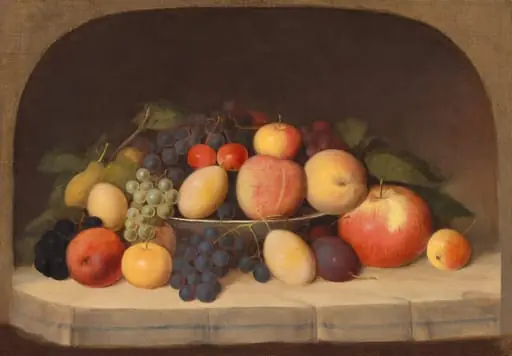 Fruit Still Life
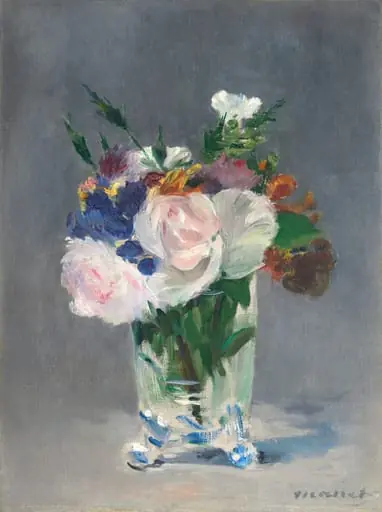 Flowers in a Crystal Vase
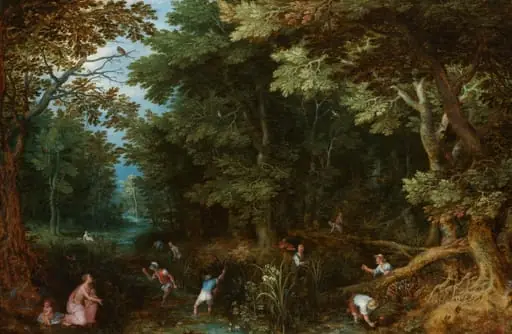 Latona and the Lycian Peasants
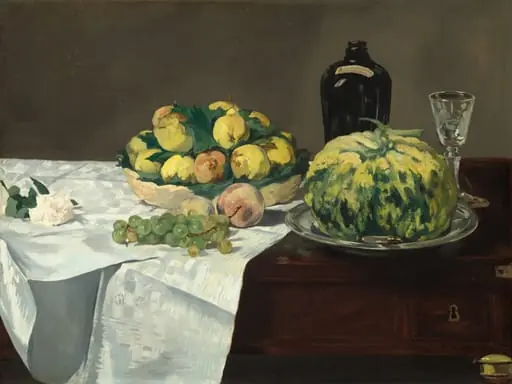 Still Life with Melon and Peaches
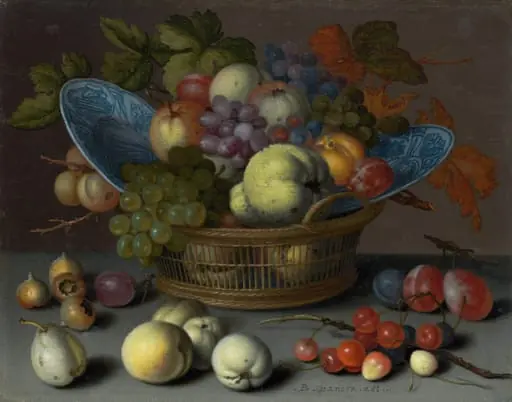 Basket of Fruits
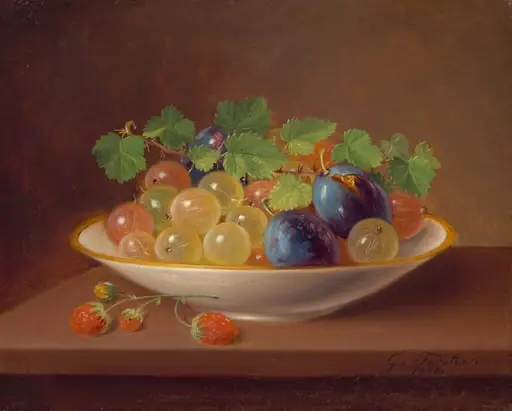 Still Life with Fruit
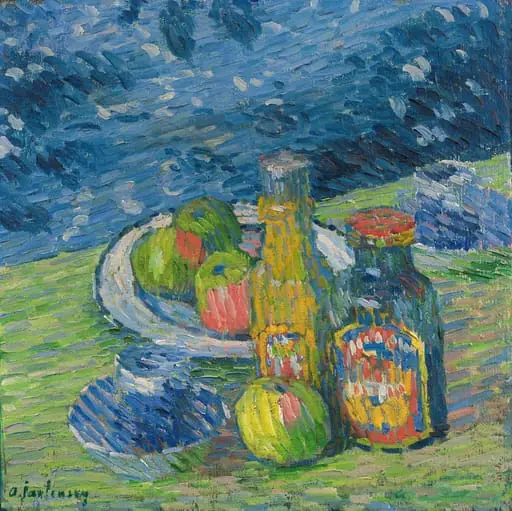 Still Life with Bottles and Fruit
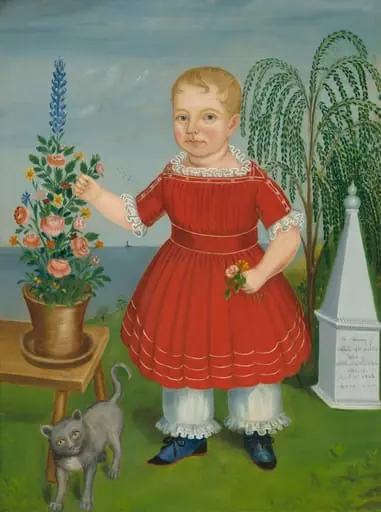 Memorial to Nicholas M. S. Catlin
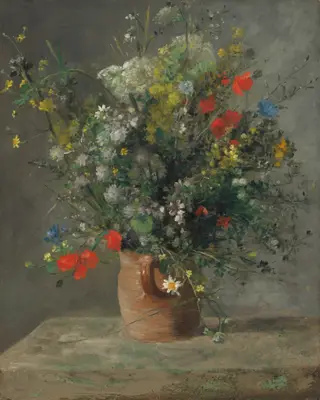 Flowers in a Vase
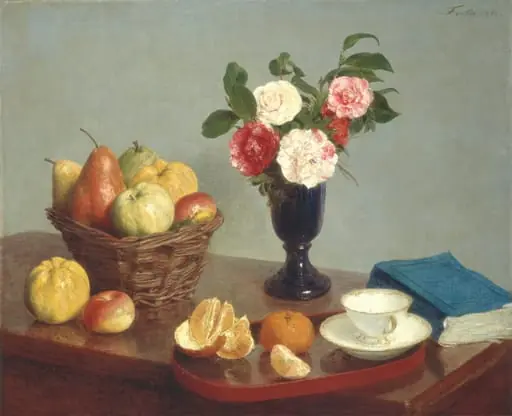 Still Life
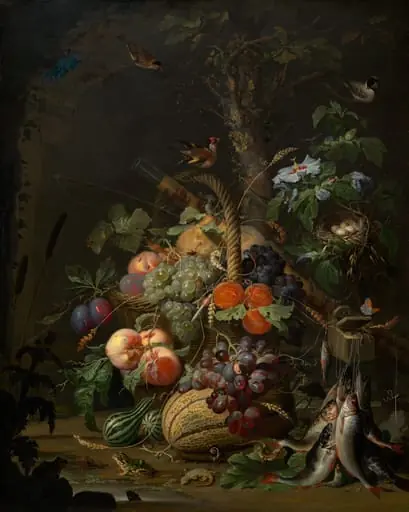 Still Life with Fruit, Fish, and a Nest
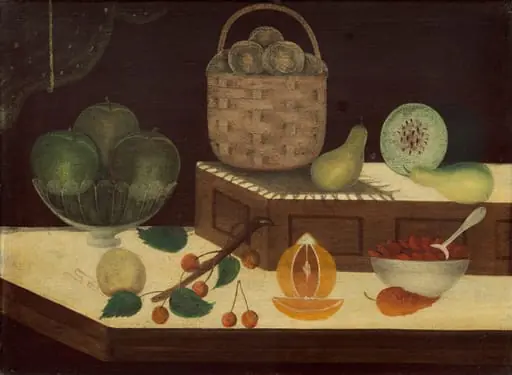 Still Life of Fruit
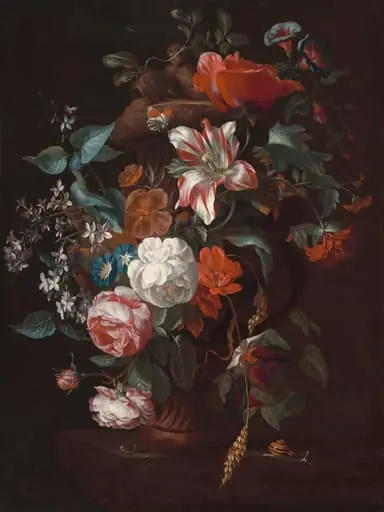 Flowers in a Vase
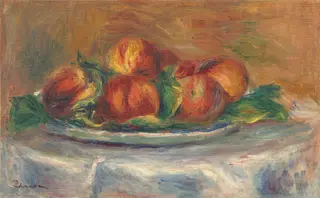 Peaches on a Plate
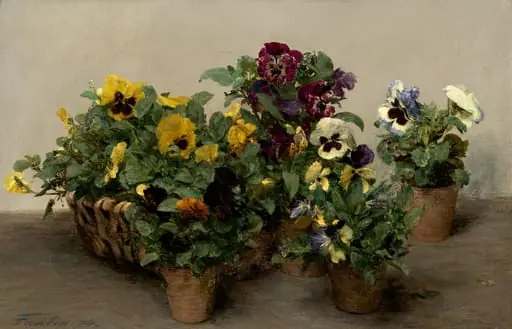 Pansies
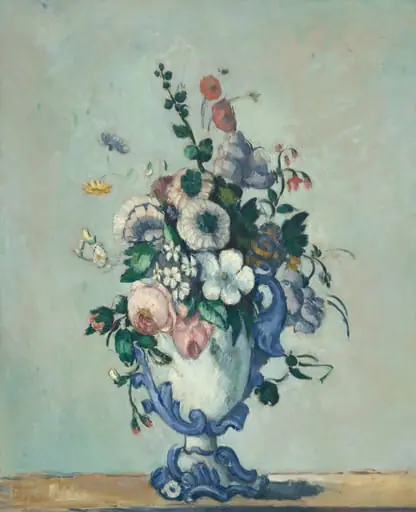 Flowers in a Rococo Vase
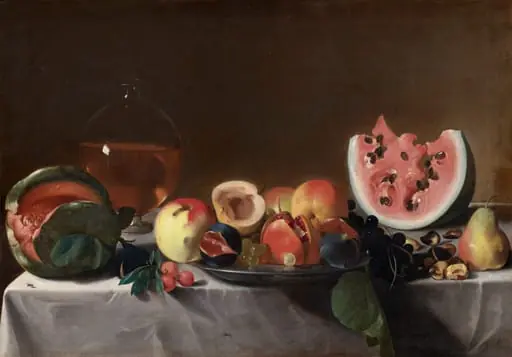 Still Life with Fruit and Carafe
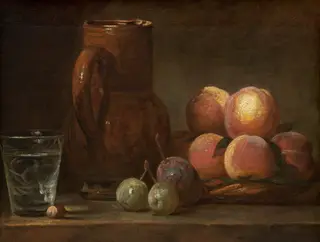 Fruit, Jug, and a Glass
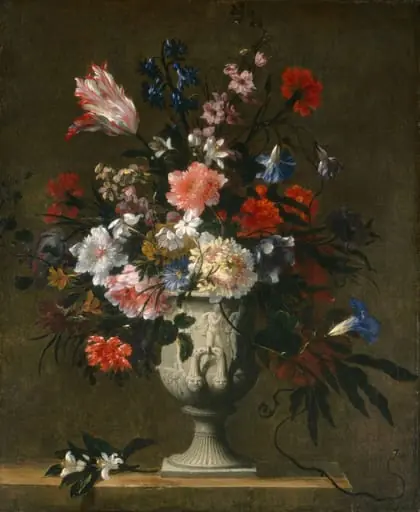 Flowers in a Classical Vase
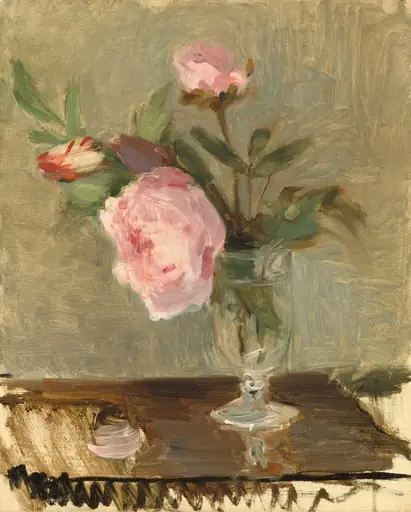 Peonies
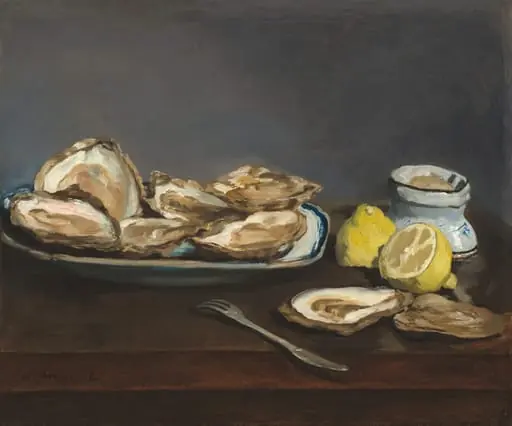 Oysters
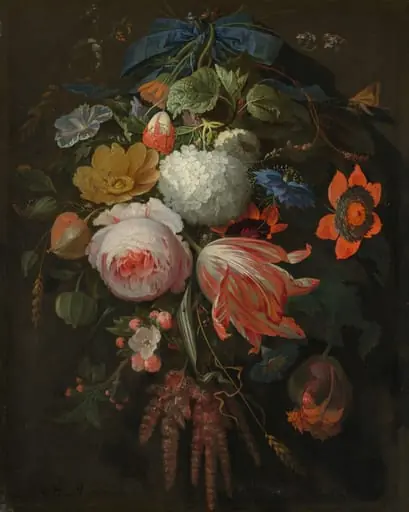 A Hanging Bouquet of Flowers
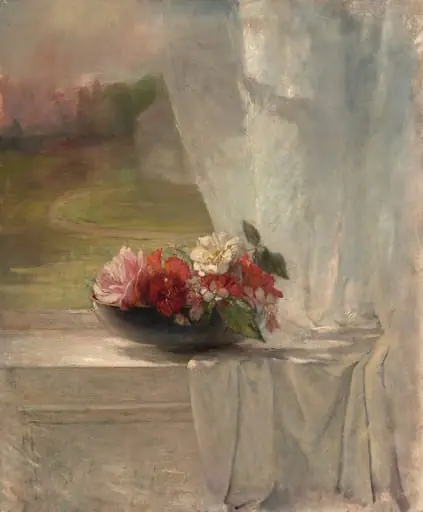 Flowers on a Window Ledge
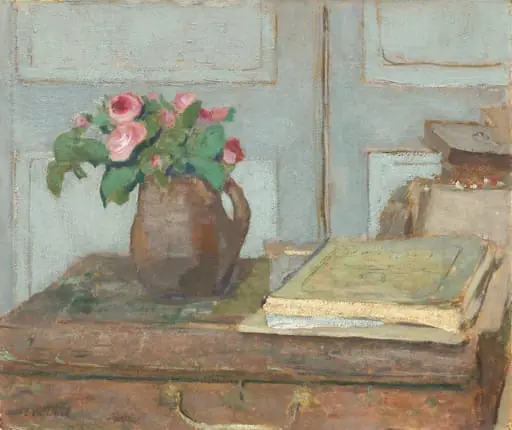 The Artist's Paint Box and Moss Roses
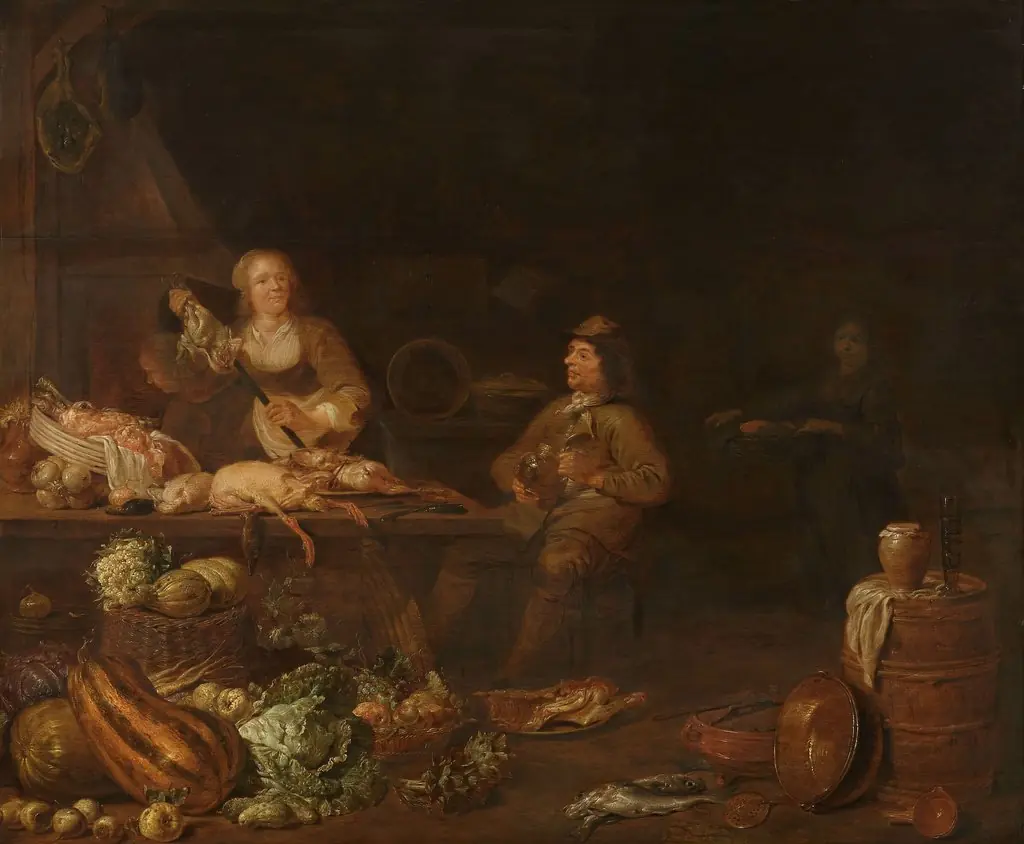 A kitchen
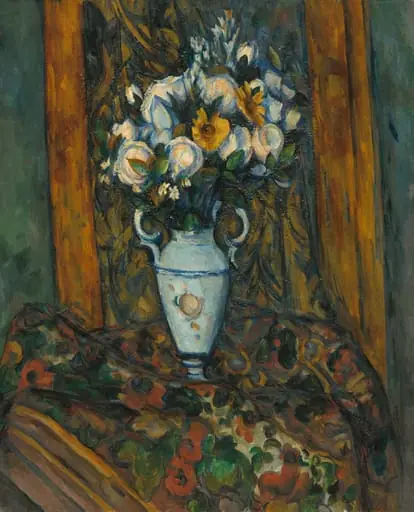 Vase of Flowers
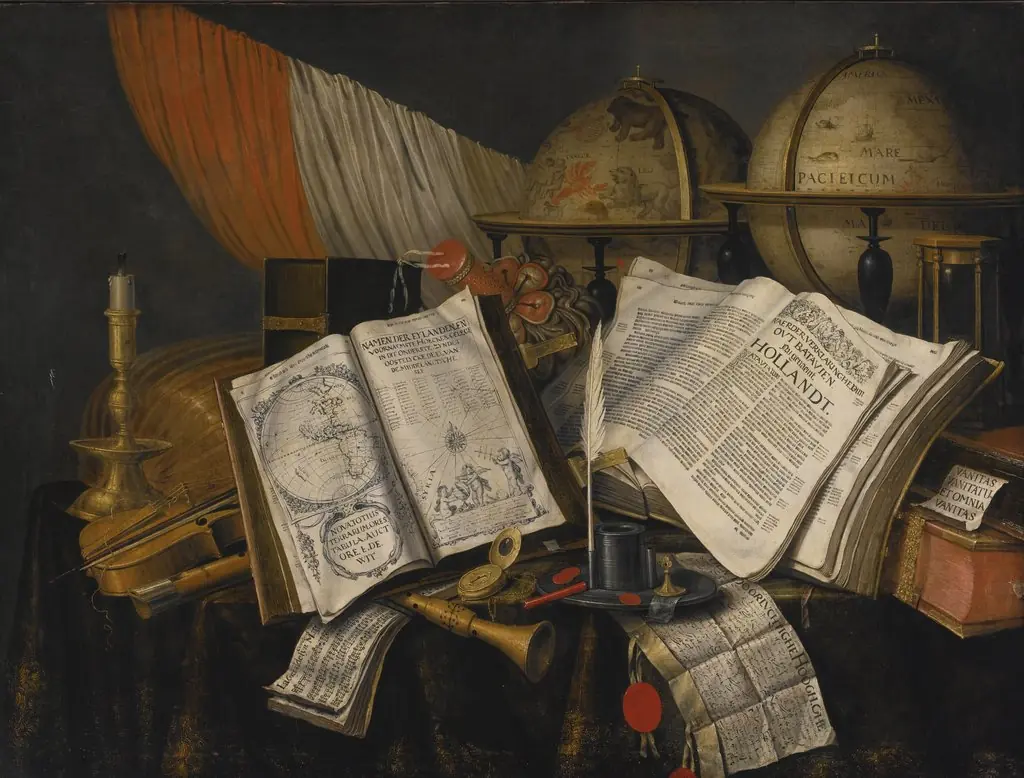 Vanitas Still Life with a Candlestick, Musical Instruments, Dutch Books, a Writing Set, an Astrological and a Terrestial Globe and an Hourglass, All on a Draped Table
 Dogs and hunting gear
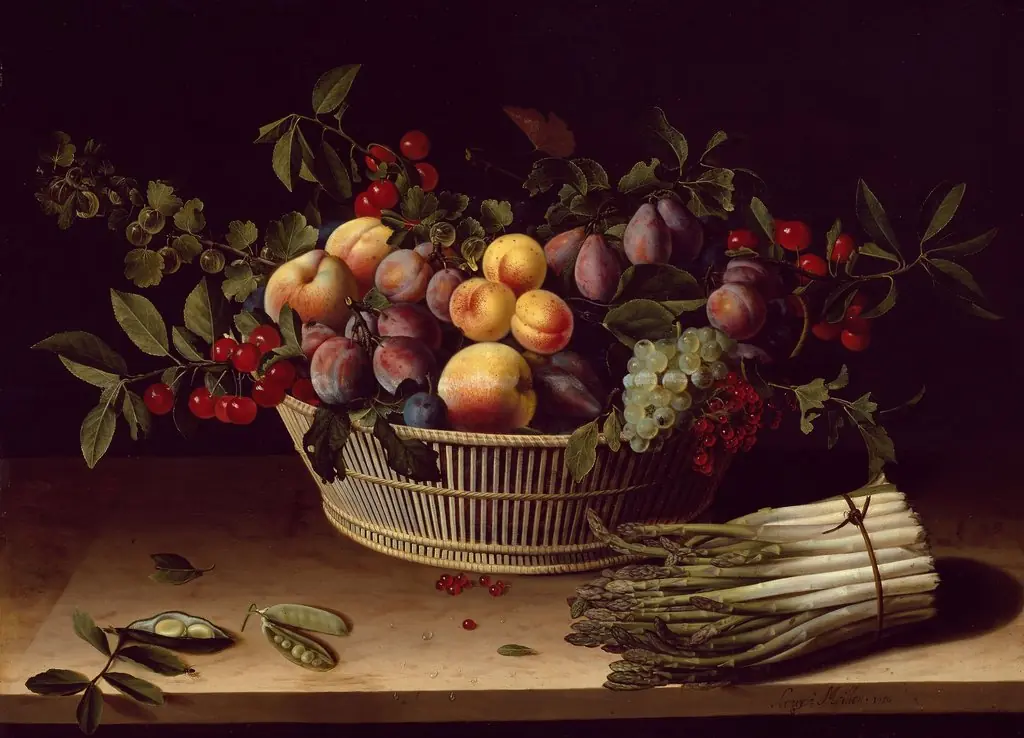 Still Life with a Basket of Fruit and a Bunch of Asparagus
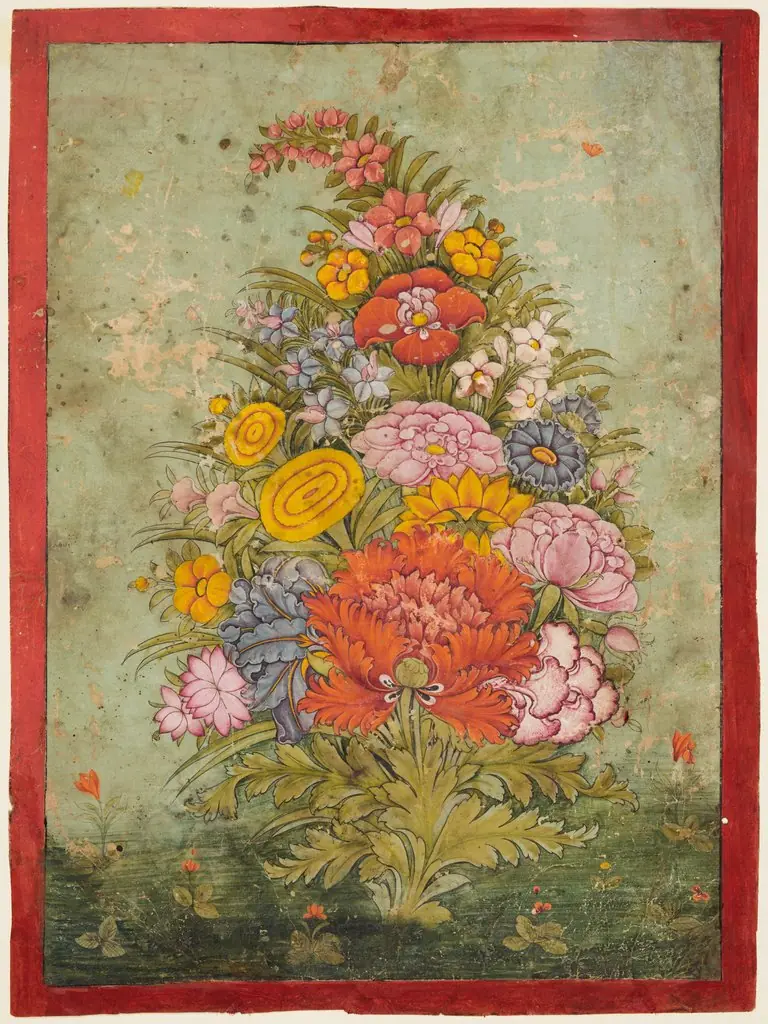 Still Life: Bouquet of Flowers Emerging from the Grass
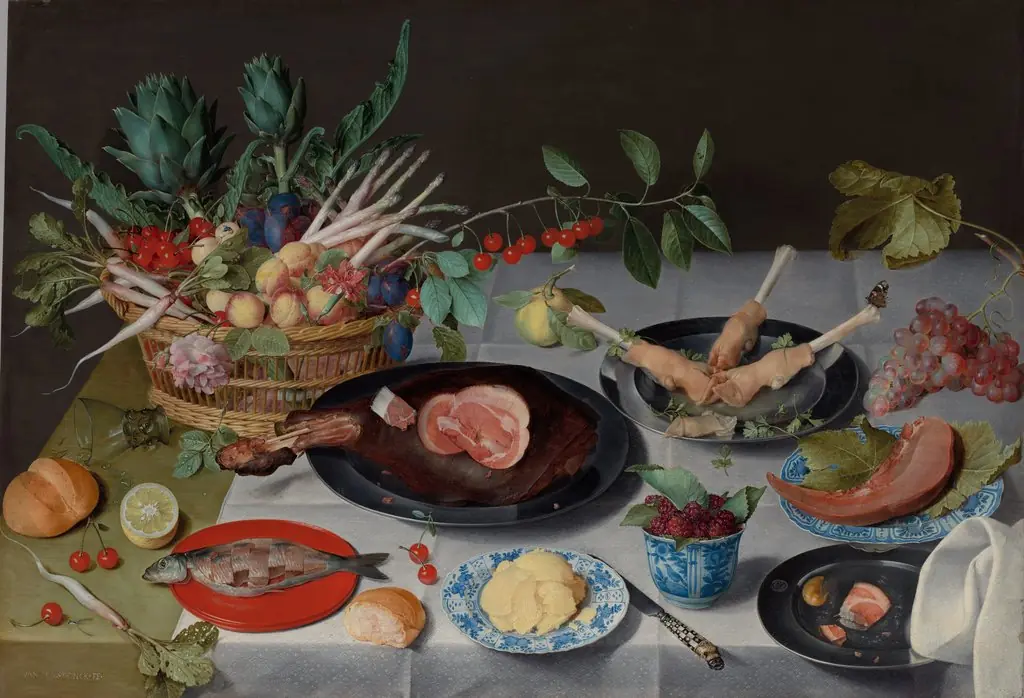 Still Life with Meat, Fish, Vegetables, and Fruit
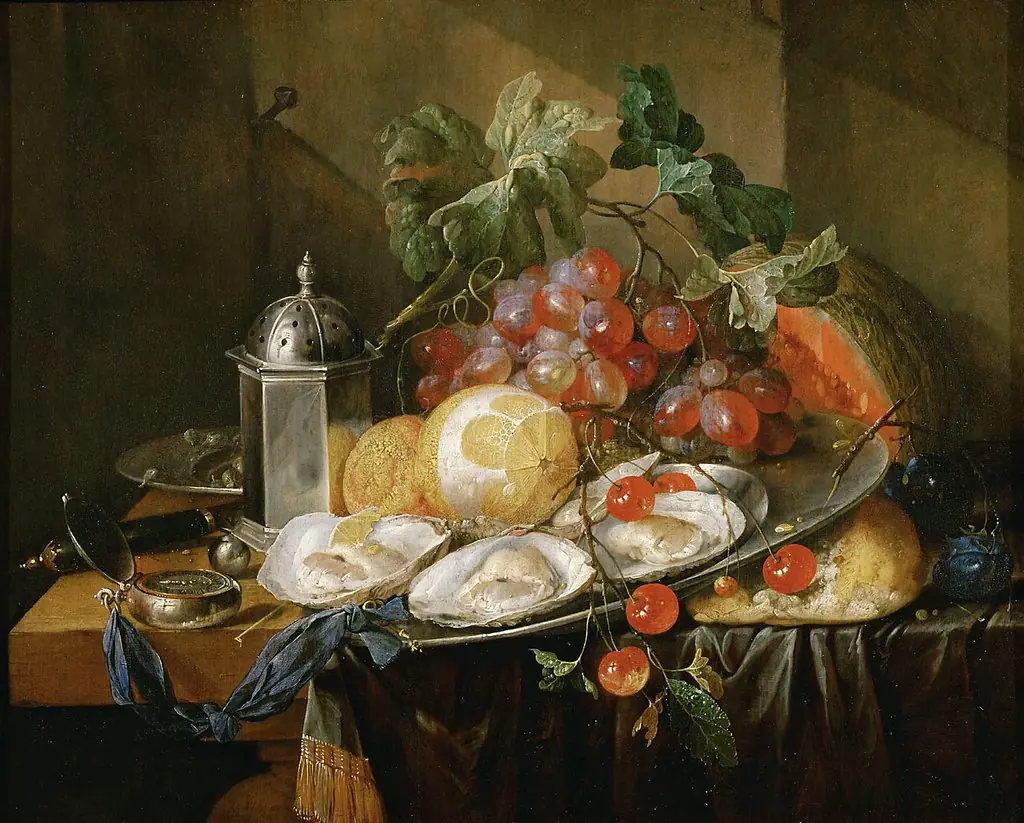 Fruit Still Life with Oysters
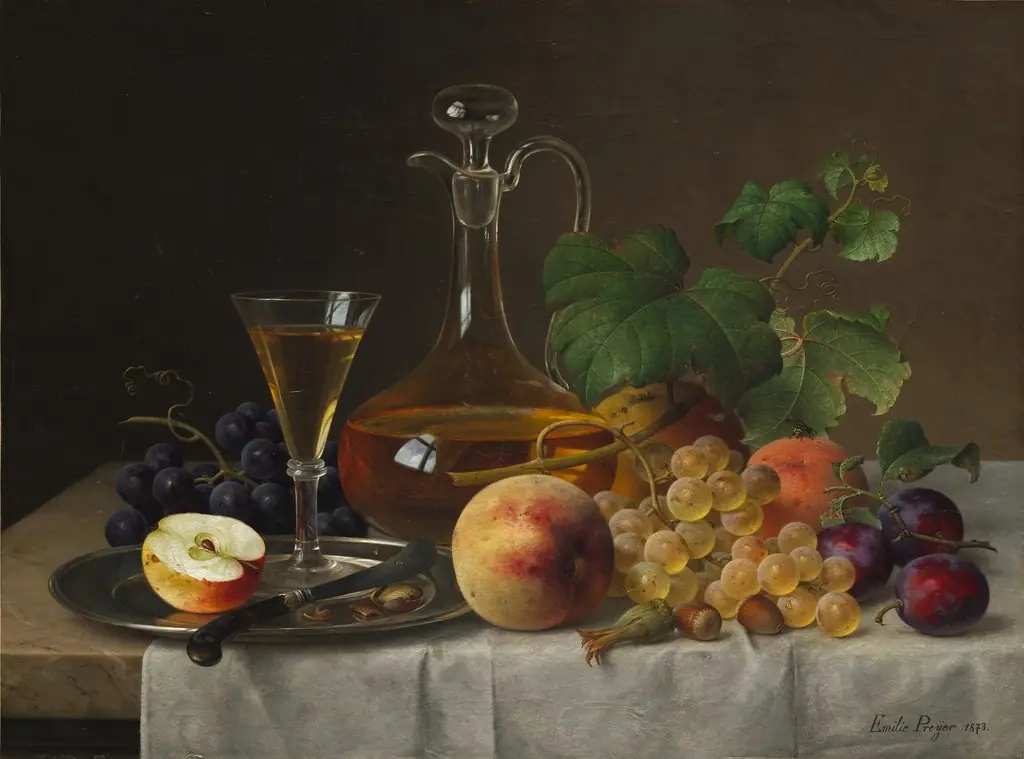 Still Life with Fruit
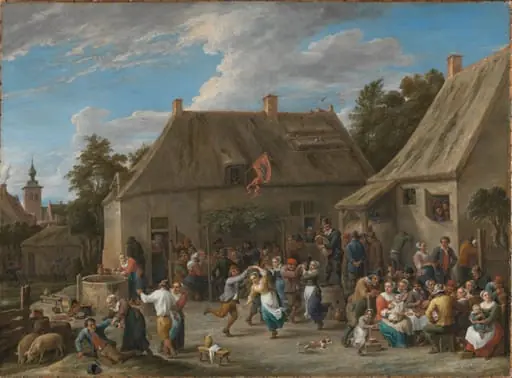 Boerenkermis
Frequently asked questions
What is Still Life?
Still Life is an art genre. The genre of arranged inanimate objects — flowers, fruit, game, vessels, and vanitas symbols — reaching its apex in 17th-century Dutch and Flemish painting.
How many Still Life works does Artifact World Gallery have?
Artifact World Gallery holds 3,942 public-domain Still Life works, all free to view and download.
Who are the key Still Life artists?
Key Still Life artists in the collection include Gustave Courbet, Jacques-Louis David and Édouard Manet.
Where can I see Still Life works?
Still Life works in the collection are held by Metropolitan Museum of Art, Rijksmuseum and Statens Museum for Kunst.